
Understanding the implant 1 tooth cost is one of the biggest concerns for patients considering dental implant treatment. A single implant is a long-term, highly durable solution designed to replace a missing tooth with exceptional stability and natural aesthetics. This comprehensive guide explains everything that affects the implant 1 tooth cost, why prices vary, how the procedure works, and what patients can expect in terms of long-term value. The goal is to give you full clarity so you can make an informed, confident decision about your smile. 😊
When discussing the implant 1 tooth cost, it is important to understand that a dental implant is not a simple tooth replacement. It is a multi-stage procedure involving advanced technology, premium materials, surgical precision, and long-term follow-up care. Because of this, the implant 1 tooth cost is often higher than traditional options like bridges or dentures, but the lifetime value is significantly greater. Many dental professionals, including those referenced by the
American Dental Association, consider implants the gold standard for tooth replacement.
Patients typically search for the implant 1 tooth cost because prices vary widely depending on factors such as geographic location, the dentist’s expertise, bone density, implant brand, and additional treatments (like bone grafting or sinus lifting). While online research can provide general estimates, each individual’s oral condition determines the final cost. To get personalized information, you may visit our
Redent Klinik Contact Page
and schedule a consultation.
In most cases, the implant 1 tooth cost includes several major components: the titanium or zirconia implant fixture, the abutment (which connects the implant to the crown), the porcelain or zirconia crown itself, and all clinical procedures. Some clinics bundle these into one price, while others list them separately. Since transparency is essential for patients, understanding each step helps prevent unexpected surprises.
Below is a commonly referenced sample cost range (research-based general estimates):
Estimated Single Tooth Implant Cost (General Global Range):
- Implant fixture: $800 – $1,500
- Abutment: $300 – $600
- Crown: $600 – $1,200
- Additional procedures (if needed): $200 – $1,000
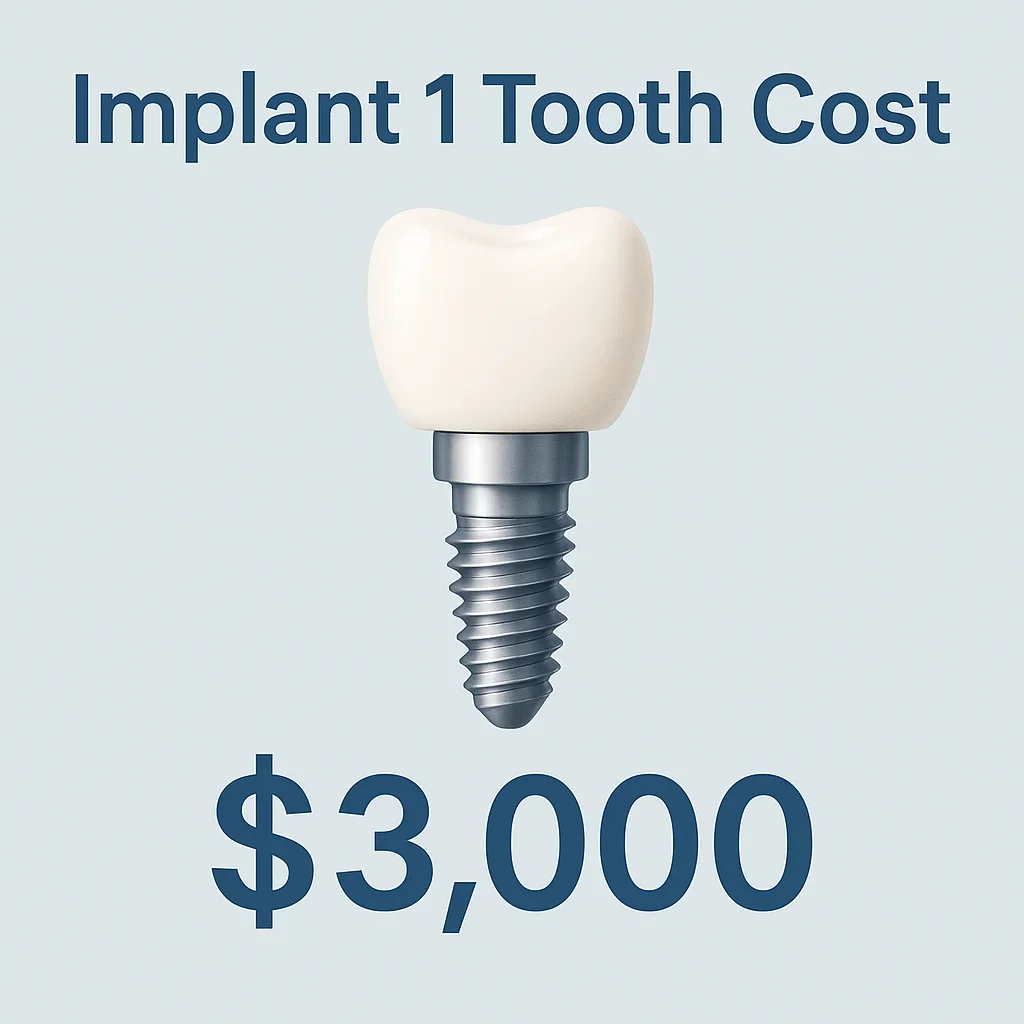
Total possible range: $1,700 – $4,300+
Please note: These are generalized online estimates and do not represent exact clinic pricing. They are included to help patients compare the implant 1 tooth cost with regional averages. The actual price may be higher or lower depending on clinical decisions and patient needs.
Many patients wonder why the implant 1 tooth cost may feel high at first glance. The reason is that dental implants are placed directly into the jawbone, mimicking the function of a natural tooth root. This involves digital imaging, surgical planning, biocompatible materials, and hygienic laboratory processes. Implants can last 20+ years or even a lifetime, whereas other restorations often require replacement every 5 to 10 years. When cost is compared to lifespan, dental implants frequently become the most economical solution long-term.
Another important point: the implant 1 tooth cost is affected by your biological anatomy. If you have excellent bone density, the procedure is straightforward. If bone loss has occurred, additional treatments may be required to ensure implant stability. These extra procedures—such as ridge preservation, bone regeneration, or sinus lift—can influence total cost. Still, they also ensure your implant lasts decades.
In terms of patient experience, the value extends far beyond the monetary aspect. A well-placed implant restores chewing power, prevents bone loss, supports facial structure, and enhances self-confidence. Synonyms like “single tooth implant pricing” and “cost for replacing one tooth with an implant” are frequently searched by patients seeking accurate financial planning. This article aims to satisfy that search intent by offering detailed, transparent, and actionable information.
As you continue reading the next sections, you will discover a step-by-step overview of how the procedure works, the materials used, reasons behind global price variations, and ways to maximize the long-term value of your implant. Each section has been carefully crafted to help you fully understand the implant 1 tooth cost and make a well-informed decision that supports both your oral health and your long-term financial comfort.
What Determines the Final Implant 1 Tooth Cost? Key Factors Explained
When researching the implant 1 tooth cost, most patients quickly realize that prices differ widely from clinic to clinic. This variation happens because a dental implant is not a single product—it is a multi-stage, highly technical medical procedure that depends on numerous clinical, material, and biological factors. In this section, we will break down each factor in precise detail so you can understand exactly why the implant 1 tooth cost can change and what influences your personal treatment quote. 🦷✨
The Role of Oral Health and Bone Density in Cost Calculation
Your current oral condition significantly shapes the implant 1 tooth cost. If you have a healthy jawbone with sufficient density, the dental implant procedure becomes straightforward. However, if bone loss has occurred because of previous tooth extraction, gum disease, or prolonged missing teeth, additional treatments may be necessary to stabilize the implant. These supplemental procedures—such as ridge augmentation, bone grafting, or sinus lifting—can increase the implant 1 tooth cost because they require specialized materials, extra surgical time, and advanced healing protocols.
For example, a patient with excellent jawbone density may complete the procedure with no extra interventions, meaning the implant 1 tooth cost stays close to baseline estimates. Conversely, a patient requiring bone grafting may see a higher total cost, but the long-term success rate of the implant increases substantially. From a clinical standpoint, this improves stability, prevents future bone loss, and ensures the implant functions like a natural tooth for decades.
Impact of Implant Brands, Materials, and Technology
One of the less obvious yet critical contributors to the implant 1 tooth cost is the implant system used. Premium implant brands invest heavily in research and development, surface technology, biocompatibility studies, and digital integration. These innovations improve long-term success rates, osseointegration speed, and overall patient comfort. Premium brands can be more expensive, but they often deliver superior longevity and clinical predictability.
Implant materials also affect the final cost. Most implants are made from titanium, a strong, lightweight, and highly biocompatible material. However, zirconia implants—favored for their metal-free, high-aesthetic structure—may increase the implant 1 tooth cost because they require more advanced manufacturing processes. The choice of abutment and crown material (porcelain, zirconia, or E-max) plays a similar role: while zirconia abutments and crowns offer outstanding aesthetics, they may come at a slightly higher price.
Digital Imaging and 3D Planning
Modern implantology relies on CBCT scans (3D dental tomography), digital impressions, and CAD/CAM planning. These technologies ensure highly precise placement, reduce surgical risks, and improve healing outcomes. Naturally, these technological advantages contribute to the implant 1 tooth cost, but they also provide unmatched predictability. The investment in these tools directly improves your long-term results, making the treatment safer and more effective.
Geographic Location and Clinic Expertise
The region and country in which you receive treatment significantly affect the implant 1 tooth cost. In countries with higher operational, laboratory, and staffing expenses, prices tend to be higher. In contrast, countries specializing in dental tourism—such as Turkey—offer more competitive pricing without compromising quality. Clinics equipped with modern technology, accredited sterilization protocols, and experienced surgeons may price their services differently from clinics with limited facilities.
Expertise also matters. A dentist with advanced surgical training, academic certifications, or thousands of completed implant surgeries may have a higher professional fee. However, choosing an experienced implant dentist reduces complication risks, improves healing speed, and increases the implant’s lifespan. This makes the implant 1 tooth cost more predictable and ensures a safer investment in your long-term oral health.
Additional Procedures That Influence Total Cost
A single implant often requires auxiliary procedures that are necessary for optimal outcomes. These include:
- Bone grafting to restore missing bone
- Sinus lift procedures for upper molar regions
- Soft tissue grafts for aesthetic enhancement
- Temporary crowns to maintain smile appearance during healing
Each of these treatments may individually adjust the implant 1 tooth cost, but they also help guarantee that your implant remains stable for decades. In many cases, these steps are essential to ensure long-term durability and proper function.
Understanding Laboratory, Surgical, and Follow-Up Fees
Your treatment cost also includes several behind-the-scenes expenses—laboratory fees, sterilization protocols, surgical materials, and postoperative care. High-quality labs use premium zirconia and porcelain materials that match your natural tooth shade perfectly. These advanced restorations may slightly raise the implant 1 tooth cost, but they dramatically improve the final aesthetic appearance.
Aftercare visits are also part of the cost structure. They allow your dentist to monitor healing, evaluate implant stability, and ensure that osseointegration progresses correctly. High-quality follow-up care prevents complications and protects your investment over the long term.
Why Investing in a Single Implant Is Worth It
While the implant 1 tooth cost might initially seem higher than options like bridges or dentures, the long-term clinical and financial benefits far outweigh the upfront price. A well-placed implant prevents further bone loss, protects adjacent teeth, restores chewing power, and lasts significantly longer than traditional alternatives. Patients searching for related terms such as “single tooth implant price factors” or “implant pricing breakdown” often reach the same conclusion: implants provide maximum durability, natural aesthetics, and unmatched long-term value.
Choosing a reliable, experienced clinic ensures transparency and accuracy in estimating the implant 1 tooth cost. For personalized information or consultation scheduling, you can always reach us through the
Redent Klinik Contact Page.
Step-by-Step Breakdown of a Single Tooth Implant Procedure
Understanding the entire implant procedure helps patients see why the implant 1 tooth cost is structured the way it is. A dental implant is not a one-step treatment; it involves multiple clinical stages, specialized technology, and biological healing processes that work together to replace a missing tooth with a long-lasting, natural-looking restoration. In this section, you will find a complete breakdown of every phase, from your first consultation to the final crown placement. This detailed overview will help you understand how each stage influences the implant 1 tooth cost and why implants are considered the most reliable tooth replacement option available today. 🦷✨
Initial Consultation and Diagnostic Imaging
Your journey begins with a comprehensive dental examination. During this appointment, the dentist evaluates your oral health, gum condition, and jawbone density. Advanced imaging tools—particularly 3D CBCT scans—are essential for accurate planning. They allow the clinician to assess bone volume, nerve positions, sinus proximity, and overall surgical feasibility.
These diagnostic steps are necessary because they determine whether the bone is strong enough to support an implant. They also help the dentist identify whether bone grafting or sinus lifting is required, which may affect the implant 1 tooth cost. Clinics that use top-tier digital systems typically achieve higher precision, faster healing times, and better restorative outcomes.
Digital Treatment Planning With CAD/CAM Technology
Once imaging is complete, the next stage involves designing the implant position through CAD/CAM systems. This digital planning ensures the implant is placed at the correct angle, depth, and location for maximum stability. Proper planning reduces surgical time and minimizes risks, creating a predictable foundation for your new tooth. Although these technologies contribute to the implant 1 tooth cost, they dramatically increase long-term success rates.
Surgical Placement of the Dental Implant
After planning, the implant placement procedure is scheduled. This minor surgical process usually takes 20–45 minutes. During the surgery:
- A small incision is made in the gum tissue.
- A precise hole is drilled into the jawbone.
- The titanium or zirconia implant is inserted into the bone.
- The gum is sutured closed to protect the area during healing.
This phase is a major component of the implant 1 tooth cost because it involves sterile surgical instruments, high-quality biomaterials, and specialized clinical expertise. The skill of the practitioner plays a vital role in ensuring correct placement, which influences long-term function and aesthetics.
The Osseointegration Healing Phase
After the implant is placed, a biological process called osseointegration begins. This is when the jawbone naturally fuses with the implant surface, creating a permanent, stable foundation for the replacement tooth. Osseointegration may take 8–16 weeks depending on bone density, overall health, and implant type.
Although this phase does not involve active treatment sessions, it is crucial to the success of the procedure. Since patient follow-up visits, X-rays, and clinical checks are required, the healing stage still contributes to the implant 1 tooth cost. Proper healing ensures the implant can withstand biting forces and remain functional for decades.
Temporary Tooth Options During Healing
Some patients may receive a temporary crown or removable prosthesis during healing to maintain function and appearance. This temporary restoration is not always included in base pricing, so it may influence the total implant 1 tooth cost, depending on clinical preference and patient needs.
Abutment Placement and Soft Tissue Shaping
Once the implant has fused with the bone, the next step is attaching the abutment—a connector piece that holds the final crown. During this stage, the gum tissue is shaped to ensure the final tooth looks natural and blends seamlessly with surrounding teeth.
Abutments come in various materials, including titanium, gold, or zirconia. Zirconia abutments, known for superior aesthetics, may slightly increase the implant 1 tooth cost, especially in the front teeth where visual appearance is critical.
Creating the Final Crown: Precision, Art, and Technology
The final crown is custom-designed to match the color, shape, size, and translucency of your natural teeth. Dental laboratories use premium materials like porcelain or zirconia to ensure durability and aesthetics. This craftsmanship and lab technology influence the implant 1 tooth cost.
The process involves:
- Digital or physical impressions of your mouth
- Shade selection for perfect color matching
- CAD/CAM design of the crown structure
- Final glazing, polishing, and quality checks
Laboratories play a major role in the final result, and high-end labs produce crowns that look indistinguishable from natural teeth. Choosing a premium dental lab may slightly increase cost, but the aesthetic results are well worth it.
Final Placement and Bite Adjustment
In the last stage, the crown is securely attached to the implant abutment. Your dentist makes precise bite adjustments to ensure your chewing pattern is comfortable and natural. This final step completes your implant journey, providing you with a tooth that feels and functions just like your own.
Because this phase finalizes the treatment, it also factors into the overall implant 1 tooth cost. Patients often express that the final result delivers exceptional comfort, stability, and confidence.
Why Understanding Each Step Matters
When patients understand each stage of the implant process, the total implant 1 tooth cost becomes clearer and more logical. Each phase requires professional expertise, advanced technology, and high-quality materials. Unlike traditional tooth replacements—such as bridges or removable dentures—dental implants provide a permanent, bone-supported solution with unmatched longevity.
This thorough breakdown also reveals why many patients use similar terms such as “single implant process” or “full implant procedure steps” when comparing treatment options. For personalized information about your own implant plan, feel free to reach out through the
Redent Klinik Contact Page.
Implant Materials and How They Influence the Implant 1 Tooth Cost
The materials used in dental implant treatment are among the most significant factors that shape the implant 1 tooth cost. Unlike traditional dental procedures where the material is limited to a single crown or filling, a dental implant involves multiple advanced components—each designed for biological compatibility, strength, and natural aesthetics. These include the implant fixture (root), the abutment (connector), and the crown (visible tooth). Every layer of this system is engineered with precision, and its quality directly affects durability, comfort, appearance, and long-term success. Because of this, understanding implant materials is essential for understanding how the implant 1 tooth cost is determined.
High-quality implant materials not only ensure longevity but also improve the overall treatment experience. Patients often search for related terms like “premium implant materials,” “titanium vs zirconia implants,” or “single-tooth implant components” while researching options. This section breaks down each material type in detail so you can make an informed decision.
Titanium Implants: Proven Strength and Biocompatibility
Titanium implants have been used for decades and remain the most common choice worldwide. Titanium is lightweight, corrosion-resistant, and highly compatible with human bone. Its surface encourages osseointegration, meaning the bone naturally fuses with the implant. This biological bonding is one of the key reasons titanium implants boast long-term success rates exceeding 95%.
Because titanium implants are widely produced and clinically trusted, they often provide the best cost-to-value ratio. The implant 1 tooth cost tends to be more affordable when titanium fixtures are used, especially when paired with standard abutments and crowns. Titanium implants are durable enough for both molars and front teeth, making them a versatile solution.
Types of Titanium Implants: Grade and Design Variations
Titanium implants come in different grades depending on their purity and alloy composition. Grades 1–4 titanium is commercially pure, while Grade 5 contains a small percentage of aluminum and vanadium, increasing strength. Implant surface technology can also vary—some have etched surfaces, others sandblasted, and some incorporate nanotechnology to accelerate healing.
These variations influence the implant 1 tooth cost because more advanced surface treatments tend to integrate faster and perform better under stress. Premium brands often use proprietary surface technologies, which, while slightly increasing cost, significantly enhance long-term stability.
Zirconia Implants: Aesthetic and Metal-Free Alternative
Zirconia implants are rapidly gaining popularity, especially among patients seeking metal-free options or superior aesthetics. Zirconia is a high-strength ceramic material known for its biocompatibility and natural tooth-like color. It is ideal for patients with metal sensitivities or who prefer a seamless aesthetic result, particularly in the smile zone.
While zirconia implants offer remarkable benefits, they typically increase the implant 1 tooth cost. Manufacturing zirconia fixtures requires advanced technology, and fewer brands produce them compared to titanium. Their production process is complex, and the material itself is more expensive. However, zirconia implants deliver excellent aesthetic outcomes and resist plaque accumulation better than many metals.
Limitations and Considerations of Zirconia Implants
Although zirconia implants are strong, they lack the flexibility of titanium. Titanium can withstand bending forces without fracturing, whereas zirconia is more rigid. This means zirconia implants require extremely precise placement and careful case selection. These additional clinical considerations may subtly influence the implant 1 tooth cost, particularly when specialized expertise is required.
Implant Abutments: The Connector That Impacts Aesthetics and Cost
After the implant integrates with the bone, an abutment is attached to connect the implant fixture to the final crown. Abutment materials also affect the implant 1 tooth cost. Abutments come in several varieties:
- Titanium abutments – strong, affordable, and suitable for most cases.
- Zirconia abutments – preferred for front teeth where aesthetic translucency is important.
- Customized abutments – digitally designed for optimal fit and appearance; these tend to be more expensive.
Zirconia abutments offer the advantage of blending with natural gum color, reducing the chance of a grayish shadow near the gumline. Their lifelike appearance justifies the slightly higher contribution to the implant 1 tooth cost when aesthetics are a priority.
Crown Materials: The Final Touch That Completes the Restoration
The crown is the only visible part of your dental implant, making it central to both aesthetics and function. Several materials are used depending on your budget, aesthetic expectations, and bite characteristics.
- Porcelain-fused-to-metal crowns (PFM): durable and affordable but less aesthetic.
- Full zirconia crowns: extremely strong and ideal for back teeth.
- Porcelain or E-max crowns: highly aesthetic and ideal for front teeth.
Premium crowns crafted by skilled dental technicians contribute to the implant 1 tooth cost, but they also elevate the overall natural appearance of the final result. Patients often choose zirconia or E-max because these materials provide long-lasting beauty and resistance to staining.
Why Premium Materials Add Long-Term Value
While the implant 1 tooth cost may increase with the use of high-end materials, the long-term value is considerably higher. Premium materials reduce the need for replacements, improve gum health, and ensure a natural look that enhances your smile. Since dental implants are intended to last decades, choosing superior materials is a strategic, cost-effective decision.
Patients seeking consultations or detailed material recommendations based on their individual cases can contact us through the
Redent Klinik Contact Page. You can also explore trusted scientific information on implant materials via the
American Dental Association.
Overall, the materials used—from the implant itself to the crown and abutment—play a central role in determining the implant 1 tooth cost. Each choice influences functionality, aesthetics, and longevity, helping patients achieve the healthiest and most beautiful result possible.
Comparing Implant Clinics: Why Prices Vary Across Countries
When patients search for the implant 1 tooth cost, they quickly notice that prices can differ dramatically from one country to another. A single implant may cost several thousand dollars in one region while being significantly more affordable in another—yet both may offer excellent clinical quality. This variation often creates confusion, leading patients to wonder which factors truly matter and whether traveling for treatment is a smart decision. In this comprehensive section, we will analyze the global differences in clinic pricing, explain the reasons behind these variations, and help you understand how to evaluate clinics across borders with confidence. 🌍🦷
The goal here is not only to explain price differences but also to help you recognize why some regions offer lower fees without compromising quality. When comparing international options, many patients encounter terms such as “dental tourism,” “international implant packages,” or “global implant pricing,” all of which relate to the broader context of the implant 1 tooth cost. Below, we break down the key reasons behind these variations so you can make informed decisions about your dental care journey.
Operational Expenses and Local Economic Factors
One of the biggest contributors to regional differences in the implant 1 tooth cost is the cost of running a dental clinic in different countries. Clinics in nations with high living costs, high taxes, and expensive professional wages inevitably charge more for dental implant procedures. This is not because the treatment is better—it is because the overhead is significantly higher.
For example, in the United States, the cost of rent, staff salaries, malpractice insurance, and laboratory fees is among the highest in the world. Naturally, this elevates the implant 1 tooth cost. European countries like Germany, Switzerland, and the UK also reflect higher operational expenses, making implants more costly. Conversely, countries such as Turkey, Poland, Hungary, Thailand, and Mexico offer lower operational costs and therefore lower treatment prices—all while maintaining rigorous clinical standards.
How Local Labor Costs Influence Treatment Pricing
Dentistry requires a team: surgeons, dental assistants, lab technicians, administrative staff, and sometimes anesthesiologists. In high-income countries, these professionals earn significantly higher wages, which raises the overall implant 1 tooth cost. In contrast, countries with lower labor costs can provide the same level of expertise at a more accessible price.
Clinical Expertise and Surgeon Reputation
Another key reason for variation in the implant 1 tooth cost is the expertise of the implant dentist. Surgeons who have performed thousands of implant procedures, lecture internationally, or hold advanced academic degrees often charge more due to their experience and demand. A highly skilled surgeon also tends to use premium implant systems and state-of-the-art technology, both of which increase treatment fees.
In some countries, implant surgeons specialize exclusively in implantology, periodontics, or oral surgery, narrowing their focus and improving their skill set. As a result, even if the treatment price is lower due to regional economics, the clinical expertise may be equally advanced—or sometimes even superior—to that found in higher-cost regions. This is one of the reasons many patients travel for dental implants.
Implant Brands and Laboratory Quality Across Regions
Different countries use different implant brands based on availability, import regulations, and market pricing. Premium implant systems like Straumann, Nobel Biocare, and Astra Tech are often more expensive worldwide, naturally increasing the implant 1 tooth cost where they are used.
In contrast, some regions manufacture their own high-quality implant systems at lower prices due to reduced import costs. Laboratory fees also differ: dental labs in the US and Western Europe charge significantly more for handcrafted zirconia or porcelain crowns than labs in Asia or Eastern Europe. While premium labs offer superior esthetics, modern international labs are increasingly producing world-class crowns at lower costs.
Digital Dentistry Availability
Clinics that invest heavily in digital workflows—CBCT imaging, intraoral scanners, surgical guides, and CAD/CAM milling systems—typically have higher treatment fees. This is because digital equipment is expensive to purchase and maintain. However, digital dentistry increases implant success rates and improves patient comfort, making the added cost worthwhile for many individuals. In some regions, these technologies are more accessible due to government subsidies or lower equipment import taxes, indirectly lowering the implant 1 tooth cost.
The Rising Trend of Dental Tourism
Dental tourism has grown significantly in the last decade. Many patients travel internationally to receive high-quality dental care at a more affordable price. Countries like Turkey, Hungary, Poland, Thailand, and Colombia have become major hubs for implant treatments due to their highly trained dentists, modern clinics, and competitive pricing.
Patients choosing dental tourism often see a reduction of 50–70% in the implant 1 tooth cost compared to their home country. This savings often includes:
- Full implant treatment
- Premium materials
- Accommodation assistance
- Airport transfers
- Extended warranties
Despite the lower pricing, many dental tourism clinics follow international sterilization guidelines, adhere to global implant standards, and use the same brands found in high-cost countries. For reference on best practices, patients may consult resources like the
American Dental Association.
Hidden Fees and Transparency Differences
Some clinics give all-inclusive quotes, while others separate components such as the implant, abutment, crown, imaging, and aftercare. This difference in pricing transparency contributes to confusion about the implant 1 tooth cost. Countries known for medical tourism often prefer all-in-one packages because they simplify the decision-making process for international patients.
In high-cost countries, itemized billing is more common. While this adds clarity, it may also reveal higher overall pricing once all elements are combined.
Why Country Comparison Helps Patients Make Better Decisions
Comparing treatment options globally allows patients to find a balance between quality, expertise, and affordability. Understanding the regional factors that influence the implant 1 tooth cost helps you evaluate whether paying more is truly necessary—or whether you can receive equal or better treatment in a lower-cost country.
Patients seeking guidance or personalized cost assessments can contact us via the
Redent Klinik Contact Page. We help patients compare options, understand material differences, and choose the safest and most cost-effective solution for their dental needs.
Long-Term Benefits That Make the Implant 1 Tooth Cost Worth It
When evaluating the implant 1 tooth cost, it is essential to consider the long-term advantages that dental implants provide. While the initial investment may seem higher compared to other tooth replacement options, the value you receive over the years is unmatched. A dental implant is not just a cosmetic fix—it is a functional, biological, and structural solution designed to last decades. In many cases, the benefits extend far beyond the mouth, positively influencing confidence, chewing ability, digestive health, speech clarity, and facial structure. This section provides a thorough and evidence-based explanation of why the implant 1 tooth cost is not simply a price but a valuable investment in long-term oral health.
Patients researching alternatives often compare implants with bridges, partial dentures, and removable prosthetics. However, the lifespan, comfort, and stability offered by a single dental implant far surpass these conventional options. Below, we explore each benefit in detail so you can fully understand how dental implants provide exceptional return on investment and why patients around the world choose them as the gold-standard solution for missing teeth.
Unmatched Longevity and Durability
One of the greatest advantages that justifies the implant 1 tooth cost is the exceptional durability of dental implants. Unlike bridges or dentures, which may require replacement or adjustment every 5–10 years, a well-placed implant can last a lifetime with proper care. The implant fixture is made from biocompatible titanium or zirconia, materials engineered to integrate with the bone and withstand chewing forces for decades.
When you consider the cost over the lifetime of the restoration, implants often become the most economical option. A dental bridge may cost less initially, but because it depends on surrounding teeth for support, it eventually weakens them and leads to more dental treatments. A removable denture may cost even less but causes bone loss over time, leading to additional expenses and discomfort. By contrast, the implant 1 tooth cost pays for a solution that helps prevent these complications.
How Longevity Reduces Replacement Costs
Replacement cycles can be expensive. Traditional restorations require periodic adjustments and often complete replacement after a few years. These recurring costs add up, making the long-term implant 1 tooth cost significantly more economical. With implants, you pay once for a solution that can remain stable and functional for multiple decades.
Preservation of Jawbone Health
Another major long-term benefit is the preservation of jawbone density. When a tooth is lost, the bone beneath it begins to shrink due to lack of stimulation. This process is known as bone resorption. Dental implants are the only tooth replacement method that stops this process by mimicking the function of a natural tooth root.
This bone-preserving effect not only maintains your facial structure but also protects surrounding teeth from shifting. As a result, the implant 1 tooth cost is justified by its role in preventing future dental complications—complications that could otherwise lead to costly orthodontic or restorative treatments.
Facial Aesthetics and Structural Support
Bone loss leads to sunken cheeks, premature aging, and changes in facial proportions. Dental implants restore natural support to the face, preserving a youthful look. Patients who choose implants often comment that their confidence dramatically improves, not only because of the restored tooth but also because their overall facial symmetry feels stronger.
Superior Chewing Power and Dietary Freedom
Dental implants allow you to bite, chew, and enjoy food with strength comparable to natural teeth. Unlike dentures, which can slip, move, or limit your diet, implants are anchored securely into the jaw. This stability offers tremendous quality-of-life improvements.
Patients often report that foods they once avoided—like apples, nuts, or chewy meats—become enjoyable again. This directly affects nutrition and digestive health. When you consider the positive impact on daily life, the implant 1 tooth cost becomes a practical investment in overall wellbeing.
Improved Digestion and Nutritional Health
Proper chewing breaks food down before it enters the digestive system. Without strong teeth, digestion becomes less efficient, which can lead to long-term digestive discomfort. Because implants restore full chewing power, they indirectly contribute to better overall health—an often-overlooked benefit that makes the implant 1 tooth cost more than justified.
No Impact on Neighboring Teeth
Bridges require grinding down the healthy teeth adjacent to a missing tooth. Over time, these teeth may weaken, decay, or require root canals. Partial dentures may stress remaining teeth and gums, causing irritation and damage.
Dental implants avoid all of these risks because they stand independently. This independence preserves the integrity of neighboring teeth and reduces the likelihood of future dental procedures. When factored into the total cost of care, the implant 1 tooth cost emerges as the more conservative and tooth-saving option.
Enhanced Comfort, Stability, and Natural Feel
One of the reasons dental implants are considered the most advanced tooth replacement solution is their natural feel. Patients often forget they even have an implant because it integrates seamlessly into their biting and chewing patterns. Unlike dentures, which may feel bulky or unstable, implants behave like your own teeth.
This high level of comfort significantly contributes to patient satisfaction, making the implant 1 tooth cost a worthwhile investment. Emotional wellbeing and confidence also improve, especially for patients who previously struggled with loose dentures or noticeable gaps in their smile.
Improved Oral Hygiene and Lower Risk of Future Dental Problems
Caring for an implant is as simple as brushing and flossing. There are no special adhesives, soaking solutions, or complicated cleaning routines. This simplicity promotes better oral hygiene and reduces the risk of periodontal disease, tooth decay, and oral infections. Better oral health directly translates into fewer long-term dental expenses.
Because implants prevent bone loss and maintain healthy spacing between teeth, the added long-term value makes the implant 1 tooth cost extremely cost-effective for most patients.
Long-Term Aesthetic Stability
Dental implants, particularly those paired with zirconia or E-max crowns, maintain their color and shape for many years. Bridges and dentures may stain, chip, or wear down, requiring replacement. In contrast, an implant-supported crown maintains its natural aesthetic appearance, helping patients feel confident in social and professional situations.
Patients interested in fully customized implant solutions or long-term follow-up care can contact us through the
Redent Klinik Contact Page. For scientific standards and material guidelines, visit the
American Dental Association.
Overall, the combination of durability, oral health preservation, comfort, function, and aesthetics makes the implant 1 tooth cost a strategic and highly rewarding long-term investment in both health and confidence.
Hidden Fees to Watch For When Evaluating Implant 1 Tooth Cost
When patients research the implant 1 tooth cost, they often focus on the primary components: the implant fixture, abutment, and crown. However, depending on the clinic’s pricing structure, several additional expenses may appear later in the treatment plan. These charges can significantly influence the total amount you pay and may even lead to confusion if not explained from the beginning. This section provides a detailed breakdown of the hidden fees that may not always be included in initial quotes. Understanding these potential costs helps you make accurate comparisons and prevents unwelcome surprises along your dental implant journey.
Different clinics, regions, and countries use different pricing models. Some provide all-inclusive packages, while others separate every step into individual fees. This is why thoroughly evaluating the implant 1 tooth cost requires more than just comparing headline prices. Below, we highlight the most common hidden fees and explain why they matter.
Diagnostic and Imaging Costs
One of the first expenses that may impact the implant 1 tooth cost is the diagnostic stage. Before placing an implant, dentists require detailed radiographic imaging to assess bone density, measure anatomical structures, and identify whether additional treatments are needed. While many dental clinics include these steps in their initial appointment, others bill them separately.
Typical diagnostic fees may include:
- Panoramic X-ray – provides a full view of the jaw.
- CBCT scan (3D scan) – essential for accurate surgical planning.
- Periodontal examination – evaluates gum health.
If these are not included in the base quote, they can add a noticeable amount to the total implant 1 tooth cost. Since CBCT scans are often required, this is a fee patients should always ask about upfront.
Why 3D Imaging May Increase Costs
CBCT technology provides high-resolution, three-dimensional views of your jawbone. While it increases treatment accuracy and reduces surgical risks, it may not always be included in the initial pricing. Clinics that invest heavily in digital imaging tend to offer more predictable outcomes but may charge extra for these advanced diagnostics. This can slightly raise the overall implant 1 tooth cost.
Pre-Implant Procedures and Additional Surgeries
Another group of hidden fees comes from supplementary treatments that some patients require before implant placement. These procedures ensure long-term success but may not be part of the advertised price.
Common pre-implant treatments include:
- Bone grafting – adds bone volume for implant support.
- Sinus lift – raises the sinus floor for proper implant placement.
- Soft tissue grafts – improves gum thickness or aesthetics.
- Tooth extraction – if the damaged tooth is still present.
Each of these procedures can affect the implant 1 tooth cost depending on their complexity. A simple extraction may cost less, while a sinus lift or major bone augmentation may increase the total significantly. While these fees are justified by clinical necessity, patients should always confirm whether their quote includes these possible additions.
Temporary Restorations During Healing
Some clinics include temporary crowns or prosthetics as part of the package, while others charge separately for them. Temporaries maintain aesthetics and chewing function while the implant heals. If not disclosed early, this can become an unexpected expense that raises the implant 1 tooth cost more than anticipated.
Surgical Guide and Digital Planning Fees
Clinics that use digital planning often create a custom surgical guide to ensure precise implant placement. This guide improves accuracy, reduces surgical time, and enhances long-term success rates. However, some clinics charge an additional fee for producing the guide, while others include it in their total package.
If the clinic uses advanced CAD/CAM workflows, the implant 1 tooth cost may include fees for:
- 3D surgical guide creation
- Digital implant simulation
- Computer-generated abutment design
While these fees contribute to treatment precision, patients should be aware of them when comparing clinics.
Anesthesia and Sedation Options
Some patients require local anesthesia only, which is typically included in the basic implant 1 tooth cost. However, others prefer or require sedation options such as nitrous oxide, oral sedation, or intravenous (IV) sedation for comfort during surgery. These sedation methods are often charged separately.
Understanding anesthesia fees is important because sedation can add significantly to the total cost, particularly in clinics that do not bundle it into their implant packages.
Why Sedation Affects the Total Cost
Sedation requires specialized monitoring equipment and trained personnel. It also increases chair time and preparation requirements. This is why some clinics itemize sedation as a separate charge. If you expect to use sedation, confirm how this affects the overall implant 1 tooth cost.
Laboratory Fees and Crown Upgrades
Laboratory work represents a major portion of the total price, and some clinics separate crown-related fees from their implant packages. In lower-cost clinics, a standard porcelain-fused-to-metal crown may be included. Premium crowns—such as E-max or monolithic zirconia—may come with surcharge options.
These upgrades may influence the implant 1 tooth cost because premium crowns offer superior aesthetics, durability, and natural translucency. Choosing a higher-end crown can significantly enhance your final smile, so understanding lab fees is essential when comparing quotes.
Follow-Up Visits and Aftercare Fees
After the implant is placed, follow-up visits are necessary to monitor healing and ensure proper integration. While many clinics include this service in the initial treatment plan, others may charge per visit or per X-ray. Over time, these fees can add up and influence the total implant 1 tooth cost.
Additionally, some clinics offer extended warranties or long-term maintenance plans. These may provide valuable protection but also come with annual fees that patients should understand upfront.
Travel, Accommodation, and Additional Logistic Costs (For Dental Tourism)
For patients traveling abroad to reduce their implant 1 tooth cost, logistics such as airfare, accommodation, and transportation must also be factored in. While many international clinics offer packaged services that cover these extras, others require patients to book their own arrangements.
Even with travel expenses, international treatment may still be more affordable overall. However, patients should include these hidden travel costs in their overall planning.
Ensuring Full Transparency Before Treatment Begins
The most important step in avoiding hidden fees is to request a fully itemized treatment quote. This quote should include:
- Implant fixture
- Abutment
- Crown
- Imaging
- Surgical fees
- Possible additional procedures
- Follow-up care
A transparent quote protects patients from unexpected increases in the implant 1 tooth cost and allows fair comparison between clinics. If you have questions regarding pricing, you can contact us directly through the
Redent Klinik Contact Page. Additionally, for trustworthy clinical guidelines, visit the
American Dental Association.
By understanding hidden fees, patients make better-informed decisions and avoid unpleasant surprises—ensuring that the implant 1 tooth cost remains predictable, manageable, and aligned with their expectations.
How to Choose the Right Implant Dentist for Optimal Results
Selecting the right implant dentist is one of the most influential factors affecting both the success of your treatment and the overall implant 1 tooth cost. While many people focus solely on pricing, the truth is that the expertise, qualifications, and clinical approach of your dentist play an even more significant role in the long-term stability, aesthetics, and comfort of your implant. A highly skilled implant surgeon not only ensures correct placement but also reduces the risk of complications—saving you money, stress, and time in the future. This section provides a comprehensive guide to evaluating implant dentists, understanding what qualifications matter, and learning how to confidently choose a provider who delivers optimal results.
Patients often search online for terms like “best implant dentist near me,” “implant specialist qualifications,” and “how to evaluate dental implant clinics.” These searches all boil down to one crucial goal: understanding how to choose the right provider while staying mindful of the implant 1 tooth cost. Below is a detailed breakdown to guide you through this process.
Evaluate Education, Certifications, and Professional Background
A reliable implant dentist typically has advanced training in implantology, oral surgery, or periodontics. While general dentists can also place implants, those with specialized training bring years of focused experience. Choosing a dentist with the right education ensures safer surgery and higher long-term success rates.
- Postgraduate implant courses from reputable universities
- Membership in international organizations such as the International Congress of Oral Implantologists (ICOI)
- Certification in advanced implant procedures (bone grafting, sinus lifts)
Dentists who regularly attend conferences, workshops, or continuing education courses tend to stay updated with the latest techniques and technology. These providers often deliver superior outcomes, which may justify a slightly higher implant 1 tooth cost.
Why Experience Matters More Than Price
The number of implants a dentist has placed is one of the strongest predictors of success. A practitioner who has performed thousands of cases has significantly more insight than one with minimal experience. Their expertise reduces surgical errors, shortens procedure time, and improves healing. Therefore, while an experienced dentist may charge more, the added value offsets the initial implant 1 tooth cost by preventing complications and re-treatments.
Assess the Technology and Equipment Used
Modern implant dentistry relies heavily on advanced digital tools. Clinics equipped with CBCT scanners, digital impression systems, and CAD/CAM technology provide more accurate implant placement and better restorative outcomes. These technologies contribute to both safety and aesthetics.
When evaluating clinics, ask whether they use:
- 3D implant planning software
- Surgical guides for precision placement
- Digital intraoral scanners
- On-site dental laboratories for custom crowns
Clinics using advanced digital workflows may have slightly higher fees, affecting the implant 1 tooth cost. However, the increased accuracy and predictability often lead to better long-term results, making the investment worthwhile.
The Importance of 3D Surgery Planning
3D-guided implant placement allows dentists to identify bone density, nerve pathways, and ideal implant angles before surgery even begins. This reduces risks and improves comfort. Dentists who routinely use this technology can produce more consistent outcomes, making the implant 1 tooth cost more predictable and reliable.
Review Before-and-After Cases and Patient Testimonials
A trustworthy implant dentist should have a portfolio of before-and-after photos, along with detailed case studies that demonstrate their clinical abilities. Reviewing these examples helps you evaluate their aesthetic skills, precision, and experience with different types of cases.
Patient reviews are equally important. Look for testimonials discussing:
- Comfort during surgery
- Healing experience
- Aesthetic satisfaction
- Durability and long-term function
If previous patients consistently express satisfaction, this suggests high-quality care and good value for the implant 1 tooth cost.
Evaluate Communication and Patient-Centered Care
Effective communication is a hallmark of a great implant dentist. The provider should take time to explain the procedure, answer your questions, and review all treatment options. Transparent communication builds trust and makes you feel more comfortable throughout the process.
Pay attention to whether the dentist:
- Provides a detailed treatment plan
- Explains risks and benefits honestly
- Discusses alternative treatments
- Encourages you to ask questions
A dentist who avoids vague explanations and openly discusses the implant 1 tooth cost is more likely to offer ethical, predictable care.
Red Flags to Avoid
Not all clinics maintain the same standards. Be cautious if a provider:
- Offers unusually low prices without explanation
- Refuses to share implant brand information
- Has no clinical photos or patient testimonials
- Pressures you to make a decision quickly
Suspiciously low pricing may indicate inferior materials, limited experience, or lack of certification—all of which can increase long-term risks and ultimately raise your total implant 1 tooth cost.
Understand the Clinic’s Sterilization and Safety Standards
Oral surgeries require strict hygiene protocols. Reputable clinics comply with global sterilization standards and use medical-grade equipment. Ask about:
- Instrument sterilization processes
- Disposable surgical materials
- Air purification systems
- Pre- and post-operative infection control techniques
Poor sterilization practices can cause complications that significantly increase long-term treatment expenses. Therefore, choosing a clinic with strong hygiene protocols protects both your health and your investment in the implant 1 tooth cost.
Request a Detailed Treatment Quote
A transparent dental clinic provides a full breakdown of the implant 1 tooth cost, including:
- Implant fixture
- Abutment
- Crown
- Imaging fees
- Surgical costs
- Follow-up appointments
Avoid clinics that offer vague, one-line prices. You deserve clarity. Transparent quotes help you compare providers fairly and prevent hidden fees from inflating your total cost.
Scheduling a Consultation to Make an Informed Decision
Meeting the dentist in person allows you to ask questions, review treatment options, and evaluate the clinic’s atmosphere. This consultation also helps you determine whether the provider’s philosophy aligns with your expectations.
If you need assistance selecting the right implant dentist or want to understand more about the implant 1 tooth cost, you can always reach out to us through the
Redent Klinik Contact Page. For clinical guidance and professional standards, you may also review resources from the
American Dental Association.
By carefully evaluating expertise, technology, communication, and safety standards, you will be able to choose the right implant dentist and ensure that your investment in the implant 1 tooth cost delivers excellent long-term results.
Financing Options That Make Implant 1 Tooth Cost More Affordable
For many patients, the implant 1 tooth cost represents a significant investment, and it is normal to explore ways to make treatment more affordable. The good news is that modern dental financing options, payment plans, insurance solutions, and cost-distribution methods have made implants more accessible than ever. Since a dental implant provides long-term functional, aesthetic, and health benefits, many clinics offer flexible financial options to help patients manage the expense comfortably. In this section, we will detail every major financing method available, explain how they work, and help you understand which options may reduce your overall implant 1 tooth cost.
Patients frequently search for “dental implant financing plans,” “monthly payments for implants,” and “how to pay for a single tooth implant.” These concerns are common, and this guide covers them thoroughly. Whether you want to split payments over several months, use medical credit services, or take advantage of international pricing differences, the strategies below will help make your treatment more manageable.
In-Clinic Payment Plans: A Practical Way to Distribute Cost
Many dental clinics offer their own in-house financing plans. These allow patients to divide the implant 1 tooth cost into smaller monthly or bi-weekly payments rather than paying the full amount upfront. This option is ideal for individuals who prefer simplicity and want to avoid third-party lenders.
Common features of in-clinic payment plans include:
- No credit checks or minimal eligibility requirements
- Interest-free installments if paid within a set period
- Flexible scheduling aligned with treatment phases
For example, a clinic may require a deposit at the beginning of treatment and then divide the remainder of the implant 1 tooth cost over 6–12 months. This reduces financial pressure and allows patients to move forward with treatment without delay.
Advantages of Clinic-Based Payment Plans
Clinic-managed payment systems tend to be simpler and more transparent. They often include:
- Clear terms with no hidden fees
- Direct communication with the clinic
- Payment distribution matching the healing timeline
This option is especially helpful for patients who want predictable monthly costs and clear guidance from their implant provider.
Third-Party Financing: Medical Credit and Health Lending Services
Several healthcare-focused credit companies offer financing for dental implant procedures. These services allow patients to borrow funds and repay them through structured payment plans. While they may charge interest, they often provide longer repayment periods than in-clinic options.
Popular third-party medical financing services may include:
- Healthcare credit cards dedicated to medical treatments
- Installment-based loans with multi-year repayment availability
- Deferred-interest plans if paid by a promotional deadline
These financing solutions expand access to implants even when the upfront implant 1 tooth cost feels overwhelming. Patients with strong credit scores may secure favorable terms, making the treatment more affordable over time.
What to Watch Out For in Medical Financing
Patients should read all terms carefully and look for:
- Interest rates after promotional periods end
- Late payment penalties
- Loan origination or processing fees
Although third-party financing can increase the long-term total cost due to interest, it may offer the convenience and predictability that patients need.
Dental Insurance Coverage: What’s Included?
Insurance coverage for dental implants varies widely by country, provider, and plan type. Some insurance policies cover a portion of the procedure, while others view implants as elective and may provide only partial reimbursement.
Components that may be covered include:
- Tooth extraction
- Bone grafting
- Diagnostic imaging
- Final crown
Even if the insurance does not cover the implant fixture itself, it may still reduce the overall implant 1 tooth cost by covering preparatory or restorative steps. Patients are encouraged to request a pre-treatment estimate from their insurance company to understand exactly what is included.
Supplemental Dental Policies for Implant Coverage
Some insurance companies offer optional supplemental plans that specifically include dental implant benefits. These add-ons often come with waiting periods but may significantly lower out-of-pocket expenses in the long run.
Health Savings Accounts (HSA) and Flexible Spending Accounts (FSA)
In certain countries, patients can use HSA or FSA funds to pay for dental implants. These accounts allow individuals to use pre-tax income to cover qualified medical expenses, including parts of the implant procedure.
Using these accounts to pay for the implant 1 tooth cost may reduce overall financial burden by lowering taxable income. This is especially beneficial for individuals seeking long-term treatments with predictable timelines.
How HSAs and FSAs Improve Affordability
The tax advantages of HSAs and FSAs can save patients hundreds of dollars annually, depending on income level and contribution amounts. This makes them a strategic tool for managing implant costs.
Dentistry Abroad: Leveraging Global Price Differences
Dental tourism has become increasingly popular, especially for implant patients. Countries with lower operational costs—such as Turkey, Hungary, Mexico, and Thailand—offer high-quality implant treatments at significantly lower prices.
Even when travel and accommodation costs are included, the implant 1 tooth cost abroad is still often lower than domestic prices in countries like the United States, Canada, or the UK. Many international clinics offer package deals that include:
- Treatment
- Hotel stays
- Transportation
Patients must still research clinic quality, surgeon experience, and implant brand before deciding. However, for many individuals, international treatment makes implants financially achievable.
Membership Plans and Loyalty Programs
Some dental clinics offer patient membership or loyalty programs that include discounts on implants, annual cleanings, imaging, and other services. These membership plans can reduce long-term dental costs and offer exclusive pricing advantages.
Such programs may lower the overall implant 1 tooth cost by offering package pricing or percentage discounts.
Negotiating Treatment Plans and Asking for Itemized Quotes
Patients are often surprised to learn that clinic prices may be flexible, especially when multiple treatments are involved. Asking for an itemized treatment plan allows you to identify optional upgrades, understand necessary procedures, and determine whether bundle discounts are available.
A transparent quote should include the cost of the implant, abutment, crown, imaging, and any additional procedures. This clarity prevents hidden fees and helps patients plan financing more effectively. If you have questions or need a personalized cost analysis, you may contact us through the
Redent Klinik Contact Page.
Additionally, for professional guidelines regarding dental materials and ethical billing practices, you can reference the
American Dental Association.
Ultimately, exploring financing options is a crucial step for making the implant 1 tooth cost manageable and aligned with your financial comfort. With the right strategy, dental implants can become an accessible, long-term investment in your health and confidence.
Aftercare Essentials: Protecting Your Implant Investment for Life
Once your dental implant is placed and restored with a customized crown, the long-term success of the treatment depends heavily on proper aftercare. Even though dental implants are designed to last decades, they require consistent maintenance to keep surrounding tissues healthy and functional. Understanding aftercare essentials is crucial—not only to protect your smile but also to safeguard the value of your investment in the implant 1 tooth cost. A well-maintained implant continues to function like a natural tooth, preserves jawbone health, and prevents costly complications. In this comprehensive section, we explain everything patients must know about caring for their implant from day one and throughout their lifetime.
Patients often search online for terms such as “dental implant maintenance,” “how to clean an implant,” and “implant lifespan.” These all connect back to a central question: how do I ensure my implant lasts as long as possible? Proper aftercare directly influences the longevity of your treatment and therefore plays a major role in maximizing the value of the implant 1 tooth cost. Below, we detail all essential steps in a structured, easy-to-follow format.
Immediate Post-Surgery Care: The Critical First 48 Hours
The first two days after implant placement are crucial for healing. Proper care during this period significantly lowers the risk of infection and promotes stable osseointegration—the process in which the implant fuses with the jawbone. This early stage of healing supports the long-term durability of the implant and protects your investment in the implant 1 tooth cost.
- Avoid disturbing the surgical site—no touching with fingers or tongue.
- Use cold compresses to reduce swelling.
- Avoid smoking, which delays healing and can cause implant failure.
- Follow prescribed medications exactly as instructed.
- Choose soft foods and avoid chewing on the implant side.
Adhering to these guidelines ensures a stable healing foundation and prevents complications that could ultimately increase the long-term implant 1 tooth cost due to revisions or retreatment.
Managing Swelling and Discomfort
Minor swelling and tenderness are normal. Applying cold packs intermittently during the first 24 hours helps control inflammation. Avoid hot liquids and vigorous rinsing. Keeping your head elevated while sleeping can also reduce swelling. These simple steps protect the delicate healing tissue and improve implant stability.
Oral Hygiene Techniques for Implant Health
Maintaining excellent oral hygiene is essential for protecting your dental implant. While implants themselves do not decay, the surrounding gums and bone must remain healthy to support them. Neglecting hygiene can lead to peri-implantitis—a gum infection that can compromise your implant.
To maintain the value of your implant 1 tooth cost, incorporate the following routines:
- Brush twice daily with a soft-bristle toothbrush.
- Use interdental brushes or soft picks to clean around the implant.
- Floss daily using implant-safe floss.
- Consider water flossers for deep cleaning around the implant base.
- Use antimicrobial mouthwash as recommended by your dentist.
Consistent hygiene prevents bacterial buildup, reduces inflammation risk, and greatly extends the lifespan of your implant—ensuring your investment in the implant 1 tooth cost remains well protected.
The Importance of Professional Cleanings
Routine dental cleanings every 6 months are essential for monitoring implant health. Hygienists use special instruments specifically designed for implants to avoid scratching the titanium or zirconia surface. During these visits, your dentist checks for bone levels, gum stability, and proper bite alignment.
These maintenance visits, though sometimes overlooked, are small investments that help protect your overall implant 1 tooth cost by preventing major issues before they arise.
Dietary Recommendations for Long-Term Implant Health
Your diet plays an indirect but important role in the longevity of your implant. While implants give you the freedom to enjoy most foods, it is still advisable to avoid excessively hard or sticky foods—especially during the first few months.
- Avoid chewing ice or extremely hard candies.
- Limit sticky foods like caramel that can stress the crown.
- Choose nutrient-rich foods that support bone health, such as leafy greens and calcium-rich dairy.
Making mindful dietary choices helps prevent crown fractures and maintains the structural integrity of your implant. Protecting your restoration is part of protecting your long-term investment in the implant 1 tooth cost.
Recognizing Early Warning Signs of Implant Problems
While implant failure is rare, early detection of potential issues is key. Contact your dentist immediately if you experience:
- Persistent swelling
- Gum bleeding around the implant
- Mobility or looseness
- Sharp pain during chewing
- Receding gums around the implant site
Prompt care prevents minor inflammation from developing into peri-implantitis—one of the most common causes of implant failure. Addressing issues early preserves both the implant and your financial investment associated with the implant 1 tooth cost.
The Role of Regular Dental Checkups
Professional monitoring is essential for long-term success. Dentists evaluate bone density, implant stability, and gum health during routine checkups. Early intervention ensures the implant continues functioning properly for decades.
Lifestyle Factors That Influence Implant Longevity
Your daily habits significantly impact the lifespan of your implant. Positive lifestyle choices can extend implant durability, while harmful ones may increase the likelihood of complications.
Key lifestyle factors that affect your implant include:
- Smoking cessation—smoking reduces blood flow and increases failure risk.
- Stress management—grinding or clenching (bruxism) can damage implants.
- Overall health—conditions like diabetes should be well controlled.
Patients who maintain healthy habits protect their implant and preserve the value of the implant 1 tooth cost over time.
Night Guards and Bite Protection
For patients who grind their teeth, wearing a night guard is essential. Bruxism exerts excessive pressure on both natural teeth and implants. Over time, this pressure can cause crown fractures or even compromise implant stability.
Custom night guards, made in a dental lab, provide optimal protection. Though they may add a small additional cost, they ultimately protect your implant 1 tooth cost investment by preventing damage.
Long-Term Aesthetic Maintenance
Although implants do not discolor like natural teeth, the surrounding gums and adjacent tooth enamel can. Maintaining regular cleanings and good oral hygiene ensures your implant blends seamlessly with your natural smile for many years.
High-quality zirconia and E-max crowns retain their color and translucency exceptionally well, contributing to the long-term aesthetic value of the implant 1 tooth cost.
If you require personalized aftercare instructions or wish to schedule a follow-up appointment, please reach out to us via the
Redent Klinik Contact Page. For authoritative guidance on oral health standards, you may also refer to the
American Dental Association.
With proper aftercare, your dental implant can last a lifetime—protecting your oral health, comfort, confidence, and the long-term value of your investment in the implant 1 tooth cost.