
An implant bar overdenture is one of the most advanced and reliable solutions for patients who have lost multiple teeth or all teeth in a jaw. Unlike traditional dentures that rest on the gums, an implant bar overdenture is securely supported by dental implants, providing superior stability, comfort, and functionality. This modern dental restoration has transformed the lives of many patients by restoring both confidence and oral health 😊.
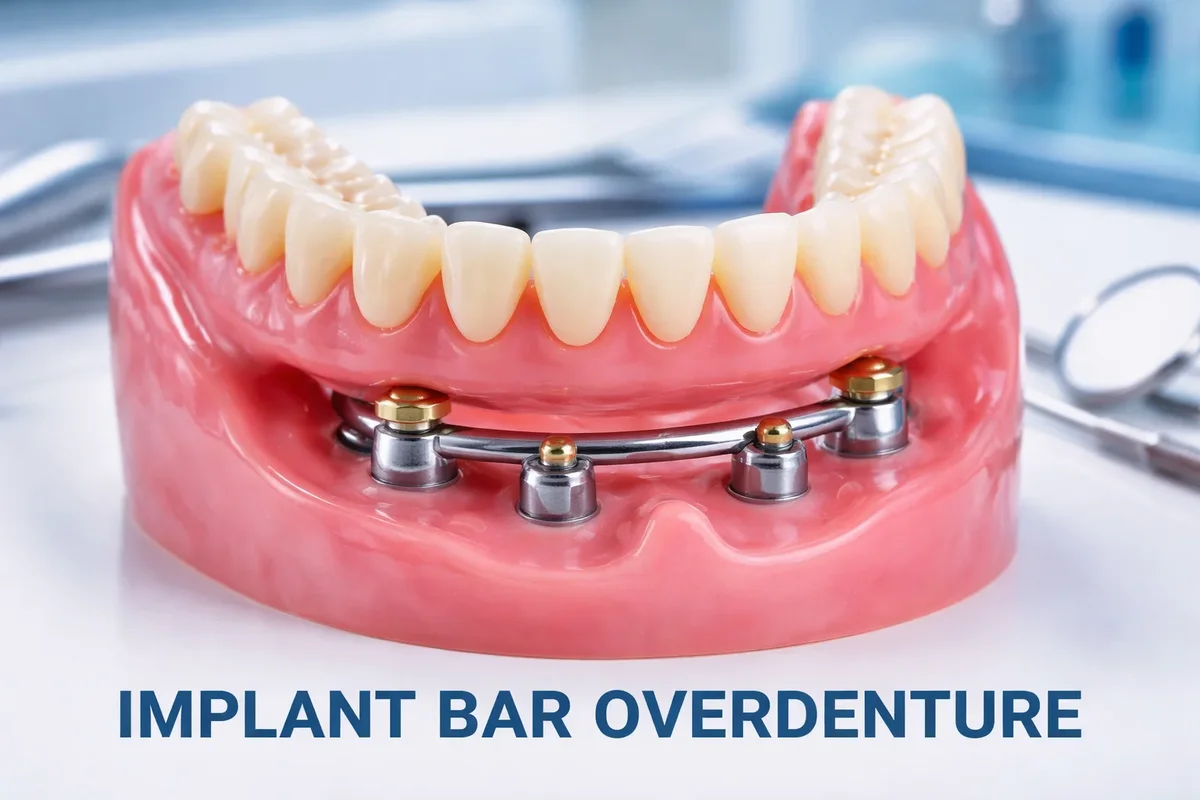
In simple terms, an implant bar overdenture consists of two main components: dental implants placed into the jawbone and a custom-made denture that attaches to a metal bar fixed on those implants. The bar connects multiple implants together, creating a strong foundation. The denture then clips onto this bar, ensuring that the implant bar overdenture stays firmly in place during daily activities like eating and speaking.
One of the biggest reasons patients choose an implant bar overdenture is the stability it offers. Traditional dentures can slip or move, especially when eating harder foods. In contrast, an implant bar overdenture is anchored securely, allowing patients to enjoy a wider range of foods without worry. This improved chewing ability also supports better digestion and overall health.
The process of getting an implant bar overdenture begins with a detailed consultation and examination. A dental professional evaluates the patient’s oral health, bone density, and medical history to determine suitability. In many cases, imaging techniques such as 3D scans are used to plan the precise placement of implants. This planning stage is critical to ensure the long-term success of the implant bar overdenture.
Once the planning is complete, dental implants are surgically placed into the jawbone. These implants act as artificial tooth roots. Over a period of several months, the implants fuse with the bone through a process called osseointegration. This biological bonding is what makes the implant bar overdenture so stable and durable compared to other tooth replacement options.
After healing, a custom metal bar is attached to the implants. This bar is designed specifically for the patient’s mouth, ensuring a perfect fit. The overdenture is then fabricated to snap or clip onto this bar. The result is a secure, comfortable, and natural-looking implant bar overdenture that closely mimics the function of real teeth.
Another important advantage of an implant bar overdenture is the preservation of jawbone health. When teeth are missing, the jawbone can begin to shrink over time due to lack of stimulation. Dental implants help prevent this bone loss by stimulating the bone just like natural tooth roots. This means that choosing an implant bar overdenture not only restores your smile but also protects your facial structure.
Patients often report a significant improvement in quality of life after receiving an implant bar overdenture. Speaking becomes clearer because the denture does not move, and there is no need for messy adhesives. Additionally, the secure fit reduces irritation and sore spots that are common with traditional dentures.
From a maintenance perspective, an implant bar overdenture is also convenient. While it is removable for cleaning, it remains firmly attached during use. Patients are advised to clean both the denture and the bar daily to maintain oral hygiene and extend the lifespan of the restoration. Regular dental check-ups are also essential to monitor the condition of the implants and the implant bar overdenture.
It is also worth noting that an implant bar overdenture is highly customizable. Dentists can design the denture to match the patient’s facial features, ensuring a natural and aesthetically pleasing appearance. This level of personalization makes the implant bar overdenture an ideal choice for individuals seeking both functional and cosmetic improvements.
For those considering treatment, consulting a trusted dental provider is crucial. You can easily reach out through the Redent Klinik Contact Page to get professional guidance tailored to your needs. Additionally, for general oral health recommendations and standards, you can refer to the American Dental Association.
In conclusion, an implant bar overdenture is a modern, effective, and long-lasting solution for replacing missing teeth. By combining the strength of dental implants with the convenience of a removable denture, this treatment offers unmatched stability, comfort, and confidence. Whether you are struggling with loose dentures or looking for a permanent upgrade, an implant bar overdenture can be the life-changing solution you’ve been searching for 👍.
What Is an Implant Bar Overdenture and How Does It Work?
An implant bar overdenture is a highly advanced dental prosthetic designed to replace multiple missing teeth or a full arch of teeth by combining the strength of dental implants with the flexibility of a removable denture. Unlike conventional dentures that rest directly on the gums, an implant bar overdenture is supported by a metal bar that is securely attached to dental implants placed within the jawbone. This unique structure provides exceptional stability, improved chewing function, and a more natural feel for patients 😊.
Understanding the Structure of an Implant Bar Overdenture
To fully understand how an implant bar overdenture works, it is important to break down its key components. Each part plays a crucial role in ensuring durability, comfort, and long-term success.
1. Dental Implants as the Foundation
The base of any implant bar overdenture is the dental implants themselves. These are small titanium posts surgically inserted into the jawbone, acting as artificial tooth roots. Typically, two to six implants are used depending on the patient’s bone density and treatment plan. These implants integrate with the bone through a process called osseointegration, creating a strong and permanent anchor for the implant bar overdenture.
2. The Metal Bar Connection
Once the implants have healed, a custom-designed metal bar is attached to them. This bar connects all implants together, distributing pressure evenly across the jaw. This is a key advantage of an implant bar overdenture, as it reduces stress on individual implants and increases overall stability. The bar is precisely fabricated to match the patient’s anatomy, ensuring a snug and secure fit.
3. The Overdenture Attachment System
The denture component of an implant bar overdenture is designed to clip or snap onto the metal bar. Special attachment mechanisms, such as clips or locators, ensure that the denture stays firmly in place while still being removable for cleaning. This balance between security and convenience is one of the defining features of an implant bar overdenture.
How an Implant Bar Overdenture Functions in Daily Life
One of the main reasons patients choose an implant bar overdenture is its superior functionality compared to traditional dentures. Once in place, the implant bar overdenture behaves much like natural teeth, allowing patients to eat, speak, and smile with confidence.
Improved Chewing Efficiency
With a stable implant bar overdenture, patients can chew a wider variety of foods, including harder items that are typically difficult with regular dentures. This improved chewing ability not only enhances the dining experience but also contributes to better nutrition and digestion.
Enhanced Speech Clarity
Loose dentures can cause slurred or unclear speech. However, an implant bar overdenture remains firmly attached, eliminating unwanted movement. This allows for clearer pronunciation and greater confidence in social interactions.
Comfort and Reduced Irritation
Because the implant bar overdenture is supported by implants rather than resting entirely on the gums, there is less friction and pressure on soft tissues. This significantly reduces the risk of sore spots and irritation, making it a more comfortable long-term solution.
Why Implant Bar Overdenture Is Different from Other Options
The implant bar overdenture stands out among tooth replacement options due to its unique combination of stability and removability. While fixed implant bridges are permanently attached and cannot be removed by the patient, an implant bar overdenture offers flexibility without compromising on strength.
Compared to implant-supported dentures that use individual attachments (like ball or locator systems), an implant bar overdenture provides better load distribution. This makes it especially suitable for patients with lower bone density, as the bar helps share forces evenly across all implants.
Longevity and Durability of Implant Bar Overdenture
Another important aspect of an implant bar overdenture is its durability. With proper care, the implants can last many years, often decades. The overdenture itself may require periodic adjustments or replacement over time due to normal wear, but the underlying structure remains strong.
Regular dental check-ups are essential to ensure that the implant bar overdenture continues to function optimally. Dentists will monitor the condition of the implants, the bar, and the attachments, making any necessary adjustments to maintain comfort and performance.
The Overall Experience of Using an Implant Bar Overdenture
Patients who switch to an implant bar overdenture often describe the experience as life-changing 👍. The improved stability eliminates the daily frustrations associated with loose dentures, while the natural appearance boosts self-esteem. Eating becomes enjoyable again, and speaking feels effortless.
Additionally, an implant bar overdenture helps preserve the jawbone by providing stimulation through the implants. This prevents bone loss and maintains facial structure, which is a common concern with traditional dentures.
In summary, an implant bar overdenture is a sophisticated and highly effective solution for tooth replacement. By combining advanced implant technology with a secure bar system, it delivers unmatched stability, comfort, and functionality. Whether you are seeking better chewing ability, improved speech, or a more confident smile, an implant bar overdenture offers a comprehensive and reliable solution tailored to modern dental needs.
Key Benefits of Choosing an Implant Bar Overdenture
Choosing an implant bar overdenture is one of the most effective ways to restore missing teeth while significantly improving overall quality of life. Compared to traditional dentures and even some other implant-supported options, an implant bar overdenture offers a unique combination of stability, comfort, aesthetics, and long-term oral health benefits. Patients who invest in an implant bar overdenture often experience not only physical improvements but also emotional and psychological benefits 😊.
Superior Stability and Security
One of the most important advantages of an implant bar overdenture is its exceptional stability. Traditional dentures rely on suction or adhesives, which can fail during daily activities such as eating or speaking. In contrast, an implant bar overdenture is anchored to dental implants through a rigid metal bar, ensuring that it remains firmly in place.
No More Slipping or Movement
With an implant bar overdenture, patients no longer have to worry about embarrassing moments caused by dentures slipping or shifting. The secure attachment allows for confident speaking and smiling in social situations.
Reliable Fit Throughout the Day
Unlike removable dentures that may loosen over time during the day, an implant bar overdenture maintains its position consistently, offering peace of mind and convenience.
Improved Chewing Function and Nutrition
Another major benefit of an implant bar overdenture is the dramatic improvement in chewing efficiency. Many patients with traditional dentures struggle to eat certain foods, leading to a limited diet.
Ability to Eat a Wider Range of Foods
An implant bar overdenture allows patients to enjoy foods such as meat, nuts, fruits, and vegetables without discomfort. This leads to a more balanced and nutritious diet, which is essential for overall health.
Better Digestion and Health
When food is properly chewed, digestion becomes more efficient. By using an implant bar overdenture, patients can improve their digestive health and reduce the risk of gastrointestinal issues.
Enhanced Comfort and Reduced Gum Irritation
Comfort is a key factor when choosing any dental restoration. An implant bar overdenture significantly reduces the discomfort associated with traditional dentures.
Less Pressure on Gums
Since the implant bar overdenture is supported by implants rather than resting solely on the gums, there is less pressure on soft tissues. This minimizes soreness and irritation.
Fewer Pressure Sores
Patients using an implant bar overdenture are less likely to experience painful pressure points, which are common with poorly fitting conventional dentures.
Preservation of Jawbone and Facial Structure
One of the most critical long-term benefits of an implant bar overdenture is its ability to preserve jawbone density. Tooth loss often leads to bone resorption, which can change facial appearance over time.
Prevention of Bone Loss
The dental implants used in an implant bar overdenture stimulate the jawbone just like natural tooth roots. This prevents bone deterioration and helps maintain facial structure.
Youthful Facial Appearance
By preserving the bone, an implant bar overdenture helps prevent the sunken look that often occurs with missing teeth, allowing patients to maintain a more youthful appearance.
Improved Speech and Confidence
Speech problems are a common complaint among denture wearers. An implant bar overdenture eliminates many of these issues by providing a secure and stable fit.
Clearer Pronunciation
With an implant bar overdenture, patients can speak more clearly because the denture does not move unexpectedly. This is especially important in professional and social settings.
Boost in Self-Confidence
Knowing that your implant bar overdenture will stay in place allows you to interact with others confidently, without fear of embarrassment.
Easy Maintenance and Hygiene
Although an implant bar overdenture is highly secure, it is still removable, making it easier to clean compared to fixed restorations.
Simple Daily Cleaning Routine
Patients can remove the implant bar overdenture for thorough cleaning, ensuring better oral hygiene and reducing the risk of infection.
Long-Term Oral Health Benefits
Maintaining proper hygiene with an implant bar overdenture helps protect both the implants and surrounding tissues, contributing to long-term success.
Cost-Effective Long-Term Solution
While the initial investment for an implant bar overdenture may be higher than traditional dentures, it offers significant long-term value.
Reduced Need for Replacements
Traditional dentures often need frequent adjustments or replacements. An implant bar overdenture, on the other hand, is more durable and requires fewer replacements over time.
Lower Maintenance Costs Over Time
Because of its stability and durability, an implant bar overdenture can reduce ongoing dental expenses, making it a cost-effective solution in the long run.
Aesthetic and Natural Appearance
An implant bar overdenture is designed to look as natural as possible, closely mimicking real teeth and gums.
Customized Design
Each implant bar overdenture is tailored to the patient’s facial features, ensuring a harmonious and natural appearance.
Natural Smile Restoration
Patients often find that their implant bar overdenture restores not only their teeth but also their smile, significantly improving their overall appearance.
Psychological and Emotional Benefits
The benefits of an implant bar overdenture extend beyond physical improvements. The emotional impact can be just as significant.
Increased Social Comfort
Patients feel more comfortable in social situations, knowing their implant bar overdenture is secure and natural-looking.
Improved Quality of Life
Ultimately, an implant bar overdenture enhances daily life by restoring confidence, functionality, and overall well-being 👍.
In conclusion, an implant bar overdenture offers a comprehensive range of benefits that go far beyond simple tooth replacement. From improved stability and comfort to better health and confidence, this advanced dental solution is an excellent choice for patients seeking a reliable and long-lasting restoration.
Who Is a Good Candidate for Implant Bar Overdenture?
An implant bar overdenture is a highly effective solution for replacing multiple missing teeth, but not every patient is automatically a suitable candidate. Determining whether an implant bar overdenture is the right choice depends on several important factors, including oral health, bone structure, lifestyle, and patient expectations. Understanding these criteria helps ensure long-term success and satisfaction with the implant bar overdenture treatment 😊.
General Eligibility for Implant Bar Overdenture
In general, a good candidate for an implant bar overdenture is someone who has lost most or all of their teeth in one or both arches and is seeking a more stable alternative to traditional dentures. Patients who are tired of loose dentures or discomfort during eating and speaking often benefit the most from an implant bar overdenture.
Patients with Multiple Missing Teeth
If you have lost several teeth or an entire arch, an implant bar overdenture can restore both function and aesthetics. Unlike partial dentures, this solution provides full-arch support, making it ideal for extensive tooth loss.
Current Denture Wearers Seeking Improvement
Individuals who already wear removable dentures but experience instability or discomfort are excellent candidates for an implant bar overdenture. The added support from implants dramatically improves their daily experience.
Importance of Bone Density and Jaw Health
One of the most critical factors in determining candidacy for an implant bar overdenture is the condition of the jawbone. Since dental implants need sufficient bone to anchor securely, a thorough evaluation is essential.
Adequate Bone Volume
Patients with sufficient bone density in the jaw are ideal candidates for an implant bar overdenture. The implants require a stable foundation to integrate properly and support the bar structure.
Bone Grafting as an Option
Even if bone loss has occurred, patients may still qualify for an implant bar overdenture through procedures such as bone grafting. This technique rebuilds the jawbone, making implant placement possible.
Oral Health Requirements
Good oral health is essential before undergoing implant bar overdenture treatment. Any existing dental issues must be addressed to ensure the success of the implants.
Healthy Gums
Gum health plays a crucial role in supporting an implant bar overdenture. Conditions such as periodontal disease must be treated prior to implant placement to prevent complications.
Absence of Active Infections
Any oral infections must be resolved before proceeding with an implant bar overdenture. A clean and healthy oral environment promotes proper healing and long-term stability.
Medical and Lifestyle Considerations
Beyond oral health, general medical conditions and lifestyle habits can influence whether a patient is a suitable candidate for an implant bar overdenture.
Chronic Health Conditions
Conditions such as diabetes or autoimmune disorders do not automatically disqualify a patient from receiving an implant bar overdenture, but they must be well-managed. A thorough medical evaluation ensures safe treatment planning.
Smoking and Its Impact
Smoking can negatively affect the success rate of dental implants. Patients considering an implant bar overdenture are often advised to reduce or quit smoking to improve healing and long-term outcomes.
Age Is Not a Limiting Factor
One common misconception is that age determines eligibility for an implant bar overdenture. In reality, age is rarely a limiting factor.
Suitable for Older Adults
Many older patients benefit greatly from an implant bar overdenture, especially if they have struggled with traditional dentures. The improved stability enhances their quality of life significantly.
Considerations for Younger Patients
Younger patients who have experienced tooth loss due to trauma or medical conditions can also be excellent candidates for an implant bar overdenture, provided their jaw development is complete.
Patient Expectations and Commitment
Successful outcomes with an implant bar overdenture depend not only on clinical factors but also on patient expectations and commitment to maintenance.
Realistic Expectations
Patients should understand that while an implant bar overdenture offers excellent stability and aesthetics, it still requires proper care and regular dental visits.
Commitment to Oral Hygiene
Maintaining an implant bar overdenture involves daily cleaning of both the denture and the supporting bar. Patients who are committed to good oral hygiene are more likely to enjoy long-term success.
Psychological Readiness and Lifestyle Benefits
Choosing an implant bar overdenture is not just a physical decision—it also involves psychological readiness.
Desire for Improved Quality of Life
Patients who seek enhanced comfort, confidence, and functionality often find that an implant bar overdenture meets their expectations.
Willingness to Undergo a Surgical Procedure
Since dental implant placement is a surgical procedure, candidates must be comfortable with this aspect of treatment. Proper consultation helps patients feel informed and confident about their decision.
Customized Treatment Planning for Implant Bar Overdenture
Every implant bar overdenture case is unique. Dentists develop personalized treatment plans based on the patient’s anatomy, needs, and goals.
Comprehensive Evaluation
A detailed assessment, including X-rays and 3D imaging, ensures that the implant bar overdenture is tailored for optimal results.
Collaborative Approach
Patients are actively involved in the planning process, allowing them to make informed decisions about their implant bar overdenture treatment.
In conclusion, a good candidate for an implant bar overdenture is someone who meets specific clinical, medical, and personal criteria. With proper evaluation and preparation, many patients can successfully benefit from this advanced dental solution. Whether you are struggling with traditional dentures or seeking a more stable and comfortable alternative, an implant bar overdenture could be the ideal choice to restore your smile and confidence 👍.
Implant Bar Overdenture vs Traditional Dentures: Main Differences
When considering tooth replacement options, many patients compare a traditional denture with an implant bar overdenture. While both aim to restore missing teeth, the differences between these two solutions are significant in terms of stability, comfort, performance, and long-term oral health. Understanding these differences is essential for making an informed decision that aligns with your needs and lifestyle 😊.
Structural Differences Between Implant Bar Overdenture and Traditional Dentures
The most fundamental difference lies in how each solution is supported within the mouth. This structural distinction directly impacts how the prosthetic behaves during daily use.
Support System
A traditional denture rests directly on the gums and relies on suction or adhesives for stability. In contrast, an implant bar overdenture is anchored to dental implants via a metal bar. This secure connection makes the implant bar overdenture far more stable and reliable.
Retention Mechanism
Traditional dentures may shift or loosen, especially when eating or speaking. An implant bar overdenture uses a clip or attachment system that locks onto the bar, preventing unwanted movement.
Stability and Functionality Comparison
One of the biggest advantages of an implant bar overdenture over traditional dentures is the level of stability it provides during everyday activities.
Chewing Efficiency
With traditional dentures, patients often avoid hard or chewy foods due to fear of displacement. An implant bar overdenture allows for much stronger biting force, enabling patients to enjoy a wider range of foods without discomfort.
Confidence in Daily Activities
An implant bar overdenture provides confidence when speaking, laughing, or eating in public. Traditional dentures can slip at inconvenient moments, causing embarrassment.
Comfort and Fit Differences
Comfort is a major concern for denture wearers. The way each option interacts with the oral tissues significantly affects the patient experience.
Pressure Distribution
Traditional dentures place pressure directly on the gums, which can lead to soreness and irritation. An implant bar overdenture distributes pressure through implants, reducing strain on soft tissues.
Reduced Irritation
Because the implant bar overdenture is stabilized by implants, there is less friction against the gums. This minimizes the development of painful pressure points.
Impact on Jawbone and Oral Health
One of the most critical long-term differences between these options is their effect on the jawbone.
Bone Preservation with Implant Bar Overdenture
Dental implants stimulate the jawbone, preventing bone loss. An implant bar overdenture helps maintain bone density and facial structure over time.
Bone Loss with Traditional Dentures
Traditional dentures do not provide stimulation to the jawbone, leading to gradual bone resorption. This can cause the denture to become loose over time and affect facial appearance.
Maintenance and Daily Care
Both solutions require maintenance, but the process and long-term care differ.
Cleaning Routine
An implant bar overdenture can be removed for cleaning, allowing patients to thoroughly clean both the denture and the supporting bar. Traditional dentures are also removable but may require adhesives that complicate cleaning.
Longevity of Components
The implants supporting an implant bar overdenture can last for many years, often decades. Traditional dentures, however, typically need replacement or relining more frequently due to changes in the jaw.
Aesthetic Differences
Both options aim to restore the appearance of a natural smile, but the results can vary.
Natural Appearance
An implant bar overdenture often provides a more natural look because it is securely positioned and does not shift. Traditional dentures may appear less natural if they become loose.
Facial Support
By preserving bone structure, an implant bar overdenture helps maintain facial contours. Traditional dentures may lead to a sunken appearance over time due to bone loss.
Cost Considerations
Cost is an important factor when choosing between an implant bar overdenture and traditional dentures.
Initial Investment
An implant bar overdenture typically requires a higher upfront cost due to the surgical placement of implants and custom fabrication of the bar system.
Long-Term Value
Despite the higher initial investment, an implant bar overdenture often proves more cost-effective over time because it requires fewer replacements and offers greater durability.
Psychological and Lifestyle Impact
The choice between these two options can significantly affect a patient’s confidence and lifestyle.
Confidence with Implant Bar Overdenture
Patients with an implant bar overdenture often report higher self-confidence due to the secure fit and natural feel.
Limitations of Traditional Dentures
Traditional denture wearers may experience anxiety about movement or slippage, which can impact social interactions and overall quality of life.
Which Option Is Right for You?
Choosing between a traditional denture and an implant bar overdenture depends on individual needs, oral health, and expectations.
When to Choose Implant Bar Overdenture
If you are looking for maximum stability, improved function, and long-term oral health benefits, an implant bar overdenture is often the preferred choice.
When Traditional Dentures May Be Suitable
For patients who cannot undergo implant surgery due to medical or financial reasons, traditional dentures may still provide a functional, though less advanced, solution.
In conclusion, while both options serve the purpose of replacing missing teeth, the implant bar overdenture clearly stands out in terms of stability, comfort, and long-term benefits. By understanding these differences, patients can make an informed decision that best supports their oral health and lifestyle 👍.
Step-by-Step Procedure for Implant Bar Overdenture Treatment
The process of getting an implant bar overdenture involves several carefully planned stages designed to ensure long-term success, comfort, and functionality. Unlike traditional dentures, which can be fabricated relatively quickly, an implant bar overdenture requires a structured approach that includes surgical placement, healing, and precise customization. Each step plays a crucial role in achieving a stable and natural-looking result 😊.
Initial Consultation and Comprehensive Assessment
The journey toward an implant bar overdenture begins with a detailed consultation. This stage is essential for determining whether the patient is a suitable candidate and for planning the entire procedure.
Clinical Examination
The dentist evaluates the patient’s oral health, including gum condition, existing teeth (if any), and overall hygiene. Any infections or periodontal issues must be treated before proceeding with the implant bar overdenture.
Advanced Imaging and Planning
Modern dental clinics use 3D imaging and digital scans to assess bone density and structure. These tools help determine the optimal number and placement of implants for the implant bar overdenture, ensuring precision and long-term stability.
Treatment Planning and Personalization
After the assessment, a customized treatment plan is developed. This plan outlines every detail of the implant bar overdenture process, tailored specifically to the patient’s needs.
Number of Implants Required
Typically, two to six implants are used for an implant bar overdenture. The exact number depends on the patient’s bone condition and the arch being treated (upper or lower jaw).
Design of the Bar and Denture
The dentist and dental technician collaborate to design a metal bar and overdenture that fit perfectly with the patient’s anatomy. This ensures that the implant bar overdenture will be both functional and aesthetically pleasing.
Surgical Placement of Dental Implants
The next step in the implant bar overdenture process is the surgical placement of dental implants. This is a critical phase that forms the foundation of the entire restoration.
Implant Surgery Procedure
The implants are inserted into the jawbone under local anesthesia or sedation, depending on the patient’s comfort level. The procedure is typically well-tolerated and completed within a few hours.
Post-Surgical Care
After implant placement, patients may experience mild swelling or discomfort, which can be managed with prescribed medications. Proper aftercare is essential to support healing and prepare for the next stage of the implant bar overdenture.
Healing Phase and Osseointegration
Following surgery, a healing period is required for the implants to integrate with the jawbone. This phase is crucial for the long-term success of the implant bar overdenture.
Bone Integration Process
Osseointegration typically takes several months, during which the implants fuse with the bone. This creates a stable and durable base for the implant bar overdenture.
Temporary Solutions During Healing
In many cases, patients are provided with temporary dentures while waiting for the implants to heal. These temporary solutions allow patients to maintain function and appearance during the process.
Attachment of the Metal Bar
Once healing is complete, the next step is attaching the custom metal bar to the implants. This component is central to the implant bar overdenture system.
Precision Fit of the Bar
The metal bar is carefully designed to fit the implants perfectly. It connects all implants together, distributing pressure evenly and enhancing stability.
Testing and Adjustments
The dentist ensures that the bar fits correctly and makes any necessary adjustments before proceeding to the final stage of the implant bar overdenture treatment.
Fabrication of the Overdenture
The overdenture itself is custom-made to match the patient’s facial features and oral structure.
Customized Aesthetic Design
The implant bar overdenture is designed to look natural, with attention to tooth shape, color, and alignment. This ensures a realistic and attractive smile.
Attachment Mechanism
Special clips or attachments are incorporated into the denture, allowing it to securely snap onto the metal bar. This is what gives the implant bar overdenture its unique combination of stability and removability.
Final Placement and Fitting
Once the overdenture is ready, it is attached to the bar, completing the implant bar overdenture process.
Initial Fitting
The dentist places the implant bar overdenture and checks for proper fit, comfort, and function. Any minor adjustments are made at this stage.
Patient Instructions
Patients receive detailed instructions on how to use, remove, and clean their implant bar overdenture to ensure long-term success.
Follow-Up Appointments and Monitoring
Regular follow-up visits are essential to monitor the condition of the implant bar overdenture and ensure optimal performance.
Routine Check-Ups
Dentists will assess the implants, bar, and denture during periodic visits, making adjustments if necessary.
Long-Term Maintenance
With proper care and professional monitoring, an implant bar overdenture can provide reliable function for many years.
Overall Timeline for Implant Bar Overdenture
The entire implant bar overdenture process can take several months, depending on healing time and individual circumstances. While this may seem lengthy, the result is a highly stable and durable restoration that significantly improves quality of life.
In conclusion, the step-by-step procedure for an implant bar overdenture is a carefully coordinated process involving planning, surgery, healing, and customization. Each stage is essential to achieving a secure, comfortable, and natural-looking result. Patients who undergo this treatment often find that the time and effort invested are well worth the life-changing benefits 👍.
Recovery Timeline and Healing Process Explained
The recovery journey after receiving an implant bar overdenture is a critical phase that directly impacts the long-term success of the treatment. While the procedure itself is carefully planned and executed, the healing period ensures that the implants integrate properly with the jawbone and that the final implant bar overdenture functions optimally. Understanding each stage of recovery helps patients prepare mentally and physically for the process, leading to better outcomes and fewer complications 😊.
Immediate Post-Surgery Phase (First 24–72 Hours)
The first few days after implant placement are the most sensitive part of the implant bar overdenture process. During this period, the body begins its natural healing response.
Common Symptoms After Surgery
Patients may experience mild swelling, slight bleeding, and discomfort around the implant sites. These symptoms are normal and typically subside within a few days. The discomfort associated with implant bar overdenture surgery is usually manageable with prescribed pain medication.
Essential Care Tips
Applying ice packs, avoiding hard foods, and maintaining gentle oral hygiene are key during this stage. Following your dentist’s instructions ensures that the implant bar overdenture healing process starts correctly.
Early Healing Stage (First 1–2 Weeks)
As the initial swelling decreases, the body continues repairing soft tissues around the implant sites. This stage is crucial for preventing infection and ensuring a stable environment for the implant bar overdenture.
Soft Tissue Healing
The gums begin to close and heal around the implants. Patients should avoid disturbing the surgical area to support proper recovery for the implant bar overdenture.
Diet Adjustments
A soft diet is recommended during this time. Foods like yogurt, soups, and mashed vegetables help avoid unnecessary pressure on the implants supporting the implant bar overdenture.
Osseointegration Phase (2–6 Months)
This is the most important stage in the implant bar overdenture process. During osseointegration, the implants fuse with the jawbone, creating a strong and permanent foundation.
Bone Integration Process
The titanium implants gradually bond with the surrounding bone. This biological process ensures that the implant bar overdenture will have the strength needed for daily use.
Temporary Prosthetics
In many cases, patients wear temporary dentures while waiting for osseointegration to complete. These allow normal function without compromising the healing of the implant bar overdenture.
Placement of the Bar and Final Overdenture
Once the implants are fully integrated, the next phase involves attaching the metal bar and fitting the final implant bar overdenture.
Bar Attachment Procedure
The custom metal bar is securely fixed to the implants. This step is painless and marks a major milestone in the implant bar overdenture journey.
Final Fitting of the Overdenture
The overdenture is then attached to the bar. Adjustments are made to ensure the implant bar overdenture fits comfortably and functions perfectly.
Adaptation Period (First Few Weeks After Placement)
After receiving the final implant bar overdenture, patients go through an adaptation period as they adjust to the new restoration.
Getting Used to the Feel
It may take a few days to get accustomed to the implant bar overdenture. Patients often notice a significant improvement compared to traditional dentures.
Speech and Eating Adjustment
Initially, minor adjustments in speech and eating habits may be required. However, most patients quickly adapt and enjoy the benefits of their implant bar overdenture.
Long-Term Healing and Maintenance
Even after the implant bar overdenture is fully functional, ongoing care is essential to maintain its success.
Regular Dental Check-Ups
Routine visits allow dentists to monitor the condition of the implants and the implant bar overdenture. Early detection of any issues ensures timely intervention.
Daily Oral Hygiene
Proper cleaning of the implant bar overdenture and surrounding tissues is crucial. This prevents plaque buildup and protects the longevity of the restoration.
Factors That Influence Healing Time
The recovery timeline for an implant bar overdenture can vary depending on several individual factors.
Bone Quality and Density
Patients with higher bone density may experience faster osseointegration, while those with lower density may require additional time or procedures.
Overall Health and Lifestyle
Conditions such as diabetes or habits like smoking can affect healing. Maintaining a healthy lifestyle supports faster recovery and better outcomes for the implant bar overdenture.
Tips for a Smooth Recovery with Implant Bar Overdenture
Following best practices during recovery significantly improves the success rate of an implant bar overdenture.
Follow Professional Instructions
Adhering to your dentist’s guidelines ensures that the implant bar overdenture heals properly and functions as intended.
Avoid Excessive Pressure
Refraining from biting hard objects during healing protects the implants and supports the stability of the implant bar overdenture.
When to Contact Your Dentist
Although complications are rare, it is important to recognize warning signs during the implant bar overdenture recovery process.
Unusual Pain or Swelling
If discomfort persists beyond the expected healing period, professional evaluation is necessary.
Signs of Infection
Symptoms such as severe redness, pus, or fever should be addressed immediately to protect the success of the implant bar overdenture.
In conclusion, the recovery timeline for an implant bar overdenture involves several carefully managed stages, from initial healing to long-term maintenance. While the process requires patience, the result is a stable, comfortable, and life-changing dental solution. With proper care and guidance, patients can enjoy the full benefits of their implant bar overdenture for many years to come 👍.
Cost of Implant Bar Overdenture: What to Expect
The cost of an implant bar overdenture is one of the most important considerations for patients exploring this advanced dental solution. While an implant bar overdenture offers exceptional stability, comfort, and long-term value, the pricing can vary depending on multiple factors such as location, clinic expertise, materials used, and the complexity of the case. Understanding the full cost breakdown helps patients make informed decisions and plan their treatment confidently 😊.
Average Cost of Implant Bar Overdenture
The total cost of an implant bar overdenture typically includes several components: dental implants, surgical procedures, the custom metal bar, and the overdenture itself. These elements combine to create a comprehensive and durable restoration.
Estimated Price Range
Globally, the cost of an implant bar overdenture can range between:
• United States: $15,000 – $30,000 per arch
• United Kingdom: £10,000 – £20,000 per arch
• Europe (general): €8,000 – €18,000 per arch
• Turkey: $4,000 – $9,000 per arch
These figures are approximate and can vary depending on individual treatment needs. Many patients choose destinations like Turkey for implant bar overdenture treatment due to high-quality care at more affordable prices.
What Is Included in the Cost?
When evaluating the price of an implant bar overdenture, it is essential to understand what is included in the total cost.
Dental Implants
The implants themselves are a significant portion of the cost. Typically, 2–6 implants are used for an implant bar overdenture, and each implant contributes to the overall price.
Surgical Procedure
The surgical placement of implants requires expertise, advanced equipment, and sterile conditions. This part of the implant bar overdenture process is critical for long-term success.
Custom Metal Bar
The metal bar is a specialized component that connects the implants. Its design and fabrication are tailored specifically for each implant bar overdenture, adding to the overall cost.
Overdenture Fabrication
The denture itself is custom-made for aesthetics and function. High-quality materials ensure that the implant bar overdenture looks natural and lasts longer.
Factors That Affect Implant Bar Overdenture Cost
Several variables influence the final price of an implant bar overdenture. Each patient’s situation is unique, and these factors must be considered during planning.
Number of Implants Required
More implants generally mean higher costs, but they can also provide greater stability for the implant bar overdenture.
Bone Grafting or Additional Procedures
If a patient lacks sufficient bone density, additional procedures such as bone grafting may be necessary. This can increase the overall cost of the implant bar overdenture.
Material Quality
Premium materials for both the implants and the overdenture can enhance durability and aesthetics, but they may also raise the cost.
Clinic Expertise and Technology
Experienced dental professionals and advanced technology often result in higher fees, but they also improve the success rate and quality of the implant bar overdenture.
Why Implant Bar Overdenture Is a Long-Term Investment
Although the initial cost of an implant bar overdenture may seem high, it is important to view it as a long-term investment in oral health and quality of life.
Reduced Replacement Costs
Traditional dentures often require frequent adjustments and replacements. An implant bar overdenture, however, is more durable and requires fewer replacements over time.
Improved Quality of Life
The stability and functionality of an implant bar overdenture allow patients to eat, speak, and smile confidently, making the investment worthwhile.
Cost Comparison with Other Options
Comparing an implant bar overdenture with other dental solutions helps patients understand its value.
Traditional Dentures
While traditional dentures are less expensive initially, they may incur ongoing costs due to maintenance and replacements. They also lack the stability of an implant bar overdenture.
Fixed Implant Bridges
Fixed implant bridges can be more expensive than an implant bar overdenture because they often require more implants and are not removable.
Insurance and Financing Options
Paying for an implant bar overdenture can be more manageable with the right financial planning.
Dental Insurance Coverage
Some insurance plans may cover part of the implant bar overdenture procedure, particularly the denture portion. However, implant coverage varies widely.
Flexible Payment Plans
Many clinics offer financing options or installment plans, allowing patients to spread the cost of their implant bar overdenture over time.
Hidden Costs to Be Aware Of
Patients should also consider potential additional costs associated with an implant bar overdenture.
Maintenance and Repairs
Over time, components such as clips or attachments may need replacement. Regular maintenance ensures the implant bar overdenture continues to function properly.
Follow-Up Visits
Routine dental check-ups are essential for monitoring the condition of the implant bar overdenture and maintaining oral health.
Tips for Choosing the Right Clinic Based on Cost
Cost should not be the only factor when selecting a clinic for an implant bar overdenture.
Balance Between Price and Quality
Choosing the cheapest option may compromise quality. It is important to find a clinic that offers both affordability and expertise in implant bar overdenture procedures.
Check Reviews and Credentials
Researching patient reviews and verifying the dentist’s qualifications can help ensure a successful implant bar overdenture experience.
In conclusion, the cost of an implant bar overdenture reflects the complexity, technology, and expertise involved in the treatment. While it requires a higher initial investment compared to traditional options, the long-term benefits in terms of comfort, stability, and oral health make it a valuable and worthwhile choice. By understanding the pricing structure and available options, patients can confidently move forward with their implant bar overdenture journey 👍.
Daily Care and Maintenance Tips for Long-Term Success
Proper care of an implant bar overdenture is essential to ensure its longevity, functionality, and overall oral health benefits. While an implant bar overdenture is designed to be durable and stable, it still requires consistent maintenance to prevent complications such as infection, wear, or damage. Patients who follow a structured daily care routine can enjoy their implant bar overdenture for many years with minimal issues 😊.
Why Maintenance of Implant Bar Overdenture Is Important
An implant bar overdenture relies on both the dental implants and the prosthetic components working together harmoniously. Neglecting hygiene can affect not only the denture but also the implants and surrounding tissues.
Preventing Infections and Inflammation
Poor oral hygiene can lead to peri-implant diseases, which may compromise the stability of the implant bar overdenture. Keeping the area clean reduces the risk of inflammation and infection.
Extending the Lifespan of the Overdenture
Regular maintenance helps prevent wear and tear, ensuring that the implant bar overdenture remains functional and aesthetically pleasing over time.
Daily Cleaning Routine for Implant Bar Overdenture
A consistent cleaning routine is the foundation of maintaining an implant bar overdenture. This includes cleaning both the removable denture and the fixed bar structure.
Removing the Overdenture
The implant bar overdenture should be removed daily for thorough cleaning. This allows access to all surfaces and prevents plaque buildup.
Cleaning the Denture Properly
Use a soft-bristled brush and non-abrasive cleanser to clean the implant bar overdenture. Avoid regular toothpaste, as it can be too abrasive and damage the surface.
Cleaning the Metal Bar and Implants
The bar attached to the implants must also be cleaned carefully. Special brushes, such as interdental or water flossers, are recommended to clean around the implant bar overdenture structure effectively.
Recommended Tools for Implant Bar Overdenture Care
Using the right tools can make maintaining an implant bar overdenture easier and more effective.
Soft-Bristled Toothbrush
A soft toothbrush is ideal for cleaning both the denture and the surrounding gum tissue without causing irritation.
Interdental Brushes and Water Flossers
These tools are particularly useful for cleaning hard-to-reach areas around the implant bar overdenture, ensuring comprehensive hygiene.
Non-Abrasive Cleaning Solutions
Specialized denture cleaners help maintain the integrity of the implant bar overdenture without damaging its materials.
Nighttime Care and Storage
Proper nighttime care is another important aspect of maintaining an implant bar overdenture.
Removing the Denture at Night
Many dentists recommend removing the implant bar overdenture at night to allow the gums to rest and recover.
Safe Storage Practices
Store the implant bar overdenture in a clean container with water or a recommended solution to prevent drying and deformation.
Regular Professional Maintenance
In addition to daily care, professional check-ups are essential for the long-term success of an implant bar overdenture.
Routine Dental Visits
Regular appointments allow dentists to examine the condition of the implant bar overdenture, implants, and surrounding tissues.
Professional Cleaning
Dentists can perform deep cleaning procedures that are not possible at home, ensuring that the implant bar overdenture remains in optimal condition.
Common Mistakes to Avoid
Avoiding common mistakes can significantly extend the life of an implant bar overdenture.
Using Harsh Cleaning Products
Abrasive toothpaste or strong chemicals can damage the surface of the implant bar overdenture and should be avoided.
Skipping Daily Cleaning
Neglecting daily hygiene can lead to plaque buildup and complications that affect the implant bar overdenture.
Applying Excessive Force
Handling the implant bar overdenture roughly can damage its attachments or structure.
Diet and Lifestyle Considerations
Diet and lifestyle choices also play a role in maintaining an implant bar overdenture.
Avoiding Extremely Hard Foods
While the implant bar overdenture is durable, biting extremely hard objects can damage the denture or attachments.
Limiting Staining Substances
Reducing intake of staining foods and beverages, such as coffee or tobacco, helps maintain the appearance of the implant bar overdenture.
Signs That Your Implant Bar Overdenture Needs Attention
Recognizing early warning signs can prevent more serious issues with an implant bar overdenture.
Loose Fit or Movement
If the implant bar overdenture feels less stable, it may indicate worn attachments or other issues that require professional adjustment.
Discomfort or Irritation
Pain or irritation around the implants or gums should not be ignored, as it may signal a problem with the implant bar overdenture.
Long-Term Success with Implant Bar Overdenture
With proper care, an implant bar overdenture can provide many years of reliable performance. Patients who follow recommended maintenance routines often experience fewer complications and greater satisfaction.
Consistency Is Key
Daily cleaning and regular dental visits are the foundation of maintaining an implant bar overdenture successfully.
Partnering with Your Dentist
Working closely with your dental professional ensures that your implant bar overdenture continues to meet your needs over time.
In conclusion, maintaining an implant bar overdenture requires a combination of daily hygiene, proper tools, and professional care. By following these guidelines, patients can protect their investment and enjoy the full benefits of their implant bar overdenture for many years. A well-maintained implant bar overdenture not only preserves oral health but also enhances comfort, confidence, and quality of life 👍.
Risks, Complications, and How to Avoid Them
Although an implant bar overdenture is considered a safe and highly successful dental solution, like any medical or dental procedure, it comes with certain risks and potential complications. Understanding these risks in advance allows patients to take preventive measures and significantly increase the long-term success of their implant bar overdenture. With proper planning, professional care, and patient compliance, most complications can be avoided or effectively managed 😊.
Common Risks Associated with Implant Bar Overdenture
While the success rate of an implant bar overdenture is very high, some issues may arise during or after treatment. Being aware of these helps patients recognize early warning signs.
Infection Around Implants (Peri-Implantitis)
One of the most common complications related to an implant bar overdenture is peri-implantitis, an infection affecting the tissues around the implants. This condition can lead to bone loss and implant failure if not treated promptly.
Implant Failure
Although rare, implant failure can occur if the implants do not properly integrate with the bone. Factors such as poor bone quality, smoking, or inadequate aftercare can impact the success of an implant bar overdenture.
Attachment Wear and Tear
The clips or attachments that secure the implant bar overdenture may wear out over time. This can result in reduced stability and require replacement of components.
Surgical Risks During Implant Placement
The surgical phase of an implant bar overdenture involves placing implants into the jawbone. While generally safe, it carries some inherent risks.
Bleeding and Swelling
Mild bleeding and swelling are normal after implant surgery for an implant bar overdenture. However, excessive symptoms should be monitored and reported to the dentist.
Nerve Damage (Rare Cases)
In rare situations, improper implant placement can affect nearby nerves, causing numbness or tingling. Careful planning and imaging minimize this risk during implant bar overdenture procedures.
Long-Term Complications to Consider
Even after successful treatment, certain long-term issues may develop if proper care is not maintained.
Bone Loss Around Implants
If oral hygiene is neglected, bone loss can occur around the implants supporting the implant bar overdenture, potentially compromising stability.
Prosthetic Damage
The denture component of the implant bar overdenture may crack or wear over time, especially if subjected to excessive force.
Factors That Increase the Risk of Complications
Several factors can influence the likelihood of complications with an implant bar overdenture.
Smoking
Smoking significantly reduces healing capacity and increases the risk of implant failure. Patients considering an implant bar overdenture are strongly advised to quit or reduce smoking.
Poor Oral Hygiene
Inadequate cleaning can lead to plaque buildup, infection, and eventual failure of the implant bar overdenture.
Chronic Medical Conditions
Conditions such as uncontrolled diabetes can slow healing and increase the risk of complications during the implant bar overdenture process.
How to Prevent Implant Bar Overdenture Complications
Prevention is the key to ensuring the long-term success of an implant bar overdenture. Following best practices can significantly reduce risks.
Choose an Experienced Dental Professional
Working with a skilled and experienced dentist ensures precise implant placement and proper design of the implant bar overdenture.
Maintain Excellent Oral Hygiene
Daily cleaning of the implant bar overdenture, including the bar and surrounding tissues, is essential to prevent infections and complications.
Attend Regular Check-Ups
Routine dental visits allow early detection of potential issues with the implant bar overdenture, enabling timely intervention.
Managing Minor Issues with Implant Bar Overdenture
Not all complications are severe. Many minor issues can be resolved quickly with professional care.
Adjustments for Comfort
If the implant bar overdenture feels uncomfortable, dentists can make adjustments to improve fit and function.
Replacement of Attachments
Worn-out clips or attachments can be replaced easily, restoring the stability of the implant bar overdenture.
When to Seek Immediate Dental Care
Recognizing serious warning signs is crucial for protecting the success of an implant bar overdenture.
Persistent Pain or Swelling
If pain or swelling does not subside, it may indicate infection or other complications requiring immediate attention.
Loose Implants or Denture
Any unusual movement in the implant bar overdenture should be evaluated promptly to prevent further damage.
Psychological Concerns and Patient Expectations
Managing expectations is also important when considering an implant bar overdenture.
Understanding the Healing Process
Patients should be aware that the implant bar overdenture process takes time and requires patience during healing.
Realistic Outcome Expectations
While an implant bar overdenture offers excellent results, understanding its limitations helps ensure satisfaction with the final outcome.
Long-Term Success Strategies
Ensuring the longevity of an implant bar overdenture involves a combination of professional care and patient responsibility.
Consistent Maintenance Routine
Daily hygiene and proper handling of the implant bar overdenture are essential for preventing complications.
Healthy Lifestyle Choices
A balanced diet, avoiding harmful habits, and maintaining overall health contribute to the long-term success of an implant bar overdenture.
In conclusion, while there are risks associated with an implant bar overdenture, most complications are preventable with proper care and professional guidance. By understanding potential issues and taking proactive steps, patients can enjoy a stable, comfortable, and long-lasting solution for missing teeth. An implant bar overdenture, when properly maintained, remains one of the most reliable and rewarding dental treatments available today 👍.