
In 2025, finding the best implant clinics has become a top priority for people seeking to restore their smiles with long-lasting, natural-looking dental implants. With modern dentistry rapidly advancing, patients can now access high-quality care, cutting-edge technology, and world-class expertise at leading implant clinics around the globe. Whether you’ve lost a single tooth or need a full-mouth restoration, today’s clinics offer personalized treatment plans designed to improve both function and aesthetics — giving you a confident smile that lasts a lifetime. 😁
One of the reasons why implant clinics are in such high demand is their ability to combine precision dentistry with advanced digital workflows. Many clinics now use 3D imaging, digital impressions, and guided implant surgery to ensure perfect placement and faster recovery. Patients benefit from reduced pain, minimal swelling, and enhanced accuracy, making the entire experience smoother than ever before. These improvements have made dental implants the preferred solution for tooth replacement in 2025 — a significant leap from traditional dentures or bridges.
Leading implant clinics also emphasize a holistic approach to dental health. Rather than treating just the missing tooth, they analyze jawbone density, gum health, and bite alignment to ensure optimal results. This comprehensive evaluation prevents complications such as implant failure or infection, allowing patients to enjoy a stronger, healthier smile. The top-rated clinics employ multidisciplinary teams that include oral surgeons, prosthodontists, and periodontists who collaborate to create a seamless treatment journey for every patient.
Another critical factor in choosing among the best implant clinics is transparency. In 2025, patients expect full clarity regarding treatment options, success rates, and long-term expectations. Reputable clinics now provide detailed consultations, digital simulations of your future smile, and even patient testimonials through interactive platforms. This transparency helps patients make informed decisions and feel more confident about investing in their oral health. 🦷
Internationally recognized implant clinics in countries like Turkey, Germany, and South Korea have also gained prominence due to their combination of affordability and quality. Turkey, in particular, has become a hub for dental tourism, offering world-class care at competitive prices. Clinics in Istanbul and Antalya often use the same implant brands and sterilization standards as clinics in Western Europe and North America. This balance of quality and cost-efficiency makes them highly attractive for global patients. For instance, Redent Klinik Contact Page allows international patients to connect directly with specialists, get online consultations, and plan their full treatment itinerary before even arriving.
Modern implant clinics are also redefining patient comfort through advanced sedation options, ergonomic dental chairs, and anxiety-free environments. Many now incorporate aromatherapy, soft music, and even virtual reality to make long procedures more relaxing. Beyond technology, what truly differentiates the best clinics is their personalized care. Each treatment plan is tailored to the individual’s bone structure, health condition, and aesthetic goals. Patients are treated not just as cases but as partners in their smile restoration journey.
One standout trend in 2025’s implant clinics is the widespread adoption of immediate-load implants, often called “teeth-in-a-day.” This method allows patients to receive implants and a temporary crown within a single appointment — drastically reducing downtime and improving confidence. Additionally, clinics now use biocompatible titanium and zirconia implants to promote faster healing and greater longevity. Sustainability has also entered the field: eco-conscious clinics are investing in green sterilization methods, energy-efficient facilities, and digital record systems that reduce paper waste. 🌿
Another key differentiator among the top implant clinics is post-treatment support. The most reputable institutions provide regular follow-up visits, maintenance instructions, and hygiene packages. They teach patients how to care for their new implants properly, including brushing techniques, flossing with specialized tools, and scheduling annual professional cleanings. This attention to long-term success ensures the implants not only look beautiful but also remain healthy for decades.
For those researching the most trusted global standards, the American Dental Association provides useful guidelines for evaluating clinic quality and professional accreditation. These standards highlight infection control, sterilization, and material safety — all essential for choosing the right clinic. Following ADA recommendations ensures that patients receive care that meets the highest international benchmarks.
Ultimately, the best implant clinics in 2025 are those that blend technology, empathy, and transparency. They create customized solutions that restore not just your smile but also your self-esteem. By combining skilled professionals, advanced tools, and a commitment to excellence, these clinics redefine what modern dentistry can achieve. Whether you’re traveling abroad for affordable dental care or visiting your local specialist, today’s implant clinics are ready to give you a reason to smile with confidence every single day. 🌟
Why Choosing the Right Implant Clinic Matters 🦷
Choosing the right implant clinics is one of the most crucial decisions you’ll make on your journey to restoring a healthy, natural-looking smile. While dental implants have an exceptional success rate, that success depends heavily on the clinic’s expertise, technology, and commitment to individualized care. In 2025, patients are no longer just looking for affordability — they’re seeking trust, transparency, and quality. The right clinic doesn’t just replace missing teeth; it rebuilds confidence, comfort, and long-term oral health. 🌟
1. The Foundation of Trust and Expertise
When you walk into a reputable implant clinic, you are placing your oral health and self-image in the hands of professionals. Experienced dentists understand that every patient’s jawbone density, gum condition, and bite pattern are unique. A trusted clinic begins with an in-depth diagnostic assessment that may include 3D cone-beam computed tomography (CBCT) scans, digital impressions, and detailed consultations. These assessments help the dental team craft a custom plan tailored precisely to your needs.
The difference between ordinary and leading implant clinics often lies in their team composition. A top-tier facility usually includes oral surgeons, periodontists, prosthodontists, and implant coordinators who work together to provide comprehensive care. This collaborative approach reduces the risk of implant failure, ensures better aesthetic harmony, and delivers long-term stability. Patients receive not just an implant, but a fully integrated smile solution that feels and functions like natural teeth.
2. The Role of Technology in Implant Success
Modern implant clinics leverage advanced technologies that have revolutionized the way implants are placed and restored. Digital workflows ensure high accuracy and minimal discomfort for patients. For instance, guided implant surgery uses computer-generated templates to position implants with micron-level precision. This minimizes trauma to surrounding tissues, reduces healing time, and enhances overall outcomes. Digital scanning also eliminates the need for messy impressions, making the experience more comfortable.
Another breakthrough in modern dentistry is the use of intraoral cameras and AI-assisted diagnostic tools. These allow clinicians to detect bone irregularities, soft-tissue concerns, and alignment issues early on. In 2025, many implant centers use 3D-printed surgical guides and same-day crown manufacturing systems, providing immediate functionality to patients. It’s this integration of human expertise and technology that sets elite implant clinics apart from standard dental practices.
3. Personalized Care and Patient Experience
Every patient’s dental journey is unique, and that’s why the best implant clinics focus on personalization. From the first consultation to post-surgery follow-up, patient comfort and understanding are prioritized. Leading clinics now use virtual smile design software, which allows you to preview your post-treatment results before the procedure even begins. This visual reassurance helps manage expectations and fosters confidence in the treatment process.
In addition, many implant clinics provide multilingual support and concierge-style services, especially for international patients traveling for dental tourism. These include airport transfers, hotel coordination, and recovery guidance. Turkey’s Redent Klinik, for example, is renowned for its comprehensive approach that combines clinical precision with a patient-centered experience. You can easily reach their specialists through the Redent Klinik Contact Page for more information or to schedule a virtual consultation.
Post-Treatment Care and Support
What makes a good clinic great is its aftercare. Proper post-implant maintenance is crucial for the long-term success of your new smile. The best implant clinics provide structured follow-up appointments, professional cleanings, and education on home hygiene practices. Patients are taught how to clean around implants with specialized floss and brushes. Some clinics even offer digital check-ins or tele-dentistry reviews, allowing patients to share healing updates remotely.
These ongoing care strategies not only ensure physical healing but also provide emotional support. Patients who feel cared for are more likely to maintain good oral habits and return for routine checkups. This continuity of care is what makes top implant clinics stand out from the rest — they invest in relationships, not just treatments.
4. Accreditation and International Standards
When evaluating implant clinics, accreditation is one of the most reliable quality indicators. Clinics that adhere to international dental standards — such as those outlined by the American Dental Association — demonstrate a strong commitment to safety, sterilization, and ethical practices. These clinics undergo regular audits and maintain high-quality standards in infection control, material selection, and clinical performance.
Additionally, certified implantologists often pursue continuing education to stay updated on the latest surgical and restorative techniques. Their membership in global dental bodies ensures that your treatment is backed by proven scientific research and global best practices. Patients benefit from peace of mind knowing their care meets world-class criteria.
5. How the Wrong Choice Can Lead to Complications
Unfortunately, not all implant clinics deliver the same level of expertise. Choosing an inexperienced or poorly equipped facility can lead to issues like implant misalignment, infection, or premature failure. Some low-cost options may use unverified materials or lack proper sterilization protocols. These shortcuts might save money initially but could result in expensive corrective procedures later. Always ensure that your chosen clinic uses verified implant systems and offers warranties for both materials and workmanship.
To protect yourself, look for clinics that provide transparent pricing, detailed treatment plans, and patient reviews. Ask about their complication management policies and post-treatment guarantees. In the digital age, it’s easier than ever to research and verify clinic reputations before committing.
6. The Emotional and Psychological Impact of a Great Choice
Beyond physical transformation, selecting the right implant clinics can profoundly affect your mental well-being. Regaining a complete smile restores confidence, improves social interactions, and enhances quality of life. Many patients report feeling younger and more self-assured after successful implant treatments. The psychological benefit of being able to eat, speak, and smile freely is priceless — and it all begins with choosing the right professionals to guide you.
In conclusion, the importance of selecting the right implant clinics cannot be overstated. It determines not only how your smile looks but also how long your implants last and how comfortable your entire experience will be. By focusing on expertise, technology, accreditation, and personalized care, you can ensure your dental investment yields lifelong satisfaction. 🌿🦷
What to Expect During Your First Visit to Implant Clinics
Visiting implant clinics for the first time can feel both exciting and intimidating. Whether you’ve been dealing with missing teeth for years or recently lost one, understanding what happens during your initial consultation can ease anxiety and help you prepare for the journey ahead. In 2025, dental implant procedures have become more advanced, predictable, and patient-friendly than ever before. This means your first appointment at reputable implant clinics is designed to make you feel informed, comfortable, and confident about your treatment plan. 🦷✨
1. The Warm Welcome: Patient Intake and Consultation
When you arrive at one of the leading implant clinics, the process begins with a friendly welcome from the reception and clinical coordination teams. You’ll be asked to complete a detailed medical and dental history form. This step is crucial because your overall health plays a significant role in determining the success of dental implants. For instance, conditions like diabetes, bone density issues, or smoking habits can affect healing time and implant integration.
After registration, you’ll have a face-to-face consultation with a dental implant specialist. This session focuses on your personal goals, concerns, and expectations. You’ll discuss aesthetic preferences, chewing function, and long-term dental health objectives. The doctor will also review your oral hygiene routine and previous dental experiences to design a treatment approach that fits your lifestyle.
2. Diagnostic Phase: Scans and Examinations
Next comes the diagnostic stage — a vital part of what makes modern implant clinics stand out. Most advanced facilities now use 3D cone-beam computed tomography (CBCT) scans to capture high-resolution images of your jawbone and sinuses. This technology allows clinicians to measure bone thickness, detect nerve locations, and assess whether bone grafting or sinus lifting is required before placing an implant. These details help ensure surgical precision and minimize risks.
In addition to 3D imaging, many implant clinics perform digital impressions using intraoral scanners. Unlike traditional methods involving uncomfortable putty molds, digital scanning is fast, accurate, and completely mess-free. It provides an instant 3D model of your mouth, which the dentist uses to plan implant placement with millimeter accuracy. Some clinics even integrate AI-powered analysis to predict healing outcomes based on your bone quality and oral anatomy.
Health Evaluation and Medical Screening
Comprehensive implant clinics never overlook your overall health. They may conduct blood pressure measurements, glucose tests, and allergy screenings before recommending implant surgery. If you have existing medical conditions or are taking certain medications, your dentist will collaborate with your physician to adjust your treatment plan safely. This holistic approach minimizes complications and ensures a smooth recovery process.
3. The Treatment Planning Session
Once all diagnostic data is collected, the dentist will discuss your treatment plan in detail. This is where the experience at top implant clinics truly shines — transparency and education are key. You’ll see visual simulations of your new smile using digital smile design software. The dentist will explain each step of the procedure, from implant placement to final crown fitting, so you know exactly what to expect. You’ll also learn about estimated healing times, sedation options, and available implant materials such as titanium or zirconia.
Most clinics provide several implant options at varying price points, depending on your bone condition and aesthetic goals. The doctor will clearly outline the advantages of each solution, including single-tooth implants, all-on-four systems, or full-mouth restorations. If cost is a concern, the clinic’s financial advisor can help arrange flexible payment plans or guide you toward suitable dental tourism packages abroad.
4. Meet the Team: Building Confidence Through Expertise
During your visit, you’ll likely meet the wider dental team — from oral surgeons and prosthodontists to hygienists and coordinators. Reputable implant clinics often emphasize a multidisciplinary structure, ensuring that each stage of the treatment is handled by the right expert. This team-based approach increases precision, enhances patient safety, and improves aesthetic harmony. Many patients find comfort in meeting the professionals who will be directly involved in their care before the actual surgery.
5. Pre-Surgery Education and Preparations
Before you leave, your clinician will give you detailed instructions on how to prepare for the implant procedure. These may include dietary adjustments, medication management, or oral hygiene routines. Some implant clinics also provide educational videos and brochures explaining what to expect during surgery and recovery. This proactive approach helps patients feel more prepared, reducing anxiety and uncertainty.
Clinics that prioritize patient experience may also introduce you to recovery packages, which can include recommended nutritional supplements, antiseptic rinses, and post-surgical care kits. This attention to detail underscores the quality of care and the clinic’s commitment to long-term success.
Communication and Accessibility
Modern implant clinics often feature digital communication platforms that allow you to reach your dentist through secure apps or email. This means you can ask follow-up questions or share post-consultation photos directly with your care team. For international patients, such accessibility is crucial — especially when planning treatment abroad. The Redent Klinik Contact Page offers a convenient example of how patients can easily reach out to expert implant coordinators for guidance and scheduling support.
6. The Emotional Experience: Comfort and Confidence
Your first visit isn’t just about diagnostics — it’s about building trust. The best implant clinics understand the emotional weight of dental restoration. Many patients come in after years of struggling with self-consciousness or discomfort. A compassionate clinic environment can transform that anxiety into optimism. You’ll find staff members trained to handle dental anxiety, sedation options that eliminate fear, and a relaxing atmosphere enhanced by calming scents or music. 🎶
Ultimately, your first appointment is the foundation for your entire dental implant journey. By choosing the right clinic, you set yourself up for predictable outcomes and lifelong satisfaction. Whether you’re in Istanbul, Berlin, or Los Angeles, the world’s leading implant clinics share one mission: to combine cutting-edge science with human compassion — restoring not only your teeth but your confidence and quality of life.
For additional assurance, you can consult organizations like the American Dental Association, which provides detailed standards for implant safety, surgical protocols, and patient rights. Understanding these standards before your first appointment ensures you’re making an informed, confident choice about your oral health journey. 🌿
Step-by-Step Guide to the Dental Implant Procedure
The process offered by today’s implant clinics has evolved into a precise, predictable, and patient-friendly journey. Modern dental implants are no longer seen as complex surgical undertakings but as safe, structured treatments that restore both aesthetics and function. Understanding each step in the dental implant process helps patients feel informed and confident before undergoing treatment. Below is a detailed, step-by-step guide to what you can expect when visiting leading implant clinics in 2025. 🦷✨
1. Initial Evaluation and Treatment Planning
The first step in any successful implant treatment is a comprehensive evaluation. Reputable implant clinics begin with advanced diagnostics, including digital X-rays, panoramic scans, and 3D cone-beam computed tomography (CBCT). These technologies allow the dentist to examine bone structure, measure density, and locate vital nerves or sinuses. This phase ensures a safe and precise treatment plan tailored to the patient’s unique anatomy.
During the evaluation, your dentist will also review your medical history, discuss your goals, and evaluate your oral hygiene habits. This helps determine whether you need preparatory treatments such as bone grafting or gum therapy before the implant can be placed. A customized plan, supported by computer-aided design (CAD) systems, is then developed to guide every stage of the procedure.
Digital Planning for Precision
Cutting-edge implant clinics use digital planning tools to virtually place implants before the actual surgery. This method, known as guided implantology, reduces human error and increases accuracy. It also shortens the surgery time, minimizes discomfort, and speeds up recovery. By simulating the final restoration, dentists can ensure that both function and aesthetics are optimized from the very beginning.
2. Pre-Surgical Preparation
Once your plan is finalized, the next step involves pre-surgical preparations. The dental team will explain anesthesia options — typically local anesthesia, conscious sedation, or in some cases, IV sedation for anxious patients. You’ll also receive detailed preoperative instructions regarding eating, drinking, and medication adjustments. Modern implant clinics focus on patient comfort, ensuring that anxiety and pain are minimized through the latest sedation methods and calming environments. 🌿
If a bone graft or sinus lift is needed, this step is performed before the main implant surgery. Bone grafting enhances jaw strength, creating a stable foundation for the titanium or zirconia post that will act as your new tooth root. Healing from this step may take several months, depending on your body’s natural regeneration process, but advanced materials and techniques have dramatically reduced recovery time.
3. Implant Placement Surgery
The implant placement is the heart of the procedure. At this stage, the surgeon places the titanium post into your jawbone through a minimally invasive incision in the gum. Guided surgical techniques allow for incredible accuracy — every millimeter is planned to avoid nerves and sinuses while maximizing bone integration.
During this phase, patients often experience little to no discomfort. Thanks to state-of-the-art anesthesia and gentle surgical techniques, the procedure can be completed in as little as 30 to 60 minutes per implant. The implanted post then begins the process of osseointegration, where the bone naturally fuses with the implant surface, creating a stable, permanent anchor for the artificial tooth.
Healing and Osseointegration
After placement, healing typically takes between 8 to 12 weeks. During this period, implant clinics monitor your progress closely through follow-up visits. You may receive a temporary crown or denture to maintain appearance and function. This healing phase is critical, as successful osseointegration determines the long-term success and strength of the implant. Regular checkups and gentle oral hygiene are essential during this time.
4. Abutment and Impression Stage
Once the implant has securely integrated with the bone, the dentist attaches a small connector piece known as an abutment. This serves as the base for the final crown. Impressions or digital scans of your mouth are then taken to design a perfectly fitting restoration. The best implant clinics often use CAD/CAM systems to fabricate the crown within the same day, reducing waiting time and eliminating the need for multiple appointments.
Patients can choose between different materials for their crowns — zirconia for strength and durability or porcelain for a natural, translucent appearance. Some clinics even offer a hybrid crown combining both materials for superior performance. The abutment and crown are precisely matched to your natural tooth color, ensuring seamless integration with your smile. 😁
5. Crown Placement and Final Adjustments
When your custom crown is ready, the final step is simple yet transformative. The dentist securely attaches the crown to the abutment, checks bite alignment, and makes minor adjustments for optimal comfort. This is the moment when your treatment truly comes to life — your smile is restored, and you can once again speak, eat, and laugh without hesitation. Leading implant clinics take extra care to ensure that the bite feels natural and balanced, preventing undue pressure on surrounding teeth.
6. Post-Surgery Care and Follow-Up
Even though the surgical process is complete, aftercare remains vital. Modern implant clinics provide detailed post-operative instructions that include recommendations for diet, cleaning, and pain management. Soft foods are encouraged for the first few days, and patients are advised to maintain impeccable oral hygiene. Your dentist may schedule periodic follow-ups at one week, one month, and six months to monitor healing and check the implant’s stability.
Long-Term Maintenance Tips
Dental implants can last a lifetime with proper care. The most reputable implant clinics emphasize ongoing maintenance programs. These may include annual professional cleanings, X-ray assessments, and at-home care education. Patients are advised to use non-abrasive toothpaste, avoid smoking, and reduce sugar intake to prevent inflammation around the implants. For additional safety, reviewing guidelines by the American Dental Association ensures you follow globally approved maintenance standards.
7. Emotional and Lifestyle Transformation
Beyond the clinical steps, the dental implant journey is a deeply personal transformation. Patients often describe a renewed sense of confidence and joy in daily life. They can smile freely, eat their favorite foods again, and socialize without fear of embarrassment. The best implant clinics understand this emotional impact and provide psychological reassurance alongside clinical excellence. Many even feature patient testimonial programs to share real stories of recovery and confidence. 🌟
In conclusion, the dental implant process is a well-orchestrated journey combining art, science, and technology. From the initial consultation to the final crown, each phase is carefully designed to ensure comfort, safety, and longevity. By choosing trusted implant clinics with experienced professionals and modern tools, patients can achieve results that are not only beautiful but built to last a lifetime. 🦷
For those seeking expert guidance or considering dental tourism, visiting the Redent Klinik Contact Page is a great first step toward a customized consultation and an unforgettable smile transformation experience.
How to Compare Implant Clinics: Essential Factors to Consider
With thousands of implant clinics operating worldwide in 2025, patients have more options than ever before — but also more confusion. Choosing where to receive your dental implant treatment requires careful consideration, as the decision directly impacts your health, comfort, and long-term satisfaction. The goal is not just to find a clinic, but to find the right one — a place that combines skill, technology, ethics, and empathy. Below is a comprehensive guide to evaluating and comparing implant clinics before making your final choice. 🦷✨
1. Qualifications and Experience of the Dental Team
The most critical factor when comparing implant clinics is the expertise of the professionals performing the treatment. A well-qualified implantologist or oral surgeon ensures safety, precision, and long-lasting results. Look for clinics that employ board-certified dentists with specialized postgraduate training in implantology, oral surgery, or prosthodontics. Ask about their years of experience, number of successful implant cases, and any continuing education they pursue to stay updated with modern advancements.
Experienced clinics often display certifications from reputable organizations like the American Dental Association or the International Congress of Oral Implantologists (ICOI). These accreditations reflect a commitment to global standards and evidence-based practices. You should also check if the dental team participates in research, conferences, or teaching programs, as these are signs of clinical excellence and dedication to innovation.
2. Technology and Equipment Used
One of the best ways to differentiate between ordinary and high-quality implant clinics is by evaluating their technology. Advanced facilities invest in 3D cone-beam computed tomography (CBCT) scanners, intraoral cameras, CAD/CAM milling machines, and digital smile design software. These tools provide high precision during diagnosis, implant placement, and crown fabrication.
Digital Dentistry Advantages
Modern implant clinics that adopt digital workflows can offer faster procedures, more predictable outcomes, and greater comfort. For instance, computer-guided implant surgery allows implants to be positioned with micrometric precision, minimizing pain and swelling. Patients benefit from fewer visits and quicker recovery. Additionally, digital impressions eliminate the discomfort of traditional molds, making the entire experience smoother and cleaner.
3. Material Quality and Brand Transparency
Not all implants are created equal. Reliable implant clinics are transparent about the brands and materials they use. Top-tier clinics often partner with well-known implant manufacturers such as Straumann, Nobel Biocare, or Astra Tech. These systems have decades of research behind them and offer lifetime warranties for quality assurance.
When comparing clinics, ask about the origin of their implants, the type of titanium or zirconia used, and whether their components are FDA or CE approved. The use of certified materials ensures better osseointegration, durability, and reduced risk of rejection or infection. Always avoid clinics that cannot verify the source of their implants or refuse to disclose brand information — transparency is non-negotiable.
4. Hygiene Standards and Safety Protocols
Cleanliness and infection control are paramount in any surgical setting. The best implant clinics follow strict sterilization procedures that meet international health and safety standards. Ask whether the clinic uses autoclave sterilization, disposable surgical tools, and single-use barriers. Top-rated clinics also operate in compliance with ISO or ADA standards for sterilization and environmental safety.
In 2025, eco-friendly sterilization has become a growing trend, with some clinics adopting ozone or UV-C light technology to minimize chemical waste while maintaining safety. A hygienic, well-organized environment not only reflects professionalism but also protects you from cross-contamination risks.
5. Patient Reviews, Testimonials, and Before–After Results
Online reputation is an invaluable indicator of a clinic’s credibility. Leading implant clinics proudly share patient testimonials, before–after photos, and independent reviews. Reading genuine feedback allows you to gauge patient satisfaction levels, pain management success, and post-treatment care quality. Video testimonials are especially insightful as they convey emotional satisfaction and authenticity.
How to Verify Reviews
Be cautious when analyzing online reviews. Focus on clinics that have consistent feedback across multiple platforms (Google, Trustpilot, WhatClinic, etc.). Also, note how the clinic responds to negative reviews — professional, empathetic responses often indicate genuine concern and accountability. The Redent Klinik Contact Page, for example, allows potential patients to connect with real case coordinators and verify authenticity through video consultations and patient references.
6. Pricing, Transparency, and Payment Options
Dental implant treatments can be a major investment, but cost should never come at the expense of quality. When comparing implant clinics, always request an itemized quotation that clearly breaks down costs for consultations, implants, crowns, anesthesia, and aftercare. Reputable clinics maintain transparent pricing and provide detailed contracts before starting treatment. Avoid any provider that offers vague estimates or pushes aggressive payment plans.
Some international implant clinics — particularly in countries like Turkey, Thailand, and Hungary — offer dental tourism packages that include accommodation and transportation. These packages often deliver world-class results at competitive rates, but it’s essential to confirm that international hygiene and licensing standards are met.
7. Communication and Aftercare Support
Exceptional communication is a hallmark of great implant clinics. From your first inquiry to your post-surgical follow-up, the staff should keep you fully informed. Look for clinics that provide multilingual support, dedicated treatment coordinators, and online consultation options. This level of service ensures that international patients receive consistent care throughout their journey.
Follow-Up Care and Long-Term Support
Aftercare is not an afterthought — it’s a vital part of implant success. Leading implant clinics schedule follow-ups at one week, one month, and annually after treatment to assess bone integration and gum health. They also educate patients about cleaning techniques and lifestyle habits that support implant longevity. Clinics that neglect follow-up visits often experience higher rates of complications like peri-implantitis or crown loosening.
8. Location, Accessibility, and Travel Convenience
When comparing implant clinics, consider location accessibility and logistical convenience. Clinics near airports, city centers, or within dental tourism zones offer easier travel and recovery arrangements. Some even include chauffeur services, partnerships with nearby hotels, and 24-hour patient helplines. These details, though small, can make a huge difference in your overall treatment experience.
9. Ethical Standards and Patient Rights
Finally, evaluate how ethically a clinic conducts its operations. The best implant clinics emphasize patient autonomy, informed consent, and full disclosure of risks. They never pressure patients into unnecessary procedures or upselling cosmetic services. Ethics-driven clinics also uphold confidentiality and respect cultural diversity. Transparency and honesty remain the foundation of a truly professional dental practice.
In conclusion, comparing implant clinics requires balancing technology, skill, transparency, and compassion. Don’t rush the decision — take your time to research, read reviews, and schedule consultations. A well-chosen clinic not only restores your smile but also ensures peace of mind for years to come. For trustworthy global options and patient-focused communication, consider reaching out to the Redent Klinik Contact Page for personalized assistance on finding your ideal dental solution. 🌿🦷
Advanced Technologies Used in Modern Implant Clinics
In 2025, leading implant clinics are transforming dentistry through cutting-edge technologies that combine precision, comfort, and speed. Modern patients expect results that are not only long-lasting but also aesthetically flawless, and that’s exactly what these advancements deliver. From digital diagnostics to AI-guided surgery and regenerative materials, the evolution of dental technology has made implants safer, faster, and more reliable than ever. Below, we explore the breakthrough innovations that distinguish world-class implant clinics today. 🦷💡
1. Digital Imaging and 3D Diagnostics
Every successful dental implant begins with accurate diagnosis. Advanced implant clinics now rely on 3D cone-beam computed tomography (CBCT) to obtain high-resolution images of the patient’s jawbone, gums, and nerves. Unlike traditional X-rays, CBCT scans create a complete three-dimensional map of the mouth, allowing dentists to plan with absolute precision. This technology helps determine the ideal implant size, depth, and angle, minimizing surgical risks and maximizing longevity.
Additionally, digital radiography reduces radiation exposure by up to 90%, ensuring patient safety. Many implant clinics integrate AI-assisted software to analyze CBCT data, detect bone density variations, and simulate possible complications before surgery. These insights enable clinicians to anticipate challenges and customize the procedure for each patient’s unique anatomy.
Virtual Smile Design and Digital Planning
Virtual Smile Design (VSD) is another innovation revolutionizing dental implantology. Using this software, patients can preview their post-treatment smile in 3D before the first surgical step. This visualization enhances communication between dentist and patient, ensuring that the final result aligns perfectly with expectations. In elite implant clinics, virtual planning extends beyond cosmetics — it integrates occlusion, bite alignment, and facial symmetry for a harmonious, natural look.
2. Guided Implant Surgery
One of the most transformative innovations in implant clinics is computer-guided implant surgery. This method replaces guesswork with digital precision. After scanning and planning, a custom surgical guide is 3D-printed to direct the dentist’s hand during the procedure. The guide determines the exact implant placement, depth, and trajectory, reducing both surgery time and post-operative discomfort.
Guided surgery is especially beneficial for patients requiring multiple implants or full-mouth restorations. It minimizes incisions and swelling, making recovery faster and smoother. For clinics using robotic assistance, this process becomes even more precise — robotic arms, controlled by the surgeon, ensure micro-level accuracy beyond human capability.
3. 3D Printing Technology
3D printing has become a game-changer for implant clinics worldwide. Using biocompatible materials, dental teams can now produce customized implant guides, crowns, and even temporary dentures within hours. This reduces patient waiting time and allows for same-day restorations. 3D printers also eliminate the inconsistencies of manual modeling, ensuring perfect fits and natural aesthetics.
Customized Components for Every Patient
In advanced implant clinics, 3D printing enables full customization of abutments and prosthetic parts. Each component is designed according to the patient’s jaw structure, gum contour, and tooth shape. The result? Implants that feel natural, look flawless, and function like real teeth. The technology also allows for lightweight, durable frameworks for full-arch restorations such as All-on-4 or All-on-6 systems.
4. Laser Dentistry and Minimally Invasive Techniques
Modern implant clinics are increasingly adopting laser-assisted surgery to enhance precision and reduce healing time. Dental lasers can perform soft tissue reshaping, bone contouring, and sterilization of implant sites with minimal bleeding. This minimizes trauma and accelerates the body’s natural healing response. Patients experience less discomfort, no sutures, and quicker recovery — a major advantage over traditional surgical techniques.
Lasers also promote better aesthetic results by preserving gum tissues and encouraging faster regeneration. Combined with piezosurgery (ultrasonic bone cutting), this approach represents the pinnacle of minimally invasive dental implantology in 2025.
5. Artificial Intelligence and Predictive Analytics
The rise of AI has revolutionized how implant clinics diagnose, plan, and monitor treatments. AI-powered software can analyze thousands of previous cases to predict optimal outcomes based on patient-specific variables. It identifies potential complications early, helping dentists take preventive measures long before surgery begins.
AI-driven decision systems also assist in selecting implant types, positioning, and crown materials based on bone density and bite patterns. The use of predictive analytics allows for hyper-personalized treatment plans — ensuring safer, faster, and more effective results. 🌿🤖
AI in Postoperative Care
Some of the best implant clinics now use AI-based mobile apps to monitor healing progress remotely. Patients upload photos of their surgical area, and the software uses image recognition to detect early signs of infection or inflammation. Dentists can then provide instant feedback, avoiding complications and unnecessary visits.
6. Regenerative Biomaterials and Tissue Engineering
One of the most exciting frontiers in implantology is regenerative medicine. Pioneering implant clinics use platelet-rich plasma (PRP) and platelet-rich fibrin (PRF) therapies to stimulate bone and tissue regeneration. These biologically derived substances are extracted from the patient’s blood and applied to the surgical area, accelerating healing and reducing infection risks.
In addition, advanced biomaterials such as nanostructured titanium and zirconia implants promote better osseointegration. These materials mimic the natural bone’s surface texture, encouraging stronger bonding between the implant and jawbone. Some research-driven clinics are even experimenting with stem-cell-based bone grafting to rebuild lost jawbone before implant placement — a development that could soon redefine dental restoration altogether.
7. Smart and Eco-Friendly Clinics
In the era of sustainability, top implant clinics are adopting eco-conscious practices without compromising technology. From energy-efficient sterilization equipment to paperless record systems, the dental industry is reducing its environmental footprint. Smart sensors monitor energy use, while digital cloud storage replaces traditional paperwork. Some clinics even power their operations through solar energy, reflecting their commitment to green healthcare.
8. Tele-Dentistry and Global Accessibility
Tele-dentistry has bridged the gap between patients and specialists, especially for those seeking international treatment. Advanced implant clinics now offer virtual consultations where patients can share X-rays, receive digital diagnoses, and plan their procedures before traveling. This saves time, reduces costs, and allows for better preparation. Platforms like the Redent Klinik Contact Page provide convenient access to international patients, making expert guidance just a click away.
9. Integration with Global Standards and Research
Technological advancement in implant clinics is guided by rigorous global standards. Clinics that follow protocols established by the American Dental Association and other international dental bodies ensure safety, consistency, and clinical excellence. They continuously invest in research collaborations and pilot programs to test new materials, imaging techniques, and digital workflows.
In conclusion, the technologies shaping today’s implant clinics are more than just tools — they represent a revolution in patient experience and clinical outcomes. From digital diagnostics to AI-driven care and regenerative science, these innovations empower dentists to create smiles that are stronger, smarter, and more natural than ever before. 🌟
Expert Insights: How Implant Specialists Ensure Long-Term Success
The longevity of dental implants depends not only on materials or technology but also on the expertise and precision of the professionals performing the procedure. The best implant clinics in 2025 rely on highly skilled implantologists who combine science, artistry, and patient care to achieve consistent long-term results. Understanding how these experts approach treatment — from surgical planning to lifelong maintenance — can help patients appreciate why professional experience is the cornerstone of implant success. 🦷✨
1. The Science Behind Successful Implantology
Modern implantology is both an art and a science. At world-class implant clinics, specialists rely on evidence-based protocols that emphasize biocompatibility, osseointegration, and precision surgery. The process begins with a detailed understanding of bone physiology — how bone cells interact with titanium or zirconia surfaces to create a strong, natural bond. Dentists carefully analyze the patient’s bone density and soft tissue health before selecting the ideal implant type and size.
Implantologists in top-tier implant clinics stay informed about the latest research on surface treatments that improve osseointegration. For instance, nano-textured or plasma-sprayed surfaces enhance cell adhesion and bone healing, leading to greater implant stability. Additionally, these clinics use laser-assisted sterilization and ozone therapy to maintain sterile surgical environments and reduce infection risks.
Precision and Protocols
Every implant placement follows a strict protocol designed to maximize accuracy. Using computer-guided surgery, the dentist can position the implant within a fraction of a millimeter of its planned location. This precision reduces trauma to surrounding tissues and ensures perfect angulation for the final crown. The result is a seamless, natural-looking restoration that stands the test of time.
2. The Role of Multidisciplinary Expertise
At the most advanced implant clinics, successful outcomes stem from teamwork. Oral surgeons, prosthodontists, periodontists, and restorative dentists collaborate to design comprehensive treatment plans. Each professional brings unique expertise — the surgeon ensures optimal placement, the prosthodontist creates lifelike restorations, and the periodontist maintains gum and bone health around the implant. This multidisciplinary model eliminates guesswork and ensures holistic care from start to finish.
Furthermore, dental hygienists play a critical role in long-term success by guiding patients on cleaning techniques and preventive care. Regular maintenance visits and follow-ups are scheduled to monitor healing progress, bite alignment, and bone retention.
3. Patient-Specific Customization
No two mouths are identical, which is why the best implant clinics emphasize personalized treatment. Specialists use digital scans to assess every patient’s oral anatomy, then tailor the procedure accordingly. Variables such as jawbone thickness, gum biotype, and bite pattern influence implant design and placement. Custom abutments and crowns are fabricated using CAD/CAM systems to match natural teeth precisely.
Data-Driven Planning
Digital dentistry allows specialists to simulate outcomes before surgery. By analyzing data from CBCT scans and virtual smile design tools, implantologists can forecast potential challenges, such as insufficient bone volume or occlusal stress points. This proactive planning minimizes failure risk and ensures consistent results across diverse cases.
4. Evidence-Based Surgical Techniques
World-renowned implant clinics adopt surgical methods backed by decades of scientific validation. One such technique is the “flapless surgery” approach, where minimal incisions are made to preserve soft tissue integrity and accelerate healing. Other clinics utilize piezoelectric surgery, a vibration-based method that cuts bone with ultrasonic precision while protecting surrounding nerves and tissues.
In cases requiring bone augmentation, experts employ advanced grafting materials such as autogenous bone, xenografts, or bioactive ceramics. The careful selection of these materials supports stronger bone regeneration and implant stability. This attention to biological detail distinguishes seasoned implantologists from general practitioners.
5. Immediate Loading and Stability Management
Many modern implant clinics offer immediate-load implants, also known as “teeth-in-a-day.” This innovative technique allows the placement of a temporary crown on the same day as surgery, eliminating long waiting periods. However, only experienced specialists can determine when immediate loading is safe — it requires precise torque control, optimal bone density, and perfect implant positioning.
Implant stability is continuously monitored using resonance frequency analysis (RFA), a non-invasive method that measures how firmly the implant integrates with bone. These objective metrics help clinicians make data-backed decisions about when to attach the final restoration, reducing the risk of premature loading and failure.
6. Preventing Complications Through Proactive Care
Even the best implant can fail if postoperative care is neglected. Therefore, leading implant clinics prioritize preventive strategies. Patients are educated about peri-implantitis — an inflammatory condition that can compromise implant health. Regular professional cleanings, antibacterial rinses, and lifestyle counseling (such as quitting smoking) are integral to long-term maintenance.
Maintenance Programs and Monitoring
Advanced implant clinics often provide structured maintenance programs, including annual X-rays, gum measurements, and occlusion checks. These programs help detect early warning signs like bone loss or tissue inflammation. Through continuous monitoring, specialists can intervene early, ensuring implants remain healthy and stable for decades.
7. The Psychological Approach to Dental Care
Experienced implantologists understand that dental fear is real. They take a compassionate, patient-centered approach that blends technical expertise with emotional support. In top implant clinics, anxiety-reducing techniques such as conscious sedation, aromatherapy, and calming music are standard features. Patients feel safe and respected throughout their journey — an essential element in creating positive treatment experiences.
8. The Role of Continuing Education and Research
To maintain excellence, implant specialists engage in continuous education. The best implant clinics sponsor their teams’ participation in international congresses and advanced training courses. Many collaborate with universities and dental research institutions to test new materials, technologies, and surgical techniques. By aligning with global organizations such as the American Dental Association, these clinics uphold the highest ethical and scientific standards.
9. Global Leadership and Patient Trust
Reputation plays a major role in selecting a trustworthy clinic. Established implant clinics like Redent Klinik have built their name on consistent results, transparency, and personalized care. Their specialists don’t just focus on implants — they focus on restoring confidence. Patients can contact experienced coordinators through the Redent Klinik Contact Page to discuss individualized treatment plans or schedule a virtual consultation before traveling.
In conclusion, successful dental implantology is the result of expertise, collaboration, and compassion. From advanced imaging and surgical precision to emotional care and lifelong follow-up, experienced professionals at leading implant clinics ensure every patient enjoys a smile built to last a lifetime. 🌿🦷
Aftercare and Maintenance Tips from Leading Implant Clinics
The journey to a perfect smile doesn’t end when the dental implants are placed — in fact, proper aftercare determines how long those results last. Leading implant clinics emphasize that dental implants, like natural teeth, require consistent hygiene, professional maintenance, and lifestyle awareness. With the right care routine, implants can last a lifetime while preserving both aesthetics and function. Below is a comprehensive guide to post-implant care, compiled from expert recommendations shared by some of the world’s most respected implant clinics. 🦷✨
1. The Critical Healing Phase: First Days After Surgery
The first 48 hours after implant surgery are the most delicate. Top implant clinics provide detailed post-surgery guidelines to help patients minimize discomfort and accelerate healing. Patients are usually advised to avoid hot foods, alcohol, and strenuous activity during this period. Cold compresses and mild pain relievers can be used to reduce swelling and discomfort. Bleeding, if any, should subside within 24 hours, and rinsing with saline or an antiseptic solution helps maintain cleanliness around the surgical area.
Clinicians emphasize gentle oral care during this stage. Patients should avoid brushing directly over the implant site for the first few days, instead cleaning nearby teeth carefully to prevent bacterial buildup. Hydration is essential — keeping the mouth moist supports healing and reduces irritation. 🌿
Dietary Considerations
According to modern implant clinics, diet plays a vital role in recovery. Soft foods like yogurt, mashed vegetables, and soups are ideal during the first week. Hard or sticky foods can disrupt the implant or cause unnecessary pressure. As healing progresses, patients can gradually reintroduce solid foods, ensuring they chew on the opposite side until their dentist confirms stability. Avoiding smoking and sugary drinks is strongly recommended, as both slow down healing and increase the risk of infection.
2. The Importance of Professional Follow-Up Visits
Follow-up care is a hallmark of quality in the world’s best implant clinics. These appointments allow the dental team to monitor the healing process, verify osseointegration, and assess soft tissue adaptation. Typically, patients are scheduled for checkups at one week, one month, three months, and one year after surgery. During these visits, the dentist may take X-rays to evaluate bone density and ensure that no inflammation or micro-movement has occurred around the implant.
Follow-ups also provide an opportunity to make minor adjustments to the crown or bite alignment. Even slight discrepancies in occlusion can lead to stress on the implant and premature wear. By maintaining consistent professional oversight, patients can prevent small issues from developing into larger complications.
3. Daily Oral Hygiene Routine
Proper home care is the foundation of long-term implant success. Leading implant clinics recommend brushing at least twice daily with a soft-bristle or electric toothbrush. Patients should use low-abrasive toothpaste to protect both the implant surface and surrounding gum tissue. Flossing is equally important — but with a twist. Special floss designed for implants, such as super floss or interdental brushes, helps clean under the crown and around the abutment where bacteria can accumulate.
Using Mouthwash and Antimicrobial Rinses
Specialists from renowned implant clinics often suggest using alcohol-free antibacterial mouthwashes to reduce plaque and keep the area sterile. Products containing chlorhexidine are effective during the first few weeks but should be used under professional supervision to avoid staining. Long-term maintenance can rely on gentler formulations containing essential oils or fluoride, which strengthen enamel and maintain freshness.
4. Managing Long-Term Risks: Peri-Implantitis and Bone Loss
Even though dental implants boast high success rates, issues like peri-implantitis — inflammation of the gum and bone around the implant — can develop if proper hygiene is neglected. Experts at major implant clinics stress early detection. Symptoms such as bleeding, swelling, or discomfort around the implant site should never be ignored. Regular professional cleanings and digital X-rays can identify problems before they become serious.
Peri-implantitis treatment typically involves deep cleaning, laser therapy, and, in severe cases, bone grafting. Preventing it, however, is far easier — consistent cleaning, balanced nutrition, and avoiding habits like teeth grinding or smoking are key protective measures.
5. The Role of Technology in Maintenance
In 2025, technology plays a huge role in post-implant care. Many implant clinics use AI-based monitoring tools and smart toothbrush apps that track brushing frequency and technique. Some clinics provide digital check-up portals where patients can upload photos or videos of their healing progress, allowing remote assessments between visits. This approach ensures continuous professional support, especially for patients traveling abroad for dental tourism.
Laser Cleaning and Air Polishing
Advanced implant clinics now utilize laser and air polishing systems for maintenance cleanings. These tools remove biofilm without scratching implant surfaces, preserving their integrity. Laser therapy also helps disinfect tissues and stimulate faster regeneration. Regular professional cleanings every six months are crucial to maintaining optimal implant health.
6. Lifestyle Factors That Affect Implant Longevity
Implant success is not only about hygiene — it’s also about lifestyle. The best implant clinics educate patients on how daily habits influence oral health. Smoking restricts blood flow to the gums, hindering healing and increasing failure risk. Excessive alcohol consumption can lead to gum inflammation, while poor diet choices can weaken bone density. Patients are advised to consume calcium-rich foods and stay hydrated to promote long-term stability.
Stress management also plays a surprising role. Bruxism (teeth grinding) often occurs during periods of tension and can put excessive pressure on implants. Many clinics offer custom night guards to protect implants and natural teeth during sleep.
7. Annual Maintenance and Professional Care Programs
Top implant clinics offer annual maintenance programs that combine professional cleaning, X-rays, and bite analysis. These programs help ensure your implants remain stable and beautiful over time. Dentists also polish crowns to prevent staining and check for signs of wear or loosening. Some clinics integrate 3D scanning into annual evaluations to detect even microscopic changes in bone or gum tissue.
8. Emotional and Psychological Support for Patients
Recovering from implant surgery isn’t just physical — it’s emotional. Many implant clinics offer patient support groups or follow-up consultations that focus on confidence, speech restoration, and adaptation to new teeth. Feeling comfortable with your new smile is an essential part of healing. Patients who stay connected with their care team report higher satisfaction and faster psychological adjustment after the procedure. 😊
9. Global Standards for Implant Aftercare
To ensure quality and safety, the world’s leading implant clinics follow strict aftercare guidelines established by international dental organizations. The American Dental Association outlines protocols for hygiene, follow-up frequency, and professional maintenance. By adhering to these global standards, clinics guarantee predictable, long-lasting outcomes. Patients should always choose a clinic that demonstrates clear alignment with these standards.
In conclusion, maintaining dental implants requires commitment, education, and partnership between the patient and their clinic. With disciplined home care and regular professional supervision, your implants can last for decades — functioning and looking as naturally as your original teeth. For tailored aftercare guidance, visit the Redent Klinik Contact Page to connect with experts who specialize in long-term implant maintenance. 🌟
Common Myths About Implant Clinics and the Truth Behind Them
As dental implants gain global popularity, misinformation has followed closely behind. Many patients hesitate to visit implant clinics due to misconceptions about pain, cost, or longevity. These myths can discourage people from receiving life-changing treatments that restore both function and confidence. In this comprehensive guide, we’ll debunk the most common myths surrounding implant clinics — separating fact from fiction using evidence-based insights from dental experts worldwide. 🦷💬
1. Myth: Dental Implants Are Painful and Complicated
One of the most persistent myths is that dental implants are extremely painful and invasive. In reality, the best implant clinics prioritize patient comfort using advanced anesthesia and minimally invasive surgical techniques. Most patients report that the discomfort during and after the procedure is less than what they experience with a simple tooth extraction.
Modern implant clinics use guided implant surgery, which eliminates guesswork and ensures precise placement through 3D imaging. The process minimizes trauma to the gums and jawbone, leading to faster recovery and minimal swelling. Post-surgery discomfort is usually mild and manageable with over-the-counter medication or prescribed pain relievers. The truth? Today’s implant procedures are as smooth and predictable as routine dental treatments. 🌿
The Reality: Quick Recovery and Modern Comfort
In leading implant clinics, most patients return to normal activities within 24–48 hours. Advanced techniques like flapless surgery and laser-assisted healing reduce recovery time significantly. With proper aftercare, even full-mouth restorations can be completed without extended downtime or severe pain.
2. Myth: Dental Implants Are Only for Older People
Another common misconception is that dental implants are only meant for seniors. In truth, implant clinics treat adults of all ages — from young adults who lost a tooth due to trauma to middle-aged patients seeking permanent solutions for missing teeth. As long as jawbone growth is complete (usually around age 18–20) and the patient has good oral and general health, implants are an ideal option.
Modern implants are designed to last for decades, making them a long-term investment for patients of any age. Younger individuals especially benefit from the functional and aesthetic improvements implants provide, as they restore confidence, speech clarity, and chewing efficiency early in life.
3. Myth: Implants Don’t Look Natural
Some people believe that implants look artificial and can easily be identified. However, the truth is quite the opposite. The top implant clinics use high-quality materials and digital smile design technology to ensure that implants mimic the color, shape, and translucency of natural teeth perfectly.
With custom-milled zirconia or porcelain crowns, the final restoration blends seamlessly with your natural dentition. Skilled prosthodontists match every detail, from the texture of the enamel to the contour of the gumline, creating a flawless and natural smile. 🌟
The Reality: A Personalized Aesthetic Design
In advanced implant clinics, every implant is customized through CAD/CAM (Computer-Aided Design/Manufacturing) software. This allows precise control over crown alignment, bite symmetry, and gum aesthetics. As a result, even dental professionals often struggle to distinguish implants from natural teeth.
4. Myth: Dental Implants Are Too Expensive
Cost concerns often deter patients from exploring dental implants. While implants can seem costly upfront, experts from global implant clinics emphasize their long-term value. Unlike bridges or dentures, implants are a one-time investment that can last a lifetime with proper care. Over time, they prove more cost-effective by eliminating the need for replacements or adhesive maintenance.
Moreover, international dental tourism has made high-quality implant treatments more affordable than ever. Countries like Turkey, Hungary, and Thailand offer world-class implant care at a fraction of Western prices — without compromising safety or technology. Patients can verify this through trusted sources like the Redent Klinik Contact Page, where consultations provide transparent cost breakdowns and individualized quotes.
5. Myth: Implants Can Fall Out Easily
Some patients fear that implants may loosen or fall out over time. This myth stems from confusion between dental implants and removable dentures. In reality, implants are anchored directly into the jawbone through a process called osseointegration, creating a stable, permanent foundation. The success rate of dental implants performed at reputable implant clinics exceeds 95%, making them one of the most reliable dental procedures available today.
The Reality: Permanent and Secure Results
Properly placed implants, especially those performed with 3D-guided technology, can last for decades. With strong bone support and regular maintenance, they perform exactly like natural teeth — chewing, speaking, and smiling with complete confidence.
6. Myth: Implants Require Complex Maintenance
Another myth is that dental implants demand difficult care routines. In truth, maintaining implants is as simple as maintaining natural teeth. The best implant clinics teach patients proper brushing, flossing, and cleaning techniques that keep implants healthy for life. Regular dental checkups and professional cleanings every six months are usually sufficient to maintain long-term health.
Unlike dentures, implants don’t need to be removed for cleaning or soaked overnight. They integrate seamlessly into your daily routine, providing comfort and convenience.
7. Myth: Implant Surgery Takes a Long Time
Many people think implant surgery involves months of painful visits, but advancements in dentistry have changed that dramatically. Modern implant clinics now offer same-day or “immediate load” implants that allow patients to leave with a new set of teeth within hours. Of course, not every patient is eligible for this method, but most can complete the full treatment in a matter of weeks rather than months.
The Reality: Streamlined Procedures and Faster Results
Thanks to technologies like 3D imaging and digital planning, the entire process — from diagnosis to placement — has become highly efficient. Clinics following international standards, including the American Dental Association guidelines, ensure fast, safe, and predictable results.
8. Myth: All Implant Clinics Offer the Same Quality
Perhaps the most dangerous myth is assuming all clinics deliver the same results. The truth is, not all implant clinics meet global standards for training, technology, or patient safety. That’s why choosing the right provider is crucial. Leading clinics invest in advanced imaging systems, certified implant materials, and internationally trained specialists to ensure success.
Patients should always verify clinic credentials, hygiene standards, and patient testimonials before committing to treatment. Transparency, professionalism, and ongoing communication are hallmarks of a trustworthy clinic.
9. Myth: Dental Implants Are Not Worth the Effort
Finally, some patients believe implants are too complicated or unnecessary, especially if they already have dentures. However, experts at premier implant clinics argue that implants not only restore aesthetics but also prevent bone loss and preserve facial structure — something dentures cannot do. Beyond restoring smiles, implants enhance quality of life by improving speech, nutrition, and self-confidence.
In conclusion, most fears surrounding implant clinics are based on outdated information. Thanks to innovation, advanced training, and patient-focused care, dental implants are now among the safest and most effective treatments in modern healthcare. To experience world-class service and evidence-based guidance, visit the Redent Klinik Contact Page — your gateway to professional care and peace of mind. 🌟
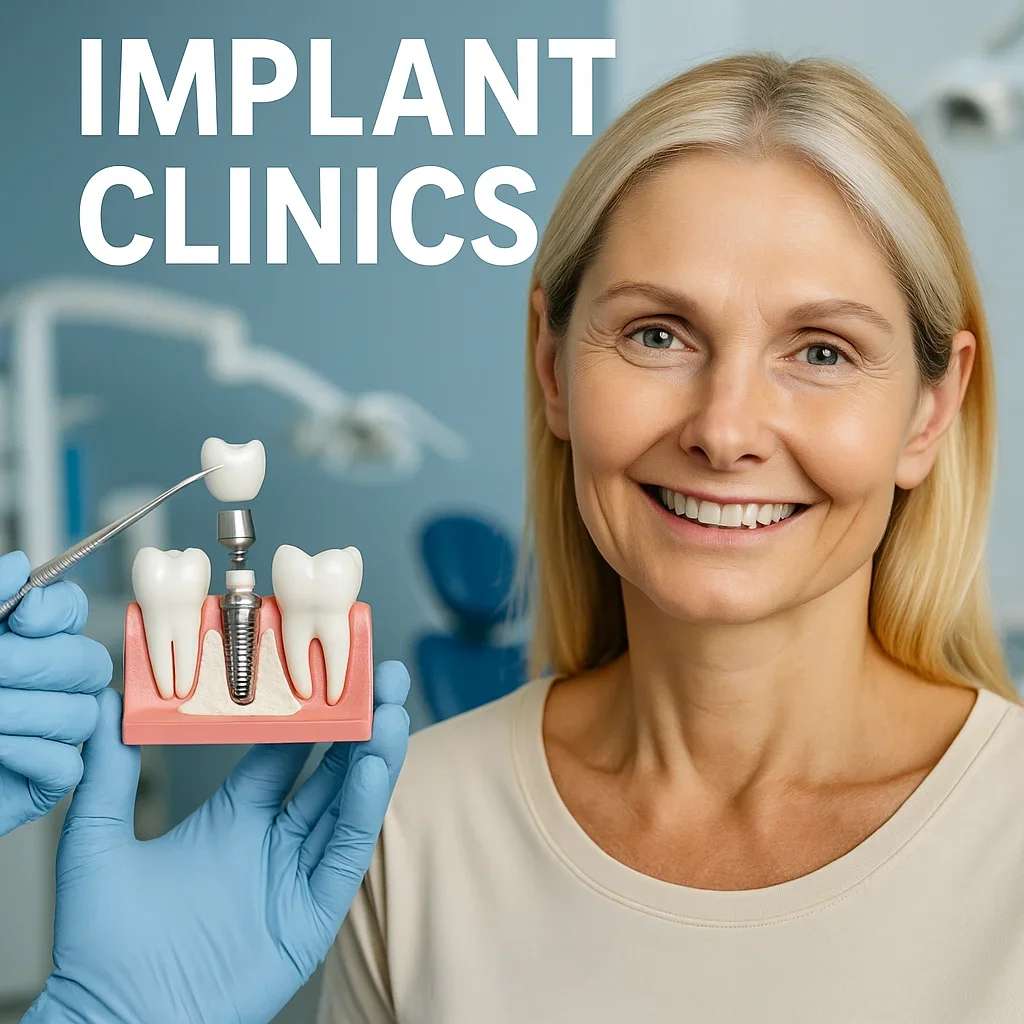
Choosing the Best Implant Clinics for Your Smile Transformation
Deciding where to get dental implants is one of the most important healthcare choices you’ll ever make. With so many options worldwide, selecting the right implant clinics can mean the difference between a flawless, long-lasting smile and one filled with complications. In this comprehensive guide, we’ll explore how to identify the best clinic for your needs, what credentials to look for, and how patient-centered care ensures lifelong results. 🌿🦷
1. What Defines a Top-Tier Implant Clinic?
The best implant clinics are distinguished by a combination of expertise, innovation, and ethical patient care. They prioritize precision, transparency, and comfort at every stage of the treatment. From the initial consultation to post-surgical follow-up, their systems are designed to deliver predictable, aesthetically pleasing results.
Reputable clinics follow international standards, employ specialized implantologists, and use high-quality materials approved by organizations such as the American Dental Association. These elements collectively ensure that each implant procedure is not only successful but also safe and comfortable for the patient.
Key Characteristics of Leading Implant Clinics
- Certified implantologists with international training and ongoing education.
- State-of-the-art diagnostic tools such as 3D CBCT scanners and digital planning systems.
- Comprehensive patient support, including aftercare and transparent pricing.
- Strict sterilization standards that comply with global health regulations.
- Proven track record with high success rates and positive patient testimonials.
2. Evaluating Professional Credentials and Accreditation
Before choosing where to undergo treatment, patients should verify that their chosen implant clinics hold proper accreditation. Certification from recognized dental boards or universities indicates that the clinic meets rigorous standards of quality. Memberships in international dental associations also demonstrate commitment to continuous learning and professional ethics.
Additionally, clinics should clearly display their credentials, certifications, and details about their lead surgeons. Transparency in qualifications builds trust — a fundamental factor in selecting your dental care provider.
3. The Role of Technology in Your Decision
Technological advancement is a major marker of excellence. Elite implant clinics integrate digital dentistry into every stage of treatment. For example, 3D imaging allows clinicians to visualize bone structures in detail, while computer-guided implant placement ensures accuracy within fractions of a millimeter. These innovations make procedures safer and more predictable.
Many clinics now use intraoral scanners, AI-assisted planning tools, and even 3D printing for personalized prosthetics. When evaluating potential providers, ask about their use of such technologies — it’s a direct indicator of modernity and precision.
Virtual Consultations and Tele-Dentistry
Leading implant clinics often offer virtual consultations to assess patients remotely. This is especially beneficial for international patients who wish to plan their treatment before traveling. Through secure video calls, doctors can review scans, discuss options, and prepare customized treatment plans, making global dental tourism more efficient and affordable.
4. Patient Reviews and Testimonials
Real patient feedback is invaluable when choosing among implant clinics. Authentic reviews provide insight into clinical expertise, staff professionalism, and post-treatment care. Look for consistent praise regarding comfort, transparency, and long-term satisfaction. Verified video testimonials or before-and-after photos offer even greater assurance of quality.
Many reputable clinics, such as Redent Klinik, proudly share patient stories that showcase not just aesthetic results but emotional transformations as well. A genuine connection between clinic and patient reflects superior service standards.
5. Cost Transparency and Value
While price shouldn’t be the sole factor in your decision, it’s important to understand what’s included in the treatment package. Top implant clinics maintain transparency in pricing, breaking down the cost of consultation, surgery, materials, and follow-up care. This prevents unpleasant surprises and helps patients budget effectively.
Cost-effective doesn’t always mean cheap — it means offering premium care at a fair price. Some clinics even provide financing options or dental tourism packages that include accommodation and transfers, offering comprehensive solutions for international patients. For example, the Redent Klinik Contact Page provides detailed information for international patients seeking transparent pricing and personalized treatment plans.
6. The Importance of Communication and Comfort
Effective communication between patient and dentist is essential for a stress-free experience. The top implant clinics assign dedicated coordinators who assist with travel logistics, translation, and medical explanations. This ensures patients feel informed and supported at every stage.
Additionally, multilingual staff members and personalized consultations create a welcoming environment. Clinics that listen carefully to patient concerns — from dental anxiety to aesthetic preferences — deliver superior outcomes and satisfaction.
7. Hygiene Standards and Safety Protocols
Cleanliness is non-negotiable in modern dentistry. All reputable implant clinics follow strict sterilization protocols using autoclaves, disposable instruments, and medical-grade disinfectants. Treatment rooms must be equipped with advanced air filtration and contamination control systems to guarantee patient safety.
Patients should never hesitate to ask about sterilization practices. A transparent clinic will gladly demonstrate its infection-control methods and share documentation proving compliance with international standards.
8. Comprehensive Aftercare Programs
Even the most successful surgery can fail without proper aftercare. That’s why leading implant clinics design structured follow-up programs. These may include scheduled checkups, professional cleanings, and digital progress monitoring. The goal is to ensure that your implants integrate properly and remain healthy for decades.
Aftercare is also where patient education shines. Top clinics teach patients proper brushing, flossing, and lifestyle habits that protect their new smiles. Clinics that invest in long-term relationships — rather than one-time treatments — exemplify true dental excellence.
Remote Follow-Up and Digital Monitoring
Some advanced implant clinics offer remote follow-ups where patients can upload photos or scans of their healing progress. Using AI diagnostics, the dental team reviews the images and provides feedback without requiring travel. This convenience is particularly beneficial for international patients seeking ongoing care.
9. Comparing Global Implant Destinations
When researching implant clinics, it’s helpful to compare global dental destinations. Countries such as Turkey, Spain, and Mexico have emerged as leaders in affordable, high-quality dental tourism. Clinics in these regions combine advanced technology, internationally trained surgeons, and competitive pricing to attract patients from all over the world.
For example, Turkey’s Redent Klinik stands out for its modern facilities, English-speaking staff, and internationally certified implantologists. Its integration of hospitality and healthcare makes it a top choice for patients seeking world-class dental solutions at accessible rates.
10. Final Checklist Before You Commit
Before finalizing your decision, review this essential checklist for evaluating implant clinics:
- Verify the dentist’s credentials and clinic’s certifications.
- Ask for detailed cost breakdowns and clear timelines.
- Ensure the clinic uses 3D imaging and digital planning tools.
- Review patient testimonials and before/after photos.
- Assess hygiene, safety, and anesthesia options.
- Confirm ongoing aftercare support and communication accessibility.
In conclusion, choosing the right implant clinics requires careful research and an understanding of what defines true dental excellence. Look for experience, transparency, and patient-first values — not just affordability. When done correctly, this decision can transform your confidence and quality of life forever. For a trusted partner in your journey, explore the Redent Klinik Contact Page to connect with globally recognized experts who specialize in creating perfect smiles that last a lifetime. 🌟