
When considering a single tooth replacement, one of the most common questions patients ask is, “What is the implant cost for one tooth?” This is not a simple number, as it depends on many clinical and financial factors. In this comprehensive 2025 guide, we will explore every aspect that influences the price, from materials and procedures to location and aftercare. Whether you’re in the United States, the UK, or Turkey, understanding what determines the cost will help you make a smart, informed decision for your dental health and your budget. 💡
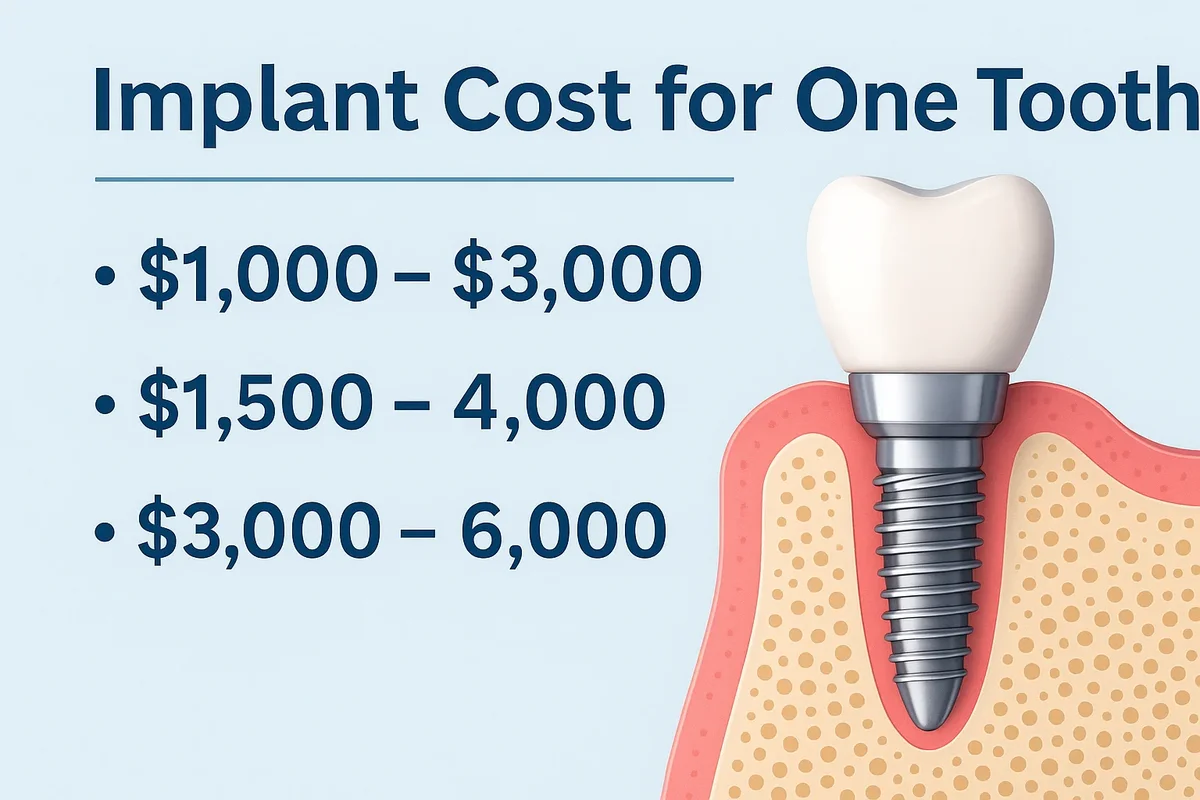
Generally, the implant cost for one tooth covers several stages: the implant post (the titanium screw placed into the jawbone), the abutment (which connects the implant to the crown), and the crown itself (the visible tooth replacement). Each stage carries a separate fee, and together they form the total expense of a dental implant. The average range in most Western countries varies between $1,500 and $6,000 per tooth, depending on the complexity of the case, the type of materials used, and the dentist’s expertise.
Unlike traditional dentures or bridges, a dental implant provides a permanent, natural-looking solution. It integrates directly with the bone through a process called osseointegration. This ensures stability, comfort, and long-term success. Because of its durability and aesthetic appeal, many patients view implants as an investment rather than a cost. However, understanding what you’re paying for—and why—is essential to avoid unnecessary expenses or low-quality treatments.
Several major factors influence the implant cost for one tooth:
- Material type: Titanium implants are most common, but zirconia is also gaining popularity for patients seeking a metal-free option.
- Dentist’s expertise: Experienced implantologists may charge more, but the higher success rate and fewer complications usually justify the cost.
- Diagnostic and preparatory work: X-rays, 3D scans, and sometimes bone grafting or sinus lifts can increase the total cost.
- Location: Prices vary drastically between countries. For instance, Turkey and Eastern Europe offer much more affordable solutions compared to the US or UK while maintaining high quality.
- Laboratory and crown quality: Custom-designed crowns that mimic the shade and shape of your natural teeth can influence the overall pricing.
In most cases, patients also need to consider the aftercare cost, such as follow-up visits, hygiene maintenance, and potential adjustments. These post-treatment steps are essential for long-term success and avoiding complications like infection or implant failure. When evaluating quotes from clinics, always ensure that aftercare and check-ups are included in the total estimate.
To ensure your treatment is performed by qualified professionals, check whether the clinic or dentist is accredited by reputable organizations such as the American Dental Association. Membership in such associations is a sign of high professional standards and commitment to patient safety.
Another aspect to consider is the country-specific price range. For example:
- 🇺🇸 United States: $3,000–$6,000 per tooth
- 🇬🇧 United Kingdom: £2,000–£4,500 per tooth
- 🇩🇪 Germany: €1,800–€3,500 per tooth
- 🇹🇷 Turkey: $700–$1,200 per tooth (including crown and abutment)
These numbers highlight how geographical location dramatically impacts the implant cost for one tooth. Countries like Turkey have become global hubs for dental tourism, offering world-class care at significantly reduced rates. Clinics such as Redent Klinik Contact Page provide internationally accredited treatments with advanced technology and English-speaking dentists. 🌍✈️
Still, price should never be your only deciding factor. Always prioritize safety, sterilization standards, and dentist expertise. A poorly performed implant procedure can lead to bone loss, gum infection, or even implant rejection. Choosing a trusted clinic ensures your new tooth functions and looks natural for decades to come.
From a long-term perspective, the implant cost for one tooth becomes more reasonable when you compare it with the durability and comfort it provides. Unlike dentures that may need replacement every 5–7 years, a well-maintained implant can last a lifetime. This not only saves future costs but also preserves jawbone health and facial aesthetics—two key benefits that make implants a preferred modern solution. 🦷💎
In conclusion, while the implant cost for one tooth may initially seem high, it reflects the complexity, precision, and long-term value of the procedure. The right clinic, experienced surgeon, and quality materials make all the difference. Investing in a dental implant today can restore your smile, confidence, and oral health for life.
What Affects the Implant Cost for One Tooth?
The implant cost for one tooth can vary dramatically between patients—even within the same clinic. This is because a dental implant is not a one-size-fits-all procedure; it’s a personalized treatment designed to meet your specific anatomical, aesthetic, and functional needs. Understanding what truly affects this cost helps patients plan their budgets realistically and make informed decisions when comparing clinics or treatment options. 💰🦷
1. Dentist’s Experience and Expertise
One of the biggest determinants of the implant cost for one tooth is the dentist’s experience. Implantology is a highly specialized field that requires both surgical and prosthetic expertise. Experienced implantologists or oral surgeons typically charge more due to their advanced skills and higher success rates. Clinics that employ certified implant specialists who have completed advanced training programs from organizations like the American Dental Association tend to have slightly higher prices, but these professionals minimize the risk of complications and implant failures. In short, higher expertise often equals better long-term value.
2. Type and Quality of the Implant Material
Dental implants are usually made of titanium or zirconia. Titanium implants are time-tested, biocompatible, and highly durable, making them the most common choice. Zirconia implants, on the other hand, are metal-free and favored for their natural color and hypoallergenic properties. However, zirconia implants can increase the implant cost for one tooth by 20–30%. The decision depends on patient preference, aesthetic goals, and medical history. Premium brands like Straumann or Nobel Biocare offer superior precision and longevity but come at a higher price point compared to generic implant systems.
3. Diagnostic and Preparatory Procedures
Before placing a dental implant, your dentist needs to perform several diagnostic procedures such as panoramic X-rays, cone beam CT scans, and oral examinations. These steps ensure the bone structure is sufficient for implant placement. In some cases, patients may require bone grafting or a sinus lift to strengthen the foundation for the implant. Each of these preparatory treatments adds to the overall implant cost for one tooth. A CT scan alone can cost between $100 and $300, while bone grafting may add $300–$800 depending on the material used and the size of the area being treated.
4. Location and Regional Pricing Differences
Geographical location plays a significant role in determining the final price. For instance, clinics in major urban centers like London, New York, or Paris usually charge significantly higher fees due to overhead costs, rent, and labor. Meanwhile, dental tourism destinations such as Turkey, Hungary, or Mexico offer comparable quality at a fraction of the price. The same procedure that costs $4,000 in the U.S. might cost only $900–$1,200 in Turkey. Patients seeking affordable yet high-quality treatment often choose reputable clinics like Redent Klinik Contact Page to benefit from world-class technology and English-speaking dental experts.
5. Complexity of the Procedure
Every mouth is different, and not all implants are equally simple to place. Factors like jawbone density, gum health, infection history, and the positioning of neighboring teeth affect the difficulty level of the surgery. For example, if bone density is low, the implant must be placed more carefully or supported with a graft. Complex cases require more time, advanced tools, and additional appointments—all of which increase the implant cost for one tooth. Simple cases with sufficient bone and healthy gums can be completed in one session, making them less expensive overall.
6. Type of Crown and Abutment
After the implant integrates with the bone, a custom abutment and crown are attached to restore the tooth’s appearance and function. The crown material—whether porcelain-fused-to-metal, full ceramic, or zirconia—affects both aesthetics and durability. Naturally, premium crowns cost more but last longer and blend seamlessly with surrounding teeth. On average, a high-quality zirconia crown adds $400–$800 to the total implant cost for one tooth. The abutment, which connects the implant post to the crown, can also be customized for a better fit and look, contributing to the final pricing.
7. Laboratory Fees and Technology Used
Modern dental clinics use digital scanning and 3D printing technologies to design implants with microscopic precision. These innovations reduce errors and improve comfort but add technical expenses. Some labs even use CAD/CAM milling systems for tailor-made crowns that perfectly match the patient’s bite. The cost of such advanced laboratory work is factored into the implant cost for one tooth. While cheaper clinics might use standardized, off-the-shelf parts, these can compromise the final result and longevity of the implant.
8. Post-Operative Care and Follow-Up Visits
After the surgery, the patient must attend several follow-up visits to monitor healing and integration. These visits are essential to ensure the implant fuses correctly with the jawbone. Any adjustments, cleanings, or antibiotics required during this stage may add minor expenses, but they play a critical role in the long-term success of your dental implant. A well-maintained implant can last 25 years or longer, meaning the initial implant cost for one tooth becomes an investment in long-term oral health. 🪥
Summary: Factors That Drive the Final Price
- Dentist’s qualifications and experience
- Implant and crown material type
- Diagnostic imaging and surgical complexity
- Clinic location and operational costs
- Additional procedures like bone grafting or sinus lift
- Quality of prosthetic components
- Post-surgical follow-up and maintenance
In summary, the implant cost for one tooth is not a single fixed amount but a combination of multiple contributing factors. A transparent and well-detailed treatment plan helps you understand where your money goes and what level of quality you’re receiving. When comparing clinics, always request a full cost breakdown and ask if follow-up care is included. Choosing an experienced dentist, premium materials, and an accredited clinic will ensure your new tooth looks natural, functions perfectly, and lasts for decades. 🌟
Single Tooth Implant Procedure Step by Step
Understanding the exact process behind a single dental implant is essential before making an investment in your smile. The implant cost for one tooth reflects not just the materials and labor, but also the high level of precision and planning required to ensure a long-lasting result. In this section, we’ll break down every stage of the dental implant journey—from initial consultation to final crown placement—so you know exactly what you’re paying for and what to expect during treatment. 🦷✨
1. Initial Consultation and Treatment Planning
The process begins with an in-depth consultation with an experienced implantologist or oral surgeon. During this appointment, the dentist examines your oral health, reviews your medical history, and performs diagnostic imaging such as panoramic X-rays or 3D CBCT scans. These tools allow the dentist to evaluate bone density, gum health, and nerve positioning. All of this information is critical in determining whether you are a suitable candidate for an implant.
This diagnostic stage directly influences the implant cost for one tooth, as advanced imaging and comprehensive examinations require modern technology and expert analysis. However, this step ensures that your procedure will be safe, precise, and tailored to your individual anatomy. A customized treatment plan is then created, outlining each phase of the process, expected healing times, and total costs involved.
2. Tooth Extraction (If Necessary)
If the damaged or decayed tooth is still present, it will need to be extracted before the implant can be placed. Simple extractions are straightforward and inexpensive, but complex cases—such as teeth broken below the gum line—can require surgical extraction. The additional surgical work may increase the implant cost for one tooth slightly. Dentists often recommend waiting several weeks after extraction to allow the gum and bone to heal properly before proceeding with implant placement.
3. Bone Grafting and Jaw Preparation
Bone density is one of the most important factors in implant success. If your jawbone is too thin or soft, a bone graft may be necessary to provide a stable foundation for the implant. This involves placing bone material (either synthetic or from a donor source) into the deficient area. The healing process can take several months, but it significantly improves long-term stability.
This preparatory stage can add $300–$800 to the implant cost for one tooth, depending on the size and complexity of the graft. Despite the extra cost, skipping this step can lead to implant failure, which would be far more expensive to correct later. Therefore, bone grafting is often seen as a wise investment rather than an additional burden.
4. Implant Placement Surgery
The core step of the procedure is the surgical placement of the titanium implant post into the jawbone. Under local anesthesia or conscious sedation, the dentist creates a small incision in the gum, drills a precisely measured hole, and carefully inserts the implant. This post acts as the artificial root of your new tooth. 🛠️
The precision required in this stage is one of the main reasons why the implant cost for one tooth is higher than traditional dental restorations. It demands sterile conditions, specialized instruments, and the expertise of a highly trained surgeon. The procedure typically takes about one hour per implant and is virtually painless thanks to modern anesthetics.
5. Osseointegration: The Healing Phase
After placement, the implant must bond with the jawbone in a natural process called osseointegration. This healing period usually lasts 3–6 months. During this time, the bone grows around the titanium post, creating a secure anchor for the replacement tooth. Regular check-ups are necessary to ensure proper healing and prevent infection.
Although this stage doesn’t directly increase the implant cost for one tooth, it represents the longest part of the treatment timeline. The success of osseointegration determines whether the implant can last decades, making patience during this phase crucial for long-term success.
6. Abutment Placement
Once the implant has fully fused with the bone, a small connecting piece called an abutment is attached to the implant post. This abutment will hold the final crown in place. In some clinics, abutment placement is included in the total cost, while others may charge separately—usually between $300 and $500. The abutment plays a vital role in achieving a natural look and proper bite alignment.
7. Crown Fabrication and Placement
The final step involves placing the dental crown—the visible part of the implant that looks like your natural tooth. Crowns can be made from porcelain, zirconia, or metal-ceramic materials, each offering different aesthetic and durability advantages. A custom shade is chosen to match the surrounding teeth for a seamless appearance.
The crown stage often accounts for a significant portion of the implant cost for one tooth, typically ranging between $400 and $1,000 depending on material quality and laboratory work. Clinics using CAD/CAM technology can design and produce the crown within a single visit, saving patients time and improving accuracy.
Aftercare and Maintenance
Even after the procedure is complete, patients must maintain excellent oral hygiene to protect their new implant. This includes brushing twice daily, using interdental brushes, and visiting the dentist for professional cleanings at least twice a year. Neglecting these habits can lead to gum inflammation or peri-implantitis, a condition that threatens the stability of the implant.
When maintained properly, a single dental implant can last over 25 years—making the initial implant cost for one tooth a long-term investment in both aesthetics and functionality. In comparison, traditional bridges may need replacement every 7–10 years, often resulting in higher cumulative expenses.
Why Step-by-Step Precision Matters
Each phase of the implant process builds upon the previous one. Skipping any diagnostic or healing stage can jeopardize the outcome and waste both time and money. A detailed and transparent plan ensures you know exactly what’s included in your implant cost for one tooth, with no hidden surprises. Choosing an accredited clinic such as Redent Klinik Contact Page ensures the entire procedure—from planning to restoration—is performed under strict medical standards with modern technology and sterilization protocols.
Ultimately, the step-by-step implant process is not just about restoring a missing tooth—it’s about rebuilding confidence, improving oral function, and enhancing quality of life. Each carefully executed stage ensures your new tooth looks natural, feels secure, and stands the test of time. 🌟
Comparing Dental Implants vs. Bridges: Which Is Worth It?
When patients begin researching tooth replacement options, one of the most common comparisons they encounter is between dental implants and dental bridges. Both can restore a missing tooth, but they differ significantly in longevity, function, aesthetics, and total expense. The implant cost for one tooth might initially seem higher than a bridge, but the long-term value often makes implants the smarter investment. Let’s explore these differences in detail to help you make an informed, confident decision about your dental future. 🦷💡
1. What Is a Dental Implant?
A dental implant is a titanium or zirconia screw that is surgically inserted into your jawbone to replace the root of a missing tooth. Once the implant fuses with the bone (a process called osseointegration), a custom-made crown is attached to restore full chewing function and natural aesthetics. Because the implant integrates directly with the jawbone, it prevents bone loss and provides unmatched stability. This biological connection is one of the main reasons why the implant cost for one tooth reflects both precision and longevity.
2. What Is a Dental Bridge?
A traditional bridge, on the other hand, uses two neighboring teeth as supports (called abutments). These teeth are shaved down and capped with crowns that hold a false tooth (pontic) in between. Although bridges are non-surgical and quicker to place, they do not replace the missing tooth’s root. Over time, the underlying bone may begin to shrink because it lacks stimulation. While a bridge usually costs less upfront, this structure can lead to long-term maintenance costs and possible future tooth damage.
3. Initial Cost Comparison
The implant cost for one tooth is typically higher than that of a dental bridge. On average, a single implant (including post, abutment, and crown) ranges between $1,500 and $6,000 depending on country and material. In contrast, a dental bridge may cost between $800 and $2,500. However, the cost-per-year of durability tells a different story. A well-placed implant can last 25 years or more, whereas bridges generally need replacement every 7–10 years. When you divide total expenses by lifespan, implants often end up being more economical in the long term. 📊
4. Durability and Maintenance
Dental implants are made from materials that resist decay and integrate biologically with bone, giving them an expected lifespan of decades. Regular oral hygiene and professional cleanings are all that’s required for maintenance. Conversely, bridges depend on the health of the supporting teeth. If either abutment tooth develops decay or gum disease, the entire bridge may fail. Replacing bridges multiple times over a lifetime can easily surpass the original implant cost for one tooth. From a durability standpoint, implants clearly offer superior return on investment.
5. Aesthetics and Natural Feel
From an aesthetic point of view, implants closely mimic the natural structure of a tooth. They emerge from the gum line just like a real tooth and match the color, shape, and translucency of your surrounding teeth. Because they are anchored in bone, they don’t slip or move. Bridges, however, rest on the gum line and may create small gaps that trap food particles, leading to hygiene challenges and subtle aesthetic imperfections. For patients who value a completely natural appearance and seamless smile, paying the slightly higher implant cost for one tooth is well worth it. 😁
6. Bone Preservation and Oral Health
Perhaps the most critical difference between the two solutions lies in bone preservation. Implants stimulate the jawbone just like natural roots, preventing bone resorption (shrinking) over time. Bridges do not offer this benefit, meaning the bone beneath the missing tooth gradually deteriorates. This process can change your facial profile and lead to premature aging. In this sense, the implant cost for one tooth includes a long-term benefit—maintaining your facial structure and jaw health.
Scientific Insight:
Clinical research has shown that bone loss around a bridge site can reach up to 25% within the first year after tooth extraction. In contrast, dental implants maintain nearly 95% of bone volume even after several years. This makes implants the gold standard for preserving oral health according to organizations like the American Dental Association.
7. Comfort and Functionality
When it comes to comfort, implants feel like natural teeth because they are anchored in bone. You can bite, chew, and speak normally without worrying about movement. Bridges, while functional, may sometimes feel less stable, especially when chewing hard foods. Bridges also require special cleaning tools like floss threaders to reach underneath the pontic area. In contrast, implants can be brushed and flossed normally, just like any other tooth. Over time, this convenience adds significant value to the implant cost for one tooth.
8. Longevity and Replacement Frequency
Longevity is a major deciding factor for most patients. A single well-maintained implant can last 25–30 years, while bridges usually require replacement two or three times in that same period. If each bridge replacement costs $1,500, the total lifetime expense could exceed $4,500—nearly equivalent to or even higher than the initial implant cost for one tooth. Furthermore, bridges place strain on the supporting teeth, which might eventually need their own implants or restorations. Therefore, implants offer superior lifetime value both medically and financially. 💎
9. Procedure Time and Recovery
Bridges have the advantage of speed—they can often be completed in two visits within two weeks. Implants require a longer process because of osseointegration, but the result is permanent and biologically superior. Patients seeking immediate cosmetic improvement may prefer a temporary bridge, but those prioritizing long-term oral health typically choose implants despite the extended timeline. The gradual, step-by-step implant process ensures stability and minimizes complications, making the investment worthwhile for decades to come.
Conclusion: Which Option Is Right for You?
If you’re looking for a fast, budget-friendly short-term fix, a dental bridge may suffice. However, for long-term durability, comfort, and aesthetics, the implant cost for one tooth represents a better investment in your oral health and confidence. Implants protect bone structure, require less maintenance, and eliminate the need to grind down neighboring teeth. For patients seeking a safe and affordable option abroad, visiting an experienced clinic like Redent Klinik Contact Page in Turkey provides an excellent balance of quality and value.
Ultimately, choosing between a bridge and an implant depends on your health, budget, and long-term goals. But when you calculate lifetime performance and health preservation, dental implants consistently prove to be the most reliable and cost-effective solution for replacing a missing tooth. 🌟
Hidden Factors That Influence the Final Price
When patients receive quotes for dental implants, they often notice that prices can vary widely—even between clinics in the same city. The reason is that several hidden factors influence the final implant cost for one tooth. While most people account for the implant itself, crown, and surgery, they may overlook additional elements such as diagnostic tools, surgeon skill level, post-treatment care, and even clinic overhead. Understanding these details ensures transparency and helps you avoid unexpected costs later in your treatment journey. 💡🦷
1. Diagnostic Imaging and Pre-Surgical Planning
Before any implant surgery begins, a thorough diagnostic evaluation is necessary to plan the procedure safely and accurately. Clinics using advanced 3D imaging systems like CBCT scans (Cone Beam Computed Tomography) offer greater precision than standard X-rays. These scans allow the dentist to visualize bone density, sinus positioning, and nerve locations in three dimensions—critical for determining the optimal implant placement angle and depth.
However, this technology comes with an added cost. A single CBCT scan can range from $100 to $300, depending on the country and clinic. This diagnostic phase, though often not included in initial advertisements, can significantly influence the implant cost for one tooth. Yet, skipping it could lead to inaccurate placement or complications later, which may require costly corrections.
2. Bone Grafting and Sinus Lift Procedures
Not every patient has the ideal jawbone volume to support an implant. Bone loss from gum disease, aging, or previous tooth extractions can reduce the success rate of implant placement. In these cases, dentists perform bone grafting to rebuild the bone structure or a sinus lift for upper jaw cases. These additional surgeries add complexity, materials, and time—raising the total implant cost for one tooth.
Bone grafts may use synthetic bone, donor bone, or the patient’s own bone. Prices vary accordingly, from $300 for minor grafts to over $1,000 for large areas. Although this raises the initial cost, grafting ensures long-term implant success and prevents future bone deterioration. A similar logic applies to sinus lifts, which may cost $800–$2,000 but allow implants in areas that would otherwise be impossible to restore.
3. The Dentist’s Expertise and Certification Level
The experience of your dentist or oral surgeon can significantly affect both the success rate and the total implant cost for one tooth. Highly qualified implantologists who hold certifications from global bodies like the American Dental Association or European Association for Osseointegration often charge higher professional fees. However, they bring years of experience, advanced surgical skills, and access to the latest implant technologies.
Cheaper, inexperienced providers might offer attractive deals but can compromise on precision, leading to failed implants, infections, or nerve injuries. Correcting these mistakes later is far more expensive than investing in a skilled expert from the start. Therefore, while a professional’s expertise may seem like a hidden cost, it’s actually one of the most crucial determinants of quality and safety.
4. Choice of Implant Brand and Warranty Coverage
Implant manufacturers vary in terms of quality, design, and warranty support. Leading brands like Straumann, Nobel Biocare, and Zimmer Biomet provide lifetime warranties and use premium-grade titanium alloys that resist corrosion and improve osseointegration. These brands often increase the implant cost for one tooth by 10–25%, but they ensure long-term reliability and global support in case maintenance or part replacement is needed abroad.
On the other hand, low-cost implants or locally produced alternatives may be cheaper initially but might lack standardized parts, making repairs or replacements difficult in the future. Always ask your dentist about the implant system being used, and ensure it’s an internationally recognized brand with full documentation and batch tracking.
5. Laboratory and Customization Fees
Dental crowns and abutments are typically made in specialized laboratories using 3D design and milling technology. Each tooth is custom-made to match your bite, shape, and color perfectly. The complexity of this customization process affects the implant cost for one tooth. Premium materials like zirconia crowns, which are both strong and aesthetic, can cost more than standard porcelain-fused crowns. In addition, digital smile design systems, which allow patients to preview their new teeth virtually before production, add another layer of value (and cost) to the final result.
Clinics that invest in in-house CAD/CAM systems can often offer faster turnaround times and lower lab costs. Meanwhile, clinics outsourcing this work to external laboratories may charge extra to cover third-party fees. This difference can easily add $300–$700 to your final bill.
6. Sedation and Anesthesia Options
Most implant surgeries are performed under local anesthesia, which is typically included in the standard cost. However, patients with dental anxiety or complex surgical needs might require conscious sedation or even general anesthesia. These comfort options can add $150–$600 to the implant cost for one tooth. Although optional, they greatly enhance patient experience and allow the surgeon to perform longer or more delicate procedures with precision.
7. Post-Surgery Maintenance and Aftercare
The implant journey doesn’t end once the crown is placed. Regular maintenance visits are necessary to ensure the implant integrates properly and remains healthy for years. Most reputable clinics include a short-term follow-up program, but extended warranties or hygiene packages may come at an extra cost. Typically, post-op cleanings and check-ups cost $100–$200 annually. Over time, this contributes to the long-term value of your investment and protects you from complications that could require re-treatment.
Hidden Cost vs. Hidden Value
It’s important to remember that these so-called “hidden costs” are often hidden values. They reflect the clinic’s investment in technology, safety, and expertise. A transparent clinic should provide you with a full written estimate that lists every phase of the procedure, from diagnostics to crown delivery. If a quote seems suspiciously low, ask what’s included—and more importantly, what’s not. Sometimes, advertised “cheap” implant prices exclude essential elements such as abutments, crowns, or aftercare, leading to unexpected bills later.
8. Geographic and Economic Variables
Location also subtly influences the implant cost for one tooth. For example, the same treatment can cost double in major Western cities compared to dental tourism hubs. Clinics in Turkey, such as Redent Klinik Contact Page, are able to offer high-quality treatments at lower prices due to favorable economic conditions, lower operational costs, and government incentives for medical tourism. This makes them a popular choice for international patients seeking affordable yet premium results. 🌍
Final Thoughts
The next time you see an advertisement for “cheap dental implants,” remember that price alone never tells the full story. Every step—from 3D imaging and materials to expertise and aftercare—affects the outcome. The implant cost for one tooth represents a delicate balance between clinical precision, material quality, and patient safety. By understanding these hidden factors, you can make smarter financial and medical decisions that result in a natural, healthy smile that lasts a lifetime. 🌟
Average Implant Cost for One Tooth by Country 🌍
When patients begin researching dental implants, one of the first things they notice is how much the price can vary between countries. The implant cost for one tooth depends heavily on where you have your treatment performed, as each country’s healthcare system, labor cost, and currency value affect the overall price. Understanding these global differences helps patients make informed decisions, especially those considering dental tourism. Below, we break down the typical costs across major regions, explain why the differences exist, and provide tips for finding high-quality treatment abroad. 🌎🦷
1. United States 🇺🇸
In the United States, dental implants are among the most expensive in the world due to high operational and insurance costs. On average, the implant cost for one tooth ranges between $3,000 and $6,000, including the post, abutment, and crown. Additional procedures like bone grafting or CT scans can raise the price even higher. Dentists in major metropolitan areas—such as New York, Los Angeles, and Chicago—typically charge more than smaller cities or rural areas.
While the U.S. boasts world-class dental technology and strict hygiene standards, the cost can be prohibitive for many patients. Insurance often covers only part of the expense, if any. As a result, a growing number of Americans are seeking dental care abroad, where the implant cost for one tooth can be up to 70% lower without compromising quality. This shift has led to an explosion in dental tourism to destinations like Mexico and Turkey. ✈️
2. United Kingdom 🇬🇧
In the United Kingdom, dental implant costs are also high, typically ranging from £2,000 to £4,500 per tooth. The implant cost for one tooth includes consultation, implant placement, and the final crown. However, the National Health Service (NHS) rarely covers implants, classifying them as cosmetic rather than essential. Consequently, most patients must turn to private clinics, where prices reflect not only material costs but also the high overhead and labor expenses in the UK dental sector.
Many UK patients now travel to nearby European countries such as Hungary or Poland to save money while maintaining access to high-quality care. For example, the same implant procedure that costs £3,000 in London might cost around £1,200–£1,500 abroad, depending on the clinic and implant brand.
3. Germany 🇩🇪
Germany is known for precision engineering, and its dental care industry is no exception. The implant cost for one tooth in Germany ranges between €1,800 and €3,500. German clinics are famous for using advanced technologies, including computer-guided surgery and 3D planning, which enhance success rates but slightly increase costs.
Although German patients pay more compared to some other European countries, they benefit from highly regulated standards, modern sterilization systems, and internationally certified implantologists. German-made implant systems are also among the most reliable in the world, which justifies the higher price tag for long-term value and peace of mind.
4. Turkey 🇹🇷
Turkey has rapidly become a top global destination for dental tourism due to its combination of affordability and world-class expertise. The average implant cost for one tooth in Turkey ranges from $700 to $1,200, including consultation, implant, abutment, and crown. Many clinics also offer travel packages that include airport transfers, hotel stays, and translation assistance—making the overall experience convenient for international patients. 🕌✨
Clinics like Redent Klinik Contact Page are known for their advanced sterilization procedures, multilingual staff, and use of top-tier implant brands like Straumann and Nobel Biocare. Turkish dentists often train in Europe and the U.S., ensuring international standards of care at a fraction of Western prices. The country’s favorable exchange rates and lower operational costs make it possible to offer affordable treatment without sacrificing quality. This is why Turkey attracts thousands of dental tourists every year from the UK, Germany, and the Middle East.
5. Mexico 🇲🇽
Mexico is another leading hub for affordable dental implants, especially for patients from the U.S. and Canada. The implant cost for one tooth here ranges between $800 and $1,500. Border cities like Tijuana and Cancun host state-of-the-art clinics catering specifically to medical tourists. The proximity to North America allows patients to combine vacation travel with dental treatment while still saving up to 60% compared to domestic prices.
However, patients must carefully research clinics to ensure they meet international sterilization standards and are accredited by reputable organizations like the American Dental Association or its affiliates. The quality of care in Mexico varies greatly, so choosing an established and transparent clinic is crucial.
6. Eastern Europe (Hungary, Poland, Romania) 🇭🇺🇵🇱🇷🇴
Eastern European countries offer some of the best value-for-money implant treatments globally. The average implant cost for one tooth in Hungary or Poland ranges from €800 to €1,500. These countries have well-developed dental tourism industries and English-speaking specialists. Budapest, in particular, is often referred to as the “Dental Capital of Europe” due to its dense network of modern clinics.
Eastern Europe’s lower living costs, skilled workforce, and government support for medical tourism all contribute to keeping prices affordable. Yet, the quality of implants and equipment remains on par with Western Europe. Patients often combine treatment with cultural tourism, enjoying a pleasant and economical healthcare experience.
7. Middle East (UAE, Saudi Arabia, Jordan) 🌍
In the Middle East, prices can vary significantly depending on the country and the clinic’s target market. The average implant cost for one tooth in the United Arab Emirates or Saudi Arabia ranges between $1,800 and $3,000. Premium clinics in Dubai or Riyadh may charge even higher due to their luxury facilities and imported implant systems. In contrast, Jordan offers high-quality care at much more reasonable rates, often attracting patients from neighboring countries.
Why the Price Difference Exists
The variation in prices across countries stems from several economic and clinical factors:
- Labor Costs: Western nations have higher salaries for dental professionals.
- Currency Value: Favorable exchange rates make countries like Turkey and Mexico more affordable for foreigners.
- Material Sourcing: Some countries produce implant components locally, reducing import expenses.
- Government Regulations: Strict regulatory environments can increase operational costs.
- Tourism Infrastructure: Nations investing in medical tourism can offer competitive pricing while maintaining quality.
8. How to Choose the Right Country
When deciding where to have your implant procedure, balance cost with safety and reputation. Research clinic certifications, read verified patient reviews, and request before-and-after photos. Clinics that are transparent about their procedures and pricing generally provide higher-quality service. Choosing a country like Turkey, where the implant cost for one tooth is affordable yet internationally regulated, can help you achieve optimal results without overspending. 🌟
Final Overview
The global differences in the implant cost for one tooth reflect a combination of economics, technology, and medical expertise. While Western nations provide exceptional care, the same quality is increasingly available in more cost-effective destinations. For many, combining affordability with vacation opportunities in countries such as Turkey or Hungary offers the perfect solution. Regardless of location, always ensure your treatment plan includes all stages—consultation, surgery, abutment, and crown—to avoid hidden costs later.
Ultimately, the goal is not just to save money but to receive safe, professional, and lasting dental care that restores both your smile and confidence. 🌍🦷💎
How to Reduce Dental Implant Costs Without Losing Quality
Many patients assume that lowering the implant cost for one tooth automatically means sacrificing quality — but that’s not always the case. With strategic planning, careful clinic selection, and smart use of available options, you can significantly reduce costs while maintaining high clinical standards. In this section, we’ll explore practical methods to make dental implants more affordable without compromising on safety, materials, or long-term success. 💡🦷
1. Choose the Right Country for Your Treatment
Location is one of the biggest factors influencing the implant cost for one tooth. Countries like the United States or the UK have higher labor and operational costs, while destinations such as Turkey, Hungary, and Mexico offer equally high-quality services at far lower prices. This has given rise to what’s now known as dental tourism — traveling abroad for professional, cost-effective dental care.
For example, in the U.S., a single implant may cost $4,000–$6,000, while in Turkey the same procedure can be completed for $700–$1,200. Clinics such as Redent Klinik Contact Page combine international expertise with modern equipment, offering premium care that’s still budget-friendly. These clinics often include airport pickup, accommodation, and consultation in their packages, making the experience seamless for international patients. ✈️
2. Ask for an All-Inclusive Package
Many reputable clinics provide all-inclusive packages that bundle consultation, implant placement, abutment, and crown into one fixed price. This eliminates hidden costs and helps patients budget more accurately. Always request a written quote that clearly lists everything covered. Packages may also include transportation, digital scans, and follow-up visits, which can further reduce total expenses.
All-inclusive offers are particularly beneficial for patients seeking treatment abroad. Since the entire process is managed by one team under one price, the total implant cost for one tooth remains transparent. Be cautious of “too good to be true” deals, though — if the price seems suspiciously low, it may exclude essential elements like crown fabrication or aftercare visits.
3. Opt for Local or Generic Implant Brands
While premium brands such as Straumann and Nobel Biocare offer outstanding quality, there are reputable local and mid-tier brands that provide similar durability at a fraction of the price. Choosing these alternatives can lower the implant cost for one tooth by 20–40%, especially in regions where import fees for global brands are high.
However, always make sure the implant system is certified by international authorities and has global recognition. Ask your dentist for brand details, warranty duration, and available replacement parts. The best mid-range implants are compatible with standard abutments and crowns, allowing future adjustments if necessary without the high costs of premium models.
4. Compare Multiple Treatment Plans
Never settle for the first quote you receive. Consulting multiple clinics can help you identify price differences and better understand what each quote includes. Some clinics provide free online consultations where you can send X-rays or photos to receive an accurate estimate. By comparing at least three treatment plans, you can find the ideal balance between cost and quality for your specific case.
During your comparison, pay attention to the experience of the surgeon, brand of implant, and post-operative care included. This ensures the final implant cost for one tooth truly reflects a fair and comprehensive treatment, not just a base surgical fee.
5. Take Advantage of Seasonal Discounts or Promotions
Dental clinics—especially those catering to international patients—often offer seasonal promotions or discounts during off-peak travel times. For example, clinics in Turkey or Hungary may offer 10–20% discounts in winter months when fewer tourists are visiting. These legitimate offers can help you save significantly without compromising treatment quality.
Be sure to confirm that discounted treatments still include high-standard materials and full guarantees. Genuine clinics will never downgrade implant brands or sterilization protocols to reduce costs. Instead, they may simply offer discounts as part of their marketing or patient acquisition strategies.
6. Utilize Payment Plans and Financing Options
Even with reduced prices, dental implants can still be a significant investment. To make payments more manageable, many clinics now offer flexible financing plans. You can divide the total implant cost for one tooth into monthly installments over 6–24 months. Some even offer zero-interest options for a set period, making it easier to access premium care without financial strain.
Before agreeing to financing, read the terms carefully. Confirm interest rates, payment duration, and whether prepayment penalties apply. For international patients, paying through secure channels or medical finance providers ensures your funds are protected throughout the treatment process.
7. Maintain Oral Health to Avoid Extra Procedures
Good oral hygiene before and after treatment helps minimize the need for additional surgeries like bone grafting or sinus lifts, both of which increase the implant cost for one tooth. Regular brushing, flossing, and avoiding smoking can keep your gums healthy and reduce healing time. Patients who maintain strong jawbone density and clean oral habits usually require simpler implant procedures, lowering total costs naturally.
Preventive Tip:
Schedule a professional cleaning before your implant appointment. Removing plaque and tartar allows the surgeon to work in a cleaner environment, reducing the risk of infection and potential complications that could increase long-term expenses.
8. Combine Treatments for Better Pricing
Patients needing multiple implants can often negotiate better rates when combining procedures. Instead of paying separately for each tooth, clinics may offer a reduced per-tooth rate when performing multiple placements at once. For example, placing three implants simultaneously might lower the per-unit price by 10–15%, reducing the average implant cost for one tooth.
This approach also saves chair time, anesthesia fees, and travel costs. Many dental tourists plan comprehensive full-mouth restorations in one trip, combining several procedures into one efficient, cost-saving package.
Negotiating Smartly
When discussing pricing, remain polite but assertive. Ask about discounts for multi-implant cases, referrals, or group treatments. Most clinics appreciate direct communication and are open to fair negotiations that benefit both sides. Avoid bargaining to the point of compromising quality—focus on transparency and value instead.
9. Choose Clinics With In-House Technology
Clinics that own their own 3D scanners, CAD/CAM systems, and dental laboratories often charge less because they don’t rely on external labs or imaging centers. This reduces overhead costs and speeds up delivery. By choosing such clinics, you benefit from both faster turnaround and lower overall implant cost for one tooth without reducing precision or safety.
These advanced facilities also allow dentists to design crowns and abutments digitally, ensuring perfect alignment and aesthetics. This level of in-house integration often results in higher patient satisfaction and fewer adjustments after treatment.
Final Thoughts: Smart Spending, Lasting Smiles
Reducing the implant cost for one tooth is not about cutting corners—it’s about making intelligent, informed choices. Focus on reputable clinics, transparent pricing, and high-quality materials with proven success rates. A lower price should never come at the cost of safety or professionalism. By combining research, negotiation, and proper maintenance, you can achieve a stunning, natural-looking smile that lasts for decades—without overspending. 🌟
Remember, dental implants are a long-term investment in your confidence, comfort, and health. With thoughtful planning, it’s entirely possible to make that investment both affordable and exceptional in quality.
Best Materials for Affordable and Durable Tooth Implants
When it comes to understanding the implant cost for one tooth, one of the most influential factors is the material used to create the implant itself. The type of material not only affects the upfront price but also determines how well the implant performs over decades. A high-quality implant material can provide exceptional strength, biocompatibility, and natural aesthetics—ensuring long-lasting results with minimal maintenance. In this section, we’ll explore the main materials used in dental implants, how they compare in cost and durability, and what to consider when choosing the best one for your specific needs. 🦷✨
1. Titanium: The Gold Standard
For decades, titanium has been the most trusted material for dental implants. It offers unmatched strength, lightness, and resistance to corrosion. Titanium’s unique property of fusing with bone—a process known as osseointegration—allows the implant to function just like a natural tooth root. This makes it highly stable, durable, and suitable for nearly all patients.
Because of its proven clinical success, titanium remains the most common and cost-effective choice. The average implant cost for one tooth with a titanium base ranges from $1,000 to $3,000 depending on the country and the implant brand. Major manufacturers such as Straumann, Nobel Biocare, and Zimmer Biomet use medical-grade titanium alloys that maintain a near-perfect success rate over 95%.
Advantages of Titanium Implants:
- Biocompatible and hypoallergenic for most patients
- Promotes natural bone integration for lasting stability
- Lightweight yet strong, minimizing jaw stress
- Proven clinical track record over 40+ years
However, titanium is a metal, and in rare cases, patients may experience allergic reactions or aesthetic concerns such as a grayish hue visible through thin gums. For patients with these sensitivities or high aesthetic demands, another alternative—zirconia—may be a better fit.
2. Zirconia: The Metal-Free Alternative
Zirconia implants are gaining popularity as a modern, aesthetic solution. Made from zirconium dioxide, this ceramic material is strong, non-metallic, and naturally white—making it ideal for front teeth restorations where appearance is crucial. Since zirconia is resistant to corrosion and plaque accumulation, it’s also highly biocompatible and excellent for patients with metal sensitivities.
The implant cost for one tooth using zirconia is typically 20–30% higher than titanium, averaging $1,500–$4,000 per tooth in most countries. Although it’s more expensive, many patients choose zirconia for its natural appearance and low risk of gum irritation. Zirconia implants are also a single-piece design (combining the post and abutment), which minimizes bacteria buildup around joints—an added benefit for gum health. 🦷
Advantages of Zirconia Implants:
- Metal-free and ideal for patients with allergies
- Superior aesthetic appeal (tooth-colored base)
- Excellent gum compatibility with reduced inflammation risk
- High strength and corrosion resistance
While zirconia is more brittle than titanium and less flexible under pressure, advancements in material engineering are quickly closing that gap. Many clinics now use hybrid zirconia systems reinforced with yttria, improving both durability and longevity.
3. Titanium-Zirconium Alloy: The Best of Both Worlds
Recent innovation has led to the development of titanium-zirconium alloys, combining the durability of titanium with the biocompatibility and whiteness of zirconia. These implants are up to 30% stronger than pure titanium while maintaining excellent tissue integration. They are often used in patients with thinner bone structures, where additional strength is crucial.
Implants made from these alloys generally fall in the mid- to high-price range, with the implant cost for one tooth averaging $1,200–$3,500. Although not as common as pure titanium, they offer a great balance of strength, aesthetics, and compatibility for long-term results.
Key Benefits:
- Enhanced strength compared to pure titanium
- Better aesthetic match than metallic-gray titanium bases
- Reduced risk of allergic reaction
- Excellent long-term durability and minimal corrosion
4. Abutment and Crown Materials: Completing the Restoration
While the implant post (root) material is critical, the visible part of the restoration—the crown and abutment—also influences both performance and cost. Abutments can be made from titanium, zirconia, or gold alloys, while crowns are typically crafted from porcelain, ceramic, or zirconia. Each combination changes the total implant cost for one tooth and affects its final appearance.
Material Combinations and Their Benefits:
- Titanium Post + Ceramic Crown: Affordable, durable, and natural-looking.
- Zirconia Post + Zirconia Crown: Fully metal-free, perfect for front teeth aesthetics.
- Titanium-Zirconium Alloy + Porcelain Crown: Strong yet elegant, ideal for molar replacements.
High-end dental laboratories use CAD/CAM milling systems to custom design these components for each patient, ensuring perfect color match and bite alignment. While this precision work slightly increases the price, it guarantees better long-term comfort and aesthetics.
5. Longevity and Maintenance Costs
Durability is a major factor when assessing long-term value. Titanium implants can last 25 years or more with proper care, and zirconia implants show comparable longevity. Even though zirconia may require a higher initial investment, its resistance to plaque and gum inflammation can reduce future maintenance expenses. Therefore, when calculating the implant cost for one tooth, it’s essential to factor in not just the upfront price but also lifetime performance and hygiene advantages.
Proper oral hygiene—brushing, flossing, and regular check-ups—is crucial regardless of material. Avoiding smoking, excessive alcohol, and neglecting aftercare visits ensures the implant remains secure for decades. Clinics with comprehensive maintenance programs often include follow-up visits in the total treatment plan, preventing unexpected future costs.
6. Choosing the Right Material for You
Selecting the ideal implant material depends on several factors: your bone density, gum color, budget, and any allergies you might have. For example, titanium is excellent for patients needing maximum strength at an affordable rate, while zirconia suits those seeking metal-free, aesthetic results. If unsure, ask your dentist for a side-by-side comparison of both options, including visual simulations of your final smile. 🦷💎
Clinics like Redent Klinik Contact Page can help patients choose the perfect implant type and material based on individual oral structure and cosmetic preferences. Expert consultation ensures that every detail—from implant post to crown—matches your functional and aesthetic goals.
Final Thoughts
While the implant cost for one tooth varies depending on material, investing in the right one pays off for decades of reliable performance. Titanium remains the most cost-effective and proven solution, while zirconia provides unmatched aesthetics for those prioritizing appearance and allergy safety. Hybrid alloys bridge the gap between both. The key is to balance budget with quality and ensure that the implant system you choose is internationally certified and professionally placed. When chosen wisely, the right implant material can deliver not only a confident smile but also peace of mind for a lifetime. 🌟
Long-Term Value and Maintenance of a Single Tooth Implant
While patients often focus on the upfront implant cost for one tooth, the true value of a dental implant lies in its longevity and minimal maintenance needs. Unlike bridges or dentures that require frequent replacements, a single dental implant—when properly cared for—can last a lifetime. This makes it one of the most cost-effective and health-preserving dental investments available. In this section, we’ll explore the long-term advantages, maintenance strategies, and hidden savings associated with choosing a single tooth implant over other restoration options. 🦷💰
1. Understanding the Real Value Beyond the Price Tag
The implant cost for one tooth might initially seem high compared to alternatives like bridges or partial dentures. However, the durability and independence of implants make them a superior long-term solution. While bridges may last 7–10 years and require the grinding of adjacent teeth, implants stand independently and protect surrounding structures. Over decades, this prevents further dental issues and the additional expenses that come with them.
Consider this comparison: a dental bridge may cost $1,500 initially, but after two replacements, the total cost surpasses $4,000 over 20 years. In contrast, a single implant might cost $2,500 upfront but last 25+ years with proper care. This long lifespan and preservation of natural tooth structure make the implant a far better long-term investment.
2. Maintenance Requirements for Dental Implants
Unlike dentures that require special adhesives or frequent adjustments, implant maintenance is almost identical to caring for natural teeth. To keep the implant healthy, patients should:
- Brush at least twice daily with a soft-bristle toothbrush.
- Floss using implant-safe or water flossers to clean around the crown and abutment.
- Rinse with antibacterial mouthwash to prevent plaque accumulation.
- Visit the dentist every six months for professional cleanings and checkups.
With these simple steps, the total maintenance cost remains low over time. High-quality clinics often include initial maintenance appointments within the implant cost for one tooth, ensuring patients start their journey with proper hygiene guidance. 🪥
3. The Role of Osseointegration in Long-Term Stability
One of the key factors behind an implant’s longevity is osseointegration—the biological process where the bone fuses with the titanium post. Once this bond is fully formed, the implant becomes as stable as a natural tooth root. This integration not only supports chewing forces but also prevents bone resorption (the gradual shrinking of the jawbone that occurs after tooth loss).
Maintaining this integration is essential for durability. Smoking, poor hygiene, and chronic diseases like diabetes can affect bone health and potentially compromise implant success. Patients who follow their dentist’s aftercare instructions typically enjoy success rates above 95%, making the implant cost for one tooth well worth the long-term benefit.
4. Common Long-Term Issues and How to Prevent Them
Although implants are designed to last, improper care can lead to complications such as:
- Peri-implantitis: A gum infection similar to periodontitis that affects tissues around the implant.
- Mechanical wear: Rare crown or abutment damage due to grinding (bruxism).
- Bone loss: Caused by neglecting regular dental checkups or poor oral hygiene.
These problems can be avoided with preventive habits and regular professional evaluations. Most clinics recommend annual X-rays to ensure bone levels remain stable. Repair or replacement costs for crowns are minimal compared to replacing the entire implant system, which is why regular monitoring adds great value to your investment.
5. Comparison With Other Tooth Replacement Options
When evaluating the total lifetime expense, implants often outperform other restorative solutions. Let’s compare them briefly:
| Treatment Type | Initial Cost | Average Lifespan | Maintenance Cost (20 Years) | Long-Term Value |
|---|---|---|---|---|
| Single Dental Implant | $2,000–$4,000 | 25+ years | Low | Excellent |
| Dental Bridge | $1,200–$2,500 | 7–10 years | Medium–High | Moderate |
| Partial Denture | $800–$1,800 | 5–8 years | High | Low |
As the table shows, even though the implant cost for one tooth is higher initially, its extended lifespan and minimal maintenance make it the most cost-efficient solution over time. 🏆
6. Professional Aftercare Programs
Leading dental clinics offer personalized maintenance programs to extend implant life. These include annual cleanings, digital X-rays, and gum assessments to monitor implant stability. Clinics like Redent Klinik Contact Page provide comprehensive follow-up plans that ensure your implant remains in perfect condition, combining medical precision with patient education.
Such programs often come at a modest annual cost but significantly reduce the risk of complications. They also allow early detection of potential problems like gum recession or bone loss before they affect the implant’s integrity.
7. Lifestyle Habits That Protect Your Investment
Long-term implant success isn’t just about dental hygiene—it’s also influenced by daily lifestyle choices. Here’s how to protect your investment:
- Avoid smoking: Nicotine restricts blood flow and slows bone healing.
- Eat a balanced diet: Calcium and vitamin D strengthen bone support.
- Wear a nightguard: If you grind your teeth during sleep, use a custom guard to prevent pressure damage.
- Limit sugar and alcohol: These can contribute to gum inflammation and bacterial growth.
By maintaining these habits, you help ensure your implant remains functional, stable, and aesthetically appealing for decades. Each preventive step adds to the long-term value derived from your implant cost for one tooth.
8. Environmental and Health Impact
Another often-overlooked benefit of implants is their sustainability. Unlike removable dentures made from plastics that need regular replacement, implants use biocompatible materials like titanium and zirconia, which are environmentally safer and longer-lasting. Furthermore, by preserving jawbone health, implants contribute to better facial symmetry, preventing the “sunken” appearance associated with missing teeth. This holistic benefit extends far beyond oral health, enhancing confidence and overall well-being. 🌿
Supporting Evidence from Professional Bodies
According to research published by the American Dental Association, dental implants have one of the highest success rates in modern dentistry, with proper maintenance playing the key role in longevity. The ADA emphasizes professional cleaning and monitoring as vital factors to ensure maximum durability and return on investment.
9. Final Thoughts on Long-Term Worth
When assessing the implant cost for one tooth, it’s essential to view it as a lifetime investment rather than a one-time expense. The combination of functionality, appearance, and health preservation makes it far superior to any alternative. Over time, the stability of implants translates to fewer dental visits, no slippage or discomfort, and a confident smile that lasts decades.
By prioritizing professional care, adopting good oral hygiene habits, and selecting a qualified clinic, patients can enjoy both short-term and long-term rewards from their dental implant treatment. Whether for restoring aesthetics, maintaining jaw health, or achieving comfort, the long-term value of a single dental implant remains unmatched. 🌟
Ultimately, the best return on your investment comes not just from saving money, but from restoring the freedom to eat, smile, and speak confidently — every single day for life. 🦷❤️
Frequently Asked Questions About Single Tooth Implant Costs
Before undergoing treatment, many patients have questions about the implant cost for one tooth, how pricing is determined, and what to expect during the process. Understanding these details helps eliminate confusion and ensures you make informed decisions about your dental investment. This section provides detailed, expert-backed answers to the most common questions patients ask about dental implants, from hidden fees to insurance coverage and financing options. 💬🦷
1. Why Do Implant Costs Vary So Much?
The implant cost for one tooth varies depending on several key factors such as the dentist’s experience, clinic location, and the brand or material used for the implant. For example, clinics in high-cost urban areas like London or Los Angeles generally charge more than clinics in Istanbul or Budapest, where operational expenses are lower. Similarly, top-tier implant brands like Straumann or Nobel Biocare tend to be more expensive due to their extensive research, lifetime warranties, and global recognition.
Additionally, each case is unique. Bone grafting, sinus lifts, or tooth extractions before implant placement all add to the total cost. Understanding these variables helps patients evaluate quotes more accurately instead of focusing solely on the base price.
2. What Is Included in the Quoted Implant Cost?
A trustworthy dental clinic should provide an all-inclusive quote that breaks down every component of your treatment plan. Typically, a complete implant cost for one tooth includes:
- Initial consultation and digital imaging (X-rays or CBCT scans)
- The titanium or zirconia implant post
- The abutment (connector piece)
- The final crown
- Local anesthesia and surgical fees
- Follow-up visits for healing and adjustments
Be cautious of low initial prices that exclude essential steps like abutment placement or the crown. These omissions can lead to unexpected expenses later. A transparent, all-in-one package is a sign of a reputable clinic, such as Redent Klinik Contact Page, which provides detailed, no-hidden-fee treatment plans. 🏥
3. Are There Any Hidden Costs I Should Know About?
While reputable clinics clearly outline their pricing, patients should still be aware of potential extra costs that might arise in specific circumstances. These may include:
- Bone grafting or sinus lifting if the jawbone lacks volume
- Temporary tooth (provisional crown) during healing
- Additional scans or laboratory adjustments
- Travel or accommodation for international patients
These factors can increase the implant cost for one tooth by 10–20%. Always request a written treatment plan upfront to ensure you’re financially prepared and avoid unexpected fees later in the process.
4. Does Dental Insurance Cover Implant Treatment?
Insurance coverage for dental implants varies greatly between countries and policies. In many Western countries, dental insurance considers implants a cosmetic procedure and does not cover the entire cost. However, certain plans may cover parts of the process, such as the crown or diagnostic imaging.
For example, in the U.S., some insurance providers now reimburse 20–40% of the implant cost for one tooth under major dental plans, especially if the procedure is deemed medically necessary (e.g., after trauma or bone loss). Always check your policy terms or speak directly with your insurer to confirm eligibility. Many international clinics also offer documentation that helps patients claim partial reimbursement from their local insurance provider.
5. Can I Pay for My Implant in Installments?
Yes! Many modern dental clinics offer flexible financing options to make the implant cost for one tooth more manageable. Patients can often split the total price into monthly installments without interest, especially for treatments exceeding $1,000. Financing can be done directly through the clinic or via third-party medical loan providers.
This option is particularly helpful for patients undergoing multiple implants. For example, you may pay an initial 30% deposit at the time of surgery, then spread the remainder over 6–18 months. This structure allows you to receive top-quality care immediately while easing the financial burden over time. 💳
6. How Long Does a Single Tooth Implant Last?
One of the biggest reasons why the implant cost for one tooth is considered a long-term investment is its durability. With proper care, implants can last 25 years or even a lifetime. The titanium root integrates with the jawbone through osseointegration, creating a stable foundation. Unlike bridges that may fail after 10 years, implants rarely require replacement unless there’s trauma or gum disease.
Regular dental checkups and cleanings ensure continued success. Many clinics include maintenance appointments in their implant packages, emphasizing preventive care to extend the lifespan of your implant.
7. Is There a Difference Between Cheap and Premium Implants?
Yes — and it’s crucial to understand those differences. Cheaper implants may use unverified materials or lack long-term research data. Premium brands, on the other hand, undergo rigorous testing, offer lifetime warranties, and use precision manufacturing. While a low-cost option might save money upfront, the risk of complications—like implant failure or infection—can lead to higher expenses down the road.
Reputable clinics balance affordability with quality by offering mid-tier brands certified by the American Dental Association or equivalent European regulatory bodies. This ensures your implant meets global safety standards while keeping the total implant cost for one tooth reasonable.
8. What Happens If My Implant Fails?
Implant failure is rare, occurring in less than 5% of cases. However, if it happens, most clinics provide free replacement under warranty. The causes of failure may include infection, poor bone healing, or excessive stress on the implant. To minimize these risks, always follow your dentist’s post-operative care instructions and attend follow-up visits.
In case of failure, the implant is usually removed, the area allowed to heal, and a new implant is placed after several months. Reputable clinics—like those specializing in dental tourism in Turkey—often include warranty coverage as part of their standard treatment package, ensuring you’re financially protected against such rare events.
9. Can I Get a Dental Implant the Same Day?
Yes, in some cases, same-day or “immediate-load” implants are possible. These allow for placing the implant and a temporary crown within 24 hours. However, this approach depends on your bone density, gum health, and bite alignment. While convenient, not everyone qualifies for same-day implants.
The implant cost for one tooth in same-day cases may be slightly higher because of advanced equipment and additional expertise required. However, it saves multiple visits and accelerates the overall treatment timeline, which many patients find worthwhile.
10. Is It Worth Traveling Abroad for Implants?
Absolutely, if you select a certified and reputable clinic. Dental tourism in countries such as Turkey, Poland, and Hungary can reduce the implant cost for one tooth by up to 70% compared to the U.S. or the UK. Clinics catering to international patients often provide English-speaking staff, luxury accommodations, and travel assistance to ensure a smooth experience. ✈️
Choosing a trusted center like Redent Klinik Contact Page offers high-quality, sterilized environments, FDA-approved materials, and experienced oral surgeons. With proper planning, patients can combine vacation travel with top-tier dental care at a fraction of the local price.
Final Thoughts
When evaluating the implant cost for one tooth, focus on transparency, quality, and long-term benefits rather than simply chasing the lowest number. Understanding what influences the cost—from material choice and dentist expertise to geographic location—empowers you to make smart, confident decisions about your oral health. Whether you’re considering treatment locally or abroad, investing in a high-quality dental implant is an investment in comfort, aesthetics, and lifelong confidence. 🌟