
🦷 Dental implants have revolutionized modern dentistry, offering a permanent and natural-looking solution for missing teeth. However, one of the most common questions patients ask is: “Does my insurance include implant dental coverage?” This is a crucial topic because implants represent a significant investment in oral health and overall confidence. Understanding how implant dental coverage works — including its limitations, eligibility criteria, and reimbursement options — can help patients make informed, cost-effective decisions about their treatment plans.
In simple terms, implant dental coverage refers to the portion of dental insurance that helps pay for implant-related procedures, such as surgery, abutments, and prosthetic crowns. Unfortunately, not all dental insurance plans include implants, as many insurers still categorize them as “cosmetic” rather than medically necessary treatments. This makes it essential for patients to read their policy carefully or consult their insurance provider to avoid unexpected costs.
Implants are not just about aesthetics — they are essential for maintaining jawbone integrity, preventing shifting teeth, and restoring proper chewing function. Therefore, modern policies are gradually adapting to include partial or full implant dental coverage, especially when the treatment is deemed medically necessary due to trauma, infection, or bone resorption. These changes reflect growing recognition that implants are long-term health investments, not luxury procedures.
📋 Let’s break down what typical implant dental coverage includes. Most insurance plans that cover implants will contribute to certain parts of the procedure, such as diagnostic imaging (like 3D scans), tooth extraction, bone grafting, and the implant crown itself. The surgical placement of the titanium post may or may not be covered depending on your plan’s terms. Some insurance companies provide up to a specific annual maximum benefit (e.g., $1,500–$3,000 per year), meaning you might need to distribute implant treatment stages across two or more policy years to maximize coverage benefits.
In cases where implant dental coverage is excluded, patients can still utilize flexible spending accounts (FSA) or health savings accounts (HSA) to offset costs using pre-tax dollars. Many dental clinics — including specialized centers like Redent Klinik Contact Page — also offer in-house financing plans or partnerships with healthcare lenders, making implant treatments more accessible without overburdening patients financially.
It’s important to understand that even if your policy includes implant dental coverage, there might be certain conditions or prerequisites. For example, insurers might require documentation showing that the tooth loss was due to an accident or medical necessity rather than elective removal. Others may limit reimbursement to specific components — like covering the crown but excluding the surgical implant itself. These nuances can make a big difference in your total out-of-pocket costs, so always review the fine print before scheduling your implant procedure.
According to the American Dental Association, over three million Americans have dental implants, and the number grows by about 500,000 each year. This rising trend is encouraging more insurance providers to rethink their approach to implant dental coverage. As dental technology advances and implants become more standardized, coverage policies are gradually broadening to accommodate different patient needs and treatment complexities.
🧩 Another key aspect to consider is the long-term savings of implants compared to other restorations. While dentures or bridges might appear cheaper upfront, they often require frequent replacements and adjustments. Implants, on the other hand, can last decades with proper care, offering a better return on investment. This is why having partial implant dental coverage is so valuable — it supports a solution that is both medically sound and economically sustainable over time.
Patients seeking coverage should also pay attention to waiting periods and annual maximums. Some insurance companies impose a six-month to one-year waiting period before implant benefits kick in. Others may offer reimbursement only after the implant is placed and restored with a crown. Understanding these timing details can help you strategically plan your treatment and avoid unnecessary financial strain.
✅ In summary, implant dental coverage is evolving, but it remains inconsistent across providers. Patients should take proactive steps — verify their benefits, request written confirmation from insurers, and compare policies if necessary. Whether through employer plans, supplemental coverage, or financing assistance, there are many ways to make dental implants affordable and achievable. The key is to stay informed and choose a trusted clinic that provides transparent cost breakdowns and expert guidance throughout the process.
Ultimately, investing time in understanding implant dental coverage can save thousands of dollars while ensuring your smile restoration journey is smooth and stress-free. As awareness grows, dental coverage is becoming more inclusive, helping more people enjoy the benefits of durable, natural-looking implants that enhance both oral function and confidence. 🌟
What Is Implant Dental Coverage and Why It Matters
When people hear the term implant dental coverage, they often think it simply means their insurance will pay for dental implants. In reality, the concept is far more complex. Implant dental coverage is the specific portion of your dental insurance plan that provides partial or full reimbursement for implant-related treatments — including the surgical procedure, abutment, and prosthetic crown. Because implants are viewed as both functional and aesthetic solutions, understanding how this coverage works is essential for making informed financial and health decisions. 🦷
Why Dental Implants Are More Than Just a Cosmetic Procedure
Dental implants are titanium posts surgically inserted into the jawbone to replace missing teeth. Unlike removable dentures, implants act as artificial roots that support crowns, bridges, or dentures securely and permanently. While they restore aesthetics, implants also prevent bone loss and maintain proper bite alignment — making them medically necessary in many cases. This is where implant dental coverage becomes relevant, as insurance providers are beginning to acknowledge the therapeutic importance of implants rather than classifying them solely as cosmetic.
Historically, insurers viewed implants as elective treatments. However, extensive research and growing demand have shifted this perception. According to studies by the American Dental Association, tooth loss can lead to decreased chewing function, speech difficulties, and facial sagging — all of which impact overall health. Recognizing these clinical implications, more dental insurance companies now offer at least partial implant dental coverage, especially in cases where tooth replacement is necessary to restore function or prevent further complications.
The Components of Implant Dental Coverage
Implant dental coverage doesn’t always include the entire procedure. Most plans break down coverage into three main categories:
- Preliminary Procedures: Diagnostic X-rays, consultations, and bone grafting are sometimes covered if they’re deemed essential for implant success.
- Surgical Placement: The insertion of the titanium implant into the jawbone may be partially covered under surgical or restorative benefits, depending on the plan.
- Prosthetic Restoration: The visible crown, bridge, or denture attached to the implant is often covered under prosthodontic benefits.
For example, an insurance policy might cover 50% of the crown’s cost but exclude the titanium post and abutment. Others might apply a fixed reimbursement limit per implant. Understanding this breakdown helps patients anticipate out-of-pocket expenses and optimize their implant dental coverage.
Types of Dental Insurance That Include Implants
Not all dental insurance plans include implant benefits. The most common types are:
1. PPO (Preferred Provider Organization) Plans
PPO plans offer the most flexibility and often provide partial implant dental coverage when treatment is performed by an in-network dentist. They typically cover 40–60% of eligible procedures after deductibles are met.
2. DHMO (Dental Health Maintenance Organization) Plans
DHMO plans are more restrictive, requiring patients to choose providers from a set network. While premiums are lower, implant coverage under DHMOs is often limited or unavailable, as these plans emphasize basic preventive care over advanced restorations.
3. Indemnity and Fee-for-Service Plans
These traditional plans reimburse a fixed percentage of dental costs, allowing patients to see any dentist. They may offer broader implant dental coverage options but come with higher premiums.
4. Supplemental Dental Plans
Some people add supplemental coverage to fill gaps left by their primary insurance. These plans can specifically target implants or major restorative treatments, providing better reimbursement rates for surgical and prosthetic components.
Factors That Influence Whether You Qualify for Coverage
Insurance companies assess several factors before approving implant dental coverage claims. These may include:
- Cause of tooth loss (e.g., trauma, decay, congenital absence)
- Medical necessity as documented by a dentist or oral surgeon
- Previous history of restorative treatments
- Waiting periods imposed after enrollment
- Annual or lifetime maximum benefits
For instance, if the tooth loss occurred due to an accident, the insurer may categorize the procedure as medically necessary and approve partial reimbursement. Conversely, elective extractions may be excluded from implant dental coverage benefits.
Why Understanding Coverage Matters for Patients
Understanding implant dental coverage matters because it directly affects both affordability and treatment planning. Dental implants can range between $3,000 and $6,000 per tooth in most regions. Without knowing what portion your insurance will cover, you risk unexpected financial strain. Patients who study their policy, communicate with their insurance provider, and ask for written benefit details are far more likely to minimize out-of-pocket expenses.
It’s also essential to know how claim submissions work. In some cases, dental offices like Redent Klinik Contact Page handle all claim paperwork on behalf of patients, simplifying the reimbursement process. By partnering with experienced dental professionals who understand insurance documentation, patients can ensure smoother approvals and quicker claim resolutions.
Alternatives If Your Plan Doesn’t Cover Implants
If your insurance lacks implant dental coverage, there are still several ways to make the procedure affordable:
- Health Savings Accounts (HSA): Use pre-tax contributions for implant-related expenses.
- Flexible Spending Accounts (FSA): These work similarly to HSAs but must be used within the same year.
- Dental Financing Programs: Many clinics offer zero-interest or low-interest installment plans.
- Dental Tourism: Traveling to countries with lower treatment costs can reduce total expenses, though it requires careful research.
Conclusion: Knowledge Is Your Best Investment
Comprehensive understanding of implant dental coverage helps patients make strategic decisions about their oral health. Knowing what your plan includes, what it excludes, and how to appeal denied claims can save thousands of dollars over time. More importantly, it empowers you to pursue the best possible treatment for long-term oral health, function, and confidence. With rising awareness and insurance adaptation, access to dental implants is expanding — allowing more people to smile without hesitation. 🌟
Common Dental Insurance Plans That Include Implants
When researching the topic of implant dental coverage, one of the most crucial steps is identifying which insurance plans actually include dental implants as part of their benefits. In the past, many insurance companies classified implants as elective or cosmetic, but this is changing rapidly. As implants become the gold standard for tooth replacement, insurers are increasingly offering partial or even comprehensive coverage options to meet patient demand. Understanding the types of dental insurance that include implants—and the fine print that comes with them—can help you make smarter financial and treatment decisions. 🦷
How Insurance Companies Approach Implant Dental Coverage
Dental insurance companies typically categorize services into three groups: preventive, basic, and major restorative. Implant procedures fall into the “major restorative” category because they involve surgery, prosthetics, and long-term structural restoration. This classification affects the reimbursement rate and waiting periods. For example, most plans cover preventive care at 100%, basic procedures at 70–80%, and major restorative treatments like implants at around 40–50% after meeting the deductible.
Since implant dental coverage is considered major restorative work, insurers may limit the total payout or require pre-authorization before treatment. This means your dentist must submit a treatment plan, radiographs, and supporting documents to justify the need for the implant. Approval ensures that part of your implant cost will be covered, though the percentage and limit depend on your policy’s structure.
Main Types of Dental Insurance Plans That May Cover Implants
1. Preferred Provider Organization (PPO) Plans
PPO plans are the most flexible option for patients seeking implant dental coverage. These plans allow you to choose your dentist, even if they are out-of-network. Coverage for implants typically ranges from 40% to 60%, but you may receive a higher reimbursement rate when using an in-network provider. PPOs usually have annual maximums (commonly between $1,500 and $3,000), so strategic scheduling of treatment stages can help you get the most out of your benefits.
Additionally, many PPOs impose waiting periods—often six months to a year—before major restorative benefits apply. Patients planning implant surgery should consider this timeframe to avoid denied claims.
2. Indemnity (Traditional) Dental Insurance Plans
Indemnity plans, also known as fee-for-service plans, are the most comprehensive type of implant dental coverage. They reimburse patients for a set percentage of approved procedures, regardless of the dentist’s network status. This makes them ideal for those who prefer freedom of choice and are willing to pay higher premiums. Indemnity plans usually cover 50% of implant-related costs, though they might set specific dollar limits per procedure.
These plans are especially advantageous for patients who need multiple implants or full-mouth restorations because they provide flexible claim structures and fewer restrictions on eligible procedures.
3. Dental Health Maintenance Organization (DHMO) Plans
DHMO plans prioritize affordability and preventive care but generally offer limited or no implant dental coverage. Instead, they focus on cleanings, fillings, and simple extractions. However, some upgraded DHMO plans now include implant-related benefits for specific cases, particularly if the implants are medically necessary or part of reconstructive oral surgery.
It’s worth noting that DHMO enrollees must select a primary dentist from the plan’s network and obtain referrals for specialists. While premiums are lower, out-of-pocket expenses for implants can be significant without supplemental coverage.
4. Exclusive Provider Organization (EPO) Plans
EPO plans work similarly to PPOs but restrict care to in-network providers. They may offer limited implant dental coverage, especially if performed by a specialist within the network. These plans tend to have lower premiums and deductibles, making them a budget-friendly option for patients willing to stay within a provider network.
5. Supplemental Dental Insurance
For patients whose primary insurance lacks adequate implant dental coverage, supplemental dental plans can fill the gap. These plans are specifically designed to cover advanced treatments like implants, bone grafts, and prosthetic crowns. They can be purchased individually or as add-ons to existing policies, often increasing total reimbursement for major procedures.
Supplemental insurance is particularly beneficial for retirees or individuals transitioning from employer-sponsored plans, as it ensures continuity of coverage for implant treatments without long waiting periods.
Employer-Based vs. Individual Plans
Employer-sponsored dental insurance is still the most common form of coverage in many countries. Larger companies often negotiate group rates that include partial implant dental coverage. Some even extend coverage for dependents, making it easier for families to access implant care. However, coverage levels vary widely—while one employer’s plan might cover 50% of implant costs, another might exclude implants entirely.
Individual dental insurance plans purchased directly by consumers offer greater control but may come with higher monthly premiums. The advantage is customization: you can choose a plan specifically designed to cover implants, including related procedures such as sinus lifts and abutments.
International Variations in Implant Dental Coverage
Globally, the availability and scope of implant dental coverage differ dramatically. In the United States, coverage depends heavily on private insurers and employer plans. In the United Kingdom, the National Health Service (NHS) covers implants only when medically necessary, such as after trauma or cancer treatment. Meanwhile, European countries like Germany and France have hybrid public-private systems that may reimburse implants partially under certain conditions.
For international patients, dental tourism can offer a practical alternative. Many people travel to destinations like Turkey, where clinics such as Redent Klinik Contact Page provide world-class implant treatments at lower costs, even without insurance coverage. Patients can save 50–70% compared to U.S. prices, often with comparable quality standards.
Key Factors to Check Before Choosing a Plan
Before purchasing or renewing a dental insurance plan, carefully review the following details regarding implant dental coverage:
- Annual Maximums: The total amount your insurance will pay per year.
- Waiting Periods: The time you must wait before implants become eligible for coverage.
- Pre-Authorization Requirements: Whether you need insurer approval before treatment.
- Replacement Frequency: Some plans limit coverage to one implant per tooth every 10 years.
- Cosmetic Exclusions: If the implant is deemed cosmetic, it may not be covered.
Conclusion: Finding the Right Plan for Your Needs
Ultimately, choosing the right dental insurance plan depends on balancing premiums, flexibility, and long-term value. Patients should evaluate both their oral health needs and financial priorities before committing to a policy. With more insurers adapting to patient demand and recognizing implants as medically essential, access to implant dental coverage continues to expand. Taking the time to understand plan details—and comparing options side by side—ensures you’re not just insured, but truly protected when it comes to restoring your smile with confidence and precision. 🌟
How to Check If Your Insurance Covers Dental Implants
Finding out whether your dental insurance includes implant dental coverage can save you both time and thousands of dollars. Dental implant procedures are among the most significant investments you can make in your oral health, and while coverage is becoming more common, it still varies widely depending on your insurer, policy type, and treatment justification. This section will walk you through every step of verifying your coverage accurately, ensuring you’re fully informed before undergoing treatment. 🦷
Start with Reviewing Your Policy Documents
The first and most straightforward step in determining your implant dental coverage is to read your insurance policy or benefits booklet carefully. Look for terms such as “Major Restorative,” “Prosthodontics,” or “Oral Surgery.” Dental implants typically fall under one of these categories. Most policies outline covered procedures, reimbursement rates, exclusions, waiting periods, and annual maximums.
Pay particular attention to sections labeled “Exclusions and Limitations.” Some insurers state outright that dental implants are excluded. Others mention partial coverage, such as payment for the crown but not the surgical placement. For example, your plan might reimburse 50% of the crown’s cost while excluding the titanium post and abutment from coverage. Understanding these nuances prevents unpleasant surprises during billing.
Contact Your Insurance Provider Directly
If your documentation is unclear, the most reliable approach is to call your insurance provider. Ask to speak with a representative who specializes in dental claims. Prepare specific questions, such as:
- Does my plan include implant dental coverage?
- Are both the surgical and prosthetic components covered?
- What is the annual maximum benefit for implants?
- Do I need pre-authorization before treatment begins?
- What percentage of each phase will be reimbursed?
Be sure to document the date, the representative’s name, and all answers provided. Request a written summary via email or postal mail for your records. This documentation serves as proof of confirmation should disputes arise later. 📝
Request a Predetermination of Benefits
One of the most accurate ways to confirm your implant dental coverage is by submitting a “predetermination of benefits” request through your dentist. This process involves your dental provider sending your insurance company a detailed treatment plan, including diagnostic X-rays, estimated costs, and procedural codes. The insurer then reviews this information and sends a written response specifying how much they will pay for each procedure.
This step ensures transparency before treatment begins. It also allows you to compare out-of-pocket costs and explore alternative financing if needed. In most cases, insurers respond to predetermination requests within two to three weeks.
Check for Waiting Periods and Frequency Limits
Even if your policy includes implant dental coverage, there may be waiting periods that delay eligibility. For example, many insurance companies impose a 6- to 12-month waiting period for major restorative procedures. Additionally, some plans limit reimbursement to one implant per tooth every 5 to 10 years. Reviewing these details prevents you from scheduling surgery prematurely and ensures that you receive maximum financial benefits.
Tip:
Patients planning multiple implants can strategically schedule their procedures across two policy years to take advantage of annual maximums twice. This can significantly reduce total out-of-pocket expenses.
Ask Your Dentist for Insurance Verification Assistance
Reputable dental clinics, such as Redent Klinik Contact Page, often assist patients with verifying their insurance coverage. The clinic’s administrative staff can contact your insurer directly, obtain confirmation in writing, and help you navigate pre-authorization requirements. This professional assistance streamlines the process, ensuring that no paperwork errors delay reimbursement.
Your dentist may also provide the necessary treatment codes, such as CDT (Current Dental Terminology) codes, to help your insurer determine eligibility. These codes clarify whether the service qualifies as a covered benefit under implant dental coverage provisions.
Explore Online Portals and Digital Tools
Most modern insurance providers offer online member portals where you can log in and view detailed plan benefits. Once inside, navigate to the “Coverage Details” or “Benefits Summary” section. Look for mentions of “Major Restorative Services” or “Implant Procedures.” Some insurers even provide real-time cost estimators, allowing you to input your dentist’s zip code, treatment type, and get an estimated reimbursement amount.
These portals are updated regularly and often reflect recent plan changes. Checking them periodically helps ensure that you’re up to date on your implant dental coverage and any policy amendments.
Watch Out for Common Coverage Misunderstandings
Patients frequently misinterpret coverage terms. For example, having coverage for “crowns and bridges” does not automatically mean that implant crowns are included. Similarly, coverage for “oral surgery” might apply to extractions but not to implant placement. Always confirm that the specific procedure codes associated with dental implants (such as D6010, D6056, D6065, etc.) are listed as eligible under your plan.
Another common misconception is assuming that medical insurance will automatically help with implant costs. In most cases, medical insurance covers dental implants only when the procedure is necessary due to trauma, congenital defects, or after tumor removal. Otherwise, medical and dental policies function separately.
Seek Help from Independent Insurance Advisors
If you find the process confusing, consider consulting a licensed dental insurance advisor. These professionals specialize in decoding complex policies and can help you understand your implant dental coverage in plain language. They can also compare multiple insurance providers and identify plans with the most comprehensive implant benefits.
Confirm Network Participation and In-Network Benefits
Choosing an in-network provider can make a significant difference in how much your insurance will pay. Most insurers negotiate discounted rates with network providers, which reduces your total bill before reimbursement even applies. For example, an in-network dentist might charge $3,000 for an implant, while an out-of-network dentist may charge $4,000 for the same procedure. With 50% coverage, your out-of-pocket cost could vary dramatically.
Therefore, when confirming your implant dental coverage, verify whether your dentist participates in your insurer’s preferred provider network. Even if your coverage percentage seems modest, in-network pricing can yield substantial savings.
Conclusion: Verify Before You Commit
Understanding how to check your implant dental coverage is not just about reading policy jargon—it’s about securing financial peace of mind before starting treatment. By combining proactive research, direct insurer communication, and professional guidance from your dentist, you can accurately determine what your plan includes. Taking these steps ensures there are no unpleasant surprises when the bill arrives, allowing you to focus on what matters most: restoring your smile, improving oral health, and regaining confidence in every bite. 🌟
The Real Cost of Dental Implants Without Coverage
Understanding the true financial impact of dental implants is essential for anyone researching implant dental coverage. While implants are widely regarded as the most durable and natural-looking tooth replacement option, they also represent one of the most significant investments in oral health. Without insurance support, the costs can quickly add up. This section provides a comprehensive breakdown of the real costs associated with dental implants — from pre-surgery evaluations to aftercare — and explains how you can manage these expenses effectively, even without active coverage. 💰
Why Dental Implants Are Considered a Long-Term Investment
Unlike dentures or bridges, which may need replacement every 5–10 years, dental implants are designed to last decades or even a lifetime with proper care. This longevity makes them a long-term investment rather than a temporary fix. However, the upfront price can be intimidating when implant dental coverage isn’t included in your insurance plan. Patients must understand that the total cost goes beyond just the implant itself—it includes surgical procedures, prosthetics, and various preparatory steps that affect the overall price.
Average Cost Breakdown Without Implant Dental Coverage
The overall cost of dental implants can vary depending on geographical location, the dentist’s expertise, the implant brand, and the patient’s unique oral condition. Here’s a typical cost range for a single-tooth implant in countries like the United States, where most patients rely on partial insurance or self-pay arrangements:
- Consultation and Diagnostics (X-rays, 3D CT scans): $150–$500
- Tooth Extraction (if needed): $100–$300 per tooth
- Bone Grafting (if required): $300–$1,000
- Titanium Implant Post: $1,000–$2,000
- Abutment and Crown: $1,200–$3,000
- Total (Single Tooth Implant): $3,000–$6,500 per implant
When full-mouth restoration is required, costs can escalate to $25,000–$45,000 or more, depending on the complexity and number of implants. Without implant dental coverage, patients must pay these expenses out of pocket, making financial planning crucial before starting treatment.
Factors That Affect the Total Cost of Dental Implants
The actual amount you pay for dental implants can fluctuate based on several variables. Understanding these factors will help you estimate and manage your total expenditure more effectively:
1. Number of Implants Needed
The more teeth you need replaced, the higher your overall cost. However, dentists often use fewer implants to support multiple teeth via implant-supported bridges, reducing total expenses.
2. Type of Restoration
Single-tooth implants, implant-supported bridges, and full-arch restorations (such as All-on-4 systems) have varying costs. While All-on-4 implants cost more upfront, they can be more economical per tooth in full-mouth reconstructions.
3. Bone Density and Grafting
Patients with insufficient bone density may require grafting procedures to strengthen the jawbone before implant placement. This adds both time and cost to the treatment plan but ensures long-term implant success.
4. Materials and Technology Used
High-quality titanium or zirconia implants, 3D guided surgery, and digital impressions improve precision and aesthetics—but also increase costs. Advanced clinics such as Redent Klinik Contact Page invest in these technologies to ensure superior long-term results.
5. Geographical Location
Implant costs vary widely by region. In metropolitan areas or countries with higher healthcare costs, prices tend to be higher. Conversely, dental tourism destinations like Turkey, Mexico, and Hungary often offer competitive rates without compromising quality.
Comparing Implants with Other Tooth Replacement Options
When evaluating the absence of implant dental coverage, it’s important to compare implants with alternative restoration options:
- Dental Bridges: Cost $1,000–$3,000 per bridge but require grinding down adjacent teeth.
- Partial Dentures: Cost $500–$1,500 but may cause gum irritation and need frequent adjustments.
- Complete Dentures: Cost $1,000–$3,000 and typically need replacement every 5–7 years.
Although implants have higher upfront costs, they prevent bone loss, maintain jaw structure, and last much longer—offering superior value over time. In most cases, if you calculate lifetime costs, implants are the most economical choice even without insurance.
Hidden Costs to Watch Out For
Without implant dental coverage, patients should also consider potential hidden costs such as anesthesia fees, additional imaging, follow-up visits, and post-operative medications. These can add $300–$800 to the total bill. To avoid surprises, always request a detailed written estimate from your dental clinic before committing to treatment.
Financing Options When You Don’t Have Coverage
Fortunately, several financing options can help make implants more affordable even without direct implant dental coverage:
- Dental Payment Plans: Many clinics offer monthly payment options with little or no interest.
- Health Savings Accounts (HSA): Use pre-tax income to pay for implant-related expenses.
- Medical Credit Cards: Providers like CareCredit offer flexible repayment terms for dental treatments.
- Dental Tourism: Receiving care abroad in countries with lower dental costs can cut expenses by up to 70%.
Global Cost Comparison for Dental Implants
Prices for dental implants differ globally due to labor, materials, and currency variations. Here’s an approximate cost comparison per implant:
| Country | Average Cost per Implant |
|---|---|
| United States | $3,000–$6,500 |
| United Kingdom | £2,000–£3,500 |
| Germany | €2,000–€3,000 |
| Turkey | $600–$1,200 |
| Mexico | $700–$1,500 |
Countries like Turkey and Mexico attract international patients seeking affordable yet high-quality dental care. Clinics in these regions often include comprehensive packages that cover accommodation, transport, and follow-up care—making them excellent options for those without implant dental coverage.
The True Value Beyond the Price Tag
While the absence of implant dental coverage can make costs seem intimidating, it’s vital to consider the long-term health and lifestyle benefits of implants. They improve chewing efficiency, preserve facial structure, and eliminate discomfort associated with removable dentures. Moreover, they can significantly enhance confidence and quality of life—benefits that far outweigh the initial expense.
Conclusion: Planning Ahead to Minimize Out-of-Pocket Costs
Dental implants may represent a significant upfront cost, especially without implant dental coverage, but they remain one of the best investments in oral health. Patients can minimize financial strain by exploring financing options, timing treatments around insurance benefit renewals, or seeking reputable international clinics. By understanding every component of the cost structure, you can make an informed decision that aligns with both your health goals and financial capabilities. With proper planning, dental implants can be both affordable and life-changing—proving that a confident, healthy smile is always worth the investment. 🌟
Factors That Affect Your Implant Dental Coverage Approval
Even when a policy technically includes implant dental coverage, not every patient automatically qualifies for reimbursement. Insurance providers evaluate several factors before granting approval, including medical necessity, pre-existing conditions, documentation quality, and plan limitations. Understanding these influencing elements allows you to anticipate potential obstacles and prepare effectively before submitting your claim. 🦷
Why Approval Matters in Dental Implant Procedures
Dental implants are classified as major restorative procedures. Because of their high cost, insurers carefully review every application to ensure the treatment meets their criteria for medical necessity. Approval determines whether your insurer will contribute to the total cost, which can range from 30% to 60% of eligible expenses. If your implant dental coverage request is denied, you may need to appeal or finance the treatment out-of-pocket. Knowing what factors influence approval increases your likelihood of securing favorable results from the start.
Primary Factors That Influence Coverage Decisions
1. Medical Necessity and Justification
Insurance companies often require clear evidence that the implant procedure is medically necessary rather than purely cosmetic. For instance, if a patient lost teeth due to trauma, periodontal disease, or bone deterioration, the treatment is considered restorative and eligible for partial reimbursement. On the other hand, elective tooth extraction followed by implant placement may not qualify under standard implant dental coverage policies.
Your dentist must provide comprehensive documentation, including X-rays, CT scans, and diagnostic reports, demonstrating that the implant is essential to preserve oral function, prevent bone loss, or restore proper bite alignment. The stronger your medical justification, the greater your chance of approval.
2. Pre-Existing Conditions
Many insurance plans include clauses that limit coverage for pre-existing conditions. For example, if you were missing a tooth before enrolling in the plan, some insurers may not offer implant dental coverage for that specific tooth. This exclusion is often stated in the “Missing Tooth Clause,” a common limitation found in dental policies. To avoid confusion, ask your insurer directly whether your plan includes or excludes implants for teeth lost prior to coverage activation.
3. Documentation Accuracy and Coding
One of the most frequent reasons for denied implant claims is incorrect or incomplete documentation. Dental offices must submit accurate CDT (Current Dental Terminology) procedure codes when applying for reimbursement. Errors in these codes can delay or even void coverage. Reputable clinics, such as Redent Klinik Contact Page, often have experienced administrative staff who specialize in preparing and submitting claims correctly, increasing your approval rate.
It’s also crucial to ensure that the description of the treatment matches the diagnosis. For example, if the claim states “single implant restoration” but the X-rays show multiple implants, the insurer may reject it for inconsistency. Proper coding and documentation alignment directly impact how smoothly your implant dental coverage is processed.
4. Waiting Periods and Policy Activation Dates
Most dental insurance plans include waiting periods—typically ranging from 6 to 12 months—before major restorative benefits like implants become active. If you undergo implant surgery before the waiting period ends, your claim will likely be denied. Patients should carefully review their policy start date and confirm with their insurer when implant dental coverage officially begins.
Additionally, if you recently upgraded to a higher-tier plan that includes implants, coverage for those procedures might not be effective until the next renewal cycle. Timing your treatment according to these schedules ensures full eligibility for reimbursement.
5. Annual and Lifetime Maximum Limits
Insurance policies typically cap the total amount payable per year (annual maximum) or over the policy’s lifetime (lifetime maximum). These limits directly influence how much of your implant dental coverage you can use in a given period. For instance, if your annual limit is $2,000 but the implant costs $4,500, you’ll need to cover the remaining balance yourself. Some patients choose to split multi-stage treatments across different policy years to maximize benefit usage.
6. Network Restrictions and Provider Choice
Choosing an in-network provider is often mandatory to receive full benefits. If you select an out-of-network dentist, your reimbursement rate may drop from 60% to as low as 30%. Before scheduling your surgery, confirm whether your dentist participates in your insurance network. Clinics that frequently handle implant dental coverage cases can provide detailed cost estimates and pre-authorization support to simplify this process.
Secondary Factors That Can Affect Approval
1. Policy Exclusions for Cosmetic Procedures
Some insurers still categorize implants as cosmetic procedures, especially when requested for purely aesthetic reasons. For example, replacing a back molar for chewing efficiency is considered restorative and may qualify for coverage, but replacing a front tooth for visual appearance might not. Clarify how your insurer defines “cosmetic” versus “restorative” before applying.
2. Overall Oral Health Status
Insurers may also assess your overall dental health when determining eligibility for implant dental coverage. If untreated gum disease, bone infection, or smoking habits compromise implant success, the claim could be denied until those issues are resolved. Maintaining good oral hygiene and addressing any underlying health problems improves both your implant success rate and insurance approval likelihood.
3. Replacement Frequency Rules
Some dental policies limit how often you can receive implant-related benefits. For instance, coverage may apply to one implant per tooth every 10 years. Submitting a new claim within that timeframe may result in automatic rejection. Reviewing these replacement frequency guidelines beforehand helps you plan your treatment timeline efficiently.
How to Improve Your Chances of Approval
Patients can take several proactive steps to enhance their approval odds for implant dental coverage:
- Ensure that all diagnostic documents (X-rays, scans, treatment plans) are current and detailed.
- Ask your dentist to provide a narrative letter emphasizing medical necessity.
- Submit pre-authorization requests well before treatment begins.
- Follow up with your insurance provider for confirmation of coverage in writing.
- Keep records of all communications with your insurer and dental office.
Appealing a Denied Claim
If your implant dental coverage claim is denied, don’t lose hope. You have the right to appeal the decision. Start by reviewing the denial letter carefully—it should specify the reason for rejection. Then, gather additional evidence, such as medical documentation or dentist statements, to strengthen your case. Resubmit your appeal along with a cover letter clearly explaining why the treatment is medically necessary. Persistence and detailed documentation often lead to successful reversals of initial denials.
Role of Your Dentist in the Approval Process
A knowledgeable dental provider plays a vital role in securing approval for implant dental coverage. Experienced clinics understand the insurance requirements, coding standards, and documentation process. They can anticipate potential insurer objections and address them before submission. Dentists can also help patients time their treatments strategically to align with policy renewal dates, maximizing benefits while minimizing costs.
Conclusion: Preparation Is Key to Approval
Getting approval for implant dental coverage is not merely about having insurance—it’s about understanding and fulfilling every requirement your policy demands. By proactively managing documentation, confirming medical necessity, and partnering with an experienced dental team, you can dramatically increase your likelihood of reimbursement. Taking the time to prepare properly ensures a smoother, faster, and more predictable insurance experience—allowing you to focus on achieving a healthy, confident smile that lasts a lifetime. 🌟
Alternative Financing Options for Dental Implants
For many patients, the absence of implant dental coverage in their insurance plan can make the cost of treatment seem overwhelming. However, there are multiple alternative financing methods available that can make implants affordable without compromising quality. From in-house payment plans to third-party healthcare lenders and medical savings accounts, understanding your financing options allows you to move forward with treatment confidently and strategically. 💳
Why Financing Matters for Implant Treatments
Dental implants are a long-term investment in both health and aesthetics. However, the initial cost—ranging from $3,000 to $6,500 per implant—often deters patients when implant dental coverage is unavailable. Financing bridges the gap between necessary care and budget limitations, allowing patients to begin treatment immediately while spreading costs over manageable monthly payments. Many clinics and financial providers now specialize in flexible, low-interest dental financing tailored for major restorative treatments like implants.
Common Financing Options for Patients Without Implant Dental Coverage
1. In-House Payment Plans Offered by Dental Clinics
Many reputable clinics, including internationally recognized centers such as Redent Klinik Contact Page, provide internal payment plans to accommodate patients who lack implant dental coverage. These in-house options often include zero-interest or low-interest installments, allowing patients to pay over 6–24 months. The advantage of in-house financing is that approval typically doesn’t require a credit check, and terms are negotiated directly with the clinic. This approach simplifies the process and ensures transparency in pricing.
2. Third-Party Dental Financing Programs
Third-party medical lenders like CareCredit, LendingClub, or Proceed Finance specialize in healthcare financing, including dental implant procedures. These programs offer a range of installment options, from short-term 0% interest plans to extended multi-year terms with fixed rates. For patients who do not have implant dental coverage, third-party financing can serve as a reliable alternative to traditional credit lines.
To qualify, applicants typically need a minimum credit score of around 600–650. Approved patients can often use their financing line immediately, covering not only implants but also associated procedures such as bone grafts or extractions. One major benefit is that many lenders pay the clinic directly, streamlining the process for both patient and provider.
3. Health Savings Accounts (HSA) and Flexible Spending Accounts (FSA)
Both HSAs and FSAs are tax-advantaged financial tools that can significantly reduce the burden of dental implant expenses. If your employer provides an HSA or FSA, you can allocate pre-tax income to cover eligible medical and dental costs. While this isn’t direct implant dental coverage, it effectively lowers your total expense by reducing taxable income.
The key difference between the two is flexibility. HSA funds roll over year-to-year and are available to individuals with high-deductible health plans, whereas FSA funds must generally be used within the same calendar year. Using these accounts strategically can save hundreds or even thousands of dollars on implant procedures.
4. Dental Discount Plans (Savings Programs)
Dental discount plans are an increasingly popular alternative for patients who lack traditional implant dental coverage. These membership-based programs provide immediate access to discounted rates on dental services, including implants, crowns, and X-rays. Members pay an annual or monthly fee—typically $100–$200—and receive discounts ranging from 15% to 50% at participating clinics.
Unlike insurance, these plans have no waiting periods, annual maximums, or claim forms. They work well for individuals seeking predictable savings without complex approval processes. However, they are not a substitute for comprehensive coverage, as the patient still pays out-of-pocket after discounts are applied.
5. Medical or Personal Loans
Some patients choose to finance implants through medical or personal loans offered by banks or online lenders. These loans often have fixed interest rates and repayment periods of 12 to 60 months. While they don’t replace implant dental coverage, they provide flexibility and quick access to funds. The total cost of borrowing depends on the borrower’s credit score and income, so comparing offers from multiple lenders is advisable before committing.
6. Dental Tourism as a Cost-Saving Alternative
For patients seeking major cost reductions, dental tourism presents another viable option. Countries such as Turkey, Mexico, Hungary, and Thailand are renowned for offering high-quality implant procedures at a fraction of the price charged in Western nations. For example, a single implant costing $4,000 in the United States might be as low as $800–$1,200 in Turkey. Many of these clinics partner with international organizations to ensure adherence to global health and safety standards.
Reputable destinations like Redent Klinik Contact Page combine affordable prices with internationally certified expertise, attracting patients from Europe and North America. However, patients should conduct thorough research, verify clinic credentials, and ensure that aftercare arrangements are in place before choosing this route. Although it doesn’t constitute traditional implant dental coverage, dental tourism can be one of the most cost-effective paths to full oral restoration.
Additional Financial Assistance Resources
1. Employer-Sponsored Reimbursement Programs
Some employers offer health reimbursement arrangements (HRAs) or supplemental stipends that can cover part of implant expenses. Employees can submit receipts and receive partial reimbursement, even without a specific dental plan. While not a substitute for implant dental coverage, HRAs reduce the financial burden on employees pursuing dental restoration.
2. Charitable Dental Programs
In select regions, nonprofit organizations and dental schools provide low-cost or free implant services for qualifying individuals. These programs often focus on patients with medical needs or financial hardship. Although spots are limited, such initiatives are valuable options for those who cannot afford full treatment costs.
3. Deferred Interest Promotions
Some dental offices run promotional partnerships with lenders offering “deferred interest” periods—commonly six or twelve months—during which you pay no interest if the full amount is settled before the promotional term ends. This can serve as a short-term substitute for implant dental coverage if the patient can pay off the balance within the timeframe.
How to Choose the Right Financing Option
When selecting a financing plan, consider your financial stability, credit score, and long-term oral health goals. Evaluate the following:
- Interest rates and repayment terms
- Eligibility requirements and approval time
- Hidden fees or prepayment penalties
- Clinic flexibility and in-house support for claims
It’s also recommended to calculate your total repayment cost, not just the monthly installment, to ensure the plan is sustainable. Financial planning software or online calculators can help you assess affordability before committing.
Conclusion: Accessing Implants Without Coverage Is Possible
Lack of implant dental coverage doesn’t have to mean postponing or abandoning treatment. With multiple financing avenues—ranging from clinic-based payment plans to international care options—patients have more flexibility than ever before. By researching each alternative thoroughly and selecting a plan that matches your financial goals, you can restore your smile with confidence and peace of mind. Whether through structured payments, savings accounts, or travel-based solutions, achieving long-lasting dental health and aesthetic balance is always within reach. 🌟
Tips to Maximize Your Implant Dental Coverage Benefits
Even if you have implant dental coverage, getting the most out of your benefits requires planning, documentation, and strategy. Many patients lose potential reimbursements simply because they miss deadlines, misunderstand their policy terms, or fail to coordinate benefits properly. Knowing how to navigate your insurance plan effectively can significantly reduce out-of-pocket expenses and ensure that you receive every dollar you’re entitled to. This section outlines proven methods to maximize your dental insurance benefits and make your implant treatment more affordable and stress-free. 💡
Understand Every Detail of Your Policy
Before undergoing treatment, review your insurance policy in depth. Focus on sections related to “Major Restorative Services,” “Prosthodontics,” and “Oral Surgery.” These are typically where implant dental coverage details are listed. Pay attention to:
- Annual Maximum: The total amount your plan will pay per year for all procedures combined.
- Waiting Period: The length of time before major procedures become eligible for coverage.
- Frequency Limitations: Restrictions on how often certain procedures are reimbursed (e.g., one implant per tooth every 10 years).
- Replacement Clause: Policies may refuse coverage if the tooth was missing prior to enrollment.
Understanding these elements early helps you plan your dental implant timeline strategically, ensuring that your implant dental coverage is used efficiently.
Schedule Treatment Around Renewal Dates
Most dental insurance policies operate on a yearly cycle, resetting benefits each January (or on the plan’s renewal month). If your treatment is staged across several months, it can be beneficial to split the implant process into two coverage years. For example, complete the surgical placement in December and the crown placement in January of the following year. This allows you to take advantage of two separate annual maximums and effectively double your reimbursement. 🗓️
Example Strategy:
Let’s assume your plan covers 50% of major procedures with a $2,000 annual maximum. By scheduling part of your implant work at the end of one plan year and the remainder at the start of the next, you could receive up to $4,000 in total benefits instead of just $2,000 in one cycle. Timing matters when maximizing implant dental coverage.
Obtain Pre-Authorization Before Starting Treatment
Pre-authorization (or pre-determination) is a process where your dentist submits a treatment plan and cost estimate to your insurance company before treatment begins. The insurer then confirms how much will be covered under your policy. This eliminates uncertainty and allows you to budget accurately. Clinics like Redent Klinik Contact Page routinely assist patients with pre-authorization requests, increasing approval success rates and avoiding billing complications later.
While pre-authorization isn’t mandatory, it’s highly recommended—especially for expensive procedures like implants. It ensures that your implant dental coverage is pre-approved and helps avoid claim denials based on unclear documentation or unexpected exclusions.
Coordinate Dual Insurance Policies
If you’re covered by more than one insurance plan—such as through your employer and a spouse’s policy—you may be able to combine benefits. This is known as “coordination of benefits.” By properly coordinating dual policies, you can potentially increase the reimbursement amount for implant procedures.
For instance, your primary insurer might cover 50% of the implant crown, while your secondary insurer covers another 30%. Together, this can reduce your out-of-pocket cost significantly. To use this advantage effectively, confirm which plan is primary, which is secondary, and how they process overlapping claims. Coordination is one of the most underutilized ways to enhance implant dental coverage efficiency.
Take Advantage of Flexible Spending and Health Savings Accounts
Even with implant dental coverage, certain portions of your bill—like copayments or exclusions—must be paid out-of-pocket. Using pre-tax funds from your FSA (Flexible Spending Account) or HSA (Health Savings Account) can lower your taxable income and make these costs more manageable. These accounts can be used for all implant-related expenses, including diagnostic imaging, abutments, anesthesia, and post-surgery medications.
For patients without coverage, these savings accounts are often the next best option for cost management. They allow you to pay for treatment gradually using pre-allocated funds throughout the year.
Stay Within Your Provider Network
Choosing an in-network dentist can have a substantial impact on your overall costs. In-network providers agree to negotiated fee rates that are significantly lower than standard pricing. Out-of-network dentists, on the other hand, can charge full-market prices, which your insurer may reimburse at a reduced percentage. Always confirm whether your implant specialist is within your plan’s provider network before starting treatment. This single decision can maximize your implant dental coverage benefits by 20–40% or more.
Request Detailed Itemized Bills
Insurance companies often require detailed invoices that list every component of the implant procedure, such as:
- Implant post (surgical placement)
- Abutment attachment
- Prosthetic crown or bridge
- Diagnostic imaging (X-rays or CT scans)
- Anesthesia or sedation services
Submitting itemized claims with accurate CDT codes (e.g., D6010, D6056, D6065) helps ensure your insurer recognizes each component as a separate reimbursable service. When done correctly, this can significantly increase the amount your implant dental coverage pays out.
File Claims Promptly and Follow Up
Timeliness is critical when dealing with insurance companies. Most providers set deadlines—typically 90 to 180 days from the treatment date—for claim submissions. Missing these windows can result in forfeited benefits, even if the procedure was eligible for coverage. After filing, follow up regularly to confirm receipt and track claim progress. Many clinics handle this for you, but maintaining personal oversight ensures accountability.
Pro Tip:
Keep a copy of every communication, claim submission, and invoice. Documentation is your strongest defense in case of disputes or denials involving implant dental coverage.
Appeal Denied or Underpaid Claims
Claim denials are more common than most patients realize, but many can be reversed with proper documentation. If your implant dental coverage claim is denied, request a written explanation and review the insurer’s reason code. Sometimes, a simple correction—like updating a code or providing additional medical documentation—can turn a denial into an approval. Work with your dental office to submit an appeal promptly, including any supporting X-rays, letters of medical necessity, or procedure narratives.
Use Preventive Visits Strategically
Preventive visits (cleanings and checkups) are typically covered 100% by most dental plans and play an indirect yet crucial role in maintaining eligibility for implant dental coverage. Insurance companies may require proof of consistent preventive care as part of the approval process for restorative procedures. Regular dental checkups also help identify early signs of bone loss or gum disease, which can be treated before implant placement—saving both time and money.
Conclusion: Smart Planning Equals Greater Savings
Maximizing your implant dental coverage isn’t just about knowing what your plan includes—it’s about strategically using that knowledge to your advantage. By understanding your policy, timing your treatments wisely, submitting accurate claims, and leveraging multiple financial resources, you can significantly reduce costs without compromising quality. Patients who actively manage their benefits often pay thousands less than those who leave things to chance. Remember: the key to affordable dental implants is not just having coverage—it’s mastering how to use it. 🌟
Common Mistakes to Avoid When Using Implant Dental Coverage
Even the most comprehensive insurance plan can become frustrating if you misunderstand how your implant dental coverage works. Many patients lose hundreds or even thousands of dollars in potential reimbursements simply due to filing errors, poor timing, or miscommunication with their provider. In this section, we’ll uncover the most frequent mistakes people make when using their dental implant insurance—and how you can avoid them to ensure maximum financial benefit and peace of mind. 🦷
1. Starting Treatment Without Confirming Coverage
One of the most common—and costly—mistakes patients make is assuming that their plan covers implants without confirming it in writing. Even if your dentist says they “work with your insurance,” it doesn’t automatically mean the insurer will reimburse the costs associated with implant surgery, abutments, or crowns. Policies vary widely, and some only cover the restoration portion while excluding surgical placement entirely.
Always request a formal pre-authorization or predetermination letter from your insurer. This document outlines exactly which parts of your implant dental coverage apply and how much you’ll owe out-of-pocket. Clinics like Redent Klinik Contact Page assist patients in obtaining these approvals before any procedure begins—saving time, money, and stress.
2. Ignoring Waiting Periods
Many dental plans include waiting periods for major restorative procedures such as implants. This means that even though your policy lists implant dental coverage, you might not be eligible for reimbursement until several months after your plan’s effective date. Starting treatment before this period ends often results in automatic claim denial.
How to Avoid It:
Check your policy’s start date and confirm exactly when major restorative coverage becomes active. If possible, schedule preliminary procedures like extractions or bone grafts before the waiting period ends, and the actual implant placement afterward to maximize coverage.
3. Overlooking Policy Exclusions and Limitations
Dental insurance plans frequently include hidden limitations that restrict how and when benefits can be used. Some exclude coverage for pre-existing conditions (such as missing teeth prior to enrollment), while others refuse to cover implants placed for cosmetic rather than functional reasons. Additionally, insurers may only reimburse for the least expensive alternative treatment (LEAT)—such as a bridge instead of an implant—if they deem it sufficient for restoring dental function.
Failing to recognize these clauses can lead to surprise bills and frustration. Reading your policy’s fine print before scheduling treatment ensures you fully understand how your implant dental coverage applies in real scenarios.
4. Not Verifying Network Participation
Insurance companies negotiate discounted service rates with in-network providers. If you visit an out-of-network dentist, your reimbursement rate may drop significantly—or you may receive no coverage at all. Many patients unknowingly choose providers who aren’t recognized by their insurer, losing hundreds of dollars in potential benefits.
To avoid this, confirm that your dentist is part of your insurance network. Even if the out-of-network provider offers competitive pricing, the combination of in-network discounts and coverage percentage often makes staying within the network more cost-effective. Always ensure your implant dental coverage is optimized by aligning treatment with approved providers.
5. Submitting Incomplete or Incorrect Claims
Administrative errors are another major reason claims are delayed or denied. Missing documentation, incorrect CDT procedure codes, or mismatched diagnostic details can cause insurers to reject your claim. Each stage of the implant process—surgical placement, abutment connection, and crown installation—has distinct codes that must be filed correctly.
How to Avoid It:
- Ask your dental office for an itemized invoice detailing each procedure separately.
- Double-check that the codes match the insurer’s requirements.
- Retain all receipts, treatment plans, and X-rays in case the insurer requests additional documentation.
Clinics familiar with implant dental coverage typically have trained administrative staff who specialize in coding accuracy and claim submissions. Choosing such a provider can prevent costly filing mistakes.
6. Failing to Plan Around Annual Maximums
Dental insurance plans often cap annual benefits, usually between $1,000 and $2,000 per year. Because implants are high-cost procedures, many patients reach this limit quickly. Failing to plan accordingly means you might end up paying the remainder of your treatment out-of-pocket sooner than expected.
Strategic scheduling helps. For example, you could complete the implant placement in one calendar year and the prosthetic crown the following year. This allows you to use two benefit periods and effectively double your insurer’s contribution. This planning is crucial for maximizing implant dental coverage in multi-stage treatments.
7. Ignoring the Appeal Process After Denial
When a claim is denied, many patients give up too quickly. However, insurance denials can often be overturned through a well-documented appeal. Common reasons for denial include incomplete documentation, errors in coding, or unclear proof of medical necessity. By submitting an appeal with additional clinical evidence—like X-rays, medical reports, or a supporting letter from your dentist—you may secure coverage after the initial rejection.
Appeal Strategy:
Request the insurer’s written explanation for denial, gather all missing documentation, and resubmit your claim with a detailed appeal letter. Persistence can pay off, as a significant percentage of implant dental coverage denials are reversed after the appeal process.
8. Not Using Flexible Spending or Health Savings Accounts
Patients often forget that out-of-pocket expenses for implants can be paid through FSAs or HSAs, which allow you to use pre-tax funds for eligible medical and dental costs. Even if your implant dental coverage doesn’t cover all procedures, these accounts help lower your taxable income and overall financial burden. Using them in conjunction with insurance reimbursement maximizes financial efficiency.
9. Neglecting Preventive and Follow-Up Care
Insurance companies sometimes require proof of consistent dental maintenance, such as cleanings or checkups, to validate claims for major restorative procedures. Neglecting preventive visits may weaken your case for reimbursement or lead insurers to classify your implant as elective. Keeping up with routine care not only supports long-term implant success but also ensures smooth processing of future claims related to implant dental coverage.
10. Failing to Communicate with Your Dentist
Many misunderstandings occur simply because patients don’t keep their dental office informed about changes in their insurance. If you switch providers, update your dental clinic immediately. This prevents billing delays, misdirected claims, and missed opportunities for pre-authorization. Remember: your dentist’s office is your ally in navigating complex insurance paperwork—they can help you interpret policy updates and optimize your implant dental coverage utilization.
Conclusion: Awareness Prevents Costly Mistakes
The success of your implant dental coverage depends on how well you understand and manage your benefits. Avoiding common pitfalls—like skipping pre-authorization, ignoring waiting periods, or filing incomplete claims—ensures smoother processing and maximum financial advantage. By maintaining open communication with your dentist, carefully reviewing your policy, and documenting every interaction with your insurer, you can turn dental implant coverage from a confusing process into a strategic, cost-saving tool. 🌟
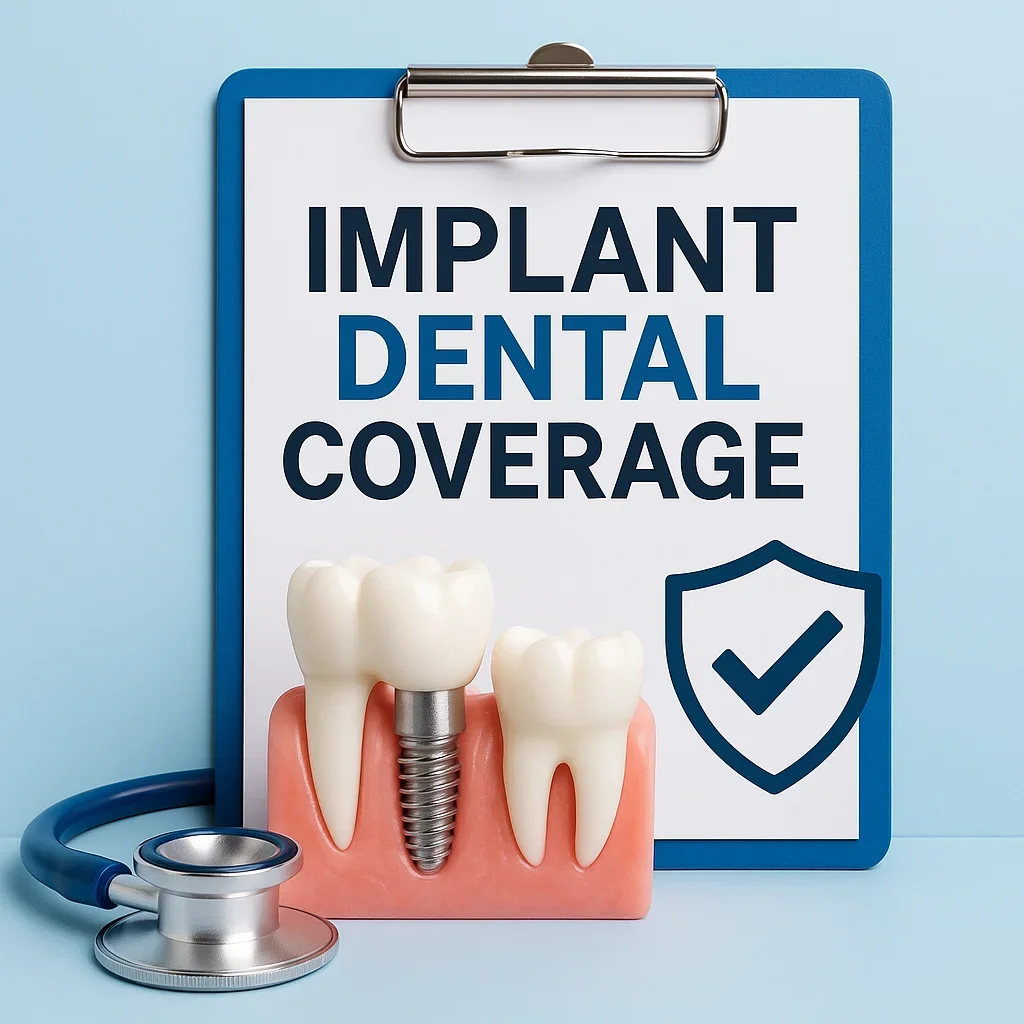
Future Trends and Improvements in Implant Dental Coverage
The landscape of implant dental coverage is changing rapidly. Once considered a luxury procedure reserved for the wealthy, dental implants are now becoming a mainstream restorative solution. Insurance providers, policymakers, and dental professionals are adapting to this shift—gradually expanding coverage options, refining reimbursement systems, and introducing new technologies that reduce costs. This section explores upcoming trends, innovations, and the future of insurance benefits for dental implants. 🦷
1. Expanding Recognition of Implants as a Medical Necessity
In the past, many insurance companies classified dental implants as cosmetic procedures. This limited coverage significantly, even when patients needed implants to restore chewing ability or prevent bone loss. However, as research has proven the functional and psychological benefits of implants, insurers are reevaluating this stance. Increasingly, implant dental coverage is being recognized as essential for restoring oral health, especially in cases of trauma, bone deterioration, or congenital tooth loss.
Organizations such as the American Dental Association have long advocated for recognizing dental implants as standard care. Their influence has led to improved definitions of “medical necessity” in insurance policies, encouraging more comprehensive inclusion of implant-related treatments. Over time, this trend will likely lead to broader reimbursement options and fewer coverage denials.
2. Integration of AI and Digital Systems in Claim Processing
The rise of artificial intelligence is revolutionizing the insurance sector. Many providers are implementing AI-driven claim evaluation systems capable of analyzing X-rays, treatment plans, and patient histories automatically. This digital transformation speeds up the approval process for implant dental coverage by reducing human error and improving consistency in claim decisions.
How AI Benefits Patients:
- Faster claim approvals for implant procedures.
- Automated verification of medical necessity through digital scans.
- More accurate benefit estimations for patients before treatment begins.
In the near future, AI could also help insurers create personalized coverage recommendations based on each patient’s oral health history, risk factors, and genetic profile—making implant dental coverage more efficient and fair.
3. Inclusion of Digital and 3D-Printed Implant Components
Technological innovation is reshaping modern dentistry. With the growth of 3D printing, digital impressions, and computer-guided implant surgery, treatment costs are gradually declining. As these technologies become standard, insurers are beginning to revise their policies to include them within implant dental coverage benefits. Instead of categorizing them as “optional upgrades,” many carriers now recognize them as cost-efficient and medically necessary.
This shift benefits both patients and providers. Digital workflows allow for shorter recovery times, higher implant success rates, and more predictable outcomes. As insurance companies see these benefits, they are expected to allocate higher reimbursement rates to practices that use digital precision tools in implant procedures.
4. Government and Employer-Based Policy Enhancements
Governments and large corporations are playing an increasingly active role in expanding access to dental care. Some countries are introducing tax incentives for companies that include implant dental coverage in their employee health plans. Similarly, public health programs are starting to recognize the long-term cost benefits of preventive and restorative oral care.
Emerging Trends Include:
- Employer-subsidized dental implant benefits for full-time employees.
- Integration of dental and medical insurance under unified health systems.
- Tax-deductible implant treatments as part of healthcare spending accounts.
These changes are expected to make implant treatments more affordable and accessible to middle-income populations, reducing the gap between medical necessity and financial capability.
5. Growth of Hybrid Insurance Models
Traditional dental insurance typically follows a “fee-for-service” structure, which limits annual maximums and reimbursement percentages. However, the future may belong to hybrid insurance models—plans that combine traditional coverage with flexible payment systems and preventive care rewards. Such plans encourage patients to maintain oral health while ensuring broader coverage for procedures like implants.
Hybrid models could include subscription-style dental memberships, where patients pay a fixed monthly fee that covers regular maintenance and partial implant reimbursement. These new systems are more patient-centric, giving users predictable costs and freedom of choice within their implant dental coverage framework.
6. Globalization and Cross-Border Coverage
Dental tourism has driven insurance providers to rethink geographical limitations. Patients increasingly travel abroad—especially to countries like Turkey, Hungary, and Mexico—for affordable, high-quality dental implant treatments. As this trend grows, insurers are beginning to consider partial reimbursements for overseas care, provided the clinics meet international accreditation standards.
Forward-thinking providers now collaborate with international networks of certified dental clinics. This development allows policyholders to access care at reduced costs while retaining partial implant dental coverage. Clinics like Redent Klinik Contact Page exemplify this trend by offering globally recognized standards of quality and transparency in pricing.
7. Environmental Sustainability in Dentistry
Another emerging factor influencing implant dental coverage is sustainability. Insurance companies are increasingly promoting eco-friendly dental practices as part of their corporate responsibility goals. Clinics using recyclable materials, energy-efficient equipment, and digital recordkeeping may soon qualify for sustainability-based incentives or higher reimbursement rates. This trend aligns with the broader push toward green healthcare across multiple medical sectors.
8. Preventive-Care Incentive Programs
Insurers are shifting focus from reactive to preventive care. Patients who maintain good oral hygiene, attend regular checkups, and avoid smoking or gum disease may receive better terms for implant dental coverage. These incentive programs aim to reduce the overall risk of implant failure and associated costs, creating a win-win situation for both insurers and patients.
Potential Benefits Include:
- Lower deductibles for patients with consistent preventive care history.
- Bonus credits or reduced premiums for non-smokers and low-risk individuals.
- Expanded implant warranties supported by insurers.
By encouraging healthy habits, these programs not only improve oral health outcomes but also help stabilize insurance markets by reducing long-term treatment costs.
9. Greater Transparency and Digital Accessibility
Insurance transparency is a growing priority in the age of digital health management. Patients now expect instant access to policy details, coverage calculators, and claim status updates. In response, insurers are launching mobile applications and online portals that allow users to track their implant dental coverage in real time. This helps patients make informed financial decisions and eliminates confusion about eligibility and claim progress.
In the near future, blockchain technology may also play a role in dental insurance. By securely recording transactions and claim histories, blockchain could reduce fraud, simplify verification, and speed up reimbursement for implant treatments.
Conclusion: The Future Is Patient-Centered and Inclusive
The evolution of implant dental coverage reflects a broader movement toward patient-centered care, technological integration, and financial accessibility. With advances in digital dentistry, AI-driven claim systems, and expanded global networks, the future promises faster approvals, higher reimbursement rates, and more equitable access to dental implants worldwide. As both public and private insurers continue to modernize, dental implants will shift from being a privilege to a standard component of comprehensive oral healthcare. 🌟