
Implant uncovering is a critical step in the dental implant journey that many patients hear about but don’t fully understand. If you’ve already had a dental implant placed beneath the gums, this phase is what allows your implant to finally become functional and visible in the mouth. In simple terms, implant uncovering is the minor surgical procedure that exposes the top of a previously buried dental implant so it can support a crown, bridge, or denture. 🦷
During the first stage of implant treatment, the implant is placed into the jawbone and covered by gum tissue. This allows the implant to heal undisturbed while it fuses with the bone in a process called osseointegration. Once healing is complete, implant uncovering is performed to access the implant and prepare it for the final restoration. Without implant uncovering, the implant would remain hidden under the gums and unable to support a tooth.
One of the most important things to understand about implant uncovering is that it is not the same as implant placement. The placement surgery is more invasive and involves drilling into the bone, while implant uncovering is typically a quick, controlled procedure focused only on the soft tissue. For most patients, implant uncovering takes less than 30 minutes and can often be completed under local anesthesia with minimal discomfort.
From a patient’s perspective, implant uncovering marks a turning point in treatment. It’s the moment when your implant transitions from a hidden healing phase to an active role in restoring your smile. Many patients feel relieved at this stage because it signals that the most demanding part of the implant process is behind them. 😊 The gums are gently opened, a healing abutment is placed, and the tissue is shaped to allow the final crown to sit naturally.
Medically speaking, implant uncovering is essential for ensuring long-term implant success. Proper exposure of the implant allows the dentist to assess gum health, check implant stability, and guide soft tissue healing. If implant uncovering is skipped or performed incorrectly, complications such as gum irritation, poor crown fit, or infection can occur. This is why it must always be done by an experienced dental professional following precise protocols.
Patients often ask whether implant uncovering is optional. The answer is no—if your implant was placed using a two-stage technique, implant uncovering is mandatory. Some modern implants use a one-stage approach where the implant is never fully covered by the gums, but for millions of patients worldwide, implant uncovering remains a standard and necessary step. Trusted organizations like the American Dental Association recognize implant uncovering as part of conventional implant therapy when two-stage implants are used.
Another key point about implant uncovering is that it allows your dentist to begin the prosthetic phase of treatment. After the gums heal around the healing abutment, impressions can be taken to design a custom crown that matches your natural teeth. This precision is what makes dental implants feel and function like real teeth. Implant uncovering, therefore, is not just a surgical step—it’s the bridge between healing and a fully restored smile.
Emotionally, implant uncovering can also be reassuring. Many patients worry about whether their implant has healed properly. This appointment provides confirmation that osseointegration has been successful and that the implant is stable. Seeing the implant emerge from the gum can be exciting, especially for patients who have lived with missing teeth for a long time. 🌟
Finally, implant uncovering is also the stage where patient–dentist communication becomes especially important. This is the perfect time to ask questions about aftercare, crown options, and long-term maintenance. If you are planning or already undergoing implant treatment and want professional guidance tailored to your situation, you can always reach out through the Redent Klinik Contact Page for personalized support.
In summary, implant uncovering is a small but vital procedure that unlocks the full potential of your dental implant. It is safe, predictable, and essential for achieving a natural-looking, long-lasting result. Understanding what implant uncovering involves helps patients feel confident, informed, and prepared as they move closer to enjoying their new smile. 😁
What Is Implant Uncovering and Why Is It Necessary?
Implant uncovering is a planned and deliberate step in many dental implant treatments, yet it is often misunderstood by patients. To fully appreciate why implant uncovering is necessary, it helps to understand how dental implants are designed to heal and function over time. Unlike natural teeth, implants rely on a precise biological process that requires both bone and gum tissue to cooperate in a controlled way.
Understanding the Two-Stage Dental Implant Concept
In a two-stage dental implant system, the implant is placed into the jawbone and then completely covered by the gum tissue. This design is intentional. During the early healing phase, the body needs time to bond the implant securely to the surrounding bone. This process, known as osseointegration, can take several weeks or even months depending on bone quality, general health, and oral hygiene habits.
During this time, the implant remains hidden under the gums, protected from chewing forces, bacteria, and external irritation. Implant uncovering is necessary because once osseointegration is complete, the implant must be accessed in order to attach components that will hold the final tooth restoration. Without implant uncovering, the implant would remain permanently buried and unusable.
The Biological Purpose of Implant Uncovering
From a biological standpoint, implant uncovering plays a key role in guiding healthy soft tissue healing. When the gum tissue is gently opened and a healing abutment is placed, the gums are trained to form a natural collar around the implant. This seal is critical for long-term success, as it helps prevent bacteria from reaching the bone and causing inflammation.
If implant uncovering is skipped or rushed, the gum tissue may heal unpredictably. This can lead to issues such as gum recession, food trapping, or an unnatural-looking crown. Properly timed implant uncovering ensures that the soft tissue adapts smoothly, creating a stable and aesthetic foundation for the final restoration.
Soft Tissue Management and Aesthetics
One often overlooked reason implant uncovering is necessary relates to aesthetics. The way the gum tissue heals around the implant directly affects how natural the final tooth will look. Implant uncovering allows the dentist to shape and manage the gums so that the crown emerges just like a natural tooth. This is especially important for implants placed in the front of the mouth, where even minor imperfections are noticeable.
Functional Reasons Implant Uncovering Cannot Be Skipped
Functionally, implant uncovering is essential because it allows the dentist to connect the implant to the prosthetic components. After implant uncovering, impressions can be taken to design a crown, bridge, or denture that fits precisely. The accuracy of this step directly impacts bite alignment, chewing efficiency, and long-term comfort.
Without implant uncovering, there would be no way to attach these components. The implant would remain isolated from the oral environment, making it impossible to restore normal function. This is why implant uncovering is considered a non-negotiable step in two-stage implant treatments.
Why Some Patients Need Implant Uncovering and Others Don’t
It’s important to note that not every implant patient undergoes implant uncovering. Some modern implants are placed using a one-stage technique, where a small portion of the implant extends through the gum from the beginning. In these cases, implant uncovering is not required because the implant is already accessible.
However, two-stage implants are still widely used and often preferred in cases where bone quality is limited, healing needs to be protected, or the risk of early implant movement is higher. For these patients, implant uncovering remains a critical step that ensures predictable healing and long-term success.
Patient-Specific Factors That Influence the Need
Factors such as smoking, diabetes, bone density, and gum health can influence whether a dentist chooses a two-stage approach. In higher-risk cases, allowing the implant to heal fully beneath the gums before implant uncovering significantly improves success rates. This careful planning is why implant uncovering exists in the first place—it’s a safety measure, not an inconvenience.
Psychological Reassurance for Patients
Beyond the clinical reasons, implant uncovering also provides psychological reassurance. Many patients worry during the healing phase, wondering if their implant has successfully integrated. The implant uncovering appointment confirms that healing has gone well and that the treatment is progressing as planned. For many, this step feels like crossing an important milestone on the journey to a complete smile. 😊
In summary, implant uncovering is necessary because it transforms a healed implant into a functional, visible part of the mouth. It supports healthy gum formation, enables precise restoration placement, and protects the long-term health of the implant. Understanding why implant uncovering is done helps patients feel confident, informed, and fully prepared for the next stages of their dental implant treatment.
When Is the Right Time for Implant Uncovering?
Timing is one of the most critical factors in the success of implant uncovering. While the procedure itself is relatively simple, performing implant uncovering too early or too late can affect healing, comfort, and long-term implant stability. Understanding when implant uncovering should take place helps patients feel more confident and prevents unrealistic expectations during the healing journey.
The Role of Osseointegration in Timing
The primary factor that determines the timing of implant uncovering is osseointegration. This is the biological process in which the jawbone grows tightly around the dental implant, anchoring it firmly in place. Osseointegration is not instantaneous—it requires time, stability, and a healthy healing environment.
On average, osseointegration takes between 2 to 6 months. During this period, the implant remains buried under the gum tissue if a two-stage technique was used. Implant uncovering should only be performed once the dentist is confident that this bonding process is complete. If implant uncovering is done before osseointegration finishes, the implant may become unstable, increasing the risk of failure.
Typical Timeframes for Implant Uncovering
Although every patient is unique, there are general timeframes that dentists follow when planning implant uncovering:
Lower Jaw (Mandible)
The bone in the lower jaw is typically denser and heals faster. In many cases, implant uncovering in the lower jaw can be safely performed after 8 to 12 weeks. This faster healing allows patients to move more quickly toward the restorative phase.
Upper Jaw (Maxilla)
The upper jaw usually has softer bone, which requires a longer healing period. For upper jaw implants, implant uncovering is often scheduled after 12 to 24 weeks. This extended timeframe helps ensure proper stability before the implant is exposed.
Your dentist will always base the timing of implant uncovering on clinical evaluation rather than a fixed calendar. X-rays, stability tests, and visual inspection all play a role in deciding when the implant is ready.
Patient-Specific Factors That Affect Timing
Not all patients heal at the same rate. Several personal and medical factors can influence when implant uncovering is appropriate:
- Bone density and volume
- Smoking habits
- Diabetes or systemic health conditions
- Oral hygiene practices
- History of gum disease
For example, smokers and patients with uncontrolled diabetes may experience slower healing. In such cases, dentists often delay implant uncovering to reduce the risk of complications. This cautious approach improves the long-term success of the implant and protects surrounding tissues.
Signs That the Implant Is Ready to Be Uncovered
Before scheduling implant uncovering, dentists look for specific indicators that healing has progressed properly. These include:
- No pain or discomfort at the implant site
- Healthy, pink gum tissue with no swelling
- No signs of infection or inflammation
- Radiographic evidence of bone integration
When these criteria are met, implant uncovering can be performed confidently. This step confirms that the implant is stable enough to support further restorative components.
What Happens If Implant Uncovering Is Delayed?
While performing implant uncovering too early is risky, excessive delays are usually less problematic but can still cause minor issues. Over time, gum tissue may grow thicker over the implant, making implant uncovering slightly more complex. However, experienced clinicians can manage this easily with proper techniques.
Delaying implant uncovering does not usually harm the implant itself, but it can prolong the overall treatment timeline. For patients eager to complete their smile restoration, understanding this balance between patience and progress is important. 😊
Immediate vs. Delayed Implant Uncovering
In some advanced cases, dentists may perform immediate or early implant uncovering. This approach is only used when implant stability is exceptionally strong and the patient meets strict criteria. Immediate implant uncovering is less common and requires careful planning.
For the majority of patients, delayed implant uncovering remains the gold standard. This method prioritizes safety, predictable healing, and long-term success over speed.
Why Professional Evaluation Matters
There is no universal date for implant uncovering that applies to everyone. Relying on online timelines without professional assessment can lead to misunderstandings. Dentists use clinical judgment, imaging, and experience to determine the safest and most effective timing.
If you are unsure whether you are ready for implant uncovering or want a personalized evaluation, consulting a qualified dental team is essential. Proper timing ensures that implant uncovering serves its purpose—transitioning your implant from healing to function in the safest possible way.
In conclusion, the right time for implant uncovering depends on biological healing, implant stability, and individual health factors. When performed at the correct moment, implant uncovering becomes a smooth, predictable step that brings you significantly closer to enjoying a fully restored, confident smile. 😁
How the Implant Uncovering Procedure Is Performed
The implant uncovering procedure is often described as a minor surgical step, but understanding exactly how it is performed can significantly reduce patient anxiety and improve overall confidence in the treatment process. Although implant uncovering is far less invasive than implant placement, it still follows precise clinical protocols to ensure safety, comfort, and long-term success.
Preparation Before Implant Uncovering
Before implant uncovering begins, the dentist conducts a thorough evaluation of the implant site. This typically includes a clinical examination and, in many cases, a dental X-ray or 3D scan to confirm that osseointegration has been completed successfully. The surrounding gum tissue is also assessed to ensure there are no signs of inflammation, infection, or delayed healing.
Once the dentist confirms readiness, the implant uncovering appointment is scheduled. In most cases, no special preparation is required from the patient beyond maintaining good oral hygiene. Patients are usually advised to eat a light meal beforehand and continue taking any prescribed medications unless instructed otherwise.
Anesthesia and Patient Comfort
One of the most reassuring aspects of implant uncovering is that it is usually performed under local anesthesia. This means the area around the implant is completely numbed, and the patient remains awake but comfortable throughout the procedure. For anxious patients, mild sedation may be offered, but this is not always necessary.
Because implant uncovering involves only soft tissue and not bone, discomfort is minimal compared to the initial implant placement surgery. Most patients report feeling pressure rather than pain during implant uncovering, and the entire process is typically completed within 15 to 30 minutes. 😊
Step-by-Step Implant Uncovering Process
1. Accessing the Implant
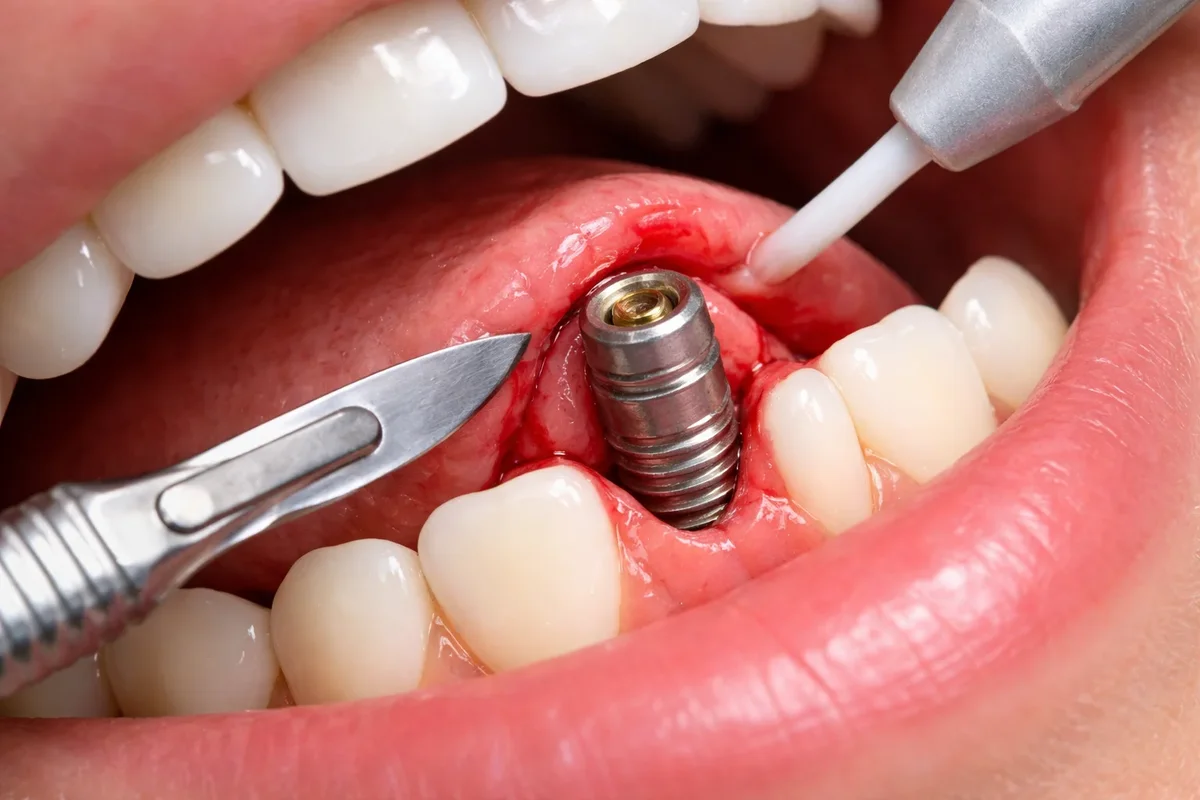
The first step in implant uncovering is creating access to the implant. The dentist makes a small, precise incision in the gum tissue directly over the implant location. In some cases, a tissue punch technique is used instead of a scalpel, which minimizes bleeding and promotes faster healing.
2. Exposing the Implant Head
Once the gum tissue is gently opened, the top of the implant—also known as the implant cover screw—is exposed. This confirms that the implant is stable and ready for the next phase. At this point, the dentist visually inspects the implant to ensure there are no complications.
3. Placing the Healing Abutment
After removing the cover screw, a healing abutment is attached to the implant. This small component extends above the gum line and plays a crucial role in shaping the surrounding tissue. The healing abutment guides the gums to heal in a natural contour, which is essential for both aesthetics and hygiene.
This step is one of the main goals of implant uncovering. Without the healing abutment, the gum tissue would collapse over the implant, making it difficult to proceed with crown placement later.
Stitches and Immediate Aftercare
Depending on the technique used, sutures may or may not be required after implant uncovering. If stitches are placed, they are usually minimal and may be dissolvable. In many cases, no sutures are needed at all, especially when a tissue punch method is used.
After implant uncovering, patients receive basic aftercare instructions. Mild swelling or tenderness is normal for a day or two, but severe pain is uncommon. Over-the-counter pain relievers are usually sufficient to manage any discomfort.
Healing Phase After Implant Uncovering
The healing period following implant uncovering is relatively short. Most gum tissue heals within 7 to 14 days, forming a healthy seal around the healing abutment. During this time, patients are advised to avoid disturbing the area and maintain excellent oral hygiene.
This healing phase is essential because it prepares the site for accurate impressions. Once the gums have stabilized, the dentist can begin designing the final crown or prosthetic. Implant uncovering therefore acts as the gateway to the restorative stage of treatment.
How Implant Uncovering Differs from Implant Placement
It’s important to distinguish implant uncovering from implant placement. Implant placement involves drilling into the jawbone and securing the implant, which requires more healing time and post-operative care. Implant uncovering, by contrast, is focused solely on soft tissue management and access.
This difference explains why implant uncovering is generally quicker, less stressful, and associated with a smoother recovery. Understanding this distinction helps patients approach the procedure with realistic expectations and less fear.
Why Precision Matters in Implant Uncovering
Although implant uncovering is a minor procedure, precision is critical. Incorrect positioning of the healing abutment or excessive tissue trauma can affect gum shape, crown fit, and long-term implant health. Skilled clinicians use refined techniques to ensure that implant uncovering supports both function and aesthetics.
In summary, implant uncovering is a carefully planned and efficiently performed procedure that transforms a healed implant into an active part of your smile. When done correctly, implant uncovering is safe, predictable, and a major milestone on the path to a fully restored, natural-looking tooth. 😁
Is Implant Uncovering Painful? What Patients Really Feel
One of the most common concerns patients have before implant uncovering is whether the procedure will be painful. This question is completely understandable, especially for those who may have had anxiety or discomfort during previous dental treatments. The good news is that implant uncovering is generally considered one of the least painful steps in the entire dental implant process. Knowing what patients truly experience can help reduce fear and set realistic expectations.
Why Implant Uncovering Is Usually Not Painful
The main reason implant uncovering is not considered painful is that it involves only the soft gum tissue, not the jawbone. By the time implant uncovering is performed, the implant has already healed and integrated with the bone. This means there is no drilling, no bone manipulation, and no deep surgical trauma involved.
Before implant uncovering begins, the dentist applies local anesthesia to completely numb the area. As a result, patients typically feel no sharp pain at all. Most describe the sensation as light pressure or gentle movement rather than discomfort. Compared to implant placement, implant uncovering is significantly easier on the body.
What Patients Feel During Implant Uncovering
During implant uncovering, patients remain awake but comfortable. The anesthesia ensures that pain signals are blocked, allowing the dentist to work efficiently. Patients may notice:
- Pressure on the gums
- Minor pulling or stretching sensations
- Awareness of instruments without pain
These sensations are normal and temporary. Because implant uncovering is usually completed within 15 to 30 minutes, the experience is over quickly. Many patients are surprised by how simple the procedure feels compared to what they imagined. 😊
Anxiety vs. Actual Pain
It’s important to distinguish between anxiety and physical pain. Dental anxiety can amplify fear before implant uncovering, making patients expect severe discomfort. In reality, the physical sensations are mild. Dentists are also trained to pause immediately if a patient feels discomfort, adjusting anesthesia as needed.
Pain Levels After Implant Uncovering
After implant uncovering, mild soreness or tenderness in the gum area is normal. This discomfort is usually short-lived and far less intense than after implant placement. Most patients describe post-procedure sensations as:
- Mild gum sensitivity
- Slight swelling
- A feeling similar to a scraped gum
These symptoms typically peak within the first 24 hours and then gradually subside. Over-the-counter pain relievers are usually sufficient to manage any discomfort. Strong pain medication is rarely necessary after implant uncovering.
How Long Does Discomfort Last?
For most patients, discomfort after implant uncovering lasts only one to three days. The gum tissue heals quickly because it has a strong blood supply. By the end of the first week, most patients report that the area feels completely normal.
If stitches are used, they are often dissolvable and do not cause additional pain. If non-dissolving sutures are placed, their removal is quick and painless. Overall, the recovery period after implant uncovering is smooth and predictable.
Factors That Can Influence Pain Perception
Although implant uncovering is typically comfortable, individual experiences may vary slightly. Factors that can influence how a patient feels include:
- Individual pain tolerance
- Thickness of the gum tissue
- Presence of inflammation or irritation
- Smoking or poor oral hygiene
Patients who follow oral hygiene instructions and avoid smoking tend to experience less discomfort. Good preparation and aftercare play a key role in minimizing pain after implant uncovering.
When Pain Is Not Normal
Severe or worsening pain after implant uncovering is not typical and should not be ignored. While rare, signs such as increasing swelling, persistent bleeding, or sharp pain may indicate infection or irritation. In such cases, contacting your dental provider promptly ensures quick resolution.
Emotional Relief After the Procedure
Many patients report emotional relief after implant uncovering. Once the procedure is complete, they realize that their fears were far greater than the actual experience. This relief often boosts confidence and excitement for the next stage—receiving the final crown. 😁
Knowing that implant uncovering is manageable helps patients approach it with a calmer mindset. Dentists prioritize comfort, and modern techniques have made this step extremely patient-friendly.
How Dentists Ensure a Comfortable Experience
Dental professionals take several steps to ensure implant uncovering is as comfortable as possible. These include precise anesthesia, minimally invasive techniques, and gentle tissue handling. Clear communication during the procedure also helps patients stay relaxed and informed.
In summary, implant uncovering is rarely painful and is often described as much easier than expected. With proper anesthesia, careful technique, and good aftercare, discomfort is minimal and short-lived. Understanding what implant uncovering truly feels like allows patients to move forward with confidence, knowing they are only one step away from a fully restored smile. 🌟
Healing After Implant Uncovering: Timeline and Expectations
The healing phase after implant uncovering is a crucial yet often underestimated part of dental implant treatment. While the procedure itself is minor, proper healing afterward determines how well the gums adapt, how comfortable the implant feels, and how successful the final restoration will be. Understanding what to expect during this period helps patients support healing and avoid unnecessary concerns.
Immediate Healing After Implant Uncovering
Right after implant uncovering, the gum tissue enters an active healing phase. Because this procedure involves only soft tissue, the body responds quickly. Most patients experience mild tenderness, slight swelling, or sensitivity in the area where the implant was exposed. These symptoms are normal and usually short-lived.
In the first 24 hours after implant uncovering, it is common to notice a small amount of bleeding or oozing. This typically stops on its own and does not indicate a problem. Applying gentle pressure with clean gauze and avoiding vigorous rinsing helps stabilize the area.
First 24–48 Hours: What’s Normal
- Mild gum soreness
- Minor swelling
- Slight redness around the healing abutment
These early signs are part of the body’s natural response to implant uncovering and should gradually improve rather than worsen.
The Role of the Healing Abutment
A key element of healing after implant uncovering is the healing abutment. This small component protrudes through the gum tissue and serves as a guide for how the gums will shape themselves around the future crown. The presence of the healing abutment may feel unusual at first, especially when eating or brushing, but patients typically adapt within a few days.
The gums slowly form a tight, healthy collar around the healing abutment. This seal is essential because it protects the underlying implant from bacteria and supports long-term stability. Proper healing at this stage directly influences how natural the final tooth will look and feel.
One-Week Healing Milestone
By the end of the first week after implant uncovering, most patients notice a significant reduction in tenderness and swelling. The gum tissue begins to look pink and firm rather than inflamed. Any stitches placed during implant uncovering may dissolve or be removed during this time.
At this point, normal daily activities can usually be resumed without restriction. Gentle brushing around the area is encouraged, although care should be taken not to apply excessive pressure directly to the healing abutment.
Two to Three Weeks: Soft Tissue Maturation
Between two and three weeks after implant uncovering, the gum tissue continues to mature and stabilize. This phase is sometimes referred to as soft tissue conditioning. The gums become more resilient and better adapted to the shape of the healing abutment.
For many patients, this is when impressions for the final crown are taken. Proper healing after implant uncovering ensures that these impressions are accurate, which is essential for creating a well-fitting and natural-looking restoration.
Signs of Healthy Healing
- No persistent pain
- No pus or discharge
- Stable gum color and texture
- No mobility of the healing abutment
If these signs are present, healing after implant uncovering is progressing as expected.
Factors That Can Affect Healing Time
While most patients heal quickly, several factors can influence the healing timeline after implant uncovering. These include:
- Smoking habits
- Diabetes or immune-related conditions
- Oral hygiene quality
- Thickness of gum tissue
Smokers and patients with systemic health conditions may experience slower healing. In such cases, dentists may allow additional time before proceeding with the final restoration to ensure optimal results.
What to Avoid During Healing
To support smooth healing after implant uncovering, patients should avoid certain behaviors. These include touching the healing abutment with fingers or tongue, chewing hard foods directly on the area, and smoking. Alcohol consumption should also be limited during the initial healing phase.
Ignoring these precautions can irritate the gums and delay healing, even though the implant itself is stable.
When to Contact Your Dentist
Although complications are rare, patients should contact their dentist if they notice increasing pain, swelling that worsens after several days, persistent bleeding, or signs of infection. Early intervention ensures that minor issues do not develop into serious problems.
Emotional and Practical Expectations
Many patients feel encouraged during the healing phase after implant uncovering because progress is visible. Seeing the implant emerge from the gums often brings excitement and reassurance that treatment is nearing completion. 😊
In summary, healing after implant uncovering is typically fast, predictable, and comfortable. By understanding the timeline and following professional aftercare guidance, patients can ensure that this phase supports a healthy foundation for the final crown. Proper healing after implant uncovering is the final biological step before enjoying the full function and appearance of a restored smile. 😁
Risks, Complications, and How They Are Prevented
Although implant uncovering is considered a minor and routine dental procedure, it is still a surgical step and, like all medical interventions, carries certain risks. The good news is that complications related to implant uncovering are relatively rare, especially when the procedure is performed by an experienced clinician and the patient follows aftercare instructions carefully. Understanding potential risks—and how they are prevented—helps patients approach implant uncovering with realistic expectations and confidence.
Common and Minor Risks After Implant Uncovering
The majority of patients experience no serious issues after implant uncovering. However, some mild and temporary side effects can occur as part of the normal healing response. These are not considered true complications but rather expected short-term reactions.
Typical Temporary Side Effects
- Mild swelling around the gums
- Light bleeding or oozing
- Short-term gum tenderness
- Sensitivity near the healing abutment
These symptoms usually resolve within a few days. They are a natural response to soft tissue manipulation during implant uncovering and do not indicate implant failure.
Less Common but Possible Complications
While uncommon, some complications can occur after implant uncovering, particularly if healing conditions are not ideal or if post-procedure care is neglected.
Gum Inflammation or Infection
One of the more notable risks after implant uncovering is localized gum inflammation, also known as peri-implant mucositis. This can occur if bacteria accumulate around the healing abutment. Symptoms may include redness, swelling, tenderness, or bleeding when brushing.
If left untreated, inflammation can progress and affect deeper tissues. However, when detected early, it is usually easy to manage with professional cleaning and improved oral hygiene.
Excessive Tissue Growth Over the Implant
In some cases, gum tissue may begin to grow over the healing abutment after implant uncovering. This can happen if the abutment is too short or if the tissue is particularly thick. While this does not harm the implant itself, it may require a minor adjustment or repeat implant uncovering to reshape the tissue.
Healing Abutment Loosening
Another possible issue is loosening of the healing abutment. This is not dangerous but should be addressed promptly. A loose abutment can irritate the gums and interfere with proper tissue healing. Dentists can easily retighten or replace it during a short visit.
Rare Complications and Their Causes
Serious complications related to implant uncovering are rare, especially compared to implant placement. However, in exceptional cases, patients may experience delayed healing or persistent discomfort.
Delayed Soft Tissue Healing
Delayed healing after implant uncovering may occur in patients who smoke, have uncontrolled diabetes, or have compromised immune systems. Poor blood supply to the gums can slow tissue regeneration, making healing less predictable.
This does not usually threaten the implant itself but may extend the timeline before the final crown can be placed.
Implant Stability Concerns
In extremely rare situations, implant uncovering may reveal that osseointegration was incomplete. This is why careful timing and evaluation before implant uncovering are so important. If an implant is not stable, further treatment may be required before proceeding.
How Dentists Prevent Complications
Prevention is the foundation of successful implant uncovering. Dental professionals take multiple steps to minimize risks and ensure predictable outcomes.
Thorough Pre-Procedure Assessment
Before implant uncovering, dentists confirm implant stability through clinical examination and imaging. This ensures the implant is ready to be exposed and reduces the risk of uncovering too early.
Minimally Invasive Techniques
Modern implant uncovering techniques focus on minimal tissue trauma. Using tissue punches or small, precise incisions reduces bleeding, swelling, and healing time. Gentle handling of the gums promotes faster recovery and lowers infection risk.
Sterile and Controlled Environment
Strict infection control protocols are followed during implant uncovering. Sterile instruments, clean working fields, and proper disinfection significantly reduce the likelihood of bacterial contamination.
Patient’s Role in Preventing Complications
Patients play a crucial role in ensuring smooth healing after implant uncovering. Even the most expertly performed procedure can be compromised by poor aftercare.
Key Patient Responsibilities
- Maintaining excellent oral hygiene
- Avoiding smoking during healing
- Following dietary recommendations
- Attending follow-up appointments
By following these guidelines, patients significantly reduce the risk of complications and support healthy gum adaptation around the implant.
When to Seek Professional Help
Patients should contact their dentist if they experience persistent pain, increasing swelling after several days, pus, or a loose healing abutment. Early evaluation ensures that minor issues are addressed before they become serious.
In summary, implant uncovering is a low-risk procedure with a high success rate. Most complications are minor, preventable, and easily managed when identified early. With proper clinical planning and responsible patient care, implant uncovering remains a safe and predictable step toward a fully restored, long-lasting smile. 🌟
Implant Uncovering vs. One-Stage Dental Implants
Patients often hear different terms during implant consultations, which can lead to confusion—especially when comparing implant uncovering with one-stage dental implants. While both approaches aim to restore missing teeth with stable, long-lasting results, they differ in technique, timeline, and clinical indications. Understanding these differences helps patients make informed decisions and feel confident about their treatment plan.
What Is a Two-Stage Implant with Implant Uncovering?
In a two-stage implant system, the dental implant is placed into the jawbone and completely covered by the gum tissue during the initial surgery. The implant is then left undisturbed for a healing period, allowing osseointegration to occur without exposure to chewing forces or oral bacteria.
After healing is complete, implant uncovering is performed. This second, minor procedure exposes the implant so that a healing abutment can be placed. Once the gums heal around this abutment, the final crown or prosthetic can be attached. Implant uncovering is therefore an essential step that bridges healing and function in two-stage systems.
What Is a One-Stage Dental Implant?
One-stage dental implants follow a different approach. In this method, the implant is placed so that a portion of it protrudes through the gum tissue from the very beginning. Because the implant is already accessible, there is no need for implant uncovering later on.
At first glance, one-stage implants may appear more convenient because they eliminate a second surgical appointment. However, this approach is not suitable for every patient or clinical situation.
Key Differences Between Implant Uncovering and One-Stage Implants
Surgical Stages
- Two-stage implants: Require implant placement followed by implant uncovering
- One-stage implants: Implant remains exposed; no implant uncovering needed
Healing Environment
Two-stage implants provide a protected healing environment. The gums fully cover the implant, shielding it from bacteria and mechanical stress. Implant uncovering is delayed until the implant is stable.
One-stage implants heal with part of the implant exposed, which requires excellent oral hygiene and careful patient compliance.
Risk Management
Implant uncovering is often preferred in higher-risk cases. Patients with low bone density, a history of gum disease, or medical conditions that affect healing benefit from the added protection of a two-stage approach.
One-stage implants are typically reserved for cases with strong primary stability and favorable bone conditions.
Advantages of Implant Uncovering (Two-Stage Approach)
There are several reasons why dentists frequently recommend implant uncovering as part of a two-stage implant plan:
- Reduced risk of early implant movement
- Lower exposure to bacteria during healing
- Better soft tissue control and aesthetics
- Higher predictability in complex cases
Implant uncovering allows the dentist to carefully assess healing before proceeding, which improves long-term outcomes.
Advantages of One-Stage Implants
One-stage implants also offer benefits in selected cases. These include:
- Fewer surgical appointments
- Shorter overall treatment time
- Immediate access to the implant
For healthy patients with ideal bone conditions, one-stage implants can be an efficient option. However, the absence of implant uncovering does not automatically mean better results—it simply reflects a different clinical strategy.
Which Option Is Better for You?
There is no universal “better” choice between implant uncovering and one-stage implants. The decision depends on individual factors such as bone quality, implant location, bite forces, aesthetic demands, and overall health.
Dentists often favor implant uncovering when predictability and tissue management are priorities. Especially in the aesthetic zone or in patients with risk factors, the two-stage approach provides greater control and safety.
Patient Lifestyle and Compliance
Patient habits also matter. Smokers or patients who struggle with oral hygiene may benefit more from implant uncovering, as it protects the implant during the most vulnerable healing phase.
Long-Term Outcomes and Success Rates
Both approaches can achieve excellent long-term success when properly selected and executed. Studies consistently show high survival rates for both two-stage implants with implant uncovering and one-stage implants.
The key difference lies not in the implant itself, but in the planning. Implant uncovering allows for a cautious, step-by-step approach that prioritizes healing and tissue stability.
Why Dentists Still Rely on Implant Uncovering
Despite advancements in implant design, implant uncovering remains widely used because it offers flexibility and safety. It allows dentists to adapt treatment based on how the body heals rather than rushing the process.
In summary, implant uncovering and one-stage dental implants are two valid paths to the same goal—a strong, functional, and natural-looking tooth. Implant uncovering stands out for its protective healing phase, precise tissue management, and suitability for a wide range of patients. Understanding these differences empowers patients to trust the process and choose the approach that best supports long-term oral health and confidence. 😊
Aftercare Tips to Ensure Long-Term Implant Success
Proper aftercare following implant uncovering plays a decisive role in the long-term success of your dental implant. While the procedure itself is minor, what you do afterward can significantly influence gum health, implant stability, and the overall lifespan of your restoration. Many implant complications are not caused by the surgery, but by inadequate aftercare during the healing and maintenance phases.
Why Aftercare Matters After Implant Uncovering
After implant uncovering, the gum tissue is actively healing and adapting around the healing abutment. This period is critical because the soft tissue forms a protective seal around the implant. If this seal is healthy and stable, it helps prevent bacteria from reaching the bone and reduces the risk of inflammation or infection.
Ignoring aftercare instructions after implant uncovering can compromise this seal, even if the implant itself is perfectly placed. Good habits during this phase directly support both short-term healing and long-term implant survival.
Immediate Aftercare: The First Few Days
The first few days after implant uncovering require extra attention. Although discomfort is usually mild, the tissues are still sensitive and vulnerable.
What to Do
- Brush gently around the healing abutment using a soft-bristled toothbrush
- Rinse gently with a dentist-recommended mouthwash if advised
- Eat soft foods and chew away from the implant site
- Stay well hydrated to support tissue healing
What to Avoid
- Touching the healing abutment with fingers or tongue
- Smoking or using tobacco products
- Chewing hard or sticky foods near the implant
- Vigorous rinsing during the first 24 hours
These simple precautions greatly reduce irritation and support smooth healing after implant uncovering.
Oral Hygiene Around the Healing Abutment
One of the most important aspects of aftercare following implant uncovering is maintaining excellent oral hygiene. Plaque accumulation around the healing abutment can lead to gum inflammation and compromise the soft tissue seal.
Patients should brush at least twice daily and clean carefully around the abutment. Interdental brushes or water flossers may be recommended once the initial tenderness subsides. Proper hygiene ensures that healing progresses without setbacks.
Dietary Guidelines During Healing
Your diet after implant uncovering should support healing rather than challenge it. Soft, nutrient-rich foods are ideal during the early phase.
Recommended Foods
- Yogurt and soft cheeses
- Mashed vegetables
- Scrambled eggs
- Soups and smoothies (not too hot)
Foods to Limit or Avoid
- Hard nuts and seeds
- Crunchy snacks
- Sticky candies
- Very hot or spicy foods
As healing progresses, most patients can gradually return to a normal diet without restrictions.
Smoking and Implant Uncovering: A Critical Warning
Smoking is one of the most significant risk factors affecting healing after implant uncovering. Nicotine reduces blood flow to the gums, delays healing, and increases the risk of infection.
Patients who smoke are strongly advised to stop or significantly reduce smoking during the healing period. Even temporary cessation after implant uncovering can dramatically improve outcomes and protect the implant investment.
Follow-Up Appointments and Monitoring
Regular follow-up visits are an essential part of aftercare. These appointments allow the dentist to monitor gum healing, check the stability of the healing abutment, and ensure that implant uncovering has achieved its intended goal.
Any minor issues—such as tissue irritation or abutment loosening—can be addressed quickly during these visits, preventing more serious complications later.
Long-Term Care Beyond Healing
After the final crown is placed, aftercare does not end. Long-term success after implant uncovering depends on consistent oral hygiene, routine dental checkups, and professional cleanings.
Dental implants do not decay, but the surrounding gums and bone can still be affected by plaque and inflammation. Maintaining healthy habits protects the tissues that support the implant and ensures it functions comfortably for many years.
Warning Signs You Should Not Ignore
Patients should contact their dentist if they notice persistent redness, swelling, bleeding, or discomfort around the implant site after implant uncovering. Early attention to these signs prevents small problems from escalating.
Confidence Through Proper Aftercare
Many patients feel empowered once they understand how much control they have over implant success. Implant uncovering marks the transition from surgical healing to active participation in long-term care. 😊
In conclusion, proper aftercare after implant uncovering is essential for protecting your implant, supporting healthy gum tissue, and ensuring long-lasting results. By following professional guidance and maintaining excellent oral hygiene, patients can enjoy the full benefits of their dental implant with confidence and peace of mind for years to come. 😁
Costs of Implant Uncovering and What Affects Pricing
Understanding the costs associated with implant uncovering is an important part of planning dental implant treatment. While implant uncovering is a relatively minor procedure compared to implant placement, its pricing can vary depending on several clinical and geographic factors. Patients often want clarity on what they are paying for, why costs differ, and whether implant uncovering is typically included in the overall implant treatment plan.
Is Implant Uncovering a Separate Cost?
In many dental clinics, implant uncovering is included as part of a comprehensive implant treatment package. This means the cost is bundled with implant placement, follow-up visits, and restorative procedures. However, in some practices—especially when treatment is spread across multiple phases or providers—implant uncovering may be billed separately.
It is always recommended to ask your dental provider whether implant uncovering is included in your original treatment quote. Transparency at this stage prevents confusion later and helps patients plan their budget with confidence.
Average Cost of Implant Uncovering
The cost of implant uncovering can vary significantly by country, clinic reputation, and clinical complexity. Based on general market observations:
Estimated Price Ranges
- United States: $150 – $600 per implant
- Western Europe: €120 – €450
- Dental tourism destinations: Often included or significantly lower
These figures are approximate and may change depending on local market conditions. Implant uncovering is typically less expensive than implant placement because it does not involve bone surgery or advanced materials.
Factors That Influence Implant Uncovering Costs
Several variables can affect how much implant uncovering costs in a given case. Understanding these factors helps explain why prices are not identical for every patient.
1. Clinical Complexity
If the gum tissue is thick or has grown extensively over the implant, implant uncovering may require more time or specialized techniques. Simple tissue punch procedures are generally less costly than cases requiring incisions and sutures.
2. Number of Implants
Patients with multiple implants may pay more overall, but the per-implant cost of implant uncovering may be reduced. Some clinics offer discounted rates when multiple implants are uncovered in the same appointment.
3. Type of Anesthesia or Sedation
Standard implant uncovering is usually performed under local anesthesia, which is typically included in the cost. However, if sedation is requested for anxiety management, this may increase the total price.
4. Geographic Location
Dental costs vary widely by region. Urban clinics and high-cost living areas often charge more for implant uncovering than rural or lower-cost regions. This difference reflects overhead costs rather than differences in quality.
Does Insurance Cover Implant Uncovering?
Dental insurance coverage for implant uncovering varies by policy. In many cases, insurance plans that offer implant coverage consider implant uncovering part of the surgical phase. Some policies may partially reimburse the cost, while others classify it as a surgical or periodontal procedure.
Patients should review their insurance benefits carefully and ask their provider to submit a pre-treatment estimate. This allows you to understand out-of-pocket expenses before implant uncovering is performed.
Cost vs. Value: Why Implant Uncovering Is Worth It
Although implant uncovering adds to the overall cost of treatment, its value far outweighs its price. Proper implant uncovering ensures healthy gum adaptation, reduces the risk of complications, and supports long-term implant success.
Skipping or rushing implant uncovering to save money can lead to aesthetic problems, gum inflammation, or restorative issues that are far more costly to correct later. Viewed in this context, implant uncovering is a small investment that protects a much larger one—the dental implant itself.
Hidden Costs to Watch For
Patients should ask whether the following items are included in the implant uncovering fee:
- Healing abutment placement
- Follow-up visits
- Suture removal (if applicable)
Clear communication ensures there are no unexpected charges and that implant uncovering proceeds smoothly.
Implant Uncovering in Dental Tourism Settings
In dental tourism destinations, implant uncovering is often included in the overall implant package at no additional cost. This bundled approach is one reason many international patients find treatment abroad appealing. However, patients should ensure that aftercare and follow-up support are clearly defined.
Balancing Cost and Quality
Choosing a provider based solely on the lowest price for implant uncovering is not recommended. Experience, precision, and proper tissue management are far more important than minimal cost differences. A well-performed implant uncovering supports decades of implant function, while poor technique can lead to ongoing issues.
Final Thoughts on Implant Uncovering Costs
In summary, implant uncovering is a relatively affordable but essential step in dental implant treatment. Costs vary depending on clinical needs, location, and treatment structure, but the procedure delivers high value by protecting implant health and supporting optimal results.
By understanding what influences pricing and asking the right questions, patients can approach implant uncovering with clarity and confidence—knowing that this small step plays a big role in achieving a strong, comfortable, and long-lasting smile. 😁