
Implantation dentistry is one of the most advanced and transformative branches of modern oral health care. It offers patients a permanent solution for missing teeth, replacing not just the visible crown but also the root structure within the jawbone. Unlike traditional dentures or bridges, which only address the superficial function of teeth, implantation dentistry provides a foundation for long-lasting oral stability and confidence. This guide will give you an in-depth understanding of the field, explaining its history, methodology, patient benefits, and role in overall health.
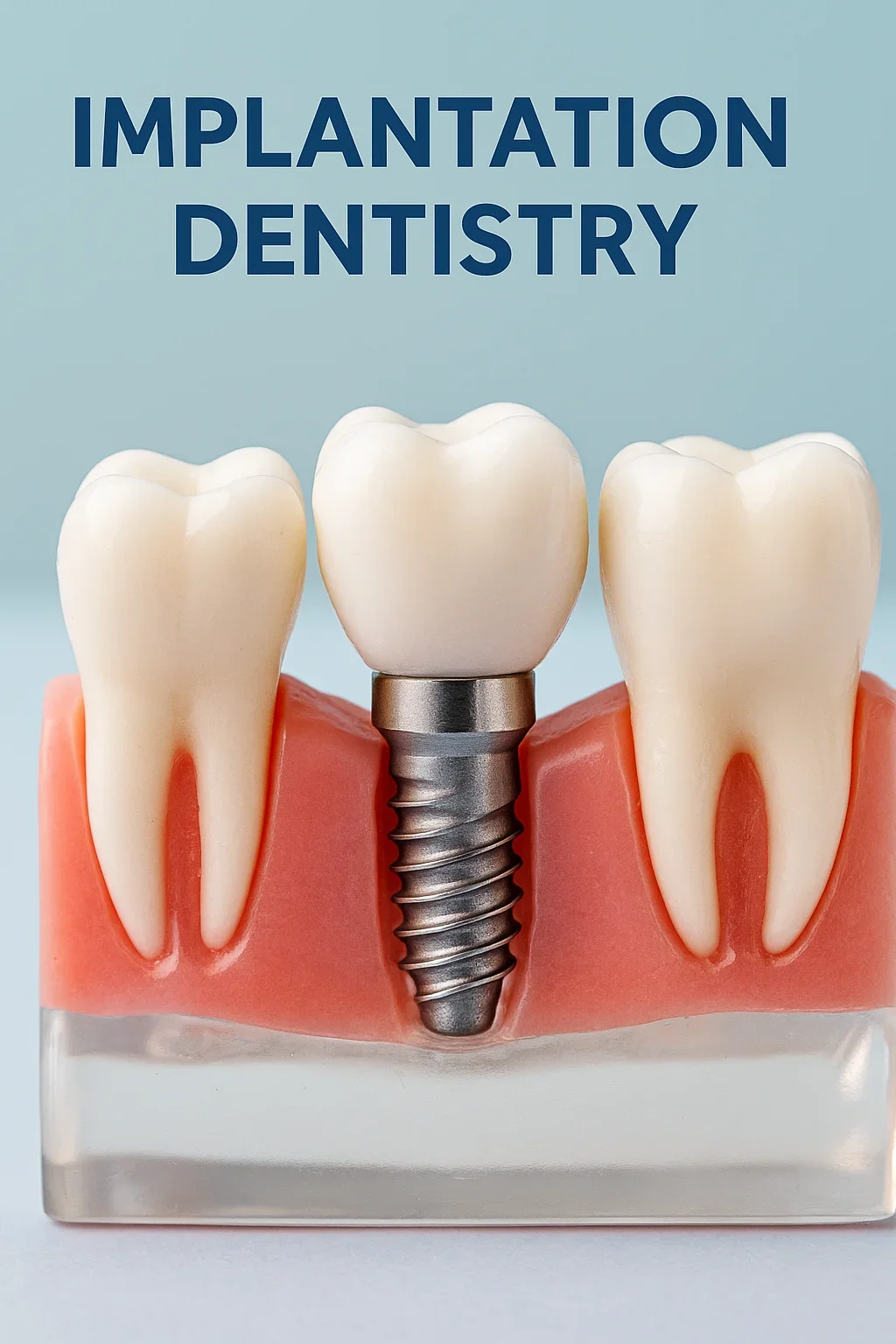
The term implantation dentistry refers to the surgical placement of titanium or ceramic fixtures (dental implants) directly into the jawbone. These implants integrate with the bone in a process called osseointegration, creating a stable anchor for crowns, bridges, or dentures. With the help of advancements in materials science and oral surgery, dental implants now boast success rates exceeding 95%, making them the gold standard for tooth replacement worldwide.
What Makes Implantation Dentistry Unique?
One of the defining features of implantation dentistry is its ability to restore not only aesthetics but also the biological function of teeth. When a natural tooth is lost, the jawbone begins to shrink because it no longer receives stimulation from the tooth root. This process, called bone resorption, can lead to facial sagging and premature aging. Dental implants, however, act as artificial roots that transmit chewing forces to the bone, preventing resorption and maintaining the natural structure of the jaw. This sets implantation dentistry apart from removable dentures, which often accelerate bone loss.
The History and Evolution of Implantation Dentistry
Although implantation dentistry feels like a modern innovation, its roots trace back thousands of years. Archaeologists have discovered Mayan skulls with shell fragments embedded in the jaw to mimic teeth. In the 20th century, Swedish orthopedic surgeon Per-Ingvar Brånemark pioneered the concept of osseointegration using titanium implants. His groundbreaking work laid the foundation for contemporary dental implantology. Today, implantation dentistry integrates digital scanning, 3D printing, and computer-guided surgery, offering safer and more predictable outcomes than ever before.
How Implantation Dentistry Works: Step by Step
The process of receiving dental implants typically involves several stages:
- Consultation & Diagnosis: A dentist or oral surgeon performs X-rays, 3D scans, and clinical examinations to determine if the patient has sufficient bone density for implantation.
- Surgical Placement: A titanium or ceramic implant post is inserted into the jawbone under local anesthesia or sedation.
- Healing & Osseointegration: Over 3–6 months, the implant fuses with the bone, creating a strong foundation.
- Abutment Placement: A connector piece is attached to the implant, which will hold the crown.
- Crown Restoration: A custom-designed crown, bridge, or denture is fixed onto the abutment, restoring aesthetics and function.
Every step in implantation dentistry is carefully designed to maximize long-term stability and minimize discomfort for the patient. Digital planning tools allow for virtual simulations before surgery, reducing complications and improving precision.
Who Benefits Most from Implantation Dentistry?
Implantation dentistry is ideal for adults of all ages who have lost one or more teeth due to trauma, decay, or gum disease. Candidates should have healthy gums, adequate jawbone density, and good overall health. Smokers, individuals with uncontrolled diabetes, or those undergoing cancer treatment may require special evaluation. Even patients with bone loss may still qualify through bone grafting or sinus lift procedures, which expand the possibilities for successful implantation.
Implantation Dentistry and Overall Health
Beyond its dental benefits, implantation dentistry has profound effects on general well-being. Missing teeth can affect nutrition, as patients may avoid hard-to-chew foods such as nuts, vegetables, and protein-rich meats. By restoring full chewing ability, implants support a balanced diet, aiding digestion and systemic health. They also improve speech clarity and boost confidence, which can have a significant psychological impact. Studies published by the American Dental Association emphasize the correlation between oral health and systemic conditions such as cardiovascular disease and diabetes. By choosing implantation dentistry, patients invest not only in their smile but also in their long-term health.
Implantation Dentistry Success Rates
The success rate of implantation dentistry is extremely high, with most studies reporting 95–98% long-term stability. Success depends on factors such as the patient’s bone quality, oral hygiene habits, and the skill of the dentist. Regular dental check-ups and proper home care, including brushing and flossing around the implants, significantly increase the likelihood of long-term success. Clinics like Redent Klinik Contact Page provide comprehensive patient education and follow-up care to ensure results last for decades.
Costs and Accessibility of Implantation Dentistry
The cost of implantation dentistry varies depending on the region, the complexity of the case, and the materials used. On average:
• United States: $3,000 – $6,000 per implant
• United Kingdom: £2,000 – £4,000 per implant
• Turkey: $800 – $1,500 per implant
• Germany: €2,000 – €4,500 per implant
These prices typically include consultation, surgery, and final restoration. Turkey has become a popular destination for dental tourism, as clinics offer high-quality implantation dentistry at a fraction of Western prices. Patients often combine treatment with travel, making it an attractive and affordable solution.
Conclusion: Why Implantation Dentistry Matters
Implantation dentistry is more than a cosmetic procedure—it is a life-changing investment in oral and systemic health. By replacing missing teeth with durable, natural-looking implants, patients can regain the confidence to smile, eat, and live fully. With ongoing innovations such as zirconia implants, immediate loading techniques, and digital planning, the future of implantation dentistry looks even brighter. Whether you seek a single-tooth replacement or a full-mouth restoration, implantation dentistry stands as the most reliable, effective, and permanent solution available today.
Understanding Implantation Dentistry and How It Works
Implantation dentistry is more than a cosmetic dental option—it is a scientifically proven medical treatment that restores both form and function to the mouth. By embedding artificial tooth roots directly into the jawbone, this branch of dentistry delivers long-lasting stability and aesthetics. For patients who have experienced tooth loss, understanding how implantation dentistry works is essential for making an informed decision about their oral health. In this section, we will cover the biological principles, technological advancements, and the precise surgical methods that make implantation dentistry the gold standard for tooth replacement.
The Biological Foundation of Implantation Dentistry
At the core of implantation dentistry lies the process known as osseointegration. This biological phenomenon occurs when bone tissue grows and bonds tightly to the surface of the implant, usually made of titanium or zirconia. Titanium is widely favored because it is biocompatible, meaning the body does not reject it. Over the course of three to six months, the implant fuses with the bone, creating a stable anchor for the prosthetic crown. Without this crucial process, implantation dentistry would not achieve the same level of long-term success and durability that it enjoys today.
Why Osseointegration Matters
Osseointegration is vital because it ensures that the implant can withstand the forces of chewing and biting. Unlike traditional dentures that merely rest on the gums, implants become part of the bone structure itself. This integration prevents slippage, increases chewing efficiency, and reduces the risk of bone resorption. Patients benefit not only from stronger functionality but also from an enhanced appearance that feels natural and seamless.
Step-by-Step Process of Implantation Dentistry
Understanding the stages of implantation dentistry helps demystify what can seem like a complex procedure. Below are the primary phases that patients typically undergo:
- Initial Consultation: Dentists use X-rays, 3D imaging, and comprehensive oral examinations to determine if the patient is a suitable candidate. Factors such as bone density, gum health, and medical history are evaluated.
- Surgical Placement: Under local anesthesia or sedation, the dental surgeon makes a small incision in the gum to access the jawbone. The implant is carefully screwed or tapped into place.
- Healing Phase: Over several months, the implant bonds with the bone through osseointegration. During this period, patients may wear temporary crowns to maintain appearance and chewing function.
- Abutment Placement: After healing, a connector piece (abutment) is attached to the implant. This component links the implant to the crown.
- Crown Restoration: Finally, a custom-designed crown is cemented or screwed onto the abutment, completing the implantation dentistry process.
Technological Advances in Implantation Dentistry
Modern implantation dentistry benefits significantly from technological breakthroughs that enhance safety, precision, and patient comfort. Digital imaging allows dentists to visualize the jaw in three dimensions, ensuring implants are positioned with exact accuracy. Computer-guided surgery further minimizes risk by allowing surgical guides to be printed in advance. Additionally, new implant surfaces are engineered to speed up osseointegration, reducing overall treatment time. These advances make implantation dentistry more accessible and predictable than ever before.
Minimally Invasive Techniques
Another innovation in implantation dentistry is the use of flapless or minimally invasive surgery. Instead of creating large incisions, dentists can place implants through small openings in the gum tissue, guided by digital scans. This approach reduces healing time, minimizes discomfort, and lowers the risk of infection. For patients seeking a quicker recovery, minimally invasive implantation dentistry represents a revolutionary improvement.
Who Is Eligible for Implantation Dentistry?
Not every patient is automatically a candidate for implantation dentistry, but many can qualify with proper preparation. Ideal candidates should have:
- Sufficient jawbone density to support the implant.
- Healthy gums free of advanced periodontal disease.
- No uncontrolled medical conditions, such as severe diabetes.
- Commitment to good oral hygiene and regular dental check-ups.
For patients lacking bone volume, supplementary procedures such as bone grafting or sinus lifts can create a foundation strong enough to support implants. Thanks to these advancements, implantation dentistry is no longer limited to a narrow group of individuals but can serve a wide patient population.
Why Implantation Dentistry Is Superior to Other Options
When compared with dentures or bridges, implantation dentistry consistently delivers superior outcomes. Dentures, while affordable, often slip, irritate the gums, and accelerate bone loss. Dental bridges require grinding down adjacent healthy teeth, compromising their structure. In contrast, implantation dentistry preserves natural teeth, prevents bone deterioration, and provides a permanent solution that looks and feels authentic. Patients frequently report improved confidence, clearer speech, and better overall oral health.
The Role of Patient Care in Success
The success of implantation dentistry depends not only on surgical skill but also on the patient’s aftercare. Brushing twice daily, flossing around the implant, and attending routine dental visits are essential habits. Dentists also recommend avoiding excessive smoking and alcohol, as these can slow healing and increase the risk of implant failure. With proper care, implants can last 20 years or more—many lasting a lifetime.
Conclusion: A Science-Backed Dental Solution
In summary, implantation dentistry is a scientifically grounded and technologically enhanced treatment that provides a permanent, natural-looking solution for missing teeth. Its reliance on osseointegration, advanced imaging, and careful patient selection ensures consistently high success rates. For anyone considering tooth replacement, understanding how implantation dentistry works is the first step toward regaining not only oral function but also confidence and quality of life. As ongoing innovations continue to refine techniques and materials, implantation dentistry promises to remain the cornerstone of modern restorative dental care.
Key Benefits of Implantation Dentistry for Patients
When it comes to tooth replacement, no other solution matches the long-term advantages offered by implantation dentistry. Beyond restoring a beautiful smile, dental implants directly contribute to oral health, facial harmony, confidence, and even systemic well-being. Patients who choose implantation dentistry often experience life-changing improvements that go far beyond aesthetics. In this section, we will explore the key benefits in detail, breaking them down into medical, functional, emotional, and financial perspectives to give you a full understanding of why this treatment is considered the gold standard.
Restoring Natural Look and Feel
One of the primary benefits of implantation dentistry is the natural look and feel it provides. Implants are carefully crafted to match the color, shape, and size of existing teeth, blending seamlessly into the smile. Because they are anchored in the jawbone, implants feel like natural teeth when chewing, speaking, or smiling. Unlike removable dentures, which can slip or create an artificial appearance, dental implants restore confidence by offering a permanent, authentic look that patients love.
Smile Aesthetics and Self-Confidence
A missing tooth can make patients self-conscious, leading them to hide their smiles. Implantation dentistry reverses this issue by providing stable, attractive teeth that boost self-esteem. Studies show that patients who undergo implant procedures report greater satisfaction in both professional and personal interactions, proving that oral aesthetics can directly influence mental well-being.
Improved Chewing and Digestion
Chewing is not just about eating—it is the first step in the digestive process. With missing teeth, patients often struggle to break down food properly, which can lead to nutritional deficiencies and digestive problems. Implantation dentistry restores full chewing efficiency, allowing patients to enjoy a diverse diet that includes fibrous vegetables, protein-rich meats, and crunchy fruits. As a result, both digestive health and overall nutrition improve significantly.
Bone Preservation and Facial Structure
A hidden but critical benefit of implantation dentistry is its ability to prevent bone loss. When teeth are missing, the jawbone no longer receives stimulation from chewing forces, leading to gradual bone resorption. This causes sagging cheeks, sunken lips, and premature aging. Implants act like natural tooth roots, stimulating the jawbone and maintaining bone density. Patients who choose implantation dentistry retain their youthful facial contours and avoid the “collapsed” look commonly associated with long-term denture use.
Preventing Premature Aging
Bone preservation has aesthetic and health implications. By maintaining bone integrity, implantation dentistry helps prevent premature wrinkles, changes in bite alignment, and jaw instability. This makes implants not only a dental solution but also an anti-aging therapy that preserves facial harmony for decades.
Durability and Long-Term Investment
Unlike dentures and bridges, which often require replacement every 5–10 years, dental implants are designed to last a lifetime with proper care. The durability of implantation dentistry makes it a cost-effective long-term investment. While the upfront cost may be higher than other options, the reduced need for replacements and repairs often makes implants more economical in the long run.
Speech and Communication Benefits
Tooth loss often affects speech, causing slurring, whistling, or difficulty pronouncing certain sounds. Dentures can slip mid-conversation, creating embarrassing situations. Implantation dentistry restores clear and confident speech by providing stable teeth that do not shift. Patients regain the ability to express themselves fully in both social and professional environments without worrying about oral instability.
Oral Health Preservation
Another key advantage of implantation dentistry is its ability to preserve natural teeth. Traditional dental bridges require grinding down adjacent healthy teeth to support the prosthetic. Implants, however, stand independently, leaving surrounding teeth intact. This approach minimizes long-term complications and promotes a healthier mouth overall. Patients benefit from restored function without sacrificing healthy enamel or dental structures.
Psychological and Lifestyle Benefits
The psychological impact of implantation dentistry cannot be overlooked. Patients who receive implants often describe the experience as life-changing, as it allows them to regain lost independence. They can eat favorite foods, smile in photos, and engage in social activities without hesitation. This renewed confidence directly improves mental health, reduces social anxiety, and enhances quality of life. For many, implantation dentistry provides a sense of normalcy they thought they had lost forever.
Financial Perspective and Value
Though the initial cost of implantation dentistry may seem high, its lifetime value is unmatched. The avoidance of repeated denture fittings, adhesives, or bridge replacements translates into substantial savings over time. Additionally, because implants preserve bone and prevent further oral issues, patients often avoid costly future treatments. As more clinics around the world, including those in Turkey, offer high-quality implantation dentistry at affordable rates, the treatment is becoming increasingly accessible to patients seeking both quality and cost-efficiency.
Conclusion: A Transformative Dental Solution
From aesthetics to functionality, from long-term health to financial value, the benefits of implantation dentistry are comprehensive and undeniable. By choosing implants, patients are not just restoring their smile—they are investing in a permanent, life-enhancing solution that touches every aspect of well-being. Whether preventing bone loss, improving digestion, or boosting self-confidence, implantation dentistry remains the most effective and scientifically supported method of tooth replacement. Its growing popularity worldwide is proof that it delivers results patients can rely on for decades.
Implantation Dentistry vs. Traditional Dentures
When patients face tooth loss, two of the most common options for restoration are implantation dentistry and traditional dentures. Both approaches aim to restore oral function and appearance, yet they differ greatly in terms of comfort, longevity, health benefits, and lifestyle impact. Understanding these differences is essential for making an informed decision about long-term oral health care. In this section, we will break down the advantages and disadvantages of each, focusing on how implantation dentistry outperforms traditional dentures in nearly every key category.
Aesthetic Outcomes and Confidence
Traditional dentures are removable prosthetics that rest on the gums and are designed to mimic the appearance of natural teeth. While modern dentures look more realistic than older models, they can still appear artificial, especially over time as the gums and bone underneath shrink. In contrast, implantation dentistry offers crowns that are custom-matched in color, shape, and size, creating a seamless integration with existing teeth. Because implants are anchored into the jawbone, they look and feel like real teeth, giving patients greater confidence in their daily lives.
Natural Smile Restoration
One of the biggest advantages of implantation dentistry is its ability to restore a natural-looking smile. Patients no longer have to worry about dentures slipping during meals or conversations. Instead, they enjoy a permanent solution that mirrors the aesthetics of natural teeth and enhances self-confidence in social and professional settings.
Functional Differences: Chewing and Eating
Dentures often reduce chewing efficiency by up to 50%. Many patients struggle to eat fibrous or crunchy foods such as nuts, apples, or steak, which can limit their diet and overall nutrition. Adhesives are sometimes required to keep dentures in place, yet slippage still occurs. Implantation dentistry, however, restores nearly full chewing ability because implants function like natural tooth roots. Patients can bite into apples, chew tough meats, and enjoy a varied diet without fear of dislodgement. This difference is not just about comfort but also about maintaining long-term health through proper nutrition.
Impact on Bone Health
One of the most critical distinctions between dentures and implantation dentistry lies in their effect on the jawbone. With dentures, the bone under the missing teeth gradually deteriorates due to lack of stimulation. This leads to shrinking gums, an unstable fit, and eventual facial collapse. Patients often require relining or replacing dentures as the bone continues to resorb. On the other hand, implantation dentistry stimulates the bone just like natural tooth roots, preserving bone density and maintaining facial structure. This advantage cannot be overstated, as it prevents premature aging and ensures long-term oral stability.
Preventing Facial Sagging
Dentures often contribute to sagging cheeks and wrinkled lips over time because of bone resorption. Implantation dentistry preserves jawbone volume, thereby maintaining youthful facial contours and preventing the sunken look commonly seen in long-term denture wearers. This added anti-aging benefit makes implants a more holistic solution.
Durability and Longevity
Dentures typically need to be replaced every 5–10 years due to wear, shifting, or changes in the patient’s oral anatomy. The adhesives used to secure them can also become an ongoing expense. Implantation dentistry, however, offers a permanent solution. With proper care, implants can last a lifetime. This durability makes implants not only the more convenient option but also the more cost-effective one in the long term.
Speech and Communication
Speech is another area where dentures often fall short. Ill-fitting dentures can slip while speaking, causing slurred or unclear pronunciation. Some patients also complain of a clicking sound when dentures move during conversations. Implantation dentistry resolves these issues entirely by providing fixed teeth that do not shift or slip. Clear speech is restored, and patients can engage in conversations confidently without distraction or embarrassment.
Comfort and Lifestyle Convenience
Dentures require daily removal, cleaning, and soaking in disinfectant solutions. This routine can feel inconvenient and time-consuming for many patients. Implantation dentistry eliminates the need for adhesives or soaking solutions, as implants are brushed and flossed just like natural teeth. This simplicity greatly improves patients’ daily routines and overall quality of life.
No Dietary Restrictions
While denture users are often advised to avoid sticky, hard, or crunchy foods, patients with dental implants can eat virtually anything. From caramel to corn on the cob, implantation dentistry restores dietary freedom and enjoyment.
Cost Considerations
At first glance, dentures appear less expensive than implants. However, when factoring in the ongoing costs of replacements, adhesives, relining, and the impact of bone resorption leading to additional treatments, dentures may actually cost more in the long run. Implantation dentistry requires a higher upfront investment, but its longevity and health benefits make it more cost-effective over time. Many patients also consider dental tourism destinations, such as Turkey, to access high-quality implantation dentistry at lower costs while enjoying the added benefits of travel.
Conclusion: Why Implantation Dentistry Wins
In every category—from aesthetics to function, from bone health to durability—implantation dentistry surpasses traditional dentures. While dentures remain a viable option for some, especially those seeking a short-term or budget-friendly solution, implants provide unmatched long-term stability and patient satisfaction. For individuals prioritizing health, confidence, and lifestyle freedom, implantation dentistry clearly stands as the superior choice. It is not merely a dental procedure but a life-enhancing investment in comfort, appearance, and overall well-being.
The Step-by-Step Process of Dental Implant Surgery
One of the reasons implantation dentistry is so effective lies in its carefully structured surgical process. Each step is designed to ensure that implants function like natural teeth and provide long-term stability. Patients often feel overwhelmed at the thought of oral surgery, but understanding the sequence of treatment helps alleviate anxiety and creates realistic expectations. In this section, we will explore the step-by-step journey of dental implant surgery, highlighting preparation, surgical techniques, healing phases, and final restoration. We will also explain how modern technology enhances the safety and predictability of implantation dentistry.
Step 1: Initial Consultation and Diagnosis
The process begins with a thorough evaluation. During the initial consultation, dentists or oral surgeons assess the patient’s medical history, oral condition, and suitability for implantation dentistry. Diagnostic tools such as panoramic X-rays, cone beam computed tomography (CBCT) scans, and 3D imaging are used to evaluate bone density and jaw structure. This information is critical for planning the correct implant size, position, and angle. Patients also receive a personalized treatment plan, including cost estimates and timeline expectations, ensuring complete transparency before surgery begins.
Assessing Candidacy
Not everyone is immediately eligible for implantation dentistry. Smokers, individuals with uncontrolled diabetes, or patients with active gum disease may require additional treatments first. In some cases, bone grafting or sinus lifts are performed to strengthen the jawbone. By identifying these needs early, dentists maximize the likelihood of long-term implant success.
Step 2: Pre-Surgical Preparation
Once candidacy is confirmed, pre-surgical preparation begins. This may involve cleaning the mouth to eliminate bacteria, treating cavities, or performing periodontal therapy if gum disease is present. Patients also receive instructions regarding medications, fasting, and anesthesia options. Preparation ensures that the mouth is healthy and ready for the surgical phase of implantation dentistry.
Step 3: Surgical Placement of the Implant
The surgical procedure is usually performed under local anesthesia, sometimes combined with sedation for nervous patients. A small incision is made in the gum to expose the jawbone. Using precision drills, the dentist creates a small channel in the bone where the implant screw will be placed. The implant, typically made of titanium or zirconia, is then inserted into the bone. Once secured, the gum tissue is sutured closed over the implant or around a healing abutment, depending on the case.
Flapless and Guided Surgery Options
Thanks to modern digital dentistry, some patients may benefit from flapless implant placement, where no large incision is required. Computer-guided surgical templates ensure implants are positioned with pinpoint accuracy, minimizing trauma and reducing recovery time. These innovations have made implantation dentistry faster, safer, and more predictable than ever.
Step 4: Healing and Osseointegration
After surgical placement, the implant undergoes a healing phase that can last from three to six months. During this time, osseointegration occurs, meaning the bone fuses tightly with the implant surface. This biological bond ensures long-term stability and allows the implant to function like a natural tooth root. Patients may wear temporary prosthetics during this period to maintain aesthetics and basic function. Good oral hygiene and adherence to dentist instructions are vital to ensure successful healing.
Factors That Influence Healing
Healing can be affected by several factors, including bone quality, oral hygiene, smoking, and systemic health conditions. Patients who maintain a healthy diet, avoid smoking, and follow post-operative care instructions typically experience smoother recovery and stronger implant integration.
Step 5: Abutment Placement
Once osseointegration is complete, a minor procedure is performed to attach the abutment. This small connector links the implant post with the final crown or bridge. The gum tissue around the abutment is shaped to ensure a natural emergence profile, which helps the restoration blend seamlessly with surrounding teeth.
Step 6: Final Restoration with a Crown, Bridge, or Denture
The final step of implantation dentistry involves placing the permanent restoration. Depending on the patient’s needs, this may be a single crown, a multi-tooth bridge, or even a full-arch denture supported by multiple implants. Each restoration is custom-made using digital scans and high-quality materials such as porcelain or zirconia. The result is a prosthetic that looks, feels, and functions like natural teeth.
Immediate Loading Implants
In some cases, patients may qualify for “teeth in a day” procedures, where implants and temporary crowns are placed on the same day. This approach is particularly beneficial for patients seeking faster results, though it requires ideal bone conditions and careful planning. While not suitable for everyone, immediate loading highlights the flexibility and innovation within modern implantation dentistry.
Step 7: Post-Surgical Care and Maintenance
Even after the final restoration is placed, ongoing care is essential. Patients must brush and floss regularly, attend follow-up appointments, and avoid harmful habits such as smoking or chewing ice. Dentists often recommend using interdental brushes or water flossers to clean around the implants more effectively. Proper maintenance ensures implants last decades and remain free of complications.
Conclusion: A Structured Path to Lasting Results
The step-by-step process of dental implant surgery is meticulously designed to maximize safety, comfort, and long-term success. From careful diagnosis to final restoration, each stage reflects the precision and reliability of implantation dentistry. With advances in guided surgery, immediate loading, and biocompatible materials, patients can now enjoy predictable results and life-changing benefits. By understanding this journey, individuals can approach implant treatment with confidence, knowing that the procedure is both safe and highly effective in restoring a healthy, functional smile.
Common Risks and Complications in Implantation Dentistry
Although implantation dentistry has one of the highest success rates in modern oral healthcare—often reported at over 95%—no surgical procedure is entirely risk-free. Understanding the possible risks and complications helps patients set realistic expectations, prepare adequately, and minimize problems through preventive care. In this section, we will examine both short-term and long-term risks associated with implantation dentistry, along with how they are diagnosed, managed, and prevented. By exploring these details, patients can make informed decisions and work closely with their dental professionals to ensure the best outcomes.
Immediate Post-Surgical Risks
The first few days after implant surgery are crucial, as the body begins its healing process. Some of the most common short-term complications include:
- Swelling and Bruising: Minor swelling around the gums and cheeks is normal and typically subsides within a week. Cold compresses and anti-inflammatory medications can help manage discomfort.
- Pain and Sensitivity: Temporary pain or sensitivity at the surgical site is expected. Dentists usually prescribe pain relievers or recommend over-the-counter options.
- Bleeding: Mild bleeding within the first 24–48 hours is common. However, prolonged or heavy bleeding should be evaluated immediately.
- Infection Risk: As with any surgery, infection is possible. Proper oral hygiene and antibiotics (when prescribed) are essential in preventing bacterial buildup.
Nerve-Related Issues
In rare cases, improper implant placement may affect surrounding nerves, especially in the lower jaw. This can cause numbness, tingling, or even pain in the lips, chin, or tongue. While most nerve-related issues are temporary, careful surgical planning with 3D imaging significantly reduces this risk in implantation dentistry.
Medium-Term Risks During Healing
As osseointegration takes place during the first few months, certain risks may arise if healing is disrupted:
- Implant Failure: If the implant fails to integrate with the bone, it may become loose and require removal. Causes can include poor bone density, excessive biting pressure, or smoking.
- Peri-Implantitis: This is a condition similar to gum disease, where inflammation occurs around the implant due to plaque buildup. If untreated, it can lead to bone loss and implant instability.
- Sinus Complications: In upper jaw implants placed near the sinuses, improper placement may cause sinus irritation or infection. Sinus lift procedures are often performed to prevent this issue.
Bone Graft Failures
For patients requiring bone grafting, another risk involves the failure of the graft to integrate with the jaw. This may delay implant placement or necessitate additional procedures. Careful selection of grafting materials and adherence to healing protocols improve success rates significantly.
Long-Term Complications
Even years after successful implantation, complications can still occur if oral hygiene or maintenance is neglected. Some of the most common long-term issues include:
- Mechanical Wear: Although implants are highly durable, crowns and abutments may chip or loosen over time, requiring repairs or replacements.
- Progressive Bone Loss: Inadequate care can cause gradual bone resorption, even after successful osseointegration. This underscores the importance of routine dental check-ups.
- Systemic Health Changes: Conditions such as uncontrolled diabetes or osteoporosis that develop later in life may affect implant stability.
Bruxism (Teeth Grinding)
Patients with bruxism place excessive pressure on implants during sleep. This can lead to fractures or loosening of the implant-supported crown. Custom night guards are often recommended as part of implantation dentistry aftercare to protect against grinding damage.
Factors That Increase Risk
While most patients enjoy long-term success, certain factors can heighten complication risks:
- Heavy smoking, which reduces blood flow and delays healing.
- Uncontrolled chronic conditions like diabetes or cardiovascular disease.
- Poor oral hygiene habits, leading to plaque and bacterial buildup.
- Inexperienced practitioners or lack of precise surgical planning.
For this reason, choosing a skilled and experienced dentist is crucial. Clinics such as Redent Klinik Contact Page specialize in advanced planning and patient education, significantly lowering these risks.
Prevention and Risk Management
The best way to avoid complications in implantation dentistry is through prevention and ongoing care. Preventive strategies include:
- Comprehensive pre-surgical evaluation, including scans and lab tests.
- Use of digital planning tools and guided surgery.
- Strict adherence to post-operative care instructions provided by the dentist.
- Maintaining excellent oral hygiene with brushing, flossing, and professional cleanings.
- Attending follow-up appointments to monitor healing and implant stability.
When complications do occur, prompt treatment is key. Early intervention—whether through antibiotics, additional surgery, or prosthetic adjustments—can often salvage implants and prevent more serious issues.
Conclusion: Balanced Awareness for Long-Term Success
While risks and complications in implantation dentistry exist, they are relatively rare when the procedure is performed by skilled professionals and supported by diligent patient care. Most problems can be avoided or resolved with proper planning, advanced technology, and consistent follow-up. Patients who understand potential risks are better equipped to manage their expectations and responsibilities, ultimately enjoying the full, life-changing benefits of dental implants for decades to come.
Cost of Implantation Dentistry Around the World
One of the most important considerations for patients exploring implantation dentistry is cost. Dental implants are often seen as a premium treatment because they involve advanced surgical techniques, biocompatible materials, and personalized restorations. However, the price of treatment varies dramatically depending on the country, the clinic, and the complexity of the case. By comparing global costs and understanding what contributes to pricing, patients can make informed choices about their oral health investments. In this section, we will break down the worldwide costs of implantation dentistry and explain what patients should expect in different regions.
Factors Influencing the Cost of Implantation Dentistry
Before diving into international comparisons, it is important to understand the factors that affect the price of implantation dentistry:
- Material Used: Titanium implants tend to be more affordable than zirconia implants, which are metal-free and highly aesthetic.
- Number of Implants: A single-tooth replacement is less expensive than multiple implants or full-arch restorations.
- Additional Procedures: Bone grafting, sinus lifts, or extractions increase the overall cost.
- Clinic Location: Prices are influenced by the country’s healthcare system, labor costs, and living expenses.
- Experience of the Dentist: Highly skilled implantologists may charge more, but they often deliver better long-term results.
Insurance and Financing
In most countries, implantation dentistry is considered an elective procedure, and dental insurance may cover only a portion of the cost. Some clinics offer financing plans, making treatment more accessible. Patients should always confirm coverage and payment options in advance to avoid unexpected expenses.
Average Implant Costs by Country
To provide a clearer picture, here are approximate average costs for a single dental implant (including surgery and crown) in various parts of the world:
• United States: $3,000 – $6,000 per implant
• Canada: CAD 3,000 – CAD 5,000 per implant
• United Kingdom: £2,000 – £4,000 per implant
• Germany: €2,000 – €4,500 per implant
• Turkey: $800 – $1,500 per implant
• India: $600 – $1,200 per implant
• Australia: AUD 3,000 – AUD 5,500 per implant
These costs can vary based on region, clinic reputation, and case complexity. For example, urban centers typically charge more than rural areas due to higher operational costs.
Dental Tourism and Its Impact
In recent years, dental tourism has become a significant trend. Countries like Turkey, Hungary, Mexico, and Thailand have become global hubs for implantation dentistry. Patients from the United States, United Kingdom, and Western Europe often travel abroad to receive the same quality of care at a fraction of the price. Many clinics even offer package deals that include treatment, accommodation, and transportation.
Why Turkey Leads in Affordable Implantation Dentistry
Turkey, in particular, has gained international recognition for offering high-quality implantation dentistry at competitive prices. With costs often less than half of those in Western Europe, Turkish clinics attract thousands of patients annually. The country’s success is due to advanced technology, highly trained dentists, and government support for medical tourism. Clinics like Redent Klinik Contact Page are well-known for providing international patients with personalized care at affordable rates.
Hidden Costs Patients Should Be Aware Of
While comparing prices, patients must also consider potential hidden costs:
- Consultations and Imaging: X-rays, CBCT scans, and digital impressions may not be included in base prices.
- Temporary Restorations: Some clinics charge extra for provisional crowns or dentures during the healing phase.
- Follow-Up Care: Maintenance visits, adjustments, and professional cleanings may add to the total cost.
- Travel Expenses: For dental tourism patients, flights, visas, and lodging must also be budgeted.
Cost vs. Value: A Long-Term Perspective
Although implantation dentistry may seem expensive initially, it is essential to evaluate cost against long-term value. Dentures and bridges often require frequent replacement, adjustments, and maintenance, leading to ongoing expenses. Implants, on the other hand, can last decades with proper care. The durability, health benefits, and improved quality of life they provide often outweigh the initial financial commitment.
Investing in Health and Confidence
Patients should remember that implantation dentistry is not just about teeth—it is about overall well-being. Improved nutrition, better speech, and higher self-confidence are life-enhancing benefits that justify the investment. While price is a valid concern, value should be the determining factor.
Conclusion: Choosing Wisely for a Healthy Future
The cost of implantation dentistry varies worldwide, but patients now have more options than ever to access high-quality, affordable care. From premium clinics in the United States to cost-effective centers in Turkey and India, the global market provides solutions for every budget. By considering both upfront costs and long-term value, patients can make informed choices that enhance their oral health and quality of life. Ultimately, implantation dentistry remains a worthwhile investment that delivers not only a restored smile but also lifelong benefits in health and confidence.
Best Practices for Post-Implant Oral Care 🦷
The success of implantation dentistry does not end with the placement of dental implants. In fact, the long-term outcome depends heavily on how well patients care for their implants after surgery. Proper oral hygiene, lifestyle habits, and professional follow-ups ensure that implants remain stable, functional, and aesthetically pleasing for decades. In this section, we will explore the best practices for post-implant care, including daily routines, dietary guidelines, clinical check-ups, and ways to avoid common pitfalls. By following these strategies, patients can maximize the benefits of implantation dentistry and protect their investment for life.
Daily Oral Hygiene Routines
Just like natural teeth, dental implants require consistent cleaning to prevent plaque buildup and infection. Neglecting hygiene can lead to peri-implantitis, a condition similar to gum disease, which may compromise implant stability. Patients should follow a structured routine:
- Brushing: Use a soft-bristled toothbrush twice a day to gently clean the implant crown and surrounding gums. Electric toothbrushes with sensitive settings are particularly effective.
- Flossing: Daily flossing removes food particles and plaque between the implant and neighboring teeth. Specialized floss or interdental brushes are recommended for cleaning around abutments.
- Mouthwash: Antimicrobial rinses reduce bacterial load and promote gum health. Alcohol-free mouthwashes are preferable to avoid tissue irritation.
Using Interdental Aids
In addition to floss, patients may benefit from water flossers or interdental brushes. These tools clean hard-to-reach areas around implants and reduce the risk of inflammation. Incorporating them into daily routines strengthens the long-term success of implantation dentistry.
Dietary Adjustments for Healing
Diet plays an essential role in the immediate post-surgical phase and beyond. For the first few days after surgery, patients should stick to soft foods such as yogurt, soups, and mashed vegetables. Hard or crunchy foods may place excessive pressure on the healing site and should be avoided.
Once healing is complete, patients can return to a normal diet, but with caution. Excessive consumption of sugary snacks or acidic beverages may encourage bacterial growth around the implant. Instead, a balanced diet rich in vitamins, minerals, and protein supports bone health and gum tissue integrity, both of which are vital for successful implantation dentistry.
Foods to Avoid Long-Term
Although implants are strong, certain habits can weaken them over time. Chewing ice, biting hard candies, or opening packages with teeth can damage crowns and abutments. Patients should avoid these habits to maintain implant longevity.
Professional Dental Check-Ups
Regular visits to the dentist are non-negotiable after implantation dentistry. These check-ups allow professionals to monitor the health of the implant, assess bone stability, and provide professional cleaning around the implant site. Depending on individual needs, check-ups may be scheduled every three to six months.
Professional Cleaning and Maintenance
Dental hygienists use specialized tools designed to clean implants without scratching their surfaces. This prevents plaque accumulation and ensures gum tissues remain healthy. Professional cleanings are a vital complement to home care, reducing the risk of long-term complications.
Lifestyle Habits That Affect Implant Success
Certain lifestyle choices can significantly impact the long-term outcome of implantation dentistry:
- Smoking: Tobacco use reduces blood flow to the gums, delaying healing and increasing the risk of implant failure.
- Alcohol Consumption: Excessive alcohol intake can impair healing and contribute to inflammation.
- Stress Management: High stress may worsen bruxism (teeth grinding), which places undue pressure on implants.
Protecting Against Bruxism
For patients who grind their teeth at night, custom night guards are often recommended. These devices absorb biting forces and prevent implant crowns from cracking or loosening. Protecting implants against mechanical stress is essential for long-lasting results.
Warning Signs to Watch For
Even with proper care, complications can arise. Patients should monitor their implants for signs such as:
- Persistent swelling or redness around the gums.
- Pain or sensitivity that does not improve over time.
- Mobility or looseness of the implant crown.
- Unusual discharge or bleeding around the implant.
Reporting these issues to a dentist immediately can prevent minor problems from escalating into implant failure.
The Role of Patient Commitment
Implantation dentistry is a collaborative effort between dentist and patient. While the surgeon ensures precise placement and integration, patients are responsible for maintaining hygiene, attending follow-ups, and practicing healthy habits. Long-term success depends on this shared responsibility, and patients who remain committed often enjoy implants that last for decades.
Conclusion: Protecting Your Smile for Life
Post-implant oral care is just as important as the surgical process itself. Through consistent hygiene, balanced nutrition, lifestyle adjustments, and regular professional monitoring, patients can protect their implants and enjoy the full benefits of implantation dentistry. By treating implants like natural teeth and committing to best practices, individuals not only safeguard their oral health but also ensure that their smile remains confident, functional, and radiant for a lifetime.
Choosing the Right Dentist for Implantation Dentistry
The success of implantation dentistry depends not only on the quality of the implants themselves but also on the skills, experience, and approach of the dentist performing the procedure. Selecting the right dental professional can make the difference between a smooth, long-lasting outcome and potential complications. With so many clinics and practitioners worldwide offering implants, patients must be equipped with knowledge to evaluate their options carefully. This section provides a comprehensive guide to choosing the right dentist for implantation dentistry, focusing on qualifications, technology, patient care, and trust.
Qualifications and Credentials
Implantation dentistry is a specialized field that requires advanced training beyond general dentistry. Patients should ensure their chosen dentist has verifiable credentials such as postgraduate training in implantology, oral surgery, or prosthodontics. Membership in professional organizations like the American Dental Association or international implantology societies is a good indicator of expertise and ongoing professional development.
Certifications and Continuous Education
Dentistry is constantly evolving with new techniques and technologies. The best practitioners in implantation dentistry attend regular workshops, certifications, and seminars. This continuous education ensures that patients benefit from the most advanced, evidence-based approaches in implant care.
Experience and Case Portfolio
While education is important, practical experience plays a major role in successful outcomes. Patients should ask about the number of implant cases a dentist has completed and request before-and-after photos of past patients. A strong portfolio demonstrates not only technical skill but also the ability to handle complex cases such as full-mouth restorations or patients with bone loss.
Specialization in Complex Cases
Some patients may require bone grafting, sinus lifts, or treatment for periodontal disease before implantation. Dentists with a track record in these advanced procedures provide an additional layer of security, ensuring that even complex cases are managed effectively.
Use of Modern Technology
Technology plays a critical role in the accuracy and safety of implantation dentistry. The best dentists use advanced tools like cone beam computed tomography (CBCT) scans, 3D imaging, and computer-guided surgery. These tools allow precise implant placement, minimizing risks such as nerve damage or sinus complications. Digital impressions also enhance comfort for patients by replacing traditional molds.
Guided Surgery and Predictability
With computer-guided surgery, dentists can plan implant placement virtually before the procedure begins. This technology increases predictability, reduces recovery time, and ensures consistent success rates. Patients should always inquire whether their chosen clinic utilizes these digital tools.
Patient-Centered Care
Beyond technical expertise, the right dentist in implantation dentistry prioritizes patient comfort, communication, and individualized care. A good practitioner listens to concerns, explains treatment plans clearly, and provides detailed instructions for pre- and post-surgical care. They also follow up regularly to monitor healing and address any complications promptly.
Building Trust and Transparency
Trust is built through honest communication and transparency. Patients should expect a detailed breakdown of costs, timelines, and expected outcomes before committing to treatment. Reputable dentists do not oversell or promise unrealistic results; instead, they provide balanced information that allows patients to make informed decisions.
Reviews and Reputation
In today’s digital world, online reviews and patient testimonials are powerful indicators of a dentist’s reliability. Platforms such as Google Reviews, health forums, or clinic websites often feature patient feedback. While no practice is perfect, consistently positive reviews and a reputation for professionalism are strong signs of a trustworthy provider.
Word of Mouth Recommendations
Personal referrals from family, friends, or colleagues who have undergone implantation dentistry can also guide patients toward skilled practitioners. First-hand experiences often reveal insights about comfort, bedside manner, and long-term results that online information cannot fully capture.
Affordability and Accessibility
Cost is an important factor in choosing the right dentist, especially as prices for implantation dentistry vary significantly across regions. However, the cheapest option is not always the best. Patients should balance affordability with quality, ensuring they receive safe, effective, and durable treatment. Clinics that provide flexible financing options or transparent payment plans often make implants more accessible without compromising standards.
Dental Tourism Considerations
Many patients explore dental tourism in countries like Turkey, where world-class implantation dentistry is offered at a fraction of Western prices. When considering this option, patients must research the clinic’s accreditation, sterilization protocols, and dentist qualifications to ensure safety and quality. Clinics such as Redent Klinik Contact Page demonstrate how reputable centers combine affordability with international standards.
Conclusion: Partnering with the Right Dentist
Choosing the right dentist for implantation dentistry is a critical step toward achieving lasting success. From qualifications and experience to technology, reputation, and patient care, every factor plays a role in the final outcome. Patients should invest time in research, consultations, and comparisons before making a decision. By selecting a skilled and trustworthy professional, individuals not only secure their oral health but also gain the peace of mind that their smile—and investment—will endure for decades to come.
Future Trends and Innovations in Implantation Dentistry
As dentistry continues to evolve, implantation dentistry stands at the forefront of innovation. With rapid advances in biomaterials, digital technology, and surgical techniques, the future of dental implants looks more promising than ever before. Patients and practitioners alike benefit from these developments, which are making procedures faster, safer, and more accessible worldwide. In this section, we will explore the most important future trends and innovations in implantation dentistry, highlighting how they are transforming treatment outcomes and shaping the patient experience for decades to come.
Advancements in Implant Materials
For many years, titanium has been the gold standard in implantation dentistry. Its biocompatibility and ability to integrate with bone have made it highly successful. However, researchers are now exploring new materials such as zirconia, which offer both durability and superior aesthetics. Zirconia implants are metal-free and particularly appealing for patients with allergies to metals or those who want natural-looking results without the gray tint sometimes visible with titanium. The future may see even more advanced biomaterials with antibacterial coatings to reduce the risk of peri-implantitis.
Surface Modifications for Faster Healing
Another exciting trend is the development of nano-textured implant surfaces. By altering the surface structure at the microscopic level, implants can promote faster osseointegration and reduce healing time. Some designs even incorporate bioactive coatings that release growth factors, encouraging bone regeneration and stability in a shorter timeframe.
Digital Dentistry and Artificial Intelligence
Digital technology is revolutionizing how implantation dentistry is planned and executed. Advanced imaging tools, such as cone beam computed tomography (CBCT), combined with artificial intelligence, allow dentists to create highly accurate virtual models of the patient’s jaw. AI-powered software can analyze bone density, predict outcomes, and suggest the optimal placement of implants. This leads to greater precision, fewer surgical complications, and more predictable results.
3D Printing Applications
3D printing is another key innovation, enabling the creation of custom surgical guides and prosthetics. Dentists can now design patient-specific crowns, bridges, and even full-arch restorations directly from digital scans. This not only reduces waiting times but also improves accuracy and aesthetics, making implantation dentistry more efficient and personalized.
Minimally Invasive and Flapless Techniques
The future of implantation dentistry also lies in reducing patient discomfort and recovery time. Minimally invasive techniques, including flapless surgery, eliminate the need for large incisions. Guided by digital imaging, dentists can place implants through tiny openings in the gum, leading to less bleeding, faster healing, and reduced post-surgical pain. Such innovations are particularly beneficial for anxious patients or those seeking quicker results.
Immediate Loading and “Teeth in a Day”
A growing trend in implantation dentistry is immediate loading, where implants and temporary crowns are placed on the same day. Known as “teeth in a day,” this method is especially appealing to patients who do not want to wait months before enjoying a functional smile. While not suitable for every case, ongoing advancements in implant design and bone augmentation techniques are expanding eligibility for this approach.
All-on-4 and All-on-6 Systems
Another innovative concept is the All-on-4 and All-on-6 implant systems, which use fewer implants to support a full arch of teeth. These methods reduce surgical complexity and cost, making full-mouth rehabilitation more accessible. As these systems gain popularity, they are expected to become a cornerstone of future implantation dentistry.
Regenerative and Stem Cell Therapies
One of the most groundbreaking developments is the use of regenerative medicine in implantation dentistry. Stem cell research and tissue engineering hold the potential to grow new bone and even regenerate periodontal tissues. This could dramatically improve success rates for patients with severe bone loss, reducing the need for extensive grafting procedures.
Smart Implants and Digital Monitoring
The future may also see the rise of “smart implants,” equipped with micro-sensors that monitor bone integration, detect infection, or measure biting force in real time. These implants could send data directly to the dentist, allowing for proactive intervention before complications arise. This innovation has the potential to redefine how implantation dentistry is monitored and maintained.
Global Accessibility and Dental Tourism
As technology advances, implantation dentistry is becoming more accessible worldwide. Emerging markets, particularly in Turkey, India, and Eastern Europe, are investing heavily in modern clinics and digital technologies. Patients from high-cost regions are increasingly traveling abroad for affordable yet high-quality implant treatments. Clinics like Redent Klinik Contact Page exemplify how international centers are combining innovation with affordability, making implants more widely available.
Conclusion: The Next Era of Implantation Dentistry
The future of implantation dentistry is bright, fueled by innovations in materials, digital tools, surgical techniques, and regenerative medicine. From faster healing and smart implants to global accessibility, these advancements promise to enhance patient experiences and outcomes dramatically. For patients considering dental implants, these trends highlight not only the current benefits but also the long-term potential of choosing this life-changing treatment. As research continues to push boundaries, implantation dentistry will remain at the cutting edge of restorative healthcare, offering patients smiles that are healthier, stronger, and more natural than ever before.