
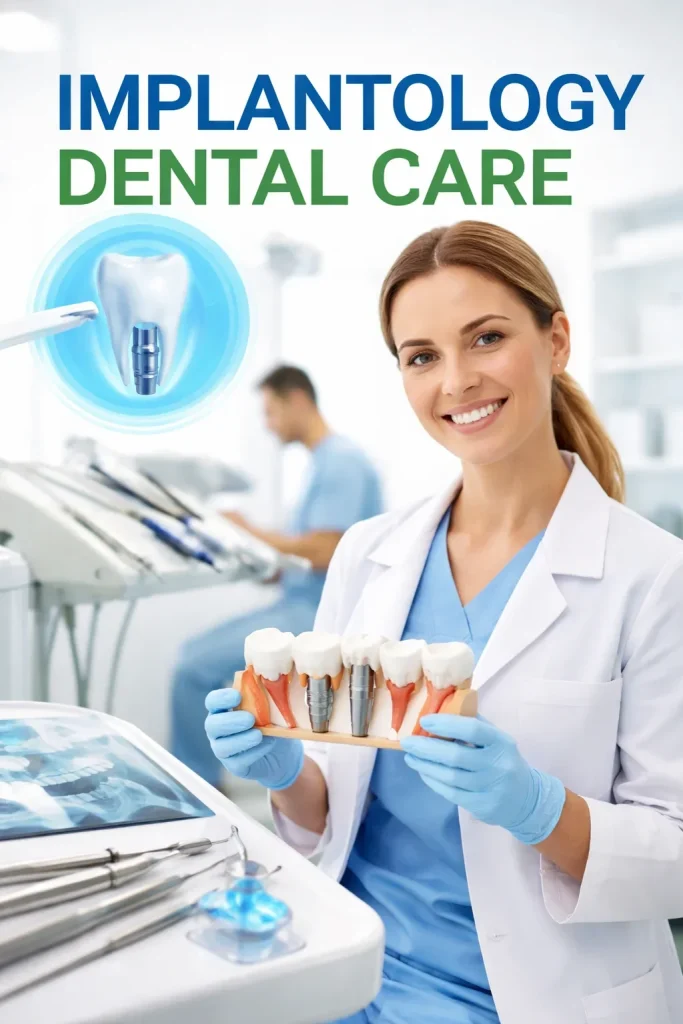
Implantology dental care is one of the most advanced and reliable solutions in modern dentistry for replacing missing teeth and restoring full oral function. Unlike traditional dentures or bridges, implantology dental care focuses on recreating the natural structure of a tooth by integrating a titanium implant directly into the jawbone. This approach not only restores aesthetics but also preserves bone health, bite strength, and long-term oral stability 😊. For patients seeking a permanent, natural-feeling solution, implantology dental care has become the gold standard worldwide.
At its core, implantology dental care combines surgical precision with restorative expertise. A dental implant acts as an artificial tooth root, typically made from biocompatible titanium, which fuses with the jawbone through a process called osseointegration. Once this integration is complete, a custom-made crown is placed on top, resulting in a tooth that looks, feels, and functions like a natural one. This is why implantology dental care is often described as the closest alternative to natural teeth in modern oral rehabilitation.
One of the most important reasons implantology dental care matters today is the growing awareness of long-term oral health. When a tooth is lost and not replaced properly, the surrounding bone begins to deteriorate over time. Traditional solutions may address appearance, but they often fail to stimulate the jawbone. Implantology dental care directly addresses this issue by maintaining bone density and preventing facial collapse, which can otherwise lead to premature aging and functional problems 😮.
Another key advantage of implantology dental care is its ability to restore full chewing efficiency. Patients who rely on removable dentures often struggle with slipping, discomfort, and limited food choices. In contrast, implantology dental care provides exceptional stability, allowing patients to eat a wide variety of foods with confidence. This improvement in chewing ability also supports better digestion and overall health, making implantology dental care a holistic solution rather than just a cosmetic fix.
From a psychological perspective, implantology dental care plays a significant role in boosting self-confidence and quality of life. Missing teeth can affect speech, smile aesthetics, and social interactions. Many patients report feeling self-conscious or avoiding smiling altogether. By restoring a complete, natural-looking smile, implantology dental care helps individuals regain confidence, speak clearly, and engage comfortably in social and professional environments 😁.
Modern implantology dental care has also benefited greatly from technological advancements. Digital imaging, 3D cone-beam CT scans, and computer-guided implant placement allow for highly precise planning and execution. These innovations reduce surgical risks, shorten treatment times, and improve success rates. As a result, implantology dental care today is safer, more predictable, and more accessible to a wider range of patients than ever before.
It is also important to highlight that implantology dental care is not limited to single tooth replacement. It can be used for multiple missing teeth or even full-arch restorations. Techniques such as implant-supported bridges and full-mouth implant rehabilitation enable patients with extensive tooth loss to regain complete oral function. This versatility makes implantology dental care a cornerstone of modern restorative dentistry.
Many people mistakenly believe that implantology dental care is purely aesthetic, but its benefits extend far beyond appearance. By maintaining jawbone integrity, supporting facial muscles, and ensuring proper bite alignment, implantology dental care contributes to long-term oral and systemic health. Poor oral health has been linked to conditions such as cardiovascular disease and diabetes, making effective tooth replacement an essential part of overall well-being 🦷.
In summary, implantology dental care matters today because it offers a scientifically proven, long-lasting solution to tooth loss that supports both function and aesthetics. Whether the goal is to replace a single missing tooth or restore an entire smile, implantology dental care provides unmatched durability, comfort, and health benefits. As dental technology continues to evolve, implantology dental care remains at the forefront of patient-centered, evidence-based oral treatment, making it a smart investment in lifelong oral health.
What Is Implantology Dental Care and Why It Matters Today
Implantology dental care is a specialized branch of dentistry focused on the diagnosis, planning, placement, and long-term maintenance of dental implants. It goes far beyond simply replacing missing teeth; implantology dental care aims to restore full oral function, protect jawbone health, and recreate the natural harmony of the smile. In today’s world, where patients expect long-lasting, natural, and health-centered solutions, implantology dental care has become one of the most important disciplines in modern dental medicine 🦷.
To understand why implantology dental care matters so much today, it is essential to recognize the limitations of older tooth replacement methods. Traditional bridges often require grinding down healthy neighboring teeth, while removable dentures can cause discomfort, instability, and bone loss over time. Implantology dental care solves these problems by anchoring artificial teeth directly into the jawbone, creating a stable and independent foundation that mimics natural tooth roots.
The Scientific Foundation of Implantology Dental Care
The success of implantology dental care is built on decades of scientific research and clinical evidence. The key principle behind dental implants is osseointegration, a biological process in which the jawbone fuses with the implant surface. This fusion creates exceptional stability and allows the implant to function just like a natural tooth root. Because of this process, implantology dental care offers significantly higher long-term success rates compared to traditional restorative options.
Materials used in implantology dental care are carefully selected for safety and durability. Titanium and titanium alloys are the most commonly used materials due to their biocompatibility and resistance to corrosion. These materials are well accepted by the human body, reducing the risk of rejection and ensuring that implantology dental care remains a safe solution for most patients 😊.
Why Implantology Dental Care Is More Relevant Than Ever
Modern lifestyles, increased life expectancy, and greater awareness of oral health have made implantology dental care more relevant than ever before. People are living longer and expect their teeth to last a lifetime. Tooth loss caused by gum disease, trauma, or decay can significantly affect quality of life, especially as individuals age. Implantology dental care provides a durable solution that supports both function and appearance well into older adulthood.
Another reason implantology dental care matters today is its role in preserving jawbone health. When a tooth is lost, the jawbone no longer receives stimulation in that area, leading to gradual bone resorption. Over time, this can cause facial sagging, bite problems, and difficulties with future dental treatments. Implantology dental care actively prevents this bone loss by transmitting chewing forces directly to the bone, maintaining its strength and volume.
Functional Benefits of Implantology Dental Care
One of the most immediate benefits patients notice with implantology dental care is improved function. Dental implants provide excellent stability, allowing patients to chew efficiently and speak clearly without fear of movement or discomfort. Unlike removable dentures, implant-supported teeth do not slip or require adhesives, making daily life more comfortable and stress-free 😌.
This functional stability also supports better nutrition. Patients who struggle with missing teeth or unstable dentures often avoid certain foods, leading to dietary limitations. Implantology dental care restores confidence in eating, enabling patients to enjoy a balanced diet that supports overall health and well-being.
Aesthetic and Psychological Impact
Beyond function, implantology dental care has a profound aesthetic and psychological impact. Dental implants are designed to look and feel like natural teeth, blending seamlessly with the rest of the smile. This natural appearance helps patients regain confidence, smile freely, and interact socially without embarrassment.
The psychological benefits of implantology dental care should not be underestimated. Studies consistently show that restoring missing teeth improves self-esteem and emotional well-being. Patients often report feeling younger, more confident, and more comfortable in professional and personal settings after completing implantology dental care 😁.
Implantology Dental Care as a Long-Term Health Investment
Implantology dental care is not just a cosmetic treatment; it is a long-term investment in oral and overall health. By maintaining proper bite alignment and preventing neighboring teeth from shifting, implants help preserve the natural structure of the mouth. This reduces the risk of future dental problems, such as uneven wear, jaw pain, and temporomandibular joint issues.
Additionally, healthy oral function supported by implantology dental care contributes to systemic health. Proper chewing aids digestion, while good oral health has been linked to reduced risks of cardiovascular disease and other systemic conditions. For this reason, many dental professionals view implantology dental care as an essential component of comprehensive healthcare rather than an optional procedure.
In conclusion, implantology dental care matters today because it addresses the functional, aesthetic, and biological consequences of tooth loss in a way no other treatment can. With strong scientific backing, advanced materials, and life-changing benefits, implantology dental care stands as one of the most impactful advancements in modern dentistry. As patient expectations continue to rise, implantology dental care remains the benchmark for high-quality, long-lasting tooth replacement solutions.
How Implantology Dental Care Works: Step-by-Step Treatment Process
Understanding how implantology dental care works helps patients feel confident and informed before starting treatment. Implantology dental care follows a carefully structured, multi-step process designed to ensure safety, precision, and long-term success. Each phase builds upon the previous one, combining medical science, advanced technology, and personalized planning to deliver natural-looking and durable results 🦷.
Although the exact timeline may vary depending on individual needs, bone condition, and overall oral health, the core stages of implantology dental care remain consistent. From initial consultation to final restoration, every step is essential to achieving a stable and functional outcome.
Initial Consultation and Diagnosis
The first step in implantology dental care is a comprehensive consultation and diagnostic assessment. During this phase, the dentist evaluates the patient’s oral health, medical history, and expectations. Digital X-rays and 3D cone-beam CT scans are often used to analyze bone density, nerve positions, and anatomical structures. This detailed imaging allows implantology dental care to be planned with exceptional accuracy and predictability.
At this stage, the dentist also determines whether preparatory treatments are necessary. Some patients may require tooth extractions, gum treatment, or bone grafting before implantology dental care can proceed safely. A customized treatment plan is then created, outlining timelines, procedures, and expected outcomes.
Personalized Treatment Planning
One of the defining strengths of implantology dental care is personalization. No two mouths are the same, and implant placement must reflect individual anatomy. Using digital planning software, dentists can virtually place implants before surgery, ensuring optimal positioning for strength, aesthetics, and long-term health 😊. This level of planning significantly increases success rates and reduces complications.
Surgical Placement of the Dental Implant
Once planning is complete, the surgical phase of implantology dental care begins. The implant is carefully placed into the jawbone under local anesthesia or conscious sedation, ensuring patient comfort throughout the procedure. Contrary to common fears, most patients report minimal discomfort during implant placement, often less than that experienced with tooth extraction.
The implant itself acts as an artificial tooth root. Precision during this stage is critical, as correct angulation and depth ensure proper load distribution during chewing. Advanced surgical guides are frequently used in modern implantology dental care to enhance accuracy and minimize trauma to surrounding tissues.
Osseointegration: The Healing Phase
After implant placement, implantology dental care enters one of its most crucial stages: osseointegration. This healing process allows the jawbone to grow around and fuse with the implant surface. Osseointegration typically takes several weeks to a few months, depending on bone quality and individual healing capacity.
During this period, the implant becomes firmly anchored within the bone, creating a stable foundation for the future crown. This biological integration is what sets implantology dental care apart from all other tooth replacement options. Proper healing during this phase is essential for long-term success and durability 🧬.
Temporary Restorations During Healing
In many cases, patients undergoing implantology dental care may receive a temporary crown or provisional restoration while healing occurs. These temporary solutions maintain aesthetics and basic function without placing excessive stress on the implant. Patients are guided on dietary and oral hygiene practices to protect the implant during this sensitive phase.
Abutment Placement and Final Restoration
Once osseointegration is complete, the next step in implantology dental care is the placement of the abutment. The abutment connects the implant to the final crown and serves as the support structure for the visible tooth. This minor procedure is typically quick and minimally invasive.
After the abutment is placed, precise impressions are taken to fabricate a custom dental crown. The crown is designed to match the color, shape, and size of surrounding teeth, ensuring a natural and harmonious appearance. This final restoration completes the implantology dental care process and restores full function to the treated area 😁.
Post-Treatment Care and Maintenance
Implantology dental care does not end once the crown is placed. Long-term success depends on proper maintenance and regular dental check-ups. Patients are advised to follow excellent oral hygiene routines, including brushing, flossing, and professional cleanings.
With appropriate care, dental implants placed through implantology dental care can last for decades. Regular monitoring allows early detection of potential issues, such as gum inflammation, ensuring that the implant remains healthy and stable over time.
In summary, implantology dental care works through a carefully sequenced process that prioritizes planning, biological integration, and precision restoration. Each step plays a vital role in delivering a natural, strong, and long-lasting tooth replacement. By understanding how implantology dental care works, patients can approach treatment with confidence, knowing they are choosing one of the most advanced and reliable solutions available in modern dentistry.
Who Is a Good Candidate for Implantology Dental Care?
One of the most common questions patients ask is whether implantology dental care is suitable for them. The good news is that implantology dental care is highly versatile and can benefit a wide range of individuals. However, because it is a medical and surgical procedure, proper patient selection is essential to ensure safety, long-term success, and patient satisfaction 🦷.
Being a good candidate for implantology dental care is not determined by age alone. Instead, dentists evaluate overall health, oral condition, bone quality, and lifestyle factors. Thanks to advances in dental technology and regenerative techniques, implantology dental care is now accessible to many patients who were previously considered unsuitable.
General Health Requirements for Implantology Dental Care
A good candidate for implantology dental care should be in generally stable health. Since dental implant placement involves minor surgery, the body must be able to heal properly. Chronic conditions such as diabetes, cardiovascular disease, or autoimmune disorders do not automatically disqualify a patient, but they must be well controlled before implantology dental care can begin.
Smoking is another important consideration. Tobacco use can negatively affect healing and osseointegration, increasing the risk of implant failure. While smokers can still undergo implantology dental care, dentists often recommend reducing or quitting smoking to improve outcomes and long-term implant success 😊.
Oral Health Criteria
Healthy gums are a critical requirement for implantology dental care. Gum disease, also known as periodontal disease, must be treated before implants can be placed. Active infection around the gums can compromise implant stability and lead to complications. For this reason, a thorough periodontal evaluation is always part of the implantology dental care assessment process.
Patients with good oral hygiene habits are ideal candidates for implantology dental care. Daily brushing, flossing, and regular dental visits play a major role in maintaining implant health. Since dental implants require the same level of care as natural teeth, commitment to oral hygiene is essential for long-term success.
Bone Density and Jaw Structure
Adequate jawbone density is one of the most important factors in determining candidacy for implantology dental care. Dental implants rely on strong bone support to remain stable and functional. When a tooth has been missing for a long time, bone loss may occur in that area.
Fortunately, modern implantology dental care offers solutions for patients with bone loss. Bone grafting, sinus lift procedures, and advanced implant designs allow many patients with reduced bone volume to still receive implants. These techniques have significantly expanded the pool of candidates for implantology dental care 🧬.
Age Considerations in Implantology Dental Care
Age is often misunderstood when it comes to implantology dental care. There is no upper age limit for dental implants. Many patients in their 60s, 70s, and even 80s successfully undergo implantology dental care and enjoy improved quality of life as a result.
For younger patients, implantology dental care is generally recommended only after jaw growth is complete. This ensures that implants remain properly aligned as the facial structure matures. A thorough evaluation helps determine the right timing for implant placement in younger individuals.
Lifestyle and Commitment Factors
A successful outcome in implantology dental care depends not only on medical factors but also on patient commitment. Candidates must be willing to attend follow-up appointments, maintain oral hygiene, and follow post-treatment care instructions. Implantology dental care is a long-term investment, and patient cooperation plays a key role in protecting that investment 😌.
Patients who grind their teeth, a condition known as bruxism, can still benefit from implantology dental care, but additional precautions may be necessary. Night guards or reinforced implant designs are often used to protect implants from excessive force.
Psychological Readiness and Expectations
Another important aspect of candidacy for implantology dental care is psychological readiness. Patients should have realistic expectations and a clear understanding of the treatment process. While implantology dental care offers exceptional results, it requires time, patience, and healing.
Clear communication between the patient and dental professional ensures that implantology dental care aligns with the patient’s goals. Understanding the benefits, limitations, and responsibilities involved leads to higher satisfaction and better long-term outcomes 😁.
When Implantology Dental Care May Need to Be Delayed
In some cases, implantology dental care may need to be postponed rather than avoided altogether. Active infections, untreated gum disease, or uncontrolled medical conditions must be addressed first. Once these issues are managed, implantology dental care can often proceed safely.
This staged approach highlights the flexibility of implantology dental care. Rather than excluding patients, modern dentistry focuses on preparation and optimization to make implant treatment possible for as many people as possible.
In conclusion, a good candidate for implantology dental care is someone with stable general health, healthy gums, adequate or treatable bone support, and a commitment to oral care. With today’s advanced techniques, implantology dental care is accessible to a broad range of patients, offering a reliable path to restored function, confidence, and long-term oral health.
Types of Dental Implants Used in Modern Implantology Dental Care
Modern implantology dental care offers a variety of dental implant types designed to meet different clinical needs, anatomical conditions, and patient expectations. Not all tooth loss situations are the same, and implantology dental care adapts to these differences by using specific implant systems and techniques. Understanding the types of dental implants used in implantology dental care helps patients make informed decisions and appreciate how personalized this treatment truly is 🦷.
The choice of implant type in implantology dental care depends on several factors, including bone quality, the number of missing teeth, aesthetic demands, and long-term functional goals. Thanks to technological progress, implantology dental care today can successfully treat even complex cases that were once considered impossible.
Endosteal Implants: The Most Common Choice
Endosteal implants are the most widely used implant type in implantology dental care. These implants are placed directly into the jawbone and typically have a screw-shaped, cylindrical, or tapered design. Once osseointegration occurs, they provide a strong and stable foundation for crowns, bridges, or full-arch restorations.
In implantology dental care, endosteal implants are preferred because of their high success rates and versatility. They can be used to replace a single missing tooth, multiple teeth, or even support full-mouth restorations. Their ability to closely mimic natural tooth roots makes them the gold standard in modern implantology dental care 😊.
Materials Used in Endosteal Implants
Most endosteal implants used in implantology dental care are made from titanium or titanium alloys. These materials are biocompatible, corrosion-resistant, and highly durable. In recent years, zirconia implants have also gained popularity as a metal-free alternative, especially for patients with specific aesthetic or material preferences.
Both titanium and zirconia implants used in implantology dental care are designed to integrate seamlessly with bone, ensuring long-term stability and excellent functional outcomes.
Subperiosteal Implants: An Alternative for Low Bone Volume
Subperiosteal implants are used less frequently but still play an important role in implantology dental care for specific cases. Unlike endosteal implants, subperiosteal implants are placed on top of the jawbone but beneath the gum tissue. They are typically recommended for patients with insufficient bone height who are unable or unwilling to undergo bone grafting procedures.
While advancements in bone regeneration have reduced the need for subperiosteal implants, implantology dental care still considers them a valuable option in carefully selected cases. Their customized design allows them to rest securely on the bone surface while supporting prosthetic teeth.
Zygomatic Implants in Advanced Implantology Dental Care
Zygomatic implants represent one of the most advanced solutions in implantology dental care. These longer implants anchor into the cheekbone rather than the jawbone and are used in cases of severe upper jaw bone loss. Zygomatic implants allow patients to avoid extensive bone grafting and often enable faster rehabilitation.
This specialized form of implantology dental care is typically reserved for complex cases and performed by highly experienced implant specialists. When indicated, zygomatic implants can dramatically improve function and quality of life for patients with advanced bone resorption 😮.
Mini Implants and Narrow-Diameter Implants
Mini implants, also known as narrow-diameter implants, are smaller in size than traditional implants and are used in specific implantology dental care scenarios. They are often recommended for areas with limited space or reduced bone width, such as replacing lower front teeth.
In implantology dental care, mini implants may also be used to stabilize dentures, providing improved retention and comfort compared to conventional removable prosthetics. While they are not suitable for all cases, mini implants expand treatment possibilities for selected patients.
Implant-Supported Prosthetic Options
Implantology dental care is not limited to the implant itself; it also includes the type of restoration supported by the implant. Dental implants can support single crowns, fixed bridges, or full-arch prostheses. The choice depends on how many teeth are missing and the desired level of stability.
Full-arch solutions such as implant-supported bridges or hybrid prostheses allow patients with extensive tooth loss to regain full oral function using fewer implants. This approach is a cornerstone of comprehensive implantology dental care and offers exceptional stability and comfort 😁.
Fixed vs. Removable Implant Restorations
In implantology dental care, restorations can be fixed or removable. Fixed restorations are permanently attached and function like natural teeth, while removable implant-supported dentures can be taken out for cleaning. Both options provide significantly better stability than traditional dentures.
The decision between fixed and removable solutions in implantology dental care is based on patient preference, anatomy, and budget considerations, always with a focus on long-term success.
How Dentists Choose the Right Implant Type
Selecting the appropriate implant type is a critical part of implantology dental care. Dentists consider bone quality, bite forces, aesthetic demands, and overall health when making this decision. Advanced imaging and digital planning tools allow for precise implant selection and placement.
This tailored approach ensures that implantology dental care delivers predictable, durable, and natural-looking results for each individual patient.
In conclusion, the variety of implant types available in modern implantology dental care allows for highly customized treatment solutions. From standard endosteal implants to advanced zygomatic systems, implantology dental care adapts to nearly every clinical situation. This flexibility is one of the key reasons why implantology dental care continues to be the most effective and trusted method for tooth replacement in contemporary dentistry.
Benefits of Implantology Dental Care Compared to Traditional Solutions
When patients consider tooth replacement, they often compare implantology dental care with traditional solutions such as removable dentures or dental bridges. While these older methods still have their place, implantology dental care offers a range of advantages that make it the preferred option for long-term oral health, comfort, and aesthetics. Understanding these benefits helps patients make confident, informed decisions about their treatment 🦷.
Implantology dental care is designed to replicate the natural structure of a tooth, from root to crown. This fundamental difference is what sets it apart from traditional solutions, which often address only the visible portion of the tooth and overlook the biological needs of the jawbone.
Superior Stability and Function
One of the most significant benefits of implantology dental care is superior stability. Dental implants are anchored directly into the jawbone, creating a strong and immovable foundation. In contrast, removable dentures rely on suction or adhesives and may shift during eating or speaking. This instability can cause discomfort and embarrassment over time.
With implantology dental care, patients can chew with confidence and enjoy a full range of foods without fear of movement. This improved function supports proper nutrition and digestion, contributing to overall health and well-being 😊.
Natural Bite Force and Chewing Efficiency
Traditional dentures typically restore only a fraction of natural bite force. Implantology dental care, on the other hand, restores bite strength close to that of natural teeth. Because implants are integrated into the bone, they efficiently transfer chewing forces, allowing patients to eat tougher foods comfortably.
This level of performance makes implantology dental care especially valuable for individuals who prioritize an active lifestyle and unrestricted diet.
Preservation of Jawbone Health
Jawbone preservation is a critical advantage of implantology dental care that traditional solutions cannot match. When a tooth is lost, the surrounding bone begins to resorb due to lack of stimulation. Dentures and bridges do not address this issue, leading to gradual bone loss over time.
Implantology dental care actively prevents bone deterioration by stimulating the jawbone during chewing. This helps maintain facial structure, prevents sunken appearance, and supports long-term oral stability 🧬.
Aesthetic Advantages of Implantology Dental Care
Aesthetics play an important role in patient satisfaction, and implantology dental care excels in this area. Dental implants support lifelike crowns that closely match the color, shape, and translucency of natural teeth. The result is a smile that looks natural and harmonious.
Traditional dentures may appear bulky or artificial, while bridges can sometimes reveal metal components at the gum line. Implantology dental care eliminates these concerns by emerging naturally from the gums, just like real teeth 😁.
Facial Structure and Youthful Appearance
Because implantology dental care preserves bone volume, it helps maintain facial contours and prevents premature aging. Bone loss associated with missing teeth and dentures can cause facial sagging and wrinkles around the mouth.
By supporting facial muscles and bone, implantology dental care contributes to a more youthful and healthy appearance.
Long-Term Durability and Cost Effectiveness
While implantology dental care may appear more expensive initially compared to traditional solutions, it often proves more cost-effective over time. Dental implants are designed to last for decades with proper care, whereas dentures and bridges typically require replacement or adjustment every few years.
This durability reduces long-term maintenance costs and inconvenience. For many patients, implantology dental care represents a one-time investment in lasting oral health rather than an ongoing cycle of repairs and replacements.
Comfort and Quality of Life Improvements
Comfort is another area where implantology dental care clearly outperforms traditional methods. Dentures can cause sore spots, gum irritation, and difficulty speaking. Bridges may feel unnatural and require special cleaning techniques.
Implantology dental care feels natural because implants become part of the mouth’s structure. Patients often forget they even have implants, enjoying a level of comfort and confidence that traditional solutions rarely provide 😊.
Protection of Adjacent Teeth
Traditional dental bridges require grinding down healthy neighboring teeth to support the restoration. This irreversible process can weaken those teeth over time. Implantology dental care avoids this problem by standing independently, preserving the integrity of surrounding natural teeth.
By protecting adjacent teeth, implantology dental care supports better overall oral health and reduces the risk of future dental problems.
Psychological and Emotional Benefits
The emotional impact of implantology dental care should not be underestimated. A stable, natural-looking smile can significantly improve self-esteem and social confidence. Patients no longer worry about dentures slipping or gaps showing when they speak or laugh.
This sense of security positively affects professional interactions, relationships, and daily life. Implantology dental care often delivers not just physical restoration, but emotional relief and renewed confidence 😌.
In summary, implantology dental care offers clear and measurable benefits over traditional tooth replacement solutions. From superior stability and bone preservation to enhanced aesthetics and quality of life, implantology dental care stands as the most comprehensive and future-focused option available. For patients seeking a durable, natural, and health-centered solution, implantology dental care consistently proves to be the superior choice.
Healing, Recovery, and Aftercare in Implantology Dental Care
Healing and recovery are critical phases in implantology dental care, directly influencing the long-term success of dental implants. While the surgical placement of an implant is a key milestone, what happens afterward is equally important. Implantology dental care follows a structured healing and aftercare protocol designed to support osseointegration, protect surrounding tissues, and ensure that the implant functions reliably for many years 🦷.
Understanding the healing timeline and proper aftercare helps patients actively participate in the success of their implantology dental care. With the right guidance and commitment, recovery is typically smooth, predictable, and well tolerated.
Immediate Healing After Implant Placement
The first stage of healing in implantology dental care begins immediately after implant surgery. Mild swelling, slight discomfort, and minimal bleeding are normal during the first few days. These symptoms are a natural response of the body as it begins the healing process.
Dentists usually prescribe pain management solutions and provide clear post-operative instructions. Ice application, rest, and avoiding strenuous activity help reduce swelling and support early healing. In modern implantology dental care, minimally invasive techniques significantly reduce recovery discomfort compared to older surgical methods 😊.
First 72 Hours: What Patients Should Expect
During the first 72 hours, patients undergoing implantology dental care should follow specific guidelines to protect the implant site. Soft foods, gentle oral hygiene, and avoiding smoking or alcohol are essential during this period. These measures reduce inflammation and lower the risk of infection.
Good early care sets the foundation for successful osseointegration and long-term implant stability.
Osseointegration and Bone Healing Phase
The most important healing stage in implantology dental care is osseointegration. This biological process allows the jawbone to fuse with the implant surface, creating a strong and permanent bond. Osseointegration typically takes between 8 and 16 weeks, though it may vary based on bone quality, implant type, and individual healing capacity.
During this phase, the implant should not be subjected to excessive force. Implantology dental care specialists carefully manage bite pressure and may use temporary restorations to protect the implant while bone integration progresses 🧬.
Diet and Nutrition During Recovery
Diet plays a vital role in recovery from implantology dental care. Patients are encouraged to consume soft, nutrient-rich foods that support tissue repair and bone healing. Protein, calcium, vitamin D, and vitamin C are especially important during the healing period.
As healing progresses, patients can gradually reintroduce firmer foods under professional guidance. Proper nutrition not only speeds recovery but also enhances the long-term success of implantology dental care.
Oral Hygiene and Daily Care
Maintaining excellent oral hygiene is essential throughout implantology dental care recovery. Gentle brushing around the implant site, antimicrobial mouth rinses, and careful flossing help prevent infection and inflammation.
Unlike natural teeth, implants cannot develop cavities, but the surrounding gum tissue can still become inflamed if plaque accumulates. This condition, known as peri-implant disease, can compromise implant stability if not managed properly. Consistent hygiene habits are therefore a cornerstone of successful implantology dental care 😊.
Professional Follow-Up and Monitoring
Regular follow-up visits are an integral part of implantology dental care. These appointments allow the dentist to monitor healing, assess bone integration, and ensure that the implant remains stable. Any early signs of complications can be addressed promptly during these check-ups.
Professional cleanings also play a key role in maintaining implant health and preventing gum-related issues.
Long-Term Aftercare for Dental Implants
After the final crown is placed, implantology dental care enters the maintenance phase. Long-term aftercare focuses on preserving the health of the implant and surrounding tissues. With proper care, dental implants can last decades and often a lifetime.
Patients should continue routine dental visits, practice daily oral hygiene, and protect implants from excessive force. Those who grind their teeth may benefit from night guards to prevent overload and wear.
Lifestyle Factors That Affect Healing
Lifestyle choices have a significant impact on healing in implantology dental care. Smoking remains one of the biggest risk factors for implant complications, as it restricts blood flow and slows tissue repair. Reducing or eliminating tobacco use greatly improves healing outcomes.
Stress management, adequate sleep, and overall health maintenance also support faster recovery and stronger osseointegration 😌.
Recognizing Normal vs. Concerning Symptoms
While mild discomfort is normal during recovery, patients should be aware of symptoms that require professional attention. Persistent pain, swelling, or unusual discharge may indicate infection or delayed healing. Prompt evaluation ensures that implantology dental care remains on track.
Open communication with the dental team allows patients to feel reassured and supported throughout the healing journey.
In conclusion, healing, recovery, and aftercare are essential components of implantology dental care. From immediate post-surgical care to long-term maintenance, each phase supports implant stability and oral health. When patients actively follow professional guidance, implantology dental care delivers predictable healing, lasting comfort, and exceptional long-term results.
Risks, Success Rates, and Long-Term Outcomes of Implantology Dental Care
Like any medical procedure, implantology dental care involves certain risks, but it is also one of the most predictable and successful treatments in modern dentistry. Thanks to decades of clinical research, advanced materials, and refined techniques, implantology dental care consistently delivers high success rates and excellent long-term outcomes. Understanding both the potential risks and the realistic expectations helps patients approach treatment with confidence and clarity 🦷.
When performed by experienced professionals and supported by proper aftercare, implantology dental care is considered a safe and reliable solution for tooth replacement. However, being informed about possible complications and long-term performance is a crucial part of patient education.
Success Rates of Implantology Dental Care
One of the strongest arguments in favor of implantology dental care is its exceptional success rate. Clinical studies consistently show success rates ranging from 95% to 98% for dental implants over a 10-year period. These outcomes make implantology dental care one of the most reliable restorative procedures available today.
Success depends on multiple factors, including bone quality, oral hygiene, medical health, and professional expertise. When these factors are properly managed, implantology dental care offers long-lasting and highly predictable results 😊.
Short-Term vs. Long-Term Success
Short-term success in implantology dental care refers to proper healing and successful osseointegration within the first few months after implant placement. Long-term success, on the other hand, focuses on implant stability, gum health, and functional performance over many years.
With good maintenance and regular dental visits, long-term outcomes of implantology dental care often exceed those of traditional tooth replacement methods.
Potential Risks and Complications
Although implantology dental care is generally safe, potential risks do exist. Early complications may include infection, delayed healing, or temporary discomfort. These issues are relatively rare and are often preventable with proper surgical technique and post-operative care.
In rare cases, implants may fail to integrate with the bone. This can occur due to insufficient bone quality, excessive force during healing, or underlying medical conditions. When detected early, failed implants can often be removed and replaced as part of continued implantology dental care 🧬.
Peri-Implant Disease and Gum Health
One of the most discussed long-term risks in implantology dental care is peri-implant disease. This condition involves inflammation of the gum tissue around the implant and can progress to bone loss if left untreated. Poor oral hygiene and smoking are major risk factors.
Regular professional cleanings and good daily oral care significantly reduce the risk of peri-implant disease. Implantology dental care emphasizes prevention and early detection to protect implant longevity.
Factors That Influence Long-Term Outcomes
Several key factors influence the long-term success of implantology dental care. Bone quality and volume play a critical role in implant stability. Patients with strong, healthy bone generally experience better outcomes.
Lifestyle habits also matter. Smoking, poor oral hygiene, and uncontrolled systemic conditions can negatively affect implant longevity. Conversely, patients who follow care recommendations and attend regular check-ups tend to enjoy excellent long-term results 😊.
The Role of Professional Expertise
The experience and training of the dental professional significantly impact implantology dental care outcomes. Accurate diagnosis, precise implant placement, and proper restoration design are essential for minimizing risks and maximizing success.
Advanced diagnostic tools such as 3D imaging and digital planning further enhance the predictability of implantology dental care.
Longevity and Durability of Dental Implants
One of the most compelling long-term benefits of implantology dental care is durability. With proper care, dental implants can last 20 years or more, and many last a lifetime. The implant itself is designed to withstand normal chewing forces without degradation.
While the crown attached to the implant may eventually require replacement due to normal wear, the underlying implant usually remains stable. This long-term durability makes implantology dental care a cost-effective and sustainable solution.
Comparing Long-Term Outcomes to Other Treatments
Compared to dentures and bridges, implantology dental care consistently delivers superior long-term outcomes. Dentures often require frequent adjustments and can accelerate bone loss, while bridges may compromise adjacent teeth.
Implantology dental care preserves bone, protects neighboring teeth, and maintains natural bite alignment. These advantages translate into better oral health and fewer complications over time 😁.
Managing Risks Through Prevention
Most risks associated with implantology dental care can be effectively managed through prevention. Careful patient selection, personalized treatment planning, and patient education are key components of risk reduction.
By actively participating in their care, patients play an important role in ensuring the long-term success of implantology dental care.
In conclusion, implantology dental care offers outstanding success rates and long-term outcomes when properly planned and maintained. While risks exist, they are relatively low and manageable with modern techniques and preventive care. For patients seeking a durable, safe, and scientifically supported solution to tooth loss, implantology dental care remains one of the most dependable choices in contemporary dentistry.
Choosing the Right Clinic for High-Quality Implantology Dental Care
Selecting the right clinic is one of the most decisive factors in the success of implantology dental care. While modern technology and high-quality materials play a vital role, the expertise, experience, and treatment philosophy of the clinic ultimately determine outcomes. Implantology dental care is a long-term investment in health, comfort, and confidence, so choosing the right provider should never be rushed 🦷.
Because implantology dental care involves both surgical and restorative phases, it requires a clinic that combines advanced clinical skills with comprehensive patient-centered care. Understanding what to look for in a clinic helps patients avoid complications and ensures predictable, lasting results.
Clinical Experience and تخصص in Implantology Dental Care
One of the most important criteria when choosing a clinic for implantology dental care is clinical experience. Dental implants are technique-sensitive procedures, and outcomes improve significantly when treatment is performed by professionals with extensive implant training and case experience.
A qualified implantology dental care clinic should demonstrate a strong background in implant placement, bone management, and prosthetic restoration. Experience with complex cases such as bone loss or full-arch rehabilitation is a strong indicator of clinical competence 😊.
Credentials, Training, and Continuous Education
Dentists who specialize in implantology dental care often pursue advanced education beyond general dentistry. Ongoing training, certifications, and participation in international implant organizations reflect a commitment to excellence and up-to-date practices.
Clinics that follow guidelines from respected professional bodies, such as the American Dental Association, demonstrate adherence to evidence-based standards and patient safety protocols.
Technology and Diagnostic Capabilities
High-quality implantology dental care relies heavily on modern diagnostic and planning tools. Clinics equipped with 3D cone-beam CT scanners, digital impressions, and computer-guided implant systems can plan treatments with greater precision and safety.
Advanced technology allows for accurate implant positioning, reduced surgical risks, and improved aesthetic outcomes. When evaluating a clinic for implantology dental care, patients should feel confident that modern tools are integrated into routine practice 🧬.
Personalized Treatment Planning
Every patient’s anatomy, health status, and expectations are unique. A reputable implantology dental care clinic prioritizes personalized treatment planning rather than standardized solutions. Comprehensive consultations, detailed explanations, and customized timelines are essential components of high-quality care.
Clinics that take time to understand patient concerns and provide clear, honest information about implantology dental care tend to achieve higher patient satisfaction and better long-term results.
Transparency, Communication, and Patient Support
Clear communication is a hallmark of excellent implantology dental care. Patients should feel informed at every stage, from diagnosis to aftercare. A trustworthy clinic explains procedures, healing expectations, and maintenance requirements in plain language.
Access to supportive staff, post-treatment follow-up, and responsive communication channels reflects a clinic’s commitment to patient-centered implantology dental care 😊.
Accessibility and Ongoing Care
Implantology dental care does not end with implant placement. Long-term success depends on maintenance, monitoring, and professional cleanings. Choosing a clinic that offers ongoing care and easy access for follow-up visits is essential.
Patients seeking guidance or consultation can reach out directly through resources like the Redent Klinik Contact Page, ensuring continuity of care and professional support.
Safety Standards and Hygiene Protocols
Strict hygiene and safety standards are non-negotiable in implantology dental care. Clinics should follow sterilization protocols, infection control guidelines, and surgical safety procedures consistently.
A clean, well-organized clinical environment reflects professionalism and reduces the risk of complications, contributing to safer implantology dental care outcomes.
Patient Reviews and Realistic Expectations
Patient testimonials and case examples provide valuable insight into a clinic’s implantology dental care quality. Reviews that highlight long-term satisfaction, clear communication, and successful outcomes are especially meaningful.
At the same time, reputable clinics avoid unrealistic promises. Honest discussions about timelines, healing, and possible limitations help patients develop realistic expectations and trust the implantology dental care process 😌.
Value Over Cost Considerations
While cost is often a consideration, implantology dental care should never be chosen based on price alone. Low-cost treatments may compromise materials, planning, or follow-up care, leading to higher long-term risks.
High-quality implantology dental care focuses on value—durability, safety, and long-term health benefits—rather than short-term savings.
In conclusion, choosing the right clinic is fundamental to successful implantology dental care. Experience, technology, personalized planning, transparency, and long-term support all contribute to superior outcomes. When patients select a clinic that prioritizes quality and patient well-being, implantology dental care becomes a life-enhancing solution that delivers lasting function, confidence, and oral health.
Cost Considerations, Value, and Future Trends in Implantology Dental Care
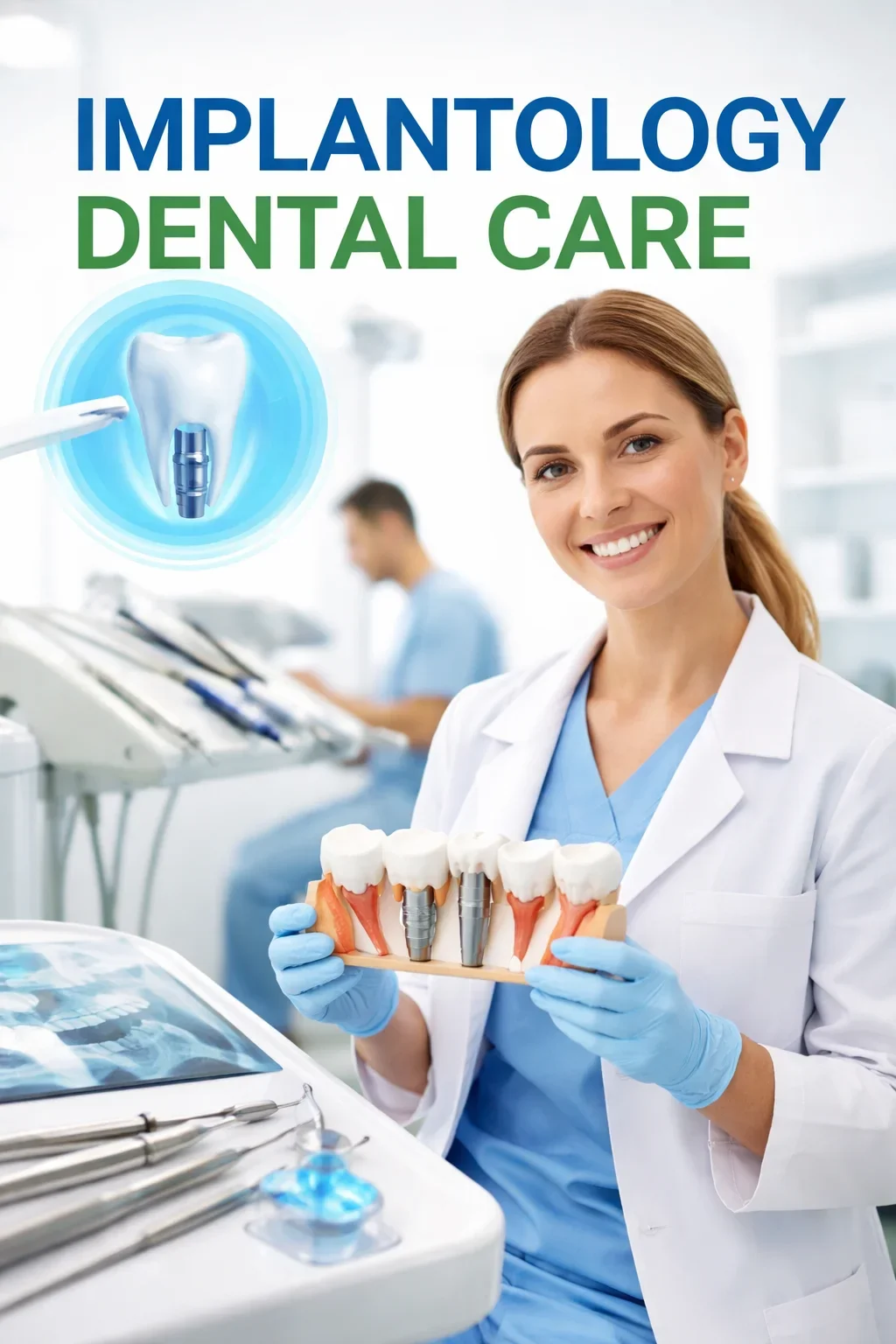
When patients explore implantology dental care, questions about cost, long-term value, and future developments naturally arise. Implantology dental care is widely recognized as a premium dental solution, but its value extends far beyond the initial financial aspect. Understanding what influences cost, how to evaluate value, and where implantology dental care is heading in the future helps patients make confident, well-informed decisions 🦷.
Rather than viewing implantology dental care as a short-term expense, it is best understood as a long-term investment in oral health, functionality, and quality of life. This perspective is essential for appreciating the true benefits of dental implants.
What Influences the Cost of Implantology Dental Care?
The cost of implantology dental care can vary significantly depending on several clinical and logistical factors. These include the number of implants required, the type of implant system used, bone grafting or preparatory procedures, and the complexity of the restoration. A single implant replacing one tooth will naturally differ in cost from full-mouth implantology dental care.
Another important factor is the level of expertise and technology involved. Clinics that offer advanced diagnostics, digital planning, and high-quality materials often provide more predictable and durable outcomes. While this may influence upfront cost, it directly impacts the safety and longevity of implantology dental care 😊.
Implants vs. Hidden Costs of Traditional Treatments
At first glance, traditional solutions such as dentures or bridges may appear more affordable. However, these options often involve recurring costs for repairs, replacements, adhesives, and adjustments. Over time, these expenses can exceed the one-time investment of implantology dental care.
Implantology dental care is designed for durability. With proper maintenance, implants can last decades, making them a financially sound option when evaluated over the long term.
Evaluating Value Instead of Price Alone
Value in implantology dental care should be measured by outcomes, not just price. Stability, comfort, aesthetics, and health benefits all contribute to overall value. Dental implants restore near-natural function, protect jawbone health, and eliminate many of the limitations associated with removable prosthetics.
Patients who choose implantology dental care often report significant improvements in confidence, diet, and daily comfort. These quality-of-life benefits are difficult to quantify financially but are central to the true value of treatment 😁.
Longevity and Return on Investment
One of the strongest arguments for implantology dental care is its longevity. While crowns may eventually require replacement due to normal wear, the implant itself is designed to remain stable for many years. This durability reduces the need for repeated dental interventions.
From a long-term perspective, implantology dental care often delivers a higher return on investment compared to traditional solutions that require frequent maintenance or replacement.
Insurance, Planning, and Financial Transparency
Coverage for implantology dental care varies depending on location and insurance policies. Some plans may partially cover diagnostic procedures or restorations, while others classify implants as advanced treatment. Transparent clinics clearly explain costs, timelines, and what is included in the treatment plan.
Clear financial planning allows patients to approach implantology dental care with confidence and realistic expectations, reducing stress and uncertainty 😊.
Technological Advancements Shaping the Future
The future of implantology dental care is closely tied to technological innovation. Digital workflows, artificial intelligence-assisted planning, and improved biomaterials are continuously enhancing treatment precision and outcomes.
Surface modifications on implants, improved bone regeneration techniques, and faster osseointegration protocols are making implantology dental care even more efficient and accessible. These advancements are expected to shorten healing times and further increase success rates 🧬.
Minimally Invasive and Patient-Centered Trends
Modern implantology dental care is moving toward minimally invasive techniques that reduce discomfort and recovery time. Computer-guided surgery and flapless implant placement are examples of how patient experience is being prioritized.
These innovations allow more patients, including those with complex medical histories, to benefit from implantology dental care safely.
Global Standards and Evidence-Based Practice
As implantology dental care continues to evolve, global standards and evidence-based protocols are becoming increasingly important. Professional organizations and ongoing research ensure that new techniques are supported by clinical data and long-term studies.
This commitment to scientific validation ensures that implantology dental care remains both innovative and safe for future generations 😌.
The Long-Term Outlook for Patients
For patients, the future of implantology dental care looks promising. Improved accessibility, better materials, and refined techniques mean more predictable outcomes and higher satisfaction. As awareness grows, implantology dental care is increasingly viewed as a standard solution rather than an exceptional one.
Patients who invest in implantology dental care today benefit not only from current advancements but also from a treatment designed to adapt and endure as dentistry continues to progress.
In conclusion, understanding cost considerations, value, and future trends provides a complete picture of implantology dental care. While initial costs may seem higher, the long-term benefits, durability, and life-enhancing outcomes make implantology dental care one of the most valuable investments in modern oral healthcare. With continuous innovation and a strong scientific foundation, implantology dental care is set to remain a cornerstone of advanced dentistry for decades to come.
Disclosure: this page may contain affiliate links. We may earn a commission if you use them, at no extra cost to you.