
Implantology in dentistry is one of the most important innovations in modern oral healthcare. It focuses on replacing missing teeth with durable, natural-looking dental implants that function like real teeth. Over the past few decades, implantology in dentistry has transformed the way dentists treat tooth loss, offering patients a long-term solution that improves both oral health and confidence. Today, millions of people worldwide rely on implantology in dentistry to restore their smiles and maintain proper chewing ability.
At its core, implantology in dentistry involves the surgical placement of a titanium implant into the jawbone. This implant acts as an artificial tooth root and supports a crown, bridge, or denture. Unlike traditional dentures or removable appliances, implantology in dentistry provides a stable and permanent tooth replacement option. Because the implant integrates with the bone through a biological process called osseointegration, the replacement tooth becomes extremely strong and reliable.
Many patients are surprised to learn how natural dental implants feel. One of the main goals of implantology in dentistry is to replicate the function and appearance of natural teeth as closely as possible. When properly placed and maintained, implants can last for decades, making implantology in dentistry one of the most successful procedures in dental medicine. In fact, modern research shows that implant procedures often achieve success rates above 95% when performed by experienced professionals.
To understand why implantology in dentistry is so effective, it helps to consider how tooth loss affects oral health. When a tooth is lost, the surrounding bone begins to deteriorate over time. This happens because the jawbone no longer receives stimulation from chewing forces. Implantology in dentistry solves this problem by placing a titanium implant into the bone, which restores that stimulation and helps preserve the bone structure. This not only supports facial appearance but also prevents additional dental problems in the future.
Another reason implantology in dentistry has become so popular is the improvement in patient comfort. Traditional dentures may slip, cause irritation, or affect speech. Implant-supported restorations created through implantology in dentistry remain fixed in place and allow patients to eat, speak, and smile confidently. Many individuals report that dental implants feel almost identical to natural teeth, which significantly improves quality of life.
Dental professionals specializing in implantology in dentistry undergo extensive training to perform implant procedures safely and effectively. Specialists such as oral surgeons, periodontists, and implant dentists work together to plan treatments using advanced diagnostic tools. Digital imaging, 3D scans, and computer-guided surgery have further improved the precision of implantology in dentistry, allowing dentists to place implants with incredible accuracy.
Another key aspect of implantology in dentistry is the customization of each treatment. No two patients have exactly the same oral structure or needs. Dentists evaluate factors such as bone density, gum health, and overall medical history before recommending implant treatment. This personalized approach ensures that implantology in dentistry delivers long-lasting and predictable results.
Patients considering implantology in dentistry often ask about the overall treatment timeline. While each case varies, the process typically includes consultation, implant placement, healing, and final restoration. Although the entire process may take several months, the long-term benefits of implantology in dentistry make it worthwhile for many individuals. Once healing is complete, the implant-supported tooth functions just like a natural tooth.
Another important benefit of implantology in dentistry is its ability to support multiple types of restorations. For example, a single missing tooth can be replaced with one implant and a crown. Several missing teeth may be restored with implant-supported bridges. In cases of full tooth loss, implantology in dentistry can even support complete implant dentures, providing far greater stability than traditional dentures.
Dental implant treatment is also closely connected with overall oral health education. Organizations such as the American Dental Association provide valuable information about implant procedures and oral hygiene practices. Patients seeking professional consultation can also reach out to specialists through resources like the Redent Klinik Contact Page, where personalized treatment plans can be discussed with experienced dental professionals.
As dental technology continues to advance, implantology in dentistry continues to evolve as well. New materials, improved imaging systems, and minimally invasive surgical techniques have made implant treatment safer and more predictable than ever before. These innovations ensure that implantology in dentistry will remain a cornerstone of modern dental care for many years to come.
In summary, implantology in dentistry represents a revolutionary approach to tooth replacement. By combining surgical expertise, advanced materials, and precise treatment planning, dentists can restore missing teeth in a way that feels natural and lasts for many years. For patients seeking a reliable and aesthetically pleasing solution to tooth loss, implantology in dentistry offers one of the most effective treatments available in modern dentistry today. 😊
What Is Implantology in Dentistry?
Implantology in dentistry is a specialized field of dental medicine that focuses on replacing missing teeth using dental implants. Over the past few decades, implantology in dentistry has become one of the most reliable and advanced solutions for tooth loss. Unlike traditional dentures or bridges, implantology in dentistry provides a permanent and highly stable replacement for natural teeth. This modern approach allows patients to restore their smile, improve chewing ability, and maintain proper oral health for many years.
In simple terms, implantology in dentistry involves placing a small titanium post into the jawbone where a tooth is missing. This implant acts as an artificial tooth root that supports a dental crown, bridge, or denture. Because the implant integrates directly with the bone, implantology in dentistry provides exceptional stability and durability. Patients who receive implants often report that their new teeth feel and function almost exactly like natural teeth. 😊
The Core Concept of Implantology in Dentistry
The central concept behind implantology in dentistry is replacing the root structure of a missing tooth. Traditional dental restorations usually rely on neighboring teeth for support. However, implantology in dentistry works differently because the implant itself becomes the anchor inside the jawbone. This design ensures that the replacement tooth remains secure and stable during daily activities such as eating and speaking.
The key biological process that makes implantology in dentistry possible is called osseointegration. During osseointegration, the titanium implant fuses with the surrounding bone tissue. This fusion creates a strong foundation for the artificial tooth. Without osseointegration, implantology in dentistry would not provide the long-term success rates that modern dentistry achieves today.
Osseointegration usually takes several months to complete, but once the implant has bonded with the bone, it becomes extremely strong. This is why implantology in dentistry is widely considered the gold standard for replacing missing teeth. Dental professionals around the world use implantology in dentistry to help patients regain full oral function and confidence.
Main Components Used in Implantology in Dentistry
Understanding the different parts involved in implantology in dentistry helps patients appreciate how advanced this treatment really is. A dental implant system typically consists of three main components that work together to restore the missing tooth.
1. The Implant Fixture
The implant fixture is the titanium screw placed inside the jawbone. This component is the foundation of implantology in dentistry. Titanium is used because it is biocompatible, meaning the human body accepts it without rejection. Once inserted into the bone, the implant fixture gradually bonds with the bone through osseointegration.
2. The Abutment
The abutment is a small connector piece that attaches to the top of the implant fixture. In implantology in dentistry, the abutment acts as a bridge between the implant and the final dental restoration. It protrudes slightly above the gum line and holds the crown, bridge, or denture in place.
3. The Dental Restoration
The final component of implantology in dentistry is the visible replacement tooth. This restoration can be a dental crown, an implant-supported bridge, or a full denture depending on the patient’s needs. The restoration is carefully designed to match the color, shape, and size of the natural teeth, ensuring a seamless and natural appearance.
Why Implantology in Dentistry Is Important
Tooth loss is more than just a cosmetic issue. When a tooth is missing, the surrounding bone gradually begins to shrink because it no longer receives stimulation from chewing. Implantology in dentistry prevents this problem by restoring the root structure of the tooth. The implant transfers chewing forces into the jawbone, which helps maintain bone density and facial structure.
Another reason implantology in dentistry is so important is its effect on oral stability. Missing teeth can cause nearby teeth to shift out of position, which may lead to bite problems and jaw discomfort. By replacing the missing tooth with a dental implant, implantology in dentistry helps keep the surrounding teeth properly aligned.
Additionally, implantology in dentistry improves overall quality of life. Patients with implants can eat a wider variety of foods without worrying about dentures slipping or discomfort while chewing. Speech clarity also improves because implant-supported teeth remain firmly in place.
Modern Advances in Implantology in Dentistry
Recent technological advancements have significantly improved the success and precision of implantology in dentistry. Digital imaging, 3D scanning, and computer-guided surgery allow dentists to plan implant placement with incredible accuracy. These tools help dental professionals evaluate bone structure, nerve locations, and optimal implant positioning before the procedure even begins.
Thanks to these innovations, implantology in dentistry is now safer and more predictable than ever before. Many dental clinics use guided implant surgery, which minimizes surgical trauma and shortens recovery time. Patients undergoing implantology in dentistry often experience faster healing and less discomfort compared to older surgical techniques.
Furthermore, implantology in dentistry continues to benefit from research conducted by organizations such as the American Dental Association. These organizations help ensure that dental implant procedures meet strict safety and quality standards.
Patients who are interested in exploring treatment options can also consult experienced dental professionals through the Redent Klinik Contact Page, where personalized evaluations and implant treatment plans can be discussed.
In summary, implantology in dentistry is a revolutionary advancement that has reshaped modern dental care. By replacing missing teeth with strong, long-lasting implants, dentists can restore oral function, protect jawbone health, and improve patient confidence. With continued innovation and improved techniques, implantology in dentistry remains one of the most effective and transformative solutions available for tooth replacement today.
History and Evolution of Implantology in Dentistry
The field of implantology in dentistry has undergone a remarkable transformation over thousands of years. While modern dental implants may appear to be a relatively new innovation, the desire to replace missing teeth dates back to ancient civilizations. Today, implantology in dentistry represents a highly advanced medical discipline supported by scientific research, innovative materials, and precise surgical techniques. Understanding the historical development of implantology in dentistry helps patients appreciate how this treatment evolved into the reliable and widely accepted solution it is today.
Modern implantology in dentistry combines biology, engineering, and surgical expertise to restore missing teeth effectively. However, the roots of implantology in dentistry stretch back thousands of years, when early societies experimented with various materials to replace lost teeth. These early attempts laid the foundation for the sophisticated dental implant systems used today.
Ancient Attempts at Tooth Replacement
Evidence shows that ancient civilizations experimented with primitive forms of implantology in dentistry long before modern dental science existed. Archaeological discoveries have revealed that early cultures attempted to replace missing teeth using materials such as shells, stones, ivory, and even carved animal bones.
Early Dental Implants in Ancient Civilizations
Some of the earliest examples of implantology in dentistry were found in ancient Egyptian and Mayan remains. In certain Mayan skulls dating back over 1,000 years, researchers discovered pieces of shell that had been inserted into the jawbone where teeth were missing. Surprisingly, some of these shell implants showed evidence of bone integration, suggesting that primitive forms of osseointegration may have occurred naturally.
Similarly, ancient Egyptian dental practices included attempts to stabilize loose teeth or replace missing ones using gold wires or metal fragments. While these early forms of implantology in dentistry were far from the sophisticated procedures used today, they demonstrate humanity’s long-standing desire to restore lost teeth.
The Development of Scientific Implantology in Dentistry
The true scientific development of implantology in dentistry began in the 19th and early 20th centuries. During this time, dentists and medical researchers started experimenting with various metals to determine which materials could safely remain inside the human body.
Several materials were tested, including gold, iridium, and platinum. Unfortunately, many of these early implant attempts failed because the body rejected the materials or because they lacked proper stability within the bone. Despite these setbacks, the research conducted during this period was essential for the eventual success of implantology in dentistry.
By the mid-20th century, dental researchers had made significant progress in understanding bone healing and surgical techniques. These developments helped pave the way for the revolutionary discovery that would forever change implantology in dentistry.
The Discovery of Osseointegration
The most important breakthrough in implantology in dentistry occurred in the 1950s when Swedish orthopedic surgeon Dr. Per-Ingvar Brånemark discovered the process known as osseointegration. While studying bone healing using titanium chambers placed in rabbit bones, Brånemark noticed that the titanium had fused permanently with the bone tissue.
This discovery was revolutionary for implantology in dentistry. It revealed that titanium could integrate with bone in a stable and predictable way. This biological bonding created the foundation for modern dental implants. Once osseointegration was understood, implantology in dentistry quickly advanced as researchers realized that titanium implants could function as artificial tooth roots.
Brånemark later developed the first modern titanium dental implants and successfully placed them in human patients. These implants showed remarkable long-term stability and success, marking the true beginning of modern implantology in dentistry.
Technological Advances in Implantology in Dentistry
Since the 1980s, implantology in dentistry has experienced rapid technological progress. Improvements in surgical techniques, implant design, and diagnostic technology have made dental implants safer and more accessible to patients worldwide.
Modern Imaging and Digital Planning
One of the biggest advancements in implantology in dentistry is the use of digital imaging technologies such as cone-beam computed tomography (CBCT). These scans provide highly detailed three-dimensional images of the jawbone, nerves, and surrounding structures. Dentists can now plan implant placement with incredible precision before surgery even begins.
Computer-guided implant surgery has also improved the predictability of implantology in dentistry. Using digital software, dentists can design customized surgical guides that help place implants at the exact angle and depth needed for optimal stability.
Improved Implant Materials and Surface Technology
Another major advancement in implantology in dentistry involves the development of improved implant materials and surface treatments. Modern titanium implants often feature specially treated surfaces that promote faster osseointegration. These surfaces encourage bone cells to attach more quickly, reducing healing time and increasing implant stability.
Researchers are also exploring ceramic dental implants as an alternative to titanium. While titanium remains the gold standard in implantology in dentistry, zirconia implants are gaining attention due to their excellent biocompatibility and natural tooth-colored appearance.
The Global Acceptance of Implantology in Dentistry
Today, implantology in dentistry is recognized as one of the most successful treatments in modern dental medicine. According to the American Dental Association, dental implants have success rates exceeding 95% in healthy patients when proper planning and care are followed.
Dental clinics around the world now offer advanced implant treatments using state-of-the-art technology. Patients who wish to explore personalized implant solutions can consult experienced professionals through the Redent Klinik Contact Page, where specialists evaluate each patient’s oral health and recommend appropriate treatment options.
The widespread adoption of implantology in dentistry has dramatically improved the quality of life for millions of patients. Individuals who once struggled with dentures or missing teeth can now enjoy stable, natural-looking replacements that restore both function and confidence.
The Future of Implantology in Dentistry
The evolution of implantology in dentistry continues as new technologies and research shape the future of dental care. Scientists are currently exploring innovations such as bioengineered implants, regenerative bone treatments, and artificial intelligence-assisted surgical planning.
As these developments progress, implantology in dentistry will likely become even more efficient, comfortable, and accessible. Future dental implants may integrate faster with bone, require shorter healing times, and provide even greater durability.
In conclusion, the history of implantology in dentistry demonstrates how centuries of experimentation, scientific discovery, and technological advancement have shaped modern dental implant treatment. From ancient shell implants to computer-guided surgical systems, implantology in dentistry has evolved into a highly reliable solution for restoring missing teeth and improving oral health worldwide. 😊
How Dental Implants Work in Implantology in Dentistry
Understanding how dental implants function is essential to appreciating the effectiveness of implantology in dentistry. Dental implants are designed to replace the root of a missing tooth and provide a stable base for artificial teeth such as crowns, bridges, or dentures. Unlike removable dentures, implantology in dentistry offers a fixed and long-lasting solution that restores both function and aesthetics. The process relies on advanced surgical techniques, precise treatment planning, and the biological interaction between the implant and the surrounding bone.
In modern implantology in dentistry, a dental implant is typically made of titanium, a metal known for its excellent compatibility with the human body. The implant is surgically placed into the jawbone where the missing tooth once existed. Over time, the bone integrates with the implant through a process known as osseointegration. This biological process is what makes implantology in dentistry so successful, as it creates a strong and stable foundation for the replacement tooth.
The Biological Principle Behind Implantology in Dentistry
The primary reason implantology in dentistry works so effectively is due to the body’s ability to fuse bone with titanium implants. This process, called osseointegration, allows the implant to become part of the jaw structure rather than acting as a foreign object. When osseointegration occurs successfully, the implant functions similarly to the root of a natural tooth.
During the healing phase, bone cells grow around the implant surface and anchor it firmly in place. This integration ensures that the implant remains stable during chewing and speaking. Because implantology in dentistry restores the root structure of the tooth, it also stimulates the jawbone and prevents bone loss that commonly occurs after tooth loss.
Main Components Used in Implantology in Dentistry
A successful dental implant restoration consists of several carefully designed components. Each component plays an important role in the overall success of implantology in dentistry. These components work together to create a natural-looking and fully functional tooth replacement.
1. The Implant Fixture (Artificial Tooth Root)
The implant fixture is the titanium screw inserted into the jawbone. This component is the core element of implantology in dentistry because it replaces the root of the missing tooth. Once placed into the bone, the implant provides the structural support necessary for the artificial tooth.
Titanium is widely used in implantology in dentistry because it is highly biocompatible and resistant to corrosion. The surface of modern implants is often specially treated to encourage faster bone integration and improve long-term stability.
2. The Abutment (Connector Piece)
The abutment is a small connector attached to the implant fixture after the healing phase is complete. In implantology in dentistry, the abutment acts as the link between the implant and the final dental restoration. It protrudes slightly above the gum line and supports the crown, bridge, or denture.
Abutments can be customized depending on the patient’s dental anatomy. This customization ensures that implantology in dentistry produces a natural-looking result that blends seamlessly with the surrounding teeth.
3. The Prosthetic Tooth (Crown or Restoration)
The final stage of implantology in dentistry involves attaching a prosthetic tooth to the abutment. This restoration is typically a porcelain or ceramic crown that mimics the appearance of a natural tooth. Dental technicians carefully design the crown to match the color, size, and shape of the patient’s existing teeth.
Because implant-supported crowns are anchored to the implant fixture, they remain stable and secure. This stability is one of the major advantages of implantology in dentistry compared to removable dentures.
The Step-by-Step Functional Process of Implantology in Dentistry
The functionality of dental implants can be understood by examining how the treatment works from placement to final restoration. Implantology in dentistry follows a carefully structured process to ensure long-term success.
Initial Implant Placement
The first step in implantology in dentistry is the surgical placement of the implant fixture into the jawbone. This procedure is typically performed under local anesthesia to ensure patient comfort. The dentist or oral surgeon creates a small opening in the gum tissue and carefully inserts the implant into the bone.
Once the implant is positioned correctly, the gum tissue is closed over the implant to allow healing. At this stage, implantology in dentistry enters the healing phase where osseointegration begins.
Healing and Osseointegration Phase
The healing period usually lasts between three and six months. During this time, the bone gradually fuses with the implant surface. This integration creates the strong foundation required for successful implantology in dentistry.
Patients typically experience minimal discomfort during this phase and can continue normal daily activities while the implant heals.
Placement of the Abutment and Crown
After the implant has fully integrated with the bone, the dentist attaches the abutment and prepares the final dental restoration. Impressions of the patient’s mouth are taken to design a custom crown that matches the natural teeth.
The crown is then secured to the abutment, completing the restoration process. At this stage, implantology in dentistry successfully replaces the missing tooth with a stable and functional implant-supported tooth.
Why Implantology in Dentistry Provides Superior Stability
One of the biggest advantages of implantology in dentistry is the exceptional stability it offers. Traditional dentures rest on the gums and may shift during eating or speaking. In contrast, dental implants are anchored directly into the jawbone, providing superior support.
This stability allows patients to chew foods comfortably and speak clearly without worrying about movement. Implantology in dentistry also distributes chewing forces evenly across the jaw, which helps maintain bone health and facial structure.
Long-Term Success of Implantology in Dentistry
Modern research confirms that implantology in dentistry has extremely high success rates when performed by qualified professionals. According to the American Dental Association, dental implants can last decades with proper oral hygiene and regular dental checkups.
Patients who are interested in learning whether they are suitable candidates for implant treatment can consult dental professionals through the Redent Klinik Contact Page. A personalized evaluation can determine whether implantology in dentistry is the best option for restoring missing teeth.
In summary, implantology in dentistry works by replacing the root of a missing tooth with a titanium implant that integrates with the jawbone. Through a combination of biological healing, advanced materials, and precise prosthetic design, implantology in dentistry provides one of the most reliable and natural-feeling solutions for tooth replacement available today. 😊
Who Is a Good Candidate for Implantology in Dentistry?
One of the most common questions patients ask before considering dental implants is whether they are suitable candidates for treatment. Implantology in dentistry is a highly effective method for replacing missing teeth, but not every patient qualifies immediately without proper evaluation. Dentists must carefully assess oral health, bone structure, and overall medical condition before recommending implant treatment. Understanding who is a good candidate for implantology in dentistry helps patients make informed decisions about restoring their smile and improving their oral health.
In general, implantology in dentistry is recommended for individuals who have lost one or more teeth and want a stable, long-lasting replacement. Dental implants can restore both function and appearance, making them an excellent option for many patients. However, successful implantology in dentistry requires adequate bone support, healthy gums, and a commitment to maintaining good oral hygiene.
Basic Requirements for Implantology in Dentistry
Before performing dental implant surgery, dentists evaluate several important factors. These requirements ensure that implantology in dentistry can be performed safely and that the implants will integrate successfully with the jawbone.
Healthy Jawbone Structure
One of the most critical requirements for implantology in dentistry is sufficient jawbone density. The dental implant must be anchored securely into the bone, which means the jaw must be strong enough to support the implant. When a tooth has been missing for a long time, the surrounding bone may shrink due to lack of stimulation.
Fortunately, modern implantology in dentistry offers solutions such as bone grafting procedures. Bone grafting can rebuild the lost bone structure and create a strong foundation for the implant. With these advanced techniques, many patients who previously lacked sufficient bone can still benefit from implantology in dentistry.
Healthy Gums and Oral Tissues
Another essential factor for successful implantology in dentistry is healthy gum tissue. Patients with untreated gum disease may experience complications during the healing process. Periodontal infections can weaken the supporting tissues and reduce the chances of implant success.
Dentists typically treat gum disease before proceeding with implant surgery. Once the gums are healthy, implantology in dentistry can proceed safely and effectively.
Ideal Candidates for Implantology in Dentistry
While many individuals can benefit from dental implants, certain groups are considered ideal candidates for implantology in dentistry. These patients generally experience the most predictable and long-lasting results.
Patients with One or More Missing Teeth
Implantology in dentistry is particularly suitable for individuals who have lost a single tooth or multiple teeth due to injury, decay, or gum disease. Unlike traditional bridges, dental implants do not rely on neighboring teeth for support. This allows implantology in dentistry to preserve the natural structure of surrounding teeth.
For patients missing several teeth, implant-supported bridges or dentures can be used to restore full oral function. These restorations provide much greater stability compared to removable dentures.
Patients Seeking a Permanent Solution
Many people choose implantology in dentistry because they want a long-term tooth replacement solution. Traditional dentures often require adjustments, adhesives, and replacement over time. In contrast, dental implants placed through implantology in dentistry can last decades when properly maintained.
This durability makes implants especially attractive for patients who want to restore their smile without worrying about removable dental appliances.
Factors That May Affect Implant Eligibility
Although implantology in dentistry has a high success rate, certain medical and lifestyle factors may influence whether a patient is immediately eligible for treatment. Dentists carefully evaluate these factors during the consultation stage.
Smoking and Implant Healing
Smoking is known to interfere with the healing process following dental implant surgery. Because implantology in dentistry relies on osseointegration, proper blood circulation and tissue healing are essential. Smoking reduces oxygen supply to tissues and may increase the risk of implant failure.
Patients who smoke are often advised to quit or significantly reduce smoking before undergoing implantology in dentistry. Doing so greatly improves the likelihood of successful healing and long-term implant stability.
Chronic Medical Conditions
Certain health conditions, such as uncontrolled diabetes or immune system disorders, can also affect the success of implantology in dentistry. These conditions may slow healing or increase the risk of infection. However, many patients with controlled medical conditions can still receive dental implants safely.
Dentists typically collaborate with physicians when necessary to ensure that implantology in dentistry is performed safely for patients with underlying medical concerns.
Age Considerations in Implantology in Dentistry
Age is another factor that patients often wonder about when considering dental implants. Fortunately, implantology in dentistry can benefit both younger and older adults under the right conditions.
Young Adults and Implant Treatment
Implantology in dentistry is generally recommended only after the jawbone has fully developed. This usually occurs in the late teenage years or early adulthood. Placing implants too early may interfere with natural bone growth.
Older Adults and Dental Implants
Many older adults are excellent candidates for implantology in dentistry. In fact, dental implants are often recommended for seniors who struggle with loose dentures or difficulty chewing. As long as the patient has sufficient bone structure and good overall health, age alone does not prevent implant treatment.
Importance of Professional Evaluation
The best way to determine eligibility for implantology in dentistry is through a professional dental consultation. Dentists use diagnostic tools such as digital X-rays and 3D scans to evaluate bone structure, gum health, and overall oral condition.
These assessments allow dental professionals to design a customized treatment plan tailored to each patient’s needs. Patients interested in learning whether they qualify for implant treatment can consult experienced professionals through the Redent Klinik Contact Page. A detailed examination will help determine whether implantology in dentistry is the best option for restoring missing teeth.
Additionally, reliable educational resources about dental implants and oral health can be found through organizations such as the American Dental Association, which provides trusted information for patients considering implant procedures.
In conclusion, implantology in dentistry offers a highly effective solution for many individuals experiencing tooth loss. Ideal candidates typically have healthy gums, adequate bone density, and a commitment to maintaining oral hygiene. Even patients who initially lack sufficient bone or have certain health conditions may still benefit from implantology in dentistry with proper preparation and professional guidance. With the right evaluation and treatment plan, dental implants can restore both function and confidence for years to come. 😊
Step-by-Step Implant Procedure in Implantology in Dentistry
The treatment process in implantology in dentistry follows a carefully structured sequence designed to ensure safety, precision, and long-term success. Although every patient’s treatment plan may differ slightly depending on oral health conditions, most implant procedures follow the same general stages. Implantology in dentistry combines surgical expertise, advanced imaging technology, and restorative dentistry to replace missing teeth with strong and natural-looking dental implants.
Many patients considering implant treatment want to understand what the procedure involves from start to finish. Implantology in dentistry is not typically completed in a single appointment; instead, it requires multiple stages that allow the implant to integrate properly with the jawbone. This gradual approach ensures stability and helps maximize the long-term success of implantology in dentistry.
Initial Consultation and Treatment Planning
The first step in implantology in dentistry is a comprehensive consultation with a dental professional. During this appointment, the dentist evaluates the patient’s oral health and determines whether dental implants are an appropriate treatment option. Careful planning is essential because implantology in dentistry relies on precise implant placement and proper bone support.
Dental Examination and Medical History
The dentist begins by reviewing the patient’s medical history and current oral health condition. Factors such as gum disease, bone density, and overall health can influence the success of implantology in dentistry. Identifying these factors early helps create a safe and effective treatment plan.
Digital Imaging and 3D Scanning
Modern implantology in dentistry uses advanced diagnostic tools such as digital X-rays and cone-beam computed tomography (CBCT). These scans provide detailed three-dimensional images of the jawbone, nerves, and surrounding structures. With this information, dentists can determine the optimal position and angle for implant placement.
Digital planning software also allows dentists to simulate implant placement before the surgery even begins. This technology has significantly improved the precision and predictability of implantology in dentistry.
Preparation for Implant Placement
Before the implant surgery takes place, some patients may require preparatory procedures to ensure that the jawbone is strong enough to support the implant. Implantology in dentistry often includes additional treatments that help create the best possible foundation for dental implants.
Bone Grafting if Necessary
If the jawbone has deteriorated due to long-term tooth loss, the dentist may recommend a bone graft. Bone grafting rebuilds the lost bone tissue and creates sufficient volume for implant placement. This step is a common part of implantology in dentistry when bone density is insufficient.
Gum Treatment or Tooth Extraction
Patients with active gum disease must receive periodontal treatment before implant surgery. Healthy gums are essential for the success of implantology in dentistry. In some cases, damaged or decayed teeth may also need to be extracted before the implant procedure can begin.
Surgical Placement of the Dental Implant
The surgical phase is one of the most important steps in implantology in dentistry. During this procedure, the dentist or oral surgeon inserts the titanium implant into the jawbone. The surgery is typically performed under local anesthesia to ensure patient comfort.
Creating the Implant Site
The dentist begins by making a small incision in the gum tissue to expose the jawbone. A specialized dental drill is then used to create a precise opening where the implant will be placed. Accuracy at this stage is critical because implantology in dentistry depends on the correct positioning of the implant.
Insertion of the Titanium Implant
Once the implant site is prepared, the titanium implant is carefully inserted into the jawbone. The implant functions as an artificial tooth root and forms the foundation of implantology in dentistry. After placement, the gum tissue is closed over the implant to allow healing.
Healing and Osseointegration Phase
Following implant placement, the body begins the natural healing process known as osseointegration. This phase is essential for implantology in dentistry because it allows the implant to fuse with the surrounding bone tissue.
Osseointegration typically takes between three and six months. During this time, bone cells grow around the implant surface and anchor it firmly in place. Once osseointegration is complete, the implant becomes extremely stable and capable of supporting a dental restoration.
Placement of the Abutment
After the implant has fully integrated with the jawbone, the dentist performs a minor procedure to attach the abutment. The abutment is a small connector piece that links the implant to the final prosthetic tooth.
This stage of implantology in dentistry involves reopening the gum tissue slightly to expose the implant. The abutment is then secured to the implant fixture. Once the abutment is in place, the gum tissue is allowed to heal around it.
Creation and Attachment of the Final Restoration
The final step in implantology in dentistry involves creating the visible replacement tooth. The dentist takes impressions of the patient’s mouth to design a custom dental crown, bridge, or implant-supported denture.
Custom Crown Fabrication
The dental crown is carefully crafted by a dental laboratory to match the color, size, and shape of the patient’s natural teeth. This attention to detail ensures that implantology in dentistry provides a natural and aesthetically pleasing result.
Final Crown Placement
Once the crown is ready, it is securely attached to the abutment. At this point, the implant restoration is complete. The new tooth functions just like a natural tooth and allows the patient to chew, speak, and smile confidently.
Post-Procedure Care and Monitoring
Even after the implant restoration is complete, ongoing care is essential for maintaining the success of implantology in dentistry. Patients must maintain good oral hygiene and attend regular dental checkups to ensure the implant remains healthy.
Routine dental visits allow dentists to monitor the condition of the implant and surrounding tissues. With proper care, implantology in dentistry can provide tooth replacement solutions that last for decades.
Patients who are interested in beginning implant treatment can consult experienced dental professionals through the Redent Klinik Contact Page. Professional evaluation helps determine the most appropriate treatment plan for each individual case.
Trusted educational resources about dental implants and oral health are also available through organizations such as the American Dental Association, which provides reliable guidance for patients considering implant procedures.
In summary, the step-by-step process of implantology in dentistry involves consultation, preparation, implant placement, healing, and final restoration. Each stage plays a crucial role in ensuring long-term success and patient satisfaction. Through careful planning and advanced techniques, implantology in dentistry continues to offer one of the most effective and reliable solutions for replacing missing teeth in modern dental care. 😊
Benefits of Implantology in Dentistry for Long-Term Oral Health
One of the main reasons implantology in dentistry has become one of the most popular tooth replacement treatments is the wide range of long-term benefits it offers. Dental implants do much more than simply replace missing teeth. Implantology in dentistry restores oral function, protects the jawbone, improves aesthetics, and enhances overall quality of life. Compared with traditional dentures or bridges, implantology in dentistry provides a more stable, durable, and biologically compatible solution.
When patients lose teeth due to injury, decay, or gum disease, the consequences extend beyond cosmetic concerns. Missing teeth can affect chewing ability, speech clarity, facial structure, and even self-confidence. Implantology in dentistry addresses these issues by replacing both the visible part of the tooth and the underlying root structure. This comprehensive restoration is what makes implantology in dentistry one of the most advanced treatments in modern dental care. 😊
Preservation of Jawbone Health
A major advantage of implantology in dentistry is its ability to maintain jawbone density. When a tooth is lost, the surrounding bone gradually begins to shrink due to lack of stimulation. Natural teeth transmit chewing forces to the jawbone, which keeps the bone strong and healthy. Without this stimulation, bone resorption occurs over time.
Prevention of Bone Loss
Dental implants placed through implantology in dentistry act as artificial tooth roots. When patients chew or bite, the implant transfers pressure to the jawbone in a similar way to natural teeth. This stimulation helps preserve bone tissue and prevents the gradual bone loss that commonly occurs after tooth extraction.
By maintaining bone volume, implantology in dentistry also helps prevent changes in facial structure. Without proper bone support, the face may appear sunken or aged. Dental implants help maintain natural facial contours and support long-term oral stability.
Improved Chewing Function
Another significant benefit of implantology in dentistry is the restoration of full chewing ability. Missing teeth can make it difficult to eat certain foods, particularly harder items such as fruits, vegetables, and meats. Traditional dentures may restore some chewing function but often lack the stability needed for efficient biting.
Greater Bite Strength
Implant-supported teeth provide strong bite force because they are anchored directly into the jawbone. Implantology in dentistry allows patients to chew foods more naturally and comfortably without worrying about movement or slipping. Many patients report that dental implants feel almost identical to their original teeth.
Improved chewing function also supports better digestion and overall health. Because implantology in dentistry restores normal eating habits, patients can maintain a balanced diet without restrictions.
Enhanced Aesthetic Appearance
Cosmetic improvement is another major reason patients choose implantology in dentistry. Dental implants are carefully designed to match the color, shape, and alignment of natural teeth. As a result, implant-supported restorations blend seamlessly with surrounding teeth.
Natural-Looking Smile
The prosthetic crowns used in implantology in dentistry are typically made from porcelain or ceramic materials that closely mimic the appearance of real teeth. This allows patients to regain a natural and confident smile.
Unlike removable dentures, implants do not shift or create visible metal clasps. The result is a more aesthetically pleasing outcome that restores both dental function and facial harmony.
Long-Term Durability
Durability is one of the most compelling advantages of implantology in dentistry. While traditional dental bridges or dentures may need replacement every few years, dental implants can last for decades with proper care.
High Success Rates
Clinical studies consistently show that implantology in dentistry achieves success rates exceeding 95% in healthy patients. According to information from the American Dental Association, dental implants are one of the most predictable and reliable treatments in modern dentistry.
The strong bond between the implant and jawbone ensures long-term stability. With regular dental checkups and proper oral hygiene, implants placed through implantology in dentistry can remain functional for many years.
Protection of Adjacent Teeth
Traditional dental bridges often require grinding down neighboring teeth to support the restoration. Implantology in dentistry eliminates the need for this procedure because the implant itself provides independent support.
By preserving the natural structure of adjacent teeth, implantology in dentistry promotes better long-term dental health. Each implant functions as a standalone replacement tooth without compromising nearby teeth.
Improved Speech and Comfort
Many patients with removable dentures experience speech difficulties due to instability or movement of the denture. Implantology in dentistry provides a fixed solution that remains securely anchored in the mouth.
Because implants are firmly attached to the jawbone, patients can speak clearly without worrying about dentures shifting during conversation. Implantology in dentistry also eliminates the need for denture adhesives, which many patients find inconvenient.
Boosted Confidence and Quality of Life
The psychological benefits of implantology in dentistry are just as important as the physical advantages. Tooth loss can affect self-esteem and social confidence. Many individuals feel uncomfortable smiling or speaking when they have missing teeth.
Dental implants restore a complete smile, allowing patients to feel more confident in personal and professional situations. Implantology in dentistry enables individuals to smile, eat, and communicate naturally again.
Convenience Compared with Dentures
Unlike removable dentures, implants require no special adhesives or removal for cleaning. Implantology in dentistry allows patients to care for their implants just like natural teeth using regular brushing and flossing.
This convenience makes implantology in dentistry a practical long-term solution for individuals who want a permanent and low-maintenance tooth replacement option.
Professional Guidance and Consultation
Patients interested in the long-term benefits of implant treatment can consult experienced dental professionals for personalized evaluations. A professional consultation helps determine whether implantology in dentistry is the most suitable solution for restoring missing teeth.
Individuals seeking expert advice and treatment planning can visit the Redent Klinik Contact Page to connect with qualified dental specialists and discuss their treatment options.
In conclusion, implantology in dentistry provides numerous long-term benefits that go far beyond cosmetic improvement. By preserving jawbone health, restoring chewing ability, protecting neighboring teeth, and improving confidence, dental implants offer a comprehensive solution for tooth loss. As dental technology continues to advance, implantology in dentistry remains one of the most effective and life-changing treatments available in modern oral healthcare. 😊
Risks and Possible Complications in Implantology in Dentistry
Although implantology in dentistry is considered one of the most reliable and successful treatments for replacing missing teeth, it is still a medical procedure that involves surgery. Like any surgical treatment, implantology in dentistry carries certain risks and possible complications. Fortunately, serious complications are relatively rare, especially when the procedure is performed by experienced dental professionals and when patients follow proper aftercare instructions.
Understanding the potential risks associated with implantology in dentistry helps patients make informed decisions about their treatment. Most complications can be prevented through careful treatment planning, advanced imaging, and proper oral hygiene. When patients work closely with their dental provider, implantology in dentistry remains a highly predictable and safe solution for tooth replacement.
General Surgical Risks in Implantology in Dentistry
The first category of risks involves general surgical complications. Since implantology in dentistry requires the placement of a titanium implant into the jawbone, the procedure involves minor oral surgery. Most patients recover without issues, but it is still important to understand possible complications.
Swelling, Pain, and Minor Bleeding
After implant surgery, it is normal for patients to experience mild swelling, discomfort, or minor bleeding for a few days. These symptoms are common in implantology in dentistry and typically resolve with proper post-operative care. Dentists usually prescribe pain medication or recommend over-the-counter pain relievers to manage discomfort.
Cold compresses, rest, and following dietary guidelines can significantly reduce swelling after implantology in dentistry procedures.
Infection at the Implant Site
Although uncommon, infection can occur at the surgical site following implant placement. Infection is a potential risk in implantology in dentistry if bacteria enter the implant area during healing. Symptoms may include persistent swelling, redness, or pus formation.
Maintaining good oral hygiene and following the dentist’s post-operative instructions greatly reduces the risk of infection. Dentists may also prescribe antibiotics to protect the implant site during the healing phase of implantology in dentistry.
Implant Failure and Osseointegration Problems
The success of implantology in dentistry depends on the process of osseointegration, where the implant fuses with the jawbone. If osseointegration does not occur properly, the implant may fail to integrate and become unstable.
Failure of Bone Integration
In rare cases, the bone may not fuse successfully with the implant. This complication prevents the implant from becoming stable enough to support a dental restoration. Implantology in dentistry typically has success rates above 95%, but failures can still occur due to poor bone quality or insufficient healing time.
If implant failure occurs, the implant can often be removed, and the area can heal before attempting implant placement again.
Excessive Pressure on the Implant
Applying excessive pressure to the implant during the healing phase may also interfere with osseointegration. Patients undergoing implantology in dentistry are often advised to avoid chewing hard foods near the implant site during the early healing period.
Nerve Damage and Sinus Complications
Although extremely rare, implant placement in certain areas of the mouth may involve proximity to important anatomical structures such as nerves or sinus cavities. Proper planning greatly minimizes these risks in implantology in dentistry.
Nerve Injury
If an implant is placed too close to a nerve, it may cause numbness, tingling, or pain in the lips, chin, or tongue. Modern imaging technology significantly reduces this risk in implantology in dentistry by allowing dentists to visualize nerve pathways before surgery.
Sinus Issues for Upper Jaw Implants
Dental implants placed in the upper back jaw may be close to the maxillary sinus cavity. In implantology in dentistry, dentists sometimes perform a sinus lift procedure to create sufficient bone height for implant placement. Without proper planning, implants could extend into the sinus area.
Advanced imaging tools and guided surgical techniques help prevent sinus complications during implantology in dentistry procedures.
Gum and Soft Tissue Complications
The health of surrounding gum tissue plays an important role in implant success. Poor gum health can affect the long-term stability of implants used in implantology in dentistry.
Peri-Implantitis
Peri-implantitis is a condition similar to gum disease that affects the tissues around dental implants. It involves inflammation and infection that may damage bone supporting the implant. Poor oral hygiene is the most common cause of peri-implantitis in implantology in dentistry.
Regular brushing, flossing, and professional dental cleanings significantly reduce the risk of this complication.
Lifestyle Factors That Influence Implant Risks
Certain lifestyle habits can increase the likelihood of complications in implantology in dentistry. Dentists evaluate these factors before recommending implant treatment.
Smoking and Implant Healing
Smoking is one of the most significant risk factors affecting implant success. Nicotine reduces blood flow and slows healing, which may interfere with osseointegration. Patients undergoing implantology in dentistry are strongly encouraged to quit smoking before and after the procedure.
Poor Oral Hygiene
Maintaining proper oral hygiene is essential for long-term implant success. Without consistent brushing and flossing, bacteria can accumulate around the implant and lead to complications. Implantology in dentistry requires the same level of care as natural teeth.
How Dentists Reduce Risks in Implantology in Dentistry
Modern dental technology has greatly improved the safety of implant procedures. Dentists now use advanced diagnostic tools such as digital imaging and 3D scans to evaluate bone structure and nerve locations before surgery. These technologies make implantology in dentistry far more precise and predictable.
Risks and Possible Complications in Implantology in Dentistry
Although implantology in dentistry is considered one of the most reliable and successful treatments for replacing missing teeth, it is still a medical procedure that involves surgery. Like any surgical treatment, implantology in dentistry carries certain risks and possible complications. Fortunately, serious complications are relatively rare, especially when the procedure is performed by experienced dental professionals and when patients follow proper aftercare instructions.
Understanding the potential risks associated with implantology in dentistry helps patients make informed decisions about their treatment. Most complications can be prevented through careful treatment planning, advanced imaging, and proper oral hygiene. When patients work closely with their dental provider, implantology in dentistry remains a highly predictable and safe solution for tooth replacement.
General Surgical Risks in Implantology in Dentistry
The first category of risks involves general surgical complications. Since implantology in dentistry requires the placement of a titanium implant into the jawbone, the procedure involves minor oral surgery. Most patients recover without issues, but it is still important to understand possible complications.
Swelling, Pain, and Minor Bleeding
After implant surgery, it is normal for patients to experience mild swelling, discomfort, or minor bleeding for a few days. These symptoms are common in implantology in dentistry and typically resolve with proper post-operative care. Dentists usually prescribe pain medication or recommend over-the-counter pain relievers to manage discomfort.
Cold compresses, rest, and following dietary guidelines can significantly reduce swelling after implantology in dentistry procedures.
Infection at the Implant Site
Although uncommon, infection can occur at the surgical site following implant placement. Infection is a potential risk in implantology in dentistry if bacteria enter the implant area during healing. Symptoms may include persistent swelling, redness, or pus formation.
Maintaining good oral hygiene and following the dentist’s post-operative instructions greatly reduces the risk of infection. Dentists may also prescribe antibiotics to protect the implant site during the healing phase of implantology in dentistry.
Implant Failure and Osseointegration Problems
The success of implantology in dentistry depends on the process of osseointegration, where the implant fuses with the jawbone. If osseointegration does not occur properly, the implant may fail to integrate and become unstable.
Failure of Bone Integration
In rare cases, the bone may not fuse successfully with the implant. This complication prevents the implant from becoming stable enough to support a dental restoration. Implantology in dentistry typically has success rates above 95%, but failures can still occur due to poor bone quality or insufficient healing time.
If implant failure occurs, the implant can often be removed, and the area can heal before attempting implant placement again.
Excessive Pressure on the Implant
Applying excessive pressure to the implant during the healing phase may also interfere with osseointegration. Patients undergoing implantology in dentistry are often advised to avoid chewing hard foods near the implant site during the early healing period.
Nerve Damage and Sinus Complications
Although extremely rare, implant placement in certain areas of the mouth may involve proximity to important anatomical structures such as nerves or sinus cavities. Proper planning greatly minimizes these risks in implantology in dentistry.
Nerve Injury
If an implant is placed too close to a nerve, it may cause numbness, tingling, or pain in the lips, chin, or tongue. Modern imaging technology significantly reduces this risk in implantology in dentistry by allowing dentists to visualize nerve pathways before surgery.
Sinus Issues for Upper Jaw Implants
Dental implants placed in the upper back jaw may be close to the maxillary sinus cavity. In implantology in dentistry, dentists sometimes perform a sinus lift procedure to create sufficient bone height for implant placement. Without proper planning, implants could extend into the sinus area.
Advanced imaging tools and guided surgical techniques help prevent sinus complications during implantology in dentistry procedures.
Gum and Soft Tissue Complications
The health of surrounding gum tissue plays an important role in implant success. Poor gum health can affect the long-term stability of implants used in implantology in dentistry.
Peri-Implantitis
Peri-implantitis is a condition similar to gum disease that affects the tissues around dental implants. It involves inflammation and infection that may damage bone supporting the implant. Poor oral hygiene is the most common cause of peri-implantitis in implantology in dentistry.
Regular brushing, flossing, and professional dental cleanings significantly reduce the risk of this complication.
Lifestyle Factors That Influence Implant Risks
Certain lifestyle habits can increase the likelihood of complications in implantology in dentistry. Dentists evaluate these factors before recommending implant treatment.
Smoking and Implant Healing
Smoking is one of the most significant risk factors affecting implant success. Nicotine reduces blood flow and slows healing, which may interfere with osseointegration. Patients undergoing implantology in dentistry are strongly encouraged to quit smoking before and after the procedure.
Poor Oral Hygiene
Maintaining proper oral hygiene is essential for long-term implant success. Without consistent brushing and flossing, bacteria can accumulate around the implant and lead to complications. Implantology in dentistry requires the same level of care as natural teeth.
How Dentists Reduce Risks in Implantology in Dentistry
Modern dental technology has greatly improved the safety of implant procedures. Dentists now use advanced diagnostic tools such as digital imaging and 3D scans to evaluate bone structure and nerve locations before surgery. These technologies make implantology in dentistry far more precise and predictable.
Professional organizations such as the American Dental Association also provide guidelines and research that support safe implant procedures worldwide.
Patients who want professional advice about implant safety and treatment planning can contact experienced dental specialists through the Redent Klinik Contact Page. A personalized evaluation helps determine whether implantology in dentistry is the best solution for their specific dental condition.
Why the Benefits Usually Outweigh the Risks
Despite the potential complications discussed above, implantology in dentistry remains one of the most successful treatments in modern dentistry. When performed by qualified professionals and supported by proper patient care, dental implants provide long-lasting and highly reliable results.
The majority of patients experience excellent outcomes with implant treatment. With proper planning, healthy lifestyle habits, and regular dental checkups, implantology in dentistry offers a safe and effective solution for restoring missing teeth and improving overall oral health.
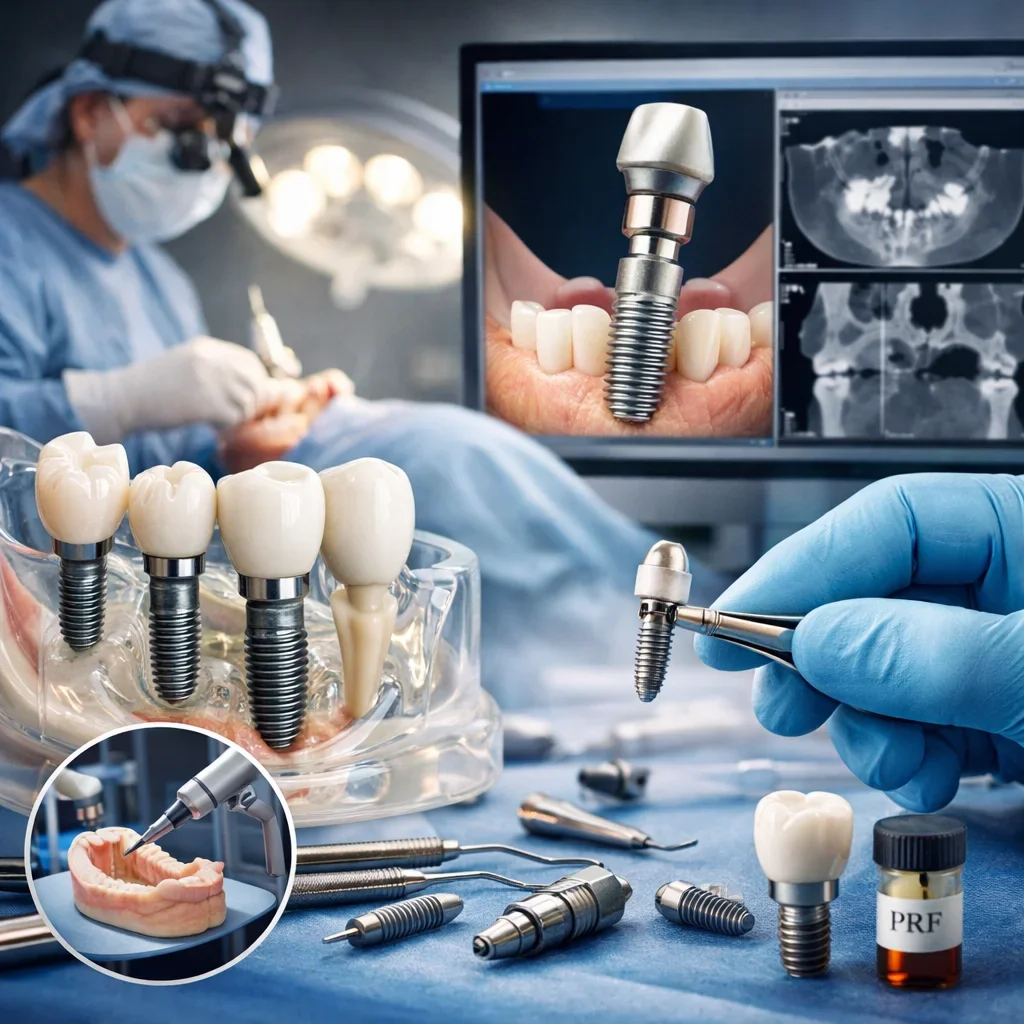
The Future of Implantology in Dentistry and Advanced Technologies
The field of implantology in dentistry continues to evolve rapidly as new technologies and scientific discoveries reshape the way dental implants are designed and placed. What began decades ago as a revolutionary treatment for missing teeth has now become a highly advanced discipline supported by digital planning, artificial intelligence, regenerative medicine, and innovative materials. The future of implantology in dentistry promises even greater precision, faster healing times, and improved patient outcomes.
As dental science advances, implantology in dentistry is moving toward more personalized and minimally invasive treatments. Modern clinics already use sophisticated digital tools to plan implant placement with exceptional accuracy. These innovations are making implantology in dentistry more efficient, comfortable, and accessible for patients around the world. 😊
Digital Dentistry and 3D Planning
One of the most transformative advancements shaping the future of implantology in dentistry is the integration of digital dentistry. Traditional implant procedures relied heavily on manual measurements and two-dimensional X-rays. Today, dentists can use three-dimensional imaging and digital planning software to visualize the entire treatment area before surgery begins.
Cone-Beam Computed Tomography (CBCT)
CBCT scanning technology provides detailed 3D images of the jawbone, nerves, and surrounding anatomical structures. These images allow dental professionals to evaluate bone density and identify the safest location for implant placement. In implantology in dentistry, this level of precision significantly reduces the risk of complications.
By analyzing the patient’s anatomy digitally, dentists can create highly accurate treatment plans that improve the predictability of implantology in dentistry procedures.
Computer-Guided Implant Surgery
Computer-guided surgery is another innovation that is revolutionizing implantology in dentistry. Using digital planning software, dentists can design a surgical guide that directs the exact position and angle of the implant during surgery.
This technology ensures extremely accurate implant placement and minimizes surgical trauma. As a result, implantology in dentistry procedures become faster, less invasive, and more comfortable for patients.
Artificial Intelligence in Implantology in Dentistry
Artificial intelligence (AI) is beginning to play a growing role in dental diagnostics and treatment planning. In implantology in dentistry, AI-powered software can analyze dental images and help dentists identify optimal implant placement locations.
AI systems can process large amounts of patient data to assist with risk assessment and treatment prediction. This technology enhances the accuracy of implant planning and helps dentists customize implantology in dentistry treatments for individual patients.
In the future, AI-driven diagnostic systems may become standard tools in implantology in dentistry, allowing dental professionals to achieve even higher success rates.
Innovative Implant Materials
The materials used in implantology in dentistry are also evolving. Titanium has long been the gold standard because of its strength and excellent compatibility with human bone. However, researchers are now exploring new materials that may offer additional benefits.
Zirconia Dental Implants
Zirconia implants are gaining popularity as an alternative to traditional titanium implants. These ceramic implants are highly biocompatible and offer a natural white color that blends well with surrounding teeth. Zirconia implants may also reduce the risk of metal sensitivity in certain patients.
Although titanium remains the most widely used material in implantology in dentistry, zirconia implants represent an exciting development for the future.
Improved Implant Surface Technology
Researchers are also developing advanced implant surface treatments that encourage faster bone integration. These specially designed surfaces help bone cells attach more quickly to the implant. As a result, implantology in dentistry may require shorter healing periods in the future.
Regenerative Dentistry and Bone Engineering
Regenerative medicine is another area that will likely influence the future of implantology in dentistry. Scientists are exploring techniques that stimulate the body’s natural ability to regenerate bone and tissue.
Growth Factors and Stem Cell Therapy
Researchers are studying the use of growth factors and stem cells to enhance bone regeneration. These biological treatments may allow dentists to rebuild bone tissue more effectively before implant placement.
In implantology in dentistry, such regenerative techniques could expand treatment options for patients who currently lack sufficient bone density.
3D Bioprinting Technology
Another promising development involves 3D bioprinting. Scientists are experimenting with printing biological materials that mimic natural bone structures. Although still in the experimental stage, this technology could dramatically transform implantology in dentistry by allowing dentists to regenerate bone more efficiently.
Minimally Invasive Implant Techniques
Future implant procedures are also expected to become less invasive. Minimally invasive surgical techniques already allow dentists to place implants with smaller incisions and reduced healing times.
These improvements make implantology in dentistry more comfortable for patients while also accelerating recovery. Patients may experience less swelling, reduced discomfort, and faster return to normal activities.
Long-Term Monitoring and Smart Implants
Another exciting concept in implantology in dentistry is the development of smart implants. Researchers are exploring implants equipped with sensors that monitor bite pressure, bone integration, and overall implant health.
These smart devices could transmit data to dental professionals, allowing early detection of complications and improving long-term implant success. Although still under development, this technology could significantly enhance implantology in dentistry in the coming years.
Global Standards and Research
The continued advancement of implantology in dentistry is supported by global research and professional organizations. Institutions such as the American Dental Association play a crucial role in establishing safety guidelines and supporting scientific research related to dental implants.
Patients who want to explore modern implant solutions and personalized treatment planning can consult dental professionals through the Redent Klinik Contact Page. Experienced specialists can evaluate oral health conditions and recommend the most suitable implant treatments.
The Future Outlook of Implantology in Dentistry
The future of implantology in dentistry looks extremely promising. As digital technology, artificial intelligence, and regenerative medicine continue to develop, dental implant treatments will become even more precise, efficient, and patient-friendly.
New materials, faster healing techniques, and smarter diagnostic tools will likely improve the success and accessibility of dental implants worldwide. These advancements ensure that implantology in dentistry will remain one of the most transformative innovations in modern dental healthcare.
In conclusion, implantology in dentistry is entering an exciting era of technological progress. Through the integration of digital planning, advanced biomaterials, and regenerative science, dental professionals will continue to refine implant procedures and provide patients with safer, more comfortable, and longer-lasting tooth replacement solutions. The continued evolution of implantology in dentistry will undoubtedly shape the future of restorative dentistry for generations to come. 😊