
Dental health has a significant impact on both confidence and overall well-being. Among the most revolutionary advancements in modern dentistry, implants dental implants stand out as a long-lasting and natural-looking solution for missing teeth 🦷. In this comprehensive guide, we’ll explore everything you need to know about these advanced tooth replacements — from how they work, to their benefits, costs, and aftercare. Whether you’ve recently lost a tooth or are considering upgrading from dentures, this article will help you make an informed decision about restoring your smile.
Understanding the Concept of Implants Dental Implants
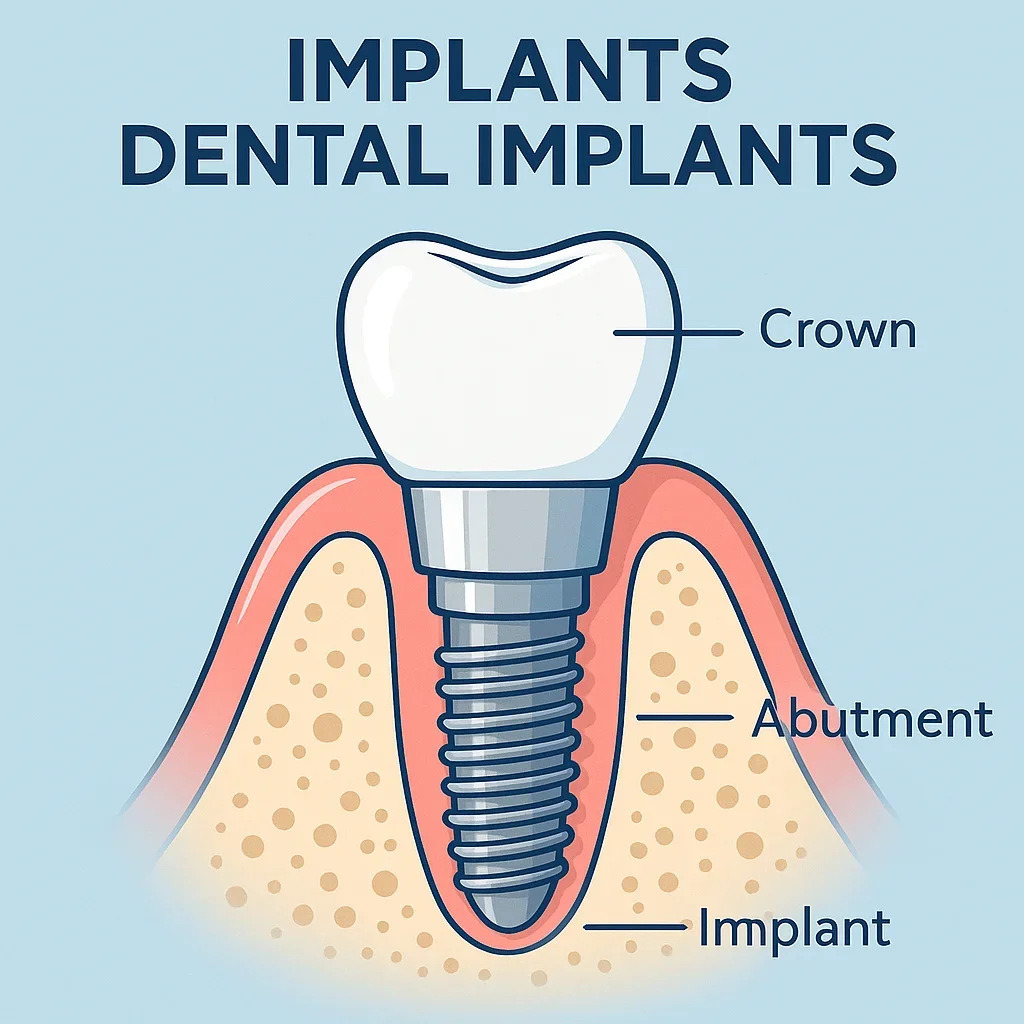
Implants dental implants are artificial tooth roots made of titanium or zirconium, designed to fuse with the jawbone through a process known as osseointegration. Once integrated, these implants serve as stable foundations for replacement teeth — crowns, bridges, or dentures. The result is a durable, natural-feeling tooth that looks, functions, and feels just like your own. Because the implant is embedded in the bone, it prevents bone loss and preserves facial structure — something that traditional dentures or bridges cannot fully achieve.
According to the American Dental Association, more than 3 million people in the U.S. have dental implants, and the number grows by 500,000 annually. This popularity reflects the effectiveness and reliability of the procedure, which has a success rate of over 95% when performed by an experienced dentist. At Redent Klinik Contact Page, patients can easily schedule consultations with specialized implantologists who evaluate bone density, oral hygiene, and overall health before beginning treatment.
Why Are Dental Implants So Popular?
Traditional tooth replacement methods — such as removable dentures — often come with challenges like discomfort, slipping, and speech difficulty. In contrast, implants dental implants mimic the natural root system, offering unparalleled comfort and stability. They do not move while eating or speaking, and they prevent the jawbone from shrinking, maintaining a youthful facial structure 😊. Additionally, because implants are made from biocompatible materials, they are safe, non-toxic, and resistant to decay.
Beyond aesthetics, dental implants contribute significantly to oral health. When a tooth is lost, the surrounding bone begins to deteriorate, which can cause neighboring teeth to shift. Implants dental implants prevent this by stimulating the bone, just like a natural tooth root. As a result, they maintain alignment and preserve the integrity of the jaw.
The Science Behind Osseointegration
The term “osseointegration” refers to the process by which the implant fuses with the bone tissue. Over several months, the body’s natural healing mechanisms cause new bone cells to grow around the titanium or zirconium post, creating an unbreakable bond. This scientific innovation makes implants dental implants incredibly durable — they can last 25 years or longer with proper care. In fact, many patients never need replacements, making them one of the most cost-effective solutions in long-term dental care.
Another key factor contributing to their success is the use of digital imaging and 3D planning. Modern clinics employ CBCT (Cone Beam Computed Tomography) scans to map bone structure and nerve placement, ensuring precise and safe implantation. This technology-driven approach not only enhances accuracy but also shortens recovery time and improves comfort during the procedure.
Who Is a Good Candidate for Implants Dental Implants?
Most adults with good general health and sufficient jawbone density are eligible candidates. However, conditions like uncontrolled diabetes, heavy smoking, or advanced periodontal disease can affect healing and implant stability. Before treatment, dentists perform a comprehensive evaluation — including X-rays, CT scans, and blood tests — to confirm eligibility. Patients with insufficient bone can still qualify after undergoing a bone graft or sinus lift, procedures that rebuild bone mass for optimal support.
Longevity and Success Rate
When properly maintained, implants dental implants can last a lifetime. Daily brushing, flossing, and regular dental checkups are essential to prevent gum inflammation around the implant site. Unlike bridges that rely on adjacent teeth for support, implants stand independently, which means they don’t compromise the health of neighboring teeth. Numerous clinical studies show that dental implants have a 95–98% success rate, even after 10–15 years of use.
Global Popularity and Cost Factors
The global dental implant market is projected to surpass $8 billion by 2025, driven by growing awareness and affordability. Costs vary based on material, location, and complexity. On average, a single implants dental implants procedure in the United States ranges between $3,000 and $5,000, while in Turkey — known for advanced dental tourism — the same treatment may cost between $800 and $1,500 per tooth. This price difference has made Turkey one of the top destinations for international patients seeking high-quality, affordable care.
Final Overview
In summary, implants dental implants are more than just cosmetic enhancements — they are functional, permanent solutions that restore chewing ability, speech clarity, and confidence. Their unmatched success rate, natural appearance, and bone-preserving properties make them the gold standard in modern dentistry. As technology continues to evolve, the process becomes even more precise, comfortable, and accessible worldwide 🌍. If you’re considering dental implants, consult a professional to assess your specific needs and discover how this transformative solution can bring back your natural smile for life.
Types of Dental Implants: Choosing the Right One for You
When deciding to restore your smile with implants dental implants, it’s essential to understand the various types available. Not all implants are the same — each is designed to suit different anatomical structures, medical conditions, and aesthetic goals. The choice of implant type depends on your bone density, oral health, and long-term expectations. Let’s explore the main types of dental implants and how they compare so you can make an informed decision about the one that’s best for you 🦷.
Endosteal Implants: The Most Common Option
Endosteal implants are the most widely used and successful type of implants dental implants. They are inserted directly into the jawbone and typically shaped like small screws or cylinders. Once the bone integrates with the implant (a process known as osseointegration), a crown or bridge is attached on top. This type provides the most natural feel and highest stability among all implant options.
Endosteal implants are ideal for patients with healthy jawbone density and good gum condition. They offer a permanent solution that feels identical to natural teeth. According to the American Dental Association, this method has an average success rate of 98%, making it the gold standard in modern dentistry. Patients who choose this option can expect long-term functionality, aesthetic harmony, and excellent chewing power — even for tough foods like apples or steak 🍎🥩.
Subperiosteal Implants: A Solution for Thin Jawbones
Not every patient has enough bone to support endosteal implants. In such cases, subperiosteal implants offer an alternative. Instead of being placed inside the bone, they rest on top of the jawbone but beneath the gum tissue. The implant structure includes a custom-made metal frame that holds the prosthetic tooth in place once the gums heal around it.
This design is perfect for individuals who prefer to avoid bone graft surgery. Although less common today due to advances in bone augmentation, subperiosteal implants remain a viable option for those with insufficient bone mass. For patients visiting the Redent Klinik Contact Page, personalized 3D imaging scans are used to determine whether subperiosteal implants would provide adequate stability and comfort.
Mini Dental Implants: Small but Powerful
As the name suggests, mini dental implants (MDIs) are smaller versions of traditional implants. They’re typically less than 3 millimeters in diameter and are often used to stabilize dentures or replace smaller teeth like incisors. Despite their size, they provide a surprisingly strong foundation for tooth restoration. Patients who have minimal bone volume or need quick, minimally invasive treatment often benefit from MDIs.
Mini implants are usually placed in a single appointment and require less healing time. They’re also more affordable than traditional options, with prices typically ranging from $500 to $1,500 per tooth, depending on the location and complexity. However, because of their smaller size, they may not be ideal for replacing molars or for patients who experience high bite pressure. Still, many find that these implants dental implants provide an excellent balance between functionality and cost-effectiveness 💰.
All-on-4 and All-on-6 Implants: Full-Arch Restoration
For individuals missing most or all of their teeth, the All-on-4 and All-on-6 systems provide transformative full-mouth solutions. Instead of replacing each tooth with an individual implant, these techniques use four or six strategically placed implants to support a full arch of prosthetic teeth. This approach dramatically reduces surgical time, cost, and recovery while still delivering strong and natural-looking results.
All-on-4 and All-on-6 implants are designed to distribute bite forces evenly, ensuring comfort and durability. Patients can walk out of the clinic with a new smile on the same day — often referred to as “teeth in a day.” The prosthetic arch feels secure, doesn’t shift while eating, and helps preserve facial structure. With proper maintenance, these implants dental implants can last 20 years or more, offering life-changing benefits for those seeking a complete restoration.
Zygomatic Implants: Advanced Solution for Severe Bone Loss
In cases where the upper jaw has suffered significant bone loss, zygomatic implants are a revolutionary alternative. Instead of anchoring into the jawbone, they are anchored into the zygomatic (cheek) bone, which provides strong support even when traditional bone grafting isn’t possible. This approach is highly technical and requires a specialized oral surgeon, but it eliminates the need for extensive bone reconstruction procedures.
Zygomatic implants are often used in patients who have worn dentures for many years or have experienced trauma or disease-related bone resorption. Despite the complexity, they have an impressive long-term success rate and allow patients to regain full oral function and aesthetics. These implants dental implants demonstrate how modern dentistry continues to push the boundaries of possibility.
Comparing Materials: Titanium vs. Zirconia
Titanium Implants
Titanium remains the industry standard for implants dental implants due to its exceptional biocompatibility, strength, and durability. It integrates seamlessly with bone and resists corrosion, making it ideal for long-term oral stability. Most titanium implants have a lifespan of over 25 years and offer flexibility for single-tooth or full-arch restorations.
Zirconia Implants
Zirconia implants, on the other hand, appeal to patients seeking metal-free and aesthetic solutions. Known for their white color, they blend naturally with the gums and are hypoallergenic. Zirconia also shows high resistance to plaque buildup and offers a cleaner, more aesthetic appearance, especially for front teeth. Although slightly more expensive, zirconia implants are becoming increasingly popular among holistic dental patients.
Which Type Is Right for You?
Choosing the best implant type depends on various factors, including your bone health, gum condition, and cosmetic goals. A consultation with a qualified implantologist is essential to determine the most suitable approach. Through advanced diagnostics, such as 3D imaging and digital impressions, your dentist can customize your treatment for maximum success.
Whether you need a single tooth replacement or a full smile makeover, implants dental implants offer a wide range of options tailored to individual needs. From titanium-based endosteal implants to cutting-edge zirconia and zygomatic techniques, today’s innovations make it easier than ever to regain confidence, functionality, and a radiant smile 😁.
In short, understanding the different types of implants dental implants is the first step toward achieving your dream smile. By working with an experienced dental team and selecting the right solution, you ensure both long-term health and outstanding aesthetic results — the perfect combination for a lifetime of confident smiles.
Step-by-Step Procedure: From Consultation to Smile Transformation
Getting implants dental implants is a carefully planned process that combines science, precision, and artistry. Each stage — from the initial consultation to the final restoration — is critical to achieving a lasting, natural-looking smile. Understanding every phase helps patients feel confident, prepared, and informed. Below is a detailed breakdown of the implant journey, explaining what to expect at each step 🦷✨.
Step 1: Initial Consultation and Diagnosis
The process begins with an in-depth consultation with a dental implant specialist. During this visit, the dentist evaluates your oral health, bone density, and gum condition. Digital X-rays, panoramic scans, and 3D CBCT imaging are used to create a detailed map of your jaw structure. These tools help determine whether you are an ideal candidate for implants dental implants and identify the best placement strategy.
Medical history is also reviewed carefully. Chronic conditions such as diabetes, cardiovascular disease, or smoking habits may influence healing time. Once all data is collected, your dentist creates a personalized treatment plan that outlines the number of implants needed, the type (titanium or zirconia), and the timeline. Clinics like Redent Klinik Contact Page provide comprehensive assessments that prioritize safety and predictability, ensuring patients are fully prepared before surgery.
Step 2: Pre-Surgical Planning and Bone Grafting (If Needed)
Not all patients have sufficient bone volume to support implants dental implants. If the jawbone is too thin or soft, bone grafting might be necessary. This procedure involves transplanting bone material — either synthetic or natural — to reinforce the implant site. Over the following months, the new bone integrates with the existing one, creating a strong foundation for the implant.
Types of Bone Grafting
- Autograft: Bone is taken from your own body, usually the chin or hip.
- Allograft: Donor bone processed for medical use.
- Xenograft: Bone derived from animal sources, typically bovine.
- Alloplastic graft: Synthetic materials that mimic natural bone properties.
This preparatory phase is vital for ensuring implant stability. Once the bone heals — typically after 3 to 6 months — the site becomes ready for the surgical phase. Patients who already have good bone structure can often skip this step and proceed directly to implant placement.
Step 3: Implant Placement Surgery
The surgical phase is the most crucial step of the implants dental implants process. It is performed under local anesthesia or mild sedation to ensure comfort. The dentist makes a small incision in the gum tissue to expose the bone and then drills a precise hole for the implant screw. The implant post, usually made of titanium or zirconia, is gently inserted into the jawbone. After placement, the gums are sutured to protect the site while healing begins.
This stage typically takes 1–2 hours per implant, depending on the complexity. Patients experience minimal discomfort and can usually return to normal activities within a few days. Pain management involves mild analgesics, and antibiotics are prescribed to prevent infection. Throughout the healing period, maintaining good oral hygiene and avoiding hard foods are key to successful osseointegration.
Step 4: Healing and Osseointegration Phase
After placement, the implant undergoes a critical healing period called osseointegration, where the bone fuses tightly with the implant surface. This biological process is what gives implants dental implants their exceptional stability and longevity. Osseointegration usually takes between 3 to 6 months, depending on individual healing rates and bone quality.
During this time, patients may wear a temporary crown or denture to maintain appearance and function. Regular check-ups allow the dentist to monitor bone growth and ensure there are no complications. Smoking, poor hygiene, or systemic diseases can delay this phase, so following the dentist’s aftercare instructions is essential for long-term success.
Step 5: Abutment Placement
Once osseointegration is complete, the dentist reopens the gum tissue to attach an abutment — a small connector that links the implant to the artificial tooth. This step is minor and usually performed under local anesthesia. After placing the abutment, the gum tissue is shaped around it for a natural contour. Healing from this step typically takes one to two weeks before the final crown is fitted.
The abutment plays a vital role in the stability and aesthetics of implants dental implants. It acts as the support base for the final restoration, ensuring that the crown fits perfectly and aligns harmoniously with the bite and surrounding teeth.
Step 6: Final Crown Placement
Once healing is complete, the final prosthetic crown — customized to match the color, shape, and size of your natural teeth — is attached to the abutment. High-quality materials such as porcelain, zirconia, or ceramic are often used to replicate the translucency of real enamel. This is the moment patients look forward to the most: the transformation of their smile 😁.
The dentist makes fine adjustments to ensure the bite is even and comfortable. With proper alignment, the crown will not only look stunning but also function seamlessly. The final result is a fully integrated, natural-looking tooth that restores confidence and oral health.
Step 7: Post-Surgery Care and Maintenance
After completing the full procedure, post-operative care is crucial for the long-term success of implants dental implants. Regular brushing, flossing, and professional cleanings prevent gum inflammation (peri-implantitis). Avoiding tobacco, maintaining a balanced diet, and attending follow-up visits help extend the implant’s lifespan.
Professional Aftercare Tips
- Use a soft-bristle toothbrush and non-abrasive toothpaste.
- Floss gently around the implant to remove plaque buildup.
- Visit your dentist twice a year for check-ups and cleanings.
- Use an antibacterial mouthwash to reduce bacteria and maintain fresh breath.
Following these steps ensures that implants dental implants remain stable and attractive for decades. Most patients report significant improvement in their quality of life, including better chewing, speech, and self-esteem. With today’s technology and expert care, achieving a perfect smile through dental implants has never been more accessible.
Final Overview
From consultation to final restoration, every stage of the implants dental implants process is designed with precision and patient comfort in mind. The combination of advanced imaging, biocompatible materials, and minimally invasive surgical techniques ensures success rates above 95%. Whether it’s a single tooth or a full-arch replacement, dental implants offer unmatched functionality and aesthetics. By choosing experienced professionals and following a well-structured treatment plan, patients can enjoy a lifelong, radiant smile that feels completely natural 🌟.
Benefits of Implants Dental Implants Over Traditional Solutions
In the world of restorative dentistry, implants dental implants are considered the gold standard for replacing missing teeth. Unlike removable dentures or fixed bridges, dental implants offer a permanent, stable, and natural-looking solution. They not only restore your ability to chew and speak with confidence but also preserve your bone health and facial structure. Below, we’ll explore the extensive benefits of dental implants — from long-term oral health to improved aesthetics and self-esteem 😁.
1. A Natural Look and Feel
One of the most remarkable advantages of implants dental implants is their ability to look and feel like real teeth. Each implant is custom-designed to match the shape, color, and contour of your existing teeth. Because the implant is anchored into the jawbone like a natural root, the result is a restoration that feels completely natural when speaking, eating, or smiling.
Unlike removable dentures that can slip or click, dental implants remain securely in place. This stability restores confidence in everyday activities, including public speaking and dining. With proper care, most patients forget which teeth are natural and which are implants — a testament to how seamlessly these restorations integrate with the body’s own tissues 🦷.
2. Durability and Longevity
Traditional dental solutions, such as bridges or dentures, typically last 5–10 years before needing replacement. In contrast, implants dental implants can last 25 years or even a lifetime with proper care. This is because they fuse directly with the jawbone through osseointegration, forming a stable and permanent foundation. The implant materials — titanium or zirconia — are biocompatible and resistant to decay, ensuring exceptional durability.
Over the long term, implants prove to be more cost-effective. While their initial price might be higher than dentures, they require fewer repairs and replacements, making them an investment that pays off both financially and functionally over time.
3. Preservation of Jawbone and Facial Structure
One of the most overlooked benefits of implants dental implants is their ability to prevent bone loss. When a tooth is lost, the underlying bone no longer receives stimulation from chewing forces, leading to gradual bone resorption. Over time, this can result in facial sagging and a prematurely aged appearance.
Dental implants act like natural tooth roots, stimulating the jawbone and preserving its density. This prevents deterioration and maintains facial symmetry. In contrast, dentures and bridges rest on the gums and do not engage the bone, allowing bone shrinkage to continue. By preserving bone integrity, implants also protect adjacent teeth from shifting, maintaining a balanced and healthy bite alignment.
4. Improved Chewing and Digestion
Another significant advantage of implants dental implants is the restoration of full chewing power. Traditional dentures often reduce bite strength by up to 50%, limiting food choices and nutrition. Implants, however, restore nearly 100% of natural biting force, allowing patients to eat all kinds of food — from crunchy apples to steak and nuts.
This improvement in chewing efficiency contributes to better digestion and overall health. Since food can be broken down more effectively, nutrients are absorbed more efficiently by the body. For many patients, dental implants lead to a healthier diet and improved energy levels 🍎🥗.
5. Speech Clarity and Comfort
Missing teeth or ill-fitting dentures can cause speech difficulties, making it hard to pronounce certain words. Implants dental implants eliminate this issue by providing a stable, fixed foundation that functions just like natural teeth. Because they are securely anchored, they do not slip or move, allowing you to speak clearly and confidently in any situation.
Additionally, implants eliminate the discomfort and irritation often associated with removable dentures. There are no adhesives, no slipping, and no sore spots — only natural comfort and stability every day.
6. Easy Maintenance and Oral Hygiene
Maintaining implants dental implants is straightforward and similar to caring for natural teeth. Regular brushing, flossing, and dental check-ups are all that’s required. There’s no need for messy adhesives or complicated cleaning routines as with dentures. Using non-abrasive toothpaste and soft-bristle brushes keeps the implant surfaces smooth and plaque-free.
Simple Maintenance Tips
- Brush twice daily with fluoride toothpaste.
- Floss gently around implants using specialized floss or interdental brushes.
- Rinse with an antibacterial mouthwash to prevent gum inflammation.
- Schedule routine visits every six months for professional cleanings and evaluations.
Proper maintenance ensures long-lasting success and protects against peri-implantitis (gum inflammation around the implant). Clinics such as Redent Klinik Contact Page provide tailored aftercare programs to monitor implant health and longevity.
7. No Damage to Adjacent Teeth
Unlike dental bridges, which require grinding down neighboring teeth to support the prosthesis, implants dental implants stand independently. This preserves the integrity of surrounding teeth and enhances overall oral health. Keeping natural teeth untouched reduces the risk of future decay and structural weakness, ensuring a stronger, healthier smile for years to come.
8. Enhanced Self-Confidence and Quality of Life
The psychological benefits of implants dental implants are just as profound as the physical ones. Patients often report a dramatic boost in confidence and emotional well-being. Being able to smile freely, eat comfortably, and speak clearly has a transformative effect on personal and professional life. The aesthetic improvement and functional comfort combine to create a life-changing impact 🌟.
Social interactions become easier, and self-consciousness about missing teeth disappears completely. With a restored smile, patients enjoy improved self-esteem and are more likely to engage in social and career opportunities.
9. Long-Term Oral and Systemic Health Benefits
Beyond cosmetic and functional benefits, implants dental implants also contribute to long-term oral and overall health. By maintaining proper jaw alignment and bite distribution, they reduce the risk of TMJ (temporomandibular joint) issues and muscle strain. Furthermore, a healthy mouth supports systemic health — preventing bacteria from spreading to the bloodstream and lowering the risk of conditions like heart disease or diabetes-related inflammation.
10. Cost-Effectiveness Over Time
While the upfront cost of implants dental implants may seem high, their longevity and low maintenance make them one of the most cost-effective dental solutions available. Bridges and dentures often require periodic adjustments, relining, or replacements. Implants, once integrated, rarely need replacement — saving thousands in long-term expenses. As an example, a single implant might cost $1,200 in Turkey compared to $4,000 in the U.S., making them a highly valuable investment in oral health and quality of life 💰.
Final Thoughts
Overall, implants dental implants provide unmatched advantages compared to traditional methods. They restore full function, prevent bone loss, and deliver natural aesthetics that last for decades. From comfort and confidence to long-term health and savings, implants represent the ultimate solution for anyone seeking a durable and beautiful smile. By choosing a reputable clinic and following proper maintenance routines, you can enjoy the lifelong benefits of this advanced dental innovation 🌍.
Common Myths and Facts About Implants Dental Implants
Despite their growing popularity, implants dental implants are often surrounded by myths and misconceptions. These misunderstandings can cause unnecessary fear or hesitation among patients considering the procedure. To help you make an informed decision, let’s debunk the most common myths and separate fact from fiction based on science, professional experience, and real patient outcomes 🦷.
Myth 1: Dental Implants Are Painful
Many people fear that implants dental implants involve a painful surgical experience. In reality, the procedure is usually performed under local anesthesia, ensuring the patient feels minimal discomfort. Most patients compare the sensation to a routine tooth extraction or filling. After surgery, mild soreness or swelling can occur, but this is typically managed easily with over-the-counter pain medication.
Modern implant dentistry uses precision-guided techniques and digital imaging that make the process faster, safer, and virtually painless. Clinics such as Redent Klinik Contact Page use advanced anesthesia and sedation options to guarantee patient comfort at every stage. Recovery times are shorter than most people expect — typically just a few days of mild sensitivity rather than prolonged pain.
Myth 2: Implants Dental Implants Are Only for Older People
This is one of the most persistent misconceptions. While it’s true that many older adults benefit from implants dental implants, they are not limited by age. In fact, anyone over 18 with a fully developed jawbone can be an ideal candidate. Whether due to accidents, gum disease, or congenital conditions, younger patients also experience excellent results with implants.
Unlike dentures, which may feel unnatural to younger patients, implants restore both aesthetics and functionality with confidence. They are also ideal for middle-aged adults who have lost teeth due to decay or injury, helping maintain a youthful appearance by preserving bone structure and facial symmetry.
Myth 3: Implants Are Too Expensive
While implants dental implants can seem costly upfront, their long-term value far outweighs the initial expense. Traditional solutions like dentures and bridges require frequent replacements, adhesives, and maintenance — all of which add up over time. Implants, on the other hand, can last a lifetime with proper care.
To illustrate this, consider average pricing. In the United States, a single implant typically costs between $3,000 and $5,000, while in Turkey, the same procedure ranges from $800 to $1,500 per tooth — offering top-quality treatment at a fraction of the price. Given their durability, comfort, and natural aesthetics, implants are one of the most cost-effective dental solutions available today 💰.
Myth 4: Dental Implants Look Fake
This couldn’t be further from the truth! One of the main reasons patients choose implants dental implants is because of how realistic they look and feel. Each implant is custom-designed to match the shade, shape, and contour of surrounding teeth. High-quality materials like zirconia and porcelain ensure a seamless blend with your natural smile.
Modern dental technology allows dentists to achieve millimeter-level precision. The crowns are handcrafted for each patient using digital 3D scanning and design tools, ensuring that they reflect light and texture just like natural enamel. Once placed, even close friends and family often can’t tell the difference between implants and real teeth 😁.
Myth 5: Dental Implants Require Complicated Maintenance
Some patients assume that implants dental implants need special cleaning routines. In reality, maintaining implants is as simple as caring for natural teeth. Daily brushing, flossing, and routine dental check-ups are all it takes to ensure their longevity. There’s no need for soaking solutions, adhesives, or removal before sleeping — everything stays securely in place 24/7.
Essential Care Tips
- Brush twice daily using a soft toothbrush and fluoride toothpaste.
- Floss gently around the implant using specialized dental floss or interdental brushes.
- Rinse with an antibacterial mouthwash to reduce plaque buildup.
- Visit your dentist twice yearly for professional cleaning and maintenance checks.
Following these steps prevents gum inflammation and ensures the health of both the implant and surrounding tissues. Studies show that patients who follow good oral hygiene practices maintain over 95% implant success rates even after 10 years.
Myth 6: The Procedure Takes Too Long
Another common misconception is that the implants dental implants process takes many months to complete. While osseointegration (bone fusion) does require healing time, modern dental methods have significantly shortened the overall timeline. With techniques such as immediate-load implants or “teeth in a day,” many patients can walk out with temporary teeth the same day of surgery!
Even when full healing is required, the process is structured efficiently: consultation, placement, and crown fitting are all scheduled strategically for minimal downtime. Advances in technology allow for faster integration and fewer visits, making implants far more convenient than in the past.
Myth 7: Dental Implants Can Fail Easily
The myth of frequent implant failure is outdated. Thanks to modern surgical precision and materials, implants dental implants boast a success rate exceeding 95%. Failures are rare and usually linked to specific risk factors such as smoking, uncontrolled diabetes, or poor oral hygiene.
Choosing an experienced implantologist and following post-operative instructions minimizes risks even further. Clinics with specialized implant departments — like Redent Klinik Contact Page — use guided surgery and sterilized environments that ensure predictability and long-term stability for every patient.
Myth 8: Dental Implants Are Unsafe
Some people worry that implant materials might be harmful to the body. In truth, implants dental implants are made from biocompatible materials such as titanium or zirconia. These materials are non-toxic, hypoallergenic, and have been used safely for decades in medical fields, including joint and bone replacements.
Moreover, regulatory bodies like the American Dental Association approve and monitor these materials for safety and efficacy. Scientific studies have proven that titanium integrates naturally with bone without causing allergic reactions or systemic health issues.
Myth 9: Dental Implants Are Only Cosmetic
While they certainly improve aesthetics, implants dental implants go far beyond cosmetic benefits. They restore full oral function, preserve jawbone structure, and prevent teeth from shifting into gaps. This improves bite alignment, chewing efficiency, and speech clarity. Functionally, implants are as close to natural teeth as modern dentistry can achieve.
They also play a critical role in preventing bone atrophy, reducing future oral health complications, and maintaining overall facial harmony. Therefore, implants are as much a medical restoration as they are a cosmetic enhancement 🌟.
Myth 10: They Are Not Worth the Effort
Some people hesitate because they think the process of getting implants dental implants is too involved. However, the truth is that the benefits far outweigh the time and cost invested. Dental implants offer lifelong value — improved confidence, effortless chewing, crystal-clear speech, and preserved oral health. Once placed, they become a permanent part of your body, functioning just like natural teeth.
Most patients describe their implants as the best decision they’ve ever made for their oral health. The transformation — both physical and emotional — is profound. From enjoying your favorite foods again to smiling without hesitation, dental implants restore far more than just missing teeth; they restore quality of life 💖.
Final Thoughts
When it comes to implants dental implants, separating myth from fact is key to making an informed decision. Modern implant dentistry is safe, reliable, and accessible, with predictable results that last for decades. With professional guidance and good oral care, anyone can enjoy the comfort, beauty, and confidence that come from a fully restored smile. Don’t let myths hold you back — embrace the science and experience the life-changing power of dental implants today!
Costs of Implants Dental Implants in 2025: A Detailed Price Breakdown
The cost of implants dental implants varies widely depending on several factors, including location, materials, number of implants, and the complexity of the procedure. In 2025, technological advancements and increased competition in dental tourism have made implants more accessible than ever. Understanding the breakdown of these costs helps patients plan their treatment effectively and avoid unexpected expenses 🦷💰.
1. Key Factors That Influence the Cost
Each implants dental implants procedure is customized to fit a patient’s unique needs. The final price depends on several factors:
- Number of Implants: A single implant costs less than a full-mouth restoration like All-on-4 or All-on-6.
- Implant Material: Titanium implants are typically more affordable than zirconia, which offers superior aesthetics.
- Bone Grafting or Sinus Lift: Additional procedures increase total costs but are necessary for long-term success.
- Clinic Reputation and Location: Prices differ significantly between countries and even between clinics in the same city.
- Prosthetic Type: The choice of crown (porcelain, ceramic, zirconia) affects cost, durability, and appearance.
These variables must be discussed during the consultation phase. Reputable clinics like Redent Klinik Contact Page provide transparent estimates, itemized bills, and personalized care plans to help patients make informed financial decisions.
2. Global Average Costs of Implants Dental Implants (2025)
Below is a price comparison of implants dental implants across several countries in 2025. These figures represent average market rates per tooth and include both surgery and crown placement:
| Country | Average Cost (USD) | Notes |
|---|---|---|
| United States | $3,000 – $5,500 | Higher due to labor and insurance costs |
| United Kingdom | $2,500 – $4,000 | Quality care, moderate pricing |
| Germany | $2,200 – $3,500 | Precision engineering and premium materials |
| Turkey | $800 – $1,500 | Top-rated destination for affordable, high-quality implants |
| India | $700 – $1,200 | Competitive pricing and skilled professionals |
| Thailand | $900 – $1,800 | Popular among dental tourists in Asia |
This data shows that dental tourism destinations like Turkey and Thailand offer premium care at 60–80% lower prices than in Western countries. Many international patients now choose these countries for their affordability without compromising safety or results 🌍.
3. Cost Breakdown by Procedure Type
Let’s look at how the total cost of implants dental implants varies based on the type of treatment:
Single-Tooth Implant
Average cost: $800 – $1,500 (Turkey) or $3,000 – $5,000 (U.S.).
This includes implant post, abutment, and crown. It is ideal for patients who lost one tooth due to injury or decay.
All-on-4 Dental Implants
Average cost: $4,000 – $7,000 (Turkey) or $15,000 – $25,000 (U.S.).
This method uses four implants to support an entire arch of prosthetic teeth, providing a fixed, stable full-mouth solution. Perfect for patients with multiple missing teeth or denture discomfort.
All-on-6 or Full Mouth Restoration
Average cost: $5,000 – $9,000 (Turkey) or $20,000 – $35,000 (U.S.).
This option provides enhanced stability and distribution of chewing forces, ensuring long-term function and aesthetics.
Mini Implants
Average cost: $500 – $1,200 per tooth.
Mini implants are smaller in diameter and ideal for patients with limited bone structure or those needing to stabilize removable dentures.
Bone Graft or Sinus Lift (Optional)
Average cost: $300 – $1,000 per site.
These preparatory treatments are essential for patients with bone loss. They strengthen the implant foundation, improving success rates for implants dental implants.
4. Long-Term Value vs. Short-Term Cost
Although the initial expense for implants dental implants may seem high, their long-term durability makes them far more cost-effective than alternatives. Bridges and dentures require replacements every 5–10 years, while implants can last a lifetime. They also prevent future complications like bone loss and gum recession, saving additional medical expenses later.
For example, while a bridge may cost around $2,000 initially, replacing it twice over 20 years results in a higher total expense than a single implant. Implants maintain their value over time by preserving natural bone and supporting facial structure, reducing the need for future cosmetic procedures.
5. Insurance, Financing, and Payment Options
In some countries, dental insurance partially covers the cost of implants dental implants if deemed medically necessary. However, many policies categorize them as cosmetic procedures, limiting coverage. Patients should check with their insurance provider before treatment.
Alternative Payment Options Include:
- Installment Plans: Many clinics allow patients to pay over 6–12 months interest-free.
- Medical Loans: Financing companies specialize in healthcare loans with flexible repayment options.
- Dental Tourism Packages: Some clinics in Turkey and Eastern Europe include travel, accommodation, and treatment in one affordable bundle.
For international patients, comprehensive packages often include airport transfers, hotel stays, and a personal translator — providing convenience and cost savings. Clinics like Redent Klinik Contact Page are known for offering customized payment options and competitive pricing for global clients.
6. How to Evaluate Quality vs. Price
When comparing prices for implants dental implants, the lowest quote isn’t always the best. Patients should assess clinic certifications, materials used, and surgeon experience. It’s advisable to confirm that implants are CE or FDA approved and that the clinic maintains international hygiene standards.
Ask for before-and-after photos, patient testimonials, and warranty terms. Some reputable clinics offer lifetime warranties for implant fixtures, giving patients peace of mind. Choosing a trustworthy provider ensures that the investment leads to long-term comfort and confidence rather than future complications.
7. Future Trends: Affordable Excellence
In 2025, global dental technology continues to reduce costs without sacrificing quality. AI-guided surgery, 3D-printed implants, and digital smile design have made implants dental implants faster, safer, and more precise. The result: shorter recovery times and reduced overall treatment expenses.
Countries like Turkey and Poland are leading this shift, offering world-class dental implant solutions at competitive rates — all supported by certified professionals trained in Europe and the U.S. This democratization of dental care means that achieving a beautiful, functional smile is no longer a luxury reserved for the wealthy.
Final Thoughts
While the cost of implants dental implants varies by region and treatment type, the value they provide is truly priceless. They restore confidence, functionality, and health for decades. Whether you choose a local dentist or travel abroad, it’s important to focus on both affordability and quality. With transparent pricing, flexible payment options, and skilled professionals, getting dental implants in 2025 is more achievable than ever — and your perfect smile is well within reach 🌟.
Risks and Complications: What You Should Know Before Surgery
While implants dental implants are widely regarded as one of the safest and most successful dental procedures, it’s essential to understand that, like any surgery, they come with potential risks and complications. Knowing these risks helps patients make informed decisions, take preventive steps, and maintain realistic expectations for the outcome. With proper planning, advanced technology, and experienced professionals, most complications can be easily prevented or managed 🦷.
1. Understanding Surgical Risks
The surgical phase of implants dental implants involves inserting a small titanium or zirconia post into the jawbone. Although the process is minimally invasive, it still requires precision. In rare cases, complications may occur during or after surgery. These include bleeding, infection, or minor nerve irritation. Modern techniques, however, significantly reduce these risks, and with proper post-operative care, healing typically proceeds smoothly.
Common Short-Term Risks Include:
- Swelling and Bruising: A normal part of the healing process that resolves in a few days.
- Minor Bleeding: Small traces of blood may appear for the first 24–48 hours post-surgery.
- Pain or Discomfort: Usually mild and managed easily with prescribed painkillers.
- Infection Risk: Reduced through antibiotics and proper oral hygiene practices.
At clinics like Redent Klinik Contact Page, every surgical step is carried out under strict sterilization protocols to minimize infection risks and ensure maximum patient safety. These practices align with global standards set by the American Dental Association.
2. Long-Term Complications to Consider
Long-term issues are rare but can arise if proper maintenance is neglected or if biological factors interfere with healing. These may include:
- Implant Failure: When the implant doesn’t properly fuse with the bone (lack of osseointegration). This may require replacement.
- Peri-Implantitis: An inflammatory condition similar to gum disease, affecting the tissues around the implant.
- Nerve Damage: Rare, but possible if implants are placed too close to a nerve. This can cause temporary tingling or numbness.
- Sinus Issues: Upper jaw implants can occasionally affect the sinus cavity if not carefully planned.
Fortunately, with 3D imaging, CBCT scans, and guided surgery, these complications are exceedingly rare today. Studies show that implants dental implants have a success rate of over 95%, even after 10 years of use, provided that proper hygiene and regular dental visits are maintained.
3. Factors That Increase Risk
Some patients may face higher risks due to systemic or lifestyle factors. Understanding these can help prevent complications before they occur.
Medical Conditions Affecting Healing
- Diabetes: Uncontrolled diabetes slows bone healing and may increase infection risk.
- Osteoporosis: Reduces bone density, potentially affecting implant stability.
- Autoimmune Diseases: Conditions such as lupus or rheumatoid arthritis may interfere with tissue healing.
Lifestyle and Habits
- Smoking: Significantly increases implant failure rates due to restricted blood flow and slower tissue recovery.
- Poor Oral Hygiene: Neglecting proper cleaning can lead to plaque buildup and peri-implantitis.
- Alcohol Consumption: Excessive drinking may delay healing and affect medication effectiveness.
Patients should inform their dentist of all existing health conditions and habits before surgery. This allows the treatment plan to be tailored for optimal healing and long-term success.
4. How to Prevent Complications
Preventing complications from implants dental implants starts with proper planning and continues with consistent aftercare. Both dentist and patient share responsibility in maintaining the health of the implant.
Pre-Surgical Precautions
- Complete all recommended dental exams and blood tests.
- Follow antibiotic or anti-inflammatory prescriptions as instructed.
- Quit smoking at least two weeks before and after surgery.
- Maintain good oral hygiene by brushing and rinsing daily.
Post-Surgical Aftercare
- Avoid hard foods for the first few days to prevent pressure on the implant.
- Rinse gently with saline or antiseptic mouthwash to keep the area clean.
- Attend all follow-up appointments for professional monitoring.
- Report any persistent swelling, pain, or unusual symptoms immediately.
By following these simple steps, patients can reduce the risk of complications by up to 90%, ensuring a smooth recovery and a successful outcome.
5. Managing Complications When They Occur
In rare cases where issues arise, early intervention is key. Dentists can often correct minor complications quickly. For instance, infections are treated with antibiotics, and failing implants can sometimes be stabilized using bone grafts. If removal is necessary, the site is allowed to heal and another implant may be placed later.
Modern dental clinics are equipped with advanced diagnostic tools that allow early detection of any problem. Regular X-rays and clinical exams help ensure that implants dental implants remain secure and functional for decades.
6. The Importance of Choosing a Qualified Specialist
The experience and training of your dental professional significantly impact the outcome of implants dental implants. Always choose a licensed implantologist or oral surgeon with specialized training in implant dentistry. Verify credentials, patient reviews, and before-and-after photos. Clinics that use digital planning and computer-guided surgery have lower complication rates and faster recovery times.
When researching providers, ensure they follow international sterilization standards and use certified implant systems approved by the FDA or CE. At Redent Klinik Contact Page, for example, each procedure is planned using 3D mapping to avoid nerves and sinuses, maximizing precision and patient safety.
7. Long-Term Maintenance and Monitoring
Even after successful healing, maintaining implants dental implants requires lifelong care. Regular brushing, flossing, and professional check-ups are essential to prevent gum inflammation or bone resorption. Many experts recommend yearly X-rays to monitor bone levels and implant stability. Adopting healthy habits — including a balanced diet, limited alcohol, and smoking cessation — will extend the life of the implant and protect overall oral health.
Final Thoughts
Every surgical procedure carries potential risks, but implants dental implants remain one of the safest, most predictable treatments in modern dentistry. With technological advancements, skilled professionals, and proper care, serious complications are rare. By understanding the potential risks and following professional guidance, patients can enjoy the lifelong benefits of dental implants — a confident smile, strong bite, and preserved jaw health 🌟. Knowledge, preparation, and aftercare are the best safeguards for success.
Post-Implant Care: Ensuring Long-Term Success and Healthy Gums
Getting implants dental implants is only the first step toward restoring a confident, functional smile. The real success of the procedure depends heavily on how well you care for your implants afterward. Proper post-implant care ensures long-term durability, prevents complications, and keeps your gums and bone healthy for decades. With consistent oral hygiene, professional monitoring, and mindful habits, you can enjoy your dental implants for a lifetime 🦷✨.
1. The Critical Healing Phase
The healing period following surgery is one of the most crucial stages for implants dental implants. During this phase, the process of osseointegration occurs — when the implant fuses with the jawbone, forming a stable foundation for the artificial tooth. Typically, this takes between 3 and 6 months, depending on the patient’s bone quality and health condition. To ensure optimal healing, following your dentist’s aftercare instructions is essential.
Immediate Aftercare Tips
- Avoid touching the surgical site with your tongue or fingers to prevent irritation or infection.
- Do not smoke for at least two weeks after surgery, as it can slow healing and reduce blood flow to the gums.
- Stick to a soft-food diet (soups, mashed potatoes, yogurt) for the first few days to minimize pressure on the implant site.
- Rinse gently with salt water twice a day to reduce swelling and prevent bacteria buildup.
- Take prescribed antibiotics and painkillers exactly as directed by your dentist.
Following these steps helps create the ideal environment for bone growth around the implant, increasing the long-term stability of your implants dental implants.
2. Maintaining Oral Hygiene Around Implants
Just like natural teeth, implants require daily cleaning to prevent plaque and bacteria from accumulating. Neglecting proper oral hygiene can lead to inflammation of the surrounding gums, known as peri-implantitis, which may compromise the stability of the implant.
Daily Cleaning Routine
- Brushing: Use a soft-bristled toothbrush and fluoride toothpaste twice a day. Electric toothbrushes with gentle settings are ideal for effective cleaning.
- Flossing: Specialized implant floss or interdental brushes should be used to clean between implants and gums without damaging the tissue.
- Mouthwash: Rinse daily with an alcohol-free, antibacterial mouthwash to keep your breath fresh and reduce harmful bacteria.
When performed regularly, these steps protect both the gums and the bone surrounding implants dental implants. For added protection, some patients benefit from using a water flosser, which flushes out food particles in hard-to-reach areas.
3. Managing Sensitivity and Swelling
It’s normal to experience mild discomfort, swelling, or sensitivity for a few days after surgery. However, these symptoms should gradually subside. Applying a cold compress to the cheek for 10 minutes at a time helps reduce inflammation. Avoid chewing on the implant side until your dentist confirms full stability. Staying hydrated and getting adequate rest supports faster healing and strengthens the immune response.
4. Regular Dental Check-Ups and Professional Cleanings
Routine dental visits are vital for the long-term success of implants dental implants. Your dentist can monitor the integration of the implant and detect early signs of inflammation or bone loss. It’s recommended to have professional check-ups every 6 months and X-rays once a year to ensure the bone and implant remain healthy.
During a Professional Visit, Your Dentist Will:
- Examine gum health and check for signs of peri-implantitis.
- Measure bone levels around the implant using X-rays or digital scans.
- Clean the implant surface using specialized non-metal instruments to prevent scratching.
- Reinforce oral hygiene habits and provide personalized advice.
These visits ensure that implants dental implants maintain their functionality and appearance for decades. Clinics like Redent Klinik Contact Page offer personalized maintenance programs for patients with dental implants, combining professional cleaning with advanced diagnostics for early issue detection.
5. Dietary Considerations for Stronger Implants
Diet plays a significant role in the healing process and long-term implant health. Immediately after surgery, stick to nutrient-rich soft foods that are easy to chew. Over time, you can gradually reintroduce harder foods once your dentist confirms full osseointegration.
Recommended Foods
- Soft proteins like fish, eggs, and tofu for tissue repair.
- Calcium-rich foods (yogurt, milk, cheese) for bone health.
- Vitamin C sources (oranges, bell peppers, broccoli) to strengthen gum tissues.
- Whole grains and leafy greens to boost immune function and circulation.
Foods to Avoid
- Sticky or hard foods (caramel, nuts, hard candy) that can put pressure on new implants.
- Alcohol and caffeine, which may slow healing and dry out oral tissues.
- Acidic foods that can irritate healing gums, such as citrus or tomato-based sauces.
A balanced diet enhances recovery and ensures the surrounding bone remains dense and strong enough to support implants dental implants for many years.
6. Habits That Can Damage Dental Implants
Even with proper care, certain habits can shorten the lifespan of implants dental implants. To ensure your investment lasts a lifetime, it’s important to identify and eliminate damaging behaviors early.
Common Habits to Avoid
- Smoking: Reduces oxygen flow and healing capacity, significantly raising failure risks.
- Bruxism (Teeth Grinding): Constant pressure from grinding can loosen implants. A night guard may be necessary.
- Chewing Hard Objects: Avoid biting pens, ice, or fingernails, as this can crack the crown or stress the implant post.
- Neglecting Dental Appointments: Missing follow-ups can allow small problems to develop into major issues.
Eliminating these habits ensures that implants dental implants remain secure and fully functional, maintaining both your oral health and smile aesthetics.
7. Recognizing Warning Signs
Even though dental implants have high success rates, it’s important to recognize warning signs early. Common symptoms indicating possible issues include persistent pain, gum swelling, bleeding, or loosening of the crown. Early detection allows for quick correction, preventing long-term damage.
If you notice any of these symptoms, contact your dentist immediately. Early professional intervention ensures the continued success of your implants dental implants and prevents costly repairs later.
8. The Role of Technology in Maintenance
Modern clinics now use AI-based digital monitoring tools and 3D imaging to track implant performance. These technologies allow dentists to detect microscopic bone changes, ensuring your implants dental implants remain perfectly integrated. Laser-assisted cleanings and ultrasonic scalers also make maintenance easier, reducing plaque without damaging implant surfaces.
Final Thoughts
Maintaining implants dental implants requires a combination of professional care, good hygiene, and healthy lifestyle choices. With consistent effort, your implants can last for decades — providing the same comfort, function, and beauty as natural teeth. Brush daily, visit your dentist regularly, eat a balanced diet, and avoid harmful habits. By doing so, you’ll preserve not just your smile, but your overall oral health for life 🌟.
Choosing the Right Clinic and Specialist for Implants Dental Implants
Selecting the right dental clinic and specialist for your implants dental implants procedure is one of the most critical decisions that determines the long-term success of your treatment. While dental implant technology has evolved to deliver over 95% success rates, these outcomes largely depend on the expertise of the surgeon, the materials used, and the clinic’s adherence to international standards of hygiene, safety, and patient care 🏥.
1. Why Choosing the Right Clinic Matters
The process of placing implants dental implants requires precision, skill, and detailed planning. Poorly performed procedures can lead to complications like misalignment, infection, or even implant failure. Reputable clinics use state-of-the-art equipment, digital imaging, and 3D surgical planning to ensure accuracy during every stage of the procedure. A professional environment also guarantees sterile conditions and certified implant materials, which are essential for long-term success.
Moreover, the right clinic provides a comfortable, transparent experience — from the initial consultation to follow-up care. Patients should never feel rushed or pressured; instead, they should receive personalized advice, clear pricing, and realistic expectations about recovery time and outcomes.
2. Qualifications to Look for in an Implant Specialist
Not all dentists are trained or certified to perform implant surgeries. When choosing a specialist for implants dental implants, it’s vital to verify their credentials, training background, and practical experience.
Key Qualifications Include:
- Formal Education: The specialist should have postgraduate training in implantology, oral surgery, or periodontology.
- Certifications: Look for memberships or accreditations from recognized organizations such as the American Dental Association or the European Association for Osseointegration (EAO).
- Experience: Ideally, the dentist should have performed at least several hundred successful implant procedures, backed by before-and-after cases.
- Continuing Education: Top specialists stay updated with the latest techniques and materials through ongoing training and seminars.
These qualifications ensure your implants dental implants procedure is handled by a professional who understands both the art and science of implant dentistry, minimizing risks and optimizing aesthetic outcomes.
3. How to Evaluate a Clinic’s Technology and Facilities
The best dental clinics combine advanced technology with comfort-focused patient care. When evaluating a clinic, pay attention to the type of diagnostic and surgical tools they use. High-quality imaging, digital design, and precision instruments directly impact treatment success.
Essential Technologies to Look For
- 3D CBCT Scans: Provides detailed imaging of bone density, nerve positions, and sinus locations for safe implant placement.
- Computer-Guided Surgery: Allows millimeter-accurate implant positioning and minimizes tissue trauma.
- CAD/CAM Systems: Used for designing and fabricating crowns and abutments for perfect fit and aesthetics.
- Laser Dentistry: Promotes faster healing and reduces post-surgical discomfort.
Clinics that integrate these technologies not only enhance the precision of implants dental implants but also provide a smoother and faster recovery experience for the patient.
4. Importance of Hygiene and Safety Standards
Implant procedures are surgical in nature, making sterilization and infection control non-negotiable. Ensure the clinic you choose adheres to international sterilization protocols, uses disposable surgical instruments when possible, and maintains a clean and modern environment. Infection control measures are essential to prevent complications such as peri-implantitis or implant rejection.
At certified facilities like Redent Klinik Contact Page, strict hygiene standards are followed, including autoclaving of tools, use of medical-grade disinfectants, and full barrier protection for staff and patients. This professional attention to detail ensures that every implants dental implants procedure is safe and predictable.
5. Patient Reviews and Testimonials
In the digital age, reading verified reviews and testimonials can provide valuable insight into a clinic’s service quality and patient satisfaction. Look for authentic experiences from patients who underwent implants dental implants at the clinic. High ratings and consistent positive feedback indicate professionalism, transparency, and reliability.
What to Look for in Reviews
- Clear communication and honesty during consultations.
- Professionalism of the dental team and clinic environment.
- Quality of results — natural look, comfort, and bite stability.
- Aftercare support and responsiveness to patient concerns.
Reliable clinics often share before-and-after images and detailed case studies on their websites. Don’t hesitate to ask for references or portfolios showcasing their implants dental implants work.
6. Comparing Costs Without Compromising Quality
While affordability is an important consideration, cost should never be the only factor in choosing a clinic. Some clinics offer low prices by compromising on material quality or technician expertise. Instead, look for transparent pricing that includes consultations, surgery, anesthesia, and follow-up care.
For instance, clinics in Turkey, like Redent Klinik Contact Page, offer internationally accredited implants dental implants procedures at 60–70% lower costs compared to Western Europe or the U.S., without compromising on quality. Many clinics also provide travel-inclusive dental tourism packages that cover accommodation and transfers — an excellent option for international patients 🌍.
7. Communication and Comfort
The best implant experience is built on trust and communication. During consultations, your dentist should clearly explain the treatment plan, expected recovery time, potential risks, and total cost. A good clinic will also discuss alternative solutions if necessary and give you time to make an informed decision without pressure.
Signs of a Patient-Centered Clinic
- The dentist listens carefully to your needs and concerns.
- You receive detailed written treatment plans and price breakdowns.
- Staff are multilingual, accommodating international patients comfortably.
- Aftercare and warranty policies are clearly explained.
These signs reflect a clinic’s commitment to transparency, professionalism, and patient satisfaction — all crucial factors when considering implants dental implants.
8. Red Flags to Avoid
Unfortunately, some low-cost clinics may cut corners to attract patients. Be cautious if you notice any of the following warning signs:
- Lack of certifications or unclear dentist credentials.
- No written treatment plan or hidden fees.
- Limited communication or refusal to show implant brand details.
- Outdated or unclean facilities.
Choosing an unqualified provider can lead to long-term complications and costly corrective procedures. Always verify the clinic’s legal operation, patient reviews, and safety standards before proceeding with implants dental implants.
9. The Role of Personal Consultation
Before committing to surgery, book an initial consultation either in person or online. This session helps assess your oral condition, discuss expectations, and build trust with your dentist. During the consultation, the specialist should perform a detailed oral exam, review 3D scans, and explain the type of implant and material that suits your needs.
Some clinics offer free or discounted initial consultations, especially for international patients seeking implants dental implants abroad. This gives you the opportunity to evaluate professionalism and comfort before making your final decision.
Final Thoughts
Finding the right clinic and specialist for implants dental implants is an investment in both your health and confidence. The combination of advanced technology, qualified professionals, and transparent care ensures a successful, natural-looking outcome. Take your time researching clinics, reviewing credentials, and asking questions — the right choice will give you not just a perfect smile, but peace of mind that lasts a lifetime 🌟.
Future of Implants Dental Implants: Innovations and Global Trends
The world of implants dental implants is rapidly evolving, driven by groundbreaking innovations, new materials, and digital technologies that are transforming patient experiences and surgical precision. As we move further into 2025 and beyond, the dental implant industry is embracing artificial intelligence, regenerative medicine, and biomaterials that make treatments faster, more comfortable, and longer-lasting. Understanding these trends helps patients and professionals alike anticipate what the future holds for dental implantology 🌍🦷.
1. The Shift Toward Smart Digital Dentistry
One of the most exciting developments in implants dental implants is the integration of digital dentistry. Clinics worldwide now use advanced tools like intraoral scanners, 3D printers, and AI-powered diagnostics to enhance accuracy and patient comfort. These digital workflows replace traditional molds and manual measurements with fully computerized precision.
How Digital Workflows Improve Results
- 3D Scanning: Allows dentists to map your oral structure in high resolution for perfectly fitting implants.
- AI Design: Artificial intelligence helps plan the ideal implant angle and depth based on bone density and anatomy.
- 3D Printing: Customized abutments and crowns can be printed within hours, shortening treatment times dramatically.
With these innovations, implants dental implants procedures are now faster, less invasive, and more predictable than ever before. The result is a natural smile that fits precisely with minimal discomfort and shorter recovery time.
2. Next-Generation Materials: Beyond Titanium
For decades, titanium has been the gold standard for implants dental implants due to its strength and biocompatibility. However, researchers are exploring even more advanced materials designed to enhance integration with bone and aesthetics.
New Materials in Implantology
- Zirconia Implants: Metal-free, hypoallergenic, and ideal for patients with metal sensitivities. Zirconia also offers a natural white color for superior aesthetics.
- Titanium-Zirconium Alloy: A new hybrid material combining titanium’s durability with zirconia’s smooth finish.
- Bioactive Coatings: Innovative surface coatings that promote faster bone growth and integration with surrounding tissue.
These advanced materials increase the longevity of implants dental implants and make them suitable for a wider range of patients, including those with compromised bone health.
3. Regenerative Medicine and Bone Growth Enhancement
One of the most revolutionary advancements in dental implantology is the use of regenerative medicine. Techniques such as stem cell therapy, platelet-rich plasma (PRP), and bone morphogenetic proteins (BMPs) are helping patients with bone deficiencies achieve successful implant placements.
Breakthrough Applications
- Stem Cell Stimulation: Encourages new bone growth in areas with insufficient density.
- PRP and PRF (Platelet-Rich Fibrin): Natural healing boosters derived from the patient’s own blood to speed recovery.
- Nanotechnology Coatings: Nano-scale materials on implant surfaces increase cell adhesion and accelerate osseointegration.
With these innovations, even patients previously considered unsuitable for implants dental implants due to bone loss can now achieve remarkable success rates.
4. Artificial Intelligence in Treatment Planning
AI is revolutionizing how implants dental implants are planned and executed. By analyzing thousands of successful implant cases, machine learning algorithms can now predict the ideal placement and customize treatment plans with unparalleled precision. AI assists in every stage — from 3D scanning to real-time surgical guidance.
For example, AI can automatically detect optimal bone density zones, estimate healing times, and simulate the patient’s bite dynamics. This data-driven approach minimizes surgical risks, enhances aesthetic results, and ensures that each implant is uniquely designed to match the individual’s anatomy 🤖.
5. Minimally Invasive and Same-Day Implant Solutions
In the past, implant treatments could take months to complete due to the healing process required between steps. Today, innovations such as immediate-load implants — often called “teeth in a day” — allow patients to leave the clinic with a functional, beautiful smile on the same day of surgery.
Advantages of Same-Day Implants
- Immediate restoration of function and aesthetics.
- Reduced number of clinical visits and overall treatment time.
- Less bone loss and faster recovery due to modern surgical precision.
Combined with digital planning and guided surgery, these solutions make implants dental implants more accessible and convenient than ever before.
6. Personalized and Predictive Implantology
Future implants dental implants will not follow a “one-size-fits-all” model. Instead, dentistry is moving toward full personalization based on the patient’s genetics, oral microbiome, and bone structure. Predictive analytics powered by AI will soon help dentists forecast long-term outcomes, selecting the most compatible implant type for each individual.
Emerging Personalization Methods
- Genetic Testing: Identifies risks for implant rejection or inflammation.
- 3D Facial Scanning: Aligns the implant design with natural facial symmetry.
- Digital Occlusion Analysis: Simulates bite pressure to prevent implant overload.
These methods will redefine what it means to have truly custom-made implants dental implants — merging biology, technology, and aesthetics into one seamless process.
7. Eco-Friendly and Sustainable Dentistry
As global awareness of sustainability grows, dental clinics are adopting environmentally responsible practices in implantology. From biodegradable packaging to reusable sterilization kits and reduced radiation imaging, eco-friendly dentistry is shaping the next decade of implants dental implants.
Some manufacturers are now developing recyclable implant components and green production processes that reduce carbon footprints without sacrificing quality or safety. Patients increasingly prefer clinics that demonstrate sustainability and ethical responsibility in healthcare 🌱.
8. Global Dental Tourism Expansion
The rise of dental tourism continues to make implants dental implants accessible to international patients. Countries like Turkey, Thailand, and Hungary are leading destinations for affordable, high-quality care. Patients benefit from cutting-edge technology and world-class specialists at a fraction of the cost compared to Western Europe or the U.S.
Clinics such as Redent Klinik Contact Page combine advanced treatments with luxury medical travel experiences, providing comprehensive packages that include airport transfers, hotel stays, and full post-operative care.
9. The Role of Education and Global Collaboration
Continuous learning and collaboration between international dental associations have accelerated innovation in implants dental implants. Global conferences, research studies, and knowledge-sharing platforms now enable professionals to refine their techniques and adopt the latest technologies faster than ever.
Organizations such as the American Dental Association and the International Congress of Oral Implantologists (ICOI) are at the forefront of global dental education, ensuring that both dentists and patients benefit from evidence-based best practices.
Final Thoughts
The future of implants dental implants is bright, innovative, and increasingly patient-centered. From AI-driven precision and regenerative medicine to eco-conscious practices and same-day restorations, modern dentistry is entering a golden era of technological progress. Patients today can look forward to safer, faster, and more beautiful results — all while enjoying personalized care tailored to their unique needs
Disclosure: this page may contain affiliate links. We may earn a commission if you use them, at no extra cost to you.