
When you hear the phrase implants for all teeth, it refers to one of the most revolutionary treatments in modern dentistry — a full-mouth restoration using titanium or zirconia-based implant systems. These advanced dental implants are designed to replace every missing tooth in the mouth, giving patients the ability to eat, speak, and smile with complete confidence. Unlike removable dentures that can slip or cause discomfort, full-mouth dental implants are permanently fixed into the jawbone, offering stability, strength, and a natural appearance that closely mimics real teeth 🦷.
The concept of implants for all teeth is especially beneficial for individuals who have lost most or all of their teeth due to decay, trauma, or periodontal disease. Traditional dentures often struggle to provide proper bite function or maintain facial aesthetics, leading many patients to seek a more permanent and effective alternative. Full-mouth implant systems — sometimes called “All-on-4” or “All-on-6” — restore an entire dental arch with strategically placed implants, supporting a fixed bridge of prosthetic teeth that look and feel natural.
One of the greatest advantages of implants for all teeth is how they preserve the integrity of the jawbone. When teeth are missing for a long time, the jawbone begins to resorb (shrink) due to lack of stimulation. Implants act like artificial tooth roots, maintaining bone density and preventing that sunken facial appearance often associated with aging. In this sense, dental implants don’t just restore your smile — they help you preserve your facial structure and youthfulness over the years.
From a technical perspective, the placement of implants for all teeth involves an intricate process combining digital imaging, 3D surgical planning, and precise implant positioning. Advanced clinics like Redent Klinik utilize state-of-the-art equipment to analyze bone quality, gum health, and bite alignment. Each implant is inserted at an optimal angle to ensure long-term durability and a perfect bite. After healing, which can take several months, the permanent prosthetic bridge is attached, resulting in a stable, lifelike set of teeth that function as naturally as possible.
Full-mouth dental implants are often made of biocompatible materials like titanium — known for its strength and ability to fuse with bone — or zirconia, which offers a metal-free, aesthetically pleasing alternative. These materials are chosen for their durability, safety, and ability to integrate seamlessly with the jawbone. For patients seeking top-tier quality, zirconia bridges provide a brilliant white shade that resists staining and offers unmatched natural beauty ✨.
One common question among patients is whether implants for all teeth can truly replace the comfort and appearance of natural teeth. The answer is a resounding yes. In fact, most patients report that after completing the treatment, they forget they even have implants. They can enjoy their favorite foods, smile freely, and experience the psychological boost that comes from regaining a confident, full smile. For many, this transformation isn’t just physical — it’s emotional and life-changing.
However, the success of implants for all teeth depends on various factors such as oral hygiene, overall health, and the expertise of the dental surgeon. Regular dental check-ups, professional cleanings, and proper brushing and flossing routines ensure the longevity of the implants. It’s also recommended to choose a clinic with advanced surgical experience and modern facilities. You can explore treatment options or schedule a consultation through the Redent Klinik Contact Page.
According to the American Dental Association, dental implants have one of the highest success rates in dentistry — often exceeding 95%. This makes them a long-term, reliable choice for full-mouth restoration. Patients typically find that while the upfront investment may be significant, the lasting benefits, comfort, and confidence gained make it worthwhile over time.
To summarize, implants for all teeth provide a comprehensive solution for total tooth loss, combining science, artistry, and cutting-edge technology. They help restore not just oral function but also emotional well-being — enabling patients to smile, eat, and live without limitations. Whether you’re seeking a permanent replacement for dentures or looking for a complete smile transformation, full-mouth dental implants stand as the gold standard in restorative dentistry. 🌟
What Are Implants for All Teeth and How Do They Work?
When people hear about implants for all teeth, they often imagine a complex and expensive dental solution. However, this treatment is one of the most advanced and efficient ways to restore a complete smile for those who have lost most or all of their teeth. It combines science, precision engineering, and artistry to create a natural-looking and fully functional set of teeth that can last for decades — sometimes even a lifetime. 🦷
Understanding the Concept of Full-Mouth Implants
Implants for all teeth refer to a treatment method where multiple dental implants are strategically placed in the jawbone to support a full arch of prosthetic teeth. Unlike single implants that replace individual teeth, this procedure typically requires only 4 to 8 implants per jaw to anchor a complete bridge of artificial teeth. This makes it an ideal solution for people who have lost most or all of their natural teeth but still have healthy jawbone tissue to support implants.
The treatment can be done using several techniques — such as the All-on-4 or All-on-6 systems. In these methods, implants are placed at precise angles to maximize bone support and minimize the need for bone grafting. Once the implants are secured, a custom-designed prosthetic bridge is attached, instantly restoring function and aesthetics. This results in a strong, permanent replacement that feels and looks remarkably natural.
How Do Implants for All Teeth Work?
The magic behind implants for all teeth lies in the process known as osseointegration — the biological fusion between the implant post and the jawbone. Each implant is made of a biocompatible material, such as titanium or zirconia, that the body accepts as if it were natural bone. Over several weeks or months, the jawbone grows around the implant, securing it firmly in place. This fusion provides an unshakable foundation for the prosthetic teeth, allowing them to function just like natural ones.
Once the implants have integrated with the bone, an abutment (a small connector) is placed on top of each implant. This abutment acts as the link between the implant and the artificial teeth. The final step involves fitting a custom-made dental bridge or full-arch prosthesis, which is designed to match the patient’s bite, facial shape, and natural tooth color. The result is a permanent smile transformation that enhances both function and appearance.
Step-by-Step Overview of the Procedure
- Initial Consultation and Assessment: The dentist performs a detailed oral examination, takes 3D scans, and reviews medical history to determine suitability for implants for all teeth.
- Treatment Planning: Advanced digital imaging and 3D simulation software are used to map out implant positions and create a personalized surgical guide.
- Implant Placement Surgery: The surgeon places 4 to 8 implants into the jawbone under local anesthesia or sedation. Temporary teeth may be placed immediately for aesthetics.
- Healing and Osseointegration: Over the next few months, the bone integrates with the implants, creating a solid foundation for the final bridge.
- Final Restoration: The permanent prosthetic arch is securely attached, completing the patient’s new smile.
Materials and Technology Behind Modern Implants
Modern implants for all teeth rely on cutting-edge materials and technology. Titanium remains the gold standard due to its strength and bone compatibility. However, zirconia implants have become increasingly popular for patients seeking metal-free, hypoallergenic solutions. Zirconia’s white shade also helps create an even more natural look, particularly for those concerned about aesthetics.
Advanced technologies such as digital smile design, CBCT imaging (cone beam computed tomography), and computer-guided surgery have made the process safer, faster, and more predictable. These tools allow dentists to plan every detail — from implant angles to bite alignment — ensuring precise results and faster recovery.
Benefits of Implants for All Teeth Compared to Traditional Dentures
Traditional dentures often sit on the gums without anchoring, which can cause slipping, sore spots, and reduced chewing efficiency. In contrast, implants for all teeth are anchored directly into the bone, providing stability and eliminating common issues like speech difficulty or discomfort. Patients can enjoy eating tough foods like apples, meat, or nuts — things that dentures often make challenging.
Another critical advantage is bone preservation. When teeth are lost, the underlying jawbone begins to deteriorate. Implants stimulate the bone, preventing this resorption and maintaining facial volume. This is why individuals who choose full-mouth implants often appear younger and healthier even years after treatment.
Recovery and Long-Term Function
Following surgery, mild swelling and tenderness are common, but these symptoms usually subside within a few days. Dentists typically recommend a soft-food diet during the initial healing period. Once the implants fully integrate, patients can return to a normal diet. With proper care — including brushing, flossing, and routine dental checkups — implants for all teeth can last 20 years or more, with many lasting a lifetime.
Long-Term Maintenance Tips
- Brush twice a day using a soft-bristle toothbrush.
- Use an interdental brush or water flosser to clean around the implants.
- Avoid smoking or excessive alcohol, which can slow healing and reduce bone density.
- Schedule professional cleanings every 6 months.
For patients considering this life-changing treatment, consulting with an experienced dental team is essential. You can reach out to our specialists through the Redent Klinik Contact Page for a personalized consultation and detailed plan.
According to the American Dental Association, the success rate of dental implants exceeds 95%, which makes full-mouth restoration one of the most predictable and long-lasting solutions in dentistry. Whether you choose titanium or zirconia, implants for all teeth offer a durable, natural, and confidence-boosting transformation that can restore both your smile and your quality of life. 🌟
Key Benefits of Getting Full Mouth Dental Implants 😁
The advantages of choosing implants for all teeth go far beyond cosmetic improvements — they fundamentally restore the function, health, and stability of your mouth. Whether you have lost several teeth or your entire dental arch, full-mouth implants offer a long-term solution that looks, feels, and performs just like natural teeth. In this section, we’ll explore the key benefits in detail, including functionality, health advantages, psychological impact, and long-term value. 🌟
1. Restored Function and Natural Chewing Ability
One of the most life-changing benefits of implants for all teeth is the restoration of full chewing function. Unlike traditional dentures that rest on the gums and shift during eating, dental implants are anchored firmly into the jawbone, replicating the strength of natural tooth roots. This allows patients to enjoy foods they once avoided — such as meats, nuts, or crisp fruits — without pain or discomfort.
In practical terms, implants restore up to 90% of your natural bite strength, compared to only 25% with conventional dentures. This means you can chew food efficiently, aiding digestion and allowing you to maintain a balanced diet. A healthy diet, in turn, supports better overall health, energy levels, and confidence.
2. Permanent Stability and Comfort
Full-mouth implant systems are designed for stability. Since the implants fuse with your jawbone through osseointegration, they act as permanent anchors for your new teeth. You won’t have to worry about adhesives, slipping dentures, or clicking noises while speaking. Patients often describe the sensation of implants for all teeth as identical to their natural teeth, making daily activities — like laughing, eating, and speaking — feel effortless again.
Moreover, because implants are custom-fitted, they don’t cause irritation or pressure on the gums. Over time, this prevents bone loss and helps preserve facial structure, keeping your features youthful and symmetrical. 🦷
3. Enhanced Aesthetics and Self-Confidence
Another powerful benefit of implants for all teeth is their aesthetic impact. The prosthetic bridge or crown attached to the implants is designed to match the exact shape, color, and proportion of natural teeth. This results in a radiant, symmetrical smile that looks completely authentic. Patients often experience a major boost in self-esteem after the procedure, as they no longer feel the need to hide their smiles or avoid social situations.
Modern implant designs use advanced materials like zirconia for the bridge, which offers superior translucency and color accuracy compared to traditional acrylic dentures. The result is a flawless smile that enhances facial balance and natural beauty — a true confidence game-changer!
4. Long-Term Durability and Investment Value
Although the initial cost of implants for all teeth may seem higher than other treatments, their long-term benefits make them one of the best investments in dental care. With proper maintenance, implants can last 20 years or longer — and many patients enjoy them for a lifetime. In comparison, dentures or bridges may need replacement every 5–10 years, adding to long-term costs.
Dental implants are made from high-strength, biocompatible materials like titanium or zirconia, which resist corrosion and wear. Once placed and integrated with the jawbone, these implants rarely fail if proper oral hygiene and routine dental care are maintained. Over time, patients actually save money by avoiding repeated dental work and maintenance associated with other treatments.
Financial Perspective: Cost vs. Longevity
- Initial cost: Moderate to high, depending on the number of implants.
- Maintenance cost: Minimal, limited to routine check-ups and cleanings.
- Replacement cost: Usually none, since implants can last for decades.
- Value over time: Highest of all tooth replacement options.
For more information about full-mouth implant options and consultation details, visit the Redent Klinik Contact Page.
5. Bone Preservation and Jaw Health
One of the biggest hidden benefits of implants for all teeth is bone preservation. When natural teeth are missing, the jawbone no longer receives the stimulation it needs, leading to bone resorption — the gradual shrinking of bone volume. Over time, this can cause a sunken facial appearance, sagging cheeks, and premature aging.
Implants, however, mimic natural tooth roots and stimulate the jawbone through daily chewing forces. This prevents bone loss and helps maintain a strong, healthy jaw structure. In other words, dental implants don’t just replace teeth — they help preserve the foundation that supports your entire face.
6. Improved Speech and Pronunciation
Traditional dentures often make it difficult to pronounce certain words clearly because they can move or create air gaps. With implants for all teeth, your prosthetic teeth remain firmly in place, eliminating slippage and improving clarity of speech. This not only helps in professional and social settings but also restores natural self-expression without embarrassment or discomfort.
7. Oral Health and Hygiene Benefits
Another overlooked benefit of implants for all teeth is improved oral hygiene. Since implants are independent structures, they don’t rely on neighboring teeth for support — unlike traditional bridges that require grinding down healthy enamel. Cleaning around implants is simple, involving regular brushing, flossing, and professional dental cleanings. With proper maintenance, the gums remain healthy, and the risk of decay or gum disease is significantly reduced.
8. Psychological and Lifestyle Improvements
Restoring a complete smile through implants for all teeth has profound psychological benefits. Many patients report feeling more confident, outgoing, and youthful. They no longer avoid photos or social interactions. Smiling becomes effortless and natural again, which directly impacts emotional well-being and social life. Studies show that individuals with restored smiles experience higher self-esteem and even better mental health outcomes.
9. Scientifically Proven Success Rate
According to the American Dental Association, dental implants have an impressive success rate of over 95%, making them one of the most reliable long-term dental treatments available. With modern surgical techniques, guided placement, and proper aftercare, failure rates are extremely low. This means patients can enjoy peace of mind knowing their smile investment is safe, functional, and durable.
Ultimately, implants for all teeth are not just a cosmetic solution — they are a medical, functional, and emotional upgrade to your entire life. From bone preservation to self-confidence, their benefits extend far beyond the dental chair. Choosing this permanent solution means choosing to live, eat, speak, and smile without limits. 😁
The Step-by-Step Process of Full Mouth Implant Treatment
The treatment journey for implants for all teeth is a carefully structured, multi-stage process designed to restore your smile with precision, comfort, and long-term stability. Each stage—from initial assessment to final restoration—requires expert planning, advanced technology, and proper patient care. In this section, you’ll discover the detailed steps involved in achieving a complete set of permanent teeth through full-mouth dental implants. 🦷
Step 1: Comprehensive Consultation and Oral Examination
The journey toward implants for all teeth begins with an in-depth consultation. During this visit, your dentist evaluates your oral health, bone density, and gum condition using advanced diagnostic tools such as digital X-rays and 3D cone beam computed tomography (CBCT). These technologies allow for detailed visualization of the jawbone structure, ensuring accurate implant placement.
At this stage, the dentist also reviews your medical history to identify any potential conditions—such as diabetes, osteoporosis, or smoking habits—that may affect healing or osseointegration. The objective is to develop a personalized treatment plan that aligns with your unique dental anatomy and long-term goals.
Key Assessment Factors:
- Bone volume and density of the upper and lower jaw
- Presence of gum disease or infection
- Bite alignment and occlusion analysis
- General health and medication review
Once your suitability is confirmed, the dentist designs a customized treatment roadmap detailing implant type, material, placement angles, and expected healing duration.
Step 2: Digital Planning and Smile Design
Modern dental clinics use 3D digital planning systems to simulate your future smile before surgery. For patients receiving implants for all teeth, digital smile design helps visualize how the final prosthesis will look and function. Using specialized software, the dentist maps each implant’s precise position to ensure the best aesthetic and structural outcome.
Digital planning reduces surgical errors, shortens operation time, and enhances overall predictability. You’ll also have the opportunity to preview your new smile virtually, providing input on shape, color, and alignment — ensuring that your final result meets both functional and cosmetic expectations. 🌟
Step 3: Pre-Surgical Preparations
Before placing implants for all teeth, some patients may require preparatory procedures to optimize jawbone or gum conditions. These can include:
- Tooth Extractions: Removing any remaining damaged or decayed teeth.
- Bone Grafting: Augmenting the jawbone if it’s too thin or weak to support implants.
- Sinus Lift: Increasing bone volume in the upper jaw near the sinus area if needed.
- Gum Treatment: Cleaning and disinfecting gums to prevent post-surgery complications.
These steps ensure that the bone foundation is strong enough to anchor the implants securely. In some cases, immediate implant placement can be performed on the same day as extractions — a procedure often called “same-day implants.”
Step 4: Implant Placement Surgery
The next step involves surgically placing the dental implants into the jawbone. This procedure is performed under local anesthesia or conscious sedation to ensure comfort. During surgery, the dentist inserts 4 to 8 implants in each jaw — typically at strategic angles to maximize bone contact and distribute chewing forces evenly.
Each implant serves as a new “root” for your replacement teeth. For patients receiving All-on-4 or All-on-6 systems, posterior implants are often tilted to avoid sinus cavities or nerve areas, reducing the need for bone grafting.
Procedure Duration and Post-Surgery Care
- The surgery usually takes 2–3 hours per arch.
- Temporary teeth may be attached on the same day (“teeth in a day” concept).
- Mild swelling, bruising, or discomfort is common and subsides within a few days.
- Patients are advised to follow a soft diet and prescribed antibiotics during recovery.
The process of osseointegration — where the jawbone fuses with the implant surface — begins immediately and continues for 3–6 months. This step is critical to ensure long-term success and stability of implants for all teeth.
Step 5: Healing, Osseointegration, and Monitoring
During the healing phase, the implants gradually integrate with the jawbone. This biological process creates a firm foundation capable of supporting the final prosthetic bridge. Regular follow-ups are scheduled to monitor bone healing, gum condition, and bite alignment.
Patients must maintain excellent oral hygiene during this time, including gentle brushing and rinsing with antibacterial mouthwash. Avoiding smoking and excessive alcohol consumption is crucial, as these habits can hinder bone healing and jeopardize implant success.
Step 6: Attaching the Abutments and Prosthetic Bridge
Once osseointegration is complete, the next phase involves attaching abutments — small connectors that join the implants to the final prosthesis. After this, impressions are taken to fabricate the permanent dental bridge, which is customized for color, shape, and size to match your natural smile.
The bridge is then securely fastened, providing a full arch of lifelike teeth. At this point, your bite, speech, and aesthetics are carefully evaluated to ensure everything functions perfectly. The feeling is almost indistinguishable from natural teeth — stable, strong, and beautiful. 😁
Step 7: Post-Treatment Care and Maintenance
After receiving implants for all teeth, ongoing maintenance is vital. Regular check-ups every six months help ensure the health of gums and the longevity of implants. Your dentist may also recommend professional cleanings to remove plaque buildup around the implant base.
With proper care, implants can last decades. Studies from the American Dental Association indicate that implant-supported restorations have over a 95% success rate after 10 years, demonstrating exceptional reliability.
Essential Maintenance Tips:
- Brush twice daily with a soft-bristle toothbrush and fluoride toothpaste.
- Use an interdental brush or water flosser to clean around implant posts.
- Avoid biting on hard objects like ice or pens.
- Schedule regular dental visits for professional cleaning and X-rays.
For patients looking to begin their journey toward a complete smile, professional consultation is the first step. You can easily reach our specialists via the Redent Klinik Contact Page for personalized advice and treatment planning.
In conclusion, the process of getting implants for all teeth is a precise, well-coordinated journey that blends art and science. From digital planning to the final restoration, each step ensures long-term comfort, strength, and confidence. The result is a radiant, natural-looking smile that not only restores your appearance but also transforms your quality of life. 🌟
Comparing Implants for All Teeth with Dentures and Bridges
When deciding how to replace missing teeth, most patients face a crucial choice between implants for all teeth, traditional dentures, and dental bridges. While all three methods aim to restore function and aesthetics, they differ drastically in longevity, comfort, and long-term oral health benefits. In this section, we’ll explore how full-mouth implants outperform other solutions and why they’re considered the gold standard in modern restorative dentistry. 🦷
Understanding the Differences Between Replacement Options
The primary difference lies in how each treatment interacts with the jawbone and surrounding structures. Implants for all teeth are surgically anchored into the jawbone, replacing the root of each missing tooth, whereas dentures simply rest on the gums, and bridges rely on adjacent teeth for support. These structural distinctions play a critical role in stability, appearance, and oral health outcomes over time.
| Feature | Implants for All Teeth | Traditional Dentures | Dental Bridges |
|---|---|---|---|
| Anchorage | Fixed to jawbone | Rests on gums | Attached to nearby teeth |
| Stability | Permanent and firm | Can slip or shift | Moderate, depends on supporting teeth |
| Jawbone Preservation | Prevents bone loss | Bone deteriorates over time | Does not prevent bone loss |
| Lifespan | 20+ years, often lifelong | 5–8 years on average | 10–15 years |
| Maintenance | Simple daily hygiene | Requires adhesives and removal | Normal cleaning, but stress on nearby teeth |
1. Comfort and Everyday Functionality
One of the most significant advantages of implants for all teeth is comfort. Because they are fixed in place and fused to the jawbone, they feel almost identical to natural teeth. Patients can speak, laugh, and eat without worrying about movement or discomfort. In contrast, dentures may shift while chewing or talking, often causing sore spots or speech difficulties. Bridges are more stable than dentures but still depend on the health of neighboring teeth, which can weaken over time.
With full-mouth implants, you regain up to 90% of your natural bite force, compared to only 20–25% with dentures. This allows for a much more varied and nutritious diet, improving digestion and overall well-being. 🌿
2. Bone Health and Facial Structure Preservation
Another critical factor distinguishing implants for all teeth is their ability to preserve the jawbone. When teeth are lost, the bone beneath them no longer receives stimulation from chewing forces. Over time, this leads to bone resorption, resulting in a collapsed or sunken facial appearance. Implants act as artificial roots, stimulating the bone and maintaining facial volume. This means patients who choose implants look younger and more natural compared to denture wearers, who often experience facial sagging.
Scientific Backing on Bone Retention
According to the American Dental Association, dental implants are the only restorative method proven to prevent bone loss effectively. Clinical studies show that patients with implant-supported restorations retain up to 95% of their bone mass even decades after treatment.
3. Maintenance and Oral Hygiene
Maintaining implants for all teeth is remarkably straightforward. You can brush and floss them just like natural teeth, using a soft toothbrush and interdental cleaners. Regular checkups every six months help keep the gums healthy and ensure that the implants remain secure. Dentures, however, must be removed daily for cleaning and require special solutions and adhesives, which can be inconvenient and time-consuming.
Bridges require extra care as well — flossing underneath them can be challenging, and they can trap food particles, increasing the risk of decay or gum disease on the supporting teeth. In contrast, implants are self-supporting and do not compromise adjacent teeth.
4. Aesthetic Appeal and Natural Look
Modern implants for all teeth are designed with cutting-edge materials like zirconia and titanium, ensuring both strength and a natural look. The prosthetic teeth are crafted to match your facial symmetry, gum contour, and natural tooth color. Dentures, on the other hand, may look artificial over time and lose their fit as the jawbone changes shape.
Implants maintain their structure and color for decades without discoloration. Because they emerge naturally from the gums, the appearance is virtually indistinguishable from real teeth — a key reason why patients often describe the results as “life-changing.” 😁
5. Durability and Longevity
When comparing durability, implants for all teeth stand far ahead of dentures and bridges. High-quality titanium implants can last more than 25 years, often for life, if maintained properly. Dentures typically require replacement every few years due to wear, tear, or bone changes. Bridges, though more durable than dentures, still place stress on supporting teeth and may fail if one of those teeth decays or fractures.
In short, implants are a one-time investment with lifetime benefits, while other restorations often require repeated adjustments and replacements. From a cost-effectiveness standpoint, implants offer the highest long-term value despite a higher initial cost.
Longevity Comparison Summary:
- Implants: 20–30 years (often lifelong with care)
- Bridges: 10–15 years
- Dentures: 5–8 years before refitting needed
6. Psychological and Social Confidence
Beyond physical benefits, implants for all teeth profoundly impact emotional well-being. Patients regain confidence, smile freely, and feel more at ease in social or professional settings. The fear of dentures slipping or clicking disappears, replaced by the freedom to enjoy daily life without hesitation. Many describe the feeling as “getting their life back.” 🌟
7. Overall Cost-Effectiveness and Value
While dentures and bridges may appear more affordable initially, their cumulative costs — due to frequent replacements, adhesives, and maintenance — often exceed the one-time investment of implants for all teeth. Moreover, implants protect your bone and neighboring teeth, preventing future dental complications that could require costly treatments later on.
For those considering this life-changing option, professional consultation is key. You can contact experts through the Redent Klinik Contact Page to learn about personalized implant solutions and long-term care plans tailored to your needs.
In conclusion, when comparing implants for all teeth with dentures and bridges, the difference is clear. Implants deliver superior comfort, functionality, and aesthetics, while preserving bone health and offering lifetime durability. They are not just a dental solution — they are a complete lifestyle transformation, restoring both your smile and your confidence. 🦷✨
Best Materials Used for Full Mouth Dental Implants
The success and longevity of implants for all teeth depend largely on the materials used during the procedure. Choosing the right implant material ensures biocompatibility, durability, and aesthetics — three essential factors for long-term success. In this section, we’ll explore the most commonly used materials, their properties, advantages, and suitability for different patient needs. Whether you prefer titanium, zirconia, or hybrid solutions, understanding these materials will help you make an informed decision. 🦷
1. Titanium: The Gold Standard for Dental Implants
For decades, titanium has been the most widely used material in implants for all teeth. Its success is based on its ability to integrate seamlessly with bone tissue through a process called osseointegration. This means the jawbone naturally grows around the implant, creating a solid and permanent foundation that mimics a natural tooth root.
Titanium is lightweight, non-corrosive, and biocompatible, meaning the body does not reject it. This material also provides flexibility and strength, allowing the implant to withstand years of chewing pressure. Because of its proven track record and high success rate, titanium remains the top choice among implantologists worldwide.
Key Advantages of Titanium Implants
- Exceptional strength-to-weight ratio and durability.
- Proven long-term performance with over 95% success rate.
- Highly compatible with bone tissue and body fluids.
- Allows two-piece design (implant body + abutment) for flexibility in treatment planning.
Modern titanium implants are also surface-treated using sandblasting or acid-etching methods to enhance bone integration. Some systems use a special nanocoating to improve healing and bone cell adhesion. These innovations make titanium ideal for patients seeking reliable, long-lasting implants for all teeth.
2. Zirconia: The Metal-Free, Aesthetic Alternative
In recent years, zirconia implants have gained popularity as a metal-free option, particularly among patients with metal sensitivities or those seeking a more natural aesthetic. Zirconia (zirconium dioxide) is a high-strength ceramic known for its white, tooth-like color and resistance to staining. This makes it a great option for patients who want their smile to look as natural as possible.
Zirconia implants are one-piece structures that combine both the implant post and abutment, eliminating the metal junction that might cause gum discoloration. In addition to superior aesthetics, they are also biocompatible and exhibit excellent resistance to plaque buildup — reducing the risk of peri-implantitis (gum inflammation around implants).
Benefits of Zirconia Implants
- Completely metal-free and hypoallergenic.
- Natural white color blends seamlessly with gum tissues.
- High resistance to corrosion, wear, and staining.
- Less plaque accumulation, promoting healthier gums.
However, zirconia is more rigid than titanium, making it less forgiving in cases of high bite pressure. For this reason, it’s often chosen for the upper jaw or patients with aesthetic priorities. When placed correctly by skilled professionals, zirconia-based implants for all teeth can achieve outstanding results both functionally and visually. 🌟
3. Hybrid Materials and Advanced Surface Coatings
To combine the advantages of both titanium and zirconia, many modern systems now offer hybrid implant solutions. These feature a titanium core for strength and a zirconia coating or abutment for aesthetics. This approach ensures stability under chewing forces while preserving the natural appearance of the gums and teeth.
In addition, surface technology has evolved dramatically. Implants today come with bioactive coatings such as hydroxyapatite or calcium phosphate, which promote faster bone regeneration and healing. These coatings mimic natural bone minerals and enhance osseointegration, significantly improving the longevity of implants for all teeth.
Innovative Surface Technologies
- Hydroxyapatite Coating: Improves bone cell attachment and healing.
- Nanostructured Surfaces: Enhance cellular activity for better integration.
- Laser-Treated Implants: Create micro-textures that stimulate bone growth.
- Plasma Spraying: Strengthens bonding between implant and bone tissue.
These technologies help minimize the healing period and improve success rates even for patients with lower bone density or mild periodontal issues. As a result, full-mouth restoration using such advanced materials is safer, faster, and more predictable than ever before.
4. Comparing Titanium vs. Zirconia Implants
Both titanium and zirconia provide excellent outcomes, but each has unique properties that make it more suitable for specific patient profiles. Below is a quick comparison to help clarify their differences:
| Feature | Titanium Implants | Zirconia Implants |
|---|---|---|
| Material Type | Metal (biocompatible alloy) | Ceramic (metal-free) |
| Color | Gray metallic tone | White, tooth-like color |
| Durability | Highly durable and flexible | Very strong but slightly brittle |
| Osseointegration | Excellent and time-tested | Excellent, especially with surface treatments |
| Ideal For | Most patients and jaw types | Patients with metal sensitivity or high aesthetic demands |
Ultimately, both materials can deliver exceptional results when used by skilled professionals. The right choice depends on your bone condition, aesthetic goals, and medical history. Consulting with an experienced dental implant specialist ensures that your selected material suits your lifestyle and long-term oral health goals.
5. Biocompatibility and Safety
Both titanium and zirconia used in implants for all teeth are FDA-approved and endorsed by global dental authorities such as the American Dental Association. These materials are non-toxic, corrosion-resistant, and tested for biological safety. Their surfaces are engineered to encourage cell adhesion and bone regeneration, resulting in a natural, stable integration into the mouth.
For patients with allergies or autoimmune conditions, zirconia may offer an added layer of safety. Titanium, though metallic, has decades of medical use in orthopedics and dentistry, with minimal reported complications. This makes both options reliable and trusted choices for full-mouth rehabilitation.
6. Choosing the Right Material for You
Selecting the best material for implants for all teeth depends on individual priorities — such as aesthetics, budget, bone health, and sensitivity. During your initial consultation, your dentist will assess your bone density, gum condition, and overall health to recommend the ideal option. Some clinics, like Redent Klinik, offer hybrid solutions combining both titanium and zirconia for optimal strength and appearance.
In summary, the materials used for implants for all teeth define the outcome of your treatment. Titanium remains the gold standard for strength and reliability, while zirconia delivers unmatched aesthetics for metal-free smiles. With technological advancements and biocompatible coatings, today’s full-mouth implants are more natural, durable, and comfortable than ever — truly merging science and beauty into one perfect smile. 😁
Healing, Recovery, and Aftercare Tips Following Implant Surgery
The healing phase after receiving implants for all teeth is a crucial part of ensuring long-term success and comfort. Once the surgical procedure is completed, your body begins the process of osseointegration — a natural biological response where the jawbone fuses tightly to the implants. This section provides a comprehensive guide to what you can expect during recovery, how to care for your implants, and which habits will help ensure lifelong stability and function. 🦷
1. The Immediate Post-Surgery Period
In the first 24 to 72 hours after implant surgery, your body starts the initial healing process. During this time, mild swelling, tenderness, or bruising around the gums and cheeks is completely normal. To minimize discomfort and promote faster recovery, it’s essential to follow your dentist’s post-operative instructions carefully.
Immediate Aftercare Instructions:
- Rest: Take it easy for the first 24 hours. Avoid strenuous activity to prevent bleeding or increased swelling.
- Cold Compress: Apply ice packs intermittently (15 minutes on, 15 minutes off) for the first 6–8 hours to reduce swelling.
- Diet: Stick to a soft-food diet — smoothies, soups, yogurt, and mashed vegetables are ideal. Avoid hard or crunchy foods during the first week.
- Hydration: Drink plenty of water, but avoid using straws, as suction can disturb clot formation.
Most patients find that discomfort subsides within a few days. Mild pain can be managed with over-the-counter painkillers as prescribed by your dentist. It’s essential not to smoke or drink alcohol during this phase, as these habits can delay healing and increase the risk of implant failure.
2. The Osseointegration Phase: Building a Strong Foundation
After the initial recovery period, the real magic begins — osseointegration. This is the phase where implants for all teeth integrate with your jawbone, forming a stable, lifelong bond. This biological process typically takes between 3 to 6 months, depending on factors like bone quality, overall health, and the type of implant system used.
During osseointegration, new bone cells grow and attach themselves to the implant surface, locking it firmly in place. This stage is critical for long-term success, as it ensures the implants can withstand natural chewing forces and daily use without movement or discomfort.
What to Expect During Osseointegration:
- Gradual improvement in gum and bone stability.
- No noticeable movement or pain at the implant sites.
- Follow-up visits every few weeks to monitor healing progress.
- Temporary prosthetic teeth may be used during this period for aesthetics and function.
According to the American Dental Association, maintaining good oral hygiene during this phase greatly increases implant success rates — typically over 95%. Daily brushing, gentle flossing, and professional checkups keep bacteria under control and prevent peri-implantitis, a gum infection that can jeopardize implant integration.
3. Common Healing Milestones
Every patient’s healing journey is unique, but most follow a similar timeline after receiving implants for all teeth:
| Healing Period | What Happens |
|---|---|
| First 24–48 Hours | Swelling, mild bleeding, and discomfort are normal. Soft food diet begins. |
| Days 3–7 | Bruising and swelling start to reduce. Gums begin to close around implants. |
| Weeks 2–6 | Initial bone integration begins; soreness fades completely. |
| Months 2–6 | Strong bone fusion achieved; ready for final restoration placement. |
4. Oral Hygiene During Recovery
Proper oral hygiene is key to protecting implants for all teeth during the healing process. The goal is to keep your mouth clean without disturbing the surgical sites. In the first few days, you should rinse gently with an antiseptic mouthwash (usually chlorhexidine-based) or a saltwater solution.
Hygiene Guidelines for Successful Recovery:
- Brush twice daily using a soft-bristled toothbrush and gentle circular motions.
- Avoid brushing directly on the surgical area for the first few days.
- Floss carefully once the gums begin to heal — consider a water flosser for gentle cleaning.
- Use a low-abrasion, non-whitening toothpaste to prevent irritation.
- Avoid smoking, as it slows blood flow and hinders bone regeneration.
Maintaining a clean oral environment allows the implants to heal properly and reduces the risk of infection. Any persistent pain, swelling, or bad taste should be reported to your dentist immediately for evaluation.
5. Nutrition and Lifestyle for Faster Healing
Your diet and lifestyle play a huge role in how quickly and effectively you recover from full-mouth implant surgery. For the first few weeks, focus on soft, nutrient-rich foods that support bone and tissue regeneration. These include eggs, fish, avocados, bananas, and leafy greens. Vitamin C, calcium, and omega-3 fatty acids are particularly beneficial during recovery.
Foods That Support Healing:
- Soft proteins like scrambled eggs, tofu, and salmon.
- Vitamin-rich smoothies with berries and yogurt.
- Soups and stews for hydration and easy digestion.
- Mashed sweet potatoes, bananas, or oatmeal for energy.
Avoid foods that are hard, sticky, or spicy, as they can irritate the surgical area. Likewise, refrain from drinking alcohol or caffeinated beverages that may dehydrate you. A balanced, soft diet promotes healthy recovery and strengthens the bone around your implants for all teeth.
6. Long-Term Maintenance After Healing
Once your implants have fully integrated and the final prosthetic teeth are placed, the maintenance phase begins. Proper care ensures your implants for all teeth last a lifetime. Continue practicing meticulous oral hygiene and attend professional cleanings every six months. Your dentist may also perform X-rays periodically to check bone levels around the implants.
Essential Long-Term Care Tips:
- Use a soft-bristle or electric toothbrush for thorough cleaning.
- Incorporate interdental brushes or water flossers to reach under bridges.
- Avoid biting on very hard foods such as ice, bones, or hard candies.
- Schedule annual implant evaluations for early detection of any issues.
If you ever notice changes such as gum bleeding, looseness, or discomfort, schedule a dental visit promptly. Early intervention can prevent complications and preserve your implants’ stability.
7. When to Seek Professional Help
Although most patients heal smoothly, certain symptoms should prompt immediate professional attention. These include persistent swelling beyond one week, continuous bleeding, pus discharge, or severe pain not relieved by medication. These may signal infection or implant rejection and require quick dental care.
For professional follow-up and personalized aftercare guidance, you can contact our experts through the Redent Klinik Contact Page. Our specialists monitor your progress closely to ensure your new smile remains stable, healthy, and radiant for years to come. 🌟
In summary, the recovery process for implants for all teeth involves patience, discipline, and proper care. By maintaining oral hygiene, eating right, and following professional advice, you can achieve seamless healing and enjoy a beautiful, functional smile that lasts a lifetime. 😁
How Long Do Implants for All Teeth Last? Durability Explained
When patients invest in implants for all teeth, one of the most common and important questions they ask is: “How long will they last?” The short answer is — decades, and often a lifetime, when properly cared for. Unlike traditional dentures or bridges, which typically require replacement every few years, full-mouth implants are designed for exceptional longevity. In this section, we’ll explore the lifespan of full dental implants, the factors influencing their durability, and how you can maximize their performance for life. 🦷
1. Average Lifespan of Full Mouth Dental Implants
Modern implants for all teeth are built to last. On average, the implant posts (the titanium or zirconia “roots”) can remain intact for 20–30 years or more. In many cases, they last a lifetime. The prosthetic teeth (the crowns or bridges attached on top) may need replacement every 10–15 years due to normal wear, but the underlying implants rarely require replacement if maintained correctly.
According to the American Dental Association, the long-term success rate of dental implants exceeds 95%, even after 10 years of use. This high success rate makes them one of the most reliable and cost-effective dental treatments available today. In contrast, dentures and bridges typically have a much shorter functional lifespan due to bone resorption and structural wear.
Typical Longevity Statistics
- Implant posts: 25+ years (many exceed 30–40 years)
- Prosthetic bridge: 10–15 years before potential replacement
- Success rate: 95–98% when proper care is maintained
Essentially, full-mouth implants are a one-time investment that can deliver permanent benefits, making them ideal for patients seeking a lifelong solution to tooth loss.
2. What Makes Dental Implants So Durable?
The longevity of implants for all teeth lies in their design and materials. The implant post acts as an artificial root, anchoring firmly into the jawbone through osseointegration. This biological process fuses the bone with the implant surface, creating an unshakable foundation. The materials used — usually titanium or zirconia — are both biocompatible and corrosion-resistant, ensuring the implants remain stable and functional even decades after placement.
Key Strength Factors:
- Material quality: Titanium and zirconia resist wear and bone reaction.
- Bone integration: Implants stimulate natural bone growth, preventing bone loss.
- Structural stability: Full-mouth systems distribute bite forces evenly across the jaw.
- Precision engineering: Computer-guided placement ensures perfect alignment and load balance.
These factors combined make implants for all teeth the most durable and physiologically compatible replacement for natural teeth ever developed in dentistry. 🌟
3. Factors That Affect Longevity
Although implants are designed to last a lifetime, their success depends on several external and lifestyle factors. Understanding these will help patients maintain their implants in excellent condition for decades.
1. Oral Hygiene Practices
Poor oral hygiene is one of the main causes of implant failure. Without regular cleaning, bacteria can accumulate around the gums, leading to peri-implantitis — an inflammatory condition similar to gum disease. This infection can damage the bone around the implants, causing them to loosen. Brushing twice a day, flossing, and professional cleanings are essential for maintaining implant longevity.
2. Lifestyle Habits
Habits such as smoking, excessive alcohol use, or teeth grinding (bruxism) can significantly reduce the life expectancy of implants for all teeth. Smoking, in particular, restricts blood flow to the gums, slowing healing and increasing implant failure rates. Using a custom night guard for grinding and avoiding harmful habits can extend implant life considerably.
3. Bone and Gum Health
The success of full-mouth implants depends on the health of the surrounding bone and gums. If bone resorption or gum inflammation occurs, the implant’s foundation may weaken over time. Regular dental checkups and proper oral hygiene help prevent these issues. Your dentist will also periodically perform X-rays to ensure the bone structure remains stable around the implants.
4. Quality of Surgical Placement
Even the best materials can fail if implants aren’t placed correctly. Clinics that use 3D imaging, digital mapping, and guided surgery — like Redent Klinik — achieve higher long-term success rates. Precision in angle, depth, and bone engagement ensures even distribution of bite pressure, minimizing mechanical stress on individual implants.
4. Maintenance and Long-Term Care
Just like natural teeth, implants for all teeth require consistent care. Proper maintenance not only keeps them looking beautiful but also ensures their longevity. Dental professionals recommend professional cleaning and inspection every six months, even for implant-supported restorations.
Daily Maintenance Checklist:
- Brush twice daily with a soft-bristled or electric toothbrush.
- Use non-abrasive toothpaste to protect implant surfaces.
- Floss carefully around the bridge or use a water flosser for thorough cleaning.
- Rinse with antibacterial mouthwash to reduce plaque around implant bases.
- Attend routine checkups for deep cleaning and implant evaluation.
By maintaining this routine, the gum tissue around your implants remains healthy and free of infection, significantly extending their lifespan.
5. Comparing Implant Longevity with Other Dental Solutions
When it comes to durability, implants for all teeth outperform every other tooth-replacement option. Dentures typically need refitting every 5–8 years as bone resorption changes jaw shape, while dental bridges often fail after 10–15 years due to stress on supporting teeth. In contrast, implants anchor directly into the bone, maintaining structure and stability over time.
| Tooth Replacement Type | Average Lifespan | Maintenance Required | Bone Preservation |
|---|---|---|---|
| Full-Mouth Implants | 25+ years, often lifelong | Low (regular hygiene and checkups) | Yes ✅ |
| Dentures | 5–8 years | High (adhesives, frequent adjustments) | No ❌ |
| Dental Bridges | 10–15 years | Moderate (requires cleaning under bridge) | No ❌ |
6. Maximizing the Lifespan of Your Implants
To ensure your implants for all teeth last a lifetime, consistency is key. Avoid using your teeth as tools (e.g., opening bottles), maintain regular dental visits, and adopt a balanced diet rich in calcium and vitamin D. These nutrients support bone health and help your implants stay secure.
In addition, professional polishing and ultrasonic cleaning remove plaque deposits that at-home care might miss. Many clinics, including Redent Klinik, offer customized maintenance programs to help patients preserve their new smiles indefinitely.
7. The Lifetime Value of Full-Mouth Implants
While the initial investment in implants for all teeth can be higher than dentures or bridges, their durability and minimal maintenance make them a far more economical solution over time. Since they prevent bone loss and eliminate the need for constant replacement, implants save thousands of dollars in future dental expenses. Moreover, they enhance overall health, confidence, and quality of life — benefits that truly last a lifetime.
In conclusion, when properly placed and maintained, implants for all teeth can last for decades or even an entire lifetime. Their unparalleled combination of strength, aesthetics, and biocompatibility makes them the most reliable option for complete smile restoration. With consistent care and professional support, your implants can provide a beautiful, natural-looking smile — and a lifetime of confidence. 😁
Potential Risks and How to Prevent Complications with Implants for All Teeth
While implants for all teeth are among the most successful and reliable dental procedures, like any surgical treatment, they are not entirely risk-free. Understanding potential complications and how to prevent them is essential for long-term success. Fortunately, with proper planning, skilled surgical technique, and disciplined aftercare, most risks can be minimized or completely avoided. This section explores every possible challenge — from minor discomforts to rare implant failures — and provides practical, evidence-based prevention tips to ensure your new smile remains healthy and stable for life. 🦷
1. Common Short-Term Side Effects
Immediately after receiving implants for all teeth, it’s normal to experience mild, temporary side effects as your body heals. These are not true complications but rather natural reactions to surgery.
Typical Short-Term Effects Include:
- Swelling: Common for 2–3 days after surgery and managed easily with cold compresses.
- Bruising: May appear on the gums or cheeks; fades within a week.
- Soreness or Pain: Mild and temporary, controlled with prescribed medication.
- Minor Bleeding: Expected for the first 24–48 hours post-operation.
These short-term effects are part of the body’s natural healing process and should resolve quickly when postoperative care instructions are followed. If swelling or bleeding persists beyond a week, you should consult your dental professional for further evaluation.
2. Potential Complications and Their Causes
True complications related to implants for all teeth are extremely rare, but understanding them can help patients take proactive steps toward prevention. The success rate of dental implants exceeds 95%, but certain conditions can occasionally interfere with osseointegration or gum health.
1. Implant Failure
Implant failure occurs when the implant post does not integrate properly with the jawbone. This can happen due to infection, poor bone density, smoking, or excessive bite pressure. The most common cause is peri-implantitis — an inflammatory reaction around the implant caused by bacterial accumulation.
2. Nerve Damage
Improper implant placement near nerve canals (especially in the lower jaw) can sometimes lead to tingling or numbness. Modern 3D imaging and guided surgery, used in professional clinics like Redent Klinik, make this risk almost nonexistent today.
3. Sinus Problems
In cases where implants for all teeth are placed in the upper jaw, improper angulation can affect the sinus cavity. This risk is avoided with digital imaging and correct surgical mapping. If the bone height is insufficient, sinus lift surgery may be performed beforehand to ensure safe implant placement.
4. Bone Loss or Rejection
Although rare, bone resorption can occur if implants are subjected to excessive pressure or if oral hygiene is neglected. Similarly, rejection may occur if the implant material triggers a biological reaction — though modern titanium and zirconia implants are biocompatible and FDA-approved, making such cases exceptionally rare.
3. Long-Term Risks and How to Manage Them
Years after surgery, patients might face complications if they neglect proper maintenance. However, with preventive care, the longevity of implants for all teeth can easily extend beyond 25 years.
1. Peri-Implantitis (Gum Inflammation)
This is the most common long-term complication, caused by bacterial plaque buildup around implants. Symptoms include redness, bleeding, and gum recession. The best prevention method is maintaining impeccable oral hygiene, using soft brushes, and scheduling professional cleanings every six months.
2. Mechanical Complications
Implant screws or abutments can loosen over time due to high bite forces or grinding. A properly designed occlusal (bite) system helps prevent this. If loosening occurs, your dentist can easily retighten or replace the affected components without removing the entire implant.
3. Bone Resorption Over Time
Natural bone remodeling occurs even around successful implants. However, significant bone loss can be prevented by ensuring balanced bite forces and avoiding harmful habits such as chewing ice or hard objects.
4. Prosthetic Wear
Although the implant post itself can last a lifetime, the prosthetic bridge may require replacement every 10–15 years due to normal wear. Using high-quality ceramic or zirconia materials reduces this risk while maintaining aesthetics.
4. Proven Strategies to Prevent Complications
Preventing complications from implants for all teeth requires a proactive and consistent care routine. Proper pre-surgical evaluation, good oral hygiene, and lifestyle management are the foundation of implant success.
Before Surgery
- Undergo a full dental and medical evaluation to identify conditions that may affect healing (e.g., diabetes, osteoporosis).
- Stop smoking at least 2 weeks before and after surgery to improve oxygen supply and bone healing.
- Follow antibiotic or anti-inflammatory prescriptions exactly as directed.
After Surgery
- Use prescribed antiseptic mouth rinses to prevent bacterial growth.
- Eat soft, nutrient-rich foods (yogurt, soups, smoothies) to support recovery.
- Avoid alcohol and caffeine for the first few weeks.
- Attend all follow-up appointments for professional monitoring.
Long-Term Maintenance
- Brush twice daily with a soft-bristled or electric toothbrush.
- Floss using water or interdental flossers around the bridges.
- Use low-abrasion toothpaste to protect the implant surfaces.
- Schedule semiannual cleanings to remove hard plaque around implants.
Following these guidelines ensures strong osseointegration, healthy gums, and long-term function for your implants for all teeth.
5. Role of Professional Care and Technology in Risk Reduction
Advanced dental clinics employ 3D CBCT imaging, digital scanning, and computer-guided implant surgery to minimize human error. These technologies ensure that implants are placed in optimal bone positions, avoiding nerves, blood vessels, and sinus cavities. Clinics like Redent Klinik use these tools to guarantee precision, comfort, and safety at every stage of treatment.
Additionally, routine follow-up visits allow professionals to detect potential issues early — long before they develop into real problems. Early intervention is the key to maintaining the stability and health of implants for all teeth over a lifetime.
6. Success Rates and Long-Term Outlook
Thanks to continuous innovations in implantology, the overall success rate of implants for all teeth exceeds 95% worldwide. Failures typically occur within the first 6 months if osseointegration is incomplete; however, once the bone fuses properly, the risk of future complications drops dramatically.
Long-term studies confirm that with good hygiene and regular professional care, most patients retain their implants for 25–30 years or longer without major issues. This makes full-mouth implants one of the most reliable medical restorations ever developed.
7. When to Contact Your Dentist
Contact your dentist immediately if you experience persistent swelling, gum bleeding, loosening, or discomfort. Early diagnosis allows minor issues to be resolved before they threaten the stability of your implants. The professional team at Redent Klinik provides detailed aftercare monitoring and early detection protocols to ensure every patient enjoys lifetime results. 🌟
In conclusion, while implants for all teeth may involve minimal surgical risk, nearly all potential complications can be prevented with advanced planning, excellent hygiene, and professional follow-up. By combining modern technology with patient diligence, you can enjoy a radiant, healthy smile that lasts for decades — without discomfort or compromise. 😁
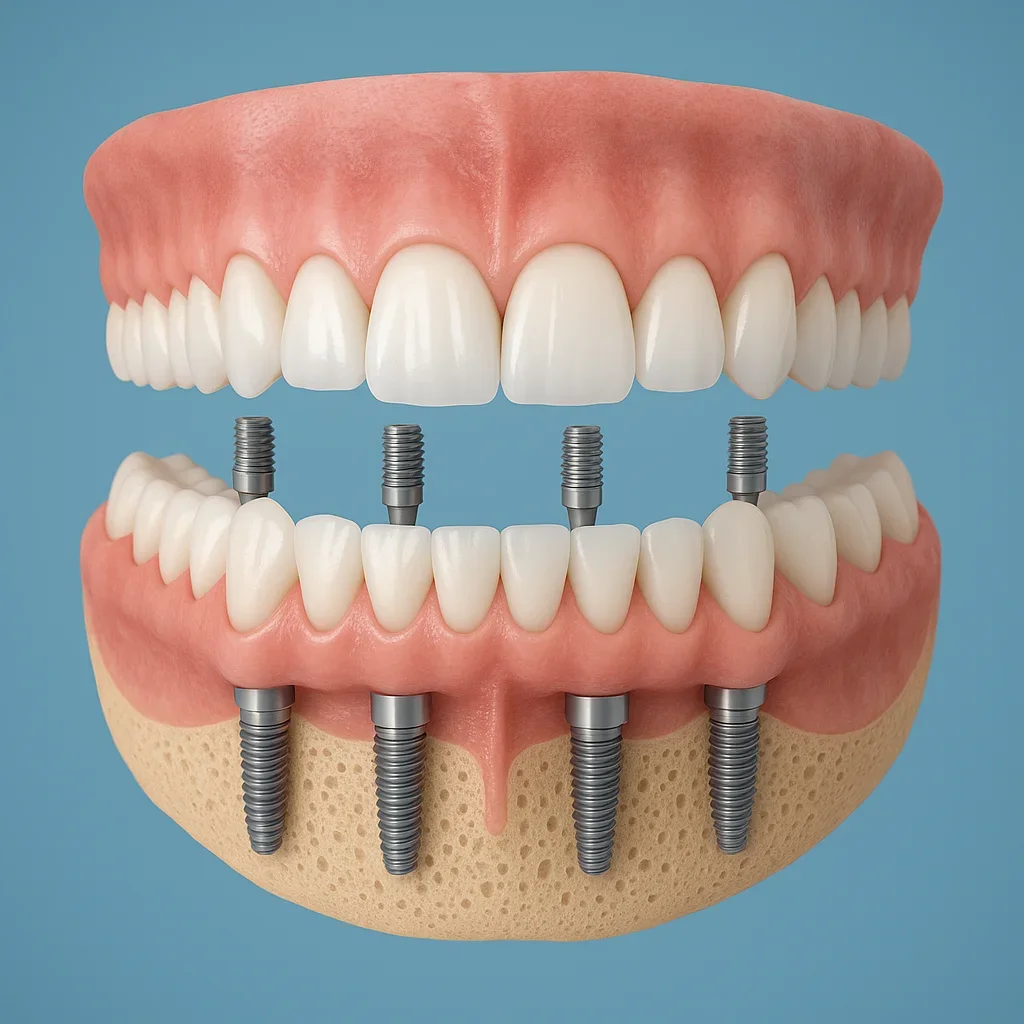
Real-Life Transformations: Before and After Implants for All Teeth 🌟
Few procedures in modern dentistry offer such remarkable and life-changing results as implants for all teeth. For many individuals who have struggled with tooth loss, discomfort, or ill-fitting dentures, full-mouth implant restorations mark the beginning of a new chapter — one filled with confidence, natural aesthetics, and lasting comfort. This section provides an in-depth exploration of real-life transformations, what to expect during the before-and-after stages, and the profound physical and emotional impact this procedure can create. 🦷
1. The Emotional and Functional Impact of Tooth Loss
Losing all teeth affects far more than chewing and speech — it can profoundly influence self-esteem, social interaction, and even overall health. People with missing teeth often avoid smiling, laughing, or engaging in public events due to embarrassment. Over time, this can lead to anxiety and social withdrawal. Functionally, the absence of teeth causes bone resorption, facial collapse, and difficulty in maintaining a nutritious diet. This is why implants for all teeth serve not only as a dental treatment but also as an emotional restoration, helping individuals reclaim a sense of identity and self-worth.
2. Before Treatment: Assessments and Planning
The journey to transformation begins with careful evaluation. At reputable clinics such as Redent Klinik, dentists perform 3D scans, bone density analysis, and digital smile simulations to plan every detail. These pre-treatment steps ensure that each set of implants for all teeth is customized for the patient’s unique anatomy and facial proportions.
Diagnostic Steps Include:
- Comprehensive oral examination and digital X-rays.
- CT scans to evaluate bone volume and sinus positioning.
- Photographic and digital smile design mockups.
- Discussion of implant material options such as titanium or zirconia.
These detailed analyses allow the dental team to create an individualized roadmap, ensuring a predictable and safe transformation from edentulous (toothless) condition to a fully restored smile.
3. The “Before” Phase: Realistic Expectations
During this stage, patients may have missing, damaged, or severely decayed teeth. Many report difficulties with eating and pronunciation. The gums may be sensitive or irregularly shaped, and facial support often diminishes due to bone loss. For some, old dentures cause irritation or slipping. By documenting the initial oral condition with photographs and scans, patients gain a tangible reference point — making the later transformation even more dramatic. When viewing “before” images of implants for all teeth patients, the contrast with the “after” phase is often astonishing.
4. The Treatment and Surgical Transformation
The surgical process is performed under local anesthesia or sedation for maximum comfort. Using digital surgical guides, implants are placed with precise angulation into the jawbone. Depending on the case, immediate load prosthetics (temporary teeth) may be attached the same day, allowing patients to leave the clinic with a functional smile. In full-arch restoration cases, four to six implants per jaw are typically used to support an entire set of prosthetic teeth — often known as the All-on-4 or All-on-6 systems.
Healing and Osseointegration
Over the following 3–6 months, the implants fuse naturally with the bone through a biological process called osseointegration. This strong foundation ensures that implants for all teeth behave like natural roots, providing unmatched stability for the final prosthesis.
5. The “After” Transformation: Aesthetic and Functional Renewal
The moment patients see their new smile for the first time is often emotional. Many report crying tears of joy as they rediscover the confidence to smile freely. The “after” results go beyond aesthetics — they deliver functional excellence. Patients can bite into apples, chew steak, and enjoy any food without discomfort or fear of slippage.
Visible Differences After the Procedure:
- Facial structure restoration and youthful appearance.
- Natural-looking, individually designed teeth that complement facial symmetry.
- Improved speech clarity and confidence during conversations.
- Enhanced digestion and overall nutrition due to efficient chewing.
The psychological improvement is equally remarkable. People often report higher self-esteem, better social relationships, and a more active lifestyle. Simply put, implants for all teeth do more than restore the mouth — they restore lives.
6. Real-Life Patient Stories 🌟
At Redent Klinik and many international dental centers, patient testimonials tell inspiring stories of complete transformation. One patient, for instance, who had lived with loose dentures for 15 years, described the transition as “a return to normal life.” After her implants for all teeth treatment, she reported eating without restriction and smiling confidently in photos again. Another patient highlighted the sense of rejuvenation: “I feel 10 years younger — not just because of my smile, but because I feel like myself again.”
7. Longevity and Maintenance of Results
The longevity of implants for all teeth depends on maintenance habits. With proper care, patients can expect decades of use without replacement. Daily brushing, flossing, and professional cleaning every six months ensure that both the implants and surrounding gums remain healthy. The use of high-quality materials such as zirconia and titanium also ensures durability and color stability, maintaining a bright smile for years to come.
Recommended Care Routine:
- Use a soft toothbrush or an electric model twice a day.
- Clean under bridges with an interdental brush or water flosser.
- Rinse with alcohol-free antiseptic mouthwash.
- Visit your implant specialist every 6 months for evaluation.
8. Before and After Comparison: Visual Impact
When comparing “before” and “after” images of implants for all teeth patients, the improvements are often striking. Sagging cheeks regain volume, lips are naturally supported, and facial harmony is restored. The transformation enhances not just the smile but the entire appearance — often taking years off the patient’s perceived age. Such visual results frequently rival or surpass cosmetic procedures in their rejuvenating effect.
9. The Role of Technology in Achieving Predictable Results
Digital tools such as 3D cone-beam imaging, intraoral scanners, and CAD/CAM milling systems have revolutionized full-mouth implant outcomes. These technologies ensure precision in implant placement and prosthetic fabrication, resulting in superior comfort, function, and aesthetics. Clinics utilizing guided surgery report extremely high success rates and virtually perfect alignment, ensuring patients receive a flawless outcome every time.
10. Why These Transformations Matter
The decision to invest in implants for all teeth is not only a medical one — it’s an investment in confidence, quality of life, and overall health. Patients report improved digestion, clearer speech, and better sleep quality due to restored jaw stability. Beyond physical benefits, the emotional satisfaction of smiling without hesitation cannot be overstated. It allows individuals to present their true selves to the world once again. ❤️
For anyone considering this transformative journey, consulting with a trusted clinic such as Redent Klinik is the first step. You can also review credible resources like the American Dental Association for professional information about dental implant care and longevity. With modern technology, artistry, and expertise, implants for all teeth truly represent one of the most powerful dental innovations of our time — restoring not just smiles, but lives. 🌟