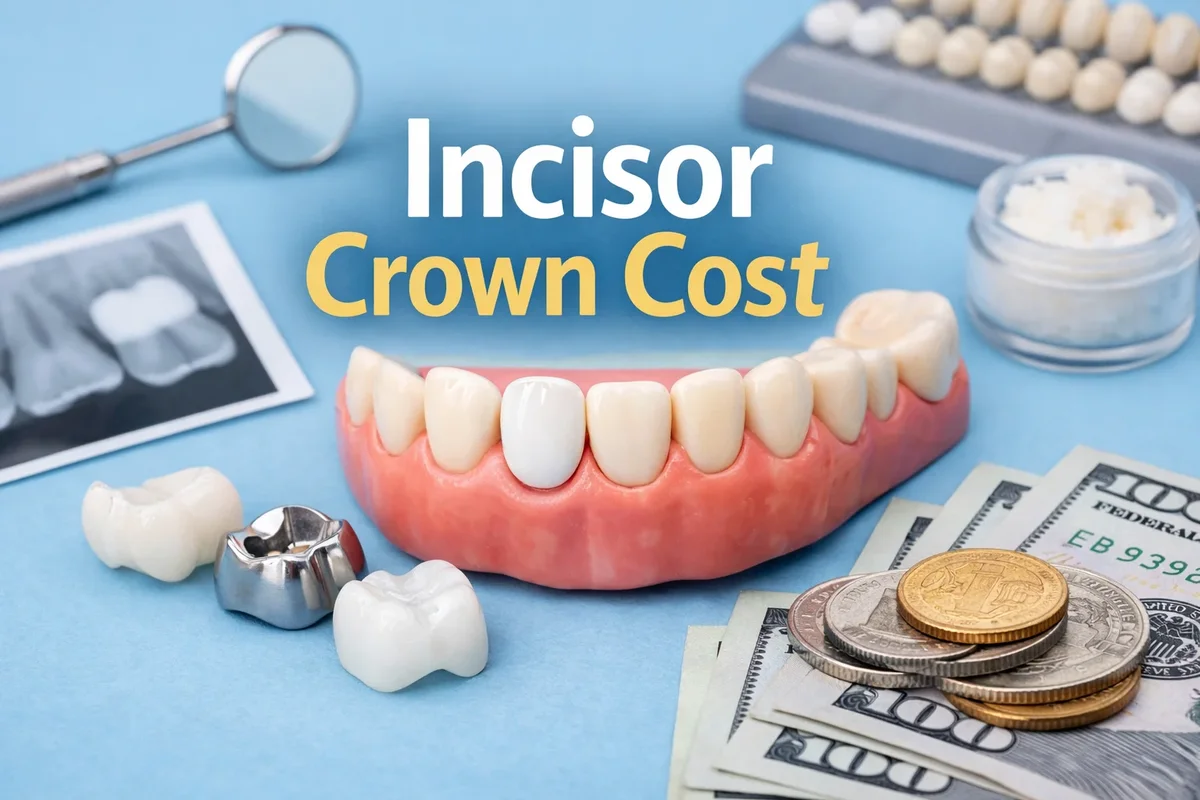
Incisor Crown Cost: Complete Guide for Patients

incisor crown cost

Understanding incisor crown cost is one of the most important steps for patients who are considering restoring a damaged or weakened front tooth. Because incisors sit right at the front of your smile, their treatment involves not only dental health but also aesthetics, confidence, and long-term oral function 😊. This guide is designed to fully satisfy what patients are really searching for when they type “incisor crown cost” into Google: clear explanations, realistic expectations, and trustworthy guidance.

An incisor crown is a custom-made dental cap placed over a front tooth to restore its shape, strength, and appearance. Since incisors are highly visible when you speak or smile, dentists must pay extra attention to color matching, translucency, and natural contours. All of these factors directly influence incisor crown cost, making it different from the price of crowns placed on back teeth.

One of the biggest misconceptions is that incisor crown cost is a single fixed number. In reality, it is a combination of multiple elements: the complexity of the case, the materials used, the dentist’s expertise, diagnostic imaging, laboratory work, and sometimes even cosmetic customization. Because front teeth play such a critical role in facial aesthetics, the treatment is often more detailed and time-intensive than molar crowns.

From a patient’s perspective, the search intent behind incisor crown cost usually includes questions like: “Why is it expensive?”, “What am I actually paying for?”, and “Is the investment worth it?” These are valid concerns. A well-made incisor crown can last 10–20 years or longer when properly cared for, making it a long-term oral health investment rather than a short-term expense.

Another important aspect of incisor crown cost is that it often includes more than just the crown itself. Preliminary consultations, digital scans or X-rays, temporary crowns, bite adjustments, and follow-up visits may all be part of the total cost. In many clinics, these services are bundled together, while in others they may appear as separate line items.

Because pricing transparency matters, below is a general cost overview based on commonly published dental data and professional associations. These figures are indicative and may vary significantly depending on location, clinic standards, and case complexity:

Approximate Incisor Crown Cost (United States):

  • Porcelain-fused-to-metal crown: $800 – $1,300
  • All-ceramic or porcelain crown: $1,000 – $1,700
  • Zirconia crown (esthetic-grade): $1,100 – $1,800

Costs are estimates and can vary based on clinical needs and provider expertise.

Professional dental organizations such as the American Dental Association emphasize that crown pricing reflects not only materials but also clinical skill, laboratory precision, and long-term durability. This is especially true for incisors, where even minor imperfections are noticeable.

For international patients or those exploring treatment abroad, incisor crown cost can differ dramatically by country. Many patients research dental tourism options, balancing affordability with safety, accreditation, and communication quality. In such cases, consulting directly with a clinic is essential. If you are considering treatment options or want a personalized estimate, visiting the Redent Klinik Contact Page can help you get accurate guidance tailored to your needs.

It’s also worth noting that incisor crown cost is closely linked to cosmetic expectations. Patients seeking a highly natural, lifelike appearance—especially for a single front tooth—may require additional shade-matching sessions or custom lab work. While this can slightly increase incisor crown cost, it often results in a far superior and more satisfying outcome 😁.

In summary, incisor crown cost is not just about numbers. It reflects the quality of materials, the experience of the dentist, the precision of the dental laboratory, and the long-term success of your smile restoration. By understanding what goes into the cost, patients can make confident, informed decisions that prioritize both oral health and aesthetics.

What Is an Incisor Crown and When Is It Needed?

To truly understand incisor crown cost, it is essential to first understand what an incisor crown is and why a dentist may recommend one. Incisors are the front teeth—both upper and lower—that are primarily responsible for cutting food and shaping your smile. Because they are the most visible teeth, any damage, discoloration, or structural weakness can significantly affect both function and appearance 😬.

An incisor crown is a custom-made dental restoration that fully covers the visible portion of an incisor tooth. Unlike fillings, which repair only a small part of a tooth, a crown encases the entire tooth structure above the gum line. This full coverage is one of the main reasons incisor crown cost is higher than simpler treatments, as crowns require advanced planning, precision, and laboratory craftsmanship.

How an Incisor Crown Works

The purpose of an incisor crown is to restore strength, shape, alignment, and natural appearance. The dentist first reshapes the damaged tooth so the crown can fit securely. Impressions or digital scans are then taken and sent to a dental laboratory, where the crown is fabricated to match the exact color and proportions of your surrounding teeth. This level of customization plays a major role in determining incisor crown cost.

Because incisors are at the center of the smile line, crowns for these teeth often require higher aesthetic standards than those for molars. Tiny variations in translucency or shade can be noticeable, which is why incisor crown cost often reflects additional cosmetic detailing.

Common Reasons You May Need an Incisor Crown

There are several clinical situations where a dentist may recommend an incisor crown rather than a filling or veneer. Understanding these indications helps explain why incisor crown cost is often justified by necessity rather than cosmetic preference alone.

Severe Tooth Damage or Fracture

If an incisor is cracked, broken, or structurally weakened due to trauma or biting hard objects, a crown may be the only option to prevent further damage. Front teeth are particularly vulnerable to accidents, and restoring them properly often increases incisor crown cost due to urgent care and cosmetic precision.

Extensive Tooth Decay

When decay affects a large portion of an incisor, a simple filling may not provide enough strength. In these cases, a crown protects the remaining tooth structure and restores function. Treating advanced decay early can sometimes reduce overall incisor crown cost by avoiding more complex procedures later.

After Root Canal Treatment

Incisors that have undergone root canal therapy become more brittle over time. A crown is commonly recommended to protect the tooth from fracture. This preventive approach may slightly increase incisor crown cost upfront but can save patients from tooth loss and implant procedures in the future.

Cosmetic and Aesthetic Corrections

In cases of severe discoloration, misshapen teeth, or alignment issues that cannot be corrected with whitening or bonding, an incisor crown may be chosen for aesthetic reasons. While cosmetic goals can influence incisor crown cost, the result is often a dramatic improvement in confidence and smile harmony ✨.

Why Incisor Crowns Are More Complex Than Other Crowns

One of the most overlooked aspects of incisor crown cost is the complexity of treating front teeth. Unlike molars, incisors require perfect symmetry, edge alignment, and natural light reflection. Dentists often work closely with skilled dental technicians to ensure the crown blends seamlessly with adjacent teeth.

This collaborative process—combined with advanced materials such as high-quality ceramics or zirconia—means that incisor crown cost reflects both medical necessity and artistic expertise. In many cases, multiple try-ins or shade adjustments are needed to achieve optimal results.

Is an Incisor Crown Always Necessary?

Not every incisor problem requires a crown. Minor chips, surface discoloration, or small cavities may be treated with bonding, veneers, or fillings. However, when structural integrity is compromised, a crown becomes the most reliable long-term solution. Choosing a crown at the right time can actually optimize incisor crown cost by preventing repeated treatments.

In summary, understanding what an incisor crown is and when it is needed provides critical context for evaluating incisor crown cost. A crown is not just a cosmetic upgrade—it is often a protective, restorative solution designed to preserve oral health, function, and confidence for many years.

Factors That Influence Incisor Crown Cost

When patients research incisor crown cost, they are often surprised by how wide the price range can be. This variation is not random. Incisor crown cost is shaped by multiple clinical, technical, and aesthetic factors that work together to determine the final treatment fee. Understanding these elements helps patients make informed decisions and avoid unrealistic expectations 😊.

Unlike routine dental procedures, restoring a front tooth requires a balance between strength, precision, and natural appearance. Because incisors are central to the smile, even small differences in materials or technique can significantly affect both results and incisor crown cost. Below, we break down the most important factors that influence pricing in detail.

Material Selection and Its Impact on Incisor Crown Cost

The type of material used is one of the most significant contributors to incisor crown cost. Front teeth demand highly aesthetic materials that mimic natural enamel, which are typically more expensive than those used for back teeth.

All-Ceramic and Porcelain Crowns

All-ceramic and porcelain crowns are widely preferred for incisors due to their superior translucency and color-matching ability. These materials closely resemble natural teeth, making them ideal for visible areas. However, the advanced manufacturing process and artistic layering involved increase incisor crown cost compared to basic options.

Zirconia-Based Esthetic Crowns

High-translucency zirconia crowns combine strength with improved aesthetics. While traditional zirconia was too opaque for front teeth, modern versions are specifically designed for incisors. This innovation often places zirconia crowns at the higher end of the incisor crown cost spectrum.

Dentist Expertise and Clinical Skill

Another critical factor influencing incisor crown cost is the experience and skill level of the dentist. Front-tooth restorations require a deep understanding of smile design, bite dynamics, and facial symmetry. Dentists who specialize in cosmetic or restorative dentistry often charge higher fees due to their advanced training and consistent results.

An experienced dentist is more likely to minimize complications, reduce the need for adjustments, and deliver a crown that blends seamlessly with your natural teeth. While this may raise incisor crown cost initially, it often lowers long-term expenses by preventing remakes or corrective treatments.

Dental Laboratory Quality

Incisor crowns are typically fabricated in specialized dental laboratories. The quality of the lab plays a major role in incisor crown cost. Premium labs employ skilled technicians who hand-layer ceramics, customize shading, and fine-tune tooth morphology to achieve a natural look.

Lower-cost laboratories may rely on mass production techniques, which can reduce incisor crown cost but also increase the risk of poor aesthetics or fit. For front teeth, most dentists prefer high-end labs to ensure predictable and visually pleasing outcomes.

Case Complexity and Tooth Condition

The condition of the tooth before treatment has a direct impact on incisor crown cost. A simple case with minimal damage typically costs less than a complex restoration involving structural loss or previous dental work.

Existing Restorations or Root Canal Treatment

If the incisor has undergone prior treatments such as root canal therapy, post placement, or large fillings, additional steps may be required before crown placement. These preparatory procedures increase overall incisor crown cost but are essential for long-term success.

Gum Line and Aesthetic Adjustments

In some cases, minor gum reshaping or contouring is necessary to achieve a balanced smile. Because the gum line is highly visible around incisors, such refinements can improve aesthetics but also add to incisor crown cost.

Technology and Diagnostic Tools

Modern dental clinics often use digital scanners, 3D imaging, and computer-assisted design systems. These technologies improve accuracy and patient comfort, but they also influence incisor crown cost. Digital workflows reduce errors and remakes, which many patients find worth the added expense.

Advanced diagnostics also allow dentists to plan treatment more precisely, ensuring the crown fits perfectly within the bite and smile line. This level of precision is especially important for incisors.

Geographic Location and Clinic Standards

Where the clinic is located also affects incisor crown cost. Urban clinics, high-end practices, and regions with higher operating costs often charge more. Conversely, clinics in other countries or regions may offer lower incisor crown cost while still maintaining quality standards.

However, patients should always consider factors such as accreditation, communication, and follow-up care when comparing prices. A lower incisor crown cost should never come at the expense of safety or durability.

In conclusion, incisor crown cost is influenced by a combination of material choice, professional expertise, laboratory quality, case complexity, technology, and location. Understanding these factors empowers patients to evaluate quotes realistically and choose a solution that balances cost, quality, and long-term satisfaction 😄.

Types of Materials Used for Incisor Crowns

One of the most decisive elements affecting incisor crown cost is the material used to fabricate the crown. Because incisors are front teeth, material selection is not just about durability—it is equally about translucency, shade accuracy, and how naturally the crown blends with adjacent teeth. Patients searching for incisor crown cost are often really asking, “Which material gives me the best balance between price and appearance?” 😁

Unlike molar crowns, which prioritize strength, incisor crowns must closely replicate the optical properties of natural enamel. This requirement significantly narrows the list of suitable materials and explains why incisor crown cost can vary so widely depending on the chosen option.

All-Ceramic (Porcelain) Incisor Crowns

All-ceramic crowns are among the most popular choices for front teeth. These crowns are made entirely of porcelain or advanced ceramic materials, allowing light to pass through them in a way that closely resembles natural teeth. Because of their superior aesthetics, all-ceramic crowns are often associated with a higher incisor crown cost.

From a patient perspective, the higher incisor crown cost of all-ceramic options is often justified by the outcome. They are especially ideal for patients with high smile lines or thin enamel, where metal-based crowns could cause visible shadows. However, their fabrication requires meticulous layering and customization, which directly impacts incisor crown cost.

Advantages of All-Ceramic Crowns

  • Excellent color matching and translucency
  • No metal margins at the gum line
  • Ideal for cosmetic-focused patients

Considerations Affecting Cost

Because all-ceramic crowns demand advanced laboratory work and artistic skill, their incisor crown cost is typically higher than basic alternatives. They may also require more chair time for shade matching and adjustments.

Porcelain-Fused-to-Metal (PFM) Crowns

Porcelain-fused-to-metal crowns consist of a metal core covered with a porcelain exterior. Historically, they were widely used for incisors due to their balance of strength and aesthetics. Today, they remain an option for patients seeking a moderate incisor crown cost.

While PFM crowns are generally more affordable, their aesthetic limitations must be considered. Over time, gum recession may expose the metal edge, which can compromise appearance. This trade-off is one reason why incisor crown cost for PFM crowns is usually lower than for all-ceramic solutions.

When PFM Crowns Are Chosen

PFM crowns may be suitable when budget constraints are a priority and the patient’s smile line is low. In such cases, the reduced incisor crown cost can make treatment more accessible without sacrificing basic function.

Zirconia Crowns for Incisors

Zirconia has revolutionized modern dentistry, and high-translucency zirconia crowns are now commonly used for incisors. These crowns offer exceptional strength combined with improved aesthetics compared to earlier zirconia versions. As a result, incisor crown cost for zirconia often falls in the upper-middle to high range.

Patients who grind their teeth or have bite issues may benefit from zirconia’s durability. While zirconia crowns may have a slightly higher incisor crown cost, they often provide long-term value by reducing the risk of fractures or replacements.

Esthetic Zirconia vs Traditional Zirconia

Not all zirconia crowns are the same. Esthetic zirconia is specifically engineered for front teeth and requires additional processing and customization. This refinement increases incisor crown cost but significantly improves visual outcomes.

Composite Resin Crowns (Temporary or Transitional)

Composite resin crowns are typically used as temporary solutions rather than permanent restorations. They have a lower incisor crown cost and can be placed quickly, making them useful during treatment planning or while waiting for a permanent crown.

However, composite crowns lack the durability and color stability of ceramic or zirconia options. While their lower incisor crown cost may seem attractive, they are rarely recommended as a long-term solution for incisors.

How Material Choice Directly Impacts Incisor Crown Cost

Each material involves different manufacturing processes, laboratory fees, and clinical time. The more natural and customized the material, the higher the incisor crown cost tends to be. Patients should view material selection as a long-term investment rather than a short-term saving.

In summary, understanding material options is crucial when evaluating incisor crown cost. All-ceramic and esthetic zirconia crowns offer premium results at a higher cost, while PFM and composite options provide more budget-friendly alternatives with certain compromises. The ideal choice depends on aesthetic expectations, functional needs, and long-term oral health goals ✨.

Incisor Crown Cost by Country and Region

One of the most common follow-up questions after understanding treatment basics is how incisor crown cost changes depending on where the procedure is performed. Geography plays a major role in pricing because dental care costs are influenced by local economies, clinic overhead, labor costs, regulatory standards, and patient demand. For many patients, comparing incisor crown cost by country and region is an important step in deciding where to receive treatment 🌍.

While the materials and clinical principles remain similar worldwide, the final incisor crown cost can differ dramatically from one region to another. Below, we explore how location impacts pricing and what patients should consider beyond the numbers.

Incisor Crown Cost in the United States

In the United States, incisor crown cost is generally among the highest globally. This is due to high operational expenses, advanced technology use, strict regulatory requirements, and extensive insurance administration.

Average Incisor Crown Cost in the USA:

  • Porcelain-fused-to-metal crown: $800 – $1,300
  • All-ceramic or porcelain crown: $1,000 – $1,700
  • Esthetic zirconia crown: $1,100 – $1,800

In many American clinics, incisor crown cost may also increase if cosmetic customization is required, especially for single front-tooth restorations. Although prices are higher, patients often benefit from advanced diagnostic tools and strong legal protections.

Incisor Crown Cost in Western Europe

Western European countries such as Germany, France, and the United Kingdom typically offer slightly lower incisor crown cost compared to the U.S., though prices remain relatively high due to similar labor and material standards.

In these regions, public healthcare systems may partially subsidize dental care, but cosmetic incisor crowns are often excluded. As a result, patients still pay significant out-of-pocket costs for high-aesthetic treatments.

Typical Price Ranges

In Western Europe, incisor crown cost generally ranges from €700 to €1,400 depending on the country, material choice, and clinic reputation.

Incisor Crown Cost in Eastern Europe

Eastern Europe has become increasingly popular for patients seeking lower incisor crown cost without compromising quality. Countries such as Hungary, Poland, and Romania offer modern clinics with well-trained dentists at more affordable prices.

Lower operating costs and competitive dental tourism markets allow clinics to reduce incisor crown cost while still using high-quality materials and digital workflows.

Average Incisor Crown Cost in Eastern Europe:

  • All-ceramic crown: €400 – €700
  • Zirconia crown: €450 – €800

Incisor Crown Cost in Turkey and Dental Tourism Destinations

Turkey has emerged as a leading destination for patients comparing incisor crown cost internationally. With modern dental clinics, experienced practitioners, and significantly lower operational costs, Turkey offers high-quality incisor crowns at a fraction of Western prices.

Many international patients choose Turkey not only for reduced incisor crown cost but also for comprehensive treatment packages that may include consultations, imaging, and follow-up care.

Average Incisor Crown Cost in Turkey:

  • All-ceramic crown: $250 – $450
  • Esthetic zirconia crown: $300 – $550

For patients exploring these options, direct communication with clinics is essential. You can get personalized guidance and transparent pricing through the Redent Klinik Contact Page.

What Explains These Cost Differences?

The variation in incisor crown cost by country is primarily driven by differences in wages, laboratory fees, clinic rent, insurance systems, and currency values. Importantly, lower incisor crown cost does not automatically mean lower quality, especially in countries that actively invest in dental tourism infrastructure.

Hidden Costs to Consider

When comparing incisor crown cost internationally, patients should also factor in travel expenses, accommodation, follow-up visits, and warranty policies. A slightly higher incisor crown cost locally may sometimes be more convenient for long-term maintenance.

In summary, incisor crown cost varies widely by country and region, offering patients multiple options depending on budget, expectations, and travel flexibility. By understanding regional differences and looking beyond price alone, patients can choose a solution that delivers both value and peace of mind 😊.

Incisor Crown Cost Breakdown: What Are You Paying For?

When patients see a quote for incisor crown cost, it can sometimes feel overwhelming or unclear. A common question is, “What exactly am I paying for?” This section breaks down the individual components that make up incisor crown cost, helping patients understand where their money goes and why front-tooth crowns are priced differently from many other dental treatments 😊.

Unlike a single, simple procedure, placing an incisor crown is a multi-step process involving diagnosis, planning, materials, skilled labor, and follow-up care. Each stage contributes to the final incisor crown cost, and understanding these elements allows patients to better evaluate treatment quotes and avoid surprises.

Initial Consultation and Diagnostic Assessment

The first part of incisor crown cost often includes a comprehensive consultation. During this visit, the dentist evaluates tooth structure, bite alignment, gum health, and aesthetic requirements. Because incisors are central to the smile, this assessment is typically more detailed than for back teeth.

X-Rays and Digital Imaging

Diagnostic imaging such as X-rays or digital scans is essential to ensure the tooth and surrounding bone are healthy enough to support a crown. These tools allow precise treatment planning and reduce the risk of complications. While imaging may seem minor, it is a necessary contributor to incisor crown cost.

Tooth Preparation and Clinical Time

Preparing an incisor for a crown requires precision and experience. The dentist carefully reshapes the tooth to create space for the crown while preserving as much natural structure as possible. This delicate balance directly affects both the durability and appearance of the final result.

The amount of chair time involved is a key factor in incisor crown cost. Front teeth often require longer appointments, careful edge design, and bite adjustments to ensure natural speech and function.

Temporary Crown Placement

In most cases, a temporary crown is placed while the permanent incisor crown is being fabricated. This temporary restoration protects the tooth, maintains appearance, and allows patients to function normally.

Although temporary crowns are not the final product, their fabrication, placement, and later removal are all included in incisor crown cost. For incisors, temporary crowns must still look natural, which can slightly increase overall cost.

Dental Laboratory Fees

A significant portion of incisor crown cost comes from dental laboratory work. Skilled technicians design and fabricate the crown based on impressions or digital scans provided by the dentist. For front teeth, this process often involves custom shading, layering, and contouring.

Customization and Aesthetic Detailing

Incisor crowns frequently require advanced aesthetic customization to match neighboring teeth. This may include multiple shade layers, translucency adjustments, and edge detailing. The more customized the crown, the higher the laboratory fee—and consequently, the higher the incisor crown cost.

Material Costs

The raw materials used—such as porcelain, ceramic, or zirconia—are another core component of incisor crown cost. High-quality aesthetic materials are more expensive but provide better color stability, durability, and natural appearance.

While lower-cost materials may reduce incisor crown cost initially, they can compromise aesthetics or longevity, leading to additional expenses later.

Crown Placement and Final Adjustments

Once the permanent crown is ready, the dentist carefully checks fit, color, bite alignment, and overall appearance before cementing it in place. This step is crucial for long-term comfort and success.

Fine-tuning the crown—especially for an incisor—requires time and expertise. These adjustments are an essential part of incisor crown cost and ensure the crown feels natural when speaking, biting, and smiling 😄.

Follow-Up Visits and Aftercare

Many clinics include follow-up appointments as part of incisor crown cost. These visits allow the dentist to monitor healing, ensure gum health, and address any minor issues early.

Warranty and Quality Assurance

Some dental practices offer warranties or guarantees on crowns, particularly when high-quality materials and laboratories are used. This assurance may slightly increase incisor crown cost but provides peace of mind and long-term value.

Why This Breakdown Matters

Understanding the breakdown of incisor crown cost helps patients see that they are not simply paying for a single object, but for a comprehensive restorative process. Each step—from diagnosis to aftercare—plays a role in achieving a functional, natural-looking result.

In summary, incisor crown cost reflects professional expertise, advanced materials, precise laboratory work, and personalized care. When viewed as a complete package rather than a single fee, the cost becomes easier to understand and evaluate as a long-term investment in oral health and confidence ✨.

Dental Insurance Coverage and Incisor Crown Cost

For many patients, one of the most confusing aspects of treatment planning is how dental insurance affects incisor crown cost. People often assume that insurance will cover most—or even all—of the expense, only to discover that front-tooth crowns are treated differently from basic dental procedures. Understanding how insurance works in relation to incisor crown cost can prevent frustration and help you plan your budget realistically 💡.

Dental insurance policies vary widely, but most follow similar principles when it comes to crowns. Because incisor crowns often involve cosmetic considerations, coverage may be partial, limited, or excluded altogether depending on the reason for treatment. This makes it especially important to understand the distinction insurers make between medical necessity and cosmetic dentistry.

Is an Incisor Crown Considered Medically Necessary?

Insurance companies typically evaluate incisor crown cost based on whether the crown is deemed medically necessary. If the incisor is severely damaged due to decay, fracture, or root canal treatment, a crown is often classified as restorative rather than cosmetic.

In medically necessary cases, insurance may cover a percentage of the incisor crown cost—usually between 40% and 80%—after deductibles are met. However, the level of coverage often depends on the type of material used.

Examples of Medical Necessity

  • Large structural fractures
  • Extensive decay that cannot be restored with a filling
  • Post–root canal protection

When these conditions apply, incisor crown cost is more likely to receive partial insurance reimbursement.

Cosmetic Classification and Its Impact on Coverage

If an incisor crown is placed primarily for aesthetic reasons—such as improving tooth color, shape, or alignment—insurance providers may classify the procedure as cosmetic. In these cases, incisor crown cost is often not covered at all.

This is a common issue for front teeth, as aesthetics play a natural role in incisor restorations. Even when function is improved, insurers may deny coverage if cosmetic benefits are emphasized in documentation.

How Documentation Affects Insurance Decisions

Proper clinical documentation from the dentist is critical. X-rays, photographs, and detailed notes explaining structural damage can significantly influence whether incisor crown cost is approved for coverage. Patients should not hesitate to ask their dentist how the procedure will be submitted to insurance.

Material Limitations Set by Insurance Providers

Another key factor in insurance-related incisor crown cost is material restrictions. Many insurance plans only cover crowns up to the cost of a basic porcelain-fused-to-metal (PFM) crown—even if a more aesthetic all-ceramic or zirconia crown is recommended.

If a patient chooses a higher-end material, insurance may still contribute the equivalent cost of a standard crown, leaving the patient to pay the difference out of pocket. This gap is a frequent source of confusion regarding incisor crown cost.

Annual Maximums and Waiting Periods

Dental insurance plans often include annual maximum benefits, commonly ranging from $1,000 to $2,000. Because incisor crown cost alone can approach or exceed these limits, patients may still face significant expenses even with coverage.

Waiting Periods for Major Procedures

Some insurance plans impose waiting periods—sometimes 6 to 12 months—before covering major procedures like crowns. If treatment is needed urgently, incisor crown cost may need to be paid upfront regardless of future coverage.

Out-of-Network vs In-Network Providers

Choosing an in-network dentist can reduce incisor crown cost because insurance companies negotiate lower fees with participating providers. Out-of-network dentists may still be covered, but reimbursement rates are often lower.

Patients considering treatment abroad or at specialized clinics should carefully review how out-of-network care affects incisor crown cost and reimbursement eligibility.

What Insurance Typically Does NOT Cover

Even when partial coverage applies, many components of incisor crown cost are often excluded. These may include:

  • Cosmetic upgrades in materials
  • Custom shading or advanced esthetic layering
  • Digital smile design or cosmetic consultations

Understanding these exclusions helps patients avoid unexpected bills and better plan for total incisor crown cost.

How to Minimize Out-of-Pocket Incisor Crown Cost

Patients can take proactive steps to manage incisor crown cost, even when insurance coverage is limited. These include requesting a pre-treatment estimate, discussing material alternatives, and timing procedures across benefit years when possible.

Some clinics also offer payment plans or bundled treatment pricing, which can make incisor crown cost more manageable without compromising quality.

In summary, dental insurance can reduce incisor crown cost in medically necessary cases, but coverage is often partial and subject to limitations. By understanding policy details, material restrictions, and documentation requirements, patients can make informed decisions and avoid surprises. Clear communication between patient, dentist, and insurer is the key to navigating incisor crown cost with confidence 😊.

Are Cheaper Incisor Crowns Worth the Risk?

When researching incisor crown cost, many patients eventually encounter prices that seem surprisingly low. At first glance, cheaper options can be tempting—especially when the treatment involves visible front teeth and out-of-pocket expenses. However, the critical question is whether a low incisor crown cost actually represents good value or whether it comes with hidden risks ⚠️.

This section addresses a key part of user search intent: understanding the trade-off between price and quality. Not all lower-priced incisor crowns are problematic, but significant cost reductions often reflect compromises that patients should carefully evaluate before making a decision.

Why Some Incisor Crowns Cost Less

A lower incisor crown cost usually results from reductions in one or more components of the treatment process. These reductions may not always be obvious to patients at the consultation stage.

Lower-Grade Materials

One of the most common ways clinics reduce incisor crown cost is by using lower-grade ceramic or porcelain materials. While these materials may initially look acceptable, they often lack the translucency, color stability, and durability required for front teeth.

Over time, such crowns may discolor, appear opaque, or fail to blend naturally with surrounding teeth. Although the upfront incisor crown cost is lower, the long-term aesthetic outcome may be disappointing.

Limited Customization

Cheaper incisor crowns are often mass-produced or minimally customized. Incisors require precise shade matching, edge shaping, and symmetry. When these steps are skipped or simplified, the incisor crown cost decreases—but so does the natural appearance.

Patients may notice uneven tooth length, unnatural brightness, or visible margins, especially in bright lighting or photographs.

Clinical Risks of Low-Cost Incisor Crowns

Beyond aesthetics, a reduced incisor crown cost can also signal potential clinical risks. These risks may not be immediately visible but can affect long-term oral health.

Poor Fit and Bite Issues

Precision is essential when fitting an incisor crown. A poorly fitting crown can interfere with bite alignment, speech, and chewing function. In some cases, this can lead to jaw discomfort or accelerated wear on opposing teeth.

Clinics that offer very low incisor crown cost may spend less time on bite analysis and final adjustments, increasing the risk of complications.

Increased Risk of Crown Failure

Lower-quality materials and rushed bonding procedures can result in chipping, cracking, or crown detachment. When this happens, the patient may need repairs or replacement—effectively doubling the original incisor crown cost.

Front-tooth crown failures are especially frustrating because they impact both appearance and daily function.

When a Lower Incisor Crown Cost Can Be Acceptable

Not all affordable incisor crowns are a bad choice. In some cases, a lower incisor crown cost reflects regional pricing differences, lower overhead costs, or streamlined—but still high-quality—clinical workflows.

Dental Tourism and Cost Efficiency

In certain countries, clinics can offer significantly lower incisor crown cost while maintaining international standards of care. This is often due to lower labor costs, favorable exchange rates, and government-supported medical tourism.

However, patients should still verify credentials, materials, warranties, and follow-up policies before proceeding.

Temporary or Transitional Crowns

Lower-cost incisor crowns may also be appropriate as temporary solutions—for example, while planning comprehensive treatment or awaiting final restorations. In these cases, the reduced incisor crown cost aligns with the short-term purpose of the crown.

Questions to Ask Before Choosing a Cheaper Option

Before committing to a low incisor crown cost, patients should ask critical questions that reveal what is included—and what is not:

  • What material is being used, and where is it manufactured?
  • Is the crown customized for my tooth or prefabricated?
  • How many adjustment visits are included?
  • Is there a warranty or remake policy?

Clear answers to these questions help patients distinguish between genuine value and false economy.

The True Cost of “Cheap” Incisor Crowns

The real cost of an incisor crown is not just the price paid on treatment day. A poorly made crown can affect confidence, speech, bite comfort, and long-term dental health. When repairs or replacements are needed, the total incisor crown cost often exceeds what a higher-quality crown would have cost initially.

In contrast, a well-made incisor crown—even at a higher upfront incisor crown cost—often delivers better aesthetics, comfort, and longevity. For a tooth that plays such a central role in your smile, this long-term value is especially important 😊.

In summary, cheaper incisor crowns are not automatically a bad choice, but they require careful evaluation. Patients should look beyond incisor crown cost alone and consider materials, expertise, customization, and long-term outcomes. Making an informed choice ensures that savings today do not turn into regret tomorrow.

How to Reduce Incisor Crown Cost Without Compromising Quality

For many patients, the goal is not necessarily to find the lowest possible incisor crown cost, but rather to achieve the best value—high quality, long-lasting results at a reasonable price. The good news is that there are several smart, ethical, and medically sound ways to reduce incisor crown cost without sacrificing safety, aesthetics, or durability 😊.

This section is especially important for patients who want to be financially responsible while still protecting one of the most visible and functionally important teeth in the mouth. Reducing incisor crown cost should always be about optimization, not cutting corners.

Choose the Right Material for Your Specific Case

Material selection has a direct and often dramatic impact on incisor crown cost. While premium all-ceramic or high-translucency zirconia crowns offer excellent aesthetics, not every case requires the most expensive option.

Balancing Aesthetics and Budget

If the incisor is slightly off the main smile line or partially shaded by neighboring teeth, a mid-range ceramic option may deliver excellent visual results at a lower incisor crown cost. Discussing realistic aesthetic expectations with your dentist can prevent unnecessary upgrades.

The key is not choosing the cheapest material, but the most appropriate one. This approach often leads to a meaningful reduction in incisor crown cost without compromising the final outcome.

Address Problems Early

One of the most effective—and often overlooked—ways to control incisor crown cost is early intervention. Small cracks, minor decay, or weakened enamel that are treated promptly may require simpler preparation and less complex restorations.

Delaying treatment often leads to more extensive damage, which increases incisor crown cost due to additional procedures such as root canals, posts, or gum treatments.

Use Insurance Strategically

Even partial insurance coverage can significantly reduce incisor crown cost if used correctly. Patients should request a pre-treatment estimate and confirm which portion of the procedure is considered medically necessary.

Timing Treatment Across Benefit Years

If insurance has an annual maximum, scheduling different stages of treatment across two benefit years can help reduce out-of-pocket incisor crown cost. While this is not always possible, it can be effective for non-urgent cases.

Consider Geographic Cost Differences Wisely

As discussed earlier, incisor crown cost varies widely by region and country. Choosing a reputable clinic in a lower-cost region can significantly reduce incisor crown cost while maintaining high standards of care.

However, patients should focus on clinics that use internationally recognized materials, transparent pricing, and clear communication. The goal is cost efficiency—not risk.

Ask for a Transparent, Itemized Treatment Plan

Requesting a detailed breakdown of incisor crown cost allows patients to see where money is being spent and where flexibility may exist. Some clinics can adjust costs by:

  • Bundling consultations and follow-up visits
  • Offering in-house laboratory services
  • Providing payment plans without interest

Transparency empowers patients to make informed decisions rather than feeling pressured or confused.

Prioritize Experience Over Marketing

Surprisingly, choosing a highly experienced dentist can actually reduce incisor crown cost in the long run. Skilled clinicians are less likely to require remakes, extensive adjustments, or corrective treatments.

While some clinics invest heavily in marketing and luxury aesthetics, this overhead can inflate incisor crown cost without improving clinical outcomes. Focusing on credentials, case experience, and patient results often leads to better value.

Avoid “Too Good to Be True” Offers

Extremely low incisor crown cost promotions often hide limitations—such as basic materials, minimal customization, or excluded follow-up care. Patients should carefully read what is included and what is not.

A slightly higher incisor crown cost that includes warranties, adjustments, and aftercare is often far more economical over time.

Think Long-Term, Not Short-Term

Ultimately, the most effective way to reduce incisor crown cost is to think in terms of lifespan rather than initial price. A well-made crown that lasts 15–20 years costs less per year than a cheaper crown that needs replacement after a few years.

In summary, reducing incisor crown cost is about smart planning, informed choices, and clear communication—not sacrificing quality. By selecting the right materials, using insurance strategically, choosing experienced providers, and focusing on long-term value, patients can protect both their smile and their budget with confidence 😄.

incisor crown cost

Frequently Asked Questions About Incisor Crown Cost

Patients researching incisor crown cost often share the same concerns, regardless of age or location. Because an incisor crown affects both appearance and daily function, it’s natural to want clear, reliable answers before committing to treatment. This FAQ section is designed to address the most common and important questions in a straightforward, patient-focused way 😊.

How Much Does an Incisor Crown Cost on Average?

The average incisor crown cost varies significantly depending on country, material choice, and clinical complexity. In high-cost regions such as the United States or Western Europe, incisor crown cost typically ranges from $800 to $1,800. In countries known for dental tourism, the same procedure may cost considerably less.

It’s important to remember that incisor crown cost is not a flat fee. The final amount often includes consultations, imaging, temporary crowns, laboratory work, and follow-up visits.

Why Is Incisor Crown Cost Higher Than Other Crowns?

Incisors are front teeth, which makes them far more demanding from an aesthetic standpoint. Achieving natural color, translucency, symmetry, and edge shape requires additional clinical time and advanced laboratory craftsmanship. These factors directly increase incisor crown cost compared to crowns on molars or premolars.

In short, you are paying not just for strength, but for visual perfection.

Does Incisor Crown Cost Include Everything?

In many clinics, incisor crown cost is presented as a bundled fee that includes diagnosis, preparation, temporary crown placement, permanent crown fabrication, and final cementation. However, this is not always the case.

What May Be Charged Separately?

  • Root canal treatment if needed
  • Gum contouring or periodontal care
  • Advanced cosmetic consultations

Always ask for a written treatment plan to fully understand what is included in the quoted incisor crown cost.

How Long Does an Incisor Crown Last?

A high-quality incisor crown can last 10 to 20 years or longer with proper oral hygiene and regular dental checkups. Longevity plays a crucial role in evaluating incisor crown cost, as a durable crown often represents better long-term value than a cheaper alternative that needs early replacement.

Material quality, bite forces, and daily habits such as teeth grinding all influence lifespan.

Is Incisor Crown Cost Covered by Insurance?

Insurance coverage for incisor crown cost depends largely on whether the procedure is considered medically necessary. Crowns placed due to fractures, decay, or root canal treatment are more likely to receive partial coverage.

Cosmetic-only incisor crowns are often excluded. Even when coverage applies, insurance may only reimburse up to the cost of a basic crown material.

Can Incisor Crown Cost Be Negotiated?

While incisor crown cost is generally based on fixed clinical expenses, some flexibility may exist. Certain clinics offer:

  • Payment plans
  • Bundled treatment discounts
  • Reduced fees for multiple crowns

Open communication with your dental provider is the best way to explore cost-saving options ethically.

Is a Cheaper Incisor Crown Ever a Good Idea?

A lower incisor crown cost is not automatically a bad choice, especially when the price difference is due to regional economics rather than reduced quality. However, extremely low prices should be evaluated carefully.

Patients should always verify materials, laboratory standards, dentist experience, and warranty policies before choosing a low-cost option.

What Happens If I Delay Getting an Incisor Crown?

Delaying treatment can increase overall incisor crown cost in the long run. A weakened incisor may fracture further, require root canal treatment, or even need extraction—leading to far more expensive procedures such as implants or bridges.

Early treatment often preserves tooth structure and keeps incisor crown cost lower and more predictable.

How Do I Know If the Quoted Incisor Crown Cost Is Fair?

A fair incisor crown cost should reflect:

  • High-quality materials appropriate for front teeth
  • Experienced clinical care
  • Custom laboratory fabrication
  • Clear aftercare and follow-up policies

Comparing multiple treatment plans and asking detailed questions helps ensure transparency and confidence.

Final Thoughts on Incisor Crown Cost

Understanding incisor crown cost means looking beyond the price tag and considering value, longevity, aesthetics, and oral health impact. When patients are informed and proactive, they are far more likely to achieve a result that feels worth the investment 😄.

By asking the right questions and choosing quality-focused care, incisor crown cost becomes a manageable and justified part of restoring a healthy, confident smile.

Disclosure: this page may contain affiliate links. We may earn a commission if you use them, at no extra cost to you.