
Missing teeth can significantly impact both your health and confidence 😟. However, one of the biggest barriers people face when considering dental restoration is cost. This is where income based dental implants come into play. These programs are designed to make advanced dental treatments accessible to individuals who might otherwise not afford them. If you’ve been searching for a way to restore your smile without overwhelming financial pressure, understanding how income based dental implants work can be life-changing.
Income based dental implants are a type of financial assistance or pricing model that adjusts the cost of dental implant procedures according to a patient’s income level. Instead of paying a fixed high price, patients are evaluated based on their financial situation, and the cost is reduced or structured into manageable payments. This approach ensures that essential dental care is not limited only to high-income individuals.
Dental implants themselves are considered the gold standard for replacing missing teeth. Unlike dentures or bridges, implants are surgically placed into the jawbone, providing a stable and long-lasting solution. However, traditional implants can cost thousands of dollars per tooth. This is why income based dental implants programs are gaining popularity—they remove the financial barrier while maintaining high-quality care.
There are several ways income based dental implants can be structured. Some clinics offer sliding scale fees, where the cost is adjusted based on your documented income. Others provide payment plans with little to no interest, allowing patients to spread the cost over months or even years. In some cases, nonprofit organizations or dental schools partner with clinics to offer reduced-cost implant treatments as part of training programs or community health initiatives.
Another important aspect of income based dental implants is accessibility. Many patients assume that implants are out of reach, but these programs are specifically designed to change that perception. By offering flexible payment options and reduced pricing, clinics make it possible for more people to receive proper dental care. This is especially crucial because untreated tooth loss can lead to further complications, including bone loss, shifting teeth, and even digestive issues.
When considering income based dental implants, it’s also essential to understand the evaluation process. Clinics typically require proof of income, such as pay stubs, tax returns, or employment verification. Based on this information, they determine eligibility and the level of financial assistance you qualify for. While this may sound complex, many clinics guide patients through the process step by step, making it straightforward and stress-free 😊.
It’s worth noting that income based dental implants do not mean lower quality. Reputable clinics maintain the same standards of care, materials, and expertise regardless of pricing adjustments. The goal is to make treatment affordable—not to compromise on results. Patients can still expect durable implants, natural aesthetics, and long-term functionality.
Additionally, these programs often include consultations, imaging, and follow-up care as part of the package. This comprehensive approach ensures that patients receive full treatment without unexpected costs. If you’re unsure where to start, you can reach out directly to a trusted provider through the Redent Klinik Contact Page to explore your options and get personalized guidance.
For further understanding of dental implant standards and oral health recommendations, you can also visit the American Dental Association, which provides reliable and up-to-date information about dental procedures and patient care.
In summary, income based dental implants offer a practical and inclusive solution for individuals seeking high-quality dental restoration without financial strain. By tailoring costs to your income and offering flexible payment structures, these programs open the door to healthier smiles for everyone. Whether you are dealing with a single missing tooth or require full-mouth restoration, income based dental implants provide a realistic pathway to regain both function and confidence 💙.
What Are Income Based Dental Implants and How Do They Work?
Understanding how income based dental implants work is essential if you are looking for an affordable way to restore your smile 😊. Many people delay or completely avoid dental treatment because of high costs, especially when it comes to advanced procedures like implants. However, income based dental implants are specifically designed to eliminate this barrier by aligning treatment costs with a patient’s financial capacity.
At their core, income based dental implants are not a different type of implant, but rather a different pricing model. The implant procedure itself remains the same—high-quality titanium implants are surgically placed into the jawbone, followed by a crown, bridge, or denture. What changes is how much you pay and how you pay for it.
How the Income-Based Pricing Model Works
The pricing system behind income based dental implants is typically structured around a sliding scale. This means the cost is adjusted according to your income level, financial obligations, and sometimes family size. Clinics that offer income based dental implants evaluate your financial documents to determine a fair and manageable price for your treatment.
Key Factors That Influence Pricing
- Monthly or annual income: Lower income often results in higher discounts for income based dental implants.
- Employment status: Full-time, part-time, or unemployed status can affect eligibility.
- Household size: Larger families may qualify for additional reductions.
- Existing medical expenses: Ongoing health costs can also be considered.
Once these factors are assessed, clinics create a customized payment plan. This makes income based dental implants far more accessible than traditional implant pricing, which is often fixed and non-negotiable.
Types of Income Based Dental Implant Programs
There are several different models through which income based dental implants are offered. Each option aims to reduce financial pressure while maintaining high-quality care.
1. Sliding Scale Clinics
These clinics adjust their fees based on your income bracket. Patients with lower income pay significantly less for income based dental implants, while higher-income patients may pay closer to standard rates.
2. Dental Schools
Dental schools often provide income based dental implants at reduced costs because procedures are performed by supervised students. While the treatment may take longer, the savings can be substantial.
3. Nonprofit and Government Programs
Some organizations and public health programs offer income based dental implants to eligible individuals. These programs are usually limited but can provide significant financial relief.
4. In-House Financing Plans
Many clinics offer flexible payment plans as part of their income based dental implants approach. This allows patients to pay in smaller monthly installments instead of upfront.
Step-by-Step Process of Getting Income Based Dental Implants
If you are considering income based dental implants, knowing the process can help you feel more confident and prepared.
Step 1: Initial Consultation
Your journey begins with a consultation where the dentist evaluates your oral health and determines whether implants are suitable. At this stage, you can also ask about income based dental implants options available at the clinic.
Step 2: Financial Assessment
You will be asked to provide documents such as income statements or tax returns. This step is crucial for determining eligibility for income based dental implants.
Step 3: Personalized Treatment Plan
After evaluation, the clinic creates a customized plan that includes both the clinical procedure and the adjusted cost for your income based dental implants.
Step 4: Procedure and Follow-Up
The implant procedure is carried out using the same advanced techniques as standard implants. Patients receiving income based dental implants benefit from the same level of care, materials, and follow-up support.
Why Income Based Dental Implants Are Becoming Popular
The demand for income based dental implants has grown significantly in recent years. This is largely due to increasing awareness and the rising cost of dental care. People are now actively searching for affordable dental implants or low-cost implant solutions, and income based dental implants provide a reliable answer.
Another reason for their popularity is the long-term value. While the upfront cost may still seem significant, income based dental implants offer durability and functionality that can last decades. Compared to temporary solutions like dentures, implants reduce the need for frequent replacements and additional treatments.
Are Income Based Dental Implants Safe and Reliable?
One common concern is whether income based dental implants compromise on quality. The answer is no. Reputable clinics use the same materials and follow the same clinical protocols regardless of pricing structure. The affordability comes from financial adjustments—not from cutting corners.
Patients choosing income based dental implants can expect:
- High-quality titanium implants
- Advanced imaging and diagnostics
- Experienced dental professionals
- Comprehensive aftercare
For additional information about dental implant standards and safety, you can refer to the American Dental Association, which provides trusted guidance on oral health treatments.
If you are ready to explore your options, reaching out to a professional clinic is the best first step. You can contact a trusted provider directly through the Redent Klinik Contact Page to learn more about available income based dental implants programs and find a solution tailored to your needs.
In conclusion, income based dental implants are a powerful solution for individuals seeking both affordability and quality. By combining flexible pricing with advanced dental care, these programs ensure that everyone has the opportunity to achieve a healthy, confident smile 😁.
Who Qualifies for Income Based Dental Implants Programs?
One of the most common questions patients ask is: “Do I qualify for income based dental implants?” 🤔 The good news is that these programs are designed to help a wide range of individuals—not just a limited group. However, eligibility for income based dental implants depends on several financial and personal factors that clinics carefully evaluate to ensure fair and accessible pricing.
Income based dental implants programs aim to prioritize patients who genuinely need financial support while maintaining high-quality treatment standards. Whether you are employed, unemployed, retired, or a student, there is a strong possibility that you may qualify for income based dental implants depending on your situation.
Primary Eligibility Criteria for Income Based Dental Implants
Most clinics and organizations offering income based dental implants follow a structured evaluation process. This helps them determine who qualifies and what level of financial assistance should be provided.
1. Income Level Assessment
Your income is the most important factor in qualifying for income based dental implants. Clinics usually compare your income to national or regional averages. If your earnings fall below a certain threshold, you are more likely to receive significant discounts or flexible payment options for income based dental implants.
2. Employment Status
Whether you are working full-time, part-time, self-employed, or unemployed plays a role in determining eligibility. Individuals with unstable or limited income often benefit the most from income based dental implants programs.
3. Household Size and Dependents
Clinics consider how many people rely on your income. A larger household with multiple dependents may qualify for better financial support under income based dental implants, as the available income per person is lower.
4. Existing Financial Obligations
Expenses such as rent, loans, medical bills, or childcare costs are also taken into account. These obligations can significantly impact your ability to pay for dental care, making you a strong candidate for income based dental implants.
Special Groups That Often Qualify
Certain groups are more likely to qualify for income based dental implants due to their financial or social circumstances. Understanding these categories can help you determine your chances more accurately.
Low-Income Individuals and Families
People earning below the average income level are the primary beneficiaries of income based dental implants. These programs are specifically designed to support individuals who would otherwise struggle to afford dental care.
Students
Students often have limited or no income, making them ideal candidates for income based dental implants. Some clinics even offer special discounts for university students.
Retirees and Seniors
Many retirees live on fixed incomes such as pensions. For this reason, seniors frequently qualify for income based dental implants, helping them maintain oral health without financial strain.
Unemployed or Underemployed Individuals
If you are currently unemployed or working fewer hours than desired, you may qualify for income based dental implants. These programs provide an essential safety net during financially challenging times.
Documents Required for Income Based Dental Implants
To apply for income based dental implants, you will typically need to provide documentation that verifies your financial situation. While this may seem overwhelming, most clinics guide you through the process step by step 😊.
Commonly Requested Documents
- Recent pay stubs or proof of income
- Tax returns or financial statements
- Employment verification letter
- Proof of government assistance (if applicable)
- Identification and residency documents
These documents help clinics accurately assess your eligibility for income based dental implants and ensure that financial support is distributed fairly.
Do You Need Insurance to Qualify?
A common misconception is that you must have dental insurance to access income based dental implants. In reality, many programs are designed specifically for people without insurance. While having insurance may help reduce costs further, it is not a requirement for most income based dental implants programs.
In fact, patients without insurance often benefit the most, as these programs fill the gap where traditional coverage falls short.
How Clinics Determine Final Approval
Once you submit your application, clinics review your financial and medical information together. Approval for income based dental implants is not based solely on income—it also considers your dental needs and urgency of treatment.
For example, patients with severe tooth loss or health complications related to missing teeth may receive priority access to income based dental implants. This ensures that those who need treatment the most receive timely care.
Where to Start Your Application
If you believe you qualify for income based dental implants, the first step is to contact a reputable clinic. A professional team can evaluate your situation and guide you through the application process. You can easily begin by visiting the Redent Klinik Contact Page to get personalized assistance and explore available options.
Additionally, for trusted information about dental care standards and patient rights, you can visit the American Dental Association, which provides reliable guidance on oral health treatments.
In conclusion, qualifying for income based dental implants is more achievable than many people think. By considering factors such as income, employment, and personal circumstances, these programs open the door to affordable dental care for a wide range of patients. If you’ve been postponing treatment due to cost, exploring income based dental implants could be the step that finally brings back your healthy, confident smile 😁.
Types of Financial Assistance for Income Based Dental Implants
When exploring income based dental implants, it’s important to understand that there isn’t just one single solution. Instead, there are multiple types of financial assistance programs designed to make income based dental implants accessible to different groups of patients 😊. Each option offers unique benefits depending on your financial situation, location, and treatment needs.
The goal of these assistance models is simple: to ensure that patients who need dental implants can receive them without overwhelming financial stress. Whether you are looking for reduced pricing, flexible payments, or external funding support, income based dental implants programs provide several pathways to affordability.
Sliding Scale Fee Programs
One of the most common forms of income based dental implants assistance is the sliding scale fee system. In this model, the cost of treatment is adjusted according to your income level.
How Sliding Scale Fees Work
Clinics assess your financial documents and place you within a pricing bracket. Patients with lower incomes pay significantly less for income based dental implants, while those with higher incomes may pay closer to standard rates.
Advantages of Sliding Scale Programs
- Fair pricing based on your financial capacity
- Transparent cost structure
- Immediate reduction in treatment costs
This approach ensures that income based dental implants remain accessible without compromising quality or care standards.
Flexible Payment Plans and Financing
Another widely used option for income based dental implants is in-house financing or third-party payment plans. These allow patients to spread the cost of treatment over time rather than paying upfront.
Monthly Installment Plans
Clinics offering income based dental implants often provide monthly payment options with low or zero interest. This makes it easier to manage expenses without financial strain.
Third-Party Financing Options
Some providers partner with financing companies to offer structured loans specifically for dental care. These loans are tailored for income based dental implants and typically have flexible repayment terms.
Flexible financing is particularly beneficial for patients who do not qualify for large discounts but still need manageable payment solutions.
Dental Schools and Training Programs
Dental schools are an excellent option for accessing income based dental implants at reduced costs. In these programs, supervised students perform procedures under the guidance of experienced professionals.
Why Dental Schools Are Affordable
- Lower operational costs
- Educational purpose of treatments
- Subsidized pricing structures
Although treatment may take longer, the savings on income based dental implants can be substantial, making this a popular choice for budget-conscious patients.
Government and Public Health Programs
In some regions, government initiatives support income based dental implants for eligible individuals. These programs are often aimed at low-income families, seniors, or individuals with disabilities.
Examples of Government Support
- Subsidized dental care programs
- Public health clinic services
- Special assistance for medical necessity cases
While availability may vary, these programs can significantly reduce the cost of income based dental implants for qualifying patients.
Nonprofit and Charity Organizations
Nonprofit organizations also play a crucial role in providing income based dental implants. These organizations often collaborate with dental clinics to offer free or low-cost treatments.
Types of Charity Support
- Donation-funded dental care programs
- Volunteer dentist initiatives
- Special community outreach events
Although availability may be limited, these programs can provide life-changing access to income based dental implants for those in need.
Insurance and Supplemental Coverage
While traditional dental insurance often does not fully cover implants, some plans contribute partially to the cost. When combined with income based dental implants, insurance can further reduce your financial burden.
How Insurance Helps
- Covers diagnostic procedures and imaging
- May contribute to surgical costs
- Reduces out-of-pocket expenses
Even partial coverage can make a significant difference when combined with income based dental implants pricing models.
Grants and Special Funding Programs
Some organizations offer grants specifically for dental care, including income based dental implants. These grants are usually awarded based on financial need and medical necessity.
How to Find Grants
- Search local health foundations
- Check nonprofit dental organizations
- Consult with dental clinics for recommendations
Grants can sometimes cover a large portion of income based dental implants, making them one of the most valuable financial assistance options available.
Combining Multiple Assistance Options
One of the most effective strategies for reducing costs is combining different types of assistance. For example, you might use a sliding scale discount along with a payment plan to make income based dental implants even more affordable.
This layered approach allows patients to maximize savings while still receiving high-quality treatment. Clinics often help patients identify the best combination of options for their situation.
Where to Get Help and Start Your Journey
If you are ready to explore income based dental implants, the first step is to consult with a trusted dental provider. They can guide you through available financial assistance options and help you choose the most suitable solution. You can start by visiting the Redent Klinik Contact Page to receive personalized advice.
For additional information on dental care standards and financial considerations, the American Dental Association provides reliable and up-to-date resources.
In conclusion, there are many types of financial assistance available for income based dental implants, each designed to make dental care more accessible. By understanding these options and combining them effectively, you can significantly reduce costs and achieve a healthy, confident smile without financial stress 😁.
How to Apply for Income Based Dental Implants Step by Step
Applying for income based dental implants may seem complicated at first, but in reality, the process is straightforward when you understand each step 😊. Many patients delay treatment simply because they are unsure how to begin. This guide will walk you through the exact process of applying for income based dental implants, ensuring you can move forward confidently and efficiently.
The key to successfully accessing income based dental implants is preparation. By gathering the right documents, choosing the right clinic, and understanding eligibility requirements, you can significantly increase your chances of approval and reduce delays.
Step 1: Research Clinics Offering Income Based Dental Implants
The first step is to find clinics that provide income based dental implants. Not all dental clinics offer this type of financial flexibility, so it’s important to identify providers who specialize in affordable or income-adjusted care.
Where to Look
- Local dental clinics with financing options
- Dental schools and training institutions
- Nonprofit or community health centers
- Private clinics offering sliding scale pricing
Choosing the right provider is essential because each clinic may have different criteria and benefits for income based dental implants. A reputable clinic will clearly explain your options and guide you through the process.
Step 2: Schedule an Initial Consultation
Once you have selected a clinic, the next step is to book a consultation. During this visit, the dentist will evaluate your oral health and determine whether you are a suitable candidate for income based dental implants.
What Happens During the Consultation
- Oral examination and dental history review
- X-rays or 3D imaging
- Discussion of treatment options
- Introduction to income based dental implants pricing
This step is crucial because it ensures that implants are the right solution for your needs before moving forward with financial arrangements.
Step 3: Prepare Financial Documentation
To qualify for income based dental implants, you will need to provide proof of your financial situation. This allows the clinic to determine the level of assistance you are eligible for.
Common Documents Required
- Recent pay stubs or income statements
- Tax returns
- Bank statements
- Proof of government assistance (if applicable)
- Employment verification letter
Having these documents ready in advance will speed up your application for income based dental implants and prevent unnecessary delays.
Step 4: Submit Your Application
After gathering your documents, you will complete an application form provided by the clinic. This form typically includes personal details, financial information, and consent for evaluation.
Tips for a Successful Application
- Provide accurate and honest information
- Double-check all documents before submission
- Ask questions if anything is unclear
Submitting a complete and accurate application increases your chances of approval for income based dental implants.
Step 5: Financial Evaluation and Approval
Once your application is submitted, the clinic will review your financial documents and determine your eligibility for income based dental implants. This process usually takes a few days to a couple of weeks.
What Clinics Consider
- Your income level
- Household size
- Monthly expenses
- Urgency of dental treatment
Based on this evaluation, the clinic will offer a customized pricing plan for your income based dental implants.
Step 6: Review Your Treatment and Payment Plan
After approval, you will receive a detailed plan outlining both the dental procedure and the financial structure for your income based dental implants.
What the Plan Includes
- Total treatment cost after adjustments
- Monthly payment options (if applicable)
- Timeline for the procedure
- Included services (consultation, surgery, follow-ups)
Take your time to review this plan carefully. A good provider will ensure that your income based dental implants plan is transparent and easy to understand.
Step 7: Begin Your Treatment
Once everything is approved and agreed upon, you can proceed with your implant treatment. The clinical process for income based dental implants is identical to standard implant procedures, ensuring high-quality results.
Patients can expect the same level of care, advanced technology, and durable materials regardless of the pricing model.
Step 8: Follow-Up and Aftercare
After your procedure, follow-up appointments are essential to ensure proper healing and long-term success of your income based dental implants.
Aftercare Tips
- Maintain good oral hygiene
- Attend all scheduled check-ups
- Follow your dentist’s instructions carefully
Proper aftercare ensures that your income based dental implants last for many years, providing both function and aesthetics.
Where to Start Your Application Today
If you are ready to begin your journey toward a healthier smile, the best step is to contact a trusted dental provider. You can easily get started by visiting the Redent Klinik Contact Page to receive personalized guidance and explore your options for income based dental implants.
For additional information about dental care standards and implant procedures, you can also visit the American Dental Association, which provides reliable and expert-backed resources.
In conclusion, applying for income based dental implants is a structured yet accessible process. By following these steps and working with the right clinic, you can overcome financial barriers and achieve a confident, healthy smile without unnecessary stress 😁.
Average Costs of Dental Implants and How Income-Based Options Reduce Them
One of the biggest concerns for patients considering dental implants is the cost 💸. Traditional implant treatments can be expensive, often making them inaccessible for many individuals. This is exactly why income based dental implants have become such an important solution. By adjusting pricing based on financial capacity, income based dental implants make high-quality dental care achievable for a wider audience.
Before understanding how income based dental implants reduce costs, it’s essential to know what standard dental implant pricing looks like. This helps you clearly see the financial advantage these programs provide.
Average Cost of Dental Implants
The cost of dental implants varies depending on location, clinic reputation, materials used, and the complexity of the case. Below is a general breakdown of typical implant costs based on global averages:
Single Tooth Implant Cost
- Implant placement: $1,000 – $3,000
- Abutment: $300 – $600
- Crown: $800 – $2,000
Total per tooth: $2,100 – $5,600
Multiple Implants or Full Mouth Restoration
- All-on-4 implants: $10,000 – $25,000 per arch
- Full mouth implants: $20,000 – $50,000+
As you can see, the total cost can quickly become overwhelming. This is where income based dental implants offer a powerful advantage by significantly reducing these expenses.
Why Dental Implants Are Expensive
Understanding why implants cost so much helps explain how income based dental implants make them more accessible.
Key Cost Factors
- Advanced surgical procedures
- High-quality titanium materials
- Specialized dental equipment and imaging
- Highly trained professionals
- Laboratory costs for custom crowns
Even with these costs, income based dental implants programs ensure that patients do not have to bear the full financial burden alone.
How Income Based Dental Implants Reduce Costs
The main goal of income based dental implants is to adjust pricing so it matches your financial situation. Instead of paying the full market rate, you receive a customized cost plan.
1. Sliding Scale Discounts
Patients with lower income may receive significant reductions—sometimes up to 30–70% off standard prices. This makes income based dental implants one of the most effective ways to lower treatment costs.
2. Flexible Payment Plans
Instead of paying thousands upfront, income based dental implants allow you to spread payments over time. Monthly installments make the treatment far more manageable.
3. Bundled Treatment Packages
Many clinics offering income based dental implants include consultations, imaging, surgery, and follow-ups in one package. This reduces hidden costs and ensures transparency.
4. Partnerships with Organizations
Some clinics collaborate with nonprofits or educational institutions, allowing them to offer income based dental implants at reduced operational costs.
Realistic Cost Comparison
To better understand the impact of income based dental implants, let’s compare standard pricing with income-adjusted pricing:
- Standard single implant: $3,500
- Income-based implant: $1,500 – $2,500
- Standard full mouth: $30,000
- Income-based full mouth: $15,000 – $22,000
This comparison clearly shows how income based dental implants can cut costs nearly in half in some cases, making treatment far more accessible.
Are Cheaper Implants Lower Quality?
A common concern is whether income based dental implants compromise on quality. The answer is no. Reputable clinics maintain the same clinical standards regardless of pricing.
Patients receiving income based dental implants can expect:
- Durable titanium implants
- Advanced diagnostic tools
- Experienced dental professionals
- Long-lasting results
The reduced cost comes from financial structuring—not from cutting corners in treatment.
Long-Term Value of Income Based Dental Implants
Although the upfront cost may still seem significant, income based dental implants offer excellent long-term value. Unlike dentures or bridges, implants can last decades with proper care.
Why They Are Worth It
- No need for frequent replacements
- Improved chewing and speech
- Prevention of bone loss
- Enhanced confidence and quality of life
This makes income based dental implants not just an affordable option, but also a smart investment in your long-term health.
Hidden Costs to Be Aware Of
Even with income based dental implants, it’s important to ask about any additional costs that may not be included in the initial quote.
Possible Extra Expenses
- Bone grafting procedures
- Sinus lifts
- Additional imaging or tests
- Temporary prosthetics
A transparent clinic will clearly explain all potential costs related to your income based dental implants plan.
Where to Get Accurate Pricing
If you want a precise estimate tailored to your situation, the best step is to consult a professional clinic. You can start by visiting the Redent Klinik Contact Page to receive personalized pricing and explore your options for income based dental implants.
For additional guidance on dental procedures and cost considerations, the American Dental Association provides reliable and up-to-date information.
In conclusion, while dental implants are traditionally expensive, income based dental implants dramatically reduce these costs through flexible pricing, discounts, and payment options. By making treatment more affordable without compromising quality, income based dental implants open the door to healthier smiles for everyone 😁.
Best Clinics and Programs Offering Income Based Dental Implants
Finding the right provider is one of the most important steps when considering income based dental implants. Not all clinics offer flexible pricing or financial assistance, so choosing a trusted and experienced provider can make a huge difference in both cost and treatment quality 😊. In this section, we will explore the best types of clinics and programs where you can access income based dental implants, along with practical tips to help you choose the right one.
The availability of income based dental implants varies depending on location, but there are several well-known types of providers that consistently offer affordable and high-quality care.
Private Clinics Offering Income Based Dental Implants
Many modern dental clinics now understand that affordability is a key concern for patients. As a result, they offer customized pricing models, including income based dental implants.
What Makes Private Clinics a Good Option?
- Personalized treatment plans
- Flexible payment options
- Shorter waiting times
- Access to advanced technology
Private clinics often provide the most comfortable and efficient experience for income based dental implants. They also tend to offer bundled services, reducing unexpected costs.
How to Choose the Right Private Clinic
- Check patient reviews and testimonials
- Ask about experience with implant procedures
- Ensure transparent pricing for income based dental implants
- Verify certifications and qualifications
If you are looking for a reliable starting point, you can explore options through the Redent Klinik Contact Page, where professionals can guide you toward suitable income based dental implants solutions.
Dental Schools and University Clinics
Dental schools are among the most affordable places to receive income based dental implants. These institutions provide treatment performed by students under the supervision of experienced dentists.
Benefits of Dental Schools
- Significantly reduced costs
- High level of supervision
- Access to modern techniques and research
While treatment may take longer, dental schools are a trusted and cost-effective option for income based dental implants, especially for patients on a tight budget.
Nonprofit Organizations and Charitable Programs
Nonprofit organizations play a vital role in providing income based dental implants to underserved communities. These programs are often funded through donations and aim to improve public health.
Examples of Support Offered
- Free or heavily discounted implant procedures
- Community outreach dental events
- Volunteer-based dental services
Although availability can be limited, nonprofit programs are an excellent resource for patients seeking income based dental implants with minimal financial burden.
Government and Public Health Clinics
In some regions, government-funded clinics offer income based dental implants as part of public healthcare initiatives. These programs are usually targeted at low-income individuals, seniors, or those with specific medical needs.
Advantages of Public Clinics
- Lower treatment costs
- Subsidized healthcare services
- Access to essential dental care
While waiting times may be longer, these clinics provide a reliable pathway to income based dental implants for eligible patients.
International Dental Clinics and Dental Tourism
Another growing trend is dental tourism, where patients travel abroad to receive income based dental implants at significantly lower prices.
Why Dental Tourism Is Popular
- Lower treatment costs compared to local clinics
- High-quality care in accredited facilities
- Comprehensive treatment packages including accommodation
Countries known for affordable dental care often provide income based dental implants through competitive pricing and advanced technology. However, it’s important to research thoroughly before choosing this option.
Online Platforms and Referral Networks
Today, many online platforms connect patients with clinics offering income based dental implants. These platforms allow you to compare prices, read reviews, and find the best providers in your area or abroad.
What to Look for in Online Platforms
- Verified clinic listings
- Transparent pricing information
- Patient reviews and ratings
- Clear details about income based dental implants programs
Using these platforms can save time and help you make an informed decision.
How to Evaluate a Clinic Offering Income Based Dental Implants
Regardless of the type of provider, it’s essential to evaluate each clinic carefully before committing to treatment.
Key Evaluation Criteria
- Experience with implant procedures
- Quality of materials used
- Transparency in pricing and financing
- Availability of aftercare services
Choosing a reputable provider ensures that your income based dental implants are both affordable and long-lasting.
Trusted Sources for Dental Information
When researching clinics and programs, it’s important to rely on credible sources. The American Dental Association provides valuable information about dental standards and patient care, helping you make informed decisions about income based dental implants.
Final Thoughts on Choosing the Right Provider
In conclusion, there are many excellent clinics and programs offering income based dental implants, each with unique advantages. Whether you choose a private clinic, dental school, nonprofit organization, or international provider, the key is to find a solution that balances affordability and quality.
By carefully researching your options and selecting a trusted provider, you can benefit from income based dental implants without compromising on care. With the right choice, achieving a healthy, confident smile is more accessible than ever 😁.
Pros and Cons of Choosing Income Based Dental Implants
Choosing income based dental implants can be a life-changing decision for many patients who want to restore their smile without overwhelming financial pressure 😊. However, like any medical or financial option, it’s important to understand both the advantages and potential drawbacks before making a final decision. In this section, we will explore the key pros and cons of income based dental implants in detail so you can make an informed and confident choice.
While income based dental implants provide an excellent opportunity for affordable treatment, evaluating all aspects ensures that the solution aligns with your expectations, lifestyle, and long-term goals.
Advantages of Income Based Dental Implants
The benefits of income based dental implants go far beyond affordability. These programs are designed to improve accessibility while maintaining high-quality dental care.
1. Significantly Reduced Costs
The most obvious advantage of income based dental implants is the reduced financial burden. By adjusting costs according to income, these programs make dental implants accessible to patients who would otherwise not be able to afford them.
2. Flexible Payment Options
Many providers offering income based dental implants include installment plans or financing options. This allows patients to spread payments over time instead of paying a large amount upfront.
3. Access to High-Quality Treatment
Contrary to common concerns, income based dental implants do not compromise on quality. Patients receive the same materials, technology, and expertise as those paying full price.
4. Improved Oral Health
Dental implants help prevent bone loss, maintain facial structure, and improve chewing ability. With income based dental implants, more patients can benefit from these long-term health advantages.
5. Increased Confidence and Quality of Life
Missing teeth can affect self-esteem and social interactions. Income based dental implants allow patients to regain confidence, smile freely, and improve overall well-being 😁.
Long-Term Benefits of Income Based Dental Implants
Beyond immediate affordability, income based dental implants offer long-term value that makes them a smart investment.
Durability and Longevity
Unlike temporary solutions such as dentures, implants can last decades with proper care. This makes income based dental implants more cost-effective over time.
Reduced Future Dental Costs
By preventing complications like bone loss or shifting teeth, income based dental implants help reduce the need for additional treatments in the future.
Potential Drawbacks of Income Based Dental Implants
While the benefits are significant, it’s important to consider the potential downsides of income based dental implants as well.
1. Eligibility Requirements
Not everyone qualifies for income based dental implants. Patients must provide financial documentation and meet specific criteria, which may limit access for some individuals.
2. Limited Availability
Programs offering income based dental implants are not available everywhere. Depending on your location, finding a suitable provider may require additional research or travel.
3. Longer Waiting Times
In some cases, especially with public clinics or nonprofit programs, there may be waiting lists for income based dental implants. This can delay treatment.
4. Partial Coverage Only
Some programs do not cover the full cost of treatment. While income based dental implants reduce expenses, patients may still need to pay a portion of the total cost.
5. Additional Costs for Complex Cases
Procedures such as bone grafting or sinus lifts may not be fully included in income based dental implants programs, leading to extra expenses.
Balancing Pros and Cons
When deciding whether income based dental implants are right for you, it’s important to weigh both the advantages and disadvantages carefully.
Questions to Ask Yourself
- Do I meet the eligibility requirements?
- Am I comfortable with the payment structure?
- Is the clinic reputable and experienced?
- Are all costs clearly explained?
Answering these questions can help you determine whether income based dental implants align with your needs and expectations.
Tips to Maximize the Benefits
To get the most out of income based dental implants, consider the following strategies:
Choose a Trusted Provider
Selecting a reputable clinic ensures that your income based dental implants are performed safely and effectively.
Understand Your Financial Plan
Make sure you fully understand the payment structure and any additional costs associated with your income based dental implants.
Follow Aftercare Instructions
Proper oral hygiene and regular check-ups will help extend the lifespan of your income based dental implants.
Where to Get Professional Advice
If you are considering income based dental implants, consulting with a professional clinic is the best way to evaluate your options. You can start by visiting the Redent Klinik Contact Page to receive expert guidance tailored to your situation.
For additional information about dental implant procedures and patient care standards, the American Dental Association provides reliable and authoritative resources.
Final Thoughts
In conclusion, income based dental implants offer a powerful solution for patients seeking affordable and high-quality dental care. While there are some limitations to consider, the benefits often outweigh the drawbacks for many individuals.
By understanding the pros and cons, you can make an informed decision and take the next step toward a healthier, more confident smile with income based dental implants 😊.
Common Mistakes to Avoid When Seeking Affordable Dental Implants
When searching for income based dental implants, many patients are focused on saving money—which is completely understandable 💡. However, in the pursuit of affordability, it’s easy to make critical mistakes that can lead to poor results, unexpected costs, or even long-term oral health issues. Understanding these common pitfalls will help you make smarter decisions and ensure that your income based dental implants journey is both safe and successful.
In this section, we will explore the most frequent mistakes patients make when looking for income based dental implants, along with practical advice on how to avoid them.
Choosing a Clinic Based Only on Price
One of the biggest mistakes is selecting a provider solely because they offer the lowest price for income based dental implants. While affordability is important, extremely low prices can sometimes indicate compromised quality.
Why This Is Risky
- Use of lower-quality materials
- Limited experience of the dentist
- Lack of proper aftercare services
Instead of focusing only on price, evaluate the clinic’s reputation, expertise, and transparency when offering income based dental implants.
Not Verifying Dentist Credentials
Another common mistake is failing to check the qualifications and experience of the dental professional performing the procedure. Even with income based dental implants, the skill of the dentist plays a crucial role in the success of the treatment.
What to Look For
- Specialization in implant dentistry
- Years of clinical experience
- Before-and-after patient cases
Ensuring your provider is qualified guarantees that your income based dental implants will be safe, functional, and long-lasting.
Ignoring Hidden Costs
Some patients assume that income based dental implants cover all expenses, but this is not always the case. Hidden costs can arise if you do not ask detailed questions upfront.
Common Hidden Costs
- Bone grafting procedures
- Sinus lifts
- Temporary prosthetics
- Follow-up treatments
To avoid surprises, always request a complete cost breakdown for your income based dental implants before starting treatment.
Skipping the Consultation Phase
Some patients try to speed up the process by skipping or rushing the consultation. This is a major mistake when pursuing income based dental implants.
Why Consultation Matters
- Ensures implants are suitable for your condition
- Identifies potential complications
- Allows customization of your treatment plan
A thorough consultation ensures that your income based dental implants are tailored to your specific needs.
Choosing Unverified Dental Tourism Options
Dental tourism can be a cost-effective way to access income based dental implants, but choosing an unverified clinic abroad can be risky.
Potential Risks
- Lack of proper follow-up care
- Language barriers and miscommunication
- Difficulty addressing complications after returning home
If you consider traveling for income based dental implants, ensure the clinic is accredited and has strong patient reviews.
Not Understanding the Treatment Timeline
Dental implants are not a one-day procedure. Some patients underestimate the time required for income based dental implants, leading to frustration or unrealistic expectations.
Typical Timeline
- Initial consultation and planning
- Implant placement surgery
- Healing period (3–6 months)
- Final crown placement
Understanding this process helps you prepare properly for your income based dental implants journey.
Neglecting Aftercare and Maintenance
Even the best income based dental implants can fail if proper aftercare is not followed. Some patients assume implants require no maintenance, which is incorrect.
Essential Aftercare Practices
- Regular brushing and flossing
- Routine dental check-ups
- Avoiding harmful habits like smoking
Proper care ensures that your income based dental implants remain strong and functional for many years.
Failing to Compare Multiple Options
Another mistake is settling for the first clinic you find. Comparing multiple providers offering income based dental implants can help you find the best balance between cost and quality.
What to Compare
- Pricing and payment options
- Clinic reputation
- Technology and materials used
- Patient reviews and testimonials
Taking the time to compare ensures that you choose the most suitable option for your income based dental implants.
Not Seeking Professional Guidance
Many patients rely solely on online information without consulting a professional. While research is helpful, expert guidance is essential when planning income based dental implants.
You can start by reaching out through the Redent Klinik Contact Page, where experienced professionals can evaluate your needs and guide you through the process.
For trusted and authoritative information about dental procedures, the American Dental Association is also a valuable resource.
Final Thoughts
In conclusion, avoiding these common mistakes can significantly improve your experience with income based dental implants. By focusing on quality, transparency, and proper planning, you can achieve excellent results without unnecessary risks.
Making informed decisions ensures that your income based dental implants provide long-lasting benefits, helping you enjoy a healthier and more confident smile 😁.
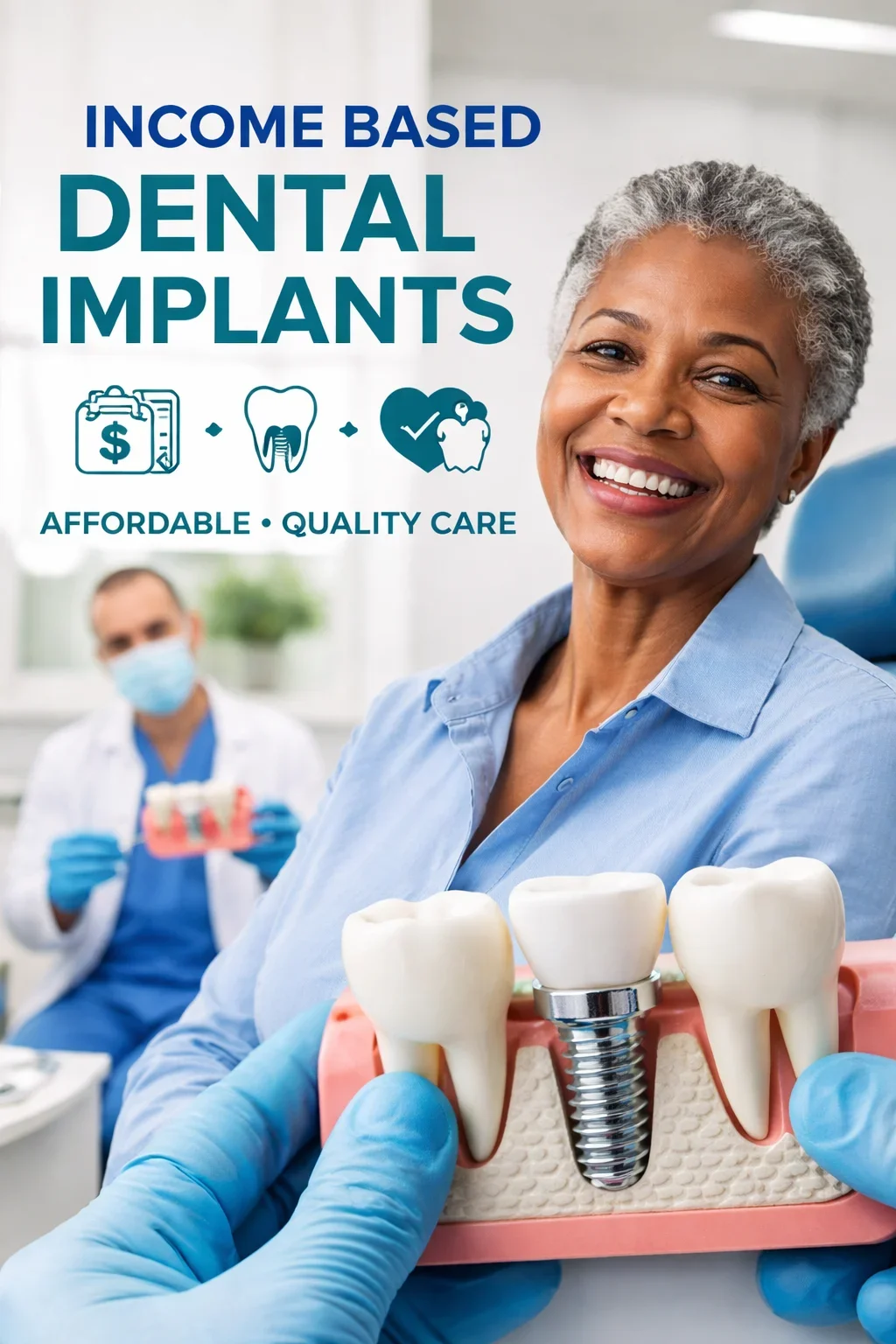
Are Income Based Dental Implants Worth It? Long-Term Benefits Explained
When considering any major dental procedure, one of the most important questions patients ask is whether it is truly worth the investment 💭. This is especially true for income based dental implants, where affordability meets long-term health benefits. While these programs significantly reduce costs, understanding their true value requires looking beyond the initial price and focusing on long-term outcomes.
Income based dental implants are not just about saving money—they are about making a lasting investment in your oral health, confidence, and overall quality of life. In this section, we will explore whether income based dental implants are worth it by analyzing their long-term advantages, potential return on investment, and overall impact.
Long-Term Health Benefits of Income Based Dental Implants
One of the biggest reasons patients choose income based dental implants is the significant improvement in oral health. Unlike temporary solutions, implants address the root of the problem by replacing both the tooth and its root.
Prevention of Bone Loss
When a tooth is missing, the jawbone begins to deteriorate over time. Income based dental implants stimulate the bone just like natural tooth roots, preventing bone loss and preserving facial structure.
Improved Oral Function
With income based dental implants, patients can chew, speak, and smile naturally. This restores normal function and eliminates the discomfort associated with dentures or missing teeth.
Protection of Surrounding Teeth
Unlike bridges, implants do not rely on adjacent teeth for support. This makes income based dental implants a healthier option for preserving natural teeth.
Financial Value Over Time
At first glance, even income based dental implants may seem like a significant expense. However, when viewed as a long-term investment, they often prove to be more cost-effective than alternative treatments.
Reduced Replacement Costs
Dentures and bridges typically need replacement every 5–10 years. In contrast, income based dental implants can last decades with proper care, reducing long-term expenses.
Fewer Additional Treatments
Because implants prevent bone loss and other complications, patients who choose income based dental implants often avoid future dental procedures, saving money in the long run.
Quality of Life Improvements
Beyond physical health, income based dental implants have a profound impact on emotional well-being and daily life.
Boosted Confidence
Missing teeth can affect self-esteem and social interactions. With income based dental implants, patients regain confidence and feel more comfortable in both personal and professional settings 😊.
Better Nutrition
Being able to chew properly allows for a more balanced diet. Patients with income based dental implants can enjoy a wider variety of foods, improving overall health.
Comfort and Stability
Unlike removable dentures, implants are fixed in place. This stability makes income based dental implants more comfortable and reliable for everyday use.
Comparing Alternatives to Income Based Dental Implants
To determine whether income based dental implants are worth it, it’s helpful to compare them with other tooth replacement options.
Dental Bridges
- Shorter lifespan
- Requires modification of adjacent teeth
- May lead to additional dental issues
Dentures
- Less stable and comfortable
- Require regular adjustments
- Do not prevent bone loss
Compared to these options, income based dental implants provide superior durability, functionality, and long-term value.
Who Benefits the Most from Income Based Dental Implants?
While income based dental implants are beneficial for many patients, certain groups may experience even greater advantages.
Patients with Multiple Missing Teeth
For individuals with extensive tooth loss, income based dental implants provide a stable and long-lasting solution.
Individuals Seeking Long-Term Solutions
Patients who want to avoid repeated treatments often find income based dental implants to be the most practical choice.
Those with Limited Financial Resources
By making implants more affordable, income based dental implants allow patients to access high-quality care without financial strain.
Potential Limitations to Consider
Although income based dental implants offer many benefits, it’s important to consider potential limitations.
Initial Time Investment
The implant process can take several months from start to finish. Patients choosing income based dental implants must be prepared for this timeline.
Eligibility Requirements
Not all patients qualify for income based dental implants, as financial and medical criteria must be met.
Despite these limitations, the long-term benefits often outweigh the challenges.
Where to Get Expert Advice
If you are considering income based dental implants, consulting with a professional clinic is the best way to evaluate your options. You can start by visiting the Redent Klinik Contact Page to receive personalized guidance.
For additional trusted information about dental procedures and patient care, the American Dental Association provides valuable resources.
Final Verdict: Are Income Based Dental Implants Worth It?
In conclusion, income based dental implants are absolutely worth it for many patients. They combine affordability with long-term health benefits, making them one of the most effective solutions for tooth replacement.
By investing in income based dental implants, you are not only improving your smile but also enhancing your overall quality of life. With proper care and the right provider, these implants can provide decades of comfort, functionality, and confidence 😁.