
When it comes to restoring missing teeth and improving oral health, having accurate and reliable information about dental implants is essential. Dental implants have become one of the most advanced and widely preferred solutions in modern dentistry, offering a long-term, natural-looking alternative to dentures and bridges. If you are researching tooth replacement options, understanding the full scope of information about dental implants can help you make confident and informed decisions about your smile and overall well-being. 😊
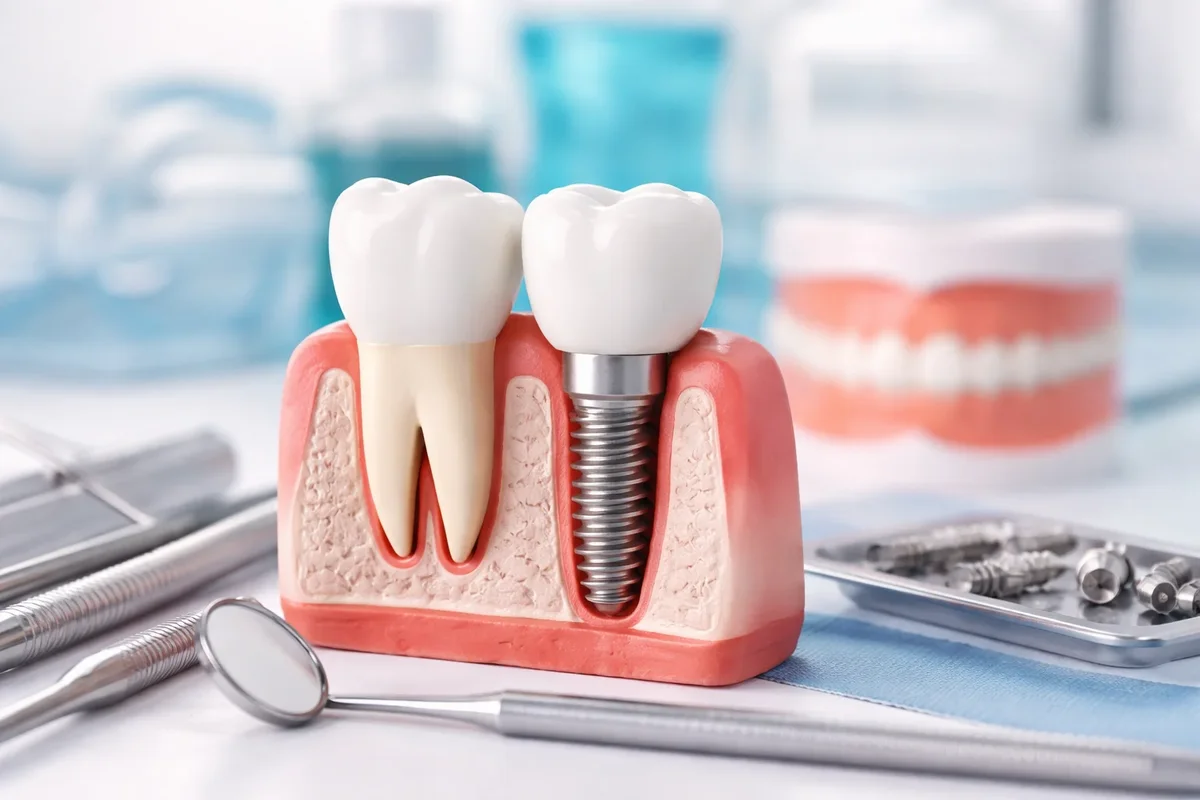
At its core, a dental implant is a small titanium post that is surgically placed into the jawbone to act as an artificial tooth root. Over time, this implant integrates with the bone through a process called osseointegration, creating a stable foundation for a crown, bridge, or even full-arch restoration. This key aspect is why information about dental implants often emphasizes their durability and strength compared to traditional solutions.
One of the most important reasons people seek information about dental implants is to understand how closely they mimic natural teeth. Unlike removable dentures, implants are fixed in place and do not shift while speaking or eating. This means patients can enjoy their favorite foods without discomfort and smile with confidence in social situations. The natural appearance and feel of implants make them a top recommendation by dental professionals worldwide.
Another critical part of information about dental implants is their impact on jawbone health. When a tooth is lost, the underlying bone can begin to deteriorate over time due to lack of stimulation. Dental implants help prevent this bone loss by providing the same stimulation as natural tooth roots. This not only preserves facial structure but also prevents the sunken appearance often associated with missing teeth.
Patients researching information about dental implants are often curious about longevity. With proper care and regular dental check-ups, implants can last decades, making them a cost-effective solution in the long run. While the initial investment may be higher compared to other options, the long-term benefits often outweigh the costs.
It is also essential to understand that the success of dental implants depends on several factors. High-quality information about dental implants will always highlight the importance of good oral hygiene, sufficient bone density, and overall health. Conditions such as uncontrolled diabetes or smoking may affect healing and implant success, which is why a thorough consultation with a dental professional is crucial.
For those seeking professional guidance, you can always reach out through the Redent Klinik Contact Page to get personalized advice tailored to your specific needs. Additionally, trusted resources like the American Dental Association provide further educational materials and guidelines regarding dental treatments.
Understanding information about dental implants also involves knowing the different components of an implant system. Typically, it includes the implant post, an abutment, and the final restoration (crown, bridge, or denture). Each part plays a vital role in ensuring the functionality and aesthetics of the final result.
From a lifestyle perspective, dental implants can significantly enhance quality of life. Patients often report improved speech, better chewing efficiency, and increased self-confidence. This is why comprehensive information about dental implants is not just about the procedure itself, but also about the life-changing benefits that come with it.
In conclusion, gaining accurate and in-depth information about dental implants is the first step toward restoring your smile and oral health. Whether you are considering implants for a single missing tooth or a full-mouth restoration, understanding how they work, their benefits, and what to expect can make your journey smoother and more successful. With the right knowledge and professional support, dental implants can be a transformative solution that lasts for years to come. ✨
What Is Information About Dental Implants and Why It Matters
Understanding information about dental implants is the foundation of making informed decisions about your oral health. Dental implants are not just a cosmetic solution—they represent a medical and functional advancement that can significantly improve quality of life. When patients search for information about dental implants, they are often trying to determine whether this treatment is right for them, how it works, and what results they can realistically expect. This section will provide a comprehensive explanation to fully satisfy that search intent. 😊
Definition and Core Concept of Dental Implants
At its simplest level, information about dental implants refers to understanding a tooth replacement system that mimics the structure of natural teeth. A dental implant consists of a titanium screw that is placed into the jawbone, acting as an artificial root. Over time, this screw bonds with the bone, creating a stable base for a prosthetic tooth.
This concept is central to all reliable information about dental implants because it explains why implants are more durable and stable compared to traditional dentures or bridges. Unlike removable options, implants are fixed in place, which allows them to function almost identically to natural teeth.
Key Components of a Dental Implant
When reviewing information about dental implants, it is essential to understand the three main components:
- Implant Post: The titanium screw inserted into the jawbone.
- Abutment: The connector placed on top of the implant post.
- Crown: The visible part that looks like a natural tooth.
Each of these elements plays a crucial role in ensuring the strength, aesthetics, and functionality of the final result. High-quality information about dental implants always highlights how these parts work together as a complete system.
Why Patients Seek Information About Dental Implants
There are several reasons why individuals actively search for information about dental implants. One of the most common motivations is tooth loss, which can occur due to decay, gum disease, or injury. Missing teeth can lead to both functional and psychological challenges, including difficulty eating, speech problems, and reduced self-confidence.
Another reason people look for information about dental implants is to explore long-term solutions. Unlike temporary fixes, implants are designed to last for decades. This durability makes them an attractive option for patients who want a permanent and reliable treatment.
Additionally, modern patients are more informed than ever before. They want detailed information about dental implants before committing to any procedure. This includes understanding risks, benefits, costs, and recovery timelines.
The Importance of Accurate and Reliable Information
Not all sources provide accurate information about dental implants, which is why it is crucial to rely on trusted dental professionals and authoritative organizations. Misleading or incomplete information can result in unrealistic expectations or poor treatment decisions.
For example, some patients may assume that dental implants are suitable for everyone. However, comprehensive information about dental implants clearly explains that factors such as bone density, oral hygiene, and overall health play a critical role in determining eligibility.
For further guidance, trusted resources like the American Dental Association provide evidence-based insights. You can also consult directly with specialists through the Redent Klinik Contact Page to receive personalized recommendations.
Functional and Aesthetic Benefits Explained
One of the most valuable aspects of information about dental implants is understanding their dual benefit—both functional and aesthetic. Functionally, implants restore the ability to chew and speak properly. Aesthetically, they are designed to blend seamlessly with natural teeth, enhancing your smile.
Patients who explore information about dental implants often discover that implants can prevent bone loss, maintain facial structure, and eliminate the discomfort associated with removable dentures. These benefits make implants a comprehensive solution rather than just a cosmetic fix.
Long-Term Impact on Oral Health
Reliable information about dental implants emphasizes that implants support long-term oral health. By preserving bone density and preventing neighboring teeth from shifting, implants help maintain overall dental alignment.
Furthermore, implants do not require the reduction of adjacent teeth, unlike traditional bridges. This makes them a more conservative and biologically friendly option.
Psychological and Lifestyle Advantages
Beyond physical benefits, information about dental implants also highlights their impact on mental well-being. Many patients experience increased confidence and improved social interactions after receiving implants. Smiling, speaking, and eating in public become stress-free experiences.
This is why understanding information about dental implants is not just about dental health—it is about enhancing overall quality of life. Patients often describe the transformation as life-changing, especially when replacing multiple missing teeth.
Conclusion: Why This Knowledge Is Essential
In conclusion, having comprehensive information about dental implants is essential for anyone considering tooth replacement options. It allows patients to evaluate their choices, understand the procedure, and set realistic expectations.
By learning the basics, benefits, and long-term implications, you can confidently take the next step toward restoring your smile. Whether you are at the beginning of your research or ready to proceed with treatment, accurate information about dental implants will guide you toward the best possible outcome. ✨
Types of Dental Implants Explained in Detail
When exploring information about dental implants, one of the most important topics to understand is the different types of dental implants available today. Each type is designed to address specific dental conditions, bone structures, and patient needs. Having accurate information about dental implants helps patients and clinicians choose the most suitable treatment plan, ensuring long-term success and satisfaction. 😊
Dental implant technology has evolved significantly over the years, offering multiple options that cater to varying degrees of tooth loss and jawbone density. This section provides comprehensive information about dental implants by breaking down the main implant types and explaining how each works in detail.
Endosteal Implants: The Most Common Choice
Endosteal implants are the most widely used option, and most information about dental implants focuses on this type because of its high success rate and versatility. These implants are surgically placed directly into the jawbone and typically made from biocompatible titanium.
Structure and Placement
According to reliable information about dental implants, endosteal implants are shaped like small screws or cylinders. After placement, they fuse with the bone through osseointegration, creating a strong and stable foundation for artificial teeth.
This type of implant is ideal for patients with sufficient bone density. It can support a single crown, a bridge, or even a full arch of teeth. Because of its durability, endosteal implants are often considered the gold standard in implant dentistry.
Advantages of Endosteal Implants
- High success rate (typically over 95%)
- Long-lasting and stable
- Suitable for most patients with healthy bone structure
For many patients, the majority of information about dental implants they encounter will relate to this type due to its widespread use.
Subperiosteal Implants: An Alternative for Low Bone Density
Another essential part of information about dental implants involves subperiosteal implants. These are used when patients do not have enough healthy jawbone for traditional implants and may not want or be eligible for bone grafting.
How Subperiosteal Implants Work
Unlike endosteal implants, subperiosteal implants are placed under the gum but above the jawbone. A metal framework sits on top of the bone, with posts extending through the gum to hold the prosthetic teeth.
This type of information about dental implants is especially relevant for older patients or those with bone loss who seek a less invasive alternative.
When Are They Recommended?
- Patients with insufficient bone height
- Individuals who want to avoid bone grafting
- Cases where traditional implants are not feasible
While less common today due to advances in bone grafting techniques, subperiosteal implants remain a valuable option in certain clinical situations.
Zygomatic Implants: Advanced Solutions for Severe Bone Loss
For patients with extreme bone loss in the upper jaw, advanced information about dental implants includes zygomatic implants. These are longer implants anchored in the cheekbone (zygoma) rather than the jawbone.
Unique Placement Technique
Zygomatic implants require specialized surgical expertise and are typically performed by highly experienced implantologists. According to detailed information about dental implants, this method eliminates the need for extensive bone grafting.
Benefits and Considerations
- Suitable for severe bone loss cases
- Reduces need for grafting procedures
- Requires advanced surgical skills
This type of implant is less common but offers a life-changing solution for patients who previously had limited options.
All-on-4 and Full-Arch Implant Systems
Modern information about dental implants often highlights full-arch solutions like the All-on-4 technique. This method uses four strategically placed implants to support a full set of teeth.
How the All-on-4 System Works
The implants are positioned at specific angles to maximize contact with available bone, eliminating the need for bone grafting in many cases. This is one of the most innovative advancements in information about dental implants.
Key Advantages
- Fewer implants required
- Faster treatment timeline
- Immediate function in many cases
Patients who review information about dental implants often find this option appealing due to its efficiency and cost-effectiveness compared to placing multiple individual implants.
Mini Dental Implants: A Less Invasive Option
Another category included in information about dental implants is mini dental implants. These are smaller in diameter and often used in cases where space is limited or for stabilizing dentures.
Features of Mini Implants
Mini implants are less invasive and can sometimes be placed in a single visit. However, they may not be as durable as traditional implants for heavy chewing forces.
Ideal Use Cases
- Stabilizing lower dentures
- Patients with limited bone volume
- Temporary or transitional solutions
While not suitable for all situations, mini implants are an important part of comprehensive information about dental implants.
Choosing the Right Type for Your Needs
Understanding the different types is a crucial step in evaluating information about dental implants. The right choice depends on several factors, including bone density, oral health, budget, and personal preferences.
Consulting with a qualified dental professional ensures that you receive personalized information about dental implants tailored to your condition. You can also reach out through the Redent Klinik Contact Page for expert guidance.
Additionally, trusted organizations like the American Dental Association provide valuable insights into implant procedures and standards of care.
Conclusion: Why Understanding Implant Types Matters
In conclusion, gaining detailed information about dental implants includes understanding the various implant types available. Each option offers unique benefits and is suited to different clinical scenarios.
By learning about endosteal, subperiosteal, zygomatic, All-on-4, and mini implants, patients can make informed decisions and achieve optimal results. Comprehensive information about dental implants empowers you to choose the best solution for a healthy, functional, and confident smile. ✨
Who Is a Good Candidate for Dental Implants?
One of the most frequently asked questions when researching information about dental implants is whether you are a suitable candidate for the procedure. While dental implants are considered one of the most reliable and long-lasting tooth replacement options, not everyone qualifies immediately. Understanding candidacy is a crucial part of accurate information about dental implants, as it helps set realistic expectations and ensures successful outcomes. 😊
Dental professionals evaluate several factors before recommending implants, including oral health, bone density, lifestyle habits, and overall medical condition. This section provides comprehensive information about dental implants to help you determine whether this treatment is right for you.
Basic Requirements for Dental Implant Candidates
According to reliable information about dental implants, ideal candidates typically meet a few essential criteria. These requirements ensure that the implant can properly integrate with the jawbone and function effectively over time.
Healthy Gums and Oral Hygiene
Healthy gums are fundamental when considering information about dental implants. Gum disease (periodontitis) can compromise the success of implants by weakening the supporting tissues. Patients must maintain good oral hygiene habits, including regular brushing, flossing, and dental check-ups.
Sufficient Jawbone Density
Another key factor highlighted in information about dental implants is bone density. Since implants are anchored into the jawbone, there must be enough bone to support them. If bone loss has occurred, procedures like bone grafting may be required before implant placement.
Good Overall Health
General health also plays a vital role. Chronic conditions such as uncontrolled diabetes or autoimmune disorders can affect healing. Comprehensive information about dental implants always emphasizes the importance of discussing your medical history with your dentist before proceeding.
Who May Need Additional Preparation?
Not every patient meets all the criteria immediately, but that does not mean implants are not possible. Detailed information about dental implants explains that many individuals can become suitable candidates with preparatory treatments.
Patients with Bone Loss
If you have experienced bone loss due to missing teeth, information about dental implants often recommends bone grafting. This procedure rebuilds the jawbone, creating a stable foundation for implants.
Gum Disease Patients
Individuals with gum disease may need periodontal treatment before implant placement. Treating infections and restoring gum health is essential for long-term success.
Smokers
Smoking is another factor frequently mentioned in information about dental implants. Smoking can slow healing and increase the risk of implant failure. While smokers can still receive implants, they are often advised to reduce or quit smoking during the treatment process.
Age Considerations for Dental Implants
Many people wonder if age affects eligibility. According to most information about dental implants, there is no upper age limit for receiving implants. Older adults can benefit greatly from implants as long as they are in good health.
However, younger patients must wait until their jawbone has fully developed, typically in their late teens or early twenties. This ensures that the implant remains stable over time.
Lifestyle Factors That Influence Candidacy
Beyond medical and dental conditions, lifestyle habits also play a role in determining candidacy. Comprehensive information about dental implants highlights how daily routines can impact implant success.
Oral Hygiene Habits
Patients must be committed to maintaining excellent oral hygiene. Implants require the same level of care as natural teeth, if not more. Poor hygiene can lead to peri-implantitis, a condition that may cause implant failure.
Diet and Nutrition
A balanced diet supports healing and bone health. Information about dental implants often emphasizes the importance of nutrients like calcium and vitamin D for maintaining strong bones.
Regular Dental Visits
Routine check-ups are essential for monitoring implant health. Dentists can detect early signs of complications and provide preventive care.
Psychological Readiness and Expectations
An often-overlooked aspect of information about dental implants is psychological readiness. Patients should have realistic expectations about the treatment timeline and results. Dental implants are a multi-step process that may take several months to complete.
Understanding this timeline helps patients stay committed and avoid unnecessary stress. Clear communication with your dental provider ensures that you fully understand each stage of the procedure.
Consultation and Professional Evaluation
The most reliable way to determine your eligibility is through a professional consultation. During this process, your dentist will perform a comprehensive evaluation, including X-rays or 3D scans.
For personalized guidance, you can contact a specialist via the Redent Klinik Contact Page. Additionally, trusted resources like the American Dental Association provide valuable educational materials on implant candidacy and procedures.
Conclusion: Are You a Suitable Candidate?
In conclusion, understanding candidacy is a vital part of information about dental implants. While ideal candidates have healthy gums, sufficient bone, and good overall health, many patients can still qualify with proper preparation.
By evaluating your oral condition, lifestyle habits, and medical history, you can determine whether dental implants are the right solution for you. Comprehensive information about dental implants empowers you to take the next step toward restoring your smile with confidence and clarity. ✨
Step-by-Step Dental Implant Procedure Timeline
When patients search for information about dental implants, one of the most important aspects they want to understand is the full procedure timeline. Knowing exactly what happens before, during, and after treatment helps reduce anxiety and sets clear expectations. Dental implant treatment is not a single-day process but a carefully planned sequence of steps designed to ensure long-term success. This detailed guide provides complete information about dental implants by breaking down each phase of the journey. 😊
The timeline can vary depending on individual conditions such as bone density, oral health, and whether additional procedures are required. However, most implant treatments follow a similar structure, which is explained below using accurate and reliable information about dental implants.
Initial Consultation and Evaluation
The first step in any implant journey begins with a comprehensive consultation. This stage is critical in gathering information about dental implants specific to your condition and determining whether you are a suitable candidate.
Dental Examination and Imaging
Your dentist will perform a detailed oral examination, including X-rays or 3D scans. These imaging tools provide essential information about dental implants, such as bone density, nerve positioning, and overall oral structure.
Treatment Planning
Based on the findings, a customized treatment plan is created. This plan outlines the number of implants needed, the type of restoration, and the estimated timeline. High-quality information about dental implants always emphasizes the importance of this planning stage for achieving predictable results.
Preparatory Procedures (If Needed)
In some cases, patients may require preparatory treatments before implant placement. This phase is often included in comprehensive information about dental implants because it directly impacts success rates.
Bone Grafting
If the jawbone is not strong enough, a bone graft may be necessary. This procedure rebuilds the bone and provides a stable foundation for the implant. Healing can take several months, depending on the extent of the graft.
Tooth Extraction
If a damaged tooth is still present, it will need to be removed. In some cases, the implant can be placed immediately after extraction, while in others, healing time is required.
Implant Placement Surgery
The surgical placement of the implant is one of the most crucial steps in the entire process. According to reliable information about dental implants, this procedure is typically performed under local anesthesia and is relatively comfortable for most patients.
Surgical Procedure
The dentist or oral surgeon makes a small incision in the gum to access the jawbone. A precise hole is then created, and the titanium implant is inserted. The gum is closed over or around the implant to allow healing.
Duration of Surgery
The procedure usually takes 1 to 2 hours per implant. Detailed information about dental implants confirms that most patients can return home the same day.
Osseointegration: The Healing Phase
One of the most critical aspects of information about dental implants is the healing process known as osseointegration. During this phase, the implant fuses with the jawbone, creating a strong and permanent bond.
Healing Timeline
This process typically takes 3 to 6 months, depending on individual healing capacity. During this time, patients may receive temporary restorations if needed.
Why Osseointegration Matters
Without proper integration, the implant cannot support a crown or prosthetic. This is why information about dental implants consistently highlights this phase as essential for long-term success.
Abutment Placement
Once healing is complete, the next step in the timeline involves attaching the abutment. This connector piece links the implant to the final restoration.
Minor Surgical Procedure
In some cases, a small procedure is required to expose the implant and place the abutment. This step is quick and involves minimal discomfort.
Gum Healing
After abutment placement, the gums need a few weeks to heal before the final restoration is attached. Accurate information about dental implants ensures patients understand the importance of this stage.
Final Restoration Placement
The final step in the process is placing the custom-made crown, bridge, or denture. This is the stage where the aesthetic and functional benefits of implants become fully visible.
Custom Design
The restoration is designed to match the color, shape, and size of your natural teeth. This ensures a seamless and natural appearance.
Functionality
Once placed, the implant functions like a real tooth. Patients can eat, speak, and smile with confidence, which is a key benefit highlighted in information about dental implants.
Post-Procedure Care and Follow-Up
After the final restoration, maintaining implant health is essential. Proper care ensures long-term success and durability.
Oral Hygiene Routine
Brushing, flossing, and regular dental visits are crucial. Implants require consistent care to prevent complications such as peri-implantitis.
Regular Check-Ups
Your dentist will monitor the implant over time to ensure everything remains stable. Reliable information about dental implants always emphasizes the importance of ongoing maintenance.
Where to Get Professional Guidance
If you are considering implants, consulting a qualified specialist is essential. You can reach out through the Redent Klinik Contact Page for expert advice tailored to your needs. Additionally, the American Dental Association offers trusted resources and guidelines on dental procedures.
Conclusion: Understanding the Full Timeline
In conclusion, having a clear understanding of the timeline is a key part of information about dental implants. From consultation to final restoration, each step plays a vital role in achieving a successful outcome.
By knowing what to expect at every stage, patients can feel more confident and prepared throughout the process. Comprehensive information about dental implants ensures that your journey toward a healthier, more confident smile is smooth and predictable. ✨
Benefits of Understanding Information About Dental Implants
Gaining a deep understanding of information about dental implants is not just about learning a dental procedure—it is about making informed, confident decisions that can transform your oral health and overall quality of life. Many patients initially explore information about dental implants out of curiosity, but quickly realize that the benefits extend far beyond replacing missing teeth. This section explains in detail why understanding this topic is so valuable and how it directly impacts your treatment success and long-term satisfaction. 😊
When patients are well-informed, they are better equipped to communicate with their dentist, evaluate treatment options, and set realistic expectations. Comprehensive information about dental implants empowers individuals to take control of their oral health journey.
Improved Decision-Making Confidence
One of the primary advantages of learning information about dental implants is the ability to make confident decisions. Dental procedures can feel overwhelming, especially when multiple treatment options are available. By understanding how implants work, their benefits, and potential risks, patients can choose the most suitable solution without uncertainty.
Comparing Treatment Options
Accurate information about dental implants allows patients to compare implants with alternatives like dentures or bridges. While dentures may be less expensive initially, implants offer superior stability and longevity. This knowledge helps patients evaluate long-term value rather than focusing solely on short-term costs.
Understanding Long-Term Outcomes
Patients who research information about dental implants gain insight into how implants perform over time. This includes understanding durability, maintenance requirements, and expected lifespan, which can often exceed 20 years with proper care.
Enhanced Oral Health Awareness
Another major benefit of exploring information about dental implants is increased awareness of oral health. Patients learn how missing teeth affect jawbone health, alignment, and overall dental function.
Prevention of Bone Loss
Detailed information about dental implants highlights how implants stimulate the jawbone, preventing bone deterioration. This is a key advantage over traditional tooth replacement options, which do not provide the same stimulation.
Protection of Adjacent Teeth
Unlike bridges, implants do not require the alteration of neighboring teeth. This makes them a more conservative and biologically sound option, a point often emphasized in reliable information about dental implants.
Better Communication with Dental Professionals
Having a strong foundation in information about dental implants enables more productive discussions with your dentist. Patients who understand the basics can ask relevant questions, clarify doubts, and actively participate in treatment planning.
Asking the Right Questions
For example, informed patients may ask about implant materials, success rates, or healing timelines. This level of engagement leads to better outcomes and increased satisfaction.
Understanding Treatment Plans
When dentists explain procedures, patients who are familiar with information about dental implants can better understand each step. This reduces anxiety and builds trust in the process.
Psychological and Emotional Benefits
Beyond physical health, information about dental implants also contributes to emotional well-being. Knowledge reduces fear and uncertainty, which are common concerns when considering dental surgery.
Reduced Anxiety
Patients who understand what to expect are less likely to feel anxious. Knowing the procedure timeline, recovery process, and expected results provides reassurance.
Increased Confidence
Once treatment is complete, patients often experience a boost in self-esteem. Smiling, speaking, and eating become more comfortable, which positively impacts social interactions and overall happiness.
Financial Awareness and Planning
Another critical advantage of understanding information about dental implants is financial preparedness. Dental implants are an investment, and knowing the costs involved helps patients plan accordingly.
Typical Cost Overview
While prices can vary depending on location and complexity, general estimates include:
- Single implant: $1,500 – $3,000 (implant only)
- Full procedure (implant + crown): $3,000 – $5,500
- Full-mouth implants: $15,000 – $40,000+
Reliable information about dental implants emphasizes that these costs may include consultation, imaging, surgery, and restoration.
Understanding Value vs. Cost
Although the initial cost may seem high, implants often provide better long-term value compared to alternatives. Their durability and low maintenance requirements make them a cost-effective solution over time.
Access to Trusted Resources and Expert Support
Learning information about dental implants also guides patients toward reliable sources and professional support. This ensures that decisions are based on accurate and up-to-date knowledge.
For personalized advice, you can visit the Redent Klinik Contact Page. Additionally, authoritative organizations like the American Dental Association provide evidence-based guidance on dental treatments.
Long-Term Lifestyle Benefits
Understanding information about dental implants helps patients appreciate the long-term lifestyle improvements that implants offer. These benefits go beyond oral health and impact daily living.
Improved Eating Habits
With implants, patients can enjoy a wide variety of foods without discomfort. This leads to better nutrition and overall health.
Natural Appearance and Function
Implants look and function like natural teeth, allowing patients to smile confidently and speak clearly. This is one of the most valued benefits highlighted in information about dental implants.
Conclusion: Knowledge Is the Key to Success
In conclusion, understanding information about dental implants offers numerous benefits, from improved decision-making to enhanced oral health and confidence. Being well-informed allows patients to approach treatment with clarity and confidence.
By investing time in learning information about dental implants, you are taking an important step toward achieving a healthier, more functional, and aesthetically pleasing smile. With the right knowledge and professional guidance, dental implants can truly transform your life. ✨
Risks and Possible Complications to Know
While dental implants are considered one of the safest and most effective tooth replacement solutions, understanding the potential risks is a crucial part of comprehensive information about dental implants. Patients who fully explore both the benefits and possible complications are better prepared to make informed decisions and achieve successful outcomes. This section provides detailed and accurate information about dental implants regarding the risks, how they occur, and how they can be minimized. 😊
It is important to note that the success rate of dental implants is generally very high—often above 95%. However, like any surgical procedure, there are potential complications that should not be overlooked when reviewing information about dental implants.
Common Short-Term Risks After Surgery
Immediately after implant placement, patients may experience temporary side effects. These are usually mild and manageable but are still an essential part of information about dental implants.
Swelling and Discomfort
Swelling around the gums and face is common in the first few days following surgery. According to reliable information about dental implants, this is a normal inflammatory response and typically subsides within a week.
Minor Bleeding
Some bleeding may occur within the first 24–48 hours. Dentists usually provide clear instructions to manage this, including using gauze and avoiding strenuous activity.
Pain Management
Mild to moderate pain can be expected after the procedure. Over-the-counter or prescribed medications are typically sufficient to control discomfort. Proper post-operative care is a key aspect of information about dental implants.
Infection and Healing Complications
One of the more serious risks highlighted in information about dental implants is infection. Although rare, infections can occur at the implant site if proper hygiene is not maintained.
Peri-Implantitis
Peri-implantitis is a condition where inflammation affects the tissues surrounding the implant. It can lead to bone loss and implant failure if not treated promptly. This is why information about dental implants consistently emphasizes good oral hygiene.
Delayed Healing
Some patients may experience slower healing due to factors such as smoking, diabetes, or poor nutrition. Comprehensive information about dental implants always highlights the importance of managing these risk factors before and after surgery.
Implant Failure and Osseointegration Issues
Another critical topic within information about dental implants is implant failure. This occurs when the implant does not properly fuse with the jawbone during the osseointegration process.
Causes of Implant Failure
- Poor bone quality or insufficient bone volume
- Excessive pressure on the implant during healing
- Infection or inflammation
- Smoking or underlying health conditions
Accurate information about dental implants shows that early detection and intervention can often resolve these issues before complete failure occurs.
Early vs. Late Failure
Early failure happens during the healing phase, while late failure can occur months or years after placement. Understanding these distinctions is a vital part of information about dental implants.
Nerve Damage and Sinus Problems
Although rare, more complex complications can occur, especially if implants are not placed correctly. Reliable information about dental implants includes awareness of these possibilities.
Nerve Damage
If an implant is placed too close to a nerve, it can cause numbness, tingling, or pain in the lips, gums, or chin. This risk is minimized through advanced imaging and careful planning.
Sinus Issues
For implants placed in the upper jaw, there is a risk of sinus involvement. If the implant protrudes into the sinus cavity, it can lead to discomfort or infection. This is why detailed information about dental implants emphasizes the importance of experienced professionals.
Long-Term Maintenance Risks
Even after successful placement, implants require ongoing care. Long-term complications are often related to maintenance rather than the procedure itself.
Poor Oral Hygiene
Neglecting oral hygiene can lead to plaque buildup and inflammation around the implant. This increases the risk of peri-implant diseases.
Excessive Force or Grinding
Teeth grinding (bruxism) can place excessive pressure on implants, potentially leading to damage. Protective devices like night guards may be recommended as part of information about dental implants.
How to Minimize Risks
The good news is that most risks associated with dental implants can be minimized with proper care and planning. Comprehensive information about dental implants always includes preventive strategies.
Choose an Experienced Dentist
Working with a qualified and experienced implant specialist significantly reduces the risk of complications. You can consult experts through the Redent Klinik Contact Page for personalized care.
Follow Post-Operative Instructions
Adhering to your dentist’s instructions after surgery is essential for proper healing. This includes dietary restrictions, medication use, and oral hygiene practices.
Regular Dental Check-Ups
Routine visits allow your dentist to monitor the implant and detect any early signs of complications. Trusted organizations like the American Dental Association also recommend regular follow-ups as part of standard care.
Conclusion: Awareness Leads to Better Outcomes
In conclusion, understanding the risks is an essential part of information about dental implants. While complications are relatively rare, being informed allows patients to take proactive steps to prevent them.
By choosing experienced professionals, maintaining good oral hygiene, and following recommended guidelines, you can significantly increase the success rate of your treatment. Comprehensive information about dental implants ensures that you are fully prepared for every stage of your journey toward a healthier and more confident smile. ✨
Recovery Process and Aftercare Tips for Implants
Understanding the recovery phase is a critical part of information about dental implants. While the procedure itself is highly advanced and predictable, the success of dental implants largely depends on proper healing and aftercare. Patients who follow the correct post-operative guidelines and understand the healing process are far more likely to achieve long-lasting, successful results. This section provides detailed and practical information about dental implants to help you navigate recovery with confidence. 😊
The recovery timeline varies depending on the complexity of the procedure, the number of implants placed, and individual healing capacity. However, most patients experience a structured healing process that includes immediate recovery, short-term healing, and long-term maintenance.
Immediate Recovery: First 24–72 Hours
The first few days after implant surgery are crucial. This stage is often emphasized in information about dental implants because it sets the foundation for proper healing.
Managing Swelling and Discomfort
Swelling is a natural response to surgery and typically peaks within the first 48 hours. Applying ice packs to the affected area can help reduce inflammation. According to reliable information about dental implants, mild discomfort is expected and can be managed with prescribed or over-the-counter pain relievers.
Controlling Bleeding
Minor bleeding may occur during the first day. Patients are usually advised to bite gently on gauze to control it. Avoiding vigorous rinsing or spitting is essential to protect the surgical site.
Dietary Adjustments
Soft foods such as yogurt, soups, and mashed vegetables are recommended during this phase. Comprehensive information about dental implants stresses avoiding hot, spicy, or hard foods that could irritate the area.
Short-Term Healing: First Few Weeks
As the initial discomfort subsides, the healing process continues beneath the surface. This phase is a key focus in information about dental implants because proper care during this time supports successful osseointegration.
Oral Hygiene Practices
Maintaining cleanliness around the implant site is essential. Patients should brush gently and may be advised to use an antibacterial mouthwash. High-quality information about dental implants always highlights the importance of preventing infection during this stage.
Stitches and Follow-Up Visits
If stitches are used, they are typically removed within 7–10 days. Follow-up appointments allow the dentist to monitor healing and address any concerns early.
Activity Restrictions
Patients should avoid strenuous physical activity for at least a few days after surgery. This helps minimize bleeding and promotes stable healing.
Osseointegration Phase: Long-Term Healing
One of the most important aspects of information about dental implants is the osseointegration process. During this phase, the implant fuses with the jawbone, creating a strong and permanent foundation.
Duration of Osseointegration
This process typically takes 3 to 6 months. During this time, patients may receive temporary restorations to maintain function and aesthetics.
Importance of Stability
Avoiding excessive pressure on the implant is crucial. Reliable information about dental implants emphasizes that premature loading can interfere with proper bonding.
Long-Term Aftercare and Maintenance
Even after the implant has fully healed, ongoing care is essential for maintaining its longevity. This is a key component of comprehensive information about dental implants.
Daily Oral Hygiene Routine
Brushing twice a day and flossing regularly are essential habits. Special tools such as interdental brushes may be recommended to clean around the implant.
Regular Dental Check-Ups
Routine visits to the dentist ensure that the implant remains healthy and functional. Early detection of any issues can prevent complications.
Avoiding Harmful Habits
Habits such as smoking or teeth grinding can negatively impact implant health. Patients are often advised to use night guards if they grind their teeth.
Common Recovery Challenges and How to Handle Them
While most patients recover without issues, some challenges may arise. Understanding these possibilities is an important part of information about dental implants.
Sensitivity and Mild Pain
Some sensitivity may persist for a few weeks. This is usually temporary and manageable with proper care.
Inflammation or Infection
If swelling or pain increases instead of decreasing, it may indicate infection. Seeking prompt dental care is essential in such cases.
Difficulty Eating
Adjusting to new implants may take time. Gradually reintroducing solid foods is recommended to avoid discomfort.
Professional Support and Guidance
Having access to expert care is essential during recovery. For personalized advice, you can contact specialists through the Redent Klinik Contact Page. Additionally, trusted organizations like the American Dental Association provide valuable guidance on post-operative care and oral health maintenance.
Conclusion: Ensuring a Smooth Recovery
In conclusion, proper recovery and aftercare are essential components of information about dental implants. By following recommended guidelines and maintaining good oral hygiene, patients can significantly improve the success and longevity of their implants.
Comprehensive information about dental implants ensures that you are fully prepared for every stage of healing. With the right care and professional support, your dental implants can provide a lifetime of comfort, function, and confidence. ✨
Cost Breakdown and Financing Options for Dental Implants
One of the most searched aspects of information about dental implants is the cost. Patients naturally want to understand how much they will need to invest and whether the benefits justify the price. Dental implants are often seen as a premium solution, but when you explore detailed information about dental implants, it becomes clear that they offer long-term value that often outweighs their initial cost. 😊
The total cost of dental implants can vary significantly depending on several factors, including location, the complexity of the case, the number of implants required, and whether additional procedures are needed. This section provides comprehensive and accurate information about dental implants to help you understand all cost components and available financing options.
Main Factors That Affect Dental Implant Costs
Understanding what influences pricing is essential when reviewing information about dental implants. The cost is not just for the implant itself but includes multiple stages and services.
Number of Implants Needed
The more implants required, the higher the overall cost. A single tooth replacement will cost significantly less than a full-mouth restoration. Reliable information about dental implants always emphasizes that each case is unique.
Type of Implant and Materials
Different implant systems and materials can affect pricing. Titanium implants are the most common, but advanced options or premium brands may increase costs.
Additional Procedures
Some patients require preparatory treatments such as bone grafting, sinus lifts, or tooth extractions. These procedures add to the total expense and are often highlighted in comprehensive information about dental implants.
Detailed Cost Breakdown
To provide a clearer picture, here is a general breakdown based on commonly available information about dental implants:
Single Tooth Implant
- Implant post: $1,000 – $3,000
- Abutment: $300 – $500
- Crown: $1,000 – $2,000
- Total: $3,000 – $5,500
Multiple Implants or Bridges
- Cost per implant: $2,500 – $4,500
- Total for multiple teeth: $6,000 – $15,000+
Full-Mouth Dental Implants
- All-on-4 system: $12,000 – $25,000 per arch
- Full-mouth restoration: $20,000 – $40,000+
This cost structure is a key part of information about dental implants, helping patients plan financially and avoid unexpected expenses.
Are Dental Implants Worth the Cost?
When evaluating information about dental implants, it is important to consider value rather than just price. While implants may have a higher upfront cost compared to dentures or bridges, they offer significant long-term benefits.
Longevity and Durability
Dental implants can last 20 years or more with proper care. This makes them a cost-effective option over time, as they often do not need replacement.
Reduced Maintenance Costs
Unlike dentures, which may require frequent adjustments or replacements, implants require minimal maintenance beyond regular oral hygiene.
Improved Quality of Life
Reliable information about dental implants highlights improvements in chewing ability, speech, and confidence. These benefits contribute to overall well-being and justify the investment.
Insurance Coverage and Limitations
Another important aspect of information about dental implants is understanding insurance coverage. While some dental insurance plans may cover parts of the procedure, many do not fully cover implants.
What Insurance May Cover
- Consultation and diagnostic imaging
- Tooth extraction
- Partial coverage for crowns
What Is Usually Not Covered
- Implant placement surgery
- Advanced procedures like bone grafting
Patients should always check with their provider to understand their specific coverage.
Financing Options and Payment Plans
To make treatment more accessible, many clinics offer financing solutions. This is an essential part of modern information about dental implants, as it allows patients to spread costs over time.
In-House Payment Plans
Many dental clinics provide flexible payment plans, allowing patients to pay in monthly installments instead of a lump sum.
Third-Party Financing
Healthcare financing companies offer loans specifically for dental procedures. These plans often come with low or no interest for a certain period.
Medical Tourism Opportunities
Some patients choose to travel abroad for more affordable treatment options. Clinics in countries like Turkey offer high-quality care at lower costs, making this a popular choice in information about dental implants.
Choosing a Cost-Effective and Reliable Clinic
While cost is important, quality should never be compromised. Reliable information about dental implants emphasizes choosing experienced professionals and reputable clinics.
For expert consultation and transparent pricing, you can visit the Redent Klinik Contact Page. Additionally, trusted organizations like the American Dental Association provide guidance on treatment standards and patient care.
Conclusion: Planning Your Investment Wisely
In conclusion, understanding the financial aspects is a crucial part of information about dental implants. While the initial cost may seem high, the long-term benefits, durability, and improved quality of life make implants a worthwhile investment.
By exploring detailed information about dental implants, comparing options, and considering financing solutions, patients can confidently move forward with treatment. A well-planned investment today can lead to a lifetime of healthy smiles and confidence. ✨
How to Choose the Right Dental Clinic for Implants
Choosing the right clinic is one of the most critical decisions you will make when acting on information about dental implants. Even the most advanced implant technology cannot deliver optimal results without the expertise of a qualified dental team. Patients who carefully evaluate clinics using reliable information about dental implants significantly increase their chances of a successful, long-lasting outcome. 😊
This section provides comprehensive guidance on how to select a dental clinic that meets high standards of safety, quality, and patient care. By understanding what to look for, you can confidently move forward with your treatment.
Qualifications and Experience of the Dental Team
One of the first aspects to consider when reviewing information about dental implants is the qualifications and experience of the dental professionals.
Specialized Training in Implantology
Not all dentists are equally trained in implant procedures. Look for clinicians who have specialized education in implantology or oral surgery. Reliable information about dental implants emphasizes that experience directly impacts success rates.
Years of Practical Experience
Ask how many implant procedures the dentist has performed. A clinic with extensive hands-on experience is more likely to handle complex cases effectively.
Technology and Equipment Used
Modern technology plays a crucial role in implant success. High-quality information about dental implants always highlights the importance of advanced diagnostic and surgical tools.
3D Imaging and Digital Planning
Clinics that use 3D imaging (CBCT scans) can plan implant placement with high precision. This reduces risks and improves outcomes.
Guided Implant Surgery
Computer-guided surgery ensures accurate implant positioning. This is a key factor often mentioned in advanced information about dental implants.
Clinic Hygiene and Safety Standards
Safety should never be compromised. When evaluating information about dental implants, always consider the clinic’s hygiene protocols.
Sterilization Procedures
Ensure the clinic follows strict sterilization standards for all instruments and equipment. This minimizes the risk of infection.
Compliance with International Standards
Clinics that adhere to global guidelines provide a higher level of safety. You can verify standards through trusted organizations like the American Dental Association.
Patient Reviews and Testimonials
Real patient experiences provide valuable insights into the quality of care. Comprehensive information about dental implants often includes checking reviews before choosing a clinic.
Online Reviews
Look for consistent positive feedback regarding professionalism, results, and patient satisfaction. Pay attention to how the clinic handles negative reviews as well.
Before-and-After Cases
Clinics that share real case studies demonstrate transparency and confidence in their work. This is a strong indicator of quality in information about dental implants.
Transparent Pricing and Treatment Plans
Clear communication about costs is essential. Reliable information about dental implants emphasizes choosing clinics that provide detailed and transparent pricing.
Detailed Cost Breakdown
The clinic should clearly explain what is included in the total cost—consultation, imaging, surgery, and restoration.
No Hidden Fees
A trustworthy clinic will not surprise you with unexpected charges. Transparency builds trust and ensures a smoother treatment experience.
Communication and Patient Support
Effective communication is another key factor in choosing the right clinic. Comprehensive information about dental implants highlights the importance of feeling comfortable and informed throughout the process.
Personalized Consultations
The clinic should take time to understand your needs and provide tailored recommendations. You can reach out for personalized support through the Redent Klinik Contact Page.
Multilingual Support
For international patients, language support can make a significant difference. Clear communication ensures better understanding and reduces anxiety.
Location and Accessibility
Location is another practical consideration when reviewing information about dental implants. While local clinics may be convenient, many patients explore international options for cost savings and quality care.
Local vs. International Clinics
Local clinics offer convenience for follow-ups, while international clinics may provide more affordable treatment packages.
Travel and Accommodation Support
Some clinics offer assistance with travel arrangements, making the process easier for patients traveling abroad.
Aftercare Services and Follow-Up
Post-treatment care is just as important as the procedure itself. Reliable information about dental implants always includes evaluating aftercare services.
Regular Monitoring
The clinic should provide scheduled follow-ups to monitor healing and implant stability.
Emergency Support
Access to emergency care ensures that any complications can be addressed quickly and effectively.
Conclusion: Making the Right Choice
In conclusion, selecting the right clinic is a vital step in applying information about dental implants. By considering factors such as experience, technology, hygiene, and patient support, you can make a well-informed decision.
Comprehensive information about dental implants empowers you to choose a clinic that prioritizes quality and patient care. With the right team and approach, you can achieve a successful treatment outcome and enjoy a healthy, confident smile for years to come. ✨