
Modern dentistry has made tremendous progress in the past few decades, and one of its greatest achievements is the development of dental implants. If you are seeking reliable and detailed information on dental implants, this guide will serve as your complete resource. Whether you’ve lost a tooth due to decay, trauma, or gum disease, dental implants offer a permanent and natural-looking solution to restore your smile and confidence. 😄
Dental implants are artificial tooth roots—usually made from medical-grade titanium—that are surgically placed into the jawbone. Once implanted, they act as a sturdy foundation for replacement teeth, crowns, or bridges. Unlike removable dentures, dental implants integrate with your bone through a process called osseointegration, providing long-term stability and functionality. This makes them the closest possible replacement to your natural teeth in both form and function.
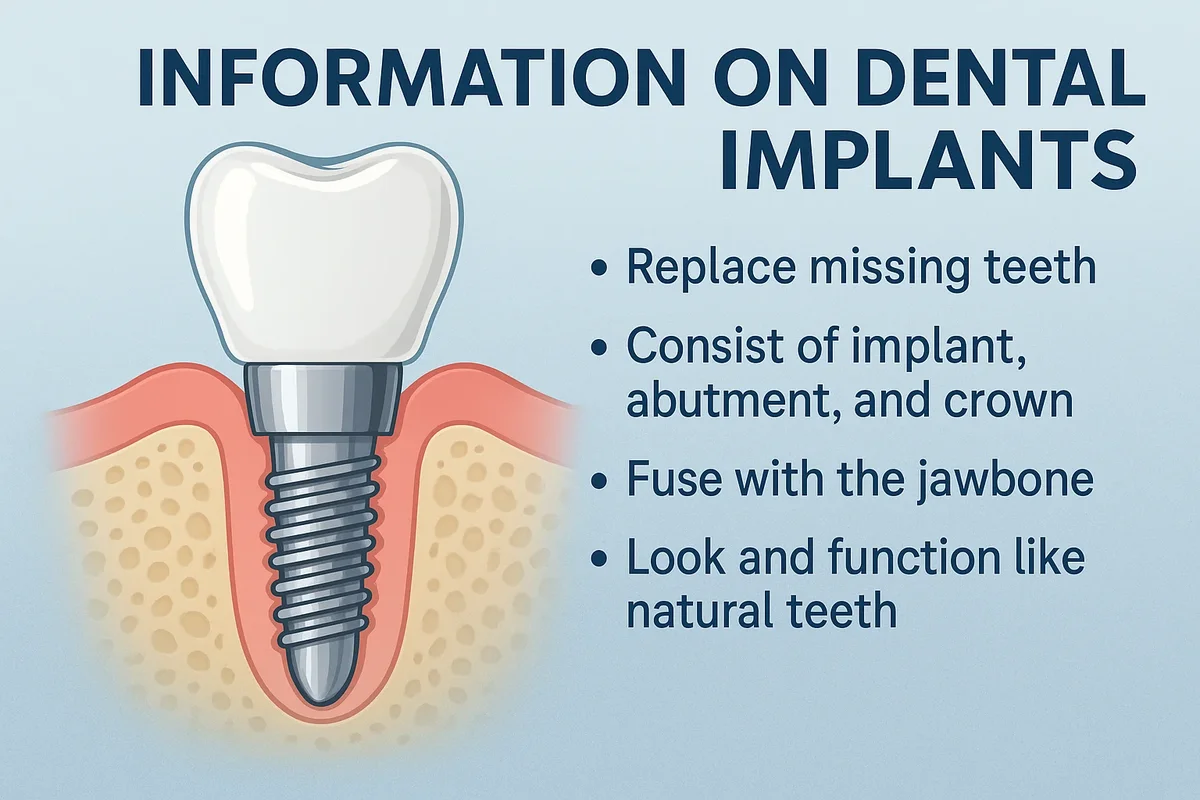
Understanding the fundamentals is essential for anyone looking for in-depth information on dental implants. The procedure involves three key components: the implant post, the abutment, and the dental crown. The implant post is the titanium screw inserted into the bone. The abutment serves as a connector between the implant and the crown, while the crown itself is the visible part that resembles a natural tooth. Each component is designed with precision to ensure seamless integration with the rest of your mouth.
Why is it so important to gain accurate information on dental implants? Because dental health directly affects overall health. Tooth loss can lead to jawbone deterioration, difficulty chewing, and speech issues. Dental implants prevent bone loss by stimulating the jaw just like natural teeth do. Moreover, they help maintain facial structure and preserve your youthful appearance. 😁
According to the American Dental Association, dental implants have a success rate of over 95%, making them one of the most predictable and effective dental procedures available today. However, success depends on proper planning, a skilled dentist, and diligent aftercare. That’s why consulting experienced professionals—such as those at Redent Klinik Contact Page—is crucial for achieving the best results.
When people search for information on dental implants, they often want to know how long the process takes. Typically, it involves several stages spread across a few months. After initial evaluation and imaging, the implant is surgically placed into the bone. Healing may take a few weeks to months, during which the implant fuses with the bone. Once healed, the abutment and crown are attached. The end result is a durable, aesthetic tooth replacement that looks and feels completely natural.
It’s also worth understanding the different types of dental implants. The most common type is the endosteal implant, which is placed directly into the jawbone. For patients with insufficient bone volume, subperiosteal implants (placed under the gum but above the bone) may be used. Additionally, innovations such as zygomatic and mini implants offer options for patients who previously were not candidates for traditional implants. This diversity underscores the importance of personalized consultation and planning before undergoing treatment.
When exploring information on dental implants, cost is another major consideration. Prices vary depending on factors such as implant material, number of teeth replaced, and geographical location. While the initial cost may seem higher than dentures or bridges, implants are a long-term investment that can last decades with proper care—making them more cost-effective over time. Quality should always outweigh price when it comes to something as vital as your oral health.
Aside from functional benefits, dental implants also contribute significantly to emotional well-being. Patients often report improved self-esteem and comfort in social interactions after treatment. The ability to smile, eat, and speak confidently again can profoundly enhance one’s quality of life. For this reason, understanding all available information on dental implants before proceeding with treatment is key to making an informed, confident decision.
In summary, information on dental implants reveals that they are more than just a cosmetic fix—they are a medical innovation that restores both oral functionality and overall quality of life. From preventing bone loss to supporting facial harmony and long-term health, dental implants represent the gold standard in restorative dentistry. For the most successful outcomes, always consult qualified dental professionals and ensure you follow post-surgical care instructions closely. 🌟
Ready to take the next step? Schedule your consultation through the Redent Klinik Contact Page today and discover how dental implants can transform your smile and confidence for years to come.
1. What Are Dental Implants and How Do They Work?
When looking for accurate and detailed information on dental implants, it’s essential to start by understanding what they truly are and how they function. Dental implants are artificial structures that replace missing teeth by anchoring into the jawbone. Unlike removable dentures, they are designed to become a permanent part of your mouth, mimicking the strength, look, and feel of real teeth. 🦷
The concept behind dental implants is rooted in the principle of osseointegration — the natural process by which bone fuses with titanium. This biological bonding ensures that the implant stays securely in place, allowing you to chew, speak, and smile without worry. Essentially, the implant serves as an artificial root, supporting a custom-made crown or bridge that perfectly matches your surrounding teeth.
Understanding the Structure of Dental Implants
When seeking information on dental implants, knowing the anatomy of an implant helps clarify how the process works. A typical dental implant system has three main parts:
- Implant Fixture: This is the titanium screw inserted into your jawbone. It serves as the foundation of the replacement tooth.
- Abutment: A small connector that joins the implant to the dental crown or bridge.
- Crown: The visible, tooth-colored part that restores your natural appearance and function.
Each of these parts plays a vital role in replicating the strength and functionality of a natural tooth. Over time, the bone grows around the titanium implant, securing it firmly in place — a process that typically takes several months. The result is a restoration that feels entirely natural and provides a long-lasting solution for missing teeth.
The Science Behind Osseointegration
One of the most fascinating aspects of information on dental implants is osseointegration. This process was discovered by Swedish researcher Dr. Per-Ingvar Brånemark in the 1950s. He found that titanium can biologically bond with bone tissue, creating an incredibly strong and stable connection. This discovery revolutionized dentistry and paved the way for modern implantology.
Today, dental implants are crafted from biocompatible titanium or zirconia — materials known for their durability and ability to fuse with bone without causing allergic reactions or rejection. Once osseointegration occurs, the implant becomes virtually indistinguishable from the natural tooth root, providing unmatched stability and support.
Step-by-Step: How Dental Implants Work
Comprehensive information on dental implants must include a clear explanation of how they are placed and how they function within the mouth. The process can be summarized in a few essential stages:
- Consultation and Assessment: A dentist evaluates your oral health, bone density, and gum condition using digital X-rays or 3D imaging. This ensures you are a suitable candidate for implants.
- Surgical Placement: The implant post is surgically inserted into the jawbone under local anesthesia. A temporary cap may be placed to protect the area.
- Healing and Osseointegration: The bone gradually fuses with the implant, creating a stable base. This healing process may take 3–6 months.
- Abutment Placement: Once healing is complete, an abutment is attached to the implant to connect it with the crown.
- Final Restoration: A custom-made crown or bridge is secured, completing your smile transformation. 😄
Benefits of Understanding How Dental Implants Work
Having detailed information on dental implants not only helps patients make informed decisions but also reduces anxiety before undergoing treatment. By understanding how the process works, individuals can better appreciate the advantages, such as improved chewing efficiency, preserved jawbone structure, and long-lasting aesthetic results.
Implants also prevent neighboring teeth from shifting into empty spaces — a common problem after tooth loss. Moreover, they allow you to enjoy your favorite foods again, speak clearly, and maintain your facial contours. In short, implants go far beyond aesthetics; they restore full oral functionality.
Comparing Implants to Other Tooth Replacement Options
Many patients researching information on dental implants want to know how implants compare to dentures or bridges. The key difference lies in stability and longevity. Dentures may slip or cause discomfort over time, while bridges often require the modification of adjacent healthy teeth. Dental implants, however, integrate naturally into your jaw, offering unmatched strength and durability.
For instance, while dentures need to be replaced every 5–10 years, well-maintained implants can last for decades. They also preserve bone density by stimulating the jaw — something traditional tooth replacements cannot do. This bone stimulation helps maintain facial harmony and prevents the “sunken” appearance that often follows tooth loss.
Who Can Benefit from Dental Implants?
Almost anyone with missing teeth and sufficient jawbone can benefit from dental implants. Those who wear dentures or partial bridges can also switch to implants for greater comfort and confidence. Even individuals with bone loss may qualify after bone grafting or sinus lift procedures. Therefore, when exploring information on dental implants, it’s important to remember that treatment can be tailored to individual needs.
However, certain conditions like uncontrolled diabetes, heavy smoking, or untreated gum disease can affect healing. This is why a thorough consultation with an experienced dentist is critical. You can reach out through the Redent Klinik Contact Page to discuss your options and find out whether dental implants are right for you.
Long-Term Functionality and Aesthetics
When properly placed and cared for, dental implants function just like natural teeth. They allow you to bite, chew, and speak comfortably without any slipping or movement. Their lifelike crowns are color-matched to your existing teeth, creating a seamless and aesthetic result. Furthermore, maintaining them is simple — just regular brushing, flossing, and routine dental check-ups are enough to keep them in top shape.
Understanding detailed information on dental implants helps patients recognize that they are not only a cosmetic improvement but also a long-term investment in oral health. They prevent further dental problems, improve functionality, and enhance self-confidence. With modern dental technologies, implant procedures have become safer, faster, and more predictable than ever before.
In conclusion, comprehensive information on dental implants reveals that they are far more than artificial replacements — they are life-changing solutions that restore both oral health and emotional well-being. Thanks to advanced materials and precise techniques, dental implants offer an enduring path toward a confident, natural-looking smile that can last a lifetime. 🌟
2. Benefits of Dental Implants Compared to Other Tooth Replacement Options
When searching for detailed information on dental implants, one of the most common questions patients ask is how they differ from other tooth replacement options such as dentures or dental bridges. Understanding these distinctions is crucial because it helps patients make informed choices about their oral health and long-term comfort. Dental implants are not just another cosmetic solution—they are a revolutionary treatment designed to restore full functionality, aesthetics, and confidence. 😁
Why Dental Implants Stand Out
The greatest advantage of dental implants lies in their ability to act like natural teeth. They are firmly anchored into the jawbone, providing unmatched stability. Unlike removable dentures, implants do not slip, click, or require adhesives. This means you can laugh, eat, and speak freely without worrying about movement or discomfort. More importantly, dental implants prevent the bone loss that often occurs after tooth extraction, maintaining both your jaw health and facial structure.
According to leading dental studies and the American Dental Association, implants have a success rate exceeding 95%, which makes them the gold standard for tooth replacement. This level of reliability, combined with the natural appearance they provide, is why they are now preferred by millions of patients worldwide.
Functional and Aesthetic Superiority
Comprehensive information on dental implants reveals that they outperform dentures and bridges in both aesthetics and function. The implant’s titanium post fuses with the jawbone through osseointegration, ensuring strength and permanence. The crown attached to the implant is custom-made to match the shape, size, and color of your natural teeth, creating an indistinguishable blend. 🌟
Unlike bridges, which require grinding down neighboring healthy teeth for support, dental implants preserve natural tooth structure. This approach not only protects your existing teeth but also promotes long-term oral health. Moreover, dental implants restore up to 95% of your natural biting force, allowing you to enjoy foods that would otherwise be difficult with traditional dentures.
Improved Comfort and Confidence
One of the most underrated benefits highlighted in detailed information on dental implants is their psychological and emotional impact. Patients often report a renewed sense of self-confidence after receiving implants. Because implants are securely integrated into the jaw, they eliminate the fear of slipping dentures or speech difficulties. This allows you to smile, laugh, and communicate naturally without hesitation. 😊
In contrast, dentures can feel bulky and may cause irritation or sores over time. Bridges, while stable, still depend on adjacent teeth for support, which can make them less comfortable. Dental implants, however, are designed to mimic the natural tooth from root to crown, ensuring superior comfort and a completely natural feel.
Longevity and Cost-Effectiveness
Patients exploring information on dental implants are often surprised to learn how long-lasting they are. With proper oral hygiene and regular dental visits, implants can last a lifetime. This sets them apart from dentures, which typically need replacement every 5–10 years, and bridges, which often require replacement after 10–15 years due to wear or decay in supporting teeth.
While the initial investment for implants may be higher, their durability and low maintenance make them far more cost-effective in the long run. There’s no need for special cleaning solutions, adhesives, or frequent adjustments. Regular brushing, flossing, and dental check-ups are sufficient to keep them in top condition.
Bone Preservation and Jaw Health
One of the most significant health-related benefits found in comprehensive information on dental implants is their ability to prevent bone resorption. When a tooth is lost, the underlying jawbone begins to deteriorate due to lack of stimulation. This process, known as bone resorption, can lead to a sunken facial appearance and further tooth loss over time. Dental implants counteract this by acting as artificial tooth roots that continue to stimulate the bone, maintaining its density and volume.
Other tooth replacement options, such as dentures and bridges, rest on the gum line or adjacent teeth, offering no such stimulation. Over time, this can result in progressive bone loss, misalignment of remaining teeth, and changes in facial structure. Therefore, if maintaining long-term oral health and youthful facial aesthetics are priorities, implants are the superior choice.
Enhanced Oral Hygiene and Maintenance
Another crucial point highlighted in accurate information on dental implants is their ease of maintenance. Unlike traditional bridges that can trap food particles underneath or dentures that require daily removal and cleaning, implants can be cared for just like natural teeth. Brushing twice daily, flossing, and regular professional cleanings are all that’s needed to maintain implant health.
This simplicity reduces the risk of gum disease and bacterial infections, which are more common with other replacement methods. Because implants don’t rely on adjacent teeth for support, they also prevent damage or decay to neighboring structures, leading to improved overall dental health.
Dietary Freedom and Nutritional Benefits
Detailed information on dental implants emphasizes that they restore full chewing power. This means patients can enjoy a wide variety of foods, including fruits, vegetables, meats, and nuts — essential components of a balanced diet. By contrast, dentures often restrict food choices due to their instability, leading to nutritional deficiencies over time.
With implants, you can bite into crisp apples, chew steak comfortably, and enjoy hard or chewy foods without concern. This dietary freedom contributes not only to better nutrition but also to greater satisfaction in everyday life. 🍎🥦
Speech and Pronunciation Improvements
Another advantage often noted in expert information on dental implants is the improvement in speech clarity. Traditional dentures can slip and cause slurred speech or clicking noises during conversation. Because implants are securely fixed, they eliminate these issues, allowing for clear and confident communication.
For professionals, teachers, or anyone who frequently speaks in public, this benefit can make a remarkable difference in self-assurance and daily performance.
Environmental and Lifestyle Benefits
Interestingly, when looking deeper into information on dental implants, many overlook the environmental advantages. Dental implants are a long-term solution that reduces the need for replacements, materials, and manufacturing associated with temporary options. This makes them a more sustainable choice in the long run. 🌍
Additionally, the freedom and confidence they provide have been linked to improved social and psychological well-being. Patients feel more motivated to maintain oral hygiene and participate in social activities, which can positively influence overall quality of life.
Final Thoughts: Why Implants Are the Gold Standard
After reviewing all information on dental implants and comparing them to dentures and bridges, it’s clear that implants represent the most advanced, durable, and natural-looking option available today. They restore full functionality, enhance aesthetics, and preserve oral health — benefits that extend far beyond the surface. With a success rate exceeding 95%, they are truly the gold standard of restorative dentistry.
For those considering implants, scheduling a consultation with professionals at Redent Klinik Contact Page is the ideal first step. Their team can provide personalized assessments and ensure your treatment plan aligns with your oral health goals. Investing in dental implants is not just a decision to replace missing teeth — it’s a commitment to lasting health, comfort, and confidence. 🌟
3. Step-by-Step Dental Implant Procedure Explained
For anyone seeking reliable and detailed information on dental implants, understanding the entire procedure from start to finish is essential. Knowing what to expect not only helps reduce anxiety but also ensures that patients can prepare properly for each phase. Dental implant placement is a carefully planned, multi-stage process designed to achieve a natural-looking and long-lasting result. 🦷
Initial Consultation and Assessment
The first and most crucial step in the dental implant process is a thorough consultation with a qualified dentist or oral surgeon. During this stage, your oral health, jawbone density, and gum condition are evaluated using panoramic X-rays or 3D cone-beam scans. This diagnostic phase allows the specialist to determine whether you are a suitable candidate for dental implants.
Comprehensive information on dental implants always highlights the importance of individualized planning. Each patient’s anatomy is unique, and therefore, the implant type, placement angle, and surgical approach must be customized. For instance, patients with insufficient bone mass may require bone grafting or sinus lift surgery before proceeding with implant placement.
Creating the Personalized Treatment Plan
After the initial evaluation, your dentist will create a treatment plan that outlines each phase of your implant journey. This plan may include the number of implants required, the type of restorations (crowns, bridges, or full-arch prostheses), and the estimated healing time. The plan also ensures that both functional and aesthetic goals are aligned to achieve the best results.
Surgical Placement of the Implant
The next step described in expert information on dental implants is the surgical phase, where the titanium post (the implant) is inserted into the jawbone. This procedure is usually performed under local anesthesia or mild sedation to ensure comfort. A small incision is made in the gum tissue to expose the bone, followed by precise drilling of a socket to fit the implant post securely.
Once the implant is placed, the gum is sutured closed, leaving the implant buried beneath the gum line for healing. In some cases, a temporary tooth or healing cap may be placed immediately to maintain appearance and protect the site.
Healing and Osseointegration
One of the most critical phases emphasized in comprehensive information on dental implants is osseointegration — the natural process through which bone cells attach themselves to the implant surface. This fusion creates a strong and stable foundation that mimics the natural tooth root. The healing period can range from 3 to 6 months, depending on the patient’s bone quality, overall health, and adherence to aftercare instructions.
During this period, patients are advised to maintain excellent oral hygiene and avoid smoking or excessive pressure on the implant site. This stage determines the long-term success and durability of the dental implant.
Abutment Placement
Once osseointegration is complete, the next step involves placing an abutment — a small connector that links the implant to the final restoration. In many detailed guides offering information on dental implants, this phase is described as the “intermediate” step between surgery and final restoration. The dentist reopens the gum to expose the implant and attaches the abutment securely.
The gums are then allowed to heal around the abutment for a few weeks, forming a natural contour similar to that of real teeth. This phase is essential for achieving a seamless look once the crown is attached.
Impression and Crown Fabrication
After the gums heal around the abutment, an impression of your teeth and bite is taken. These measurements are sent to a dental laboratory where your custom crown, bridge, or prosthesis is fabricated. High-quality materials such as porcelain or zirconia are used to ensure the final restoration matches the color, shape, and translucency of your natural teeth.
Having accurate information on dental implants allows patients to understand that this customization step is vital. Each crown is designed not only for aesthetics but also for perfect alignment and bite functionality.
Final Restoration and Bite Adjustment
When your custom crown is ready, it is securely attached to the abutment. The dentist then performs precise bite adjustments to ensure comfort and symmetry. Once this stage is complete, your dental implant will look, feel, and function just like a natural tooth. 🌟
According to the American Dental Association, patients who follow postoperative care instructions and maintain good oral hygiene can expect their implants to last several decades or even a lifetime.
Post-Procedure Care and Recovery
Comprehensive information on dental implants also emphasizes the importance of postoperative care. Mild swelling, bruising, or discomfort is common after surgery and can be managed with prescribed medications and cold compresses. Patients are usually advised to eat soft foods for a few days and avoid hard or sticky foods until full healing occurs.
Regular dental visits are essential during the recovery period to monitor the healing process and ensure the implant integrates correctly. Most patients return to normal daily activities within 24–48 hours, although strenuous exercise should be avoided for at least a week.
Signs of Successful Healing
Indicators of successful healing include minimal swelling, firm gum tissue around the implant, and the absence of pain or infection. Detailed information on dental implants stresses that early detection of potential complications—such as infection, implant mobility, or gum recession—ensures timely intervention and preserves long-term results.
Long-Term Maintenance
Once your implant is fully restored, ongoing maintenance becomes the key to its longevity. Brushing and flossing twice daily, using antibacterial mouthwash, and attending regular check-ups will help maintain both the implant and surrounding gum health. Avoiding smoking and excessive alcohol consumption also contributes to better healing and long-term stability.
Additionally, professionals recommend using interdental brushes or water flossers to clean around the implant more effectively. Patients can also schedule professional cleanings to remove plaque and prevent peri-implantitis—a gum condition similar to periodontitis that can affect implants.
Why Understanding the Procedure Matters
When patients are equipped with accurate information on dental implants, they can participate actively in their treatment journey. Knowing each step—from consultation to final restoration—helps set realistic expectations and encourages better compliance with aftercare instructions. This informed approach increases success rates and ensures satisfaction with the final results.
If you’re considering implant treatment, consulting with specialists through the Redent Klinik Contact Page can provide expert guidance and personalized treatment planning. With advanced technology and expert hands, you can experience a seamless transformation toward a confident, natural-looking smile. 😄
In summary, detailed information on dental implants confirms that the procedure is a combination of science, precision, and artistry. Each phase—from planning and surgery to healing and restoration—is designed to ensure stability, aesthetics, and comfort. When performed by skilled professionals, dental implants offer a lifetime of healthy, beautiful smiles.
4. Common Myths and Misconceptions About Dental Implants
When people begin researching detailed information on dental implants, they often encounter myths, half-truths, and outdated beliefs. These misconceptions can prevent patients from pursuing one of the most reliable and life-changing dental treatments available today. By addressing these myths with factual and scientific explanations, patients can make more informed decisions about restoring their smiles. 🦷
Myth 1: Dental Implants Are Painful and Risky
One of the most persistent misconceptions about dental implants is that the procedure is extremely painful and full of complications. In reality, as confirmed by numerous studies and the American Dental Association, dental implant surgery is a routine, safe, and well-tolerated procedure performed under local anesthesia. Most patients report that implant placement is no more uncomfortable than a tooth extraction. Mild soreness afterward can be managed easily with prescribed pain relief or over-the-counter medications.
Accurate information on dental implants highlights that implant procedures are performed using precise digital imaging and advanced surgical techniques. This minimizes discomfort, reduces healing time, and ensures predictable outcomes. Complications are rare when performed by experienced professionals who follow strict sterilization and surgical protocols.
Myth 2: Implants Are Only for the Elderly
Another common myth encountered when searching for information on dental implants is that they are meant exclusively for older adults. While tooth loss may be more common with age, implants are suitable for anyone who has lost teeth due to decay, trauma, or disease — regardless of age. In fact, younger patients often benefit more from implants because they help maintain bone structure and facial aesthetics for decades.
The only requirement is that the patient has a fully developed jawbone, typically by age 18–20. Therefore, adults of all ages — from young professionals to seniors — can enjoy the functional and aesthetic benefits of dental implants.
Bone Health and Age Considerations
Reliable information on dental implants explains that bone density, not age, is the deciding factor for candidacy. Even patients who experience bone loss can undergo bone grafting procedures to restore implant suitability. This flexibility makes implants one of the most inclusive and adaptable tooth replacement solutions available today.
Myth 3: Dental Implants Look Fake
Many people worry that implants will look artificial or stand out from their natural teeth. However, modern dental technology ensures the exact opposite. With today’s 3D imaging, CAD/CAM design, and precision color-matching systems, dental implants are virtually indistinguishable from real teeth. The crown is custom-crafted to match the size, color, and shape of surrounding teeth, creating a perfectly natural smile. 😁
Professional information on dental implants consistently highlights that implant aesthetics depend largely on the skill of the dental team and the quality of the materials used. Premium materials like zirconia and porcelain are designed to mimic the translucency of enamel, resulting in a flawless finish. At clinics like Redent Klinik Contact Page, advanced digital design ensures every implant restoration complements the patient’s facial structure and bite pattern.
Myth 4: Implants Are Too Expensive
Cost is another major factor that fuels misconceptions. Some believe dental implants are only for the wealthy, but this view is outdated. While the initial investment is higher than dentures or bridges, implants provide long-term value and lower lifetime costs. Dentures and bridges often require replacements or repairs every few years, while implants can last decades — sometimes a lifetime — with proper care.
Comprehensive information on dental implants also points out that many clinics offer flexible payment plans or financing options to make treatment accessible. When factoring in longevity, comfort, and health benefits, implants are actually more economical over time compared to temporary alternatives.
The True Value Behind the Cost
Implants protect jawbone health, preserve facial structure, and eliminate the need for special adhesives or cleaning solutions. These factors contribute to their overall cost-effectiveness. Moreover, they enhance confidence and quality of life — benefits that cannot be measured purely in financial terms. 🌟
Myth 5: The Healing Process Takes Too Long
Another widespread misunderstanding found in casual information on dental implants is that the recovery process is excessively lengthy. While healing does take time, most of it occurs naturally beneath the gum line and doesn’t interfere with daily life. Patients can typically return to normal activities within 1–2 days after surgery.
Osseointegration — the fusion between bone and implant — is what takes several months. However, this stage is painless and happens silently as the body adapts to the new implant. During this time, temporary restorations can be worn, ensuring the patient never has to live with visible gaps or discomfort.
Myth 6: Implants Require Special Care
Contrary to popular belief, dental implants do not require complicated cleaning routines or maintenance products. In-depth information on dental implants emphasizes that they should be cared for just like natural teeth — regular brushing, flossing, and professional check-ups are enough to maintain implant health.
In fact, implants make oral hygiene easier by eliminating gaps where food can get trapped, unlike traditional bridges. With consistent care and regular dental visits, implants can last a lifetime without the need for replacement.
Simple Maintenance Practices
- Brush twice daily with a soft-bristled toothbrush.
- Use non-abrasive toothpaste to protect the implant surface.
- Floss carefully around the implant and use an interdental brush or water flosser.
- Schedule regular dental cleanings every 6 months.
Myth 7: Dental Implants Can Fall Out
Some patients hesitate after reading misleading information on dental implants suggesting that implants may fall out. In truth, implant failure is extremely rare, with success rates over 95%. When placed by qualified professionals and maintained properly, implants fuse securely with the bone, making them as stable as natural teeth.
Implant loosening can occur only if oral hygiene is neglected or if severe gum disease (peri-implantitis) develops. However, with proper care and professional monitoring, such issues can easily be avoided.
Myth 8: Only a Few Teeth Can Be Replaced with Implants
Accurate information on dental implants shows that they can replace a single tooth, several teeth, or even a full arch. Options like “All-on-4” or “All-on-6” techniques use strategically placed implants to support an entire set of prosthetic teeth. This versatility makes implants suitable for almost any tooth loss situation, regardless of how extensive the damage is.
Myth 9: Implants Are Unsafe for People with Health Conditions
While some systemic conditions such as uncontrolled diabetes or autoimmune diseases may require special precautions, dental implants are generally safe for most patients. With proper medical assessment and treatment planning, even those with chronic health issues can undergo successful implant placement. Consultation with an experienced clinic — like Redent Klinik Contact Page — ensures that all health factors are considered before treatment begins.
Conclusion: Debunking Myths for Informed Decisions
Ultimately, separating fact from fiction through accurate information on dental implants is vital for every patient considering this treatment. Myths about pain, cost, and complexity are simply misconceptions that overlook decades of scientific advancement and clinical success. Modern implant dentistry offers a safe, predictable, and long-term solution for missing teeth that enhances both appearance and quality of life. 😄
By consulting trusted professionals and referring to reliable sources such as the American Dental Association, patients can confidently move forward toward a healthier, more radiant smile.
5. How Long Do Dental Implants Last and What Affects Their Lifespan?
When researching detailed information on dental implants, one of the most common questions patients have is about their longevity. How long can dental implants last? The answer largely depends on a combination of professional care, personal habits, and overall oral health. With proper maintenance and placement by skilled professionals, dental implants can last 20 years or more — and in many cases, they endure for a lifetime. 🦷
Average Lifespan of Dental Implants
According to the American Dental Association, the average success rate of dental implants is over 95%, and many last for several decades without any issues. The titanium post that fuses with the jawbone is designed to be permanent, while the crown (the visible part) may need replacement every 10–15 years due to normal wear and tear.
Comprehensive information on dental implants emphasizes that they are superior to traditional bridges and dentures in both durability and stability. While dentures typically need replacement every 5–10 years, implants—when properly cared for—remain functional and aesthetic for decades. In fact, many patients who had implants placed 30 years ago still have them functioning perfectly today.
Factors Influencing the Lifespan of Dental Implants
The longevity of a dental implant depends on several key factors. Understanding these factors is essential for anyone seeking reliable information on dental implants because each one plays a significant role in determining the outcome of treatment.
1. Oral Hygiene Practices
Maintaining excellent oral hygiene is one of the most critical elements in extending the life of your dental implants. Regular brushing, flossing, and professional cleanings help prevent bacterial buildup that can cause peri-implantitis — an inflammatory condition that damages the gum and bone supporting the implant.
Patients who consistently follow a proper oral care routine are far more likely to enjoy implants that last a lifetime. Using antibacterial mouthwash and specialized interdental brushes can further improve implant longevity.
2. Bone Density and Quality
Detailed information on dental implants shows that bone quality is a decisive factor in determining both the success and lifespan of implants. The jawbone must be dense and strong enough to support the implant post. Over time, implants stimulate the bone and prevent resorption (bone loss), which helps maintain their stability.
Patients with weaker bone density can still receive implants after undergoing bone grafting or sinus lift procedures. These preparatory treatments restore the necessary bone volume, ensuring a firm foundation for long-term results.
3. Surgical Skill and Technique
The expertise of the dental surgeon is another major determinant of implant lifespan. Precise placement ensures correct alignment, load distribution, and integration with the jawbone. Any deviation can lead to uneven stress on the implant, which may cause failure over time. Therefore, choosing an experienced dental professional or clinic—such as Redent Klinik Contact Page—is crucial for long-term success.
Material Quality and Technology Used
Modern information on dental implants reveals that advancements in materials and digital dentistry have significantly increased implant durability. Titanium remains the gold standard because of its biocompatibility and strength. It naturally fuses with the jawbone without being rejected by the body. However, newer options like zirconia implants are also gaining popularity for their aesthetic and metal-free qualities.
Additionally, computer-guided implant surgery allows dentists to plan every step with millimeter precision. This reduces surgical risks and ensures optimal positioning for maximum longevity. The use of high-quality prosthetic components—such as zirconia or porcelain crowns—further extends the lifespan of the final restoration.
Lifestyle and Habits Affecting Implant Lifespan
Accurate information on dental implants also highlights the strong link between personal habits and implant longevity. Factors like smoking, excessive alcohol consumption, and poor diet can negatively affect the healing process and long-term outcomes.
1. Smoking and Tobacco Use 🚭
Smoking reduces blood flow to the gums, hindering healing after implant surgery. It also increases the risk of infection and peri-implantitis. Studies show that smokers have a higher implant failure rate compared to non-smokers. Quitting or reducing smoking significantly improves implant success rates.
2. Bruxism (Teeth Grinding)
Bruxism places excessive pressure on the implants, potentially leading to micro-movements or fractures in the crown or abutment. Patients with this condition are often advised to wear custom night guards to protect both natural teeth and implants during sleep.
3. Diet and Nutrition
Proper nutrition contributes to stronger bone density and better gum health. Diets rich in calcium, vitamin D, and protein are essential for supporting the implant’s structural stability. Consuming crunchy vegetables, lean meats, and dairy products provides the nutrients needed for strong bone tissue. 🥦🥛
Post-Operative Care and Regular Checkups
Comprehensive information on dental implants emphasizes that consistent follow-up care plays a major role in ensuring longevity. After implant placement, patients should schedule regular dental checkups every 6 months to monitor bone levels and gum health. These visits allow the dentist to detect early signs of inflammation or wear before they escalate into serious issues.
Professional cleanings also help remove plaque buildup around the implant and maintain gum integrity. The dentist may recommend special cleaning tools, such as soft-bristled toothbrushes or water flossers, for optimal hygiene.
Implant Maintenance Over Time
Even though dental implants are designed to last for decades, the prosthetic components (crowns or bridges) may eventually show signs of wear. These can easily be replaced without affecting the implant post itself. Regular monitoring ensures that small issues—like loose abutments or minor fractures—are addressed promptly to prevent long-term complications.
Following the guidelines from verified American Dental Association resources and working closely with your dental team ensures continued success and functionality for many years.
Comparing Longevity: Implants vs. Other Tooth Replacements
When compared to dentures and bridges, implants clearly offer superior durability. Bridges may last 10–15 years and require support from neighboring teeth, which can weaken over time. Dentures, meanwhile, can loosen as the jawbone shrinks. In contrast, dental implants preserve the bone and maintain a secure fit indefinitely. This is one of the key insights highlighted in accurate information on dental implants.
Long-Term Return on Investment
Although implants might have a higher upfront cost, their long-term value is unmatched. They eliminate the recurring expenses of replacements, adhesives, and maintenance associated with other restorations. More importantly, they improve overall quality of life—allowing patients to eat, speak, and smile confidently for decades.
Conclusion: A Lifetime Investment in Oral Health
Ultimately, in-depth information on dental implants confirms that their longevity is a result of meticulous surgical planning, strong materials, and consistent patient care. With proper hygiene, regular dental visits, and healthy lifestyle choices, implants can last a lifetime. 🌟
For patients considering this life-changing treatment, scheduling a professional consultation through the Redent Klinik Contact Page is the best first step. With expert guidance and ongoing care, your dental implants can remain strong, functional, and beautiful for decades to come.
6. Important Aftercare Tips for Successful Dental Implant Healing
For anyone researching thorough information on dental implants, understanding proper aftercare is just as crucial as the surgery itself. Even though dental implants boast a high success rate, maintaining them during the healing phase requires care, discipline, and consistency. Good aftercare not only ensures smooth recovery but also significantly enhances the implant’s long-term success. 🌿
The Healing Phase: What to Expect
Immediately following implant surgery, the body begins a natural healing process known as osseointegration — the fusion of the titanium implant with the jawbone. This process can take several months, but it’s the key to creating a stable and lasting foundation for your new tooth. Accurate information on dental implants emphasizes that this period requires patience and proper oral hygiene to prevent infection and support bone growth.
During the first few days, mild discomfort, swelling, or bruising is completely normal. These symptoms generally subside within a week. Applying an ice pack intermittently can help reduce swelling, while prescribed or over-the-counter pain medication can manage any discomfort. Most patients can return to their usual routine within 24–48 hours, though strenuous activity should be avoided for at least five days.
Immediate Post-Operative Care
Comprehensive information on dental implants outlines several essential steps to follow immediately after surgery. The first 48 hours are critical to ensure proper clot formation and minimize bleeding.
1. Managing Bleeding
It’s normal to experience light bleeding for the first few hours after surgery. Biting gently on sterile gauze helps control it. Avoid excessive spitting or rinsing, as this can dislodge the blood clot and delay healing. If bleeding persists beyond 24 hours, contact your dentist promptly.
2. Controlling Swelling and Discomfort
Apply cold compresses on the cheek near the surgical site for 10–15 minutes at a time, with short breaks in between. This helps minimize swelling and speeds up recovery. Detailed information on dental implants recommends sleeping with your head elevated for the first two nights to further reduce swelling.
3. Pain Management
Mild soreness is expected and can be easily managed with medications prescribed by your dentist. Most discomfort subsides within 2–3 days, especially when post-op care is followed closely. Smoking and alcohol should be avoided during this time, as they can delay healing.
Oral Hygiene During Healing
Proper oral care is vital for preventing infection and ensuring successful osseointegration. Detailed information on dental implants underscores that the surgical site must be kept clean without applying excessive pressure.
- First 24 Hours: Do not rinse or brush directly over the implant site. Let the area rest and allow clotting to occur.
- After 24 Hours: Gently rinse with a saltwater solution (½ teaspoon of salt in a glass of lukewarm water) several times daily to disinfect the area.
- After 3–5 Days: Resume brushing with a soft-bristled toothbrush, avoiding harsh motions near the surgical site.
- One Week Later: Normal brushing and flossing can gradually resume as healing continues.
Patients seeking information on dental implants should note that antibacterial mouthwash can also be beneficial — but only as prescribed. Overuse can irritate healing tissue, so moderation is key.
Dietary Guidelines for Faster Recovery 🍲
Nutrition plays a pivotal role in healing. Immediately after surgery, stick to soft and nutrient-rich foods. Avoid anything hard, crunchy, or sticky that may disturb the surgical site or exert pressure on the implant.
Recommended Foods
- Soups, broths, and smoothies rich in vitamins and protein
- Mashed potatoes, oatmeal, and soft scrambled eggs
- Steamed vegetables and soft fruits like bananas
- Yogurt and protein shakes to support tissue regeneration
Comprehensive information on dental implants highlights that hydration is equally essential. Drink plenty of water, but avoid using straws during the first week, as suction can disrupt healing. Gradually reintroduce solid foods once the surgical area feels comfortable.
Habits to Avoid During Recovery
Even the most precise surgery can fail if post-surgical instructions aren’t followed. Accurate information on dental implants stresses that certain habits can hinder healing and increase the risk of complications.
1. Smoking
Nicotine reduces blood flow to the gums, which delays healing and increases the risk of implant failure. Studies show that smokers experience up to twice as many complications as non-smokers. 🚭
2. Alcohol
Alcohol interferes with blood clot formation and should be avoided for at least 72 hours post-surgery. It can also interact negatively with prescribed antibiotics or pain medications.
3. Excessive Physical Activity
Heavy exercise or lifting can increase blood pressure and trigger bleeding at the implant site. Rest is essential for the first few days, after which light physical activity can gradually resume.
Follow-Up Appointments and Monitoring
Reliable information on dental implants points out that regular follow-up visits are vital. These checkups allow your dentist to assess healing, adjust your temporary crown if necessary, and ensure that osseointegration is proceeding as expected. Typically, appointments are scheduled one week, one month, and three months after surgery, followed by regular biannual visits.
Professional cleanings during this period are also critical to remove plaque buildup and prevent gum inflammation. At Redent Klinik Contact Page, post-operative care programs are tailored to each patient’s unique healing timeline, ensuring that every implant integrates successfully.
Recognizing Warning Signs
While complications are rare, knowing the warning signs is an important part of post-surgical information on dental implants. Contact your dentist immediately if you experience any of the following:
- Persistent pain or swelling beyond one week
- Bleeding that continues for more than 24 hours
- Implant mobility or movement
- Pus, foul odor, or signs of infection
- Numbness or tingling in the lips or chin
Early intervention ensures that potential issues are treated promptly before they jeopardize implant success.
Long-Term Care for Dental Implants
After the initial healing phase, continued care is essential for maintaining the longevity of dental implants. Brushing and flossing regularly, maintaining a balanced diet, and visiting your dentist twice a year can help ensure that your implants last for decades. Consistent care also prevents peri-implantitis — a condition similar to gum disease that can weaken the bone around the implant.
Thorough information on dental implants concludes that aftercare is not just about healing the surgical site; it’s about creating lifelong habits that support oral health. Simple daily maintenance ensures that implants remain as strong, functional, and natural-looking as the day they were placed. 🌟
Conclusion: The Foundation for Lasting Success
Successful healing after dental implant surgery is a partnership between professional skill and patient care. With proper aftercare, even complex implant cases can achieve long-term stability and beauty. By following your dentist’s recommendations and referencing trusted sources such as the American Dental Association, you can ensure optimal results.
To receive personalized aftercare guidance or professional evaluation, visit the Redent Klinik Contact Page. Remember, the effort you put into post-surgical care is what transforms dental implants from a treatment into a lifelong investment in your smile and health. 😁
7. Possible Risks and Complications of Dental Implants
Even though dental implants are considered one of the most successful and predictable dental treatments, it’s important for anyone seeking detailed information on dental implants to understand the potential risks and complications. Awareness of these issues does not mean that implants are unsafe—it simply ensures that patients make well-informed decisions and follow proper care routines to prevent problems. In most cases, complications are minor, easily treatable, and extremely rare when handled by experienced professionals. 🦷
Understanding the Nature of Risks
Every surgical procedure carries some degree of risk, and dental implants are no exception. However, modern technology and advanced surgical techniques have reduced the likelihood of serious complications to below 5%. Accurate information on dental implants highlights that the majority of implant failures occur due to poor oral hygiene, underlying medical conditions, or neglecting aftercare instructions.
Most risks fall into two categories: short-term surgical complications that occur during or soon after surgery, and long-term issues that may develop months or years later. Understanding both is key to maintaining the health and longevity of your implant.
Short-Term Surgical Complications
1. Infection at the Implant Site
Infection is one of the most common short-term complications mentioned in credible information on dental implants. It can occur if bacteria enter the surgical site during or after the procedure. Symptoms may include swelling, redness, pain, or pus discharge. Maintaining excellent oral hygiene and following post-operative care instructions—such as saline rinses and antibiotics prescribed by the dentist—effectively prevents infection.
At clinics like Redent Klinik Contact Page, strict sterilization standards and digital-guided implant placement significantly reduce infection risk, ensuring a clean and precise surgical environment.
2. Nerve Damage or Tingling Sensation
Occasionally, implants placed too close to a nerve—especially in the lower jaw—can cause temporary numbness or tingling in the lips, chin, or tongue. Detailed information on dental implants clarifies that such incidents are rare, as modern 3D imaging allows dentists to map the exact nerve position before surgery. In nearly all cases, the sensation returns to normal within a few weeks or months.
3. Sinus Complications (for Upper Jaw Implants)
When implants are placed in the upper jaw, they must be positioned carefully to avoid interfering with the sinus cavity. If the implant extends too far, it can cause sinus pressure or discomfort. Reliable information on dental implants shows that sinus lift surgery or bone grafting is commonly performed beforehand to create enough bone height for safe implant placement.
4. Excessive Bleeding or Swelling
Minor bleeding or swelling after surgery is normal. However, excessive bleeding may occur if post-operative instructions are not followed or if a patient engages in strenuous activity too soon. Dentists recommend resting, avoiding hot foods, and keeping the head elevated for the first 48 hours to reduce swelling. Applying ice packs also helps minimize inflammation. ❄️
Long-Term Complications
Long-term complications are extremely rare but can occur when oral hygiene is neglected or systemic health issues interfere with healing. Accurate information on dental implants emphasizes that most long-term problems can be prevented through consistent maintenance and regular dental checkups.
1. Peri-Implantitis (Gum and Bone Infection)
Peri-implantitis is a condition similar to periodontitis (gum disease) that affects the tissues around the implant. It is typically caused by plaque buildup, smoking, or poor cleaning habits. Over time, this can lead to bone loss and implant loosening if untreated. Early detection and professional cleaning are essential for managing this issue effectively.
According to the American Dental Association, the best prevention strategy is maintaining good oral hygiene and visiting the dentist at least twice a year for checkups and cleanings.
2. Implant Loosening or Failure
Although dental implants are designed to last a lifetime, failure can occur if osseointegration (bone fusion) does not happen properly. This may result from insufficient bone density, excessive force from teeth grinding, or improper implant placement. Patients seeking information on dental implants should know that smoking and uncontrolled diabetes are also risk factors that reduce healing efficiency and increase implant failure rates.
When failure occurs, the implant can be removed, the area allowed to heal, and a new implant placed after sufficient bone regeneration. With today’s advanced techniques, successful re-implantation is highly achievable.
3. Mechanical Complications (Crown or Abutment Damage)
Occasionally, the prosthetic components of a dental implant—such as the crown or abutment—may crack, loosen, or wear over time. Detailed information on dental implants confirms that these issues are typically mechanical rather than biological and can be easily corrected by replacing the damaged part without affecting the implant itself. Regular checkups help identify and fix such problems early.
4. Bone Loss Around the Implant
Bone loss is a concern that can develop years after placement, particularly if oral hygiene lapses. This condition weakens the implant’s stability. Consistent maintenance, professional cleaning, and early intervention can stop the progression of bone loss and preserve implant function for decades.
Risk Factors That Influence Implant Success
Comprehensive information on dental implants indicates several personal and medical factors that influence healing and long-term success:
- Smoking: Reduces oxygen supply and slows tissue healing, increasing implant failure risk.
- Uncontrolled Diabetes: Impairs bone regeneration and immune response.
- Poor Oral Hygiene: Leads to bacterial buildup and gum inflammation.
- Bruxism: Continuous grinding or clenching exerts excessive stress on implants.
- Osteoporosis: Decreases bone density, making osseointegration more challenging.
Most of these risks can be mitigated through careful pre-surgical planning and lifestyle adjustments. Dentists conduct comprehensive medical and dental evaluations before recommending implants to ensure suitability and safety.
How Dentists Minimize Risks
Skilled dental professionals use advanced diagnostic tools and strict protocols to eliminate or minimize complications. Reliable information on dental implants explains that the use of 3D digital imaging, guided implant surgery, and biocompatible materials all contribute to near-perfect success rates.
Additionally, clinics like Redent Klinik Contact Page provide customized post-operative care instructions and regular follow-up appointments. These measures ensure the early detection and correction of any potential issue, leading to long-term implant stability and patient satisfaction. 😄
Recognizing and Responding to Early Warning Signs
Identifying problems early is key to preventing implant failure. Patients who experience persistent pain, gum swelling, unusual bleeding, or implant movement should contact their dentist immediately. Quick intervention often resolves minor problems before they escalate. According to verified American Dental Association data, early-stage complications can almost always be reversed when treated promptly.
Conclusion: Prevention Is the Best Cure
Ultimately, comprehensive information on dental implants shows that complications are rare, manageable, and largely preventable. The key to long-term success lies in choosing an experienced implant specialist, following personalized care instructions, and maintaining lifelong oral hygiene. When performed and maintained properly, dental implants remain one of the safest and most durable solutions for tooth replacement worldwide. 🌟
To receive expert evaluation and preventive guidance, you can schedule a consultation via the Redent Klinik Contact Page. Knowledge, preparation, and professional support ensure your implants stay healthy and functional for many years to come.
8. Comparing Dental Implants with Other Tooth Replacement Options
When exploring comprehensive information on dental implants, many patients wonder how implants differ from other tooth replacement options such as bridges and dentures. Understanding these differences is crucial for making an informed decision about long-term oral health, comfort, and aesthetics. Dental implants are often considered the gold standard because they replace both the root and the crown of the missing tooth, offering a level of stability and functionality unmatched by other solutions. 😁
Why Dental Implants Stand Out
Detailed information on dental implants reveals that they are designed to mimic the natural structure of teeth. The implant post serves as an artificial root that fuses with the jawbone through osseointegration, while the crown replicates the visible tooth. This design not only restores chewing and speech but also prevents bone loss—a major concern with other tooth replacement methods. Furthermore, implants provide a permanent and aesthetically pleasing solution that blends seamlessly with natural teeth.
Unlike bridges and dentures, implants do not rely on adjacent teeth for support, meaning that healthy teeth remain untouched and intact. This independence significantly reduces future dental complications and supports long-term oral health.
Dental Implants vs. Traditional Bridges
When comparing detailed information on dental implants to that of bridges, one key difference is longevity. While dental bridges generally last around 10–15 years, implants can last a lifetime with proper care. Bridges require the adjacent teeth to be ground down to anchor the prosthetic, which weakens them over time. In contrast, implants preserve natural tooth structure and stimulate bone growth.
Advantages of Dental Implants Over Bridges
- Durability: Implants are made of titanium or zirconia, materials that resist decay and wear far better than the materials used in bridges.
- Bone Preservation: Implants prevent bone resorption, whereas bridges do not provide stimulation to the underlying bone.
- Oral Hygiene: With implants, flossing and brushing are as easy as with natural teeth. Bridges require special cleaning tools to reach beneath the prosthetic.
- Longevity: A properly maintained implant can last for decades, while bridges often require replacement after 10–15 years.
Comprehensive information on dental implants makes it clear that while bridges may be suitable for short-term or budget-conscious treatments, implants are superior in long-term functionality, comfort, and aesthetics.
Dental Implants vs. Dentures
Dentures have been used for centuries, but they come with limitations that modern implants have effectively overcome. According to the American Dental Association, dentures can replace multiple missing teeth but tend to lose their fit over time as the jawbone shrinks. This results in discomfort, slippage, and difficulty eating certain foods.
In contrast, accurate information on dental implants emphasizes that implants integrate with the jawbone, maintaining its density and structure. They feel more natural, provide greater biting power, and require less maintenance. Moreover, implant-supported dentures offer a hybrid solution—combining the stability of implants with the affordability of dentures.
Key Differences Between Implants and Dentures
| Feature | Dental Implants | Dentures |
|---|---|---|
| Stability | Firmly anchored to the jawbone | May slip or move while speaking or eating |
| Comfort | Feels like natural teeth | Can cause gum irritation or pressure sores |
| Maintenance | Requires normal brushing and flossing | Needs daily removal and soaking |
| Bone Health | Prevents bone loss by stimulating jawbone | Does not prevent bone resorption |
| Longevity | 20+ years or lifetime with care | 5–8 years on average before replacement |
As shown in the comparison above, detailed information on dental implants demonstrates their clear advantages in terms of function, health, and convenience. While dentures may initially be more affordable, they often incur recurring costs over time for adjustments, relining, or replacement.
Implant-Supported Dentures: A Modern Hybrid Solution
For patients missing several or all teeth, implant-supported dentures offer a perfect middle ground. They use 2–6 dental implants to secure a full denture plate in place, combining the affordability of dentures with the stability of implants. This approach is often highlighted in advanced information on dental implants because it provides superior comfort and chewing ability compared to traditional removable dentures.
Benefits of Implant-Supported Dentures
- Improved stability and comfort during speech and eating
- Reduced gum irritation and fewer pressure points
- Enhanced confidence thanks to secure fit and natural appearance
- Long-term preservation of bone density and facial structure
These advantages make implant-supported dentures one of the fastest-growing restorative treatments worldwide. Patients who previously struggled with loose dentures find this solution life-changing. 🌟
Cost Comparison: Investment vs. Longevity
Many patients ask whether the higher initial cost of implants is justified. Reliable information on dental implants consistently confirms that they offer the best long-term value. While bridges and dentures may appear less expensive initially, their recurring maintenance and replacements often exceed the one-time investment in implants over the years.
Estimated Lifespan and Cost Efficiency
- Dental Implants: Last 20 years to lifetime, minimal maintenance
- Dental Bridges: Require replacement after 10–15 years
- Dentures: Need relining or full replacement every 5–8 years
Therefore, although implants cost more upfront, they become the most cost-effective and durable solution in the long run. This economic insight is often reinforced by reputable sources such as the American Dental Association.
Patient Comfort and Confidence
True information on dental implants emphasizes that comfort and confidence are as important as functionality. Implants allow patients to smile, speak, and eat without worrying about shifting teeth or adhesives. Their natural feel and stability restore not only dental health but also emotional well-being and self-assurance.
Environmental and Biological Compatibility
Dental implants are made of biocompatible materials such as titanium and zirconia. This ensures that the body accepts them naturally without allergic reactions. Additionally, implants do not decay like natural teeth or require removal for cleaning, making them an eco-friendly and sustainable oral solution.
Conclusion: The Superior Choice for Modern Dentistry
In conclusion, comprehensive information on dental implants proves that implants are far superior to dentures and bridges in virtually every category—functionality, aesthetics, bone preservation, and longevity. They provide a permanent, comfortable, and healthy solution that enhances quality of life for decades. 🌿
For a personalized consultation and professional guidance, visit the Redent Klinik Contact Page. With expert evaluation and advanced techniques, you can discover the ideal implant solution tailored to your smile and long-term health goals.
9. How to Choose the Right Dentist for Dental Implants
When searching for accurate information on dental implants, one of the most critical decisions you’ll make is selecting the right dentist or clinic. Choosing a qualified professional ensures not only the success of your treatment but also your comfort, confidence, and long-term oral health. Dental implants are a complex and delicate procedure that require precision, experience, and advanced technology. Selecting the right expert can make the difference between a lifelong, natural-looking smile and potential complications. 🦷
Why the Dentist You Choose Matters
According to the American Dental Association, the success of dental implants largely depends on the skill, planning, and experience of the dentist performing the procedure. Comprehensive information on dental implants confirms that even the best implant materials and surgical tools cannot guarantee success without an experienced practitioner who understands bone anatomy, aesthetics, and bite alignment.
An expert implant dentist provides a detailed treatment plan, performs precise placement using modern imaging, and monitors your healing over time. This integrated approach ensures your implants function perfectly and blend naturally with your other teeth. In contrast, an inexperienced provider may overlook small but crucial details, leading to implant misalignment or long-term discomfort.
Qualifications to Look For
Before committing to any procedure, it’s essential to verify the dentist’s qualifications. Detailed information on dental implants emphasizes the importance of checking the following credentials:
1. Specialized Education and Certification
While all dentists receive general dental training, only those with additional education in implantology or oral surgery have the advanced knowledge required for implant placement. Many professionals pursue postgraduate training programs or obtain certifications from reputable institutions or organizations such as the American Dental Association and the International Congress of Oral Implantologists (ICOI).
2. Experience and Case History
Experience is a strong predictor of successful outcomes. When researching information on dental implants, look for dentists who have performed hundreds or thousands of implant procedures. Ask to see before-and-after photos of previous patients and request testimonials. A seasoned dentist will have a diverse portfolio and a proven track record of high success rates (typically above 95%).
3. Advanced Technology and Equipment
Modern implant dentistry relies heavily on technology. Clinics that use 3D imaging, digital scanners, and guided surgery software ensure higher accuracy, shorter recovery times, and fewer complications. Detailed information on dental implants indicates that 3D cone-beam computed tomography (CBCT) is especially important because it provides precise visualization of bone density, nerves, and sinus cavities before surgery.
Evaluating the Consultation Process
A trustworthy dental professional will never rush the consultation. Instead, they’ll conduct a comprehensive oral exam, review your medical history, and take digital scans before recommending treatment. True information on dental implants emphasizes that a personalized treatment plan should include a clear explanation of each step, potential risks, and expected outcomes.
What to Expect During the Consultation
- A full evaluation of your oral health and bone density
- Discussion of implant options (single, multiple, or full-mouth)
- Explanation of surgical techniques and anesthesia options
- Estimated timeline, recovery expectations, and cost breakdown
- Answers to all your questions in clear, simple language
Transparency is key. If a clinic provides vague or rushed answers, it’s a red flag. Professionals offering accurate information on dental implants always take the time to educate and reassure their patients.
Red Flags to Avoid
Unfortunately, not all clinics uphold the same standards. When seeking information on dental implants, it’s vital to recognize warning signs that could indicate subpar service:
- Unusually low prices that seem “too good to be true”
- Lack of diagnostic imaging before surgery
- No discussion of alternative treatment options
- Pressure tactics to commit immediately
- Inadequate post-operative care or follow-up
Reputable dentists prioritize patient safety and comfort over sales. They focus on long-term results rather than quick profits.
Importance of Communication and Comfort
Excellent information on dental implants also highlights the importance of patient-dentist communication. A great dentist listens carefully to your concerns, explains every step clearly, and makes sure you feel confident before proceeding. Feeling comfortable with your dentist reduces anxiety and promotes a smoother experience throughout treatment and recovery.
Questions You Should Ask Your Dentist
- How many dental implant procedures have you performed?
- What implant systems or materials do you use?
- What type of anesthesia or sedation options do you offer?
- What is your protocol for managing complications?
- Do you provide post-operative follow-up and maintenance?
These questions help you gauge the dentist’s experience, professionalism, and commitment to patient care.
Technology-Driven Dentistry: The Modern Advantage
Advanced digital tools are transforming dental implantology. High-resolution CBCT scanners, guided implant surgery systems, and computer-aided design/manufacturing (CAD/CAM) allow for unparalleled precision. According to current information on dental implants, these innovations minimize surgical trauma, shorten recovery times, and ensure more predictable results. Patients benefit from customized implant placement that perfectly matches their facial symmetry and bite alignment. 🌟
Why Choose a Reputable Clinic
Choosing a specialized clinic like Redent Klinik Contact Page ensures comprehensive care from diagnosis to final restoration. At reputable centers, each stage—planning, surgery, and aftercare—is handled under one roof by experienced professionals using the latest equipment. This continuity of care enhances efficiency and outcomes, providing peace of mind and superior aesthetic results.
Understanding the Role of Aftercare Support
Even the best implants can fail without proper follow-up. Reliable information on dental implants stresses that aftercare is a shared responsibility between the dentist and patient. The right clinic will schedule follow-up appointments to monitor healing, ensure implant stability, and provide cleaning guidance. Regular professional maintenance appointments also prevent long-term complications such as peri-implantitis or bone loss.
Conclusion: Partnering with the Right Expert
In summary, accurate information on dental implants makes one fact clear: your choice of dentist determines the success of your implant journey. Seek out qualified professionals who combine skill, technology, transparency, and compassionate care. The right expert not only restores your smile but also rebuilds your confidence and quality of life.
If you’re ready to begin your journey, reach out to the trusted professionals at the Redent Klinik Contact Page. With personalized planning and state-of-the-art techniques, you can enjoy natural, long-lasting results that make your smile truly shine. 😄