
Inner braces are one of the most advanced orthodontic solutions available today for patients who want a perfectly aligned smile without the visible appearance of traditional braces. Unlike standard braces that are attached to the front surface of the teeth, inner braces are placed on the back (lingual side) of the teeth, making them virtually invisible when you smile, talk, or laugh. This discreet design makes inner braces especially popular among adults, professionals, and anyone seeking a more aesthetic orthodontic option. 😊
Understanding how inner braces work is essential if you are considering orthodontic treatment. Inner braces function similarly to traditional braces by applying consistent, gentle pressure to gradually move teeth into their correct positions. However, the key difference lies in their placement. Since inner braces are bonded to the inner surfaces of the teeth, they remain hidden from view, offering a significant cosmetic advantage. This makes inner braces an ideal choice for individuals who are concerned about appearance during treatment.
One of the main reasons patients choose inner braces is their effectiveness combined with invisibility. Inner braces are capable of treating a wide range of orthodontic issues, including crowding, spacing, bite misalignment, and even more complex dental irregularities. Unlike some removable aligners, inner braces are fixed appliances, meaning they stay in place 24/7 and provide continuous treatment without relying on patient compliance. This ensures more predictable and efficient results in many cases.
Another important aspect of inner braces is customization. Each set of inner braces is tailored specifically to the patient’s dental anatomy. Advanced digital scanning and 3D modeling technologies are often used to design brackets and wires that fit perfectly on the inner surfaces of the teeth. This level of personalization improves comfort and enhances treatment precision, allowing orthodontists to achieve optimal results more efficiently. 👍
When it comes to comfort, inner braces may feel different initially compared to traditional braces. Because they are positioned closer to the tongue, patients might experience slight speech adjustments or tongue irritation during the first few weeks. However, most patients adapt quickly as the mouth becomes accustomed to the presence of inner braces. Orthodontists typically provide guidance and tips to help ease this transition period.
From a lifestyle perspective, inner braces allow patients to maintain confidence in social and professional environments. Whether you are attending meetings, giving presentations, or simply interacting with others, inner braces remain discreet and unnoticeable. This advantage is especially valuable for adults who want orthodontic treatment without drawing attention to their dental work. ✨
It is also worth noting that maintaining oral hygiene with inner braces requires extra attention. Since they are placed on the inner side of the teeth, cleaning can be slightly more challenging. Patients are encouraged to use specialized tools such as interdental brushes, water flossers, and fluoride mouthwash to ensure proper hygiene. Regular dental check-ups are also essential to monitor progress and maintain oral health throughout the treatment process.
If you are considering inner braces and want professional guidance, you can easily reach out through the Redent Klinik Contact Page to discuss your treatment options with experienced dental specialists. Getting personalized advice will help you determine whether inner braces are the right solution for your needs.
For additional trusted information about orthodontic treatments and dental health, you can visit the American Dental Association, which provides reliable and up-to-date resources for patients worldwide.
In summary, inner braces offer a powerful combination of effectiveness, discretion, and customization. They are an excellent choice for patients who want to straighten their teeth without compromising their appearance. While the adjustment period may require patience, the long-term benefits of inner braces—including improved oral health, enhanced confidence, and a beautifully aligned smile—make them a highly worthwhile investment. 😁
What Are Inner Braces and How Do They Work?
Inner braces are a modern orthodontic treatment designed to straighten teeth while remaining completely hidden from view. Unlike traditional braces that are attached to the front of the teeth, inner braces are fixed to the inner (lingual) surface, making them virtually invisible. This unique positioning allows patients to improve their smile discreetly, which is why inner braces are increasingly popular among adults and professionals who want effective orthodontic treatment without compromising their appearance. 😊
Understanding the Structure of Inner Braces
Inner braces consist of the same essential components as conventional braces, including brackets, archwires, and bonding materials. However, these components are specially designed to fit the inner surface of each tooth. Because every patient’s dental structure is different, inner braces are typically custom-made using advanced digital technology. This ensures a precise fit and enhances both comfort and efficiency during treatment.
Custom Brackets and Wires
The brackets used in inner braces are smaller and more contoured compared to standard braces. They are bonded directly onto the back of the teeth, allowing the orthodontist to apply controlled force through a customized archwire. This wire connects all the brackets and gradually moves the teeth into their ideal positions. The customization of inner braces is one of the key factors that contributes to their effectiveness.
Advanced Technology Behind Inner Braces
Many orthodontists use 3D scanning and computer-aided design (CAD) systems to create inner braces. These technologies allow for highly accurate planning of tooth movement. Each stage of the treatment is mapped out in advance, ensuring predictable results and minimizing unnecessary adjustments. This level of precision makes inner braces a reliable solution for even complex orthodontic cases.
How Inner Braces Move Teeth
The working principle of inner braces is based on applying gentle, continuous pressure to the teeth over time. This pressure stimulates the bone surrounding the teeth to remodel, allowing the teeth to shift into new positions. Inner braces work 24/7 since they are fixed appliances, which means they do not rely on patient compliance like removable aligners do.
Because inner braces are attached to the back of the teeth, the direction of force application differs slightly from traditional braces. Orthodontists carefully plan this force to ensure optimal tooth movement. The process may take several months to a few years, depending on the complexity of the case, but inner braces consistently deliver effective and long-lasting results. 👍
Key Advantages of the Inner Placement
The main feature that sets inner braces apart is their hidden placement. This offers several advantages beyond aesthetics. For example, inner braces do not affect the front surface of the teeth, reducing the risk of visible enamel marks after treatment. Additionally, patients often feel more confident during treatment because inner braces are not noticeable in daily interactions.
Discreet Orthodontic Solution
Inner braces are ideal for individuals who want to maintain a natural appearance while undergoing orthodontic care. Whether in social settings or professional environments, inner braces remain completely out of sight, allowing patients to smile with confidence throughout the treatment process.
Continuous and Reliable Treatment
Unlike removable aligners that require strict wearing schedules, inner braces are always active. This ensures consistent pressure on the teeth, which can lead to more predictable outcomes. Patients do not need to worry about forgetting to wear their appliance, making inner braces a dependable option.
Adjustment Period and Adaptation
When first getting inner braces, patients may notice some initial discomfort or changes in speech. Since inner braces are positioned close to the tongue, it may take a short time to adapt. Mild irritation or difficulty pronouncing certain sounds is common during the first few weeks. However, these issues typically resolve as the tongue adjusts to the presence of inner braces.
Orthodontists often recommend simple exercises and tips to speed up the adaptation process. For example, reading aloud can help improve speech clarity more quickly. Over time, most patients report that they hardly notice their inner braces at all. ✨
Maintenance and Care for Inner Braces
Proper oral hygiene is crucial when wearing inner braces. Because they are located on the inner side of the teeth, cleaning can be slightly more challenging. Patients should brush thoroughly after every meal and use specialized tools such as interdental brushes or water flossers to remove plaque and food particles.
Regular dental visits are also essential to monitor the progress of inner braces and make necessary adjustments. Maintaining good oral hygiene not only ensures effective treatment but also prevents issues such as cavities or gum inflammation during the orthodontic process.
In conclusion, inner braces are a sophisticated and highly effective orthodontic solution that combines advanced technology with discreet design. By understanding how inner braces work, patients can make informed decisions about their dental health and confidently begin their journey toward a straighter, healthier smile. 😁
Top Benefits of Choosing Inner Braces for Teeth Alignment
Inner braces have become one of the most preferred orthodontic solutions for individuals seeking effective teeth alignment without compromising their appearance. Unlike traditional braces, inner braces are placed on the back of the teeth, making them virtually invisible. This unique feature provides a combination of aesthetics, functionality, and advanced treatment precision. Choosing inner braces can significantly improve both your smile and overall oral health while maintaining confidence throughout the process. 😊
Discreet Appearance for Maximum Confidence
One of the most compelling advantages of inner braces is their hidden design. Since inner braces are attached to the inner surface of the teeth, they are completely invisible from the outside. This makes inner braces an excellent choice for adults, professionals, and anyone who feels self-conscious about wearing visible braces.
Perfect for Professional and Social Settings
Inner braces allow patients to attend meetings, presentations, and social events without worrying about their orthodontic treatment being noticeable. This level of discretion helps maintain self-esteem and confidence throughout the treatment journey. Many patients report feeling more comfortable smiling and speaking naturally with inner braces compared to traditional braces.
Boost in Self-Esteem During Treatment
Because inner braces are hidden, patients often experience less anxiety about their appearance. This psychological benefit is significant, especially for individuals who have delayed orthodontic treatment due to aesthetic concerns. Inner braces remove this barrier and make treatment more accessible.
Highly Effective for Complex Dental Issues
Inner braces are not just about aesthetics—they are also highly effective in treating a wide range of orthodontic problems. From mild crowding to severe misalignment, inner braces can handle complex cases with precision. Orthodontists can use inner braces to correct bite issues, close gaps, and align teeth in a controlled and predictable manner.
Consistent Pressure for Reliable Results
Since inner braces are fixed appliances, they apply continuous pressure to the teeth, ensuring consistent movement. Unlike removable aligners, inner braces do not depend on patient compliance. This makes inner braces particularly effective for patients who prefer a “set-and-forget” solution.
Advanced Customization for Precision
Modern inner braces are designed using advanced digital technology. Each bracket and wire is customized to fit the unique shape of the patient’s teeth. This level of personalization improves treatment accuracy and often reduces the overall treatment time. Inner braces deliver results that are both functional and aesthetically pleasing. 👍
Protection of the Front Tooth Surface
Another important benefit of inner braces is that they do not affect the front surface of the teeth. Traditional braces can sometimes leave visible marks or slight discoloration on the front enamel after removal. With inner braces, the front surface remains untouched, preserving the natural appearance of your smile.
Reduced Risk of Visible Enamel Changes
Because inner braces are bonded to the back of the teeth, any potential impact on enamel occurs in an area that is not visible. This makes inner braces a safer choice for patients who are concerned about post-treatment aesthetics.
Continuous Treatment Without Patient Effort
One of the biggest challenges with removable orthodontic options is maintaining discipline. Patients must wear aligners for a specific number of hours each day, and failure to do so can delay results. Inner braces eliminate this concern because they are permanently attached during the treatment period.
No Risk of Forgetting or Losing the Appliance
Inner braces stay in place at all times, ensuring uninterrupted treatment. Patients do not need to worry about removing or misplacing them. This reliability makes inner braces a convenient option for busy individuals.
Improved Oral Health Over Time
Straight teeth are not just about aesthetics—they also contribute to better oral health. Inner braces help align teeth properly, making it easier to clean between them and reducing the risk of plaque buildup, cavities, and gum disease. Over time, the benefits of inner braces extend beyond appearance to overall dental wellness.
Better Bite Function and Jaw Alignment
Inner braces can correct bite issues such as overbite, underbite, and crossbite. Proper alignment improves chewing efficiency and reduces strain on the jaw joints. This can prevent long-term issues such as temporomandibular joint (TMJ) disorders.
Long-Term Investment in Your Smile
Choosing inner braces is not just a short-term decision—it is a long-term investment in your smile and confidence. The results achieved with inner braces are stable and long-lasting when combined with proper retention after treatment. Patients often find that the benefits far outweigh the initial adjustment period.
Durable and Reliable Orthodontic Solution
Inner braces are made from high-quality materials designed to withstand daily use. With proper care and regular orthodontic visits, inner braces provide a durable solution that delivers consistent results over time. ✨
In conclusion, inner braces offer a powerful combination of discretion, effectiveness, and long-term benefits. From boosting confidence to improving oral health, inner braces provide a comprehensive orthodontic solution for patients who want the best of both worlds—excellent results and an invisible treatment experience. 😁
Who Is the Best Candidate for Inner Braces Treatment?
Inner braces are an excellent orthodontic solution, but they are not necessarily the perfect fit for every patient. Understanding who is the best candidate for inner braces is essential before starting treatment. Because inner braces are highly customized and placed on the inner surface of the teeth, they require certain dental conditions, commitment, and expectations to achieve the best results. When chosen appropriately, inner braces can deliver outstanding outcomes while maintaining a completely discreet appearance. 😊
Adults Seeking Discreet Orthodontic Solutions
One of the primary groups who benefit most from inner braces is adults. Many adults avoid orthodontic treatment because they do not want visible metal brackets affecting their appearance. Inner braces solve this problem by offering a hidden solution that works effectively without being noticeable.
Professionals and Public-Facing Individuals
Inner braces are especially suitable for professionals who interact with clients, colleagues, or the public on a daily basis. Whether you are in business, media, education, or healthcare, inner braces allow you to maintain a polished and natural look throughout treatment. This makes inner braces a preferred option for those who value both aesthetics and performance.
Patients Concerned About Appearance
Anyone who feels self-conscious about traditional braces is an ideal candidate for inner braces. Because inner braces are completely hidden behind the teeth, they eliminate the visual impact of orthodontic treatment, allowing patients to smile confidently from day one. ✨
Patients with Mild to Complex Orthodontic Issues
Inner braces are highly versatile and can treat a wide range of dental alignment problems. Whether the issue is minor crowding or a more complex bite misalignment, inner braces can be customized to address the specific needs of the patient.
Common Conditions Treated with Inner Braces
Inner braces are effective for correcting several dental problems, including:
- Crowded teeth
- Gaps between teeth
- Overbite and underbite
- Crossbite
- Misaligned dental arches
Because inner braces apply continuous pressure, they are capable of handling both simple and advanced cases. However, a detailed orthodontic evaluation is necessary to determine whether inner braces are the best approach for a specific condition.
Patients Committed to Oral Hygiene
Maintaining proper oral hygiene is crucial when wearing inner braces. Since inner braces are placed on the inner side of the teeth, cleaning them can be slightly more challenging compared to traditional braces. Therefore, ideal candidates for inner braces are those who are willing to follow strict oral care routines.
Daily Cleaning Requirements
Patients with inner braces should be prepared to brush after every meal, floss carefully, and use specialized cleaning tools such as interdental brushes or water flossers. Good hygiene habits ensure that inner braces do not lead to plaque buildup, cavities, or gum issues during treatment.
Regular Dental Visits
In addition to home care, candidates for inner braces must attend regular orthodontic appointments. These visits allow the orthodontist to adjust the braces and monitor progress. Consistent follow-ups are essential for achieving the desired results efficiently. 👍
Individuals Ready for an Adjustment Period
Inner braces require a short adaptation phase, especially because of their position near the tongue. Patients who are open to adjusting to slight initial discomfort are more likely to succeed with inner braces treatment.
Speech and Comfort Adaptation
During the first few weeks, patients may notice minor speech changes or tongue irritation due to the presence of inner braces. However, these effects are temporary and usually disappear as the mouth adapts. Practicing speaking and following orthodontist recommendations can speed up this adjustment process.
Patients Looking for a Fixed, Reliable Solution
Unlike removable aligners, inner braces are fixed appliances that work continuously. This makes them an excellent choice for patients who prefer a reliable treatment that does not depend on daily discipline or remembering to wear an appliance.
No Risk of Non-Compliance
Because inner braces cannot be removed, they eliminate the risk of forgetting or skipping treatment time. This ensures consistent progress and can lead to more predictable outcomes compared to removable options.
Who May Not Be Ideal for Inner Braces?
Although inner braces offer many benefits, they may not be suitable for everyone. Patients with extremely small teeth, certain bite conditions, or severe tongue sensitivity may need alternative treatments. Additionally, individuals who are unable to maintain proper oral hygiene may face challenges with inner braces.
Orthodontists carefully evaluate each case to determine whether inner braces are the best choice. If necessary, they may recommend other options such as clear aligners or traditional braces to ensure optimal results.
Consultation Is the Key to the Right Decision
The best way to determine if inner braces are right for you is through a professional consultation. A qualified orthodontist will assess your dental structure, discuss your goals, and recommend the most suitable treatment plan. If you are considering inner braces, you can reach out through the Redent Klinik Contact Page to get personalized advice and start your journey toward a healthier smile.
In conclusion, the best candidates for inner braces are individuals who value discretion, are committed to oral hygiene, and are ready for a highly effective orthodontic solution. With the right mindset and professional guidance, inner braces can transform your smile while keeping your treatment completely hidden. 😁
Inner Braces vs Traditional Braces: Key Differences Explained
When considering orthodontic treatment, one of the most common questions patients ask is whether to choose inner braces or traditional braces. Both options are effective in straightening teeth and correcting bite issues, but they differ significantly in terms of appearance, comfort, maintenance, and overall experience. Understanding these differences will help you make an informed decision that aligns with your lifestyle and expectations. 😊
Visibility and Aesthetic Appeal
The most obvious difference between inner braces and traditional braces is their visibility. Inner braces are placed on the back (lingual side) of the teeth, making them completely hidden from view. Traditional braces, on the other hand, are attached to the front of the teeth and are clearly visible when you smile or speak.
Discreet Treatment with Inner Braces
For patients who prioritize aesthetics, inner braces are the superior choice. Because inner braces are invisible, they allow you to undergo orthodontic treatment without affecting your appearance. This is particularly important for adults and professionals who want to maintain a natural look.
Traditional Braces and Their Visibility
While modern traditional braces are smaller and less noticeable than in the past, they are still visible. Some patients, especially teenagers, may not mind this, but others may feel self-conscious. In such cases, inner braces provide a more appealing alternative. ✨
Comfort and Adjustment Period
Comfort is another important factor when comparing inner braces and traditional braces. Both systems apply pressure to move teeth, but their placement affects how they feel inside the mouth.
Initial Discomfort with Inner Braces
Inner braces may cause more noticeable discomfort during the initial adjustment period because they are positioned close to the tongue. Patients might experience mild irritation or temporary speech changes. However, these issues typically improve within a few weeks as the mouth adapts to the inner braces.
Traditional Braces and Cheek Irritation
Traditional braces are more likely to irritate the inner cheeks and lips since they are attached to the front of the teeth. Orthodontic wax is often used to reduce this discomfort. While both options involve some level of adjustment, the type of irritation differs depending on whether you choose inner braces or traditional braces.
Effectiveness and Treatment Capability
Both inner braces and traditional braces are highly effective for treating a wide range of orthodontic issues. However, the approach to tooth movement can vary slightly due to their positioning.
Precision of Inner Braces
Inner braces are custom-designed for each patient using advanced digital technology. This allows for precise control over tooth movement, making inner braces suitable for both simple and complex cases. Their continuous application of pressure ensures consistent progress throughout the treatment.
Versatility of Traditional Braces
Traditional braces are also extremely versatile and have been used successfully for decades. They are often recommended for severe cases because orthodontists are very familiar with their mechanics. However, modern inner braces can now handle many of these complex cases as well. 👍
Oral Hygiene and Maintenance
Maintaining oral hygiene is essential regardless of the type of braces you choose, but the cleaning process differs between inner braces and traditional braces.
Cleaning Challenges with Inner Braces
Inner braces can be more difficult to clean because they are located on the inner side of the teeth. Patients need to be diligent with brushing and flossing, using tools such as interdental brushes and water flossers. Proper hygiene is crucial to prevent plaque buildup around inner braces.
Accessibility of Traditional Braces
Traditional braces are easier to see and access, which can make cleaning slightly more straightforward. However, food particles can still get trapped around the brackets, requiring careful cleaning. Both options demand consistent oral care, but inner braces may require a bit more effort.
Speech and Daily Life Impact
Another key difference between inner braces and traditional braces is how they affect speech and daily activities.
Speech Adjustment with Inner Braces
Because inner braces are placed near the tongue, some patients may experience temporary speech difficulties, such as a slight lisp. This usually resolves within a few weeks as the tongue adapts to the inner braces.
Minimal Speech Impact with Traditional Braces
Traditional braces typically do not affect speech significantly since they are positioned away from the tongue. This can make them easier to adapt to in the early stages of treatment.
Treatment Duration and Efficiency
The length of treatment with inner braces and traditional braces is generally similar, depending on the complexity of the case. Both systems are designed to provide steady and effective tooth movement.
Consistent Results with Inner Braces
Inner braces work continuously because they are fixed appliances. This ensures reliable progress without the need for patient compliance. In many cases, inner braces can achieve results within the same timeframe as traditional braces.
Proven Results with Traditional Braces
Traditional braces have a long track record of success and are known for delivering predictable outcomes. However, advancements in inner braces technology have made them equally competitive in terms of efficiency.
Final Decision: Which Option Is Right for You?
Choosing between inner braces and traditional braces ultimately depends on your personal preferences, lifestyle, and orthodontic needs. If you value discretion and are willing to adapt to a slightly different experience, inner braces may be the ideal choice. On the other hand, if you prefer a more familiar system with easier accessibility, traditional braces could be a better fit.
In conclusion, both inner braces and traditional braces are effective solutions for achieving a healthy, aligned smile. However, inner braces stand out for their invisible design, making them an excellent option for patients who want high-quality orthodontic treatment without compromising their appearance. 😁
Step-by-Step Inner Braces Treatment Process
Understanding the full journey of inner braces treatment helps patients feel more confident and prepared before starting. Inner braces are not just about placing brackets on the back of your teeth—they involve a carefully planned, step-by-step process designed to deliver precise and long-lasting results. From the initial consultation to the final removal, each stage of inner braces treatment plays a crucial role in achieving a perfectly aligned smile. 😊
Initial Consultation and Assessment
The first step in getting inner braces is a comprehensive consultation with an orthodontist. During this visit, your dental structure, bite alignment, and overall oral health are carefully evaluated. This stage determines whether inner braces are the most suitable treatment option for your specific needs.
Digital Scanning and X-Rays
Modern orthodontics uses advanced imaging technologies to plan inner braces treatment. Digital scans, X-rays, and photographs are taken to create a complete picture of your teeth and jaw. These tools allow the orthodontist to design a precise treatment plan tailored specifically for your case.
Personalized Treatment Planning
Based on the collected data, a customized treatment plan is created. Inner braces are unique because every bracket and wire is designed according to your dental anatomy. This ensures that inner braces will move your teeth efficiently and comfortably over time. 👍
Custom Fabrication of Inner Braces
Once the treatment plan is finalized, the next step involves the fabrication of your custom inner braces. Unlike traditional braces, inner braces are individually crafted using advanced 3D technology to match the inner surfaces of your teeth.
3D Design and Precision Manufacturing
Each component of inner braces is created using computer-aided design (CAD) and manufacturing systems. This ensures a perfect fit and enhances the effectiveness of the treatment. The brackets are smaller and more contoured to minimize discomfort while maintaining strong performance.
Placement of Inner Braces
The placement of inner braces is a detailed and precise procedure. During this appointment, the orthodontist carefully bonds each bracket to the back of your teeth. Because inner braces are positioned on the inner side, this process requires a high level of expertise.
Bonding Process
A special dental adhesive is used to attach the brackets securely. Once the brackets are in place, an archwire is inserted to connect them. This wire is responsible for applying the gentle pressure needed to move the teeth.
Initial Adjustment Period
After placement, patients may experience slight discomfort or pressure as the teeth begin to shift. Inner braces may also affect speech temporarily due to their position near the tongue. However, most patients adapt quickly within a few weeks. ✨
Regular Adjustments and Monitoring
Inner braces require periodic adjustments to ensure that the treatment is progressing as planned. These appointments are typically scheduled every 4–8 weeks, depending on the case.
Wire Adjustments
During each visit, the orthodontist may adjust or replace the archwire to continue guiding the teeth into their desired positions. These adjustments are essential for maintaining the effectiveness of inner braces.
Progress Tracking
Your orthodontist will monitor the movement of your teeth and make necessary modifications to the treatment plan. This ensures that inner braces deliver optimal results within the expected timeframe.
Oral Care During Treatment
Maintaining proper oral hygiene is a critical part of the inner braces treatment process. Because inner braces are located on the inner surfaces of the teeth, cleaning requires extra attention and effort.
Daily Cleaning Routine
Patients are advised to brush after every meal and use specialized tools such as interdental brushes and water flossers. Keeping inner braces clean prevents plaque buildup and ensures healthy gums throughout the treatment.
Dietary Considerations
To protect inner braces, patients should avoid hard, sticky, or chewy foods that could damage the brackets or wires. Following these guidelines helps prevent unnecessary repairs and keeps the treatment on track. 👍
Final Stage: Removal of Inner Braces
Once the teeth have reached their ideal positions, the orthodontist will remove the inner braces. This is an exciting milestone, as it reveals the results of the entire treatment process.
Debonding Procedure
The brackets are carefully removed, and any remaining adhesive is cleaned from the teeth. Since inner braces are placed on the back surfaces, the front of your teeth remains untouched and visually perfect.
Polishing and Finishing
After removal, the teeth are polished to enhance their appearance. Patients often notice a significant improvement in both alignment and overall smile aesthetics immediately after inner braces are removed.
Retention Phase for Long-Term Results
The treatment does not end with the removal of inner braces. To maintain the new alignment, patients must enter the retention phase.
Use of Retainers
Retainers are custom-made devices that help keep the teeth in their new positions. Wearing retainers as instructed is essential to prevent teeth from shifting back after inner braces treatment.
Long-Term Maintenance
Regular dental check-ups and good oral hygiene habits ensure that the results of inner braces last for many years. Consistency during this phase is key to preserving your new smile. 😁
In conclusion, the inner braces treatment process is a carefully structured journey that combines advanced technology, professional expertise, and patient commitment. Each step—from consultation to retention—is designed to ensure that inner braces deliver precise, effective, and long-lasting results while remaining completely invisible throughout the treatment. ✨
Oral Hygiene Tips While Wearing Inner Braces
Maintaining excellent oral hygiene while wearing inner braces is one of the most important factors for achieving successful orthodontic results. Because inner braces are placed on the back (lingual side) of the teeth, they can be slightly more challenging to clean compared to traditional braces. However, with the right techniques, tools, and daily habits, patients can keep their teeth and gums healthy throughout the entire inner braces treatment process. Proper care not only protects your oral health but also ensures that inner braces deliver the best possible results. 😊
Why Oral Hygiene Is Crucial with Inner Braces
Inner braces create additional surfaces where food particles and plaque can accumulate. If not cleaned properly, this buildup can lead to tooth decay, gum inflammation, and bad breath. Since inner braces are less visible, it may be harder to notice trapped debris, making consistent hygiene even more important.
Risks of Poor Hygiene
Neglecting oral care while wearing inner braces can result in several issues, including:
- Enamel demineralization
- Cavities forming around brackets
- Gum disease (gingivitis)
- Plaque and tartar buildup
By maintaining a proper routine, you can avoid these complications and ensure that your inner braces treatment progresses smoothly. 👍
Daily Brushing Techniques for Inner Braces
Brushing your teeth thoroughly is the foundation of oral hygiene with inner braces. Because inner braces are positioned behind the teeth, brushing requires more attention to detail and proper angles.
Use the Right Toothbrush
A soft-bristled toothbrush or an electric toothbrush is highly recommended for cleaning inner braces. These brushes can reach difficult areas more effectively and gently remove plaque without damaging the brackets or wires.
Proper Brushing Method
When brushing with inner braces, hold the toothbrush at an angle to reach the inner surfaces of the teeth. Make small, circular motions and ensure that you clean around each bracket and along the gumline. Spend at least two minutes brushing after every meal to keep inner braces free from debris. ✨
Flossing with Inner Braces
Flossing is essential for removing food particles and plaque between the teeth, where a toothbrush cannot reach. With inner braces, flossing can be slightly more complex but remains a critical part of your routine.
Floss Threaders and Water Flossers
Using floss threaders can help guide dental floss around the wires of inner braces. Alternatively, water flossers are highly effective and easier to use, as they can flush out debris from hard-to-reach areas quickly and comfortably.
Consistency Is Key
Flossing should be done at least once a day, preferably before bedtime. Regular flossing ensures that inner braces do not trap harmful bacteria that could compromise your oral health.
Additional Cleaning Tools for Inner Braces
In addition to brushing and flossing, specialized tools can significantly improve your cleaning routine while wearing inner braces.
Interdental Brushes
Interdental brushes are small, narrow brushes designed to clean between teeth and around brackets. They are particularly useful for cleaning the tight spaces created by inner braces.
Antibacterial Mouthwash
Using an antibacterial mouthwash helps reduce bacteria and freshen breath. It also provides an extra layer of protection against gum disease and plaque buildup during inner braces treatment.
Dietary Habits to Protect Inner Braces
Your diet plays a significant role in maintaining oral hygiene with inner braces. Certain foods can increase the risk of damage or make cleaning more difficult.
Foods to Avoid
While wearing inner braces, it is best to avoid:
- Sticky foods like caramel and chewing gum
- Hard foods such as nuts and ice
- Crunchy snacks like popcorn
These foods can get stuck in inner braces or damage the brackets and wires.
Recommended Foods
Soft foods such as yogurt, cooked vegetables, pasta, and lean proteins are easier to eat and less likely to interfere with inner braces. Maintaining a balanced diet also supports overall oral health. 👍
Regular Dental Check-Ups
Routine dental visits are essential when wearing inner braces. These appointments allow your orthodontist and dentist to monitor your progress and ensure that your oral health remains in good condition.
Professional Cleaning
Professional cleanings help remove plaque and tartar that cannot be eliminated through regular brushing alone. This is especially important for patients with inner braces, as some areas are harder to clean at home.
Monitoring Treatment Progress
Your orthodontist will also check the condition of your inner braces and make necessary adjustments. These visits ensure that your treatment stays on track and any issues are addressed promptly. ✨
Tips for Maintaining Fresh Breath
Bad breath can sometimes occur when wearing inner braces due to trapped food particles. Maintaining freshness is an important part of your oral hygiene routine.
Stay Hydrated
Drinking plenty of water helps wash away food particles and keeps your mouth hydrated. This reduces the risk of bad breath associated with inner braces.
Use Sugar-Free Gum (If Approved)
In some cases, orthodontists may recommend sugar-free gum to stimulate saliva production. However, always consult your orthodontist before using gum with inner braces.
Building Long-Term Healthy Habits
Wearing inner braces is an opportunity to develop strong oral hygiene habits that will benefit you for a lifetime. The discipline required to care for inner braces often leads to improved dental routines even after treatment is complete.
In conclusion, maintaining proper oral hygiene with inner braces requires dedication, the right tools, and consistent habits. By following these tips, you can ensure that your inner braces treatment is successful, your teeth remain healthy, and your final smile is both beautiful and long-lasting. 😁
Common Challenges and How to Adapt to Inner Braces
While inner braces offer a discreet and highly effective orthodontic solution, they also come with a unique set of challenges that patients should be aware of before starting treatment. Because inner braces are placed on the inner surfaces of the teeth, the experience can differ from traditional braces, especially during the initial stages. However, with proper guidance, patience, and practical strategies, most patients adapt successfully and enjoy the benefits of inner braces without long-term discomfort. 😊
Initial Discomfort and Tongue Irritation
One of the most common challenges with inner braces is the initial discomfort caused by their placement close to the tongue. Unlike traditional braces, inner braces directly interact with the tongue during speaking and eating, which can lead to temporary irritation.
Why Discomfort Occurs
When inner braces are first installed, the tongue is not used to the presence of brackets and wires on the inner side of the teeth. This can result in soreness, minor cuts, or sensitivity. The pressure applied by inner braces to move the teeth can also cause a feeling of tightness, especially during the first few days after adjustments.
How to Reduce Tongue Irritation
To manage discomfort, orthodontists often recommend using orthodontic wax to cover sharp edges on inner braces. Additionally, rinsing with warm saltwater can help soothe irritation and promote healing. Over time, the tongue adapts to inner braces, and the discomfort significantly decreases. 👍
Speech Difficulties and Adaptation
Another common issue with inner braces is temporary speech difficulty. Because inner braces occupy space behind the teeth, they can affect how the tongue moves when forming certain sounds.
Common Speech Changes
Patients may notice a slight lisp or difficulty pronouncing certain letters, such as “s” or “t.” This is completely normal and usually resolves within a few weeks as the tongue adjusts to the inner braces.
Tips to Improve Speech Quickly
Practicing speaking regularly can help speed up the adaptation process. Reading aloud, repeating difficult words, and engaging in conversations can train the tongue to work effectively with inner braces. Most patients regain normal speech patterns relatively quickly. ✨
Eating Challenges with Inner Braces
Eating with inner braces can feel different at first, especially because food may come into contact with the brackets on the inner side of the teeth. This can make chewing slightly uncomfortable during the early stages.
Foods That May Cause Difficulty
Hard, sticky, and chewy foods can be problematic when wearing inner braces. These foods may get stuck or even damage the brackets and wires. Patients are advised to avoid items like hard candies, chewing gum, and tough meats.
Adapting Your Diet
Switching to softer foods such as soups, mashed vegetables, yogurt, and pasta can make eating more comfortable while adjusting to inner braces. Cutting food into smaller pieces and chewing slowly also helps reduce discomfort. 👍
Maintaining Oral Hygiene
Cleaning inner braces can be more challenging compared to traditional braces due to their hidden position. Food particles and plaque can easily accumulate if proper hygiene practices are not followed.
Common Cleaning Difficulties
Because inner braces are not directly visible, it can be harder to ensure that all areas are thoroughly cleaned. This increases the risk of plaque buildup and gum issues if oral hygiene is neglected.
Effective Cleaning Solutions
Using specialized tools such as interdental brushes, water flossers, and angled toothbrushes can make cleaning inner braces easier. Developing a consistent routine ensures that your teeth and gums remain healthy throughout the treatment process.
Regular Adjustments and Sensitivity
Throughout the treatment, inner braces require periodic adjustments to maintain progress. These adjustments can sometimes cause temporary sensitivity or discomfort.
Why Sensitivity Happens
Each adjustment applies new pressure to the teeth, which can result in mild soreness for a few days. This is a normal part of the process and indicates that the inner braces are working effectively.
Managing Post-Adjustment Discomfort
Over-the-counter pain relievers, soft foods, and avoiding excessive chewing can help manage discomfort after adjustments. The sensitivity usually subsides quickly as the teeth adapt to the new pressure.
Psychological Adjustment to Inner Braces
In addition to physical challenges, some patients may experience a psychological adjustment period when starting inner braces. Adapting to a new routine and feeling of having braces can take time.
Staying Positive and Motivated
Focusing on the long-term benefits of inner braces—such as improved smile aesthetics and better oral health—can help maintain motivation. Setting small milestones during treatment can also make the process feel more manageable.
When to Contact Your Orthodontist
Although most challenges with inner braces are temporary, there are situations where professional assistance is necessary.
Signs That Require Attention
If you experience severe pain, broken brackets, or persistent irritation, it is important to contact your orthodontist promptly. Addressing issues early ensures that your inner braces treatment continues without delays.
Adapting Successfully to Inner Braces
Despite the initial challenges, most patients adapt to inner braces within a few weeks. With patience, proper care, and guidance from your orthodontist, the transition becomes easier over time. Inner braces ultimately provide a highly rewarding outcome—a straighter, healthier smile achieved discreetly.
In conclusion, while inner braces may present some initial challenges, they are manageable with the right approach. By understanding these common issues and applying practical solutions, patients can confidently navigate their inner braces journey and enjoy the long-term benefits of a beautifully aligned smile. 😁
How Long Does Inner Braces Treatment Take?
One of the most common questions patients ask before starting orthodontic treatment is how long inner braces will take to deliver results. The duration of inner braces treatment varies depending on several factors, including the complexity of the dental issue, the patient’s age, oral health condition, and how well treatment guidelines are followed. While inner braces are highly effective and precise, understanding the timeline helps set realistic expectations and ensures a smoother treatment journey. 😊
Average Treatment Time for Inner Braces
In general, inner braces treatment typically takes between 12 to 24 months. However, this is only an average estimate. Some patients with minor alignment issues may complete their inner braces treatment in as little as 6 to 12 months, while more complex cases may require up to 30 months or longer.
Short-Term Cases
Patients with mild crowding or small gaps often benefit from shorter treatment durations. In such cases, inner braces can efficiently correct alignment issues within a relatively short period, delivering noticeable improvements in just a few months.
Complex Cases
For patients with severe misalignment, bite issues, or jaw irregularities, inner braces treatment may take longer. These cases require gradual and precise adjustments to ensure optimal results without compromising oral health. 👍
Factors That Affect Treatment Duration
The length of time you will need to wear inner braces depends on several important factors. Understanding these variables can help you better anticipate your treatment timeline.
Severity of Dental Issues
The more complex the orthodontic problem, the longer the treatment will take. Inner braces must carefully reposition teeth, which requires time, especially in cases involving significant crowding or bite correction.
Age of the Patient
Younger patients often experience faster results because their bones are still developing and more responsive to movement. However, inner braces are also highly effective for adults, even though treatment may take slightly longer due to fully developed bone structures.
Consistency of Orthodontic Visits
Regular orthodontic appointments are essential for maintaining progress. Missing scheduled visits can delay adjustments and extend the duration of inner braces treatment. Staying consistent ensures that inner braces work efficiently. ✨
Role of Patient Compliance
Although inner braces are fixed appliances and do not rely on daily wear like aligners, patient behavior still plays a significant role in treatment duration.
Oral Hygiene Habits
Poor oral hygiene can lead to complications such as gum inflammation or cavities, which may require additional treatment and delay progress. Keeping inner braces clean helps maintain a smooth treatment timeline.
Dietary Choices
Eating hard or sticky foods can damage inner braces, leading to repairs and potential delays. Following dietary guidelines helps prevent interruptions and keeps the treatment on track.
Stages of Inner Braces Treatment Timeline
Inner braces treatment is divided into several stages, each contributing to the overall timeline.
Initial Alignment Phase
During the first few months, inner braces focus on aligning the teeth and correcting basic positioning. Patients often notice visible improvements during this stage.
Mid-Treatment Adjustments
In this phase, inner braces continue to refine tooth alignment and address more detailed corrections, such as bite adjustments and spacing issues.
Final Refinement Stage
The last stage involves fine-tuning the alignment to achieve optimal results. Inner braces ensure that each tooth is perfectly positioned before removal. 👍
Can Inner Braces Work Faster?
Many patients wonder if there are ways to speed up inner braces treatment. While the biological process of tooth movement cannot be rushed significantly, certain practices can help ensure the fastest possible results.
Following Orthodontist Instructions
Adhering to all recommendations provided by your orthodontist is the most effective way to avoid delays. This includes attending appointments, maintaining hygiene, and avoiding damaging foods.
Using Additional Orthodontic Tools
In some cases, orthodontists may recommend supplementary tools such as elastics to enhance the effectiveness of inner braces. Proper use of these tools can improve treatment efficiency.
Life After Inner Braces: Retention Phase
After inner braces are removed, the treatment is not completely finished. The retention phase is crucial for maintaining the results achieved during the orthodontic process.
Importance of Retainers
Retainers help keep the teeth in their new positions and prevent them from shifting back. Wearing retainers as instructed ensures that the results of inner braces are long-lasting.
Long-Term Stability
With proper retention and oral care, the results of inner braces can last a lifetime. Patients who follow post-treatment guidelines typically enjoy stable and lasting improvements. 😁
Setting Realistic Expectations
Every patient’s journey with inner braces is unique. While it is natural to want fast results, it is important to understand that orthodontic treatment requires time and patience. Inner braces are designed to provide precise, controlled movement, ensuring that the final outcome is both functional and aesthetically pleasing.
In conclusion, the duration of inner braces treatment depends on multiple factors, but most patients can expect a timeline of 12 to 24 months. By following professional guidance and maintaining good oral habits, you can ensure that your inner braces treatment is completed as efficiently as possible, leading to a healthier, beautifully aligned smile. ✨
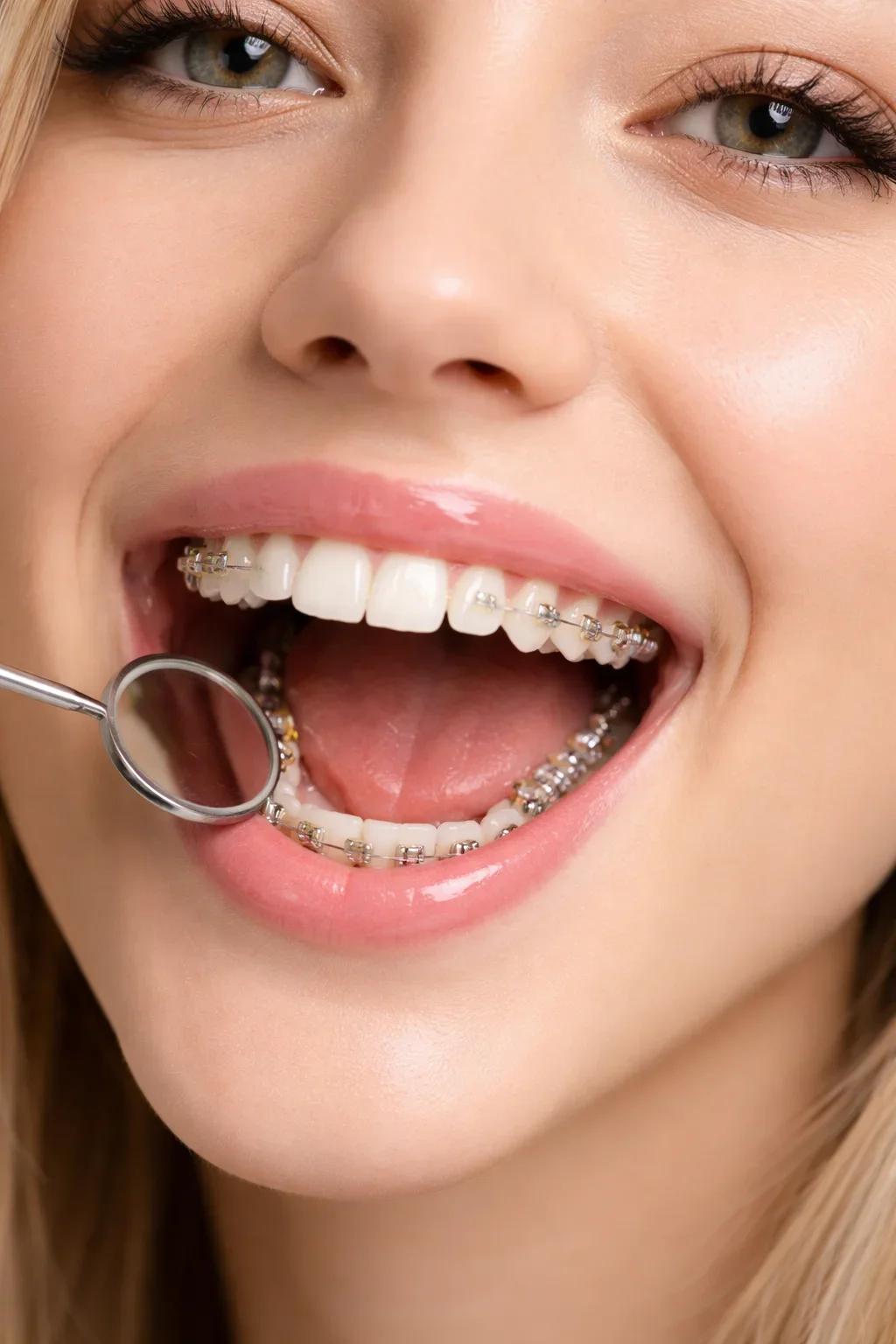
Cost of Inner Braces and What Affects the Price?
The cost of inner braces is one of the most important factors patients consider before starting treatment. While inner braces offer a discreet and highly effective orthodontic solution, they are generally more expensive than traditional braces due to their customization, advanced technology, and specialized placement. Understanding the pricing structure of inner braces helps patients make informed decisions and plan their treatment more effectively. 😊
Average Cost of Inner Braces
The price of inner braces can vary significantly depending on the country, clinic, and complexity of the case. On average, inner braces treatment typically falls within the following range:
Estimated Price Range
- United States: $8,000 – $13,000
- United Kingdom: £5,000 – £10,000
- Europe: €4,000 – €9,000
- Turkey: $2,500 – $6,000
These prices reflect the advanced nature of inner braces and the expertise required to design and apply them. While the cost may seem higher compared to traditional braces, many patients find the benefits of inner braces—especially their invisibility—worth the investment. 👍
Why Inner Braces Are More Expensive
Inner braces involve a more complex process compared to conventional orthodontic treatments. Several factors contribute to their higher cost.
Customization and Technology
Each set of inner braces is custom-made using digital scanning and 3D modeling technologies. This level of personalization ensures precise tooth movement but also increases production costs. Unlike standard braces, inner braces cannot be mass-produced, making them more expensive.
Specialized Orthodontic Expertise
Not all orthodontists are trained to apply inner braces. The placement requires advanced skills and experience, as working on the inner surfaces of the teeth is more technically demanding. This specialized expertise is reflected in the overall cost of inner braces.
Factors That Influence the Cost of Inner Braces
The total price of inner braces is influenced by several individual factors. Understanding these variables can help you estimate your treatment expenses more accurately.
Complexity of the Case
Patients with severe alignment issues or bite problems may require longer treatment and more adjustments, increasing the overall cost of inner braces. Simpler cases are generally less expensive.
Duration of Treatment
The longer you need to wear inner braces, the higher the cost may be. Extended treatment requires more appointments, adjustments, and monitoring.
Location of the Clinic
Geographical location plays a significant role in pricing. Clinics in major cities or developed countries often charge more for inner braces due to higher operational costs and demand.
Technology and Materials Used
Advanced materials and cutting-edge technology can increase the cost of inner braces but also improve comfort and treatment efficiency. High-quality systems often deliver better results and a smoother experience. ✨
Are Inner Braces Worth the Investment?
Although inner braces are more expensive, many patients consider them a worthwhile investment due to their unique benefits. The combination of invisibility, effectiveness, and customization makes inner braces a premium orthodontic option.
Long-Term Value
Inner braces not only improve the appearance of your smile but also enhance oral health by correcting alignment issues. Straight teeth are easier to clean, reducing the risk of cavities and gum disease. Over time, this can save money on future dental treatments.
Confidence During Treatment
One of the biggest advantages of inner braces is the ability to undergo orthodontic treatment without visible brackets. This allows patients to maintain confidence in both personal and professional settings throughout the process.
Insurance and Payment Options
Many patients wonder whether insurance covers inner braces. Coverage varies depending on the provider and the specific plan.
Dental Insurance Coverage
Some dental insurance plans may partially cover orthodontic treatment, including inner braces, especially if the treatment is medically necessary. However, cosmetic cases may not be fully covered.
Flexible Payment Plans
Many dental clinics offer payment plans to make inner braces more affordable. These plans allow patients to spread the cost over several months or years, reducing the financial burden.
Cost vs Other Orthodontic Options
Comparing inner braces with other orthodontic treatments can help you understand their value more clearly.
Inner Braces vs Traditional Braces
Traditional braces are generally less expensive, but they are visible. Inner braces offer the advantage of invisibility, which many patients consider worth the higher price.
Inner Braces vs Clear Aligners
Clear aligners may have a similar price range to inner braces, depending on the brand and treatment complexity. However, inner braces provide continuous treatment without the need for patient compliance, which can lead to more consistent results.
How to Get an Accurate Cost Estimate
The best way to determine the exact cost of inner braces is through a professional consultation. Every patient’s case is unique, and a personalized evaluation is necessary to provide an accurate quote.
If you are considering inner braces and want to explore your options, you can contact a specialist through the Redent Klinik Contact Page to receive a customized treatment plan and detailed cost breakdown.
For additional trusted information about orthodontic care and dental treatments, you can also visit the American Dental Association, which offers reliable guidance for patients worldwide.
In conclusion, while inner braces may involve a higher initial cost, they offer exceptional value through their discreet design, advanced technology, and long-lasting results. By understanding the factors that influence pricing, patients can make informed decisions and confidently invest in a healthier, more attractive smile. 😁