
Getting a perfect smile often requires orthodontic treatment, but the cost of braces can be overwhelming without the right financial support. That’s where insurance for teeth braces comes in — a crucial tool that helps reduce expenses and make treatment more accessible for both children and adults. This guide explains everything you need to know about how brace insurance works, what it covers, and how you can make the most of your benefits. 🦷💡
Most people are surprised to learn that not all dental plans include orthodontic coverage. In fact, insurance for teeth braces is usually a specialized addition to standard dental policies. It helps pay for treatments that align your teeth and correct bite issues. Depending on your plan, it might cover a fixed percentage of the total cost or provide a maximum lifetime benefit per person — often between $1,000 and $3,000. Understanding these details before starting treatment is essential for managing expectations and budgeting wisely.
Dental insurance plans that include braces coverage can vary greatly between providers. Some plans only cover braces for minors, while others extend benefits to adults seeking aesthetic or corrective alignment. For example, a child with overcrowded teeth or an underbite may qualify for full or partial coverage under a family dental plan. On the other hand, adults often need to look for enhanced or specialized plans that include orthodontic benefits. Therefore, reviewing policy documents carefully helps you determine whether your insurance for teeth braces applies to your specific situation.
To understand how this type of coverage works, it’s important to look at the process from start to finish. First, your orthodontist will perform an evaluation and provide a treatment plan outlining the expected costs. Next, the insurance company will review the plan to determine how much of the expense they will cover. Typically, insurers pay a certain percentage — for example, 50% — up to a lifetime maximum. This means that if your braces cost $5,000, and your plan covers 50% up to $2,000, your insurance will pay $2,000 while you pay the remaining $3,000 out of pocket. 📋💰
In addition to traditional metal braces, many insurance plans today include partial coverage for modern orthodontic options such as ceramic braces and clear aligners like Invisalign. However, these alternatives can sometimes be classified as “cosmetic” by insurers, resulting in limited reimbursement. Before beginning treatment, always ask your orthodontist to submit a pre-authorization request to your insurer. This ensures there are no financial surprises down the line and gives you a clear understanding of what your insurance for teeth braces will actually pay for.
It’s also helpful to note that waiting periods often apply to new policies. Some insurers require you to hold the policy for 6 to 12 months before orthodontic benefits become available. This rule helps prevent people from purchasing coverage only after learning they need braces. If you’re planning orthodontic treatment soon, it’s wise to enroll in a plan well in advance to take full advantage of its benefits.
Another critical point is the role of network providers. If your orthodontist participates in your insurance network, you’ll likely receive higher reimbursement rates and reduced out-of-pocket expenses. Out-of-network treatment can still be covered, but usually at a lower percentage. Always confirm that your dental specialist is in-network to maximize your insurance savings. This simple step can reduce your total costs by hundreds of dollars over the course of treatment. 🏥💬
When it comes to documentation, keeping thorough records is essential. Save every receipt, treatment plan, and correspondence with your insurer. This helps if you ever need to file an appeal or claim for additional reimbursement. Many orthodontists’ offices handle the paperwork on behalf of their patients, streamlining the process. Still, staying informed about your own coverage and policy limits ensures you’re never caught off guard.
If you’re unsure where to start or what plan to choose, consult your dentist or orthodontist. They can often recommend providers that offer comprehensive insurance for teeth braces. You can also reach out to your local dental association or visit the American Dental Association website for reliable information on dental insurance standards and orthodontic care guidelines. For personalized assistance or to schedule an appointment with an experienced orthodontic specialist, visit the Redent Klinik Contact Page.
In summary, insurance for teeth braces plays a vital role in making orthodontic treatment more affordable and stress-free. Whether you’re a parent considering braces for your child or an adult looking to improve your smile, understanding your insurance coverage can help you make the right financial and dental decisions. The key is preparation: review your policy, confirm your provider’s participation, and plan ahead for any waiting periods or co-payments. With the right knowledge and strategy, achieving a confident, aligned smile is both possible and affordable. 😁✨
Understanding How Dental Insurance Works for Braces
When you first start exploring insurance for teeth braces, the details can seem confusing. Orthodontic coverage doesn’t always follow the same rules as general dental insurance, which usually focuses on preventive and restorative care like cleanings, fillings, and crowns. Braces fall under a specialized category called “orthodontic treatment,” and understanding how insurance applies to this category can help you make better financial and healthcare decisions. 🦷💡
How Orthodontic Coverage Differs from Regular Dental Insurance
Regular dental insurance typically covers two cleanings per year, diagnostic X-rays, and a portion of basic treatments. In contrast, insurance for teeth braces is usually an optional or additional benefit. This type of insurance covers part of the cost of braces, retainers, and other orthodontic appliances used to correct misalignment, spacing issues, and bite problems. Some policies offer direct orthodontic coverage, while others include orthodontic benefits as an add-on. It’s essential to verify the scope of coverage before you commit to any treatment plan.
In most cases, orthodontic benefits are separate from your annual dental maximum. Instead of resetting each year, they usually come with a lifetime limit — often ranging between $1,000 and $3,500 per individual. This means that once you’ve used up that benefit, the insurer will not pay additional orthodontic expenses. Understanding this lifetime cap is crucial to estimating your out-of-pocket costs. 📊
Pre-Authorization and Waiting Periods
Before your braces are fitted, many insurance companies require pre-authorization. This step ensures that your treatment plan is medically necessary and aligns with policy requirements. During pre-authorization, your orthodontist sends diagnostic X-rays, photographs, and a treatment summary to the insurer. Once approved, the insurer confirms how much of the total cost will be covered.
It’s also common for policies to include a waiting period — a specific timeframe you must wait before orthodontic coverage activates. Waiting periods generally range from 6 to 12 months. This rule helps insurers prevent short-term enrollments made solely to cover planned orthodontic treatments. If you plan ahead and enroll early, you can take full advantage of your insurance for teeth braces when the time comes to begin treatment.
Understanding Co-Payments and Reimbursement Structures
Different insurance providers use different payment models. Some plans pay the orthodontist directly, while others reimburse the policyholder after payment. Additionally, most insurance for teeth braces policies only cover a fixed percentage of the treatment cost — typically around 50%. For example, if the total cost is $6,000 and your plan covers 50% with a lifetime maximum of $2,500, you will receive $2,500 in benefits and pay the remaining $3,500 yourself. 💰
Insurance payments for braces are often distributed over the course of treatment rather than as a lump sum. Because braces typically require 18–24 months of care, insurers may release funds periodically, usually as the orthodontist submits progress reports. This gradual payment process ensures coverage remains active throughout your treatment period and helps prevent misuse of benefits.
What Braces Treatments Are Typically Covered
Coverage depends on the specific plan, but most orthodontic insurance policies include traditional metal braces, ceramic braces, and lingual braces. Increasingly popular options like Invisalign or clear aligners may also be covered, although often at a reduced rate. Insurers may classify clear aligners as “cosmetic,” which limits reimbursement. Always ask your provider whether your chosen treatment type is considered medically necessary under your insurance for teeth braces policy.
Medically Necessary vs. Cosmetic Treatment
This distinction greatly impacts reimbursement. Medically necessary orthodontic treatment includes procedures that improve chewing function, correct jaw alignment, or prevent future dental complications. Cosmetic orthodontics, however, focuses on aesthetic improvements — for example, straightening slightly misaligned teeth for a more appealing smile. Insurance plans tend to cover the former more generously, while the latter may receive little to no coverage. 💬
How Age Affects Insurance Coverage for Braces
Age plays a significant role in how insurance for teeth braces applies. Many family dental plans cover orthodontic care only for dependents under 18, since early treatment can prevent more serious dental issues later in life. Adult orthodontic coverage is less common but becoming increasingly available as more adults pursue corrective orthodontics for both functional and aesthetic reasons. If you’re an adult, carefully compare policies to ensure orthodontic coverage is explicitly included before enrollment.
Choosing an In-Network Orthodontist
When you use an in-network orthodontist, your insurer has already negotiated lower rates for services, resulting in significant savings. Out-of-network providers can still offer excellent care, but the reimbursement rate will usually be lower. Choosing an in-network orthodontist helps you maximize your benefits under your insurance for teeth braces plan and reduces your overall treatment costs. 🏥
Maximizing Your Benefits and Avoiding Hidden Costs
To get the most from your plan, always review the fine print. Some insurers may exclude specific treatments or require higher co-pays for advanced orthodontic methods. Others might limit coverage to once per lifetime, even if you switch providers. By understanding the structure of your insurance for teeth braces, you can avoid unexpected expenses and plan for any gaps in coverage.
In addition to understanding the insurance details, keeping communication open with your orthodontist and insurer ensures a smoother process. Your orthodontist’s staff can help manage claims, file pre-authorizations, and track reimbursements on your behalf. For further guidance on dental insurance standards and coverage regulations, visit the American Dental Association. If you’re planning treatment and want expert advice, you can also reach out through the Redent Klinik Contact Page for personalized support from dental professionals.
Ultimately, understanding how dental insurance works for braces empowers you to make informed decisions about your oral health and financial well-being. By learning how coverage limits, age restrictions, waiting periods, and treatment classifications affect your plan, you can optimize your benefits and minimize stress throughout your orthodontic journey. 😁✨
Why Insurance for Teeth Braces Is Important for Families
For many families, orthodontic treatment is a long-term investment in both health and confidence. However, the financial burden can be substantial, which is why insurance for teeth braces plays such a vital role. Whether you’re a parent seeking braces for your child or an adult considering alignment correction, understanding how insurance reduces costs and provides stability is essential. This section explores the importance of orthodontic insurance and how it protects families from unexpected financial strain while ensuring proper dental care. 🦷❤️
The Rising Cost of Orthodontic Treatment
Braces are no longer limited to metal wires and brackets. Modern orthodontics offers ceramic braces, lingual braces, and clear aligners such as Invisalign — all of which provide improved aesthetics and comfort. However, these advancements also come with higher costs. Depending on the type of braces, the total expense can range between $4,000 and $8,000. Without insurance for teeth braces, many families struggle to cover these costs upfront, leading to delayed or abandoned treatment plans.
Insurance helps bridge this gap by covering a percentage of the cost, making treatment accessible to families across different income levels. For instance, if your plan offers 50% coverage up to a $2,000 lifetime maximum, you effectively reduce your financial burden by nearly half. This kind of support can make the difference between receiving necessary orthodontic care and postponing it indefinitely. 💰
Protecting Children’s Dental Health Early
Most dental professionals recommend that children have an orthodontic evaluation by age seven. Early intervention can prevent complex alignment issues and jaw irregularities later in life. However, the need for braces often arises between ages 9 and 14 — a period when many families are already balancing other expenses such as school fees, healthcare costs, and household needs. Having insurance for teeth braces ensures that parents can provide their children with proper dental care at the right time without compromising financial stability.
In addition, untreated misalignment issues can lead to speech problems, difficulty chewing, and even self-esteem issues. By investing in orthodontic coverage early, parents can ensure that their child’s oral development progresses smoothly and healthily. Insurance acts as a safety net that allows families to focus on well-being rather than financial stress. 🧒🦷
How Insurance Helps Adult Patients Too
Although braces are commonly associated with teenagers, a growing number of adults are now pursuing orthodontic treatment. With innovations like clear aligners, adults can achieve a straight smile discreetly and comfortably. However, adult orthodontic care is typically more expensive and less likely to be fully covered by basic dental plans. In such cases, choosing a policy with orthodontic benefits becomes essential.
Having insurance for teeth braces as an adult provides two major advantages: financial support and peace of mind. It reduces the cost of treatments that improve not only aesthetics but also oral function and long-term dental health. Straight teeth are easier to clean, which lowers the risk of gum disease and cavities. Insurance coverage helps adults address both cosmetic and medical concerns without sacrificing financial security.
Financial Predictability and Family Budgeting
Orthodontic treatment typically spans 18 to 24 months, and payments are often made in installments. Without insurance, these monthly costs can significantly impact a family’s budget. A well-chosen insurance for teeth braces plan introduces predictability to the financial process. You’ll know upfront what portion of treatment is covered, allowing you to budget accordingly and avoid unexpected expenses during the treatment timeline.
Furthermore, some insurance companies offer flexible payment plans, letting families spread costs over time while maintaining comprehensive coverage. This flexibility makes it easier for families to balance orthodontic expenses with other essential financial obligations. 📅
Reducing Emotional Stress Linked to Dental Expenses
Financial stress can take a toll on families, especially when healthcare costs pile up unexpectedly. Knowing that part of your orthodontic treatment is covered by insurance provides reassurance and emotional relief. Instead of worrying about payments, families can focus on treatment progress and results. This peace of mind is one of the most underrated but valuable benefits of having insurance for teeth braces.
Encouraging Preventive and Regular Checkups
Families with dental insurance that includes orthodontic coverage are also more likely to schedule regular checkups. These visits help dentists and orthodontists detect issues early, leading to more effective and less invasive treatments. Prevention and early action ultimately reduce the overall cost of care — a major reason why dental professionals strongly recommend maintaining active insurance coverage.
Additionally, insurance often promotes consistency in treatment follow-ups. Because orthodontic treatment requires regular adjustments and monitoring, consistent coverage ensures no gaps in care. This leads to better results and a reduced likelihood of complications such as prolonged treatment duration or relapse after braces removal. 🪥
Comprehensive Family Health Protection
Dental health is closely linked to overall well-being. Misaligned teeth can lead to improper chewing, which affects digestion, while chronic oral issues may increase the risk of systemic conditions like heart disease. Families that secure insurance for teeth braces not only invest in smiles but also in broader health protection. By correcting alignment and improving oral function, insurance-backed orthodontic treatment contributes to long-term physical wellness.
Moreover, parents who prioritize their children’s dental coverage often set a positive example for preventive healthcare habits. Kids who see the importance of regular dental visits and insurance coverage are more likely to maintain those habits into adulthood. 🌟
Final Thoughts: Insurance as a Long-Term Family Investment
At its core, insurance for teeth braces is about more than saving money — it’s about ensuring every family member has access to a healthy, confident smile. It transforms orthodontic care from a financial challenge into a manageable, predictable commitment. Families who understand and utilize their insurance benefits can achieve excellent dental outcomes without sacrificing their financial well-being.
For expert guidance on orthodontic options and insurance-compatible treatments, visit the American Dental Association for professional standards and information. If you’re ready to explore treatment plans for your family, contact specialists through the Redent Klinik Contact Page to receive personalized recommendations and start your journey toward healthier, happier smiles. 😁✨
Types of Insurance Plans That Cover Orthodontic Treatment
Understanding the different types of plans that include insurance for teeth braces is one of the most important steps when preparing for orthodontic care. Not all dental insurance policies are created equal — coverage levels, eligibility requirements, and cost-sharing structures can differ widely. Some plans offer comprehensive orthodontic benefits, while others only partially cover braces or limit reimbursement to specific cases. In this section, we’ll explore all major insurance plan types, how each one works, and which options are best suited for families and individuals seeking affordable orthodontic treatment. 🦷💳
1. Employer-Sponsored Dental Insurance Plans
Many people receive dental coverage through their employer as part of a larger health benefits package. Employer-sponsored plans are often the most reliable and cost-effective option for obtaining insurance for teeth braces. These plans typically share costs between employer and employee, reducing the total monthly premium burden. Because group policies are designed for a broad audience, they frequently include orthodontic coverage for dependents and sometimes even for adults.
Coverage levels in employer-sponsored plans vary depending on the company’s chosen provider. For example, a typical plan might pay 50% of orthodontic costs with a lifetime maximum of $2,000 per person. This means that once an individual reaches the lifetime benefit cap, any additional expenses are the patient’s responsibility. It’s also worth noting that many employers partner with well-known providers such as Delta Dental, MetLife, or Cigna, all of which offer orthodontic coverage as part of their group plans.
2. Individual and Family Dental Insurance Plans
If you’re self-employed or your employer doesn’t offer dental benefits, you can purchase individual or family plans directly from insurance companies. These plans provide flexibility but may come at a higher premium. When selecting a private plan, look specifically for orthodontic benefits — not all policies automatically include them. Policies that do offer insurance for teeth braces may have different age restrictions, waiting periods, or coverage percentages.
Some individual plans cover only children under 18, while others include adults as well. Reviewing the fine print is essential. For instance, certain plans might offer 40–50% coverage up to a set lifetime maximum. If you’re considering long-term treatment options like ceramic braces or clear aligners, confirm whether these are classified as medically necessary or cosmetic. The classification will affect how much of your treatment the insurance will actually pay for.
3. Dental Discount or Savings Plans
Although not technically a form of insurance for teeth braces, dental discount plans can still help families save money on orthodontic care. These programs require an annual membership fee and, in return, offer reduced rates for various dental services through participating providers. Savings typically range from 10% to 60% depending on the procedure and provider. While they do not reimburse you for treatment, they provide predictable discounts that can significantly reduce overall costs for braces, retainers, and follow-up appointments.
Dental savings plans work particularly well for those who need immediate treatment but cannot wait for a new insurance policy’s waiting period to end. They also suit adults seeking cosmetic orthodontics, such as clear aligners, that may not be covered under traditional insurance.
4. Medicaid and CHIP Coverage
In many countries, including the United States, government programs like Medicaid and the Children’s Health Insurance Program (CHIP) offer insurance for teeth braces under specific conditions. These programs generally cover braces for children and teenagers when orthodontic treatment is deemed medically necessary — for example, to correct severe malocclusion, speech difficulties, or bite problems. Cosmetic reasons alone usually do not qualify for coverage.
Each state sets its own guidelines for Medicaid orthodontic eligibility, so the extent of coverage varies. However, for qualifying families, these public insurance options provide a vital opportunity to access affordable orthodontic care. Parents are encouraged to consult their state’s Medicaid office or their child’s dental provider to determine eligibility and begin the pre-authorization process. 🧒🏥
5. Health Maintenance Organization (HMO) Dental Plans
HMO dental plans are structured around a network of participating dentists and orthodontists. Members select a primary care dentist, who coordinates referrals to specialists. One advantage of HMO plans is their lower premiums and predictable co-payments. However, they usually offer limited flexibility when it comes to choosing providers. If your preferred orthodontist is outside the network, you might not receive any coverage for treatment.
For insurance for teeth braces, HMO plans typically offer partial coverage for metal or ceramic braces but may not cover clear aligners or lingual braces. They are ideal for families looking to keep monthly costs low while maintaining access to essential orthodontic care. Before enrolling, confirm whether orthodontic services are explicitly listed as covered benefits and whether age restrictions apply.
6. Preferred Provider Organization (PPO) Dental Plans
PPO plans offer more flexibility than HMOs. You can visit any licensed dentist or orthodontist, though staying within the network provides higher reimbursement rates. PPO plans tend to have higher premiums but more comprehensive coverage, making them one of the most popular choices for insurance for teeth braces.
These plans often reimburse 40–60% of orthodontic expenses and include lifetime caps ranging between $1,500 and $3,500. PPO plans are especially valuable for families with multiple dependents who may require braces at different times, ensuring each member receives fair coverage without excessive costs.
Comparing HMO and PPO Plans
While HMO plans prioritize affordability, PPO plans emphasize flexibility and broader coverage. If you already have a trusted orthodontist, a PPO plan allows you to continue care without restrictions. On the other hand, if cost containment is your top priority, an HMO might be the better fit. Evaluating your family’s dental history, treatment preferences, and budget will help determine the right balance between cost and convenience. 💡
7. Supplemental Orthodontic Insurance
Some people choose to purchase a supplemental policy specifically designed to enhance existing dental coverage. These plans can increase your orthodontic benefits beyond the standard limits or reduce out-of-pocket costs for treatments not fully covered by primary insurance. Supplemental insurance for teeth braces is ideal for families expecting multiple orthodontic treatments over the years or for adults pursuing advanced procedures.
8. Marketplace and ACA-Compliant Plans
Plans available through health insurance marketplaces (established under the Affordable Care Act) may include pediatric dental coverage with orthodontic benefits. However, adult orthodontic coverage is less common. If you’re selecting a marketplace plan, check whether orthodontics are listed as an essential health benefit. Some providers include insurance for teeth braces under comprehensive family dental add-ons, which can make a significant difference in long-term savings.
Making the Right Choice
Choosing the best plan depends on your financial priorities, family size, and treatment needs. Always compare coverage details, waiting periods, age limits, and network options before enrolling. For professional guidance on dental insurance standards and orthodontic coverage regulations, visit the American Dental Association. To explore personalized insurance-compatible orthodontic options, reach out via the Redent Klinik Contact Page and receive expert support for finding the most suitable plan for your smile journey. 😁✨
The Average Coverage and Costs of Braces with Insurance
Before committing to orthodontic treatment, understanding the average coverage and costs associated with insurance for teeth braces can help you plan financially and make informed choices. Braces are a significant investment in both oral health and appearance, and insurance plays a key role in making this investment more affordable. In this section, we’ll explore how much braces typically cost, what percentage insurance covers, and the factors that influence your total out-of-pocket expenses. 🦷💰
Typical Cost of Braces Without Insurance
The cost of orthodontic treatment varies widely based on the type of braces, duration of treatment, and geographic location. Without insurance for teeth braces, the average costs in the United States are as follows:
- Traditional metal braces: $3,000 – $7,500
- Ceramic (clear) braces: $4,000 – $8,500
- Lingual braces (behind the teeth): $8,000 – $10,000
- Invisalign or clear aligners: $3,500 – $8,000
These prices include the initial consultation, fittings, adjustments, and removal of braces, but may not include additional retainers or follow-up care. For many families, this level of expense is difficult to manage out of pocket, especially for multiple children requiring orthodontic treatment. That’s why obtaining insurance for teeth braces is so valuable — it can reduce costs by thousands of dollars. 📉
How Much Does Insurance Typically Cover?
Most dental insurance plans that include orthodontic benefits cover between 25% and 50% of the total treatment cost. However, insurers usually set a lifetime maximum limit for orthodontic benefits, typically ranging from $1,000 to $3,500 per person. Once that limit is reached, any additional costs are your responsibility.
Here’s an example: If your braces cost $6,000 and your insurance plan covers 50% with a $2,000 lifetime maximum, the insurer will pay $2,000, and you’ll cover the remaining $4,000. While this may still seem like a large amount, it represents a substantial reduction from the total treatment cost. Moreover, having insurance for teeth braces allows patients to start treatment sooner, without the need for full upfront payment.
Monthly Payments and Reimbursement Models
Insurance companies often don’t pay the full orthodontic amount in a single lump sum. Instead, they distribute payments periodically — usually every quarter — during the course of treatment. This system ensures that benefits remain active and encourages patients to stay compliant with their treatment plans. Orthodontists typically submit progress reports to the insurer for continued reimbursement. For patients, this structure provides predictable financial support over time, aligning payments with ongoing treatment milestones. 📆
Factors That Influence the Cost of Braces
Even with insurance for teeth braces, total expenses vary depending on several factors. Understanding these can help you estimate your financial commitment more accurately:
- Type of braces: Metal braces are generally the most affordable, while ceramic, lingual, and clear aligners are more expensive due to their aesthetics and technology.
- Age of the patient: Insurance often provides more comprehensive coverage for children than for adults. Adult braces are typically classified as elective or cosmetic, resulting in lower reimbursement rates.
- Duration of treatment: Longer treatment times require more appointments and adjustments, increasing overall costs.
- Complexity of the case: Severe misalignments, overbites, or jaw irregularities may require additional appliances or extended care.
- Geographical region: Orthodontic pricing tends to be higher in major metropolitan areas compared to smaller towns.
Comparing Average Costs with and Without Insurance
Let’s look at a typical cost comparison to better understand the financial impact of insurance for teeth braces:
| Type of Braces | Average Cost (No Insurance) | Average Cost (With Insurance) | Potential Savings |
|---|---|---|---|
| Traditional Metal Braces | $5,000 | $3,000 | $2,000 |
| Ceramic Braces | $6,500 | $4,000 | $2,500 |
| Lingual Braces | $9,000 | $7,000 | $2,000 |
| Invisalign/Clear Aligners | $6,000 | $4,500 | $1,500 |
As seen above, families can save a significant amount with proper coverage. These numbers highlight why investing in insurance for teeth braces can make orthodontic care much more attainable.
Out-of-Pocket Costs and Payment Plans
Even with insurance, patients often need to cover deductibles, co-pays, or remaining balances after benefits are applied. Many orthodontic clinics offer flexible financing options, including interest-free monthly payment plans, to help manage these expenses. Some also accept Health Savings Accounts (HSAs) or Flexible Spending Accounts (FSAs), which allow you to use pre-tax dollars for orthodontic treatment, further lowering your costs.
Tips to Reduce Your Total Expenses
Here are a few strategies to maximize your savings:
- Choose an in-network orthodontist to get the highest reimbursement rate.
- Review your insurance’s lifetime orthodontic maximum and plan your treatment accordingly.
- Combine employer and private insurance if possible — secondary insurance can cover what the primary doesn’t.
- Use pre-tax accounts like FSAs or HSAs for additional cost reductions.
Additional Fees to Consider
Patients should also budget for potential extras not always covered by insurance for teeth braces — such as retainers after braces removal, replacement of broken brackets, or emergency visits. These costs might range between $100 and $500 depending on the situation. Always clarify these details during your orthodontic consultation to avoid surprises later.
Final Thoughts on Cost and Coverage
Orthodontic care is a life-changing investment, improving both dental health and self-confidence. With the right insurance for teeth braces, you can dramatically lower the financial burden and access treatment without delay. Remember to review your policy, confirm coverage details, and plan ahead for deductibles and co-payments. For additional guidance on dental coverage standards, visit the American Dental Association. And if you’d like personalized advice on braces costs or insurance-compatible treatment options, visit the Redent Klinik Contact Page to connect with orthodontic experts. 😁✨
How to Check If Your Insurance Covers Teeth Braces
One of the most important steps before starting orthodontic treatment is confirming whether your dental plan includes insurance for teeth braces. Many people assume their policy automatically covers braces, but this is not always the case. Coverage can vary depending on the provider, plan type, and even the reason for treatment. Understanding how to verify coverage helps you avoid unexpected costs and ensures a smooth start to your orthodontic journey. 🦷📋
Step 1: Review Your Dental Insurance Policy
The first step is to carefully read your dental insurance policy. Look for a section labeled “Orthodontic Services” or “Orthodontic Coverage.” This is where you’ll find details about eligibility, reimbursement limits, and waiting periods. If your plan includes insurance for teeth braces, it will clearly list what types of braces are covered (such as metal, ceramic, or clear aligners) and any applicable age restrictions.
Policies typically outline three main components of orthodontic coverage:
- Percentage covered: Most plans pay between 25–50% of total treatment costs.
- Lifetime maximum: The maximum amount an insurer will pay per person, often between $1,000–$3,500.
- Eligibility requirements: Some policies cover only children under 18, while others include adult orthodontics.
If your dental plan documentation is unclear, request a summary of benefits from your insurance provider. This will help you confirm whether insurance for teeth braces applies to your specific treatment needs.
Step 2: Contact Your Insurance Company Directly
Once you’ve reviewed your policy, the next step is to call your insurance company’s customer service department. Ask for a representative who handles dental claims or orthodontic benefits. When you contact them, have your policy number and personal details ready. A simple phone call can save you significant time and confusion later.
Here are a few essential questions to ask your insurer:
- Does my plan include orthodontic coverage or insurance for teeth braces?
- What is the percentage of coverage for orthodontic treatment?
- Is there a lifetime maximum or annual limit for braces?
- Are adult braces covered, or only treatments for minors?
- Does coverage include clear aligners such as Invisalign, or only traditional braces?
- Is pre-authorization required before treatment begins?
Taking notes during the call ensures you have written confirmation of all answers. Some insurers even allow you to request a written statement of benefits via email or mail — an official record that confirms your eligibility for insurance for teeth braces. 📝
Step 3: Ask Your Orthodontist to Verify Coverage
Orthodontic offices are highly experienced in dealing with insurance companies. Most will happily help you verify whether your plan includes insurance for teeth braces. During your consultation, provide your insurance card and policy information so the office can contact your insurer on your behalf.
Your orthodontist’s administrative team can:
- Submit a pre-authorization or pre-determination form.
- Confirm the exact amount of coverage available.
- Estimate your out-of-pocket costs before treatment begins.
- Provide a payment schedule that aligns with your insurance reimbursement structure.
Pre-authorization is especially important because it confirms that your insurer has reviewed and approved the medical necessity of your orthodontic treatment. Without this step, there’s a risk your claim may be denied later. By ensuring that your insurance for teeth braces is properly verified, you protect yourself from unexpected bills or reimbursement delays. 💡
What Information Is Typically Required?
To process a pre-authorization, insurers usually ask for the following documents:
- Orthodontic treatment plan (with duration and total estimated cost)
- Diagnostic X-rays and photographs
- Explanation of medical necessity (such as correcting a bite problem or jaw alignment issue)
- Provider’s treatment code and National Provider Identifier (NPI)
Submitting complete documentation upfront speeds up approval and minimizes delays in starting treatment.
Step 4: Check Network Participation
Insurance companies usually have networks of approved providers who offer services at pre-negotiated rates. If your orthodontist is “in-network,” your overall costs will be lower. Out-of-network orthodontists may still be covered, but you’ll likely face higher co-payments and reduced reimbursement rates. Before choosing a clinic, confirm whether they participate in your plan’s network to get the full benefits of your insurance for teeth braces. 🏥
Step 5: Understand Waiting Periods and Limitations
Some dental insurance policies include a waiting period before orthodontic benefits become available — typically between 6 and 12 months after enrollment. If you start treatment before the waiting period ends, the insurer may not cover any portion of the cost. Similarly, most plans enforce a one-time lifetime limit on orthodontic benefits, so you won’t receive additional coverage for future treatments under the same plan.
Understanding these limitations in advance helps you schedule treatment strategically and avoid out-of-pocket surprises. If your plan doesn’t currently cover orthodontic treatment, you can look into upgrading to a more comprehensive plan during your next open enrollment period. 📆
Pro Tip: Get Written Confirmation
Always request written confirmation of your orthodontic coverage from your insurance company. This serves as proof if disputes arise later. Having documentation that verifies your insurance for teeth braces eligibility ensures transparency between you, your provider, and the insurer.
Step 6: Explore Supplemental Coverage Options
If your existing plan doesn’t include orthodontic benefits, you can purchase supplemental dental insurance to expand your coverage. Many insurers offer add-ons specifically for braces, which can be purchased individually or through employer benefits. These supplemental plans often include fewer waiting periods and broader eligibility for adult patients. They are an excellent way to enhance your current insurance for teeth braces and reduce long-term treatment costs.
Final Thoughts: Be Proactive and Informed
Checking your coverage for orthodontic treatment might seem complicated at first, but taking these steps ensures you make informed financial and healthcare decisions. Start by reviewing your policy, contacting your insurer, and consulting your orthodontist’s billing department. Verify network participation, understand limitations, and confirm your eligibility in writing. By being proactive, you can confidently move forward with your orthodontic treatment while maximizing the value of your insurance for teeth braces.
For trustworthy information about dental insurance standards and orthodontic regulations, you can visit the American Dental Association. If you want expert help verifying coverage or exploring treatment options, contact experienced specialists through the Redent Klinik Contact Page — their team can help you determine the best approach for your smile and your budget. 😁✨
Comparing Private and Employer Dental Insurance Options
When planning orthodontic treatment, choosing between private and employer-sponsored dental coverage can significantly affect your budget and treatment accessibility. Both options offer valuable benefits, but their structure, flexibility, and costs vary greatly. Understanding these differences helps you choose the most effective insurance for teeth braces that fits your family’s needs and financial situation. In this section, we’ll compare both types of insurance in depth — highlighting coverage features, pros and cons, and practical decision-making strategies. 🦷💼
Employer-Sponsored Dental Insurance Plans
Employer-sponsored dental plans are group policies provided through your workplace. They are among the most popular ways to access insurance for teeth braces, especially for families. Because the employer pays part of the premium, these plans are often more affordable than individual policies purchased privately. Employers typically partner with major insurance carriers such as Delta Dental, MetLife, or Cigna, ensuring access to broad networks and established orthodontic providers.
Employer plans often include a defined orthodontic benefit, which covers 40–50% of the total cost of braces, up to a lifetime maximum (usually between $1,500 and $3,000 per person). These benefits are most commonly available for dependents under 18, though some modern group policies now include adult orthodontic coverage as well. 💰
Advantages of Employer Plans
- Lower premiums: Since the employer subsidizes part of the cost, your monthly contributions are significantly reduced compared to private insurance.
- Group negotiation power: Large organizations often negotiate better rates and broader coverage terms, improving affordability.
- Automatic payroll deductions: Payments are conveniently managed through payroll, making budgeting easier.
- Family coverage: Many group plans extend orthodontic coverage to dependents, ensuring your children are protected under one plan.
Limitations of Employer Plans
- Limited customization: You cannot usually modify plan benefits or provider networks beyond the employer’s chosen options.
- Coverage gaps for adults: Many employer plans exclude orthodontic care for adults or only cover medically necessary cases.
- Loss of coverage upon job change: If you leave your job, you may lose your orthodontic benefits mid-treatment, potentially increasing your costs.
Private Dental Insurance Plans
Private dental insurance is purchased directly from an insurer rather than through an employer. These plans offer more flexibility in coverage choices, provider selection, and policy customization. Individuals or families who are self-employed, retired, or without access to workplace benefits often opt for private insurance for teeth braces. These plans can be purchased through insurance marketplaces, brokers, or directly from companies.
While private plans tend to have higher premiums, they often provide broader options, such as adult orthodontic coverage, supplemental add-ons, and shorter waiting periods. If you prioritize flexibility and long-term coverage stability, a private plan may be the better investment. 🧾
Advantages of Private Plans
- Full customization: You can choose plans tailored to your age group, treatment goals, and orthodontic needs.
- Continuous coverage: Unlike employer policies, your plan remains active regardless of job changes.
- Adult coverage options: Many private policies explicitly include orthodontic benefits for adults, unlike most group plans.
- Supplemental flexibility: You can purchase additional orthodontic riders to enhance your insurance for teeth braces.
Limitations of Private Plans
- Higher monthly premiums: Without employer subsidies, you must pay the full cost of the plan yourself.
- Waiting periods: Many private policies enforce a waiting period of 6–12 months before orthodontic benefits become active.
- Lower benefit caps: Lifetime maximums may be lower than group plans, typically around $1,000–$2,500 per person.
Key Differences Between Employer and Private Plans
Both private and employer-based insurance for teeth braces can help reduce costs, but they operate differently. Below is a side-by-side comparison:
| Feature | Employer-Sponsored Insurance | Private Dental Insurance |
|---|---|---|
| Premium Cost | Partially paid by employer | Fully paid by individual |
| Flexibility | Limited to employer’s chosen provider network | High — customizable plan options |
| Adult Coverage | Often limited or excluded | Usually available as an option |
| Lifetime Maximum | $1,500 – $3,000 (average) | $1,000 – $2,500 (average) |
| Waiting Periods | Rare or shorter waiting times | Typically 6–12 months |
| Network Restrictions | Must use in-network orthodontists | Freedom to choose any licensed provider |
Which Option Is Better for Families?
For families with children or multiple dependents, employer-sponsored plans often provide the best value. The group coverage usually includes orthodontic care for minors and features lower premiums due to shared costs. However, adults who want to correct long-standing dental issues may benefit more from a private plan that explicitly includes insurance for teeth braces for all ages.
Parents should also consider flexibility. Private policies allow you to stay with your preferred orthodontist even if you change jobs or move to a new city. Employer plans, on the other hand, may require switching to an in-network provider, which can disrupt ongoing treatment. 📊
Combining Employer and Private Coverage
In some cases, it’s possible to combine both types of plans for greater financial advantage. For instance, an employer plan can serve as the primary insurance, while a private policy provides supplemental orthodontic coverage. This dual setup maximizes reimbursement and minimizes out-of-pocket expenses. However, always verify coordination of benefits rules — insurers may have specific guidelines determining which policy pays first. 💡
Important Considerations Before Choosing
- Compare both plans’ orthodontic benefits line by line, focusing on age restrictions and lifetime limits.
- Ask about pre-authorization requirements for braces coverage.
- Check the fine print for exclusions (some policies cover only medically necessary orthodontics).
- Ensure both policies align with your orthodontist’s billing process to avoid claim conflicts.
Final Advice: Making the Smart Choice
Selecting the right insurance for teeth braces depends on your stage in life, treatment goals, and budget flexibility. Employer-sponsored plans typically offer better affordability for families, while private plans provide personalized coverage for individuals and adults. If possible, evaluate both options with the help of your orthodontist’s insurance coordinator to identify which plan offers the best long-term savings and support.
For trustworthy resources on dental insurance standards, visit the American Dental Association. If you’re considering orthodontic treatment and need professional advice about compatible insurance plans, reach out via the Redent Klinik Contact Page to receive expert guidance tailored to your unique situation. 😁✨
Tips to Maximize Your Braces Insurance Benefits
Getting the most out of your insurance for teeth braces requires more than just having a policy — it’s about understanding how to strategically use your benefits to minimize costs and maximize value. Orthodontic insurance can significantly reduce the financial burden of braces, but only if you know how to navigate its limitations, waiting periods, and reimbursement structures. In this section, we’ll discuss practical tips, smart planning strategies, and insider advice to help you get the best possible results from your dental insurance. 🦷💡
1. Understand Your Coverage Details Thoroughly
The first step in maximizing your insurance for teeth braces is to fully understand your policy. Review your plan documents carefully to identify key factors such as coverage percentage, lifetime maximums, waiting periods, and eligible treatment types. Most dental insurance policies with orthodontic coverage pay between 25% and 50% of total costs, with lifetime maximums typically ranging from $1,000 to $3,500 per person. Knowing these details in advance helps you plan your orthodontic expenses and avoid surprises later.
It’s also crucial to understand whether your insurance covers only children or includes adults as well. If you’re an adult considering braces, look for plans that explicitly state orthodontic benefits for individuals over 18. Some policies also include additional benefits for medically necessary orthodontic procedures, which can increase your reimbursement potential.
2. Start Treatment After the Waiting Period Ends
Many dental insurance policies include a waiting period before orthodontic benefits become active. This period can last anywhere from 6 to 12 months after your policy starts. If you begin treatment before the waiting period ends, the insurer may deny your claim entirely. To maximize your insurance for teeth braces, time your orthodontic treatment to begin right after your waiting period concludes.
If your plan is new, schedule your initial consultation early to prepare your treatment plan and pre-authorization documents. That way, once the waiting period is over, you can begin immediately without delays. Timing your treatment strategically ensures that you’re eligible for full benefits and that every stage of care — from braces installation to adjustments — is covered.
3. Choose an In-Network Orthodontist
One of the simplest yet most effective ways to maximize your insurance is by using an in-network orthodontist. Insurance companies negotiate discounted rates with providers in their networks, which can save you hundreds or even thousands of dollars over the course of treatment. If you visit an out-of-network provider, your reimbursement will likely be lower, and you may need to pay the full amount upfront before seeking partial reimbursement.
How to Find In-Network Providers
- Log into your insurance provider’s online portal and use the “Find a Dentist” tool.
- Ask your orthodontist if they are part of your insurer’s preferred provider network.
- Call your insurance company’s customer service line to confirm network participation.
By staying within your insurance network, you optimize every dollar of your insurance for teeth braces benefits while ensuring smoother claim processing and fewer unexpected charges. 🏥
4. Use a Health Savings Account (HSA) or Flexible Spending Account (FSA)
If you have an HSA or FSA, you can use these pre-tax funds to pay for out-of-pocket orthodontic costs not covered by your insurance. These accounts allow you to save money on taxes while covering medical and dental expenses, including braces, retainers, and aligners. Combining these accounts with insurance for teeth braces can further reduce your total financial burden.
Pro Tip:
Estimate your annual orthodontic expenses early and allocate the right amount of money to your HSA or FSA during open enrollment. This proactive planning ensures you have the funds available when payments are due and helps you avoid losing unused funds at year-end (in the case of FSAs). 💳
5. Request a Pre-Authorization Before Starting Treatment
Pre-authorization is an official confirmation from your insurance company that your orthodontic treatment is covered under your plan. It ensures the insurer will pay the agreed portion once treatment begins. To secure this, your orthodontist submits X-rays, diagnostic photos, and a detailed treatment plan to the insurer for review. Once approved, you’ll receive documentation outlining exactly what portion of your braces will be covered and what you’ll owe out-of-pocket.
Pre-authorization not only gives you financial clarity but also prevents claim denials later. This step is essential to make the most of your insurance for teeth braces benefits, especially for expensive treatments such as ceramic or lingual braces.
6. Coordinate Dual Coverage (If Applicable)
If you or your child are covered under two dental insurance plans (for example, through both parents or a combination of employer and private coverage), you can take advantage of “coordination of benefits.” This process determines which insurer pays first and how the secondary insurer contributes to the remaining costs.
When properly coordinated, dual coverage can substantially reduce or even eliminate your out-of-pocket expenses. However, insurers have strict rules on how payments are distributed, so confirm these details with both providers. Dual coverage can be one of the most powerful ways to optimize insurance for teeth braces — when managed correctly. 🧾
7. Plan Around Lifetime Maximums
Most orthodontic insurance benefits are subject to a lifetime maximum per individual. Once this limit is reached, no additional orthodontic coverage is provided. To maximize benefits, it’s best to schedule all necessary orthodontic work — including braces, adjustments, and retainers — within the same treatment cycle while coverage is active.
Some families even time multiple children’s treatments to align with insurance renewal periods, ensuring each child receives the full lifetime maximum available. If your insurer offers supplemental plans, consider purchasing them before the limit is reached to extend your orthodontic coverage further.
8. File Claims Promptly and Keep Records
Timely claim submission is critical to receiving full reimbursement. Most insurance companies have strict deadlines — typically within 90 to 180 days after service — for filing orthodontic claims. Your orthodontist’s office will usually handle this process, but it’s wise to keep copies of all paperwork, payment receipts, and correspondence with your insurer.
Maintaining detailed records not only prevents disputes but also allows you to track how much of your insurance for teeth braces benefits remain available. Digital copies stored in a secure folder make future claims faster and easier to manage.
9. Schedule Regular Follow-Ups and Maintain Compliance
Insurance coverage for orthodontics often extends over the entire duration of treatment, provided that you remain compliant with the insurer’s requirements. Skipping appointments, delaying progress reports, or missing payment submissions can disrupt ongoing reimbursement. Attending all follow-up visits ensures that your orthodontist can submit progress updates on schedule, keeping your benefits active and uninterrupted. ⏰
10. Consult Experts for Guidance
If you’re unsure how to optimize your dental plan or compare policy options, speak with an insurance advisor or orthodontic financial coordinator. Many dental clinics offer complimentary insurance consultations to help patients make the most of their coverage. By combining professional advice with proactive management, you can ensure your insurance for teeth braces delivers maximum value throughout your treatment.
For verified information about dental coverage and orthodontic insurance regulations, visit the American Dental Association. If you need personalized support selecting or using an orthodontic insurance plan, the team at Redent Klinik Contact Page can help guide you through every step of the process — from insurance verification to treatment planning. 😁✨
Common Mistakes to Avoid When Using Insurance for Teeth Braces
Having insurance for teeth braces can save you thousands of dollars, but only if you know how to use it correctly. Many patients unintentionally make mistakes that reduce their coverage, delay reimbursement, or cause claim denials. Understanding these common pitfalls will help you protect your financial benefits and ensure your orthodontic treatment runs smoothly from start to finish. 🦷⚠️
1. Starting Treatment Before Verifying Coverage
One of the biggest mistakes people make is beginning orthodontic treatment before confirming that their insurance actually covers braces. Some plans include orthodontic benefits, while others only offer general dental coverage. Failing to verify your eligibility can lead to unexpected out-of-pocket expenses.
Before signing any treatment agreement, contact your insurance provider or ask your orthodontist’s office to confirm the following:
- Whether your plan includes insurance for teeth braces or only basic dental care
- The percentage of treatment costs covered (typically 25–50%)
- The lifetime maximum per person
- Any waiting period before coverage becomes active
Starting treatment prematurely could void your eligibility for reimbursement, even if your plan covers orthodontics. Always verify your benefits in writing before proceeding. 📄
2. Ignoring the Waiting Period
Many dental insurance policies impose a waiting period—typically between 6 and 12 months—before orthodontic benefits take effect. If you start treatment during this period, the insurer may reject the claim entirely. This is a common oversight, especially for families eager to begin treatment quickly.
To avoid losing coverage, check your policy’s effective date and waiting period duration. Plan your orthodontic consultation during the waiting phase and start treatment only after coverage becomes active. Proper timing ensures you can fully utilize your insurance for teeth braces without risking a denied claim.
3. Not Requesting Pre-Authorization
Pre-authorization (also known as pre-determination) is a crucial step that many patients skip. This process involves your orthodontist submitting treatment plans, X-rays, and cost estimates to your insurance provider before treatment begins. The insurer then reviews the documents and confirms what portion of the cost they’ll cover.
Without pre-authorization, you risk claim rejection later. Even if your insurance for teeth braces policy is active, insurers may refuse to pay if they didn’t pre-approve the treatment. Obtaining pre-authorization also helps you plan your finances accurately since you’ll know exactly how much coverage you have.
Documents Typically Required for Pre-Authorization:
- Diagnostic images (X-rays and photographs)
- A detailed treatment plan with expected duration
- Cost breakdown from your orthodontist
- Proof of medical necessity (if applicable)
4. Choosing an Out-of-Network Provider Without Checking Fees
Many patients prefer a specific orthodontist without realizing they’re out-of-network. Unfortunately, using an out-of-network provider can lead to higher costs and reduced reimbursement. Insurance companies negotiate lower rates with in-network orthodontists, and choosing an out-of-network clinic often means paying the full price upfront.
If your preferred provider isn’t in-network, ask whether they can still submit claims on your behalf. Some orthodontic offices are willing to work with multiple insurers to ensure you receive the maximum benefit possible under your insurance for teeth braces. However, it’s always best to confirm this in advance to avoid financial surprises. 💰
5. Misunderstanding Lifetime Maximums
Orthodontic benefits typically come with a lifetime maximum—the total amount your insurer will pay for braces throughout your life. Many patients mistake this for an annual limit and expect it to renew each year, but that’s rarely the case. Once you reach your lifetime cap (usually between $1,000 and $3,000), you won’t receive additional orthodontic coverage, even under the same plan.
To avoid disappointment, ask your insurer how close you are to your lifetime maximum before beginning new orthodontic work. Managing your treatment timeline carefully ensures you make the most of your insurance for teeth braces while it’s still active.
6. Not Coordinating Dual Coverage Properly
When two policies cover you (for instance, through both parents), coordinating benefits correctly is essential. Many patients fail to inform both insurers about dual coverage, leading to confusion and claim denials. Insurance companies follow specific “coordination of benefits” rules to determine which plan pays first.
For example, if a child is covered by both parents’ insurance, the plan of the parent whose birthday falls earlier in the year usually acts as the primary insurer. The secondary plan then covers part of the remaining balance. Failing to follow this rule can delay payments and reduce total reimbursement for insurance for teeth braces.
7. Missing Claim Submission Deadlines
Every insurance company has strict timelines for claim submission—usually between 90 and 180 days after service. Late submissions are one of the most preventable reasons for claim denials. Even if your orthodontist handles the billing, it’s your responsibility to ensure claims are filed on time.
Ask your provider for copies of all claim submissions and keep digital records. If you ever switch orthodontists or insurers, having these documents on hand ensures a seamless transition and protects your eligibility for reimbursement. ⏰
8. Failing to Maintain Regular Appointments
Skipping orthodontic checkups might seem harmless, but it can impact your insurance reimbursements. Some insurers require evidence of consistent progress updates from your orthodontist. Missing too many appointments or failing to submit treatment progress reports may interrupt your insurance for teeth braces payments.
In addition, consistent visits help your orthodontist detect and fix potential issues early, preventing extended treatment time — and therefore avoiding extra costs outside insurance coverage. Stay on schedule to protect both your oral health and your benefits. 🗓️
9. Forgetting to Notify Your Insurer of Policy Changes
Life changes such as job transitions, marriage, or moving to a new state can affect your insurance eligibility. Many patients forget to inform their insurer or orthodontist about these changes, resulting in claim interruptions. Always update your contact and employment information promptly to maintain seamless coverage for your orthodontic care.
10. Not Asking for Professional Guidance
Finally, one of the most common mistakes is trying to navigate orthodontic insurance alone. Your orthodontic office typically has an insurance coordinator who can help you verify benefits, prepare claims, and appeal denied requests. These professionals understand the complex rules behind insurance for teeth braces and can help you maximize your coverage efficiently.
Don’t hesitate to ask for expert help. They can guide you through the best filing practices, pre-authorization forms, and reimbursement timelines, ensuring you never lose coverage due to technical oversights. 🧾
Conclusion: Avoid Mistakes, Protect Your Smile
Managing orthodontic insurance can be tricky, but avoiding these common errors ensures you get the full value of your insurance for teeth braces. Always verify coverage, submit claims promptly, and stay informed about your plan’s limitations. With proactive management and professional assistance, you’ll save money, reduce stress, and enjoy a smooth path toward your perfect smile.
For more information about dental insurance regulations and standards, visit the American Dental Association. To receive personalized guidance about orthodontic treatment and insurance verification, you can contact specialists directly through the Redent Klinik Contact Page. 😁✨
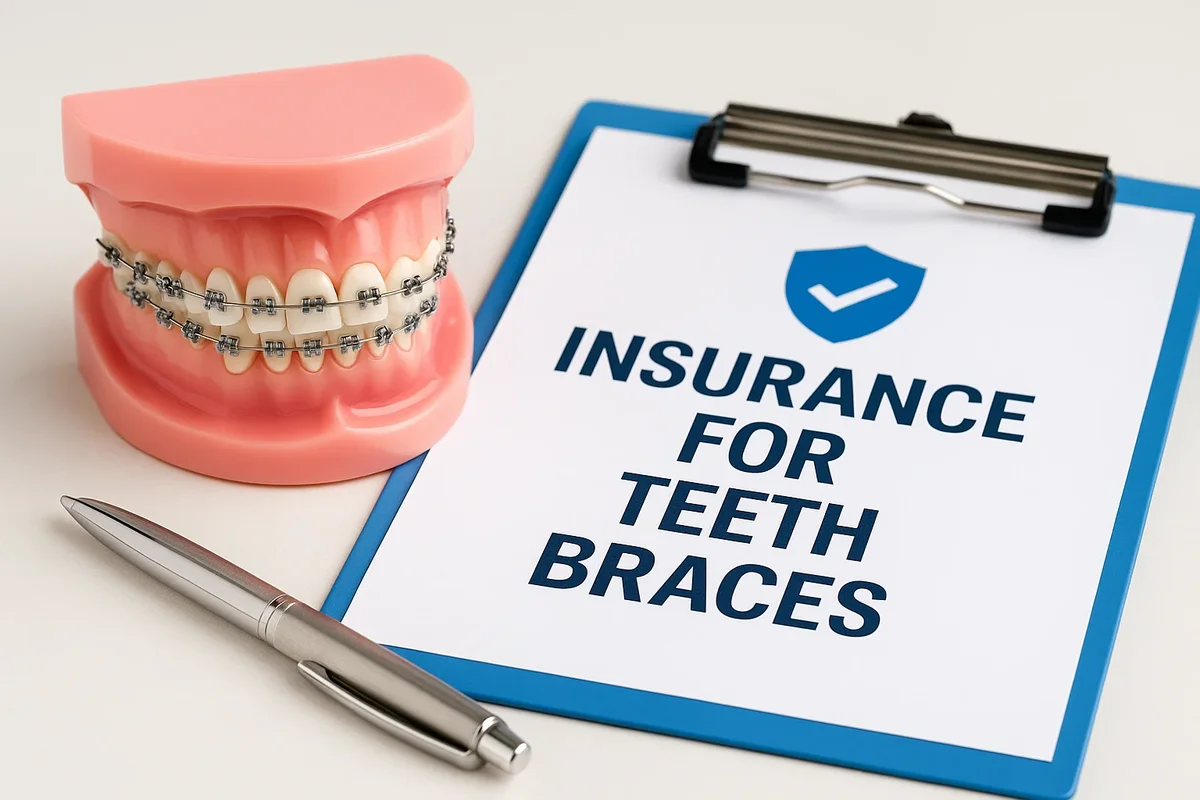
How to Choose the Best Insurance Plan for Teeth Braces
Finding the right insurance for teeth braces can be challenging, especially with so many options and complex policy terms. However, selecting the right plan ensures you receive the financial support you need for orthodontic treatment while avoiding unexpected costs. This guide provides a step-by-step breakdown of how to identify the best dental insurance plan for your braces — whether for yourself, your child, or your entire family. 🦷✨
1. Determine Your Orthodontic Needs
The first step in choosing the right insurance for teeth braces is understanding your specific orthodontic requirements. Are you seeking traditional metal braces, clear ceramic braces, or invisible aligners such as Invisalign? Each type comes with different cost structures, and not all insurance plans cover every option.
For example, traditional braces are often fully recognized under most insurance policies, while clear aligners might be classified as “cosmetic” and only partially reimbursed. Understanding the treatment type helps you select an insurance plan that covers your preferred orthodontic method without unnecessary exclusions.
Tip:
Ask your orthodontist for a preliminary diagnosis and cost estimate before shopping for plans. This gives you a concrete reference point when comparing coverage limits and benefits. 💡
2. Compare Different Plan Types
Dental insurance plans fall into several categories — each with its own strengths and drawbacks. The three most common types that include insurance for teeth braces are PPO, HMO, and discount dental plans.
PPO (Preferred Provider Organization)
PPO plans offer flexibility in choosing your orthodontist. They allow you to visit both in-network and out-of-network providers, though in-network visits are typically less expensive. PPOs generally provide higher orthodontic coverage percentages (40–50%) but come with higher monthly premiums. This makes them ideal for families who value flexibility and wider provider choices.
HMO (Health Maintenance Organization)
HMO plans are usually more affordable but restrict you to a specific network of orthodontists. If you use an out-of-network provider, you may have to pay the full cost of treatment. These plans often have no deductibles and predictable co-payments, which makes budgeting easier. However, HMO coverage for braces can be limited to minors or medically necessary treatments.
Discount Dental Plans
Unlike traditional insurance, discount dental plans don’t reimburse you but instead offer significant discounts on orthodontic services. While these programs don’t technically qualify as insurance for teeth braces, they’re often used by adults or families without access to employer-sponsored plans. They provide immediate benefits and no waiting periods, but you must use participating providers to access reduced pricing. 💰
3. Evaluate Coverage Details Carefully
Once you’ve selected your plan type, examine the fine print. Focus on the following coverage details:
- Coverage Percentage: Most orthodontic plans cover between 25%–50% of total treatment costs.
- Lifetime Maximum: The total amount your insurer will pay for orthodontics, typically $1,000–$3,500 per person.
- Age Restrictions: Some plans cover braces only for dependents under 18, while others include adults.
- Waiting Period: Many policies require a 6–12 month waiting period before orthodontic benefits begin.
- Pre-authorization: Some plans require pre-approval before starting treatment to qualify for reimbursement.
Understanding these elements prevents misunderstandings later and helps you make the most of your insurance for teeth braces benefits.
4. Analyze Network Availability
The quality and size of your insurance network can greatly impact your overall experience. A plan with a wide orthodontic network gives you more choices and shorter wait times for appointments. Conversely, a limited network may restrict you to fewer providers or longer travel distances.
Always confirm whether your preferred orthodontist is part of the insurer’s network. In-network providers have pre-negotiated rates, meaning lower treatment costs and fewer claim complications. 🏥
5. Check for Adult Orthodontic Coverage
Many adults seek orthodontic care later in life, but not all dental insurance policies cover adult braces. If you’re over 18, look specifically for plans that include adult orthodontic benefits. These policies often include both traditional and aesthetic treatment options like clear aligners.
Adult coverage may cost slightly more in premiums but saves significantly in the long run. A well-chosen insurance for teeth braces policy that includes adult benefits can offset thousands in expenses — a worthwhile investment in long-term dental health and confidence. 😁
6. Consider Supplementary or Add-On Coverage
If your current dental plan doesn’t include orthodontic benefits, you can purchase supplemental coverage. These add-on policies specifically target orthodontic treatments and work alongside your existing insurance. They are particularly useful for families with multiple children needing braces or for adults seeking elective orthodontic procedures.
Example:
Some insurers offer orthodontic riders that increase lifetime maximums or expand coverage to adults for an additional monthly premium. This type of add-on enhances your insurance for teeth braces without requiring a full policy replacement.
7. Estimate Total Annual Costs
Beyond monthly premiums, consider deductibles, co-payments, and out-of-pocket expenses. Use your orthodontist’s cost estimate to calculate how much your total treatment will cost after insurance contributions. A good rule of thumb is to ensure that your total out-of-pocket cost is significantly lower than the cost of paying for braces without insurance.
For example, if your braces cost $6,000 and your insurance for teeth braces covers 50% up to a $2,000 lifetime maximum, your remaining cost will be $4,000 — still a substantial saving over paying full price. 🧮
8. Compare Insurance Providers
Different insurance companies offer varying orthodontic benefits, even for similar plans. Popular providers that include braces coverage include Delta Dental, MetLife, Guardian, Aetna, and Cigna. When comparing insurers, evaluate the following:
- Reputation and customer service ratings
- Ease of claim processing and reimbursement speed
- Coverage transparency and clarity of documentation
- Access to online tools for claim tracking and provider lookup
Reading customer reviews and consulting your orthodontist’s staff for recommendations can help you identify which insurers handle orthodontic claims most efficiently. Reliable claim management ensures your insurance for teeth braces is hassle-free.
9. Watch Out for Exclusions and Limitations
Always check the exclusions section of your insurance policy. Some plans exclude certain types of braces, such as lingual or clear aligners. Others only cover treatments deemed “medically necessary” — for example, correcting severe bite misalignment — rather than purely cosmetic improvements. Understanding these limitations prevents disappointment when it’s time to file a claim.
Common Exclusions to Be Aware Of:
- Cosmetic orthodontics (for aesthetic purposes only)
- Replacement of lost retainers
- Treatment started before coverage activation
- Upgrades to more expensive materials or techniques
10. Seek Professional Help When in Doubt
If the insurance jargon feels overwhelming, consult a professional insurance advisor or your orthodontist’s billing specialist. They can analyze your specific needs and suggest plans that provide the highest orthodontic benefits. These experts can also assist in submitting pre-authorization forms, filing claims, and appealing denied reimbursements — ensuring you make full use of your insurance for teeth braces.
Conclusion: Making an Informed, Confident Decision
Choosing the right orthodontic insurance plan requires careful evaluation of coverage options, network availability, and cost structure. By assessing your dental needs, comparing plan types, and understanding policy limitations, you can secure the most beneficial insurance for teeth braces for yourself or your family. A well-selected plan not only reduces financial stress but also makes achieving a healthy, confident smile accessible and affordable. 🌟
For accurate, up-to-date dental insurance standards, refer to the American Dental Association. If you need expert advice on selecting the most suitable orthodontic insurance plan or wish to start treatment with professional support, reach out through the Redent Klinik Contact Page. Their team can help you identify the perfect combination of care and coverage for your smile journey. 😄🦷