
In recent years, intraoral scanners in dentistry have completely transformed the way dental treatments are planned, performed, and experienced by patients. As digital technology continues to reshape healthcare, dentistry has become one of the fastest-adapting fields. At the center of this transformation lies the intraoral scanner—a device that replaces traditional impression materials with precise, digital imaging. For patients seeking comfort and accuracy, and for clinics aiming for efficiency and predictability, intraoral scanners in dentistry represent a major leap forward.
Traditionally, dental impressions required trays filled with alginate or silicone materials, which many patients found uncomfortable, time-consuming, and anxiety-provoking 😬. Errors such as bubbles, distortion, or gag reflex issues were common. With intraoral scanners in dentistry, this entire process is replaced by a handheld device that captures thousands of images per second, creating a highly accurate 3D digital model of the teeth and surrounding tissues. This shift improves both patient experience and clinical outcomes.
The primary goal of intraoral scanners in dentistry is to obtain precise digital impressions that can be instantly used for diagnosis, treatment planning, and restoration design. These scanners use optical technologies such as structured light or laser scanning to record the exact geometry of the oral cavity. The result is a real-time, high-resolution digital model displayed directly on a screen, allowing dentists and patients to visualize dental conditions together 🦷.
One of the most important advantages of intraoral scanners in dentistry is accuracy. Digital impressions significantly reduce human error and eliminate material shrinkage or deformation. This level of precision is especially critical for procedures such as crowns, bridges, veneers, implants, orthodontic aligners, and full-mouth rehabilitations. Even a fraction of a millimeter matters in restorative dentistry, and digital scanning ensures consistent, repeatable results.
From a patient perspective, intraoral scanners in dentistry offer a far more comfortable and transparent experience. The scanning process is quick, non-invasive, and does not involve unpleasant impression materials. Patients can immediately see their own dental anatomy on the screen, which helps them better understand diagnoses and treatment recommendations. This visual communication increases trust, treatment acceptance, and overall satisfaction 😊.
Another key reason intraoral scanners in dentistry have become essential is their integration with digital workflows. Once a scan is taken, it can be instantly shared with dental laboratories, milling machines, or CAD/CAM systems. This seamless digital chain reduces turnaround time, shortens treatment duration, and minimizes the need for repeat appointments. In many cases, restorations can be designed and produced faster and with fewer adjustments.
Clinically, intraoral scanners in dentistry also support better diagnostics. Dentists can detect wear, cracks, malocclusion, and soft-tissue changes more effectively by comparing scans over time. This makes digital scanning not only a restorative tool but also a preventive and monitoring solution. Modern dental clinics increasingly rely on digital impression systems to elevate diagnostic accuracy and long-term patient care.
It is important to note that intraoral scanners in dentistry are supported and recognized within modern dental standards and education. Organizations such as the
American Dental Association highlight the growing role of digital dentistry technologies in improving clinical quality and patient outcomes. This confirms that digital scanning is not a trend, but a long-term evolution of dental practice.
For patients considering advanced dental treatments, choosing a clinic that uses intraoral scanners in dentistry can make a meaningful difference. Digital workflows lead to better-fitting restorations, fewer corrections, and more predictable results. If you would like to learn how digital dentistry can improve your treatment experience, you can directly reach out through the
Redent Klinik Contact Page to get professional guidance.
In summary, intraoral scanners in dentistry represent the foundation of modern digital dental care. They enhance precision, comfort, communication, and efficiency across nearly all dental disciplines. As technology continues to advance, digital impressions will become the standard rather than the exception—benefiting both patients and dental professionals alike 🚀.
How Intraoral Scanners in Dentistry Work Step by Step
Understanding how intraoral scanners in dentistry work is essential for patients who want clarity and for professionals aiming to explain the value of digital workflows. Although the technology behind these devices is advanced, the actual scanning process is surprisingly simple, fast, and patient-friendly. At its core, the purpose of intraoral scanners in dentistry is to capture an extremely accurate digital representation of the oral cavity without using physical impression materials.
The Core Technology Behind Intraoral Scanners in Dentistry
Intraoral scanners in dentistry rely on optical imaging technologies such as structured light projection or laser scanning. The scanner emits a light source onto the teeth and gums, while integrated cameras capture how this light reflects back. Thousands of images are recorded every second and stitched together by advanced software to create a real-time 3D model. This digital impression is displayed instantly on a screen, allowing both dentist and patient to follow the process live 🖥️.
Modern intraoral scanners in dentistry are equipped with intelligent algorithms that automatically detect margins, surfaces, and occlusal relationships. This ensures that the final digital model accurately represents even the smallest anatomical details. Unlike traditional impressions, there is no risk of material distortion, tearing, or shrinkage.
Step 1: Preparing the Patient and Oral Environment
The first step in using intraoral scanners in dentistry is proper preparation. The dentist ensures that the teeth are clean, dry, and free from debris. In some cases, a gentle air stream is used to remove saliva and moisture. This preparation step is quick and comfortable for the patient, especially when compared to conventional impression trays 😌.
Unlike older methods, intraoral scanners in dentistry do not require trays, setting time, or repeated attempts. This significantly reduces chair time and patient discomfort.
Step 2: Digital Scanning of the Teeth and Gums
Once preparation is complete, the dentist moves the handheld scanner slowly over the teeth. Intraoral scanners in dentistry capture the surfaces from multiple angles, ensuring full coverage of the dental arches. The scanning wand never causes pressure, making it ideal for patients with sensitive gag reflexes.
During this stage, the software continuously analyzes the captured data. If any area is missing or unclear, intraoral scanners in dentistry allow the dentist to instantly rescan that specific spot instead of repeating the entire impression. This level of control is impossible with traditional methods.
Real-Time Visualization and Error Detection
A major advantage of intraoral scanners in dentistry is real-time feedback. The digital model appears immediately on the screen, highlighting areas that need refinement. Errors are detected instantly, which drastically reduces the need for retakes. This real-time visualization also helps patients understand their oral condition better, improving communication and trust 🤝.
Step 3: Bite Registration and Occlusion Analysis
After scanning the upper and lower arches, intraoral scanners in dentistry are used to record the patient’s bite. This step ensures accurate occlusion and alignment, which is critical for crowns, bridges, implants, and orthodontic treatments. The scanner digitally maps how the teeth come together, providing data that laboratories can rely on with confidence.
This digital bite registration is far more precise than traditional wax or silicone methods, further proving why intraoral scanners in dentistry are becoming the industry standard.
Step 4: Data Processing and Digital Workflow Integration
Once scanning is complete, the digital impression is processed and saved as a secure file. Intraoral scanners in dentistry seamlessly integrate with CAD/CAM systems, dental laboratories, and milling units. The file can be sent instantly, eliminating shipping delays and physical storage needs.
This step enables faster turnaround times and allows for same-day or next-day restorations in many cases. Clinics using intraoral scanners in dentistry can significantly reduce treatment timelines while maintaining superior accuracy.
Collaboration with Dental Laboratories
Digital impressions generated by intraoral scanners in dentistry allow dental technicians to work with unmatched precision. Adjustments can be made digitally before production even begins, reducing remakes and ensuring better-fitting restorations. This collaborative digital workflow leads to higher-quality outcomes and fewer patient visits.
Why This Step-by-Step Process Matters
The structured workflow of intraoral scanners in dentistry ensures consistency, predictability, and efficiency. Each step builds on accurate data, resulting in restorations that fit better and last longer. This precision-driven approach aligns with modern dental standards supported by institutions like the
American Dental Association, which emphasizes the importance of digital innovation in dentistry.
For patients exploring advanced dental care options, understanding how intraoral scanners in dentistry work can make decision-making easier. Clinics that invest in digital scanning technology demonstrate a commitment to quality, comfort, and modern care. If you are considering treatment with digital dentistry solutions, you can get personalized guidance through the
Redent Klinik Contact Page.
In conclusion, the step-by-step process of intraoral scanners in dentistry combines advanced technology with patient-centered care. From preparation to digital integration, each phase is designed to deliver accuracy, comfort, and efficiency. This is why digital scanning is no longer optional—it is a defining feature of high-quality modern dentistry 🚀.
Benefits of Intraoral Scanners in Dentistry for Patients
The rise of intraoral scanners in dentistry has brought a noticeable shift in how patients experience dental care. Beyond the technical advantages for clinicians, these devices deliver meaningful, patient-centered benefits that directly impact comfort, confidence, and treatment outcomes. From the first consultation to final restoration, intraoral scanners in dentistry make dental visits smoother, faster, and far more transparent for patients of all ages.
Improved Comfort and Reduced Anxiety
One of the most immediate benefits of intraoral scanners in dentistry is comfort. Traditional impressions often involve bulky trays filled with thick materials that can trigger gag reflexes, discomfort, or anxiety—especially for children and sensitive patients 😖. Digital scanning eliminates these materials entirely. The handheld scanner glides gently over the teeth without pressure, taste, or mess.
For patients who previously avoided dental care due to discomfort, intraoral scanners in dentistry can be a game-changer. The scanning process is quick, non-invasive, and quiet, making appointments feel less intimidating and more manageable.
Faster Appointments and Fewer Visits
Time efficiency is another major patient benefit of intraoral scanners in dentistry. Digital impressions are captured in minutes and reviewed instantly. There is no waiting time for materials to set and no need for retakes due to impression errors. If an area needs refinement, it can be rescanned immediately.
Because intraoral scanners in dentistry integrate seamlessly with digital workflows, many treatments require fewer appointments overall. Crowns, veneers, and implant restorations can often be designed and fabricated faster, reducing the total time patients spend in the dental chair ⏱️.
Same-Day and Accelerated Treatments
In clinics with advanced digital systems, intraoral scanners in dentistry enable same-day restorations. Digital impressions can be sent directly to in-house milling units or laboratories, allowing some patients to receive crowns or restorations within a single visit. This convenience is especially valuable for busy individuals or international patients seeking efficient care.
Better Understanding Through Visual Communication
Clear communication is essential for patient trust, and intraoral scanners in dentistry excel in this area. As the scan is performed, patients can see a real-time 3D model of their teeth displayed on a screen. Dentists can zoom in, rotate, and highlight specific areas to explain diagnoses and treatment needs visually 🦷.
This transparency helps patients better understand their oral health and the reasoning behind treatment recommendations. When patients can see issues such as cracks, wear, or misalignment themselves, they feel more informed and confident in their decisions.
Higher Accuracy Means Better Treatment Outcomes
Accuracy is not just a technical advantage—it directly affects patient satisfaction. Intraoral scanners in dentistry produce highly precise digital impressions, which lead to restorations that fit better and feel more natural. Poorly fitting crowns or aligners can cause discomfort, bite issues, or the need for adjustments.
With intraoral scanners in dentistry, the risk of remakes is significantly reduced. Patients benefit from restorations that require fewer corrections and provide a more comfortable, long-lasting result.
Predictability and Long-Term Confidence
The precision offered by intraoral scanners in dentistry also increases predictability. Patients can trust that what they see on the screen closely matches the final outcome. This predictability is especially important for aesthetic treatments such as veneers or smile makeovers, where expectations are high.
Enhanced Hygiene and Safety
Hygiene is a growing concern for many patients, and intraoral scanners in dentistry support a cleaner, more controlled environment. Digital impressions eliminate the need for impression trays that must be cleaned, disinfected, and stored. This reduces cross-contamination risks and enhances overall clinical safety.
Additionally, intraoral scanners in dentistry reduce physical handling and transportation of materials, supporting modern infection control standards recommended by organizations like the
American Dental Association.
Greater Trust and Treatment Acceptance
When patients feel comfortable, informed, and confident, they are more likely to proceed with recommended treatments. Intraoral scanners in dentistry strengthen trust by combining comfort with clarity. Patients are not asked to rely solely on explanations—they can see their own dental data.
This increased understanding often leads to higher treatment acceptance and better long-term oral health outcomes. Clinics that prioritize digital scanning demonstrate a commitment to modern, patient-focused care.
If you are exploring advanced dental treatments and want a comfortable, transparent experience powered by intraoral scanners in dentistry, professional guidance is just a click away via the
Redent Klinik Contact Page.
In conclusion, intraoral scanners in dentistry deliver clear, measurable benefits for patients—from comfort and speed to accuracy and trust. By improving every stage of the dental journey, digital scanning technology helps transform dental care into a more positive, predictable, and patient-friendly experience 😊.
Advantages of Intraoral Scanners in Dentistry for Dentists
While patients experience comfort and convenience, the clinical advantages of intraoral scanners in dentistry for dentists are equally transformative. These digital tools have redefined how dental professionals diagnose, plan, and execute treatments. By replacing traditional impression techniques with advanced digital workflows, intraoral scanners in dentistry help dentists achieve higher accuracy, better efficiency, and more predictable clinical outcomes.
Enhanced Clinical Accuracy and Consistency
Precision is the foundation of successful dentistry, and intraoral scanners in dentistry significantly elevate this standard. Unlike conventional impressions that are vulnerable to distortion, bubbles, or material shrinkage, digital scans capture the oral anatomy exactly as it is. This consistency ensures that restorations fit accurately from the very first attempt.
For dentists performing restorative, implant, or orthodontic treatments, intraoral scanners in dentistry reduce the margin of error dramatically. Even complex cases benefit from the scanner’s ability to capture fine details, such as preparation margins and occlusal surfaces, with exceptional clarity.
Reduced Remakes and Adjustments
One of the most practical advantages of intraoral scanners in dentistry is the reduction in remakes. Poor impressions are a common cause of restoration failure and laboratory revisions. Digital scanning minimizes these issues, saving time, materials, and costs while improving clinical confidence.
Improved Workflow Efficiency
Time management is critical in modern dental practices. Intraoral scanners in dentistry streamline workflows by eliminating multiple steps associated with traditional impressions. There is no need for impression trays, setting time, disinfection, packaging, or shipping. Scans are completed quickly and transmitted instantly.
This efficiency allows dentists to focus more on patient care and less on repetitive technical tasks. Clinics that integrate intraoral scanners in dentistry often report increased productivity and smoother daily operations ⏱️.
Seamless Integration with Digital Dentistry Systems
Another key advantage of intraoral scanners in dentistry is their compatibility with digital dentistry ecosystems. Scans integrate effortlessly with CAD/CAM software, 3D printers, milling machines, and orthodontic planning tools. This creates a fully digital workflow from diagnosis to final restoration.
With intraoral scanners in dentistry, dentists can collaborate more effectively with dental laboratories. Digital files allow technicians to design restorations with precision, request adjustments digitally, and reduce turnaround times. This level of collaboration improves outcomes for both clinicians and patients.
Support for Same-Day Dentistry
In practices equipped with in-house CAD/CAM systems, intraoral scanners in dentistry make same-day dentistry possible. Dentists can scan, design, and fabricate restorations within hours, offering patients unmatched convenience while positioning the clinic as a high-tech, patient-centered practice.
Stronger Patient Communication and Case Acceptance
Effective communication is essential for treatment acceptance. Intraoral scanners in dentistry provide visual tools that help dentists explain diagnoses and treatment plans clearly. Patients can see their dental condition in real time, which builds trust and understanding.
When patients understand the “why” behind a treatment, they are more likely to proceed. Dentists using intraoral scanners in dentistry often experience higher case acceptance rates and stronger patient relationships 🤝.
Digital Documentation and Long-Term Monitoring
Another professional advantage of intraoral scanners in dentistry is digital record keeping. Scans can be stored securely and compared over time to monitor changes in tooth wear, alignment, or soft tissue conditions. This is especially valuable for preventive care and long-term treatment planning.
Digital records generated by intraoral scanners in dentistry also support medico-legal documentation and interdisciplinary consultations. Having precise, visual data strengthens diagnostic credibility and professional accountability.
Alignment with Modern Dental Standards
Digital dentistry is increasingly recognized as the standard of care. Organizations such as the
American Dental Association acknowledge the role of digital technologies in improving quality, safety, and efficiency. By adopting intraoral scanners in dentistry, dentists align their practices with contemporary professional expectations.
Competitive Advantage and Practice Growth
From a business perspective, intraoral scanners in dentistry offer a competitive edge. Patients actively seek clinics that use modern technology, associating digital tools with higher quality care. Dentists who invest in digital scanning position their practices as innovative, trustworthy, and future-oriented.
If you are a patient looking for a clinic that embraces advanced digital workflows and precision-driven care using intraoral scanners in dentistry, expert support is available through the
Redent Klinik Contact Page.
In summary, intraoral scanners in dentistry empower dentists with greater accuracy, efficiency, communication, and professional confidence. By improving both clinical and operational aspects of dental practice, digital scanning has become an indispensable tool for dentists committed to excellence and long-term success 🚀.
Accuracy and Precision of Intraoral Scanners in Dentistry
Accuracy is one of the most critical factors in successful dental treatment, and this is where intraoral scanners in dentistry truly excel. Whether the procedure involves crowns, implants, orthodontics, or full-mouth rehabilitation, even the smallest measurement error can lead to discomfort, poor fit, or long-term complications. By providing highly precise digital impressions, intraoral scanners in dentistry have set a new benchmark for accuracy and predictability in modern dental care.
Why Accuracy Matters in Modern Dentistry
Dental restorations must fit with extreme precision. A restoration that is even slightly inaccurate can cause bite problems, food impaction, gum irritation, or premature failure. Traditional impression techniques rely heavily on materials that can shrink, tear, or distort. In contrast, intraoral scanners in dentistry capture the oral anatomy digitally, eliminating many of the variables that compromise accuracy.
With intraoral scanners in dentistry, dentists obtain a true-to-life digital model that reflects the patient’s teeth and soft tissues in real time. This level of precision directly improves the quality and longevity of restorations 🦷.
High-Resolution Digital Imaging Technology
The exceptional accuracy of intraoral scanners in dentistry is driven by advanced optical imaging systems. These scanners use structured light or laser-based technology combined with high-resolution cameras to record thousands of data points per second. The software then processes this data into a detailed three-dimensional model.
Unlike traditional impressions, intraoral scanners in dentistry do not rely on physical contact or setting times. This eliminates errors caused by patient movement, moisture, or material inconsistencies.
Micron-Level Precision
Many modern intraoral scanners in dentistry are capable of capturing details at the micron level. This degree of precision is especially important for margin detection in crown and veneer preparations. Clear margin visibility allows dental laboratories to fabricate restorations that fit accurately without excessive adjustments.
Consistent and Repeatable Results
Consistency is just as important as accuracy. Intraoral scanners in dentistry provide repeatable results across multiple scans, making them ideal for complex or multi-stage treatments. Dentists can compare scans taken over time to monitor changes in tooth position, wear, or soft tissue health.
This consistency supports long-term treatment planning and preventive care. With intraoral scanners in dentistry, dentists are no longer limited to static impressions—they have dynamic, comparable digital records.
Improved Fit of Dental Restorations
The accuracy of intraoral scanners in dentistry directly translates into better-fitting restorations. Crowns, bridges, and implant components fabricated from digital impressions typically require fewer adjustments during placement. This saves chair time and enhances patient comfort.
Patients benefit from restorations that feel more natural and function better. Dentists benefit from reduced remakes and higher clinical confidence when using intraoral scanners in dentistry.
Enhanced Occlusal Accuracy
Bite accuracy is another area where intraoral scanners in dentistry outperform traditional methods. Digital bite registration captures how the teeth come together with exceptional detail. This helps prevent occlusal discrepancies that can cause jaw pain or uneven wear.
Error Detection and Real-Time Corrections
One of the most powerful features of intraoral scanners in dentistry is real-time error detection. As the scan is being performed, the software highlights missing or unclear areas. Dentists can immediately correct these areas without restarting the entire process.
This immediate feedback ensures that the final digital impression is complete and accurate, further reinforcing the reliability of intraoral scanners in dentistry.
Scientific Validation and Professional Standards
The accuracy of intraoral scanners in dentistry is supported by extensive clinical research and professional guidelines. Digital impression systems are increasingly recognized as a standard of care within modern dentistry. Organizations such as the
American Dental Association acknowledge the role of digital technologies in improving clinical precision and patient outcomes.
Impact on Long-Term Treatment Success
Precision at the beginning of treatment influences long-term success. Restorations created using intraoral scanners in dentistry tend to have better marginal integrity, improved durability, and reduced risk of complications. This benefits both patients and dental professionals by minimizing future corrective procedures.
For patients seeking reliable, precision-driven dental care supported by intraoral scanners in dentistry, expert consultation is available via the
Redent Klinik Contact Page.
In conclusion, the accuracy and precision of intraoral scanners in dentistry redefine what is possible in modern dental treatment. By delivering highly detailed, consistent, and reliable digital impressions, these systems enhance restoration quality, patient comfort, and long-term clinical success. Precision is no longer a goal—it is a built-in standard of digital dentistry 🚀.
Intraoral Scanners in Dentistry vs Traditional Impressions
The comparison between intraoral scanners in dentistry and traditional impression techniques highlights one of the most significant technological shifts in modern dental care. For decades, conventional impressions using alginate or silicone materials were the standard. While functional, these methods often came with limitations related to comfort, accuracy, and efficiency. Today, intraoral scanners in dentistry offer a digital alternative that addresses many of these long-standing challenges and sets a new standard for quality and patient experience.
Traditional Dental Impressions: An Overview
Traditional impressions require physical trays filled with impression material to be placed in the patient’s mouth until the material sets. This process can be uncomfortable and anxiety-inducing, particularly for patients with a strong gag reflex 😬. In addition, the accuracy of traditional impressions depends on multiple variables, including material quality, timing, patient movement, and environmental conditions.
Even when performed carefully, traditional impressions are susceptible to distortion, bubbles, tearing, or incomplete capture. These issues often lead to remakes, additional appointments, and delays in treatment. When compared directly, intraoral scanners in dentistry eliminate many of these risk factors by digitizing the entire process.
Comfort and Patient Experience Compared
From a patient’s perspective, the difference between traditional impressions and intraoral scanners in dentistry is immediate and significant. Digital scanning does not involve bulky trays, unpleasant textures, or lingering tastes. The handheld scanner is small, smooth, and easy to tolerate.
Patients often report feeling more relaxed during appointments that use intraoral scanners in dentistry. Reduced discomfort leads to better cooperation, shorter chair time, and a more positive overall dental experience 😊.
Ideal for Sensitive and High-Anxiety Patients
Patients with gag reflex sensitivity, breathing difficulties, or dental anxiety benefit greatly from intraoral scanners in dentistry. Digital scanning allows dentists to pause, adjust, or rescan areas without restarting the entire process, something not possible with traditional impressions.
Accuracy and Detail: Digital vs Physical
Accuracy is one of the most decisive differences between traditional impressions and intraoral scanners in dentistry. Physical materials can shrink or distort as they set, while digital scans capture the oral anatomy exactly as it appears in real time. This leads to more precise restorations and fewer adjustments.
With intraoral scanners in dentistry, dentists can instantly verify scan quality and correct errors immediately. Traditional impressions, on the other hand, may only reveal problems after the material has been removed and inspected.
Time Efficiency and Workflow Comparison
Traditional impressions involve multiple steps: tray selection, material mixing, setting time, disinfection, packaging, and shipping to the laboratory. Each step introduces delays and potential errors. Intraoral scanners in dentistry streamline this entire workflow.
Digital impressions are captured, reviewed, and transmitted instantly. This efficiency reduces turnaround times and enables faster treatment completion. Many clinics report significant time savings after switching to intraoral scanners in dentistry ⏱️.
Reduced Remakes and Appointments
Because digital scans are more accurate, intraoral scanners in dentistry drastically reduce the need for remakes. Fewer remakes mean fewer follow-up visits, benefiting both patients and dental practices.
Communication with Dental Laboratories
Traditional impressions require physical transportation to dental laboratories, increasing the risk of damage or loss. Intraoral scanners in dentistry eliminate this issue by sending secure digital files directly to technicians.
Laboratories can work more precisely with digital data, request clarifications quickly, and design restorations more efficiently. This improved collaboration enhances final restoration quality and consistency.
Hygiene, Safety, and Modern Standards
In terms of hygiene, intraoral scanners in dentistry offer a cleaner and more controlled process. There is no need to handle impression materials that require extensive cleaning and disinfection. Digital scanning supports modern infection control protocols and aligns with recommendations from organizations such as the
American Dental Association.
Reduced physical handling and storage of materials further enhances safety and organization within the clinic.
Long-Term Value and Predictability
While traditional impressions may appear familiar, intraoral scanners in dentistry provide superior long-term value. Their accuracy, efficiency, and consistency improve treatment predictability and patient satisfaction. Over time, digital impressions contribute to better clinical outcomes and practice growth.
If you are considering dental treatment and want to experience the advantages of intraoral scanners in dentistry instead of traditional impressions, professional consultation is available through the
Redent Klinik Contact Page.
In summary, the comparison between traditional impressions and intraoral scanners in dentistry clearly favors digital technology. From comfort and accuracy to efficiency and hygiene, digital scanning represents a superior approach that aligns with the expectations of modern patients and dental professionals alike 🚀.
Clinical Applications of Intraoral Scanners in Dentistry
The versatility of intraoral scanners in dentistry has made them indispensable across a wide range of clinical procedures. What began as a digital alternative to traditional impressions has evolved into a multifunctional diagnostic and treatment-planning tool. Today, intraoral scanners in dentistry are used in restorative, prosthetic, orthodontic, implant, and even preventive dentistry, improving precision and outcomes at every stage of care.
Restorative Dentistry Applications
One of the most common uses of intraoral scanners in dentistry is in restorative treatments such as crowns, bridges, inlays, and onlays. Digital impressions capture preparation margins with exceptional clarity, allowing laboratories to fabricate restorations that fit accurately from the first try.
With intraoral scanners in dentistry, dentists can instantly assess preparation quality, detect undercuts, and verify margin visibility. This reduces the risk of ill-fitting restorations and minimizes chairside adjustments during placement 🦷.
Crowns and Bridges
For single-unit crowns and multi-unit bridges, intraoral scanners in dentistry ensure precise occlusal and interproximal relationships. Digital bite registration improves occlusion accuracy, resulting in restorations that feel natural and function properly from day one.
Implant Dentistry and Surgical Planning
Implant dentistry demands a high level of accuracy, and intraoral scanners in dentistry play a critical role in implant planning and restoration. Digital scans provide detailed information about soft tissue contours and implant positions, which can be combined with CBCT data for comprehensive planning.
This digital integration allows dentists to design surgical guides and implant-supported restorations with confidence. Intraoral scanners in dentistry help reduce surgical risks, improve implant positioning, and enhance long-term success rates.
Implant-Supported Prosthetics
Accurate digital impressions are essential for implant crowns, bridges, and full-arch restorations. Intraoral scanners in dentistry capture implant scan bodies precisely, enabling laboratories to fabricate prosthetics that fit passively and securely.
Orthodontics and Clear Aligner Therapy
Orthodontics has been revolutionized by intraoral scanners in dentistry. Digital scans replace traditional impressions for diagnosis, treatment planning, and appliance fabrication. Clear aligner systems rely heavily on accurate digital models to create predictable tooth movement.
With intraoral scanners in dentistry, orthodontists can simulate treatment outcomes, track progress over time, and adjust plans as needed. Patients benefit from fewer appointments and a more engaging treatment experience 😊.
Cosmetic and Aesthetic Dentistry
Aesthetic treatments require precision and visualization, making intraoral scanners in dentistry ideal for cosmetic dentistry. Digital smile design workflows allow dentists to plan veneers, bonding, and smile makeovers with high accuracy.
Patients can preview potential results using digital models generated by intraoral scanners in dentistry, improving communication and aligning expectations before treatment begins.
Smile Design and Mock-Ups
Digital scans enable virtual smile simulations and mock-ups that guide both dentist and patient. This predictive approach increases satisfaction and reduces the risk of aesthetic disappointment.
Prosthodontics and Full-Mouth Rehabilitation
Complex prosthodontic cases benefit greatly from intraoral scanners in dentistry. Full-mouth rehabilitations require precise records of occlusion, vertical dimension, and tooth position. Digital scanning ensures consistency across multiple treatment stages.
With intraoral scanners in dentistry, dentists can coordinate treatment phases more efficiently and collaborate closely with laboratories on complex cases.
Preventive Dentistry and Monitoring
Beyond active treatment, intraoral scanners in dentistry are valuable for preventive care. Digital scans can be stored and compared over time to monitor tooth wear, erosion, recession, or shifting.
This longitudinal data helps dentists identify problems early and recommend preventive interventions. Intraoral scanners in dentistry transform routine check-ups into proactive health assessments.
Educational and Patient Engagement Uses
Another growing application of intraoral scanners in dentistry is patient education. Visual models help patients understand their oral health and the importance of proposed treatments. This transparency builds trust and improves compliance.
Professional organizations such as the
American Dental Association emphasize the role of digital tools in improving patient communication and care quality.
Why Broad Clinical Use Matters
The wide range of applications demonstrates why intraoral scanners in dentistry are more than just impression tools. They support diagnosis, planning, execution, and follow-up across nearly every dental specialty.
If you are seeking advanced dental care that fully utilizes intraoral scanners in dentistry across multiple treatments, expert guidance is available through the
Redent Klinik Contact Page.
In conclusion, the clinical applications of intraoral scanners in dentistry continue to expand as digital dentistry evolves. From restorative and implant treatments to orthodontics and prevention, digital scanning enhances accuracy, communication, and long-term outcomes—making it a cornerstone of comprehensive modern dental care 🚀.
Costs, Pricing, and Investment in Intraoral Scanners in Dentistry
When evaluating modern dental technology, understanding the costs and long-term value of intraoral scanners in dentistry is essential for both clinics and patients. While digital scanners represent a significant upfront investment for practices, their financial impact should be assessed through efficiency gains, improved accuracy, patient satisfaction, and long-term savings. In today’s digital era, intraoral scanners in dentistry are increasingly viewed not as optional tools, but as strategic investments that elevate clinical quality and practice growth.
Initial Purchase Costs of Intraoral Scanners in Dentistry
The upfront cost of intraoral scanners in dentistry varies depending on brand, technology, software capabilities, and integration options. Entry-level scanners generally offer essential scanning functions, while premium models provide advanced imaging, faster processing, and broader compatibility with CAD/CAM systems.
Based on current market data, the purchase price for intraoral scanners in dentistry typically ranges from mid to high five figures. This price reflects not only the hardware but also proprietary software, imaging algorithms, and ongoing technological development. High-end scanners often include enhanced accuracy, faster scan speeds, and superior ergonomics 🖥️.
What Influences Scanner Pricing?
Several factors influence the cost of intraoral scanners in dentistry, including:
- Scanning speed and resolution
- Software features and AI-assisted tools
- Open vs closed system compatibility
- Integration with CAD/CAM and laboratory workflows
- Brand reputation and support services
Clinics must evaluate these features carefully to ensure the scanner aligns with their clinical needs and long-term goals.
Ongoing Costs and Software Fees
Beyond the initial purchase, intraoral scanners in dentistry may involve ongoing expenses. These can include software licensing fees, updates, cloud storage, and technical support. Some manufacturers offer subscription-based models, while others include software updates within the purchase price.
Although these recurring costs may seem significant, they support continuous improvements in scan accuracy, workflow efficiency, and cybersecurity. For clinics committed to digital excellence, maintaining up-to-date intraoral scanners in dentistry is a worthwhile operational expense.
Cost Savings Compared to Traditional Impressions
One of the most overlooked aspects of intraoral scanners in dentistry is their ability to reduce long-term costs. Traditional impression methods require ongoing purchases of trays, materials, disinfectants, and shipping supplies. Remakes due to distorted impressions further increase expenses.
By eliminating these consumables, intraoral scanners in dentistry generate measurable savings over time. Reduced remakes, fewer appointments, and faster turnaround times translate into lower operational costs and increased productivity ⏱️.
Time Efficiency Equals Financial Value
Time is one of the most valuable resources in a dental practice. Intraoral scanners in dentistry shorten appointment durations and reduce administrative tasks associated with impression handling. This allows dentists to see more patients or dedicate additional time to complex cases, directly improving revenue potential.
Return on Investment for Dental Practices
The return on investment (ROI) of intraoral scanners in dentistry extends beyond direct cost savings. Digital scanning enhances clinical outcomes, improves patient satisfaction, and increases treatment acceptance rates. Patients are more likely to proceed with treatment when they experience comfort, transparency, and confidence.
Practices that adopt intraoral scanners in dentistry often position themselves as modern, technology-driven clinics. This competitive advantage attracts new patients and strengthens brand reputation in an increasingly digital healthcare market.
Impact on Treatment Pricing for Patients
From a patient perspective, the use of intraoral scanners in dentistry does not necessarily increase treatment costs. In many cases, digital workflows reduce the need for corrections or remakes, which can help stabilize overall treatment expenses.
Patients also benefit from fewer visits, shorter treatment timelines, and better-fitting restorations. These indirect savings—such as reduced travel time and fewer appointments—add meaningful value to the overall care experience 😊.
Investment Justified by Quality and Standards
Modern dental standards increasingly emphasize precision, efficiency, and patient-centered care. Organizations like the
American Dental Association recognize the role of digital technologies in advancing quality and safety in dentistry. Investing in intraoral scanners in dentistry aligns practices with these evolving professional expectations.
Choosing the Right Digital Dentistry Partner
For patients seeking clinics that invest in advanced digital tools such as intraoral scanners in dentistry, choosing the right provider matters. Clinics that prioritize technology often deliver more predictable outcomes and a better overall experience.
If you are considering treatment with a clinic that utilizes intraoral scanners in dentistry as part of a fully digital workflow, you can explore personalized consultation options through the
Redent Klinik Contact Page.
In conclusion, while the upfront costs of intraoral scanners in dentistry are substantial, their long-term value is undeniable. By reducing errors, saving time, improving patient satisfaction, and supporting modern standards of care, digital scanners represent a smart and future-focused investment for dental practices and a meaningful quality upgrade for patients 🚀.
The Future of Intraoral Scanners in Dentistry
The future of dental care is undeniably digital, and intraoral scanners in dentistry are positioned at the center of this transformation. As technology continues to evolve, digital scanning systems are becoming smarter, faster, and more integrated into every aspect of dental diagnosis and treatment. What was once considered an advanced optional tool is now rapidly becoming a core component of modern dental practice. The continued development of intraoral scanners in dentistry promises even greater precision, efficiency, and patient-centered care in the years ahead.
Artificial Intelligence and Smart Scanning Technologies
One of the most exciting developments shaping the future of intraoral scanners in dentistry is artificial intelligence (AI). AI-powered software is already being integrated into scanning systems to automatically detect margins, identify preparation errors, and highlight anatomical landmarks. These intelligent features reduce operator dependency and further enhance scan accuracy.
As AI evolves, intraoral scanners in dentistry will likely assist dentists with real-time diagnostics, early detection of dental issues, and predictive treatment planning. This will allow clinicians to intervene earlier and design more personalized treatment plans 🧠.
Automated Error Prevention
Future generations of intraoral scanners in dentistry are expected to prevent errors before they occur. Smart alerts may notify dentists of incomplete scans, insufficient reduction, or occlusal discrepancies instantly. This proactive approach will further reduce remakes and improve overall treatment quality.
Deeper Integration with Digital Dentistry Ecosystems
The future of intraoral scanners in dentistry lies in seamless integration with comprehensive digital ecosystems. Scanners will increasingly connect with CAD/CAM systems, 3D printers, milling units, orthodontic software, and implant planning platforms. This unified digital workflow will allow dentists to manage complex cases more efficiently.
As interoperability improves, intraoral scanners in dentistry will support smoother collaboration between clinics, laboratories, and specialists—regardless of location. Digital files will move instantly and securely, enabling faster and more precise care.
Expansion of Clinical Applications
The clinical scope of intraoral scanners in dentistry continues to expand. Beyond impressions, scanners are increasingly used for monitoring tooth wear, tracking orthodontic progress, assessing soft tissue changes, and documenting oral health over time.
In the future, intraoral scanners in dentistry may play a greater role in preventive care by identifying early signs of erosion, recession, or occlusal imbalance. This shift toward preventive digital monitoring aligns with modern healthcare’s emphasis on early intervention and long-term wellness.
Improved Patient Experience and Engagement
Patient expectations are evolving alongside technology. The future of intraoral scanners in dentistry includes even more interactive and engaging patient experiences. Enhanced visualization tools will allow patients to explore their own digital models, simulate treatment outcomes, and better understand their oral health.
As digital literacy increases, patients will increasingly expect clinics to use intraoral scanners in dentistry as part of routine care. Practices that embrace these technologies will be better positioned to meet patient expectations and build long-term trust 😊.
Remote Consultations and Digital Records
Another future-facing advantage of intraoral scanners in dentistry is their role in tele-dentistry and remote consultations. High-quality digital scans can be securely shared for second opinions, interdisciplinary planning, or follow-up evaluations without requiring in-person visits.
Technological Advancements in Hardware Design
Hardware innovation will also shape the future of intraoral scanners in dentistry. Devices are expected to become smaller, lighter, and more ergonomic, improving ease of use for clinicians and comfort for patients. Faster processing speeds and higher-resolution imaging will further enhance scan quality.
Battery life, wireless capabilities, and intuitive user interfaces will continue to improve, making intraoral scanners in dentistry more accessible to a wider range of practices.
Alignment with Global Dental Standards
Digital dentistry is increasingly supported by professional organizations and educational institutions. The
American Dental Association and similar authorities emphasize the role of digital tools in advancing safety, quality, and consistency in dental care. The continued adoption of intraoral scanners in dentistry reflects this global shift toward standardized digital excellence.
What This Means for Patients and Clinics
For patients, the future of intraoral scanners in dentistry means more accurate treatments, fewer visits, and better long-term outcomes. For clinics, it means staying competitive, efficient, and aligned with the highest standards of care.
If you are looking for a dental clinic that embraces the future of digital dentistry through advanced technologies such as intraoral scanners in dentistry, expert guidance and consultation are available via the
Redent Klinik Contact Page.
In conclusion, the future of intraoral scanners in dentistry is defined by innovation, integration, and intelligence. As technology continues to advance, digital scanning will not only enhance how dentistry is practiced—but also redefine how patients experience care. Intraoral scanners are no longer just tools of the present; they are foundational pillars of dentistry’s digital future 🚀.
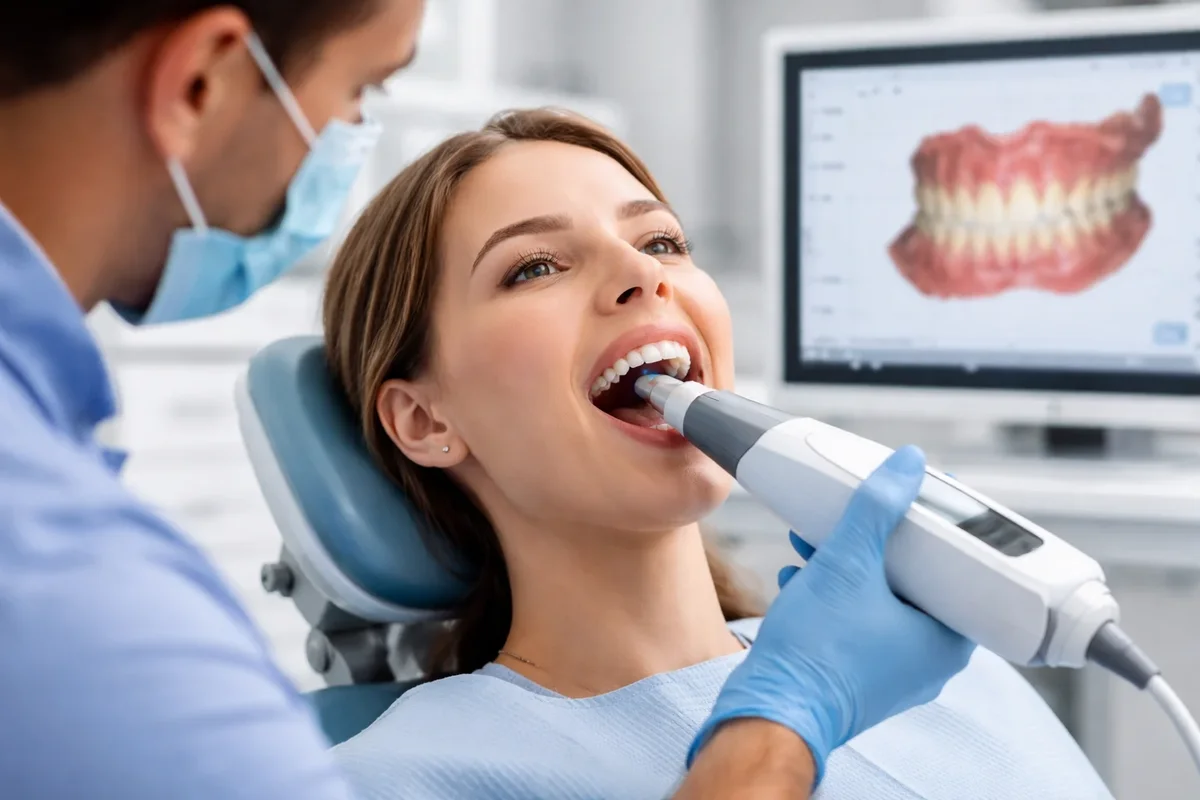
How to Choose a Dental Clinic Using Intraoral Scanners in Dentistry
As digital technology becomes the standard of care, more patients actively seek clinics that use intraoral scanners in dentistry. However, not all digital workflows are equal. Choosing the right dental clinic requires more than simply asking whether a scanner is used—it involves understanding how effectively intraoral scanners in dentistry are integrated into diagnosis, treatment planning, and patient care. Making an informed choice can significantly influence comfort, outcomes, and long-term oral health.
Confirm That Digital Scanning Is Part of the Core Workflow
The first step is confirming that intraoral scanners in dentistry are not used occasionally, but as a central part of the clinic’s workflow. Some clinics may own a scanner but rely on traditional impressions for most cases. A truly digital clinic uses scanning for diagnostics, restorations, implants, orthodontics, and follow-up monitoring.
Clinics that fully embrace intraoral scanners in dentistry typically offer faster turnaround times, fewer remakes, and more predictable results. This consistency reflects experience and commitment to digital excellence 🦷.
Evaluate the Dentist’s Experience with Digital Technology
Technology alone does not guarantee quality—expertise matters. Dentists who regularly work with intraoral scanners in dentistry develop advanced scanning techniques, better margin capture, and stronger digital communication with laboratories.
Patients should feel comfortable asking how long the clinic has been using intraoral scanners in dentistry and for which treatments. Experienced digital clinicians are more likely to deliver precise, reliable outcomes with minimal adjustments.
Training and Continuous Education
Clinics that invest in ongoing education for digital dentistry tend to achieve better results. Continuous training ensures that intraoral scanners in dentistry are used to their full potential, including the latest software features and scanning protocols.
Look for Integrated Digital Treatment Planning
A key indicator of quality is how well intraoral scanners in dentistry are integrated into treatment planning. High-quality clinics combine digital scans with smile design software, implant planning tools, and CAD/CAM systems.
This integration allows dentists to simulate outcomes, plan procedures precisely, and show patients visual previews of their treatment. Digital planning enhances predictability and reduces surprises during treatment 😊.
Assess Patient Communication and Transparency
One of the greatest strengths of intraoral scanners in dentistry is improved communication. Clinics that use digital scans to educate patients—by showing real-time 3D images and explaining conditions visually—demonstrate a patient-centered approach.
If a clinic actively involves patients in the diagnostic process using intraoral scanners in dentistry, it reflects transparency, trust, and confidence in their recommendations.
Laboratory Collaboration and Restoration Quality
The quality of dental restorations depends heavily on collaboration between the clinic and the laboratory. Clinics that use intraoral scanners in dentistry effectively maintain strong digital partnerships with skilled laboratories.
Ask whether the clinic works with digital laboratories and how scan data is shared. Efficient digital collaboration results in better-fitting crowns, implants, and orthodontic appliances.
Hygiene, Safety, and Modern Standards
Digital impressions support higher hygiene standards by reducing physical materials and cross-contamination risks. Clinics that prioritize intraoral scanners in dentistry align with modern infection control guidelines supported by organizations such as the
American Dental Association.
This commitment to safety and innovation reflects a forward-thinking clinical philosophy.
Patient Reviews and Digital Dentistry Feedback
Patient reviews often reveal how effectively intraoral scanners in dentistry are used in real-world care. Look for feedback mentioning comfort, speed, accuracy, and fewer appointments. These experiences are strong indicators of successful digital integration.
Accessibility and Personalized Consultation
Finally, a high-quality clinic using intraoral scanners in dentistry should offer accessible, personalized consultations. Patients should feel encouraged to ask questions and understand how digital technology benefits their specific case.
If you are seeking a clinic that fully integrates intraoral scanners in dentistry into advanced, patient-focused care, professional consultation is available through the
Redent Klinik Contact Page.
In conclusion, choosing the right dental clinic goes hand in hand with understanding how intraoral scanners in dentistry are used. Clinics that combine digital technology with expertise, transparency, and patient-centered values deliver superior outcomes and a more comfortable dental experience. Making the right choice today means benefiting from precision-driven, future-ready dentistry for years to come 🚀.