
Many people dream of having a perfectly aligned smile without the visible metal brackets of traditional braces. Invisalign has revolutionized orthodontic treatment with its clear, removable aligners that straighten teeth discreetly and comfortably. However, one of the first questions patients ask is about the Invisalign average cost. Understanding the factors that influence pricing, what’s included in the treatment, and how it compares to other orthodontic options will help you make an informed decision that balances both aesthetics and affordability.
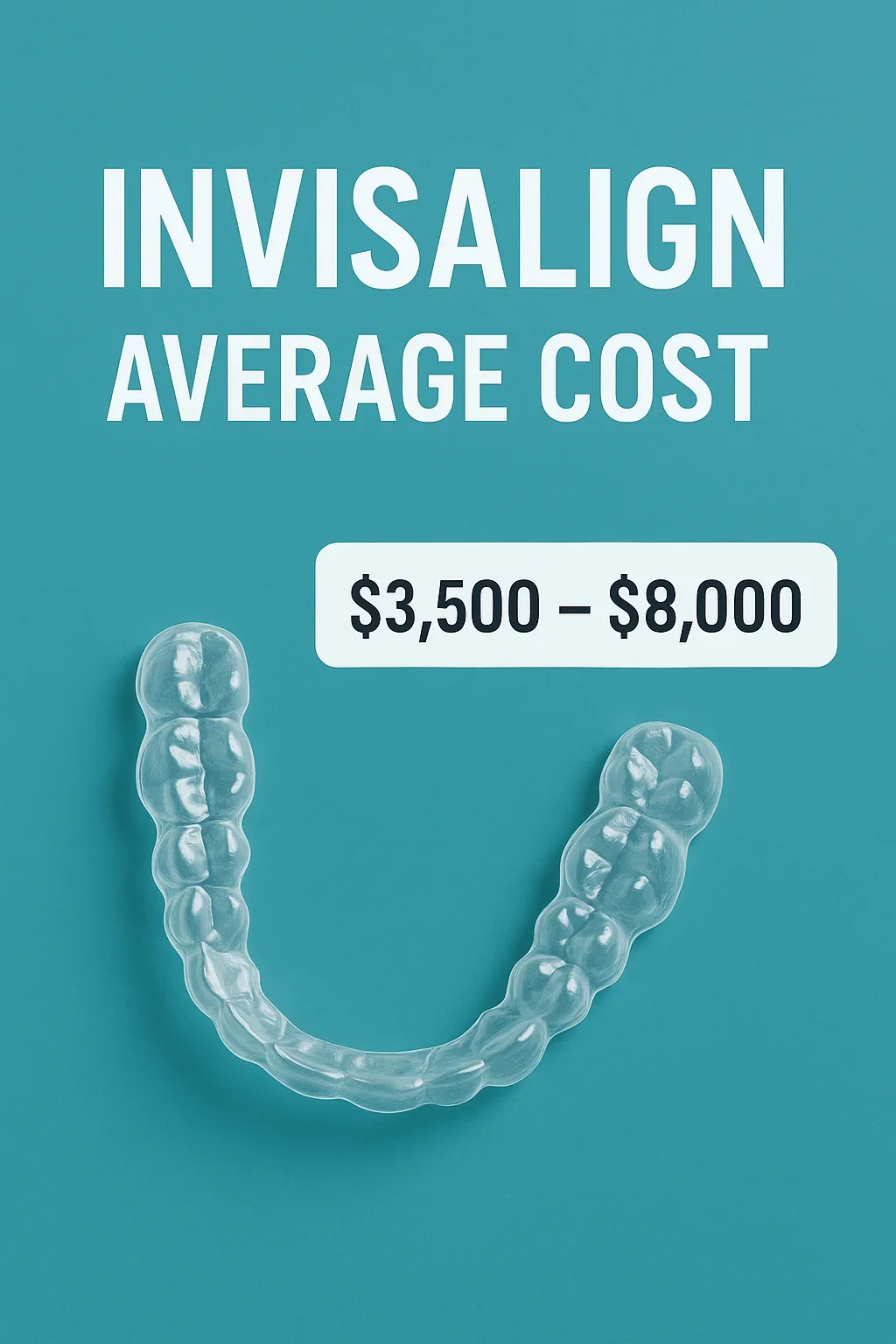
So, what exactly determines the Invisalign average cost? In 2025, prices can vary significantly depending on several factors, such as the complexity of your dental case, your geographic location, and the experience level of your dentist or orthodontist. On average, patients in the United States can expect to pay between $3,000 and $8,000 for a full Invisalign treatment plan. For mild alignment issues, costs can be on the lower end, while complex cases requiring longer treatment periods tend to be more expensive.
Invisalign uses a series of custom-made, clear plastic aligners designed to gradually move your teeth into their desired positions. Each set of aligners is typically worn for one to two weeks before switching to the next set. The technology behind Invisalign involves advanced 3D imaging and digital modeling to ensure precise alignment movements, resulting in predictable and efficient outcomes. 🦷
Compared to traditional metal braces, Invisalign offers several advantages beyond aesthetics. The aligners are removable, which means you can take them out while eating or brushing, allowing for better oral hygiene and greater comfort. There are no wires or brackets that can irritate your gums or cheeks. These benefits contribute to the growing popularity of Invisalign among adults and teens alike — but they also factor into the Invisalign average cost.
The cost structure typically includes the consultation, dental scans, treatment planning, aligner fabrication, regular check-ups, and post-treatment retainers. Some clinics may also offer free whitening treatments as part of the package, while others might charge separately for additional refinements or replacements. When comparing quotes, it’s essential to confirm whether the estimated Invisalign average cost covers the entire process from start to finish.
Geography also plays a key role in determining the price. For instance, Invisalign treatments tend to be more expensive in major metropolitan areas such as New York, Los Angeles, or London due to higher overhead and demand. In contrast, smaller cities or clinics abroad — such as in Turkey or Eastern Europe — often offer competitive prices with similar levels of quality and technology. This global variation has given rise to the concept of dental tourism, where patients travel overseas to receive more affordable treatment while maintaining the same standards of care.
Another factor that affects the Invisalign average cost is the experience of the dental professional. Certified Invisalign providers undergo special training, and those with higher case experience (known as Platinum or Diamond providers) may charge more because of their expertise. However, their precision and ability to handle complex cases often translate into faster, more predictable results — and fewer adjustments down the line.
When researching treatment options, always look for clinics that provide transparent pricing and comprehensive care. At Redent Klinik Contact Page, patients can reach out to schedule consultations and get personalized Invisalign cost assessments. This ensures that you receive accurate information tailored to your dental structure, treatment duration, and expected results.
It’s also wise to consult trusted organizations like the American Dental Association for credible information on orthodontic treatments and dental safety standards. The ADA emphasizes the importance of professional supervision throughout your Invisalign journey to avoid potential complications from DIY or mail-order aligner systems, which may seem cheaper but often lead to unsatisfactory outcomes.
While some patients focus solely on the Invisalign average cost, it’s important to consider the long-term value. Invisalign not only improves your smile but also enhances oral health by making it easier to clean and maintain your teeth. Misaligned bites or crowded teeth can cause gum problems, jaw pain, and even tooth wear over time. Therefore, investing in proper orthodontic treatment can save you from costly dental issues in the future.
To summarize, the Invisalign average cost in 2025 typically falls between $3,000 and $8,000 depending on case complexity, treatment duration, and the provider’s expertise. While this might seem like a significant expense, the benefits — from improved confidence to better dental health — make it a worthwhile investment for many patients. Always seek professional advice, compare treatment plans, and explore available payment or insurance options to make your journey toward a perfect smile both affordable and rewarding. 😁
Factors That Influence the Invisalign Average Cost 💰
The Invisalign average cost can vary dramatically between patients, and understanding what drives these price differences is essential for anyone considering treatment. While Invisalign aligners may look the same from the outside, the behind-the-scenes factors that determine cost — such as treatment complexity, dentist expertise, and even your location — all contribute to the final price tag. Let’s explore these components in detail so you can make a well-informed decision before committing to treatment.
1. Case Complexity and Treatment Duration
One of the most significant factors that determine the Invisalign average cost is the complexity of your dental alignment issues. Patients with minor crowding or spacing may require fewer aligners and shorter treatment times — typically between 6 and 9 months. However, individuals with severe misalignments, bite problems (like overbite or underbite), or rotational issues will need more aligners and longer treatment durations that can extend up to 18–24 months.
The number of aligner trays required directly affects the price because each tray is custom-designed for your teeth using 3D digital scans and precision manufacturing technology. More trays mean more lab work, additional checkups, and possibly refinements after the main treatment. Therefore, a simple cosmetic adjustment might cost around $2,500 to $3,500, while a full comprehensive case could reach $7,000 or more depending on your location and provider.
2. Provider Experience and Certification Level
Not all Invisalign providers charge the same, and this is due to their expertise level. Invisalign classifies dental professionals into categories such as Bronze, Silver, Gold, Platinum, and Diamond providers, depending on how many successful Invisalign cases they’ve completed annually. Highly experienced orthodontists — those with Diamond status — may charge slightly more, but their experience ensures smoother treatment, fewer revisions, and more predictable results. Their professional skill can also reduce the risk of complications, ultimately providing better value even if the initial Invisalign average cost is higher.
Choosing a Certified Invisalign Expert
When comparing clinics, always verify that your provider is officially certified. You can check this by visiting the Invisalign website or contacting your local dental association. Working with an experienced provider doesn’t just influence treatment results — it directly impacts cost efficiency by minimizing unnecessary delays or corrections. Many patients find that a slightly higher upfront investment leads to a faster and more comfortable overall experience. 🦷
3. Geographic Location and Clinic Overheads
Where you live plays a surprisingly large role in determining the Invisalign average cost. Urban centers like New York, Los Angeles, or London tend to have higher operational costs — including rent, staff wages, and materials — which are often reflected in treatment prices. Patients in these regions might pay between $6,000 and $8,000 for comprehensive Invisalign care.
Conversely, smaller towns or countries with lower healthcare costs, such as Turkey, Mexico, or Poland, offer more affordable pricing without compromising on quality. This difference has led to a rise in dental tourism, where patients travel internationally to access premium dental care at reduced rates. Clinics such as Redent Klinik Contact Page in Turkey offer world-class Invisalign services at a fraction of the price charged in Western countries, attracting patients from across Europe and the Middle East.
4. Type of Invisalign Treatment Plan
Invisalign offers several treatment tiers depending on your needs, each influencing the overall Invisalign average cost:
- Invisalign Express: Designed for very mild cases, typically lasting up to 6 months and costing around $2,000–$3,000.
- Invisalign Lite: Suitable for moderate cases with up to 14 aligners, costing between $3,000–$4,500.
- Invisalign Full: Covers comprehensive cases with unlimited aligners, ranging from $5,000–$8,000.
- Invisalign Teen: Specially developed for younger patients, often including free replacement trays in case of loss or damage.
The more comprehensive the plan, the higher the cost. However, full plans usually include refinements, retainers, and follow-ups, which make them more economical in the long term. Patients should always confirm which plan their dentist recommends and ensure it includes post-treatment retainers to maintain results.
5. Diagnostic Technology and Materials Used
Modern orthodontics relies heavily on cutting-edge technology. Clinics that use advanced digital scanners, AI-based simulation software, and 3D printers typically charge more, as these technologies ensure superior precision and comfort. The materials used for the aligners — SmartTrack™ thermoplastic by Invisalign — are also proprietary and clinically tested to provide optimal force control and flexibility. These factors together influence the Invisalign average cost, ensuring you receive a safe, effective, and customized treatment experience.
6. Aftercare, Refinements, and Retainers
After your primary treatment phase, most dentists recommend wearing retainers to maintain the new alignment. These retainers are either included in your Invisalign package or sold separately. On average, a set of retainers costs around $200–$500. In some cases, refinements (extra aligners) are needed to perfect results, adding to the overall Invisalign average cost. It’s essential to ask your provider in advance whether refinements and aftercare visits are covered in your initial treatment fee.
7. Insurance, Financing, and Payment Options
While dental insurance typically doesn’t cover cosmetic procedures, many insurance plans now include partial coverage for orthodontic treatments like Invisalign. This can reduce the Invisalign average cost by up to 25–40%, depending on your provider. Additionally, many clinics offer interest-free payment plans or third-party financing through medical credit companies, allowing you to spread payments over several months without added financial strain.
Before beginning treatment, it’s wise to review all available financial options with your provider. Some employers even offer flexible spending accounts (FSAs) or health savings accounts (HSAs) that can be applied toward orthodontic expenses, further lowering your out-of-pocket costs.
8. The Hidden Value Behind Invisalign Pricing
Beyond the numbers, the Invisalign average cost reflects a combination of advanced dental science, patient comfort, and aesthetic appeal. Invisalign aligners not only straighten your teeth but also improve your bite, confidence, and long-term oral health. When evaluating the cost, remember that quality dental care is an investment in your overall well-being, not just your smile. Consulting accredited organizations such as the American Dental Association ensures you have access to the latest research and professional standards regarding orthodontic safety and treatment value.
Ultimately, several interlinked factors determine the Invisalign average cost — from your unique dental anatomy to the clinic’s technology and your chosen provider’s expertise. By understanding these variables in detail, you can make a confident, informed decision and begin your journey toward a straighter, healthier smile with clarity and peace of mind. 😁
Invisalign vs. Braces: Which Is More Cost-Effective?
When comparing teeth-straightening options, one of the most common questions patients ask is whether Invisalign or traditional braces offer better value. The answer isn’t as simple as choosing between clear aligners and metal brackets — it depends on your lifestyle, dental condition, treatment goals, and budget. The Invisalign average cost and braces pricing often overlap, but their value differs based on comfort, appearance, treatment duration, and maintenance requirements. Let’s explore this comparison in detail to help you decide which option offers the best return on investment for your smile. 😁
1. Understanding the Cost Comparison
The Invisalign average cost typically ranges between $3,000 and $8,000, while traditional braces generally cost between $2,500 and $7,500, depending on the complexity of the case and the orthodontist’s expertise. At first glance, braces might appear slightly more affordable, but the total value of Invisalign treatment extends beyond the initial price tag. Invisalign offers greater flexibility, comfort, and aesthetics, all of which contribute to its long-term cost-effectiveness.
For patients who prioritize discreetness and convenience, Invisalign is often worth the slight premium. In contrast, braces may be better suited for those with severe orthodontic problems that require intricate movements. However, as Invisalign technology advances, even complex cases can now be treated effectively using clear aligners, narrowing the gap between the two systems in both cost and capability.
2. Treatment Duration and Appointments
One factor that influences the Invisalign average cost versus braces is treatment time. Invisalign aligners typically straighten teeth faster for mild to moderate cases, often completing results in 6 to 18 months. Traditional braces usually require 18 to 24 months or longer. This reduced treatment time means fewer dental visits, less time off work or school, and fewer associated costs in travel and adjustments.
Frequency of Dental Visits
With braces, patients usually visit the orthodontist every 4 to 6 weeks for wire tightening and adjustments. Invisalign, on the other hand, requires checkups every 6 to 10 weeks. The digital monitoring systems some Invisalign providers use — such as remote progress tracking — can reduce visits even further. These time savings indirectly lower the overall cost of treatment, especially for busy professionals or those living far from their clinic.
3. Aesthetic and Psychological Value
While braces remain effective, they are far more visible and can impact self-esteem, especially for adults. Invisalign aligners are nearly invisible and allow patients to smile confidently throughout their treatment. This boost in confidence is one of the less tangible but significant advantages that justify the Invisalign average cost. The emotional comfort and professional appearance benefits of clear aligners often outweigh the small difference in financial cost.
Furthermore, Invisalign users can remove their aligners during important events, photos, or social occasions, maintaining a natural look without compromise. For many adults, this flexibility is priceless and contributes to why Invisalign is increasingly viewed as a premium but practical choice for long-term results.
4. Comfort and Oral Hygiene
Another area where Invisalign surpasses braces is comfort and hygiene. The smooth, BPA-free SmartTrack™ material used in Invisalign aligners eliminates the irritation and sores often caused by metal wires and brackets. Because the aligners are removable, patients can maintain better oral hygiene — brushing and flossing as normal without the hassle of maneuvering around hardware. This leads to healthier gums and fresher breath during and after treatment.
With traditional braces, food particles can easily get trapped, leading to plaque buildup and potential staining. The ability to remove aligners also allows Invisalign users to eat a full variety of foods without restrictions. This convenience adds hidden value to the overall Invisalign average cost, as fewer dental cleanings or repairs are typically needed throughout treatment.
5. Maintenance and Replacement Costs
Braces require occasional repairs when wires break or brackets detach, which can lead to additional costs over time. Invisalign users, on the other hand, may need replacement aligners if they are lost or damaged — but most clinics offer one or two replacements as part of the treatment plan. Since aligners are created digitally, replacements can be produced quickly without restarting the treatment. These small details influence the long-term financial balance between Invisalign and braces.
6. Post-Treatment Retainers and Results Stability
After completing orthodontic treatment, both Invisalign and braces patients must wear retainers to maintain their results. Retainers typically cost between $200 and $500 per set. Many Invisalign packages include retainers in the total price, while some braces plans may charge separately. Patients should always confirm whether post-treatment retainers are included when calculating the Invisalign average cost versus braces.
Moreover, Invisalign results tend to be more stable because the aligners encourage gradual, precise tooth movement. This precision reduces the risk of relapse — the tendency for teeth to shift back to their original positions — potentially saving on future correction costs.
7. Lifestyle and Convenience Factors
When considering which option is more cost-effective, lifestyle plays a key role. Invisalign aligners fit seamlessly into daily life. You can remove them before eating, brushing, or even giving a presentation at work. Braces, however, can restrict certain foods (like popcorn or hard candy) and require extra care when cleaning. These small daily conveniences collectively enhance the value proposition of Invisalign.
Travel and Special Occasions
For frequent travelers, Invisalign is especially advantageous. Since aligners can be switched at home and follow-ups are less frequent, patients can continue their treatment without interruption. This flexibility not only saves time but also reduces the hidden costs associated with missed appointments or rescheduling — another factor to consider when evaluating the Invisalign average cost.
8. Insurance and Financing Comparison
Many dental insurance plans now recognize Invisalign as an eligible orthodontic treatment, providing partial coverage similar to braces. The reimbursement rate often depends on your insurance provider, but it can significantly reduce the overall cost. Additionally, both Invisalign and braces clinics typically offer payment plans to make treatment more accessible. By dividing payments into monthly installments, patients can manage the financial commitment without strain.
9. Professional and Patient Perspectives
Orthodontists often recommend Invisalign for adults and teens who value discretion and comfort, while braces are better for severe misalignments. However, as Invisalign’s SmartForce® and SmartTrack® technologies evolve, its effectiveness continues to expand, making it suitable for even complex cases. Patients frequently report higher satisfaction levels with Invisalign due to its aesthetic and practical benefits. These positive outcomes enhance the perceived value and justify the Invisalign average cost over time.
To conclude, both Invisalign and braces effectively straighten teeth and improve oral health. While braces may appear slightly cheaper upfront, Invisalign provides unmatched comfort, flexibility, and aesthetic appeal — making it a superior long-term investment for most adults and image-conscious teens. With the right provider and financial planning, Invisalign delivers more than just a beautiful smile; it offers a seamless, modern, and confident treatment experience that many patients find well worth the cost. 🌟
Understanding the Invisalign Pricing Tiers and Plans
One of the most common questions among patients considering clear aligners is how the Invisalign average cost is calculated across different plans. Invisalign is not a one-size-fits-all system — instead, it offers several customized treatment tiers designed to accommodate varying levels of dental complexity, timeframes, and budget considerations. Whether you require minor cosmetic alignment or comprehensive bite correction, understanding these tiers is essential for determining the best plan for your needs and finances. 💡
1. Overview of Invisalign Treatment Options
Invisalign provides a flexible range of treatment programs, each designed for specific orthodontic needs. These include Invisalign Express, Lite, Full, and Teen plans, along with specialized versions such as Invisalign First for children. Each plan has its own cost structure, number of aligners, and duration. Understanding these variations helps patients assess what drives the Invisalign average cost and why some plans appear more expensive than others.
Let’s explore these plans one by one, including what they cover, who they are best suited for, and how they influence the total Invisalign pricing framework.
2. Invisalign Express: For Minor Adjustments
Invisalign Express is designed for patients with very mild alignment issues, such as slight crowding, minimal spacing, or minor relapse after previous orthodontic treatment. It typically involves 5 to 7 sets of aligners and lasts around 3 to 6 months. Because it requires fewer aligners and less chair time, this plan represents the lower end of the Invisalign average cost spectrum — generally ranging from $2,000 to $3,000.
Express treatment offers an ideal solution for those seeking subtle improvements without committing to a long-term orthodontic process. However, it’s not suitable for patients with bite irregularities or significant crowding, as those conditions demand more complex movement and monitoring.
3. Invisalign Lite: Moderate Orthodontic Needs
Invisalign Lite bridges the gap between minor and moderate cases. It typically includes up to 14 aligner trays and lasts around 6 to 8 months. The Invisalign average cost for this plan usually ranges between $3,000 and $4,500. It’s particularly effective for moderate spacing, mild overbites, or small rotations. This plan allows patients to achieve a balanced aesthetic enhancement in a relatively short time frame.
Who Is Invisalign Lite For?
Invisalign Lite is ideal for patients who want more comprehensive results than Express can offer but do not require the extensive treatment of a full plan. It’s popular among adults preparing for major events, such as weddings or public appearances, where time and visual impact are priorities. This plan also provides a cost-efficient middle ground for those seeking both quick and noticeable results.
4. Invisalign Full: Comprehensive Correction
Invisalign Full is the most popular and all-inclusive treatment tier. It is designed for complex alignment and bite issues, including crowding, overjet, crossbite, and open bite. The plan can include 20 to 50 aligners (or more), typically spanning 12 to 24 months of treatment. Because it covers a wide range of dental corrections, it also sits at the higher end of the Invisalign average cost, usually between $5,000 and $8,000.
Patients opting for Invisalign Full benefit from unlimited refinements within a certain period, meaning that if teeth require additional adjustments after the primary treatment, new aligners can be fabricated without additional charge. This feature ensures long-term precision and satisfaction — a significant advantage when evaluating total treatment value.
5. Invisalign Teen: Tailored for Growing Smiles
For adolescents, Invisalign Teen offers a customized approach that accommodates the unique dental needs of growing mouths. These aligners include compliance indicators that fade when worn properly, helping parents and orthodontists track usage. Additionally, the plan typically covers free replacement trays in case of loss or damage — a thoughtful inclusion that influences the Invisalign average cost.
The typical cost range for Invisalign Teen falls between $4,000 and $6,000, depending on the number of aligners and treatment length. The plan balances flexibility with supervision, ensuring effective results without the discomfort associated with metal braces. Teens appreciate the aesthetic advantage, while parents value the predictability of digital treatment tracking.
6. Invisalign First: Early Orthodontic Intervention
Invisalign First is designed for children aged 6 to 10, offering early intervention for developing teeth and jaws. This plan focuses on guiding tooth eruption and addressing spacing problems before they evolve into more serious misalignments. The Invisalign average cost for this early treatment typically ranges from $3,000 to $5,000, depending on the child’s individual needs and growth phase.
Early treatment helps reduce the need for future extensive orthodontics, making Invisalign First a preventive and cost-effective choice in the long term. It emphasizes gentle, controlled movements to align emerging teeth while maintaining oral comfort and hygiene.
7. Additional Refinements and Retainers
All Invisalign plans include initial aligners, but some patients may need additional refinement aligners to perfect the final result. Refinement costs are usually included in the total package for comprehensive plans but may incur extra charges in shorter programs like Express or Lite. Post-treatment retainers, which prevent teeth from shifting back, cost between $200 and $500 and are vital for maintaining long-term results.
Importance of Retainer Maintenance
Retainers ensure that the time and money invested in achieving a new smile don’t go to waste. Many patients underestimate this step, but skipping retention can lead to relapse and additional treatment costs. Most dental clinics include at least one set of retainers in the overall Invisalign average cost, emphasizing the importance of aftercare as part of the complete orthodontic journey.
8. Regional Pricing Variations Across Plans
It’s important to remember that the Invisalign average cost for each tier can differ across countries. For instance, clinics in the United States and the UK tend to have higher fees due to operating expenses, whereas high-quality clinics in Turkey, Thailand, or Hungary can provide the same official Invisalign plans at 40–60% lower prices. Clinics such as Redent Klinik Contact Page in Turkey are known for offering affordable yet advanced Invisalign Full and Teen treatments for international patients seeking expert care.
9. Evaluating Which Invisalign Plan Is Right for You
Selecting the appropriate plan depends on the severity of your case, desired treatment time, and budget flexibility. During consultation, your provider will perform digital scans and discuss your goals to recommend the most suitable option. If affordability is a concern, many clinics provide installment-based financing options, allowing patients to spread payments monthly without interest — an effective way to manage the Invisalign average cost.
10. Final Thoughts on Invisalign Pricing Tiers
Ultimately, understanding Invisalign’s tier system helps patients approach treatment decisions strategically. While Express and Lite plans appeal to those with minor alignment goals, Full and Teen plans deliver comprehensive solutions backed by ongoing support and refinements. When factoring in aesthetic value, comfort, precision, and durability, the Invisalign average cost across all tiers offers excellent value for the results achieved.
Before making a decision, always consult reputable clinics and professional bodies like the American Dental Association to ensure your provider meets the highest orthodontic standards. By understanding the breakdown of Invisalign’s pricing tiers, patients can make informed, confident choices that align perfectly with both their smile goals and budget expectations. 🌟
How Dental Insurance Affects Invisalign Average Cost
One of the biggest concerns patients have when exploring orthodontic options is how much of the Invisalign average cost can be covered by dental insurance. While Invisalign has become increasingly popular due to its aesthetic and functional advantages, the question of affordability remains crucial. The good news is that more insurance providers are now recognizing Invisalign as a medically necessary orthodontic treatment rather than a purely cosmetic one, which means partial coverage is often possible. Understanding how insurance works, what to expect from reimbursements, and how to maximize your benefits will help you make an informed financial decision.
1. Understanding Dental Insurance Coverage for Invisalign
Dental insurance plans differ widely, but most policies that cover orthodontic treatment will also extend benefits to Invisalign. Typically, insurance covers a percentage of the total treatment cost — usually around 25% to 50% — up to a specific lifetime maximum. For example, if your plan includes a $3,000 lifetime orthodontic benefit, and your treatment costs $6,000, your insurance may pay $3,000, leaving you responsible for the remainder. These benefits directly reduce the Invisalign average cost you pay out of pocket.
Some insurance companies require prior authorization from your provider before treatment begins, ensuring that the treatment is medically justified. Always confirm coverage details with your insurer before starting Invisalign to avoid unexpected expenses.
Example:
If your treatment plan costs $5,500 and your insurance covers 40% of orthodontic treatments up to $2,000, your final out-of-pocket expense would be $3,500. Understanding these calculations allows you to better estimate your personal contribution and plan accordingly.
2. Types of Dental Insurance Plans That Cover Invisalign
Not all dental insurance plans offer orthodontic coverage, but the following are most likely to include benefits that impact the Invisalign average cost:
- PPO (Preferred Provider Organization) Plans: These plans provide flexibility in choosing your orthodontist and usually include partial coverage for Invisalign. PPOs often reimburse a percentage of the total cost.
- DHMO (Dental Health Maintenance Organization) Plans: These are more restrictive and may limit Invisalign coverage or require you to use specific network providers.
- Employer-Sponsored Plans: Many companies now offer orthodontic benefits that include Invisalign. It’s worth reviewing your HR benefits package or asking for a plan summary to determine your coverage.
Before committing to treatment, ask your dental office to submit a pre-authorization request to your insurance provider. This process gives you a written estimate of how much your insurer will pay and how much remains as your responsibility — a crucial step in budgeting your Invisalign average cost.
3. Lifetime Maximums and Orthodontic Limits
Unlike general dental procedures such as cleanings or fillings, orthodontic benefits often have a lifetime maximum rather than annual limits. This means once you’ve used your orthodontic benefit — typically between $1,000 and $3,500 — it does not renew each year. Therefore, if you’ve previously had braces or another orthodontic treatment, your remaining coverage for Invisalign may be reduced or even exhausted.
However, some premium plans offer separate allowances for adults and dependents, enabling both parents and children to receive coverage under the same policy. Understanding these distinctions can make a meaningful difference in how much of your Invisalign average cost is reimbursed.
4. Using FSA and HSA Accounts for Invisalign Payments
Flexible Spending Accounts (FSA) and Health Savings Accounts (HSA) are excellent tools for reducing your Invisalign expenses. These accounts allow you to use pre-tax dollars to pay for eligible medical and dental treatments, including orthodontic care. By using FSA or HSA funds, patients can effectively reduce their Invisalign average cost by 20% to 30% depending on their tax bracket.
How It Works:
For example, if your Invisalign treatment costs $5,000 and you pay using pre-tax dollars from your FSA, and your tax rate is 25%, you’ll save $1,250 in taxes — effectively reducing your net cost to $3,750. Most clinics accept FSA and HSA cards directly, simplifying the payment process.
5. Employer Dental Benefits and Invisalign
Many employers now include orthodontic benefits as part of their dental insurance packages, recognizing the growing popularity of Invisalign among employees. Some companies even provide additional reimbursement or wellness stipends that can be used toward treatments like Invisalign. Check with your HR department to see if your benefits include orthodontic support — these workplace programs can significantly lower your Invisalign average cost without affecting your main insurance policy.
6. Financing Options Beyond Insurance
Even with insurance coverage, many patients prefer to finance their remaining balance. Most Invisalign providers offer flexible payment plans, allowing you to spread the cost over 6 to 24 months, often with zero interest. Financing providers like CareCredit and LendingClub are common in dental offices and can make Invisalign more affordable by turning one large payment into manageable monthly installments.
For example, if your remaining balance after insurance is $3,000, a 12-month plan could cost around $250 per month. These arrangements make it easier to fit Invisalign into your budget while maintaining full access to treatment benefits. Clinics such as Redent Klinik Contact Page also provide customized payment plans for international patients seeking affordable Invisalign care abroad.
7. Regional and Policy-Based Variations
The impact of insurance on the Invisalign average cost can also depend on where you live. In some countries, government or state health systems offer limited orthodontic coverage for medical necessity, particularly for younger patients. In the U.S., private insurance dominates, and each policy has distinct inclusions and exclusions. Always review the fine print to ensure Invisalign is specifically mentioned, as some insurers still categorize it separately from traditional braces.
8. Combining Insurance, FSAs, and Discounts
Patients can maximize savings by combining multiple benefits. For example, you can use insurance coverage for part of your cost, pay the remainder with FSA or HSA funds, and take advantage of dental office discounts or promotional packages. This layered approach can significantly reduce your overall Invisalign average cost, making premium orthodontic care more attainable without financial strain.
9. Importance of Transparent Treatment Estimates
Always request a detailed treatment estimate before committing to Invisalign. A comprehensive quote should include all expected expenses — aligners, consultations, refinements, and retainers — so you know exactly what your insurance covers and what you’ll pay out of pocket. Transparent communication prevents surprise costs and helps you assess the true value of your investment in alignment with your insurance benefits.
10. Trusted Sources and Final Insights
To ensure you’re getting accurate information, consult reliable organizations like the American Dental Association. They provide valuable insights into orthodontic insurance standards and reimbursement policies. The Invisalign average cost may seem daunting at first, but by strategically using insurance, tax-advantaged accounts, and flexible payment options, patients can significantly reduce their expenses while enjoying the aesthetic and functional benefits of clear aligners.
Ultimately, dental insurance doesn’t just lower costs — it empowers patients to pursue orthodontic care they might otherwise postpone. By understanding your coverage details and leveraging all available benefits, Invisalign can become both a practical and affordable solution for achieving your dream smile. 🌟
Regional Differences: Invisalign Prices Around the World 🌍
While Invisalign is a globally recognized orthodontic system, the Invisalign average cost varies significantly depending on where you receive treatment. Geographic location plays a crucial role in determining the overall price due to differences in labor costs, economic conditions, dental regulations, and currency exchange rates. Understanding these variations can help patients plan their treatment more strategically — and in some cases, save thousands of dollars without compromising quality.
1. Why Invisalign Costs Differ Across Countries
The main factors behind regional price disparities include the cost of living, clinical overhead, local market demand, and professional fees. Countries with high operating costs — such as the United States, Canada, or the UK — tend to have higher Invisalign average cost compared to destinations like Turkey, Thailand, or Mexico. Additionally, licensing fees and taxes imposed by dental authorities can influence how much clinics charge patients for the same Invisalign product.
Invisalign aligners are produced using standardized materials and technology by Align Technology, the global manufacturer. However, the final cost includes much more than production — it accounts for the dentist’s expertise, clinic expenses, follow-up visits, and sometimes even cosmetic add-ons like whitening or retainers. 🌎
2. Invisalign Average Cost by Region
Below is a general overview of how the Invisalign average cost differs between major regions in 2025, based on industry data and patient reports:
- United States: $3,500 – $8,000
- Canada: $4,000 – $7,500
- United Kingdom: £2,500 – £5,500 (approximately $3,200 – $7,000)
- Australia: AUD 5,000 – AUD 9,000
- Turkey: $2,000 – $4,000
- Mexico: $2,000 – $4,500
- Germany & France: €3,500 – €6,500
- Thailand & Malaysia: $2,500 – $4,000
While the aligners themselves are identical worldwide, the professional service component can vary greatly. For example, clinics in Turkey or Southeast Asia often offer Invisalign treatments at 40–60% less than in Western Europe or North America — largely due to lower labor and facility costs rather than a difference in quality. Many patients travel abroad for this reason, combining orthodontic care with dental tourism.
3. The Rise of Dental Tourism
Dental tourism has become a major trend for patients seeking affordable treatment abroad without sacrificing safety or expertise. Countries like Turkey, Hungary, and Thailand have developed world-class dental infrastructures that cater to international patients. The Invisalign average cost in these destinations can be half of what it is in the U.S., while still offering premium care from certified Invisalign providers.
Example of International Pricing Efficiency
A patient from London paying £5,000 for Invisalign could receive equivalent treatment at Redent Klinik Contact Page in Turkey for around $2,800, including consultations, digital scans, and retainers. The difference often covers travel and accommodation costs — making it an appealing choice for those looking for both quality and affordability.
4. Economic Factors Influencing Pricing
Each country’s economy, inflation rate, and dental service taxation affect treatment pricing. For instance, clinics in countries with high taxes and strict insurance regulations, like Germany or France, naturally have higher service fees. Meanwhile, emerging dental hubs such as Turkey and Thailand offer government incentives to promote medical tourism, which helps keep the Invisalign average cost more affordable for international patients.
5. Local Market Demand and Dentist Expertise
Invisalign providers’ experience and market demand also shape pricing. In densely populated regions, competition among clinics can lead to lower prices and promotional offers. Conversely, in smaller towns or less competitive markets, costs may be slightly higher. A highly skilled Diamond or Platinum Invisalign provider may charge more, but their experience often ensures fewer refinements and faster results — making the investment worthwhile.
6. Insurance and Currency Exchange Impact
In countries like the U.S. and Canada, dental insurance can help reduce the Invisalign average cost. However, in regions where insurance coverage is limited, clinics often provide in-house financing or third-party payment options. Additionally, currency exchange rates can influence treatment affordability for international patients. For example, when the dollar or euro strengthens, patients traveling from Western Europe to Turkey or Asia benefit from even greater cost savings.
Example:
When the Euro is strong against the Turkish Lira, European patients can save up to 60% on Invisalign treatments abroad — an attractive incentive for those seeking long-term orthodontic solutions without financial strain.
7. Comparing Costs Between Urban and Rural Areas
Even within a single country, the Invisalign average cost may differ between urban and rural regions. Metropolitan areas like New York, Los Angeles, or Paris typically have higher overheads, such as rent, staff salaries, and advertising expenses, all of which are factored into treatment costs. In contrast, rural or suburban clinics can offer the same treatment for 10–20% less simply because their operating costs are lower. Patients should balance convenience and savings when deciding where to begin treatment.
8. Quality Assurance in Lower-Cost Regions
It’s natural to question whether cheaper Invisalign treatment abroad equates to lower quality. The reassuring truth is that Align Technology maintains strict global standards for all licensed Invisalign providers. This means the aligners produced in Istanbul, London, or Los Angeles come from the same manufacturing centers. Therefore, differences in the Invisalign average cost are primarily service-related, not product-related. Still, always ensure your chosen clinic has certified Invisalign accreditation and positive patient reviews to guarantee professional care.
9. Role of Technology and Digital Dentistry
Access to advanced technology also influences pricing. Clinics equipped with cutting-edge scanners, AI-based treatment simulations, and 3D imaging tools may charge slightly more but deliver superior precision and comfort. In some regions, digital dental tools are relatively new investments, which can temporarily raise the Invisalign average cost until widespread adoption balances pricing. However, these innovations significantly enhance treatment predictability and overall satisfaction.
10. Final Thoughts: Choosing the Right Destination
When evaluating where to undergo Invisalign treatment, patients should consider more than just cost. Factors like provider experience, communication, and aftercare accessibility matter as much as pricing. For those considering overseas treatment, reputable clinics with multilingual staff and international certifications — such as American Dental Association standards — offer additional peace of mind.
Ultimately, regional differences in the Invisalign average cost reflect variations in economies, not in quality. With thoughtful research, patients can achieve world-class orthodontic results at an affordable price, whether they choose to stay local or travel abroad. 🌍✨
Tips to Save Money on Your Invisalign Treatment
While Invisalign offers unmatched comfort, convenience, and aesthetics, the Invisalign average cost can still be a significant investment for many patients. Fortunately, there are several proven strategies to help you lower your expenses without compromising quality or safety. From taking advantage of insurance benefits to exploring dental tourism and flexible financing options, understanding these cost-saving tips can make your dream smile far more affordable. Let’s explore practical ways to make Invisalign treatment budget-friendly while still achieving optimal results. 💰
1. Start with Multiple Consultations
Before committing to any provider, it’s wise to schedule consultations with at least two or three dental clinics. Many clinics offer free initial consultations or discounted digital scans for new patients. During these visits, you can compare treatment plans, projected timelines, and costs. This not only gives you insight into your case complexity but also helps you negotiate better pricing. Since the Invisalign average cost can vary widely depending on the provider’s experience and location, getting multiple quotes ensures transparency and helps you avoid overpaying.
Tip:
Ask each clinic to provide a detailed breakdown of costs — including aligners, retainers, refinements, and follow-ups — so you know exactly what’s included. Clinics that advertise unusually low prices may exclude post-treatment care or refinements, resulting in hidden costs later on.
2. Choose the Right Invisalign Plan for Your Case
Invisalign offers different treatment tiers such as Express, Lite, and Full. If your dental issue is minor, there’s no reason to pay for a full package. Choosing a lower-tier plan can reduce your Invisalign average cost by 30–40%. Your dentist can determine the most suitable plan after a digital assessment of your teeth and bite. The fewer aligners required, the less you’ll pay overall — making this one of the easiest ways to manage your orthodontic expenses effectively.
3. Check for Special Offers and Seasonal Discounts
Dental clinics often run promotions or seasonal offers on Invisalign treatments — particularly around holidays or new year periods. These can include free retainers, whitening treatments, or price reductions. Keeping an eye out for these offers can help you save hundreds of dollars on your Invisalign average cost. Clinics aiming to attract new clients or upgrade their Invisalign provider status may also offer competitive pricing for a limited time.
It’s a good idea to follow your preferred clinic’s social media pages or subscribe to their newsletter to stay informed about upcoming deals. High-quality clinics such as Redent Klinik Contact Page regularly announce international promotions designed to make Invisalign more accessible to patients worldwide.
4. Use Dental Insurance and Pre-Tax Accounts
Many dental insurance policies now cover part of Invisalign treatment costs. If you’re insured, verify how much orthodontic coverage your plan includes. Some providers will reimburse up to 50% of your treatment cost, reducing your out-of-pocket expense significantly. Additionally, using a Flexible Spending Account (FSA) or Health Savings Account (HSA) allows you to pay for treatment with pre-tax dollars, effectively cutting the real cost of the Invisalign average cost by 20–30%.
Pro Tip:
Before your dental visit, contact your insurance company to confirm Invisalign eligibility and lifetime maximums. Combine your insurance benefits with FSA/HSA savings for maximum efficiency — a strategy that can save you thousands over the course of your treatment.
5. Consider Dental Tourism for Affordable Invisalign
One of the most effective ways to reduce your Invisalign expenses is to explore dental tourism. Many patients now travel abroad to countries like Turkey, Thailand, Hungary, or Mexico for affordable, high-quality treatment. The Invisalign average cost in these destinations can be up to 60% lower than in the U.S. or Western Europe, yet the quality and results remain identical since all aligners are produced by the same global manufacturer, Align Technology.
For instance, clinics in Turkey offer Invisalign treatments starting around $2,500 — a fraction of the $6,000 or more typically charged in the U.S. Even after factoring in airfare and accommodation, the total cost often remains lower. Dental tourism clinics usually provide comprehensive care packages that include transfers, hotel stays, and follow-up visits, making it both affordable and convenient.
6. Opt for Flexible Payment Plans
Most Invisalign providers understand that orthodontic treatment can be a financial commitment. To help patients manage costs, many offer zero-interest payment plans that allow you to spread payments across 6, 12, or even 24 months. This option makes it easier to budget for treatment without facing financial strain. Since these plans often have no hidden fees, they’re an excellent way to handle the Invisalign average cost while maintaining access to premium dental care.
7. Combine Invisalign Treatment with Other Dental Procedures
If you plan to undergo multiple dental procedures, ask your clinic about bundled treatment discounts. For example, combining Invisalign with teeth whitening or cosmetic veneers may qualify you for package pricing. Clinics often reduce overall costs for patients opting for multiple services during the same treatment period, further lowering the Invisalign average cost in your total care plan.
Example:
Some clinics offer “Smile Makeover Packages” that combine Invisalign, whitening, and polishing services at a combined discount. These bundles help you save while enhancing your overall smile aesthetics in a coordinated treatment plan.
8. Choose Local Providers with Lower Overheads
Urban clinics often charge higher prices due to expensive overhead costs. Choosing a reputable Invisalign provider in a suburban or smaller town can result in substantial savings — sometimes as much as 15–20% less than city centers. The Invisalign average cost remains the same in terms of quality and results; the difference lies only in operational expenses.
9. Monitor Refinement and Retainer Policies
Always check whether refinements and retainers are included in your treatment plan. Some clinics offer unlimited refinements within the first year, while others charge separately for each additional set of aligners. Similarly, post-treatment retainers can cost between $200 and $500 per set. Ensuring these are included helps avoid unexpected costs that inflate the Invisalign average cost later on.
10. Take Advantage of Tax Deductions and Employer Programs
In some countries, orthodontic treatments are eligible for partial tax deductions, especially if deemed medically necessary. Always retain receipts and treatment documents for your tax filings. Moreover, certain employers provide wellness or healthcare stipends that can be applied toward orthodontic expenses. Combining these benefits can further reduce your Invisalign average cost and make treatment even more attainable.
11. Trusted Resources for Cost Planning
To make informed decisions, refer to official dental organizations like the American Dental Association for guidance on average orthodontic costs and certified Invisalign providers. These trusted sources offer clear, transparent information to help patients compare treatment prices and choose reliable clinics globally.
12. Final Thoughts: Smart Planning Equals Big Savings
Saving money on Invisalign doesn’t mean compromising on quality. By comparing providers, leveraging insurance, considering international options, and taking advantage of payment plans, patients can significantly reduce the Invisalign average cost while still achieving the smile they’ve always wanted. Strategic planning, transparency, and research are the keys to balancing affordability with premium orthodontic care. 🌟
Comparing Invisalign with Other Orthodontic Treatments
When considering orthodontic treatment, many patients want to understand how the Invisalign average cost compares with other options like traditional metal braces, ceramic braces, or lingual braces. While Invisalign offers exceptional comfort and aesthetics, it’s essential to analyze its price-to-value ratio in relation to alternative treatments. Understanding these differences not only helps you make a smarter financial decision but also ensures that your choice aligns with your lifestyle, dental goals, and long-term health outcomes.
1. Invisalign vs. Traditional Metal Braces
Traditional metal braces have long been the standard for correcting misaligned teeth. They typically cost between $3,000 and $7,000, depending on the complexity of the case and treatment duration. The Invisalign average cost generally falls within a similar range — between $3,500 and $8,000 — but offers a significantly improved user experience. Invisalign aligners are transparent, removable, and easier to maintain, making them the preferred choice for adults and professionals who value aesthetics.
Metal braces, while effective for complex cases, can cause discomfort due to brackets and wires, require more frequent dental visits, and make oral hygiene more difficult. On the other hand, Invisalign aligners can be removed for brushing, flossing, and eating, leading to better long-term oral health outcomes. From a cost perspective, the convenience and aesthetics of Invisalign justify its slightly higher average price for most patients.
Key Takeaway:
If your orthodontic issue is moderate and you value appearance and comfort, the marginal difference in the Invisalign average cost compared to traditional braces is often well worth it.
2. Invisalign vs. Ceramic Braces
Ceramic braces are designed to be less visible than metal braces, using clear or tooth-colored brackets. They cost around $4,000 to $8,000 — roughly similar to the Invisalign average cost. However, ceramic braces still use metal wires, which can discolor over time, and they require professional adjustments every few weeks.
Invisalign aligners, by contrast, are replaced every 1–2 weeks without in-office tightening. This convenience reduces chair time and travel expenses. Additionally, Invisalign does not cause the gum irritation or staining often associated with ceramic brackets. While both treatments deliver excellent alignment results, Invisalign provides greater comfort, predictability, and aesthetic appeal, making it a strong contender in the same price category.
Cost Comparison Table:
| Treatment Type | Average Cost Range (USD) | Visibility | Comfort |
|---|---|---|---|
| Invisalign | $3,500 – $8,000 | Nearly Invisible | Very Comfortable |
| Ceramic Braces | $4,000 – $8,000 | Low Visibility | Moderate Comfort |
| Metal Braces | $3,000 – $7,000 | Visible | Low Comfort |
3. Invisalign vs. Lingual Braces
Lingual braces are placed behind the teeth, offering an invisible look similar to Invisalign but using traditional brackets and wires. They are often the most expensive orthodontic option, with costs ranging from $8,000 to $10,000 due to the complexity of placement and adjustments. In comparison, the Invisalign average cost is more affordable and offers comparable invisibility with far greater comfort and ease of cleaning.
Lingual braces can cause tongue irritation, speech difficulties, and longer adjustment periods. Invisalign avoids these issues entirely. Patients who have tried both often report that Invisalign feels more natural and fits seamlessly into their daily lives.
Comfort Perspective:
Lingual braces may require weeks to adapt to, whereas Invisalign users often adjust within days. The smooth thermoplastic design of Invisalign aligners eliminates sharp edges, making them ideal for patients seeking an irritation-free orthodontic solution.
4. Invisalign vs. Clear Aligners from Other Brands
In recent years, several brands like SmileDirectClub, Candid, and ClearCorrect have emerged as competitors. These at-home or hybrid aligner systems generally cost less — between $1,500 and $3,000 — but the treatment process is less personalized. Invisalign uses 3D iTero scanning, advanced SmartTrack materials, and is supervised directly by licensed orthodontists. This professional oversight ensures precision, safety, and predictable results, which justifies the slightly higher Invisalign average cost.
Risks of Cheaper Alternatives:
DIY aligner systems can lead to bite issues, gum recession, or incomplete alignment if not properly monitored. While lower prices may seem attractive initially, correcting these complications can lead to even higher long-term expenses. The reliability and technology behind Invisalign aligners make them a safer investment overall.
5. Long-Term Value vs. Short-Term Savings
It’s important to evaluate orthodontic treatments not only based on upfront cost but also long-term benefits. Invisalign offers shorter treatment times for many cases (12–18 months on average) and includes digital tracking for progress monitoring. This efficiency minimizes follow-up visits, saving both time and money in the long run. Thus, the Invisalign average cost can often lead to better value compared to less efficient or outdated methods.
Additionally, Invisalign aligners often include free refinements or post-treatment retainers within the total cost package, while traditional braces may require additional charges for adjustments or retainer fittings after treatment completion.
6. Patient Satisfaction and Lifestyle Fit
According to surveys published by the American Dental Association, patients who chose Invisalign report higher satisfaction levels regarding comfort, convenience, and appearance. Invisalign’s removability allows patients to eat normally, maintain better oral hygiene, and continue sports or professional activities without discomfort or embarrassment.
Traditional braces, while slightly less expensive in some cases, come with dietary restrictions and social discomfort, especially for adults. For patients who value flexibility and aesthetics, the Invisalign average cost represents not just a medical investment but also an improvement in lifestyle and confidence.
7. Insurance and Financial Considerations
Both traditional and Invisalign treatments are often covered under orthodontic insurance policies. However, since Invisalign is categorized as a modern orthodontic system, some plans reimburse higher percentages for it. Always confirm your coverage before beginning treatment. Patients who use pre-tax accounts (FSA/HSA) can further reduce the effective Invisalign average cost by up to 30% through tax savings.
8. Expert Advice and Clinical Support
When choosing an orthodontic method, professional guidance is crucial. Certified Invisalign providers undergo specialized training and use AI-driven planning tools for accuracy. Clinics like Redent Klinik Contact Page offer detailed consultations that evaluate your oral structure and financial options, ensuring patients receive transparent pricing and customized treatment plans.
9. Final Comparison: Is Invisalign Worth the Cost?
Ultimately, while traditional braces and low-cost aligner brands may seem more affordable upfront, Invisalign delivers a balance of effectiveness, aesthetics, and comfort that makes it a superior long-term investment. The Invisalign average cost reflects not just the product itself but also the innovation, predictability, and lifestyle compatibility it provides. Patients choosing Invisalign often achieve faster results, fewer complications, and higher satisfaction — making it one of the best modern orthodontic solutions available today. 😁
Long-Term Benefits That Justify the Invisalign Average Cost
Many patients hesitate at first when they see the Invisalign average cost, but what they often overlook is the tremendous long-term value Invisalign provides — both health-wise and financially. Unlike traditional braces or cheaper clear aligners, Invisalign is more than just an orthodontic solution; it’s an investment in oral health, self-confidence, and long-term comfort. When you look beyond the initial expense, the benefits of Invisalign far outweigh the price tag. Let’s explore in detail why Invisalign remains a worthwhile investment for patients seeking a perfect, healthy smile. 😁
1. Improved Oral Health and Function
Invisalign treatment isn’t just about aesthetics; it’s about creating proper alignment that enhances long-term dental health. Misaligned teeth cause issues like uneven wear, jaw strain, and gum recession. Over time, these can lead to costly dental problems. Correcting these with Invisalign reduces the need for restorative work later, making the Invisalign average cost a preventive investment rather than just a cosmetic one.
Better Cleaning and Maintenance
Unlike traditional braces, Invisalign aligners are removable. This allows patients to brush and floss normally, maintaining healthier gums and preventing plaque buildup. As a result, long-term dental health improves, and the risk of decay and gum disease significantly decreases. Regular oral hygiene is easier, which further protects the investment you make in your smile.
2. Aesthetic Confidence and Professional Benefits
Appearance matters in both personal and professional settings. The clear design of Invisalign aligners makes them virtually invisible, allowing patients to undergo treatment without drawing attention. This is particularly beneficial for adults working in professional environments or roles requiring frequent communication.
Improved self-esteem is one of the most valuable, if intangible, returns on the Invisalign average cost. Patients often report feeling more confident in social and work situations during and after treatment. Smiling freely without metal brackets can make a measurable difference in first impressions, career opportunities, and even daily happiness.
3. Comfort and Convenience Over Time
Invisalign aligners are crafted from SmartTrack™ thermoplastic material, ensuring a snug, comfortable fit. There are no sharp edges, wires, or brackets that can irritate the mouth. This comfort level makes treatment far more pleasant — an important factor for compliance and long-term satisfaction.
Additionally, patients only need to visit their dentist every 6–8 weeks, compared to the frequent adjustments required for braces. This convenience saves both time and travel expenses, contributing indirectly to lowering the true cost of treatment. Thus, while the Invisalign average cost may seem high initially, the reduced hassle and pain make it a more valuable long-term choice.
4. Predictability Through Digital Technology
Invisalign’s advanced technology, such as iTero™ 3D scanning and ClinCheck® software, allows dentists to design precise treatment plans. Patients can visualize their final results before treatment even begins. This digital predictability minimizes unexpected outcomes and ensures high success rates.
Why Predictability Matters
When comparing the Invisalign average cost to other treatments, remember that precision reduces the likelihood of refinements or re-treatments. This level of predictability saves both time and money while guaranteeing satisfaction with the end result.
5. Reduced Risk of Future Dental Procedures
Poorly aligned teeth can lead to excessive enamel wear, jaw misalignment, and even temporomandibular joint (TMJ) disorders. These conditions often require costly treatments like crowns, implants, or bite correction later in life. By correcting alignment early with Invisalign, patients minimize these risks — effectively preventing future dental expenditures that could exceed the original Invisalign investment.
6. Permanent, Stable Results
Unlike quick-fix orthodontic systems, Invisalign focuses on gradual, controlled tooth movement that ensures stability after treatment. With proper retainer use, results are typically permanent. When you consider that the Invisalign average cost often includes retainers and refinements, the long-term value becomes even clearer. This lasting transformation means you’re paying once for results that can last a lifetime. 🌟
7. Psychological and Emotional Value
The psychological impact of a beautiful smile is often underestimated. Studies have shown that people with straight, bright smiles are perceived as more confident, approachable, and successful. The Invisalign average cost thus extends beyond dental health — it enhances mental well-being, social interactions, and self-perception.
Patients frequently describe post-treatment improvements in confidence, motivation, and happiness. For many, this sense of transformation is priceless. Unlike temporary cosmetic enhancements, Invisalign provides a permanent, functional improvement that positively influences every aspect of life.
8. Comparisons with Short-Term Alternatives
While cheaper orthodontic solutions such as mail-order aligners may seem appealing, they often lack professional supervision and can cause alignment or bite issues that require corrective treatment later. These complications can raise your total costs significantly. Invisalign, backed by licensed professionals and proven clinical results, prevents these risks and ensures reliable outcomes, making the Invisalign average cost a safer, long-term investment.
9. The Role of Reputable Clinics and Follow-Up Care
Choosing a trusted clinic plays a vital role in maximizing long-term results. Providers like Redent Klinik Contact Page deliver personalized care, continuous monitoring, and professional guidance throughout the process. This ensures your treatment remains effective, comfortable, and optimized for long-lasting outcomes.
10. Trusted Endorsements and Professional Standards
The American Dental Association and other global dental institutions emphasize that orthodontic treatments supervised by qualified professionals significantly improve patient outcomes and minimize complications. Invisalign’s consistent global standards, rigorous certification requirements, and advanced materials make it one of the safest and most reliable options for patients worldwide.
11. Financial Perspective: Value Over Time
When viewed over a lifetime, the Invisalign average cost is modest compared to the cumulative cost of untreated misalignment issues, restorations, or aesthetic procedures. For example, addressing worn enamel or periodontal complications later can easily exceed $10,000. Invisalign helps prevent these outcomes through early correction and stable alignment, offering immense financial value in the long term.
12. Final Thoughts: A Lasting Investment in Your Smile
Invisalign is more than a set of aligners — it’s a transformative dental experience that blends science, technology, and aesthetics. While the Invisalign average cost may appear significant at first, the comfort, predictability, confidence, and preventive health benefits it delivers make it one of the most rewarding investments you can make in yourself. By choosing the right provider and maintaining good oral habits, you ensure that your smile remains a lifelong asset — both medically and emotionally. ✨
How to Choose the Right Invisalign Provider for the Best Value
While understanding the Invisalign average cost is important, selecting the right provider is just as crucial to ensure you get the best results for your investment. The cost of Invisalign treatment can vary widely not only by region but also by the orthodontist’s experience, clinic technology, and quality of care. Choosing a certified and transparent Invisalign provider ensures your treatment is efficient, safe, and cost-effective — delivering long-term results that justify every dollar spent.
1. Importance of Choosing a Certified Invisalign Provider
Invisalign treatment is not just about wearing clear aligners — it’s a customized, medical-grade orthodontic process. Certified providers undergo extensive training to understand the nuances of aligner-based tooth movement and the digital software behind it. Align Technology, the company that manufactures Invisalign, ranks providers based on their expertise and number of completed cases. Choosing a Platinum or Diamond-level provider often guarantees better precision, fewer refinements, and faster treatment completion — meaning more value for the Invisalign average cost.
Certification Levels Explained
- Bronze / Silver Providers: Handle fewer Invisalign cases per year. Often suitable for minor treatments.
- Gold Providers: Experienced in moderate case complexity and digital treatment planning.
- Platinum and Diamond Providers: High-volume Invisalign specialists capable of treating complex orthodontic issues with consistent success.
Opting for higher-tier providers ensures your aligners are planned and monitored using the most advanced techniques, reducing the risk of complications and maximizing results — even if their fees are slightly above the Invisalign average cost.
2. Technology and Digital Capabilities
Modern Invisalign providers use state-of-the-art technology such as iTero™ 3D scanners, AI-driven ClinCheck® software, and digital smile simulations. These innovations allow for precise tooth movement predictions and efficient treatment timelines. Clinics that rely on outdated or manual methods may offer cheaper quotes, but the lack of accuracy could extend treatment time and increase total costs in the long run.
When comparing clinics, ask whether they provide digital previews of your final smile and whether treatment adjustments are included in the total cost. Providers that offer transparent, tech-based planning often deliver better results and optimize the true value of the Invisalign average cost.
3. Experience Matters: Why Provider Skill Impacts Results
The expertise of your dentist or orthodontist plays a significant role in determining both the success and efficiency of your treatment. Experienced providers can identify subtle alignment issues and customize your aligner plan more effectively. They can also foresee potential complications early, minimizing the need for additional aligners or re-treatment — which directly impacts the total Invisalign average cost.
Example:
Two clinics may charge $5,000 for Invisalign, but a seasoned orthodontist could complete your treatment in 12 months with fewer refinements, while a less experienced provider may take 18 months or more. This time difference translates into savings on both clinic visits and potential additional costs.
4. Transparent Pricing and Inclusions
Before starting treatment, always ask for a detailed cost breakdown. Some clinics may advertise low prices but exclude essential components like retainers, follow-up visits, or refinement aligners. A reputable provider will clearly outline every part of the treatment plan, ensuring that your quoted price reflects the total Invisalign average cost — with no surprise fees later on.
Checklist Before You Commit:
- Does the quote include refinements if teeth don’t move as expected?
- Are retainers provided at the end of treatment?
- Is teeth whitening or aftercare included?
- What happens if additional aligners are required?
Transparent communication and honest pricing build trust and help patients avoid hidden expenses that can inflate the overall cost of treatment.
5. Personalized Consultations and Treatment Plans
Every smile is unique. During your initial consultation, your provider should perform a detailed 3D scan and design a tailored plan that aligns with your goals, dental structure, and budget. Be wary of clinics that offer “one-size-fits-all” packages, as these may lack the customization necessary for ideal results. Personalized care often leads to shorter treatment times and fewer corrections — making the Invisalign average cost far more efficient in the long term.
6. Evaluating Reviews and Patient Feedback
Online reviews, before-and-after galleries, and patient testimonials provide valuable insight into a clinic’s quality of service. Look for consistent feedback about comfort, transparency, and support. Patients who report smooth communication and visible results usually work with providers that prioritize excellence. Choosing such clinics ensures your investment in the Invisalign average cost pays off with top-tier results and satisfaction.
7. Financing, Payment Plans, and International Options
Top Invisalign providers understand that affordability matters. Many clinics offer flexible payment plans with 0% interest, allowing patients to divide costs into monthly installments. International clinics, particularly in countries like Turkey, Thailand, or Hungary, often provide comprehensive care packages at lower prices — sometimes 50% below U.S. averages. For example, Redent Klinik Contact Page offers internationally certified Invisalign care with transparent pricing and multilingual support, making treatment accessible to patients worldwide.
Tip:
Ask your provider whether they accept dental insurance, FSA/HSA payments, or partner financing companies like CareCredit. Using these options strategically can reduce the real burden of the Invisalign average cost by hundreds or even thousands of dollars.
8. Aftercare and Long-Term Support
Choosing a provider that offers strong post-treatment support is essential. Aftercare includes monitoring tooth stability, providing retainers, and conducting periodic checkups. These services ensure your teeth remain aligned long after treatment completion. Clinics that offer complimentary follow-up visits demonstrate commitment to patient satisfaction — further justifying their portion of the Invisalign average cost.
9. Professional Standards and Ethics
Always confirm that your provider adheres to recognized dental standards, such as those set by the American Dental Association. Ethical providers will never recommend unnecessary procedures or hide additional fees. They will discuss realistic expectations, clearly define outcomes, and guide you through each stage with honesty and transparency. Such professionalism adds value far beyond monetary cost, ensuring your investment leads to a healthy and lasting smile.
10. Final Thoughts: Value Comes from Expertise, Not Just Price
The best Invisalign experience is achieved by combining clinical excellence, cutting-edge technology, and genuine patient care. While it’s tempting to focus solely on lowering expenses, the true measure of value lies in long-term success, comfort, and confidence. Selecting a certified, transparent, and patient-focused provider ensures that your Invisalign average cost translates into an enduring, life-changing transformation — one that brings not just straight teeth, but a lasting reason to smile. 🌟