
Are you dreaming of a straighter, more confident smile without the discomfort or appearance of metal braces? Welcome to the world of Invisalign class — a revolutionary orthodontic system designed to discreetly transform your teeth using transparent aligners 🦷✨. In this comprehensive guide, you’ll discover what an Invisalign class is, how it works, and why millions of patients worldwide are choosing this advanced treatment for a perfectly aligned smile.
The term Invisalign class refers to both the educational and practical aspect of clear aligner treatment — encompassing the process, stages, and methods used by dental professionals to deliver precise and comfortable results. Unlike traditional braces that rely on metal wires and brackets, Invisalign aligners are virtually invisible and removable. Each set of aligners is custom-made using 3D digital imaging technology, ensuring a perfect fit tailored to your dental anatomy. 😁
At its core, an Invisalign class operates on the principle of gentle, gradual movement. Every aligner slightly adjusts the position of your teeth, applying controlled force that leads to straightening over time. The process begins with a detailed consultation, where your dentist or orthodontist assesses your teeth, gums, and bite using advanced scanners instead of messy impressions. This digital blueprint is then used to plan your entire treatment — from your first tray to your final smile transformation.
One of the main advantages of the Invisalign class system is its flexibility. You can remove the aligners while eating, drinking, brushing, or flossing, which maintains oral hygiene at its best. Unlike metal braces that often trap food particles and complicate cleaning, Invisalign aligners allow you to enjoy your favorite meals without restrictions 🍎🍕. However, to ensure optimal results, it’s recommended to wear them for at least 20–22 hours daily.
Comfort is another factor that sets Invisalign class apart from other orthodontic treatments. The aligners are made from smooth, medical-grade thermoplastic, which minimizes irritation to the gums and inner cheeks. Patients often report that after just a few days, they completely adapt to wearing the trays. Furthermore, since Invisalign aligners don’t require frequent adjustments, dental visits are shorter and more convenient ⏱️.
Beyond aesthetics, the Invisalign class contributes significantly to oral health. Misaligned teeth can cause problems like plaque accumulation, uneven wear, and even jaw discomfort. Straightening them with Invisalign not only enhances appearance but also improves bite alignment and dental hygiene. Many patients find that by the end of their treatment, their gums are healthier and their overall oral hygiene habits have improved dramatically 🪥.
When comparing treatment options, Invisalign class provides a modern, evidence-based approach supported by extensive research and clinical success. The system is suitable for both teens and adults, addressing cases from mild crowding to complex bite issues. Advanced versions like “Invisalign Comprehensive” and “Invisalign Teen” ensure that every patient receives a plan suited to their individual needs. According to the American Dental Association, orthodontic advancements like Invisalign play a major role in promoting long-term oral health and self-confidence among patients of all ages.
Additionally, choosing the right dental clinic for your Invisalign class journey can make all the difference. Clinics with experienced Invisalign-certified doctors offer superior outcomes thanks to precision scanning, AI-based treatment planning, and personalized progress tracking. If you’re considering starting your journey, you can reach out directly through the Redent Klinik Contact Page to learn more or schedule a professional consultation.
The duration of an Invisalign class varies depending on individual alignment goals. For mild cases, results may be visible in as little as six months, while complex corrections could take up to 18 months. Patients receive new aligners every 1–2 weeks, ensuring continuous movement and steady improvement. What’s fascinating is how technology allows patients to visualize their future smiles before treatment even begins — providing motivation and excitement throughout the process 😍.
In summary, the Invisalign class represents the next generation of orthodontic innovation — merging science, aesthetics, and comfort. It’s a customizable, patient-friendly treatment that aligns perfectly with modern lifestyles. Whether you’re a working professional, a student, or someone seeking discreet orthodontic care, Invisalign gives you the freedom to smile confidently without compromising daily comfort or appearance. So, if you’ve ever hesitated to fix your teeth due to concerns about braces, now is the perfect time to explore what Invisalign can do for you. 🌟
What Is an Invisalign Class and How Does It Work?
The term Invisalign class refers to a structured orthodontic process that uses a series of custom-made, transparent aligners to straighten teeth gradually. Unlike traditional braces that rely on metal brackets and wires, Invisalign aligners are virtually invisible, comfortable to wear, and removable. They represent the modern evolution of orthodontics — blending technology, precision, and aesthetics to deliver a flawless smile without the discomfort of conventional braces 🦷✨.
Understanding the Concept of Invisalign Class
An Invisalign class typically begins with a comprehensive consultation. During this initial session, your dentist evaluates your dental alignment, bite structure, and gum health. Advanced 3D scanners replace the messy impression molds once used in orthodontics. The digital scan creates a high-resolution image of your mouth, allowing the dentist to map out your entire treatment journey virtually. This step is where the “class” concept comes into play — your dentist essentially designs a personalized course of movement for your teeth, ensuring each aligner stage brings you closer to your ideal smile 😁.
Once your aligners are fabricated using medical-grade thermoplastic, the actual Invisalign class treatment begins. You’ll receive a series of trays, each slightly adjusted to guide your teeth into their new positions. Typically, every aligner is worn for about 1–2 weeks, depending on your dentist’s recommendation. The key to success lies in consistency: patients are advised to wear their aligners for 20–22 hours per day, only removing them for meals, drinks, and oral hygiene.
How Invisalign Aligners Apply Gentle Pressure
The biomechanics behind an Invisalign class are fascinating. Each aligner applies controlled, gentle pressure on specific teeth, gradually shifting them into alignment. Unlike traditional braces that pull teeth through continuous tension, Invisalign moves them in small, planned increments. This precise control minimizes discomfort and ensures efficient, predictable outcomes. 🧬
Additionally, since the treatment plan is digitally pre-designed, patients can visualize their progress and expected results even before starting. This 3D simulation helps you understand the journey ahead, providing motivation and a clear picture of your smile transformation.
Customized Treatment Plans and SmartTrack Material
One of the reasons the Invisalign class system is so effective is its use of SmartTrack material — a patented thermoplastic designed for durability and comfort. Unlike generic plastics, SmartTrack maintains consistent pressure, enhancing tooth movement efficiency and ensuring aligners fit snugly. Each aligner set is unique, precisely calibrated for your specific dental anatomy. The result? Faster, more predictable movement and shorter treatment times compared to many traditional methods ⏱️.
The Digital Workflow Behind Invisalign Class
The digital nature of an Invisalign class sets it apart from other orthodontic solutions. Once the initial scan is complete, your dentist uploads the data to a specialized software that plans the movement of every tooth. The program calculates how each aligner should be shaped, when to change it, and how long it should be worn. This simulation ensures accuracy, minimizes human error, and provides patients with a transparent view of their entire journey. 🌐
Furthermore, artificial intelligence and machine learning have refined how aligner treatments are optimized. Modern Invisalign class systems analyze thousands of successful cases to determine the best movement strategy for your teeth. This predictive approach enhances efficiency and helps achieve exceptional results with minimal discomfort.
Benefits of Joining an Invisalign Class
Joining an Invisalign class offers more than just straighter teeth. It brings numerous health and lifestyle advantages that appeal to both teens and adults. Here are the most significant benefits:
- Discreet Appearance: Invisalign aligners are nearly invisible, making them ideal for working professionals or students who prefer subtle treatment.
- Comfort: The aligners are smooth and free of metal edges, minimizing gum irritation.
- Removability: You can eat, brush, and floss normally — maintaining top oral hygiene standards 🪥.
- Predictable Results: With digital treatment planning, you can see your projected smile before beginning.
- Fewer Dental Visits: Since adjustments are not needed like in braces, appointments are shorter and less frequent.
Moreover, patients report improved confidence throughout the Invisalign class journey. The ability to monitor progress and enjoy daily life without dietary restrictions enhances overall satisfaction and compliance. 🍎🥗
Comparing Invisalign Class to Traditional Orthodontics
When comparing an Invisalign class to conventional braces, the difference is clear. Braces rely on metal brackets and wires, which can cause mouth sores and frequent adjustments. In contrast, Invisalign aligners are removable and made from transparent plastic, offering unparalleled comfort and aesthetics. Maintenance is also simpler — just rinse and brush the trays daily to prevent plaque buildup.
Additionally, because Invisalign doesn’t involve metal or tightening, patients experience less pain and inflammation. For many, this makes the Invisalign class not just a cosmetic choice but a lifestyle upgrade.
Is Invisalign Class Right for You?
The Invisalign class is suitable for most mild to moderate alignment cases, including crowding, spacing, overbites, underbites, and crossbites. However, only a certified dentist or orthodontist can determine your eligibility through a detailed assessment. If you’re curious about whether Invisalign is right for you, it’s best to schedule a consultation via the Redent Klinik Contact Page for expert advice from trained professionals.
Professional Endorsement and Research
According to the American Dental Association, clear aligner systems like Invisalign are clinically proven to be effective for various orthodontic corrections. Studies show that patients who undergo an Invisalign class achieve comparable or better outcomes than those treated with traditional braces — particularly in aesthetics and oral hygiene maintenance. These findings reinforce why Invisalign has become the preferred orthodontic solution for patients seeking comfort, confidence, and convenience 🌟.
In conclusion, understanding how an Invisalign class works is the first step toward achieving your dream smile. It’s a process grounded in science, powered by technology, and designed for modern lifestyles. From 3D scanning to AI-driven movement prediction, Invisalign represents the pinnacle of dental innovation — offering a precise, discreet, and effective path to a healthier, more radiant smile. 😍
Who Can Benefit Most from an Invisalign Class?
One of the most frequent questions patients ask before beginning their orthodontic journey is, “Am I a good candidate for Invisalign?” The truth is, the Invisalign class system is suitable for a wide range of people — from teens seeking discreet treatment to adults looking to enhance their confidence. This modern orthodontic innovation has made it easier than ever to achieve a perfect smile without the visible inconvenience of metal braces. Let’s explore in detail who can benefit the most from joining an Invisalign class and why it has become the preferred choice for so many patients worldwide. 😁
Teens Seeking Confidence and Comfort
Teenagers are among the primary beneficiaries of the Invisalign class program. Adolescence is a time when appearance and confidence matter significantly. Traditional braces, with their metal wires and brackets, can often lead to self-consciousness and discomfort. Invisalign aligners, on the other hand, are nearly invisible and can be removed for special occasions like school events, sports, or social gatherings. 🏫🎉
The Invisalign class for teens also comes with compliance indicators — small blue dots that fade as the aligners are worn. This ensures both parents and orthodontists can track usage and maintain treatment efficiency. Furthermore, since the aligners are removable, teenagers can continue enjoying their favorite foods without restrictions, unlike traditional braces that often limit crunchy or sticky snacks.
Academic and Social Advantages
Teenagers enrolled in an Invisalign class often find that the confidence gained from a better smile positively impacts their academic and social life. Smiling more freely in photos, presentations, or daily interactions enhances self-esteem and emotional well-being. Plus, without the metallic look or speech difficulties caused by traditional braces, students feel more natural expressing themselves in social environments.
Adults Seeking Discreet Orthodontic Solutions
The fastest-growing demographic in orthodontic care today is adults. Many professionals, parents, and public-facing individuals are turning to the Invisalign class because it allows them to align their teeth without compromising appearance or comfort. Whether attending business meetings or social events, adults appreciate that Invisalign aligners are practically invisible — letting them smile confidently throughout their treatment. 👩💼🧑💼
In addition, adults who missed the opportunity for orthodontic correction earlier in life now find the Invisalign class ideal because it fits seamlessly into their daily routine. The aligners can be removed during meals or while brushing, making oral hygiene maintenance much simpler compared to braces. This feature also reduces the risk of cavities, gum inflammation, or staining often associated with fixed metal brackets.
Career and Lifestyle Compatibility
For working professionals, presentation and confidence are crucial. The Invisalign class offers an aesthetic, flexible solution that doesn’t draw attention. Whether giving presentations, attending interviews, or working in customer-facing roles, Invisalign allows adults to maintain a polished appearance. The comfort level is another major advantage — no wires poking or emergency visits for bracket repairs.
People with Mild to Moderate Alignment Issues
While Invisalign technology has advanced dramatically, it is most effective for mild to moderate orthodontic problems. Individuals with crooked, crowded, or slightly gapped teeth are excellent candidates for an Invisalign class. The system can also correct overbites, underbites, and crossbites through precise digital planning and progressive aligner movement. 🦷
Severe misalignments or skeletal discrepancies may still require traditional orthodontic interventions. However, with innovations such as attachments and elastics, even complex cases can often be managed with Invisalign today. Your orthodontist will perform a 3D assessment to determine if you qualify for treatment.
Ideal Oral Health as a Prerequisite
Before starting an Invisalign class, patients must have healthy teeth and gums. Active gum disease, untreated cavities, or severe periodontal issues need to be addressed beforehand. Healthy gums ensure proper aligner fit and effective tooth movement throughout treatment. Regular dental checkups during the Invisalign process are also recommended to monitor progress and maintain optimal oral health. 🪥
Patients with Busy or Active Lifestyles
The Invisalign class is particularly beneficial for individuals with demanding or active lifestyles. Whether you’re an athlete, musician, or frequent traveler, Invisalign’s removability and comfort make it the perfect orthodontic partner. Unlike braces, there are no dietary limitations or complicated cleaning routines, and you can easily remove the aligners during sports or public performances. 🏋️♀️🎤✈️
Furthermore, patients with limited time appreciate that Invisalign requires fewer dental visits compared to traditional braces. Digital progress tracking allows orthodontists to monitor your treatment virtually, minimizing in-person checkups — an invaluable advantage for those with busy schedules.
Why Invisalign Class Is Also Great for Older Adults
Contrary to popular belief, there’s no age limit for orthodontic treatment. Many older adults enroll in an Invisalign class to restore both aesthetics and function. Misaligned teeth can cause jaw tension, uneven wear, and even headaches. Correcting these issues improves comfort and overall oral health while delivering a rejuvenated smile. 🌟
Moreover, Invisalign is often preferred by patients with dental restorations, such as crowns or veneers, because it offers gentle, controlled movements without damaging existing dental work. Combined with its nearly invisible appearance, it becomes an excellent choice for mature patients seeking a subtle yet transformative solution.
Professional Endorsement and Clinical Confidence
The American Dental Association and orthodontic research consistently highlight the effectiveness of Invisalign for suitable candidates. Studies confirm that patients undergoing an Invisalign class not only achieve excellent alignment but also experience fewer complications compared to fixed appliances. This makes it an ideal option for anyone who values both function and aesthetics in their orthodontic journey.
How to Begin Your Invisalign Class Journey
If you’re wondering whether Invisalign is right for you, the best step is a consultation with a certified provider. Clinics such as Redent Klinik Contact Page offer professional assessments using cutting-edge 3D imaging technology to determine eligibility. Your dentist will discuss your goals, evaluate your oral condition, and create a personalized roadmap for your smile transformation.
In conclusion, the Invisalign class is an inclusive orthodontic system designed for people from all walks of life — teens, professionals, athletes, and even seniors. Whether you want subtle correction or full alignment, this advanced treatment offers comfort, precision, and predictability. Invisalign isn’t just about straightening teeth; it’s about improving confidence, oral health, and overall quality of life. 🌈
Step-by-Step: What to Expect During Your Invisalign Class Treatment
Starting an Invisalign class is an exciting journey toward achieving a perfectly aligned, confident smile. Understanding each phase of the process helps patients stay informed, prepared, and motivated throughout treatment. Whether you are a first-time orthodontic patient or switching from traditional braces, this detailed guide will walk you through every stage — from your initial consultation to your final aligner reveal. 🦷✨
Step 1: The Initial Consultation and Assessment
Your journey begins with a professional dental consultation at a certified Invisalign class provider. During this visit, your dentist will conduct a thorough examination of your teeth, gums, and bite alignment. Digital scanning technology such as the iTero Element replaces traditional molds, capturing a precise 3D image of your oral structure. This digital model forms the foundation of your customized Invisalign treatment plan.
At this stage, your dentist will discuss your goals, dental history, and treatment expectations. Whether you wish to fix crowding, gaps, or bite issues, the Invisalign class system can be tailored to meet your individual needs. Patients also have the opportunity to preview their potential results through advanced software simulations — a motivating glimpse of what’s to come! 😍
Pre-Treatment Preparations
Before beginning your Invisalign class, it’s essential to ensure that your teeth and gums are healthy. Any cavities or gum issues should be treated in advance. If necessary, a professional cleaning or whitening session can be done before your aligners are fitted. Some patients may also need small attachments placed on certain teeth — tiny, tooth-colored bumps that help aligners grip better and apply precise pressure where needed.
Step 2: Personalized Treatment Planning
Once the assessment is complete, your orthodontist uses Invisalign’s proprietary software to create a step-by-step plan. This plan details how each tooth will move during the treatment and how many aligners will be required. Each aligner is designed to make minute adjustments to your teeth’s position. Typically, a full Invisalign class involves anywhere from 20 to 40 sets of aligners, depending on the complexity of your case.
Patients are often amazed to see the 3D visualization of their progress. The dentist can even show a “before and after” digital model of your teeth alignment. This helps establish realistic expectations and timelines — with most treatments lasting between 6 and 18 months, depending on the severity of misalignment.
Material and Technology Behind Invisalign
Each aligner used in an Invisalign class is crafted from SmartTrack material — a unique, medical-grade thermoplastic designed for optimal comfort and flexibility. Unlike traditional plastics, SmartTrack applies consistent, gentle pressure and fits precisely to your teeth. The result is smoother transitions between aligner stages and reduced discomfort compared to metal braces.
Step 3: Receiving and Wearing Your Aligners
Once your aligners are ready, your Invisalign class officially begins. You’ll receive your first few sets along with detailed instructions from your dentist. Each aligner is typically worn for 1–2 weeks before progressing to the next one in sequence. Consistency is key — patients should wear their aligners for at least 20–22 hours daily for maximum effectiveness. ⏱️
During this stage, patients often report mild pressure as their teeth begin to shift. This sensation is a good sign — it means the treatment is working! Most people adapt quickly, finding Invisalign aligners far more comfortable and convenient than braces. The ability to remove them while eating, brushing, or flossing ensures excellent oral hygiene throughout treatment.
Daily Care Routine for Success
To maintain aligner clarity and hygiene, it’s important to clean them properly. Rinse aligners in lukewarm water and use a soft toothbrush with mild soap to remove debris. Avoid hot water, as it can warp the aligner material. You should also brush and floss after every meal before reinserting your aligners to prevent plaque buildup. 🪥
Step 4: Monitoring Progress and Adjustments
Your Invisalign class includes periodic checkups, usually every 6–8 weeks. These visits allow your orthodontist to monitor your progress, ensure that your teeth are moving according to plan, and provide the next set of aligners. One of the biggest benefits of Invisalign is that it requires fewer visits compared to traditional braces — a perfect fit for busy individuals or frequent travelers ✈️.
Some dental clinics even offer virtual progress tracking, where you can upload smile photos for remote evaluations. This ensures your Invisalign class remains on schedule while offering convenience and flexibility.
Mid-Treatment Refinements
In some cases, additional “refinement aligners” may be needed to perfect the final result. These fine-tuning trays are part of the Invisalign class process and ensure that even the smallest imperfections are corrected before completing treatment. Refinements are typically included in your overall plan, requiring minimal extra time.
Step 5: Completing the Treatment
When you reach the last set of aligners, your Invisalign class is nearly complete! At this stage, your teeth should be beautifully aligned and your bite fully corrected. Your dentist will take final scans to compare before-and-after results — a satisfying moment for every patient. 🎉
However, the journey doesn’t end here. To maintain your new smile, you’ll receive a set of retainers (often called Vivera retainers) designed to prevent teeth from shifting back to their original positions. Wearing them as instructed — usually at night — will help you preserve your results for years to come.
Aftercare and Maintenance
Post-treatment care is crucial in the Invisalign class process. Patients are advised to continue regular dental checkups, maintain good oral hygiene, and wear their retainers consistently. Following these guidelines ensures that your investment in a straighter, healthier smile lasts a lifetime. 🪩
Why Professional Guidance Matters
Working with an experienced Invisalign provider is essential for achieving optimal results. Certified clinics such as Redent Klinik Contact Page offer professional supervision, ensuring every step of your Invisalign class runs smoothly. Your orthodontist can make necessary adjustments, answer your questions, and help you maintain motivation throughout the process.
Clinical Validation and Global Trust
According to the American Dental Association, Invisalign technology is supported by extensive clinical research and long-term success rates. The data confirms that patients who complete an Invisalign class experience fewer oral health complications and report higher satisfaction compared to those treated with fixed braces. This combination of effectiveness, comfort, and confidence has made Invisalign one of the most trusted orthodontic systems globally 🌍.
In summary, the Invisalign class journey is a well-structured, technology-driven process that prioritizes patient comfort, precision, and lasting results. From the first digital scan to the final reveal, every stage is carefully crafted to transform your smile safely and effectively. With consistent wear, proper hygiene, and professional guidance, you can expect a radiant, aligned smile that reflects both health and confidence for years to come. 🌟
Invisalign Class vs. Traditional Braces: Which One Wins?
The ongoing debate between modern aligners and metal braces continues to shape the orthodontic landscape. For patients seeking a straighter, healthier smile, understanding the pros and cons of each system is essential before making a decision. The Invisalign class represents the cutting edge of orthodontic care — combining comfort, aesthetics, and technology — while traditional braces rely on a more mechanical approach to tooth movement. This section provides an in-depth comparison of both methods, helping you decide which treatment best fits your lifestyle, goals, and dental needs. 🦷
The Fundamental Difference Between Invisalign and Braces
Traditional braces use metal brackets bonded to each tooth, connected by wires and elastic bands that gradually pull the teeth into position. In contrast, an Invisalign class utilizes a series of clear, removable aligners that apply gentle, consistent pressure to shift teeth over time. Both systems aim for the same end result — properly aligned teeth and improved bite function — but they differ dramatically in experience, comfort, and maintenance. 😁
While braces have a long history of success, Invisalign is the modern solution for patients who prefer subtlety and flexibility. Because the aligners are transparent and removable, many adults and teens find the Invisalign class a far more convenient and aesthetically pleasing option.
Appearance and Confidence: The Clear Advantage
One of the most obvious distinctions lies in aesthetics. Metal braces are visible and can sometimes affect a patient’s confidence, particularly in social or professional settings. On the other hand, an Invisalign class uses nearly invisible aligners that blend seamlessly with your natural teeth. This discretion is a major advantage for professionals, teens, and anyone who prefers a low-profile treatment.
Patients who choose Invisalign often report increased self-esteem throughout their treatment. Being able to smile, speak, and interact naturally without visible metal brackets encourages consistent wear and a positive mindset. 🌟
Confidence in Everyday Life
Imagine attending a job interview, giving a presentation, or taking family photos without worrying about braces showing in every smile. That’s the appeal of the Invisalign class — freedom from visual distractions while still working toward your dream smile. This psychological boost is a huge factor that sets Invisalign apart from traditional orthodontic solutions.
Comfort and Convenience: Less Pain, More Freedom
Traditional braces can cause discomfort due to wire tightening and bracket friction. Sharp edges may irritate cheeks and gums, requiring orthodontic wax or pain relief. In contrast, Invisalign aligners are made from smooth SmartTrack material designed for comfort and flexibility. Patients in an Invisalign class experience minimal irritation and no emergency visits for broken brackets or wires. 🩺
Moreover, since aligners are removable, daily routines such as eating and brushing become effortless. You can enjoy all your favorite foods — popcorn, nuts, crunchy fruits — without worrying about damaging hardware. This level of convenience makes the Invisalign class ideal for those with busy or active lifestyles.
Shorter and Fewer Dental Visits
With traditional braces, patients often need adjustments every 4–6 weeks. These visits can take time and occasionally cause soreness afterward. An Invisalign class typically requires fewer appointments since you simply switch to a new aligner every one to two weeks. Your orthodontist monitors progress through brief checkups or even remote tracking systems, reducing disruption to your daily schedule.
Oral Hygiene and Health Benefits
Maintaining oral hygiene with metal braces is challenging. Food particles easily become trapped between brackets and wires, leading to plaque buildup and staining. The Invisalign class eliminates these issues completely. Since aligners are removable, you can brush and floss normally, reducing the risk of cavities and gum inflammation 🪥.
Better oral hygiene doesn’t just protect your teeth — it improves long-term health. Studies have shown that straight, properly aligned teeth are easier to clean, lowering the risk of periodontal disease. Invisalign’s removability makes it far superior to braces for maintaining healthy gums during treatment.
Dietary Flexibility and Lifestyle Freedom
Traditional braces require you to avoid sticky candies, hard snacks, and certain foods that might dislodge brackets. With the Invisalign class, you simply remove the aligners before meals, enjoy whatever you like, then brush your teeth before reinserting them. 🍎🍕 This flexibility ensures that treatment doesn’t interfere with your social life or favorite dining habits.
Precision and Technology: The Digital Edge
One of the biggest innovations that define the Invisalign class is digital treatment planning. Using advanced 3D imaging, orthodontists can predict tooth movement and visualize the final outcome even before treatment begins. Traditional braces, by contrast, rely heavily on manual adjustments and the orthodontist’s experience rather than software-guided precision. 🧬
Each Invisalign aligner is custom-fabricated based on your digital scan, ensuring accuracy and comfort. The technology also allows orthodontists to simulate each stage of your progress, keeping the process predictable and transparent.
SmartTrack Material and Biomechanics
SmartTrack, the proprietary material used in every Invisalign class, ensures controlled and steady force application. This innovation results in smoother, more efficient tooth movement compared to the periodic tightening of braces. Patients often experience faster results with Invisalign while avoiding the pain associated with metal adjustments.
Treatment Duration and Predictability
Although every case is unique, the average Invisalign class treatment takes between 6 to 18 months, depending on the complexity of alignment. Traditional braces may require up to 24 months or longer for comparable results. Additionally, Invisalign’s digital precision minimizes unexpected delays, while braces can sometimes lead to longer timelines due to breakages or wire issues.
Tracking and Motivation
Because Invisalign uses clear aligners that are switched frequently, patients can easily notice their progress. This visibility acts as a motivator throughout the Invisalign class treatment, making the process psychologically rewarding. Seeing visible improvements encourages consistent aligner wear and boosts enthusiasm for completing the journey successfully. 🌈
Cost, Maintenance, and Accessibility
In the past, Invisalign was considered a luxury option. Today, the cost of an Invisalign class is often comparable to traditional braces, thanks to advancements in production and widespread availability. Many clinics also offer flexible payment plans, making Invisalign accessible to more patients. Maintenance costs are typically lower since there are no wire repairs or emergency visits.
Clinics like Redent Klinik Contact Page provide personalized Invisalign treatment plans with detailed consultations and digital smile simulations. This ensures transparency and comfort from the very beginning of your journey.
Scientific Backing and Clinical Endorsement
According to the American Dental Association, clear aligners like Invisalign are proven to deliver predictable, safe, and effective results for a wide range of orthodontic needs. Research consistently shows high patient satisfaction, shorter treatment times, and better oral hygiene outcomes compared to fixed braces. As technology continues to advance, the Invisalign class is increasingly seen as the future of orthodontic care worldwide 🌍.
In conclusion, while both braces and Invisalign have their place in orthodontics, the Invisalign class wins in comfort, aesthetics, hygiene, and convenience. It represents the perfect blend of science and simplicity — transforming smiles without the challenges of traditional metal hardware. If you value discretion, technology, and freedom, Invisalign is the clear winner for your smile transformation. 😄
Common Myths About Invisalign Class You Should Stop Believing
As the popularity of clear aligners continues to grow, so do the misconceptions surrounding them. The Invisalign class has revolutionized orthodontic care by providing a discreet, comfortable, and effective way to straighten teeth — yet many myths persist, often preventing people from taking advantage of this advanced treatment. In this section, we’ll debunk the most common misunderstandings about Invisalign and explain the truth behind each one, so you can make an informed decision for your smile. 🦷✨
Myth 1: Invisalign Class Is Only for Minor Alignment Problems
One of the biggest misconceptions about the Invisalign class is that it’s only suitable for minor cosmetic corrections. While Invisalign initially began as a solution for mild misalignments, advancements in technology have dramatically expanded its capabilities. Today, Invisalign can treat a wide range of orthodontic issues — including overbites, underbites, crossbites, gaps, and even complex crowding. 🧬
Thanks to SmartTrack material and precision attachments, an Invisalign class can now deliver results comparable to traditional braces for many complex cases. In fact, orthodontists use 3D imaging and AI-driven modeling to plan each tooth movement accurately. So whether you have slightly crooked teeth or more advanced misalignments, Invisalign could still be an ideal option for you.
The Technology That Makes It Possible
The key to this evolution lies in digital treatment planning. Every Invisalign class utilizes cutting-edge software that maps out the exact path of each tooth. This level of precision allows orthodontists to achieve detailed adjustments once thought possible only with metal braces. Combined with the use of attachments and elastics, Invisalign has become powerful enough to handle even challenging cases successfully.
Myth 2: Invisalign Class Doesn’t Work as Well as Braces
Another common myth is that Invisalign is less effective than traditional braces. This couldn’t be further from the truth. Numerous clinical studies — including those recognized by the American Dental Association — confirm that an Invisalign class can produce equally effective results when properly supervised by a certified provider. The key difference is the comfort and flexibility Invisalign offers. 😁
In fact, Invisalign’s SmartTrack material applies controlled and continuous pressure that results in smoother tooth movement. Unlike braces that require manual tightening, aligners are replaced every one to two weeks, ensuring consistent progress without unnecessary discomfort. The predictability of the digital planning process also reduces the likelihood of treatment delays, giving Invisalign a strong advantage in modern orthodontics.
Myth 3: Invisalign Class Is Painful or Uncomfortable
Many people associate orthodontic treatment with pain, but the Invisalign class experience is remarkably comfortable. The aligners are custom-made to fit snugly over your teeth using soft, flexible SmartTrack plastic. There are no sharp edges, metal brackets, or wires to irritate the gums or inner cheeks. While some patients may feel slight pressure during the first few days of wearing a new aligner, this is a sign that the aligners are working effectively — and the sensation quickly fades. 🌈
Most patients find that the Invisalign class is far more comfortable than traditional braces, allowing them to speak, eat, and smile naturally throughout the process. The smooth material and minimal interference with oral tissues make Invisalign an appealing choice for both adults and teens who value comfort and discretion.
Adapting to Your Aligners
During the first few days of an Invisalign class, it’s normal to experience a brief adjustment period. You may notice mild pressure as your teeth begin to shift, or a temporary lisp as your tongue adapts to the trays. However, most people adjust within 48 hours, and many even forget they’re wearing aligners after the first week!
Myth 4: Invisalign Class Takes Longer Than Braces
Some believe that Invisalign treatments take longer to complete, but the reality is quite the opposite. The duration of an Invisalign class largely depends on the complexity of the case and the patient’s compliance — not the system itself. For many mild to moderate cases, Invisalign can produce results faster than braces because of its precision and controlled force application. ⏱️
For example, a typical Invisalign treatment lasts between 6 to 18 months, whereas traditional braces may take up to 24 months or more. Moreover, because Invisalign aligners are designed with computer-aided accuracy, fewer unexpected delays occur during the process. As long as aligners are worn consistently (20–22 hours per day), results are both predictable and timely.
Monitoring Your Progress
Modern clinics offer digital tracking tools that make monitoring an Invisalign class easier than ever. Patients can upload smile photos via mobile apps or attend brief check-ins every few weeks to ensure treatment stays on course. This eliminates the need for frequent, lengthy adjustments common with traditional braces.
Myth 5: Invisalign Class Is Too Expensive
Another persistent myth is that Invisalign is unaffordable. While this may have been true years ago, today, the cost of an Invisalign class is often comparable to — and sometimes even less than — traditional braces. The price depends on the complexity of your case, the length of treatment, and the dental clinic you choose. 💰
Many clinics offer flexible payment plans or financing options, making Invisalign accessible to a wider range of patients. Additionally, the convenience, reduced appointment frequency, and fewer emergency visits often make Invisalign more cost-effective in the long run. To learn more about treatment options and pricing, you can reach out to Redent Klinik Contact Page for a professional consultation.
Value Beyond Cost
When considering the long-term benefits — improved confidence, better oral hygiene, and enhanced comfort — the investment in an Invisalign class pays off significantly. Straight teeth are easier to clean, reducing the risk of cavities and gum disease, which can lead to costly dental procedures later in life. Invisalign is not just an aesthetic upgrade; it’s a long-term investment in oral health.
Myth 6: Invisalign Class Results Don’t Last
Some people fear that their teeth will shift back after completing treatment. In reality, this misconception stems from misunderstanding post-treatment care. Every Invisalign class includes a retention phase to preserve your new smile. After finishing your final aligner, your dentist will provide custom-made retainers (usually Vivera retainers) to maintain alignment. Wearing them at night prevents teeth from gradually moving back into their original positions.
With proper retention and regular dental checkups, the results from an Invisalign class are permanent. As long as you follow your orthodontist’s guidance, your smile will remain beautifully aligned for life. 🌟
The Truth About Invisalign Class: Modern, Proven, and Reliable
It’s time to separate fact from fiction. The Invisalign class is not a luxury or a trend — it’s a scientifically backed, highly effective orthodontic system trusted by millions worldwide. Backed by research from the American Dental Association and supported by digital precision, Invisalign represents the next generation of orthodontic innovation.
In summary, myths about Invisalign often stem from outdated information or misunderstandings about technology. Modern Invisalign treatments deliver outstanding results for people of all ages, offering the perfect balance between aesthetics and function. Don’t let misconceptions stand in the way of your dream smile — explore the facts, talk to a certified provider, and discover how an Invisalign class can transform your confidence, comfort, and oral health forever. 😄
How Long Does an Invisalign Class Take to Show Results?
One of the most common questions patients ask before starting an Invisalign class is, “How long will it take to see results?” The answer depends on several factors — including the complexity of your dental issues, consistency of aligner wear, and biological response of your teeth. While Invisalign is known for its precision and speed, it’s essential to understand the stages of progress, the science behind tooth movement, and what to expect along the way. This section breaks down every detail to help you visualize your timeline clearly and realistically. ⏱️🦷
Average Treatment Duration for Invisalign Class
On average, a complete Invisalign class lasts between 6 to 18 months. However, the first visible improvements often appear as early as 6 to 8 weeks into treatment. This early progress is one of the most motivating parts of the journey — patients begin to see noticeable alignment even before completing their first few sets of aligners. 😁
Each case is unique. A patient correcting minor spacing or crowding might complete treatment in as little as 6 months, while those with complex bite issues may require 18 months or more. The aligners work by applying gentle, continuous pressure that gradually shifts teeth into their ideal positions. Because the process is digitally pre-planned, every stage of your Invisalign class follows a precise sequence of movements to ensure optimal results.
The Role of Compliance in Treatment Duration
Wearing aligners consistently — typically 20 to 22 hours per day — is crucial. The effectiveness of your Invisalign class largely depends on how faithfully you follow this guideline. Removing aligners too frequently or for extended periods can delay progress and even reverse some of the movement already achieved. Patients who wear their trays as recommended often complete treatment faster than expected, sometimes several weeks ahead of schedule.
Step-by-Step Progress During Invisalign Class
To understand how an Invisalign class achieves its results, it helps to look at the process in distinct phases. Each stage contributes to gradual, consistent improvement without discomfort or disruption to your lifestyle.
Phase 1: Initial Adjustment (Weeks 1–6)
During the first few weeks, your teeth begin responding to gentle pressure from the aligners. You may notice mild tightness or pressure — a sign that your aligners are working properly. This stage focuses on loosening the periodontal ligaments that hold your teeth in place, preparing them for movement. Patients often begin seeing subtle alignment changes by the end of this phase, especially in the front teeth, where adjustments are more noticeable. 🌟
Phase 2: Progressive Movement (Months 2–6)
By the second or third month of your Invisalign class, the results become more apparent. Teeth start aligning more evenly, gaps begin closing, and bite symmetry improves. This is the phase where motivation peaks — you’ll likely receive compliments from friends and family about your changing smile. The digital precision of Invisalign ensures that every aligner stage moves your teeth incrementally, typically between 0.25 mm to 0.33 mm per tray.
Phase 3: Mid-Treatment Refinement (Months 6–12)
In this stage, your dentist evaluates progress and may recommend “refinement aligners.” These additional trays fine-tune minor imperfections and enhance accuracy. Refinements are common and part of the normal process in an Invisalign class. The aligners are digitally remapped based on new scans, ensuring your results continue developing smoothly and symmetrically.
Phase 4: Final Adjustments and Retention (Months 12–18)
By the final phase of your Invisalign class, your teeth should be near their final positions. Any last minor rotations or bite corrections are completed here. Once alignment is perfected, your orthodontist will take new impressions or 3D scans to design custom retainers — usually called Vivera retainers — to maintain your new smile for the long term. Wearing retainers at night ensures your teeth stay beautifully aligned indefinitely. 🪩
Factors That Influence Invisalign Class Duration
Although Invisalign is highly efficient, several key variables affect how long your treatment will take:
- Case Complexity: Simple crowding may take a few months, while severe bite correction can extend beyond a year.
- Patient Age: Younger patients typically experience faster tooth movement because their bone tissue is more responsive.
- Compliance: Wearing aligners consistently is the most important factor in achieving results on schedule.
- Oral Health: Healthy gums and bone structure contribute to smoother, faster tooth movement.
- Refinements: Some patients require additional aligners for precision finishing, slightly extending overall duration.
Diet, Habits, and Lifestyle
Daily habits can also impact treatment speed. For instance, patients who frequently snack or consume hot beverages may remove aligners more often, reducing wear time. Smoking or excessive caffeine consumption can also stain aligners, requiring more frequent replacements. Maintaining a disciplined routine ensures your Invisalign class proceeds without unnecessary delays.
Tracking Progress During Your Invisalign Class
Throughout your journey, you’ll have regular checkups — typically every 6 to 8 weeks — to ensure your treatment is on track. Some clinics also use remote monitoring apps that allow you to upload progress photos from home. Your orthodontist can then review these images and confirm whether to move on to the next set of aligners. This digital oversight is one of the reasons the Invisalign class is both convenient and efficient.
Motivation and Visible Transformation
Seeing progress unfold in real-time keeps patients motivated. Many notice a visible improvement in alignment by the third or fourth set of aligners. By the halfway mark, the difference becomes striking — a testament to the precision of Invisalign technology. 🌈
When Results May Take Longer
There are cases where results take slightly longer. Factors such as inconsistent aligner wear, missed appointments, or complex dental structures can delay completion. However, even in these situations, the Invisalign class offers flexibility. Your dentist can adjust treatment plans digitally, creating new aligners as needed without restarting from the beginning — a benefit that braces simply cannot match.
Ensuring Long-Lasting Results
Once your Invisalign class is complete, it’s essential to maintain your results through proper aftercare. Wearing retainers nightly, attending regular dental checkups, and maintaining excellent oral hygiene will help preserve your straightened smile. Clinics like Redent Klinik Contact Page provide follow-up support and professional guidance to ensure your results remain stable and long-lasting.
What Experts Say About Invisalign Class Timelines
According to research published by the American Dental Association, clear aligner systems such as Invisalign consistently demonstrate predictable treatment durations and excellent patient compliance rates. These studies show that most Invisalign users achieve their desired results within the expected timeframe when they follow treatment instructions closely. 📈
In conclusion, while the timeline of an Invisalign class can vary from person to person, the system’s precision and predictability make it one of the fastest and most efficient orthodontic solutions available today. With consistent wear, regular check-ins, and professional supervision, you can expect noticeable results in just weeks — and a fully transformed smile within months. Invisalign doesn’t just straighten teeth; it accelerates confidence, making every step of the journey worth the commitment. 😄
Real Patient Experiences: What Invisalign Class Graduates Say
Nothing speaks louder about a treatment than the voices of those who’ve lived it. Across the globe, thousands of people have completed an Invisalign class and shared their real-life stories of transformation — not just physical, but emotional and social as well. From teenagers boosting their self-esteem to professionals enhancing their appearance, Invisalign has helped patients rediscover confidence through a modern, comfortable, and discreet orthodontic journey. 😁
First Impressions: Beginning the Invisalign Class Journey
For most patients, the first few days of wearing aligners mark the start of an exciting chapter. Many report being pleasantly surprised by how comfortable and lightweight the aligners feel. Unlike braces, which can cause soreness due to metal brackets, an Invisalign class offers a smooth, irritation-free experience from day one. “I expected it to hurt,” says one patient, “but after just two days, I barely noticed I was wearing them.”
These early impressions are often filled with relief and enthusiasm. Patients appreciate being able to remove their aligners for meals, brush freely, and maintain their oral hygiene without struggle. It’s at this stage that many realize how Invisalign integrates seamlessly into daily life, allowing them to continue with work, sports, and social activities without discomfort or embarrassment. 🌟
Adapting to a New Routine
While adjusting to aligners takes a few days, most patients find the process surprisingly easy. The key, as many graduates emphasize, is consistency. Wearing aligners for at least 20–22 hours daily ensures steady progress. Some share that setting reminders or using Invisalign’s companion apps helped them stay on track. The discipline developed during an Invisalign class often carries over into other aspects of their lives — promoting better organization and self-care habits.
Visible Results: The Excitement of Early Changes
By the fourth to sixth week, most patients begin noticing visible changes in their smiles. “When I saw my teeth shifting in the mirror, I was amazed,” says another graduate. “It motivated me to keep wearing my aligners religiously.” This early progress reinforces the predictability and precision of the Invisalign class. Patients frequently mention that friends and family start to notice their improving smiles long before treatment ends. 🪞
The transparent nature of the aligners is another common highlight. Many appreciate being able to undergo orthodontic treatment without anyone realizing it. “People didn’t even notice I was wearing aligners — they just commented that my smile looked better each month,” recalls a university student who completed her Invisalign class in ten months.
Confidence and Social Transformation
Numerous patients express how Invisalign improved their social and professional confidence. Presentations, job interviews, and photos became less stressful because they no longer worried about visible braces. The discreet design of Invisalign allowed them to engage freely in conversations, smile openly, and project self-assurance. One executive even noted, “Completing my Invisalign class helped me close deals more confidently — because confidence starts with a smile.” 🌈
Comfort and Convenience: The Everyday Experience
Another consistent theme in patient reviews is comfort. Most users describe Invisalign as pain-free compared to the wire-tightening sessions typical of braces. “Switching aligners was the only time I felt slight pressure, but it disappeared within a day,” says a young professional who completed her treatment in eight months. For people with active lifestyles, such as athletes and performers, the Invisalign class provided the freedom to continue their routines without limitations. 🏋️♀️🎤
Travelers also praise Invisalign’s portability. Because aligners come in clearly labeled sets, patients can carry them easily and switch trays on schedule — even while abroad. Regular dental visits are shorter and less frequent, another major plus for those with busy schedules.
Oral Hygiene and Diet Freedom
Unlike braces, which can make brushing and flossing a challenge, the Invisalign class allows patients to maintain excellent oral hygiene throughout treatment. Many graduates say they developed healthier cleaning routines because aligners require clean teeth to prevent staining. The ability to remove trays while eating means no food restrictions — patients enjoy everything from crunchy apples to popcorn without worry. 🍎🍿
Challenges Faced During Invisalign Class
Although overwhelmingly positive, some graduates share honest reflections about challenges. A few mention initial speech adjustments or minor aligner dryness during long wear periods. “The first week, I had a slight lisp,” one user explains, “but it disappeared as I got used to speaking with the aligners.” Another noted that drinking plenty of water kept their mouth comfortable throughout their Invisalign class. These small adjustments quickly become second nature for most users.
Discipline and Motivation
Consistency is crucial for success. Patients emphasize that skipping wear time can slow progress. However, they also highlight how easy it becomes once results appear. “Seeing my smile change kept me motivated,” says a 34-year-old patient who completed her Invisalign class after 14 months. “It’s not hard to wear them when you know every hour brings you closer to your goal.”
Final Results: The Emotional Payoff
Graduating from an Invisalign class brings immense satisfaction. Patients describe the moment they remove their final aligners as life-changing. “When I saw my before-and-after photos, I couldn’t stop smiling,” says one. Many mention newfound confidence, better oral health, and improved speech clarity as lasting benefits. The sense of accomplishment is profound — every tray worn represents effort, discipline, and transformation.
Orthodontists also notice psychological benefits in patients completing treatment. “We see a boost in their self-esteem,” notes a specialist. “They walk in shy and finish radiating confidence. Invisalign isn’t just about alignment — it’s about empowerment.” 💫
Long-Term Retention and Maintenance
After finishing the Invisalign class, patients transition to retainers to preserve their new smile. Many say this phase is easy compared to treatment, as retainers are worn only at night. They also note the importance of continuing regular dental visits and maintaining good hygiene. Clinics like Redent Klinik Contact Page guide patients through this retention phase, ensuring results remain stable for years to come.
Testimonials from Different Age Groups
Teenagers, adults, and seniors all have positive stories to tell. Teen patients often describe how Invisalign helped them smile confidently during high school without the self-consciousness caused by braces. Adults appreciate the professional look and convenience, while seniors highlight the comfort and ease of cleaning. Regardless of age, nearly all Invisalign class graduates report high satisfaction and a willingness to recommend the treatment to others.
Professional Endorsement
The American Dental Association supports the effectiveness of clear aligner systems like Invisalign, citing their proven ability to correct a wide range of orthodontic issues while maintaining comfort and aesthetics. Combined with countless patient success stories, this endorsement further validates the Invisalign class as one of the most advanced and patient-friendly treatments in modern dentistry.
Conclusion: Smiles That Speak for Themselves
Every patient’s story reinforces one truth — the Invisalign class doesn’t just straighten teeth; it transforms lives. From the first tray to the final retainer, each step builds confidence and delivers lasting results. The blend of technology, comfort, and aesthetics ensures that graduates not only look better but feel better too. Their experiences echo a universal message: a confident smile is powerful, and with Invisalign, achieving it has never been more attainable. 😄
Comparing Invisalign Class to Traditional Braces: Which Is Better?
When deciding on the best orthodontic treatment, most patients weigh two major options — traditional braces or an Invisalign class. Both are effective at aligning teeth and improving oral health, but they differ significantly in comfort, appearance, convenience, and technology. Understanding these distinctions is key to choosing the system that aligns not only your teeth but also your lifestyle. In this section, we’ll compare every aspect of Invisalign versus braces, from treatment mechanics to long-term results, to help you make an informed decision. 🦷
How Invisalign Class and Braces Work
Traditional braces use metal brackets, wires, and rubber bands to gradually move teeth into the correct position. Adjustments are made manually during regular visits to the orthodontist. In contrast, an Invisalign class relies on a series of clear, removable aligners crafted from SmartTrack thermoplastic material. Each aligner applies gentle, targeted pressure, guiding your teeth according to a digitally pre-planned map. Both systems aim to correct misalignment, but Invisalign offers a modern, digital-first approach that enhances comfort and predictability.
Digital Precision vs. Manual Adjustments
One major difference between braces and the Invisalign class lies in how treatment is planned. Invisalign uses 3D imaging and computer algorithms to create a customized roadmap for tooth movement. Patients can preview their final smile before even starting the process. Braces, however, depend heavily on manual adjustment and orthodontic expertise. While both methods are effective, Invisalign’s digital precision allows for a more personalized and data-driven approach.
Appearance and Aesthetics
For many patients, aesthetics play a huge role in choosing between braces and Invisalign. Traditional braces are visible, featuring metal components that can make some people self-conscious. Even ceramic braces, while less noticeable, still show wires and brackets. The Invisalign class, on the other hand, is virtually invisible. The clear aligners blend seamlessly with natural teeth, making them the preferred choice for adults and teens who wish to maintain a professional, polished appearance during treatment. 🌟
Patients in customer-facing professions — such as teachers, executives, and models — often find Invisalign the best solution for balancing orthodontic care with daily life. You can smile, talk, and attend events with confidence, knowing your treatment remains discreet.
Confidence Throughout Treatment
Wearing braces can sometimes make people feel self-conscious in photos or social situations. Invisalign eliminates that barrier. “I could smile naturally during meetings and weddings,” says one patient. “No one even realized I was undergoing orthodontic treatment.” This subtle advantage of the Invisalign class greatly improves the psychological comfort of patients, making the experience more enjoyable overall.
Comfort and Convenience
Comfort is another major differentiator between Invisalign and braces. Traditional braces can cause irritation from metal brackets and wires that rub against the inner cheeks and gums. Adjustments can also lead to soreness for several days afterward. In contrast, an Invisalign class uses smooth, flexible aligners that fit snugly around your teeth. There are no wires, no sharp edges, and no tightening sessions — just gradual, predictable movement guided by advanced materials. 🪩
Another comfort factor is removability. Invisalign aligners can be taken out for meals, brushing, and flossing, making them far more convenient than braces. This flexibility allows you to maintain your usual diet without restrictions. With braces, hard or sticky foods (like popcorn or caramel) are typically off-limits to avoid damaging brackets or wires.
Hygiene and Maintenance
Oral hygiene is easier with the Invisalign class. Since aligners are removable, patients can brush and floss normally, maintaining better gum health and fresher breath. Braces, however, trap food particles easily, requiring special brushes or floss threaders. Many patients who’ve used both systems report fewer cavities and cleaner teeth with Invisalign. 🪥
Treatment Duration and Efficiency
Both Invisalign and braces can correct a wide range of orthodontic issues, but treatment duration varies. For many mild to moderate cases, an Invisalign class can produce results in 6–18 months — often faster than braces, which may take 18–24 months. This speed advantage comes from Invisalign’s digital planning, which precisely controls tooth movement. However, complex cases, such as severe bite correction or major rotations, might still be handled faster with braces.
Predictability of Results
Because Invisalign uses advanced software, patients can see a 3D simulation of their future smile before beginning treatment. This transparency helps set clear expectations. With braces, results depend more on manual adjustments and periodic evaluation. Patients often appreciate the structured timeline of an Invisalign class, where each aligner stage corresponds to measurable progress.
Follow-Up Appointments and Lifestyle Fit
Another point of comparison is the frequency of orthodontic visits. Traditional braces require checkups every 4–6 weeks for tightening and maintenance. The Invisalign class, however, typically involves fewer visits — about every 6–8 weeks — to ensure aligners are tracking properly. Many modern clinics also use remote monitoring systems that allow patients to send progress photos online, saving time and travel. 🧭
This makes Invisalign particularly appealing to busy adults, travelers, and professionals who want effective treatment without disrupting their schedules. The ability to continue treatment seamlessly even while abroad is a distinct advantage.
Comfort During Adjustments
Braces adjustments often cause temporary discomfort as wires are tightened. In contrast, switching to a new Invisalign aligner feels more like mild pressure — a sign of progress rather than pain. This consistent, gentle approach is one reason why patients report a more pleasant experience in an Invisalign class.
Cost Comparison: Invisalign Class vs. Braces
Many assume Invisalign is significantly more expensive, but the price difference has narrowed over the years. Depending on case complexity and provider location, the total cost of an Invisalign class typically ranges between $3,000 and $7,000, while traditional braces cost between $2,500 and $6,500. Factors influencing cost include treatment duration, refinement needs, and additional services such as retainers or 3D scans. 💰
Many clinics offer flexible payment plans, making both options accessible. When considering the convenience, comfort, and shorter treatment times, Invisalign often provides higher value for money. For personalized cost details, you can contact Redent Klinik Contact Page for a tailored quote and consultation.
Long-Term Investment
It’s worth noting that Invisalign’s benefits extend beyond appearance. Because it allows better oral hygiene and fewer emergencies (no broken wires or lost brackets), many patients save on dental maintenance during and after treatment. The Invisalign class becomes not just an orthodontic choice, but a smart health investment.
Post-Treatment Maintenance and Results
After completing either treatment, patients must wear retainers to maintain results. Invisalign offers Vivera retainers — custom-fitted, clear, and durable — that continue the discreet aesthetic. Braces patients also receive retainers, but some find removable options more comfortable and easier to maintain. The post-treatment care process in an Invisalign class is typically smoother and requires less adjustment time.
Durability and Comfort of Retainers
Invisalign retainers are made from the same high-quality SmartTrack material, ensuring a secure yet comfortable fit. Patients report fewer irritations and easier adaptation compared to traditional retainer wires. Combined with regular dental checkups, they help preserve results for years.
Expert Opinions on Invisalign Class vs. Braces
According to the American Dental Association, both braces and Invisalign are clinically effective when prescribed correctly. However, Invisalign has shown superior patient satisfaction scores due to aesthetics, comfort, and hygiene advantages. Orthodontists increasingly recommend the Invisalign class for adults and teens seeking modern, lifestyle-friendly orthodontic care.
Conclusion: Which Option Should You Choose?
Ultimately, the decision between braces and Invisalign depends on your priorities. If you value discretion, comfort, and convenience, the Invisalign class is the clear winner. If you have highly complex orthodontic issues or prefer a lower upfront cost, braces might still be suitable. Both deliver excellent results when guided by skilled professionals.
However, as dentistry continues evolving, Invisalign represents the future of orthodontics — blending science, aesthetics, and digital innovation into one seamless experience. With expert supervision from trusted clinics like Redent Klinik Contact Page, you can enjoy a smoother, faster, and more confident path to your perfect smile. 😄
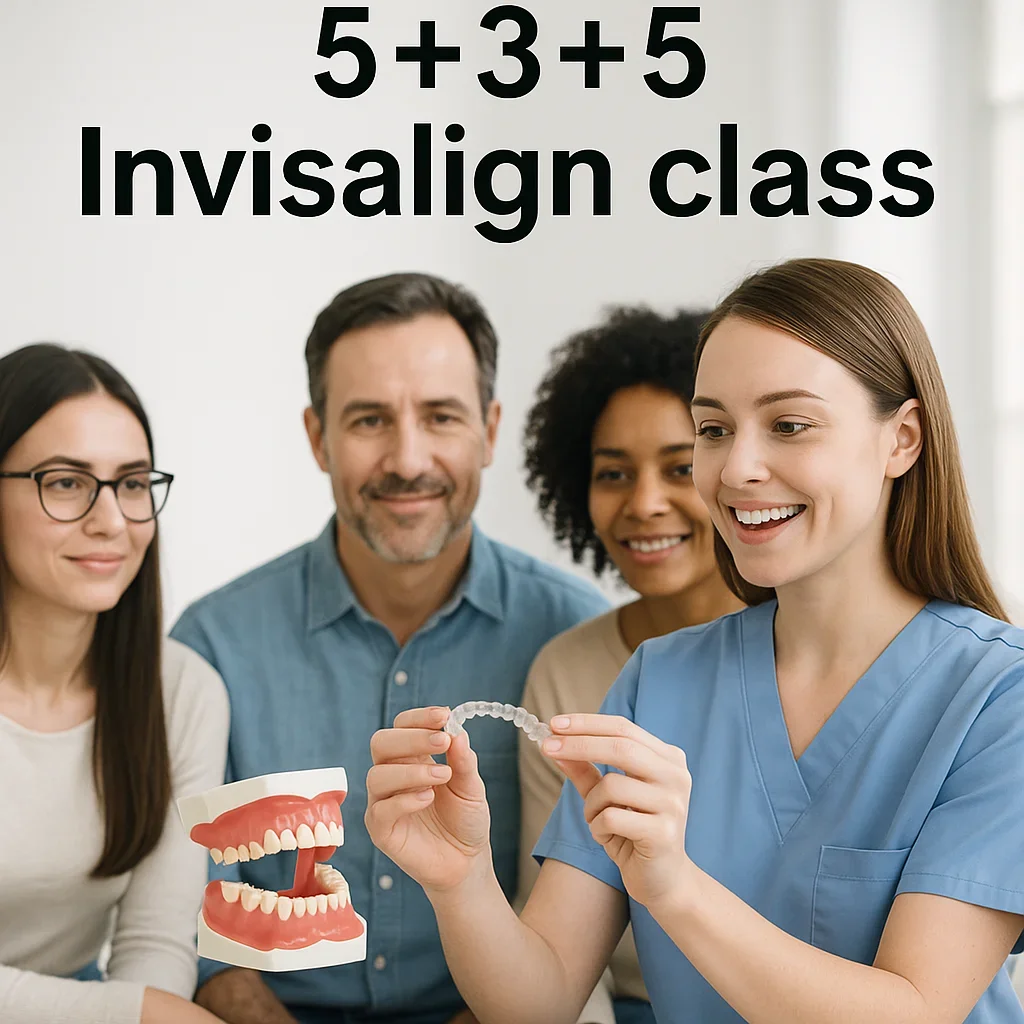
Maintaining Results After Completing Your Invisalign Class
Finishing your Invisalign class is an exciting milestone — your teeth are perfectly aligned, your smile looks amazing, and your confidence is soaring. 😁 But maintaining those results requires care, discipline, and the right follow-up steps. The journey doesn’t end when you remove your final aligner; it simply transitions into the maintenance phase, where you protect and preserve your new smile for life. In this section, we’ll explain everything you need to know about retainers, oral hygiene, lifestyle habits, and long-term care after Invisalign treatment.
The Importance of Post-Treatment Retention
Once you complete your Invisalign class, your teeth are in their ideal positions, but the tissues and ligaments holding them are still adapting. Without proper retention, teeth can slowly drift back toward their original alignment — a process known as relapse. To prevent this, orthodontists recommend wearing custom-made retainers, which keep your teeth stabilized while bone and gum tissues adjust to their new positions. 🦷
Understanding Retainers: Your New Best Friend
Retainers are an essential part of the Invisalign class aftercare process. They work similarly to aligners but serve a different purpose — instead of moving teeth, they hold them steady. Invisalign’s Vivera retainers are among the most popular choices, made from the same durable, transparent SmartTrack material used for aligners. They fit comfortably, are virtually invisible, and are custom-designed based on your final treatment scan.
Most orthodontists recommend wearing retainers full-time for the first 3–6 months after completing treatment, then gradually transitioning to nighttime wear. Consistency is key — even skipping a few nights can lead to subtle shifts that may affect your results.
Daily Routine for Retainer Care
Keeping your retainers clean and well-maintained is crucial for preserving both hygiene and longevity. Here’s how to properly care for them:
- Rinse after every use: Always rinse your retainers with lukewarm water when you remove them.
- Brush gently: Use a soft toothbrush and mild soap to remove bacteria and buildup. Avoid toothpaste, as it can scratch the plastic.
- Avoid heat: Never expose retainers to hot water — it can distort their shape.
- Store safely: Always keep retainers in a protective case when not in use to prevent loss or damage.
Regular maintenance ensures your Invisalign class results stay flawless for years. Clean retainers also prevent odor, plaque, and discoloration, keeping your smile as fresh as the day you completed treatment. 🧼
Replacing Retainers
Over time, retainers may wear out or lose their fit. Invisalign recommends replacing Vivera retainers every 9–12 months, depending on usage. Since each patient’s retention phase differs, your orthodontist will guide you on when to order replacements. The goal is simple — maintain a snug fit and prevent even the slightest movement of teeth.
Oral Hygiene After Invisalign Class
Good oral hygiene habits play a vital role in preserving your results. After completing your Invisalign class, your teeth are easier to clean because they’re now properly aligned. Continue brushing at least twice daily and flossing once a day to prevent plaque buildup. Using a fluoride mouthwash can also help strengthen enamel and maintain a bright, healthy smile. 🌟
Professional Cleanings and Checkups
Regular dental checkups — ideally every 6 months — are essential for long-term maintenance. Professional cleanings remove stubborn plaque and tartar that daily brushing might miss. During these visits, your dentist can also monitor your bite alignment and ensure your retainers fit properly. If any minor shifts occur, early intervention can quickly restore alignment before it becomes noticeable.
Lifestyle and Dietary Habits for Long-Term Success
Your diet and daily habits also affect the longevity of your Invisalign class results. To keep your smile pristine, avoid excessive sugar consumption, smoking, or staining beverages like coffee and red wine. These can discolor teeth and retainers over time. Instead, focus on a balanced diet rich in calcium, vitamin D, and phosphorus to strengthen enamel and jawbone health.
Additionally, drinking plenty of water helps rinse away bacteria and keeps your mouth hydrated — essential for maintaining fresh breath and overall oral wellness.
Teeth Whitening and Aesthetic Maintenance
After completing an Invisalign class, many patients choose to enhance their smiles with whitening treatments. This can be safely done using professional methods recommended by your dentist. Because Invisalign aligners already improve alignment, a whitening boost afterward can make your results even more striking. However, avoid over-the-counter whitening gels without professional supervision, as they may cause uneven results or sensitivity.
Handling Shifting or Relapse
In some cases, teeth may shift slightly even with regular retainer use. Don’t panic — this can often be corrected easily. If you notice small gaps or alignment changes, contact your orthodontist immediately. Many clinics can create refinement aligners using your digital records to correct minor movements quickly, without restarting your full Invisalign class.
Early intervention ensures stability and preserves your investment in both time and effort. The key is to stay proactive — small corrections are much easier and faster than waiting for noticeable changes to occur.
Signs You Might Need Adjustment
- Your retainer feels tight or doesn’t fit properly.
- You notice spaces forming between teeth.
- Your bite feels uneven when chewing.
Addressing these signs early can prevent a full relapse and maintain your smile’s perfect balance.
Psychological Benefits of Retention
Completing an Invisalign class often provides a major confidence boost, but maintaining results reinforces that sense of accomplishment. Patients report feeling more responsible and motivated to care for their oral health long-term. Knowing you’ve invested in your smile encourages better hygiene, dietary choices, and regular dental visits — habits that pay dividends for life. 🌈
Embracing the “New Normal”
For many, wearing retainers becomes as natural as brushing teeth. The comfort and discretion of retainers make it easy to incorporate them into nightly routines. Think of them as a small, daily step that protects the months of effort spent completing your Invisalign class.
Expert Recommendations
According to the American Dental Association, long-term orthodontic success depends heavily on retention. Studies show that patients who consistently wear retainers experience significantly lower relapse rates than those who do not. Dental professionals emphasize the importance of regular follow-ups to ensure your results remain stable. Clinics like Redent Klinik Contact Page provide professional aftercare and replacement retainers to ensure your smile stays picture-perfect.
Conclusion: Lifelong Benefits of Invisalign Class
The end of your Invisalign class marks the beginning of a lifelong commitment to oral health and self-confidence. By following post-treatment guidelines, maintaining excellent hygiene, and wearing retainers consistently, you ensure your beautiful smile lasts a lifetime. Invisalign’s advanced technology and emphasis on comfort make retention easy and sustainable, empowering you to keep your smile as radiant as the day your aligners came off. 😄
With dedication and proper guidance, the rewards of your Invisalign journey will continue to shine — proving that true success isn’t just achieving a perfect smile but preserving it for years to come. 🌟