
Keeping clear aligners fresh, transparent, and odor-free is one of the biggest concerns for Invisalign users. Many patients notice that their aligners can quickly become cloudy, stained, or develop unpleasant smells if they are not cleaned correctly every day. This is exactly why invisalign cleaning ultrasonic methods have become extremely popular among people who want a more advanced and hygienic solution for aligner maintenance. An invisalign cleaning ultrasonic device uses high-frequency sound waves to remove plaque, bacteria, food particles, and debris from aligners without damaging the plastic material. Compared to basic brushing methods, invisalign cleaning ultrasonic technology offers a deeper and more consistent cleaning process that helps maintain oral hygiene and keeps aligners looking crystal clear. ✨
The popularity of invisalign cleaning ultrasonic systems has increased significantly because many Invisalign users struggle with discoloration caused by coffee, tea, smoking, or poor cleaning habits. Traditional brushing may remove some visible debris, but it often cannot fully eliminate microscopic bacteria hiding in tiny grooves on the aligners. An invisalign cleaning ultrasonic machine creates microscopic bubbles through a process called cavitation. These bubbles collapse rapidly and gently clean every surface of the aligner. As a result, users experience fresher aligners, improved comfort, and better oral health.
Another reason people prefer invisalign cleaning ultrasonic technology is convenience. Instead of manually scrubbing aligners several times per day, patients can simply place their trays into the ultrasonic cleaner with water and sometimes a cleaning tablet. Most cycles only take three to five minutes. This easy process fits perfectly into busy lifestyles and encourages better cleaning consistency. Patients who use invisalign cleaning ultrasonic devices regularly often report that their aligners remain nearly invisible throughout treatment, which is one of the primary reasons people choose Invisalign over traditional braces.
One major benefit of invisalign cleaning ultrasonic devices is their ability to support better dental hygiene overall. Aligners stay in the mouth for approximately 20 to 22 hours per day, meaning bacteria and plaque can accumulate quickly if trays are not properly cleaned. Poor aligner hygiene may contribute to bad breath, tooth decay, gum irritation, or staining. By using an invisalign cleaning ultrasonic cleaner consistently, patients can reduce bacterial buildup and maintain a healthier oral environment. Many orthodontists recommend combining ultrasonic cleaning with regular brushing and flossing for optimal results. 🦷
Patients are also interested in whether invisalign cleaning ultrasonic devices are safe for aligners. In general, high-quality ultrasonic cleaners designed for dental appliances are considered safe when used according to manufacturer instructions. The gentle vibrations clean effectively without scratching or warping the aligners. This is important because damaged aligners may not fit properly and could affect treatment progress. Using harsh toothpaste or abrasive brushes can sometimes scratch aligners, making them appear cloudy. By contrast, invisalign cleaning ultrasonic systems help preserve the smooth surface and transparency of the trays.
There are several types of invisalign cleaning ultrasonic machines available on the market today. Some are compact portable units ideal for travel, while others include advanced features such as UV sterilization, digital timers, and multiple cleaning modes. Basic ultrasonic cleaners may cost between $25 and $60, while premium models designed specifically for dental appliances can range from $80 to $150 depending on features and brand reputation. Investing in a reliable invisalign cleaning ultrasonic device can help extend the appearance and cleanliness of aligners throughout the treatment process.
Many dental professionals also emphasize that invisalign cleaning ultrasonic systems should not completely replace good oral care habits. Patients should still rinse aligners after meals, avoid drinking sugary beverages while wearing trays, and brush their teeth before reinserting aligners. Combining daily oral hygiene with invisalign cleaning ultrasonic cleaning creates the best possible environment for healthy teeth and gums. Some users also combine ultrasonic cleaning with clear aligner cleaning crystals or antibacterial tablets for even better results.
Another important advantage of invisalign cleaning ultrasonic devices is odor reduction. Aligners that are not cleaned properly can develop unpleasant smells due to trapped saliva and bacterial growth. This can become embarrassing and uncomfortable for patients during social interactions. Ultrasonic cleaning helps eliminate odor-causing particles more effectively than simple rinsing. Because of this, many Invisalign users feel more confident after adopting an invisalign cleaning ultrasonic routine.
Patients searching for professional Invisalign guidance should always consult experienced dental clinics before starting treatment or purchasing advanced cleaning equipment. Professional advice ensures that aligners are maintained correctly and treatment remains on track. If you want personalized recommendations about Invisalign care, oral hygiene, or aligner maintenance, you can visit the Redent Klinik Contact Page for more information and expert support.
For additional oral health guidance and dental hygiene recommendations, patients can also review resources provided by the American Dental Association. Trusted organizations often provide valuable information regarding proper cleaning methods, oral care routines, and dental appliance hygiene.
Ultimately, invisalign cleaning ultrasonic technology has transformed how many patients care for their aligners. Instead of struggling with cloudy trays, lingering odors, and ineffective brushing methods, users can enjoy a fast, gentle, and highly effective cleaning solution. Whether someone is beginning Invisalign treatment or looking to improve their current cleaning routine, investing in invisalign cleaning ultrasonic care can significantly improve both comfort and confidence during the orthodontic journey. 😁
Why Invisalign Cleaning Ultrasonic Devices Are Popular
The growing popularity of invisalign cleaning ultrasonic devices is directly connected to the increasing number of people choosing clear aligners instead of traditional metal braces. Invisalign aligners are nearly invisible, removable, and more comfortable for many patients, but they also require proper daily maintenance to remain clean and transparent. Because aligners are worn for up to 22 hours each day, bacteria, saliva, plaque, and food particles can build up quickly. This is where invisalign cleaning ultrasonic systems have become one of the most recommended cleaning solutions for aligner users. These advanced devices offer deep cleaning technology that helps patients maintain fresher, clearer, and more hygienic aligners throughout their orthodontic treatment. ✨
The Demand for Better Aligner Hygiene
One of the main reasons invisalign cleaning ultrasonic products are so popular is the growing awareness of oral hygiene during orthodontic treatment. Many Invisalign users initially attempt to clean their aligners using only toothpaste and a toothbrush. However, this method often leaves behind bacteria and microscopic debris. In some cases, abrasive toothpaste can even scratch the aligners, making them appear cloudy or stained. Patients quickly realize that traditional cleaning methods may not be sufficient for maintaining the transparent appearance that makes Invisalign attractive in the first place.
By using invisalign cleaning ultrasonic technology, users can remove buildup more effectively without damaging the aligner material. The ultrasonic cleaning process uses high-frequency vibrations that create tiny bubbles in water. These microscopic bubbles gently remove contaminants from every corner of the aligners, even areas that are difficult to reach manually. This advanced cleaning process provides a much deeper clean compared to ordinary brushing methods.
Why Clear Aligners Require Advanced Cleaning
Unlike removable dentures or retainers that may only be worn occasionally, Invisalign trays remain inside the mouth almost all day. This constant exposure to saliva and bacteria creates an environment where aligners can easily develop odors and discoloration. As a result, many patients search for efficient ways to protect their investment and maintain confidence during treatment. This explains why invisalign cleaning ultrasonic devices have become increasingly common in modern dental care routines.
Common Problems Invisalign Users Experience
- Cloudy or yellow aligners
- Bad breath caused by bacteria buildup
- Plaque accumulation on trays
- Stains from coffee, tea, or smoking
- Difficulty cleaning aligners manually
- Scratches caused by aggressive brushing
Many of these problems can be reduced or prevented through consistent invisalign cleaning ultrasonic care. Patients who use ultrasonic cleaners often notice that their aligners stay clearer and smell fresher throughout the entire treatment process. 😁
Convenience and Ease of Use
Another important reason for the popularity of invisalign cleaning ultrasonic systems is convenience. Modern lifestyles are busy, and many patients prefer solutions that save time while still delivering professional-level cleaning results. Most ultrasonic cleaning cycles only require three to five minutes. Users simply place their aligners inside the machine with water and optionally add a cleaning tablet designed for dental appliances.
This simplicity encourages better consistency. Instead of skipping aligner cleaning because it feels time-consuming, patients can integrate invisalign cleaning ultrasonic cleaning into their morning and evening routines effortlessly. Many devices are also compact and portable, making them suitable for travel or office use.
Social Confidence and Appearance
One of the biggest selling points of Invisalign treatment is appearance. Patients choose clear aligners because they are discreet and aesthetically pleasing compared to traditional braces. However, stained or cloudy trays can reduce this advantage significantly. This is why invisalign cleaning ultrasonic devices are especially attractive to adults, professionals, and socially active individuals who want their aligners to remain nearly invisible.
People often feel self-conscious when aligners develop visible stains or unpleasant odors. Ultrasonic cleaning helps preserve transparency and freshness, which increases patient confidence during conversations, meetings, and social interactions. For many users, the psychological benefit of cleaner aligners is just as important as the physical hygiene benefits.
Recommendations From Dental Professionals
Dental professionals and orthodontists increasingly recommend invisalign cleaning ultrasonic devices because they support healthier oral hygiene habits. Aligners that are not cleaned properly may contribute to bacterial growth, gum inflammation, cavities, or unpleasant breath. Professional clinics often advise patients to combine regular brushing and flossing with advanced cleaning methods for optimal results.
Patients seeking expert guidance regarding Invisalign maintenance can contact experienced dental clinics for personalized care recommendations. For professional assistance and treatment information, patients can visit the Redent Klinik Contact Page.
Modern Technology Appeals to Consumers
The popularity of modern health technology also contributes to the rise of invisalign cleaning ultrasonic devices. Consumers increasingly prefer smart hygiene products that offer efficiency, automation, and professional-quality cleaning at home. Some ultrasonic cleaners now include features such as:
- Digital timers
- UV sterilization
- Multiple cleaning modes
- Portable charging systems
- Low-noise operation
- Automatic shutoff functions
These features make invisalign cleaning ultrasonic systems feel modern and user-friendly while improving the overall aligner maintenance experience.
Cost Versus Long-Term Value
Although some patients hesitate because of the initial purchase price, many realize that invisalign cleaning ultrasonic devices provide long-term value. Entry-level ultrasonic cleaners usually cost between $25 and $60, while advanced models can range from $80 to $150 depending on technology and design. Considering the overall investment many patients make in Invisalign treatment, maintaining aligners properly becomes an important priority.
Proper cleaning may also reduce the risk of needing replacement trays due to damage or excessive staining. This makes invisalign cleaning ultrasonic systems a practical investment for maintaining treatment quality and oral health.
The Future of Invisalign Cleaning Ultrasonic Care
As Invisalign treatment continues to grow worldwide, the demand for advanced aligner hygiene solutions will likely increase even further. More patients now understand that clear aligners require more than simple rinsing. Deep cleaning technology helps preserve transparency, freshness, comfort, and hygiene throughout treatment.
Organizations such as the American Dental Association also emphasize the importance of proper oral hygiene and appliance care for maintaining healthy teeth and gums. Combining professional dental guidance with a reliable invisalign cleaning ultrasonic routine can significantly improve the Invisalign experience for patients of all ages. 🦷
Ultimately, the popularity of invisalign cleaning ultrasonic devices comes from their ability to solve real problems faced by Invisalign users every day. They provide deeper cleaning, better convenience, fresher aligners, improved confidence, and healthier oral hygiene. As technology advances and awareness grows, ultrasonic cleaning has become one of the most trusted solutions for maintaining clear aligners effectively and safely.
How Invisalign Cleaning Ultrasonic Technology Works
Understanding how invisalign cleaning ultrasonic technology works can help Invisalign users appreciate why ultrasonic cleaners are considered one of the most effective methods for maintaining clear aligners. Many people assume that rinsing aligners with water or brushing them with toothpaste is enough to keep them clean. However, aligners collect bacteria, plaque, saliva proteins, and food particles throughout the day. These contaminants can become trapped in tiny grooves and surfaces that are difficult to clean manually. This is exactly where invisalign cleaning ultrasonic systems provide a major advantage. Using advanced sound wave technology, these devices offer deep cleaning without damaging the aligners. 🦷
The Science Behind Ultrasonic Cleaning
The foundation of invisalign cleaning ultrasonic technology is a process called cavitation. Cavitation occurs when high-frequency sound waves pass through water inside the ultrasonic cleaning chamber. These sound waves create millions of microscopic bubbles that rapidly form and collapse. Although these bubbles are tiny, the energy they release is powerful enough to remove bacteria, plaque, stains, and debris from aligners.
Unlike manual scrubbing, which only cleans visible surfaces, invisalign cleaning ultrasonic systems reach small crevices and hidden areas on the aligners. This allows for more complete cleaning while reducing physical wear on the plastic material. The process is gentle yet highly effective, making it ideal for delicate orthodontic appliances like Invisalign trays.
How Cavitation Cleans Aligners
- Sound waves travel through water
- Microscopic bubbles rapidly form
- Bubbles collapse with controlled energy
- Debris and bacteria loosen from aligner surfaces
- Water carries contaminants away from the trays
This advanced cleaning method explains why invisalign cleaning ultrasonic devices can remove buildup more efficiently than simple brushing or soaking alone.
Components of an Invisalign Cleaning Ultrasonic Device
Most invisalign cleaning ultrasonic machines include several essential components designed to improve cleaning performance and user convenience. Understanding these components helps users choose the right device for their aligner care routine.
Main Components Include:
- Ultrasonic transducer
- Water reservoir or cleaning tank
- Digital timer
- Control buttons or touchscreen
- Protective lid
- Power supply or rechargeable battery
The ultrasonic transducer is the most important part of the system because it generates the high-frequency vibrations responsible for cavitation. Once activated, the vibrations travel through the cleaning solution and begin the invisalign cleaning ultrasonic process almost immediately.
Step-by-Step Invisalign Cleaning Ultrasonic Process
Using an invisalign cleaning ultrasonic device is generally simple and requires only a few minutes. Most manufacturers design these systems for easy daily use at home.
Typical Cleaning Routine
- Remove aligners carefully from the mouth
- Rinse the trays under lukewarm water
- Fill the ultrasonic cleaner with water
- Add cleaning crystals or tablets if recommended
- Place aligners inside the tank
- Activate the cleaning cycle
- Wait approximately 3–5 minutes
- Remove and rinse aligners again
- Reinsert aligners after brushing teeth
This process allows invisalign cleaning ultrasonic technology to remove particles and bacteria effectively while preserving aligner transparency.
Why Ultrasonic Cleaning Is Safer Than Aggressive Brushing
One reason many orthodontists recommend invisalign cleaning ultrasonic systems is because aggressive brushing can damage aligners over time. Some patients use toothpaste with abrasive ingredients that create small scratches on the plastic trays. These scratches may trap additional bacteria and make the aligners appear dull or cloudy.
Ultrasonic cleaning avoids this issue because it relies on sound energy instead of physical scrubbing. The gentle cleaning action helps maintain the smooth surface and transparency of Invisalign trays. This is extremely important because aligners are designed to remain nearly invisible during treatment.
The Role of Cleaning Solutions
While water alone can support the invisalign cleaning ultrasonic process, many users choose to add specialized cleaning tablets or crystals for improved results. These solutions help break down bacteria, plaque, and odors more efficiently.
Common Cleaning Additives
- Clear aligner cleaning crystals
- Antibacterial cleaning tablets
- Mild denture cleaning solutions
- Non-abrasive orthodontic cleaners
However, patients should avoid using bleach, alcohol-based cleaners, or very hot water during invisalign cleaning ultrasonic routines because these substances may warp or discolor the aligners.
Benefits of Deep Cleaning Technology
The deep-cleaning capability of invisalign cleaning ultrasonic systems provides several important advantages for Invisalign users. Because aligners remain in direct contact with teeth and gums for most of the day, maintaining excellent hygiene is essential for oral health.
Main Benefits Include:
- Reduced bacterial buildup
- Fresher-smelling aligners
- Improved aligner transparency
- Lower risk of staining
- Gentle cleaning without scratches
- Better patient comfort
- Improved confidence during treatment
Patients who use invisalign cleaning ultrasonic devices regularly often notice that their trays remain clearer and more comfortable compared to traditional manual cleaning methods.
Can Ultrasonic Cleaning Damage Invisalign Aligners?
Many new Invisalign users wonder whether invisalign cleaning ultrasonic technology could damage their trays. In general, high-quality ultrasonic cleaners designed for dental appliances are considered safe when used properly. The sound vibrations are specifically intended to clean gently without warping or cracking the aligners.
Problems usually only occur if patients use boiling water, harsh chemicals, or low-quality machines that produce inconsistent vibrations. Following manufacturer instructions is extremely important for maintaining safe and effective invisalign cleaning ultrasonic care.
Professional Recommendations for Invisalign Cleaning Ultrasonic Care
Dental professionals increasingly encourage patients to adopt modern cleaning methods because cleaner aligners contribute to healthier gums and fresher breath. Combining ultrasonic cleaning with proper brushing and flossing creates a complete oral hygiene routine that supports successful orthodontic treatment.
Patients interested in professional Invisalign care recommendations can visit the Redent Klinik Contact Page for additional support and personalized dental guidance.
For broader oral hygiene recommendations and appliance care information, patients can also review educational materials from the American Dental Association. Trusted dental organizations continue to emphasize the importance of maintaining clean oral appliances throughout orthodontic treatment.
Ultimately, invisalign cleaning ultrasonic technology works by combining science, convenience, and gentle cleaning power into one highly effective system. Through microscopic cavitation bubbles and high-frequency vibrations, these devices remove contaminants that ordinary brushing often misses. As Invisalign treatment becomes more common worldwide, understanding how invisalign cleaning ultrasonic systems work can help patients protect their aligners, improve oral hygiene, and maintain confidence throughout their smile transformation journey. 😁
Best Daily Routine for Invisalign Cleaning Ultrasonic Care
Creating a proper daily routine is essential for anyone using Invisalign aligners because clear trays remain inside the mouth for most of the day. Without regular maintenance, aligners can quickly develop stains, unpleasant odors, plaque buildup, and bacteria accumulation. A structured invisalign cleaning ultrasonic routine helps patients maintain cleaner aligners, fresher breath, and healthier teeth throughout treatment. Many orthodontists recommend combining traditional oral hygiene habits with advanced ultrasonic cleaning methods to achieve the best possible results. A consistent invisalign cleaning ultrasonic schedule not only improves hygiene but also helps preserve the nearly invisible appearance of the aligners. 😁
Why a Daily Cleaning Routine Matters
Because Invisalign trays are worn approximately 20 to 22 hours each day, they are constantly exposed to saliva, food particles, and bacteria. If aligners are not cleaned correctly, this buildup may lead to discoloration, bad breath, and oral health problems. Some patients mistakenly believe rinsing aligners with water is enough, but this only removes surface debris. Deep cleaning through invisalign cleaning ultrasonic technology targets bacteria and microscopic contaminants that manual rinsing cannot fully eliminate.
A daily routine also helps patients develop healthy habits that protect both the aligners and natural teeth. When aligners remain clean and transparent, patients often feel more confident during social interactions and professional situations.
Morning Invisalign Cleaning Ultrasonic Routine
The morning is one of the most important times for invisalign cleaning ultrasonic care because bacteria and saliva can accumulate overnight while sleeping. Starting the day with clean aligners improves comfort and freshness.
Recommended Morning Routine
- Remove aligners carefully after waking up
- Rinse the trays with lukewarm water
- Brush and floss teeth thoroughly
- Fill the ultrasonic cleaner with clean water
- Add aligner cleaning crystals if desired
- Run the invisalign cleaning ultrasonic cycle for 3–5 minutes
- Rinse aligners again before reinserting them
This process removes bacteria and helps prevent morning breath caused by overnight bacterial buildup. Patients who consistently use invisalign cleaning ultrasonic systems in the morning often notice improved freshness throughout the day.
Cleaning Aligners After Meals
One of the most important Invisalign habits is removing aligners before eating or drinking anything except water. Food particles trapped between teeth and aligners can increase the risk of cavities and staining. After meals, patients should always clean their teeth before putting aligners back in place.
Post-Meal Care Tips
- Brush teeth after every meal
- Floss regularly to remove trapped debris
- Rinse aligners with water immediately
- Avoid sugary drinks while wearing trays
- Use portable cleaning foam if brushing is impossible
Although full invisalign cleaning ultrasonic cycles may not be necessary after every meal, keeping aligners free from food particles throughout the day is essential for maintaining oral hygiene.
Evening Invisalign Cleaning Ultrasonic Routine
The evening routine is equally important because it prepares the aligners for overnight wear. At the end of the day, trays may contain plaque, bacteria, saliva residue, and stains from beverages like coffee or tea. A complete invisalign cleaning ultrasonic session before bed helps restore freshness and cleanliness.
Recommended Night Routine
- Remove aligners before brushing teeth
- Brush and floss thoroughly
- Inspect trays for visible stains or buildup
- Run a full invisalign cleaning ultrasonic cycle
- Rinse aligners carefully
- Store aligners safely if not immediately reinserted
Nighttime cleaning is especially effective because aligners remain in the mouth continuously for many hours during sleep. Cleaner trays support healthier gums and fresher breath overnight.
How Often Should You Use Invisalign Cleaning Ultrasonic Devices?
Most orthodontists recommend using invisalign cleaning ultrasonic systems at least once or twice daily. Morning and evening cleaning cycles are generally sufficient for maintaining proper aligner hygiene. However, patients who drink coffee frequently, smoke, or consume staining beverages may benefit from additional cleaning sessions.
Overusing ultrasonic cleaning is usually unnecessary, but consistency is extremely important. Skipping cleaning sessions can allow plaque and bacteria to accumulate quickly.
Common Mistakes in Daily Invisalign Cleaning
Even patients who clean their aligners regularly sometimes make mistakes that reduce effectiveness or damage the trays. Understanding these mistakes helps improve the overall invisalign cleaning ultrasonic routine.
Mistakes to Avoid
- Using hot water that warps aligners
- Cleaning with abrasive toothpaste
- Skipping flossing before reinserting trays
- Leaving aligners exposed to air for long periods
- Ignoring cloudy buildup or odor
- Using harsh chemicals like bleach
Following a proper invisalign cleaning ultrasonic routine helps prevent many of these common problems while protecting aligner transparency and fit.
Combining Ultrasonic Cleaning With Other Hygiene Methods
While invisalign cleaning ultrasonic technology is highly effective, it should be combined with good oral hygiene practices for the best results. Ultrasonic cleaning removes bacteria and debris from the aligners themselves, but patients must also maintain healthy teeth and gums.
Recommended Supporting Habits
- Brush teeth at least twice daily
- Floss every evening
- Use alcohol-free mouthwash
- Drink plenty of water
- Schedule regular dental cleanings
Combining these habits with invisalign cleaning ultrasonic care creates a more complete oral hygiene routine that supports successful Invisalign treatment.
Travel-Friendly Invisalign Cleaning Ultrasonic Care
Many modern ultrasonic cleaners are compact and portable, allowing patients to maintain their cleaning routine while traveling. Portable invisalign cleaning ultrasonic systems are especially useful for professionals, students, and frequent travelers who want consistent aligner hygiene away from home.
Travel kits may include:
- Mini ultrasonic cleaning devices
- Cleaning tablets
- Protective aligner cases
- Portable toothbrushes
- Travel-size mouthwash
Maintaining the same cleaning routine during travel helps prevent bacterial buildup and staining even during busy schedules. ✈️
Professional Advice for Long-Term Invisalign Success
Patients who follow a structured invisalign cleaning ultrasonic routine often experience better comfort, cleaner aligners, and improved confidence throughout treatment. Professional dental clinics can provide personalized advice regarding aligner maintenance and oral hygiene techniques.
For expert Invisalign care and personalized dental recommendations, patients can visit the Redent Klinik Contact Page.
Patients can also learn more about oral hygiene recommendations and dental appliance care through resources provided by the American Dental Association.
Ultimately, the best daily invisalign cleaning ultrasonic routine combines consistency, proper oral hygiene, and safe cleaning practices. By cleaning aligners morning and evening, avoiding harmful habits, and maintaining healthy teeth and gums, patients can keep their trays fresh, transparent, and comfortable throughout the Invisalign treatment process. A reliable invisalign cleaning ultrasonic routine not only protects oral health but also helps patients enjoy a cleaner, more confident smile every day. 🦷✨
Benefits of Using Invisalign Cleaning Ultrasonic Machines
The popularity of invisalign cleaning ultrasonic machines continues to grow because more Invisalign users are discovering the advantages of advanced aligner cleaning technology. Clear aligners are designed to be discreet, comfortable, and removable, but they also require excellent hygiene to maintain their transparency and effectiveness. Traditional brushing methods often fail to fully remove bacteria, plaque, and microscopic debris trapped inside the trays. This is why many orthodontists and patients now recommend invisalign cleaning ultrasonic systems as part of a complete oral hygiene routine. These machines provide deeper cleaning, improved convenience, and better long-term aligner maintenance compared to manual methods alone. 🦷
Superior Deep Cleaning Performance
One of the greatest benefits of invisalign cleaning ultrasonic machines is their ability to clean aligners at a microscopic level. Traditional brushing may remove visible particles, but it often leaves behind bacteria hidden in tiny grooves and corners of the aligners. Ultrasonic cleaning technology uses high-frequency sound waves to create microscopic bubbles in water through a process called cavitation. These bubbles gently remove buildup from every surface of the trays.
Because of this advanced process, invisalign cleaning ultrasonic devices provide much deeper cleaning than ordinary brushing or soaking alone. Users often notice that their aligners remain fresher and clearer after only a few cleaning sessions.
What Ultrasonic Cleaning Removes
- Plaque buildup
- Bacteria and germs
- Saliva residue
- Food particles
- Surface stains
- Odor-causing debris
By removing these contaminants effectively, invisalign cleaning ultrasonic machines support healthier oral hygiene and cleaner aligners throughout treatment.
Improved Aligner Transparency
One of the primary reasons people choose Invisalign instead of traditional braces is appearance. Patients want aligners to remain as invisible as possible during treatment. Unfortunately, aligners can become cloudy or yellow over time due to staining from coffee, tea, smoking, or poor cleaning habits.
Regular use of invisalign cleaning ultrasonic systems helps maintain the crystal-clear appearance of aligners by removing buildup before stains become permanent. Unlike abrasive brushing methods, ultrasonic cleaning is gentle and does not scratch the plastic surface. This helps preserve aligner transparency and allows patients to maintain confidence during social and professional interactions. ✨
Reduced Bad Breath and Odor
Another major advantage of invisalign cleaning ultrasonic machines is odor control. Aligners worn for long periods can develop unpleasant smells if bacteria accumulate inside the trays. Saliva, food particles, and plaque create an environment where odor-causing bacteria can grow quickly.
Ultrasonic cleaning helps eliminate these bacteria more effectively than simple rinsing or brushing. Patients who use invisalign cleaning ultrasonic devices consistently often report fresher breath and cleaner-feeling aligners throughout the day.
Causes of Aligner Odor
- Inadequate cleaning routines
- Food residue trapped in trays
- Bacterial accumulation
- Dry mouth conditions
- Smoking or vaping
Addressing these issues through a proper invisalign cleaning ultrasonic routine can significantly improve comfort and confidence during Invisalign treatment.
Gentle Cleaning Without Damage
Many Invisalign users accidentally damage their aligners by using rough toothbrushes or abrasive toothpaste. Scratches caused by aggressive brushing may make aligners appear dull and cloudy. In severe cases, improper cleaning methods can even affect the fit of the trays.
One of the safest aspects of invisalign cleaning ultrasonic technology is that it cleans without physical scrubbing. The sound-wave-based cleaning process removes contaminants gently while protecting the aligner material. This makes ultrasonic cleaning ideal for maintaining delicate orthodontic appliances over long treatment periods.
Time-Saving Convenience
Busy lifestyles make convenience extremely important for modern Invisalign users. One reason invisalign cleaning ultrasonic systems are so popular is because they simplify the cleaning process. Most ultrasonic cycles take only three to five minutes and require very little effort.
Typical Cleaning Process
- Fill the cleaner with water
- Place aligners inside
- Add optional cleaning tablet
- Start the ultrasonic cycle
- Rinse aligners after cleaning
This simple process encourages patients to clean their aligners more consistently. Better consistency often leads to healthier teeth, cleaner trays, and improved treatment experiences.
Better Oral Health Support
Clear aligners remain in close contact with teeth and gums for most of the day. If aligners are not cleaned properly, harmful bacteria may increase the risk of gum irritation, plaque buildup, cavities, and bad breath. Using an invisalign cleaning ultrasonic machine regularly supports a healthier oral environment.
Orthodontists often recommend combining ultrasonic cleaning with regular brushing and flossing. This combination creates a comprehensive hygiene routine that protects both the aligners and natural teeth.
Oral Health Benefits Include:
- Reduced bacterial growth
- Healthier gums
- Cleaner teeth surfaces
- Lower plaque accumulation
- Improved breath freshness
These benefits explain why many dental professionals recommend invisalign cleaning ultrasonic systems for long-term aligner maintenance.
Long-Term Cost Savings
Although some people initially hesitate because of the purchase price, invisalign cleaning ultrasonic machines may actually save money over time. Maintaining aligners properly helps reduce the likelihood of excessive staining, unpleasant odors, or damage that could require replacement trays.
Average Ultrasonic Cleaner Prices
- Basic portable models: $25–$60
- Mid-range digital cleaners: $60–$100
- Premium UV sterilization models: $100–$150+
Considering the significant investment many patients make in Invisalign treatment itself, maintaining aligners properly with invisalign cleaning ultrasonic care can provide excellent long-term value.
Suitable for More Than Invisalign
Another advantage of invisalign cleaning ultrasonic devices is versatility. Many ultrasonic cleaners can also clean:
- Retainers
- Night guards
- Dentures
- Mouth guards
- Jewelry
- Dental tools
This versatility makes ultrasonic cleaners useful even after Invisalign treatment ends. Patients can continue using the machine for retainers or other dental appliances in the future.
Professional Recommendations and Trusted Care
Dental clinics increasingly encourage patients to adopt advanced cleaning technology because cleaner aligners support healthier orthodontic treatment. Patients interested in Invisalign care and professional oral hygiene recommendations can visit the Redent Klinik Contact Page for personalized support.
Additional oral hygiene guidance and aligner care information can also be found through the American Dental Association, which emphasizes the importance of maintaining clean oral appliances.
Ultimately, the benefits of invisalign cleaning ultrasonic machines extend far beyond simple convenience. These advanced devices help maintain aligner transparency, improve oral hygiene, reduce odors, protect aligners from scratches, and support healthier teeth and gums throughout treatment. For many Invisalign users, adopting a consistent invisalign cleaning ultrasonic routine becomes one of the most valuable habits for achieving a cleaner, healthier, and more confident smile. 😁
Common Mistakes When Using Invisalign Cleaning Ultrasonic Systems
Although invisalign cleaning ultrasonic systems are highly effective for maintaining clear aligners, many users still make mistakes that reduce cleaning performance or even damage their trays. Invisalign aligners require careful maintenance because they remain inside the mouth for most of the day and are constantly exposed to bacteria, saliva, plaque, and food particles. Ultrasonic cleaning technology can dramatically improve aligner hygiene, but only when used correctly. Understanding the most common invisalign cleaning ultrasonic mistakes helps patients protect their aligners, improve oral health, and maximize the success of their orthodontic treatment. 🦷
Using Water That Is Too Hot
One of the most serious mistakes people make during invisalign cleaning ultrasonic care is using hot or boiling water. Invisalign trays are made from a special thermoplastic material that can warp when exposed to excessive heat. Even slight warping may affect how the aligners fit over the teeth, potentially disrupting treatment progress.
Some patients mistakenly believe hot water improves cleaning power, but this can permanently damage the trays. Ultrasonic cleaning works through sound-wave technology and cavitation, not heat. Lukewarm or cool water is usually sufficient for safe and effective invisalign cleaning ultrasonic cleaning.
Safe Water Temperature Tips
- Use cool or lukewarm water only
- Avoid boiling water completely
- Do not place aligners in dishwashers
- Keep aligners away from direct sunlight or hot cars
Protecting the shape of the aligners is one of the most important aspects of proper invisalign cleaning ultrasonic care.
Using Abrasive Toothpaste
Another common mistake involves cleaning aligners with regular toothpaste before or after an invisalign cleaning ultrasonic cycle. Many toothpaste formulas contain abrasive ingredients designed to polish tooth enamel. Unfortunately, these abrasive particles can scratch Invisalign trays.
Scratched aligners become cloudy and may trap more bacteria over time. Instead of using standard toothpaste, patients should choose cleaning products specifically designed for clear aligners or orthodontic appliances.
Products to Avoid
- Whitening toothpaste
- Charcoal toothpaste
- Highly abrasive polishing toothpaste
- Bleach-based cleaners
Gentle cleaning solutions combined with invisalign cleaning ultrasonic technology provide safer and more effective results.
Skipping Daily Cleaning Sessions
Consistency is essential for maintaining aligner hygiene. Some Invisalign users only use their invisalign cleaning ultrasonic machine occasionally when stains or odors become noticeable. However, waiting too long between cleaning sessions allows bacteria and plaque to accumulate rapidly.
Aligners should ideally be cleaned every morning and evening. Daily cleaning prevents buildup before it becomes difficult to remove. Patients who maintain a regular invisalign cleaning ultrasonic schedule often experience fresher aligners and healthier gums throughout treatment.
Signs You Are Not Cleaning Often Enough
- Cloudy aligners
- Persistent odors
- Visible plaque buildup
- Yellow discoloration
- Bad breath while wearing trays
These warning signs indicate that the invisalign cleaning ultrasonic routine may need improvement.
Using Harsh Chemicals
Some users attempt to disinfect their aligners using strong chemicals such as bleach, alcohol, or hydrogen peroxide in high concentrations. While these substances may kill bacteria, they can also damage the plastic material or leave behind harmful chemical residue.
Safe invisalign cleaning ultrasonic care should involve mild cleaning tablets, aligner crystals, or products specifically recommended for orthodontic appliances.
Unsafe Cleaning Agents Include:
- Bleach
- Acetone
- Alcohol-based cleaners
- Colored mouthwash
- Industrial disinfectants
Using approved cleaning products helps maintain both aligner safety and cleaning effectiveness.
Overloading the Ultrasonic Cleaner
Another mistake involves placing too many objects inside the ultrasonic cleaner during the invisalign cleaning ultrasonic process. Some users attempt to clean aligners alongside jewelry, retainers, toothbrush heads, or other dental appliances simultaneously.
Overloading reduces cleaning efficiency because ultrasonic waves cannot circulate properly around each object. Invisalign trays should have enough space inside the tank for cavitation bubbles to reach all surfaces effectively.
Best Practice for Ultrasonic Cleaning
- Clean aligners separately when possible
- Place trays flat inside the tank
- Avoid overcrowding the cleaning chamber
- Follow manufacturer recommendations
Proper positioning improves the effectiveness of the invisalign cleaning ultrasonic cleaning cycle.
Ignoring Oral Hygiene
Some patients mistakenly believe that using an invisalign cleaning ultrasonic machine alone is enough to maintain oral health. However, even perfectly clean aligners cannot compensate for poor brushing or flossing habits.
Dirty teeth transfer bacteria and plaque directly back onto freshly cleaned trays. Patients should always brush and floss thoroughly before reinserting aligners after every meal and after ultrasonic cleaning sessions.
Essential Oral Hygiene Habits
- Brush teeth twice daily
- Floss every evening
- Rinse after meals
- Drink plenty of water
- Attend regular dental cleanings
Combining strong oral hygiene habits with consistent invisalign cleaning ultrasonic care creates the best possible environment for healthy teeth and gums.
Using Low-Quality Ultrasonic Machines
Not all ultrasonic cleaners are designed specifically for dental appliances. Some low-cost machines produce inconsistent vibrations or insufficient cleaning power. Choosing poor-quality equipment may lead to disappointing results.
Patients should research reliable brands and choose invisalign cleaning ultrasonic systems intended for aligners, retainers, or dental appliances. Investing in a high-quality machine often provides better cleaning efficiency and longer-lasting performance.
Features to Look For
- Reliable frequency output
- Digital timer settings
- Dental appliance compatibility
- Compact and easy-to-clean design
- Positive customer reviews
Higher-quality invisalign cleaning ultrasonic machines generally deliver safer and more consistent cleaning results.
Failing to Rinse Aligners After Cleaning
After completing an ultrasonic cleaning cycle, some patients immediately reinsert the trays without rinsing them. This may leave behind cleaning solution residue or loosened debris.
Always rinse aligners thoroughly with clean water after every invisalign cleaning ultrasonic session. This final rinse helps remove any remaining particles and ensures greater comfort when wearing the trays again.
Professional Advice for Safe Invisalign Cleaning Ultrasonic Care
Patients who want the best results from Invisalign treatment should follow professional recommendations for aligner maintenance and oral hygiene. Dental clinics can provide personalized guidance regarding cleaning products, ultrasonic devices, and daily care routines.
For professional Invisalign support and expert oral hygiene advice, patients can visit the Redent Klinik Contact Page.
Additional information about oral hygiene and dental appliance maintenance can also be found through the American Dental Association.
Ultimately, avoiding common mistakes is essential for maximizing the benefits of invisalign cleaning ultrasonic systems. Proper cleaning techniques, safe products, consistent routines, and good oral hygiene habits help maintain cleaner aligners, fresher breath, and healthier teeth throughout treatment. By understanding these mistakes and following best practices, patients can use invisalign cleaning ultrasonic technology safely and effectively while protecting both their aligners and their smile. 😁
How to Choose the Right Invisalign Cleaning Ultrasonic Cleaner
Choosing the right invisalign cleaning ultrasonic cleaner is an important decision for anyone undergoing Invisalign treatment. While many ultrasonic cleaners appear similar at first glance, there are significant differences in cleaning performance, durability, features, size, and safety. Selecting the wrong machine may lead to poor cleaning results, unnecessary expenses, or even damage to aligners. A high-quality invisalign cleaning ultrasonic device helps maintain cleaner trays, fresher breath, improved oral hygiene, and better aligner transparency throughout treatment. Understanding which features matter most can help patients make a smart and effective investment. 🦷
Why Choosing the Right Ultrasonic Cleaner Matters
Invisalign aligners remain inside the mouth for approximately 20 to 22 hours every day. During this time, saliva, bacteria, plaque, and food particles accumulate on the trays. If aligners are not cleaned properly, they may become cloudy, stained, or develop unpleasant odors.
Not all cleaning methods provide the same level of hygiene. A properly designed invisalign cleaning ultrasonic machine uses high-frequency sound waves to remove debris gently and effectively without scratching the aligners. However, low-quality ultrasonic cleaners may not produce enough power or consistent vibration to clean aligners correctly.
This is why selecting the right invisalign cleaning ultrasonic system can directly affect the cleanliness, appearance, and lifespan of the aligners.
Understand Ultrasonic Frequency Levels
One of the most important technical factors when choosing an invisalign cleaning ultrasonic machine is ultrasonic frequency. Frequency refers to how many sound-wave vibrations occur per second during cleaning.
Typical Frequency Ranges
- 20–30 kHz: Stronger cleaning power but more aggressive
- 35–45 kHz: Ideal range for dental appliances and aligners
- 50+ kHz: Extremely gentle cleaning for delicate surfaces
Most dental professionals recommend ultrasonic cleaners within the 35–45 kHz range because they balance effective cleaning with aligner safety. Machines within this range provide reliable invisalign cleaning ultrasonic performance without risking scratches or warping.
Tank Size and Capacity
Tank size is another important consideration when selecting an invisalign cleaning ultrasonic cleaner. Invisalign trays are relatively small, so large industrial-sized cleaners are usually unnecessary for personal use.
Ideal Tank Features
- Enough space for both upper and lower aligners
- Compact size for easy storage
- Easy-to-clean interior
- Durable stainless steel chamber
Smaller portable units are often preferred for daily home use and travel. However, patients who also want to clean retainers, night guards, or jewelry may benefit from slightly larger invisalign cleaning ultrasonic machines.
Digital Timer and Cleaning Modes
Modern invisalign cleaning ultrasonic systems frequently include digital timers and multiple cleaning modes. These features improve convenience and allow users to customize cleaning intensity and duration.
Useful Features to Look For
- 3–5 minute preset cleaning cycles
- Automatic shutoff
- Touchscreen controls
- Adjustable power settings
- Quiet operation
- LED display screens
Automatic timers are especially useful because they prevent over-cleaning and improve consistency. Most aligners only require a few minutes of ultrasonic cleaning each session.
UV Sterilization Features
Some advanced invisalign cleaning ultrasonic machines include UV sterilization technology. UV light may help reduce additional bacteria and microorganisms after ultrasonic cleaning is complete.
Although UV sterilization is not always necessary, many users appreciate the extra hygiene support. Patients with strong concerns about bacterial buildup or odor may prefer ultrasonic cleaners that combine both cavitation and UV technology.
Benefits of UV Features
- Additional bacterial reduction
- Improved odor control
- Enhanced hygiene confidence
- Modern premium functionality
However, patients should understand that the core cleaning performance still depends primarily on the ultrasonic technology itself.
Noise Levels and Comfort
Some ultrasonic cleaners produce noticeable buzzing sounds during operation. While this is completely normal, quieter machines often provide a better overall user experience.
Patients using their invisalign cleaning ultrasonic machine daily may appreciate low-noise models, especially in offices, apartments, or shared living environments.
What to Expect During Operation
- Soft humming or buzzing sounds
- Slight vibration during cleaning cycles
- Minimal movement of water inside the tank
High-quality invisalign cleaning ultrasonic systems generally operate more quietly and efficiently than lower-cost alternatives.
Portable vs. Stationary Ultrasonic Cleaners
Patients should also decide whether they prefer portable or stationary invisalign cleaning ultrasonic devices.
Portable Models Are Ideal For:
- Travelers
- Students
- Office workers
- Small bathrooms
Stationary Models Are Better For:
- Home use
- Larger cleaning capacity
- Long-term durability
- Additional cleaning features
Choosing between portability and larger functionality depends on the patient’s lifestyle and cleaning preferences.
Price and Budget Considerations
Price is often a major factor when selecting an invisalign cleaning ultrasonic machine. Fortunately, there are options available for many different budgets.
Average Price Ranges
- Budget models: $25–$50
- Mid-range cleaners: $50–$100
- Premium devices: $100–$180+
More expensive machines often include better durability, digital controls, UV sterilization, and stronger warranty protection. However, even affordable invisalign cleaning ultrasonic devices can provide excellent results when chosen carefully.
Customer Reviews and Brand Reputation
Reading customer reviews is one of the best ways to evaluate a potential invisalign cleaning ultrasonic cleaner. Reviews often reveal important information about reliability, noise levels, durability, and actual cleaning performance.
Important Review Factors
- Cleaning effectiveness
- Ease of use
- Machine durability
- Customer support quality
- Long-term performance
Trusted brands with strong customer feedback are generally safer investments for long-term Invisalign maintenance.
Professional Guidance for Choosing the Right Cleaner
Dental professionals can help patients choose the best invisalign cleaning ultrasonic system based on individual treatment needs and oral hygiene habits. Patients with sensitive gums, heavy staining habits, or complex orthodontic cases may benefit from personalized recommendations.
For professional Invisalign support and oral hygiene guidance, patients can visit the Redent Klinik Contact Page.
Additional information about oral hygiene and orthodontic appliance care is also available through the American Dental Association.
Ultimately, selecting the right invisalign cleaning ultrasonic cleaner involves balancing cleaning power, safety, convenience, portability, and budget. A reliable ultrasonic cleaner helps preserve aligner transparency, reduce bacterial buildup, improve oral hygiene, and support a healthier Invisalign experience overall. By understanding the key features and avoiding low-quality products, patients can confidently choose an invisalign cleaning ultrasonic system that keeps their aligners fresh, clear, and comfortable throughout treatment. 😁✨
Comparing Ultrasonic Cleaner Prices and Features
When shopping for an invisalign cleaning ultrasonic machine, many Invisalign users quickly notice that prices can vary significantly. Some ultrasonic cleaners cost less than $30, while premium models may exceed $150 or even $200 depending on the features included. Understanding the differences between budget, mid-range, and premium ultrasonic cleaners helps patients choose the right solution for their oral hygiene needs and treatment goals. A high-quality invisalign cleaning ultrasonic device can improve aligner hygiene, preserve tray transparency, reduce odors, and support healthier teeth and gums throughout orthodontic treatment. However, not every user requires the most expensive model available. 🦷
Why Prices Vary Between Ultrasonic Cleaners
The cost of an invisalign cleaning ultrasonic cleaner depends on several factors, including cleaning frequency, build quality, tank materials, digital technology, UV sterilization features, portability, and brand reputation. More expensive machines often include advanced functions that improve convenience and cleaning consistency, while lower-cost models focus primarily on basic ultrasonic cleaning performance.
Patients should understand that higher prices do not always guarantee dramatically better cleaning results. Even affordable invisalign cleaning ultrasonic systems can clean aligners effectively when used correctly. The key is identifying which features truly matter for long-term Invisalign maintenance.
Budget Invisalign Cleaning Ultrasonic Cleaners
Budget-friendly ultrasonic cleaners are usually priced between $25 and $50. These devices are popular among first-time Invisalign users who want affordable access to ultrasonic cleaning technology without making a large investment.
Typical Budget Features
- Basic ultrasonic vibration
- Simple on/off controls
- Compact cleaning tank
- Lightweight design
- Portable structure
While budget invisalign cleaning ultrasonic machines may not include advanced settings or premium materials, many still provide effective daily cleaning for aligners. These devices are often suitable for students, travelers, or patients who want a simple and affordable cleaning solution.
Advantages of Budget Models
- Lower upfront cost
- Easy to use
- Compact storage size
- Good for beginners
Potential Limitations
- Limited durability
- Fewer customization settings
- No UV sterilization
- Shorter warranty coverage
Despite these limitations, many patients are satisfied with entry-level invisalign cleaning ultrasonic cleaners for basic aligner maintenance.
Mid-Range Ultrasonic Cleaners
Mid-range invisalign cleaning ultrasonic machines usually cost between $50 and $100 and offer a balance between affordability and premium functionality. These models are among the most popular choices for long-term Invisalign users.
Common Mid-Range Features
- Digital timer controls
- Multiple cleaning modes
- Improved ultrasonic frequency consistency
- Larger cleaning tank
- Stronger build quality
- Quieter operation
Mid-range ultrasonic cleaners often provide better durability and more reliable performance compared to basic models. Many Invisalign patients find that these machines offer the best overall value for daily aligner care.
Because Invisalign treatment itself can represent a major financial investment, many users prefer choosing a mid-range invisalign cleaning ultrasonic system that balances cost with long-term reliability.
Premium Invisalign Cleaning Ultrasonic Machines
Premium ultrasonic cleaners generally range from $100 to $180 or more. These advanced systems are designed for users who want the highest level of convenience, hygiene support, and durability.
Premium Features Often Include:
- UV sterilization technology
- Advanced digital touchscreen controls
- Multiple frequency settings
- Noise reduction systems
- Automatic shutoff timers
- Premium stainless steel tanks
- Rechargeable portable batteries
- Extended warranty coverage
Premium invisalign cleaning ultrasonic machines are especially attractive for patients who wear aligners long-term, use multiple dental appliances, or prioritize advanced hygiene technology.
Do Expensive Ultrasonic Cleaners Work Better?
Many people wonder whether expensive invisalign cleaning ultrasonic systems actually clean better than affordable models. In reality, the basic ultrasonic cleaning principle remains similar across most devices. Cavitation technology creates microscopic bubbles that remove bacteria and debris from aligners.
However, premium devices often provide:
- More consistent ultrasonic frequencies
- Better long-term durability
- Improved convenience features
- Lower operating noise
- Enhanced user experience
For many patients, mid-range cleaners already provide excellent invisalign cleaning ultrasonic performance without requiring premium pricing.
Comparing Portability and Design
Another important factor when comparing ultrasonic cleaners is portability. Some users want compact machines they can carry while traveling, while others prefer larger countertop units designed for daily home use.
Portable Ultrasonic Cleaners
- Smaller water tanks
- Lightweight construction
- USB charging options
- Travel-friendly design
Stationary Ultrasonic Cleaners
- Larger cleaning capacity
- Stronger cleaning power
- More advanced controls
- Longer product lifespan
Choosing between portable and stationary invisalign cleaning ultrasonic devices depends largely on personal lifestyle and travel habits.
Additional Costs to Consider
When purchasing an invisalign cleaning ultrasonic cleaner, patients should also consider additional maintenance expenses. Although the machines themselves are reusable, some users purchase cleaning tablets or aligner crystals regularly.
Possible Additional Expenses
- Cleaning tablets
- Replacement power adapters
- Travel carrying cases
- Extended warranty protection
- Specialized cleaning solutions
Fortunately, many ultrasonic cleaners function effectively using only water, which helps reduce long-term operating costs.
How to Identify Good Value
The best invisalign cleaning ultrasonic cleaner is not necessarily the most expensive one. Good value comes from balancing performance, reliability, convenience, and price.
Questions to Ask Before Buying
- Will the cleaner be used daily?
- Is portability important?
- Are digital timers necessary?
- Is UV sterilization worth the added cost?
- How long is the warranty?
- Does the cleaner support dental appliances safely?
Carefully comparing these factors helps patients avoid overspending while still obtaining reliable invisalign cleaning ultrasonic performance.
Professional Recommendations for Invisalign Care
Dental professionals can provide valuable guidance when choosing the right invisalign cleaning ultrasonic system based on individual oral hygiene needs and treatment goals. Patients with heavy staining habits, sensitive gums, or long treatment durations may benefit from more advanced cleaning systems.
For personalized Invisalign care recommendations and professional oral hygiene support, patients can visit the Redent Klinik Contact Page.
Additional oral health information and appliance care recommendations can also be found through the American Dental Association.
Ultimately, comparing ultrasonic cleaner prices and features helps Invisalign users make smarter purchasing decisions. Whether choosing a basic portable unit or a premium high-tech system, the right invisalign cleaning ultrasonic machine can dramatically improve aligner hygiene, freshness, and appearance throughout treatment. By focusing on essential features rather than marketing alone, patients can select an invisalign cleaning ultrasonic cleaner that delivers excellent value, better oral hygiene, and a cleaner smile experience overall. 😁✨
Professional Tips for Keeping Invisalign Aligners Crystal Clear
Keeping Invisalign trays crystal clear throughout orthodontic treatment is one of the biggest goals for most aligner users. The nearly invisible appearance of Invisalign is one of its greatest advantages over traditional braces, but maintaining that transparency requires consistent care and proper hygiene habits. Without regular maintenance, aligners can quickly become cloudy, yellow, or develop unpleasant odors due to bacteria, saliva, and plaque buildup. Dental professionals often recommend combining strong oral hygiene habits with advanced invisalign cleaning ultrasonic technology to keep aligners looking fresh and clean every day. By following expert recommendations, patients can maintain clearer aligners, healthier teeth, and greater confidence during treatment. ✨
Why Invisalign Aligners Become Cloudy
Before learning how to keep aligners crystal clear, it is important to understand why discoloration occurs. Invisalign trays remain in the mouth for approximately 20 to 22 hours daily, exposing them constantly to saliva, bacteria, food particles, and beverages. Over time, this buildup creates stains and cloudy residue.
Many patients unintentionally worsen the problem by using improper cleaning methods. Harsh brushing, abrasive toothpaste, and inconsistent hygiene routines may all contribute to dull-looking aligners. This is why a proper invisalign cleaning ultrasonic routine can make such a significant difference.
Common Causes of Cloudy Aligners
- Coffee and tea stains
- Smoking or vaping
- Improper brushing techniques
- Inadequate cleaning routines
- Bacterial buildup
- Using hot water
Understanding these causes allows patients to prevent damage and maintain clearer trays throughout treatment.
Use Invisalign Cleaning Ultrasonic Technology Daily
One of the most effective professional recommendations is using an invisalign cleaning ultrasonic device every day. Ultrasonic cleaners use high-frequency sound waves to remove plaque, bacteria, and microscopic debris that manual brushing often misses.
Unlike ordinary brushing, invisalign cleaning ultrasonic systems clean aligners gently without scratching the plastic material. This helps preserve the smooth surface and transparent appearance of the trays.
Recommended Daily Cleaning Routine
- Remove aligners carefully
- Rinse them under lukewarm water
- Place them in the ultrasonic cleaner
- Add aligner cleaning crystals if desired
- Run a 3–5 minute cleaning cycle
- Rinse aligners thoroughly before reinserting
Consistent use of invisalign cleaning ultrasonic technology is one of the most reliable ways to maintain crystal-clear aligners.
Brush and Floss Before Reinserting Aligners
Even perfectly cleaned aligners can become dirty again quickly if patients reinsert them after eating without brushing their teeth. Food particles trapped between teeth and trays create an ideal environment for bacterial growth and staining.
Dental professionals strongly recommend brushing and flossing after every meal before placing aligners back into the mouth. Combining good oral hygiene with invisalign cleaning ultrasonic care significantly improves aligner clarity and oral health.
Essential Oral Hygiene Habits
- Brush after meals
- Floss daily
- Use alcohol-free mouthwash
- Drink plenty of water
- Attend regular dental checkups
These habits support both cleaner aligners and healthier teeth throughout Invisalign treatment.
Avoid Drinking Colored Beverages While Wearing Aligners
One of the easiest ways to prevent stains is avoiding colored beverages while wearing Invisalign trays. Coffee, tea, soda, wine, and sports drinks can stain aligners surprisingly quickly.
Many patients believe occasional drinks will not matter, but repeated exposure often causes yellowing or discoloration over time. Removing aligners before drinking anything except water is one of the simplest ways to protect aligner transparency.
Beverages Most Likely to Cause Staining
- Coffee
- Black tea
- Red wine
- Dark soda
- Energy drinks
- Fruit juices
Even with regular invisalign cleaning ultrasonic care, preventing stains before they occur remains extremely important.
Never Use Hot Water
Professional orthodontists consistently warn against cleaning Invisalign trays with hot water. Excessive heat can warp the plastic material and affect how the aligners fit over the teeth.
Safe invisalign cleaning ultrasonic routines should always use cool or lukewarm water. This protects the aligners while still allowing the ultrasonic cleaner to function effectively.
Heat Sources to Avoid
- Boiling water
- Dishwashers
- Microwaves
- Hot car interiors
- Direct sunlight exposure
Protecting aligners from heat is essential for maintaining both fit and transparency.
Store Aligners Properly
Many patients damage or contaminate their trays by leaving them exposed when not in use. Proper storage helps maintain cleanliness and reduces bacterial exposure.
When aligners are not being worn or cleaned with an invisalign cleaning ultrasonic system, they should always be placed in a protective case.
Storage Best Practices
- Use a ventilated aligner case
- Keep trays away from pets
- Avoid wrapping aligners in tissues
- Clean storage cases regularly
Safe storage habits reduce contamination and help preserve aligner hygiene between cleaning sessions.
Use Safe Cleaning Products
Not all cleaning products are safe for Invisalign trays. Harsh chemicals and abrasive materials can damage the aligners and reduce transparency.
Professionals often recommend mild aligner cleaning tablets or cleaning crystals combined with invisalign cleaning ultrasonic systems for optimal results.
Safe Cleaning Products Include:
- Clear aligner cleaning crystals
- Gentle antibacterial tablets
- Non-abrasive cleaning foam
- Mild orthodontic appliance cleaners
Avoiding bleach and abrasive toothpaste helps maintain smoother, clearer aligners over time.
Schedule Regular Professional Dental Cleanings
Even the best invisalign cleaning ultrasonic routine should be supported by regular professional dental care. Routine cleanings help remove plaque and tartar buildup from the teeth, reducing the amount of bacteria transferred onto the aligners.
Dental professionals can also monitor oral health throughout Invisalign treatment and identify hygiene issues before they become serious problems.
Travel Tips for Keeping Aligners Clear
Travel can disrupt normal oral hygiene routines, making it easier for aligners to become stained or dirty. Portable invisalign cleaning ultrasonic devices can help patients maintain consistency even while traveling.
Travel Essentials
- Portable ultrasonic cleaner
- Travel toothbrush
- Floss picks
- Cleaning tablets
- Protective aligner case
Maintaining hygiene while away from home prevents unnecessary staining and bacterial buildup. ✈️
Professional Invisalign Support and Recommendations
Patients who want long-lasting aligner clarity should always follow professional dental recommendations and maintain consistent hygiene habits. Dental clinics can provide personalized guidance regarding cleaning products, oral hygiene, and aligner care routines.
For professional Invisalign support and personalized oral hygiene advice, patients can visit the Redent Klinik Contact Page.
Additional oral health information and hygiene recommendations can also be found through the American Dental Association.
Ultimately, keeping aligners crystal clear requires a combination of smart habits, proper oral hygiene, and advanced invisalign cleaning ultrasonic care. Patients who clean their aligners consistently, avoid staining beverages, use safe products, and follow professional advice can maintain fresh, transparent trays throughout treatment. A reliable invisalign cleaning ultrasonic routine not only protects the appearance of Invisalign aligners but also supports healthier teeth, fresher breath, and greater confidence every day. 😁
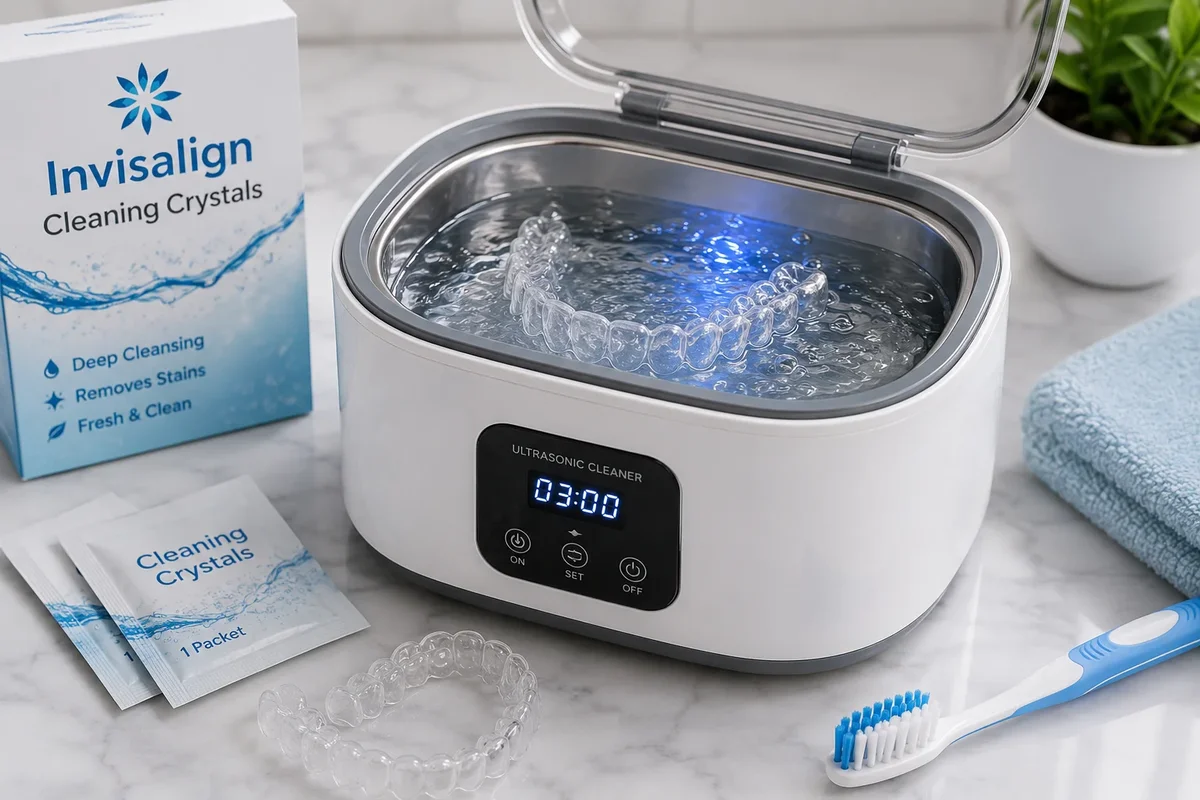
When to Replace Aligners Despite Invisalign Cleaning Ultrasonic Care
Even with excellent hygiene habits and consistent invisalign cleaning ultrasonic care, Invisalign aligners are not designed to last forever. Clear aligners experience constant daily exposure to pressure, saliva, bacteria, food particles, and temperature changes. Over time, the plastic material naturally begins to wear down. While proper cleaning can dramatically improve aligner freshness and appearance, there are situations where replacement becomes necessary despite maintaining a strong invisalign cleaning ultrasonic routine. Understanding the warning signs of worn or damaged aligners helps patients protect treatment progress, oral hygiene, and overall comfort throughout Invisalign treatment. 🦷
Why Invisalign Aligners Need Replacement
Invisalign treatment works through a carefully planned sequence of aligners that gradually move the teeth into their desired positions. Each tray is specifically designed for a certain stage of tooth movement and is usually worn for one to two weeks before progressing to the next set.
Even if patients maintain perfect invisalign cleaning ultrasonic habits, aligners eventually experience wear from daily use. The trays constantly absorb pressure from chewing, speaking, grinding, and insertion or removal. Over time, this can affect both the appearance and effectiveness of the aligners.
Proper cleaning helps extend the usability of the trays, but no cleaning method can permanently prevent natural material fatigue.
Visible Cracks or Structural Damage
One of the clearest signs that aligners should be replaced is visible structural damage. Cracked or broken trays may no longer fit properly and can interfere with tooth movement.
Even patients using advanced invisalign cleaning ultrasonic systems may occasionally damage their trays accidentally through improper handling or excessive pressure.
Common Causes of Cracks
- Grinding or clenching teeth
- Accidental dropping
- Improper removal techniques
- Exposure to heat
- Natural material fatigue
If aligners develop cracks, patients should contact their orthodontist immediately for guidance regarding replacement trays.
Persistent Cloudiness or Staining
Although invisalign cleaning ultrasonic systems remove plaque and bacteria effectively, some stains eventually become permanent. Patients who frequently drink coffee, tea, wine, or smoke may notice that older aligners begin losing their transparency even with proper cleaning.
Persistent cloudiness can reduce the invisible appearance of Invisalign treatment. In some cases, heavily stained aligners may also indicate bacterial buildup that has penetrated microscopic scratches on the plastic surface.
Signs Stains May Be Permanent
- Yellow discoloration that does not improve after cleaning
- Cloudy texture despite ultrasonic cleaning
- Visible dark stains along tray edges
- Persistent odors after cleaning cycles
Even the best invisalign cleaning ultrasonic routine cannot completely reverse severe staining once the plastic material becomes permanently discolored.
Loose or Poor-Fitting Aligners
Invisalign trays are designed to fit tightly over the teeth to guide proper movement. If aligners become loose, warped, or no longer fit securely, they may stop working effectively.
Improper cleaning habits, such as using hot water during invisalign cleaning ultrasonic care, can warp the trays slightly and affect alignment accuracy.
Signs of Poor Fit
- Gaps between teeth and aligners
- Excessive movement while speaking
- Difficulty maintaining proper seating
- Reduced pressure on teeth
Patients should never continue wearing poorly fitting trays without professional evaluation because improper aligner fit may delay treatment progress.
Persistent Odor Despite Cleaning
One major advantage of invisalign cleaning ultrasonic systems is odor reduction. However, if aligners continue smelling unpleasant even after repeated cleaning cycles, replacement may become necessary.
Persistent odor often indicates bacterial buildup inside microscopic scratches or material deterioration that cannot be fully cleaned anymore.
Potential Causes of Persistent Odor
- Long-term bacterial accumulation
- Deep microscopic scratches
- Poor oral hygiene habits
- Worn aligner surfaces
- Extended use beyond recommended schedule
Strong daily invisalign cleaning ultrasonic habits reduce odor risk significantly, but severely worn aligners may still require replacement eventually.
Aligners Feel Rough or Sharp
Healthy Invisalign trays should feel smooth and comfortable against the gums and tongue. Over time, however, worn trays may develop rough edges or sharp areas.
Damage can occur naturally through daily wear or accidentally during handling and cleaning. Although invisalign cleaning ultrasonic systems clean gently, physical stress from daily use eventually affects aligner surfaces.
Potential Problems Caused by Rough Aligners
- Gum irritation
- Tongue discomfort
- Mouth sores
- Difficulty speaking comfortably
If aligners become uncomfortable, patients should consult their orthodontist to determine whether replacement is needed.
Extended Use Beyond Recommended Timeline
Each Invisalign tray is intended for temporary use only. Some patients attempt to wear aligners longer than recommended because the trays still appear clean after regular invisalign cleaning ultrasonic maintenance.
However, aligners gradually lose their ability to apply proper orthodontic force over time. Wearing trays beyond the prescribed schedule may reduce treatment efficiency.
Typical Invisalign Wear Schedule
- 7–14 days per aligner set
- 20–22 hours of daily wear
- Regular orthodontic monitoring appointments
Even if aligners look visually acceptable, following the prescribed replacement schedule remains essential.
How Invisalign Cleaning Ultrasonic Care Helps Extend Aligner Lifespan
Although replacement eventually becomes necessary, proper invisalign cleaning ultrasonic care helps extend the usability and appearance of aligners significantly.
Benefits of Proper Ultrasonic Maintenance
- Reduced bacterial buildup
- Less staining accumulation
- Improved odor control
- Cleaner tray surfaces
- Better patient comfort
Patients who maintain strong invisalign cleaning ultrasonic routines often experience cleaner, clearer, and more comfortable aligners throughout each treatment stage.
When to Contact Your Orthodontist
Patients should contact their dental provider whenever aligners become damaged, uncomfortable, or visibly ineffective. Professional evaluation helps determine whether replacement trays are necessary.
Orthodontists can also provide guidance regarding proper cleaning products, oral hygiene habits, and invisalign cleaning ultrasonic routines that support healthier treatment outcomes.
For professional Invisalign support and oral hygiene guidance, patients can visit the Redent Klinik Contact Page.
Additional oral health information and appliance care recommendations can also be reviewed through the American Dental Association.
Final Thoughts on Replacing Invisalign Aligners
While advanced invisalign cleaning ultrasonic technology dramatically improves aligner hygiene and appearance, every Invisalign tray eventually reaches the end of its usable lifespan. Cracks, staining, odor, poor fit, rough surfaces, and extended wear are all signs that replacement may be necessary. Maintaining a strong invisalign cleaning ultrasonic routine helps preserve aligner clarity and oral hygiene, but patients should still monitor their trays carefully throughout treatment.
By recognizing the warning signs early and following professional orthodontic guidance, Invisalign users can maintain healthier teeth, cleaner aligners, and more successful treatment results. Combining consistent invisalign cleaning ultrasonic care with timely aligner replacement ensures the best possible orthodontic experience while protecting both comfort and smile quality. 😁✨