
When considering modern orthodontic treatment, one of the most important factors influencing success is invisalign clinical support. Many patients focus only on aligners themselves, but the real difference between average and outstanding results lies in the professional guidance, planning systems, and continuous monitoring included in invisalign clinical support. This comprehensive guide explains exactly what invisalign clinical support means, why it is critical, and how it directly impacts your treatment journey from start to finish. 😊
Invisalign clinical support refers to the combination of advanced digital technology, orthodontic expertise, and ongoing patient care provided throughout the Invisalign treatment process. Unlike traditional braces, Invisalign relies heavily on precise planning and monitoring. Without strong invisalign clinical support, even the most advanced aligners may fail to deliver optimal results. That’s why choosing a clinic that offers high-quality invisalign clinical support is essential for both safety and effectiveness.
Understanding the Core of Invisalign Clinical Support
At its core, invisalign clinical support includes everything that happens behind the scenes to ensure your aligners work correctly. This involves digital scanning, treatment planning, aligner customization, and regular follow-ups. Each stage is carefully designed and supervised by dental professionals who specialize in clear aligner therapy. This type of orthodontic care assistance ensures that every tooth movement is calculated and controlled with precision.
Modern invisalign clinical support systems use 3D imaging technologies such as intraoral scanners to create a detailed map of your teeth. These scans are then used to design a personalized treatment plan. With the help of aligner treatment support tools, your dentist can simulate how your teeth will move over time. This level of accuracy would not be possible without advanced invisalign clinical support.
Why Invisalign Clinical Support Is Essential for Success
Many patients underestimate how critical invisalign clinical support is to achieving a perfect smile. While aligners are removable and convenient, they require proper usage and monitoring. Invisalign clinical support ensures that each stage of treatment progresses as planned. If any issue arises, your dentist can quickly adjust your plan thanks to strong clinical support systems.
Without proper invisalign clinical support, patients may experience problems such as misalignment, discomfort, or delayed results. This is why leading dental organizations such as the American Dental Association emphasize the importance of professional supervision in orthodontic treatments.
Additionally, invisalign clinical support helps track your compliance. Since aligners must be worn for 20–22 hours per day, your dentist plays a key role in ensuring you stay on track. Regular check-ups and digital monitoring tools make invisalign clinical support an essential component of treatment success.
Key Components of Invisalign Clinical Support
To fully understand invisalign clinical support, it’s helpful to break it down into its main components:
- Initial Consultation: A detailed assessment of your dental condition using advanced imaging tools.
- Customized Treatment Planning: Creation of a digital roadmap that guides tooth movement step by step.
- Aligner Fabrication: Precision manufacturing of aligners based on your unique treatment plan.
- Regular Monitoring: Continuous evaluation of progress through appointments or digital tracking.
- Adjustments and Refinements: Modifications made when necessary to ensure optimal results.
Each of these steps is part of invisalign clinical support and contributes directly to the overall success of the treatment. This structured approach ensures that your smile transformation is both predictable and safe.
The Patient Experience with Invisalign Clinical Support
From a patient’s perspective, invisalign clinical support provides reassurance and confidence throughout the treatment journey. Knowing that your progress is being monitored by professionals allows you to focus on daily life without constant worry. 😊
During treatment, invisalign clinical support includes regular appointments where your dentist checks the fit of your aligners and evaluates tooth movement. If necessary, adjustments are made to keep everything on track. This level of personalized care distinguishes Invisalign from DIY aligner solutions that lack proper clinical support.
If you ever experience discomfort or have concerns, strong invisalign clinical support ensures that help is always available. You can easily reach out to your dental provider for guidance, making the process smooth and stress-free.
Why Choosing the Right Clinic Matters
Not all clinics provide the same level of invisalign clinical support. Choosing a dental provider with experience and advanced technology can significantly improve your results. Clinics that prioritize invisalign clinical support invest in modern tools, continuous training, and patient-centered care.
If you are considering Invisalign treatment, it is highly recommended to consult with experienced professionals. You can start by visiting the Redent Klinik Contact Page to explore personalized treatment options and learn more about their invisalign clinical support services.
Final Thoughts on Invisalign Clinical Support
In summary, invisalign clinical support is the backbone of successful clear aligner treatment. It combines advanced technology, expert planning, and ongoing supervision to deliver precise and predictable results. Without proper invisalign clinical support, the effectiveness of Invisalign treatment can be significantly compromised.
By understanding the importance of invisalign clinical support, you can make informed decisions and choose the right provider for your needs. Whether you are just starting your journey or already undergoing treatment, strong clinical support ensures a smoother, safer, and more successful experience. 🌟
What Is Invisalign Clinical Support and Why It Matters
Understanding invisalign clinical support is essential if you want to achieve predictable, safe, and long-lasting orthodontic results. While many patients initially believe that Invisalign treatment is simply about wearing clear aligners, the reality is far more complex. Invisalign clinical support represents the professional framework behind the treatment, ensuring that every stage is guided, monitored, and optimized for success. 😊
Invisalign clinical support is not just a service—it is a structured system that combines orthodontic expertise, digital planning, and continuous patient care. Without invisalign clinical support, aligners alone would not be able to produce the precise movements required to correct dental alignment. This is why patients who receive strong invisalign clinical support often experience faster, safer, and more predictable outcomes compared to those who do not.
Defining Invisalign Clinical Support in Modern Dentistry
In modern orthodontics, invisalign clinical support refers to the full spectrum of professional oversight that accompanies clear aligner therapy. This includes everything from the initial consultation to the final retention phase. It ensures that your teeth are not just moving, but moving correctly and efficiently.
At the beginning of treatment, invisalign clinical support starts with a detailed examination. Dentists use advanced scanning technology to capture a precise 3D image of your teeth. These scans are then used to design a customized treatment plan. This stage is crucial because any error in planning can affect the entire outcome. Invisalign clinical support ensures that such errors are minimized through expert evaluation and digital precision.
Key Elements That Define Invisalign Clinical Support
- Digital Treatment Planning: Creating a step-by-step roadmap for tooth movement.
- Professional Supervision: Continuous monitoring by trained dental professionals.
- Progress Tracking: Regular check-ups or remote monitoring systems.
- Adjustments: Making necessary refinements to maintain treatment accuracy.
Each of these elements is part of invisalign clinical support and plays a vital role in ensuring that your treatment progresses as expected.
Why Invisalign Clinical Support Is Critical for Treatment Success
One of the main reasons invisalign clinical support is so important is because tooth movement is a biological process. Teeth do not move instantly—they respond gradually to controlled pressure. Invisalign clinical support ensures that this pressure is applied correctly at each stage of treatment.
Without proper invisalign clinical support, several issues may arise. For example, aligners may not fit correctly, teeth may shift in unintended directions, or treatment may take longer than expected. Invisalign clinical support helps prevent these problems by providing ongoing guidance and timely interventions.
Additionally, invisalign clinical support allows dentists to detect early signs of complications. Whether it’s minor discomfort or a more complex alignment issue, having strong clinical support means that solutions can be implemented quickly. This proactive approach significantly improves the overall patient experience.
Common Problems Prevented by Invisalign Clinical Support
- Incorrect aligner fit due to poor planning
- Delayed treatment progress
- Unpredictable tooth movement
- Patient non-compliance with aligner usage
By addressing these issues early, invisalign clinical support ensures that your treatment remains on track and delivers the desired results.
The Patient Perspective: Confidence and Comfort
From a patient’s point of view, invisalign clinical support provides peace of mind. Knowing that your treatment is being carefully monitored allows you to focus on your daily routine without unnecessary stress. 😊
Regular appointments and check-ins are a key part of invisalign clinical support. During these visits, your dentist evaluates your progress and ensures that each aligner is performing as intended. If adjustments are needed, they can be made immediately. This level of care is what distinguishes professional invisalign clinical support from unsupervised aligner treatments.
Another important aspect of invisalign clinical support is communication. Patients can easily reach out to their dental provider if they have questions or concerns. This ongoing interaction enhances trust and ensures a smoother treatment journey.
Technology and Innovation in Invisalign Clinical Support
Modern invisalign clinical support is heavily driven by technology. Digital tools such as 3D imaging, treatment simulation software, and remote monitoring apps have revolutionized the way orthodontic care is delivered.
These technologies allow dentists to visualize the entire treatment process before it even begins. Invisalign clinical support uses these simulations to predict outcomes and make necessary adjustments in advance. This predictive capability is one of the biggest advantages of invisalign clinical support.
In addition, some clinics offer remote monitoring systems as part of invisalign clinical support. These systems allow patients to upload photos of their teeth, enabling dentists to track progress without requiring frequent in-office visits. This is especially beneficial for busy individuals who want flexibility without compromising on quality care.
Why Choosing the Right Provider Matters
Not all dental clinics offer the same level of invisalign clinical support. The quality of your treatment largely depends on the expertise and technology available at your chosen clinic. A provider with strong invisalign clinical support will invest in advanced tools, continuous training, and personalized care.
When selecting a clinic, it’s important to ask about their invisalign clinical support system. Do they use digital scanning? How often do they monitor progress? What happens if adjustments are needed? These questions can help you determine whether the clinic provides comprehensive invisalign clinical support.
Ultimately, invisalign clinical support is what transforms a simple aligner system into a highly effective orthodontic solution. By choosing a provider that prioritizes invisalign clinical support, you are investing in the success of your smile transformation. 🌟
How Invisalign Clinical Support Improves Treatment Accuracy
One of the most critical advantages of modern orthodontics is the precision offered by invisalign clinical support. Unlike traditional braces, which rely heavily on manual adjustments, Invisalign treatment is driven by digital planning and continuous monitoring. However, the true accuracy of this system is only achieved when strong invisalign clinical support is in place. This support ensures that each tooth moves exactly as planned, reducing risks and improving outcomes. 😊
Invisalign clinical support enhances treatment accuracy by combining advanced technology with professional oversight. From the very beginning, your dentist creates a highly detailed treatment roadmap. This roadmap is not static—it evolves based on your progress, and invisalign clinical support ensures that any necessary changes are made promptly and effectively.
The Role of Digital Planning in Invisalign Clinical Support
The foundation of invisalign clinical support lies in digital treatment planning. Before you even start wearing aligners, your dentist uses 3D imaging technology to map out your entire treatment journey. This process allows for a level of precision that is simply not possible with traditional orthodontic methods.
With invisalign clinical support, every tooth movement is calculated in advance. The software predicts how your teeth will shift over time and creates a sequence of aligners that guide these movements step by step. This predictive approach ensures that the treatment is not only effective but also highly controlled.
Advantages of Digital Planning with Invisalign Clinical Support
- High Precision: Every movement is pre-planned and digitally verified.
- Predictable Results: Patients can visualize their future smile before treatment begins.
- Reduced Errors: Minimizes the risk of incorrect tooth positioning.
- Customized Approach: Tailored treatment for each individual patient.
Without invisalign clinical support, these advantages would not be fully realized. The technology alone is not enough—expert interpretation and supervision are essential.
Continuous Monitoring for Maximum Accuracy
Another key factor that improves accuracy is the continuous monitoring provided by invisalign clinical support. Tooth movement is a dynamic process, and even the most precise plan may require adjustments along the way. Invisalign clinical support ensures that your progress is regularly evaluated and optimized.
During follow-up appointments, your dentist checks how well your teeth are responding to the aligners. If any discrepancies are detected, adjustments can be made immediately. This proactive approach prevents small issues from becoming major problems.
Monitoring Methods in Invisalign Clinical Support
- In-Clinic Check-Ups: Regular visits to assess aligner fit and tooth movement.
- Digital Tracking: Use of apps and photos to monitor progress remotely.
- Refinement Aligners: Additional aligners created if adjustments are needed.
These monitoring techniques are a vital part of invisalign clinical support, ensuring that your treatment stays on track at all times.
The Importance of Professional Expertise
While technology plays a significant role, the human element of invisalign clinical support is equally important. Experienced dentists and orthodontists interpret data, make clinical decisions, and guide the treatment process. Their expertise ensures that every aspect of your care is tailored to your unique needs.
For example, certain tooth movements may require additional attachments or modifications to the aligners. Invisalign clinical support allows your dentist to identify these needs early and implement the necessary changes. This level of customization greatly enhances treatment accuracy.
In addition, invisalign clinical support helps manage patient compliance. Aligners must be worn consistently to achieve the desired results. Your dentist provides guidance and motivation, ensuring that you follow the recommended schedule. This collaborative approach between patient and provider is essential for maintaining accuracy.
Reducing Errors and Improving Outcomes
One of the biggest benefits of invisalign clinical support is its ability to reduce errors. In traditional orthodontics, adjustments are often made based on visual assessments. With Invisalign, invisalign clinical support uses data-driven insights to guide every decision.
This precision significantly reduces the likelihood of complications such as misalignment or prolonged treatment time. By continuously refining the treatment plan, invisalign clinical support ensures that your results are both efficient and predictable.
Common Errors Prevented by Invisalign Clinical Support
- Incorrect sequencing of aligners
- Uncontrolled tooth movement
- Delayed treatment progress
- Improper aligner fit
By addressing these potential issues, invisalign clinical support enhances both the quality and reliability of your treatment.
Long-Term Accuracy and Stability
The benefits of invisalign clinical support extend beyond the active treatment phase. After your teeth have reached their desired position, retainers are used to maintain the results. Invisalign clinical support includes guidance on retention strategies, ensuring that your new smile remains stable over time. 😊
Without proper invisalign clinical support, there is a higher risk of relapse, where teeth gradually shift back to their original positions. Ongoing support helps prevent this by providing clear instructions and follow-up care.
Ultimately, invisalign clinical support is the key to achieving and maintaining precise orthodontic results. It transforms Invisalign from a simple aligner system into a comprehensive, data-driven treatment solution. By combining technology, expertise, and continuous monitoring, invisalign clinical support ensures that every step of your journey is accurate, efficient, and successful. 🌟
The Role of Dentists in Invisalign Clinical Support Systems
The success of any aligner treatment depends heavily on the expertise behind it, and this is where invisalign clinical support becomes indispensable. While patients often focus on the aligners themselves, it is the dentist who orchestrates the entire process. Invisalign clinical support is not an automated system—it is a carefully guided journey led by trained professionals who ensure that each stage of treatment is precise, safe, and effective. 😊
Invisalign clinical support places dentists at the center of the treatment process. Their role goes far beyond simply providing aligners. They evaluate your oral health, design your treatment plan, monitor your progress, and make adjustments when necessary. Without this level of professional involvement, the accuracy and success of Invisalign treatment would be significantly compromised.
Initial Assessment and Diagnosis
The first and most critical step in invisalign clinical support is the initial assessment. Before any aligners are created, the dentist conducts a thorough examination of your teeth, gums, and jaw structure. This step ensures that Invisalign is the right solution for your specific needs.
During this phase, invisalign clinical support includes advanced diagnostic tools such as digital scans, X-rays, and sometimes photographs. These tools provide a complete understanding of your dental condition. The dentist uses this information to identify potential challenges and determine the best approach for treatment.
What Dentists Evaluate During Initial Assessment
- Tooth alignment and spacing issues
- Bite problems such as overbite or underbite
- Gum health and bone structure
- Previous dental work that may affect treatment
This detailed evaluation is a fundamental part of invisalign clinical support and ensures that your treatment starts on the right path.
Customized Treatment Planning
Once the assessment is complete, the dentist moves on to designing a personalized treatment plan. This is where invisalign clinical support truly shines. Using digital planning software, the dentist creates a step-by-step simulation of how your teeth will move throughout the treatment.
Invisalign clinical support allows dentists to control every detail of this process. They can adjust the speed, direction, and sequence of tooth movements to achieve the best possible outcome. This level of customization ensures that each patient receives a treatment plan tailored to their unique dental structure.
Additionally, invisalign clinical support enables dentists to anticipate potential issues before they occur. By analyzing the digital simulation, they can make proactive adjustments that improve treatment efficiency and reduce risks.
Benefits of Dentist-Led Planning in Invisalign Clinical Support
- Highly personalized treatment strategies
- Improved predictability of results
- Reduced need for major corrections later
- Optimized treatment timelines
Ongoing Monitoring and Adjustments
Another critical responsibility of dentists in invisalign clinical support is ongoing monitoring. Teeth do not always move exactly as predicted, and this is where professional oversight becomes essential. Invisalign clinical support ensures that your progress is continuously evaluated and adjusted when necessary.
During follow-up appointments, the dentist checks how well your aligners are fitting and whether your teeth are moving according to plan. If any discrepancies are detected, adjustments can be made immediately. This may include modifying the treatment plan, providing additional aligners, or adding attachments to improve control.
Types of Adjustments in Invisalign Clinical Support
- Refinement aligners for fine-tuning results
- Attachments to enhance aligner grip
- Changes in aligner wear schedule
- Additional scans for updated planning
These adjustments are a key part of invisalign clinical support and ensure that your treatment remains accurate and effective.
Patient Guidance and Compliance Management
One often overlooked aspect of invisalign clinical support is the role of dentists in guiding patient behavior. Invisalign aligners must be worn consistently—typically 20 to 22 hours per day—to achieve optimal results. Dentists play a crucial role in educating and motivating patients to follow these guidelines.
Invisalign clinical support includes clear instructions on how to wear, clean, and maintain aligners. Dentists also provide tips for managing discomfort and ensuring proper hygiene. This ongoing guidance helps patients stay on track and avoid common mistakes that could delay treatment.
Additionally, invisalign clinical support allows dentists to identify signs of non-compliance early. If a patient is not wearing their aligners as recommended, the dentist can intervene and provide solutions to get the treatment back on course.
Ensuring Long-Term Stability
The role of dentists in invisalign clinical support does not end when the aligners are removed. After the active treatment phase, retainers are used to maintain the new position of the teeth. Invisalign clinical support includes guidance on how to use these retainers effectively.
Dentists monitor the retention phase to ensure that your results remain stable over time. Without proper invisalign clinical support, there is a higher risk of relapse, where teeth gradually shift back to their original positions.
By providing ongoing care and follow-up, dentists ensure that your investment in Invisalign treatment delivers lasting results. 😊
The Human Factor in Invisalign Clinical Support
While technology is a powerful tool, the human expertise provided by dentists is what truly defines invisalign clinical support. Their experience, judgment, and attention to detail are essential for navigating the complexities of orthodontic treatment.
Invisalign clinical support is not just about moving teeth—it is about creating a healthy, functional, and aesthetically pleasing smile. Dentists consider factors such as facial symmetry, bite function, and long-term oral health when designing and managing treatment.
Ultimately, invisalign clinical support is a collaborative effort between patient and provider. With the dentist guiding every step, patients can feel confident that their treatment is in expert hands. 🌟
Technology Behind Invisalign Clinical Support Explained
The effectiveness of modern orthodontic treatment relies heavily on innovation, and invisalign clinical support is powered by some of the most advanced dental technologies available today. While patients may only see clear aligners, the real magic happens behind the scenes. Invisalign clinical support integrates digital tools, artificial intelligence, and precision manufacturing to ensure highly accurate and predictable outcomes. 😊
Invisalign clinical support is not just about wearing aligners—it is about using cutting-edge systems to design, monitor, and refine every step of your treatment. This technology-driven approach allows dentists to deliver results that were once impossible with traditional methods. Understanding the technology behind invisalign clinical support can help patients appreciate the level of sophistication involved in their smile transformation.
3D Imaging and Digital Scanning
One of the foundational technologies in invisalign clinical support is 3D imaging. Instead of traditional dental impressions, which can be uncomfortable and less precise, modern clinics use intraoral scanners to create detailed digital models of your teeth.
These scanners capture thousands of images per second, producing a highly accurate 3D representation of your mouth. Invisalign clinical support uses this data to map out every tooth and its exact position. This level of detail is essential for designing aligners that fit perfectly and guide teeth with precision.
Advantages of 3D Scanning in Invisalign Clinical Support
- Eliminates messy and uncomfortable impressions
- Provides highly accurate digital models
- Speeds up the treatment planning process
- Enhances patient comfort and experience
Without this technology, invisalign clinical support would not be able to achieve the same level of accuracy and efficiency.
ClinCheck Software and Treatment Simulation
Another key component of invisalign clinical support is the use of advanced treatment planning software, commonly known as ClinCheck. This software allows dentists to simulate the entire treatment process before it even begins.
With invisalign clinical support, ClinCheck creates a virtual timeline of tooth movement. Patients can see how their teeth will gradually shift into alignment, providing a clear understanding of the expected results. This predictive capability is one of the biggest advantages of invisalign clinical support.
Dentists can also use this software to make adjustments in advance. If certain movements are too aggressive or not effective, they can modify the plan before the aligners are produced. This proactive approach significantly improves treatment accuracy.
Key Features of ClinCheck in Invisalign Clinical Support
- Visual simulation of treatment outcomes
- Step-by-step tracking of tooth movement
- Ability to adjust treatment plans digitally
- Improved communication between dentist and patient
This technology ensures that invisalign clinical support remains precise, personalized, and adaptable.
SmartTrack Material and Precision Manufacturing
The aligners themselves are another technological innovation within invisalign clinical support. Invisalign uses a proprietary material known as SmartTrack, which is designed to apply consistent and controlled force to teeth.
Invisalign clinical support ensures that each aligner is manufactured with extreme precision based on the digital treatment plan. The combination of SmartTrack material and advanced production techniques allows for smoother and more predictable tooth movement.
This level of precision would not be possible without the integration of technology into invisalign clinical support. Every aligner is custom-made to fit the patient’s teeth at a specific stage of treatment, ensuring maximum effectiveness.
Benefits of SmartTrack Technology
- Better control of tooth movement
- Improved comfort for patients
- Consistent force application
- Enhanced treatment predictability
Artificial Intelligence and Data-Driven Insights
Modern invisalign clinical support also incorporates artificial intelligence (AI) to improve treatment outcomes. By analyzing vast amounts of data from previous cases, AI helps optimize treatment plans and predict potential challenges.
Invisalign clinical support uses these data-driven insights to refine treatment strategies. For example, AI can identify patterns in tooth movement and suggest adjustments that improve efficiency. This makes invisalign clinical support more intelligent and responsive than ever before.
Additionally, AI-powered tools assist dentists in making informed decisions. By combining clinical expertise with advanced analytics, invisalign clinical support achieves a higher level of precision and reliability.
Remote Monitoring and Digital Communication
Another important aspect of invisalign clinical support is remote monitoring technology. Many clinics now offer digital platforms that allow patients to track their progress from home. This reduces the need for frequent in-office visits while maintaining high-quality care.
With invisalign clinical support, patients can upload photos of their teeth using a mobile app. Dentists then review these images and provide feedback. This continuous communication ensures that treatment stays on track, even between appointments.
Advantages of Remote Monitoring
- Convenience for busy patients
- Reduced number of clinic visits
- Faster detection of potential issues
- Improved patient engagement
This digital approach enhances the overall experience and makes invisalign clinical support more accessible and efficient.
Integration of Technology and Expertise
While technology plays a major role, it is the combination of innovation and professional expertise that defines invisalign clinical support. Dentists use these tools to design, monitor, and adjust treatment with exceptional precision.
Invisalign clinical support is not a fully automated system—it requires
Benefits of Invisalign Clinical Support for Patients
When starting orthodontic treatment, patients often focus on aesthetics and comfort, but the true advantage lies in invisalign clinical support. This comprehensive support system ensures that every stage of treatment is carefully managed, resulting in safer, faster, and more predictable outcomes. Invisalign clinical support is what transforms clear aligners into a fully guided medical treatment rather than just a cosmetic solution. 😊
Invisalign clinical support offers a wide range of benefits that directly impact the patient experience. From improved accuracy to enhanced comfort, this system ensures that patients receive personalized care throughout their journey. Understanding these benefits helps patients make informed decisions and appreciate the value of professional supervision.
Improved Treatment Accuracy and Predictability
One of the most significant benefits of invisalign clinical support is its ability to deliver highly accurate and predictable results. Through digital planning and continuous monitoring, invisalign clinical support ensures that each tooth moves exactly as intended.
Patients benefit from a clear roadmap of their treatment. With invisalign clinical support, dentists can simulate the entire process in advance, allowing patients to visualize their future smile. This level of predictability reduces uncertainty and increases confidence in the treatment.
Why Accuracy Matters in Orthodontics
- Ensures proper alignment of teeth and bite
- Reduces the need for additional corrections
- Shortens overall treatment time
- Improves long-term stability of results
Without invisalign clinical support, achieving this level of precision would be much more difficult.
Enhanced Comfort and Convenience
Another major advantage of invisalign clinical support is the improved comfort it provides. Unlike traditional braces, Invisalign aligners are smooth, removable, and custom-made. However, it is invisalign clinical support that ensures these aligners fit perfectly and function effectively.
Patients experience less discomfort because invisalign clinical support allows dentists to control the pressure applied to teeth. This results in a more gradual and comfortable movement process. Additionally, the ability to remove aligners for eating and cleaning adds to the convenience.
Comfort Benefits of Invisalign Clinical Support
- No metal brackets or wires
- Reduced irritation to gums and cheeks
- Custom-fit aligners for maximum comfort
- Fewer emergency visits compared to braces
These advantages make invisalign clinical support an attractive option for patients seeking a more comfortable orthodontic experience.
Personalized Treatment and Ongoing Care
Every patient has unique dental needs, and invisalign clinical support ensures that treatment is tailored accordingly. From the initial consultation to the final results, invisalign clinical support provides a personalized approach that adapts to each individual.
Dentists use detailed scans and digital planning tools to create customized treatment plans. Throughout the process, invisalign clinical support allows for adjustments based on progress. This flexibility ensures that patients receive the most effective care possible.
Elements of Personalized Care
- Customized aligner design
- Individualized treatment timelines
- Regular progress evaluations
- Adaptive treatment modifications
This level of personalization is one of the key strengths of invisalign clinical support.
Better Oral Health and Hygiene
Maintaining oral hygiene during orthodontic treatment can be challenging, but invisalign clinical support makes it easier. Since aligners are removable, patients can brush and floss normally. Invisalign clinical support also includes guidance on proper cleaning techniques.
By promoting good oral hygiene, invisalign clinical support helps prevent issues such as cavities and gum disease. Dentists monitor oral health throughout the treatment, ensuring that any problems are addressed promptly.
Oral Health Advantages
- Easier brushing and flossing
- Lower risk of plaque buildup
- Reduced likelihood of gum inflammation
- Continuous professional monitoring
This focus on oral health is another reason why invisalign clinical support is essential for successful treatment.
Increased Confidence and Aesthetic Appeal
One of the most appealing aspects of invisalign clinical support is the confidence it provides. Clear aligners are virtually invisible, allowing patients to smile freely during treatment. Invisalign clinical support ensures that this aesthetic advantage does not compromise effectiveness.
Patients can continue their daily activities without feeling self-conscious about their appearance. Whether at work, school, or social events, invisalign clinical support helps maintain a natural look throughout the treatment process. 😊
Reduced Treatment Risks and Complications
Orthodontic treatment involves biological processes that must be carefully managed. Invisalign clinical support minimizes risks by providing continuous supervision and timely interventions.
Dentists monitor tooth movement and identify potential issues early. If adjustments are needed, invisalign clinical support ensures that they are implemented quickly. This proactive approach reduces the likelihood of complications and improves overall outcomes.
Risks Minimized by Invisalign Clinical Support
- Incorrect tooth movement
- Prolonged treatment duration
- Aligner misfit
- Patient non-compliance
By addressing these risks, invisalign clinical support enhances both safety and effectiveness.
Long-Term Value and Lasting Results
The benefits of invisalign clinical support extend beyond the treatment phase. After achieving the desired results, retainers are used to maintain the new alignment. Invisalign clinical support includes guidance on retention, ensuring long-term stability.
Patients who receive strong invisalign clinical support are more likely to enjoy lasting results. The combination of precise planning, continuous monitoring, and professional care ensures that the investment in treatment delivers long-term value.
Ultimately, invisalign clinical support provides a comprehensive solution that goes beyond aesthetics. It ensures accuracy, comfort, safety, and lasting success, making it an essential component of modern orthodontic care. 🌟
Common Challenges Solved by Invisalign Clinical Support
Orthodontic treatment is a complex process that involves biological, mechanical, and behavioral factors. While Invisalign aligners are highly advanced, they are not immune to challenges. This is exactly where invisalign clinical support plays a crucial role. It ensures that potential problems are identified early and resolved efficiently, allowing patients to achieve optimal results without unnecessary delays or complications. 😊
Invisalign clinical support acts as a safety net throughout the treatment journey. From incorrect aligner usage to unexpected tooth movement, this system is designed to manage and overcome a wide range of issues. Understanding these challenges—and how invisalign clinical support addresses them—can help patients feel more confident and prepared.
Incorrect Aligner Fit and Adaptation Issues
One of the most common problems patients encounter is improper aligner fit. Even though aligners are custom-made, slight discrepancies can occur due to biological variations or patient habits. Invisalign clinical support ensures that such issues are quickly identified and corrected.
During regular check-ups, dentists assess whether aligners are fitting snugly and applying the correct pressure. If a misfit is detected, invisalign clinical support allows for immediate adjustments, such as refining the aligner design or modifying the treatment plan.
How Invisalign Clinical Support Solves Fit Issues
- Regular monitoring of aligner adaptation
- Use of refinement aligners when needed
- Adjustments to treatment sequencing
- Guidance on proper aligner placement
This proactive approach ensures that invisalign clinical support maintains the effectiveness of each aligner stage.
Unpredictable Tooth Movement
Although digital planning is highly accurate, teeth do not always respond exactly as expected. Biological differences between patients can lead to variations in how teeth move. Invisalign clinical support addresses this challenge by continuously evaluating progress and making necessary corrections.
With invisalign clinical support, dentists can compare actual results with the planned simulation. If discrepancies arise, they can adjust the treatment plan to realign the process. This ensures that the final outcome remains consistent with the original goals.
Factors Influencing Tooth Movement
- Bone density and structure
- Patient age and metabolism
- Consistency in wearing aligners
- Complexity of dental alignment issues
By accounting for these variables, invisalign clinical support enhances treatment predictability and success.
Patient Non-Compliance
Another major challenge in aligner therapy is patient compliance. Invisalign aligners must be worn for 20–22 hours per day to be effective. However, some patients struggle to maintain this routine. Invisalign clinical support helps address this issue through education, monitoring, and motivation.
Dentists provide clear instructions and emphasize the importance of consistent wear. Invisalign clinical support also includes regular check-ins, which help identify compliance issues early. This allows for timely intervention and guidance.
Strategies Used in Invisalign Clinical Support
- Patient education on treatment importance
- Tracking progress during appointments
- Providing reminders and support tools
- Adjusting treatment plans if necessary
By improving compliance, invisalign clinical support ensures that treatment stays on schedule and delivers optimal results.
Discomfort and Pressure Management
Some level of discomfort is normal during orthodontic treatment, especially when switching to new aligners. However, excessive pain can indicate an issue. Invisalign clinical support helps manage discomfort by ensuring that aligners are functioning correctly.
Dentists can adjust the treatment plan or recommend solutions to alleviate discomfort. Invisalign clinical support also includes guidance on how to manage pressure, such as using chewies or adjusting wear schedules.
Ways Invisalign Clinical Support Reduces Discomfort
- Gradual progression of aligner stages
- Custom-fit aligners for better comfort
- Professional advice on pain management
- Timely adjustments to treatment
This ensures that invisalign clinical support provides a more comfortable and manageable experience for patients.
Delays in Treatment Progress
Delays can occur due to various factors, including missed appointments, inconsistent aligner use, or unexpected tooth movement. Invisalign clinical support minimizes these delays by maintaining a structured and closely monitored treatment plan.
With invisalign clinical support, dentists can quickly identify the cause of delays and implement corrective measures. This may involve revising the treatment plan, providing additional aligners, or offering guidance to improve compliance.
Common Causes of Treatment Delays
- Inconsistent aligner wear
- Missed follow-up appointments
- Complex dental movements
- Improper aligner usage
By addressing these factors, invisalign clinical support helps keep treatment on track.
Oral Health Complications
Maintaining good oral health during treatment is essential, but some patients may experience issues such as gum irritation or plaque buildup. Invisalign clinical support includes regular monitoring of oral health to prevent and manage these complications.
Dentists provide guidance on proper hygiene practices and ensure that any issues are treated promptly. Invisalign clinical support also helps patients maintain a clean and healthy environment for their teeth to move effectively.
Preventive Measures in Invisalign Clinical Support
- Routine oral health assessments
- Guidance on cleaning aligners
- Recommendations for oral hygiene products
- Early detection of dental issues
This comprehensive care ensures that invisalign clinical support promotes both alignment and overall dental health.
Final Thoughts on Overcoming Challenges
Every orthodontic treatment comes with its own set of challenges, but invisalign clinical support is designed to address them effectively. By combining advanced technology with professional expertise, this system ensures that patients receive the highest level of care.
Invisalign clinical support transforms potential obstacles into manageable steps, allowing patients to progress confidently toward their desired smile. With continuous monitoring, personalized adjustments, and expert guidance, invisalign clinical support ensures a smooth and successful treatment journey. 🌟
Step-by-Step Invisalign Treatment with Clinical Support
Understanding the full journey of orthodontic care is essential for any patient considering clear aligners. The process becomes significantly more reliable and efficient when guided by invisalign clinical support. This structured approach ensures that every stage of treatment—from consultation to final retention—is carefully managed by professionals and supported by advanced technology. 😊
Invisalign clinical support transforms what might seem like a simple aligner process into a highly controlled medical treatment. Each step is designed to ensure precision, comfort, and long-term success. Let’s explore the entire process in detail so you can clearly understand what to expect.
Initial Consultation and Evaluation
The journey begins with a comprehensive consultation, which is a critical part of invisalign clinical support. During this stage, your dentist evaluates your oral health, alignment issues, and overall suitability for Invisalign treatment.
Using advanced diagnostic tools, invisalign clinical support includes digital scans, photographs, and sometimes X-rays. These tools provide a detailed understanding of your dental structure. The dentist then discusses your goals and expectations, ensuring that the treatment plan aligns with your needs.
What Happens During the Consultation
- Full dental examination and medical history review
- Digital 3D scanning of teeth
- Discussion of treatment goals and expectations
- Preliminary assessment of treatment duration
This initial phase of invisalign clinical support sets the foundation for a successful treatment journey.
Digital Treatment Planning and Simulation
Once the evaluation is complete, the next step in invisalign clinical support is digital treatment planning. This is where advanced software is used to design a step-by-step roadmap for tooth movement.
Invisalign clinical support allows dentists to simulate the entire treatment process. Patients can see a virtual preview of how their teeth will move and what the final result will look like. This transparency builds confidence and ensures that expectations are clear from the beginning.
Key Features of Treatment Planning
- 3D simulation of tooth movement
- Customized aligner sequence
- Precise control over each movement stage
- Ability to adjust the plan before production
This stage highlights how invisalign clinical support combines technology and expertise to deliver precise outcomes.
Aligner Production and Delivery
After the treatment plan is finalized, aligners are manufactured using high-precision technology. Invisalign clinical support ensures that each aligner is tailored to fit your teeth perfectly at every stage of the process.
Patients typically receive a series of aligners, each designed to be worn for a specific period—usually one to two weeks. Invisalign clinical support includes detailed instructions on how to use and care for these aligners.
Important Guidelines for Aligner Use
- Wear aligners for 20–22 hours per day
- Remove them only for eating and cleaning
- Clean aligners regularly to maintain hygiene
- Store aligners properly when not in use
These guidelines are reinforced through invisalign clinical support to ensure optimal results.
Regular Monitoring and Progress Tracking
One of the most important stages in invisalign clinical support is ongoing monitoring. Tooth movement is a dynamic process, and regular check-ups are essential to ensure that everything is progressing as planned.
During follow-up appointments, your dentist evaluates the fit of your aligners and the movement of your teeth. Invisalign clinical support allows for quick adjustments if needed, ensuring that treatment remains accurate and efficient.
Monitoring Methods in Invisalign Clinical Support
- Scheduled in-clinic visits
- Digital progress tracking through apps
- Photo submissions for remote evaluation
- Adjustments to aligner sequence if necessary
This continuous oversight is what makes invisalign clinical support so effective in maintaining treatment accuracy.
Refinements and Adjustments
In some cases, minor adjustments may be needed to achieve the desired results. Invisalign clinical support includes refinement stages where additional aligners are created to fine-tune tooth positioning.
These refinements are a normal part of the process and demonstrate the flexibility of invisalign clinical support. Dentists can adapt the treatment plan based on real-time progress, ensuring that the final outcome meets expectations.
When Refinements Are Needed
- Teeth not moving as predicted
- Minor alignment corrections required
- Adjustments for bite improvement
- Enhancing overall aesthetic results
This adaptability ensures that invisalign clinical support delivers precise and personalized outcomes.
Retention and Long-Term Maintenance
After the active treatment phase is complete, the final step in invisalign clinical support is retention. Retainers are used to maintain the new position of your teeth and prevent them from shifting back.
Invisalign clinical support includes guidance on how to wear and care for retainers. Dentists may recommend wearing them full-time initially, followed by nighttime use. Regular follow-ups ensure that your results remain stable over time.
Retention Best Practices
- Wear retainers as prescribed
- Maintain proper oral hygiene
- Attend follow-up appointments
- Replace retainers when necessary
This phase is crucial for preserving the results achieved through invisalign clinical support.
Final Thoughts on the Treatment Journey
The step-by-step process guided by invisalign clinical support ensures that patients receive comprehensive care at every stage. From initial consultation to long-term maintenance, each step is carefully designed to deliver accurate and lasting results. 🌟
Invisalign clinical support provides the structure, expertise, and technology needed to transform smiles safely and effectively. By understanding this process, patients can approach their treatment with confidence and clarity, knowing they are supported every step of the way.
Costs and Value of Invisalign Clinical Support
When considering orthodontic treatment, cost is often one of the first questions patients ask. However, it is important to understand that the true value of treatment lies not just in the aligners themselves, but in the comprehensive invisalign clinical support that accompanies them. Invisalign clinical support plays a critical role in ensuring safe, predictable, and long-lasting results, making it a key factor in evaluating overall treatment cost. 💡
Invisalign clinical support includes professional expertise, advanced technology, and ongoing patient care. These elements contribute significantly to the overall price, but they also ensure that your investment leads to successful outcomes. Choosing treatment without proper invisalign clinical support may seem cheaper initially, but it often leads to complications and additional costs in the long run.
Average Cost of Invisalign Treatment with Clinical Support
The cost of Invisalign treatment varies depending on several factors, including case complexity, treatment duration, and the level of invisalign clinical support provided by the clinic. Below is a general overview based on global averages:
Estimated Invisalign Costs (2026)
- United States: $3,000 – $8,000
- United Kingdom: £2,500 – £5,500
- Europe: €2,500 – €6,000
- Turkey: $1,500 – $3,500
These prices typically include invisalign clinical support services such as consultation, digital planning, aligner production, and follow-up appointments. However, it is always important to confirm exactly what is included in your treatment package.
What Is Included in Invisalign Clinical Support Costs?
Many patients assume they are only paying for aligners, but invisalign clinical support encompasses much more. The cost reflects a combination of technology, expertise, and ongoing care that ensures treatment success.
Breakdown of Invisalign Clinical Support Services
- Initial Consultation: Comprehensive evaluation and treatment planning
- 3D Scanning and Imaging: High-precision digital diagnostics
- Customized Aligner Production: Tailored aligners for each stage
- Regular Monitoring: Follow-up visits and progress tracking
- Refinements: Additional aligners for fine-tuning results
- Retention Phase: Retainers and post-treatment guidance
Each of these components is part of invisalign clinical support and contributes to the overall value of the treatment.
Why Invisalign Clinical Support Adds Value
While Invisalign may appear more expensive than some alternatives, the value of invisalign clinical support makes it a worthwhile investment. This support ensures that your treatment is not only effective but also safe and comfortable.
Invisalign clinical support reduces the risk of errors, minimizes treatment time, and improves long-term stability. Without it, patients may face issues such as misalignment, discomfort, or the need for additional corrective procedures.
Key Value Benefits
- Higher Success Rate: Professionally guided treatment improves outcomes
- Time Efficiency: Fewer delays and faster results
- Reduced Risk: Early detection of potential issues
- Long-Term Stability: Better retention of results
These advantages highlight why invisalign clinical support is essential for achieving the best possible results.
Comparing Invisalign Clinical Support to DIY Aligners
In recent years, DIY aligner options have become popular due to their lower upfront costs. However, these solutions often lack proper invisalign clinical support, which can lead to significant drawbacks.
Without invisalign clinical support, patients do not receive professional supervision or personalized treatment planning. This increases the risk of incorrect tooth movement and unsatisfactory results.
Key Differences
- Professional Oversight: Present in invisalign clinical support, absent in DIY options
- Customization: Highly personalized vs. generic aligners
- Monitoring: Continuous vs. minimal or none
- Safety: Clinically supervised vs. self-managed risks
While DIY options may seem cost-effective, the lack of invisalign clinical support often results in higher long-term costs due to corrections and complications.
Payment Options and Financing
To make treatment more accessible, many clinics offer flexible payment plans that include invisalign clinical support. These options allow patients to spread the cost over time, making high-quality care more affordable.
Common Payment Options
- Monthly installment plans
- Dental insurance coverage (partial)
- In-house financing programs
- Discounts for upfront payments
Patients interested in personalized treatment and pricing can visit the Redent Klinik Contact Page to explore available options and receive tailored advice.
Is Invisalign Clinical Support Worth the Cost?
The answer is a resounding yes. Invisalign clinical support is what ensures that your treatment is effective, safe, and long-lasting. While the upfront cost may be higher than some alternatives, the long-term benefits far outweigh the initial investment.
By choosing invisalign clinical support, patients gain access to advanced technology, expert guidance, and continuous care. This comprehensive approach not only improves results but also enhances the overall treatment experience.
Ultimately, invisalign clinical support is not just an added feature—it is the foundation of successful Invisalign treatment. Investing in high-quality support means investing in your smile, your health, and your confidence. 🌟
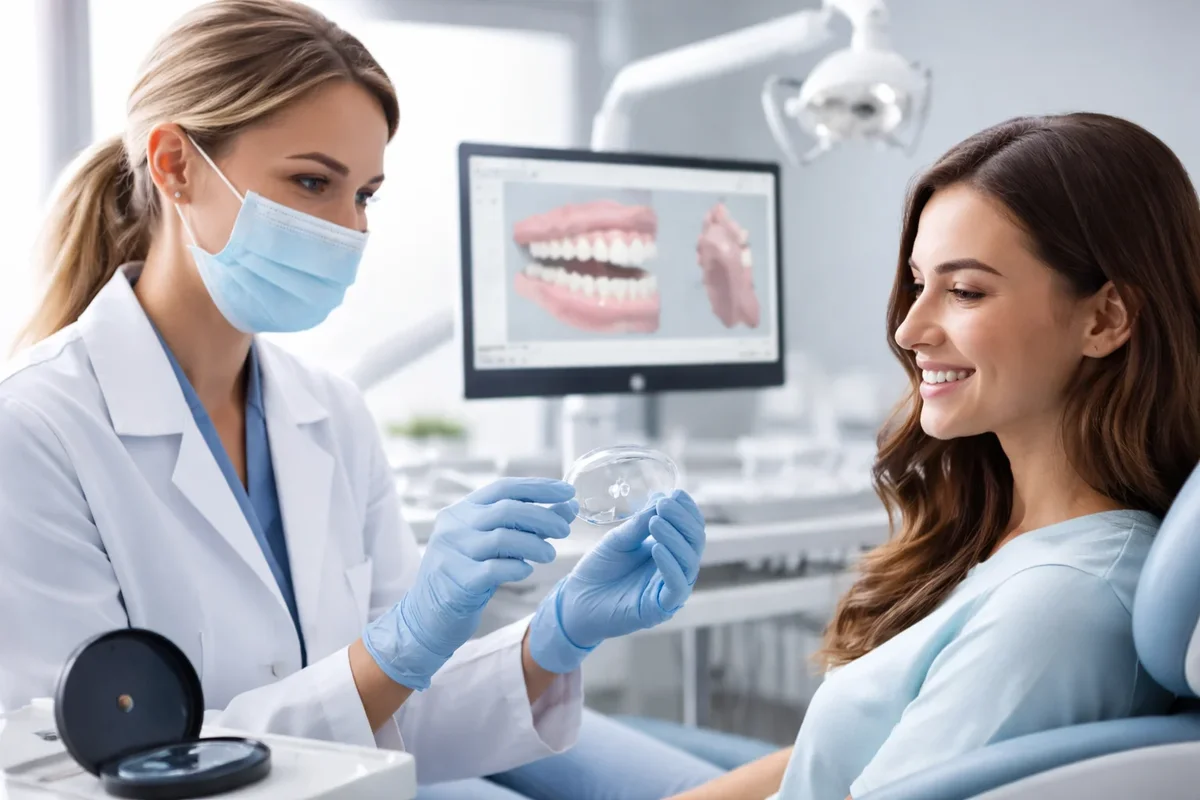
How to Choose a Clinic Offering Strong Invisalign Clinical Support
Choosing the right dental clinic is one of the most important decisions you will make during your orthodontic journey. While Invisalign aligners are highly advanced, the real success of your treatment depends on the quality of invisalign clinical support provided by your clinic. A well-equipped clinic with experienced professionals can significantly improve your results, reduce risks, and ensure a smooth treatment process. 😊
Invisalign clinical support is not the same across all providers. Some clinics offer comprehensive, technology-driven care, while others may provide only basic services. Understanding how to evaluate and select a clinic with strong invisalign clinical support is essential for achieving the best possible outcome.
Experience and Qualifications of the Dental Team
The first factor to consider when evaluating invisalign clinical support is the experience and qualifications of the dental team. Invisalign treatment requires specialized knowledge and training. Dentists who have extensive experience with clear aligners are better equipped to handle complex cases and deliver optimal results.
Clinics that prioritize invisalign clinical support often invest in continuous education and certification programs. This ensures that their team stays up-to-date with the latest advancements in orthodontic care.
What to Look For in a Qualified Provider
- Certification in Invisalign treatment
- Proven track record with successful cases
- Ongoing professional development and training
- Positive patient reviews and testimonials
Choosing an experienced provider is a key step in ensuring strong invisalign clinical support.
Use of Advanced Technology
Another critical aspect of invisalign clinical support is the use of modern technology. Clinics that invest in advanced tools can offer more precise and efficient treatment.
Look for clinics that use digital scanning systems, 3D imaging, and treatment simulation software. These technologies enhance invisalign clinical support by improving accuracy and allowing for better treatment planning.
Essential Technologies in Invisalign Clinical Support
- Intraoral scanners for digital impressions
- 3D treatment planning software
- Remote monitoring tools
- AI-driven analysis systems
These tools ensure that invisalign clinical support is both precise and patient-friendly.
Comprehensive Treatment Planning
A strong clinic will provide detailed and personalized treatment planning as part of its invisalign clinical support. This includes a clear explanation of your treatment process, expected timeline, and potential outcomes.
Invisalign clinical support should involve a thorough discussion of your goals and concerns. The dentist should also show you a digital simulation of your future smile, helping you understand what to expect.
Key Elements of a Good Treatment Plan
- Clear timeline and milestones
- Customized aligner sequence
- Explanation of each treatment stage
- Contingency plans for adjustments
This level of detail reflects high-quality invisalign clinical support.
Regular Monitoring and Accessibility
Ongoing care is a fundamental part of invisalign clinical support. Choose a clinic that offers regular follow-up appointments and easy communication with the dental team.
Invisalign clinical support should include consistent monitoring to ensure that your treatment is progressing as planned. Clinics that offer remote monitoring options provide added convenience without compromising care quality.
Signs of Strong Monitoring Systems
- Scheduled follow-up visits
- Quick response to patient inquiries
- Availability of digital tracking tools
- Flexible appointment scheduling
These features ensure that invisalign clinical support remains continuous and effective.
Transparency in Pricing and Services
Transparency is another important factor when choosing a clinic with reliable invisalign clinical support. Patients should clearly understand what is included in the treatment cost.
A reputable clinic will provide a detailed breakdown of services, including consultations, aligners, refinements, and retention. Invisalign clinical support should not involve hidden fees or unexpected charges.
Questions to Ask About Pricing
- What services are included in the package?
- Are refinements covered?
- Is the retention phase included?
- Are there additional costs for adjustments?
Clear answers to these questions indicate trustworthy invisalign clinical support.
Patient-Centered Approach
One of the defining characteristics of high-quality invisalign clinical support is a patient-centered approach. The clinic should prioritize your comfort, preferences, and overall experience.
Invisalign clinical support includes personalized communication, clear instructions, and ongoing support throughout the treatment. Clinics that value patient satisfaction are more likely to deliver successful outcomes.
Indicators of Patient-Centered Care
- Friendly and supportive staff
- Clear communication and guidance
- Focus on patient comfort and convenience
- Willingness to address concerns and questions
This approach enhances the overall effectiveness of invisalign clinical support.
Why Redent Klinik Is a Strong Choice
If you are looking for a clinic that offers comprehensive invisalign clinical support, it is important to choose a provider with proven expertise and advanced technology. Clinics like Redent Klinik focus on delivering personalized care and high-quality results.
You can learn more about their services and get in touch through the Redent Klinik Contact Page. Their team provides detailed consultations and tailored treatment plans, ensuring that invisalign clinical support meets your specific needs.
Final Thoughts on Choosing the Right Clinic
Selecting a clinic with strong invisalign clinical support is the key to achieving a successful and stress-free treatment experience. By focusing on experience, technology, personalized care, and transparency, you can make an informed decision that leads to the best possible results. 🌟
Remember, invisalign clinical support is not just an additional service—it is the foundation of effective orthodontic treatment. Choosing the right clinic ensures that your journey is guided by expertise, supported by technology, and tailored to your unique needs.