
When starting your clear aligner journey, understanding how invisalign customer care works is just as important as knowing how the aligners straighten your teeth. Many patients focus only on treatment results, but reliable support plays a major role in ensuring comfort, safety, and long-term satisfaction. Whether you have questions about aligner fit, billing, lost trays, or treatment timelines, invisalign customer care exists to guide you through each stage of the process.
In simple terms, invisalign customer care refers to the official support services provided to patients using Invisalign aligners. This support system helps answer technical questions, provides product information, and assists with general concerns about treatment. However, it’s important to understand that Invisalign treatment is always supervised by a licensed dentist or orthodontist. That means while invisalign customer care can offer guidance, your primary clinical support always comes from your dental provider.
Why does this matter? Because orthodontic treatment is a medical process, not just a cosmetic product purchase. If you experience discomfort, tracking issues, or unexpected changes in your bite, both your dentist and invisalign customer care can play complementary roles in resolving the issue. 😊 Your dentist handles clinical decisions, while invisalign customer care helps clarify product-related concerns.
Patients often contact invisalign customer care for several key reasons:
- Questions about aligner materials or safety
- Concerns about attachments or refinements
- Replacement aligner guidance
- Information about warranty policies
- Help navigating official Invisalign resources
For example, if your aligners feel slightly rough on the edges, your dentist may adjust them in-office. But if you’re unsure whether what you’re experiencing is normal, invisalign customer care can provide general reassurance and explain standard expectations during treatment.
It’s also important to mention that Invisalign is manufactured by Align Technology, a global medical device company. This means invisalign customer care operates under structured healthcare compliance standards. Information shared is typically evidence-based and aligned with guidelines recognized by organizations such as the American Dental Association. This ensures that patients receive reliable, medically appropriate support rather than generic customer service responses.
Another reason why invisalign customer care matters is transparency. Orthodontic treatment can last 6 to 18 months depending on complexity. During this time, you may relocate, change dentists, or require refinements. Understanding how invisalign customer care supports transitions between providers can make the experience smoother and less stressful.
At Redent Klinik, we always encourage patients to maintain open communication. If you ever feel uncertain, you can contact your dentist directly or visit the Redent Klinik Contact Page for personalized assistance. While invisalign customer care provides centralized support, your local clinic offers tailored advice based on your specific dental records and treatment plan.
From a practical standpoint, patients should understand the difference between “clinical advice” and “product guidance.” Invisalign customer care does not replace your orthodontist. Instead, it functions as an additional support channel. For example:
- If an aligner cracks → Contact your dentist first.
- If you need general information about replacement procedures → invisalign customer care can help.
- If you have billing confusion related to the manufacturer → invisalign customer care may clarify policies.
Modern orthodontic patients expect accessibility and fast answers. That’s why invisalign customer care typically offers multiple communication channels, including phone and online support forms. This ensures that whether you are at home, traveling, or abroad, assistance remains available. 🌍
Additionally, understanding invisalign customer care improves confidence during treatment. When patients know where to turn for help, they feel more secure and engaged in their smile transformation. Orthodontic success depends heavily on compliance—wearing aligners 20–22 hours daily, switching trays on schedule, and maintaining oral hygiene. When questions arise, fast clarification through invisalign customer care helps prevent mistakes that could delay results.
In summary, invisalign customer care serves as a structured support system designed to complement your dentist’s clinical supervision. It provides educational information, product-related assistance, and guidance throughout your treatment journey. By understanding how invisalign customer care works, patients can navigate their orthodontic experience more confidently, safely, and efficiently. 😁
As we continue this guide, we will explore how to contact invisalign customer care, what common issues they address, how billing questions are handled, and when you should speak directly to your dentist instead. A well-informed patient always achieves better treatment outcomes.
2. How to Contact Invisalign Customer Care Easily
Knowing how to properly reach invisalign customer care can save you time, reduce stress, and help you resolve concerns quickly. Whether you are experiencing minor discomfort, have questions about aligner replacement, or need clarification about treatment logistics, understanding the correct communication channels ensures that your issue is handled efficiently. While your dentist remains your primary point of contact for clinical matters, invisalign customer care offers additional support for product-related guidance and general information.
Before reaching out, it is important to determine whether your concern is clinical or informational. Clinical issues — such as pain, attachment problems, or bite changes — should always be addressed first by your treating dentist. However, if your question involves general product details, warranty coverage, or aligner manufacturing information, contacting invisalign customer care is appropriate.
Official Contact Methods for Invisalign Customer Care
Invisalign customer care typically provides multiple contact channels to ensure accessibility worldwide. These options may vary slightly depending on your country, but most patients can expect the following methods:
1. Phone Support
Calling invisalign customer care directly is often the fastest way to receive assistance. Phone representatives can guide you step-by-step, clarify policies, and explain standard procedures. When calling, it is helpful to have the following information ready:
- Your full name and date of birth
- Your dentist or clinic name
- Your treatment start date
- Your aligner case number (if available)
Providing accurate details allows invisalign customer care to locate your case efficiently and avoid delays. 📞
2. Online Contact Forms
Many patients prefer using official website contact forms. These digital submissions allow you to describe your concern in detail. When using online forms to reach invisalign customer care, be clear and specific. Instead of writing “I have a problem,” explain the exact issue, such as “My aligner tray number 8 cracked after 4 days of use.” Detailed descriptions help invisalign customer care provide accurate responses.
3. Email Communication
In certain regions, invisalign customer care offers email support. This method is useful if you need written documentation of the conversation. Always include your identifying information and keep your message structured and concise. ✉️
4. Through Your Dental Clinic
Sometimes the fastest route to resolving an issue is contacting your dental provider directly. Many clinics communicate with invisalign customer care on behalf of their patients. If you are being treated at Redent Klinik, for example, you can use the Redent Klinik Contact Page to request assistance, and the clinic team can coordinate with invisalign customer care if needed.
When Should You Contact Invisalign Customer Care?
Understanding when to contact invisalign customer care is just as important as knowing how. Appropriate reasons include:
- Questions about aligner materials or safety standards
- Information about replacement policies
- General product warranty details
- Clarification on official Invisalign procedures
- Guidance about transferring treatment records
However, for pain, swelling, infection, or urgent dental concerns, you must contact your dentist immediately. Invisalign customer care does not provide medical diagnosis or emergency treatment instructions.
Tips for Faster Responses from Invisalign Customer Care
To ensure a smooth interaction with invisalign customer care, follow these best practices:
- Be specific about your issue
- Provide treatment timeline details
- Avoid sending multiple duplicate messages
- Respond promptly if additional information is requested
Clear communication improves efficiency. Remember, invisalign customer care manages inquiries from thousands of patients worldwide, so structured requests are processed more effectively.
What to Expect After Contacting Invisalign Customer Care
Once you contact invisalign customer care, you may receive an automated confirmation followed by a representative response. Response times vary depending on region and inquiry volume. In most cases, general questions are addressed within a few business days.
If your inquiry involves product policies or aligner replacement logistics, invisalign customer care may advise you to coordinate directly with your dentist. This collaborative approach ensures treatment continuity and clinical accuracy.
Is Invisalign Customer Care Safe and Reliable?
Yes. Invisalign customer care operates under regulated medical device standards. Invisalign aligners are developed according to strict quality guidelines recognized by institutions such as the American Dental Association. This means that information provided through invisalign customer care aligns with established dental safety standards.
Patients should feel confident that invisalign customer care is a legitimate, structured support system — not a generic call center. The representatives are trained to handle product-specific inquiries while respecting patient privacy and medical compliance rules.
Final Thoughts on Reaching Invisalign Customer Care
Accessing invisalign customer care is straightforward when you understand the proper channels. Phone support offers speed, online forms provide documentation, and dental clinics can coordinate directly when necessary. By preparing your information in advance and clearly explaining your concern, you maximize the effectiveness of your interaction with invisalign customer care. 😊
In the next section, we will explore the most common problems that invisalign customer care helps resolve and how patients can handle typical treatment challenges efficiently.
3. Common Issues Solved by Invisalign Customer Care
During orthodontic treatment, it is completely normal to experience small concerns or unexpected situations. This is where invisalign customer care becomes especially helpful. While your dentist manages clinical decisions, invisalign customer care supports patients by clarifying product-related questions, explaining procedures, and guiding you toward the correct next steps. Understanding the most common issues addressed by invisalign customer care can help you react quickly and confidently if something feels uncertain.
Many patients mistakenly believe that every issue requires an emergency dental visit. In reality, a large percentage of questions are informational and can first be clarified through invisalign customer care. This not only reduces anxiety but also prevents unnecessary clinic appointments. 😊
Aligner Fit and Discomfort Concerns
One of the most frequent reasons patients contact invisalign customer care is related to aligner fit. It is normal to feel pressure when switching to a new tray, especially during the first 24–48 hours. However, patients sometimes worry that their aligner is “too tight” or not seating properly.
Common Fit Questions Include:
- Why does my new aligner feel tighter than the previous one?
- Is it normal to see small gaps between the aligner and teeth?
- How long should discomfort last?
In these cases, invisalign customer care can explain that mild pressure is expected because each aligner gradually shifts teeth into new positions. They may also recommend contacting your dentist if the tray does not fully seat after several days. While invisalign customer care does not diagnose clinical problems, it provides reassurance based on standard treatment protocols.
Lost or Damaged Aligners
Another common issue handled by invisalign customer care involves lost or cracked aligners. Because aligners must be worn 20–22 hours per day, losing one can cause stress. 😟 Patients often ask:
- Should I move to the next aligner?
- Can I return to the previous tray?
- How do I request a replacement?
Invisalign customer care typically advises patients to immediately inform their dentist. However, they also provide general guidance on replacement procedures and explain how aligner orders are processed. This helps patients understand timelines and avoid treatment delays.
If a tray cracks slightly but still fits securely, invisalign customer care may clarify whether temporary continued use is acceptable until you see your dentist. Serious damage, however, always requires professional evaluation.
Attachment and Button Questions
Small tooth-colored attachments bonded to teeth are a normal part of many Invisalign cases. Patients frequently contact invisalign customer care if an attachment falls off or feels loose. While only a dentist can reattach it, invisalign customer care can explain why attachments are used and whether temporary absence may affect short-term progress.
Why Attachments Matter
Attachments help aligners apply controlled force for complex movements such as rotations or vertical adjustments. If one detaches, invisalign customer care will likely recommend scheduling a dental appointment to maintain optimal treatment efficiency.
Refinement and Mid-Course Corrections
Sometimes teeth do not track exactly as planned. In such cases, dentists order refinements — additional aligners to fine-tune results. Patients often ask invisalign customer care why refinements are necessary and whether they indicate treatment failure.
The answer is reassuring: refinements are common and part of the precision-based nature of clear aligner therapy. Invisalign customer care can explain that digital treatment plans are adjusted when biological responses vary slightly from projections. This is normal in orthodontics.
Billing and Warranty Clarifications
Financial questions are another frequent reason patients reach out to invisalign customer care. While payment plans are typically arranged with your dentist, invisalign customer care may clarify manufacturer policies or general warranty coverage.
In the United States, comprehensive Invisalign treatment may range between approximately $3,000 and $8,000 depending on case complexity and provider location. These figures vary significantly and should always be confirmed directly with your clinic. Invisalign customer care does not set local clinic pricing but may explain what is included in standard manufacturer packages.
Shipping and Treatment Transfers
If you move to a new city or country during treatment, you may wonder how to continue your case. Invisalign customer care can provide information about transferring digital records to another certified provider. This ensures continuity without restarting the entire process.
Additionally, patients sometimes ask about aligner shipping timelines. Invisalign customer care can clarify production stages and estimated delivery periods, helping patients understand what to expect.
General Product Safety and Materials
Health-conscious patients frequently inquire about aligner materials. Invisalign customer care explains that aligners are made from medical-grade thermoplastic materials designed specifically for orthodontic use. These materials comply with recognized standards, including guidelines supported by organizations such as the American Dental Association.
If you ever feel uncertain about material safety or cleaning recommendations, invisalign customer care can provide official information. However, always consult your dentist for personalized oral health advice.
When to Contact Your Dentist Instead
Although invisalign customer care addresses many concerns, certain situations require direct dental evaluation:
- Severe or persistent pain
- Bleeding or gum swelling
- Signs of infection
- Significant bite changes
In these cases, contacting your clinic immediately is essential. If you are a patient at Redent Klinik, you can use the Redent Klinik Contact Page to schedule assistance quickly.
Conclusion
Understanding the types of issues resolved by invisalign customer care empowers you to respond appropriately during treatment. From lost aligners and attachment concerns to warranty clarifications and refinement explanations, invisalign customer care provides structured, reliable support. By combining professional dental supervision with responsive invisalign customer care, patients can navigate their smile journey with greater confidence, clarity, and peace of mind. 😁
4. Invisalign Customer Care for Lost or Broken Aligners
Losing or damaging an aligner can feel stressful, especially when you are committed to wearing your trays 20–22 hours per day. Fortunately, invisalign customer care provides guidance to help patients understand the correct steps to take. While your dentist remains responsible for clinical decisions, invisalign customer care plays an important role in explaining replacement policies, general procedures, and how to minimize treatment disruption.
Clear aligner therapy works through a sequence of carefully calibrated trays. Each aligner is designed to move teeth slightly from one stage to the next. When a tray is lost or broken, timing becomes important. Contacting your dentist immediately is always the first step, but understanding how invisalign customer care supports this process can reduce anxiety and prevent unnecessary delays. 😊
What to Do Immediately After Losing an Aligner
If you lose your current aligner, do not panic. Invisalign customer care generally advises patients to contact their treating dentist as soon as possible. Your dentist will evaluate whether you should:
- Move to the next aligner in the series
- Return temporarily to the previous tray
- Order a replacement aligner
Although invisalign customer care cannot make clinical decisions, they can explain how replacement orders are processed and what typical timelines look like. This information helps you plan appropriately while waiting for your dentist’s confirmation.
Should You Switch to the Next Aligner?
Many patients ask invisalign customer care whether they can simply move forward to the next tray. In some cases, dentists may allow this if the teeth have tracked properly. However, advancing too early without professional advice may compromise results. That is why invisalign customer care consistently recommends dentist supervision before making changes.
Handling a Cracked or Broken Aligner
Aligners are made from durable medical-grade thermoplastic, but they are not indestructible. Biting into hard food while wearing trays or improper removal can cause cracks. If this happens, invisalign customer care can provide general guidance about whether temporary use is safe until your dental appointment.
Minor Cracks
If the aligner has a small crack but still fits securely and does not irritate your gums, invisalign customer care may explain that short-term use could be acceptable. However, your dentist must confirm this.
Severe Damage
If the aligner splits in half or loses its shape, discontinue use immediately and contact your clinic. Invisalign customer care can clarify how replacements are ordered but cannot authorize continued use of damaged trays.
How Replacement Aligners Are Ordered
When a replacement is necessary, your dentist submits a request through the Invisalign system. Invisalign customer care can explain how manufacturing and shipping processes work. Production times vary depending on location, but patients are typically informed about estimated delivery windows.
Replacement policies may depend on your treatment package. Comprehensive plans often include limited replacement aligners, but details differ. If you have financial concerns about replacement costs, invisalign customer care may provide clarification regarding manufacturer guidelines, while your dentist explains any local clinic fees.
Preventing Future Loss or Damage
One of the most effective ways to avoid contacting invisalign customer care for lost trays is prevention. Here are practical tips:
- Always store aligners in their protective case when removed
- Never wrap aligners in napkins (they are easily thrown away)
- Remove aligners carefully using both hands
- Avoid eating while wearing trays
Simple habits significantly reduce the likelihood of emergencies. 😁
Does Losing an Aligner Affect Treatment Time?
Patients frequently worry that losing a tray will extend their treatment timeline. Invisalign customer care can explain that short delays usually do not dramatically affect overall results if handled quickly. However, prolonged gaps without aligner wear may cause teeth to shift backward.
This is why immediate communication with both your dentist and invisalign customer care is essential. Coordinated action ensures minimal interruption.
Insurance and Cost Considerations
Replacement costs vary depending on treatment agreements. In the United States, full Invisalign treatment often ranges from approximately $3,000 to $8,000 depending on complexity. Replacement aligners may or may not involve additional fees depending on your provider’s policy. Invisalign customer care can clarify manufacturer coverage, but your clinic determines final billing details.
For personalized guidance, patients treated at Redent Klinik can use the Redent Klinik Contact Page for direct assistance.
Safety and Material Assurance
Patients sometimes worry whether broken plastic fragments pose health risks. Invisalign customer care reassures patients that aligners are manufactured under strict medical standards recognized by organizations such as the American Dental Association. If a fragment is swallowed accidentally, it is typically harmless, but you should still inform your dentist immediately.
Final Thoughts
Lost or broken trays are among the most common reasons patients reach out to invisalign customer care. The key is acting quickly, communicating clearly, and following professional instructions. While invisalign customer care provides valuable logistical support and policy clarification, your dentist remains responsible for clinical decisions.
By understanding how invisalign customer care assists in these situations, patients can handle aligner emergencies calmly and efficiently. With the right steps and professional coordination, treatment progress can continue smoothly toward a healthier, straighter smile. 😊
5. Billing, Insurance & Payment Questions Explained
Financial clarity is one of the most common concerns during orthodontic treatment. While your dentist or clinic manages your direct payment agreement, invisalign customer care can help explain manufacturer policies, general package inclusions, and warranty-related topics. Understanding the financial structure behind clear aligner therapy allows patients to feel confident and avoid misunderstandings. 😊
It is important to distinguish between clinic fees and manufacturer policies. Your dental provider sets the final cost of treatment, which includes professional supervision, digital scans, attachments, monitoring appointments, and refinements. Meanwhile, invisalign customer care provides information about how Invisalign treatment packages are structured from the manufacturer’s perspective.
How Much Does Invisalign Treatment Cost?
In the United States, comprehensive Invisalign treatment generally ranges between $3,000 and $8,000, depending on case complexity, geographic location, and provider experience. Mild alignment cases typically cost less, while complex bite corrections may fall at the higher end of the range.
Invisalign customer care does not determine individual clinic pricing but may clarify what a standard comprehensive plan usually includes, such as:
- Custom aligner fabrication
- Digital treatment planning
- Potential refinement aligners (within package limits)
- Manufacturer support services
If you have questions about what your package covers, invisalign customer care can provide general explanations, but your dentist must confirm what is included in your signed treatment agreement.
Does Insurance Cover Invisalign?
Many dental insurance plans include orthodontic benefits that may partially cover Invisalign treatment. Coverage varies widely depending on your insurance provider and plan details. Some plans contribute a fixed amount (for example, $1,000–$3,000 lifetime orthodontic benefit), while others cover a percentage of treatment costs.
How Invisalign Customer Care Helps with Insurance Questions
Although insurance claims are processed through your dental clinic, invisalign customer care can clarify whether Invisalign qualifies as an orthodontic treatment under typical policy definitions. They may also explain documentation standards required by insurers. However, final approval always depends on your insurance provider.
Patients are encouraged to review their policy carefully and coordinate with both their dentist and insurance company. If additional clarification is needed, invisalign customer care can provide general treatment classification information.
Payment Plans and Financing Options
Many clinics offer monthly payment plans to make treatment more accessible. These financing options are arranged directly between you and your dental provider. Invisalign customer care does not administer payment plans but can explain how Invisalign packages are structured at the manufacturing level.
Typical payment arrangements may include:
- Initial down payment
- Monthly installments over 6–24 months
- Third-party healthcare financing programs
If you are being treated at Redent Klinik and need personalized guidance, you can visit the Redent Klinik Contact Page for direct assistance. While invisalign customer care explains product-related policies, your clinic provides detailed financial counseling tailored to your case.
Are Replacement Aligners Included in the Cost?
One frequent billing question involves replacement trays. Patients often ask whether lost or broken aligners are included in their original payment. Invisalign customer care can explain manufacturer-level policies regarding replacement eligibility within certain treatment packages.
When Replacement Fees May Apply
- Repeated loss of aligners
- Replacement outside standard package coverage
- Extended treatment beyond planned refinements
However, your dentist determines any additional clinic fees. Invisalign customer care provides policy clarification but does not invoice patients directly.
Warranty and Satisfaction Policies
Patients sometimes wonder whether Invisalign treatment includes satisfaction guarantees. Invisalign customer care can explain the scope of manufacturer warranties and what situations may qualify for refinements. Refinements are common in orthodontics and do not indicate treatment failure.
According to standards aligned with recognized organizations such as the American Dental Association, orthodontic treatment outcomes depend on biological response and patient compliance. Therefore, warranties generally cover manufacturing quality, not guaranteed cosmetic perfection.
What If You Move During Treatment?
Relocating during treatment may raise financial questions. Invisalign customer care can explain how digital records are transferred between providers. However, any financial adjustments depend on agreements between the original and new clinic.
In these situations, invisalign customer care acts as an informational bridge, ensuring patients understand the administrative process while clinics handle billing specifics.
Transparency and Communication Matter
Clear communication prevents financial misunderstandings. If you ever feel uncertain about billing, first review your treatment contract. Then, contact your clinic for clarification. If manufacturer-level policy questions remain, invisalign customer care can provide additional explanation.
Maintaining organized documentation — including receipts, insurance claims, and communication records — makes discussions smoother. 📄
Final Thoughts on Billing and Payment
Orthodontic treatment is both a medical and financial commitment. While your dentist manages personalized pricing and payment plans, invisalign customer care offers important clarification about manufacturer policies, replacement eligibility, and treatment package structures.
By understanding the roles of both your provider and invisalign customer care, you can approach your smile transformation with financial confidence. Proper planning, transparent communication, and accurate information ensure a smooth experience from your first aligner to your final retainer. 😁
6. Invisalign Customer Care vs. Your Local Dentist
One of the most important things patients must understand during clear aligner treatment is the difference between invisalign customer care and their local dentist or orthodontist. While both play valuable roles in your smile journey, their responsibilities are very different. Confusion between these roles can lead to delays, frustration, or misunderstandings. Knowing exactly when to contact your dentist and when to reach out to invisalign customer care ensures smoother treatment and better results. 😊
Invisalign treatment is always prescribed and supervised by a licensed dental professional. This means your dentist is responsible for diagnosis, treatment planning, monitoring progress, and making clinical adjustments. On the other hand, invisalign customer care provides product-level support, general information, and manufacturer policy clarification. They do not diagnose or treat dental conditions.
Clinical Authority: Your Dentist’s Role
Your dentist has full access to your dental records, X-rays, 3D scans, and treatment plan. They understand your oral health history and can evaluate how your teeth are responding biologically to aligner movement. This is something invisalign customer care cannot do.
Situations That Require Your Dentist
- Severe or prolonged tooth pain
- Swollen or bleeding gums
- Attachments falling off
- Bite problems or chewing discomfort
- Tracking issues (aligners not fitting properly)
In all of these cases, your dentist must evaluate the situation. While invisalign customer care may offer general information, they cannot replace clinical examination. Orthodontic treatment involves biological tooth movement, which requires professional supervision.
Product and Policy Support: Invisalign Customer Care’s Role
Invisalign customer care focuses on manufacturer-related questions. They can explain how aligners are produced, outline general replacement procedures, and clarify warranty or packaging details. Their role is supportive and informational.
Situations Suitable for Invisalign Customer Care
- Questions about aligner materials
- Clarification of replacement policies
- Understanding manufacturing timelines
- General product safety inquiries
- Information about transferring treatment records
For example, if you are unsure about how long it takes to produce a replacement aligner, invisalign customer care can provide guidance. However, if your teeth are not moving as expected, only your dentist can adjust your treatment plan.
Why This Distinction Matters
Clear communication prevents unnecessary stress. Some patients mistakenly contact invisalign customer care for urgent dental pain, expecting medical advice. Because they are not licensed to diagnose, this can delay proper care. Conversely, some patients contact their dentist with manufacturer-level questions that could have been answered by invisalign customer care, creating extra administrative work.
Understanding each role ensures efficient problem-solving and protects your oral health. 😁
Collaboration Between Dentist and Invisalign Customer Care
In many cases, your dentist may directly coordinate with invisalign customer care on your behalf. For example:
- Ordering refinement aligners
- Requesting replacement trays
- Transferring digital treatment files
- Clarifying manufacturing specifications
This collaboration ensures continuity and accuracy. Invisalign customer care supports the dentist with technical and manufacturing resources, while the dentist maintains full clinical responsibility.
What About Emergencies?
In case of dental emergencies — such as infection, severe swelling, or trauma — you must contact your dentist immediately. Invisalign customer care is not equipped to provide emergency medical guidance. Organizations such as the American Dental Association emphasize the importance of direct professional care for urgent dental issues.
If you are a patient at Redent Klinik and need urgent assistance, you can visit the Redent Klinik Contact Page for immediate support. While invisalign customer care remains available for product information, emergency care must always involve your treating provider.
Who Handles Billing Questions?
This is another area where confusion can occur. Your dentist manages your payment agreement, installment plans, and clinic-specific fees. Invisalign customer care may explain manufacturer package structures, but they do not set your personal treatment price.
For example, if you question whether refinements are included in your treatment package, invisalign customer care can clarify general manufacturer guidelines. However, your dentist confirms whether those refinements are included in your signed agreement.
Building Confidence Through Understanding
When patients clearly understand the difference between their dentist and invisalign customer care, treatment becomes less stressful. You know exactly where to direct your concerns, which improves response times and prevents confusion.
Think of it this way:
- Your dentist = medical expert and treatment supervisor
- Invisalign customer care = product information and manufacturer support
Both are important, but they serve different purposes. Working with both appropriately ensures safe, effective orthodontic progress.
Final Thoughts
The relationship between your dental provider and invisalign customer care is collaborative but clearly defined. Your dentist manages diagnosis, monitoring, and treatment adjustments. Meanwhile, invisalign customer care provides structured information about aligner production, policies, and general guidance.
By understanding this distinction, you can make informed decisions, seek the right help at the right time, and maintain confidence throughout your Invisalign journey. 😊 Clear roles lead to clear communication — and ultimately, a healthier, straighter smile.
7. Emergency Situations and Urgent Support Options
Although Invisalign treatment is generally comfortable and minimally invasive, unexpected situations can sometimes occur. Understanding how emergencies are handled — and how invisalign customer care fits into the process — is essential for patient safety. Clear aligners are a medical orthodontic device, which means certain urgent issues require immediate professional evaluation. While invisalign customer care provides structured product guidance, it is important to recognize when a situation qualifies as a true dental emergency.
Patients often feel uncertain about whether their issue is urgent or routine. This is where proper education becomes critical. Knowing when to contact your dentist directly versus when to consult invisalign customer care can prevent complications and protect your oral health. 😊
What Is Considered a Dental Emergency During Invisalign Treatment?
True emergencies involve situations that affect your health, safety, or risk of infection. Invisalign aligners themselves rarely cause severe emergencies, but complications related to tooth movement or oral health can arise.
Examples of Dental Emergencies
- Severe, persistent tooth pain that does not improve
- Swelling of the gums, face, or jaw
- Signs of infection (fever, pus, severe inflammation)
- Trauma to teeth while wearing aligners
- Sudden major bite misalignment
In these cases, you must contact your dentist immediately. Invisalign customer care does not provide medical diagnosis or emergency treatment instructions. According to standards supported by the American Dental Association, urgent dental symptoms should always be evaluated by a licensed dental professional.
Non-Emergency but Urgent Concerns
Not every uncomfortable situation qualifies as an emergency. However, some issues still require prompt attention. Understanding the difference helps you decide whether to contact your dentist first or seek clarification from invisalign customer care.
Examples of Urgent (But Not Emergency) Issues
- Aligner cracks that do not cause pain
- Lost aligners
- Attachment detachment
- Mild gum irritation from tray edges
For these situations, contacting your dental clinic is the first step. Meanwhile, invisalign customer care can explain replacement procedures or general guidelines. Their role is supportive, not clinical.
What to Do If an Aligner Causes Injury
Occasionally, patients may notice that a tray edge irritates the gums or cheeks. Minor irritation is common during the first few days of a new aligner. However, if you experience persistent cuts or bleeding, remove the tray and contact your dentist.
Invisalign customer care can explain that aligners are made from medical-grade thermoplastic and designed for safe oral use. Still, only your dentist can evaluate whether an adjustment is needed. Never attempt major modifications at home without professional guidance.
Swallowing or Inhaling an Aligner Fragment
Although rare, patients sometimes worry about accidentally swallowing a small cracked piece of an aligner. Invisalign customer care typically reassures patients that the material is non-toxic and designed for intraoral use. However, if you experience breathing difficulty or discomfort, seek immediate medical attention.
After addressing immediate safety, contact your dentist. Invisalign customer care may explain how replacement trays are ordered, but health concerns must always take priority.
Emergency Support While Traveling
If you experience a dental issue while traveling, your first step is to locate a local dental professional. Invisalign customer care can provide general information about transferring digital treatment files if needed, but they cannot perform evaluations.
If you are an international patient of Redent Klinik, you can visit the Redent Klinik Contact Page to request remote guidance. In some cases, your treating dentist may coordinate with invisalign customer care to manage aligner logistics while you are abroad.
How Invisalign Customer Care Supports Urgent Situations
Although invisalign customer care does not provide emergency treatment, they play a valuable informational role in urgent but non-clinical matters. They can:
- Explain replacement aligner procedures
- Clarify shipping timelines
- Provide manufacturer safety information
- Guide patients toward contacting their dentist
This structured support ensures that patients are not left without direction, even when immediate clinical care is required.
Preventing Emergencies During Invisalign Treatment
Many urgent issues can be avoided through proper care and compliance. To reduce the need for contacting invisalign customer care or your dentist in emergency situations, follow these preventive steps:
- Wear aligners only as instructed (20–22 hours daily)
- Remove aligners before eating
- Maintain excellent oral hygiene
- Attend scheduled dental check-ups
- Store aligners in a protective case
Good habits minimize risks and ensure smooth treatment progress. 😁
Final Thoughts on Emergency Support
Understanding emergency protocols during Invisalign treatment protects both your health and your results. True dental emergencies always require direct professional care. Invisalign customer care provides valuable informational support but does not replace your dentist.
By recognizing the difference between urgent and emergency situations, and by knowing when to involve invisalign customer care versus your dental provider, you can respond calmly and effectively. Clear guidance, quick action, and proper communication are the keys to maintaining a safe and successful orthodontic journey.
8. Tips to Get Faster Responses from Invisalign Customer Care
When you reach out for support, you naturally want quick and accurate answers. While invisalign customer care is structured to assist patients efficiently, the speed and clarity of the response often depend on how you communicate your concern. Understanding how to properly approach invisalign customer care can significantly reduce waiting times and prevent back-and-forth messages. 😊
Because invisalign customer care supports thousands of patients globally, organized communication is essential. Whether your question relates to aligner replacement, warranty policies, or general product information, following a few best practices will help you receive a faster and more precise reply.
Prepare Your Information Before Contacting Invisalign Customer Care
One of the most common reasons for delayed responses is incomplete information. When contacting invisalign customer care, you should always have the following details ready:
- Your full name and date of birth
- Your treating dentist or clinic name
- Your treatment start date
- Your aligner stage number (for example, tray 6 of 20)
- A clear description of the issue
Providing these details in your first message allows invisalign customer care to identify your case more quickly and avoid requesting additional clarification.
Example of an Effective Message
Instead of writing: “My aligner is broken,” write: “I am currently on aligner 8 of 24. The upper tray developed a crack near the molar area after 5 days of wear. It still fits but feels slightly loose. What are the next steps?”
This level of detail helps invisalign customer care understand your situation immediately.
Choose the Right Contact Channel
Different situations may require different communication methods. Selecting the appropriate channel improves efficiency when dealing with invisalign customer care.
Phone Support for Urgent Questions
If you need immediate clarification about aligner replacement or shipping timelines, phone support is often the fastest way to reach invisalign customer care. Speaking directly with a representative can reduce waiting time compared to email inquiries.
Online Forms for Detailed Documentation
If your issue involves multiple details or you need written confirmation, online forms are ideal. Submitting a structured request ensures that invisalign customer care can review your message thoroughly and respond in writing.
Contact Your Dentist First When Appropriate
Not every concern should go directly to invisalign customer care. If your issue involves pain, swelling, attachment loss, or bite changes, your dentist must evaluate it first. In many cases, your clinic may contact invisalign customer care on your behalf for technical or manufacturing coordination.
If you are being treated at Redent Klinik and need assistance, you can use the Redent Klinik Contact Page to receive direct guidance. Coordinated communication between your clinic and invisalign customer care often produces faster results.
Avoid Sending Multiple Duplicate Messages
Many patients assume that sending repeated emails will speed up the process. In reality, duplicate messages may delay handling because they create multiple support tickets. After contacting invisalign customer care, wait for confirmation before following up.
Patience combined with organized communication is far more effective than repeated submissions. 😁
Be Clear About Your Desired Outcome
When writing to invisalign customer care, explain what resolution you are seeking. For example:
- Do you need instructions for ordering a replacement aligner?
- Are you asking about warranty eligibility?
- Do you want clarification about treatment transfer procedures?
Clear expectations allow invisalign customer care to provide targeted responses rather than general information.
Understand What Invisalign Customer Care Can and Cannot Do
To receive faster answers, align your expectations with the scope of invisalign customer care. They can explain product policies, manufacturing processes, and general guidelines. However, they cannot:
- Diagnose dental problems
- Modify your treatment plan
- Provide emergency medical advice
Recognizing these limitations prevents frustration and helps you direct your concerns appropriately.
Use Professional and Polite Communication
Respectful and concise communication improves collaboration. Support representatives at invisalign customer care are trained professionals working within regulated medical device standards, consistent with organizations such as the American Dental Association. Clear, polite messages encourage efficient assistance.
Keep Documentation Organized
Maintain records of:
- Email confirmations
- Reference numbers
- Dates of communication
- Instructions received
If follow-up is needed, referencing previous case numbers helps invisalign customer care review your situation faster.
Final Thoughts on Faster Support
Efficient communication is a shared responsibility. By preparing your information, selecting the right contact channel, and understanding the scope of invisalign customer care, you significantly improve response time and clarity.
Remember, invisalign customer care is designed to support your treatment journey alongside your dentist — not replace clinical supervision. When used appropriately, it becomes a valuable resource that keeps your orthodontic experience smooth, organized, and stress-free. 😊
9. Frequently Asked Questions About Invisalign Customer Care
As Invisalign treatment becomes increasingly popular worldwide, patients naturally have many questions about support services. Understanding how invisalign customer care works helps you feel more confident throughout your orthodontic journey. In this section, we answer the most common questions patients ask about invisalign customer care, clarifying what it offers, how it functions, and when it should be used.
While your dentist remains your primary healthcare provider, invisalign customer care plays an important supporting role. Below, you’ll find clear, detailed explanations to ensure you know exactly what to expect. 😊
Is Invisalign Customer Care Available Worldwide?
Yes. Invisalign customer care operates internationally, although contact methods and response times may vary depending on your region. Because Invisalign is manufactured and distributed globally, support services are structured to assist patients in multiple countries.
If you are unsure which contact channel applies to your country, your dental provider can guide you, or invisalign customer care can redirect your inquiry to the appropriate regional team.
Can Invisalign Customer Care Change My Treatment Plan?
No. Invisalign customer care does not have the authority to modify your treatment plan. Only your licensed dentist or orthodontist can make clinical decisions. Orthodontic treatment involves biological tooth movement, and adjustments must be based on clinical evaluation.
If you are unhappy with your progress, contact your dentist first. In some cases, your dentist may coordinate with invisalign customer care to order refinements or request additional aligners.
How Long Does It Take to Receive a Response?
Response times vary depending on inquiry volume and region. Phone inquiries are often answered more quickly, while email or online form submissions may take a few business days. Providing complete information in your initial message helps invisalign customer care respond more efficiently.
Ways to Reduce Waiting Time
- Include your treatment stage number
- Clearly describe your concern
- Avoid submitting duplicate requests
Organized communication ensures smoother interaction with invisalign customer care.
Does Invisalign Customer Care Handle Refund Requests?
Refund policies depend on your treatment agreement with your dentist. Invisalign customer care can explain general manufacturer-level policies, but financial decisions are handled directly by your clinic. Always review your signed contract before contacting invisalign customer care regarding billing concerns.
If you are a patient at Redent Klinik and need clarification, you can visit the Redent Klinik Contact Page for personalized assistance.
Is My Personal Information Secure?
Yes. Invisalign customer care operates under strict privacy and medical data protection regulations. Because Invisalign aligners are classified as medical devices, patient information is handled in compliance with healthcare privacy standards.
This structured system ensures that communication with invisalign customer care remains secure and confidential.
Can Invisalign Customer Care Help If I Move to Another Country?
Yes, to an extent. Invisalign customer care can provide general information about transferring digital treatment records to another certified provider. However, financial and clinical decisions must be arranged between your current and future dentists.
Relocating does not automatically cancel treatment. Invisalign customer care helps ensure that administrative steps are clearly explained during the transition process.
What If I Experience Severe Pain?
Severe or persistent pain is not something invisalign customer care can diagnose. According to standards supported by the American Dental Association, urgent dental symptoms should always be evaluated by a licensed professional. Contact your dentist immediately if pain is intense or accompanied by swelling or fever.
Invisalign customer care may provide general reassurance about normal aligner pressure, but medical assessment is always your dentist’s responsibility.
Are Aligners Safe and Approved?
Yes. Invisalign aligners are manufactured from medical-grade thermoplastic materials and comply with recognized dental safety standards. Invisalign customer care can provide official documentation regarding material safety and regulatory approvals if needed.
If you have specific health concerns, consult your dentist. Invisalign customer care can clarify product composition but does not provide personalized medical advice.
What Should I Do If I’m Not Satisfied With Support?
If you feel your issue was not fully addressed, respond politely to the original case number and request clarification. Maintaining documentation helps invisalign customer care review your situation accurately.
In some cases, your dentist may escalate manufacturer-related concerns directly. Collaboration between your provider and invisalign customer care typically results in the most effective resolution.
Final Thoughts
Understanding how invisalign customer care functions eliminates confusion and empowers you as a patient. From clarifying replacement policies to explaining product standards, invisalign customer care offers structured informational support. However, your dentist remains the primary authority for clinical decisions.
By using invisalign customer care appropriately and maintaining open communication with your dental provider, you create a balanced support system. This partnership ensures your Invisalign treatment remains organized, safe, and focused on delivering the confident smile you deserve. 😁
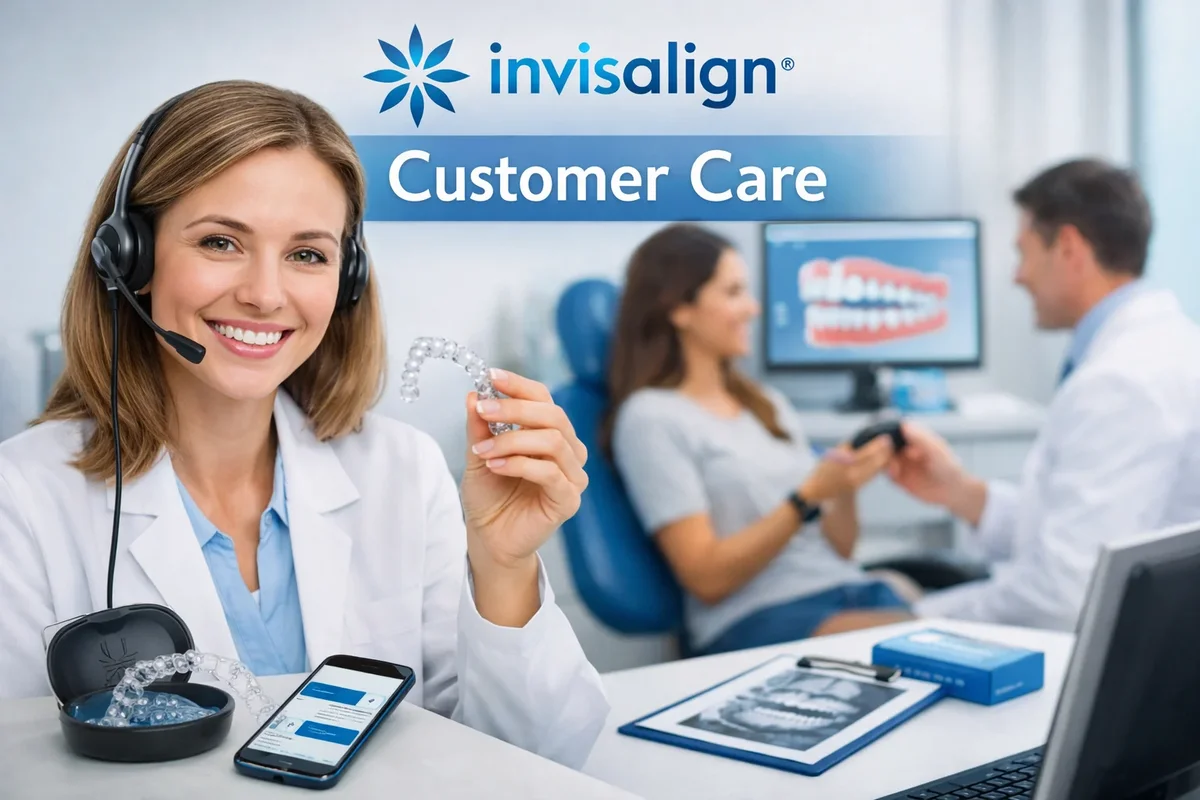
10. How Invisalign Customer Care Supports Long-Term Treatment Success
Orthodontic treatment is not just about straightening teeth — it is about maintaining long-term oral health and stability. While your dentist supervises the clinical process, invisalign customer care plays an important supporting role in ensuring that patients stay informed, confident, and compliant throughout their journey. Understanding how invisalign customer care contributes to long-term success helps patients maximize their treatment results and avoid preventable setbacks. 😊
Clear aligner therapy requires consistency, communication, and correct usage. When patients have access to reliable information, they are more likely to follow instructions properly. This is where invisalign customer care becomes valuable — not as a replacement for your dentist, but as a structured information resource that complements professional supervision.
The Importance of Patient Education
One of the primary ways invisalign customer care supports long-term success is through patient education. Many treatment delays occur because patients misunderstand aligner wear requirements or replacement timelines. By contacting invisalign customer care for clarification on general product guidelines, patients reduce the risk of errors.
Examples of Educational Support
- Explaining why aligners must be worn 20–22 hours daily
- Clarifying proper cleaning techniques
- Providing information about retainer usage after treatment
- Outlining how refinement aligners work
When patients fully understand these aspects, compliance improves — and compliance directly influences results.
Supporting the Retention Phase
Many patients believe treatment ends once the final aligner is completed. In reality, the retention phase is critical. Teeth naturally tend to shift back if retainers are not worn consistently. Invisalign customer care can provide general guidance about retainer policies and replacement procedures.
Your dentist will prescribe the correct retainer protocol, but invisalign customer care can explain how replacement retainers are manufactured and ordered if needed. Long-term stability depends on proper retention, and having access to invisalign customer care ensures you understand manufacturer-level processes.
Managing Refinements and Adjustments
In some cases, minor refinements are required to perfect alignment. This does not mean treatment has failed. Instead, refinements are a normal part of precision orthodontics. Invisalign customer care can clarify how refinement aligners are processed and what patients should expect regarding timelines.
Why Refinements Are Common
Biological tooth movement can vary slightly from digital projections. Your dentist evaluates tracking and determines whether refinements are necessary. Meanwhile, invisalign customer care provides information about manufacturing steps and package inclusions.
Organizations such as the American Dental Association emphasize that orthodontic outcomes depend on both professional supervision and patient compliance. Proper coordination between your provider and invisalign customer care strengthens this process.
Preventing Treatment Interruptions
Unexpected events such as relocation, lost aligners, or shipping delays can interrupt treatment progress. Invisalign customer care supports continuity by explaining transfer procedures and replacement policies.
If you move to another city or country, invisalign customer care can provide general guidance about transferring digital records to a certified provider. However, financial and clinical details are always managed by your dentist.
Patients treated at Redent Klinik can use the Redent Klinik Contact Page if they require assistance coordinating manufacturer communication.
Building Confidence Throughout the Journey
Confidence is a powerful factor in treatment success. When patients know that invisalign customer care is available for informational support, anxiety decreases. Reduced stress often leads to better compliance and more consistent aligner wear.
For example, if you are unsure whether slight pressure from a new tray is normal, invisalign customer care can reassure you that mild discomfort is expected during tooth movement. This reassurance helps patients avoid unnecessary panic and maintain their schedule.
Understanding the Limits of Invisalign Customer Care
While invisalign customer care provides valuable guidance, it is essential to understand its boundaries. It does not:
- Diagnose dental conditions
- Provide emergency medical advice
- Modify treatment plans
- Set clinic pricing
Long-term success depends on respecting these distinctions. Your dentist handles clinical decisions, while invisalign customer care supports manufacturer-related communication.
Encouraging Proactive Communication
Patients who proactively ask questions often achieve smoother outcomes. If you are unsure about aligner sequencing, replacement eligibility, or retainer ordering, contacting invisalign customer care for clarification can prevent misunderstandings.
Keeping records of communications and following your dentist’s instructions ensures that information from invisalign customer care is applied correctly.
Final Thoughts
Long-term orthodontic success is built on three pillars: professional supervision, patient compliance, and structured support. Invisalign customer care strengthens the support pillar by offering reliable manufacturer-level guidance and clear communication pathways.
By combining expert clinical care from your dentist with accurate information from invisalign customer care, you create a comprehensive system designed for safe, predictable, and lasting smile results. 😁 Consistency, knowledge, and communication are the keys to ensuring that your Invisalign journey ends with both confidence and stability.