
😃 Thinking about straightening your teeth with Invisalign but worried about the cost? You’re not alone! Invisalign has revolutionized orthodontics by offering a clear, removable, and comfortable alternative to traditional metal braces. However, understanding how invisalign dental insurance works can be confusing. This detailed 2025 guide will help you decode every aspect — from coverage options and eligibility to savings strategies and expert recommendations. Let’s explore how to get that perfect smile without financial stress! 🦷✨
Invisalign treatment uses a series of transparent aligners that gradually move your teeth into the ideal position. The aligners are custom-made for your mouth using advanced 3D scanning technology. Because of its aesthetic and comfort advantages, millions of people now prefer Invisalign over traditional braces. But this popularity also raises a major question: how much will it cost, and does insurance actually cover it?
To answer that, we first need to understand what invisalign dental insurance means in practical terms. It’s not a specific policy — rather, it refers to any dental insurance plan that includes orthodontic benefits and explicitly mentions clear aligner treatments. Some plans partially reimburse Invisalign, while others cover a fixed percentage or provide a lifetime orthodontic benefit. Knowing these details can make a big difference in how much you end up paying out of pocket.
In 2025, many major insurance companies have updated their dental coverage policies to include clear aligners. That’s great news for patients seeking affordable options. Yet, insurance plans differ significantly depending on your country, employer, or provider. For instance, some U.S. plans might reimburse up to 50% of your Invisalign cost, while others cover only traditional braces. Therefore, understanding the fine print of your invisalign dental insurance policy is essential before beginning treatment.
💡 Here’s an example: Let’s say your Invisalign treatment costs $5,000. If your insurance covers 50% of orthodontic treatment with a lifetime maximum of $2,500, you could save up to that limit. However, if your insurance excludes clear aligners or limits orthodontic coverage to children, you might not receive any reimbursement at all. This is why consulting both your orthodontist and your insurance provider before starting treatment is critical.
Another key factor to consider is pre-authorization. Many dental insurers require your orthodontist to submit an initial treatment plan before approving coverage. This ensures your provider can verify the medical necessity of Invisalign treatment. A letter of medical necessity can also be requested if the misalignment is affecting your oral health or jaw function — which can improve the likelihood of insurance approval.
👉 Some of the largest insurers covering Invisalign in 2025 include Cigna, MetLife, Delta Dental, and Aetna. They typically provide coverage for both teens and adults, though conditions apply. For example, certain plans may require that you’ve maintained continuous dental coverage for at least a year before orthodontic benefits activate. Others may impose waiting periods or demand an in-network orthodontist.
Beyond traditional insurance, flexible spending accounts (FSA) and health savings accounts (HSA) can also be used to pay for Invisalign treatment. These tax-advantaged accounts allow you to allocate pre-tax dollars toward eligible dental and orthodontic expenses. Combining your invisalign dental insurance coverage with FSA or HSA funds can significantly reduce your total cost.
Still, not all patients have access to dental coverage. If your plan doesn’t include orthodontic benefits, you may want to explore alternative options like discount dental plans, financing programs, or dental tourism. Clinics such as Redent Klinik Contact Page offer customized treatment plans and consultations to help you make informed decisions about affordable Invisalign care abroad.
According to the American Dental Association, orthodontic treatments like Invisalign are not just about aesthetics — they also play a crucial role in oral health. Properly aligned teeth reduce the risk of gum disease, tooth decay, and TMJ disorders. Therefore, considering invisalign dental insurance as a long-term health investment rather than a short-term expense is a smart approach for 2025 and beyond.
✅ To summarize, understanding the details of your invisalign dental insurance policy can help you avoid surprise costs and maximize your benefits. Always read your plan documents carefully, confirm aligner eligibility, and consult your orthodontist about pre-approval requirements. With proper planning, you can achieve your dream smile affordably and confidently this year. 😁
What Is Invisalign and How Does It Work?
Invisalign is one of the most advanced orthodontic treatments available today, using clear, removable aligners instead of metal braces to straighten teeth. Each aligner is custom-made using precise 3D digital scans of your mouth, ensuring a perfect fit and gradual alignment of your teeth over time. The popularity of Invisalign has grown rapidly among adults and teenagers alike because of its aesthetic appeal and convenience. However, the process can be costly — and that’s where understanding invisalign dental insurance becomes essential. 🦷💎
Understanding the Invisalign System
Unlike traditional braces, Invisalign uses a sequence of smooth, BPA-free plastic trays that gently shift your teeth into place. You’ll typically wear each set of aligners for 1–2 weeks, and the full treatment may take anywhere from 6 months to 18 months depending on your case complexity. Because the aligners are transparent, they’re nearly invisible when worn — making them ideal for anyone who wants a discreet way to enhance their smile. 😁
The process starts with a consultation where your orthodontist evaluates your bite, tooth spacing, and jaw alignment. They then take 3D digital scans to design your customized aligner plan. These digital models allow precise visualization of each stage of tooth movement, helping patients understand their expected results before starting treatment. During follow-up visits, your orthodontist will monitor progress and provide the next set of aligners, ensuring everything moves according to plan.
The Role of Invisalign Dental Insurance in the Process
Even though Invisalign offers unmatched comfort and aesthetics, the price can still be a major concern. That’s why invisalign dental insurance plays such a key role. Most dental insurance plans that cover orthodontics now recognize Invisalign as an eligible treatment. If you have a policy that includes orthodontic benefits, it may reimburse part of your treatment cost — often up to 50%, depending on your plan’s terms.
However, each insurance provider has its own set of rules. Some cover Invisalign only for patients under 18, while others include adult orthodontic coverage. Reviewing your policy’s fine print helps avoid unpleasant surprises. Be sure to ask questions such as: Does the policy specifically mention “clear aligners”? What percentage of the treatment is covered? Is there a lifetime maximum for orthodontics? Understanding these details ensures that your invisalign dental insurance works in your favor from the start.
Example of How Coverage Works
Let’s say your Invisalign treatment costs $4,800. If your dental plan covers 50% of orthodontic care up to a lifetime maximum of $2,000, you could receive that full $2,000 benefit. You would then pay the remaining $2,800 out of pocket. Some plans reimburse directly to your orthodontist, while others send payment to you after claim approval. Either way, clarifying the process before starting treatment helps prevent delays and confusion later on.
How Invisalign Aligners Straighten Your Teeth
Each Invisalign tray exerts gentle, controlled pressure on specific teeth to move them incrementally. Over time, this guided movement results in straighter teeth and improved bite alignment. Because the aligners are removable, you can take them out for eating, brushing, and flossing — making oral hygiene much easier compared to traditional braces. 🍎🪥
Additionally, Invisalign aligners are designed using advanced software that predicts how your teeth will move. This makes the treatment predictable and efficient. Patients receive several sets of aligners at once and switch them every couple of weeks as directed. By the end of treatment, most patients notice not only a more confident smile but also better oral health due to improved alignment and bite balance.
Daily Maintenance and Comfort
To maintain effectiveness, Invisalign aligners should be worn 20–22 hours a day. You’ll only remove them while eating, drinking (except water), or cleaning them. Many patients appreciate that the aligners are smooth and do not irritate the gums or cheeks like metal braces can. Still, compliance is key — skipping wear time can prolong your treatment or cause misalignment. Keeping your aligners clean by brushing them with a soft toothbrush and rinsing in lukewarm water helps maintain transparency and hygiene.
Financial Planning for Invisalign Treatment
When planning for Invisalign, calculate your estimated cost after applying invisalign dental insurance benefits. Ask your orthodontist for a detailed breakdown that includes diagnostic scans, retainers, and follow-up visits. If your plan covers orthodontic care, request a pre-treatment estimate from your insurance provider. This document outlines how much your insurer will pay and what your responsibility will be. 💰
For patients without sufficient insurance coverage, many dental clinics offer flexible payment plans or zero-interest financing options. Additionally, you can use pre-tax savings from a Flexible Spending Account (FSA) or Health Savings Account (HSA) to pay for Invisalign. These accounts can save you up to 30% in taxes on eligible medical and dental expenses, reducing the total financial burden.
Choosing the Right Orthodontist
Selecting an experienced orthodontist familiar with both Invisalign technology and insurance paperwork is vital. Experienced providers understand how to submit the necessary documentation and medical justifications to maximize your insurance reimbursement. Clinics like Redent Klinik Contact Page offer personalized consultations that help you determine coverage eligibility and financial options tailored to your needs.
Final Thoughts: The Balance Between Aesthetics and Affordability
Invisalign’s appeal lies in its blend of innovation and comfort — but financial planning is equally important. With the right invisalign dental insurance coverage, patients can make this advanced treatment much more affordable. Whether your motivation is cosmetic, functional, or health-related, understanding how Invisalign works and how insurance fits into the process will empower you to make the best decision for your smile in 2025 and beyond. 🌟
According to the American Dental Association, well-aligned teeth contribute not just to confidence but also to better oral hygiene and overall health. By combining modern orthodontic care with smart insurance planning, you can enjoy all the benefits of Invisalign while keeping your finances in check — proving that a confident smile and a smart budget can go hand in hand. 😄
Why Invisalign Dental Insurance Matters More Than You Think
Choosing Invisalign is not just about aesthetics — it’s an investment in long-term oral health, comfort, and confidence. But without proper financial planning, that investment can feel overwhelming. That’s why understanding invisalign dental insurance is crucial. The right insurance coverage can save you thousands, reduce stress, and make professional orthodontic care accessible to everyone. In this section, we’ll explain why dental insurance plays such a significant role in Invisalign treatment, how it impacts affordability, and why it’s becoming increasingly important in 2025. 💡🦷
The Rising Demand for Invisalign Treatment
Over the past decade, the popularity of Invisalign has skyrocketed. People of all ages — especially adults — now prefer clear aligners because they blend seamlessly with their lifestyle. Unlike traditional braces, Invisalign aligners are discreet, removable, and comfortable. However, this convenience comes at a price. Average treatment costs can range between $3,500 and $7,000, depending on your dental condition and geographic location. That’s why invisalign dental insurance can make the difference between postponing your treatment and achieving your dream smile today.
As more people demand Invisalign, insurance companies have adapted their orthodontic policies. Many now include specific clauses for clear aligners, while others have increased lifetime orthodontic maximums to attract clients seeking modern solutions. In 2025, around 70% of major U.S. dental insurance plans reportedly include at least partial coverage for Invisalign — a significant jump from previous years. This shift highlights the growing recognition of Invisalign as a medically beneficial treatment rather than just a cosmetic procedure.
Why Insurance Coverage Changes Everything
Without insurance, paying for Invisalign entirely out-of-pocket can be daunting. Dental insurance doesn’t always cover 100% of orthodontic costs, but even partial coverage can drastically reduce your financial burden. Most plans that include orthodontic benefits will cover between 25% and 50% of the treatment cost, up to a specific lifetime maximum. For example, if your insurer provides a $2,000 orthodontic benefit, that amount is directly deducted from your total bill. By strategically using invisalign dental insurance, patients can save a substantial amount while still receiving premium orthodontic care.
Beyond financial savings, insurance coverage provides peace of mind. Knowing that a portion of your treatment is backed by your provider allows you to focus on achieving healthy alignment rather than worrying about costs. It also encourages people to seek orthodontic care earlier — preventing complications that could lead to more expensive dental issues later in life.
Health Benefits Supported by Insurance
Modern insurance policies recognize that Invisalign isn’t just cosmetic. Misaligned teeth can lead to gum recession, plaque buildup, speech issues, and even temporomandibular joint (TMJ) problems. By classifying clear aligner therapy as a medically beneficial treatment, insurers help patients prevent these issues and maintain better oral hygiene. In fact, according to the American Dental Association, orthodontic correction improves not only aesthetics but also bite functionality and periodontal health. This makes invisalign dental insurance an essential part of overall wellness planning.
Psychological and Lifestyle Advantages
Invisalign aligners aren’t just about straight teeth — they influence mental well-being and self-esteem. Many adults who were hesitant to get braces in their youth now opt for Invisalign because it’s nearly invisible. Insurance coverage eliminates one of the biggest barriers: cost. With invisalign dental insurance, patients are more likely to start treatment early, which means faster results and less emotional strain about their appearance.
Furthermore, having insurance that supports clear aligners also reduces stress during the treatment process. Patients feel more secure knowing they can manage potential replacement costs or adjustments without worrying about large bills. This emotional stability translates to better compliance and satisfaction throughout the treatment period. 🌟
Encouraging Preventive Dental Care
When patients realize that orthodontic procedures like Invisalign are partially covered, they’re more inclined to maintain routine dental visits. This proactive attitude supports early detection of oral problems, such as malocclusion or crowding, before they worsen. Many insurance companies have observed this trend and are using Invisalign coverage as an incentive to promote preventive care — ultimately reducing long-term dental costs for both the patient and insurer.
The Broader Financial Perspective
From a broader economic viewpoint, invisalign dental insurance creates a win-win scenario for patients and providers. Patients receive affordable access to advanced orthodontic technology, while insurance companies strengthen client loyalty and satisfaction. The inclusion of Invisalign in insurance packages also raises the standard for dental care accessibility, ensuring that aesthetic and functional improvements are within reach for a wider population.
Moreover, using pre-tax dollars through Flexible Spending Accounts (FSA) or Health Savings Accounts (HSA) adds another financial layer of benefit. These accounts allow you to pay for eligible medical and dental expenses — including Invisalign — using untaxed income, saving you up to 30% depending on your tax bracket. Combining FSA or HSA funds with invisalign dental insurance can drastically reduce your out-of-pocket expenses, turning what might seem like a luxury into an attainable health investment. 💰
Case Example: Real-World Savings
Consider this example: A patient’s Invisalign treatment costs $5,500. Their insurance covers 50% up to a $2,000 lifetime maximum. The patient uses an FSA account to pay the remaining $3,500 pre-tax. If their tax rate is 25%, that’s an additional savings of $875 — reducing their total cost to about $2,625. This scenario shows the real-world power of strategic financial planning when paired with a solid invisalign dental insurance policy.
Why Insurance Awareness Is Key in 2025
With more competition among insurers and dental clinics, awareness of your coverage options has never been more important. Patients who understand their insurance benefits make smarter treatment choices and avoid hidden costs. Before starting Invisalign, always ask your provider for a pre-authorization or cost estimate. You can also request a benefits breakdown in writing, so there are no surprises halfway through your treatment.
If your current insurance doesn’t cover Invisalign, consider upgrading during your next enrollment period or exploring supplemental dental policies. Some clinics, such as Redent Klinik Contact Page, offer free consultations to help patients assess coverage eligibility and find the most cost-effective solutions. By being proactive, you ensure that both your dental health and your budget stay in great shape.
Final Thoughts: A Smart Investment in Oral Health
Ultimately, invisalign dental insurance is more than just a financial aid — it’s a bridge to better oral health and quality of life. By understanding your coverage and utilizing additional financial tools, you can transform Invisalign from an expensive dream into a practical, affordable reality. In 2025, dental insurance is not merely a backup plan — it’s a strategic advantage that supports preventive care, confidence, and long-term wellness. 🦷💖
Types of Dental Insurance That Cover Invisalign Treatment
Not all dental insurance plans are created equal — especially when it comes to orthodontic coverage. If you’re considering Invisalign, understanding which types of insurance policies can help offset your costs is essential. The right invisalign dental insurance can make a huge difference in affordability, ensuring you get the smile you’ve always wanted without financial strain. In this section, we’ll explore the major types of dental insurance plans that typically cover Invisalign, how each one works, and what to look out for in 2025 when choosing your provider. 🦷💳
1. Employer-Sponsored Dental Insurance Plans
Employer-provided dental insurance is the most common form of coverage for Invisalign in the United States and many other countries. These plans are often part of your overall employee benefits package and can significantly reduce out-of-pocket expenses. If your employer offers orthodontic benefits, there’s a good chance they include coverage for clear aligners. The exact amount varies, but most plans cover 25–50% of orthodontic treatment costs up to a lifetime maximum.
To determine if your invisalign dental insurance falls under this category, review your benefits summary or contact your HR department. Ask specific questions such as whether Invisalign is listed under “orthodontic benefits,” what the waiting periods are, and if adult orthodontics are covered. Many employer-sponsored plans automatically renew annually, so even if your current plan doesn’t cover Invisalign, you may have the opportunity to switch during open enrollment. 💼
Advantages of Employer Plans
- Lower monthly premiums since employers often subsidize part of the cost.
- Access to larger provider networks, ensuring you can choose among several orthodontists.
- Tax savings since premiums are often deducted pre-tax from your paycheck.
For individuals lucky enough to work for companies with comprehensive health benefits, this is one of the best ways to obtain affordable invisalign dental insurance.
2. Individual or Private Dental Insurance Plans
For freelancers, self-employed individuals, or those without employer coverage, private dental insurance is an excellent alternative. These policies can be purchased directly from major insurers like Delta Dental, Cigna, Aetna, or MetLife. However, orthodontic coverage (including Invisalign) isn’t automatically included in basic plans — it’s typically an add-on or a higher-tier option.
When shopping for private plans, make sure to verify that “clear aligners” or “orthodontic treatment for adults” are explicitly mentioned in the benefits section. Some plans might only cover traditional braces unless Invisalign is deemed medically necessary. To maximize your savings, compare multiple providers, focusing on orthodontic coverage percentages, waiting periods, and annual or lifetime limits. Selecting the right invisalign dental insurance plan can ensure you receive financial help when you need it most. 🦷💰
Tip for Private Plans
Always read the exclusions carefully. Some insurers cover Invisalign only for minors or limit coverage to specific orthodontic tiers. You can request a written pre-determination of benefits before starting treatment. This document outlines how much the insurer will pay and prevents surprises later on.
3. Dental Discount Plans (Alternative to Insurance)
Dental discount plans are not technically insurance, but they function as membership programs that offer reduced rates for dental services, including Invisalign. After paying an annual membership fee (usually between $100 and $250), you gain access to a network of participating dentists and orthodontists who offer discounted rates.
While invisalign dental insurance directly reimburses part of your cost, discount plans provide immediate savings — often between 10% and 30% off standard Invisalign pricing. This option is especially useful for patients without traditional insurance or those who want to supplement existing coverage. For example, if your insurance covers $2,000 of your Invisalign and your orthodontist participates in a discount network, you could save an additional $500–$1,000 depending on the total cost of treatment.
Advantages and Limitations
- No waiting periods or annual maximums.
- Easy enrollment process with immediate activation.
- However, discounts vary by provider and region, and not all orthodontists participate.
This makes dental discount programs an excellent fallback for patients whose invisalign dental insurance coverage is limited or unavailable.
4. Group or Association Dental Plans
Professionals such as teachers, nurses, or freelancers often have access to association-based group insurance. These group dental plans usually provide better orthodontic benefits than individual plans, thanks to collective bargaining power. If you belong to a professional organization, union, or alumni network, check whether they offer plans that include orthodontic treatment or Invisalign.
In 2025, many associations have started updating their plans to include clear aligners due to increasing demand. Since group policies typically have lower premiums and higher benefit caps, they are an attractive choice for individuals seeking extensive orthodontic coverage. Make sure your association’s plan lists “orthodontic benefits” or “Invisalign aligner coverage” explicitly to ensure it qualifies as valid invisalign dental insurance.
5. Supplemental Dental Insurance Plans
Sometimes, your existing dental insurance might not provide adequate orthodontic coverage. That’s where supplemental dental plans come in. These secondary policies are designed to fill coverage gaps — for example, if your main insurance covers only 25% of Invisalign, a supplemental plan might cover another 20% or more.
Supplemental insurance is particularly useful for families with multiple members undergoing treatment or for adults who want premium orthodontic care. To avoid redundancy, confirm that your primary and supplemental plans can coordinate benefits effectively. Many people use this strategy to enhance their invisalign dental insurance coverage and significantly reduce out-of-pocket expenses.
Example of Coordination of Benefits
If your main insurance covers 50% of orthodontic costs up to $2,000, and your supplemental plan covers 25% of any remaining balance, you’ll save even more. For a $6,000 treatment, your total out-of-pocket could drop to nearly $2,000 — a considerable financial relief. 🎯
6. Government and Public Insurance Programs
While most public health programs don’t cover Invisalign for adults, some states or countries provide limited orthodontic benefits for minors with severe dental conditions. Medicaid, for instance, may approve clear aligner treatment if deemed medically necessary (such as in cases of crossbite or overjet). For adults, however, public plans rarely cover Invisalign, viewing it as cosmetic. Nonetheless, checking local guidelines is always worthwhile, as dental policies continue to evolve.
Final Thoughts: Choosing the Right Coverage Type
When evaluating your options, consider not only the coverage percentage but also waiting periods, network restrictions, and annual or lifetime maximums. Employer-sponsored plans are typically the most generous, while private and supplemental plans provide flexibility. Dental discount programs can offer valuable savings for those without insurance. No matter which type you choose, understanding your invisalign dental insurance before starting treatment ensures a smoother experience and more predictable costs.
Before committing, schedule a consultation with your orthodontist and ask them to submit a pre-authorization to your insurer. Clinics like Redent Klinik Contact Page can guide you through this process and help verify whether your insurance includes Invisalign coverage. You’ll walk away knowing exactly what portion of your treatment is covered and what your payment responsibilities will be — turning your dream of a confident, healthy smile into an achievable reality. 😄
How to Check If Your Insurance Plan Includes Invisalign
Many patients begin their orthodontic journey unsure whether their dental insurance covers Invisalign. Unfortunately, the fine print can be confusing — leaving people uncertain about what’s included. Verifying your invisalign dental insurance coverage before starting treatment is a vital step to avoid unexpected costs. This guide explains every method you can use to confirm your benefits, interpret policy language, and communicate effectively with your insurance provider. 🦷💬
Step 1: Review Your Dental Insurance Policy Documents
The first and most direct step is reviewing your policy’s Summary of Benefits and Coverage (SBC). This document outlines exactly which dental services your plan covers, including orthodontics. Look for sections titled “Orthodontic Care,” “Clear Aligners,” or “Adult Orthodontics.” If these appear in your plan, you may already have some level of Invisalign coverage. However, note that not all orthodontic coverage automatically includes clear aligners — some plans only cover traditional braces.
Search for key phrases such as “clear aligner therapy,” “Invisalign,” or “orthodontic appliances.” If your plan specifically lists these terms, your invisalign dental insurance coverage likely applies. But if the section only states “metal braces,” your plan might not include Invisalign unless an exception is made for medical necessity. Don’t rely on assumptions — always confirm with your insurance provider before proceeding.
What to Pay Attention To in the Fine Print
- Coverage Percentage: Most plans cover 25–50% of orthodontic treatment costs up to a lifetime maximum.
- Lifetime Maximum: Commonly between $1,500 and $2,500 — once this is used, it doesn’t reset annually.
- Waiting Period: Some plans require you to hold coverage for 6–12 months before orthodontic benefits apply.
- Age Restrictions: A few policies cover only patients under 18, though many now include adult aligner coverage.
Reading your documents thoroughly helps you understand exactly what your invisalign dental insurance does — and doesn’t — include.
Step 2: Contact Your Insurance Provider Directly
After reviewing your policy, the next step is to call your insurance company’s customer service line. Most insurers have dedicated representatives who handle orthodontic coverage questions. When you call, be ready with your policy number and a list of specific questions, such as:
- Does my dental plan cover Invisalign or clear aligners?
- What is my lifetime orthodontic maximum?
- Are there waiting periods for orthodontic benefits?
- Do I need pre-authorization before starting treatment?
- Are there in-network orthodontists I must visit for coverage?
Take notes during the call and ask for written confirmation via email. Verbal information can sometimes lead to misunderstandings, so documentation ensures clarity later. Most insurance providers are happy to send a detailed explanation of your invisalign dental insurance benefits upon request. 📄📞
Pro Tip: Ask for Pre-Determination of Benefits
A pre-determination (also called a pre-authorization) is a written estimate from your insurer that outlines how much they will pay for your Invisalign treatment. Your orthodontist submits a proposed treatment plan and diagnostic records, and the insurer reviews them to confirm eligibility. This step prevents surprise costs and ensures transparency before you start wearing aligners.
Step 3: Consult Your Orthodontist or Dental Office
Orthodontic offices regularly handle insurance claims and can help you determine whether your plan includes Invisalign coverage. In fact, most clinics have an insurance coordinator who can verify your benefits on your behalf. Provide them with your insurance details — they can quickly contact the provider, confirm coverage, and estimate your total out-of-pocket cost.
Experienced orthodontists also know how to structure your treatment plan to align with your invisalign dental insurance. For instance, they might adjust scheduling or billing to ensure maximum reimbursement within your benefit period. Clinics like Redent Klinik Contact Page offer complimentary insurance verification as part of your consultation, ensuring you understand all financial aspects before beginning treatment. 🦷💎
What Documents You’ll Need
To verify your insurance benefits efficiently, be prepared to share:
- Your dental insurance card or policy number.
- Subscriber’s full name and date of birth (if coverage is under a parent or spouse).
- Insurance provider’s contact information.
- Details about your current dental or orthodontic issues.
This allows your orthodontist’s staff to get accurate information about your invisalign dental insurance without unnecessary delays.
Step 4: Verify In-Network vs. Out-of-Network Coverage
Insurance networks significantly affect how much you’ll pay for Invisalign. In-network orthodontists have pre-negotiated rates with your insurer, which means you’ll typically pay less out-of-pocket. Out-of-network providers can still be covered, but reimbursement rates are usually lower. Before scheduling your Invisalign consultation, confirm whether your chosen orthodontist is in-network for your plan.
Some insurers will reimburse a percentage of your Invisalign treatment even if you go out-of-network, but others may not. Always clarify these details early to avoid unpleasant billing surprises later. Having clear communication about your invisalign dental insurance network coverage can save hundreds — or even thousands — of dollars in total treatment costs.
How to Find In-Network Providers
Most insurance companies have online portals or mobile apps that let you search for in-network orthodontists near you. Simply filter by “orthodontic” or “clear aligner treatment” and choose your preferred provider. You can also call your insurer’s help line for a verified list of Invisalign-approved orthodontists within your coverage network.
Step 5: Utilize Online Account Tools and Customer Portals
Modern dental insurers offer digital dashboards where you can log in and view your benefits in real time. Once signed in, look for sections titled “Orthodontic Benefits” or “Treatment Coverage.” You’ll typically find your deductible, remaining lifetime maximum, and whether clear aligners are included in your benefits. Some insurers even provide cost estimators that show how much of your Invisalign treatment might be covered after applying your invisalign dental insurance benefits.
Keeping track of this information helps you budget effectively and plan your payment strategy. You can also use the insurer’s online chat feature to ask coverage questions directly, ensuring quick, documented answers.
Step 6: Confirm Coordination of Benefits if You Have Two Policies
If you’re covered under two dental insurance plans (for example, one through your employer and another through your spouse), you may be eligible for dual coverage. This means both plans can share the cost of your Invisalign treatment. Typically, your primary insurer pays first, and the secondary plan covers part of the remaining balance. Coordinating both policies can enhance your invisalign dental insurance benefits and significantly reduce personal expenses. 💡
Step 7: Final Verification Before Treatment
Once your orthodontist has verified your coverage, request a final written estimate from both your dental office and insurance provider. This documentation should list your total treatment cost, the insurer’s contribution, and your payment responsibility. Having everything in writing ensures no confusion down the line — and it also provides proof of coverage should any claim disputes arise.
Final Thoughts: Clarity Before Commitment
Before starting treatment, double-check all details of your invisalign dental insurance to avoid costly surprises. Understanding how your policy works will help you plan wisely and budget confidently. With clear communication, pre-authorization, and the right dental clinic guidance, verifying your Invisalign coverage becomes a simple, stress-free process. Your perfect smile deserves financial transparency and peace of mind — and now you know exactly how to achieve both. 😁
For additional guidance or a personalized insurance assessment, contact trusted clinics such as Redent Klinik Contact Page or refer to professional standards outlined by the American Dental Association. Taking these steps today ensures you’re fully informed, financially prepared, and ready to begin your Invisalign journey with confidence. 🦷✨
Invisalign vs. Traditional Braces: Insurance Coverage Comparison
Choosing between Invisalign and traditional braces often comes down to two main factors: aesthetics and cost. While Invisalign offers a discreet and comfortable alternative, the financial aspect plays a huge role in decision-making. That’s where understanding your invisalign dental insurance coverage compared to braces coverage becomes essential. In this comprehensive guide, we’ll explore how insurance treats both options, the cost differences, and the key financial advantages you can gain with the right plan. 🦷💰
1. The Core Difference Between Invisalign and Traditional Braces
Invisalign aligners are made of clear, medical-grade plastic designed to gently move your teeth over time. They are removable, nearly invisible, and custom-made for your mouth using 3D scanning technology. Traditional braces, on the other hand, use metal brackets and wires to reposition teeth gradually. Both treatments are effective, but their comfort, appearance, and insurance classifications differ.
Most insurers categorize Invisalign as an orthodontic procedure, just like braces. However, some older or basic plans still exclude “clear aligner systems” from coverage. This is why verifying your invisalign dental insurance is critical before committing to treatment. If the insurer views Invisalign as a cosmetic procedure rather than a medical necessity, reimbursement may be limited or denied.
Insurance Classification and Terminology
Dental insurance policies often use specific terms to distinguish between orthodontic services. For example:
- Comprehensive Orthodontic Treatment: Includes braces, clear aligners, and retainers.
- Limited Orthodontic Treatment: Covers minor alignment or partial correction cases.
- Cosmetic Procedures: Usually excluded unless medically justified.
Understanding where Invisalign fits in these categories helps determine your actual invisalign dental insurance eligibility.
2. Cost Comparison: Invisalign vs. Braces
Average Invisalign treatment costs between $3,500 and $7,000 depending on complexity, while metal braces typically range from $2,500 to $6,000. Ceramic braces and lingual braces can cost even more due to material and labor intensity. Although Invisalign may appear pricier initially, its comfort, hygiene benefits, and shorter adjustment visits often offset the difference in long-term value. 😁
From an insurance perspective, both Invisalign and braces fall under the same “orthodontic treatment” category — but not all plans reimburse equally. Some policies cover 50% of braces but only 25% of Invisalign, while newer plans treat them identically. The evolving trend in 2025 shows more insurers now acknowledging Invisalign as standard orthodontic care, reflecting its proven clinical results.
Example Breakdown of Costs and Coverage
Here’s a sample scenario illustrating how invisalign dental insurance and braces insurance coverage might differ:
| Treatment Type | Average Cost | Insurance Coverage | Patient Pays |
|---|---|---|---|
| Invisalign | $5,000 | 50% up to $2,000 lifetime max | $3,000 |
| Traditional Braces | $4,500 | 50% up to $2,000 lifetime max | $2,500 |
As you can see, even with the same benefit limits, Invisalign can cost slightly more out-of-pocket, but offers greater flexibility, appearance, and comfort.
3. How Insurance Providers View Invisalign in 2025
In recent years, many insurance providers have updated their policies to include clear aligners under orthodontic benefits. Companies like Delta Dental, Aetna, and MetLife have broadened coverage for adults as well, recognizing that Invisalign provides legitimate health improvements — not just cosmetic benefits. This shift means that more patients can use their invisalign dental insurance to offset a large portion of costs.
Still, insurance terms vary by provider and plan. Some may only reimburse aligner therapy if a dentist or orthodontist deems it medically necessary, while others impose age limits or waiting periods. Reviewing your plan’s orthodontic coverage section or contacting your insurer directly is the most reliable way to confirm benefits. 🩺
Important Note About Waiting Periods
Many dental insurance plans require a waiting period — typically 6 to 12 months — before orthodontic coverage becomes active. If you start Invisalign treatment before this waiting period ends, your claim could be denied. Always confirm your effective coverage date with your provider before beginning treatment.
4. Lifetime Maximums and Reimbursement Structures
Unlike medical insurance, which renews annually, orthodontic benefits usually have a lifetime maximum. This means once you’ve reached that cap (e.g., $2,500), your invisalign dental insurance won’t cover additional orthodontic work — even in future years. Braces and Invisalign both count toward this limit. If you previously had braces as a teen and are now seeking Invisalign as an adult, your orthodontic benefit may already be used up.
Reimbursement is also typically issued either directly to the orthodontist or to you after claim approval. Ensure your provider files the claim correctly, as insurers often require proof of treatment progress before releasing full payment.
5. Medical Necessity: A Key Insurance Factor
Insurers are more likely to approve Invisalign coverage if the treatment is medically necessary — such as correcting bite issues, speech problems, or jaw misalignment. If your orthodontist provides clinical documentation showing these health impacts, your invisalign dental insurance claim has a higher chance of approval. Cosmetic-only justifications, however, are less likely to be covered.
Tip: Request a Letter of Medical Necessity
Your orthodontist can draft a letter detailing why Invisalign is necessary for oral health improvement. This letter, along with X-rays and 3D scans, can significantly boost insurance approval rates. Clinics like Redent Klinik Contact Page assist patients by preparing this documentation to streamline the claims process.
6. Flexible Spending Accounts (FSA) and Health Savings Accounts (HSA)
Even if your insurance doesn’t fully cover Invisalign, you can still reduce your out-of-pocket expenses using FSA or HSA funds. These accounts allow you to pay for eligible medical expenses, including orthodontic treatments, using pre-tax dollars. Combining these funds with your invisalign dental insurance benefits can significantly lower total costs. 💳
7. When Braces Might Be Better Covered
Some insurance plans are outdated and prioritize braces over clear aligners. In such cases, your orthodontist can sometimes submit a justification explaining that Invisalign is the most effective or medically suitable treatment for your condition. If the insurer denies it, you can appeal with supporting documentation. Having a proactive dental clinic can make all the difference in maximizing your benefits.
8. Future Trends in Orthodontic Coverage
The insurance landscape for orthodontics is rapidly evolving. By 2025, many insurers are expected to standardize Invisalign and braces coverage under the same benefit structure, acknowledging their equal effectiveness. As more patients seek aligner therapy, competition among insurers is pushing for broader and more inclusive coverage — making it an ideal time to review and upgrade your invisalign dental insurance policy.
Final Thoughts: Choosing What Works for You
Ultimately, the decision between Invisalign and traditional braces depends on your dental goals, comfort preferences, and financial situation. With proper insurance verification and documentation, Invisalign can be nearly as affordable as braces while offering unmatched aesthetics and convenience. By understanding how your invisalign dental insurance works — and leveraging additional payment options like FSAs and HSAs — you can confidently choose the best orthodontic path toward a healthier, straighter smile. 😄
For expert guidance and personalized coverage analysis, you can contact Redent Klinik Contact Page or consult resources from the American Dental Association. Investing in your smile has never been more accessible — or smarter — than with today’s improved insurance support for Invisalign. ✨
Average Invisalign Treatment Costs and Insurance Reimbursement
Before starting Invisalign, one of the most common questions patients ask is: “How much will it cost?” The answer depends on several factors, including treatment complexity, location, and your insurance coverage. Understanding how invisalign dental insurance influences total expenses is essential for accurate budgeting and peace of mind. In this section, we’ll explore average Invisalign prices, regional cost variations, and how reimbursement works under different insurance structures — ensuring you know exactly what to expect before you start your smile transformation. 🦷💳
1. The Average Cost of Invisalign in 2025
In 2025, the national average cost of Invisalign in the United States ranges between $3,800 and $7,200. The total cost depends on your case severity and the number of aligners required. For example:
- Minor alignment (Express Treatment): $2,500 – $3,500
- Moderate correction: $4,000 – $6,000
- Complex orthodontic cases: $6,000 – $8,000+
Most patients fall into the moderate range, which means an average investment of about $5,000. However, thanks to advances in digital dentistry and improved invisalign dental insurance policies, more patients can now access clear aligner therapy at affordable rates. Some clinics even offer flexible financing options to spread payments over several months.
2. Factors That Influence Invisalign Cost
Not every Invisalign treatment costs the same — multiple variables can affect your total expense. Understanding these will help you estimate your potential financial commitment more accurately.
Main Cost Factors
- Severity of Misalignment: The more complex the alignment or bite issue, the more aligners you’ll need — increasing cost.
- Treatment Duration: Longer treatments (12–18 months) typically cost more than shorter ones.
- Geographic Location: Urban areas tend to have higher dental costs due to overhead and demand.
- Orthodontist’s Expertise: Specialists with advanced Invisalign certification may charge premium rates.
- Additional Procedures: Retainers, attachments, or refinement aligners can add extra costs.
These details are also relevant to your invisalign dental insurance claim since insurers often calculate reimbursements based on treatment complexity and your provider’s standard fee schedule.
3. How Insurance Reimbursement Works
Most dental insurance plans offering orthodontic coverage reimburse a portion of the Invisalign cost — usually between 25% and 50%, up to a lifetime maximum. For example, if your plan includes a $2,000 orthodontic maximum and your treatment costs $5,000, your insurer will pay up to $2,000 while you cover the remaining $3,000.
Some insurers pay orthodontists directly, while others reimburse patients after treatment begins. To ensure accuracy, always confirm whether your policy pays “upfront,” “per stage,” or “after completion.” Knowing this helps you plan your budget and manage payments more efficiently. 🧾
Reimbursement Example
Let’s assume your Invisalign treatment costs $5,200:
- Your invisalign dental insurance covers 50% up to a $2,000 lifetime maximum.
- Your out-of-pocket cost becomes $3,200.
- If you use an HSA or FSA account to pay the balance pre-tax, you can save an additional 20–30% depending on your income bracket.
In this example, strategic financial planning could lower your effective treatment cost to under $2,500. 💡
4. Understanding Lifetime Maximums
Orthodontic benefits under dental insurance plans often include a “lifetime maximum” — a cap on the total reimbursement amount you can receive for orthodontic treatment. This is typically between $1,500 and $3,000. Once reached, the insurer will not provide additional funds, even for future treatments. Both braces and Invisalign count toward this limit.
If you had braces in the past and are now considering Invisalign, your prior orthodontic claims might reduce your available benefits. To clarify, request an updated benefits statement from your insurer. Being proactive about your invisalign dental insurance coverage prevents misunderstandings later.
How to Maximize Lifetime Benefits
- Schedule your treatment strategically around policy renewals when possible.
- Ask your orthodontist to phase payments to match insurance payout schedules.
- Combine coverage with FSA or HSA funds for maximum savings.
5. Common Insurance Policy Variations
Different insurers have unique reimbursement structures for Invisalign. For instance:
- Delta Dental: Covers up to 50% of orthodontic treatment, including Invisalign, with a typical lifetime cap of $2,000.
- MetLife: Provides partial coverage for adult orthodontics, but often requires a 12-month waiting period.
- Aetna and Cigna: Offer flexible reimbursement for clear aligners, sometimes with age-based or network limitations.
Each policy may also differ in whether it reimburses “comprehensive orthodontics” or “limited aligner therapy.” Always ask your insurer how they classify Invisalign within your invisalign dental insurance plan, as this can affect payout eligibility.
6. Regional and International Cost Variations
Location has a substantial impact on Invisalign pricing. For example, treatment in metropolitan areas like Los Angeles, London, or Sydney may cost 20–30% more than in suburban or rural regions. In contrast, international destinations like Turkey and Thailand offer high-quality Invisalign care at significantly lower rates — sometimes up to 50% less than U.S. prices.
Clinics such as Redent Klinik Contact Page specialize in affordable, internationally accredited dental treatments, including Invisalign. Many international patients combine their treatment with travel, benefiting from competitive rates while maintaining top-tier quality and care.
Insurance Considerations for International Treatment
Some global insurers now reimburse dental procedures performed abroad, provided the clinic meets international accreditation standards. If you’re seeking treatment overseas, confirm whether your invisalign dental insurance includes international coverage or if your plan requires in-network care within your home country.
7. Payment Options Beyond Insurance
Even with partial reimbursement, many orthodontic offices offer flexible financing to make Invisalign accessible. These may include:
- Zero-interest payment plans spread across 12–24 months.
- Third-party healthcare financing companies such as CareCredit.
- Discounts for upfront payments or family treatment bundles.
By combining these options with your invisalign dental insurance benefits, you can design a payment strategy that fits your budget comfortably.
8. Tax Advantages: HSAs and FSAs
Health Savings Accounts (HSAs) and Flexible Spending Accounts (FSAs) allow you to pay for Invisalign using pre-tax income. This effectively reduces your treatment cost by 20–30%, depending on your tax bracket. Always retain invoices and insurance claim statements to substantiate your expenses for tax purposes. Integrating these savings tools with your invisalign dental insurance creates a powerful cost-reduction strategy.
Final Thoughts: Making Invisalign Affordable and Predictable
Invisalign treatment is a life-changing investment — both for your smile and your confidence. With proper planning, you can manage costs efficiently by combining invisalign dental insurance, pre-tax savings accounts, and flexible payment options. Always request a written treatment estimate, verify coverage details with your insurer, and ask your orthodontist for a claim pre-authorization to avoid surprises.
For guidance on insurance verification and personalized cost assessment, reach out to professional clinics such as Redent Klinik Contact Page. You can also consult the American Dental Association for official resources on dental coverage standards. By being informed and proactive, you’ll make Invisalign treatment not just possible — but financially smart. 😄✨
Top Insurance Providers Offering Invisalign Coverage
Choosing the right insurance provider can make Invisalign treatment significantly more affordable. The market now offers numerous plans with partial or full coverage for clear aligners, but each company’s policies differ in details such as waiting periods, reimbursement methods, and lifetime maximums. Knowing which providers offer strong invisalign dental insurance benefits helps you plan effectively and avoid unexpected costs. Below, we’ll explore the top dental insurers that support Invisalign treatment in 2025 — including what they cover, their eligibility rules, and how to make the most of your policy. 🦷💎
1. Delta Dental
As one of the largest dental insurance providers in the United States, Delta Dental covers Invisalign under most of its PPO and Premier plans. Coverage usually extends to both children and adults, though limits vary. Many Delta Dental plans reimburse 50% of orthodontic treatment costs up to a lifetime maximum of $2,000–$2,500. That means if your Invisalign treatment costs $5,000, you might only pay $2,500 out of pocket.
Delta Dental’s strength lies in its wide network of in-network orthodontists and straightforward claims process. To qualify for reimbursement, your provider must submit an orthodontic pre-treatment estimate or claim form. Once approved, Delta Dental typically disburses payments throughout the treatment period — ensuring that your invisalign dental insurance benefits are applied gradually as aligners are delivered.
Key Highlights of Delta Dental Plans
- Broad national coverage network with Invisalign-certified providers.
- Up to 50% reimbursement on orthodontic treatment costs.
- Options for adult and child coverage with predictable claim processing.
Patients are encouraged to verify plan-specific details, as some employer-sponsored Delta Dental policies may restrict Invisalign to “medical necessity” cases only.
2. Cigna Dental
Cigna is another popular provider offering invisalign dental insurance benefits through its Cigna Dental 1500 and Cigna Dental 1000 plans. Most Cigna orthodontic policies cover clear aligners under the orthodontic care category, providing up to 50% reimbursement after meeting an annual deductible. Lifetime maximums often range from $1,500 to $3,000.
Unlike many competitors, Cigna provides comprehensive digital tools for patients to track claims, estimate out-of-pocket costs, and locate in-network Invisalign providers. Cigna’s portal also includes pre-treatment verification services, ensuring transparency before you start your aligner therapy. 🌟
Why Patients Choose Cigna
- Extensive online claim management and treatment cost calculator.
- Coverage for both traditional braces and Invisalign aligners.
- Lower deductibles and flexible payment terms under PPO plans.
In most cases, your orthodontist will help submit the necessary documents, including treatment plans and radiographs, to validate invisalign dental insurance eligibility with Cigna.
3. MetLife Dental
MetLife’s PPO dental plans are among the most inclusive for orthodontic coverage, particularly for families. Many of its plans reimburse up to 50% of Invisalign treatment, with lifetime maximums reaching $2,000–$2,500. MetLife also allows coverage for adult orthodontics — a major advantage since many insurers limit benefits to minors.
However, MetLife often imposes a 12-month waiting period before orthodontic benefits become active. To avoid delays, confirm when your plan’s orthodontic coverage begins. Once approved, claims are processed smoothly through their online portal or directly through your orthodontic office.
MetLife Coverage Advantages
- Inclusive adult and child orthodontic coverage options.
- High lifetime maximums for Invisalign reimbursement.
- Streamlined pre-authorization and payment tracking tools.
MetLife is particularly favored by employers offering group dental plans, making it a reliable option for comprehensive invisalign dental insurance coverage.
4. Aetna Dental
Aetna offers robust dental insurance packages that include orthodontic benefits for both braces and clear aligners. With Aetna, Invisalign coverage typically depends on whether your specific plan lists “orthodontic appliances” under the covered services section. Coverage can reach 50% of total treatment costs, subject to a lifetime maximum of about $2,000–$2,500.
Aetna’s standout feature is its transparent claim-tracking portal and automatic pre-determination process. You can request a pre-treatment estimate through your provider to see exactly how much your invisalign dental insurance will pay before committing. Aetna also supports flexible spending integration, letting you combine insurance coverage with FSA or HSA funds to maximize savings.
Best Features of Aetna Invisalign Coverage
- Easy online tools for claim and cost tracking.
- Comprehensive orthodontic reimbursement, including Invisalign.
- Coordinated benefits if you have secondary insurance.
5. Guardian Direct Dental
Guardian Direct has gained popularity for offering flexible dental plans with clear orthodontic benefits. Invisalign is covered under most of Guardian’s mid- to high-tier PPO plans, providing up to 50% coverage. The lifetime maximum typically falls between $1,500 and $2,000.
Guardian also partners with a large network of orthodontists who specialize in aligner therapy, ensuring patients can find in-network providers easily. Unlike some insurers, Guardian Direct allows patients to choose between monthly and annual payment schedules, making it easier to maintain continuous coverage for invisalign dental insurance benefits.
Advantages of Guardian Direct
- Nationwide provider network with Invisalign-certified orthodontists.
- Customizable plan tiers that include orthodontic coverage.
- 24/7 access to benefit information and claim status updates online.
6. UnitedHealthcare Dental
UnitedHealthcare offers one of the most comprehensive selections of dental plans, including options with Invisalign coverage. Their “Dental Premier” and “Dental Plus” plans often include orthodontic benefits that apply to both children and adults. Most plans reimburse up to 50% of the treatment cost, capped at $2,000 or more per lifetime.
UnitedHealthcare’s digital integration makes managing claims and payments seamless. You can log in to your account to confirm whether Invisalign is listed under your orthodontic benefits. The provider’s detailed breakdown of claim payments allows patients to see how their invisalign dental insurance contributes throughout the treatment timeline.
7. Blue Cross Blue Shield (BCBS)
Blue Cross Blue Shield operates across multiple states, and coverage details vary depending on your local provider. Many BCBS plans now recognize Invisalign as an eligible orthodontic treatment, particularly under PPO or Preferred Dental plans. Reimbursement rates typically fall between 40–50%, with lifetime caps ranging from $1,500 to $3,000. 🏥
One advantage of BCBS is its extensive provider directory and personalized dental care portals. You can easily verify if your local BCBS branch includes Invisalign under its orthodontic benefits. If not, you may upgrade to a plan that offers broader coverage during your next enrollment period.
BCBS Coverage Highlights
- Nationwide recognition and provider accessibility.
- Competitive reimbursement rates for Invisalign and braces.
- Strong customer service and fast claims processing.
8. International and Specialty Insurance Providers
For patients seeking Invisalign treatment abroad — in countries such as Turkey, Germany, or the UK — several international insurance providers also offer aligner coverage. GlobalCare, Allianz, and Bupa Dental Insurance are examples of insurers that include orthodontic treatments in their premium-tier plans. Clinics like Redent Klinik Contact Page work with these global insurers to assist international patients in claiming their invisalign dental insurance benefits efficiently.
Benefits of International Plans
- Worldwide dental care access, ideal for expats or medical tourists.
- Direct reimbursement to clinics with international accreditation.
- Coverage for travel and follow-up appointments related to orthodontics.
Final Thoughts: Choosing the Best Provider for Invisalign
The best invisalign dental insurance provider for you depends on several factors — including plan flexibility, lifetime maximums, network access, and reimbursement efficiency. Delta Dental and Cigna lead the market for affordability and reliability, while MetLife and Aetna offer broader adult orthodontic benefits. Guardian Direct and BCBS provide excellent flexibility for family plans, and UnitedHealthcare excels in customer experience and claim transparency.
Always verify coverage terms, waiting periods, and orthodontic benefit caps before beginning your Invisalign journey. A reputable clinic like Redent Klinik Contact Page can help you confirm eligibility, prepare pre-authorization documents, and guide you through maximizing your insurance savings. For official coverage verification standards, consult the American Dental Association. With the right insurance partner and guidance, Invisalign can be both an aesthetic and financially wise investment in your oral health. 😁✨
How to Maximize Your Invisalign Dental Insurance Benefits
Even if your plan offers great coverage, not all patients take full advantage of their invisalign dental insurance benefits. Many people lose hundreds—or even thousands—of dollars simply because they don’t understand how to use their policies strategically. This section explains, in depth, how to maximize your insurance coverage, coordinate multiple benefits, and reduce your total treatment cost. With a smart approach, you can turn Invisalign into one of the most affordable long-term investments for your smile. 😁💎
1. Review and Understand Your Dental Plan
Before beginning any treatment, carefully review your insurance policy’s orthodontic section. Most plans outline specific details regarding coverage percentages, lifetime maximums, and eligible treatments. Look for the terms “orthodontic coverage,” “comprehensive orthodontic treatment,” or “clear aligner therapy.” If these are included, you’re likely eligible for at least partial reimbursement for Invisalign.
Call your insurance provider and ask the following key questions:
- Does my plan cover Invisalign or only traditional braces?
- What is the orthodontic lifetime maximum?
- Is there an age restriction for orthodontic coverage?
- What percentage of the treatment is covered?
- Is there a waiting period before benefits apply?
Understanding these elements helps you plan your treatment timeline and claim process effectively. Always document your conversations, as these records can be valuable if claim disputes arise later.
Tip:
Request a written “pre-determination of benefits” before starting treatment. This formal confirmation shows exactly how your invisalign dental insurance will pay and prevents unexpected denials.
2. Coordinate Dual Insurance Plans
If you’re covered by two dental insurance plans—such as through your employer and your spouse’s—you can use them together for higher savings. This process is known as “coordination of benefits.”
For example, if your primary insurance covers 50% of orthodontic treatment up to $2,000, and your secondary plan covers another 25% of the remaining balance, your total out-of-pocket cost drops significantly. Many couples and families successfully use this method to reduce Invisalign costs by 60–70%.
However, insurers have specific coordination rules. The primary insurer pays first, and the secondary insurer may cover part of the remaining balance. Always confirm with both providers to ensure compatibility between plans. This strategy can dramatically increase the total value of your invisalign dental insurance coverage.
3. Time Your Treatment Wisely
Orthodontic benefits typically operate on a “lifetime maximum” basis rather than annual renewal. However, you can still optimize timing for tax savings or eligibility purposes. For example, if you anticipate changing jobs or switching insurers, start your Invisalign treatment before your current policy expires to avoid losing benefits. Similarly, if your new employer offers a higher lifetime orthodontic maximum, waiting until the new plan starts may make more sense.
Aligning your treatment start date with your policy’s effective date ensures full reimbursement. In addition, starting your aligner therapy early in the year gives you access to your annual FSA or HSA balance—another excellent way to reduce expenses related to your invisalign dental insurance plan.
4. Utilize FSA and HSA Accounts
Flexible Spending Accounts (FSAs) and Health Savings Accounts (HSAs) allow you to pay for orthodontic care using pre-tax dollars. This means you save up to 30% on your total Invisalign cost depending on your income bracket. For instance, if your Invisalign treatment costs $5,000 and you pay through an HSA, your effective cost could be as low as $3,500 after tax savings.
Combine your invisalign dental insurance coverage with your FSA or HSA for maximum savings. Be sure to keep all invoices, treatment contracts, and claim documentation, as you’ll need them to verify eligibility during tax season.
Important Note:
FSA funds typically expire at the end of the plan year, while HSA balances roll over. To avoid losing funds, schedule your Invisalign treatment early enough to use available FSA dollars before expiration.
5. Get a Pre-Treatment Estimate
Before starting Invisalign, your orthodontist can submit a pre-treatment estimate or “pre-authorization” request to your insurance provider. This process determines exactly how much coverage your policy offers for Invisalign and prevents unpleasant surprises after treatment begins.
Once your claim is reviewed, the insurer provides a detailed report indicating approved reimbursement amounts, payment structure, and any exclusions. This report also helps your clinic tailor a payment plan that aligns with your invisalign dental insurance benefits, ensuring you don’t overpay.
6. Choose In-Network Providers
Working with an in-network orthodontist ensures maximum reimbursement. Out-of-network providers may still offer coverage, but at lower rates or with higher deductibles. In-network dentists have pre-negotiated contracts with your insurer, which often translates to lower total costs for patients.
Before selecting your orthodontist, verify their participation in your insurer’s preferred provider network. Clinics like Redent Klinik Contact Page often assist patients by confirming insurance compatibility and filing claims directly on their behalf. This helps you maximize every dollar of your invisalign dental insurance benefit.
Pro Tip:
Some insurers offer “premium network” bonuses—extra reimbursements or reduced co-pays if you select certain providers. Ask your insurer if this applies to Invisalign treatments.
7. Combine Discounts and Financing Options
Even after using insurance, you can further reduce costs through financing programs. Many orthodontists offer interest-free monthly payment plans or partnerships with healthcare financing companies such as CareCredit. When used in conjunction with your invisalign dental insurance, these financing solutions make Invisalign accessible without heavy upfront costs.
Additionally, some providers offer family discounts, seasonal promotions, or referral bonuses. Always ask if these offers can be combined with your insurance coverage—many practices are flexible and willing to help you optimize savings. 💰
8. Track Your Claims and Follow Up
After submitting claims, don’t assume everything is handled automatically. Insurance processing errors are common, and missing documentation can delay payments. Keep digital or printed copies of all invoices, pre-authorization letters, and receipts. If you haven’t received confirmation within 30 days, follow up directly with your insurer’s claims department.
Maintaining open communication ensures that you receive your invisalign dental insurance reimbursements promptly and fully. Your orthodontic office can also provide periodic treatment progress reports if required by the insurer to release staged payments.
9. Appeal Denied Claims When Necessary
If your insurance company denies coverage, don’t panic. Denials often occur due to missing information or misclassification of the treatment. Request a detailed explanation of benefits (EOB) from your insurer to identify the reason for denial. Then, submit an appeal with supporting documentation such as X-rays, treatment notes, and a letter of medical necessity from your orthodontist.
Many patients successfully reverse denials by providing additional clinical justification. Persistence pays off when dealing with invisalign dental insurance claims—especially if your treatment corrects functional bite issues rather than purely cosmetic concerns.
Final Thoughts: A Smarter Way to Save
Maximizing your invisalign dental insurance benefits requires planning, documentation, and proactive communication. From coordinating dual coverage to leveraging FSAs, every small step contributes to substantial savings. Working closely with your orthodontist ensures all paperwork is submitted correctly and on time, allowing you to focus on your smile transformation instead of paperwork. 😊
For expert assistance in verifying insurance eligibility and optimizing benefits, reach out to Redent Klinik Contact Page. You can also visit the American Dental Association website for official guidelines on dental coverage and reimbursement policies. With careful planning and the right support, you can enjoy a straighter smile and keep your finances healthy too. ✨
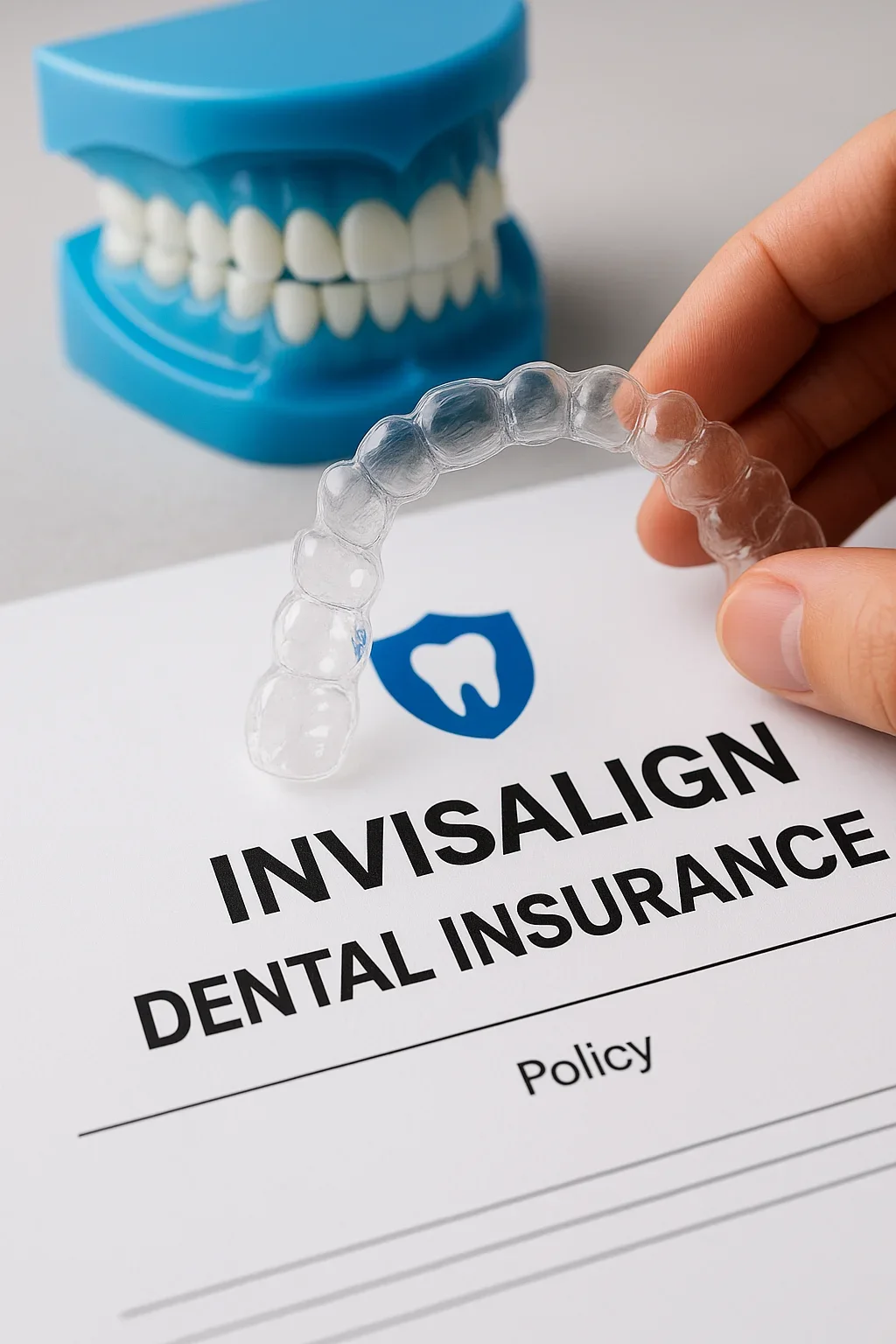
Common Mistakes to Avoid When Using Invisalign Dental Insurance
Even the best invisalign dental insurance plans can fail to deliver expected savings if used incorrectly. Many patients lose benefits or face unexpected costs because of small, preventable mistakes during the insurance process. This detailed guide explores the most frequent errors patients make and offers practical solutions to ensure you maximize every dollar of your coverage. By understanding these pitfalls, you can make your Invisalign journey smoother, cheaper, and stress-free. 🦷💡
1. Not Confirming Invisalign Coverage Before Treatment
One of the biggest and most common mistakes is assuming your dental plan automatically covers Invisalign. While many modern insurers do, some only include traditional braces under orthodontic benefits. Before committing to treatment, always confirm directly with your provider that clear aligner therapy is included in your plan’s orthodontic coverage section.
Contact your insurer or HR department and ask for a written summary of benefits. Specifically, confirm whether Invisalign is categorized as “orthodontic treatment,” “clear aligner therapy,” or “cosmetic procedure.” If it falls under the latter, you may not receive reimbursement. A pre-treatment verification letter can save you thousands in denied claims and ensure your invisalign dental insurance works as expected.
Pro Tip:
Have your orthodontist submit a pre-authorization form to your insurance provider. This guarantees clarity on what will be covered and helps you avoid financial surprises midway through treatment.
2. Ignoring Waiting Periods
Many dental insurance plans include a waiting period—usually between six and twelve months—before orthodontic coverage takes effect. Starting treatment too soon can lead to complete claim denial. Patients often begin Invisalign treatment immediately after signing up for a new plan, unaware that their invisalign dental insurance benefits are not yet active.
Always check your plan’s start date and orthodontic coverage activation timeline. If you’re nearing the end of a waiting period, it’s financially wise to delay treatment until your benefits become available. This simple step can save you thousands and prevent unnecessary stress during the reimbursement process.
3. Overlooking Lifetime Maximums
Unlike general dental benefits, orthodontic benefits typically come with a lifetime maximum—a one-time limit on how much your insurer will pay for all orthodontic procedures combined. Patients often forget that this maximum doesn’t renew yearly. If you’ve had braces or another orthodontic treatment before, that prior claim likely reduced your remaining Invisalign coverage.
For example, if your lifetime orthodontic maximum is $2,500 and you used $1,500 for braces in the past, you’ll only have $1,000 left for Invisalign. Understanding this limit helps set realistic expectations about how much your invisalign dental insurance will reimburse. Request a current benefits statement from your insurer to verify your remaining balance before starting treatment.
4. Choosing an Out-of-Network Provider
Many patients select orthodontists based solely on reputation or convenience without confirming whether they are in-network. Unfortunately, out-of-network care can drastically reduce reimbursement or even eliminate coverage altogether. In-network providers have pre-negotiated rates with insurers, which helps you save on both treatment and consultation fees.
Before scheduling your first appointment, use your insurer’s online directory to confirm your orthodontist’s status. Reputable clinics like Redent Klinik Contact Page can also verify your eligibility directly with your insurance provider. Partnering with in-network specialists ensures you get the full value of your invisalign dental insurance benefits and reduces claim rejections. 🧾
5. Failing to Submit Complete Documentation
Insurance companies often require detailed documentation to process orthodontic claims. Missing information—such as treatment codes, radiographs, or payment receipts—can delay or deny reimbursement. Many patients rely solely on their orthodontist’s office to handle paperwork, assuming it’s automatic, but verifying submission is your responsibility too.
To avoid this mistake, always keep copies of the following documents:
- Treatment plan and cost breakdown.
- Pre-authorization approval letter.
- Detailed invoices and proof of payment.
- Orthodontic progress reports (if requested by your insurer).
Regularly follow up with both your clinic and insurance provider until your claim is fully processed. Being proactive ensures your invisalign dental insurance reimbursements arrive on time.
6. Forgetting to Use FSA or HSA Funds
Another common oversight is neglecting to use pre-tax accounts like FSAs or HSAs to pay for Invisalign. These accounts allow you to pay for eligible medical expenses, including orthodontic treatments, using tax-free dollars. This can reduce your total out-of-pocket costs by 20–30% depending on your income bracket.
If your invisalign dental insurance only covers part of your treatment, the remaining balance can often be paid using FSA or HSA funds. Remember to keep receipts and treatment codes, as these may be required to verify that your expense qualifies as medical care under IRS guidelines.
7. Starting Treatment Without a Cost Estimate
Many patients begin Invisalign treatment without requesting a formal cost estimate, leading to financial surprises later. A cost estimate—prepared jointly by your orthodontist and insurer—details your total fee, insurance reimbursement, and out-of-pocket portion. Without this document, you may miscalculate your budget or misunderstand how your invisalign dental insurance benefits apply.
Always ask your provider for a written estimate before starting. Reputable clinics will calculate coverage based on your specific plan and submit it to your insurer for approval. This step creates transparency and ensures your payment plan aligns with your financial goals.
8. Neglecting Follow-Up on Denied Claims
Denied claims are not the end of the road. Many are rejected due to simple administrative errors—like missing treatment codes or incorrect patient data. If your insurer denies your claim, don’t give up. Request an Explanation of Benefits (EOB) to understand why. Then, work with your orthodontist to submit an appeal with the corrected information.
Including a “Letter of Medical Necessity” from your provider can also help. This letter explains how Invisalign corrects functional dental problems rather than purely cosmetic ones, increasing your chance of approval. Persistent follow-up ensures you get the reimbursement you deserve from your invisalign dental insurance.
9. Not Updating Insurance After Employment Changes
Job transitions are another common cause of lost benefits. If your employer-sponsored dental plan changes or lapses mid-treatment, your ongoing orthodontic claims could be interrupted. Always inform your orthodontist immediately if you switch jobs, providers, or insurance policies. Most clinics can resubmit claims under your new policy to ensure continuity of your invisalign dental insurance coverage.
If possible, avoid starting Invisalign right before a job change. Waiting until after your new benefits become active will save you administrative hassle and prevent claim rejections.
Final Thoughts: Be Proactive, Not Reactive
Managing invisalign dental insurance is about foresight, accuracy, and persistence. By verifying coverage early, documenting every step, and staying informed about your plan’s terms, you can save substantial money while enjoying peace of mind. Small actions—like confirming waiting periods, using FSAs, or appealing denied claims—often make the difference between frustration and financial success.
For expert help in managing paperwork, pre-authorizations, and reimbursement coordination, visit the Redent Klinik Contact Page. You can also check the American Dental Association website for official insurance claim guidelines and orthodontic coverage standards. With preparation and the right support, you can avoid common pitfalls and make your Invisalign experience seamless, efficient, and fully covered. ✨