
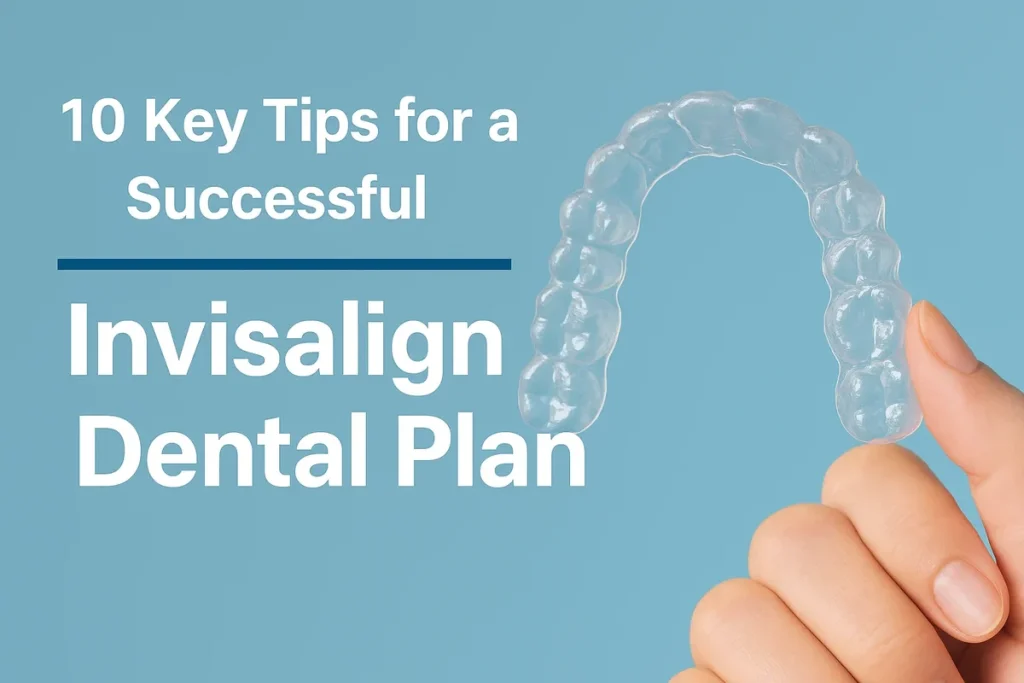
Have you ever wondered if there’s a more comfortable, discreet, and modern way to straighten your teeth without the hassle of traditional metal braces? 😁 The invisalign dental plan might be exactly what you’re looking for. This innovative orthodontic solution uses clear, removable aligners to gently shift your teeth into proper alignment over time. Designed with cutting-edge 3D imaging technology, Invisalign offers a personalized approach to creating a perfect smile while maintaining comfort, flexibility, and aesthetics. Whether you’re an adult seeking a professional appearance or a teen looking for convenience, this plan has become one of the most popular choices worldwide.
At its core, an invisalign dental plan is a customized treatment program that maps out your entire journey from start to finish. Your dentist or orthodontist begins by taking digital scans or impressions of your teeth. Using specialized software, they design a series of aligners tailored to gradually adjust your teeth’s position. Each aligner is worn for about one to two weeks before moving on to the next in the series. The process continues until your teeth reach their ideal alignment — without the pain, wires, or frequent adjustments associated with braces.
One of the main advantages of an invisalign dental plan is its transparency — literally! The aligners are virtually invisible, allowing you to smile confidently throughout the treatment. Unlike metal braces, there are no brackets or wires to tighten. You can remove the aligners when eating, brushing, or flossing, making oral hygiene simple and effective. This removability also means you can enjoy your favorite foods without restrictions 🍎🥪. Just remember to wear the aligners for 20–22 hours a day for optimal results.
Another aspect that sets the invisalign dental plan apart is its predictability and precision. The treatment is digitally planned from the beginning, allowing both the dentist and patient to visualize the expected outcome. With traditional orthodontics, results can vary based on adjustments made during the process, but Invisalign’s system uses computer-generated models to ensure each stage aligns perfectly with your goal. This makes it easier to track progress and stay motivated throughout the journey.
Patients also appreciate the comfort factor. The invisalign dental plan uses smooth, BPA-free plastic aligners that fit snugly around your teeth. There are no metal edges to irritate your cheeks or gums, which is a common issue with traditional braces. Most users report only mild pressure when switching to a new aligner — a sign that the aligners are working to gently move the teeth. This makes it a great option for people who lead active lifestyles or work in client-facing roles where confidence and comfort are essential.
In addition to straightening teeth, an invisalign dental plan can also help improve overall oral health. Misaligned teeth are more prone to plaque buildup, gum disease, and uneven wear. By aligning your teeth properly, you make it easier to clean and maintain them, which supports long-term dental health. Moreover, many patients find that correcting their bite alignment helps with chewing, speech, and even jaw comfort. These benefits extend beyond aesthetics — they contribute to your long-term wellness.
Cost and accessibility are often major considerations for patients exploring an invisalign dental plan. While prices vary depending on the complexity of the case, treatment duration, and clinic location, many dental offices provide flexible payment plans or financing options to make Invisalign more affordable. Some dental insurance providers even include partial coverage for Invisalign as part of their orthodontic benefits. To explore your personal options, you can consult with your dentist or visit the Redent Klinik Contact Page for more details and personalized guidance.
Additionally, Invisalign has earned global recognition for its effectiveness and safety. The technology behind the invisalign dental plan is backed by extensive clinical research and supported by organizations such as the American Dental Association. This ensures that your treatment is not only aesthetic but also medically approved and guided by best practices in modern orthodontics. The aligners are created in certified laboratories that use advanced thermoplastic materials for optimal durability and comfort.
It’s also worth noting that every invisalign dental plan is personalized. No two smiles are alike, and Invisalign embraces this uniqueness. From mild crowding to complex bite corrections, your treatment plan is custom-designed to achieve precise results. Your progress is monitored through regular check-ups with your dentist, who may adjust the plan as needed. Some clinics even use AI-assisted scanning tools to track subtle tooth movements in real-time, ensuring maximum accuracy.
In summary, an invisalign dental plan offers a blend of innovation, comfort, and confidence. It provides a clear alternative to metal braces without compromising effectiveness. With removable aligners, shorter dental visits, and predictable outcomes, Invisalign has transformed the orthodontic experience for millions. If you’re considering improving your smile, this modern solution could be your path to a healthier, more confident you. 🌟
Choosing to begin your journey with an invisalign dental plan is more than a cosmetic decision — it’s an investment in your long-term oral health. And with professional guidance and the right clinic, you can look forward to a seamless, stress-free transformation that brings out the best version of your smile. 😍
What Is an Invisalign Dental Plan and How Does It Work?
The invisalign dental plan is a modern orthodontic system designed to correct teeth alignment issues through the use of clear, removable aligners. These aligners are made from medical-grade, BPA-free plastic that fits snugly over your teeth, guiding them into the correct position over time. Unlike traditional metal braces that rely on wires and brackets, Invisalign uses advanced digital mapping and 3D printing technology to create a fully customized plan for each patient. The result? A comfortable, nearly invisible way to achieve a perfectly aligned smile 😁.
The main concept behind an invisalign dental plan is gradual movement. Instead of manually adjusting metal braces, you switch to a new set of aligners every one or two weeks. Each aligner is slightly different from the previous one, applying gentle and consistent pressure on specific teeth to move them into alignment. The process is carefully calculated using digital treatment planning software, ensuring that every stage of the journey is controlled and predictable. This allows both the dentist and the patient to track progress and visualize the expected outcome right from the start.
How Digital Technology Powers the Invisalign Dental Plan
When you begin an invisalign dental plan, your dentist starts with a digital scan of your mouth using 3D imaging. This scan replaces traditional impressions, which can be messy and uncomfortable. The 3D model of your teeth is then uploaded into Invisalign’s proprietary software, where a virtual simulation of your treatment is created. You can actually see how your teeth will move over time — from their current state to the desired final alignment. This transparent process not only builds trust but also gives patients realistic expectations. 📱
Once the treatment plan is finalized, Invisalign uses advanced computer-aided design (CAD) and 3D printing technologies to produce a sequence of aligners. Each aligner in your invisalign dental plan is unique and designed to make specific, incremental movements. The manufacturing precision ensures the aligners fit perfectly, minimizing discomfort and maximizing efficiency. Every aligner is laser-trimmed and polished to ensure a smooth fit that won’t irritate your gums or soft tissues.
The Step-by-Step Process of an Invisalign Dental Plan
Understanding the stages of an invisalign dental plan can help you feel more confident about your orthodontic journey. Here’s a breakdown of what typically happens:
1. Consultation and Assessment
Your journey begins with a comprehensive dental consultation. During this visit, your dentist evaluates your oral health, bite, and teeth alignment. Not everyone is a candidate for Invisalign — for instance, severe bite irregularities might require alternative treatments. If you’re suitable, the dentist will proceed with digital scans and discuss your smile goals in detail.
2. Customized Treatment Plan
Using the digital scan, your dentist collaborates with Invisalign’s software to create a detailed timeline of your treatment. This customized plan outlines every tooth movement, the duration of each phase, and the total number of aligners required. You’ll even see a 3D preview of your future smile — a motivating glimpse of your end result!
3. Aligner Fabrication
Once your invisalign dental plan is approved, the aligners are fabricated and delivered to your dentist’s office. Each aligner set typically corresponds to a one- or two-week period of wear. You’ll receive several sets at a time, so you can change them at home according to your dentist’s instructions.
4. Wearing and Monitoring
Patients are advised to wear their aligners for 20–22 hours daily, removing them only when eating, drinking (except water), brushing, or flossing. Regular check-ups — usually every 6 to 8 weeks — allow your dentist to assess progress and provide the next batch of aligners. These visits are shorter and less frequent than those required for traditional braces, making them ideal for busy adults and teens alike.
5. Completion and Retention
Once your teeth reach the desired alignment, you’ll move to the retention phase. This involves wearing custom retainers (often made from similar materials as Invisalign aligners) to maintain your new smile. Consistent retainer use ensures your teeth stay in their corrected positions and prevents shifting back over time.
Benefits of the Invisalign Dental Plan’s Process
The invisalign dental plan stands out not only for its cosmetic appeal but also for its convenience and health benefits. Because the aligners are removable, it’s easier to maintain good oral hygiene — no food particles get stuck as they might with metal braces. You can brush and floss normally, which helps reduce the risk of gum disease and tooth decay. Additionally, Invisalign aligners are made with patient comfort in mind; there are no metal edges, so there’s virtually no mouth irritation.
Another key advantage is the predictability of the results. Every stage of your invisalign dental plan is pre-designed digitally, ensuring accurate outcomes. You can even monitor your progress through your dentist’s updates or mobile apps that track aligner usage and treatment milestones. This sense of control and transparency has made Invisalign one of the most trusted orthodontic systems globally 🌍.
How Invisalign Differs from Traditional Braces
Traditional braces rely on metal wires and brackets that are periodically tightened to move teeth. While effective, this process can be uncomfortable and less aesthetic. In contrast, the invisalign dental plan uses a series of lightweight, transparent trays that gently guide your teeth with precision and comfort. No tightening, no dietary restrictions, and fewer dental appointments — just gradual, steady progress toward your dream smile.
Moreover, because the aligners are removable, they fit seamlessly into your lifestyle. You can take them out for social occasions, professional events, or meals. For people who value convenience and appearance, Invisalign provides an appealing alternative without compromising effectiveness.
Trusted Sources and Professional Support
Many professional organizations, including the American Dental Association, recognize Invisalign as a safe and clinically effective orthodontic treatment. However, the success of your invisalign dental plan depends greatly on consistent wear and professional monitoring. To ensure you receive expert guidance, consult with certified Invisalign providers. For personalized advice or to start your own treatment, visit the Redent Klinik Contact Page.
In summary, the invisalign dental plan offers a perfect blend of science, technology, and comfort. Its customized, step-by-step process ensures that every smile transformation is predictable, efficient, and tailored to individual needs. By combining digital precision with patient-friendly design, Invisalign has revolutionized modern orthodontics, empowering millions to smile confidently — without the metal. ✨
Benefits of Choosing an Invisalign Dental Plan Over Traditional Braces
Choosing an invisalign dental plan offers several life-changing advantages compared to wearing traditional braces. From its clear, removable aligners to its advanced digital precision, Invisalign provides a modern orthodontic experience that aligns comfort, aesthetics, and efficiency. For both adults and teenagers seeking a discreet yet effective solution for correcting teeth alignment, Invisalign has become the go-to option. Below, we’ll explore the key benefits that make this treatment stand out. 😁
1. Discreet Appearance and Confidence Boost
One of the most notable benefits of an invisalign dental plan is the invisibility of the aligners. Unlike metal braces with brackets and wires that can be visually distracting, Invisalign aligners are transparent and nearly unnoticeable when worn. This allows patients to go through orthodontic treatment without feeling self-conscious about their smile during meetings, social events, or photos. Whether you’re a professional who frequently interacts with clients or a student attending school every day, you can continue your routine confidently while your teeth gradually align beneath the surface.
The psychological benefit of this discretion cannot be overstated. Many patients report increased self-esteem during their treatment period. Smiling without hesitation or fear of judgment contributes significantly to a person’s overall well-being and social confidence. The invisalign dental plan is, therefore, not just a dental correction system but also a confidence-building experience. 🌟
2. Superior Comfort Compared to Metal Braces
Traditional braces often cause irritation due to metal brackets and wires rubbing against the cheeks and gums. The invisalign dental plan, however, uses smooth, medical-grade thermoplastic aligners that are custom-designed for each patient. These aligners fit comfortably around the teeth without causing abrasions or discomfort. While some mild pressure may be felt during the transition to a new aligner set, this is an indication that the aligners are effectively moving your teeth into position.
Moreover, there are no emergency dental visits due to broken wires or loose brackets — a common problem with traditional braces. Patients following an invisalign dental plan experience a hassle-free process with fewer disruptions to their lifestyle. Many users describe the treatment as “barely noticeable” in terms of both appearance and sensation.
3. Removable Aligners for Freedom and Flexibility
One of the biggest frustrations of wearing braces is dietary restrictions. Hard, sticky, or crunchy foods can damage brackets and wires, forcing wearers to avoid their favorite snacks. With an invisalign dental plan, this problem disappears entirely. The aligners can be easily removed during meals, allowing patients to eat whatever they like — popcorn, apples, or even chewy candies — without fear of damaging their orthodontic device. 🍎🍿
This removability also simplifies oral hygiene. You can brush and floss your teeth normally without maneuvering around metal structures. Maintaining proper dental hygiene is critical during orthodontic treatment, and the invisalign dental plan helps reduce the risk of cavities and gum disease that sometimes accompany traditional braces.
Better Oral Hygiene Means Healthier Teeth
Because the aligners are removable, patients can maintain a high standard of dental care. Regular brushing and flossing keep teeth clean and prevent staining or enamel erosion. Additionally, patients can use fluoride mouthwash or whitening toothpaste to enhance oral health during treatment — something not possible with metal braces.
4. Predictable, Digitally Controlled Results
The precision of an invisalign dental plan is unmatched thanks to its digital design. From the first 3D scan to the final aligner, every step of the process is planned using computer-aided modeling. This allows both the dentist and the patient to preview the final results before treatment even begins. Each aligner is crafted to move specific teeth in small, measured increments, reducing the guesswork associated with traditional braces.
This predictability leads to more efficient results. Patients following an invisalign dental plan often complete treatment in a similar or even shorter timeframe than those with braces, depending on their condition. Regular progress checks ensure everything remains on track, and adjustments can be made digitally without invasive procedures.
5. Fewer Dental Visits and Greater Convenience
Traditional orthodontic care often requires frequent adjustments — sometimes every three to four weeks — where brackets are tightened or repositioned. With the invisalign dental plan, you only need to visit your dentist every six to eight weeks for progress monitoring and new aligner sets. This convenience is especially beneficial for people with demanding work schedules or those who live far from their dental clinic.
Because most of the treatment can be managed independently at home, patients feel more in control of their time. Fewer appointments mean less disruption to daily life, while the digital monitoring tools allow your dentist to stay informed about your progress remotely.
6. Enhanced Oral Health and Functionality
Aside from cosmetic improvements, an invisalign dental plan contributes to long-term oral health. Straight teeth are easier to clean and less prone to plaque accumulation. This reduces the risk of tooth decay, gingivitis, and even periodontal disease. Properly aligned teeth also improve bite functionality, allowing for better chewing and digestion.
Furthermore, an even bite reduces pressure on the jaw joints and muscles, helping prevent issues like temporomandibular joint (TMJ) disorders and chronic headaches. Patients who complete their invisalign dental plan often notice improved speech clarity and overall comfort in daily activities like eating and speaking.
7. Proven Safety and Clinical Support
The safety of the invisalign dental plan is supported by extensive research and endorsements from reputable dental institutions like the American Dental Association. The aligners are made from biocompatible materials and undergo rigorous quality testing to ensure safety for long-term use. Patients can rest assured that their treatment is scientifically backed and medically approved.
To ensure optimal results, Invisalign treatments must be guided by certified professionals. You can find expert advice and consultation options through the Redent Klinik Contact Page, where licensed specialists design individualized plans tailored to your dental goals.
8. Aesthetic and Lifestyle Advantages
Another often-overlooked advantage of the invisalign dental plan is its impact on daily life. Whether you’re attending a wedding, giving a presentation, or participating in sports, Invisalign allows you to look and feel natural. The aligners can be temporarily removed for special occasions or performances without compromising progress, as long as you wear them the recommended number of hours each day.
9. Long-Term Investment in Your Smile
While the upfront cost of an invisalign dental plan might seem higher than traditional braces, the long-term value is substantial. With fewer repairs, better oral hygiene, and minimal discomfort, patients often find Invisalign to be a more worthwhile investment. The aligners are durable, stain-resistant, and easy to clean, reducing maintenance costs and ensuring your smile stays radiant for years to come. 🌈
Ultimately, choosing an invisalign dental plan means embracing innovation, comfort, and confidence in your orthodontic journey. It’s not just about achieving straight teeth — it’s about transforming your smile in a way that fits your lifestyle, personality, and long-term dental health goals.
Who Is a Good Candidate for an Invisalign Dental Plan?
Not everyone is an ideal candidate for an invisalign dental plan, but thanks to modern advancements in orthodontic technology, more people than ever can benefit from this innovative treatment. Invisalign has evolved from treating mild cosmetic issues to correcting moderate and even some complex alignment cases. Understanding whether you’re a suitable candidate requires evaluating your dental health, lifestyle habits, and commitment level. Let’s explore the detailed criteria that determine eligibility for an invisalign dental plan and what factors influence treatment success. 😁
1. Ideal Dental Conditions for Invisalign
The invisalign dental plan is best suited for individuals with mild to moderate alignment problems. These include crooked or crowded teeth, small gaps, and minor bite irregularities. If your dental structure falls into any of these categories, Invisalign can provide excellent results without the need for traditional braces. Common conditions that can be effectively treated include:
- Overcrowded teeth (insufficient space in the jaw)
- Gaps between teeth (diastema)
- Overbite or underbite
- Crossbite (misalignment between upper and lower teeth)
- Open bite (when the upper and lower front teeth don’t touch)
Patients with these issues can benefit from the gentle, progressive movement of Invisalign aligners, which gradually guide each tooth into its correct position. However, for severe skeletal malocclusions, jaw misalignment, or very complex orthodontic needs, traditional braces or combination treatments may still be necessary.
2. Age Considerations: Teens and Adults
Both teenagers and adults can enjoy the benefits of an invisalign dental plan. In fact, Invisalign offers two versions — Invisalign Teen and Invisalign Adult — each tailored to specific age-related needs.
Invisalign Teen
Invisalign Teen is designed for adolescents whose teeth are still growing. These aligners feature special compliance indicators — small blue dots that fade with wear — helping parents and dentists track whether the aligners are being worn for the recommended duration (20–22 hours per day). The aligners also accommodate the eruption of new molars, ensuring continued fit as the mouth develops. For teens who value aesthetics and comfort, this version provides a clear alternative to bulky metal braces.
Invisalign for Adults
Adults, on the other hand, often choose the invisalign dental plan because it allows them to correct their smiles discreetly without interrupting professional or social life. Many adults who missed orthodontic treatment earlier in life, or who have experienced teeth shifting after braces, find Invisalign a convenient solution. Since adult teeth are fully developed, treatment tends to be more predictable and stable over time.
3. Oral Health Requirements Before Starting Treatment
Before beginning an invisalign dental plan, your oral health must be in good condition. This means no active gum disease, untreated cavities, or severe plaque buildup. Invisalign aligners rely on precise fitting, so any inflammation or decay could interfere with the treatment process. Your dentist will likely recommend a full dental cleaning and examination before starting. In some cases, minor restorative procedures — such as fillings or scaling — may be necessary to prepare your teeth.
Patients with missing teeth can also undergo Invisalign treatment, provided their bite is stable. In such cases, dentists may incorporate implants or bridges as part of the overall treatment plan. Each invisalign dental plan is custom-tailored, so your dentist will ensure that all underlying oral health issues are addressed before proceeding.
4. Commitment and Compliance
Success with an invisalign dental plan depends heavily on patient responsibility. Since the aligners are removable, discipline is key. You must wear them for 20–22 hours daily, only removing them for meals and oral hygiene. Patients who frequently forget to wear their aligners or leave them out for extended periods may experience slower progress or relapse in alignment.
The flexibility of removable aligners can be both an advantage and a challenge. Those who lead busy lives but can commit to following their dentist’s instructions will likely achieve outstanding results. For this reason, your provider will evaluate not only your dental health but also your lifestyle habits and motivation before recommending Invisalign.
5. Lifestyle Compatibility
An invisalign dental plan is ideal for people who prioritize aesthetics, convenience, and hygiene. Professionals who regularly engage with clients or perform in public settings often prefer Invisalign for its discreet appearance. It’s also suitable for individuals who travel frequently or have unpredictable schedules, as appointments are less frequent and easier to manage than with braces.
Additionally, athletes often choose Invisalign over braces because there’s no risk of mouth injuries from metal components during physical activities. The aligners can even be removed for sports that require protective mouthguards — offering flexibility without compromising dental progress. ⚽🏀
6. Limitations and When Invisalign Might Not Be Suitable
While the invisalign dental plan covers a broad range of cases, it’s not always the right solution for everyone. Patients with extremely rotated teeth, vertical tooth movements (intrusions or extrusions), or significant skeletal discrepancies may require alternative treatments. Severe jaw alignment issues may also call for surgical intervention combined with traditional orthodontics.
Another limitation is patient compliance. Since Invisalign requires consistent wear, those who struggle with routine adherence may achieve suboptimal results. Additionally, individuals with certain dental restorations — such as crowns or bridges — should consult their dentist to assess how aligners will interact with existing work.
7. Evaluation and Professional Guidance
To determine candidacy, you’ll need a consultation with an Invisalign-certified dentist. They will perform a comprehensive assessment using X-rays, digital scans, and bite analysis to evaluate your oral structure. This step is crucial to ensure your invisalign dental plan aligns with your goals and oral anatomy.
Professional evaluation also helps identify any underlying issues, such as TMJ disorders or periodontal concerns, that might affect treatment. Clinics like Redent Klinik Contact Page offer detailed consultations and customized plans, ensuring that your treatment journey begins with precision and confidence.
8. The Role of Technology in Determining Candidacy
Advanced imaging and AI-driven diagnostic tools have revolutionized the way Invisalign candidates are assessed. During your first visit, your dentist uses 3D scanners to map out your entire mouth, providing an accurate visual representation of how your teeth will move throughout the invisalign dental plan. This digital precision eliminates guesswork and ensures a realistic expectation of your final results.
9. Final Thoughts on Eligibility
In summary, an invisalign dental plan is suitable for most patients seeking a comfortable, effective, and aesthetic orthodontic solution. Ideal candidates have healthy gums, mild to moderate misalignments, and a commitment to consistent aligner use. The treatment’s versatility makes it a preferred choice for teens, adults, and professionals who want to enhance their smile without the inconvenience of metal braces. 🌟
If you’re uncertain about your eligibility, consult a certified provider or visit the American Dental Association website for more information about professional orthodontic care. With expert guidance and proper commitment, your invisalign dental plan can deliver exceptional results — leading you toward the confident, radiant smile you’ve always dreamed of.
Step-by-Step Process of Getting an Invisalign Dental Plan
Understanding the invisalign dental plan process is essential for anyone considering this modern orthodontic treatment. Invisalign uses digital precision, clear aligners, and professional supervision to transform your smile without the inconvenience of metal braces. Each stage — from consultation to completion — is carefully tailored to your unique dental structure, ensuring predictable, safe, and comfortable results. Below, we’ll walk through each step of how the invisalign dental plan works, what to expect, and how to make the most of your treatment. 🦷✨
1. Initial Consultation and Oral Assessment
Your journey toward a confident smile begins with a comprehensive consultation at an Invisalign-certified clinic. During this session, your dentist evaluates your teeth, bite, and overall oral health to determine whether you are a suitable candidate for an invisalign dental plan. Using advanced diagnostic tools such as 3D imaging and X-rays, the dentist examines your tooth alignment and gum condition. This stage is also the perfect opportunity to discuss your aesthetic goals and any concerns you may have.
If your dentist determines that Invisalign is right for you, they will explain the treatment plan, estimated timeline, and cost structure. At clinics like Redent Klinik Contact Page, you can receive personalized guidance and a thorough overview of your expected results before beginning your treatment. The goal of this phase is to ensure full understanding and confidence in your decision to move forward with the invisalign dental plan.
2. Digital Scanning and 3D Modeling
Gone are the days of messy impressions with trays and putty. Invisalign employs advanced intraoral scanners to capture precise 3D digital images of your teeth. These scans form the foundation of your customized invisalign dental plan. Using specialized software, your dentist creates a virtual model of your teeth, showing how they will shift over time. This allows you to preview your potential smile before treatment even begins — a unique advantage of Invisalign’s digital approach. 🖥️
During this stage, your dentist maps out every small tooth movement in a virtual timeline. This process, known as the ClinCheck® simulation, ensures that each aligner is perfectly calibrated to deliver controlled and predictable results. This digital accuracy is what differentiates the invisalign dental plan from traditional orthodontic systems.
3. Fabrication of Custom Aligners
Once your 3D plan is approved, your aligners are fabricated in a specialized Invisalign laboratory. Each aligner is made from patented SmartTrack® material — a high-grade, BPA-free thermoplastic known for its comfort and durability. Every set of aligners corresponds to a specific stage in your treatment, applying gentle pressure to gradually move your teeth into the desired positions.
The average invisalign dental plan includes anywhere from 20 to 40 sets of aligners, depending on your treatment goals. Each set is worn for one to two weeks before progressing to the next. The production process follows strict quality standards to ensure precision, fit, and consistency across all aligners. Patients usually receive several aligners at once, reducing the need for frequent office visits.
4. Fitting and First-Day Experience
When your aligners are ready, you’ll return to your dentist for your first fitting. During this visit, your dentist checks that the aligners fit snugly and comfortably. You’ll also receive detailed instructions on how to insert, remove, and care for them properly. It may take a few days to adjust to wearing the aligners, but most patients adapt quickly — the aligners are thin and smooth, so they don’t irritate the gums or cheeks.
During this phase of your invisalign dental plan, your dentist will also emphasize the importance of wearing the aligners for at least 20–22 hours per day. Consistent wear is critical to ensuring that each aligner stage performs effectively and keeps your treatment on schedule.
5. Regular Progress Monitoring
Throughout your treatment, you’ll have follow-up appointments every 6 to 8 weeks. These check-ups allow your dentist to monitor progress, provide your next sets of aligners, and make adjustments if needed. Unlike braces, these appointments are quick and painless — no wire tightening or bracket repositioning is required. 📅
Remote Tracking Options
Modern invisalign dental plan programs often incorporate digital monitoring tools. Some clinics use mobile apps or AI-assisted scanners that let patients upload images of their teeth at home. This enables dentists to remotely track progress and ensure that tooth movement aligns with the treatment plan. It’s especially convenient for patients who travel frequently or have busy schedules.
6. Mid-Treatment Refinements
In some cases, your dentist may recommend refinements — minor adjustments to ensure perfect alignment. Refinements usually involve a new set of aligners tailored to fine-tune the final tooth positions. These adjustments are part of a standard invisalign dental plan and help guarantee a flawless finish. The refinements phase highlights Invisalign’s commitment to precision and personalized results.
7. Completion and Retention Phase
Once you reach the end of your aligner series, your dentist will evaluate the final alignment and bite position. At this point, you’ve completed the active phase of your invisalign dental plan! 🎉 However, maintaining your new smile requires proper retention. You’ll receive custom-made retainers — often from Invisalign’s Vivera® line — designed to hold your teeth in their new positions.
Why Retainers Are Essential
After orthodontic treatment, teeth have a natural tendency to shift back to their original positions. Retainers prevent this relapse by keeping your teeth stable while the bone and tissues adapt to their new alignment. Most patients wear retainers full-time for the first few months, then transition to nighttime wear.
8. Post-Treatment Care and Maintenance
Finishing an invisalign dental plan doesn’t mean your dental journey ends. Proper post-treatment care ensures that your smile remains healthy and stable. Continue practicing excellent oral hygiene, attend regular dental check-ups, and clean your retainers daily. Avoid exposing them to hot water or harsh cleaning products to maintain their shape and transparency.
Some patients also opt for teeth whitening or cosmetic bonding after completing their Invisalign treatment to enhance their smile further. Since Invisalign improves alignment, these aesthetic enhancements can produce remarkable results when done afterward.
9. Timeframe and Expected Results
The duration of an invisalign dental plan varies based on the complexity of your case. Minor corrections might take as little as six months, while more involved cases could require up to 18–24 months. Regardless of the timeline, patients consistently report noticeable improvements within the first few weeks. By adhering strictly to your aligner schedule, you can expect long-lasting, stable, and natural-looking results.
10. Professional Supervision and Support
It’s important to remember that even though Invisalign is user-friendly, professional supervision is essential for success. Certified providers guide every phase of your invisalign dental plan, ensuring safety and optimal outcomes. Many clinics, including Redent Klinik, combine advanced 3D imaging with personalized care to ensure every detail of your treatment is meticulously handled.
For additional guidance and trustworthy orthodontic resources, you can also refer to the American Dental Association. Partnering with reputable dental professionals ensures that your investment in Invisalign leads to a lifetime of confident smiles.
In conclusion, the invisalign dental plan is a seamless, technology-driven process that prioritizes accuracy, comfort, and convenience. From your initial scan to the final retainer, every stage is designed to help you achieve a naturally aligned, beautiful smile — efficiently and comfortably. 🌟
Comparing Invisalign Dental Plans: What to Look For
Not all invisalign dental plan options are created equal — and that’s what makes proper comparison so important. Patients considering Invisalign often face variations in treatment costs, provider experience, technology used, and post-care options. Choosing the right clinic and plan directly influences not only your final smile but also your overall comfort and satisfaction during treatment. In this section, we’ll take an in-depth look at how to compare different invisalign dental plan options to make an informed, confident choice. 🦷✨
1. Understanding the Components of an Invisalign Dental Plan
An invisalign dental plan typically includes several elements that together define the scope and quality of your treatment. These components often consist of:
- Initial consultation and diagnostic imaging (3D scans, X-rays, and bite analysis)
- Custom aligner fabrication and refinement sets
- Regular monitoring appointments
- Final retainers after treatment completion
- Follow-up care and maintenance advice
Each of these stages can vary between providers. Some clinics offer all-inclusive packages, while others may charge separately for retainers or refinement aligners. When comparing your invisalign dental plan options, make sure to ask for a detailed breakdown of all included services to avoid hidden costs later on.
2. Evaluating Provider Expertise and Certification
One of the most important factors in comparing invisalign dental plan options is the experience of your provider. Invisalign certification levels — such as Silver, Gold, Platinum, or Diamond — reflect a dentist’s or orthodontist’s expertise and number of successful cases treated. Clinics with higher certification levels tend to have more experience with complex cases, meaning they can achieve faster and more accurate results.
Before committing to a specific invisalign dental plan, research the provider’s track record. Read patient reviews, examine before-and-after photos, and verify credentials. A highly experienced provider not only ensures precision but can also personalize your plan for optimal comfort and efficiency. You can verify certified Invisalign professionals through trusted sources like the American Dental Association.
3. Cost Comparison and Financing Options
Cost is often the deciding factor for many patients exploring an invisalign dental plan. While the average price typically ranges between $3,000 and $8,000 depending on the complexity of the case, the total cost can differ significantly based on clinic location, expertise, and additional services. Some clinics may offer free initial consultations or discounts for full upfront payments, while others include flexible monthly financing or insurance coordination.
Key Cost Factors to Consider
- Complexity of tooth movement required (minor corrections vs. major bite issues)
- Duration of treatment and number of aligner sets
- Whether refinement aligners are included in the plan
- Retention phase and post-treatment follow-ups
When reviewing estimates, make sure you understand what’s included. For instance, an affordable invisalign dental plan may initially appear cheaper, but it might exclude retainers or refinement stages — leading to higher long-term expenses. Always request a written treatment agreement that details total costs, payment schedules, and warranty terms.
4. Technology and Tools Used in the Process
Advanced technology plays a major role in the success of your invisalign dental plan. Clinics equipped with digital scanners, AI-based progress monitoring, and 3D imaging systems can deliver a more precise, comfortable, and efficient experience. Ask your provider whether they use tools like the iTero Element® scanner — a high-precision device that eliminates the need for traditional molds and ensures superior accuracy in aligner design.
Digital technology also allows your dentist to simulate your smile transformation before treatment begins. This transparency ensures you understand the expected results and duration of your invisalign dental plan before you commit.
5. Quality of Patient Support and Communication
Another essential factor in comparing invisalign dental plan options is the quality of patient communication. The best clinics provide ongoing support, ensuring that you understand each step of your treatment. They also offer easy access to your dentist for questions, quick adjustments, and emergency advice. Effective communication fosters trust and keeps your treatment on track.
Signs of Excellent Support
- Availability of remote monitoring options
- Responsive communication via phone, email, or app
- Clear explanations during every appointment
- Proactive follow-ups to track progress
Choosing an invisalign dental plan provider who values patient care ensures that your experience remains smooth and stress-free from start to finish.
6. Treatment Duration and Flexibility
While traditional braces often require 18–36 months, an invisalign dental plan can achieve results in 6–18 months for most cases. However, timelines may vary depending on tooth complexity and patient compliance. Some clinics offer “Express” or “Lite” plans for minor corrections, typically lasting under a year, while others specialize in full-arch treatments for comprehensive alignment.
Discuss expected duration and milestones before starting. Your dentist should provide a clear timeline of when you’ll switch aligners, attend check-ups, and reach the final results. A well-structured invisalign dental plan minimizes uncertainty and keeps motivation high throughout the process. ⏳
7. Post-Treatment Retention and Warranty Policies
Retention is an often-overlooked part of an invisalign dental plan. After your final aligners, your provider should supply custom retainers to maintain your new smile. It’s important to clarify whether these retainers are included in your treatment package or billed separately. Clinics that offer lifetime retention programs or discounted replacements provide added peace of mind.
Some providers also include a limited warranty covering aligner replacements for damage or loss. These details may seem minor but can significantly affect the overall value and convenience of your invisalign dental plan.
8. Comparing Clinic Reputation and Accessibility
Location and reputation matter just as much as cost or technology. Choose a provider that’s easily accessible from your home or workplace to reduce travel time for check-ups. Read online reviews and testimonials from verified patients to evaluate the clinic’s reliability. The Redent Klinik Contact Page is a great example of a transparent dental practice that provides detailed information and easy scheduling for Invisalign consultations.
9. Making the Final Decision
After evaluating several providers, compile a side-by-side comparison of their costs, treatment durations, technologies, and aftercare services. If possible, schedule a second consultation to clarify any remaining questions. Remember — the best invisalign dental plan isn’t necessarily the cheapest one, but the one that delivers personalized care, transparency, and lasting results. 🌟
By carefully assessing all these elements, you’ll ensure that your investment in an invisalign dental plan leads to the healthiest, most beautiful smile possible — one that reflects both precision dentistry and modern comfort.
How Much Does an Invisalign Dental Plan Cost?
When exploring an invisalign dental plan, one of the most common questions patients ask is: “How much will it cost?” 💰 The answer depends on multiple factors, including the complexity of your case, your location, your dentist’s expertise, and whether your insurance covers orthodontic treatments. Understanding these details upfront helps you plan your investment wisely and avoid unexpected expenses later. In this guide, we’ll break down the cost structure, variables, and payment options associated with an invisalign dental plan in full detail.
1. Average Cost Range of an Invisalign Dental Plan
Across most dental clinics worldwide, the average invisalign dental plan costs between $3,000 and $8,000. This range covers simple cases (minor crowding or spacing) to more complex orthodontic corrections (bite issues, rotations, and crossbites). For patients requiring only limited adjustments, the cost can be significantly lower, often between $2,000 and $3,500. Meanwhile, full-arch comprehensive plans can exceed $7,000 depending on treatment length and materials.
By comparison, traditional metal braces typically range from $2,500 to $6,000. However, the value of Invisalign lies in its comfort, aesthetics, and convenience — offering a nearly invisible treatment experience with fewer dental visits. The slightly higher price reflects advanced 3D imaging technology, digital customization, and premium-grade aligner materials used in every invisalign dental plan.
2. Factors That Influence Invisalign Cost
The price of your invisalign dental plan is determined by several factors. Understanding these helps you estimate your total cost more accurately and select the best plan for your needs.
1. Case Complexity
The more severe your misalignment, the more aligners and longer treatment you’ll need. Mild crowding might require only 10–15 aligners, while complex bite corrections could involve 40 or more. Naturally, a longer treatment duration increases the overall cost.
2. Dentist or Orthodontist Expertise
Providers with advanced Invisalign certifications (Platinum, Diamond, or Elite status) may charge higher fees due to their extensive experience and success rates. However, they often achieve faster, more accurate results and can handle complex cases efficiently. It’s generally worth investing in an experienced provider for a smoother invisalign dental plan journey.
3. Geographic Location
Location can significantly affect treatment costs. In metropolitan areas or countries with higher living costs, Invisalign treatments tend to be more expensive. Conversely, smaller towns or regions may offer lower pricing while maintaining similar treatment quality. Always balance affordability with provider expertise when choosing your invisalign dental plan.
4. Type of Invisalign Plan
Invisalign offers different treatment categories to suit various needs. The most common include:
- Invisalign Express – Designed for minor corrections; typically under $3,000
- Invisalign Lite – Medium complexity cases; between $3,000 and $5,000
- Invisalign Full – Comprehensive alignment for major cases; $5,000–$8,000+
- Invisalign Teen – Tailored for adolescents; includes wear indicators and eruption spaces
Your provider will recommend the plan that matches your dental goals and budget. Each option still benefits from Invisalign’s precision-engineered design and comfort-focused materials.
3. Does Dental Insurance Cover Invisalign?
Many patients are pleasantly surprised to learn that their dental insurance may cover part of the invisalign dental plan. Some orthodontic plans reimburse 25–50% of the cost up to a certain limit (often around $2,000–$3,500). To confirm, check your policy for orthodontic coverage or contact your insurance provider directly.
In some countries, insurance coverage may only apply to patients under 18, but more adult plans are beginning to include Invisalign benefits. If you’re unsure, your dentist’s office can typically verify eligibility on your behalf. Clinics like Redent Klinik Contact Page offer assistance with insurance paperwork and can estimate your out-of-pocket costs before treatment begins.
4. Financing and Payment Options
If your insurance doesn’t cover Invisalign, don’t worry — most clinics offer flexible financing options. Common payment methods include:
- Monthly installment plans: Spread payments over 6–24 months.
- Interest-free financing: Pay in smaller amounts without extra fees.
- Health savings accounts (HSA) or flexible spending accounts (FSA): Use pre-tax income for orthodontic costs.
- Clinic-specific discounts: Some providers offer reduced rates for upfront payments or family treatments.
Flexible financing makes an invisalign dental plan accessible to a broader audience, ensuring patients can enjoy premium care without overwhelming upfront costs.
5. Comparing Value Beyond Price
While price is an important factor, the true value of an invisalign dental plan lies in its life-changing impact. The clear aligners improve not just the aesthetics of your smile but also your oral health, bite function, and confidence. Invisalign’s digital treatment planning ensures predictable outcomes, saving time and minimizing discomfort compared to traditional braces.
Additionally, the aligners are designed for durability and hygiene, reducing potential expenses on repairs or replacements. Investing in Invisalign means investing in comfort, aesthetics, and long-term dental wellness — benefits that go far beyond the price tag. 🌟
6. Hidden Costs to Watch Out For
Before committing to a clinic, confirm that your invisalign dental plan includes all essential components. Some lower-priced offers might exclude key services like refinements or retainers. Hidden costs to ask about include:
- Additional aligner sets for fine-tuning at the end of treatment
- Replacement aligners in case of loss or damage
- Post-treatment retainers (often $200–$500 per set)
- Follow-up visits after treatment completion
Transparent providers will always provide a written quote outlining every detail of your treatment package. Don’t hesitate to ask questions — the more you know, the better your financial planning will be.
7. Realistic Example of Invisalign Pricing
Here’s a simplified cost comparison table to illustrate what an invisalign dental plan might look like based on different case complexities:
| Type of Invisalign Plan | Complexity Level | Average Duration | Estimated Cost |
|---|---|---|---|
| Invisalign Express | Mild (minor crowding/gaps) | 3–6 months | $2,000–$3,500 |
| Invisalign Lite | Moderate alignment issues | 6–12 months | $3,000–$5,000 |
| Invisalign Full | Comprehensive correction | 12–24 months | $5,000–$8,000+ |
8. Seeking the Best Value for Your Investment
To maximize your return on investment, choose an experienced and transparent Invisalign provider. Clinics with advanced technology and clear communication — like Redent Klinik — ensure that you receive the highest quality care for your money. Always prioritize experience, quality materials, and post-treatment care over low pricing alone.
In summary, an invisalign dental plan represents both a financial and personal investment in your health and confidence. While the costs can vary, the value of achieving a lifelong, radiant smile makes Invisalign one of the most worthwhile orthodontic options available today. 😁
For more details or cost consultation, refer to your provider or trusted sources such as the American Dental Association for financial guidance on orthodontic care.
Common Mistakes to Avoid When Using an Invisalign Dental Plan
Even though the invisalign dental plan is one of the most advanced and user-friendly orthodontic treatments available today, its success depends greatly on how consistently and correctly you follow your dentist’s instructions. Many patients unknowingly make small mistakes that can delay progress, cause discomfort, or reduce treatment effectiveness. In this section, we’ll explore the most frequent mistakes patients make while using Invisalign and how to avoid them for the best possible results. 😁
1. Not Wearing Aligners for the Recommended Hours
One of the most crucial rules in an invisalign dental plan is to wear your aligners for 20–22 hours a day. Removing them for extended periods significantly slows tooth movement and may cause your teeth to shift back to their previous positions. Aligners work by applying continuous pressure to your teeth, so skipping wear time—even for a few hours—can interrupt that progress.
Some patients remove their aligners for social events, sports, or long meals, thinking a short break won’t matter. However, every hour counts! To stay on schedule, make it a habit to only remove them for eating, brushing, and flossing. Consistency ensures that your invisalign dental plan stays on track and delivers the predicted results within your estimated timeframe.
2. Improper Cleaning Habits
Many patients clean their aligners incorrectly, which can lead to discoloration, odor, or bacterial buildup. Avoid using toothpaste or hot water to clean your trays — both can cause damage. Toothpaste contains abrasives that may scratch the aligners, making them more visible, while hot water can warp their shape, affecting the fit and efficiency of your invisalign dental plan.
Best Practices for Cleaning Your Aligners
- Use a soft-bristle toothbrush and clear, unscented soap.
- Rinse aligners with lukewarm (not hot) water after every meal.
- Soak them in Invisalign Cleaning Crystals or a denture-cleaning solution once a day.
- Never eat or drink anything other than water while wearing aligners.
Maintaining proper hygiene not only keeps your invisalign dental plan discreet and odor-free but also helps prevent cavities and gum irritation throughout your treatment.
3. Skipping or Delaying Aligner Changes
Every invisalign dental plan follows a precise timeline, with each set of aligners designed to move your teeth in small increments. Some patients forget to switch aligners on time, thinking it won’t make a difference. However, wearing an aligner too long can stall progress, while changing too early can strain your teeth and gums. Always follow your dentist’s instructions regarding when to change aligners—usually every one to two weeks.
Setting reminders on your phone or using Invisalign’s official mobile app can help you stay on schedule and avoid unnecessary delays.
4. Ignoring Discomfort or Fit Issues
It’s normal to feel slight pressure or mild soreness when you start a new aligner set — that means your invisalign dental plan is working! However, if you experience significant pain, clicking, or poor fit, contact your dentist immediately. Ignoring these signs could result in inefficient tooth movement or aligner damage. Your provider can assess whether the issue requires a refinement or adjustment to keep your treatment on track.
Signs You Should Contact Your Dentist
- Persistent sharp pain or bleeding gums
- Cracked or distorted aligners
- Visible gaps between the aligners and your teeth
- Unexpected looseness or difficulty fitting the trays
Regular monitoring and open communication with your provider are vital for ensuring that your invisalign dental plan stays safe and effective from start to finish.
5. Not Cleaning Teeth Before Reinserting Aligners
Placing your aligners back on unclean teeth is one of the most common mistakes people make. Doing so traps food particles and bacteria between the aligner and tooth surface, leading to bad breath, cavities, or gum inflammation. Before reinserting your trays, always brush and floss your teeth thoroughly. If brushing isn’t possible after eating, rinse your mouth and aligners with water to remove residue.
This simple step ensures that your invisalign dental plan doesn’t just align your teeth but also maintains your oral hygiene throughout the process. 🪥
6. Leaving Aligners Out in the Open
Another easily avoidable mistake is leaving aligners exposed to air when not in use. When left uncovered, they can collect dust, bacteria, or even be accidentally thrown away. Pets are also known to chew on aligners because of their plastic scent! Always store your trays in their protective case whenever you remove them — it’s an essential habit for anyone following an invisalign dental plan.
If you lose or damage a set, contact your dentist immediately rather than waiting for the next scheduled change. Prolonged gaps in wearing aligners can undo weeks of progress.
7. Drinking Beverages Other Than Water While Wearing Aligners
It might be tempting to sip coffee, tea, or soda while wearing aligners, but doing so can stain or warp the trays. These drinks can seep between the aligners and teeth, increasing the risk of decay and discoloration. Always remove your aligners before consuming anything other than water. If you accidentally drink something sugary with them in, rinse both your mouth and aligners as soon as possible.
8. Neglecting Regular Dental Visits
Some patients assume that Invisalign requires fewer visits, which is true — but “fewer” doesn’t mean “none.” Regular checkups allow your dentist to ensure your invisalign dental plan is progressing correctly. Missing appointments might cause unnoticed alignment issues or delays in receiving your next set of trays. Clinics like Redent Klinik schedule convenient follow-ups every 6–8 weeks to keep your treatment seamless and on target.
9. Not Wearing Retainers After Treatment
Finishing your invisalign dental plan doesn’t mean the journey ends. Once your teeth are perfectly aligned, wearing retainers is crucial to maintaining your new smile. Neglecting this final step can lead to relapse, where teeth slowly drift back to their previous positions. Your dentist will guide you on how long to wear your retainers — typically full-time for the first few months and nightly afterward.
Using Invisalign’s Vivera® retainers provides the same comfort and clarity as the original aligners, ensuring your hard-earned results last a lifetime.
10. Failing to Follow Professional Advice
The invisalign dental plan is designed for flexibility and convenience, but success relies on discipline and cooperation. Always follow your dentist’s recommendations about cleaning routines, aligner schedules, and maintenance practices. Patients who stick to the plan see faster and more predictable results — with smiles that last a lifetime. 🌟
Conclusion: Stay Consistent for Best Results
By avoiding these common mistakes, you ensure that your invisalign dental plan works as effectively as possible. Wearing your aligners consistently, cleaning them properly, and keeping up with checkups are all simple yet powerful steps toward achieving a beautiful, healthy smile. For expert assistance, check reputable organizations such as the American Dental Association or consult a trusted local clinic like Redent Klinik Contact Page for personalized Invisalign care and support. 🦷💫
Long-Term Results and Maintenance After an Invisalign Dental Plan
Completing your invisalign dental plan is an exciting milestone — but maintaining those stunning results requires dedication, care, and consistency. Invisalign doesn’t just realign your teeth; it transforms your oral health, confidence, and daily habits. To ensure your smile remains flawless for years to come, post-treatment maintenance is just as important as the active phase. This section provides a complete guide to long-term care, retention, and lifestyle tips for protecting your investment in a beautiful, healthy smile. 😁
1. The Importance of Retainers After Invisalign
Once you’ve completed your invisalign dental plan, your teeth have moved into their new positions — but they’re not yet fully stable. Without retention, natural forces in your mouth (like chewing, tongue pressure, and gum elasticity) can cause teeth to slowly drift back to their original alignment, a process known as relapse. That’s why retainers are critical for preserving your results.
Types of Retainers Used After Invisalign
- Vivera® Retainers: Custom-made by Invisalign, these retainers are crafted from durable, clear material similar to your aligners but designed for long-term use.
- Fixed (Bonded) Retainers: Thin wires placed behind your front teeth for permanent retention, ideal for patients prone to relapse.
- Removable Retainers: Worn mainly at night, offering flexibility and comfort while maintaining your alignment.
Most dentists recommend wearing your retainers full-time for the first 3–6 months, then transitioning to nighttime wear indefinitely. Skipping retainer use, even for a few weeks, can undo months of progress from your invisalign dental plan.
2. Post-Treatment Follow-Up Appointments
Finishing your aligner series doesn’t mean you’re done with dental visits. Your dentist will likely schedule follow-ups to ensure your bite remains stable and your retainers fit perfectly. These visits may be spaced every 6–12 months. During each checkup, your dentist evaluates your overall oral health, alignment, and retention performance to catch any potential issues early.
At reputable clinics such as Redent Klinik, patients benefit from detailed follow-up plans designed to ensure their invisalign dental plan results remain consistent over time. If any shifting or discomfort is noticed, refinements can be made promptly, keeping your smile in top form.
3. Maintaining Oral Hygiene and Retainer Care
Your new smile requires continuous maintenance. After completing your invisalign dental plan, you should maintain the same level of hygiene that helped during treatment. Retainers can harbor bacteria if not cleaned properly, leading to odors or plaque buildup.
Daily Retainer Cleaning Routine
- Rinse your retainers every morning and night with lukewarm water.
- Use a soft brush and gentle soap to remove debris — avoid toothpaste or alcohol-based cleaners.
- Soak retainers weekly in a non-alcoholic cleaning solution or Invisalign Cleaning Crystals.
- Store them in their protective case when not in use to prevent damage or loss.
Additionally, maintain regular brushing, flossing, and professional cleanings. A clean mouth ensures your retainers last longer and your teeth stay bright after completing your invisalign dental plan.
4. Lifestyle Habits to Support Long-Term Results
Your daily habits play a huge role in maintaining your post-treatment smile. Certain foods, drinks, and behaviors can affect your alignment and dental health even after your invisalign dental plan is complete.
Healthy Habits to Adopt
- Stay Hydrated: Water helps maintain saliva balance and washes away bacteria.
- Avoid Excess Sugar: Reduces the risk of cavities that could affect alignment stability.
- Quit Smoking: Prevents staining and gum irritation that could lead to dental shifts.
- Use a Mouthguard: If you grind your teeth (bruxism), use a nightguard to protect alignment.
Keeping up with these habits preserves both the aesthetic and structural benefits of your invisalign dental plan, ensuring your smile remains healthy and radiant. 🌟
5. Whitening and Cosmetic Enhancements After Invisalign
After straightening your teeth, many patients choose to enhance their new smile further through professional whitening or minor cosmetic procedures. Whitening treatments, veneers, or bonding can complement your invisalign dental plan results by refining your smile’s brightness and symmetry. However, it’s important to wait until your teeth have fully stabilized before beginning any cosmetic treatment — typically around three months post-treatment.
Discuss timing and safety with your dentist to avoid enamel sensitivity or uneven coloration. Most providers recommend professional, in-office whitening for the best and safest results after completing Invisalign. ✨
6. Addressing Long-Term Relapse Risks
Relapse can occur for various reasons, including inconsistent retainer wear, natural aging, or oral habits like teeth grinding. The good news? Most relapse cases are mild and easily corrected if caught early. If minor shifts occur, your dentist may suggest a short round of refinement aligners — a condensed version of your original invisalign dental plan — to realign your teeth efficiently.
To avoid relapse, follow the golden rule: wear your retainers as directed and never assume your teeth will stay fixed on their own. Remember, orthodontic results require lifetime maintenance, but the effort is minimal compared to redoing a full treatment.
7. Psychological and Social Benefits of Long-Term Results
Completing an invisalign dental plan doesn’t just improve your smile — it transforms your confidence and social life. Many patients report improved self-esteem, greater comfort speaking or smiling in public, and even better oral hygiene habits. Straight teeth are easier to clean, lowering your risk of decay and gum disease, which leads to better long-term oral health.
This psychological uplift can also translate into professional advantages. Studies have shown that people with confident, well-aligned smiles are often perceived as more approachable and successful. That’s why maintaining your Invisalign results is about more than aesthetics — it’s about preserving a positive self-image that lasts.
8. Scheduling Annual Evaluations
Even years after completing your invisalign dental plan, it’s smart to continue annual dental evaluations. Your provider can inspect your bite, retainer condition, and gum health to ensure everything remains in balance. This proactive approach prevents minor alignment issues from escalating into more complex problems.
Trusted clinics like Redent Klinik offer long-term care packages and retainer check-ups to help patients maintain their results without hassle. Regular communication with your dentist ensures that your smile stays beautiful and healthy for decades to come.
9. The Lasting Value of Invisalign
The true value of an invisalign dental plan goes beyond cosmetic alignment. It’s an investment in your oral wellness, confidence, and quality of life. With proper maintenance — including retainer use, consistent hygiene, and professional follow-ups — the benefits can last a lifetime. 🌈
For trusted resources on post-treatment dental care, visit the American Dental Association. Their guidelines help ensure your smile remains as healthy as it is beautiful.
In conclusion, your invisalign dental plan is just the beginning of a lifelong journey toward optimal oral health. With commitment, consistency, and care, you’ll enjoy a radiant, confident smile that reflects both your dedication and modern dental innovation. 🦷💖
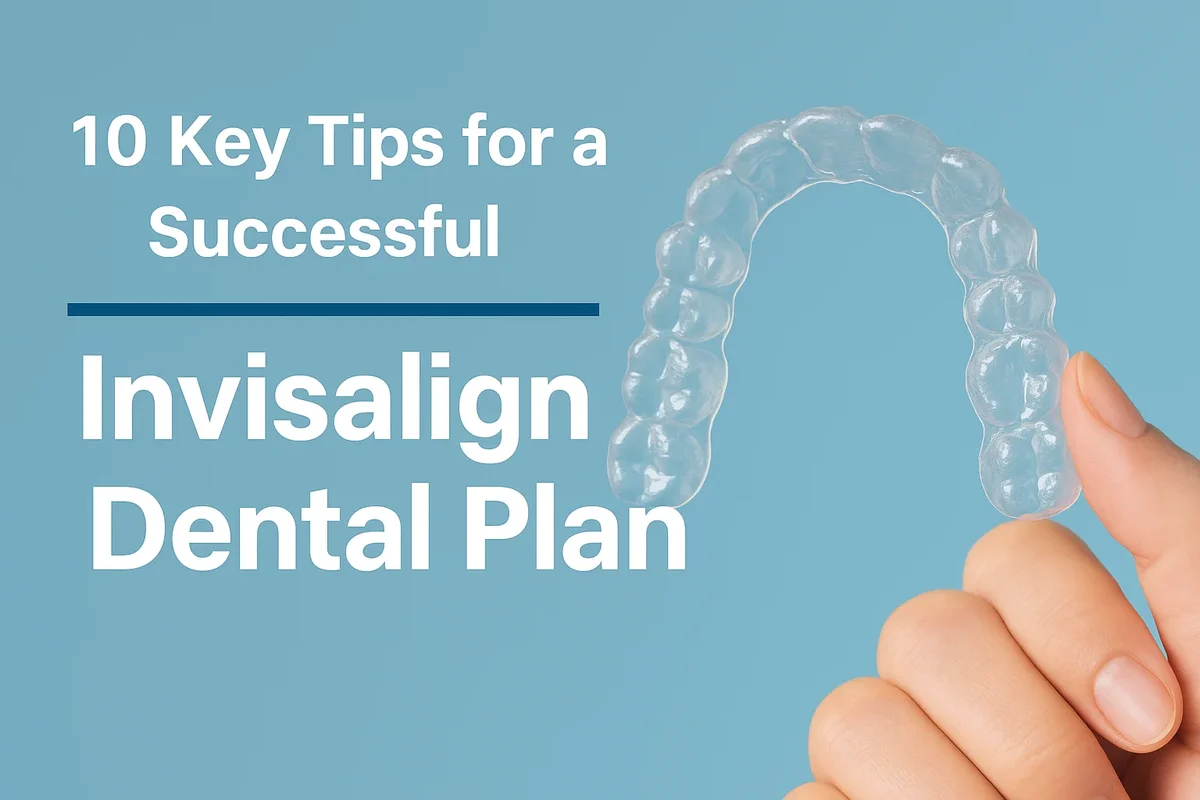
Choosing the Right Clinic for Your Invisalign Dental Plan
Selecting the right dental clinic is one of the most important decisions you’ll make when starting your invisalign dental plan. The success of your treatment depends not only on the quality of the aligners but also on the skill, experience, and technology used by your provider. From your first consultation to post-treatment care, the right clinic can make your journey smoother, faster, and more comfortable. This comprehensive guide will walk you through the essential factors to consider when choosing a clinic for your invisalign dental plan. 🦷💫
1. Verify Invisalign Certification and Experience
Not all dentists are qualified to provide Invisalign treatment. You should always ensure that your chosen clinic is staffed by Invisalign-certified professionals. Providers are ranked based on their experience level — ranging from Bronze to Diamond status — depending on the number of successful cases completed. Choosing a higher-tier provider increases the likelihood of achieving precise and efficient results.
Why Certification Matters
- Technical Expertise: Certified providers undergo specialized training to design and adjust aligners accurately.
- Faster Results: Experienced professionals can foresee and correct potential issues early in your invisalign dental plan.
- Personalized Care: They can adapt treatment for unique challenges like complex bite issues or rotated teeth.
Always ask your clinic about their Invisalign provider level and request before-and-after photos of previous patients. These serve as proof of skill and consistency in delivering successful outcomes.
2. Evaluate Technology and Equipment
Modern technology plays a critical role in the effectiveness of your invisalign dental plan. The best clinics use digital scanners, 3D simulation software, and AI-driven diagnostic tools to create customized treatment plans. This precision eliminates the need for traditional impressions and ensures each aligner fits perfectly.
Key Technologies to Look For
- iTero® Digital Scanner: Provides quick, painless, and accurate 3D scans of your teeth.
- ClinCheck® Software: Simulates the entire movement of your teeth before treatment begins.
- 3D Printing: Used to manufacture aligners and retainers with micrometric precision.
A clinic equipped with these technologies guarantees a smoother, faster, and more predictable invisalign dental plan experience. Always choose providers that prioritize innovation and continuous technology upgrades.
3. Assess the Consultation Process
A trustworthy clinic will offer a thorough consultation before starting your invisalign dental plan. This session should include a detailed discussion about your dental history, an oral health examination, and 3D scans or X-rays. The dentist should explain each stage of the process, the estimated treatment time, and total costs in transparent detail.
During this stage, you should feel comfortable asking questions such as:
- “Am I a good candidate for Invisalign?”
- “How many cases like mine have you treated before?”
- “What happens if my teeth don’t move as expected?”
Reputable clinics, like Redent Klinik, provide honest, personalized advice based on your dental goals and ensure you understand every detail of your treatment plan.
4. Transparency in Pricing and Financing
Transparent pricing is a hallmark of a trustworthy clinic. A clear breakdown of your invisalign dental plan should include consultation fees, the number of aligners, refinements, retainers, and follow-up visits. Avoid clinics that offer “one-size-fits-all” pricing or hidden add-ons.
Financial Options to Consider
- Interest-free monthly installment plans
- Insurance support and claim assistance
- Discounts for full upfront payment
- Free follow-ups or refinement phases included in the total cost
Understanding your financial commitments upfront allows you to plan your investment wisely. A well-structured invisalign dental plan should never come with financial surprises.
5. Clinic Reputation and Patient Reviews
When selecting a clinic, reputation matters. Look for genuine patient reviews, testimonials, and before-and-after case galleries. Consistently positive feedback is a good indicator of reliable service and patient satisfaction. Third-party platforms like Google Reviews or independent dental directories can also help verify credibility.
Reading about others’ experiences gives you insight into how the clinic handles communication, scheduling, and aftercare — all essential aspects of a successful invisalign dental plan.
6. Quality of Communication and Support
Effective communication is vital during your treatment journey. The best clinics maintain open channels for updates, check-ins, and questions throughout your invisalign dental plan. You should be able to reach your dentist easily via email, phone, or clinic apps if you encounter issues such as aligner discomfort or fit concerns.
Signs of Great Communication
- Prompt responses to inquiries
- Friendly and knowledgeable staff
- Regular progress monitoring and reminders
- Follow-ups after each major treatment milestone
Having supportive communication makes the entire Invisalign journey stress-free and empowering. 🤝
7. Hygiene, Comfort, and Environment
The physical environment of the clinic also impacts your overall experience. A clean, organized, and relaxing space builds trust and reduces anxiety — especially if you’re undergoing long-term treatment. During your initial visit, observe whether the clinic maintains strict hygiene standards, uses sterilized instruments, and provides a welcoming atmosphere for patients.
Clinics that prioritize patient comfort demonstrate their commitment to quality care, ensuring that your invisalign dental plan is both professional and enjoyable.
8. Post-Treatment Support and Retainer Programs
Post-treatment care is as important as the aligner phase. Reliable clinics include retainer fittings, maintenance instructions, and annual check-ups as part of the invisalign dental plan. This ensures long-term results and minimizes relapse risks. Some providers even offer lifetime retainer programs for continuous support.
What Good Aftercare Looks Like
- Retainer replacement or repair options
- Annual alignment assessments
- Professional cleaning and whitening services post-treatment
- Discounted cosmetic treatments for returning patients
Such comprehensive post-treatment programs demonstrate a clinic’s commitment to maintaining your smile well beyond the initial alignment process.
9. Accessibility and Location
While expertise and technology are crucial, convenience matters too. A clinic that’s easy to reach from your home or workplace encourages regular attendance and on-time appointments. Late-hour or weekend availability is a plus for busy professionals. Some clinics even offer virtual consultations for follow-ups, making the invisalign dental plan more accessible to all patients.
10. Making the Final Choice
After evaluating all your options, narrow down your choices to two or three clinics. Compare their costs, reviews, technologies, and provider credentials. Schedule in-person consultations to assess comfort level and professionalism firsthand. The right provider will make you feel confident, informed, and supported every step of the way.
In summary, choosing the right clinic for your invisalign dental plan requires research, observation, and trust. Look for certified providers with transparent communication, cutting-edge technology, and personalized care. For credible resources on dental provider standards, visit the American Dental Association or connect with an established provider like Redent Klinik Contact Page to begin your smile transformation with confidence. 🌟
With the right team by your side, your invisalign dental plan will be more than a treatment — it will be a life-changing experience that brings out your healthiest, most confident smile.
Disclosure: this page may contain affiliate links. We may earn a commission if you use them, at no extra cost to you.