
Modern orthodontics has transformed the way people achieve straight teeth, and one of the most popular innovations is Invisalign. Many patients today are not only interested in clear aligners but also in achieving results more quickly. That is where the concept of invisalign faster comes into focus. Patients frequently search for ways to make orthodontic treatment more efficient without sacrificing safety or effectiveness. Fortunately, advances in digital orthodontics, improved treatment planning, and patient cooperation can make invisalign faster a realistic and achievable goal.
In simple terms, invisalign faster refers to methods, habits, and technologies that can help accelerate the Invisalign treatment process. Invisalign aligners work by gradually shifting teeth into the desired position through a series of custom-made, removable trays. Each aligner is designed using advanced 3D imaging technology, allowing dentists to plan the entire tooth movement sequence before treatment even begins. Because of this digital precision, many patients experience predictable progress and in some cases can complete treatment faster than traditional braces. 😁
One of the biggest reasons patients look for ways to make invisalign faster is lifestyle convenience. Orthodontic treatment used to require years of wearing metal braces, frequent adjustments, and dietary restrictions. Invisalign changed this by introducing nearly invisible aligners that can be removed when eating or brushing. However, patients often ask: can Invisalign move teeth even more quickly? The answer depends on several factors, including the complexity of the case, patient discipline, and professional guidance from an experienced dentist.
The foundation of achieving invisalign faster results begins with proper diagnosis and treatment planning. Orthodontists use digital scanners and software to analyze tooth alignment, bite relationships, and jaw structure. This digital treatment simulation predicts how teeth will move over time and allows dentists to adjust the plan before treatment begins. Because of this technology, many cases can be optimized to shorten treatment time while maintaining healthy tooth movement.
Another key factor in achieving invisalign faster outcomes is patient compliance. Invisalign aligners should typically be worn for about 20 to 22 hours per day. Removing them too frequently or forgetting to wear them consistently can slow down tooth movement. On the other hand, patients who follow their dentist’s instructions closely often notice smoother and more predictable progress. This is why dentists emphasize consistency as one of the most important elements for making invisalign faster a reality.
Technology also plays a significant role in speeding up orthodontic treatment. Modern orthodontic tools such as vibration devices, optimized attachments, and precision aligner materials can help improve the efficiency of tooth movement. Some clinics also combine Invisalign with advanced orthodontic monitoring systems that track treatment progress remotely. These innovations help dentists identify potential delays early and make adjustments that keep treatment on track.
Safety and dental health always remain the top priorities when discussing invisalign faster. Teeth must move at a biologically safe pace to avoid damage to the gums or bone structure. Moving teeth too aggressively could lead to complications such as root resorption or gum irritation. That is why professional supervision is essential throughout the Invisalign process. Reputable organizations such as the American Dental Association emphasize the importance of supervised orthodontic care to maintain oral health during treatment.
Patients interested in invisalign faster treatment should also maintain excellent oral hygiene during the process. Clean aligners and healthy gums support efficient tooth movement. Brushing after meals, cleaning aligners regularly, and attending scheduled dental appointments can all contribute to smoother treatment progress. Good oral care not only protects your smile but also supports the biological processes that allow teeth to shift effectively.
If you are considering Invisalign or want professional guidance on how to achieve invisalign faster results, it is important to consult an experienced dental clinic. Orthodontists can evaluate your individual case and determine whether accelerated treatment options are suitable for you. Personalized care ensures that the treatment remains safe while still aiming for efficient results. If you would like expert advice about Invisalign or orthodontic treatment, you can reach out through the Redent Klinik Contact Page.
Ultimately, the goal of invisalign faster is not simply speed but efficiency combined with safety. When modern technology, professional guidance, and patient commitment work together, Invisalign treatment can deliver impressive results in a relatively short time. Many patients are surprised by how quickly their smile begins to transform once treatment begins. With proper planning and dedication, achieving a straighter, healthier smile sooner than expected is entirely possible. ✨
What Does “Invisalign Faster” Really Mean?
The phrase invisalign faster has become increasingly popular among people researching orthodontic treatment options. Patients today want straight teeth, but they also want the process to be efficient and convenient. Traditionally, orthodontic treatment could take two years or more, which caused many adults to delay or avoid treatment. However, the idea of invisalign faster focuses on reducing treatment time through advanced technology, proper planning, and patient cooperation while maintaining safe and healthy tooth movement.
Invisalign itself is already designed to be more efficient than many traditional orthodontic systems. The aligners are digitally planned and custom-manufactured to move teeth in small, controlled increments. When patients follow their treatment plan carefully, the entire process can progress smoothly and sometimes more quickly than expected. Understanding what invisalign faster truly means requires looking at both the technology behind Invisalign and the habits that support faster orthodontic progress.
How Invisalign Treatment Works
To understand how invisalign faster works, it is important to first understand the basic Invisalign process. Invisalign uses a series of clear aligners made from medical-grade thermoplastic material. Each aligner is slightly different from the previous one and gradually shifts teeth toward their ideal position.
The treatment begins with a digital scan of the patient’s teeth using advanced 3D imaging technology. This scan allows dentists to create a detailed treatment simulation that shows how the teeth will move over time. The software then designs a series of aligners that guide the teeth step by step through the orthodontic process. Because this entire process is digitally planned, dentists can optimize tooth movement patterns to help make invisalign faster whenever possible.
Gradual Tooth Movement
Teeth do not move instantly. Instead, they shift slowly as the surrounding bone and ligaments adapt to the pressure applied by aligners. Each aligner is usually worn for about one to two weeks before switching to the next set. The concept behind invisalign faster is not about forcing teeth to move aggressively but about optimizing this biological process so it progresses efficiently.
Precision Treatment Planning
One of the major advantages that contributes to invisalign faster treatment is digital orthodontic planning. Dentists can visualize the entire treatment journey before it even begins. By identifying potential challenges early, orthodontists can create a more efficient treatment path that avoids unnecessary delays.
Factors That Influence Invisalign Treatment Speed
Although many patients hope for invisalign faster results, the actual treatment time depends on several important factors. Some cases are naturally simpler than others, and individual biological responses can vary from person to person.
Complexity of the Orthodontic Problem
Mild alignment issues, such as minor crowding or small gaps between teeth, are usually corrected more quickly. These types of cases are often ideal for invisalign faster treatment because the tooth movements required are relatively small. However, more complex orthodontic conditions, such as severe crowding, bite misalignment, or jaw discrepancies, may require longer treatment periods.
Patient Compliance
One of the most important contributors to invisalign faster progress is how consistently the patient wears their aligners. Invisalign aligners should typically be worn between 20 and 22 hours per day. Removing aligners too frequently or forgetting to wear them can delay tooth movement. Patients who follow their dentist’s instructions carefully often experience smoother and faster treatment progress.
Biological Response
Every patient’s body responds differently to orthodontic forces. Some individuals experience slightly faster tooth movement because of their bone density and cellular response. While dentists cannot completely control biological factors, they can optimize treatment plans to support invisalign faster progress whenever possible.
Technology That Supports Faster Invisalign Results
Modern orthodontics continues to evolve, and new technologies are helping patients achieve invisalign faster outcomes than ever before. These advancements allow dentists to guide tooth movement more precisely and monitor progress more effectively.
SmartTrack Aligner Material
Invisalign aligners are made from a proprietary material called SmartTrack, which improves the fit and control of tooth movement. This advanced material ensures that aligners apply consistent force, which can help support invisalign faster results compared to older aligner systems.
Optimized Attachments
Many Invisalign treatments include small tooth-colored attachments that help aligners grip the teeth more effectively. These attachments allow aligners to apply more precise forces, which can improve the efficiency of tooth movement and contribute to invisalign faster treatment timelines.
Remote Monitoring
Some dental clinics now use remote monitoring technology to track treatment progress. Patients can upload photos of their teeth through mobile apps, allowing dentists to review progress between appointments. Early detection of alignment issues allows orthodontists to make adjustments quickly and maintain invisalign faster treatment progress.
The Importance of Professional Supervision
Although the idea of invisalign faster may sound appealing, it is essential that orthodontic treatment remains safe. Teeth must move at a pace that allows the surrounding bone and tissues to adapt. Moving teeth too quickly can lead to complications such as gum irritation, root damage, or bite problems.
For this reason, professional supervision is critical during Invisalign treatment. Organizations like the American Dental Association emphasize the importance of receiving orthodontic treatment from qualified dental professionals. Dentists monitor progress regularly and ensure that tooth movement remains healthy throughout the treatment process.
Why Many Adults Prefer Faster Orthodontic Solutions
Adults today are increasingly choosing Invisalign because it fits their lifestyle and offers the possibility of invisalign faster results compared to traditional orthodontic systems. Clear aligners are discreet, removable, and comfortable, making them ideal for professionals and individuals who want a more flexible orthodontic experience.
The possibility of achieving a straighter smile in a shorter time frame is one of the main reasons Invisalign continues to grow in popularity worldwide. While not every case can be dramatically accelerated, modern orthodontic techniques have made invisalign faster treatment achievable for many patients.
Ultimately, understanding what invisalign faster truly means helps patients set realistic expectations for their orthodontic journey. Faster treatment is possible when modern technology, professional expertise, and patient commitment work together. With proper planning and consistent aligner use, many patients can achieve their dream smile more efficiently than ever before.
How Invisalign Technology Makes Invisalign Faster
Modern orthodontics has evolved dramatically in the past two decades, and one of the biggest innovations is Invisalign technology. Many patients are surprised to learn that the system behind clear aligners is powered by highly advanced digital planning, artificial intelligence, and specialized materials. These innovations are a major reason why orthodontic treatment today can be significantly more efficient. When people search for invisalign faster, they are often referring to the technological advantages that allow teeth to move more precisely and predictably than traditional braces.
Invisalign does not rely on manual wire adjustments like conventional braces. Instead, it uses digital treatment simulations and customized aligners designed for each patient. This precision-driven approach helps orthodontists guide tooth movement more efficiently, which contributes directly to invisalign faster outcomes. When treatment is carefully planned and executed using advanced orthodontic tools, patients often notice steady improvements in their smile much sooner than expected. 😁
Digital Treatment Planning and 3D Simulation
One of the most important reasons Invisalign can achieve invisalign faster results is its use of sophisticated digital treatment planning. Before treatment begins, dentists perform a 3D scan of the patient’s teeth using specialized scanners. This scan replaces traditional dental molds and produces a precise digital model of the mouth.
Using this model, orthodontic software creates a step-by-step simulation of how each tooth will move during treatment. This technology allows dentists to identify the most efficient path for tooth movement. Because the entire process is mapped out in advance, unnecessary adjustments are minimized, helping patients achieve invisalign faster treatment timelines.
Predictable Tooth Movement
Traditional braces often require periodic manual adjustments because the orthodontist cannot always predict exactly how teeth will respond to wires and brackets. Invisalign technology reduces this uncertainty by planning each stage digitally. As a result, tooth movements become more predictable, which contributes to invisalign faster progress throughout the treatment process.
Customized Aligner Series
Every Invisalign patient receives a series of custom aligners that gradually shift teeth into the desired position. Each aligner is slightly different and designed to apply specific forces to certain teeth. Because the aligners are engineered using digital data, they guide teeth with remarkable accuracy, helping make invisalign faster treatment possible for many patients.
SmartTrack Material and Aligner Efficiency
Another major technological factor contributing to invisalign faster treatment is the material used to manufacture Invisalign aligners. Invisalign aligners are made from a proprietary thermoplastic material known as SmartTrack. This material was specifically developed to improve comfort, flexibility, and control during orthodontic treatment.
SmartTrack material fits more precisely around teeth compared to earlier aligner systems. This improved fit allows aligners to apply consistent pressure on the teeth, encouraging gradual movement while maintaining patient comfort. Because the aligners maintain consistent force throughout the day, they support more efficient tooth movement, helping achieve invisalign faster results.
Improved Aligner Grip
The SmartTrack material also improves how aligners grip the teeth. A better grip means that the aligners can guide teeth more effectively according to the treatment plan. This precise control contributes significantly to invisalign faster progress compared to older orthodontic technologies.
Optimized Attachments That Accelerate Treatment
Many Invisalign treatments include small tooth-colored attachments placed on specific teeth. These attachments act as anchors that help aligners apply more targeted pressure during certain movements. Although they are subtle and barely visible, they play an important role in making invisalign faster possible.
Attachments allow aligners to move teeth in directions that might otherwise be difficult with clear aligners alone. For example, they can help rotate teeth, adjust vertical positioning, or close gaps more effectively. Because attachments improve aligner efficiency, they often help shorten treatment time and contribute to invisalign faster orthodontic progress.
Precision Control of Complex Movements
Certain tooth movements, such as rotations or deep bite corrections, require very precise force. Attachments enable Invisalign aligners to perform these movements more efficiently. As a result, patients can benefit from invisalign faster treatment even in moderately complex orthodontic cases.
AI-Powered Orthodontic Software
Artificial intelligence is also playing a growing role in Invisalign treatment planning. Invisalign software analyzes thousands of previous orthodontic cases to improve treatment predictions. By learning from real patient outcomes, AI helps orthodontists design more efficient treatment strategies that support invisalign faster results.
AI-assisted planning allows orthodontists to anticipate how teeth will respond to aligners and adjust treatment plans accordingly. This predictive capability reduces unexpected delays and helps maintain steady treatment progress, which is essential for achieving invisalign faster outcomes.
Remote Monitoring Technology
Another innovation supporting invisalign faster treatment is remote orthodontic monitoring. Many clinics now use smartphone apps that allow patients to submit regular photos of their teeth during treatment. These images are reviewed by dentists to ensure the aligners are working as expected.
If a problem is detected early, the orthodontist can provide guidance or adjust the treatment plan before the issue slows progress. This proactive approach helps keep treatment on track and contributes to invisalign faster completion times.
Safety and Professional Oversight
While technology helps support invisalign faster treatment, safety must always remain the top priority. Teeth move through a biological process that requires time for bone and gum tissues to adapt. Accelerating treatment too aggressively could cause complications if not supervised by a dental professional.
This is why reputable organizations such as the American Dental Association emphasize the importance of professional orthodontic supervision. Dentists monitor progress, evaluate tooth movement, and ensure treatment remains healthy throughout the process.
The Future of Faster Orthodontic Treatment
Orthodontic technology continues to advance rapidly. Researchers are exploring new aligner materials, AI-driven diagnostics, and even more precise digital scanning tools. These innovations will likely make invisalign faster treatment even more effective in the future.
Patients interested in exploring modern Invisalign treatment options can consult experienced dental clinics for personalized advice. If you are considering clear aligner treatment or want to learn more about how to achieve invisalign faster results, professional guidance can help determine the best approach for your specific case. You can reach a dental team for more information through the Redent Klinik Contact Page.
Ultimately, Invisalign technology has revolutionized orthodontics by combining digital precision, innovative materials, and intelligent treatment planning. These factors work together to make invisalign faster a realistic option for many patients who want a straighter smile without the long timelines traditionally associated with braces. With the right technology and professional care, achieving an efficient and comfortable orthodontic journey has never been more achievable. ✨
Who Is a Good Candidate for Invisalign Faster Treatment?
Many patients are excited about the possibility of achieving invisalign faster results, but an important question remains: who is actually a good candidate for accelerated Invisalign treatment? While Invisalign technology has made orthodontic treatment more efficient than ever, not every dental case can be treated at the same speed. The success of invisalign faster treatment depends on several factors, including the severity of tooth misalignment, the patient’s oral health, their daily habits, and the expertise of the dental professional supervising the treatment.
In general, Invisalign is suitable for a wide range of orthodontic concerns such as crowded teeth, gaps, overbites, underbites, and crossbites. However, when patients specifically want invisalign faster, dentists carefully evaluate whether the teeth can move safely within a shorter time frame. Some orthodontic cases naturally respond more quickly to aligner therapy, especially when the movements required are small or moderate. Understanding whether you are a good candidate for invisalign faster treatment helps set realistic expectations and improves the likelihood of successful results. 😊
Mild to Moderate Alignment Issues
Patients with mild to moderate orthodontic problems are often the best candidates for invisalign faster treatment. When teeth require only small adjustments, aligners can shift them into the desired position more quickly than complex orthodontic corrections.
Minor Crowding
Minor crowding occurs when teeth overlap slightly because there is not enough space in the dental arch. This is one of the most common conditions treated with Invisalign. Because the corrections are relatively small, many patients with minor crowding experience invisalign faster results compared to traditional orthodontic treatments.
Small Gaps Between Teeth
Another ideal situation for invisalign faster treatment is when patients have small gaps between their teeth. Aligners can gently close these spaces by gradually moving teeth closer together. Since the movements required are minimal, treatment time can often be shorter.
Adults and Responsible Teenagers
One of the most important factors for achieving invisalign faster results is patient cooperation. Invisalign aligners must be worn consistently for approximately 20 to 22 hours per day. Adults and responsible teenagers who can commit to wearing their aligners properly are often excellent candidates for invisalign faster treatment.
High Compliance with Aligner Wear
Patients who follow their dentist’s instructions carefully tend to experience smoother treatment progress. Removing aligners too frequently can delay tooth movement and slow down the process. On the other hand, patients who consistently wear their aligners as recommended are more likely to achieve invisalign faster outcomes.
Strong Oral Hygiene Habits
Maintaining excellent oral hygiene is also essential for successful orthodontic treatment. Healthy gums and clean teeth support efficient tooth movement, which contributes to invisalign faster progress. Brushing after meals, flossing regularly, and cleaning aligners daily can help maintain the optimal environment for orthodontic treatment.
Healthy Teeth and Gums
Another key requirement for invisalign faster treatment is good overall oral health. Teeth must be supported by healthy gums and bone structures in order to move safely during orthodontic treatment.
No Active Gum Disease
Patients with untreated gum disease may not be suitable candidates for immediate Invisalign treatment. Gum infections can weaken the structures that support the teeth, making orthodontic movement unsafe. Dentists typically recommend treating gum disease first before beginning invisalign faster treatment.
Strong Bone Support
Healthy jawbone structure is necessary for efficient tooth movement. When the bone surrounding the teeth is strong and stable, aligners can guide teeth more effectively. This structural support can help make invisalign faster treatment possible for eligible patients.
Patients with Realistic Expectations
Although the idea of invisalign faster is appealing, patients should understand that orthodontic treatment still requires time for biological processes to occur. Teeth move through a natural process that involves bone remodeling and ligament adaptation. Trying to force teeth to move too quickly could lead to complications.
A qualified dentist will evaluate each patient individually and determine whether faster treatment options are appropriate. Professional organizations such as the American Dental Association emphasize that orthodontic treatment should always prioritize safety and long-term oral health.
When Invisalign Faster May Not Be Ideal
Although many patients are good candidates for invisalign faster, some orthodontic situations require longer treatment times. Complex bite issues, severe crowding, or significant jaw alignment problems may require additional orthodontic techniques.
Severe Bite Problems
Conditions such as severe overbite, underbite, or crossbite may require more advanced orthodontic correction. These cases often involve multiple stages of tooth movement and therefore may not qualify for the fastest Invisalign treatment timelines.
Major Tooth Rotations
Teeth that are significantly rotated or tilted may take longer to reposition correctly. Even with advanced aligner technology, these movements must occur gradually to maintain healthy gums and bone structure.
Why Professional Consultation Is Essential
Determining whether you are a candidate for invisalign faster treatment requires a professional dental evaluation. Dentists use digital scanning technology, bite analysis, and orthodontic imaging to assess the position of your teeth and jaw.
After evaluating these factors, the dentist can design a personalized Invisalign treatment plan that aims for the most efficient results possible while maintaining safety. If you are interested in learning whether you qualify for invisalign faster treatment, consulting an experienced dental clinic is the best first step.
You can schedule a consultation or ask questions about Invisalign treatment through the Redent Klinik Contact Page. A professional evaluation will help determine the best orthodontic strategy for achieving a straighter smile in the most efficient and comfortable way.
Ultimately, the ideal candidate for invisalign faster treatment is someone with mild to moderate orthodontic concerns, healthy teeth and gums, and the discipline to follow aligner instructions carefully. When these factors come together, Invisalign can deliver impressive results in a shorter timeframe than many patients expect. With the right treatment plan and consistent aligner use, achieving a confident, healthy smile faster becomes a realistic goal. ✨
Daily Habits That Help Invisalign Work Faster
Many patients who begin clear aligner therapy are excited about improving their smile but also want to achieve results as efficiently as possible. The idea of invisalign faster treatment is not only influenced by advanced orthodontic technology but also by everyday habits. In fact, the daily routines you follow during treatment can significantly impact how smoothly your aligners move your teeth. While dentists design a precise treatment plan, patient behavior plays a major role in ensuring invisalign faster progress. Small habits repeated every day can either support the treatment or slow it down.
Clear aligners are unique because they rely heavily on patient cooperation. Unlike fixed braces, Invisalign trays are removable. This flexibility offers comfort and convenience, but it also means patients must take responsibility for wearing and caring for their aligners correctly. When daily habits support the treatment process, achieving invisalign faster results becomes much more realistic. 😁
Wear Your Aligners the Recommended 20–22 Hours Daily
The most important habit for achieving invisalign faster progress is wearing aligners consistently. Invisalign trays are designed to apply gentle pressure on teeth throughout the day. If aligners are removed too frequently, this pressure is interrupted, and teeth may not move according to the treatment schedule.
Why Consistent Wear Matters
Each aligner in the series is designed to move teeth slightly closer to their ideal position. For this movement to occur efficiently, the aligner must remain in place most of the day. Patients who wear their aligners for the recommended 20–22 hours daily are far more likely to experience invisalign faster treatment timelines.
Limit Unnecessary Removal
Aligners should only be removed for eating, drinking anything other than water, and brushing or flossing. Leaving aligners out for extended periods can cause teeth to shift back slightly, delaying the treatment plan. Consistent use is one of the simplest yet most powerful ways to support invisalign faster results.
Maintain Excellent Oral Hygiene
Oral hygiene plays an important role in orthodontic health and can also influence the efficiency of Invisalign treatment. Clean teeth and healthy gums create an optimal environment for tooth movement. Maintaining proper hygiene habits helps ensure that invisalign faster treatment remains safe and effective.
Brush After Every Meal
Before reinserting aligners, patients should brush their teeth thoroughly. Food particles trapped between teeth and aligners can increase the risk of cavities and gum inflammation. Healthy gums and teeth allow aligners to function more efficiently, which supports invisalign faster treatment progress.
Clean Your Aligners Daily
Aligners should be cleaned at least once or twice daily using a gentle toothbrush and lukewarm water or special aligner cleaning crystals. Clean trays maintain proper transparency and prevent bacterial buildup. Good aligner hygiene helps maintain oral health, which indirectly supports invisalign faster orthodontic movement.
Switch Aligners on Schedule
Every Invisalign treatment plan includes a specific timeline for changing aligners. Most patients switch to a new aligner every one to two weeks. Following this schedule is essential for achieving invisalign faster progress.
Follow Your Dentist’s Instructions
Dentists carefully design aligner sequences based on how teeth are expected to move over time. Switching trays too early or too late can disrupt the treatment plan. By changing aligners exactly as instructed, patients allow the treatment to progress efficiently and support invisalign faster results.
Use Aligner Tracking Tools
Many patients find it helpful to use smartphone reminders or Invisalign apps to track aligner changes. These tools ensure that the treatment schedule remains consistent and contribute to smoother invisalign faster progress.
Attend Regular Dental Checkups
Routine dental appointments are another important factor in maintaining invisalign faster treatment timelines. Orthodontists monitor tooth movement, check aligner fit, and make adjustments when necessary.
Monitoring Treatment Progress
During appointments, dentists evaluate whether teeth are moving according to the treatment plan. If any teeth are not responding as expected, the dentist can adjust the plan before delays occur. This proactive approach helps maintain invisalign faster treatment progress.
Professional Guidance
Dental professionals also provide guidance on improving aligner wear habits and oral hygiene. Following professional advice ensures the treatment remains efficient and safe. Trusted organizations such as the
American Dental Association recommend regular dental monitoring for orthodontic treatments to protect oral health.
Healthy Lifestyle Habits Support Tooth Movement
Beyond aligner use and oral hygiene, general health habits can also influence orthodontic progress. A healthy lifestyle supports bone remodeling, which is essential for tooth movement during Invisalign treatment.
Eat a Balanced Diet
Nutrients such as calcium, vitamin D, and phosphorus support bone health. Strong bone structure helps teeth shift more efficiently under orthodontic pressure, which may contribute to invisalign faster outcomes.
Stay Hydrated
Drinking plenty of water helps maintain saliva production and oral health. Water also helps rinse away bacteria and food particles that may accumulate around teeth and aligners.
Avoid Habits That Can Delay Invisalign Treatment
Certain behaviors can slow down orthodontic progress and prevent patients from achieving invisalign faster results.
Skipping Aligner Wear
Forgetting to wear aligners for extended periods is one of the most common reasons Invisalign treatment becomes delayed. Maintaining discipline and wearing aligners consistently is essential for keeping treatment on track.
Poor Oral Hygiene
Neglecting oral hygiene can lead to gum inflammation or cavities, which may require additional dental care before treatment can continue. Healthy teeth and gums are necessary for maintaining invisalign faster treatment progress.
Professional Support Throughout Treatment
Although daily habits play a major role in orthodontic success, professional supervision remains essential. Dentists monitor the health of teeth, gums, and jawbone throughout treatment to ensure everything is progressing safely.
If you have questions about improving your Invisalign treatment or want professional guidance for achieving invisalign faster results, contacting a dental clinic is the best step. You can reach dental professionals through the
Redent Klinik Contact Page for consultation and personalized advice.
Ultimately, achieving invisalign faster results is not just about the aligners themselves but also about the habits patients follow every day. Consistent aligner wear, excellent oral hygiene, regular dental visits, and healthy lifestyle choices all work together to support efficient orthodontic treatment. By adopting these daily habits, patients can help ensure their Invisalign journey progresses smoothly and that their new smile arrives as quickly as possible. ✨
Advanced Orthodontic Techniques That Make Invisalign Faster
Orthodontic technology has advanced significantly in recent years, making it possible for many patients to achieve straighter teeth more efficiently than ever before. While Invisalign itself is already designed to be efficient, dentists can also use several specialized techniques to help make invisalign faster. These advanced orthodontic methods improve how aligners guide tooth movement, allowing treatments to progress smoothly while maintaining safety and precision.
When patients search for ways to achieve invisalign faster results, they often discover that dentists combine clear aligners with additional tools and treatment strategies. These techniques are carefully selected based on each patient’s unique dental structure and orthodontic needs. The goal is always to guide teeth toward their ideal positions in the most efficient way possible while protecting gum health and bone stability. With the right combination of technology and professional expertise, many patients can benefit from invisalign faster treatment timelines. 😁
Precision Attachments That Improve Tooth Movement
One of the most widely used methods for achieving invisalign faster treatment involves the use of orthodontic attachments. These small, tooth-colored shapes are bonded to certain teeth during treatment. Although they are subtle and blend naturally with the teeth, they significantly improve the performance of aligners.
How Attachments Work
Attachments provide additional grip for the aligners, allowing them to apply more precise pressure to specific teeth. This improved control enables the aligners to perform complex movements such as rotations, vertical adjustments, or closing gaps more efficiently. By increasing aligner effectiveness, attachments help support invisalign faster results.
Customized Placement for Each Patient
Attachments are not placed randomly. Orthodontic software determines the optimal location for each attachment based on the planned tooth movements. Because the placement is carefully calculated, the aligners can guide teeth along the most efficient path, which contributes to invisalign faster progress throughout treatment.
Interproximal Reduction (IPR)
Another advanced technique that can help achieve invisalign faster treatment is interproximal reduction, commonly known as IPR. This procedure involves removing a very small amount of enamel between certain teeth to create additional space.
Creating Space for Tooth Movement
When teeth are crowded, aligners may need extra space to move them into the correct positions. IPR allows dentists to create this space without removing teeth. Because the teeth can move more freely, this technique often helps support invisalign faster treatment progress.
Safe and Minimal Procedure
The amount of enamel removed during IPR is extremely small and carefully controlled. Dentists use specialized tools to ensure the process remains safe and comfortable. When performed correctly, IPR can significantly improve the efficiency of aligner treatment and contribute to invisalign faster outcomes.
High-Frequency Vibration Devices
Some orthodontists also use high-frequency vibration devices to enhance the effectiveness of Invisalign treatment. These small handheld devices produce gentle vibrations that patients use for a few minutes each day while wearing their aligners.
Stimulating Bone Remodeling
Tooth movement occurs when the bone surrounding the teeth adapts to orthodontic pressure. Vibration devices may stimulate cellular activity in the bone, which can encourage faster remodeling. By supporting this biological process, these devices may help promote invisalign faster results in some patients.
Improved Aligner Seating
Another benefit of vibration devices is improved aligner seating. Properly seated aligners ensure that pressure is distributed evenly across the teeth, allowing aligners to function exactly as designed. This improved fit can help maintain consistent progress and support invisalign faster treatment.
Accelerated Orthodontic Techniques
Some advanced dental clinics offer accelerated orthodontic techniques designed to enhance tooth movement during Invisalign treatment. These methods aim to stimulate the natural biological processes involved in orthodontic movement.
Micro-Osteoperforation
Micro-osteoperforation is a minimally invasive procedure that involves creating tiny perforations in the bone around the teeth. This process stimulates the body’s natural healing response and may increase the speed of bone remodeling. When used alongside aligner therapy, this technique can help support invisalign faster treatment timelines.
Laser-Assisted Orthodontics
Some clinics also use specialized dental lasers to stimulate gum and bone tissue. Laser therapy may encourage cellular activity around the teeth, potentially improving the efficiency of orthodontic movement. This advanced approach can contribute to invisalign faster treatment progress in certain cases.
Artificial Intelligence in Treatment Optimization
Modern orthodontic planning increasingly relies on artificial intelligence and advanced data analysis. Invisalign software analyzes thousands of orthodontic cases to identify the most efficient strategies for tooth movement. This technology helps dentists design treatment plans that support invisalign faster outcomes.
Predictive Treatment Modeling
AI-powered software predicts how teeth will respond to aligners over time. By analyzing this data, orthodontists can adjust treatment plans before problems occur. This predictive approach helps prevent delays and supports consistent invisalign faster progress.
Optimized Aligner Sequences
Artificial intelligence also helps determine the ideal number of aligners and the sequence of tooth movements. When aligners are designed with optimal efficiency, patients are more likely to experience smoother and faster orthodontic treatment.
Professional Supervision Remains Essential
Although advanced techniques can help achieve invisalign faster results, orthodontic treatment must always prioritize safety. Teeth move through a biological process that requires time for bone and gum tissues to adapt. Accelerating treatment too aggressively without professional supervision could lead to complications.
Organizations such as the American Dental Association emphasize the importance of receiving orthodontic treatment under the supervision of qualified dental professionals. Dentists carefully monitor progress and adjust treatment plans to ensure that tooth movement remains healthy.
Consulting an Experienced Dental Clinic
Patients interested in advanced orthodontic techniques for achieving invisalign faster results should consult an experienced dental clinic. A professional evaluation allows dentists to determine which techniques are suitable for each patient’s unique dental structure.
If you want to learn more about Invisalign treatment or explore options for achieving invisalign faster results, you can contact a dental professional through the
Redent Klinik Contact Page. Personalized treatment planning ensures that orthodontic care remains both efficient and safe.
Ultimately, the combination of advanced orthodontic techniques, innovative technology, and professional expertise has transformed modern aligner therapy. These innovations make it possible for many patients to achieve invisalign faster results while maintaining the comfort and aesthetics that clear aligners are known for. With the right treatment approach and professional supervision, a healthier and straighter smile may arrive sooner than many patients expect. ✨
Common Mistakes That Slow Down Invisalign Faster Progress
Many patients start their orthodontic journey with excitement and the hope of achieving invisalign faster results. Invisalign aligners are designed to provide efficient and comfortable tooth movement, but certain habits and mistakes can slow down progress. Even though the technology behind Invisalign is advanced, the success of invisalign faster treatment depends heavily on how carefully patients follow their treatment instructions.
Understanding what can delay treatment is just as important as knowing what helps accelerate it. Small daily habits, when repeated consistently, can either support or hinder your orthodontic progress. Patients who want invisalign faster outcomes should be aware of these common mistakes and take proactive steps to avoid them. By correcting these issues early, you can maintain steady progress and reach your ideal smile more efficiently. 😊
Not Wearing Aligners Long Enough Each Day
The most common reason Invisalign treatment slows down is insufficient aligner wear. Invisalign aligners are designed to apply gentle, continuous pressure on the teeth. This pressure must remain consistent for teeth to move according to the treatment plan. When patients remove their aligners too often, the pressure is interrupted and tooth movement slows down, preventing invisalign faster progress.
The Recommended Wear Time
Most orthodontists recommend wearing Invisalign aligners between 20 and 22 hours per day. This allows enough time for the aligners to apply the necessary orthodontic forces. Patients who consistently meet this wear time requirement are far more likely to achieve invisalign faster results compared to those who remove their aligners frequently.
How Frequent Removal Delays Treatment
When aligners are removed for long periods, teeth may begin shifting back toward their previous positions. This setback can disrupt the carefully planned sequence of aligners, making it difficult to maintain invisalign faster treatment progress.
Skipping Aligner Changes or Changing Them Too Early
Another mistake that can interfere with invisalign faster treatment is failing to follow the recommended aligner schedule. Invisalign treatment typically involves switching to a new aligner every one to two weeks, depending on the treatment plan designed by your dentist.
Changing Aligners Too Late
If patients delay switching to the next aligner in the sequence, the treatment process can become unnecessarily prolonged. Staying on the recommended schedule helps maintain momentum and supports invisalign faster treatment timelines.
Changing Aligners Too Early
On the other hand, switching aligners too soon can also cause problems. Teeth need time to adapt to the pressure applied by each aligner. Moving to the next tray prematurely can lead to poor aligner fit and may disrupt the overall treatment plan, preventing invisalign faster progress.
Poor Oral Hygiene During Invisalign Treatment
Oral hygiene plays an essential role in orthodontic success. Poor dental hygiene can lead to gum inflammation, cavities, and other oral health issues that may delay Invisalign treatment. Maintaining a healthy mouth supports efficient tooth movement and contributes to invisalign faster results.
Food Trapped Between Teeth and Aligners
When food particles remain on the teeth and aligners are placed back into the mouth, bacteria can accumulate quickly. This environment increases the risk of plaque buildup and gum irritation, which may interfere with the treatment process and slow invisalign faster progress.
Proper Cleaning Habits
Patients should brush their teeth after meals and clean their aligners regularly. Healthy gums and clean teeth allow aligners to work more effectively and help maintain invisalign faster treatment efficiency.
Missing Dental Appointments
Regular dental checkups are essential for monitoring Invisalign progress. During these visits, dentists evaluate how teeth are responding to the aligners and make adjustments if necessary. Skipping appointments can prevent dentists from identifying problems early, potentially delaying invisalign faster results.
Monitoring Tooth Movement
Orthodontists carefully track how teeth shift throughout the treatment process. If a tooth is not moving as expected, the dentist may adjust the treatment plan or provide additional aligners. Early intervention helps maintain invisalign faster progress.
Professional Supervision for Safe Treatment
Dental organizations such as the
American Dental Association emphasize the importance of professional supervision during orthodontic care. Regular monitoring ensures that Invisalign treatment remains both effective and safe.
Damaging or Losing Aligners
Another common mistake that delays invisalign faster treatment is damaging or misplacing aligners. Since each aligner plays a specific role in guiding teeth, losing one can disrupt the treatment schedule.
Handling Aligners Carefully
Patients should always store aligners in their protective case when they are not being worn. Leaving them on tables or wrapping them in napkins can increase the risk of loss or accidental damage.
Contact Your Dentist Immediately
If an aligner becomes damaged or lost, patients should contact their dentist immediately for guidance. Prompt action helps minimize treatment delays and keeps invisalign faster progress on track.
Ignoring Professional Instructions
Dentists provide detailed instructions for aligner wear, oral hygiene, and treatment care. Ignoring these guidelines can slow down orthodontic progress and prevent patients from achieving invisalign faster results.
Following Personalized Treatment Plans
Each Invisalign treatment plan is customized for the individual patient. The aligner schedule, attachments, and treatment duration are all carefully designed to ensure efficient tooth movement. Following these instructions closely is essential for achieving invisalign faster outcomes.
When to Seek Professional Advice
If patients notice discomfort, misaligned trays, or unexpected changes during treatment, they should contact their dentist promptly. Addressing concerns early helps prevent delays and keeps invisalign faster treatment on track.
For patients seeking guidance about Invisalign treatment or experiencing challenges during their orthodontic journey, professional support is available through the
Redent Klinik Contact Page. Consulting experienced dental professionals ensures that any obstacles are addressed quickly and effectively.
Ultimately, avoiding these common mistakes plays a major role in achieving invisalign faster results. Consistent aligner wear, excellent oral hygiene, careful handling of aligners, and regular dental appointments all work together to support efficient orthodontic progress. When patients stay committed to their treatment plan, they can enjoy a smoother Invisalign journey and reach their ideal smile sooner than expected. ✨
How Long Does Invisalign Usually Take Compared to Faster Options?
One of the most common questions patients ask before starting orthodontic treatment is how long it will take to achieve their desired smile. Many people researching aligners are especially interested in the idea of invisalign faster results. While Invisalign is already known for being more convenient and efficient than traditional braces, treatment time can still vary depending on several important factors. Understanding the typical timeline of Invisalign and how it compares with faster orthodontic options helps patients set realistic expectations for their treatment journey.
On average, Invisalign treatment takes between 6 and 18 months. Some mild alignment cases can be corrected in as little as three to six months, while more complex orthodontic problems may take longer. The concept of invisalign faster treatment focuses on optimizing the orthodontic process through advanced technology, proper patient compliance, and professional supervision. When these elements work together effectively, patients may complete their treatment sooner than expected. 😁
Typical Invisalign Treatment Timeline
The Invisalign process involves wearing a series of clear aligners that gradually move teeth into their ideal positions. Each aligner set typically shifts the teeth slightly before the patient moves to the next tray. This structured approach allows orthodontists to carefully guide tooth movement while maintaining oral health.
Mild Alignment Cases
Patients with minor spacing issues or mild crowding often experience invisalign faster results. In these situations, only small adjustments are required to achieve proper alignment. Treatment may take approximately 3 to 6 months depending on the specific case.
Moderate Orthodontic Cases
Moderate cases involving crowding, small bite issues, or noticeable spacing problems typically require about 6 to 12 months of Invisalign treatment. Patients who follow aligner instructions carefully and wear their trays consistently may experience invisalign faster progress within this timeframe.
Complex Orthodontic Cases
Severe alignment problems, bite corrections, or major tooth rotations may require longer treatment periods. These cases often take 12 to 18 months or more. While complex cases may not achieve extremely rapid results, dentists still aim to optimize the treatment plan to support the most efficient and safe invisalign faster progress possible.
Comparing Invisalign with Traditional Braces
Traditional metal braces have been used for decades to correct orthodontic problems. While they remain effective, they often require longer treatment times and frequent adjustments. Invisalign has introduced several technological advantages that can help support invisalign faster outcomes compared to traditional braces.
Treatment Duration with Braces
Metal braces typically require 18 to 24 months for complete orthodontic correction. This longer timeline is partly due to the need for periodic manual adjustments and the limitations of traditional bracket-and-wire systems.
Why Invisalign Can Be Faster
Invisalign treatment is digitally planned using advanced software that maps the entire tooth movement sequence from the beginning. Because orthodontists can predict and optimize the movement path in advance, unnecessary adjustments are minimized. This digital precision contributes to the possibility of invisalign faster treatment timelines.
Factors That Influence Invisalign Treatment Speed
Although Invisalign can often provide invisalign faster results, treatment duration still depends on several key factors.
Patient Compliance
One of the most important factors affecting treatment speed is how consistently patients wear their aligners. Invisalign trays should typically be worn between 20 and 22 hours per day. Patients who remove their aligners too frequently may experience slower progress and delay their chances of achieving invisalign faster results.
Orthodontic Complexity
The complexity of tooth alignment plays a major role in treatment time. Mild cases naturally require less movement, which makes invisalign faster treatment more achievable. Severe cases may still require longer timelines regardless of aligner technology.
Biological Response
Each patient’s body responds differently to orthodontic forces. Bone density, age, and overall oral health can influence how quickly teeth move. Some patients naturally experience invisalign faster progress due to favorable biological conditions.
Can Invisalign Be Accelerated?
Many patients wonder whether Invisalign treatment can be accelerated beyond the standard timeline. In some cases, dentists may recommend additional techniques to support invisalign faster results.
Orthodontic Attachments
Attachments are small tooth-colored shapes placed on specific teeth to improve aligner grip. These attachments allow aligners to apply more precise forces, helping guide teeth more efficiently and supporting invisalign faster treatment progress.
Vibration Devices
Some orthodontists recommend vibration devices that stimulate bone remodeling and help aligners seat properly. These devices may help improve treatment efficiency and contribute to invisalign faster outcomes for certain patients.
Why Safety Matters More Than Speed
Although many patients want invisalign faster results, orthodontic treatment must always prioritize safety. Teeth move through a biological process that involves bone remodeling and ligament adaptation. Accelerating tooth movement too aggressively could lead to complications such as root damage or gum problems.
Professional organizations like the
American Dental Association emphasize that orthodontic treatment should always be supervised by qualified dental professionals to ensure healthy outcomes.
Consulting a Dental Professional for Accurate Timelines
The best way to determine how long Invisalign treatment will take is through a professional consultation. Dentists evaluate the position of the teeth, the bite alignment, and the patient’s oral health before creating a personalized treatment plan.
Patients who want to explore whether they are candidates for invisalign faster treatment can contact dental professionals through the
Redent Klinik Contact Page. A consultation allows dentists to provide a realistic estimate of treatment time and recommend strategies for achieving the most efficient results.
Ultimately, Invisalign treatment timelines vary depending on the individual case, but many patients can achieve impressive results in a shorter period than traditional orthodontic systems. With consistent aligner use, professional supervision, and advanced orthodontic technology, achieving invisalign faster results is possible for many patients seeking a healthier, more confident smile. ✨
Professional Tips Dentists Recommend for Faster Invisalign Results
Achieving a straighter smile efficiently is a top priority for many patients starting orthodontic treatment. While Invisalign is already designed to be an effective and comfortable alternative to traditional braces, dentists often provide specific guidance that helps patients reach their results more efficiently. These professional recommendations are especially important for individuals hoping to achieve invisalign faster outcomes. By following proven strategies recommended by orthodontic professionals, patients can help ensure that their treatment progresses smoothly and stays on schedule.
Orthodontists design Invisalign treatment plans using advanced digital tools, but the success of the process also depends on how patients follow professional advice throughout the treatment journey. Dentists combine clinical experience with modern orthodontic science to guide patients toward habits that support invisalign faster progress. When patients apply these expert tips consistently, they often notice that their treatment becomes more predictable and efficient. 😁
Wear Aligners Exactly as Directed
The most important recommendation dentists give to patients seeking invisalign faster results is consistent aligner wear. Invisalign aligners are designed to apply gentle but continuous pressure to the teeth. This pressure encourages gradual tooth movement and allows the treatment plan to progress as scheduled.
Follow the 20–22 Hour Rule
Dentists typically recommend wearing aligners for 20 to 22 hours each day. This means aligners should only be removed when eating, drinking anything other than water, or performing oral hygiene. Patients who consistently meet this wear time requirement are more likely to achieve invisalign faster treatment timelines.
Avoid Frequent Removal
Some patients remove their aligners too often for snacks or extended meals. These interruptions can reduce the pressure applied to the teeth and slow down orthodontic movement. Limiting unnecessary aligner removal helps maintain the steady force needed for invisalign faster results.
Use Aligner Chewies for Proper Fit
Another professional tip dentists often recommend is the use of aligner chewies. These small, soft cylinders help patients seat their aligners properly by biting down on them for a few minutes each day.
Improving Aligner Contact
When aligners fit tightly against the teeth, they apply pressure more efficiently. Chewies help eliminate small air gaps between the aligner and the teeth, ensuring that the aligner functions exactly as designed. This improved fit helps support invisalign faster progress.
Daily Use for Maximum Efficiency
Dentists often recommend using chewies several times per day, especially after inserting a new aligner. This simple habit can significantly improve aligner performance and contribute to invisalign faster treatment outcomes.
Maintain Excellent Oral Hygiene
Healthy teeth and gums create the best environment for orthodontic movement. Dentists emphasize that good oral hygiene is essential for maintaining invisalign faster treatment progress.
Brush and Floss After Meals
Before reinserting aligners, patients should brush their teeth thoroughly and floss when possible. This prevents food particles and bacteria from becoming trapped inside the aligners. Healthy gums support efficient tooth movement, which contributes to invisalign faster results.
Clean Aligners Regularly
Aligners should be cleaned daily using gentle brushing or specialized cleaning solutions. Clean aligners maintain their transparency and prevent bacterial buildup, helping maintain the healthy oral environment needed for invisalign faster orthodontic progress.
Follow the Aligner Change Schedule
Each Invisalign treatment plan includes a carefully designed schedule for switching aligners. Following this schedule precisely is essential for maintaining invisalign faster progress.
Switch Aligners on Time
Most patients change aligners every 7 to 14 days depending on the dentist’s instructions. Delaying aligner changes can slow treatment unnecessarily, while switching too early can prevent teeth from adapting properly. Staying on schedule ensures smooth and efficient invisalign faster movement.
Use Digital Reminders
Dentists often recommend using smartphone reminders or Invisalign tracking apps to stay organized. These tools help patients remember when to change aligners and keep the treatment moving forward efficiently.
Attend All Scheduled Dental Visits
Routine dental checkups are essential for monitoring treatment progress. Orthodontists evaluate how teeth are responding to the aligners and make adjustments if necessary to maintain invisalign faster treatment timelines.
Monitoring Tooth Movement
During appointments, dentists check whether the aligners are guiding teeth according to the digital treatment plan. If any teeth are not responding as expected, the dentist can modify the treatment strategy to keep invisalign faster progress on track.
Professional Guidance and Support
Dental professionals also provide personalized advice on aligner care and daily habits. Following this guidance helps patients maintain efficient treatment progress. Trusted organizations such as the
American Dental Association highlight the importance of professional supervision during orthodontic treatment.
Adopt Healthy Lifestyle Habits
Dentists also recommend maintaining a healthy lifestyle during orthodontic treatment. Certain habits can support the biological processes that allow teeth to move more efficiently.
Eat Nutrient-Rich Foods
Calcium, vitamin D, and other essential nutrients support bone health and help maintain strong jaw structures. Healthy bones provide better support for tooth movement, which may contribute to invisalign faster outcomes.
Stay Hydrated
Drinking water throughout the day helps maintain saliva flow and oral health. Hydration also helps rinse away bacteria and food particles, supporting the clean environment needed for invisalign faster treatment success.
Consult a Dental Clinic for Personalized Advice
Every Invisalign case is unique, which is why professional guidance remains essential throughout treatment. Dentists evaluate each patient’s dental structure, bite alignment, and oral health before designing a customized treatment plan.
If you want personalized guidance for achieving invisalign faster results, you can contact dental professionals through the
Redent Klinik Contact Page. A consultation allows dentists to recommend strategies tailored specifically to your orthodontic needs.
Ultimately, achieving invisalign faster results requires a combination of advanced orthodontic technology, professional supervision, and patient commitment. By following the expert tips recommended by dentists, patients can help ensure that their Invisalign journey remains efficient, comfortable, and successful. With dedication and proper care, your path to a straighter, healthier smile can be smoother and faster than you might expect. ✨
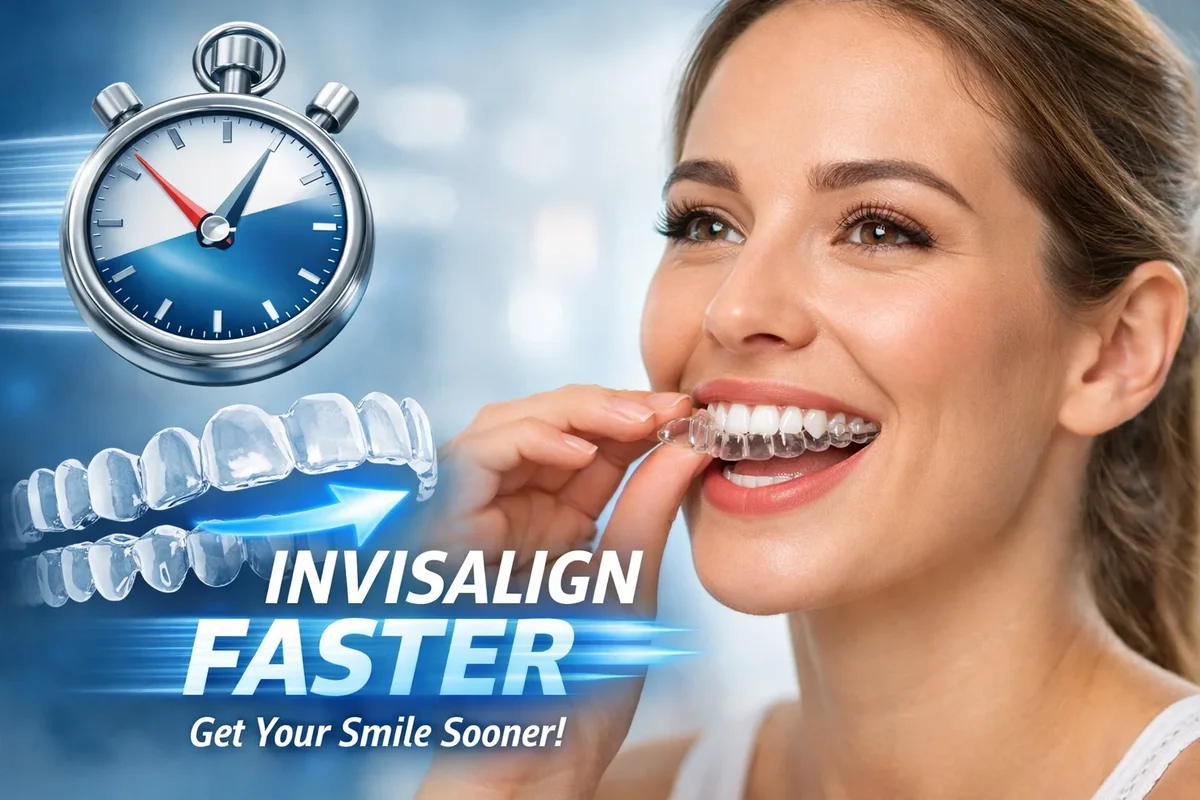
When to Contact Your Dentist During Invisalign Treatment
While Invisalign treatment is designed to be comfortable, predictable, and efficient, patients sometimes experience situations where professional advice is necessary. If you are aiming for invisalign faster results, staying in communication with your dentist is extremely important. Invisalign treatment involves gradual tooth movement guided by a carefully designed plan, but unexpected issues can occasionally arise. Knowing when to contact your dentist helps prevent treatment delays and ensures your journey toward invisalign faster progress remains smooth and safe.
Many Invisalign patients only visit their dentist during scheduled checkups, but certain situations require earlier attention. Prompt communication allows dentists to evaluate aligner fit, tooth movement, and oral health conditions before small problems become larger obstacles. By addressing concerns early, patients can maintain steady orthodontic progress and continue working toward invisalign faster results. 😊
When Aligners Do Not Fit Properly
One of the most common reasons to contact your dentist during treatment is when aligners no longer fit properly. Invisalign aligners are designed to fit snugly against the teeth. If the aligner feels loose, uneven, or does not fully seat against the teeth, it may indicate that tooth movement is not progressing as expected.
Signs of Poor Aligner Fit
Patients hoping to maintain invisalign faster treatment progress should watch for the following signs:
- Visible gaps between the aligner and the teeth
- Aligners lifting away from the molars
- Difficulty inserting the aligner fully
- Unusual pressure or discomfort
These signs could indicate that the teeth are not tracking correctly with the treatment plan. Contacting your dentist promptly allows them to evaluate the issue and recommend solutions to maintain invisalign faster progress.
Severe or Persistent Pain
Some mild pressure or discomfort is normal when switching to a new aligner. This pressure indicates that the aligner is gently guiding teeth into their new positions. However, severe or persistent pain is not typical and may require professional evaluation.
Normal vs. Abnormal Discomfort
Normal Invisalign discomfort usually fades within a few days after inserting a new aligner. If pain continues for an extended period or becomes sharp and intense, it may indicate a problem with the aligner fit or tooth movement. Consulting your dentist ensures that the treatment remains safe and continues supporting invisalign faster results.
Lost or Damaged Aligners
Another situation that requires immediate contact with your dentist is losing or damaging an aligner. Since each aligner plays a specific role in guiding teeth through the treatment sequence, skipping a tray can disrupt the process and slow down invisalign faster progress.
What to Do If an Aligner Is Lost
If you lose an aligner, your dentist may advise wearing the previous aligner temporarily or moving to the next aligner in the sequence. The correct decision depends on how far along you are in the treatment plan.
Preventing Future Problems
Always store aligners in their protective case when not wearing them. Avoid wrapping them in napkins or leaving them exposed where they can easily be misplaced. Careful aligner handling helps maintain steady treatment progress and supports invisalign faster outcomes.
Signs of Gum or Tooth Problems
Oral health plays an important role in successful orthodontic treatment. If you notice unusual symptoms in your gums or teeth, it is important to contact your dentist promptly.
Possible Warning Signs
- Swollen or bleeding gums
- Persistent tooth sensitivity
- Signs of cavities
- Bad breath that does not improve with brushing
Healthy gums and teeth allow aligners to guide tooth movement effectively. Addressing dental issues early helps prevent treatment delays and keeps invisalign faster progress on track.
When Teeth Are Not Moving as Expected
Invisalign treatment is planned digitally to predict how teeth should move over time. However, every patient’s biological response to orthodontic forces is slightly different. Occasionally, certain teeth may not move exactly as predicted.
Tracking Issues
If an aligner suddenly feels loose or teeth appear unchanged after several aligners, this may indicate a tracking issue. Dentists can evaluate the situation and provide additional aligners or adjustments to help maintain invisalign faster treatment progress.
Importance of Monitoring Progress
Regular monitoring allows dentists to identify potential delays early and correct them quickly. This proactive approach helps maintain efficient treatment timelines and supports invisalign faster results.
Routine Checkups Remain Essential
Even when no problems occur, attending scheduled dental appointments is critical during Invisalign treatment. Dentists monitor tooth movement, check oral health, and ensure the treatment plan remains on track.
Organizations such as the
American Dental Association emphasize the importance of professional supervision during orthodontic care. Regular evaluations ensure that tooth movement occurs safely and efficiently throughout the treatment process.
How Dentists Help Maintain Faster Treatment Progress
Dentists play an essential role in helping patients achieve invisalign faster results. Through professional monitoring, digital treatment adjustments, and personalized advice, orthodontists ensure that aligners continue to guide teeth effectively.
When patients communicate with their dentist about concerns or unexpected changes, problems can often be resolved quickly. This cooperation between patient and dentist helps maintain the consistent progress necessary for invisalign faster treatment success.
Contacting Your Dental Clinic for Support
If you experience any issues during Invisalign treatment or want expert guidance about achieving invisalign faster results, contacting a dental clinic is the best step. Professional advice ensures that your treatment remains efficient and safe.
You can reach experienced dental professionals through the
Redent Klinik Contact Page. A consultation allows dentists to answer questions, evaluate your progress, and provide personalized support throughout your orthodontic journey.
Ultimately, maintaining open communication with your dentist is one of the most important steps in achieving successful Invisalign treatment. By addressing concerns early, attending regular appointments, and following professional guidance, patients can protect their oral health and maintain steady progress toward invisalign faster results. With the right care and support, your path to a straighter smile can remain efficient, comfortable, and rewarding. ✨