
A straighter smile can transform both confidence and oral health, but many people hesitate to begin treatment because of cost concerns. This is where invisalign finance becomes an essential solution. Instead of paying the full treatment cost upfront, patients can use flexible payment options that spread the cost of Invisalign treatment over manageable monthly installments. For many families and professionals, invisalign finance makes advanced orthodontic care accessible without creating financial stress.
Invisalign is a modern orthodontic system that uses clear, removable aligners to gradually move teeth into the correct position. Unlike traditional braces, Invisalign aligners are almost invisible and can be removed when eating or brushing your teeth. However, because Invisalign is a highly customized orthodontic treatment that uses advanced digital planning and custom aligners, the price can sometimes appear high at first glance. That is why many dental clinics now offer invisalign finance plans that allow patients to pay gradually while still receiving the full benefits of treatment.
Most orthodontic clinics understand that affordability plays a major role in treatment decisions. As a result, they design invisalign finance options that break the total treatment cost into comfortable monthly payments. Instead of delaying treatment for years, patients can begin their smile transformation immediately and pay over time. This approach is especially helpful for adults who want orthodontic treatment but must balance other financial responsibilities such as housing, education, or family expenses.
The structure of invisalign finance typically involves three main components: the initial consultation, the treatment plan cost, and the payment schedule. During the consultation, the dentist or orthodontist evaluates the patient’s teeth using digital scans or impressions. After analyzing the alignment issues, the dentist creates a customized Invisalign treatment plan. Once the cost is determined, the clinic introduces invisalign finance options that allow the patient to divide payments over several months or years.
Many clinics provide interest-free invisalign finance plans for shorter payment periods, usually between 6 and 24 months. For longer payment durations, financing may include a small interest rate similar to other healthcare financing programs. Even with interest, the monthly payments are often affordable and predictable, which makes budgeting easier for patients.
Another advantage of invisalign finance is accessibility. People who previously believed orthodontic treatment was out of reach can now realistically consider it. Patients no longer need to postpone treatment due to the full upfront cost. Instead, they can choose a payment plan that fits their financial situation while still receiving high-quality orthodontic care.
For example, the total cost of Invisalign treatment often ranges between $3,000 and $7,000 depending on the complexity of the case, treatment duration, and geographic location. With invisalign finance, this cost may be divided into manageable payments such as:
Estimated Invisalign Treatment Cost Breakdown

Basic Invisalign case:      $3,000 – $4,000
Moderate treatment case:    $4,000 – $5,500
Complex orthodontic case:   $5,500 – $7,000

Example Invisalign Finance Plan

Total treatment cost:       $5,000
Down payment:               $500
Remaining balance:          $4,500
Monthly payment (24 months): about $187
These payment structures demonstrate how invisalign finance can significantly reduce the financial burden of orthodontic treatment. Instead of needing several thousand dollars at once, patients can start treatment with a modest deposit and manageable monthly payments.
Additionally, many clinics combine invisalign finance with dental insurance benefits, which can further lower the total cost. Some dental insurance plans cover a portion of orthodontic treatment, particularly for medically necessary cases. When insurance coverage is applied before financing, the monthly payment becomes even more affordable.
Patients who want personalized assistance or detailed financing options can also contact dental professionals directly. If you are considering Invisalign treatment and would like guidance about financing options, you can reach out through the
Redent Klinik Contact Page. Dental specialists can evaluate your situation and help create a tailored invisalign finance plan that suits your budget and treatment goals.
It is also recommended that patients learn about safe orthodontic practices and treatment standards. Trusted organizations such as the
American Dental Association provide valuable information about orthodontic treatments, dental health, and patient safety. Understanding the clinical standards behind Invisalign helps patients make informed decisions while exploring invisalign finance options.
Beyond affordability, the real value of invisalign finance lies in the opportunity it creates. Straighter teeth are not only a cosmetic improvement but also a long-term investment in oral health. Properly aligned teeth are easier to clean, reduce the risk of gum disease, and improve bite function. By using invisalign finance, patients gain access to these health benefits without needing to compromise their financial stability.
In summary, invisalign finance provides a practical and flexible pathway for individuals who want a healthier, more confident smile. Through structured payment plans, insurance integration, and flexible financing solutions, Invisalign treatment becomes achievable for a much wider range of patients. Whether you are a working professional, student, or parent planning orthodontic care, exploring invisalign finance options can be the key to starting your smile transformation today.
Average Cost of Invisalign and Why Financing Matters
When patients consider orthodontic treatment, one of the first questions they ask is about the total cost. Invisalign has become one of the most popular orthodontic solutions in the world because it offers discreet, comfortable, and removable aligners that gradually straighten teeth. However, like many advanced dental treatments, the cost of Invisalign can vary significantly depending on individual needs. This is why understanding invisalign finance options is essential for patients who want to begin treatment without financial stress.
The overall cost of Invisalign treatment typically depends on several factors including the complexity of the case, the length of treatment, the experience of the orthodontist, and the location of the clinic. In general, Invisalign treatment in many countries ranges between $3,000 and $7,500. For some complex orthodontic cases requiring longer treatment periods, the cost may even exceed this range. Fortunately, modern clinics offer flexible invisalign finance plans that allow patients to distribute these costs over manageable monthly payments.
Typical Invisalign Treatment Price Range
To better understand the financial investment involved, it helps to break down the common price ranges associated with Invisalign treatment. The cost varies depending on how much alignment correction is required. Minor corrections may require fewer aligners, while complex orthodontic cases need longer treatment plans and more aligners.
Average Invisalign Cost Overview

Mild alignment correction:        $3,000 – $4,000
Moderate orthodontic correction:  $4,000 – $5,500
Comprehensive treatment cases:    $5,500 – $7,500
Without a structured payment plan, paying several thousand dollars upfront may be difficult for many patients. This is exactly where invisalign finance becomes extremely helpful. By spreading payments across several months or years, patients can begin treatment immediately rather than delaying it due to cost concerns.
Why Invisalign Costs Can Vary Between Patients
Every smile is unique, and orthodontic treatments are highly personalized. Dentists use advanced digital imaging technology to design a custom Invisalign plan for each patient. This planning process evaluates tooth alignment, bite function, jaw structure, and treatment duration. Because of these personalized elements, the final cost of Invisalign treatment may vary between individuals.
Several key factors influence the total treatment cost:
- Severity of tooth misalignment
- Number of aligners required
- Treatment duration
- Orthodontist expertise
- Geographic location of the clinic
- Additional dental procedures if needed
When patients review these variables, they often realize why invisalign finance is such a popular solution. Rather than focusing on the entire treatment cost at once, financing allows patients to concentrate on affordable monthly payments.
How Invisalign Finance Makes Treatment Affordable
Many dental clinics now provide structured invisalign finance programs designed to make orthodontic treatment accessible for more patients. These programs allow the cost to be divided into smaller payments over time, often with low or zero interest for short-term plans.
A typical invisalign finance plan might include a small initial deposit followed by monthly installments. This makes it easier for patients to include orthodontic treatment within their regular budget. For example, a treatment costing $5,000 might be broken down into a payment plan similar to this:
Example Invisalign Finance Plan

Total treatment cost:        $5,000
Initial down payment:        $500
Remaining balance:           $4,500
Monthly payment (24 months): approximately $187
This structure demonstrates why invisalign finance has become an important part of modern orthodontic care. Patients no longer need to postpone treatment simply because they cannot afford the entire cost at once.
Insurance and Invisalign Finance Together
Another important aspect of invisalign finance is that it can often be combined with dental insurance benefits. Many insurance providers offer partial orthodontic coverage that can reduce the overall cost of Invisalign treatment. When insurance coverage is applied before financing, the remaining balance becomes significantly smaller.
For example, if dental insurance covers $1,500 of a $5,000 treatment plan, the remaining balance becomes $3,500. Through invisalign finance, this remaining cost could be divided into affordable monthly payments that are easier for patients to manage.
Why Starting Treatment Earlier Can Save Money
Delaying orthodontic treatment can sometimes make dental issues more complicated over time. Teeth may continue shifting, bite problems may worsen, and additional procedures may eventually become necessary. Starting treatment earlier with the help of invisalign finance can help prevent these complications while keeping treatment costs predictable.
Financial flexibility allows patients to prioritize their oral health without waiting years to save the full amount for treatment. Invisalign aligners also offer lifestyle advantages such as improved comfort, easier oral hygiene, and nearly invisible orthodontic correction, making them particularly attractive for adults and professionals.
Patients who want to explore Invisalign treatment options can consult experienced dental professionals to understand available financing plans. Clinics often provide customized invisalign finance programs based on treatment complexity, insurance coverage, and patient preferences.
For personalized advice about orthodontic treatment options or financing plans, patients can reach out through the
Redent Klinik Contact Page. Dental specialists can evaluate your smile and help determine the most suitable invisalign finance plan for your situation.
Additionally, trusted organizations such as the
American Dental Association provide valuable information about orthodontic treatments, dental safety, and oral health best practices. Educating yourself about treatment standards ensures that patients make confident decisions when choosing Invisalign and exploring invisalign finance.
In summary, the cost of Invisalign treatment should not prevent patients from achieving a healthier and more confident smile. With modern payment plans, insurance integration, and flexible invisalign finance options, orthodontic treatment has become far more accessible than ever before. Understanding these financing possibilities allows patients to focus on their oral health goals while maintaining financial comfort.
Top Invisalign Finance Options Offered by Dental Clinics
For many patients considering orthodontic treatment, cost is one of the biggest concerns. Fortunately, modern dental clinics understand this challenge and have developed flexible payment systems to make treatment more accessible. These solutions are commonly referred to as invisalign finance options. Instead of requiring a full upfront payment, clinics allow patients to spread the cost of treatment into manageable installments. By offering structured invisalign finance plans, clinics help patients begin their orthodontic journey immediately while maintaining financial stability.
Dental clinics today recognize that every patient has a unique financial situation. Because of this, many orthodontic providers offer multiple invisalign finance programs designed to accommodate different budgets and payment preferences. These financing options typically include in-house payment plans, third-party medical financing services, insurance integration, and flexible deposit structures. Understanding these options allows patients to choose the most suitable invisalign finance solution for their needs.
In-House Invisalign Finance Payment Plans
One of the most common solutions offered by dental clinics is an internal payment system known as an in-house financing plan. In this model, the clinic directly manages the payment schedule instead of involving a bank or financial institution. Many clinics prefer this approach because it simplifies the process and allows greater flexibility for patients.
With an in-house invisalign finance plan, patients usually pay a small down payment at the beginning of treatment, followed by fixed monthly installments throughout the duration of the orthodontic process. This type of invisalign finance arrangement often includes interest-free payment periods for shorter treatment durations.
Example of an In-House Invisalign Finance Plan
Sample Payment Structure

Total Invisalign Treatment Cost:     $5,200
Initial Deposit:                     $600
Remaining Balance:                   $4,600
Monthly Payment (24 months):         $191
Interest Rate:                       0% (interest-free plan)
This kind of invisalign finance option is attractive because it eliminates complicated loan applications. Patients work directly with their dental provider and can often negotiate flexible payment schedules.
Third-Party Invisalign Finance Providers
Another popular solution is using third-party healthcare financing companies. These financial services specialize in medical and dental treatments and provide structured payment plans specifically for procedures like orthodontics. Many dental clinics partner with such providers to expand their invisalign finance offerings.
Third-party invisalign finance programs typically allow patients to choose longer repayment terms, sometimes extending up to 36 or even 60 months. This flexibility helps reduce monthly payments significantly, making treatment more affordable for patients with tighter budgets.
Common benefits of third-party invisalign finance plans include:
- Extended repayment periods
- Quick online application approval
- Low or promotional interest rates
- Immediate treatment start after approval
Patients should carefully review loan terms and interest rates before choosing a third-party invisalign finance option. While these plans can offer convenience and flexibility, interest rates may apply depending on the repayment period.
Dental Insurance Combined with Invisalign Finance
Dental insurance can also play an important role in reducing orthodontic treatment costs. Some insurance plans provide partial coverage for orthodontic procedures, including clear aligners. When insurance benefits are applied first, the remaining balance can then be distributed through a invisalign finance plan.
For example, if a patient has orthodontic insurance coverage of $1,500 and the total Invisalign treatment cost is $5,000, the remaining balance becomes $3,500. Through invisalign finance, that remaining balance can be divided into monthly payments, making treatment far more manageable financially.
Patients who want to better understand orthodontic treatment coverage can explore resources provided by the
American Dental Association, which offers reliable information on dental care standards and insurance considerations.
Flexible Down Payment Structures
Many dental clinics now provide customizable deposit options as part of their invisalign finance programs. Instead of requiring a fixed down payment, clinics may allow patients to select a deposit amount that works best for their financial situation.
A higher initial payment typically results in lower monthly installments, while a smaller deposit may increase monthly payments slightly. This flexibility allows patients to design a personalized invisalign finance structure based on their budget.
Deposit Flexibility Example
Treatment Cost:                     $5,500

Option A
Deposit:                            $1,000
Monthly Payment (24 months):        $187

Option B
Deposit:                            $500
Monthly Payment (24 months):        $208
By adjusting the deposit amount, patients can customize their invisalign finance plan without delaying treatment.
Why Clinics Offer Multiple Invisalign Finance Options
Orthodontic care is both a medical and lifestyle investment. Dental providers understand that financial limitations should not prevent patients from achieving healthier smiles. For this reason, clinics offer multiple invisalign finance solutions that accommodate different financial situations.
These financing programs provide several advantages:
- Immediate access to orthodontic treatment
- Predictable monthly payment structure
- Reduced financial pressure
- Improved patient accessibility
Patients who want to explore personalized treatment plans or financing options can contact experienced dental professionals through the
Redent Klinik Contact Page. A consultation allows the dental team to evaluate the patient’s smile, explain treatment details, and recommend the most suitable invisalign finance plan.
In conclusion, modern orthodontic clinics provide a variety of invisalign finance options to make clear aligner treatment accessible for a wide range of patients. Whether through in-house payment plans, third-party financing, insurance assistance, or flexible deposits, these programs allow patients to begin Invisalign treatment with confidence. By selecting the right invisalign finance strategy, patients can invest in a healthier smile while maintaining financial comfort.
Monthly Payment Plans for Invisalign Finance Explained
For many people considering orthodontic treatment, affordability is a key factor in the decision-making process. While Invisalign offers a modern and discreet solution for straightening teeth, the cost can initially appear overwhelming. This is where structured invisalign finance payment plans become extremely valuable. Monthly payment systems allow patients to begin treatment immediately while distributing the total cost across a manageable time frame.
Instead of paying several thousand dollars upfront, patients can rely on invisalign finance plans that convert the total treatment price into predictable monthly installments. This approach significantly reduces financial pressure and allows individuals to prioritize oral health without disrupting their budget. Many dental clinics now integrate flexible invisalign finance options as a standard part of their orthodontic services.
How Monthly Invisalign Finance Payment Plans Work
A typical invisalign finance structure begins with a consultation appointment. During this visit, the dentist or orthodontist evaluates the patient’s teeth using digital scans or impressions. After analyzing the alignment issues, the clinic provides a treatment plan that includes the total Invisalign cost. Once the cost is determined, the clinic introduces financing options that allow patients to divide the balance into monthly payments.
Most monthly invisalign finance plans follow a straightforward structure consisting of three components:
- An initial deposit or down payment
- A remaining balance after the deposit
- Fixed monthly installments over a predetermined period
The payment schedule is usually aligned with the expected duration of the treatment, although patients can sometimes choose extended payment plans. By using invisalign finance, patients gain flexibility and financial clarity before beginning orthodontic care.
Example of a Monthly Invisalign Finance Structure
Example Invisalign Payment Plan

Total Treatment Cost:            $5,200
Initial Deposit:                 $700
Remaining Balance:               $4,500
Payment Duration:                24 months
Monthly Payment:                 $187.50
Interest Rate:                   0% (interest-free plan)
This example demonstrates how invisalign finance can transform a large one-time expense into manageable monthly contributions. Many patients find that paying approximately $150–$250 per month is significantly easier than paying thousands of dollars at once.
Interest-Free vs Interest-Based Invisalign Finance Plans
When exploring invisalign finance options, patients will often encounter two primary types of payment plans: interest-free plans and extended financing plans that include interest. Both structures serve different financial needs.
Interest-Free Invisalign Finance Plans
Many dental clinics offer short-term invisalign finance options with zero interest. These plans typically last between 6 and 24 months and are highly attractive because patients pay only the treatment cost without additional fees.
Advantages of interest-free invisalign finance include:
- No additional financing costs
- Predictable payment amounts
- Simplified budgeting
- Direct payment to the dental clinic
Extended Invisalign Finance Plans
Some patients prefer longer repayment periods in order to lower their monthly payments. Extended invisalign finance plans may stretch payments across 36 to 60 months. While this reduces monthly expenses, these plans may include a modest interest rate depending on the financing provider.
Even with interest, extended invisalign finance can still make treatment far more accessible for patients who cannot manage larger monthly payments.
Budgeting Your Invisalign Finance Payments
Before selecting a financing plan, patients should carefully evaluate their monthly budget. Understanding income, expenses, and financial priorities helps determine the most comfortable payment structure. The goal of invisalign finance is not only to enable treatment but also to ensure that the financial commitment remains sustainable throughout the treatment period.
Patients may consider the following budgeting tips:
- Choose a payment plan that fits comfortably within monthly income
- Consider making a larger deposit to reduce monthly installments
- Combine dental insurance benefits with financing
- Ask clinics about promotional interest-free financing offers
These strategies allow patients to take full advantage of invisalign finance while maintaining financial stability during orthodontic treatment.
Why Monthly Invisalign Finance Plans Are Popular
The popularity of Invisalign has grown rapidly over the past decade, particularly among adults who prefer discreet orthodontic treatment. However, adult patients often have financial responsibilities such as rent, mortgages, or family expenses. Monthly invisalign finance plans make it easier for these individuals to invest in their smiles without disrupting other financial commitments.
By offering installment-based payment systems, dental clinics remove one of the largest barriers to orthodontic care. Patients no longer need to postpone treatment simply because they cannot pay the entire cost immediately. Instead, invisalign finance makes orthodontic care accessible through manageable monthly contributions.
Individuals who want to explore personalized orthodontic payment plans can consult dental professionals for detailed information. Clinics often provide customized invisalign finance solutions based on treatment complexity and patient preferences. If you would like guidance regarding Invisalign treatment or financing options, you can reach out through the
Redent Klinik Contact Page.
Patients are also encouraged to learn about professional dental care standards and orthodontic safety guidelines from trusted organizations such as the
American Dental Association. Reliable information empowers patients to make confident decisions when considering Invisalign treatment and exploring available invisalign finance plans.
In summary, monthly payment systems play a critical role in modern orthodontic accessibility. Through flexible invisalign finance programs, patients can begin treatment sooner, maintain predictable payment schedules, and achieve healthier smiles without overwhelming financial strain. Choosing the right monthly financing plan ensures that Invisalign treatment remains both affordable and practical for a wide range of patients.
Using Dental Insurance With Invisalign Finance
For many patients, the cost of orthodontic treatment can be one of the main obstacles to starting Invisalign. While flexible payment plans already make treatment more manageable, combining dental insurance with invisalign finance can significantly reduce the overall financial burden. By understanding how insurance coverage works alongside financing options, patients can make Invisalign treatment far more affordable and accessible.
Dental insurance policies vary widely, but many include orthodontic benefits that may partially cover Invisalign treatment. When these benefits are applied before financing, the remaining cost becomes much smaller. Patients can then use invisalign finance to spread the remaining balance into manageable monthly payments. This combination often creates one of the most practical ways to pay for orthodontic treatment.
How Dental Insurance Coverage Works for Invisalign
Not all dental insurance plans automatically cover Invisalign, but many orthodontic policies provide partial coverage for clear aligner therapy. In most cases, insurance companies treat Invisalign similarly to traditional braces. This means that if orthodontic benefits exist in the plan, they may apply to Invisalign treatment as well.
Insurance providers typically cover orthodontic treatment through one of two structures:
- A fixed lifetime orthodontic benefit
- A percentage-based reimbursement
When these benefits are combined with invisalign finance, patients can dramatically reduce the amount they need to pay monthly. Instead of financing the full treatment cost, only the remaining balance after insurance coverage needs to be financed.
Example of Insurance + Invisalign Finance
Sample Invisalign Treatment Cost Breakdown

Total Invisalign Treatment Cost:      $5,500
Insurance Orthodontic Benefit:        $1,500
Remaining Balance:                    $4,000

Invisalign Finance Plan Example

Down Payment:                         $500
Remaining Balance:                    $3,500
Monthly Payment (24 months):          $145
This example illustrates how insurance coverage combined with invisalign finance can significantly reduce the financial commitment required for orthodontic treatment.
Types of Dental Insurance Plans That May Cover Invisalign
Understanding the type of dental insurance you have is important when planning orthodontic treatment. While every policy differs, several categories of dental insurance commonly include orthodontic benefits that work well with invisalign finance.
Employer-Sponsored Dental Insurance
Many employer-provided dental insurance plans include orthodontic coverage, particularly for dependents or younger patients. Some plans also extend orthodontic benefits to adults. If Invisalign is considered medically necessary or part of orthodontic correction, insurance may contribute a portion of the treatment cost.
Once the insurance benefit is applied, patients can use invisalign finance to manage the remaining balance.
Private Dental Insurance Plans
Patients who purchase their own dental insurance may have orthodontic coverage depending on the plan level. Premium dental plans often include orthodontic benefits with a lifetime coverage cap. This coverage can significantly lower Invisalign treatment costs when paired with invisalign finance.
Orthodontic Add-On Coverage
Some insurance providers offer orthodontic riders or add-ons that specifically cover treatments like braces and clear aligners. If a patient selects orthodontic coverage as part of their insurance policy, the insurance reimbursement can reduce the amount financed through invisalign finance.
Important Insurance Terms Patients Should Understand
Before starting treatment, patients should review their insurance policies carefully. Several key terms can affect how Invisalign treatment is covered and how it interacts with invisalign finance.
- Lifetime Orthodontic Maximum: The total amount an insurance plan will pay toward orthodontic treatment.
- Waiting Period: Some plans require a waiting period before orthodontic benefits become active.
- Age Restrictions: Certain policies cover orthodontics only for patients under 18.
- Coverage Percentage: Some insurance plans reimburse 25–50% of orthodontic treatment costs.
Knowing these details helps patients estimate how much of the treatment cost will remain after insurance. This remaining balance can then be organized through a customized invisalign finance plan.
Why Combining Insurance and Invisalign Finance Is Effective
The combination of dental insurance and invisalign finance creates a powerful financial strategy. Insurance helps reduce the overall treatment price, while financing spreads the remaining cost across a manageable time frame. This two-layered approach allows more patients to access orthodontic treatment without financial strain.
Benefits of combining insurance with invisalign finance include:
- Lower overall treatment cost
- Reduced monthly payment amounts
- Immediate access to orthodontic treatment
- Greater financial flexibility
Dental professionals can also assist patients in verifying insurance coverage before starting treatment. Orthodontic clinics often communicate directly with insurance providers to determine the exact amount covered. After insurance benefits are applied, the clinic can design a suitable invisalign finance plan based on the remaining balance.
Patients who want personalized advice regarding orthodontic financing and insurance coverage can consult experienced dental professionals through the
Redent Klinik Contact Page. A consultation allows dentists to evaluate oral health conditions, review insurance benefits, and recommend the most appropriate invisalign finance solution.
Additionally, patients can learn more about dental insurance and orthodontic care standards from trusted organizations such as the
American Dental Association. These resources provide reliable guidance on dental procedures, insurance policies, and patient safety.
In conclusion, combining dental insurance with invisalign finance is one of the most effective ways to make orthodontic treatment affordable. Insurance reduces the overall cost, while financing distributes the remaining payments into manageable monthly installments. By understanding how these two systems work together, patients can confidently pursue Invisalign treatment while maintaining financial balance.
Third-Party Financing Companies for Invisalign Treatment
For many patients, starting orthodontic treatment requires a financial plan that fits comfortably within their monthly budget. While dental clinics often offer in-house payment options, many also collaborate with external healthcare financing companies to provide additional flexibility. These services specialize in medical and dental payment plans and are commonly used to support invisalign finance solutions. Third-party financing companies allow patients to begin treatment immediately while paying for their aligners over an extended period.
Third-party providers have become an important component of modern invisalign finance systems because they offer structured payment plans designed specifically for healthcare procedures. These companies provide loans that cover orthodontic treatment costs, and patients repay the loan through manageable monthly installments. In many cases, the approval process is fast, allowing patients to start Invisalign treatment without long delays.
How Third-Party Invisalign Finance Providers Work
When a dental clinic partners with a financing company, the process usually begins during the consultation visit. After the orthodontist evaluates the patient’s teeth and determines the total treatment cost, the clinic introduces available invisalign finance options. If the patient prefers a longer repayment period or lower monthly payments, the clinic may recommend a third-party financing provider.
The patient then submits a financing application through the partner company. Once approved, the financing provider pays the clinic for the Invisalign treatment, and the patient repays the financing company through monthly installments. This structure simplifies treatment access and makes invisalign finance more flexible for patients who prefer extended payment terms.
Typical Third-Party Invisalign Finance Process
Step 1: Consultation and treatment plan evaluation
Step 2: Invisalign treatment cost calculation
Step 3: Financing application submitted online
Step 4: Approval decision within minutes
Step 5: Financing company pays dental clinic
Step 6: Patient repays loan through monthly installments
Because these services are designed specifically for healthcare expenses, they provide structured payment options that align well with invisalign finance plans offered by dental clinics.
Common Benefits of Third-Party Invisalign Finance
Third-party financing providers offer several advantages for patients who want flexibility when paying for orthodontic treatment. One of the most significant benefits is the ability to extend payment periods beyond what in-house clinic financing typically allows.
Some key advantages of using third-party invisalign finance providers include:
- Longer repayment periods (up to 60 months)
- Quick online approval processes
- Flexible monthly payment amounts
- Immediate treatment start after approval
- Transparent payment structures
These features make third-party financing an attractive option for patients who want to minimize monthly expenses while still beginning orthodontic treatment without delay.
Interest Rates and Payment Terms
Unlike many short-term in-house financing plans, some third-party invisalign finance options include interest rates depending on the repayment duration. However, many financing companies offer promotional plans with reduced or even zero interest for certain periods.
For example, a patient choosing a 12- or 18-month repayment schedule may qualify for an interest-free financing offer. Longer payment plans, such as 36 to 60 months, may include moderate interest rates. Even with interest, these plans can significantly reduce monthly payments, making invisalign finance accessible to a wider range of patients.
Example Third-Party Invisalign Finance Plan
Total Invisalign Treatment Cost:        $5,800
Down Payment:                           $500
Financed Amount:                        $5,300

Option A – 24 Month Plan
Monthly Payment:                        $221
Interest Rate:                          0% promotional

Option B – 48 Month Plan
Monthly Payment:                        $135
Interest Rate:                          7.9%
These examples demonstrate how third-party invisalign finance providers create flexible payment options tailored to different financial situations.
Who Should Consider Third-Party Invisalign Finance?
Third-party financing can be particularly helpful for patients who need additional flexibility beyond what dental clinics typically offer. This type of invisalign finance may be suitable for individuals who:
- Prefer lower monthly payments
- Need longer repayment terms
- Want to begin treatment immediately
- Do not have orthodontic insurance coverage
- Prefer structured financing through a healthcare lender
Patients should always review financing agreements carefully before accepting a plan. Understanding repayment terms, interest rates, and potential fees helps ensure that the chosen invisalign finance option aligns with personal financial goals.
Choosing the Right Invisalign Finance Option
Selecting the best financing strategy requires evaluating several factors including total treatment cost, monthly budget, insurance coverage, and repayment preferences. While third-party financing provides flexibility, some patients may still prefer in-house payment plans or a combination of insurance and financing.
Dental professionals can help patients compare available invisalign finance solutions and determine the most appropriate payment structure. Clinics often provide consultations where patients receive a full cost breakdown and financing recommendations tailored to their situation.
If you would like personalized guidance about Invisalign treatment or financing options, you can contact dental professionals through the
Redent Klinik Contact Page. Experienced dental teams can evaluate your orthodontic needs and explain the most suitable invisalign finance plan available.
Patients are also encouraged to learn more about orthodontic treatments and dental care standards through trusted resources such as the
American Dental Association. Accessing reliable information helps patients make informed decisions about treatment and financing.
In conclusion, third-party healthcare financing companies play an important role in expanding access to orthodontic care. By offering extended repayment periods, flexible payment structures, and fast approval processes, these services enhance the accessibility of invisalign finance. With the right financing strategy, patients can begin their Invisalign journey with confidence and achieve a healthier, more aligned smile without overwhelming financial pressure.
How to Qualify for Invisalign Finance With Good Approval Chances
For many patients interested in clear aligner treatment, one of the most common questions is whether they qualify for a financing plan. While invisalign finance programs are designed to make orthodontic treatment more accessible, approval requirements may vary depending on the clinic and the financing provider. Understanding the qualification process can significantly improve a patient’s chances of being approved for invisalign finance and starting treatment without delay.
Most dental clinics offer multiple invisalign finance pathways, including in-house payment plans and third-party financing providers. Each option has slightly different requirements, but they all aim to ensure that patients can comfortably manage their payment schedule. Fortunately, many orthodontic clinics prioritize accessibility and therefore offer flexible approval criteria for invisalign finance plans.
Basic Eligibility Requirements for Invisalign Finance
Although financing programs differ between providers, several general factors commonly determine eligibility for invisalign finance. These factors help lenders or dental clinics assess whether patients can maintain consistent monthly payments throughout the treatment period.
Typical eligibility criteria may include:
- Being at least 18 years old
- Having a stable income source
- Providing identification and contact information
- Demonstrating the ability to manage monthly payments
- Passing a credit review for certain financing providers
Patients who meet these criteria generally have a strong chance of qualifying for invisalign finance. Even individuals with moderate credit scores may still be approved depending on the financing program or the clinic’s internal payment policies.
Credit Score and Invisalign Finance Approval
Many third-party healthcare lenders evaluate credit scores when reviewing applications for invisalign finance. A good credit score often increases the likelihood of approval and may also qualify patients for lower interest rates or promotional financing offers.
However, not all invisalign finance plans require a strong credit history. Some dental clinics provide in-house payment options that focus primarily on affordability and patient commitment rather than strict credit checks. These flexible financing solutions allow more patients to access orthodontic treatment.
Typical Credit Score Ranges for Financing Approval
Credit Score Range        Financing Possibility

700+                      Excellent approval chances
650–699                   Good approval likelihood
600–649                   Moderate approval possibility
Below 600                 May require deposit or co-signer
Even patients with lower credit scores may still qualify for invisalign finance if they choose a plan with a higher deposit or shorter repayment period.
How a Co-Signer Can Improve Financing Approval
In situations where a patient’s credit profile does not meet financing requirements, adding a co-signer can significantly increase approval chances. A co-signer is typically a trusted family member or partner who agrees to share financial responsibility for the payment plan.
When a co-signer with a strong credit history is added to the application, financing companies may feel more confident approving the invisalign finance request. This approach allows patients who might otherwise struggle with approval to still begin orthodontic treatment.
Benefits of Adding a Co-Signer
- Higher chance of financing approval
- Access to lower interest rates
- Potential eligibility for longer payment terms
- Increased financial credibility
While adding a co-signer can improve approval chances for invisalign finance, both parties should clearly understand the financial responsibility involved before signing the agreement.
Preparing for an Invisalign Finance Application
Patients can take several steps to improve their likelihood of receiving approval for invisalign finance. Preparing for the application process ensures that the financing review proceeds smoothly and efficiently.
Recommended preparation steps include:
- Checking your credit score before applying
- Ensuring stable monthly income documentation
- Preparing identification and financial information
- Evaluating different financing providers
- Discussing payment options with the dental clinic
Taking these proactive steps increases the probability of successfully obtaining invisalign finance and beginning orthodontic treatment without unnecessary delays.
Why Dental Clinics Encourage Invisalign Finance
Dental clinics understand that orthodontic treatment represents a significant financial commitment. Because of this, many clinics actively support invisalign finance programs that make treatment more accessible for patients. By offering flexible payment options, clinics help patients focus on improving oral health rather than worrying about large upfront costs.
Financing programs also benefit patients by enabling them to begin treatment earlier. Delaying orthodontic care can sometimes lead to worsening alignment problems or additional dental complications. With invisalign finance, patients can start treatment immediately while maintaining a manageable monthly budget.
Patients who want personalized advice about financing approval and orthodontic treatment options can contact dental professionals directly through the
Redent Klinik Contact Page. Dental specialists can evaluate your situation and recommend the most suitable invisalign finance plan for your needs.
In addition, patients are encouraged to learn more about orthodontic standards and dental care best practices from trusted organizations such as the
American Dental Association. Reliable information helps patients make informed decisions about treatment and financing options.
In summary, qualifying for invisalign finance is often easier than many patients expect. With flexible clinic payment plans, supportive financing providers, and options like co-signers or customized deposits, most patients can access orthodontic treatment with manageable monthly payments. By preparing in advance and understanding the approval process, individuals can significantly improve their chances of securing invisalign finance and beginning their journey toward a healthier, more confident smile.
Pros and Cons of Invisalign Finance Compared to Paying Upfront
Choosing how to pay for orthodontic treatment is an important decision for many patients. While Invisalign offers one of the most advanced and discreet methods for straightening teeth, the cost can sometimes make patients hesitate before starting treatment. This is where invisalign finance becomes a valuable option. Instead of paying the entire treatment cost upfront, patients can divide the cost into manageable monthly payments. However, like any financial decision, invisalign finance comes with both advantages and potential drawbacks that patients should carefully evaluate.
Understanding the benefits and limitations of invisalign finance compared to paying the full treatment cost immediately helps patients choose the most suitable payment strategy for their personal financial situation. Each approach has its own financial implications, and the best choice often depends on factors such as income stability, budget flexibility, and long-term financial planning.
Advantages of Invisalign Finance
For many patients, the primary benefit of invisalign finance is affordability. Orthodontic treatment can cost several thousand dollars, and paying the entire amount at once may not be realistic for everyone. Financing allows patients to begin treatment immediately without needing to wait months or years to save the full cost.
1. Immediate Access to Treatment
One of the biggest advantages of invisalign finance is that it allows patients to start orthodontic treatment right away. Instead of postponing treatment due to financial limitations, patients can spread the cost over time. Early treatment can also prevent dental alignment problems from worsening, which may reduce future dental complications.
2. Predictable Monthly Payments
Another major benefit of invisalign finance is predictable budgeting. Financing plans typically convert the treatment cost into fixed monthly payments. This structure allows patients to integrate orthodontic expenses into their monthly budget without experiencing large financial disruptions.
For example:
Example Invisalign Finance Structure

Total Treatment Cost:          $5,200
Deposit:                       $700
Remaining Balance:             $4,500
Monthly Payment (24 months):   $187.50
This payment structure makes invisalign finance far more manageable for many patients compared to a large upfront payment.
3. Financial Flexibility
Financing also provides flexibility when managing personal finances. Patients can preserve savings or emergency funds rather than spending a large amount of money at once. By using invisalign finance, individuals can continue investing, saving, or covering other essential expenses while still receiving orthodontic treatment.
Potential Drawbacks of Invisalign Finance
Although invisalign finance provides significant advantages, it is also important to consider potential disadvantages before choosing this payment method. Patients should evaluate financing terms carefully to ensure they understand the total cost and repayment obligations.
1. Possible Interest Costs
Some extended invisalign finance plans include interest charges. While many clinics offer short-term interest-free financing, longer repayment periods may involve additional fees. Patients should review financing agreements carefully to understand the total cost over time.
2. Long-Term Financial Commitment
Another consideration is the ongoing monthly commitment associated with invisalign finance. Financing plans can last between 12 and 60 months depending on the repayment structure. Patients must ensure they can maintain consistent payments throughout the entire treatment period.
3. Credit Checks for Some Financing Plans
Certain third-party financing providers may perform credit checks when evaluating applications for invisalign finance. While many patients qualify without difficulty, those with lower credit scores may encounter higher interest rates or stricter approval requirements.
Advantages of Paying Invisalign Upfront
While financing offers convenience, paying for Invisalign treatment in full also has its benefits. Patients who have sufficient savings may prefer this option to avoid long-term financial commitments.
1. No Financing Fees
One major advantage of paying upfront is avoiding interest charges. When patients do not rely on invisalign finance, they typically pay only the treatment cost without any additional financing fees.
2. Simplified Payment Process
Paying upfront eliminates the need for monthly payment tracking. Once the full cost is paid, patients can focus entirely on their orthodontic treatment without worrying about ongoing payments.
3. Possible Discount Opportunities
Some dental clinics offer discounts for patients who pay for treatment in full. These discounts may reduce the overall Invisalign cost, making upfront payment financially attractive for certain patients.
Which Option Is Better: Invisalign Finance or Paying Upfront?
The best payment option depends on each patient’s financial situation and personal preferences. For individuals who prefer to preserve their savings or avoid large one-time expenses, invisalign finance provides a flexible and accessible solution. Monthly payment plans allow patients to maintain financial balance while receiving orthodontic treatment.
On the other hand, patients with sufficient savings and a preference for avoiding long-term commitments may choose to pay upfront. Both approaches ultimately provide access to Invisalign treatment and the opportunity to achieve a healthier, more confident smile.
Patients who are unsure which option is best can consult experienced dental professionals for guidance. Orthodontic specialists can explain available invisalign finance plans, treatment costs, and payment strategies based on individual circumstances. Personalized consultation helps patients make confident financial decisions before beginning treatment.
If you would like professional guidance about orthodontic treatment or financing options, you can reach out through the
Redent Klinik Contact Page. Dental experts can review your dental condition and help determine the most appropriate invisalign finance plan.
Patients are also encouraged to explore reliable oral health resources from trusted organizations such as the
American Dental Association. These resources provide valuable information about orthodontic care and patient safety standards.
In conclusion, both financing and upfront payment options have their advantages. However, invisalign finance has become increasingly popular because it removes the financial barrier that often delays orthodontic treatment. By spreading costs over time, patients gain access to Invisalign while maintaining financial stability and achieving long-term oral health benefits.
Tips to Reduce Invisalign Treatment Costs With Smart Financing
Although Invisalign is one of the most advanced orthodontic treatments available today, many patients initially worry about the cost. Fortunately, there are several strategies that can make treatment far more affordable. By combining practical financial planning with flexible invisalign finance options, patients can significantly reduce their overall orthodontic expenses while still achieving excellent results.
Smart planning is essential when considering orthodontic treatment. Understanding how to optimize insurance coverage, choose the right payment plan, and explore available discounts can help patients take full advantage of invisalign finance. These strategies allow patients to maintain financial balance while investing in long-term oral health.
Start With a Comprehensive Consultation
One of the most effective ways to reduce Invisalign treatment costs is to begin with a detailed consultation. During this appointment, the orthodontist evaluates the patient’s teeth, bite alignment, and treatment needs. This evaluation helps determine the complexity of the case and the estimated treatment duration.
A precise treatment plan ensures that patients pay only for the aligners and services they truly need. Once the total treatment cost is established, the clinic can recommend suitable invisalign finance options that distribute payments in a manageable way.
Consultations also provide an opportunity to ask questions about payment plans, insurance coverage, and available discounts. Patients who fully understand their treatment plan can make better financial decisions regarding invisalign finance.
Use Dental Insurance to Lower the Total Cost
Dental insurance can significantly reduce Invisalign treatment expenses when orthodontic benefits are included in the policy. Many insurance plans cover a portion of orthodontic treatment costs, which lowers the balance that must be financed.
When insurance benefits are applied before financing, the remaining balance becomes much smaller. Patients can then use invisalign finance to divide the reduced cost into monthly payments.
Example of Insurance Savings With Invisalign Finance
Total Invisalign Treatment Cost:     $5,500
Insurance Coverage:                  $1,500
Remaining Balance:                   $4,000

Invisalign Finance Plan

Down Payment:                        $500
Financed Balance:                    $3,500
Monthly Payment (24 months):         $145
Combining insurance benefits with invisalign finance can dramatically reduce the financial impact of orthodontic treatment.
Choose the Right Invisalign Finance Payment Term
Payment terms play a major role in determining monthly expenses. Shorter repayment periods usually mean higher monthly payments but lower overall financing costs. Longer repayment periods reduce monthly payments but may include interest charges depending on the financing provider.
Patients should carefully evaluate their monthly budget before selecting a invisalign finance plan. Choosing a payment schedule that fits comfortably within personal finances helps prevent payment stress during treatment.
Example Payment Term Comparison
Treatment Cost:                $5,200

Option A – 12 Months
Monthly Payment:               $433
Interest:                      0%

Option B – 24 Months
Monthly Payment:               $217
Interest:                      0%

Option C – 48 Months
Monthly Payment:               $135
Interest:                      7%
By comparing these options, patients can select the most suitable invisalign finance structure for their financial situation.
Ask About Clinic Promotions and Discounts
Many dental clinics occasionally offer promotional discounts on Invisalign treatment. These promotions may include seasonal discounts, limited-time offers, or reduced consultation fees. Patients who inquire about available promotions may be able to lower their total treatment cost before applying invisalign finance.
Some clinics also provide discounts for upfront payments or referrals. Even a small discount can reduce the amount that must be financed through invisalign finance, making monthly payments more manageable.
Maintain Good Oral Health During Treatment
Maintaining excellent oral hygiene throughout Invisalign treatment can help patients avoid additional dental procedures. Cavities, gum disease, or other oral health issues may require extra treatment before continuing orthodontic care. Preventing these complications helps keep overall treatment costs stable.
Patients who maintain proper oral hygiene routines reduce the likelihood of unexpected expenses that could increase the amount financed through invisalign finance.
Oral Hygiene Tips During Invisalign Treatment
- Brush teeth after every meal
- Clean aligners regularly
- Attend scheduled dental check-ups
- Follow orthodontist instructions carefully
These habits not only protect oral health but also help ensure that invisalign finance payments remain predictable and manageable.
Work With an Experienced Orthodontic Clinic
Selecting an experienced dental clinic can also influence treatment efficiency and cost. Skilled orthodontists create accurate treatment plans that reduce unnecessary aligners and shorten treatment duration. Efficient treatment planning ensures that patients receive maximum value from their invisalign finance investment.
Clinics with extensive Invisalign experience are also more likely to offer flexible payment structures, customized financing plans, and guidance on optimizing treatment costs.
Patients who want personalized advice regarding orthodontic treatment and financing options can contact dental professionals through the
Redent Klinik Contact Page. Experienced dental teams can evaluate individual needs and recommend the most suitable invisalign finance plan.
For additional information about dental care standards and orthodontic treatment practices, patients can consult trusted organizations such as the
American Dental Association. Access to reliable information helps patients make confident decisions regarding orthodontic care and financing options.
In conclusion, Invisalign treatment can be far more affordable than many patients expect when the right strategies are used. By combining insurance coverage, promotional offers, efficient treatment planning, and flexible invisalign finance plans, patients can significantly reduce their orthodontic expenses. Smart financial planning ensures that achieving a healthier, straighter smile remains both practical and financially sustainable.
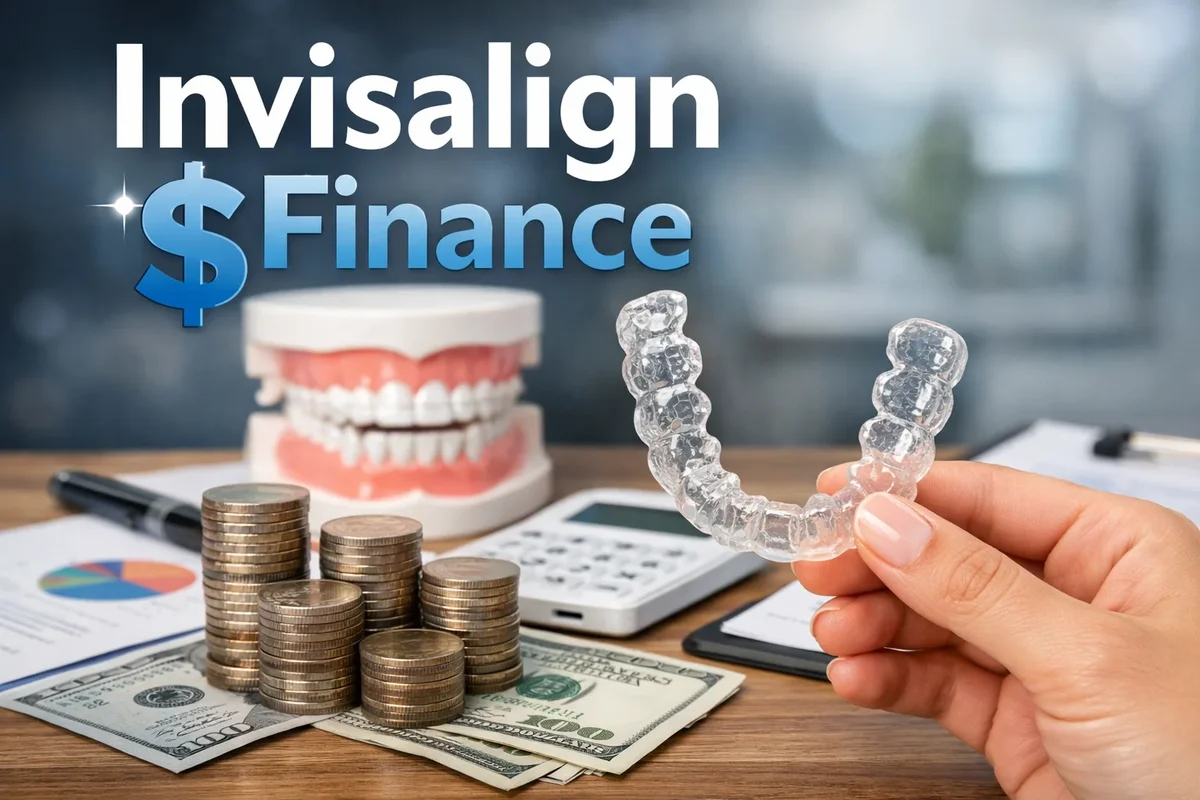
Choosing the Right Clinic for Invisalign Finance and Treatment
Selecting the right dental clinic is one of the most important decisions when planning Invisalign treatment. While the quality of orthodontic care is crucial, the financial structure offered by the clinic also plays a significant role in the overall treatment experience. A clinic that provides flexible invisalign finance options can make treatment more accessible and manageable for many patients. Understanding what to look for when choosing a provider ensures that patients receive both high-quality care and practical financial solutions.
Orthodontic treatment is a long-term investment in oral health, confidence, and quality of life. Therefore, patients should carefully evaluate both clinical expertise and financing options when selecting a provider. A clinic that offers transparent pricing and flexible invisalign finance plans helps patients begin treatment with confidence and financial stability.
Look for Invisalign-Certified Providers
One of the first factors to consider when choosing a clinic is whether the dentist or orthodontist is certified to provide Invisalign treatment. Invisalign certification indicates that the provider has received specialized training in planning and managing clear aligner therapy.
Experienced Invisalign providers often deliver more efficient treatment plans, which may reduce the total number of aligners required and shorten treatment duration. This efficiency can indirectly reduce overall treatment costs and improve the effectiveness of invisalign finance plans.
Clinics with extensive Invisalign experience also tend to offer more structured and flexible invisalign finance options because they treat Invisalign patients regularly and understand the financial concerns associated with orthodontic care.
Evaluate Available Invisalign Finance Options
Not all dental clinics offer the same financing programs. Some clinics provide in-house payment plans, while others partner with third-party healthcare financing companies. When selecting a provider, it is important to review the available invisalign finance options carefully.
Key questions patients should ask include:
- Does the clinic offer interest-free payment plans?
- What is the typical down payment requirement?
- How long are the repayment periods?
- Are there additional financing fees?
- Does the clinic accept dental insurance for orthodontic treatment?
A clinic that offers multiple invisalign finance options provides greater flexibility for patients with different financial situations.
Example Invisalign Finance Structures Offered by Clinics
Example Financing Options

Treatment Cost:                $5,400

Option 1 – In-House Plan
Deposit:                       $600
Monthly Payment (24 months):   $200
Interest:                      0%

Option 2 – Extended Financing
Deposit:                       $400
Monthly Payment (48 months):   $125
Interest:                      7%

Option 3 – Insurance + Finance
Insurance Coverage:            $1,500
Remaining Balance:             $3,900
Monthly Payment (24 months):   $162
Comparing these structures helps patients determine which invisalign finance option best fits their financial plans.
Transparency in Pricing and Treatment Plans
A trustworthy clinic should provide clear information about treatment costs, payment schedules, and financing terms. Patients should receive a detailed breakdown of the Invisalign treatment plan before committing to any invisalign finance agreement.
Transparent pricing allows patients to understand exactly what is included in the treatment cost. This may include:
- Initial consultation and digital scans
- Customized Invisalign aligners
- Follow-up appointments
- Refinement aligners if needed
- Retention devices after treatment
When these details are clearly explained, patients can confidently select a suitable invisalign finance plan without unexpected financial surprises later.
Technology and Treatment Planning Tools
Modern orthodontic clinics often use advanced technology to improve Invisalign treatment outcomes. Digital scanning systems, 3D treatment simulation software, and computer-guided planning tools allow dentists to design precise treatment strategies.
Clinics that invest in advanced technology often deliver more efficient treatments. Efficient treatment planning can reduce the total number of aligners required and shorten treatment duration, which helps patients maximize the value of their invisalign finance investment.
Technologies Commonly Used in Invisalign Clinics
- 3D digital scanning systems
- Computerized treatment simulations
- Precision aligner manufacturing technology
- Digital orthodontic monitoring tools
These technologies help ensure that patients receive accurate and predictable orthodontic results.
Patient Reviews and Reputation
Another important factor when selecting a dental clinic is reputation. Reading patient reviews can provide valuable insights into treatment quality, patient satisfaction, and the reliability of invisalign finance plans offered by the clinic.
Positive patient feedback often indicates that a clinic provides professional care, clear communication, and supportive financing options. Clinics with strong reputations are also more likely to prioritize patient satisfaction throughout the entire treatment process.
Consultation and Personalized Financial Planning
Before committing to treatment, patients should schedule a consultation with the orthodontist. During this visit, the dental team evaluates the patient’s oral health, discusses treatment goals, and presents available financing options.
Consultations provide an opportunity to create a personalized invisalign finance plan tailored to the patient’s budget and treatment needs. Many clinics offer flexible payment structures that adapt to individual financial circumstances.
Patients who want personalized guidance about orthodontic treatment and financing options can contact dental professionals through the
Redent Klinik Contact Page. A consultation allows the dental team to design a customized invisalign finance strategy that supports both oral health and financial comfort.
Patients are also encouraged to explore reliable dental health information provided by organizations such as the
American Dental Association. These trusted resources help patients better understand orthodontic treatment standards and dental care best practices.
In conclusion, choosing the right clinic is essential for a successful Invisalign treatment experience. Clinics that combine orthodontic expertise with flexible invisalign finance options provide the best environment for patients seeking both high-quality care and financial convenience. By evaluating provider experience, financing structures, transparency, and patient reviews, individuals can confidently select a clinic that supports their journey toward a healthier, more confident smile.