
Invisalign for dentists has become a revolutionary advancement in modern orthodontic care, offering dental professionals a powerful way to deliver precise, aesthetic, and comfortable teeth alignment treatments. Unlike traditional braces that rely on metal brackets and wires, Invisalign uses a series of clear, removable aligners that gradually shift the patient’s teeth into the desired position. This approach not only improves oral health but also enhances patient satisfaction and clinic reputation. 😁
For dentists, mastering the use of Invisalign means integrating cutting-edge digital technology with personalized treatment planning. Through 3D scanning, computer-aided design (CAD), and predictive modeling, dental professionals can now create a fully customized orthodontic journey for every patient. This process involves detailed mapping of tooth movement stages, allowing for more accuracy, efficiency, and patient comfort compared to conventional orthodontic techniques.
One of the main reasons why Invisalign for dentists is rapidly gaining popularity is the growing patient demand for aesthetic orthodontic options. More adults are seeking treatments that do not interfere with their appearance or lifestyle. Invisalign aligners are virtually invisible, easy to clean, and removable during eating or brushing—qualities that significantly increase compliance and long-term success. Patients can continue their daily activities without the self-consciousness associated with metal braces, making Invisalign the preferred choice for professionals and adults of all ages.
From a clinical perspective, Invisalign allows dentists to expand their service offerings and stand out in a competitive market. Incorporating this treatment into a practice can open new revenue streams and attract a broader patient base. Additionally, the system’s digital workflow enables precise monitoring and adjustment at every stage of treatment. Dentists can track progress using the American Dental Association’s recommended standards for orthodontic procedures, ensuring high-quality and evidence-based care.
The process begins with an intraoral scan using advanced imaging systems such as iTero or 3Shape. These scans replace traditional dental impressions, providing a faster, cleaner, and more accurate digital model of the patient’s teeth. The dentist then uses Invisalign’s proprietary software to plan tooth movements and generate the aligner sequence. Each aligner is worn for about one to two weeks, gradually repositioning the teeth with gentle pressure. The number of aligners depends on the complexity of the case, typically ranging from 10 to 50 trays.
In terms of patient management, communication and education are essential. Dentists must explain the entire Invisalign journey to patients, including expected results, maintenance instructions, and check-up intervals. It’s also important to emphasize oral hygiene during treatment, as aligners must be cleaned regularly to avoid bacterial buildup or staining. This educational approach helps build trust and ensures that patients remain compliant throughout their treatment period. For any inquiries or professional guidance, patients can always reach out through the Redent Klinik Contact Page.
Financially, adopting Invisalign as part of dental services requires some initial investment in training and equipment. However, the return on investment is typically substantial due to the growing patient base seeking clear aligner treatments. Dentists who specialize in Invisalign often report increased patient satisfaction, reduced chair time, and higher case acceptance rates. Moreover, Invisalign’s digital system minimizes manual adjustments, making procedures smoother and more predictable.
Beyond financial and operational benefits, Invisalign for dentists enhances professional credibility. Dental professionals offering Invisalign demonstrate their commitment to advanced, patient-centered care. Many dental associations worldwide now recommend continuing education in clear aligner therapy, ensuring that practitioners remain updated with evolving techniques and materials. This continuous learning environment fosters excellence in patient outcomes and practice growth.
Another critical advantage of Invisalign technology is its flexibility in treating various orthodontic issues. It can effectively correct crowding, spacing, overbite, underbite, and crossbite problems. For dentists, this versatility means being able to serve a wider range of patients without referring them to an orthodontist. As technology continues to improve, treatment times are becoming shorter, and aligner precision is increasing, leading to better results and happier patients. 🌟
In conclusion, Invisalign for dentists is more than just an orthodontic innovation—it’s a gateway to modern, digital, and patient-friendly dental care. Dentists who embrace this system not only meet the aesthetic and functional needs of today’s patients but also future-proof their practices in an increasingly competitive industry. Whether you are a general dentist looking to expand your expertise or an established orthodontic professional seeking to refine your services, Invisalign represents a transformative opportunity to deliver exceptional results with minimal discomfort and maximum satisfaction.
What Is Invisalign and How Does It Work?
Invisalign for dentists is an advanced orthodontic system that utilizes custom-made, clear aligners to move teeth into their proper positions without the need for metal brackets or wires. It is a modern alternative to traditional braces, designed for both comfort and aesthetics. For dentists, understanding how Invisalign works is essential to successfully plan, monitor, and deliver precise orthodontic results to patients seeking discreet and effective teeth alignment. 🦷✨
Understanding the Science Behind Invisalign
Invisalign aligners are made of a patented thermoplastic material known as SmartTrack®. This flexible yet durable polymer enables controlled and gradual tooth movement. Each aligner is fabricated based on a digital treatment plan that maps the patient’s unique dental anatomy. Dentists begin by taking a 3D scan of the patient’s teeth using intraoral scanners such as iTero or 3Shape. This digital impression replaces messy traditional molds, making the process faster, cleaner, and far more accurate.
Once the scan is completed, the Invisalign system’s proprietary software generates a step-by-step treatment plan. It shows how the teeth will move at every stage of the process, allowing dentists to visualize the final outcome even before treatment begins. This digital workflow enhances accuracy and predictability, reducing the need for manual adjustments during treatment.
How the Aligner System Works
The Invisalign system uses a series of removable aligners, each slightly different from the previous one. Patients wear each set for about 1–2 weeks before switching to the next in the sequence. Every aligner exerts controlled pressure on specific teeth, gradually shifting them toward the desired position. The total number of aligners depends on the complexity of the case, but typically ranges from 10 to 50 sets. This approach allows dentists to customize treatment for mild to moderate misalignments, crowding, gaps, and even bite correction issues.
For dentists offering Invisalign for dentists as part of their orthodontic services, patient compliance plays a crucial role. Since the aligners are removable, patients must wear them for 20–22 hours per day for optimal results. Failure to do so can delay progress or cause uneven tooth movement. Therefore, educating patients about consistent wear and proper hygiene is key to achieving success with Invisalign therapy.
Digital Precision and Predictability
One of the most revolutionary aspects of Invisalign technology is its digital accuracy. Dentists can use advanced software to predict tooth movements down to fractions of a millimeter. This ensures precise alignment while minimizing discomfort for patients. The aligners are laser-cut for a perfect fit around the gum line, making them nearly invisible and very comfortable to wear. As a result, Invisalign treatments are more efficient, with shorter chair times and fewer emergency visits compared to traditional braces.
The software also enables virtual checkups. Using digital progress tracking, dentists can remotely monitor tooth movement and intervene if adjustments are needed. This feature has become increasingly valuable in modern dental practices, especially for patients who prefer fewer in-office visits.
Advantages Over Traditional Braces
Compared to traditional metal braces, Invisalign aligners offer several clinical and aesthetic advantages. They are transparent, making them ideal for professionals and adults who value discretion. There are no wires or brackets that cause irritation, and patients can remove the aligners during meals and brushing. This freedom allows for better oral hygiene, reducing the risk of cavities or gum disease during treatment. For dental professionals, Invisalign for dentists simplifies maintenance and enhances patient satisfaction, leading to more referrals and repeat patients.
From a biomechanical perspective, Invisalign aligners provide consistent, gentle force, which reduces pain and promotes steady movement. The SmartForce® attachments, which are small tooth-colored bumps bonded to teeth, help direct movement more precisely. These attachments are strategically placed to achieve complex shifts that aligners alone cannot perform. With this system, dentists can correct deep bites, open bites, crowding, and spacing issues effectively and predictably.
Clinical Steps in the Invisalign Treatment Workflow
The typical Invisalign treatment process involves several stages:
- Step 1 – Initial Consultation: The dentist evaluates the patient’s oral health, determines eligibility for Invisalign, and discusses treatment goals.
- Step 2 – Digital Scanning: A 3D scan of the patient’s teeth is taken to create an accurate digital model.
- Step 3 – Treatment Planning: The dentist uses specialized software to design a custom treatment plan and visualize tooth movement.
- Step 4 – Aligner Fabrication: Aligners are manufactured and delivered to the dentist, ready for patient fitting.
- Step 5 – Fitting and Instructions: The patient receives the first set of aligners and detailed guidance on wear and maintenance.
- Step 6 – Follow-Up Visits: Regular checkups ensure that progress aligns with the digital treatment plan. Adjustments can be made if necessary.
- Step 7 – Retention Phase: After active treatment, patients are provided with retainers to maintain results.
Patient Education and Support
Dentists offering Invisalign must also focus on communication and ongoing patient engagement. Patients often have questions about eating, cleaning, and adjusting to wearing aligners. Providing educational materials and follow-up messages increases adherence and overall satisfaction. It’s recommended that dentists maintain accessible support channels, such as online contact forms like the Redent Klinik Contact Page, to handle queries quickly and professionally.
Furthermore, clear aligner treatment offers a psychological benefit to patients. Because the aligners are nearly invisible, patients tend to feel more confident throughout the process. This emotional comfort leads to higher satisfaction rates and positive word-of-mouth referrals—an important advantage for dentists aiming to grow their practices.
The Future of Invisalign Technology
As digital dentistry continues to evolve, Invisalign for dentists is expected to become even more advanced. Integration with artificial intelligence and machine learning allows for better prediction of treatment outcomes. New materials are being developed to enhance flexibility, durability, and tooth movement efficiency. In the future, dentists may be able to simulate patient-specific aligner performance in real-time, leading to faster and more reliable results.
In summary, understanding how Invisalign works empowers dental professionals to offer their patients a premium, high-tech orthodontic experience. The combination of digital precision, patient comfort, and aesthetic appeal makes it a cornerstone of modern dentistry. Whether for general practitioners or specialists, adopting Invisalign for dentists represents an opportunity to merge innovation with exceptional patient care — and to stay ahead in a rapidly advancing dental landscape. 🌟
Why Invisalign for Dentists Is Transforming Orthodontic Practice
Invisalign for dentists is not just a tool for straightening teeth—it’s a complete revolution in how orthodontic care is delivered, managed, and perceived by both dental professionals and patients. The integration of digital scanning, artificial intelligence, and 3D printing has transformed traditional orthodontic workflows into a modern, data-driven, and patient-centered experience. For dentists, this technology offers opportunities to expand services, enhance patient satisfaction, and improve operational efficiency within the clinic. 🦷💡
The Shift from Conventional Braces to Digital Orthodontics
For decades, traditional metal braces dominated the orthodontic landscape. While effective, they came with limitations—discomfort, aesthetic concerns, and time-consuming adjustments. Invisalign for dentists addresses all these drawbacks by offering a transparent, removable, and digitally precise alternative. This innovation appeals not only to patients but also to dentists who seek efficiency, predictability, and superior results. With Invisalign, dentists can visualize the entire treatment journey before it begins, reducing guesswork and improving accuracy in tooth movement.
The key differentiator lies in the digital workflow. Dentists can scan, simulate, and plan treatments entirely on a computer. This means fewer errors, faster turnaround times, and greater patient trust. As a result, Invisalign technology has become a cornerstone of modern orthodontic practices, shifting the industry toward a more digital, patient-focused model that prioritizes comfort and aesthetics.
Digital Efficiency and Predictability
One of the biggest transformations brought by Invisalign for dentists is the integration of artificial intelligence (AI) and machine learning. These technologies analyze vast amounts of treatment data to optimize tooth movement sequences, aligner design, and pressure distribution. This ensures that every aligner is engineered with precision, resulting in smoother and more predictable outcomes.
For dentists, this digital predictability translates into reduced chair time, fewer follow-up visits, and higher patient satisfaction. The system’s advanced analytics also allow dentists to track each case in real-time, identifying any deviations early and making necessary adjustments. As a result, treatment time is often shortened compared to traditional braces, while maintaining or improving overall effectiveness.
Cloud-Based Collaboration and Treatment Control
Modern Invisalign systems are cloud-integrated, allowing seamless communication between dentists, laboratories, and Invisalign specialists. This interconnected system enhances collaboration, enabling faster approvals and case modifications. Dentists can upload scans, review 3D treatment plans, and make instant changes through an online platform accessible from anywhere. This connectivity ensures consistency and quality across all stages of treatment, no matter where the practice is located.
Furthermore, Invisalign’s digital ecosystem supports remote consultations and virtual checkups, an increasingly valuable feature in the post-pandemic world. Patients can send progress photos via secure apps, and dentists can monitor alignment development without requiring in-person visits—saving time for both parties while maintaining professional oversight.
Expanding Opportunities for General Dentists
Invisalign for dentists empowers general practitioners to integrate orthodontic services into their existing practice without extensive orthodontic specialization. With proper certification and training, any dentist can use Invisalign’s digital tools to diagnose and treat mild to moderate malocclusions. This expansion diversifies service offerings and increases the clinic’s revenue potential.
Many dental professionals also use Invisalign as a gateway treatment—introducing patients to broader cosmetic dentistry options like whitening, veneers, and smile makeovers. Because Invisalign treatments often precede other aesthetic procedures, they can serve as a valuable entry point to long-term patient relationships and continued care. By mastering Invisalign, dentists position themselves as full-spectrum smile experts capable of transforming both function and appearance.
Enhancing Patient Experience and Satisfaction
Today’s dental patients expect convenience, aesthetics, and minimal discomfort. Invisalign meets all these expectations by combining functionality with an almost invisible appearance. Patients can remove the aligners for eating, brushing, or special occasions, which enhances lifestyle compatibility. For many adults, this freedom is a decisive factor in choosing Invisalign over traditional braces.
From the dentist’s perspective, satisfied patients are ambassadors for their practice. Positive reviews, referrals, and before-and-after photo showcases all contribute to organic marketing growth. Clinics that specialize in Invisalign for dentists often see a rise in new consultations as word-of-mouth spreads among family, friends, and colleagues who value aesthetic solutions. 🌟
Reduced Treatment Discomfort and Emergencies
Invisalign aligners are designed for gentle, controlled movement, significantly reducing pain compared to the tightening of metal braces. Because there are no wires or brackets, patients experience fewer irritation-related emergencies such as cuts, loose parts, or discomfort during eating. This translates to fewer emergency visits, less chair time, and more predictable appointment scheduling for the dentist.
Improving Practice Efficiency and Revenue
Adopting Invisalign for dentists also improves operational efficiency. The fully digital workflow reduces administrative overhead and minimizes manual tasks. Treatment plans are stored and managed electronically, which simplifies recordkeeping and compliance with standards set by professional bodies such as the American Dental Association.
Moreover, Invisalign cases often require fewer in-office adjustments than fixed braces. This efficiency allows dentists to treat more patients within the same time frame, increasing productivity and profitability. Practices offering Invisalign also attract a higher-income demographic, as patients are willing to pay premium fees for the convenience and aesthetics of clear aligner therapy.
Brand Differentiation and Professional Growth
Dentists who provide Invisalign are seen as forward-thinking professionals embracing the latest advancements in dental technology. This reputation builds trust among patients and elevates the clinic’s brand image. Investing in Invisalign certification and continuous education also enhances professional credibility, ensuring compliance with evolving clinical standards. Dentists can market themselves as certified providers on the official Invisalign website and in local SEO campaigns, attracting patients searching for expert providers in their area.
Integrating Invisalign with Comprehensive Dental Care
Another reason Invisalign for dentists is transforming orthodontic practice is its ability to integrate seamlessly with other dental treatments. Clear aligner therapy can be combined with restorative, cosmetic, and preventive procedures for holistic patient care. For instance, dentists can perform minor restorations or whitening treatments during the same Invisalign treatment period, maximizing results and efficiency. This interdisciplinary approach improves overall oral health outcomes while delivering the aesthetic transformations patients desire.
Conclusion: A Digital Future for Dentistry
The evolution of Invisalign for dentists marks a defining moment in modern dental practice. With its focus on innovation, precision, and patient comfort, Invisalign has become the gold standard of contemporary orthodontics. It bridges the gap between traditional methods and digital dentistry, allowing professionals to offer exceptional results with enhanced predictability and minimal inconvenience. As technology continues to evolve, Invisalign will remain at the forefront—transforming not only how teeth are aligned but how dentists envision and deliver care to their patients. 🚀
For dentists seeking to explore this transformative opportunity or to partner with experienced providers, connecting through the Redent Klinik Contact Page is an excellent starting point. Collaboration and continuous learning are the keys to mastering this technology and leading the next generation of digital orthodontics.
Key Benefits of Offering Invisalign Treatment in Dental Clinics
Integrating Invisalign for dentists into a dental practice provides a wide range of professional, financial, and clinical advantages. From enhancing patient satisfaction to expanding treatment capabilities and increasing profitability, Invisalign has redefined what it means to deliver modern orthodontic care. The clear aligner system not only improves the aesthetic experience for patients but also helps dentists streamline workflows and reduce operational challenges associated with traditional braces. 🦷💎
1. Enhanced Patient Experience and Satisfaction
One of the most significant benefits of offering Invisalign for dentists is the dramatic improvement in patient comfort and overall experience. Unlike traditional braces, which rely on metal wires and brackets, Invisalign aligners are smooth, clear, and removable. This means patients can eat, drink, brush, and floss with ease — leading to better hygiene and fewer dietary restrictions.
Patients are increasingly seeking orthodontic options that blend seamlessly with their daily lives. Invisalign meets these demands perfectly. The aligners are virtually invisible, making them particularly appealing for adults and professionals who wish to maintain a natural smile during treatment. This comfort-focused and aesthetic-driven solution leads to higher patient satisfaction, better compliance, and more positive online reviews — a key factor in dental practice growth.
Emotional Confidence and Aesthetic Appeal
Patients using Invisalign often experience greater confidence because the aligners are discreet. They can smile in photos, attend meetings, or engage socially without worrying about their appearance. For dentists, this creates a stronger emotional connection with their patients — one that fosters trust, loyalty, and long-term relationships. These psychological benefits make Invisalign a unique selling proposition in competitive markets where patient experience defines success.
2. Simplified Clinical Workflow and Efficiency
Invisalign for dentists simplifies orthodontic treatment by integrating a fully digital workflow. Traditional braces require frequent wire changes, bracket adjustments, and manual tightening — tasks that are both time-consuming and uncomfortable for patients. Invisalign eliminates these repetitive steps through digital precision. With tools like iTero scanners and ClinCheck software, dentists can create, preview, and modify treatment plans in real time.
Because each aligner is pre-programmed to achieve specific tooth movements, dentists spend less time performing chairside adjustments. This reduces treatment duration and frees up valuable time to accommodate more patients. Many practitioners report up to 30% higher efficiency after adopting Invisalign, allowing for more streamlined appointment scheduling and improved time management.
Predictability and Digital Control
Invisalign’s digital ecosystem allows dentists to visualize each stage of tooth movement before treatment even begins. This not only provides a precise roadmap but also enhances predictability — an essential aspect of orthodontic success. The technology-driven approach minimizes human error and reduces the risk of overcorrection or undercorrection, common issues in manual orthodontic methods.
Additionally, remote monitoring platforms now allow patients to submit progress photos digitally, enabling dentists to assess treatment advancement without requiring frequent in-office visits. This remote model boosts convenience and patient engagement while keeping treatment outcomes on track.
3. Expanding Revenue Streams and Profitability
From a business perspective, integrating Invisalign for dentists is a highly profitable decision. The global demand for clear aligner treatments has surged exponentially, with patients increasingly willing to pay premium prices for aesthetics and convenience. By offering Invisalign, dental clinics tap into a rapidly growing market segment that values quality and technology over traditional options.
Invisalign cases typically generate higher profit margins compared to standard orthodontic treatments due to reduced material and maintenance costs. Furthermore, dentists can upsell complementary procedures such as whitening, contouring, and retainers — creating bundled treatment packages that appeal to patients seeking comprehensive smile transformations.
Marketing Edge and Practice Differentiation
Dentists who provide Invisalign often gain a strong competitive advantage in their local markets. Patients actively search for certified Invisalign providers online, and clinics that appear in those searches enjoy increased visibility and trust. Align Technology, the company behind Invisalign, offers marketing support to certified providers, including listing on official directories and access to promotional materials.
Integrating Invisalign also improves a clinic’s brand image. It signals innovation, technological sophistication, and patient-centric values. When combined with consistent digital marketing efforts and social proof (such as before-and-after photos), dentists can significantly boost new patient acquisition rates.
4. Shorter and More Comfortable Treatment Duration
Traditional orthodontic treatments often take years to complete, whereas Invisalign can achieve similar or superior results in a shorter time frame — typically 6 to 18 months, depending on case complexity. This accelerated pace not only satisfies patients but also increases turnover and capacity for dentists.
The aligners’ smooth edges and customized fit ensure minimal irritation to gums and cheeks, improving overall comfort throughout the process. This translates to fewer emergency appointments and reduced stress on clinical staff, allowing for a more efficient and pleasant patient management experience.
Fewer Complications and Emergencies
Unlike metal braces, Invisalign aligners don’t have wires that can break or brackets that can detach. As a result, dentists spend less time handling emergency repairs. This predictability improves scheduling consistency and reduces operational disruptions — especially valuable in busy practices managing multiple cases simultaneously.
5. Integration with Cosmetic and Restorative Dentistry
Another unique advantage of Invisalign for dentists is its seamless compatibility with cosmetic and restorative procedures. Clear aligner therapy can serve as a preparatory stage for treatments like veneers, bonding, or crowns, aligning teeth to their ideal positions before restorative work. This not only enhances the aesthetic outcome but also ensures optimal functionality and bite alignment.
For example, dentists can perform whitening treatments or minor reshaping during Invisalign therapy to create a holistic smile transformation plan. Such comprehensive care attracts higher-value patients and fosters long-term loyalty.
Interdisciplinary Collaboration and Professional Growth
Incorporating Invisalign into practice encourages interdisciplinary cooperation between general dentists, orthodontists, and cosmetic specialists. This collaborative approach enhances patient outcomes and professional development within the dental team. Many continuing education programs, endorsed by the American Dental Association, offer certification pathways for dentists who wish to specialize in clear aligner therapy.
6. Boosting Patient Referrals and Reputation
Patients who undergo successful Invisalign treatment often become enthusiastic advocates for their dentist. Their improved smiles serve as visible proof of the dentist’s expertise and technology adoption. These real-world testimonials are among the most effective forms of marketing. Encouraging satisfied patients to leave reviews or share before-and-after photos can significantly enhance online visibility and local SEO rankings.
Additionally, linking professional contact points such as the Redent Klinik Contact Page helps prospective patients connect directly with Invisalign providers, increasing conversion rates and expanding the clinic’s reach.
Conclusion: A Smart Investment for the Future of Dentistry
Ultimately, integrating Invisalign for dentists is more than an upgrade — it’s a strategic evolution. It combines patient satisfaction, operational efficiency, and digital innovation into a single powerful system. Dentists who adopt Invisalign not only deliver superior orthodontic care but also future-proof their practices in a rapidly digitizing industry. As technology continues to advance, Invisalign will remain a cornerstone of modern dentistry — redefining smiles and reshaping the future of orthodontic excellence. 🌟
Step-by-Step Process: How Dentists Apply Invisalign Effectively
Implementing Invisalign for dentists involves a precise and well-structured process that blends clinical expertise with cutting-edge digital technology. The procedure is carefully designed to ensure accuracy, predictability, and patient satisfaction at every stage. By understanding and mastering each step—from consultation to post-treatment retention—dentists can deliver outstanding orthodontic outcomes that align with modern dental care standards. 🦷✨
1. Initial Consultation and Patient Assessment
The first stage in the Invisalign for dentists workflow begins with a comprehensive consultation. During this appointment, the dentist evaluates the patient’s oral health, dental alignment, and aesthetic goals. Key diagnostic steps include clinical examination, X-rays, intraoral photographs, and bite analysis. These diagnostic tools help determine whether the patient is an ideal candidate for Invisalign treatment or requires an alternative orthodontic approach.
At this stage, dentists should discuss treatment goals and expectations openly with the patient. Understanding lifestyle factors—such as diet, oral hygiene habits, and professional obligations—ensures that Invisalign is a suitable option. Since aligners require consistent wear (20–22 hours per day), patient compliance plays a major role in achieving optimal results. Dentists must educate patients about the importance of adherence, cleaning routines, and follow-up visits.
Establishing Candidacy Criteria
Not all patients are suitable for Invisalign. Invisalign for dentists typically works best for mild to moderate alignment cases, including crowding, spacing, overbite, and crossbite. Severe skeletal discrepancies or complex orthodontic issues may still require traditional braces or combined treatments. However, advancements in aligner technology have significantly expanded Invisalign’s capabilities, making it effective even in many previously challenging cases.
2. Digital Scanning and 3D Imaging
Once the dentist confirms that Invisalign is appropriate, the next step involves creating a digital impression of the patient’s teeth. Instead of conventional molds, dentists use advanced intraoral scanners such as iTero or 3Shape to capture precise 3D images. This digital scan eliminates discomfort associated with putty impressions and provides a real-time visualization of the patient’s dentition.
The resulting 3D model is then uploaded to Invisalign’s proprietary ClinCheck® software. Here, dentists can simulate different treatment outcomes, manipulate tooth positions, and visualize movement sequences from start to finish. This digital preview allows both dentist and patient to understand the process clearly, promoting transparency and informed consent.
Advantages of Digital Scanning
- Increased accuracy with no need for physical molds.
- Faster turnaround time for aligner production.
- Enhanced patient comfort and engagement.
- Improved communication between dentist, lab, and patient.
These advantages make digital scanning an indispensable part of Invisalign for dentists, helping practitioners deliver high-precision orthodontic treatments while minimizing manual errors.
3. Customized Treatment Planning
After scanning, the dentist proceeds to the digital treatment planning stage. This phase is critical for ensuring predictable and efficient tooth movement. Using the ClinCheck platform, dentists can adjust parameters such as tooth rotation, tipping, and movement rate. The software also estimates total treatment duration and number of aligners required.
The ability to customize treatment digitally distinguishes Invisalign for dentists from traditional methods. The clinician can set precise movement limits per aligner—typically 0.25 mm per stage—to maintain biological safety and patient comfort. Each plan undergoes review and approval by Invisalign technicians, who ensure clinical viability and manufacturing precision.
Patient Communication and Approval
Before aligner production begins, dentists review the digital treatment plan with the patient. This interactive session allows patients to visualize their projected smile and understand the timeline. It enhances motivation and confidence in the process. Clear communication about expected results, costs, and maintenance responsibilities is essential for successful outcomes.
4. Aligner Fabrication and Delivery
Once the plan is finalized, the data is transmitted to Invisalign’s manufacturing facility. Aligners are produced using precision 3D printing and medical-grade SmartTrack® material. Each aligner is trimmed, polished, and laser-marked for identification. The complete set is shipped to the dental clinic, usually within two to three weeks.
At the delivery appointment, the dentist fits the first set of aligners and ensures they seat properly on the teeth. Attachments—small, tooth-colored composite bumps—may be bonded to aid in complex movements. Dentists provide detailed instructions on aligner wear, cleaning, and storage. Patients are reminded to wear their aligners 20–22 hours per day and to switch to the next set according to schedule, typically every 7–14 days.
Patient Education and Maintenance Tips
Educating patients is crucial for compliance. Dentists should advise patients to:
- Clean aligners daily with a soft brush and non-abrasive cleanser.
- Rinse aligners before reinsertion to remove debris.
- Avoid hot water, which may warp the plastic.
- Store aligners in protective cases when not in use.
Proper education ensures optimal hygiene and reduces complications such as odor, plaque buildup, or discoloration.
5. Regular Monitoring and Adjustments
Follow-up appointments are scheduled every 6–8 weeks to assess progress. During these visits, dentists verify that tooth movement aligns with the treatment plan and make adjustments if necessary. Modern Invisalign software enables virtual progress tracking through digital photo submissions, minimizing in-office visits while maintaining clinical supervision.
If a patient’s teeth do not move as expected, dentists can perform refinements—new scans and additional aligners to correct deviations. These refinements are part of the dynamic adaptability that makes Invisalign for dentists so effective.
Remote Monitoring Options
In the era of telehealth, many dental professionals use apps and virtual tools to review patient progress. This not only enhances convenience but also strengthens engagement. Patients appreciate the ability to communicate directly with their dentist online, ensuring accountability and responsiveness throughout treatment.
6. Post-Treatment Retention and Follow-Up
After completing all aligners, patients enter the retention phase to maintain their results. Dentists typically prescribe Vivera® retainers, designed by Invisalign using the same advanced materials. These retainers help stabilize teeth while periodontal ligaments adapt to new positions. Regular follow-up visits at 3, 6, and 12 months post-treatment ensure long-term stability.
Retention is a crucial final step in Invisalign for dentists because neglecting it can lead to relapse. Dentists should educate patients about consistent retainer wear and periodic replacement to preserve the outcome.
Integrating Long-Term Care and Support
Providing ongoing support after Invisalign treatment enhances patient loyalty. Dentists may offer whitening or cosmetic touch-ups as part of post-treatment care, further boosting satisfaction. For questions or continued care scheduling, patients can easily connect via the Redent Klinik Contact Page.
Conclusion: Mastering the Invisalign Workflow
Delivering Invisalign for dentists effectively requires mastery of both the clinical and digital components of aligner therapy. By following a structured, step-by-step approach—consultation, scanning, planning, fabrication, monitoring, and retention—dentists ensure consistent results and patient satisfaction. This streamlined process not only improves treatment outcomes but also reinforces the dentist’s reputation as a leader in modern orthodontic care. With ongoing innovation and professional training supported by the American Dental Association, Invisalign continues to empower dental professionals worldwide to provide precise, aesthetic, and future-ready orthodontic solutions. 🌟
Common Challenges Dentists Face When Using Invisalign
While Invisalign for dentists offers remarkable precision and patient satisfaction, it is not without its challenges. Clear aligner therapy requires a deep understanding of biomechanics, patient psychology, and digital treatment planning. Dentists must overcome several practical, clinical, and communication-related hurdles to ensure successful outcomes. By identifying these common issues and implementing proactive solutions, dental professionals can refine their Invisalign workflows, improve patient compliance, and achieve consistently excellent results. 🦷💪
1. Patient Compliance and Wear Time Issues
One of the most frequent challenges in Invisalign for dentists treatment is ensuring patient compliance. Because aligners are removable, some patients fail to wear them for the recommended 20–22 hours per day. This non-compliance can result in delayed progress, poor tracking, or incomplete tooth movement. In contrast to traditional braces, where brackets are fixed, Invisalign success depends heavily on the patient’s discipline and cooperation.
Dentists often face situations where patients claim to wear the aligners consistently, but their teeth tell a different story. Misalignment between expected and actual progress can complicate treatment timelines and outcomes. Therefore, it’s crucial to set clear expectations from the very beginning, explaining how skipping even a few hours per day can extend treatment time significantly.
Solutions for Improving Compliance
- Use compliance indicators built into some Invisalign aligners that fade with use, helping dentists monitor wear time.
- Send automated reminders through patient apps or text messages to encourage consistent aligner use.
- Incorporate digital tracking platforms where patients can upload selfies showing aligner wear progress.
- Reinforce the importance of discipline at every visit, linking compliance to faster, more predictable results.
By combining patient education with technology-driven monitoring, dentists can enhance accountability and achieve better treatment adherence.
2. Managing Complex or Non-Responsive Cases
Another major challenge in Invisalign for dentists arises when dealing with complex malocclusions or non-responsive tooth movements. Certain teeth—especially canines, premolars, and rotated incisors—may not respond predictably to aligner forces. This can lead to discrepancies between digital simulations and real-life results, requiring refinements or additional aligners.
Invisalign’s technology has advanced significantly to address these issues. However, biological variability, attachment placement, and force distribution still require meticulous planning. Understanding the biomechanics of clear aligners is vital for managing these complex scenarios effectively.
Tips for Handling Complex Movements
- Strategically place attachments to improve grip and torque control on stubborn teeth.
- Combine interproximal reduction (IPR) with aligner adjustments to create space for crowded teeth.
- Use bite ramps or elastics for vertical control in deep or open bite cases.
- Monitor tooth movement closely at each visit and refine the treatment plan when necessary.
Advanced training and certification programs for Invisalign for dentists—often endorsed by the American Dental Association—help clinicians develop the expertise required to manage challenging orthodontic movements with precision.
3. Case Selection and Treatment Planning Limitations
Selecting the right cases is crucial to avoid complications. Some dentists, eager to expand services, may accept cases beyond their comfort zone or experience level. This can result in extended treatment times, refinements, or patient dissatisfaction. Understanding which cases to accept and which to refer to an orthodontist is key to maintaining clinical integrity.
Another limitation lies in the digital treatment planning process itself. Although Invisalign software offers incredible visualization, dentists must interpret and adjust simulations carefully. Overreliance on the software without proper clinical judgment can lead to unrealistic expectations and suboptimal results.
Smart Case Selection Guidelines
- Start with simple cases such as mild crowding or spacing before progressing to complex bite corrections.
- Evaluate bone support, periodontal health, and root positions through radiographs before planning.
- Educate patients about limitations, particularly in cases requiring skeletal changes.
By balancing enthusiasm with experience, dentists offering Invisalign for dentists can build confidence gradually while maintaining excellent clinical outcomes.
4. Managing Attachments and Refinements
Attachments—tiny, tooth-colored composite bumps bonded to the enamel—are integral to the effectiveness of Invisalign. However, they also introduce several challenges, such as bonding issues, detachment during eating, and patient discomfort. Additionally, some patients find attachments aesthetically unappealing, especially on front teeth.
Another frequent challenge is the need for refinements. After the initial aligner series, minor discrepancies may persist, requiring additional scans and new aligners. Although refinements are normal in clear aligner therapy, excessive or poorly managed refinements can frustrate both patients and dentists.
Optimizing Attachment Performance
To minimize complications, dentists should:
- Use proper isolation techniques during bonding to prevent detachment.
- Educate patients about chewing habits that might loosen attachments.
- Regularly assess attachment integrity during follow-up visits.
- Ensure refinements are planned early rather than waiting for major discrepancies.
Effective attachment management enhances aligner fit and ensures more consistent tooth movement, reducing delays and improving final outcomes.
5. Communication and Expectation Management
Clear communication is essential when offering Invisalign for dentists. Many patients assume that clear aligners deliver instant results with minimal effort. Managing these expectations early is crucial to prevent dissatisfaction. Dentists must explain that success depends on daily compliance, hygiene maintenance, and follow-up visits.
Moreover, open communication strengthens the dentist-patient relationship. Providing progress updates and before-and-after visual comparisons boosts motivation and reinforces trust. Using visual tools like 3D simulations can help patients appreciate the gradual improvements that occur over time.
Leveraging Technology for Better Communication
Digital tools like Invisalign’s mobile app or online portals allow patients to track their progress. These interactive features make the process engaging and transparent. Dentists can also direct patients to reputable educational resources or provide easy access via the Redent Klinik Contact Page for personalized inquiries and follow-ups.
6. Financial and Logistical Considerations
From a business standpoint, incorporating Invisalign for dentists requires investment in training, software, and digital scanning equipment. The initial cost may seem high, but the long-term returns—through increased patient volume and satisfaction—justify the expense. Nevertheless, dentists must manage costs strategically, pricing treatments competitively while maintaining profitability.
Additionally, logistical challenges such as ordering aligners, shipping delays, and case revisions can occur. Efficient administrative management and consistent communication with Invisalign support teams help prevent disruptions and maintain patient trust.
Conclusion: Turning Challenges into Opportunities
Every challenge in Invisalign for dentists represents an opportunity for professional growth. By addressing compliance issues, mastering complex movements, and improving patient communication, dentists can elevate both their technical skills and their reputation. Success with Invisalign requires continuous learning, patience, and attention to detail—but the rewards are immense: happier patients, stronger clinic performance, and a leadership role in the future of digital orthodontics. 🚀
Comparing Invisalign vs Traditional Braces for Dental Professionals
As clear aligner therapy continues to gain popularity, understanding the differences between Invisalign for dentists and traditional braces has become essential for modern dental practitioners. Both orthodontic methods aim to achieve proper alignment and bite correction, but they differ significantly in technology, patient experience, treatment time, and maintenance. For dentists, knowing how to compare and present these options effectively enhances clinical decision-making and patient satisfaction. 🦷📊
1. Overview: Invisalign vs Traditional Braces
Invisalign for dentists represents a digital, patient-centered evolution in orthodontic treatment. It relies on custom-made, removable aligners fabricated using 3D imaging technology, while traditional braces use brackets and wires attached to the teeth to apply mechanical force. Both methods have their advantages and limitations, but Invisalign’s aesthetic appeal and technological precision have made it the preferred choice for many adult and teen patients.
For dentists, offering Invisalign means expanding treatment versatility and adopting a digital workflow. Traditional braces still play a vital role in managing complex cases, but Invisalign provides superior comfort, appearance, and convenience for patients seeking subtle solutions. Understanding these distinctions helps clinicians recommend the most suitable treatment based on patient needs and case complexity.
Key Technical Difference
- Invisalign: Uses clear thermoplastic SmartTrack® material to exert gentle, controlled pressure on teeth.
- Braces: Rely on brackets bonded to teeth and connected with metal wires to generate force.
- Invisalign Workflow: Digital scans, computer-aided treatment plans, and 3D-printed aligners.
- Braces Workflow: Manual adjustments at each visit using physical archwires and elastics.
2. Aesthetic Advantages and Patient Appeal
When comparing Invisalign for dentists with traditional braces, aesthetics are often the first differentiator patients notice. Invisalign aligners are virtually invisible, allowing patients to undergo treatment discreetly. This appeals especially to adults and professionals who want to maintain a natural look while correcting their teeth. In contrast, metal braces are easily visible and sometimes stigmatized, particularly among adults.
Because Invisalign aligners can be removed during eating, brushing, and social occasions, patients enjoy greater flexibility and confidence. This freedom translates into improved quality of life throughout treatment. For dentists, this aesthetic and lifestyle compatibility becomes a compelling factor when educating patients about treatment options.
Psychological and Social Impact
Patients wearing traditional braces often experience self-consciousness and dietary limitations, while those using Invisalign typically report increased comfort and self-esteem. Clear aligner treatment provides a psychological boost that encourages patients to stay consistent and motivated, resulting in higher compliance and satisfaction levels.
3. Comfort and Oral Hygiene
Comfort is another major factor where Invisalign for dentists outperforms traditional braces. Aligners are smooth and do not contain sharp metal edges, which means no mouth sores, broken wires, or bracket-related discomfort. They are also easy to remove for cleaning, enabling patients to maintain optimal oral hygiene.
Traditional braces, however, require special flossing tools and interdental brushes to clean around brackets and wires, increasing the risk of plaque buildup and gingivitis. Dentists offering Invisalign emphasize this hygiene benefit as a key selling point, particularly for patients with busy lifestyles or sensitive gums.
Maintenance Comparison
- Invisalign: Aligners are cleaned using lukewarm water and mild soap or specialized cleaning crystals.
- Braces: Require meticulous brushing around brackets and frequent in-office adjustments.
- Result: Invisalign reduces plaque accumulation and improves gum health throughout treatment.
4. Treatment Duration and Predictability
Modern digital technology has made Invisalign for dentists more predictable than ever before. Treatment planning software allows clinicians to simulate outcomes and make precise adjustments before aligner fabrication. Typically, Invisalign treatment lasts between 6 and 18 months, depending on the complexity of the case. Traditional braces, on the other hand, can take anywhere from 18 to 36 months.
For straightforward cases such as mild crowding or spacing, Invisalign can produce results faster than braces. However, for severe skeletal or rotational discrepancies, braces may still be more effective due to their ability to exert greater mechanical control.
Digital Precision
Invisalign’s 3D software (ClinCheck®) provides an exact roadmap of tooth movements, ensuring transparency and predictability. This gives both dentist and patient confidence in the final outcome. Traditional braces lack this visual simulation capability, relying more heavily on the orthodontist’s manual expertise.
5. Cost and Accessibility
From a financial standpoint, Invisalign for dentists often involves a higher initial investment in equipment and software, but it also commands premium fees due to its advanced technology and patient demand. Patients are typically willing to pay more for the convenience and aesthetic advantages of clear aligners.
Traditional braces are generally more affordable upfront, but they can involve additional maintenance costs over time, such as broken brackets or extended visits. For dental clinics, offering both options provides flexibility to meet diverse patient budgets and preferences. According to data from the American Dental Association, the average Invisalign case costs between $3,500–$8,000, while traditional braces range from $2,500–$6,000 depending on complexity and materials used.
Pricing Strategy and Return on Investment
Dentists who integrate Invisalign into their practice can enhance profitability by reducing chair time and expanding service offerings. A single Invisalign case typically requires fewer appointments, allowing for higher case volume per month. Furthermore, marketing Invisalign as a premium service strengthens brand reputation and attracts a tech-savvy, aesthetic-focused clientele.
6. Clinical Versatility and Case Selection
While Invisalign for dentists continues to evolve, it still has limitations for complex orthodontic cases involving severe rotations, vertical discrepancies, or skeletal malocclusions. However, newer materials, attachments, and digital refinements have made it capable of addressing more diverse conditions than ever before. For many patients, Invisalign now achieves results comparable to braces, provided case selection and treatment planning are handled correctly.
Dentists must evaluate factors such as patient compliance, age, and oral anatomy before recommending Invisalign. Proper training and experience are key to determining which cases will benefit most from aligner therapy. Many general dentists collaborate with orthodontists to manage advanced cases effectively while offering simpler Invisalign treatments in-house.
Continuous Education and Professional Growth
Becoming a certified Invisalign provider involves specialized training, which enhances clinical confidence and expands a dentist’s orthodontic expertise. Regular participation in continuing education ensures dentists remain updated on the latest innovations, materials, and techniques in clear aligner therapy.
7. Patient Communication and Case Presentation
Effectively presenting Invisalign for dentists to patients requires clear communication about benefits, limitations, and realistic expectations. Visual tools such as before-and-after photos and digital treatment simulations can significantly improve patient understanding and case acceptance rates. Transparent pricing, flexible payment plans, and digital progress tracking all contribute to positive patient experiences and successful outcomes.
For inquiries or professional collaboration on Invisalign cases, patients and fellow practitioners can connect through the Redent Klinik Contact Page, ensuring expert guidance and coordinated care at every stage.
Conclusion: Choosing the Right Solution for Each Patient
In conclusion, comparing Invisalign for dentists and traditional braces reveals that each has unique strengths suited to specific patient profiles. Invisalign excels in comfort, aesthetics, and convenience, making it ideal for adults and image-conscious individuals. Traditional braces remain superior for highly complex or skeletal cases requiring intricate movement control. For dental professionals, offering both systems ensures comprehensive care options and enhances clinical versatility. Ultimately, the most successful dentists are those who understand when and how to apply each method to achieve predictable, efficient, and life-changing orthodontic results. 🌟
How to Market Invisalign Services and Attract More Patients
In today’s digital era, successfully promoting Invisalign for dentists requires a mix of strategic marketing, patient education, and reputation building. Dental practices that effectively communicate the advantages of Invisalign can attract new patients, boost conversions, and strengthen their brand authority. The key lies in combining clinical excellence with modern marketing tools—both online and offline—to position your clinic as a trusted, innovative provider of clear aligner therapy. 🦷💼
1. Building a Strong Online Presence
A robust online presence is the cornerstone of marketing Invisalign for dentists. Since most patients begin their search for dental treatments on Google, having an optimized and informative website is essential. Your site should highlight Invisalign treatment benefits, display before-and-after photos, and include clear calls to action (CTAs) such as “Book a Free Consultation.” Optimizing for local SEO ensures that potential patients searching for Invisalign in your area can easily find your clinic.
Additionally, integrating a blog section dedicated to clear aligner education helps drive organic traffic. Writing articles that answer common questions—like “How does Invisalign work?” or “Is Invisalign right for adults?”—builds authority and encourages readers to book appointments. Using internal links to key pages, such as the Redent Klinik Contact Page, improves navigation and increases engagement time on your site.
Website Optimization Tips
- Include the keyword Invisalign for dentists naturally in meta titles, headings, and alt tags.
- Add patient testimonials and star ratings to enhance trust signals.
- Use fast-loading, mobile-friendly designs to improve user experience and Google rankings.
- Embed high-quality videos explaining Invisalign treatment steps and success stories.
2. Leveraging Social Media for Patient Engagement
Social media marketing plays a vital role in promoting Invisalign for dentists. Platforms like Instagram, Facebook, and TikTok are ideal for showcasing transformations and patient journeys. Short-form videos featuring before-and-after results, testimonials, or dentist explanations perform exceptionally well. These posts not only attract attention but also foster trust through authenticity and visual proof.
Engage with your audience through interactive polls, Q&A sessions, and Instagram Reels about common Invisalign questions. Sharing educational content consistently builds your clinic’s reputation as a knowledgeable and approachable Invisalign provider. Encourage satisfied patients to share their experiences online and tag your practice, creating powerful word-of-mouth marketing in the digital sphere.
Best Practices for Social Media Success
- Post consistently—aim for 3–4 updates per week.
- Use hashtags like #InvisalignDentist, #ClearAligners, and #SmileTransformation to reach new audiences.
- Run targeted Facebook and Instagram ads promoting Invisalign consultations.
- Highlight your partnership with trusted institutions such as the American Dental Association to establish authority.
3. Utilizing Google Ads and Local SEO Strategies
Paid advertising through Google Ads can significantly enhance visibility for Invisalign for dentists. By bidding on keywords such as “Invisalign dentist near me” or “clear aligners for adults,” your clinic can appear at the top of search results for high-intent queries. Combine these ads with optimized landing pages that explain treatment benefits, display pricing transparency, and include consultation booking forms.
Local SEO is equally critical. Setting up and optimizing your Google Business Profile ensures your clinic appears in local map listings. Encourage satisfied patients to leave reviews on Google, as ratings strongly influence potential clients. Regularly update your profile with new photos, posts, and offers to maintain visibility in your area.
Local SEO Essentials
- Ensure your name, address, and phone number (NAP) are consistent across all directories.
- Include location-based keywords (e.g., “Invisalign for dentists in London”).
- Respond to all reviews promptly to demonstrate engagement and professionalism.
- Add high-resolution treatment photos and your clinic’s interior to your Google Business listing.
4. Creating Educational and Visual Content
Educational marketing is one of the most effective ways to promote Invisalign for dentists. Patients often fear orthodontic treatment because of misconceptions or lack of knowledge. Creating content that simplifies the process helps eliminate anxiety and build trust. Consider publishing informative blog posts, infographics, and explainer videos that break down the Invisalign journey step by step—from consultation to retention.
Visual storytelling is particularly powerful. Before-and-after transformations, smile reveal videos, and patient testimonials resonate emotionally and encourage potential clients to take action. Featuring real patients from your practice enhances authenticity and relatability, leading to higher conversion rates.
Content Types That Perform Well
- “Day in the Life of an Invisalign Patient” short video series.
- Animated explainer videos about how aligners move teeth.
- Downloadable brochures or eBooks titled “Your Complete Guide to Invisalign.”
- Monthly blog updates on Invisalign trends, maintenance, and costs.
5. Offering Special Promotions and Referral Programs
Special offers can accelerate new patient acquisition. Many successful clinics use introductory discounts, free consultation campaigns, or limited-time offers to draw interest. For instance, “Get ₤300 off your first Invisalign treatment” or “Free smile simulation with consultation” can motivate potential patients to book appointments immediately.
Referral programs are another powerful marketing strategy for Invisalign for dentists. Encourage existing patients to refer friends and family by offering small incentives—such as whitening kits or treatment discounts. Word-of-mouth remains one of the most trusted forms of marketing in healthcare, especially when combined with tangible rewards.
Effective Promotion Strategies
- Offer seasonal Invisalign packages (e.g., “New Year Smile Makeover”).
- Promote digital smile simulation events both online and in-office.
- Collaborate with local influencers or wellness professionals to reach new audiences.
6. Partnering with Local Businesses and Community Events
Offline marketing still holds tremendous value for dental professionals. Partnering with gyms, spas, or local corporations allows you to offer exclusive Invisalign consultations or discounts to their employees or members. Hosting free dental health days or smile transformation seminars can also raise community awareness and build trust.
Participating in local fairs, school events, or charity runs while promoting Invisalign for dentists demonstrates your clinic’s community engagement and professionalism. Distribute brochures, offer free smile assessments, or showcase real success stories through visuals and testimonials. These outreach efforts humanize your brand and build lasting connections beyond digital channels.
7. Measuring Success with Data Analytics
To ensure your marketing campaigns for Invisalign for dentists are effective, consistent data tracking is essential. Use tools such as Google Analytics, Meta Insights, and CRM software to monitor website visits, conversion rates, and lead sources. Tracking allows you to identify which campaigns perform best and optimize future efforts accordingly.
Key Metrics to Monitor
- Website traffic and user engagement (bounce rate, time on page).
- Conversion rate of Invisalign landing pages.
- Patient inquiries and appointment bookings per channel.
- Return on ad spend (ROAS) for Google and Facebook campaigns.
Data-driven marketing not only maximizes budget efficiency but also helps refine messaging and targeting for different patient demographics.
Conclusion: Building a Sustainable Invisalign Growth Strategy
In summary, promoting Invisalign for dentists requires a balanced combination of SEO, social media, patient education, and community engagement. By leveraging both digital and local marketing tactics, dentists can position themselves as trusted Invisalign experts while expanding their patient base. Consistency, authenticity, and data analysis are key to long-term success. Whether through online visibility or in-person relationships, every interaction should reinforce your clinic’s commitment to modern, comfortable, and aesthetic orthodontic care. 🌟
For professional collaboration or guidance on marketing clear aligner treatments, visit the Redent Klinik Contact Page and connect with our team for strategic Invisalign growth insights tailored to your practice.
Training, Certification, and Continuous Education for Invisalign Providers
The rise of Invisalign for dentists has reshaped the modern dental landscape, creating an entirely new dimension of patient-centered orthodontic care. However, mastering clear aligner therapy requires more than enthusiasm—it demands technical expertise, certification, and ongoing education. Dentists who invest in structured training not only deliver better clinical outcomes but also enhance their professional credibility, confidence, and earning potential. In this section, we’ll explore the certification process, advanced learning opportunities, and strategies to stay at the forefront of Invisalign innovation. 🦷🎓
1. Understanding Invisalign Certification Levels
Before offering Invisalign to patients, every dentist must complete a structured training program provided by Align Technology. This foundational step ensures that practitioners understand digital scanning, treatment planning, biomechanics, and case management. The company offers several certification levels that correspond to the provider’s experience and case volume. These distinctions help patients identify experienced professionals and encourage dentists to pursue continuous improvement.
Certification Tiers Explained
- Invisalign Go: Designed for general dentists focusing on mild to moderate cases, typically involving anterior teeth alignment.
- Invisalign Full: Allows treatment of comprehensive cases including crowding, spacing, and bite corrections.
- Invisalign Platinum/Elite/Top 1%: Advanced certifications awarded to dentists with high case volumes and exceptional success rates.
Progressing through these levels showcases a dentist’s mastery and commitment to excellence in clear aligner therapy. Many dental professionals proudly display these credentials in their clinics and online profiles to boost credibility and patient trust.
2. Initial Training: The Foundation of Invisalign Success
The foundational training course for Invisalign for dentists typically includes hands-on workshops, online modules, and live clinical demonstrations. Participants learn how to take accurate digital scans using the iTero scanner, interpret ClinCheck® treatment plans, and communicate effectively with Invisalign technicians. The goal is to ensure dentists can confidently diagnose, plan, and execute treatments with predictable outcomes.
In addition to the technical aspect, the course emphasizes patient communication. Dentists learn to manage expectations, explain aligner care, and provide clear post-treatment instructions. These communication skills are crucial in building trust and reducing dropout rates during lengthy orthodontic treatments.
What Dentists Learn in Certification Courses
- Aligner biomechanics and tooth movement principles.
- How to design and evaluate treatment simulations in ClinCheck® software.
- Proper attachment placement, interproximal reduction (IPR), and refinements.
- Case documentation and patient record management.
After certification, dentists can immediately start offering Invisalign within their practice, although many choose to begin with simpler cases to build confidence and experience.
3. The Importance of Continuous Education
Technology in dentistry evolves rapidly, and Invisalign for dentists is no exception. New features such as SmartForce® attachments, SmartTrack® material, and AI-driven treatment simulations require practitioners to stay updated. Continuous education ensures that dentists can fully leverage these advancements for optimal results.
Align Technology regularly offers advanced courses, webinars, and conferences to keep certified providers informed about new protocols and clinical strategies. These programs also foster collaboration, allowing dentists to share experiences and learn from peers who manage diverse case complexities.
Benefits of Continuous Learning
- Enhanced treatment efficiency through mastery of new tools.
- Improved patient outcomes and shorter treatment durations.
- Stronger differentiation from competitors in the market.
- Increased eligibility for higher-tier certifications and recognitions.
Dentists who remain engaged in lifelong learning demonstrate professionalism and commitment to patient care—qualities highly valued by patients seeking trustworthy Invisalign providers.
4. Advanced Training and Specialist Collaboration
Advanced courses in Invisalign for dentists often focus on complex orthodontic movements such as deep bites, open bites, and crossbites. Dentists learn advanced biomechanics, anchorage control, and multidisciplinary treatment integration. Some of these courses are co-taught by orthodontists and aligner experts, providing deep clinical insights beyond standard training.
Collaborating with orthodontists can also accelerate a general dentist’s learning curve. Co-managing cases allows both specialists to refine treatment planning and improve diagnostic precision. These partnerships foster a culture of knowledge sharing and continuous professional development.
Examples of Advanced Learning Programs
- Align Technology Masterclass in Clear Aligner Orthodontics.
- University-affiliated postgraduate Invisalign residencies.
- ADA-accredited continuing education seminars.
- Hands-on workshops focusing on digital orthodontic workflow integration.
5. Integrating Training into Clinical Practice
After completing training, implementing Invisalign for dentists successfully requires a structured clinical workflow. Dentists should allocate time for comprehensive consultations, detailed digital scans, and treatment reviews. Staff training is equally critical—receptionists, dental assistants, and hygienists should understand the Invisalign process to support patients effectively.
It’s also beneficial to integrate Invisalign education into new patient visits. Offering free smile assessments or simulations using iTero scanners can instantly demonstrate the power of clear aligner therapy. Patients who see their projected smile transformation are significantly more likely to start treatment.
Tips for Seamless Integration
- Train staff to discuss Invisalign confidently and answer basic questions.
- Schedule follow-up appointments efficiently to monitor compliance and progress.
- Use digital tools for reminders, progress tracking, and virtual check-ins.
Integrating these educational insights into daily operations transforms the practice into a modern, technology-driven clinic that patients trust and recommend.
6. Professional Networking and Growth Opportunities
Certification opens the door to a vibrant community of dental professionals dedicated to clear aligner excellence. Joining Invisalign study clubs or dental associations provides access to mentorship, clinical discussions, and referrals. Many certified providers also participate in international Invisalign symposia where new research, case studies, and innovations are shared.
Being part of these professional networks not only enhances clinical expertise but also promotes collaboration opportunities that benefit both practitioners and patients. Align Technology’s professional directory also lists certified providers, improving online discoverability and patient reach.
7. Ethical and Regulatory Considerations
When offering Invisalign for dentists, adherence to ethical and regulatory standards is paramount. Providers must ensure accurate diagnosis, informed consent, and transparent communication about treatment costs and limitations. Overpromising or misrepresenting results can damage patient trust and reputation. Certification programs emphasize ethical marketing and clinical accountability, aligning with principles set by the American Dental Association.
Dentists must also comply with data privacy laws when using digital scans, cloud platforms, or remote monitoring systems. Protecting patient information through secure digital practices is essential for maintaining professional integrity.
8. The Long-Term Value of Invisalign Education
Investing in education and certification yields exponential returns. Dentists who specialize in Invisalign for dentists often experience increased patient loyalty, referrals, and higher profitability. Patients perceive certified Invisalign providers as more credible, which translates into greater case acceptance rates. Additionally, continuous education ensures practitioners remain competitive in a rapidly evolving dental industry.
Conclusion: Learning as the Pathway to Excellence
In conclusion, success with Invisalign for dentists depends not just on technology but on the professional’s dedication to continuous learning. Certification provides the foundation, but lifelong education is the key to mastering complex cases and building a thriving, future-ready practice. By combining clinical knowledge, ethical standards, and digital innovation, dentists can deliver exceptional orthodontic outcomes and position themselves as leaders in the world of clear aligner dentistry. 🌟
To explore certification opportunities or professional mentorship, visit the Redent Klinik Contact Page for expert guidance on advancing your Invisalign career.
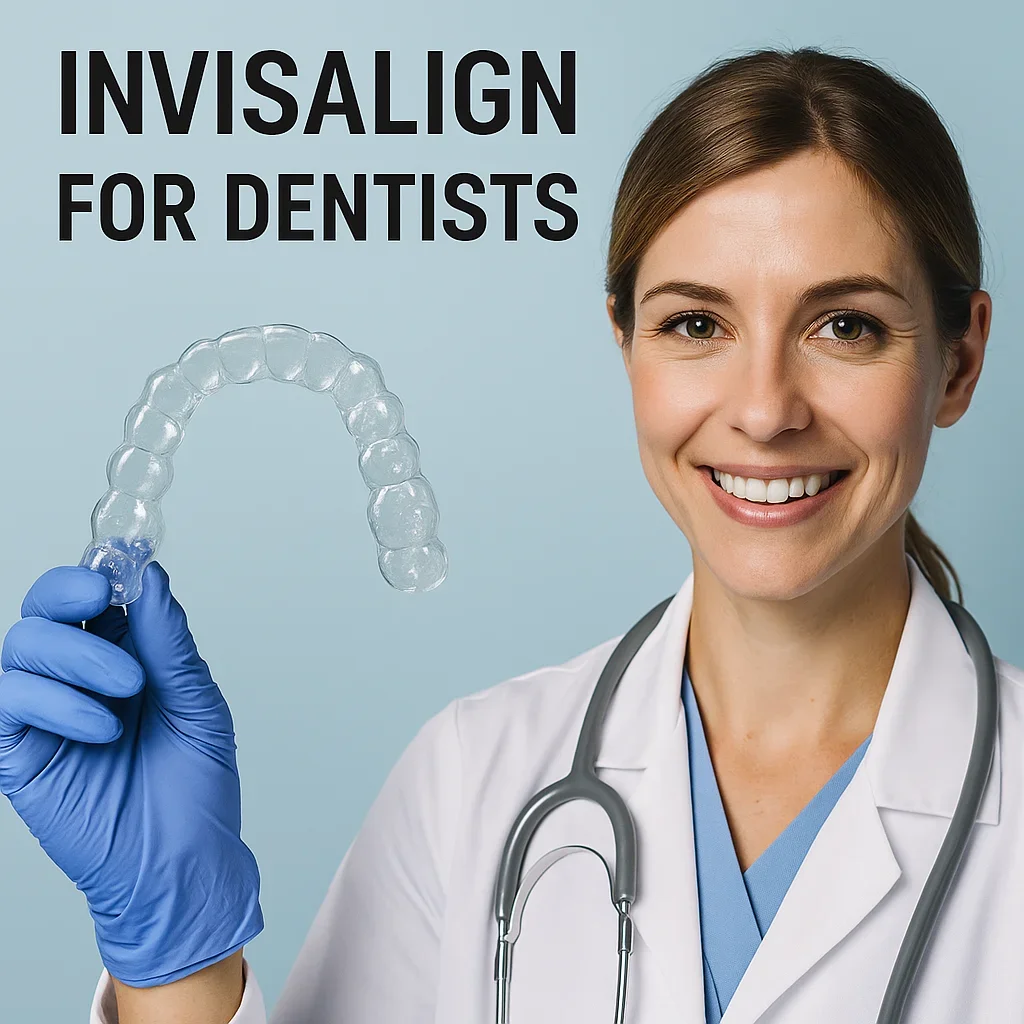
The Future of Digital Dentistry with Invisalign Technology
The advancement of Invisalign for dentists marks the beginning of a new era in digital dentistry—one where precision, artificial intelligence, and patient experience merge seamlessly. The future of orthodontic treatment is defined by data-driven workflows, real-time monitoring, and fully integrated digital ecosystems that empower dentists to deliver faster, more predictable, and highly aesthetic results. In this section, we explore how emerging technologies are shaping the next generation of Invisalign treatments and transforming dental care around the world. 🚀
1. The Evolution of Clear Aligner Technology
Over the past two decades, Invisalign for dentists has evolved from a niche cosmetic option into a clinically sophisticated treatment system capable of addressing complex malocclusions. Early iterations of Invisalign focused primarily on mild crowding and spacing issues. Today, thanks to innovations like SmartTrack® material, SmartForce® attachments, and advanced digital modeling, clear aligners can now correct deep bites, crossbites, and even complex rotations with remarkable precision.
The driving force behind this evolution is constant research and technological investment. Align Technology, the company behind Invisalign, continues to refine materials and algorithms that improve aligner fit, durability, and tooth movement efficiency. As a result, Invisalign has become an essential component of modern orthodontic practice, bridging the gap between aesthetics and functionality.
Key Technological Milestones
- SmartTrack® Material: Enhances comfort, flexibility, and controlled force delivery.
- SmartForce® Attachments: Increase grip and enable complex tooth movements.
- ClinCheck® Software: Allows dentists to visualize every stage of treatment in 3D.
- iTero® Scanners: Replace traditional impressions with digital precision scanning.
These developments have made Invisalign for dentists not only a cosmetic choice but also a clinically powerful tool for long-term dental health and patient satisfaction.
2. Artificial Intelligence and Predictive Treatment Planning
Artificial intelligence (AI) is revolutionizing the way dentists plan and execute orthodontic treatments. The latest versions of Invisalign for dentists use AI-powered ClinCheck algorithms to analyze vast databases of completed cases. These systems predict the most efficient sequence of tooth movements, adjust force distribution, and simulate expected outcomes with near-perfect accuracy.
AI doesn’t replace clinical expertise—it enhances it. Dentists can now visualize various treatment scenarios, compare alternatives, and choose the optimal path for each patient. This predictive modeling minimizes guesswork, shortens treatment time, and increases patient confidence in the process. The integration of machine learning also enables Invisalign systems to continuously improve, refining accuracy with every completed case.
AI Benefits in Invisalign Treatment
- More accurate and personalized treatment planning.
- Faster case approval and fabrication through automation.
- Predictive analysis of potential complications or delays.
- Enhanced treatment simulations for patient education and consent.
With AI’s growing role, Invisalign for dentists is becoming not only smarter but also more adaptable to diverse clinical scenarios, ultimately improving efficiency across dental practices.
3. Integration of 3D Printing in Aligner Fabrication
One of the most transformative technologies in modern dentistry is 3D printing. Invisalign’s production process already utilizes advanced 3D printing to create millions of precise, custom aligners every year. As this technology becomes more accessible, many dental clinics are beginning to explore in-house 3D printing capabilities for diagnostic models, retainers, and even temporary aligners.
For dentists, this shift means faster turnaround times and greater control over case delivery. Instead of waiting weeks for external fabrication, clinics can produce models or prototypes within hours. The result is improved workflow efficiency and enhanced patient satisfaction through quicker start times and real-time treatment adjustments.
Advantages of 3D Printing in Invisalign Workflows
- Rapid prototyping and faster aligner production cycles.
- Reduced material waste through precision manufacturing.
- Custom-fit retainers or post-treatment devices produced on demand.
- Enhanced visualization for patient consultations and education.
The combination of Invisalign for dentists and 3D printing signifies the dawn of true digital dentistry, where personalization and speed redefine the patient experience.
4. Remote Monitoring and Teleorthodontics
The COVID-19 pandemic accelerated the rise of telehealth solutions across all medical fields, including dentistry. Invisalign quickly adapted by incorporating remote monitoring tools and apps that allow dentists to track patient progress virtually. Patients can upload photos or 3D scans through mobile platforms, and dentists can evaluate alignment progress without requiring in-person visits.
This new model of “hybrid orthodontics” offers significant benefits. Patients enjoy convenience and flexibility, while dentists can manage more cases efficiently. Invisalign for dentists now includes digital monitoring systems that analyze uploaded photos for tracking deviations, ensuring that aligners are fitting correctly and that treatment is progressing as planned.
Benefits of Remote Monitoring
- Fewer in-office visits without compromising treatment quality.
- Continuous real-time feedback between dentist and patient.
- Reduced chair time and increased appointment availability.
- Enhanced compliance through regular digital check-ins.
This technology-driven approach reflects the future of dentistry—convenient, patient-centric, and data-connected.
5. Cloud-Based Collaboration and Global Connectivity
As dental technology becomes increasingly digital, cloud-based collaboration has become a key component of Invisalign for dentists. Modern treatment planning platforms enable dentists to work seamlessly with orthodontic experts, technicians, and labs across the globe. Case files, 3D scans, and treatment simulations can be shared securely in real time, eliminating geographical barriers and speeding up communication.
This connectivity enhances clinical precision and fosters a collaborative learning environment. Whether a dentist in London consults with a digital orthodontist in New York or a technician in Zurich, cloud systems ensure consistent, quality-driven workflows. Moreover, secure encryption protocols comply with global data protection standards, safeguarding patient privacy while enabling innovation.
Global Integration Benefits
- Faster interdisciplinary collaboration and treatment review.
- Improved accuracy through instant peer consultation.
- Streamlined case submissions and updates via online portals.
- Secure, HIPAA-compliant cloud data storage and access.
6. The Role of Sustainability in Invisalign Production
Modern dentistry is increasingly focused on environmental responsibility, and Invisalign for dentists is no exception. Align Technology is investing in sustainable manufacturing by minimizing material waste and utilizing recyclable packaging. Digital impressions eliminate the need for disposable impression materials, significantly reducing environmental impact.
In the future, clinics may adopt biodegradable aligner materials or implement recycling programs for used aligners. The shift toward sustainable dentistry not only supports the planet but also appeals to eco-conscious patients who prioritize ethical healthcare choices.
Sustainability Highlights
- Digital workflows reduce reliance on physical models and waste.
- Energy-efficient production processes for aligner manufacturing.
- Potential development of recyclable or biodegradable aligners.
7. Training and Education for the Next Generation
The integration of technology into dentistry requires continuous learning. Dental schools and professional organizations now include Invisalign for dentists modules in their curricula. Future practitioners are being trained not only in clinical aligner techniques but also in digital scanning, AI-assisted treatment planning, and patient data management.
This forward-thinking approach ensures that the next generation of dentists enters the workforce fully prepared to operate in a digital ecosystem. Partnerships between Align Technology, universities, and global dental associations—such as the American Dental Association—are driving this educational transformation.
Benefits of Digital Dental Education
- Hands-on exposure to advanced orthodontic technologies.
- Improved treatment confidence through simulation-based learning.
- Greater accessibility to global expertise via online platforms.
Conclusion: The Road Ahead for Digital Dentistry
The future of Invisalign for dentists is one of limitless potential. With artificial intelligence, 3D printing, and teleorthodontics at the forefront, clear aligner therapy will continue to redefine how dentists approach treatment planning and patient care. These innovations create a future where efficiency, accuracy, and comfort coexist—where every smile is crafted with digital precision and artistic mastery. 🌟
To explore how your clinic can adopt the latest Invisalign technologies and elevate patient care, connect with experts via the Redent Klinik Contact Page. Together, we can shape the next generation of digital orthodontics and build a smarter, more connected world of dental excellence.