
✨ Achieving a well-aligned jaw is not only about a beautiful smile — it’s about improving overall oral health, facial balance, and comfort. Invisalign jaw alignment has become one of the most popular modern orthodontic methods for people who want to correct bite issues without the inconvenience of metal braces. By using a series of transparent, custom-made aligners, Invisalign gently guides your teeth and jaw into their ideal positions over time. 🦷
Unlike traditional braces, Invisalign offers a nearly invisible and removable solution that aligns the jaw while maintaining daily comfort. Whether you’re dealing with underbite, overbite, crossbite, or open bite, Invisalign jaw alignment treatment can be customized to fit your specific needs. The key lies in the advanced technology behind these aligners — they are digitally designed using 3D imaging, which allows orthodontists to plan precise jaw movements before treatment even begins.
When your upper and lower jaws are misaligned, the consequences go beyond aesthetics. You might experience tension headaches, jaw pain, uneven tooth wear, and even speech difficulties. Traditional orthodontic methods have addressed these issues for decades, but Invisalign provides a modern, patient-friendly alternative. Through continuous, controlled movements, the aligners work not only on repositioning teeth but also on improving the jaw’s overall function and harmony. 🌟
Each set of Invisalign aligners is worn for about one to two weeks before moving to the next stage. During this period, the aligners apply light, consistent pressure to your teeth and jaw, slowly shifting them according to your personalized treatment plan. The gradual correction means less discomfort and more predictability. Patients can visualize their transformation with digital simulations before even starting, giving them confidence and motivation throughout the process.
The importance of a properly aligned jaw cannot be overstated. Misalignment can cause difficulties in chewing, clenching, and breathing. Moreover, it can affect facial symmetry, making your appearance seem unbalanced. Invisalign helps restore this symmetry by promoting a natural, functional jaw position that enhances both aesthetics and health. Over time, invisalign jaw alignment improves muscle coordination and relieves strain from temporomandibular joint (TMJ) disorders — a common issue among adults.
💡 The procedure begins with a consultation at a certified dental clinic, such as Redent Klinik Contact Page, where 3D scans are taken to map out every detail of your oral structure. The orthodontist then creates a treatment roadmap showing each stage of alignment. This plan includes how your jaw will gradually move to its ideal position, giving you a visual understanding of your journey toward a balanced bite. As you switch aligners according to schedule, you’ll start noticing improved bite comfort and reduced tension in your jaw muscles.
Another advantage of Invisalign is the flexibility it offers. Since the aligners are removable, you can eat, drink, brush, and floss normally — something impossible with metal braces. This helps maintain excellent oral hygiene throughout treatment and prevents food buildup or gum irritation. Furthermore, the aligners are made from SmartTrack material, which provides a secure yet gentle fit, ensuring that jaw movement is precise and controlled. 🪞
For many patients, the appeal of Invisalign jaw alignment also lies in its aesthetic discretion. The clear aligners are barely noticeable, allowing you to maintain a professional and confident appearance during treatment. Unlike metal braces, there are no wires or brackets that can irritate your mouth or cause self-consciousness during social interactions. In addition, since Invisalign treatment is guided by advanced digital models, it often results in shorter treatment times and fewer clinic visits than traditional methods.
Research supported by the American Dental Association shows that proper jaw alignment contributes to better oral health and reduced risk of temporomandibular disorders. Correcting alignment early can prevent long-term dental complications, such as enamel erosion, gum recession, and even tooth loss caused by uneven pressure distribution. Invisalign provides a holistic solution, addressing both cosmetic and functional issues at once.
Ultimately, invisalign jaw alignment is not merely about straightening teeth — it’s about restoring harmony between your bite, jaw, and facial structure. Patients often report increased confidence, less pain, and improved chewing efficiency after completing treatment. Whether you’re a teenager dealing with bite issues or an adult seeking a discreet solution, Invisalign offers a scientifically advanced path to a healthier, more balanced smile. 😁
With continuous innovation and support from leading dental organizations, Invisalign continues to redefine how we approach orthodontic care. Choosing this transparent treatment means investing in long-term oral health, comfort, and aesthetics — all in one clear package. So, if you’ve ever wondered how to achieve a perfectly aligned jaw without compromising appearance, Invisalign jaw alignment might just be your best step forward toward that perfect bite. 🌈
Understanding How Invisalign Works for Jaw Alignment
🦷 The science behind Invisalign jaw alignment is a fascinating combination of biomechanics, digital technology, and patient-centered orthodontic care. Invisalign is not just about moving teeth; it’s about guiding the jaw into its correct, functional position for optimal bite and facial symmetry. The process begins with a personalized treatment plan using advanced 3D imaging, which maps out the exact movements your teeth and jaw need to achieve perfect alignment. Every step of this plan is designed to ensure that the forces applied by the aligners are both precise and gentle, resulting in gradual yet effective realignment.
How Invisalign Aligners Are Designed and Customized
Invisalign aligners are crafted using digital impressions of your teeth and jaw captured through intraoral scanning. This technology allows orthodontists to see the current state of your bite and how it interacts with the rest of your face. The collected data is used to design a series of aligners that apply controlled pressure to different areas of your mouth. Unlike traditional braces, which move teeth using metal brackets and wires, Invisalign aligners use strategically applied force distribution to shift teeth and the jaw into the desired position. Each new set of aligners brings your bite closer to the final target alignment. 🔍
The software that powers this process, known as ClinCheck®, creates a virtual model of your entire mouth. This simulation lets you preview how your smile and jaw will change over time. It also enables your orthodontist to adjust the treatment plan in real-time, ensuring the movements are both safe and efficient. Each aligner is worn for approximately one to two weeks before progressing to the next one in the series, which continues the incremental movement of your teeth and jaw bones. This gradual approach minimizes discomfort and helps your jaw adapt naturally to its new position.
The Biomechanics Behind Invisalign Jaw Alignment
The jaw is not a fixed structure — it is a dynamic, muscular joint influenced by the position of your teeth and bite. When the teeth are misaligned, the jaw compensates by moving improperly, which may cause pain, headaches, or temporomandibular joint (TMJ) issues. Invisalign works by correcting the underlying alignment of your teeth so that your jaw can rest and function naturally. As the teeth shift, the jaw muscles begin to relax, improving both comfort and symmetry. Over time, invisalign jaw alignment helps distribute bite forces evenly across all teeth, preventing uneven wear and tear.
Every aligner is designed with SmartForce® features — small, tooth-colored attachments that act as anchors. These attachments guide tooth movement in specific directions and can influence jaw positioning. Because each patient’s bite is unique, these attachments are placed strategically to help move both the teeth and jaw in harmony. The precision of this technology ensures that jaw movements are consistent with orthodontic principles and avoid strain or overcorrection. ⚙️
Step-by-Step Process of Invisalign Jaw Correction
1. Initial Assessment and 3D Scanning
At your first visit, your orthodontist evaluates your bite and jaw relationship using a digital scanner. This painless scan replaces traditional impressions and provides a complete 3D map of your teeth and jaw.
2. Customized Treatment Planning
Next, the software analyzes how your teeth and jaw will move through each stage of treatment. You can preview your final results virtually — an excellent motivator to stay consistent with wearing your aligners. 🖥️
3. Wearing the Aligners
Once the aligners are fabricated, you’ll wear each set for 20–22 hours per day, removing them only to eat, drink, or brush your teeth. The consistent wear time ensures that the jaw continues adapting to the intended position with minimal discomfort.
4. Periodic Adjustments and Monitoring
Your orthodontist will monitor your progress every 6–8 weeks. This is crucial for tracking how your jaw responds and ensuring movements are on schedule. Minor adjustments can be made to refine your jaw positioning and bite correction as necessary.
5. Completion and Retention Phase
After achieving the desired invisalign jaw alignment, retainers are provided to help maintain the new bite. The retention phase is essential because jaw muscles and ligaments need time to stabilize around the corrected position. 🪞
Key Benefits of Invisalign for Jaw Alignment
Choosing Invisalign for jaw correction offers several advantages over conventional braces. Firstly, the aligners are transparent and aesthetically appealing, making them ideal for adults and professionals who prefer a discreet treatment option. Secondly, they are removable, which allows for easy cleaning and unrestricted eating habits. Thirdly, because invisalign jaw alignment uses advanced planning software, the overall treatment time is often shorter than traditional orthodontic methods. Many patients begin to notice jaw comfort improvements within the first few months of use.
Moreover, Invisalign promotes healthier oral hygiene. Without brackets and wires, it’s easier to brush and floss, reducing the risk of plaque buildup and gum disease. The even pressure distribution during treatment also minimizes tooth wear and prevents further misalignment. The American Dental Association recognizes the importance of modern orthodontic technologies like Invisalign for improving both oral and systemic health — confirming that a balanced bite contributes to better digestion, speech, and confidence. 🪄 (American Dental Association)
Invisalign and the Role of Professional Guidance
It’s important to note that while Invisalign offers impressive results, professional supervision is key. A qualified orthodontist at clinics such as Redent Klinik Contact Page can evaluate your bite pattern, skeletal structure, and treatment goals before designing your aligners. This expert oversight ensures that every jaw movement is safe, effective, and customized to your anatomy. The precision of invisalign jaw alignment comes not only from the technology but also from the expertise of the dental professionals guiding your journey.
In summary, Invisalign’s effectiveness in jaw alignment stems from its perfect integration of 3D technology, biomechanics, and patient comfort. It’s a modern, evidence-based solution that reshapes not just your smile but the function and balance of your entire jaw system. Whether you’re dealing with bite problems, jaw pain, or facial asymmetry, Invisalign jaw alignment offers a gentle, precise, and scientifically proven path toward long-term oral health and confidence. 🌟
Common Jaw Alignment Problems and How Invisalign Helps
💬 Jaw alignment problems are far more common than most people realize, and they can affect everything from your smile’s appearance to your ability to chew or speak comfortably. Conditions like overbite, underbite, crossbite, and open bite can cause both aesthetic and functional challenges. Fortunately, modern orthodontic advancements such as Invisalign jaw alignment therapy provide an innovative solution that corrects these problems efficiently and discreetly. Let’s explore the most frequent jaw misalignments and how Invisalign plays a crucial role in addressing them with precision and comfort. 🦷
Understanding the Main Types of Jaw Alignment Issues
1. Overbite
An overbite occurs when the upper front teeth extend too far over the lower front teeth. While mild overbites are normal, severe cases can lead to jaw strain, uneven tooth wear, and even speech difficulties. Invisalign helps by gradually shifting both the upper and lower teeth to achieve proper vertical overlap. By applying controlled pressure, invisalign jaw alignment realigns the bite and relieves tension in the temporomandibular joint (TMJ), which often contributes to headaches and jaw discomfort. ✨
2. Underbite
An underbite happens when the lower jaw extends beyond the upper jaw, often causing a protruding chin and difficulties with chewing or biting. Traditionally, this condition required surgery or fixed braces, but Invisalign now offers a non-invasive alternative. The aligners gently reposition the lower teeth backward and upper teeth forward over time, improving overall facial symmetry and bite efficiency. Thanks to 3D planning, orthodontists can visualize each phase of movement to ensure safe and effective invisalign jaw alignment outcomes. 🧩
3. Crossbite
A crossbite refers to cases where some upper teeth sit inside the lower teeth when you bite down. This misalignment can cause tooth erosion, gum recession, and uneven jaw growth if left untreated. Invisalign corrects crossbites by aligning each tooth independently through customized trays that target specific movements. Because the aligners are digitally designed, they can correct both anterior and posterior crossbites simultaneously, improving the bite and jaw relationship in a precise, predictable manner. 🔍
4. Open Bite
In an open bite, the upper and lower teeth do not meet when the mouth is closed, leaving a visible gap. This condition often affects speech and chewing, leading to strain on the jaw muscles. Invisalign jaw alignment works by adjusting the vertical position of the teeth, bringing them closer together to achieve a natural bite. Over time, this also helps relax the surrounding muscles, reducing jaw tension and improving pronunciation. 🗣️
How Jaw Misalignment Affects Overall Health
Jaw alignment issues aren’t only cosmetic; they can have far-reaching effects on your health and comfort. Poor alignment may contribute to TMJ disorders, chronic headaches, neck stiffness, and even posture problems. Because the jaw interacts with multiple muscle groups, its misalignment can create ripple effects throughout the body. Patients with long-standing jaw issues often report fatigue in their facial muscles or a clicking sound when opening and closing their mouths. Invisalign helps correct these problems by rebalancing the relationship between the upper and lower jaws, leading to more efficient muscle function and less tension throughout the craniofacial area.
Furthermore, improper jaw positioning can accelerate tooth wear and lead to gum inflammation. The uneven distribution of biting pressure weakens enamel and may cause certain teeth to shift out of alignment. The smooth, consistent pressure applied through invisalign jaw alignment ensures that the teeth and jaw move together harmoniously, preserving enamel and reducing long-term dental complications. 🌿
How Invisalign Corrects These Jaw Problems
Invisalign uses clear, removable aligners that are engineered through digital imaging to guide the teeth and jaw toward ideal alignment. Each set of aligners makes incremental adjustments to the teeth, repositioning them millimeter by millimeter. These movements are carefully programmed to address not only tooth alignment but also jaw repositioning. The system’s SmartForce® attachments help control the direction and intensity of pressure, allowing orthodontists to manage even complex jaw discrepancies with precision.
Compared to traditional braces, Invisalign offers greater comfort and flexibility. Patients can remove their aligners during meals, which helps maintain better oral hygiene and prevents food buildup. In addition, because the aligners are transparent, patients experience less social anxiety about wearing orthodontic devices. The digital treatment plan can also predict how long each phase of jaw movement will take, giving patients a clear roadmap of their journey toward improved alignment. 📅
Technology That Powers Invisalign Jaw Alignment
At the heart of Invisalign’s success lies the ClinCheck® software and SmartTrack® material. ClinCheck allows orthodontists to simulate jaw and tooth movements in real time, making sure that every step of the process follows biological limits for safe correction. SmartTrack, the patented aligner material, ensures gentle but consistent pressure, optimizing the jaw’s adaptive response. Together, these technologies make invisalign jaw alignment an efficient, science-driven solution for both minor and major bite irregularities.
Why Professional Assessment Is Essential
Not every jaw alignment issue can be treated the same way. Before beginning Invisalign, a thorough evaluation is necessary to determine whether skeletal adjustments are needed in addition to dental corrections. In some severe cases, Invisalign may be combined with other orthodontic techniques for optimal results. Consulting professionals at reputable clinics such as Redent Klinik Contact Page ensures that your case is handled with personalized care and expertise. Each patient’s bite pattern and jaw structure are analyzed to design aligners that suit their specific anatomy and movement capacity.
Invisalign’s versatility allows it to address both functional and aesthetic concerns simultaneously. Whether you’re suffering from jaw discomfort, difficulty chewing, or self-consciousness about your smile, this treatment provides a balanced approach to achieving harmony between your teeth and jaw. According to the American Dental Association, properly aligned jaws not only improve oral health but can also enhance airway function and overall facial proportions. 🦋
In conclusion, invisalign jaw alignment is a revolutionary solution for common jaw problems that were once only manageable with metal braces or surgery. It offers a painless, aesthetic, and technologically advanced path toward correcting overbites, underbites, crossbites, and open bites. By addressing the root causes of jaw imbalance, Invisalign restores comfort, function, and confidence — giving you a naturally aligned smile that feels as good as it looks. 🌟
Invisalign vs. Braces: Which Is Better for Jaw Correction?
For decades, traditional metal braces were the go-to method for correcting jaw alignment and bite problems. However, the rise of Invisalign jaw alignment has revolutionized orthodontic treatment by introducing a clear, removable, and more comfortable alternative. Patients today often wonder: which option delivers better results for jaw correction — Invisalign or braces? To answer this comprehensively, we’ll compare both systems in terms of effectiveness, comfort, treatment time, aesthetics, and long-term outcomes. 🦷
Understanding the Core Difference Between Invisalign and Braces
Both braces and Invisalign share the same goal — to align teeth and correct jaw discrepancies — but they achieve it through very different mechanisms. Traditional braces use a network of brackets, wires, and rubber bands that exert pressure on teeth, gradually moving them into position. Invisalign, on the other hand, relies on a series of transparent, custom-made aligners that guide both teeth and jaw movement with precision. Each method has its strengths, and the choice depends on the complexity of the patient’s case, aesthetic preferences, and lifestyle. 🌟
Mechanics of Movement
Braces use continuous mechanical force applied through metal wires. The orthodontist periodically adjusts these wires to maintain pressure, allowing bone remodeling to occur around the teeth and jaw. Invisalign, meanwhile, distributes force digitally through aligners made from SmartTrack® material. This system allows for highly controlled, incremental movements that are pre-programmed using 3D modeling. As a result, invisalign jaw alignment treatments tend to be more predictable and less painful, as each movement is digitally mapped for precision.
Effectiveness for Jaw Correction
When it comes to complex skeletal discrepancies, braces still have an edge in certain cases. Severe jaw misalignments that require multi-directional force or anchorage adjustments may be easier to handle with fixed appliances. However, for mild to moderate cases — such as overbites, underbites, and crossbites — Invisalign has proven to be equally effective. Thanks to attachments and elastics, Invisalign can now correct even moderately complex jaw discrepancies that once required braces. 💪
Recent clinical studies show that invisalign jaw alignment achieves similar biomechanical outcomes to braces, but with improved patient comfort and satisfaction. Since Invisalign aligners can move both teeth and the jaw in small, controlled increments, they provide a balanced correction process that minimizes trauma to the surrounding tissues. Additionally, the ability to visualize treatment progress through digital simulations keeps patients motivated and consistent — two key factors in achieving successful results. 📈
Comfort and Oral Hygiene Comparison
Comfort and hygiene are among the top reasons patients prefer Invisalign over braces. Metal brackets can irritate the cheeks, gums, and tongue, especially during the first few months of wear. Invisalign aligners, being smooth and removable, eliminate this discomfort entirely. They can be taken out during meals, brushing, and flossing, allowing for superior oral hygiene. This prevents plaque buildup, gum disease, and enamel discoloration, which are common issues among traditional braces users. 🪥
Ease of Maintenance
Maintaining oral health during orthodontic treatment can be challenging. With braces, cleaning around wires and brackets requires special tools like interdental brushes. In contrast, Invisalign aligners only need a gentle rinse and brushing with lukewarm water. This ease of maintenance encourages patients to stay compliant with hygiene routines, contributing to healthier gums and fresher breath throughout treatment.
Treatment Duration and Predictability
On average, braces treatments last between 18 and 36 months, depending on the severity of the jaw issue. Invisalign treatments, by contrast, typically range from 12 to 18 months for mild to moderate cases. One of the biggest advantages of invisalign jaw alignment is the predictability offered by digital treatment planning. Patients can see their projected results before starting, and orthodontists can adjust the plan at any stage to optimize movement efficiency. This reduces unexpected delays and minimizes the number of in-office visits needed. ⏱️
However, Invisalign requires a higher level of discipline. Since the aligners are removable, patients must wear them for 20–22 hours daily. Inconsistent use can prolong treatment or compromise results. Braces, being fixed, don’t rely on patient compliance — which can be an advantage for younger or less disciplined users. The key is following professional advice closely to ensure consistent jaw movement and alignment. ✅
Aesthetics and Lifestyle Considerations
Aesthetics often play a decisive role in treatment choice. Traditional braces are visible, which can impact confidence, especially for adults in professional or social settings. Invisalign’s clear design makes it nearly invisible, providing a discreet option for those who value appearance. Many patients appreciate being able to remove aligners for photos, public speaking, or special occasions. This flexibility helps maintain self-esteem throughout treatment. 😁
Moreover, Invisalign doesn’t come with food restrictions. With braces, sticky or hard foods like popcorn, apples, and nuts can damage brackets or wires. Invisalign wearers simply remove their aligners while eating, making the experience more enjoyable and practical. This freedom significantly improves lifestyle satisfaction during orthodontic care. 🥗
Long-Term Results and Retention
Both braces and Invisalign require retainers after treatment to preserve the corrected jaw position. However, patients who complete invisalign jaw alignment therapy often report better comfort with retainers since they resemble the aligners they’re used to. Retention is essential because the jaw and surrounding tissues take time to stabilize after active movement. Neglecting this phase could cause relapse, undoing months of progress.
Durability and Aftercare
Metal braces can sometimes cause minor enamel scarring if not properly maintained, while Invisalign minimizes this risk because of its non-invasive nature. The digital accuracy of Invisalign treatment ensures even distribution of bite forces, reducing the risk of relapse and improving long-term stability. Regular follow-ups with a trusted orthodontist — such as those at Redent Klinik Contact Page — help maintain your post-treatment alignment and detect potential shifts early.
Expert Opinions and Clinical Validation
According to the American Dental Association, both Invisalign and braces are effective methods of correcting bite and jaw irregularities. The primary difference lies in customization, aesthetics, and patient comfort. Invisalign continues to gain recognition for its ability to address complex alignment cases while offering convenience and flexibility unmatched by traditional braces. Its ability to combine digital precision with biological efficiency makes it a top choice for adults seeking subtle yet powerful orthodontic correction. 🌐
In conclusion, the choice between braces and Invisalign ultimately depends on individual needs and treatment goals. For patients seeking an aesthetic, comfortable, and technologically advanced solution, invisalign jaw alignment stands out as the superior choice. It merges the effectiveness of traditional methods with the innovation of modern dentistry — giving patients a path to jaw correction that’s as seamless as it is successful. 💎
The Science Behind Invisalign and Jaw Realignment
🧬 The success of Invisalign jaw alignment lies in its precise scientific foundation. It’s not just a cosmetic innovation — it’s a carefully engineered orthodontic system rooted in biomechanics, digital modeling, and material science. The process relies on how controlled forces can reshape dental and skeletal structures gradually and predictably. Understanding the science behind Invisalign helps patients appreciate why it’s not only an aesthetic solution but also a functional one that enhances jaw balance, bite mechanics, and long-term oral health. 🦷
The Biomechanics of Jaw Movement
At the core of orthodontic treatment is biomechanics — the study of how forces act on biological structures. In the case of invisalign jaw alignment, these forces are meticulously calculated using digital algorithms that predict how each aligner will interact with the teeth, ligaments, and jawbone. Each aligner applies light, sustained pressure to move teeth within their sockets, prompting bone remodeling in the surrounding tissues. Over time, these movements influence the position of the jaw itself, allowing it to achieve better occlusal (bite) harmony and skeletal balance.
When teeth are moved in the right direction, the temporomandibular joint (TMJ) — the hinge connecting your jawbone to your skull — gradually adapts to a new, more natural position. This adaptation helps reduce strain on jaw muscles and ligaments, relieving symptoms such as clicking, popping, and chronic headaches. Unlike braces, which often rely on mechanical adjustments, Invisalign leverages consistent biological responses, making the process smoother and more physiologically aligned with your body’s natural healing abilities. ⚙️
The Role of SmartTrack® Material and SmartForce® Attachments
Two of the most advanced technologies powering invisalign jaw alignment are SmartTrack® and SmartForce®. The SmartTrack® material, developed through years of research, offers superior elasticity and predictability. It applies a constant, gentle force, allowing teeth and jaws to shift efficiently while minimizing discomfort. The aligners retain their shape longer than conventional plastics, ensuring consistent force application for every stage of treatment. 💡
SmartForce® attachments are small, tooth-colored composite pieces temporarily bonded to specific teeth. These act as handles that guide the aligner’s force precisely where it’s needed. For instance, certain jaw movements require vertical forces, while others depend on torque or rotational control. The attachments ensure these forces are directed accurately, creating three-dimensional movements that align both the teeth and the jaw in tandem. This sophisticated force mapping system sets Invisalign apart as a truly scientific approach to orthodontic correction.
How Digital Modeling Enhances Precision
1. 3D Scanning and Digital Replication
The Invisalign process begins with a 3D intraoral scan that captures every contour of your teeth and bite. These scans are converted into a digital model that forms the basis of the entire treatment plan. The system analyzes your current jaw alignment and predicts how each aligner will affect it. 🖥️
2. AI-Based Movement Simulation
Machine learning algorithms simulate tooth and jaw movements with extraordinary accuracy. The software, called ClinCheck®, visualizes how each aligner stage contributes to overall alignment. This predictive modeling ensures that invisalign jaw alignment follows a biologically safe progression, avoiding excessive pressure that could damage bone or tissue.
3. Continuous Monitoring and Adjustments
Throughout the treatment, orthodontists can monitor jaw movement using digital tracking tools. Adjustments can be made virtually to refine results without restarting the process. This feedback loop makes Invisalign one of the most adaptable orthodontic systems in modern dentistry. 🔄
Biological Response: How the Jaw Adapts
As aligners apply pressure, they trigger a natural biological process known as bone remodeling. On the side where pressure is applied, bone resorbs (breaks down) slightly, while new bone forms on the opposite side to stabilize the teeth and jaw. This dynamic response enables the skeletal structure to adapt smoothly to its new configuration. Over time, invisalign jaw alignment enhances occlusal stability — meaning your upper and lower jaws fit together more comfortably, improving chewing, speaking, and facial balance. 🦴
Moreover, this controlled adaptation benefits the temporomandibular joint by reducing uneven stress. Patients who experience jaw pain or clicking often notice significant relief as the jaw repositions naturally. Improved alignment also enhances blood circulation and reduces inflammation in the jaw muscles, contributing to overall comfort and function.
The Neuromuscular Connection: How Alignment Impacts the Body
Your jaw alignment affects more than your mouth — it’s connected to your posture and neuromuscular system. When the jaw is misaligned, compensatory muscle tension can develop in the neck and shoulders. Proper invisalign jaw alignment helps restore equilibrium between the muscles of mastication (chewing muscles) and those responsible for head movement. This balance can improve posture and reduce chronic tension headaches caused by TMJ disorders or misaligned bites. 💆♀️
Why Invisalign Is Scientifically Superior to Traditional Methods
Unlike braces, which rely on manual adjustments and estimation, Invisalign employs digital precision to plan every microscopic movement. The accuracy of computer modeling ensures that jaw corrections are distributed evenly and symmetrically. This minimizes unwanted side effects, such as root resorption or asymmetric movement. Patients undergoing invisalign jaw alignment typically report less discomfort, faster adaptation, and more predictable results compared to conventional braces.
Data-Driven Predictability
Each Invisalign treatment generates a vast dataset used to refine algorithms for future patients. This evidence-based evolution ensures continuous improvement in aligner design and performance. The more cases are completed, the more accurate the system becomes — a hallmark of modern dental innovation backed by global clinical data.
Scientific Validation and Professional Endorsement
The effectiveness of Invisalign has been validated in numerous peer-reviewed studies and endorsed by organizations such as the American Dental Association. Clinical evidence supports that clear aligner therapy can achieve significant skeletal and dental improvements without invasive procedures. Dentists and orthodontists worldwide now recognize Invisalign as a legitimate, scientifically proven method for treating jaw misalignment and bite irregularities.
Clinical Application and Expert Care
To ensure maximum effectiveness, treatment must be supervised by experienced professionals. Clinics such as Redent Klinik Contact Page specialize in customized Invisalign planning, using digital imaging to map the jaw’s structure and define ideal bite outcomes. The orthodontist’s expertise complements the technology, guaranteeing precision at every stage. Patients are guided through the process with detailed monitoring, ensuring their jaw movement follows the predicted scientific trajectory.
In conclusion, the science behind invisalign jaw alignment is an intricate blend of biomechanics, material innovation, and digital intelligence. Every aligner is designed not only to move teeth but to rebalance the entire jaw system for functional and aesthetic harmony. Through advanced technology, biological insight, and clinical precision, Invisalign has redefined what’s possible in orthodontic treatment — offering patients a safe, effective, and scientifically validated path to a healthier, perfectly aligned smile. 🌈
How Long Does Invisalign Take to Fix Jaw Alignment?
⏱️ One of the most common questions patients ask before beginning Invisalign jaw alignment treatment is: “How long will it take to fix my jaw?” The answer depends on several factors, including the severity of misalignment, age, bone density, and how consistently the aligners are worn. While traditional braces may take anywhere from 18 to 36 months to correct jaw discrepancies, Invisalign often achieves similar results in 6 to 18 months for mild to moderate cases. However, understanding the timeline requires a deeper look into the biological, mechanical, and behavioral elements that influence treatment speed and effectiveness.
Factors Affecting the Duration of Invisalign Treatment
1. Severity of the Jaw Misalignment
The complexity of your bite problem is the most influential factor in determining how long invisalign jaw alignment will take. For example, a mild overbite or crossbite may be corrected within 6–9 months, while a more pronounced underbite involving skeletal discrepancies might take up to 24 months. Invisalign works best for cases that require controlled movement of both teeth and the jaw, and its precision allows for efficient correction when guided by proper diagnosis and planning.
2. Patient Compliance
Consistency is key. Invisalign aligners must be worn for 20–22 hours a day to ensure continuous pressure on the teeth and jaw. Removing them too often or forgetting to wear them overnight can delay progress. Since invisalign jaw alignment relies on gradual force application, even a few hours of non-use can disrupt the biological response, leading to longer treatment times or incomplete correction. Patients who follow their orthodontist’s instructions diligently typically experience faster and more predictable outcomes. ✅
3. Age and Bone Density
Younger patients tend to see faster results because their bones are still developing and respond more easily to orthodontic forces. Adults, on the other hand, may require slightly longer treatment because their bone remodeling process is slower. However, thanks to modern advancements in aligner technology, adults can still achieve effective invisalign jaw alignment in a reasonable timeframe — usually between 12 and 20 months, depending on individual biology and case complexity. 🧬
4. Type of Jaw Condition
Not all misalignments are the same. An open bite, for example, typically takes longer to fix because it involves vertical repositioning of the teeth and bite plane adjustments. Overbites and underbites may respond more quickly because they involve horizontal movements. Each condition requires a customized aligner sequence designed through 3D simulation to ensure that jaw realignment progresses in safe, measured steps. This customization makes Invisalign a flexible yet precise tool for complex bite correction. 🦷
The Phases of Invisalign Jaw Alignment Treatment
1. Diagnostic and Planning Phase (2–4 weeks)
The process begins with a thorough examination, X-rays, and a 3D scan of your teeth and jaw. Orthodontists use this data to create a digital model of your mouth, simulating how your jaw will shift over time. During this stage, the timeline for invisalign jaw alignment is calculated based on tooth movement speed and skeletal correction requirements. Patients also get a visual projection of their expected results using ClinCheck® software — an empowering step that sets clear expectations from the start. 📊
2. Active Alignment Phase (6–18 months)
This is the core phase, where aligners are worn daily to guide gradual movement. Each aligner is typically used for 1–2 weeks before moving to the next one in the sequence. The SmartTrack® material used in the aligners ensures steady, predictable pressure, promoting efficient tooth and jaw movement. Patients with mild misalignments often complete their treatment in less than a year, while those with moderate or complex cases may need up to 24 months. Progress is monitored every 6–8 weeks to ensure everything stays on track. 🔄
3. Refinement Phase (1–3 months)
After the initial series of aligners, some patients may need refinement aligners to perfect their results. This phase focuses on fine-tuning the jaw position, bite alignment, and overall occlusal balance. Refinement ensures that the final invisalign jaw alignment not only looks symmetrical but also functions perfectly when chewing and speaking.
4. Retention Phase (Ongoing)
Once active treatment ends, retainers are prescribed to maintain the jaw’s new position. The jaw muscles and bones need time to stabilize, and without retainers, the bite may relapse. Retainers are typically worn full-time for a few months and then at night indefinitely. Clinics such as Redent Klinik Contact Page provide detailed aftercare plans to ensure long-lasting stability and comfort. 💤
How Technology Shortens Treatment Time
Modern orthodontics has made invisalign jaw alignment faster and more precise through technological innovation. The ClinCheck® software simulates thousands of micro-movements, optimizing the sequence for maximum efficiency. The use of SmartForce® attachments allows better control over jaw shifts, minimizing the need for manual adjustments. Additionally, the SmartTrack® material adapts to your bite anatomy, ensuring consistent pressure without sudden force spikes. Together, these elements create a smoother, faster realignment process. 🚀
Signs That Invisalign Is Working Effectively
During treatment, patients often notice several positive indicators: improved bite comfort, reduced jaw tension, smoother speech, and better chewing function. Slight tightness when switching to a new aligner is normal — it’s a sign that invisalign jaw alignment is actively progressing. Orthodontists may also perform bite tests or use 3D scans at each visit to confirm the predicted changes. Over time, jaw discomfort, muscle stiffness, and asymmetry begin to fade, revealing a balanced, harmonious facial profile.
Comparing Treatment Time with Braces
Traditional braces require more frequent in-office adjustments, which can extend overall treatment duration. Invisalign eliminates this need thanks to its pre-programmed digital precision. Patients typically visit their orthodontist every 6–8 weeks instead of monthly, reducing both time and cost in the long run. According to the American Dental Association, clear aligners like Invisalign not only deliver effective results but also enhance patient compliance — a critical factor in achieving faster and more predictable outcomes. ⏳
When to Expect Noticeable Results
Most patients begin seeing visible improvement in their bite and facial balance within 8–12 weeks. By the halfway point of treatment, the jaw’s position becomes noticeably more symmetrical, and functional problems like difficulty chewing or clenching begin to resolve. The full benefits of invisalign jaw alignment — including optimal jaw alignment, a stable bite, and improved aesthetics — typically manifest between 9 and 18 months, depending on the individual’s response to treatment.
In conclusion, the time it takes for Invisalign to fix jaw alignment depends on the unique combination of biology, technology, and patient dedication. With regular wear, professional supervision, and digital precision, invisalign jaw alignment can transform your bite efficiently and comfortably — giving you not just a straighter smile but also a healthier, more functional jaw for life. 🌟
Signs You May Need Invisalign for Jaw Misalignment
😬 Many people live with jaw alignment issues for years without realizing the root cause of their discomfort. Symptoms like frequent headaches, jaw tension, teeth grinding, and even shoulder or neck pain can all point to misalignment problems. Invisalign jaw alignment offers a gentle yet effective way to address these concerns, but the first step is recognizing the warning signs. Understanding these indicators early can help you seek timely orthodontic care before minor bite issues become chronic skeletal problems.
Common Physical Signs of Jaw Misalignment
1. Jaw Pain and Clicking Sounds
One of the most obvious signs of misalignment is persistent jaw pain or clicking sounds when opening and closing the mouth. These sensations often come from the temporomandibular joint (TMJ), which becomes strained when your bite is off. Invisalign helps by gradually realigning the teeth and guiding the jaw back to its natural position, relieving tension in the TMJ. Over time, invisalign jaw alignment restores proper joint function and eliminates the uncomfortable popping or locking sensation many patients experience.
2. Chronic Headaches and Muscle Fatigue
When your jaw is misaligned, the surrounding muscles must overcompensate to maintain stability, leading to tension headaches, facial pain, and even migraines. This muscular imbalance can extend to the neck and shoulders. Invisalign works to balance the bite and reposition the jaw, which in turn reduces muscle strain and improves posture. Within weeks of beginning invisalign jaw alignment treatment, many patients report fewer headaches and greater facial relaxation. 💆♀️
3. Uneven or Excessive Tooth Wear
When the jaw isn’t aligned properly, certain teeth absorb more biting pressure than others. Over time, this can cause enamel erosion, tooth flattening, or even cracking. Invisalign’s 3D scanning technology maps out how your teeth should fit together and then uses aligners to guide them into a balanced bite pattern. As a result, invisalign jaw alignment evenly distributes bite forces across the mouth, preserving tooth integrity and preventing long-term damage. 🦷
4. Difficulty Chewing or Speaking
Jaw misalignment can make chewing uncomfortable and affect pronunciation. You may find that certain foods are hard to bite or that your jaw shifts when speaking. These are clear red flags that your bite needs correction. Invisalign aligners reposition both the teeth and jaw, enhancing bite coordination and improving speech clarity. As the treatment progresses, patients notice smoother jaw movement and less fatigue during meals or conversations. 🍽️
Functional and Aesthetic Indicators
1. Facial Asymmetry
Look closely at your reflection — does one side of your face appear slightly lower or more pronounced? Facial asymmetry often results from uneven jaw positioning. Because invisalign jaw alignment corrects both dental and skeletal imbalances, it can subtly restore symmetry by repositioning the jawbone. This leads to improved facial harmony and a more balanced appearance without invasive surgery. 🌟
2. Teeth Grinding (Bruxism)
Many people grind their teeth at night due to bite misalignment. This habit can lead to enamel wear, gum recession, and chronic TMJ tension. Invisalign aligners not only realign the bite but also act as protective barriers that minimize grinding damage while you sleep. As invisalign jaw alignment progresses, the cause of bruxism is corrected, helping you wake up pain-free and protecting your teeth from further erosion. 😴
3. Mouth Breathing or Snoring
A misaligned jaw can also interfere with your airway, especially during sleep. When the lower jaw sits too far back or forward, it can narrow the airway, leading to mouth breathing or mild snoring. Invisalign helps improve jaw positioning, enhancing airflow and reducing airway obstruction. Some patients experience better sleep quality and fewer nighttime breathing interruptions after completing invisalign jaw alignment treatment. 🌙
Behavioral and Postural Symptoms
Jaw misalignment often triggers subtle yet impactful behavioral and postural symptoms. These may include constantly rubbing your jaw, adjusting your bite unconsciously, or avoiding hard foods due to discomfort. Poor posture, especially forward head posture, can also develop as the body tries to compensate for the misaligned jaw. By guiding your bite back into balance, invisalign jaw alignment reduces these habits and restores natural head and neck alignment — improving both oral and overall body mechanics. 🧘
1. Ear Pain and Dizziness
Because the jaw joint lies close to the ear canal, misalignment can cause ear discomfort or even vertigo-like sensations. This occurs when stress in the TMJ affects nearby nerves and balance mechanisms. By repositioning the jaw, Invisalign alleviates this pressure, promoting better equilibrium. Many patients find that invisalign jaw alignment resolves unexplained earaches or dizziness linked to chronic TMJ tension.
2. Clenching During Stress
Stress-induced clenching is another sign of bite imbalance. When the jaw isn’t sitting correctly, it becomes more prone to involuntary tightening. Invisalign not only repositions the jaw but also encourages awareness of oral habits since the aligners act as a physical reminder not to clench. This mindfulness, combined with the realignment process, helps break the cycle of jaw tension over time. 🧠
Professional Diagnosis and Evaluation
If you experience any of the above symptoms, a professional evaluation is essential. Orthodontic specialists use digital scans, X-rays, and bite analysis tools to determine the exact cause of misalignment. Clinics like Redent Klinik Contact Page provide comprehensive assessments to determine whether invisalign jaw alignment is the right solution for you. These exams evaluate not only your teeth but also muscle tone, joint health, and skeletal structure — offering a complete picture of your oral alignment needs.
Diagnostic Tools Used in Evaluation
- 3D imaging for jaw and tooth mapping
- TMJ function tests for joint movement
- Muscle activity analysis
- Digital bite simulation for pressure distribution
These diagnostics allow orthodontists to customize aligner designs that address your unique misalignment, ensuring optimal results.
When to Seek Invisalign Treatment
You don’t have to wait until discomfort becomes unbearable to act. Early intervention with invisalign jaw alignment can prevent progressive wear, joint inflammation, and bite deterioration. If you notice persistent headaches, uneven teeth, or jaw pain, it’s best to consult a professional promptly. Invisalign offers a proactive approach that corrects issues before they escalate — improving both aesthetics and functionality. 🕊️
Trusted Resources and Clinical Backing
According to the American Dental Association, early diagnosis and intervention of malocclusion (misaligned bite) play a crucial role in preventing long-term complications. With digital precision and advanced materials, Invisalign provides a proven, non-invasive way to address mild to moderate jaw misalignments effectively. Its success is supported by extensive clinical studies showing measurable improvements in bite balance, TMJ health, and patient satisfaction.
In conclusion, recognizing the signs of jaw misalignment is the first step toward better oral health and overall well-being. Symptoms like jaw clicking, headaches, uneven tooth wear, and muscle pain shouldn’t be ignored. Through early evaluation and the power of invisalign jaw alignment, you can restore harmony to your bite, relieve discomfort, and regain the confidence of a balanced, healthy smile. 🌈
Real-Life Results: Success Stories of Invisalign Jaw Alignment
✨ One of the most convincing proofs of the effectiveness of Invisalign jaw alignment comes from the real experiences of patients who have gone through the journey. Their transformations go beyond aesthetic improvement — they also report reduced pain, improved chewing efficiency, better posture, and newfound confidence. Each success story reflects how science, technology, and patient discipline can combine to deliver life-changing outcomes. In this section, we’ll explore detailed case studies, patient testimonials, and professional insights that illustrate how Invisalign restores both function and beauty to the jawline. 🦷
Case Study 1: Correcting an Adult Overbite Without Surgery
Initial Diagnosis
Maria, a 32-year-old professional, came to the clinic suffering from chronic jaw tension, headaches, and mild facial asymmetry. A digital scan revealed a deep overbite combined with mild TMJ dysfunction. Traditionally, her case might have required metal braces or even surgery. However, her orthodontist recommended invisalign jaw alignment as a minimally invasive alternative. 📊
Treatment Plan
Her personalized treatment plan included 28 sets of aligners designed to gradually reposition both her teeth and jaw. The process was simulated through ClinCheck® software, which allowed Maria to see her final jaw position even before starting the procedure. She was instructed to wear her aligners for 22 hours per day and attend progress checkups every 8 weeks at Redent Klinik Contact Page.
Results After 14 Months
After just three months, Maria noticed a reduction in her headaches and jaw pain. By the end of treatment, her overbite was fully corrected, and her facial symmetry had visibly improved. Her jawline appeared more balanced, and she could chew comfortably without strain. Her orthodontist confirmed that her TMJ tension had resolved completely. This case demonstrated how invisalign jaw alignment can correct moderate skeletal issues without surgical intervention. 🌟
Case Study 2: Teenager with Crossbite and Speech Issues
Background and Challenge
John, a 15-year-old student, had a crossbite that caused speech difficulties and uneven tooth wear. His parents were concerned about the impact of traditional braces on his confidence. After a comprehensive digital analysis, the orthodontist recommended Invisalign due to its discreet design and ability to correct bite irregularities efficiently.
Approach and Adaptation
John’s invisalign jaw alignment plan required 20 months of continuous use with SmartForce® attachments for added control. The treatment not only corrected his crossbite but also helped guide his jaw into a more centered position. Within 10 weeks, his speech improved noticeably, and his teachers observed increased confidence during presentations. The clear aligners fit seamlessly into his active lifestyle — allowing him to play sports without discomfort. 🏀
Final Outcome
After 18 months, John’s bite was fully corrected. His teeth aligned perfectly, and his facial symmetry improved. His orthodontist noted that the success was largely due to consistent aligner wear and the biological adaptability of his developing jaw. The result was a naturally aligned, functional bite achieved through non-invasive means — a testament to the efficiency of invisalign jaw alignment for younger patients. 🪄
Case Study 3: Correcting TMJ Pain in Adults
Symptoms and Diagnosis
Anna, aged 41, struggled with TMJ pain for years, experiencing jaw stiffness, ear pressure, and migraines. Imaging scans revealed a mild skeletal imbalance with her lower jaw positioned slightly forward. Traditional braces were ruled out because she needed a solution that fit her professional lifestyle. Her orthodontist created a digital plan using Invisalign to subtly reposition her jaw and reduce joint stress. 🧠
Treatment Progress
Over 15 months, Anna used 30 aligner trays. The invisalign jaw alignment system guided her lower jaw into a neutral position while simultaneously improving her bite. SmartTrack® material provided steady, controlled pressure, helping alleviate tension in the jaw muscles. After six months, her headaches had decreased by 70%, and by the end of treatment, her TMJ discomfort had disappeared completely. This result highlighted how Invisalign not only enhances appearance but also restores physiological balance. 💪
Patient Testimonials: Real Experiences, Real Results
Confidence and Comfort Restored
Patients frequently express gratitude for the comfort and confidence that Invisalign brings. Unlike braces, which can cause soreness and self-consciousness, Invisalign offers a seamless experience. Many patients report smiling more often and feeling at ease during treatment. For example, one user described invisalign jaw alignment as “life-changing,” emphasizing how it improved both her bite and mental well-being. 😊
Improved Functionality
Another patient, Mark, who previously struggled with jaw clenching and uneven chewing, noted that his jaw movements became smoother and pain-free after treatment. He described how the process felt “gradual but transformative,” as each new aligner made his bite more natural. Testimonials like Mark’s reinforce that invisalign jaw alignment achieves not just cosmetic improvements but true biomechanical restoration. ⚙️
Before-and-After Comparisons
Digital imaging plays a critical role in documenting the transformation. Before-and-after scans reveal not only straighter teeth but also improved jaw alignment and facial balance. These comparisons help future patients understand the realistic outcomes of invisalign jaw alignment. Orthodontists often showcase these visuals during consultations to illustrate potential results — motivating patients to commit to consistent aligner use. 📸
Professional Endorsements and Clinical Validation
Invisalign’s success stories aren’t limited to anecdotal evidence. The American Dental Association recognizes Invisalign as an effective treatment for many jaw-related malocclusions. Multiple studies confirm measurable improvements in jaw symmetry, occlusal function, and TMJ relief after Invisalign therapy. Clinics worldwide have reported patient satisfaction rates above 95%, emphasizing the reliability and comfort of digital orthodontics. 🧬
Why Real Stories Matter
Hearing and seeing the outcomes of others provides reassurance for new patients considering invisalign jaw alignment. These stories validate the clinical science while demonstrating real human experiences — the relief from years of pain, the confidence to smile, and the joy of achieving a natural bite. Invisalign’s personalized and non-invasive approach empowers patients to take control of their oral health without fear of visible hardware or discomfort. 🌈
In summary, real-life results speak louder than any brochure or advertisement. From teenagers gaining confidence to adults overcoming chronic pain, invisalign jaw alignment has proven its ability to transform lives both functionally and emotionally. Each story underlines one truth — that advanced orthodontic technology, when guided by professional expertise, can create not just beautiful smiles but balanced, healthy jaws that last a lifetime. 💎
Potential Risks and Limitations of Invisalign for Jaw Correction
⚠️ While Invisalign jaw alignment has proven to be an advanced and comfortable orthodontic solution, it’s essential to acknowledge that no treatment is entirely risk-free. Understanding the potential risks, limitations, and challenges ensures that patients enter the process with realistic expectations. Though Invisalign offers incredible precision and convenience, it may not be the ideal choice for every jaw condition. Factors like compliance, bone density, and case complexity play major roles in treatment success. Let’s explore the key considerations, limitations, and possible complications of using Invisalign for jaw realignment. 🦷
Understanding the Scope and Limitations of Invisalign
1. Invisalign Is Not Suitable for Every Jaw Case
Invisalign jaw alignment works best for mild to moderate jaw misalignments. Severe skeletal discrepancies — such as extreme underbites, open bites caused by bone deformity, or asymmetrical jaw growth — might require surgical or hybrid orthodontic treatment. Invisalign primarily influences dental and mild skeletal adjustments but has limited capacity to reposition the jaw when the underlying bone structure requires major modification. Therefore, accurate diagnosis by a qualified orthodontist is crucial to determine candidacy.
2. Dependence on Patient Compliance
Unlike braces, Invisalign aligners are removable, which means treatment success depends heavily on patient discipline. Aligners must be worn for 20–22 hours a day to deliver the necessary consistent pressure. Skipping even a few hours regularly can delay progress or compromise final results. Non-compliance is one of the most common causes of ineffective invisalign jaw alignment outcomes. This limitation highlights the importance of patient motivation, routine, and accountability throughout the process. 🕐
3. Limited Control in Complex Jaw Movements
Although Invisalign has made tremendous technological strides, it still has limitations in certain types of jaw movement. Traditional braces or orthognathic surgery can sometimes offer more precise control for complex skeletal repositioning. For instance, when a patient requires vertical repositioning of the jaw or correction of severe asymmetry, Invisalign may need to be combined with other appliances. In such hybrid approaches, aligners help refine tooth alignment after major skeletal correction. ⚙️
Potential Physical Side Effects
1. Mild Discomfort and Pressure
As with any orthodontic treatment, invisalign jaw alignment involves the application of force to move teeth and guide the jaw. This can cause mild discomfort, tightness, or soreness during the first few days of wearing a new set of aligners. These sensations typically subside as the mouth adjusts to the gradual movement. Over-the-counter pain relief or cold compresses can help manage temporary sensitivity.
2. Speech Changes
Some patients report a slight lisp or change in speech clarity during the initial phase of Invisalign treatment. This is caused by the tongue adapting to the aligners’ presence. Fortunately, the effect is temporary — usually disappearing after one to two weeks of consistent wear. Practicing speaking aloud can accelerate adaptation, ensuring a smoother transition period during invisalign jaw alignment therapy. 🗣️
3. Gum or Soft Tissue Irritation
Although Invisalign trays are smooth and designed for comfort, some individuals may experience irritation on the gums, tongue, or cheeks, particularly at the start of treatment. Regular cleaning and proper oral hygiene reduce this risk significantly. Orthodontists may also file down sharp aligner edges if they cause persistent discomfort. Maintaining moisture by drinking water frequently prevents dryness, further minimizing irritation. 💧
4. Temporomandibular Joint (TMJ) Sensitivity
For patients already suffering from TMJ disorders, initial stages of invisalign jaw alignment might temporarily increase joint sensitivity as the jaw begins to reposition. This is normal and usually subsides as alignment improves. However, excessive or persistent TMJ discomfort should be evaluated immediately by an orthodontist to adjust treatment accordingly. Continuous professional monitoring helps ensure that jaw movement remains within safe physiological limits. 🧠
Maintenance and Hygiene Risks
One of Invisalign’s greatest advantages — removability — can also become a risk if hygiene practices are neglected. Patients must brush their teeth after every meal before reinserting the aligners. Failing to do so can trap food particles and bacteria inside the aligners, leading to bad breath, gum inflammation, or even cavities. Aligners should also be cleaned daily using lukewarm water and non-abrasive cleansers. 🔍
Another challenge occurs when patients consume staining foods or drinks like coffee, tea, or red wine without removing their aligners. This can cause discoloration, making the aligners less transparent. Proper care, regular cleaning, and adherence to instructions prevent these cosmetic and hygiene-related issues. For best results, orthodontists recommend following cleaning routines similar to those used for retainers or night guards to maintain optimal hygiene during invisalign jaw alignment treatment.
Possible Delays and Adjustments During Treatment
1. Refinement Stages
Even when patients follow instructions perfectly, some adjustments may be necessary toward the end of treatment. These refinement stages use additional aligners to perfect bite alignment and jaw positioning. They are a normal part of invisalign jaw alignment and ensure the highest level of precision. Refinements typically last between 1 and 3 months, depending on the individual’s response.
2. Biological Variability
Every jaw and bone structure responds differently to orthodontic pressure. Factors like bone density, metabolism, and age influence treatment speed. Some patients may experience slower tooth movement than predicted, extending treatment duration slightly. Orthodontists account for this by monitoring progress digitally and adjusting aligner sequences as needed. 🧬
Financial and Logistical Considerations
While Invisalign offers superior aesthetics and comfort, it may cost more than traditional braces in some cases. This is due to the advanced 3D imaging, customization, and high-quality materials used in aligner fabrication. However, when evaluating overall value, invisalign jaw alignment often saves time and reduces clinic visits, making it a worthwhile investment for those seeking convenience and precision. Many clinics, including Redent Klinik Contact Page, offer flexible payment plans to make treatment accessible.
Minimizing Risks and Ensuring Safe Treatment
1. Choosing an Experienced Provider
The expertise of your orthodontist plays a crucial role in minimizing risks. Invisalign’s advanced tools are most effective when guided by professionals trained in digital orthodontics. Clinics accredited by global dental organizations ensure safer and more predictable outcomes for invisalign jaw alignment procedures. 🩺
2. Regular Monitoring and Digital Adjustments
Regular appointments allow the orthodontist to verify that the jaw is moving according to plan. Any deviations can be corrected early with new aligner sets or attachments. Clinics using digital scanning systems like iTero® can track progress in real time, ensuring treatment precision and patient comfort throughout the journey.
3. Following Professional Care Instructions
Adhering to hygiene, wear time, and appointment schedules minimizes complications. Orthodontists may also suggest using retainers post-treatment to stabilize the newly aligned jaw and prevent relapse. This retention phase is essential for preserving the results of invisalign jaw alignment over the long term. 🔒
Clinical Evidence and Safety Validation
Multiple studies and professional bodies, including the American Dental Association, have reviewed Invisalign’s safety profile. When administered correctly, the risks are minimal compared to traditional orthodontics. Most side effects are mild and temporary, typically resolving within the first few weeks of treatment. The system’s biocompatible materials and scientifically calibrated forces make invisalign jaw alignment a safe, patient-friendly solution supported by decades of clinical evidence. 🧠
In conclusion, while Invisalign offers remarkable benefits for correcting jaw misalignment, understanding its potential risks helps patients make informed decisions. Most challenges — from minor discomfort to alignment delays — can be easily managed under expert supervision. By choosing an experienced orthodontist, following care instructions, and maintaining consistent wear habits, patients can enjoy the full transformative power of invisalign jaw alignment safely and effectively. 🌈
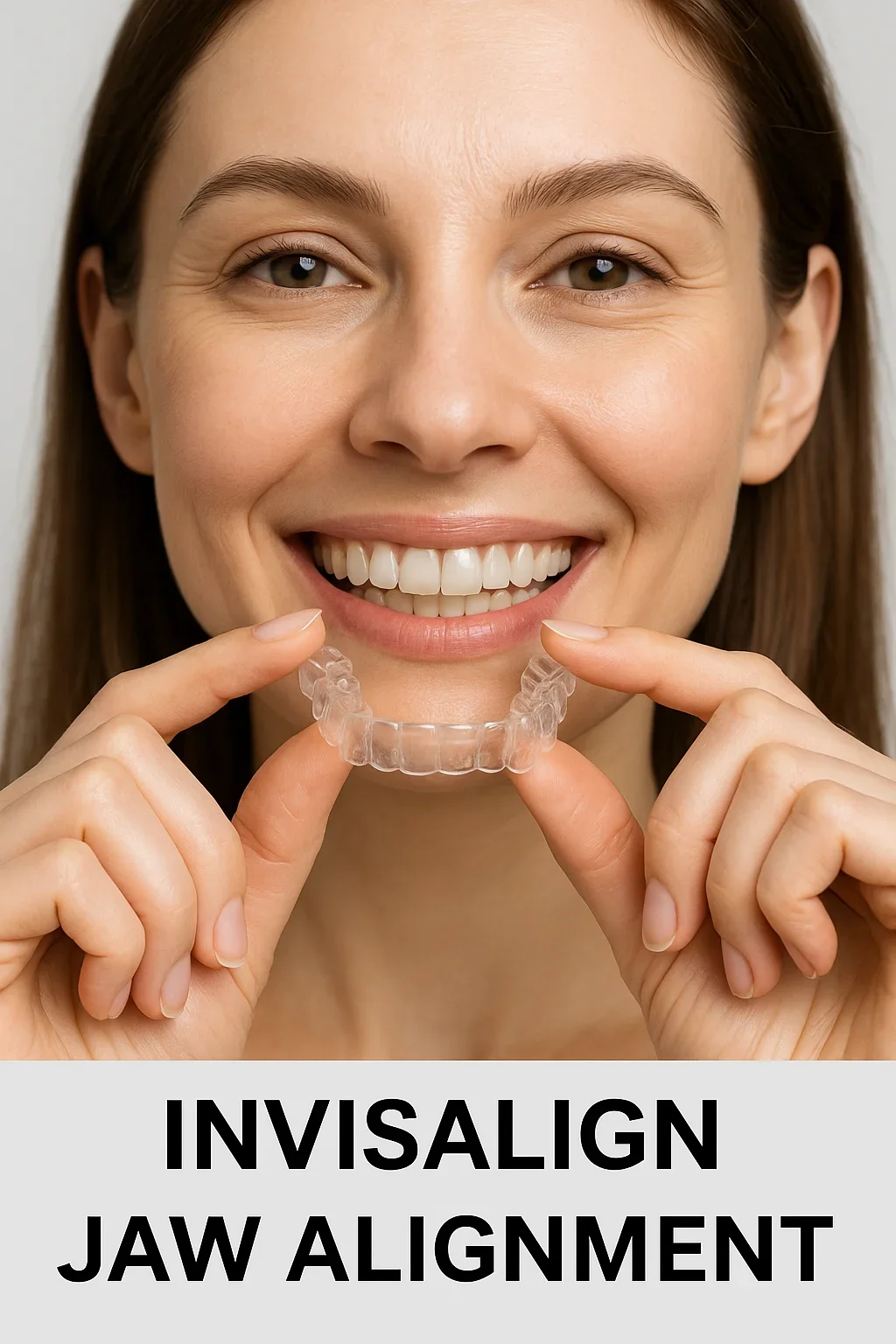
Post-Treatment Care and Maintaining Results After Invisalign Jaw Alignment
🎯 Completing Invisalign jaw alignment treatment is a huge accomplishment — but maintaining those results requires commitment, care, and a well-planned aftercare strategy. Just as your aligners guided your jaw and teeth into balance, post-treatment habits ensure that your new alignment remains stable for years to come. The retention phase, jaw muscle adaptation, and oral hygiene practices all play crucial roles in preserving your results. This section explores the steps, routines, and expert recommendations necessary to protect your perfect smile long after treatment ends. 🦷
The Importance of Retention After Invisalign Treatment
1. Why Retainers Are Essential
After your final aligner set, your jaw and teeth are in their new, ideal positions — but the surrounding ligaments and bone structures need time to stabilize. Without reinforcement, teeth may slowly drift back toward their original misaligned positions, a process called “relapse.” Wearing retainers helps prevent this by maintaining consistent pressure that keeps everything in place. Proper retention is a vital extension of invisalign jaw alignment, ensuring that the structural and aesthetic benefits achieved during treatment remain intact. 💪
2. Types of Retainers Used Post-Treatment
There are two main types of retainers: fixed and removable. Fixed retainers are thin metal wires bonded to the back of the teeth, ideal for long-term stabilization. Removable retainers, such as Vivera® retainers made by Invisalign, are clear and custom-designed for your new alignment. Many orthodontists recommend starting with full-time retainer wear (20–22 hours per day) for the first few months, then transitioning to nighttime wear for life. The choice depends on your jaw’s stability and your personal preference.
3. How Long to Wear Retainers
The retention period varies depending on individual biology. In general, patients should wear retainers nightly for at least 12 months after invisalign jaw alignment before switching to 3–5 nights per week. However, since bone and ligament remodeling is a lifelong process, many professionals suggest continued nighttime wear indefinitely for optimal results. 🕒
Jaw Muscle Adaptation and Functional Recovery
1. Strengthening Jaw Muscles After Alignment
Once alignment is complete, the muscles that control chewing, speaking, and facial expression must adapt to the new bite position. Gentle jaw exercises, recommended by orthodontists, help retrain these muscles and improve stability. Common techniques include controlled opening and closing movements, soft chewing exercises, and relaxation routines for the temporomandibular joint. These exercises ensure that invisalign jaw alignment delivers not just aesthetic improvements but also functional harmony. 🧠
2. Monitoring for Postural Balance
Jaw alignment influences overall posture, particularly in the neck and shoulder regions. Following treatment, patients should pay attention to posture changes during daily activities. Orthodontists sometimes recommend physical therapy or postural exercises to maintain proper muscle coordination. This holistic approach ensures that the jaw remains balanced within the musculoskeletal system, preventing potential strain or TMJ discomfort from recurring. 🧍♂️
Maintaining Oral Hygiene After Invisalign
1. Regular Cleaning Routine
Good hygiene is essential for preserving the benefits of invisalign jaw alignment. After treatment, brushing and flossing should remain consistent, using fluoride toothpaste and soft-bristled brushes. Retainers must be cleaned daily using mild soap or specialized cleaning crystals to prevent bacterial buildup. Avoid hot water, which can deform the plastic retainers. Consistent care not only protects oral health but also extends the lifespan of your retainers. 🪥
2. Scheduling Routine Dental Checkups
Post-treatment dental visits are crucial for monitoring the stability of your bite and jaw position. Most orthodontists recommend checkups every 6 months during the first year after invisalign jaw alignment, and annually thereafter. These visits allow your doctor to check for potential shifts, retainer fit, and oral health maintenance. Regular professional cleanings also prevent plaque buildup, gum inflammation, and discoloration — ensuring your new smile stays radiant. 😁
Diet and Lifestyle Adjustments for Long-Term Success
1. Food and Beverage Awareness
While Invisalign treatment is complete, mindful eating still supports long-term jaw health. Avoid excessive consumption of hard, sticky, or chewy foods that could strain your jaw or retainers. Hydration plays an important role, too — water helps maintain joint lubrication and muscle flexibility. Alcohol and sugary drinks should be minimized, as they can contribute to gum inflammation and enamel erosion. Maintaining a balanced diet rich in calcium, vitamin D, and magnesium promotes bone density and supports jaw stability after invisalign jaw alignment. 🥦
2. Avoiding Harmful Habits
Teeth grinding, nail-biting, or chewing on pens can slowly compromise your new alignment. Patients prone to bruxism should consider using night guards or stress management techniques. These small behavioral adjustments make a significant difference in maintaining invisalign jaw alignment results over time. Similarly, avoiding smoking and excessive caffeine can protect gum health and prevent jaw tension. 🚭
Psychological and Emotional Benefits After Invisalign
1. Boosted Self-Confidence
After treatment, patients often experience a surge in self-esteem and social confidence. Smiling becomes effortless, and communication feels more natural. Beyond appearance, the balanced bite achieved through invisalign jaw alignment enhances comfort and function — contributing to overall well-being. Patients frequently report positive lifestyle changes, from improved eating habits to increased motivation for self-care. 🌟
2. Mindfulness and Oral Health Awareness
Having undergone months or even years of alignment, patients develop a heightened awareness of their oral habits. This mindfulness encourages long-term care, as they become more attuned to their jaw positioning and bite balance. Continuing these healthy behaviors — regular flossing, wearing retainers, and scheduling checkups — ensures lifelong benefits from invisalign jaw alignment. 🧘♀️
Professional Support and Long-Term Monitoring
Post-treatment care doesn’t end with your last aligner. Ongoing support from your orthodontist ensures your results remain optimal. Many clinics, such as Redent Klinik Contact Page, provide personalized follow-up plans, including digital scans to track long-term jaw stability. These advanced monitoring systems allow early detection of any minor shifts, enabling timely corrections without restarting full treatment. 🩺
The Role of Technology in Maintenance
Modern 3D scanning tools can detect minute deviations in jaw alignment, ensuring that your bite remains perfectly balanced. Using these digital records, orthodontists can design updated retainers when needed. This proactive approach maintains the structural benefits of invisalign jaw alignment while preventing relapse. The integration of AI-assisted monitoring and tele-dentistry also allows patients to submit periodic progress photos for remote evaluation — a convenient option for busy lifestyles. 📲
Scientific Backing for Long-Term Retention
According to the American Dental Association, consistent post-treatment retention is the cornerstone of orthodontic stability. Studies show that patients who adhere to retention protocols after invisalign jaw alignment maintain their results for decades, while those who skip wear schedules face higher relapse risks. Orthodontic experts recommend combining retainers with healthy oral routines and periodic assessments to preserve structural balance and facial symmetry long-term. 📚
In conclusion, completing invisalign jaw alignment marks the beginning of a lifelong journey toward optimal oral health and confidence. With disciplined aftercare — including retainer use, hygiene maintenance, and professional follow-ups — patients can enjoy their beautifully aligned smile and balanced jaw for many years. Investing in post-treatment care ensures that the comfort, function, and aesthetics achieved through Invisalign remain a permanent part of your life. 🌈