
Crooked teeth are one of the most common dental alignment issues affecting both teenagers and adults. Many people feel self-conscious about their smile or experience functional problems such as difficulty chewing, uneven tooth wear, or speech issues. Fortunately, modern orthodontic solutions make correcting misaligned teeth easier and more comfortable than ever. One of the most popular solutions today is invisalign on crooked teeth. This innovative treatment has transformed orthodontics by offering a nearly invisible, removable, and highly effective method for straightening teeth.
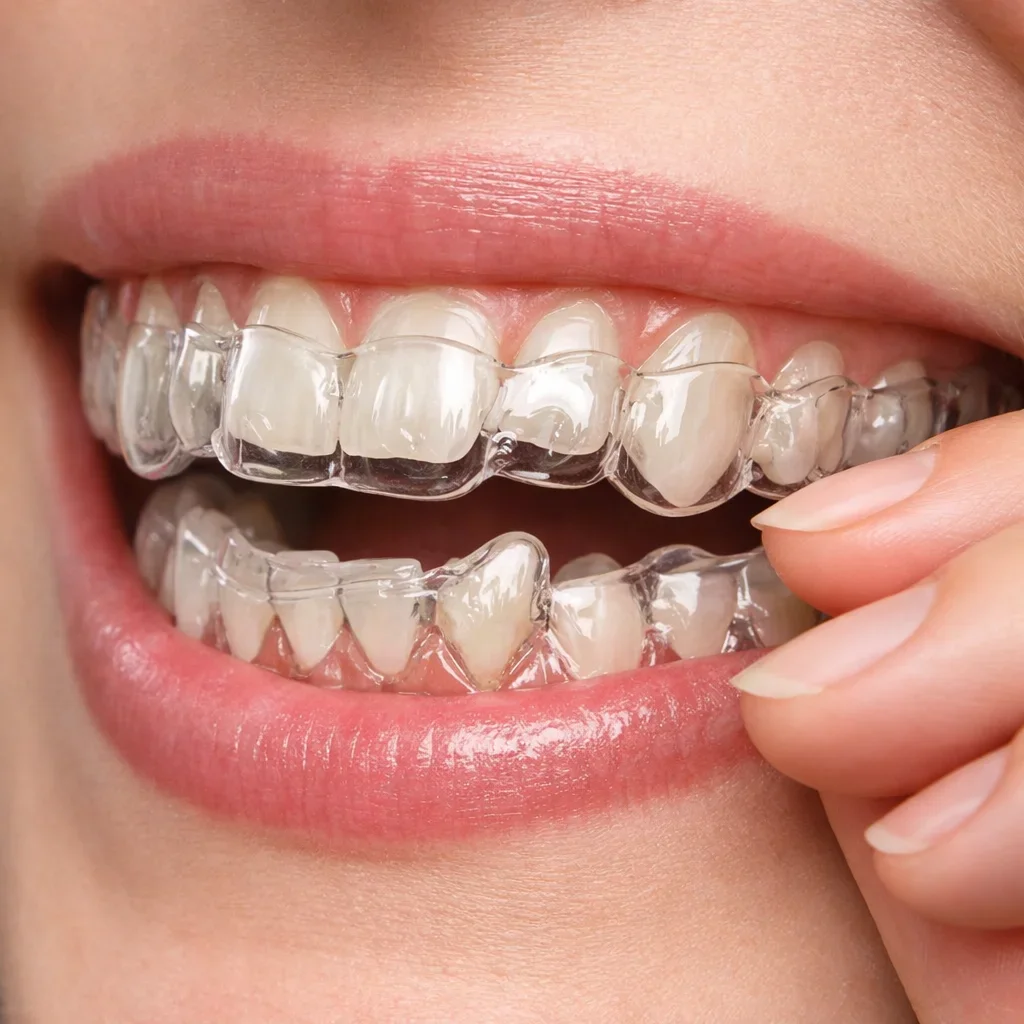
Unlike traditional metal braces that rely on brackets and wires, invisalign on crooked teeth uses a series of clear plastic aligners custom-designed to gradually shift teeth into their proper positions. These aligners are made from medical-grade transparent material that fits snugly over your teeth. Because they are clear and discreet, many people prefer invisalign on crooked teeth when they want orthodontic treatment without the noticeable appearance of braces.
One of the biggest advantages of invisalign on crooked teeth is how the system works through progressive alignment. Each set of aligners is worn for about one to two weeks before switching to the next set in the sequence. Every new aligner makes small adjustments to tooth positioning. Over time, these gradual movements guide crooked or misaligned teeth into a straighter, healthier alignment.
Orthodontists and dentists often recommend invisalign on crooked teeth because it can address a wide variety of alignment problems. Mild to moderate crowding, rotated teeth, spacing issues, and certain bite problems can all be improved with this modern treatment. Many adults who avoided braces in their youth now turn to invisalign on crooked teeth as a discreet way to improve their smile later in life.
Another important aspect of invisalign on crooked teeth is comfort. Traditional braces sometimes cause irritation due to wires and brackets rubbing against the cheeks or gums. Clear aligners are smooth and custom-fitted, making them significantly more comfortable for daily wear. Patients who use invisalign on crooked teeth often report minimal discomfort compared with conventional orthodontic appliances.
Flexibility is another reason why many patients prefer invisalign on crooked teeth. The aligners are removable, which means you can take them out when eating, drinking, brushing, or flossing. This helps maintain better oral hygiene throughout the treatment period. With braces, food particles can become trapped around brackets, but invisalign on crooked teeth allows you to clean your teeth normally.
Of course, successful treatment depends on wearing the aligners consistently. Most orthodontists recommend wearing aligners for 20 to 22 hours per day. When patients follow this guidance, invisalign on crooked teeth can produce impressive results within a predictable timeline. Many treatments take between 6 and 18 months depending on the severity of the alignment problem.
Another major benefit of invisalign on crooked teeth is the advanced digital planning used in the treatment process. Dentists use 3D imaging technology to map out each stage of tooth movement before treatment even begins. Patients can often preview their expected smile transformation using digital simulations. This technology ensures that invisalign on crooked teeth is highly precise and personalized.
Many people wonder whether clear aligners are truly effective. According to orthodontic experts and guidelines from organizations such as the American Dental Association, clear aligner therapy can successfully correct many orthodontic problems when supervised by trained dental professionals. As a result, invisalign on crooked teeth has become one of the most trusted orthodontic treatments worldwide.
Patients considering orthodontic care often start by consulting with a dental clinic experienced in clear aligner therapy. During the consultation, the dentist will evaluate the severity of crooked teeth, examine the bite, and determine whether invisalign on crooked teeth is the best treatment option. If you are interested in learning more or scheduling a professional evaluation, you can reach out through the Redent Klinik Contact Page.
Ultimately, invisalign on crooked teeth offers a modern, comfortable, and effective solution for achieving a straighter smile. With clear aligners, advanced treatment planning, and improved patient comfort, orthodontic treatment has never been more accessible. Whether you want to enhance your smile aesthetics or improve dental health, understanding how invisalign on crooked teeth works is the first step toward a confident and well-aligned smile. 😁
What Is Invisalign and How Does It Work on Crooked Teeth?
Modern orthodontics has evolved significantly over the past few decades, offering patients more comfortable and discreet solutions for improving their smiles. One of the most revolutionary developments in dentistry is invisalign on crooked teeth. This innovative treatment system uses a series of clear, removable aligners designed to gradually move teeth into their ideal positions. Unlike traditional braces that rely on metal brackets and wires, invisalign on crooked teeth provides a nearly invisible way to straighten teeth while maintaining comfort and flexibility in daily life.
People often seek orthodontic treatment because crooked teeth can affect both appearance and oral health. Teeth that overlap or rotate can trap plaque, increase the risk of cavities, and cause uneven pressure when chewing. By using invisalign on crooked teeth, dentists can gently guide teeth into alignment while improving bite balance and overall dental health.
The Basic Principle Behind Invisalign Treatment
The concept behind invisalign on crooked teeth is based on controlled and gradual tooth movement. Orthodontic aligners apply small, calculated forces to teeth, encouraging them to shift slightly over time. Each aligner in the series is carefully designed to make small adjustments to tooth position.
Patients typically receive a sequence of custom aligners created specifically for their dental structure. These aligners are worn for approximately one to two weeks before moving to the next set. Over time, this progressive system allows invisalign on crooked teeth to correct crowding, rotation, and alignment problems without the need for brackets or wires.
One of the most appealing aspects of invisalign on crooked teeth is its subtle appearance. The aligners are made from transparent medical-grade plastic, making them almost invisible when worn. This makes the treatment especially popular among adults and professionals who want orthodontic correction without the noticeable look of traditional braces.
Digital Technology Used in Invisalign Treatment
A key advantage of invisalign on crooked teeth is the advanced digital technology used during treatment planning. Before creating aligners, dentists perform a 3D scan or digital impression of the patient’s teeth. This digital model allows orthodontists to simulate the entire treatment process.
Using specialized software, dentists can predict how teeth will move at each stage of treatment. This detailed planning ensures that invisalign on crooked teeth delivers accurate and efficient results. Patients can even view a virtual preview of their future smile before treatment begins, which provides reassurance and motivation.
Custom Aligners Designed for Precision
Every set of aligners used in invisalign on crooked teeth is customized based on the patient’s digital treatment plan. These aligners fit snugly over the teeth and apply gentle pressure to guide them into better alignment.
The precision of this system is one reason why invisalign on crooked teeth has become widely accepted by dental professionals worldwide. When treatment is carefully supervised, clear aligners can correct many orthodontic issues with predictable results.
How Aligners Move Crooked Teeth
Many patients wonder how clear plastic trays can actually move teeth. The answer lies in biomechanics. Teeth are supported by bone and surrounded by periodontal ligaments that allow slight movement when pressure is applied. With invisalign on crooked teeth, each aligner exerts a controlled force on specific teeth.
This pressure gradually stimulates bone remodeling around the tooth roots. As a result, teeth slowly shift into their desired positions. Over time, the repeated use of sequential aligners allows invisalign on crooked teeth to correct alignment issues while maintaining comfort and safety.
Because each movement is carefully planned, the treatment remains controlled and predictable. This is why invisalign on crooked teeth has become a trusted orthodontic solution recommended by dental professionals.
Daily Routine When Using Invisalign
To achieve the best results with invisalign on crooked teeth, patients must follow specific guidelines. Aligners should be worn between 20 and 22 hours per day. They should only be removed during meals, brushing, or flossing.
This removable feature offers one of the greatest advantages of invisalign on crooked teeth. Unlike braces, patients can continue eating their favorite foods without worrying about damaging brackets or wires. Additionally, oral hygiene becomes easier because brushing and flossing can be performed normally.
Regular dental checkups are also important throughout treatment. Dentists monitor progress and ensure that invisalign on crooked teeth is moving teeth according to the planned schedule.
Why Invisalign Is Effective for Crooked Teeth
The effectiveness of invisalign on crooked teeth comes from its combination of digital planning, custom manufacturing, and gradual tooth movement. By carefully controlling each step of alignment, dentists can address various orthodontic problems including crowding, spacing, and minor bite issues.
Research and clinical experience have demonstrated that invisalign on crooked teeth can deliver excellent outcomes when patients follow treatment instructions. Dental organizations such as the American Dental Association recognize clear aligner therapy as an effective orthodontic approach when supervised by qualified professionals.
If you are considering improving your smile with invisalign on crooked teeth, consulting a qualified dental clinic is the best first step. A professional evaluation will determine whether clear aligners are suitable for your specific orthodontic needs. If you would like to schedule a consultation or receive expert advice, you can visit the Redent Klinik Contact Page to connect with experienced dental professionals.
Ultimately, invisalign on crooked teeth represents a modern orthodontic solution that combines comfort, aesthetics, and advanced technology. With proper planning and consistent aligner use, patients can achieve straighter teeth and a healthier smile without the inconvenience of traditional braces. 😁
Why Invisalign on Crooked Teeth Is a Popular Orthodontic Choice
In recent years, orthodontic treatment has undergone a remarkable transformation. While traditional braces have been used for decades to correct misaligned teeth, modern patients are increasingly choosing invisalign on crooked teeth as their preferred solution. This clear aligner system has gained global popularity because it combines advanced technology, comfort, and aesthetic appeal. Many patients who once avoided orthodontic treatment now feel confident pursuing invisalign on crooked teeth because it allows them to straighten their smile discreetly while maintaining their daily lifestyle.
The growing demand for invisalign on crooked teeth can be attributed to several key factors. Patients today value convenience, comfort, and minimal visual impact. Clear aligners address these needs while still delivering effective orthodontic results. Dentists also appreciate the precision of digital planning used in invisalign on crooked teeth, which helps guide teeth gradually into their proper positions.
Discreet Appearance and Confidence
One of the main reasons patients choose invisalign on crooked teeth is the nearly invisible appearance of the aligners. Traditional braces are easily noticeable because of metal brackets and wires. For adults, professionals, and teenagers who feel self-conscious about their smile during treatment, this can be a major concern.
Clear aligners are made from transparent medical-grade plastic that fits snugly over the teeth. When wearing invisalign on crooked teeth, most people will not even notice you are undergoing orthodontic treatment. This discreet design allows patients to smile, speak, and interact confidently throughout the treatment process.
Because of this aesthetic advantage, invisalign on crooked teeth has become especially popular among working professionals, public speakers, and individuals who frequently appear in photos or meetings.
Improved Comfort Compared to Traditional Braces
Comfort is another important factor contributing to the popularity of invisalign on crooked teeth. Traditional braces often cause irritation due to metal brackets rubbing against the inner cheeks and lips. Wires may also need periodic tightening, which can cause temporary discomfort.
In contrast, the aligners used in invisalign on crooked teeth are smooth and custom-designed for each patient. Because they are molded precisely to the shape of the teeth, they minimize friction and irritation. Many patients report that invisalign on crooked teeth feels significantly more comfortable than conventional orthodontic appliances.
Gentle Pressure for Gradual Tooth Movement
The aligners used in invisalign on crooked teeth apply controlled, gentle pressure to specific teeth. Each aligner set makes a small adjustment in tooth positioning. This gradual movement reduces the discomfort often associated with traditional orthodontic adjustments.
Over time, the progressive aligner system allows invisalign on crooked teeth to straighten teeth effectively while maintaining patient comfort throughout the treatment process.
Removable Aligners for Greater Flexibility
Another major advantage of invisalign on crooked teeth is that the aligners are removable. Unlike fixed braces, clear aligners can be taken out during meals and oral hygiene routines. This flexibility makes everyday life much easier during orthodontic treatment.
With traditional braces, certain foods such as popcorn, sticky candy, or hard snacks must be avoided to prevent damage to brackets. Patients using invisalign on crooked teeth simply remove their aligners before eating, allowing them to continue enjoying their normal diet.
Additionally, removable aligners make oral hygiene significantly easier. Patients can brush and floss normally, reducing the risk of plaque buildup and gum inflammation. This makes invisalign on crooked teeth a healthier option for maintaining dental hygiene during orthodontic treatment.
Advanced Digital Treatment Planning
One of the reasons dentists recommend invisalign on crooked teeth is the advanced technology involved in treatment planning. Before treatment begins, dentists create a detailed digital scan of the patient’s teeth using 3D imaging technology.
This digital model allows orthodontists to map out every stage of tooth movement. Patients undergoing invisalign on crooked teeth can even preview their expected smile transformation through digital simulation. This level of planning increases accuracy and helps ensure predictable results.
Because each aligner is created based on a precise digital treatment plan, invisalign on crooked teeth provides a highly personalized orthodontic experience.
Trusted by Dental Professionals Worldwide
The widespread popularity of invisalign on crooked teeth is also supported by professional dental organizations and clinical research. Studies have shown that clear aligner therapy can effectively correct many orthodontic problems, including mild to moderate crowding and spacing.
Organizations such as the American Dental Association recognize clear aligners as a legitimate orthodontic treatment option when supervised by trained dental professionals. This professional endorsement further strengthens patient confidence in invisalign on crooked teeth.
If you are considering improving your smile, consulting a qualified dental clinic can help determine whether invisalign on crooked teeth is the right solution for you. Experienced dental teams evaluate your bite, alignment, and oral health before recommending treatment. If you would like to speak with dental experts about your options, you can visit the Redent Klinik Contact Page to schedule a consultation.
Ultimately, the growing popularity of invisalign on crooked teeth comes from its unique combination of effectiveness, comfort, and discretion. Patients can straighten their teeth without the inconvenience of traditional braces, making orthodontic care more accessible than ever. With proper treatment planning and consistent aligner use, invisalign on crooked teeth can help transform both smiles and confidence. 😁
Types of Crooked Teeth Invisalign Can Correct
Many people assume that orthodontic aligners only work for minor cosmetic adjustments. However, modern clear aligner technology has advanced significantly, allowing dentists to correct several alignment problems effectively. One of the main reasons patients choose invisalign on crooked teeth is its ability to address a wide range of orthodontic issues while remaining discreet and comfortable. By using customized clear aligners designed through digital planning, invisalign on crooked teeth can gradually guide teeth into their ideal positions.
Crooked teeth can appear in different forms. Some people experience crowding, while others have rotated teeth, overlapping teeth, or uneven spacing. In many of these situations, dentists recommend invisalign on crooked teeth because it offers a flexible and highly personalized treatment approach. The ability to design each aligner specifically for the patient’s dental structure allows orthodontists to correct multiple types of misalignment efficiently.
Crowded Teeth
Crowding is one of the most common reasons people seek orthodontic treatment. It occurs when there is insufficient space in the jaw for all teeth to align properly. As a result, teeth overlap, twist, or push against each other. Crowded teeth not only affect the appearance of the smile but can also create oral health problems such as plaque accumulation and gum inflammation.
Many dentists recommend invisalign on crooked teeth for treating mild to moderate crowding. Through a sequence of custom aligners, the treatment gradually shifts teeth to create better spacing and alignment. Because each aligner applies controlled pressure to specific teeth, invisalign on crooked teeth helps reposition crowded teeth in a predictable and comfortable way.
Health Benefits of Correcting Crowded Teeth
When crowding is corrected through invisalign on crooked teeth, patients often experience significant improvements in oral hygiene. Straighter teeth are easier to brush and floss, reducing the risk of cavities and gum disease. This makes orthodontic treatment beneficial not only for aesthetics but also for long-term dental health.
Rotated Teeth
Another common issue treated with invisalign on crooked teeth is tooth rotation. Rotated teeth occur when a tooth turns slightly or significantly from its normal alignment. This condition can make the smile appear uneven and may also affect the way teeth meet when biting.
Clear aligners are particularly effective in correcting mild to moderate tooth rotation. With precise digital planning, dentists can program each stage of movement to gradually rotate the tooth back into proper alignment. Over time, invisalign on crooked teeth gently repositions rotated teeth without the need for metal brackets.
This gradual correction helps patients maintain comfort during treatment while still achieving noticeable improvements in smile symmetry.
Gaps Between Teeth
Spacing issues are another orthodontic concern that can be improved with invisalign on crooked teeth. Some individuals naturally have gaps between their teeth due to differences in tooth size or jaw structure. While small gaps may seem harmless, they can sometimes lead to gum problems or food trapping.
Using a sequence of aligners, invisalign on crooked teeth gradually moves teeth closer together, closing unwanted gaps. The treatment plan carefully controls tooth movement to ensure balanced spacing and proper bite alignment.
Many patients appreciate how invisalign on crooked teeth can close gaps while preserving a natural-looking smile. Because the aligners are clear, patients can undergo treatment without drawing attention to their orthodontic correction.
Mild Bite Problems
Some bite irregularities can also be improved through invisalign on crooked teeth. Bite issues occur when the upper and lower teeth do not align correctly when closing the mouth. Certain mild bite problems that may benefit from clear aligner therapy include:
- Overbite (upper teeth overlapping lower teeth)
- Underbite (lower teeth extending past upper teeth)
- Crossbite (teeth not aligning properly across the arch)
- Open bite (front teeth not touching when biting down)
Through carefully designed aligners, invisalign on crooked teeth can guide teeth into improved alignment and help balance the bite. However, severe bite problems may still require traditional orthodontic treatments or additional procedures.
When Invisalign May Not Be Suitable
Although invisalign on crooked teeth can correct many alignment problems, it is not always the best option for extremely complex orthodontic cases. Severe jaw discrepancies or major bite issues may require alternative orthodontic solutions.
For this reason, a professional dental evaluation is essential before starting treatment. Dentists assess the severity of misalignment, jaw structure, and overall oral health to determine whether invisalign on crooked teeth is the most effective treatment option.
Professional guidance is important because proper orthodontic planning ensures safe and predictable results. Dental organizations such as the American Dental Association emphasize the importance of receiving orthodontic care under professional supervision.
Personalized Treatment Planning
One of the greatest advantages of invisalign on crooked teeth is its personalized approach. Each treatment plan is tailored specifically to the patient’s dental anatomy and alignment goals. Advanced 3D scanning technology allows dentists to visualize the current tooth position and design a precise plan for correction.
This level of customization ensures that invisalign on crooked teeth addresses the exact type of crookedness present in the patient’s smile. From crowding to spacing and mild bite issues, the treatment adapts to individual orthodontic needs.
If you are wondering whether your crooked teeth can be corrected with clear aligners, consulting a dental professional is the best first step. Experienced orthodontic teams can evaluate your smile and explain whether invisalign on crooked teeth is the right solution. To speak with a qualified dental team or arrange a consultation, you can visit the Redent Klinik Contact Page.
Ultimately, understanding the different types of crooked teeth that can be treated with invisalign on crooked teeth helps patients make informed decisions about their orthodontic care. With modern clear aligner technology, many alignment problems can now be corrected comfortably and discreetly, leading to a healthier and more confident smile. 😁
Step-by-Step Invisalign Treatment Process for Crooked Teeth
Understanding the treatment journey is essential for anyone considering orthodontic care. When patients choose invisalign on crooked teeth, they often want to know exactly how the process works from start to finish. Unlike traditional braces, which rely on manual adjustments and fixed brackets, invisalign on crooked teeth follows a carefully planned digital workflow. Every stage of the treatment is designed to gradually move teeth into a healthier alignment while maintaining comfort and aesthetics.
The process of invisalign on crooked teeth typically includes several steps, beginning with a consultation and ending with long-term smile maintenance. Because the system uses advanced digital technology, dentists can precisely map out the entire tooth movement process before the first aligner is even worn.
Initial Consultation and Smile Evaluation
The first step in starting invisalign on crooked teeth is scheduling a professional orthodontic consultation. During this visit, the dentist examines the patient’s teeth, bite alignment, and overall oral health. The goal of this evaluation is to determine whether clear aligner therapy is the most appropriate treatment option.
At this stage, dentists also discuss the patient’s concerns and expectations. Some patients may want to correct crowding, while others seek treatment for rotated teeth or small gaps. By analyzing these factors, the dental professional can confirm whether invisalign on crooked teeth will deliver effective results.
In many modern clinics, the consultation includes digital scanning rather than traditional dental impressions. This technology allows the dentist to create a highly detailed 3D model of the patient’s teeth, which is essential for planning invisalign on crooked teeth.
Comprehensive Oral Health Check
Before beginning invisalign on crooked teeth, dentists also ensure that the patient’s gums and teeth are healthy. Any cavities or gum issues must be treated first. Starting orthodontic treatment with healthy teeth helps ensure the success of invisalign on crooked teeth and prevents complications later in the process.
Digital Treatment Planning and Smile Simulation
Once the digital scans are complete, the next stage involves creating a personalized treatment plan. This is one of the most advanced aspects of invisalign on crooked teeth. Specialized orthodontic software maps out the entire sequence of tooth movements.
The dentist carefully determines how each tooth should shift over time. This planning stage divides the alignment process into multiple small steps, each corresponding to a new aligner in the sequence. With invisalign on crooked teeth, patients can even see a virtual preview of their future smile before treatment begins.
This simulation is not only exciting for patients but also extremely helpful for dentists. It ensures that the movements involved in invisalign on crooked teeth are predictable, efficient, and safe.
Custom Aligner Manufacturing
After the treatment plan is finalized, the aligners for invisalign on crooked teeth are manufactured using advanced medical-grade plastic. Each aligner is custom-designed based on the patient’s digital dental model.
Typically, patients receive a series of aligners, each slightly different from the previous one. Every aligner is worn for about one to two weeks before switching to the next set. As the patient progresses through the series, invisalign on crooked teeth gradually moves the teeth toward their ideal alignment.
This staged approach allows orthodontists to maintain precise control over tooth movement throughout the entire treatment process.
Wearing the Aligners Daily
For invisalign on crooked teeth to be effective, aligners must be worn consistently. Most dentists recommend wearing them for 20 to 22 hours per day. The aligners should only be removed during meals, brushing, and flossing.
Because the aligners are removable, patients enjoy greater flexibility compared to traditional braces. They can eat normally and maintain good oral hygiene routines. However, consistency is crucial for successful invisalign on crooked teeth. Skipping aligner wear can delay treatment progress.
Patients often notice gradual improvements in their smile as they progress through the aligner series. Each stage of invisalign on crooked teeth gently shifts teeth closer to their ideal positions.
Regular Monitoring and Progress Checks
Even though aligners are removable, professional monitoring remains an important part of invisalign on crooked teeth. Dentists schedule periodic checkups to ensure that the treatment is progressing according to the original plan.
During these visits, the dentist may evaluate tooth movement, provide additional aligners, or make small adjustments if necessary. These progress checks help maintain the accuracy and effectiveness of invisalign on crooked teeth.
Dental organizations such as the American Dental Association emphasize the importance of professional supervision during orthodontic treatment to ensure patient safety and successful outcomes.
Final Alignment and Retention Phase
Once the final aligner in the series has been completed, the active phase of invisalign on crooked teeth comes to an end. However, maintaining the new tooth alignment is equally important.
Dentists usually recommend wearing a retainer after completing invisalign on crooked teeth. Retainers help keep teeth in their corrected positions while the surrounding bone stabilizes. Without proper retention, teeth may gradually shift back toward their original alignment.
The retention phase ensures that the results achieved through invisalign on crooked teeth remain stable for years to come.
Getting Started with Invisalign Treatment
If you are considering orthodontic treatment, learning about the full process of invisalign on crooked teeth can help you feel more confident in your decision. From digital planning to customized aligners and professional monitoring, every step is designed to deliver safe and predictable results.
Patients interested in exploring this modern orthodontic solution should consult an experienced dental clinic for a personalized evaluation. A professional dentist can determine whether invisalign on crooked teeth is suitable for your specific dental condition. If you would like to schedule a consultation or receive expert guidance, you can visit the Redent Klinik Contact Page.
Ultimately, the structured and technology-driven approach of invisalign on crooked teeth makes it one of the most reliable orthodontic treatments available today. By following each stage of the process and wearing aligners consistently, patients can achieve a straighter smile and improved oral health. 😁
Advantages of Invisalign on Crooked Teeth Compared to Braces
Orthodontic treatment has traditionally been associated with metal brackets and wires. While traditional braces remain an effective method for correcting dental alignment, many patients today prefer a more modern solution. This is where invisalign on crooked teeth stands out. Clear aligner technology has transformed orthodontics by offering a treatment option that combines aesthetics, comfort, and convenience.
For patients considering orthodontic correction, comparing traditional braces with invisalign on crooked teeth can help clarify why so many people choose clear aligners today. Although both treatments aim to straighten teeth and improve bite alignment, the experience and benefits of invisalign on crooked teeth can be significantly different from those of conventional braces.
Nearly Invisible Appearance
One of the biggest advantages of invisalign on crooked teeth is its discreet appearance. Traditional braces use metal brackets attached to the teeth and connected by visible wires. While effective, they can make many patients feel self-conscious during treatment.
In contrast, invisalign on crooked teeth uses clear, transparent aligners made from medical-grade plastic. These aligners fit snugly over the teeth and are barely noticeable when worn. This makes them particularly appealing to adults and professionals who want orthodontic treatment without drawing attention to their smile.
Because of this aesthetic benefit, invisalign on crooked teeth is frequently chosen by individuals who prioritize appearance during orthodontic care. Patients can continue attending social events, work meetings, and public activities with confidence.
Confidence During Treatment
Many patients report feeling more confident while wearing clear aligners. Unlike metal braces that may affect the appearance of a smile, invisalign on crooked teeth allows patients to maintain a natural-looking smile throughout the treatment process.
This confidence boost often encourages patients to remain committed to their orthodontic plan, helping ensure the success of invisalign on crooked teeth.
Improved Comfort and Reduced Irritation
Comfort is another major advantage of invisalign on crooked teeth. Traditional braces consist of metal components that can sometimes irritate the inner cheeks and lips. Wires may require adjustments and tightening during orthodontic visits, which can cause temporary discomfort.
With invisalign on crooked teeth, the aligners are smooth and custom-designed to fit the patient’s dental structure. Because there are no sharp edges or metal wires, patients typically experience less irritation. This makes the treatment more comfortable for daily wear.
The gentle and controlled pressure applied by aligners allows invisalign on crooked teeth to move teeth gradually without causing excessive discomfort.
Removable Aligners for Convenience
Another key advantage of invisalign on crooked teeth is the removable nature of the aligners. Traditional braces are fixed appliances, meaning they remain attached to the teeth throughout the entire treatment period. This can make certain daily activities more challenging.
With invisalign on crooked teeth, patients can remove the aligners when eating, brushing, or flossing. This flexibility makes it easier to maintain proper oral hygiene and enjoy a wider variety of foods.
Patients undergoing invisalign on crooked teeth do not need to avoid foods like popcorn, nuts, or crunchy vegetables, which may damage braces. Instead, they simply remove their aligners before meals and replace them afterward.
Better Oral Hygiene During Treatment
Maintaining good oral hygiene is essential during orthodontic treatment. Because braces include brackets and wires, food particles can easily become trapped around them. Cleaning around braces can be time-consuming and sometimes difficult.
In contrast, invisalign on crooked teeth allows patients to brush and floss normally. Since the aligners are removable, teeth can be cleaned thoroughly without obstruction. This reduces the risk of plaque buildup, cavities, and gum inflammation during treatment.
Fewer Dental Visits Required
Traditional braces typically require frequent dental visits for wire adjustments and bracket maintenance. These appointments are necessary to keep the treatment progressing properly.
With invisalign on crooked teeth, many of the adjustments are already planned digitally. Patients receive several sets of aligners in advance, each designed to move teeth gradually into alignment. As a result, checkups for invisalign on crooked teeth are often less frequent and quicker than traditional orthodontic appointments.
This convenience is particularly valuable for busy professionals, students, or individuals with demanding schedules.
Advanced Digital Planning for Predictable Results
Another advantage of invisalign on crooked teeth is the use of advanced digital treatment planning. Orthodontists use 3D scanning technology to create a detailed model of the patient’s teeth before treatment begins.
This digital model allows dentists to plan every stage of tooth movement. Patients undergoing invisalign on crooked teeth can often see a simulation of how their smile will change throughout the treatment process.
Because the aligners are manufactured based on this precise plan, invisalign on crooked teeth offers predictable and controlled tooth movement. Dental professionals around the world rely on this technology to ensure effective orthodontic outcomes.
Professional organizations such as the American Dental Association recognize clear aligner therapy as a legitimate orthodontic solution when provided under proper dental supervision.
When Invisalign May Be the Better Choice
For many patients, invisalign on crooked teeth offers a combination of advantages that traditional braces cannot match. The treatment provides aesthetic discretion, improved comfort, removable aligners, and digitally guided tooth movement.
However, the best orthodontic solution depends on the complexity of the dental issue. Severe alignment problems may still require braces or additional orthodontic procedures.
If you are interested in learning whether invisalign on crooked teeth is suitable for your smile, a professional consultation is the best first step. A qualified dentist can evaluate your alignment and recommend the most effective treatment option. If you would like to speak with a dental professional about your orthodontic goals, you can visit the Redent Klinik Contact Page to schedule an appointment.
Ultimately, invisalign on crooked teeth represents a modern orthodontic solution that prioritizes patient comfort, convenience, and aesthetics. By offering a clear alternative to traditional braces, this treatment allows patients to achieve straighter teeth while maintaining confidence throughout the journey toward a healthier smile. 😁
How Long Invisalign Takes to Fix Crooked Teeth
One of the most common questions patients ask before starting orthodontic treatment is how long it will take to achieve a straighter smile. When considering invisalign on crooked teeth, treatment time can vary depending on several factors, including the severity of misalignment, the patient’s commitment to wearing aligners, and the complexity of the dental case. Although every orthodontic journey is unique, most people who undergo invisalign on crooked teeth begin seeing noticeable improvements within a few months.
The overall treatment timeline for invisalign on crooked teeth typically ranges between 6 and 18 months. Mild alignment issues may be corrected more quickly, while moderate cases may require a longer sequence of aligners. Because clear aligners move teeth gradually and precisely, dentists can predict the approximate duration of invisalign on crooked teeth using digital treatment planning before the treatment even begins.
Average Treatment Timeline for Invisalign
While individual cases vary, orthodontists generally estimate the timeline of invisalign on crooked teeth based on the complexity of tooth movement required. Below is a general overview of common treatment durations:
- Mild crooked teeth: 6–9 months
- Moderate misalignment: 9–15 months
- More complex cases: 15–18 months or longer
These estimates provide a useful guideline, but the exact duration of invisalign on crooked teeth will always depend on the patient’s dental structure and orthodontic goals. Some individuals may complete treatment faster than expected, especially when alignment issues are relatively minor.
One of the advantages of invisalign on crooked teeth is that the treatment is digitally planned from start to finish. Dentists can show patients a visual simulation of how their teeth will gradually move over time, giving them a clear expectation of the treatment timeline.
Factors That Influence Treatment Duration
Several factors influence how long invisalign on crooked teeth will take to deliver the desired results. Understanding these factors helps patients maintain realistic expectations and follow treatment instructions effectively.
Severity of Crooked Teeth
The degree of misalignment plays a major role in determining the duration of invisalign on crooked teeth. Mild crowding or small spacing problems may be corrected relatively quickly, while more complex orthodontic issues may require additional aligners and extended treatment time.
For example, a patient with slight tooth rotation may complete invisalign on crooked teeth within several months, whereas someone with significant crowding may require a longer treatment period.
Patient Compliance
Patient cooperation is one of the most important factors affecting the success and duration of invisalign on crooked teeth. Aligners must be worn for approximately 20–22 hours per day to achieve optimal results.
If aligners are removed too frequently or not worn consistently, the progress of invisalign on crooked teeth may slow down. This could require additional aligners or adjustments, extending the overall treatment time.
Age and Biological Response
Age can also influence how quickly teeth move during invisalign on crooked teeth. Younger patients often experience faster tooth movement because their bone structure is still developing. However, adults can still achieve excellent results with invisalign on crooked teeth, although treatment may sometimes take slightly longer.
How Often Aligners Are Changed
Another important aspect of invisalign on crooked teeth is the aligner replacement schedule. Typically, each aligner is worn for about one to two weeks before switching to the next set in the sequence.
Each new aligner introduces a small adjustment in tooth positioning. Over time, this series of gradual movements allows invisalign on crooked teeth to guide teeth into proper alignment without the need for traditional orthodontic hardware.
The total number of aligners required depends on the complexity of the case. Some treatments may require as few as 10 aligners, while others may involve 30 or more stages of tooth movement.
Monitoring Progress During Treatment
Regular dental checkups play an essential role in ensuring the success of invisalign on crooked teeth. Dentists schedule periodic appointments to evaluate how well the teeth are responding to treatment.
During these visits, the dentist confirms that the aligners are fitting properly and that tooth movement is progressing according to the treatment plan. If necessary, minor adjustments can be made to optimize the results of invisalign on crooked teeth.
Professional monitoring ensures that the treatment remains safe and effective. Dental authorities such as the American Dental Association recommend orthodontic treatment be supervised by qualified dental professionals to ensure optimal outcomes.
When Results Become Visible
Many patients begin noticing visible improvements in their smile within the first few months of invisalign on crooked teeth. Because tooth movement occurs gradually, small changes accumulate over time to create a dramatic transformation.
By the halfway point of treatment, patients undergoing invisalign on crooked teeth often see substantial alignment improvements. This visible progress can be motivating and helps patients remain committed to wearing their aligners consistently.
Maintaining Results After Treatment
After completing the final stage of invisalign on crooked teeth, dentists typically recommend wearing retainers to maintain the new tooth alignment. Retainers help stabilize the teeth while the surrounding bone adjusts to their new positions.
Without proper retention, teeth may gradually shift back toward their original positions. Wearing retainers as instructed helps ensure that the results achieved through invisalign on crooked teeth remain stable for many years.
If you are considering orthodontic treatment and want to know how long your specific case might take, consulting a dental professional is the best way to receive an accurate estimate. Experienced orthodontists evaluate the complexity of your alignment and design a personalized treatment plan. To schedule a consultation or ask questions about treatment timelines, you can visit the Redent Klinik Contact Page.
Ultimately, the duration of invisalign on crooked teeth depends on the individual patient and their orthodontic needs. With consistent aligner use and professional monitoring, many patients achieve a beautifully aligned smile in less time than they might expect. 😁
Cost of Invisalign on Crooked Teeth Around the World
When considering orthodontic treatment, one of the first questions patients ask is about cost. While improving dental alignment can greatly enhance both oral health and confidence, understanding the financial aspect is essential before beginning treatment. The price of invisalign on crooked teeth can vary widely depending on factors such as the complexity of the case, the number of aligners required, the dentist’s experience, and the country where treatment is performed.
Despite these variables, invisalign on crooked teeth is often considered a worthwhile investment in long-term dental health. Straightening misaligned teeth not only improves the appearance of the smile but can also reduce the risk of gum disease, tooth decay, and uneven tooth wear. Because of these benefits, many patients view invisalign on crooked teeth as both a cosmetic and preventive dental treatment.
Average Cost of Invisalign Treatment
The overall price of invisalign on crooked teeth typically falls within a broad range depending on the complexity of treatment. Below is a general estimate based on international orthodontic pricing trends:
- United States: $3,000 – $8,000
- United Kingdom: £2,500 – £5,500
- Canada: CAD 3,500 – CAD 7,500
- Europe: €2,500 – €6,000
- Turkey: $2,000 – $4,500 (often lower due to dental tourism)
These price ranges reflect typical orthodontic treatment plans for invisalign on crooked teeth. However, each patient’s case is unique. Mild alignment issues may require fewer aligners and therefore cost less, while more complex orthodontic corrections may increase the total cost of invisalign on crooked teeth.
Factors That Influence the Cost
Several important factors determine how much a patient will pay for invisalign on crooked teeth. Understanding these factors can help patients better plan their orthodontic treatment.
Severity of Crooked Teeth
The complexity of the alignment problem is one of the most significant cost factors. Patients with minor crowding may require fewer aligners and shorter treatment time. In contrast, moderate cases may involve additional aligners and more frequent dental monitoring.
As a result, the overall price of invisalign on crooked teeth increases when treatment requires more stages of tooth movement.
Number of Aligners Required
The number of aligners included in the treatment plan also affects the total cost. Some patients may only need 10 to 15 aligners, while others may require 30 or more. Each aligner is custom-designed and manufactured to guide teeth into their correct positions.
Because aligner production and digital planning are part of the treatment process, the cost of invisalign on crooked teeth reflects the level of customization involved.
Dental Clinic Expertise and Location
Orthodontic treatment costs can vary depending on the dentist’s experience and the location of the clinic. Clinics in major metropolitan areas often have higher operating costs, which may influence the price of invisalign on crooked teeth.
In some regions, patients choose dental tourism destinations where high-quality treatment is offered at more competitive prices. Many international patients travel to specialized clinics for invisalign on crooked teeth because they can receive advanced orthodontic care at a lower overall cost.
Insurance Coverage and Payment Options
In some countries, dental insurance plans partially cover orthodontic treatment. Depending on the insurance policy, patients may receive reimbursement for a portion of the cost of invisalign on crooked teeth. Coverage often depends on whether the treatment is considered medically necessary or primarily cosmetic.
Many dental clinics also offer flexible payment plans. Monthly installment programs allow patients to spread the cost of invisalign on crooked teeth over a period of time, making treatment more financially manageable.
Patients interested in treatment should always ask their dental provider about financing options, insurance coverage, and available payment plans for invisalign on crooked teeth.
Is Invisalign Worth the Investment?
For many individuals, the benefits of invisalign on crooked teeth outweigh the financial investment. Straight teeth are easier to clean, which reduces the risk of cavities and gum disease. Correct alignment can also improve bite function and reduce jaw strain.
Additionally, the discreet appearance of clear aligners allows patients to undergo orthodontic treatment without the visible impact of traditional braces. This advantage makes invisalign on crooked teeth particularly attractive to adults and professionals.
Dental professionals worldwide recognize the effectiveness of clear aligner therapy. Organizations such as the American Dental Association emphasize that orthodontic treatment, when properly supervised by trained professionals, can significantly improve long-term oral health.
Getting a Personalized Cost Estimate
The most accurate way to determine the price of invisalign on crooked teeth is through a professional dental consultation. During this evaluation, dentists assess the alignment of the teeth, examine bite relationships, and create a digital treatment plan.
This personalized assessment allows the dentist to estimate how many aligners will be required and how long treatment will last. Based on these factors, the dental clinic can provide a precise cost estimate for invisalign on crooked teeth.
If you are interested in exploring orthodontic treatment options or receiving a personalized quote, consulting a professional dental clinic is the best first step. You can learn more or arrange an appointment through the Redent Klinik Contact Page.
Ultimately, while the cost of invisalign on crooked teeth varies from patient to patient, the treatment provides a modern and effective way to achieve a straighter, healthier smile. With flexible payment options and increasing accessibility worldwide, clear aligner therapy has become one of the most popular orthodontic solutions available today. 😁
Daily Care Tips When Using Invisalign on Crooked Teeth
Starting orthodontic treatment with invisalign on crooked teeth is an exciting step toward achieving a straighter, healthier smile. However, the success of the treatment does not depend only on the aligners themselves. Proper daily care and consistent habits play a crucial role in ensuring that invisalign on crooked teeth delivers the expected results within the planned timeframe.
Unlike traditional braces, clear aligners are removable, which makes them more convenient for daily life. However, this convenience also requires responsibility. Patients must follow specific hygiene and usage guidelines to maintain both oral health and the effectiveness of invisalign on crooked teeth. By practicing proper aligner care and maintaining good dental hygiene, patients can avoid complications and achieve optimal results.
Wear Aligners for the Recommended Time
One of the most important daily habits when undergoing invisalign on crooked teeth treatment is wearing the aligners consistently. Most orthodontists recommend wearing aligners between 20 and 22 hours per day. They should only be removed when eating, drinking anything other than water, brushing, or flossing.
Consistent wear allows invisalign on crooked teeth to apply the steady pressure needed to gradually move teeth into their proper positions. If aligners are worn less than recommended, the treatment timeline may be extended and results may become less predictable.
Patients who strictly follow the recommended wear schedule for invisalign on crooked teeth usually experience smoother progress and more reliable outcomes.
Set Daily Reminders
Because aligners are removable, it is easy to forget to put them back in after meals or cleaning. Setting phone reminders or creating a daily routine can help patients stay consistent with invisalign on crooked teeth. This small habit can significantly improve treatment efficiency.
Maintain Excellent Oral Hygiene
Proper oral hygiene is essential during orthodontic treatment. One advantage of invisalign on crooked teeth is that the aligners can be removed for brushing and flossing. This allows patients to maintain their regular dental hygiene routine without obstruction.
Before reinserting aligners, patients should always brush and floss their teeth. Food particles trapped between teeth can become sealed under the aligners, increasing the risk of plaque buildup and tooth decay. Keeping teeth clean ensures that invisalign on crooked teeth treatment proceeds safely and effectively.
Orthodontists often recommend brushing after every meal during invisalign on crooked teeth treatment. This habit keeps both the teeth and aligners clean while protecting long-term dental health.
Clean the Aligners Properly
In addition to brushing teeth, patients must also clean their aligners daily. Because aligners are worn for most of the day, they can accumulate bacteria and plaque if not cleaned regularly.
When caring for invisalign on crooked teeth, aligners should be rinsed with lukewarm water and gently brushed using a soft toothbrush. Specialized aligner cleaning tablets may also be used to keep them fresh and clear.
It is important to avoid using hot water when cleaning aligners. Heat can warp the plastic and affect the fit of the aligners, which could interfere with the effectiveness of invisalign on crooked teeth.
Avoid Colored Beverages While Wearing Aligners
Patients should remove aligners before drinking beverages such as coffee, tea, soda, or wine. These drinks can stain the clear plastic and make the aligners more visible. Drinking only water while wearing aligners helps preserve the discreet appearance of invisalign on crooked teeth.
Follow the Aligner Replacement Schedule
The success of invisalign on crooked teeth depends on switching aligners according to the schedule provided by the dentist. Most patients change aligners every one to two weeks. Each new aligner is designed to move the teeth slightly closer to their ideal position.
Patients should carefully follow the recommended schedule to ensure that invisalign on crooked teeth continues progressing as planned. Skipping aligners or switching them too early can disrupt the treatment process.
Keeping track of aligner changes using a calendar or mobile reminder can help maintain consistency during invisalign on crooked teeth treatment.
Attend Regular Dental Checkups
Although aligners are removable and require fewer adjustments than braces, regular dental visits remain essential. Dentists monitor tooth movement and confirm that invisalign on crooked teeth is progressing according to the treatment plan.
During these checkups, the dentist may provide additional aligners, evaluate oral health, and ensure that no complications are developing. Professional monitoring is a key factor in the success of invisalign on crooked teeth.
Dental organizations such as the American Dental Association emphasize that orthodontic treatments should always be supervised by qualified dental professionals to ensure patient safety and effective results.
Protect Aligners When Not in Use
When aligners are removed, they should always be stored in their protective case. Leaving aligners exposed can lead to contamination, accidental damage, or even loss.
Many orthodontists report that patients undergoing invisalign on crooked teeth occasionally misplace their aligners when they are wrapped in napkins during meals. Using the provided storage case helps prevent this common issue.
Taking proper care of aligners ensures that invisalign on crooked teeth treatment continues smoothly without unnecessary interruptions.
Professional Support Throughout Treatment
Maintaining good daily habits during invisalign on crooked teeth treatment significantly increases the chances of achieving a successful outcome. Patients who follow recommended care instructions often experience faster progress and better overall results.
If you have questions about aligner care or orthodontic treatment, consulting an experienced dental team can provide valuable guidance. Professional dental clinics can help patients understand how to properly maintain invisalign on crooked teeth and ensure that treatment proceeds effectively.
If you are considering orthodontic treatment or would like personalized advice about clear aligners, you can contact a dental professional through the Redent Klinik Contact Page.
Ultimately, consistent daily care is the key to maximizing the benefits of invisalign on crooked teeth. With proper hygiene, responsible aligner use, and regular dental monitoring, patients can achieve a beautifully aligned smile while maintaining excellent oral health. 😁
Who Is the Best Candidate for Invisalign on Crooked Teeth?
Not every orthodontic treatment is suitable for every patient, which is why understanding candidacy is an important step before starting clear aligner therapy. While invisalign on crooked teeth is a highly effective solution for many alignment problems, the success of the treatment depends on several individual factors. Dentists evaluate dental structure, oral health, and lifestyle habits to determine whether invisalign on crooked teeth is the best orthodontic option for a particular patient.
One of the reasons why invisalign on crooked teeth has become so popular worldwide is its versatility. The treatment can correct a wide range of alignment issues, including crowding, spacing, and certain bite problems. However, the best results occur when the treatment is carefully matched to the patient’s orthodontic needs. Understanding who is an ideal candidate for invisalign on crooked teeth helps patients make informed decisions about their dental care.
Patients with Mild to Moderate Crooked Teeth
The most suitable candidates for invisalign on crooked teeth are individuals with mild to moderate alignment issues. These cases typically involve teeth that are slightly crowded, slightly rotated, or spaced unevenly.
Clear aligners are designed to apply gradual pressure to move teeth into their correct positions. When the degree of misalignment is moderate, invisalign on crooked teeth can produce highly predictable and efficient results.
Many adults who avoided orthodontic treatment during their teenage years find that invisalign on crooked teeth offers an effective and discreet way to improve their smile later in life.
Examples of Treatable Conditions
Patients who may benefit from invisalign on crooked teeth often present with conditions such as:
- Mild tooth crowding
- Small gaps between teeth
- Slightly rotated teeth
- Minor bite irregularities
These types of alignment issues respond well to the controlled tooth movements created during invisalign on crooked teeth treatment.
Adults Seeking Discreet Orthodontic Treatment
Another group that frequently chooses invisalign on crooked teeth is adults who want orthodontic correction without the appearance of traditional braces. Many adults hesitate to undergo orthodontic treatment because they feel metal braces may affect their professional image.
The clear aligners used in invisalign on crooked teeth are nearly invisible, making them ideal for individuals who want to maintain a natural-looking smile during treatment. Professionals, public speakers, and people working in customer-facing roles often prefer invisalign on crooked teeth because it allows them to improve their smile discreetly.
This discreet design is one of the main reasons clear aligner therapy has become increasingly popular among adult orthodontic patients.
Patients Committed to Wearing Aligners Consistently
Successful treatment with invisalign on crooked teeth requires patient cooperation. Because aligners are removable, patients must commit to wearing them for approximately 20 to 22 hours per day.
This commitment is essential because the aligners must apply consistent pressure to guide tooth movement. Patients who forget to wear their aligners regularly may slow the progress of invisalign on crooked teeth and extend the treatment timeline.
Self-Discipline Improves Results
Patients who are organized and disciplined tend to experience the best outcomes with invisalign on crooked teeth. Following the aligner schedule, maintaining good oral hygiene, and attending dental checkups all contribute to successful orthodontic results.
For individuals who prefer a treatment option that requires less personal responsibility, traditional braces may sometimes be recommended instead of invisalign on crooked teeth.
Patients with Healthy Teeth and Gums
Before starting invisalign on crooked teeth, dentists ensure that the patient’s teeth and gums are in good condition. Orthodontic treatment should always begin with a healthy oral environment.
If a patient has untreated cavities, gum disease, or significant tooth damage, these issues must be addressed before starting invisalign on crooked teeth. Correcting underlying dental problems helps ensure the safety and effectiveness of orthodontic treatment.
Maintaining good oral hygiene throughout treatment is also important. Clean teeth and healthy gums allow invisalign on crooked teeth to proceed without complications.
When Invisalign May Not Be the Best Option
Although invisalign on crooked teeth is effective for many cases, some complex orthodontic conditions may require alternative treatment methods. Severe jaw misalignment, major bite issues, or significant tooth movement sometimes require traditional braces or additional orthodontic procedures.
For this reason, a comprehensive orthodontic evaluation is essential before beginning treatment. Dental professionals analyze the structure of the jaw, tooth alignment, and bite mechanics to determine whether invisalign on crooked teeth is the most appropriate solution.
Professional dental organizations such as the American Dental Association emphasize the importance of receiving orthodontic treatment under the supervision of qualified dental professionals.
Consulting a Dental Professional
The best way to determine whether you are a good candidate for invisalign on crooked teeth is through a professional consultation. During this visit, dentists examine the teeth, assess alignment issues, and create a personalized treatment plan using digital imaging technology.
This evaluation helps determine whether invisalign on crooked teeth will provide the desired results or if alternative orthodontic treatments should be considered.
If you are interested in improving your smile and want to learn whether clear aligners are suitable for your dental needs, you can schedule a consultation with experienced dental professionals. For personalized advice and treatment planning, visit the Redent Klinik Contact Page.
Ultimately, the best candidates for invisalign on crooked teeth are patients who have mild to moderate alignment issues, maintain good oral health, and are committed to wearing their aligners consistently. With proper planning and professional guidance, clear aligner therapy can transform crooked teeth into a healthy, confident smile. 😁