
Invisalign orthodontia has transformed the way people think about teeth straightening. Unlike traditional metal braces, which are often associated with discomfort and visibility concerns, invisalign orthodontia offers a discreet, modern, and highly effective solution for correcting dental alignment issues. Designed for both adults and teenagers, this advanced orthodontic system uses a series of clear, removable aligners to gradually move teeth into their ideal positions 😊.
At its core, invisalign orthodontia focuses on combining aesthetics with clinical effectiveness. The aligners are custom-made using advanced 3D digital scanning technology, ensuring a precise fit for each patient. Because the aligners are transparent, they are barely noticeable in daily life, making invisalign orthodontia especially appealing for professionals, students, and anyone who wants to improve their smile without drawing attention during treatment.
One of the most important advantages of invisalign orthodontia is how it works in harmony with a patient’s lifestyle. The aligners can be removed for eating, drinking, brushing, and flossing. This flexibility allows patients to maintain excellent oral hygiene throughout treatment, reducing the risk of plaque buildup, gum disease, and tooth decay. Compared to fixed braces, invisalign orthodontia supports healthier teeth and gums during the entire orthodontic journey 🦷.
Invisalign orthodontia is not just about aesthetics; it also addresses functional dental issues. Misaligned teeth can contribute to bite problems, jaw discomfort, uneven tooth wear, and even headaches. By gradually correcting alignment and bite issues, invisalign orthodontia helps improve overall oral function as well as long-term dental health. Many patients report improved confidence and comfort once their treatment is complete.
Another key feature of invisalign orthodontia is the predictability of results. Before treatment begins, dentists use digital treatment planning software to map out the entire tooth movement process. Patients can often see a virtual preview of their expected results, which provides reassurance and motivation. This level of transparency makes invisalign orthodontia a highly trusted orthodontic option worldwide.
Comfort is another reason why invisalign orthodontia has gained popularity. The aligners are made from smooth, medical-grade plastic, which minimizes irritation to the cheeks and gums. Unlike traditional braces, there are no sharp brackets or wires that can cause sores. While mild pressure is expected as teeth shift, invisalign orthodontia is generally considered more comfortable than conventional orthodontic methods.
From a clinical standpoint, invisalign orthodontia can effectively treat a wide range of orthodontic concerns, including crowding, spacing issues, overbites, underbites, and crossbites. Advances in aligner technology have expanded its capabilities significantly, allowing dentists to manage even complex cases with invisalign orthodontia when properly planned.
It is also important to note that invisalign orthodontia requires patient commitment. Aligners must be worn for approximately 20–22 hours per day to achieve optimal results. Consistency plays a critical role in treatment success. When patients follow their dentist’s instructions carefully, invisalign orthodontia delivers predictable, long-lasting outcomes that rival traditional braces.
For individuals considering treatment, professional guidance is essential. A qualified dental professional can evaluate whether invisalign orthodontia is the most suitable option based on dental structure, bite alignment, and overall oral health. If you are interested in learning more or starting your treatment journey, you can easily reach out through the Redent Klinik Contact Page to receive personalized advice.
In summary, invisalign orthodontia represents a modern, patient-friendly approach to orthodontic care. It combines advanced technology, comfort, discretion, and proven effectiveness into one comprehensive system. Supported by ongoing research and professional guidelines from organizations such as the American Dental Association, invisalign orthodontia continues to set a new standard for smile correction in contemporary dentistry ✨.
What Is Invisalign Orthodontia and How Does It Work?
Invisalign orthodontia is an advanced orthodontic treatment that uses a series of clear, removable aligners to straighten teeth gradually. Unlike traditional braces that rely on metal brackets and wires, invisalign orthodontia is designed to be subtle, comfortable, and highly customized. The treatment focuses on moving teeth step by step using precise digital planning, allowing patients to achieve a healthier and more aligned smile without the visual impact of conventional orthodontics 😁.
The Science Behind Invisalign Orthodontia
The foundation of invisalign orthodontia lies in biomechanical principles similar to traditional orthodontics. Teeth move when controlled pressure is applied over time. In invisalign orthodontia, this pressure is delivered through custom-made aligners that are replaced every one to two weeks. Each new aligner is slightly adjusted to continue guiding the teeth toward their final positions.
Dentists begin by taking digital scans or impressions of the patient’s teeth. These scans are then used to create a 3D treatment plan that maps out the entire invisalign orthodontia process from start to finish. This digital approach ensures accuracy and predictability, making the treatment both efficient and reliable.
Step-by-Step Invisalign Orthodontia Workflow
Initial Consultation and Assessment
Every invisalign orthodontia journey starts with a comprehensive dental evaluation. During this stage, the dentist assesses tooth alignment, bite function, jaw structure, and overall oral health. This step ensures that invisalign orthodontia is an appropriate solution and helps identify any underlying dental issues that should be addressed before treatment begins.
Digital Treatment Planning
Once suitability is confirmed, advanced software is used to design a personalized invisalign orthodontia plan. This includes a virtual simulation showing how teeth will move throughout treatment. Patients often find this step reassuring, as it provides a clear picture of the expected outcome before the first aligner is even worn.
Custom Aligner Fabrication
After the plan is finalized, a series of custom aligners is manufactured using medical-grade clear plastic. Each aligner is specifically designed to fit snugly over the teeth while applying targeted pressure. This precision is a key reason why invisalign orthodontia delivers such consistent and predictable results.
How Invisalign Orthodontia Moves Teeth Effectively
Invisalign orthodontia works through controlled, incremental movements. Each aligner is responsible for shifting teeth by a small amount, typically fractions of a millimeter. Over time, these small movements add up to significant alignment improvements. This gradual approach minimizes discomfort and reduces stress on the teeth and surrounding bone.
Attachments, also known as aligner buttons, may sometimes be placed on certain teeth. These small, tooth-colored shapes help the aligners grip the teeth more effectively, allowing invisalign orthodontia to handle more complex movements such as rotations or vertical shifts.
Daily Wear Requirements for Invisalign Orthodontia
For invisalign orthodontia to be successful, aligners must be worn consistently. Most dentists recommend wearing them for 20 to 22 hours per day. Aligners should only be removed for eating, drinking anything other than water, brushing, and flossing. Consistent wear ensures that tooth movement stays on track and that treatment does not take longer than planned.
This level of responsibility gives patients greater control over their treatment, but it also requires discipline. When worn as directed, invisalign orthodontia offers results comparable to traditional braces, often with added comfort and convenience.
How Invisalign Orthodontia Fits Into Modern Lifestyles
One of the most appealing aspects of invisalign orthodontia is how seamlessly it integrates into everyday life. Because the aligners are removable, patients can continue enjoying their favorite foods without restriction. Oral hygiene routines remain simple, as brushing and flossing are done without navigating around brackets or wires.
From a social and professional perspective, invisalign orthodontia provides a discreet alternative for individuals who want to improve their smile without feeling self-conscious. The clear aligners are barely noticeable, making them ideal for meetings, presentations, and social events.
Clinical Reliability and Professional Endorsement
Invisalign orthodontia is supported by extensive clinical research and is widely used by dental professionals around the world. Its effectiveness and safety are recognized by authoritative organizations such as the American Dental Association, reinforcing its credibility as a trusted orthodontic solution.
In conclusion, invisalign orthodontia is a sophisticated, science-backed system designed to straighten teeth efficiently and comfortably. By combining digital precision, patient convenience, and proven orthodontic principles, invisalign orthodontia has become a leading choice for individuals seeking a modern approach to achieving a confident, healthy smile ✨.
Key Benefits of Choosing Invisalign Orthodontia Over Braces
When comparing modern orthodontic solutions, invisalign orthodontia consistently stands out as a preferred alternative to traditional metal braces. While both options aim to straighten teeth and improve bite alignment, invisalign orthodontia offers a range of advantages that align better with today’s lifestyle expectations. From aesthetics and comfort to oral hygiene and convenience, the benefits extend far beyond appearance 😊.
Discreet Appearance and Confidence Boost
One of the most well-known advantages of invisalign orthodontia is its nearly invisible design. The clear aligners are made from transparent, medical-grade plastic that blends naturally with the teeth. This discreet appearance allows patients to smile, speak, and interact socially without feeling self-conscious during treatment.
For adults and professionals, this benefit is particularly important. Invisalign orthodontia allows individuals to undergo orthodontic treatment without the visual impact associated with metal brackets and wires. Many patients report increased confidence throughout treatment, not just after it ends.
Enhanced Comfort Compared to Traditional Braces
Comfort plays a major role in treatment satisfaction, and invisalign orthodontia excels in this area. Traditional braces can cause irritation to the cheeks, lips, and gums due to metal components. In contrast, invisalign orthodontia aligners are smooth and custom-fitted, reducing the risk of sores and discomfort.
While some pressure is normal as teeth shift, it is generally mild and short-lived. Because invisalign orthodontia moves teeth gradually and precisely, many patients find the experience far more comfortable than conventional orthodontic methods.
Removable Aligners for Better Oral Hygiene
Easy Brushing and Flossing
Maintaining oral hygiene during orthodontic treatment can be challenging with braces. Invisalign orthodontia eliminates this concern by allowing aligners to be removed for brushing and flossing. This means patients can clean their teeth thoroughly, reducing the risk of cavities, plaque buildup, and gum disease.
Healthier Gums and Teeth During Treatment
Because oral hygiene routines remain unchanged, invisalign orthodontia supports healthier gums and enamel throughout the treatment process. This is especially beneficial for patients who prioritize long-term dental health alongside cosmetic improvement.
Freedom to Eat Without Restrictions
Dietary restrictions are a common frustration with traditional braces. Sticky, hard, or chewy foods can damage brackets and wires. Invisalign orthodontia removes these limitations entirely. Since aligners are removed before meals, patients can enjoy their favorite foods without worry.
This flexibility not only improves quality of life but also reduces the likelihood of treatment delays caused by broken orthodontic appliances. Invisalign orthodontia fits seamlessly into everyday routines without forcing lifestyle compromises 🍎.
Predictable and Digitally Planned Results
Another major advantage of invisalign orthodontia is its reliance on advanced digital planning. Before treatment begins, dentists create a detailed 3D model of the patient’s teeth and map out each stage of movement. This allows for exceptional accuracy and predictability.
Patients can often preview their expected results, which builds trust and motivation. This level of transparency is rarely possible with traditional braces, making invisalign orthodontia a more engaging and reassuring treatment option.
Fewer Emergency Visits and Adjustments
Traditional braces often require emergency visits due to broken wires or loose brackets. Invisalign orthodontia significantly reduces these issues. Since there are no metal components, the risk of sudden discomfort or damage is minimal.
Routine check-ups are still important, but they are typically shorter and less frequent. This makes invisalign orthodontia ideal for individuals with busy schedules who want effective treatment without frequent interruptions.
Suitable for a Wide Range of Orthodontic Needs
Thanks to advancements in aligner technology, invisalign orthodontia can now address many orthodontic issues that were once treated only with braces. These include crowding, spacing, overbites, underbites, and crossbites. In some cases, it can even manage more complex alignment concerns with the use of attachments and refined treatment planning.
This versatility makes invisalign orthodontia a strong option for both teens and adults seeking a modern solution backed by clinical research and professional guidelines from organizations such as the American Dental Association.
A Patient-Centered Orthodontic Experience
Ultimately, invisalign orthodontia places the patient at the center of the treatment experience. It combines effectiveness with comfort, aesthetics, and convenience, making the journey toward a straighter smile far more enjoyable. When guided by an experienced dental professional, invisalign orthodontia delivers results that are not only visually appealing but also supportive of long-term oral health ✨.
How Invisalign Orthodontia Works and What Makes It Different
Invisalign orthodontia is a modern orthodontic treatment method that straightens teeth using a series of clear, removable aligners instead of traditional metal braces. Designed with advanced digital technology, invisalign orthodontia focuses on precision, comfort, and aesthetics, making it a preferred option for both adults and teenagers who want discreet yet effective orthodontic correction. The treatment is customized for each patient, ensuring predictable tooth movement and long-term results.
The Science Behind Invisalign Orthodontia
At the core of invisalign orthodontia is computer-aided design and 3D imaging technology. Before treatment begins, a digital scan of the patient’s teeth is taken. This scan is then used to create a virtual treatment plan that shows how the teeth will gradually move from their initial position to the desired alignment. Invisalign orthodontia relies on controlled force application, where each aligner applies specific pressure points to move teeth incrementally.
Each aligner is typically worn for one to two weeks before switching to the next set. Over time, this sequence of aligners guides the teeth into proper alignment. The accuracy of invisalign orthodontia lies in its ability to plan every movement in advance, minimizing unexpected outcomes and improving overall treatment efficiency.
SmartTrack Material and Comfort
Invisalign orthodontia aligners are made from a patented SmartTrack material that is both flexible and durable. This material ensures a snug fit around the teeth, improving comfort while maintaining effective force delivery. Unlike traditional braces, which may cause irritation due to metal components, invisalign orthodontia aligners are smooth and designed to reduce discomfort during daily wear.
Step-by-Step Invisalign Orthodontia Treatment Process
The invisalign orthodontia process begins with a comprehensive orthodontic evaluation. During this stage, the orthodontist assesses bite alignment, tooth spacing, and overall oral health. Once candidacy is confirmed, digital impressions or scans are taken to design a personalized treatment plan.
After the aligners are manufactured, the patient receives a series of trays along with instructions for proper use. Invisalign orthodontia requires aligners to be worn for approximately 20 to 22 hours per day, only removing them for eating, drinking, brushing, and flossing. Consistency is crucial, as wearing aligners as directed directly affects treatment success.
Monitoring Progress and Adjustments
Regular follow-up appointments are scheduled throughout invisalign orthodontia treatment. These visits allow the orthodontist to monitor progress, ensure aligners are fitting correctly, and make refinements if necessary. Because invisalign orthodontia is digitally planned, adjustments are typically minimal, and treatment progresses smoothly when instructions are followed.
Conditions Treated with Invisalign Orthodontia
Invisalign orthodontia is capable of correcting a wide range of orthodontic issues. These include mild to moderate crowding, spacing problems, overbites, underbites, crossbites, and open bites. Advances in technology have expanded the scope of invisalign orthodontia, allowing it to address more complex cases that were once limited to traditional braces.
However, treatment suitability depends on individual dental structure and compliance. An experienced orthodontist can determine whether invisalign orthodontia is the optimal solution based on the complexity of the case and the patient’s commitment to wearing aligners consistently.
Key Advantages of Invisalign Orthodontia
One of the most significant advantages of invisalign orthodontia is its discreet appearance. The clear aligners are virtually invisible, making them ideal for individuals who want orthodontic treatment without drawing attention. Additionally, the removable nature of invisalign orthodontia allows patients to maintain normal eating habits and oral hygiene routines.
Another important benefit is predictability. Invisalign orthodontia provides a visual representation of the entire treatment journey from start to finish. Patients can see the expected outcome before treatment begins, which helps build confidence and set realistic expectations.
Long-Term Results and Retention
After active treatment is completed, invisalign orthodontia typically requires the use of retainers to maintain results. Retention is a critical phase that prevents teeth from shifting back to their original positions. When retainers are worn as recommended, the results achieved through invisalign orthodontia can be stable and long-lasting.
In summary, invisalign orthodontia combines advanced technology, patient comfort, and aesthetic appeal to deliver effective orthodontic care. With proper planning, compliance, and professional supervision, invisalign orthodontia offers a reliable and modern approach to achieving a healthier, well-aligned smile.
Who Is a Good Candidate for Invisalign Orthodontia?
Invisalign orthodontia is designed to treat a wide range of orthodontic concerns, but it is not universally suitable for every patient. Determining whether invisalign orthodontia is the right option depends on dental complexity, lifestyle habits, and treatment compliance. A thorough orthodontic evaluation is essential to ensure predictable, safe, and effective results.
Age and Developmental Considerations
Invisalign orthodontia can be used for both teenagers and adults, provided that permanent teeth have fully erupted. For teenagers, special aligner systems are often used that account for ongoing dental development and include compliance indicators. Adults are especially strong candidates for invisalign orthodontia because their jaw growth has stabilized, allowing for precise and controlled tooth movement.
While age itself is not a limiting factor, younger patients must demonstrate the responsibility required to wear aligners consistently. Invisalign orthodontia relies heavily on patient cooperation, making motivation and routine adherence critical to success.
Teen-Specific Invisalign Orthodontia Features
For adolescent patients, invisalign orthodontia systems may include eruption tabs and compliance indicators. These features help orthodontists monitor wear time and accommodate teeth that are still emerging. This ensures that invisalign orthodontia remains effective even during transitional growth phases.
Types of Dental Issues Suitable for Invisalign Orthodontia
Invisalign orthodontia is most effective for mild to moderate orthodontic problems. These include dental crowding, spacing issues, mild to moderate overbites, underbites, crossbites, and open bites. Technological advancements have expanded the capabilities of invisalign orthodontia, allowing it to address increasingly complex cases when properly planned.
However, severe skeletal discrepancies or cases requiring significant jaw repositioning may still be better treated with traditional orthodontic approaches. An orthodontist can evaluate whether invisalign orthodontia alone can achieve the desired outcome or if alternative treatments are necessary.
Complex Cases and Hybrid Treatments
In some situations, invisalign orthodontia may be combined with additional orthodontic tools such as attachments, elastics, or temporary anchorage devices. These hybrid approaches enhance the effectiveness of invisalign orthodontia and expand its suitability for more challenging alignments.
Lifestyle Factors and Compliance
One of the most important criteria for invisalign orthodontia candidacy is patient compliance. Aligners must be worn between 20 and 22 hours per day to achieve planned tooth movements. Patients who frequently forget to wear their aligners or remove them for extended periods may experience delayed results or compromised outcomes.
Invisalign orthodontia is particularly well-suited for individuals with busy professional or social lives who value discretion. Because aligners are removable, patients must be disciplined about reinserting them after meals and oral hygiene routines.
Oral Hygiene Habits
Patients with good oral hygiene habits are excellent candidates for invisalign orthodontia. The removable nature of aligners allows for thorough brushing and flossing, reducing the risk of plaque accumulation and gum disease. However, neglecting oral hygiene while wearing aligners can trap bacteria against the teeth, increasing the risk of cavities.
Health Considerations and Contraindications
Overall oral health plays a significant role in determining suitability for invisalign orthodontia. Patients with untreated gum disease, active tooth decay, or significant bone loss may need to address these issues before beginning treatment. Invisalign orthodontia requires a healthy foundation to ensure teeth can move safely within the jawbone.
Additionally, individuals with severe bruxism may experience accelerated aligner wear. While invisalign orthodontia can still be an option, additional monitoring and reinforcement may be required to protect the aligners and maintain treatment effectiveness.
Commitment to Follow-Up Care
Successful invisalign orthodontia treatment also depends on regular orthodontic check-ups. These appointments allow for progress monitoring, refinement of aligners, and early detection of any issues. Patients willing to attend scheduled visits and follow professional guidance are more likely to achieve optimal results.
Expectations and Treatment Mindset
Realistic expectations are essential when considering invisalign orthodontia. While the treatment is highly effective, it is not instantaneous. Patients must understand that gradual tooth movement takes time and that consistent effort is required. Invisalign orthodontia provides predictability, but outcomes are directly influenced by adherence to the treatment plan.
Patients who are proactive, informed, and committed typically experience smoother treatment journeys and more satisfying results. Invisalign orthodontia is not only a clinical process but also a partnership between the orthodontist and the patient.
Long-Term Commitment to Retention
After completing active treatment, patients must commit to wearing retainers to preserve results. Invisalign orthodontia outcomes can be long-lasting when retention protocols are followed. Neglecting this phase can lead to relapse, undoing the progress achieved during treatment.
In conclusion, invisalign orthodontia is an excellent option for motivated patients with suitable dental conditions and healthy oral environments. With proper evaluation, compliance, and long-term commitment, invisalign orthodontia offers a reliable, discreet, and modern path to improved dental alignment.
Benefits and Limitations of Invisalign Orthodontia Compared to Traditional Braces
Invisalign orthodontia has transformed modern orthodontic care by offering a clear, removable alternative to traditional metal braces. While both treatment methods aim to correct dental alignment and bite issues, invisalign orthodontia differs significantly in terms of comfort, aesthetics, lifestyle impact, and treatment planning. Understanding the advantages and limitations of invisalign orthodontia helps patients make informed decisions based on their needs and expectations.
Main Benefits of Invisalign Orthodontia
One of the most widely recognized benefits of invisalign orthodontia is its discreet appearance. The clear aligners are designed to be nearly invisible when worn, making invisalign orthodontia especially appealing to adults and professionals who prefer a subtle orthodontic solution. This aesthetic advantage often increases patient confidence throughout treatment.
Another major advantage of invisalign orthodontia is removability. Unlike fixed braces, aligners can be taken out during meals and oral hygiene routines. This allows patients to eat without restrictions and maintain optimal brushing and flossing habits. As a result, invisalign orthodontia is associated with a lower risk of plaque buildup and enamel demineralization when proper hygiene is maintained.
Comfort and Soft-Tissue Protection
Invisalign orthodontia aligners are made from smooth, medical-grade material that minimizes irritation to the cheeks, lips, and gums. Traditional braces often involve metal brackets and wires that can cause sores and discomfort. Invisalign orthodontia eliminates sharp components, providing a more comfortable daily experience, especially for patients with sensitive oral tissues.
Predictability and Digital Treatment Planning
A defining strength of invisalign orthodontia is its digitally guided treatment planning. Using advanced 3D imaging, orthodontists can map out every stage of tooth movement before treatment begins. Patients can preview the expected outcome, which enhances transparency and trust. Invisalign orthodontia allows for precise force application, improving predictability and reducing the likelihood of unexpected tooth movements.
Additionally, invisalign orthodontia often requires fewer emergency visits. There are no broken brackets or protruding wires, which are common issues with traditional braces. This makes invisalign orthodontia particularly convenient for individuals with busy schedules or limited access to frequent orthodontic appointments.
Speech and Daily Adaptation
Some patients may experience a temporary adjustment period with invisalign orthodontia, particularly regarding speech. A mild lisp can occur during the first few days of wear, but most patients adapt quickly as the tongue adjusts to the aligners. Compared to traditional braces, invisalign orthodontia generally allows for faster and easier adaptation in daily communication.
Limitations of Invisalign Orthodontia
Despite its many benefits, invisalign orthodontia is not without limitations. One of the most significant challenges is the reliance on patient compliance. Aligners must be worn for 20 to 22 hours per day to achieve planned results. Patients who frequently remove aligners or fail to wear them consistently may experience delayed progress or incomplete correction.
In complex orthodontic cases involving severe bite discrepancies or significant jaw alignment issues, traditional braces may still be more effective. While advances have expanded the scope of invisalign orthodontia, certain movements are easier to achieve with fixed appliances. An orthodontist can determine whether invisalign orthodontia alone is sufficient or if alternative approaches are necessary.
Risk of Loss or Damage
Because invisalign orthodontia aligners are removable, there is an increased risk of loss or accidental damage. Misplacing aligners or exposing them to heat can disrupt treatment timelines. Patients must be diligent about proper storage and care to maintain the effectiveness of invisalign orthodontia.
Comparing Treatment Duration and Results
Treatment duration for invisalign orthodontia is often comparable to traditional braces for mild to moderate cases. In some situations, invisalign orthodontia may even result in shorter treatment times due to efficient digital planning. However, treatment length ultimately depends on case complexity and patient compliance.
When instructions are followed, invisalign orthodontia can deliver results that are just as effective and stable as those achieved with braces. The key difference lies not in the outcome, but in the treatment experience. Invisalign orthodontia prioritizes comfort, aesthetics, and flexibility, while traditional braces may offer greater control in highly complex cases.
Retention and Long-Term Stability
Both invisalign orthodontia and traditional braces require a retention phase after active treatment. Retainers are essential to prevent relapse and preserve alignment. Invisalign orthodontia patients often transition smoothly into clear retainers, maintaining the discreet appearance they are accustomed to during treatment.
Choosing the Right Orthodontic Approach
The choice between invisalign orthodontia and traditional braces should be based on individual dental needs, lifestyle preferences, and commitment level. Invisalign orthodontia is ideal for patients seeking a less visible, more flexible treatment option and who are willing to take responsibility for consistent wear.
In conclusion, invisalign orthodontia offers a modern, patient-centered approach to orthodontic care with clear advantages in comfort, appearance, and convenience. While it may not replace traditional braces in every scenario, invisalign orthodontia stands as a highly effective solution for many patients when carefully planned and properly managed.
Treatment Timeline, Daily Use, and Patient Responsibilities in Invisalign Orthodontia
Invisalign orthodontia is not only a clinically advanced orthodontic solution but also a treatment that depends heavily on patient participation. Unlike fixed braces, invisalign orthodontia requires daily responsibility, consistent wear, and adherence to professional guidance to achieve predictable results. Understanding the treatment timeline, daily routines, and patient obligations is essential for anyone considering invisalign orthodontia.
Overall Treatment Timeline for Invisalign Orthodontia
The duration of invisalign orthodontia treatment varies depending on the complexity of the case, treatment goals, and patient compliance. On average, most treatments last between 12 and 18 months, though mild cases may be completed in as little as six months. More complex cases involving bite correction or extensive tooth movement may require a longer course of invisalign orthodontia.
Before treatment begins, a detailed digital plan is created outlining each stage of tooth movement. This plan determines the total number of aligners required and provides a projected timeline. Invisalign orthodontia follows this structured progression closely when aligners are worn as prescribed.
Refinements and Timeline Adjustments
In some cases, additional aligners known as refinements may be needed near the end of treatment. Refinements are a normal part of invisalign orthodontia and allow for fine-tuning of alignment to achieve optimal results. While refinements may extend the timeline slightly, they improve precision and overall treatment satisfaction.
Daily Wear Requirements and Best Practices
For invisalign orthodontia to be effective, aligners must be worn for 20 to 22 hours per day. This level of consistency ensures that the controlled forces applied by the aligners remain uninterrupted. Removing aligners for extended periods can cause teeth to shift unpredictably, compromising the treatment plan.
Patients should remove aligners only for eating, drinking anything other than water, and performing oral hygiene. After meals, brushing and flossing before reinserting aligners is critical. Invisalign orthodontia traps teeth within a sealed environment, making cleanliness essential to prevent decay or gum issues.
Eating and Drinking Guidelines
One of the conveniences of invisalign orthodontia is the ability to eat without restrictions. However, aligners must always be removed before meals. Drinking hot beverages while wearing aligners is discouraged, as heat can distort the aligner material and affect fit. Following these guidelines protects both the aligners and treatment accuracy.
Aligner Changes and Routine Progression
Most invisalign orthodontia treatment plans involve changing aligners every one to two weeks, depending on the orthodontist’s recommendation. Each new aligner represents the next step in tooth movement. Patients should switch aligners on schedule and avoid advancing early without professional approval.
Proper storage of previous aligners is also recommended. If a current aligner is lost or damaged, a previous tray can temporarily maintain tooth position until guidance is received. This precaution helps prevent setbacks in invisalign orthodontia progress.
Tracking Fit and Comfort
It is normal to experience mild pressure or tightness when starting a new aligner. This sensation indicates that invisalign orthodontia is actively moving teeth. However, persistent pain or poor fit should be reported to the orthodontist, as adjustments may be necessary.
Orthodontic Visits and Monitoring
Although invisalign orthodontia requires fewer in-office visits than traditional braces, regular check-ups are still essential. These appointments typically occur every six to eight weeks and allow the orthodontist to assess progress, address concerns, and ensure aligners are functioning as planned.
Skipping appointments or failing to report issues can lead to inefficiencies in treatment. Invisalign orthodontia is most successful when professional monitoring and patient compliance work together consistently.
Use of Attachments and Elastics
Some invisalign orthodontia cases require small tooth-colored attachments bonded to the teeth. These attachments help aligners grip teeth more effectively and achieve complex movements. Elastics may also be prescribed for bite correction. Proper use of these auxiliary components is part of patient responsibility and directly affects treatment outcomes.
Patient Accountability and Success Factors
The success of invisalign orthodontia is closely tied to patient accountability. Wearing aligners as instructed, maintaining oral hygiene, and following orthodontic advice are non-negotiable elements of effective treatment. Patients who take ownership of these responsibilities often experience smoother progress and shorter treatment durations.
Invisalign orthodontia empowers patients with flexibility, but that flexibility comes with the expectation of discipline. Missed wear time, improper care, or delayed aligner changes can compromise results and prolong treatment.
Transition to Retention Phase
Once active invisalign orthodontia treatment is complete, patients transition into the retention phase. Retainers are worn to stabilize teeth and preserve alignment. Long-term success depends on following retention protocols just as diligently as the active phase.
In summary, invisalign orthodontia is a highly effective orthodontic system when paired with informed and responsible patient participation. By understanding the treatment timeline, daily requirements, and personal responsibilities, patients can fully benefit from invisalign orthodontia and achieve lasting, well-aligned results.
Cost Factors, Value, and Long-Term Investment in Invisalign Orthodontia
Invisalign orthodontia is often evaluated not only for its clinical effectiveness but also for its overall value as a long-term dental investment. While patients frequently focus on upfront considerations, the true cost of invisalign orthodontia extends beyond aligners alone. It includes technology, professional expertise, treatment duration, follow-up care, and long-term oral health benefits. Understanding these factors helps patients make informed and realistic decisions.
What Determines the Cost of Invisalign Orthodontia?
The total cost of invisalign orthodontia varies depending on several clinical and logistical factors. Case complexity is one of the most influential elements. Mild alignment issues typically require fewer aligners and a shorter treatment timeline, whereas more complex bite corrections involve additional stages, refinements, and monitoring. As treatment complexity increases, the scope of invisalign orthodontia planning and oversight also expands.
Geographic location and provider expertise also influence invisalign orthodontia costs. Orthodontists with extensive experience, advanced certifications, and access to the latest digital tools may charge more, reflecting the level of precision and predictability they provide. Invisalign orthodontia is not a standardized product; it is a customized medical treatment that relies heavily on professional skill.
Technology and Digital Planning
Invisalign orthodontia incorporates advanced 3D scanning, computer-based simulations, and customized aligner fabrication. These technologies contribute significantly to treatment value. Patients benefit from highly accurate planning, reduced uncertainty, and fewer unexpected adjustments. The digital infrastructure supporting invisalign orthodontia is a core component of its cost structure and differentiates it from more traditional approaches.
Comparing Invisalign Orthodontia Value to Other Treatments
When comparing invisalign orthodontia to traditional braces, it is important to assess value rather than focusing solely on numbers. While invisalign orthodontia may appear comparable or slightly higher in some cases, it often delivers added benefits such as comfort, discretion, and convenience. These factors can reduce indirect costs, including missed workdays, emergency visits, and lifestyle disruptions.
Invisalign orthodontia also supports better oral hygiene during treatment due to its removable design. This can lower the risk of cavities and gum problems, potentially reducing future dental expenses. From a preventive standpoint, invisalign orthodontia contributes to long-term oral health stability, which enhances its overall value.
Time Efficiency and Lifestyle Impact
Time is an often-overlooked aspect of treatment value. Invisalign orthodontia generally requires fewer emergency appointments and less chair time compared to fixed braces. For professionals, students, and individuals with demanding schedules, this efficiency translates into tangible lifestyle benefits that extend beyond the dental chair.
Insurance Coverage and Payment Structures
Many dental insurance plans offer orthodontic benefits that may partially cover invisalign orthodontia. Coverage varies depending on policy terms, age restrictions, and treatment classifications. While some plans cover invisalign orthodontia similarly to traditional braces, others may apply different limitations. Patients are encouraged to review their coverage details carefully with both their insurance provider and orthodontic office.
To improve accessibility, many practices offer flexible payment plans for invisalign orthodontia. These arrangements allow patients to spread the cost over the duration of treatment, making the investment more manageable without compromising care quality.
Transparency and Treatment Planning
One advantage of invisalign orthodontia is the clarity it provides from the outset. Patients typically receive a detailed treatment plan that outlines the number of aligners, estimated duration, and expected outcomes. This transparency helps patients understand what they are investing in and reduces uncertainty throughout the process.
Long-Term Benefits of Invisalign Orthodontia
The long-term value of invisalign orthodontia extends well beyond straight teeth. Proper alignment improves bite function, reduces uneven wear, and can alleviate strain on the jaw and surrounding muscles. These functional improvements contribute to long-term dental stability and comfort.
Invisalign orthodontia also supports improved oral hygiene by aligning teeth in a way that makes cleaning more effective. Over time, this can lower the risk of periodontal disease and tooth loss, reinforcing the treatment’s role as a preventive investment rather than a cosmetic expense.
Retention and Maintenance Considerations
After active treatment, retainers are necessary to maintain results achieved through invisalign orthodontia. While retention involves ongoing responsibility, it helps protect the original investment by preserving alignment. Proper retainer use ensures that the benefits of invisalign orthodontia remain stable for years to come.
Evaluating Invisalign Orthodontia as an Investment
When viewed holistically, invisalign orthodontia represents an investment in dental health, function, and confidence. The combination of advanced technology, personalized care, and long-term benefits distinguishes invisalign orthodontia from temporary or purely aesthetic solutions.
Patients who approach invisalign orthodontia with a long-term perspective often find that the value extends into many aspects of daily life, from improved oral health to enhanced self-assurance. While the commitment is significant, the outcomes are durable when treatment protocols are followed.
Making an Informed Decision
Choosing invisalign orthodontia should involve a thorough consultation, clear understanding of treatment goals, and realistic expectations. When patients align their commitment with professional guidance, invisalign orthodontia delivers substantial value that justifies its role as a modern orthodontic solution.
In conclusion, invisalign orthodontia is more than a short-term corrective measure. It is a comprehensive, technology-driven investment in long-term oral health, functionality, and quality of life, offering meaningful returns for patients who value precision, comfort, and lasting results.
Risks, Side Effects, and How to Minimize Complications in Invisalign Orthodontia
Invisalign orthodontia is widely recognized as a safe and effective orthodontic treatment, yet like any medical or dental intervention, it is not entirely free of risks or side effects. Understanding the potential complications associated with invisalign orthodontia allows patients to prepare realistically, recognize early warning signs, and actively participate in minimizing unwanted outcomes. When managed correctly under professional supervision, most issues related to invisalign orthodontia are mild, temporary, and preventable.
Common Short-Term Side Effects of Invisalign Orthodontia
The most frequently reported side effect of invisalign orthodontia is mild discomfort or pressure, especially during the first few days of wearing a new aligner. This sensation is a normal and expected response, indicating that the aligners are applying controlled force to move the teeth. In most cases, discomfort subsides within a few days as the mouth adapts.
Another temporary effect of invisalign orthodontia may include slight speech changes, such as a mild lisp. This typically resolves quickly as the tongue adjusts to the presence of aligners. Increased saliva production or temporary dryness can also occur during the early stages of invisalign orthodontia but rarely persists.
Soft Tissue Sensitivity
Although invisalign orthodontia aligners are smooth, some patients may experience minor irritation on the tongue or inner cheeks. This is far less common and generally less severe than with traditional braces. If irritation occurs, orthodontists can smooth aligner edges or provide guidance to improve comfort.
Potential Risks When Invisalign Orthodontia Is Misused
Most significant complications associated with invisalign orthodontia arise from improper use or poor compliance rather than the system itself. Inconsistent wear is one of the leading causes of delayed or incomplete results. Teeth may fail to track properly if aligners are not worn for the recommended 20 to 22 hours per day.
Another risk involves inadequate oral hygiene. Because invisalign orthodontia creates a sealed environment around the teeth, trapped plaque or food debris can increase the risk of cavities, enamel decalcification, and gum inflammation. This risk is preventable with consistent brushing, flossing, and aligner cleaning.
Tracking Issues and Tooth Movement Errors
In some cases, teeth may not move exactly as planned, a situation referred to as poor tracking. This can occur if aligners are not worn correctly or if attachments are not functioning as intended. Invisalign orthodontia allows for refinements to correct these issues, but early detection is essential to prevent prolonged treatment.
Gum Health and Bone Considerations
Healthy gums and bone support are prerequisites for safe invisalign orthodontia treatment. Patients with untreated periodontal disease or bone loss may face increased risks, including gum recession or tooth instability. For this reason, a thorough oral health assessment is required before beginning invisalign orthodontia.
When performed on a healthy foundation, invisalign orthodontia moves teeth gradually and safely within the jawbone. Excessive force or rapid movement is avoided through digital planning, reducing the likelihood of root resorption or bone damage when treatment protocols are followed.
Jaw Discomfort and Bite Changes
Temporary jaw discomfort or muscle fatigue may occur as the bite adjusts during invisalign orthodontia. This is usually mild and resolves as alignment improves. Persistent pain or bite imbalance should be reported promptly, as adjustments may be needed to maintain proper function.
How Orthodontic Supervision Reduces Risk
Professional oversight is critical to minimizing risks associated with invisalign orthodontia. Regular check-ups allow orthodontists to monitor progress, evaluate aligner fit, and identify potential problems early. Attempting unsupervised or improperly planned aligner treatment significantly increases the likelihood of complications.
Orthodontists also manage the use of attachments, elastics, and refinements that enhance the effectiveness of invisalign orthodontia. These elements require precise placement and monitoring, reinforcing the importance of expert involvement throughout treatment.
Importance of Patient Communication
Patients play an essential role in risk management by communicating discomfort, fit issues, or changes in oral health. Invisalign orthodontia is a collaborative process, and timely feedback allows for rapid intervention before minor issues become significant problems.
Strategies to Minimize Side Effects and Complications
Adhering strictly to wear-time guidelines is the most effective way to reduce risks associated with invisalign orthodontia. Consistent use ensures smooth tooth movement and prevents unnecessary pressure fluctuations. Cleaning aligners daily with appropriate methods also protects both oral health and aligner integrity.
Maintaining excellent oral hygiene, attending scheduled appointments, and following professional advice are equally critical. Invisalign orthodontia rewards discipline and consistency with predictable, safe outcomes.
Long-Term Safety and Stability
When treatment is completed and retention protocols are followed, invisalign orthodontia is considered highly safe with stable long-term results. Retainers help maintain alignment and prevent relapse, preserving both functional and aesthetic improvements.
In conclusion, invisalign orthodontia carries minimal risk when properly planned, supervised, and followed with patient compliance. Awareness of potential side effects, combined with proactive care and professional guidance, ensures that invisalign orthodontia remains a reliable and safe orthodontic solution for a wide range of patients.
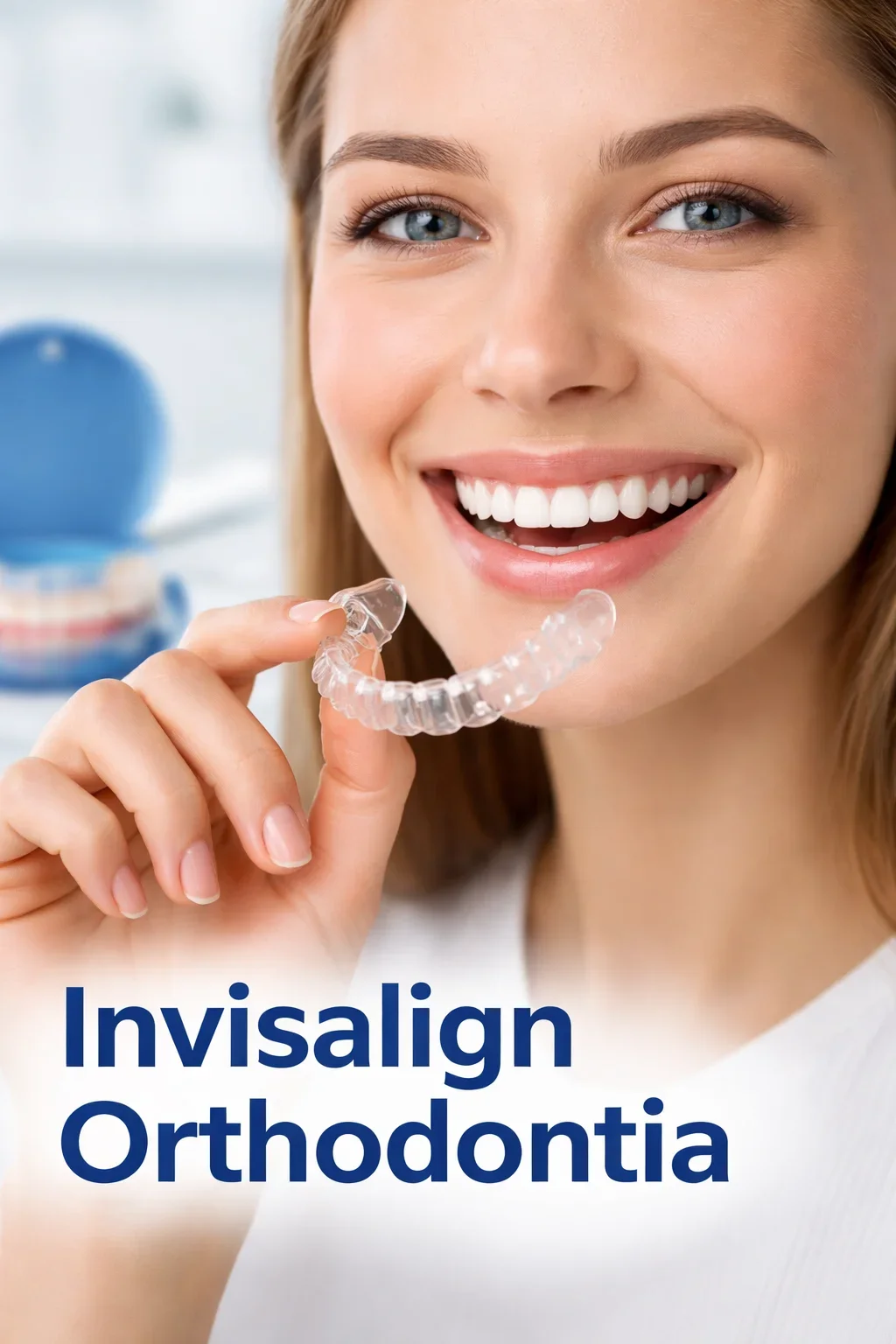
Expected Results, Retention, and Long-Term Outcomes of Invisalign Orthodontia
Invisalign orthodontia is designed not only to straighten teeth but also to deliver stable, functional, and long-lasting results when treatment protocols are properly followed. While the active phase of invisalign orthodontia focuses on controlled tooth movement, the true success of treatment is measured by long-term alignment, bite stability, and oral health preservation. Understanding what results to expect and how to maintain them is essential for achieving the full benefit of invisalign orthodontia.
What Results Can Be Expected from Invisalign Orthodontia?
When treatment is planned and executed correctly, invisalign orthodontia can produce results comparable to traditional orthodontic methods for a wide range of cases. Patients typically achieve improved tooth alignment, corrected spacing, and balanced bite relationships. In addition to aesthetic improvements, invisalign orthodontia often enhances chewing efficiency and reduces uneven tooth wear.
One of the defining characteristics of invisalign orthodontia is predictability. Because treatment is digitally planned in advance, both the orthodontist and the patient can visualize the intended outcome before the first aligner is worn. This clarity helps set realistic expectations and allows progress to be evaluated against predefined goals throughout the course of invisalign orthodontia.
Accuracy of Final Tooth Positioning
The final positioning of teeth achieved through invisalign orthodontia depends heavily on patient compliance and professional oversight. When aligners are worn as prescribed and refinements are completed as needed, final alignment is typically very precise. Minor adjustments near the end of treatment are common and help ensure that invisalign orthodontia results meet both functional and aesthetic standards.
The Importance of the Retention Phase
After active invisalign orthodontia treatment is completed, teeth are not immediately stable in their new positions. The surrounding bone and soft tissues require time to adapt. This is why the retention phase is a critical component of invisalign orthodontia and not an optional step.
Retainers are used to hold teeth in their corrected positions while the supporting structures stabilize. Most patients are initially instructed to wear retainers full-time, gradually transitioning to nighttime use. Consistent retainer wear is essential to protect the results achieved through invisalign orthodontia.
Types of Retainers Used After Invisalign Orthodontia
Clear retainers are commonly used following invisalign orthodontia, offering a seamless transition from aligners to retention. These retainers maintain the discreet appearance patients are accustomed to while providing effective stabilization. In some cases, fixed retainers may be recommended for specific teeth to enhance long-term stability.
Long-Term Stability and Relapse Prevention
Teeth have a natural tendency to shift over time, regardless of the orthodontic method used. Invisalign orthodontia addresses this reality through structured retention protocols designed to minimize relapse. Patients who follow these guidelines typically maintain their results for many years.
Relapse most often occurs when retainers are worn inconsistently or discontinued prematurely. Invisalign orthodontia results are not permanent without maintenance, making patient commitment during the retention phase just as important as during active treatment.
Lifestyle Factors Affecting Long-Term Outcomes
Habits such as teeth grinding, poor oral hygiene, or missed dental check-ups can influence long-term outcomes after invisalign orthodontia. Regular dental visits allow for early detection of minor shifts or bite changes, enabling timely intervention before significant relapse occurs.
Functional Benefits Beyond Aesthetics
While many patients pursue invisalign orthodontia for cosmetic reasons, the functional benefits are equally significant. Proper alignment improves bite distribution, reduces stress on individual teeth, and can alleviate jaw discomfort associated with misalignment. These functional improvements contribute to overall oral health and comfort.
Invisalign orthodontia can also facilitate better oral hygiene by aligning teeth in a way that makes brushing and flossing more effective. Over time, this reduces the risk of gum disease and tooth decay, reinforcing the treatment’s long-term value.
Impact on Confidence and Quality of Life
Beyond clinical outcomes, invisalign orthodontia often leads to increased self-confidence and improved social comfort. Patients frequently report feeling more confident in professional and personal interactions after treatment, highlighting the broader impact of successful orthodontic care.
Monitoring Results Over Time
Even after invisalign orthodontia treatment is complete, periodic monitoring is recommended. Orthodontists may suggest occasional follow-up visits to assess alignment stability and retainer condition. These check-ins help ensure that long-term outcomes remain consistent with treatment goals.
Retainers may need to be replaced over time due to normal wear. Maintaining properly fitting retainers is an important part of preserving invisalign orthodontia results and should be viewed as an ongoing aspect of dental care.
When Additional Treatment May Be Needed
In rare cases, minor orthodontic adjustments may be required years after invisalign orthodontia due to natural changes or lifestyle factors. Because the initial digital records are preserved, additional treatment can often be planned efficiently if needed.
Long-Term Outlook with Invisalign Orthodontia
When patients remain committed to retention and oral health, the results of invisalign orthodontia are highly durable. The combination of precise planning, controlled tooth movement, and structured maintenance supports lasting alignment and functional improvement.
In conclusion, invisalign orthodontia delivers predictable and satisfying results when paired with proper retention and long-term care. By understanding the importance of maintenance and embracing ongoing responsibility, patients can enjoy the full benefits of invisalign orthodontia for many years, making it a reliable and forward-looking orthodontic solution.