
The Invisalign procedure has revolutionized modern orthodontics by providing a discreet, comfortable, and highly effective way to achieve a straight, confident smile 😁. Unlike traditional braces that rely on metal brackets and wires, Invisalign uses a series of clear, removable aligners that gradually move your teeth into the desired position. Each aligner is custom-made for your mouth, ensuring precision, comfort, and a natural look. This treatment is ideal for people of all ages who want to improve their smile without the inconvenience and appearance of metal braces.
One of the most appealing features of the Invisalign procedure is its simplicity and comfort. Patients wear transparent aligners that are nearly invisible, making them perfect for professionals, students, and anyone concerned about aesthetics. The aligners are made from medical-grade thermoplastic material that fits snugly over your teeth and applies gentle, consistent pressure to guide them into alignment. Because they are removable, you can easily maintain oral hygiene—brushing, flossing, and eating your favorite foods without restriction 🍎.
Before starting the Invisalign procedure, patients undergo a detailed consultation with a certified orthodontist or dentist who specializes in aligner-based treatments. During this appointment, digital scans or 3D impressions of your teeth are taken using advanced imaging technology. This data allows the dentist to create a personalized treatment plan and predict tooth movement with remarkable accuracy. The treatment plan is then reviewed by both the dentist and patient to ensure expectations align perfectly with the desired outcome.
Once the treatment plan is finalized, a series of aligners is fabricated, each designed to move the teeth slightly closer to their optimal position. Every one to two weeks, you’ll switch to a new set of aligners as directed by your dentist. Over time, your teeth gradually shift, and the final aligner will reveal your beautifully straightened smile. Typically, the Invisalign procedure takes between 6 and 18 months, depending on the complexity of the case, but many patients start seeing noticeable improvements within the first few weeks.
Comfort is a key factor that distinguishes Invisalign from traditional orthodontic methods. The aligners have smooth edges and are made without metal or sharp components that can irritate the cheeks or gums. Most patients report minimal discomfort, describing it as a gentle pressure rather than pain. This makes the Invisalign procedure suitable even for individuals with sensitive oral tissues or those who previously found braces uncomfortable. Additionally, since the aligners can be removed for short periods, patients can attend social events, enjoy meals, or give important presentations with full confidence 🎤.
Hygiene is another major advantage of the Invisalign procedure. Traditional braces often trap food particles and make brushing difficult, leading to plaque buildup and potential gum issues. In contrast, Invisalign aligners can be removed, allowing for thorough brushing and flossing. Dentists often notice improved gum health in patients undergoing Invisalign treatment due to the ease of maintaining oral cleanliness. This also helps prevent cavities and discoloration that sometimes occur around metal brackets.
For individuals concerned about safety and materials, the Invisalign system is approved by the American Dental Association, ensuring it meets high medical and ethical standards. The aligners are free from BPA and other harmful substances, making them safe for long-term use. Each aligner is crafted under strict quality control to guarantee a perfect fit and effective performance.
The Invisalign procedure not only enhances aesthetics but also improves overall oral health. Misaligned teeth can contribute to jaw discomfort, uneven wear on enamel, and difficulties in chewing or speaking. By correcting alignment, Invisalign reduces these risks and contributes to a healthier bite and jaw function. Patients often report better speech clarity and more efficient chewing after completing their treatment. Additionally, straighter teeth are easier to clean, reducing the long-term risk of gum disease and decay 🪥.
Choosing the right clinic plays a crucial role in achieving optimal results. At Redent Klinik Contact Page, patients receive comprehensive care from consultation to final evaluation. The clinic’s expert team uses advanced technology to monitor progress and make precise adjustments throughout the Invisalign procedure. Each step is designed to ensure the highest level of patient satisfaction, combining dental expertise with aesthetic excellence.
In conclusion, the Invisalign procedure represents the future of orthodontics—a perfect blend of science, comfort, and beauty. Whether you’re correcting mild crowding, spacing, or complex bite issues, Invisalign offers a customized solution that fits seamlessly into your lifestyle. It’s discreet, efficient, and scientifically proven to deliver lasting results. Investing in Invisalign is not just about achieving straight teeth; it’s about enhancing your confidence, oral health, and overall quality of life 🌟.
What Is the Invisalign Procedure and How Does It Work?
The Invisalign procedure is an advanced orthodontic treatment designed to straighten teeth and correct bite alignment using transparent, removable aligners instead of traditional metal braces. This modern method has become increasingly popular because it combines precision technology with aesthetic appeal 😁. Unlike conventional braces that use wires and brackets, Invisalign relies on a series of custom-made, clear plastic trays that gently move your teeth over time. Each aligner is engineered to apply a specific amount of pressure to certain teeth, guiding them toward the ideal position.
Understanding the Concept Behind Invisalign
The science of the Invisalign procedure lies in digital planning and biomechanics. Using advanced 3D imaging and computer modeling, your dentist creates a complete virtual model of your mouth. This digital representation allows both the dentist and the patient to visualize the entire treatment journey — from the initial position of your teeth to the final, perfectly aligned smile 🌟. Each stage of tooth movement is carefully mapped out using specialized software, which helps determine how many aligners will be needed and how long the treatment will take.
Once your digital treatment plan is finalized, a series of aligners are custom-manufactured using medical-grade thermoplastic material. These aligners are smooth, comfortable, and completely transparent, making them almost invisible when worn. Most patients wear each set of aligners for about one to two weeks before switching to the next set in the series. Over time, these small and precise adjustments result in a beautifully straightened smile.
The Step-by-Step Mechanism of Tooth Movement
The Invisalign procedure works by applying controlled, consistent force on specific teeth during each stage of the treatment. Unlike metal braces that move all teeth simultaneously, Invisalign focuses on gradual, targeted movement. Each aligner shifts only a few teeth at a time, ensuring comfort and precision. When you change to a new set of aligners, the pressure points adjust according to the updated position of your teeth.
1. The Initial Consultation and Digital Scan
The first step in the Invisalign procedure is an initial consultation with a certified Invisalign provider. During this visit, the dentist examines your teeth, gums, and jaw alignment to determine if you are a good candidate. Digital impressions or 3D scans are taken to capture the exact shape and position of your teeth. This scan replaces the old, uncomfortable mold technique and provides a more accurate base for designing your aligners.
2. Customized Treatment Planning
After capturing your digital scan, your dentist uses Invisalign’s proprietary software to plan every tooth movement in detail. You’ll be able to preview the final results even before starting treatment. This level of customization is what sets the Invisalign procedure apart from other orthodontic options. The dentist then sends the finalized plan to the Invisalign lab, where your unique aligners are fabricated.
3. Wearing the Aligners
Once your aligners are ready, you’ll receive the first few sets during your fitting appointment. Your dentist will show you how to wear, remove, and clean them properly. For optimal results, the aligners should be worn for about 20 to 22 hours per day — only removing them for meals, brushing, and flossing. The success of the Invisalign procedure depends heavily on patient compliance; wearing them consistently ensures faster and more predictable outcomes ⏱️.
4. Progress Monitoring and Adjustments
Every few weeks, you’ll visit your dentist for a progress check. These short appointments allow your provider to ensure the teeth are moving according to plan. Sometimes, small attachments made of tooth-colored material are added to certain teeth to help the aligners apply pressure more effectively. These attachments are painless and temporary but play an essential role in guiding tooth movement.
Benefits of the Invisalign System
The Invisalign procedure offers numerous advantages over traditional braces. Its clear design ensures that you can smile confidently during treatment. The removable feature allows you to maintain excellent oral hygiene, as you can brush and floss without obstruction. Additionally, there are no metal components to cause mouth sores or discomfort. Patients also enjoy fewer emergency visits since there are no wires that can break or brackets that can detach.
Comfort is one of the defining benefits. The aligners are designed using precision technology to fit perfectly over your teeth. You’ll experience mild pressure during the first few days of each new aligner set, but it’s generally painless. Over-the-counter pain relief or a cold compress can easily manage any mild discomfort. The majority of patients describe the Invisalign procedure as far more comfortable than traditional orthodontic treatments.
Who Is a Good Candidate for Invisalign?
Invisalign can treat a wide range of dental issues, from simple spacing and crowding to more complex bite irregularities like overbites, underbites, and crossbites. However, not everyone is an ideal candidate. Children who haven’t developed all of their permanent teeth and individuals with certain jaw misalignments may require alternative treatments. That’s why the initial consultation is so important—it helps determine if the Invisalign procedure is suitable for your dental condition.
Expected Timeline and Results
The duration of the Invisalign procedure varies depending on the complexity of the case, but most treatments last between 6 and 18 months. Some patients notice visible improvements in just a few weeks. With proper wear and maintenance, results are predictable and long-lasting. Once the treatment is complete, your dentist may provide a set of retainers to help preserve your new smile for years to come 🦷.
Professional Guidance and Reliable Sources
Choosing a qualified and experienced provider ensures the best results. It’s advisable to visit clinics that follow strict dental standards and have proven success with Invisalign. For trusted guidelines and professional references, you can visit the American Dental Association website. If you are looking for a clinic offering personalized care and cutting-edge technology, reach out via the Redent Klinik Contact Page for more information about the Invisalign procedure.
In summary, the Invisalign procedure is a sophisticated and patient-friendly way to achieve beautifully aligned teeth. Its combination of digital precision, aesthetic design, and medical reliability makes it one of the most sought-after orthodontic treatments today. Whether you’re aiming to correct minor gaps or achieve a full smile transformation, Invisalign offers a comfortable, efficient, and highly effective path toward your dream smile ✨.
Step-by-Step Guide to the Invisalign Treatment Process
The Invisalign procedure is a carefully structured orthodontic process that combines advanced technology, professional supervision, and patient compliance to achieve a perfectly aligned smile 😁. Unlike conventional braces that rely on metal brackets and wires, Invisalign uses transparent aligners to gradually shift teeth into their ideal positions. Understanding each stage of this journey helps patients know what to expect and ensures a smoother, more confident treatment experience.
Step 1: The Initial Consultation and Assessment
The journey begins with an in-depth consultation at a certified Invisalign clinic. During this appointment, your dentist evaluates your teeth, gums, and bite alignment to determine whether the Invisalign procedure is right for you. Using high-resolution cameras and 3D scanning technology, the dentist takes precise digital impressions of your mouth. This data is then used to create a digital treatment simulation, allowing you to see your projected results before the first aligner is even made 🌟.
The consultation is also an opportunity to discuss your goals, timeline, and any concerns you might have. If you’re suitable for treatment, your dentist will outline a customized plan that details the number of aligners, treatment duration, and expected outcomes. Patients appreciate this stage because it provides complete transparency—both literally and figuratively—about how the Invisalign procedure will transform their smile.
Step 2: Creating a Personalized Digital Treatment Plan
After your initial scan, Invisalign’s proprietary software is used to map out every micro-movement your teeth will make throughout the treatment. This is the digital backbone of the Invisalign procedure. Each aligner is designed to apply controlled, gentle pressure to specific teeth, guiding them incrementally toward their final position. The technology calculates how each tooth should move per aligner, ensuring a comfortable and predictable experience.
The software also enables your dentist to show you a 3D visualization of your progress. You’ll see how your teeth will shift week by week until the end result—a straight, symmetrical, and healthy smile—is achieved. This simulation helps patients stay motivated, as they can visually track the entire transformation journey.
Why Digital Precision Matters
The digital approach of the Invisalign procedure eliminates guesswork. Traditional braces often require frequent manual adjustments and can lead to unpredictable results. Invisalign, on the other hand, relies on precise data and advanced algorithms to guide tooth movement. This ensures that every aligner fits perfectly and applies pressure exactly where needed, leading to more efficient progress and less discomfort over time.
Step 3: Fabrication and Delivery of Custom Aligners
Once the treatment plan is finalized, Invisalign’s lab fabricates a complete set of custom aligners tailored to your teeth. Each aligner is made from BPA-free, medical-grade thermoplastic material that is both safe and durable. The aligners are then shipped to your dental clinic, where your dentist will provide the first few sets and give instructions on how to wear and care for them. Typically, each set is worn for 7–14 days before progressing to the next one in the sequence.
Patients are advised to wear the aligners for 20 to 22 hours per day, removing them only when eating, drinking anything other than water, or brushing their teeth. Consistency is key—wearing the aligners as prescribed directly impacts the success and duration of the Invisalign procedure ⏱️.
Step 4: Monitoring Progress and Making Adjustments
Regular check-ups are scheduled every 4 to 6 weeks to monitor progress. These visits are shorter than traditional orthodontic appointments because there are no wires to tighten or brackets to replace. During each visit, your dentist ensures that your teeth are moving according to the digital plan. If necessary, small refinements or attachments may be added to specific teeth. These attachments—tiny, tooth-colored bumps—help the aligners apply more effective pressure for complex movements.
SmartTrack Technology for Consistency
The Invisalign procedure uses SmartTrack material to maintain consistent pressure and flexibility. This ensures the aligners fit snugly and deliver steady force throughout the treatment period. As a result, patients experience smoother transitions between aligners and more predictable movement patterns compared to traditional methods.
Step 5: Mid-Treatment Refinements
In some cases, your dentist may recommend refinements midway through the treatment. This involves taking new scans to create additional aligners that make minor adjustments for perfection. Refinements are completely normal and are part of ensuring the Invisalign procedure delivers flawless final results. It’s like fine-tuning an artwork — small, detailed improvements that make a big difference in the end result 🎯.
Step 6: Completing the Treatment and Retainers
Once your final aligner has done its job, your dentist will assess the results and take final scans to compare before-and-after images. Most patients are amazed at the transformation. To maintain these results, retainers are prescribed. Retainers prevent teeth from gradually shifting back to their original position, a natural process known as relapse. Wearing retainers as instructed is a crucial part of the Invisalign procedure’s long-term success.
Post-Treatment Retention Plan
Your dentist may recommend wearing retainers full-time for the first few months and then only at night once your teeth stabilize. Modern retainers look similar to Invisalign aligners and are just as comfortable and transparent. Maintaining this stage ensures your investment in a perfect smile lasts a lifetime.
Step 7: Maintaining Your New Smile
After completing the Invisalign procedure, regular dental check-ups and good oral hygiene remain essential. Brush and floss daily, and visit your dentist for routine cleanings every six months. For any necessary touch-ups or adjustments, Invisalign technology allows for easy digital updates without restarting the entire process.
Many patients report not only cosmetic improvements but also better bite function and speech clarity after completing the Invisalign procedure. Properly aligned teeth reduce jaw strain, improve chewing efficiency, and enhance long-term dental health 🦷.
Professional Support and Where to Get Started
Choosing a trusted provider ensures your treatment is efficient, safe, and tailored to your unique dental structure. The American Dental Association offers guidance on professional orthodontic standards, ensuring you select qualified practitioners. For those ready to start their transformation journey, you can schedule a personalized consultation through the Redent Klinik Contact Page. Their experienced team specializes in guiding patients through every step of the Invisalign procedure, ensuring optimal results and patient satisfaction.
In essence, the Invisalign procedure is a meticulously planned, technologically advanced, and patient-centered process. Each step—from digital mapping to post-treatment care—plays a vital role in creating a smile that is not only beautiful but also healthy and functional. With dedication, compliance, and professional supervision, anyone can achieve their dream smile with confidence and ease 🌈.
How to Prepare for Your Invisalign Consultation
Proper preparation for your Invisalign procedure consultation is essential to ensure accurate treatment planning, realistic expectations, and successful results. The consultation is the first and most crucial step in your orthodontic journey—it sets the foundation for how your treatment will progress. Whether you’re correcting mild misalignment or addressing more complex bite issues, understanding what to expect and how to prepare will help you get the most out of your appointment 🦷.
Understanding the Purpose of the Invisalign Consultation
The main goal of an Invisalign consultation is to evaluate your oral health and determine if you’re a good candidate for the Invisalign procedure. Your dentist or orthodontist will assess your teeth, gums, and jaw structure, taking note of any conditions that might affect treatment. This includes examining for cavities, gum inflammation, or bone irregularities. The consultation also serves as an opportunity for you to ask questions and clarify concerns about costs, timelines, and outcomes.
During this stage, your provider will take a digital 3D scan or impression of your teeth using advanced intraoral scanners. These detailed images allow for a complete digital model of your mouth, which is later used to create your custom aligners. Thanks to this precision, your dentist can simulate your final results before even beginning the Invisalign procedure 😁.
Step 1: Evaluate Your Dental Health Beforehand
Before your consultation, make sure your teeth and gums are in good condition. Brush and floss thoroughly, and if possible, schedule a routine cleaning to remove plaque and tartar buildup. Since the Invisalign procedure works best on healthy teeth, any underlying dental issues such as cavities or gum disease should be treated first. Your dentist will not start Invisalign treatment if there are unresolved oral health concerns.
Preparing Documentation and Medical History
Gather your previous dental records, X-rays, and any information about past orthodontic treatments. Providing your dentist with a complete dental history helps them tailor the Invisalign procedure to your specific needs. If you are currently using medications or have had recent dental surgery, mention it during your visit. Transparency ensures that your aligner treatment plan is safe and effective.
Step 2: Know Your Goals and Expectations
Think about what you hope to achieve with your Invisalign procedure. Are you looking for cosmetic improvements, better bite alignment, or enhanced oral function? Having a clear idea of your goals helps your dentist design a treatment plan that aligns with your vision. You can even bring reference photos or discuss specific aesthetic concerns, such as tooth rotation or crowding in certain areas. Remember, the more specific you are, the more accurate your treatment plan will be 🎯.
Discussing Your Lifestyle and Preferences
Since the Invisalign procedure requires consistent wear (20–22 hours per day), lifestyle habits play a key role in treatment success. Discuss your daily routine, diet, and oral hygiene habits with your dentist. For example, if you travel frequently or have irregular eating schedules, your dentist may suggest strategies to maintain aligner wear compliance. It’s also important to share whether you grind your teeth or play contact sports—these details can affect aligner durability and design.
Step 3: Budgeting and Financial Planning
While the Invisalign procedure is a long-term investment in your smile and health, it’s wise to plan your budget in advance. During the consultation, your dentist will provide an estimated treatment cost based on complexity, duration, and number of aligners needed. Many clinics, including Redent Klinik Contact Page, offer flexible payment options or financing plans to make treatment more affordable. This transparency allows you to prepare financially and avoid surprises later on.
It’s also worth checking with your insurance provider to see if orthodontic coverage includes Invisalign. While not all plans do, many now recognize the Invisalign procedure as a medically beneficial treatment and offer partial reimbursement. Bringing your insurance details to the consultation helps the clinic staff assist with paperwork and eligibility verification.
Step 4: Preparing Questions for Your Dentist
Before the appointment, prepare a list of questions to make your consultation as productive as possible. Common questions include:
- How long will my Invisalign procedure take?
- How often will I need to visit the clinic for check-ups?
- Will I need attachments or refinements during treatment?
- What kind of retainer will I use after treatment?
- Are there dietary or hygiene restrictions I should be aware of?
By asking these questions, you’ll gain a deeper understanding of the process, potential challenges, and expected outcomes. An informed patient is always more confident and cooperative throughout the Invisalign procedure journey 🌟.
Step 5: Digital Simulation and Treatment Preview
One of the most exciting parts of your Invisalign consultation is seeing your digital treatment preview. Using Invisalign’s proprietary ClinCheck software, your dentist will show a virtual model of your teeth’s movement over time. You’ll see a side-by-side comparison of your current alignment and the projected final result. This preview is a powerful motivator—it makes the Invisalign procedure feel real and tangible from the very beginning.
The simulation also allows for fine-tuning. If you have aesthetic preferences—like adjusting the rotation of a particular tooth or achieving more even spacing—your dentist can make these adjustments digitally before your aligners are created. This ensures that your final results align perfectly with your expectations.
Step 6: Post-Consultation Follow-Up
After your consultation, your dentist will typically provide a follow-up email or report summarizing your treatment plan, estimated duration, and next steps. Once you approve the plan, the fabrication of your custom aligners begins. This marks the official start of your Invisalign procedure. The aligners are shipped to your clinic within a few weeks, and you’ll return for a fitting appointment where your dentist ensures a perfect fit and explains care instructions.
Additional Tips for a Successful Consultation
✔️ Arrive on time and avoid heavy meals before your scan to ensure comfort.
✔️ Avoid whitening products before the visit—they can interfere with scan accuracy.
✔️ Bring a list of medications and allergies.
✔️ Be honest about your oral habits, such as smoking or teeth grinding.
Trusted Sources and Professional Guidance
For additional information on orthodontic standards and patient safety, you can refer to the American Dental Association. Their guidelines ensure that Invisalign treatments meet strict professional standards. To book a certified Invisalign consultation and take the first step toward your dream smile, visit the Redent Klinik Contact Page. Their dental experts provide personalized care and advanced technology to make your Invisalign procedure smooth, comfortable, and effective.
Preparing properly for your Invisalign consultation ensures a stress-free start and a clear roadmap to your ideal smile. With digital precision, transparent communication, and professional guidance, you’ll embark on your orthodontic journey with confidence and peace of mind 🌈.
What to Expect During Each Stage of the Invisalign Procedure
The Invisalign procedure is a well-orchestrated orthodontic journey divided into several stages, each carefully designed to move your teeth efficiently and comfortably. Understanding what happens at every step helps patients stay informed, confident, and compliant throughout treatment 🦷. From the first day you wear your aligners to the final moment you reveal your new smile, each phase of the Invisalign experience plays a crucial role in achieving lasting results.
Stage 1: Initial Fitting and Adjustment Period
After your custom aligners are fabricated and delivered, your first fitting marks the official start of the Invisalign procedure. During this appointment, your dentist ensures that the aligners fit perfectly over your teeth and checks for any discomfort or irregularities. They’ll also explain how to insert, remove, and clean your aligners properly.
It’s common to experience mild pressure or tightness during the first few days, as your teeth begin to adjust to the aligners. This is a positive sign that the Invisalign procedure is actively guiding your teeth into their new positions. Most patients adapt within a week, and any initial soreness typically subsides quickly. You may notice slight changes in your speech or a lisp initially, but this will disappear as your tongue adjusts to the aligners’ shape and thickness 🎯.
Tips for Comfort During the First Stage
- Keep your aligners in for at least 20–22 hours daily for optimal results.
- Use orthodontic wax if you feel any irritation along the gumline.
- Stay hydrated—dry mouth can make aligners feel tighter.
- Stick to soft foods during the first 48 hours to minimize discomfort.
Remember, consistency in wearing your aligners is the foundation of success in the Invisalign procedure. Skipping or reducing wear time can delay progress and extend treatment duration.
Stage 2: Progressive Tooth Movement and Regular Checkups
As you transition through your series of aligners, your teeth gradually move closer to their ideal positions. Each set of aligners is slightly different, applying calculated pressure to specific teeth. Typically, patients switch to a new aligner every 7–14 days, depending on the treatment plan prescribed by their dentist. This steady progression is what makes the Invisalign procedure both gentle and effective.
During this phase, you’ll have follow-up appointments every 4–6 weeks. These visits allow your dentist to monitor progress, make minor adjustments if needed, and ensure your teeth are tracking correctly with the digital plan. In some cases, small tooth-colored attachments are added to certain teeth to help the aligners grip more effectively and achieve complex movements. These attachments are painless, removable, and virtually invisible 😁.
Monitoring and Adjustments
Each follow-up visit includes a detailed progress evaluation. Your dentist may use digital scanners to verify that the aligners fit properly and that the movement matches the original plan. If your teeth are slightly off-track, new scans may be taken to create refinement aligners. These refinements ensure that the Invisalign procedure achieves perfection in the final result rather than stopping short of optimal alignment.
Stage 3: Mid-Treatment Refinements and Fine-Tuning
Not every smile follows the exact digital blueprint, and that’s perfectly normal. Mid-treatment refinements are common in the Invisalign procedure. Around the halfway point, your dentist may take a new 3D scan of your teeth to check if any areas need additional adjustments. These refinements may involve creating extra sets of aligners to fine-tune the alignment of specific teeth or improve bite function.
This stage highlights the precision and flexibility of Invisalign technology. Unlike traditional braces, which may require manual wire bending, refinements are digital and painless. They ensure your smile meets aesthetic and functional expectations, even if your teeth move slightly differently than predicted. Patients often notice significant visual improvements during this stage, boosting motivation to complete the process successfully 🌟.
Managing Aligners During Refinements
Patients are reminded to maintain consistent wear time and proper hygiene. Cleaning aligners with lukewarm water and a soft toothbrush helps prevent discoloration and odor. Avoid using toothpaste, as it can cause micro-abrasions. The Invisalign procedure depends heavily on proper aligner care—clean aligners not only look better but also maintain the precision fit needed for optimal results.
Stage 4: The Final Alignment Phase
The final stage of the Invisalign procedure focuses on achieving exact alignment and bite perfection. By this point, your teeth have undergone significant movement, and the last few aligners are responsible for fine-tuning the smallest details. Some patients may notice that aligner changes feel more subtle now, but these micro-adjustments are crucial for ensuring a balanced, natural smile and proper jaw function.
In this phase, your dentist may schedule more frequent appointments to ensure the bite is aligned correctly and all tooth rotations are complete. This stage ensures your results are both aesthetically pleasing and functionally sound. If necessary, additional refinements may be made before proceeding to retention.
Seeing the Results
By the end of this stage, you’ll begin to see your final smile taking shape. Teeth appear straighter, gaps close, and your overall facial harmony improves. Many patients describe this as the most rewarding part of the Invisalign procedure—the moment when months of commitment begin to pay off with visible, lasting transformation 🎉.
Stage 5: Transition to Retainers
After completing your aligner series, you’ll enter the retention phase. This step is vital because teeth have a natural tendency to shift back to their original positions. To maintain your results, your dentist will provide custom retainers—often made from the same comfortable, transparent material as your aligners. These retainers should be worn full-time for the first few months, then nightly thereafter.
Retention marks the official conclusion of the Invisalign procedure and the beginning of a lifetime of confident smiles. Following your dentist’s guidance ensures that your beautiful alignment remains stable and long-lasting.
Stage 6: Ongoing Maintenance and Dental Visits
Even after completing treatment, continued dental checkups are important. Regular cleanings and assessments every six months help maintain gum health and detect potential issues early. Patients are encouraged to keep their retainers clean and replace them periodically as recommended by their dentist. Proper aftercare solidifies the long-term success of the Invisalign procedure.
Professional Guidance and Support
For expert care and patient-centered orthodontic guidance, consider trusted dental professionals who follow international safety and quality standards such as those provided by the American Dental Association. If you’re ready to start your own transformation journey, the Redent Klinik Contact Page offers easy access to experienced Invisalign specialists. Their team provides continuous support at every stage of the Invisalign procedure, ensuring your path to a flawless smile is smooth and satisfying.
In summary, every stage of the Invisalign procedure—from fitting and progression to refinement and retention—has a specific purpose. By understanding these stages, patients can stay motivated, manage expectations, and actively participate in their treatment. With discipline, proper care, and professional monitoring, Invisalign delivers not only straight teeth but also lasting confidence and improved oral health 🌈.
Tips for Maintaining and Cleaning Invisalign Aligners
Maintaining proper hygiene and care throughout your Invisalign procedure is essential for achieving optimal results and preserving your oral health 🦷. Because Invisalign aligners are removable and transparent, they require consistent cleaning and responsible handling to remain clear, odor-free, and effective. Neglecting aligner care can lead to discoloration, bacterial buildup, or even delayed treatment progress. Below is a comprehensive guide on how to clean, store, and maintain your aligners to make your journey toward a perfect smile as smooth as possible.
Why Cleaning Your Invisalign Aligners Is So Important
During the Invisalign procedure, aligners sit snugly over your teeth for most of the day — approximately 20 to 22 hours daily. Because they’re constantly in contact with your saliva and teeth, they can accumulate bacteria, plaque, and food particles. If not cleaned regularly, this buildup can lead to bad breath, gum irritation, or tooth decay. Moreover, cloudy or stained aligners lose their transparency, making them more noticeable, which defeats one of Invisalign’s greatest advantages — its invisibility 😁.
Regular cleaning ensures the aligners maintain their clarity and freshness. It also prevents unwanted odors and helps extend their usability during the one-to-two-week wear period. Keeping your aligners clean also supports gum health and ensures that the Invisalign procedure progresses as efficiently as planned.
Daily Cleaning Routine for Invisalign Aligners
Just like brushing and flossing your teeth, cleaning your aligners should become a part of your daily routine. Follow these steps each day to keep your aligners in top condition:
Step 1: Rinse Immediately After Removal
Whenever you take your aligners out — whether for eating, drinking, or brushing — rinse them with lukewarm water. This simple habit helps prevent saliva and plaque from hardening on the aligner surface. Never use hot water, as it can warp the thermoplastic material and distort the fit, affecting the precision of your Invisalign procedure.
Step 2: Brush Gently with a Soft Toothbrush
Use a soft-bristled toothbrush (different from your regular one) to gently brush your aligners. Avoid toothpaste because it contains abrasives that can scratch the surface and make aligners look dull. Instead, use clear antibacterial soap or a mild, non-scented cleaning solution. Brush both inside and outside the aligner, then rinse thoroughly under cool running water. This ensures that the Invisalign procedure remains both hygienic and discreet throughout your treatment.
Step 3: Soak Daily for Deep Cleaning
To keep aligners crystal clear, soak them once a day using specialized products such as Invisalign Cleaning Crystals or other orthodontic appliance cleansers. Fill a small glass or container with lukewarm water and add the cleanser according to the product instructions. Let your aligners soak for 15–20 minutes, then brush gently and rinse. This deep cleaning process removes stubborn deposits and kills bacteria that regular brushing might miss ✨.
Cleaning Your Teeth and Aligners Together
One of the biggest advantages of the Invisalign procedure is that it allows for easy oral hygiene. Since the aligners are removable, you can brush and floss normally before reinserting them. It’s crucial to clean your teeth after every meal to avoid trapping food particles inside the aligners, which could cause staining or cavities.
If you’re unable to brush right after eating, at least rinse your mouth thoroughly with water or mouthwash before putting your aligners back in. Keeping both your teeth and aligners clean ensures the success of your Invisalign procedure while maintaining fresh breath and a sparkling smile.
What to Avoid When Cleaning Aligners
Even with the best intentions, certain cleaning methods can damage your aligners. To prevent unnecessary wear or damage, avoid the following:
- 🚫 Using hot water — it can deform the plastic and ruin the fit.
- 🚫 Brushing with toothpaste — abrasives can scratch the surface and create cloudy spots.
- 🚫 Soaking in colored mouthwash — dyes may stain your aligners permanently.
- 🚫 Using alcohol-based cleaners — these can weaken the aligner material over time.
- 🚫 Leaving aligners exposed to air — always store them in their case to prevent bacterial contamination.
Following these guidelines helps protect the integrity and appearance of your aligners, ensuring your Invisalign procedure remains effective from start to finish.
Proper Storage and Handling of Aligners
Whenever you remove your aligners, place them in the provided protective case. Avoid wrapping them in tissue or napkins, as they can easily be mistaken for trash and thrown away accidentally. Keeping your aligners in a secure case prevents damage, contamination, and misplacement. This simple habit safeguards your investment in the Invisalign procedure.
Traveling with Invisalign Aligners
If you’re traveling, pack a travel-size toothbrush, aligner case, and cleaning supplies. Store your aligners away from direct sunlight and heat sources. Keeping an extra set of aligners and a copy of your treatment plan (digitally or on paper) can be helpful if you misplace one during travel. These precautions ensure that your Invisalign procedure continues uninterrupted, no matter where life takes you 🌍.
Dealing with Stains and Odor
If your aligners begin to discolor or develop an odor, don’t panic — it’s a common issue that can be resolved with proper care. Soaking aligners in a mixture of water and white vinegar (in equal parts) for 15 minutes once a week helps remove surface stains naturally. Alternatively, denture cleaning tablets can be used occasionally to refresh your aligners without damaging them. Avoid using bleach or harsh chemicals, as they can erode the plastic and compromise your Invisalign procedure.
Maintaining Oral Hygiene During Treatment
Alongside cleaning your aligners, maintaining good oral hygiene is equally important. Brush at least twice a day and floss once daily. Rinse with an antibacterial mouthwash to eliminate germs. Clean your tongue, too, as bacteria can transfer from it to your aligners. A healthy mouth ensures that your Invisalign procedure delivers not only cosmetic benefits but also long-term dental health improvements.
Professional Cleaning and Dental Visits
During regular checkups, your dentist may inspect both your teeth and aligners. Professional cleaning helps remove tartar buildup and keeps your aligners fitting properly. Clinics like Redent Klinik Contact Page provide comprehensive Invisalign care and hygiene guidance. By combining at-home cleaning with professional supervision, patients ensure their Invisalign procedure remains smooth, efficient, and results-driven.
Trusted Hygiene Standards
Always rely on medically approved cleaning recommendations. For further dental hygiene guidelines, refer to the American Dental Association, which sets global standards for aligner care and oral cleanliness. Following these standards during your Invisalign procedure ensures safety, hygiene, and maximum effectiveness.
In summary, maintaining clean, odor-free, and well-fitting aligners is a daily responsibility that directly affects the success of your treatment. With consistent care, proper hygiene habits, and professional support, the Invisalign procedure delivers not just straight teeth, but a confident, healthy smile that lasts a lifetime 🌟.
Common Challenges and How to Overcome Them
While the Invisalign procedure offers a convenient and nearly invisible solution for straightening teeth, it’s not without its challenges. Every patient’s journey is unique, and certain difficulties—especially in the first few weeks—are entirely normal. Fortunately, with preparation, discipline, and professional guidance, these issues can be easily managed to ensure a smooth, successful treatment experience 🦷.
1. Initial Discomfort and Tightness
One of the most common experiences during the Invisalign procedure is mild discomfort when switching to a new set of aligners. This sensation is completely normal and indicates that the aligners are doing their job—applying gentle, consistent pressure to guide your teeth into place. Most patients describe this as a feeling of tightness or slight tenderness, especially in the first few days of wearing a new aligner.
How to Manage It
✔️ Switch to new aligners before bedtime, allowing your teeth to adjust overnight.
✔️ Use over-the-counter pain relievers like ibuprofen if needed.
✔️ Apply a cold compress to the cheeks to reduce soreness.
✔️ Stick to soft foods for the first 24–48 hours.
✔️ Massage your gums gently with your fingers to relieve pressure.
As your mouth adapts, the discomfort will fade within a few days. Over time, your teeth will respond more quickly and comfortably to each new aligner set, making subsequent phases of the Invisalign procedure much easier.
2. Difficulty Speaking Clearly at First
When you first start wearing aligners, you may notice slight changes in speech, such as a temporary lisp or difficulty pronouncing certain sounds. This is simply your tongue adjusting to the presence of the aligners. The Invisalign procedure involves wearing aligners for most of the day, so your mouth will quickly adapt and speech will normalize within a few days.
Speech Improvement Tips
✔️ Practice reading aloud for 10–15 minutes daily.
✔️ Record yourself speaking to monitor improvement.
✔️ Avoid removing aligners unnecessarily — constant wear accelerates adaptation.
✔️ Keep hydrated; dryness can make speech more difficult.
Most patients report that their speech returns to normal within a week of starting the Invisalign procedure.
3. Forgetting to Wear Aligners Consistently
Consistency is the cornerstone of successful Invisalign treatment. The aligners must be worn for 20–22 hours a day for the Invisalign procedure to progress as planned. However, since the trays are removable, some patients forget to put them back in after eating or brushing. Even a few missed hours daily can slow progress and extend treatment time.
How to Stay Consistent
✔️ Set phone alarms or use the My Invisalign app for reminders.
✔️ Carry your aligner case everywhere — never wrap aligners in tissue or napkins.
✔️ Reinsert aligners immediately after meals or snacks.
✔️ Track your wear time and make it part of your daily routine ⏱️.
Building the habit of wearing your aligners consistently ensures that your Invisalign procedure stays on schedule and delivers predictable, effective results.
4. Maintaining Aligner Cleanliness
Because aligners are clear, they can easily become discolored if not cleaned properly. Plaque buildup or residual food particles can also cause odor and affect oral hygiene. Neglecting proper cleaning may not only reduce aesthetics but can also compromise the Invisalign procedure’s success by trapping bacteria against your teeth.
Solutions for Hygiene and Freshness
✔️ Rinse aligners every time you remove them.
✔️ Clean them daily with lukewarm water and a soft toothbrush.
✔️ Use Invisalign Cleaning Crystals or denture tablets for deep cleaning.
✔️ Avoid sugary drinks or coffee while wearing aligners ☕.
✔️ Brush and floss your teeth after meals before reinserting aligners.
By maintaining a disciplined cleaning routine, you can prevent odors, stains, and oral infections while ensuring your Invisalign procedure remains smooth and effective.
5. Managing Attachments and Refinements
Some patients require attachments — small, tooth-colored buttons — to enhance aligner grip and movement. While these attachments are virtually invisible, they can sometimes feel strange or make aligner removal slightly tricky. Additionally, refinements (extra sets of aligners) may be needed midway through the Invisalign procedure to perfect the final result.
Overcoming These Adjustments
✔️ Practice removing aligners carefully from the back teeth first.
✔️ Use aligner removal tools for easier handling.
✔️ Follow your dentist’s instructions precisely for refinements.
✔️ Stay patient — attachments are temporary and essential for accuracy.
With experience, you’ll become more comfortable managing attachments, and refinements will help ensure your smile is perfectly aligned at the end of the Invisalign procedure 🌟.
6. Eating and Drinking Restrictions
Unlike traditional braces, Invisalign allows you to eat whatever you want—but only after removing your aligners. However, this flexibility requires discipline. Drinking hot beverages or sugary liquids with aligners on can stain them and increase the risk of cavities. Neglecting to clean your teeth before reinserting aligners can also trap bacteria and cause bad breath.
Eating and Drinking Best Practices
✔️ Remove aligners before every meal or drink (except water).
✔️ Rinse your mouth before reinserting aligners.
✔️ Limit dark-colored drinks like coffee, tea, and red wine.
✔️ Stay hydrated to avoid dry mouth during the Invisalign procedure.
Developing mindful eating habits not only protects your aligners but also enhances your overall oral health throughout treatment.
7. Aligner Loss or Damage
Because Invisalign trays are clear and lightweight, they can be misplaced or damaged easily if not handled properly. Losing an aligner set can interrupt treatment progression and extend your Invisalign procedure.
Preventing Loss and Damage
✔️ Always use your aligner case when not wearing them.
✔️ Never leave aligners exposed to heat or sunlight.
✔️ Keep pets away — dogs love to chew aligners! 🐶
✔️ Contact your dentist immediately if a tray is lost or cracked.
In most cases, your dentist can reorder a replacement aligner or advise whether to move forward to the next set. Prompt action prevents treatment delays and ensures the continuity of your Invisalign procedure.
8. Emotional and Psychological Adjustments
Some patients experience self-consciousness or frustration during the first few weeks of treatment. This emotional adjustment is common and temporary. Once patients start noticing visible improvements, confidence typically soars. Remember, the Invisalign procedure is a short-term commitment for a lifelong result — a straight, radiant smile that boosts self-esteem and overall appearance.
Staying Motivated
✔️ Take progress photos every two weeks to see visible changes.
✔️ Join online Invisalign support groups for encouragement.
✔️ Reward yourself for milestones (e.g., halfway point celebration 🎉).
✔️ Remember that each aligner brings you closer to your dream smile.
Professional Support and Guidance
If you face persistent discomfort or alignment concerns, always consult your dental professional. Clinics like Redent Klinik Contact Page offer personalized guidance throughout the Invisalign procedure, ensuring adjustments and refinements are handled efficiently. For authoritative information on aligner safety and hygiene, visit the American Dental Association website for reliable resources.
In conclusion, every challenge in the Invisalign procedure can be overcome with patience, consistency, and proper care. The temporary difficulties—whether minor soreness, speech adaptation, or cleaning routines—are small investments compared to the lifelong reward of a beautifully aligned, confident smile 😁.
Expected Results: Before and After the Invisalign Procedure
The Invisalign procedure delivers remarkable, predictable, and aesthetically pleasing results when followed correctly. Many patients start noticing visible improvements in just a few weeks, while the final transformation becomes fully evident by the end of treatment. However, understanding what to expect before, during, and after the Invisalign journey helps set realistic expectations and ensures complete satisfaction with your new smile 😁.
Before Starting the Invisalign Procedure
Before you begin, your dentist will evaluate your teeth and gums to determine if you’re a good candidate for the Invisalign procedure. Patients with mild to moderate crowding, spacing, or bite misalignment typically benefit the most. The pre-treatment phase includes comprehensive diagnostics such as 3D digital scans, X-rays, and photographs to create a precise map of your dental structure.
During this stage, your provider will also present a ClinCheck — a digital 3D simulation that visualizes your expected results. This powerful tool allows you to see how your teeth will move over time and what your final smile will look like before treatment even begins 🌟. The digital model enhances motivation and ensures alignment between your goals and the dentist’s treatment plan.
What to Expect Before Treatment
- ✔️ A comprehensive dental exam to check for cavities or gum issues.
- ✔️ Digital scans and images to design your custom aligners.
- ✔️ A detailed discussion of treatment duration, costs, and care routines.
- ✔️ A personalized preview of your post-treatment smile using 3D visualization.
Proper preparation ensures that your Invisalign procedure begins on the right track, with clear expectations and a customized plan suited to your needs.
During the Invisalign Procedure: What Changes to Expect
As the Invisalign procedure progresses, you’ll notice gradual but significant improvements in tooth positioning and bite function. Each new aligner set applies targeted pressure to move specific teeth slightly closer to their ideal location. This process continues smoothly and predictably, leading to noticeable alignment improvements every few weeks.
Visible Transformations Over Time
✔️ First 2–4 Weeks: Slight movement becomes visible. Teeth may feel tight as they begin shifting.
✔️ 1–3 Months: Crowding starts to reduce, and gaps begin to close.
✔️ 4–6 Months: Overall smile shape becomes more symmetrical.
✔️ 6–12 Months: Bite correction and fine-tuning are achieved, resulting in a balanced and natural-looking smile.
Throughout the Invisalign procedure, you may experience minor tightness each time you switch aligners — this is a sign of progress. Some patients report enhanced confidence early on, even before completing the full series, because of visible aesthetic improvements. Additionally, speech clarity, comfort, and oral hygiene improve as your teeth align properly 🦷.
After Completing the Invisalign Procedure
Upon completing the final aligner set, patients enter the post-treatment phase — the “after” stage — where the true results of the Invisalign procedure shine. At this point, your teeth are perfectly aligned, your bite is corrected, and your smile is noticeably brighter and more confident. The transformation goes beyond aesthetics — it enhances oral health, speech, and chewing efficiency.
Before-and-After Benefits
- ✨ Improved Aesthetics: Teeth appear straighter, whiter, and more symmetrical.
- ✨ Healthier Gums: Aligned teeth reduce pressure points and improve gum health.
- ✨ Better Function: Enhanced chewing and speaking ability.
- ✨ Oral Hygiene: Straighter teeth are easier to brush and floss, reducing plaque and decay.
- ✨ Confidence Boost: Patients report feeling more self-assured in social and professional settings.
Post-treatment satisfaction rates for the Invisalign procedure are exceptionally high, with most patients achieving results that closely match their digital previews. Your dentist will typically provide a final assessment and take new digital scans to compare “before” and “after” results — a rewarding moment for every patient 🎉.
The Role of Retainers After Invisalign
After completing the Invisalign procedure, retainers are essential to maintaining your results. Teeth naturally tend to shift back over time due to daily chewing, muscle movement, and aging. To prevent this relapse, your dentist will prescribe Vivera retainers — clear, durable retainers made from the same premium material as Invisalign aligners. You’ll wear them full-time for the first few months, then transition to nighttime use.
How Retainers Protect Your Results
✔️ Maintain new tooth positions.
✔️ Prevent relapse and spacing.
✔️ Keep bite alignment stable.
✔️ Preserve your long-term investment in the Invisalign procedure.
Retainers are nearly invisible and as comfortable as your aligners, making them easy to incorporate into your nightly routine. With proper care and maintenance, your final results can last a lifetime 🌈.
Emotional and Psychological Impact
The transformation achieved through the Invisalign procedure extends far beyond physical appearance. Patients often describe renewed self-esteem and improved confidence in personal and professional interactions. Smiling freely without hesitation promotes better mental well-being and creates positive impressions. In fact, numerous studies show that a confident smile is associated with higher self-perception and emotional health 💖.
Before treatment, many patients hide their smiles due to crowding or misalignment. After completing the Invisalign procedure, they find themselves smiling more often — a simple act that boosts happiness, social engagement, and overall self-image.
Documenting Your Transformation
Taking before-and-after photos is a rewarding part of the journey. These visual records not only show the incredible transformation but also serve as motivation for others considering the Invisalign procedure. Clinics often share success stories (with patient consent) to inspire new patients who may feel unsure about starting treatment. Comparing these images side-by-side highlights just how advanced and precise Invisalign technology truly is 📸.
Professional Aftercare and Monitoring
After achieving your perfect smile, regular dental visits remain essential. Follow-up checkups every six months help ensure long-term stability and oral health. Clinics like Redent Klinik Contact Page provide comprehensive aftercare, monitoring retainers, and advising patients on maintaining their smiles. These ongoing evaluations keep your Invisalign procedure results consistent and beautiful for years to come.
Trusted Professional Guidance
For more information about long-term dental care and post-treatment standards, visit the American Dental Association website. They provide detailed insights into orthodontic aftercare, hygiene, and retention best practices.
In conclusion, the Invisalign procedure is more than just a cosmetic upgrade — it’s a complete transformation that enhances dental health, aesthetics, and confidence. From your first consultation to your final smile reveal, the process delivers tangible, lasting improvements. With proper care, retainer use, and professional guidance, your Invisalign results can last a lifetime — a testament to both science and self-care 🌟.
How to Choose the Right Dentist for the Invisalign Procedure
Choosing the right dental professional is one of the most important decisions you’ll make when starting your Invisalign procedure. While Invisalign technology is highly advanced, the outcome still depends heavily on the expertise, planning, and precision of your provider. Selecting a skilled, certified, and experienced dentist ensures that your treatment runs smoothly, your results are predictable, and your overall oral health remains in optimal condition 🦷.
Why Choosing the Right Provider Matters
Although the Invisalign procedure is standardized worldwide, its success varies from one practitioner to another. That’s because Invisalign aligners are only tools — they rely on a professional’s ability to design the correct digital plan, anticipate movement patterns, and make appropriate refinements throughout treatment. An inexperienced or non-specialized provider may overlook bite alignment nuances or create an inefficient treatment sequence, leading to prolonged results or complications.
Therefore, selecting a dentist with advanced Invisalign training and a proven track record is essential. A knowledgeable provider not only ensures the mechanical success of the Invisalign procedure but also offers comfort, transparency, and confidence throughout your journey 🌟.
Key Qualifications to Look for in an Invisalign Dentist
1. Invisalign Certification and Experience
Always confirm that your dentist is officially certified by Invisalign. Certified providers have completed specialized training on how to plan, monitor, and refine aligner-based orthodontic cases. Invisalign ranks its providers according to experience levels — such as Bronze, Silver, Gold, Platinum, and Diamond. Dentists with higher tiers (Platinum or Diamond) have successfully treated hundreds or even thousands of cases, demonstrating strong expertise in the Invisalign procedure.
Ask your dentist about their certification status, years of experience, and the number of cases they’ve handled. These details indicate how well they can anticipate potential challenges and achieve ideal results efficiently.
2. Advanced Diagnostic Technology
A reputable dentist should use digital scanners like iTero or 3D imaging technology to capture precise impressions of your teeth. These tools eliminate the discomfort of traditional molds and provide a more accurate foundation for the Invisalign procedure. The more advanced the clinic’s technology, the better your aligners will fit and the smoother your treatment will progress.
High-quality diagnostic equipment also enables the dentist to simulate your “before and after” results in real-time. This visual preview helps you understand what to expect, motivating you to stay consistent throughout the Invisalign procedure.
3. Customized Treatment Planning
Every smile is unique — and so is every Invisalign case. A skilled provider tailors each plan to your individual needs instead of using a generic template. During consultation, your dentist should assess bite alignment, tooth spacing, jaw structure, and facial aesthetics. This holistic approach ensures that the Invisalign procedure enhances both function and appearance.
Beware of clinics that promise overly quick results without proper evaluation. The best dentists take time to explain each phase and prioritize quality over speed.
Red Flags When Choosing a Provider
When researching clinics or orthodontists, be mindful of certain warning signs that may indicate inexperience or poor service:
- 🚫 Lack of Invisalign certification or unclear credentials.
- 🚫 One-size-fits-all pricing or “too good to be true” offers.
- 🚫 No 3D scans or reliance solely on traditional molds.
- 🚫 Limited communication or unwillingness to answer detailed questions.
- 🚫 No before-and-after photos or patient testimonials available.
These red flags suggest the provider may not have adequate experience managing the intricacies of the Invisalign procedure.
Evaluating Communication and Patient Care
The relationship between patient and provider plays a crucial role in achieving satisfying results. A great dentist listens carefully to your concerns, explains every step clearly, and maintains open communication during the entire Invisalign procedure. They should encourage questions and provide regular updates on your progress through follow-up appointments or virtual monitoring systems.
Additionally, consider how the clinic handles scheduling, emergency visits, and post-treatment support. An attentive and patient-centered approach reflects a high standard of professionalism and care 🌈.
Personalized Support and Availability
✔️ Easy access for quick checkups and mid-treatment adjustments.
✔️ Detailed guidance on aligner cleaning, refinements, and retention.
✔️ Flexibility for rescheduling appointments when needed.
✔️ Clear communication channels via email, calls, or messaging apps.
Providers who maintain consistent engagement help ensure that the Invisalign procedure stays on track and delivers the expected outcome efficiently.
Reading Reviews and Success Stories
Online reviews and patient testimonials are valuable resources when choosing your Invisalign provider. Real-life stories often reveal the dentist’s approach, attention to detail, and overall patient satisfaction. Look for before-and-after photos or video testimonials that showcase results achieved through the Invisalign procedure.
While occasional mixed reviews are normal, consistently high praise for professionalism, communication, and outcomes is a strong indicator of reliability. Many leading dental clinics feature case portfolios on their websites, so you can evaluate their experience before scheduling a consultation.
Scheduling a Consultation and Asking the Right Questions
Once you’ve shortlisted potential providers, book an initial consultation. This is your chance to assess their competence and communication style firsthand. During the visit, ask the following essential questions:
- ✔️ How many Invisalign cases have you completed?
- ✔️ What treatment duration should I expect?
- ✔️ How will you monitor my progress throughout the process?
- ✔️ What is your policy for refinements or adjustments?
- ✔️ What happens if I lose or damage an aligner?
A trustworthy dentist will answer these questions clearly, providing realistic timelines and transparent expectations about your Invisalign procedure.
Considering Location and Accessibility
Since Invisalign requires periodic follow-ups, convenience is important. Choose a clinic located near your home or workplace to avoid missing appointments. Consistent attendance ensures your treatment plan stays accurate and efficient.
Some modern clinics even offer remote monitoring through digital apps that allow you to upload smile photos for virtual checkups. This technology enhances convenience without compromising quality — a hallmark of a forward-thinking Invisalign procedure provider.
Trusted Clinics and Professional Recommendations
When searching for reputable providers, consider clinics with strong reputations and certified orthodontic expertise. Redent Klinik Contact Page is an excellent example, offering expert-led Invisalign treatments designed with precision and patient comfort in mind. Their team follows the highest hygiene and digital planning standards to ensure a flawless Invisalign procedure from start to finish.
For official guidelines on orthodontic certifications and patient safety, visit the American Dental Association website, which outlines global standards for ethical dental practice and care.
In summary, selecting the right dentist for your Invisalign procedure is about more than just credentials — it’s about trust, communication, and technology. A qualified, patient-focused provider ensures your smile transformation is not only beautiful but also healthy, safe, and long-lasting. With careful research and the right choice, your Invisalign journey will be smooth, rewarding, and truly life-changing ✨.
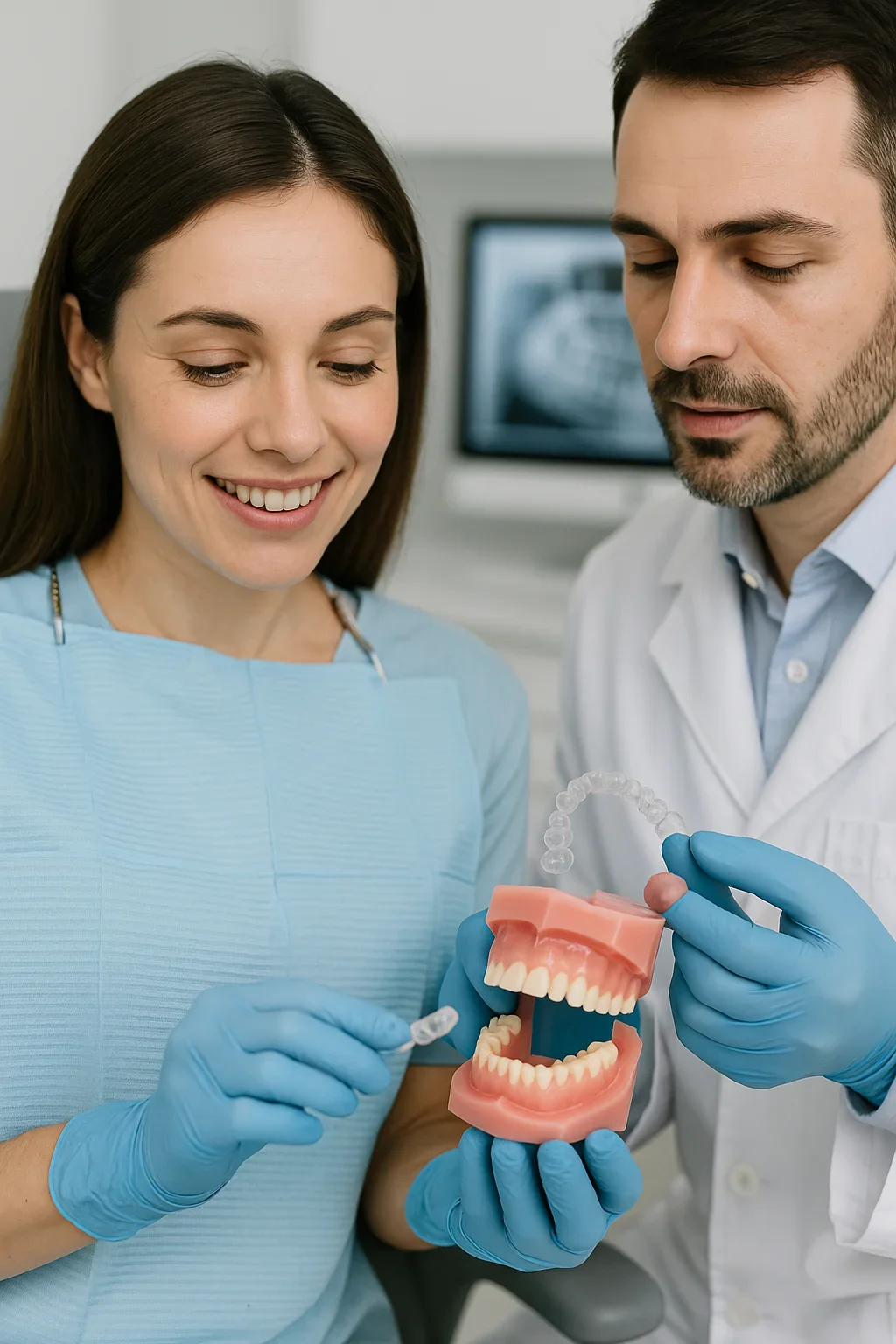
Long-Term Care and Retention After the Invisalign Procedure
Completing the Invisalign procedure is a major milestone — but maintaining your beautifully aligned smile requires ongoing care, diligence, and consistent oral hygiene habits. Once your final aligner has done its job, the retention phase begins. This stage ensures that your teeth stay in their new positions permanently, preventing natural relapse and preserving your investment for a lifetime 🦷.
Long-term care after Invisalign involves more than simply wearing retainers. It also includes maintaining good oral hygiene, attending regular dental checkups, and understanding how to keep your smile healthy and bright. Let’s explore every aspect of post-treatment maintenance in detail.
Why Retention Is Essential After the Invisalign Procedure
After completing the Invisalign procedure, your teeth are newly aligned but still adapting to their new positions within the jawbone. The bone and surrounding ligaments need time to stabilize. Without retention, teeth naturally tend to drift back toward their original positions — a process known as relapse. This is why retainers play a vital role in the long-term success of your Invisalign journey.
Retainers are designed to “lock in” the results achieved during treatment. Think of them as a maintenance tool that ensures the time, effort, and investment put into your Invisalign procedure pay off for life. Patients who skip this phase often notice slight shifting within months, which can eventually reverse much of their progress.
How Retainers Work
✔️ They hold teeth in their corrected positions while new bone tissue forms around the roots.
✔️ They stabilize the jaw muscles and ligaments that have adapted to the new alignment.
✔️ They prevent unwanted spacing or crowding from returning.
✔️ They preserve bite correction and overall smile symmetry.
In short, retainers are the final — yet permanent — part of your Invisalign procedure success story 🌟.
Types of Retainers Used After Invisalign
Your dentist will recommend a specific type of retainer based on your dental anatomy and lifestyle. The two main options include removable and fixed retainers, each offering unique advantages.
Removable Retainers (Vivera)
Vivera retainers are custom-made by Invisalign using the same durable SmartTrack material as the aligners. They are transparent, comfortable, and easy to wear. Most patients wear them full-time for the first few months, then transition to nighttime wear. The biggest advantage of Vivera retainers is convenience — they can be removed while eating, drinking, or brushing, making oral care simple and effective.
These retainers come in sets, allowing for easy replacement if one becomes lost or damaged. Since they’re made by the same brand that designed your Invisalign procedure, they fit perfectly and maintain precise alignment.
Fixed Retainers (Bonded Wires)
Fixed retainers are thin metal wires attached discreetly to the back of the front teeth. They are ideal for patients who want a permanent, low-maintenance solution. Because they remain in place 24/7, they ensure consistent retention without the need for daily handling. However, fixed retainers require careful flossing and cleaning to prevent plaque buildup — a small trade-off for the guaranteed stability they provide over time.
Your dentist may even recommend combining both types — a fixed retainer for lower teeth and a removable one for the upper arch — for maximum stability after completing the Invisalign procedure.
Daily Care and Hygiene After Invisalign
After finishing the Invisalign procedure, it’s important to maintain strong oral hygiene habits to keep your new smile healthy and bright. Straight teeth are easier to clean, but they still require regular attention.
Oral Hygiene Best Practices
✔️ Brush your teeth at least twice daily using fluoride toothpaste.
✔️ Floss carefully, especially if you have fixed retainers.
✔️ Use an antibacterial mouthwash to kill germs and prevent gum inflammation.
✔️ Avoid sticky or sugary foods that may damage retainers.
✔️ Schedule professional cleanings every six months for long-term oral health.
For patients with removable retainers, clean them daily with lukewarm water and mild soap. Avoid toothpaste or hot water, as these can scratch or warp the material. Keeping retainers fresh and odor-free helps preserve the comfort and hygiene benefits you experienced during your Invisalign procedure journey.
Adjusting to Retainers: What to Expect
It’s completely normal to feel slight pressure or tightness when you first begin wearing retainers. This indicates they’re holding your teeth securely in place. Within a few days, the sensation fades, and wearing them becomes second nature.
Be consistent — skipping retainer wear, even for short periods, can lead to noticeable shifting. Always store removable retainers in their protective case when not in use to avoid damage or loss. Remember: consistent use ensures the longevity of your Invisalign procedure results 💪.
Monitoring Long-Term Results
Your dentist will schedule follow-up visits after treatment to evaluate stability. These appointments typically occur three months, six months, and one year after completing the Invisalign procedure. During these visits, your provider will:
- Check for minor shifts or spacing changes.
- Ensure retainers still fit properly.
- Recommend replacements if they show wear or damage.
- Reinforce daily hygiene and care practices.
Patients who maintain regular dental visits experience longer-lasting, healthier smiles. Some clinics also offer digital scans to compare your current alignment with your post-treatment baseline, ensuring that your Invisalign procedure results remain consistent over time.
Maintaining Lifestyle and Aesthetic Results
Your new smile is one of your most valuable assets, both socially and professionally. After completing the Invisalign procedure, you can enjoy eating, speaking, and smiling freely — but continued care helps sustain these benefits. Avoid habits that may discolor teeth or damage enamel, such as excessive coffee, smoking, or nail-biting.
Pro Tips for Long-Term Smile Maintenance
✔️ Stay hydrated to prevent dry mouth and maintain gum health.
✔️ Use whitening toothpaste occasionally to keep your teeth bright.
✔️ Wear a mouthguard if you grind your teeth at night.
✔️ Replace retainers periodically (every 1–2 years) for optimal fit.
These proactive steps ensure that your Invisalign procedure investment continues to deliver confidence and health benefits for decades to come.
Professional Support and Long-Term Follow-Up
Reputable clinics, such as Redent Klinik Contact Page, offer personalized aftercare plans tailored to each patient’s needs. Their specialists monitor tooth stability, retainer performance, and oral hygiene long after treatment completion. This professional guidance ensures that your smile remains just as perfect as the day your Invisalign procedure ended.
For additional information on dental retention and long-term orthodontic care, consult resources provided by the American Dental Association. They offer valuable insights on how to maintain oral health and prevent relapse after orthodontic treatments.
In conclusion, completing the Invisalign procedure is only the beginning of your lifelong smile journey. With proper retainer use, hygiene, and regular checkups, you can preserve your beautifully aligned teeth for decades. Consistent care today guarantees a radiant, confident, and lasting smile tomorrow 🌈.