
The invisalign rate is one of the most searched topics by patients considering clear aligner therapy—and for good reason. Invisalign has transformed orthodontic treatment by offering a discreet, removable, and technology-driven alternative to traditional braces. However, understanding the invisalign rate goes far beyond a single price tag. It reflects a combination of clinical complexity, treatment duration, provider expertise, technology used, and what is actually included in your care plan. This guide is designed to fully satisfy your search intent by explaining what the invisalign rate really means, why it varies, and how to evaluate value rather than just cost. 😊
At its core, the invisalign rate refers to the total cost a patient pays for Invisalign clear aligner treatment from start to finish. Unlike over-the-counter aligners or DIY orthodontic kits, Invisalign is a medically supervised treatment that involves digital scans, customized aligners, periodic checkups, and refinements. Therefore, the invisalign rate is not just about the aligners themselves—it represents a comprehensive orthodontic service.
Many patients assume that the invisalign rate is fixed or standardized worldwide. In reality, this is not the case. The rate can differ significantly depending on geographic location, clinic reputation, orthodontist experience, and even the economic conditions of a country. For example, Invisalign treatment in the United States typically has a higher invisalign rate compared to countries known for dental tourism, such as Turkey or Mexico, where operational costs are lower but clinical standards remain high.
Another critical aspect of the invisalign rate is case complexity. Mild alignment issues such as minor crowding or spacing usually require fewer aligners and shorter treatment times, resulting in a lower overall invisalign rate. On the other hand, complex cases involving bite correction, significant crowding, or jaw alignment issues demand longer treatment plans, additional refinements, and more clinical supervision—factors that naturally increase the invisalign rate. 🦷
It is also important to understand that the invisalign rate often includes multiple components bundled together. These may include initial consultations, 3D digital scans, customized aligner sets, routine monitoring appointments, and post-treatment retainers. Some clinics also include refinements at no extra charge, while others may bill them separately. This is why comparing the invisalign rate between providers without reviewing what is included can be misleading.
From an SEO and patient-education perspective, authoritative organizations such as the [American Dental Association](chatgpt://generic-entity?number=0) emphasize the importance of professional supervision in orthodontic treatments. Invisalign is FDA-approved and must be prescribed by a licensed dental professional, reinforcing why the invisalign rate reflects professional expertise rather than just a cosmetic product. You can explore broader dental care standards and patient safety guidelines through the American Dental Association.
Patients researching the invisalign rate should also consider long-term value. A lower upfront rate may seem appealing, but if it excludes essential follow-ups or refinements, the final cost can end up being higher. Conversely, a slightly higher invisalign rate that includes comprehensive care often delivers better outcomes, fewer complications, and higher patient satisfaction. ✅
Another commonly overlooked factor in the invisalign rate is the technology used by the clinic. Advanced digital scanners, AI-driven treatment planning, and experience with complex Invisalign cases all contribute to treatment precision. Clinics that invest in these technologies may have a higher invisalign rate, but they also tend to achieve more predictable and efficient results.
If you are actively considering treatment and want a transparent consultation about your personalized invisalign rate, professional guidance is essential. Clinics that prioritize patient education, clear communication, and ethical pricing models help patients make informed decisions without pressure. For personalized assessments and expert support, you can reach out through the Redent Klinik Contact Page.
In summary, the invisalign rate is not just a number—it is a reflection of treatment quality, clinical expertise, and long-term dental health outcomes. Understanding what influences the invisalign rate empowers you to choose a provider that balances affordability with excellence, ensuring a confident smile and a healthy bite for years to come. 😁
What Does the Invisalign Rate Mean in Real Dental Treatments?
The term invisalign rate is often misunderstood, especially by patients encountering orthodontic treatment for the first time. In real dental treatments, the invisalign rate represents far more than a simple fee for plastic aligners. It is a comprehensive reflection of the entire clinical journey—from diagnosis to final retention—designed to deliver predictable, safe, and long-lasting orthodontic results. Understanding this concept clearly helps patients avoid unrealistic expectations and make confident, informed decisions. 😊
In everyday clinical practice, the invisalign rate is a bundled treatment cost. This means it usually includes professional evaluation, digital treatment planning, customized aligner production, ongoing monitoring, and post-treatment stabilization. Unlike traditional shopping purchases, Invisalign is a medical service, and the invisalign rate reflects the expertise, responsibility, and time commitment of the dental professional overseeing your care.
How Dentists Clinically Define the Invisalign Rate
From a dentist’s perspective, the invisalign rate is calculated based on clinical workload and treatment predictability. Each Invisalign case begins with a detailed oral examination, X-rays, and a 3D digital scan. These records are used to design a personalized treatment plan using advanced software. The invisalign rate must account for the dentist’s time spent planning, reviewing aligner progress, and making adjustments throughout the treatment period.
Additionally, dentists factor in the number of aligners required. A patient needing 10–15 aligners for mild crowding will naturally have a different invisalign rate than someone requiring 40+ aligners for complex bite correction. This is why no ethical clinic can offer a “one-size-fits-all” invisalign rate without first evaluating the patient clinically.
Medical Supervision and the Invisalign Rate
One of the most critical elements embedded in the invisalign rate is medical supervision. Invisalign treatment is not cosmetic self-alignment; it involves controlled tooth movement within biological limits. Regular checkups ensure teeth move safely, roots remain healthy, and gums adapt properly. These follow-ups are an essential part of the invisalign rate, even though patients may not always see them as a tangible product.
According to professional standards outlined by organizations such as the [American Dental Association](chatgpt://generic-entity?number=0), orthodontic treatments must always be supervised by licensed professionals to prevent complications such as root resorption, bite imbalance, or gum recession. This reinforces why the invisalign rate should be viewed as a healthcare investment rather than a cosmetic expense. You can explore broader dental treatment principles via the American Dental Association.
Why the Invisalign Rate Is Not Just “Per Aligner” Pricing
A common misconception is that the invisalign rate is calculated per aligner tray. In reality, aligners themselves are only one component of the overall treatment. The invisalign rate includes diagnostic accuracy, treatment simulation, progress tracking, refinements, and sometimes even replacement aligners if trays are lost or damaged.
This bundled approach protects patients from unexpected costs and ensures continuity of care. Clinics that advertise unusually low invisalign rate figures often exclude essential services, which may later be billed separately. This is why understanding what the invisalign rate covers in real dental treatments is crucial before committing.
Patient Experience and the Invisalign Rate
From the patient’s point of view, the invisalign rate also reflects comfort, convenience, and lifestyle compatibility. Invisalign aligners are removable, nearly invisible, and designed to integrate seamlessly into daily life. The engineering behind this comfort—precision trimming, smooth edges, and controlled force delivery—is part of what patients are paying for in the invisalign rate.
Furthermore, many clinics include retention phases within the invisalign rate, ensuring that teeth remain stable after treatment ends. Retainers are a medically necessary step, not an optional add-on, and their inclusion significantly increases the long-term value of the invisalign rate.
Transparency as a Key Indicator of a Fair Invisalign Rate
A reliable indicator of a fair invisalign rate is transparency. Clinics that clearly explain what is included—number of visits, refinements, retainers, and follow-ups—help patients understand exactly what they are paying for. This transparency reduces anxiety and builds trust between patient and provider.
If you are unsure how a clinic structures its invisalign rate or want a personalized breakdown based on your dental needs, direct communication is essential. A professional consultation allows you to assess whether the proposed invisalign rate aligns with your expectations and treatment goals. For detailed inquiries and expert guidance, you can contact the clinic directly via the Redent Klinik Contact Page.
In conclusion, in real dental treatments, the invisalign rate represents a full-spectrum orthodontic service—not just aligner trays. It combines medical expertise, advanced technology, patient safety, and long-term results into a single, structured treatment plan. Understanding this reality empowers patients to evaluate Invisalign offers intelligently and prioritize quality over misleadingly low prices. 😁
Key Factors That Influence the Invisalign Rate Worldwide
The invisalign rate varies widely across countries, clinics, and even between patients within the same city. This variation often confuses patients who are trying to compare options and plan their treatment budget. In reality, the invisalign rate is shaped by a combination of medical, economic, and professional factors that differ significantly around the world. Understanding these variables allows patients to interpret pricing more accurately and recognize the difference between true value and misleadingly low offers. 🌍
Globally, Invisalign is produced using standardized technology, but the invisalign rate is not standardized. This is because the aligners are only one part of the treatment equation. The remaining components—clinical expertise, healthcare infrastructure, regulatory environment, and cost of living—play a decisive role in determining the final invisalign rate presented to the patient.
Geographic Location and Cost of Living
One of the strongest influences on the invisalign rate worldwide is geographic location. Countries with higher costs of living, such as the United States, Canada, the United Kingdom, and Australia, tend to have a higher invisalign rate. This is due to increased operational expenses, including staff salaries, clinic rent, insurance, and regulatory compliance.
In contrast, countries that have developed strong dental tourism industries often offer a more competitive invisalign rate. Nations such as Turkey, Hungary, and Mexico benefit from lower operational costs while maintaining internationally recognized clinical standards. As a result, patients may receive the same Invisalign technology at a more accessible invisalign rate without compromising treatment quality.
Experience and Certification of the Provider
The experience level of the treating dentist or orthodontist significantly impacts the invisalign rate. Invisalign providers are often categorized by case volume and expertise, such as general providers, experienced providers, or elite-level clinicians. Dentists who have successfully completed hundreds or thousands of Invisalign cases typically charge a higher invisalign rate due to their advanced diagnostic skills and treatment predictability.
An experienced provider is more likely to minimize treatment delays, reduce the need for excessive refinements, and manage complex cases effectively. This professional efficiency is reflected in the invisalign rate and often leads to better outcomes and shorter overall treatment times. 🦷
Why Provider Skill Can Lower Long-Term Invisalign Rate
Although a highly experienced provider may present a higher initial invisalign rate, their expertise can reduce hidden costs over time. Fewer refinements, less chair time, and lower risk of complications mean the total cost of treatment often balances out—or even becomes more economical—in the long run.
Case Complexity and Treatment Duration
Case complexity is a universal determinant of the invisalign rate. Simple cases involving mild spacing or crowding typically require fewer aligners and shorter treatment durations, resulting in a lower invisalign rate. More complex orthodontic issues—such as overbites, underbites, crossbites, or significant crowding—require extended treatment plans, advanced planning, and more frequent monitoring.
The longer and more complex the treatment, the higher the invisalign rate is likely to be. This increase reflects additional clinical time, more aligner sets, and ongoing professional supervision necessary to ensure safe and effective tooth movement.
Technology and Diagnostic Tools Used
Clinics that invest in advanced diagnostic and planning technologies often have a higher invisalign rate. These technologies include high-resolution intraoral scanners, AI-assisted treatment simulations, and digital progress tracking systems. While these tools increase upfront costs for the clinic, they significantly enhance treatment accuracy and patient satisfaction.
Patients benefit from more predictable outcomes, fewer errors, and improved comfort. Therefore, a higher invisalign rate associated with advanced technology often represents better value rather than unnecessary expense. 💡
Regulatory Standards and Patient Safety
Healthcare regulations also influence the invisalign rate worldwide. Countries with strict medical and dental regulations require clinics to meet higher safety, sterilization, and documentation standards. Compliance with these regulations adds to operational costs, which are reflected in the invisalign rate.
Authoritative institutions such as the [American Dental Association](chatgpt://generic-entity?number=0) emphasize that orthodontic treatments must prioritize patient safety and professional oversight. These standards reinforce why the invisalign rate should be evaluated in the context of regulated healthcare rather than simple consumer pricing. For additional insights into dental care standards, visit the American Dental Association.
Included Services and Aftercare
Another key factor shaping the invisalign rate worldwide is what the treatment package includes. Some clinics offer an all-inclusive invisalign rate covering consultations, aligners, refinements, retainers, and follow-up visits. Others may advertise a lower invisalign rate but charge separately for essential components.
Understanding whether retainers, refinements, and emergency visits are included is critical when comparing invisalign rate offers internationally. A transparent, all-inclusive approach often provides greater long-term value and peace of mind for patients.
If you are exploring international treatment options and want clarity on how different factors affect your personalized invisalign rate, professional consultation is essential. For detailed guidance and transparent treatment planning, you can reach out through the Redent Klinik Contact Page.
In summary, the invisalign rate worldwide is influenced by location, provider expertise, case complexity, technology, regulatory standards, and included services. Recognizing these factors helps patients compare offers intelligently and choose treatment options that balance affordability with clinical excellence and long-term results. 🌟
Average Invisalign Rate by Country and Region
The invisalign rate differs substantially by country and region, and understanding these differences is essential for patients who want to balance affordability with treatment quality. While Invisalign aligners are manufactured using standardized technology, the overall invisalign rate reflects local economic conditions, healthcare systems, provider expertise, and included services. This section provides a clear, realistic overview of how the invisalign rate typically varies around the world and what patients should consider when comparing options. 🌎
Many patients begin their research by searching for an “average invisalign rate,” expecting a single global figure. In practice, there is no universal rate. Instead, regional averages exist, shaped by cost of living, dental regulations, and market competition. Understanding these averages helps patients set realistic expectations and avoid misleading offers.
Average Invisalign Rate in North America
In North America—particularly in the United States and Canada—the invisalign rate is generally among the highest worldwide. This is largely due to high operational costs, advanced regulatory requirements, and extensive professional training. Clinics in these regions often include comprehensive diagnostics, frequent follow-ups, and full retention phases within the invisalign rate.
- Mild cases: $3,000 – $4,500
- Moderate cases: $4,500 – $6,000
- Complex cases: $6,000 – $8,000+
While the invisalign rate in North America may appear high, patients often benefit from highly structured treatment protocols and extensive aftercare. For many, the value lies in convenience, accessibility, and long-standing regulatory oversight.
Average Invisalign Rate in Europe
The invisalign rate across Europe varies significantly by country. Western European nations such as Germany, France, and the United Kingdom tend to have higher invisalign rate averages due to similar cost structures as North America. However, Eastern and Southern European countries often offer more competitive rates while maintaining strong clinical standards.
- Western Europe: €3,500 – €6,500
- Central & Eastern Europe: €2,000 – €4,000
This regional variation has contributed to the growth of dental travel within Europe, as patients seek a lower invisalign rate without sacrificing professional care. However, evaluating what is included in the invisalign rate remains critical.
Why Europe Shows Wide Invisalign Rate Differences
European healthcare systems differ widely, and this directly affects the invisalign rate. Countries with higher taxes, stricter labor laws, and higher clinic operating costs tend to have a higher invisalign rate. Meanwhile, countries with strong medical education systems and lower costs can offer more accessible pricing without reducing treatment quality.
Average Invisalign Rate in the Middle East and Asia
In regions such as the Middle East and parts of Asia, the invisalign rate spans a broad range. Major metropolitan centers often have premium clinics with pricing comparable to Western countries, while other areas provide significantly lower rates.
- Premium clinics: $3,500 – $6,000
- Standard clinics: $1,800 – $3,500
The difference in invisalign rate often reflects clinic positioning, imported technology costs, and the level of personalized care offered. Patients should pay close attention to treatment transparency and follow-up availability when evaluating these options.
Average Invisalign Rate in Dental Tourism Destinations
Dental tourism destinations have become especially popular due to their competitive invisalign rate. Countries such as Turkey, Mexico, and Thailand are well-known for combining advanced dental infrastructure with lower operational costs. As a result, patients can often receive the same Invisalign system at a more accessible invisalign rate.
- Mild to moderate cases: $1,500 – $3,000
- Complex cases: $3,000 – $4,500
These rates often include consultations, digital scans, aligners, refinements, and retainers. However, patients should verify whether follow-up visits and long-term retention are part of the invisalign rate or handled separately.
Travel Costs vs Invisalign Rate Savings
When considering dental tourism, it is important to factor travel and accommodation costs into the overall evaluation of the invisalign rate. Even with travel expenses, many patients still find the total cost lower than domestic treatment. However, treatment planning should account for the number of visits required and the feasibility of remote monitoring.
If you are comparing international options and want clarity on how regional differences affect your personalized invisalign rate, professional guidance is essential. Clinics that provide transparent consultations help patients understand not just the number, but the value behind the invisalign rate. For expert support and individualized planning, you can reach out via the Redent Klinik Contact Page.
In conclusion, the invisalign rate varies widely by country and region due to economic conditions, healthcare systems, and included services. By understanding regional averages and evaluating what each invisalign rate truly includes, patients can make informed decisions that balance affordability, safety, and long-term orthodontic success. ✨
How Case Complexity Directly Affects the Invisalign Rate
One of the most decisive factors shaping the invisalign rate is case complexity. Two patients may both be considering Invisalign, yet receive very different treatment plans and pricing. This difference is not arbitrary—it is rooted in biological limits, orthodontic mechanics, and the level of professional control required to move teeth safely. Understanding how complexity influences the invisalign rate helps patients set realistic expectations and appreciate why personalized evaluation is essential. 🦷
In orthodontics, no two mouths are identical. Tooth size, jaw structure, bite alignment, and gum health all vary from person to person. The invisalign rate reflects how much planning, time, and clinical expertise are required to address these individual differences while achieving stable, functional results.
What Is Considered a Mild, Moderate, or Complex Invisalign Case?
Clinically, dentists and orthodontists categorize Invisalign cases into levels of complexity. These categories directly influence the invisalign rate because they determine the number of aligners, treatment duration, and intensity of monitoring required.
- Mild cases: Minor spacing, slight crowding, or small tooth rotations
- Moderate cases: Noticeable crowding, gaps, or mild bite issues
- Complex cases: Severe crowding, overbite, underbite, crossbite, or jaw-related discrepancies
Mild cases often require fewer aligners and shorter treatment periods, resulting in a lower invisalign rate. In contrast, complex cases demand advanced planning, extended treatment timelines, and multiple refinements—factors that significantly increase the invisalign rate.
Why Complex Tooth Movements Increase the Invisalign Rate
Not all tooth movements are equal in orthodontics. Simple tipping movements are relatively straightforward, while bodily tooth movement, root control, and bite correction require far greater precision. These advanced movements are a major reason why the invisalign rate rises as complexity increases.
Complex cases often require attachments (small tooth-colored anchors), staged movements, and mid-course corrections. Each of these elements adds to the clinical workload and oversight required, which is reflected in the invisalign rate. 😊
Refinements and Their Impact on the Invisalign Rate
Refinements are additional sets of aligners used when teeth do not move exactly as predicted. While refinements are common and normal, complex cases typically require more of them. Clinics that include refinements in their invisalign rate offer better long-term value than those that charge extra for each adjustment.
This is why patients should always ask whether refinements are included when evaluating an invisalign rate. A lower upfront figure that excludes refinements may ultimately result in a higher total cost.
Treatment Duration and Monitoring Frequency
Another way complexity affects the invisalign rate is through treatment duration. Mild cases may be completed in 4–6 months, while complex cases can take 18–24 months or longer. Extended treatment means more follow-up visits, more clinical evaluations, and prolonged professional responsibility.
Frequent monitoring is essential to ensure teeth move within safe biological limits. This ongoing supervision is a core component of the invisalign rate and is especially critical in complex cases where the risk of complications is higher.
Risk Management and the Invisalign Rate
Complex orthodontic cases carry greater biological and mechanical risks. These include root resorption, gum recession, bite instability, and uneven force distribution. Managing these risks requires advanced expertise and careful planning, which are embedded in the invisalign rate.
Professional organizations such as the [American Dental Association](chatgpt://generic-entity?number=0) emphasize that orthodontic treatments must prioritize patient safety and long-term oral health. This professional responsibility is one of the key reasons why complex cases naturally command a higher invisalign rate. You can explore broader orthodontic care principles through the American Dental Association.
Why Cheap Invisalign Rates Can Be Risky for Complex Cases
Extremely low invisalign rate offers are particularly risky for complex cases. Insufficient monitoring, limited refinements, or lack of specialist involvement can compromise results and even cause harm. In such situations, patients may need corrective treatment later, significantly increasing overall costs.
A properly structured invisalign rate accounts for risk management, professional accountability, and long-term stability—elements that cannot be safely reduced without consequences.
Value-Based Perspective on the Invisalign Rate
From a value-based standpoint, the invisalign rate should always be evaluated in relation to case complexity. Paying more for a complex case often means paying for predictability, safety, and durable results. Patients who understand this relationship are better equipped to choose providers who prioritize quality over shortcuts.
If you are unsure about the complexity of your case or how it influences your personalized invisalign rate, a detailed clinical consultation is essential. Transparent clinics explain complexity clearly and tailor treatment plans accordingly. For individualized assessments and expert guidance, you can reach out through the Redent Klinik Contact Page.
In conclusion, case complexity is one of the strongest determinants of the invisalign rate. The more intricate the tooth movements and bite corrections required, the greater the need for expertise, monitoring, and refinements. Understanding this relationship allows patients to view the invisalign rate not as a simple cost, but as a reflection of personalized, medically responsible orthodontic care. 🌟
Invisalign Rate vs Traditional Braces: Cost and Value Comparison
When patients compare orthodontic options, one of the most common questions is how the invisalign rate compares to traditional metal braces. At first glance, Invisalign often appears more expensive, leading some patients to assume that braces offer better value. In reality, the comparison between the invisalign rate and traditional braces is far more nuanced and should be evaluated in terms of comfort, lifestyle impact, treatment efficiency, and long-term outcomes—not just the initial number. 🤔
Both Invisalign and traditional braces aim to achieve the same clinical goal: properly aligned teeth and a functional bite. However, the methods, patient experience, and cost structure differ significantly. Understanding these differences helps patients determine whether the invisalign rate truly represents a higher cost—or simply a different allocation of value.
Upfront Cost Comparison: Invisalign Rate vs Braces
From a purely numerical standpoint, traditional braces often appear to have a lower entry-level price. Metal braces typically involve standardized components and have been used for decades, which can result in a lower baseline treatment fee. The invisalign rate, on the other hand, reflects advanced digital planning, custom manufacturing, and proprietary technology.
- Traditional metal braces: $2,500 – $5,500
- Invisalign rate (average): $3,000 – $7,000
While the invisalign rate is often higher, this difference should be viewed in the context of what patients receive in return—both clinically and experientially.
Comfort, Aesthetics, and Lifestyle Value
One of the most significant reasons patients choose Invisalign is comfort and aesthetics. Clear aligners are smooth, removable, and nearly invisible. This lifestyle advantage is a major component of the invisalign rate. Traditional braces, while effective, involve brackets and wires that can cause irritation, require dietary restrictions, and are visually noticeable.
For adults and professionals, the ability to remove aligners for eating, brushing, and special occasions adds substantial non-monetary value. When these factors are considered, many patients feel the invisalign rate is justified—even preferable—despite the higher upfront cost. 😁
Maintenance and Hygiene Differences
Oral hygiene plays a critical role in long-term dental health. Invisalign aligners can be removed, allowing patients to brush and floss normally. Traditional braces require specialized cleaning tools and meticulous care to prevent plaque buildup and staining.
These hygiene advantages are indirectly reflected in the invisalign rate, as better oral hygiene during treatment can reduce the risk of cavities, gum disease, and additional dental expenses later on.
Treatment Efficiency and Predictability
Another important comparison point is treatment predictability. Invisalign uses advanced 3D treatment planning software to map out tooth movements before treatment begins. This digital precision is a key factor behind the invisalign rate. Patients can often see a virtual preview of their expected results, which enhances confidence and treatment adherence.
Traditional braces rely more heavily on manual adjustments during appointments. While highly effective, this approach may involve more variability in treatment timelines. In many cases, Invisalign treatments can be equally fast—or faster—than braces when patient compliance is high.
Follow-Up Visits and Time Investment
Invisalign often requires fewer in-office visits compared to traditional braces, as aligner changes are pre-planned. For busy patients, fewer appointments translate into time savings—another value component embedded in the invisalign rate.
Traditional braces usually require regular wire adjustments, which can increase the number of clinic visits and associated time commitments.
Hidden and Long-Term Costs
When comparing orthodontic options, it is essential to consider long-term and hidden costs. Some traditional braces treatments charge separately for repairs, emergency visits, or extended treatment time. Similarly, some Invisalign providers may exclude refinements or retainers from the initial invisalign rate.
A transparent invisalign rate that includes refinements, retainers, and follow-up care often provides better long-term value than a lower-priced option with multiple add-ons.
Clinical Oversight and Professional Standards
Both Invisalign and traditional braces must be supervised by licensed dental professionals. Organizations such as the [American Dental Association](chatgpt://generic-entity?number=0) emphasize that orthodontic treatments require proper diagnosis, monitoring, and ethical care standards. This professional responsibility is built into both treatment models but is reflected differently in pricing structures.
The invisalign rate often consolidates advanced planning, monitoring, and patient education into a single comprehensive fee. For more information on orthodontic standards and patient safety, you can explore resources from the American Dental Association.
Choosing Based on Value, Not Just Invisalign Rate
Ultimately, the decision between Invisalign and traditional braces should not be based solely on cost. The invisalign rate represents a different value proposition—one focused on comfort, aesthetics, predictability, and lifestyle integration. For many patients, these benefits outweigh the initial price difference.
If you are unsure which option best suits your needs or want a personalized comparison based on your case, professional consultation is essential. A transparent discussion helps clarify whether the invisalign rate aligns with your expectations and treatment goals. For expert guidance and individualized treatment planning, you can contact the clinic through the Redent Klinik Contact Page.
In conclusion, comparing the invisalign rate to traditional braces requires looking beyond the number. When comfort, hygiene, predictability, and lifestyle benefits are considered, Invisalign often delivers exceptional value—making the invisalign rate a strategic investment in both dental health and quality of life. 🌟
What Is Included in the Invisalign Rate? (Aligners, Checkups, Refinements)
One of the most important yet frequently overlooked aspects of the invisalign rate is what the price actually includes. Many patients compare numbers without understanding the scope of services behind them, which can lead to confusion, unexpected expenses, or disappointment later in treatment. A well-structured invisalign rate is not simply the cost of clear aligners—it is a bundled orthodontic care plan designed to guide you safely from diagnosis to long-term stability. Understanding these inclusions helps you accurately assess value and avoid hidden costs. 🧩
In ethical and transparent clinics, the invisalign rate is designed to cover the full clinical journey. However, inclusions can vary by provider, which is why patients should always request a detailed breakdown before committing to treatment.
Initial Consultation and Diagnostic Records
The foundation of any Invisalign treatment is a thorough diagnostic process. This stage is almost always included in the invisalign rate and plays a crucial role in treatment accuracy and safety. It typically involves a comprehensive oral examination, digital photographs, X-rays if needed, and a 3D intraoral scan.
These records allow the dentist to assess tooth position, bite relationships, bone support, and gum health. Without this step, aligner therapy would be guesswork. Including diagnostics in the invisalign rate ensures that treatment planning is evidence-based and personalized from the start.
Customized Invisalign Aligner Sets
The most visible component of the invisalign rate is the customized aligner series itself. Each aligner is digitally designed and manufactured to move teeth incrementally according to the treatment plan. The number of aligners included directly reflects case complexity.
A transparent invisalign rate should clearly state whether all planned aligners are included from the beginning or whether additional trays may incur extra costs. In comprehensive treatment packages, all aligners required for the planned stages are covered under the original invisalign rate.
Attachments and Auxiliaries
Many Invisalign treatments require attachments—small, tooth-colored shapes bonded to teeth to help guide movement. These are a normal part of treatment and are typically included in the invisalign rate. Some cases may also involve interproximal reduction (IPR), elastics, or other auxiliaries, which should also be clarified upfront.
Regular Checkups and Progress Monitoring
Ongoing monitoring is a critical part of safe orthodontic care and a core component of the invisalign rate. During checkup visits, the dentist evaluates tooth movement, fit of the aligners, oral hygiene, and overall treatment progress.
These appointments allow for early detection of issues such as poor tracking, attachment loss, or compliance challenges. Clinics that include regular checkups in their invisalign rate prioritize patient safety and treatment predictability.
Refinements and Mid-Course Corrections
Refinements are additional sets of aligners prescribed when teeth do not move exactly as predicted. This is a normal part of Invisalign treatment, especially in moderate to complex cases. A high-quality invisalign rate usually includes refinements at no additional cost.
Excluding refinements from the invisalign rate can significantly increase the final price of treatment. Patients should always confirm how many refinement rounds are included and under what conditions they may be required.
Why Refinements Are a Sign of Responsible Care
Some patients mistakenly believe refinements indicate failure. In reality, they demonstrate professional responsibility. Teeth are biological structures, not mechanical parts, and variability is normal. Including refinements in the invisalign rate ensures that final results meet both aesthetic and functional goals.
Retention Phase and Retainers
The retention phase is one of the most critical yet underestimated components of the invisalign rate. After active tooth movement ends, retainers are used to stabilize the new alignment and prevent relapse. Many clinics include the first set of retainers in the invisalign rate, while others charge separately.
Since retention is medically necessary for long-term success, its inclusion significantly enhances the value of the invisalign rate. Patients should always ask whether retainers are part of the package and how long retention support is provided.
Professional Accountability and Safety Standards
The invisalign rate also reflects professional accountability. Licensed dentists are responsible for diagnosing, monitoring, and managing risks throughout treatment. Organizations such as the [American Dental Association](chatgpt://generic-entity?number=0) emphasize that orthodontic treatments must be supervised to protect patient health and long-term outcomes.
This professional responsibility—along with documentation, informed consent, and ethical standards—is embedded in the invisalign rate. You can explore broader principles of dental care and patient safety via the American Dental Association.
Transparency as a Marker of a Fair Invisalign Rate
A fair and patient-centered invisalign rate is always transparent. Clinics should clearly explain what is included, what is optional, and what could potentially add cost. This clarity allows patients to compare offers accurately and avoid surprises.
If you want a detailed breakdown of what a comprehensive invisalign rate includes based on your individual needs, professional consultation is essential. Transparent clinics encourage questions and provide written treatment plans. For personalized guidance and clear communication, you can contact the clinic through the Redent Klinik Contact Page.
In summary, the invisalign rate typically includes diagnostics, customized aligners, attachments, regular checkups, refinements, and often retainers. Understanding these components transforms the invisalign rate from a confusing number into a clear picture of comprehensive, medically responsible orthodontic care. 🌟
Hidden Costs That Can Change Your Final Invisalign Rate
When patients first research orthodontic treatment, the quoted invisalign rate often appears clear and straightforward. However, many people later discover that the initial number does not always reflect the final amount they pay. These differences usually come from hidden or poorly explained costs that are not immediately obvious during the first consultation. Understanding these potential extras is essential for accurately evaluating the true invisalign rate and avoiding unpleasant surprises during treatment. ⚠️
A transparent invisalign rate should account for the full treatment journey, but not all clinics structure their pricing the same way. Some providers advertise a low entry rate while excluding key services that may become necessary as treatment progresses.
Additional Aligners and Replacement Trays
One of the most common factors that can increase the final invisalign rate is the need for additional aligners. Teeth do not always move exactly as predicted by software simulations. When progress deviates, extra aligners—known as refinements—may be required.
In comprehensive treatment packages, refinements are usually included in the invisalign rate. However, in lower-priced packages, additional aligners may be billed separately. Lost or damaged aligners can also increase the total invisalign rate if replacements are not covered.
Why This Matters for Long Treatments
The longer your treatment lasts, the higher the likelihood that you may need refinements or replacements. For moderate to complex cases, an invisalign rate that excludes these possibilities can end up costing significantly more than expected.
Extended Treatment Time
Another hidden factor that can affect the invisalign rate is extended treatment duration. Invisalign treatment timelines are based on patient compliance and biological response. If aligners are not worn as prescribed or teeth respond more slowly, treatment may need to be extended.
Some clinics include extended treatment time in their invisalign rate, while others charge additional fees once a predefined period is exceeded. Patients should always ask whether the quoted invisalign rate includes time flexibility or has strict limits.
Follow-Up Visits and Emergency Appointments
Regular checkups are a standard part of Invisalign treatment, but not all visits are always included in the initial invisalign rate. Emergency appointments—such as visits for broken attachments, discomfort, or tracking issues—may incur additional fees in some clinics.
A higher invisalign rate that includes unlimited or clearly defined follow-up visits often provides better overall value than a lower rate with multiple add-on charges.
Retention and Post-Treatment Costs
The retention phase is critical to maintaining Invisalign results, yet it is one of the most frequently excluded elements from advertised invisalign rate figures. Retainers are essential to prevent teeth from shifting back to their original positions.
If retainers are not included, patients may face unexpected costs after completing active treatment. Since retention is medically necessary, its exclusion can significantly increase the final invisalign rate.
Long-Term Retention Considerations
Some clinics include only the first set of retainers in the invisalign rate, while others offer ongoing retention programs at additional cost. Understanding these details upfront helps patients assess the true long-term value of their treatment.
Diagnostic Updates and Additional Imaging
In certain cases, additional diagnostic records such as updated scans or X-rays may be required during treatment. These updates are sometimes excluded from the initial invisalign rate, particularly in lower-cost treatment plans.
While these diagnostics are important for safety and precision, they can increase the final invisalign rate if not included from the start.
Compliance-Related Costs
Patient compliance plays a major role in Invisalign success. Poor compliance—such as not wearing aligners for the recommended number of hours—can lead to delays, refinements, or even retreatment. These issues can increase the invisalign rate if additional aligners or visits are required.
Clinics that invest time in patient education and monitoring often reduce compliance-related cost increases, which is reflected in a more predictable invisalign rate.
Regulatory and Professional Standards
Hidden costs can also arise when clinics cut corners to offer a lower invisalign rate. Inadequate monitoring or insufficient professional oversight can lead to complications that require corrective treatment later—dramatically increasing total costs.
Professional bodies such as the [American Dental Association](chatgpt://generic-entity?number=0) emphasize that orthodontic treatment must follow strict safety and ethical standards. These standards are embedded in comprehensive pricing models and help explain why a well-structured invisalign rate may appear higher initially. For more information on patient safety and dental care principles, visit the American Dental Association.
How to Protect Yourself From Hidden Invisalign Rate Increases
The best way to avoid unexpected increases in your invisalign rate is to ask detailed questions before starting treatment. A transparent clinic will provide a written treatment plan outlining what is included, what may cost extra, and under what circumstances additional fees apply.
If you want a clear, personalized explanation of potential hidden costs and a transparent breakdown of your invisalign rate, professional consultation is essential. Clinics that prioritize clarity and patient education build trust and long-term satisfaction. For direct guidance and individualized planning, you can contact the clinic through the Redent Klinik Contact Page.
In conclusion, hidden costs can significantly change the final invisalign rate if they are not addressed upfront. By understanding potential add-ons such as refinements, extended treatment, retention, and follow-up care, patients can evaluate Invisalign offers accurately and choose treatment plans that deliver true value without financial surprises. 🌟
How to Get the Best Invisalign Rate Without Compromising Results
Finding the best invisalign rate is not about choosing the lowest number—it is about securing the highest value without sacrificing safety, effectiveness, or long-term stability. Many patients mistakenly equate affordability with quality, but in orthodontics, cutting corners can lead to extended treatment time, unexpected costs, or compromised results. This section explains how to evaluate and secure a fair invisalign rate while protecting your oral health and final outcome. 🎯
A smart approach to the invisalign rate balances transparent pricing, professional expertise, comprehensive inclusions, and realistic expectations. When these elements align, patients can confidently move forward knowing they are making a sound investment in their smile.
Start With a Personalized Clinical Evaluation
The most reliable way to obtain an accurate invisalign rate is through a personalized clinical assessment. Online estimates and generic price ranges cannot account for your unique dental anatomy, bite relationship, or treatment goals. A professional consultation ensures the invisalign rate is tailored to your specific needs rather than based on assumptions.
During a proper evaluation, the dentist assesses case complexity, projected treatment duration, and potential risks. This information directly influences the invisalign rate and helps prevent underpricing that could later result in additional charges.
Compare Invisalign Rate Packages, Not Just Numbers
When comparing providers, it is essential to look beyond the headline invisalign rate. Two clinics may quote similar prices, yet offer vastly different levels of care. A comprehensive invisalign rate should clearly include diagnostics, aligners, attachments, checkups, refinements, and retention.
Always request a written treatment plan that outlines exactly what is included. This approach allows you to compare invisalign rate packages accurately and avoid misleadingly low offers that exclude essential components.
Questions That Reveal a High-Value Invisalign Rate
- Are refinements included in the invisalign rate?
- Does the rate include retainers and follow-up care?
- Is there a time limit on treatment?
- Are emergency visits covered?
Clear answers to these questions often distinguish high-value invisalign rate packages from risky low-cost alternatives.
Evaluate Provider Experience and Case Volume
Provider experience is one of the most important indicators of value in the invisalign rate. Dentists who regularly treat Invisalign cases develop advanced skills in planning, monitoring, and refining treatment. This expertise reduces delays, minimizes refinements, and improves predictability.
While experienced providers may present a slightly higher invisalign rate, their efficiency often results in smoother treatment and fewer unexpected costs—ultimately improving overall value.
Consider Long-Term Outcomes, Not Just Initial Cost
A low initial invisalign rate can be tempting, but long-term outcomes matter more than short-term savings. Poorly planned treatment can lead to relapse, bite problems, or the need for retreatment—significantly increasing total costs over time.
A value-focused invisalign rate prioritizes stability, retention, and functional bite alignment. These elements protect your investment and reduce the likelihood of future orthodontic expenses. 😊
Why Retention Support Matters
Retention is essential to maintaining Invisalign results. Clinics that include retainers and post-treatment monitoring in their invisalign rate demonstrate a commitment to long-term success rather than short-term transactions.
Look for Transparency and Ethical Pricing
Transparency is a hallmark of a trustworthy invisalign rate. Ethical clinics explain how pricing is structured, what may affect costs, and how treatment decisions are made. They do not rely on vague estimates or pressure-based sales tactics.
Professional organizations such as the [American Dental Association](chatgpt://generic-entity?number=0) emphasize informed consent, patient education, and ethical care standards in orthodontic treatment. These principles are reflected in transparent pricing models and comprehensive invisalign rate structures. You can explore patient-focused dental care guidance through the American Dental Association.
Balance Accessibility With Professional Oversight
In today’s global healthcare environment, patients may explore treatment options across regions or countries to access a more favorable invisalign rate. While this can be a smart strategy, professional oversight must never be compromised.
Whether local or international, the provider should offer clear communication, documented treatment plans, and ongoing support. A well-managed invisalign rate combines affordability with accountability.
Choose Consultation Quality Over Marketing Claims
Marketing slogans and promotional discounts often focus on price rather than care quality. A strong invisalign rate is built on clinical clarity, not advertising language. Pay attention to how thoroughly the dentist explains your case, answers questions, and discusses risks.
If you feel rushed or unclear, the invisalign rate—no matter how attractive—may not reflect a patient-centered approach.
Get Expert Guidance Before Making a Decision
The most effective way to secure the best invisalign rate is to consult with professionals who prioritize transparency and education. Personalized discussions help you understand not just the cost, but the reasoning behind it.
If you want a clear, honest assessment of your treatment options and a detailed breakdown of your personalized invisalign rate, professional consultation is essential. For expert support and patient-focused guidance, you can contact the clinic through the Redent Klinik Contact Page.
In conclusion, getting the best invisalign rate without compromising results requires informed decision-making, careful comparison, and a focus on long-term value. When transparency, expertise, and comprehensive care come together, the invisalign rate becomes not just affordable—but truly worthwhile. 🌟
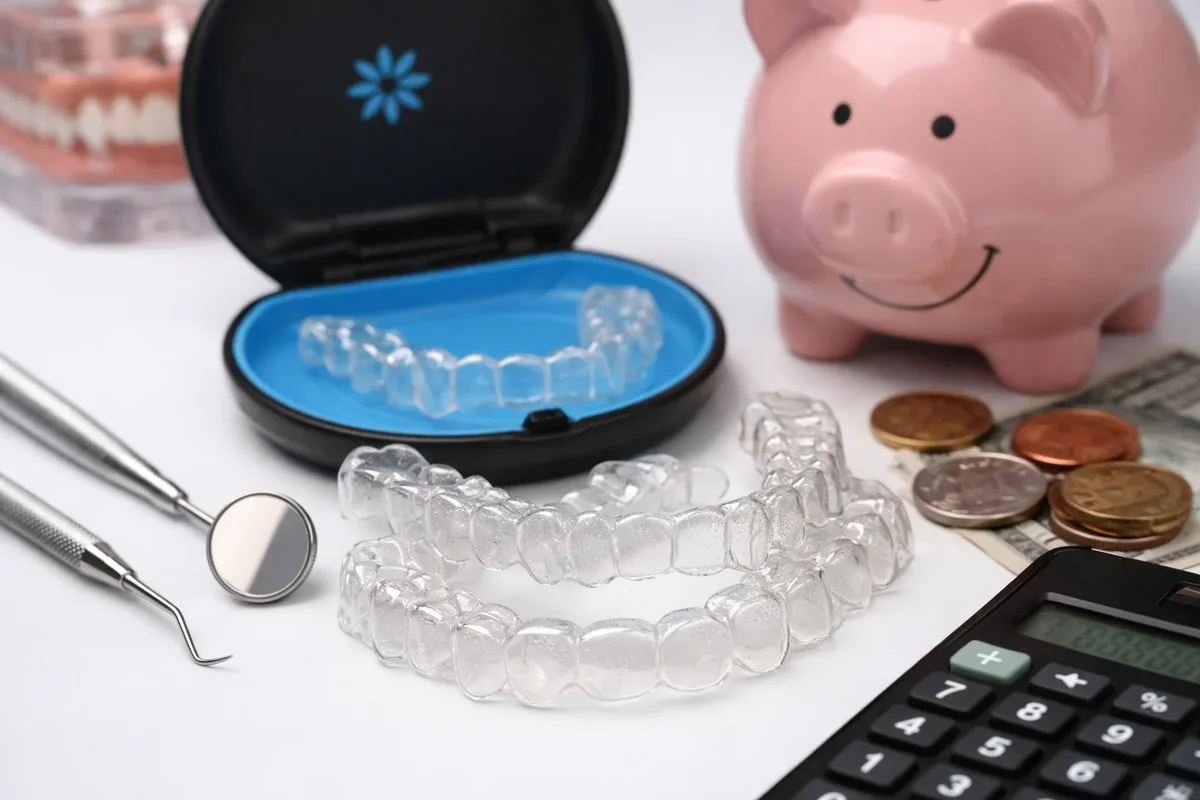
Is a Higher Invisalign Rate Always Better? Quality vs Price
Many patients assume that a higher invisalign rate automatically guarantees better results, while a lower rate signals compromised quality. In reality, the relationship between price and outcome is more complex. While extremely low pricing can raise red flags, a higher invisalign rate does not always mean superior care. Understanding how to distinguish true quality from inflated pricing empowers patients to make informed, confident decisions without overspending. ⚖️
The key is learning how to evaluate what actually drives the invisalign rate and which elements genuinely improve treatment outcomes versus those that simply increase costs without added benefit.
What a Higher Invisalign Rate Often Reflects
In many cases, a higher invisalign rate reflects legitimate value-added factors. These may include advanced diagnostic technology, extensive provider experience, comprehensive treatment packages, and long-term follow-up care. Clinics that invest heavily in digital scanners, AI-driven treatment planning, and continuous education often have higher operating costs, which are reflected in the invisalign rate.
Additionally, providers with extensive Invisalign case experience may charge more due to their proven track record, reduced complication rates, and higher treatment predictability. In such situations, a higher invisalign rate can indeed correlate with better outcomes.
Indicators of Value-Driven Pricing
- Clear inclusion of refinements and retainers
- Detailed treatment planning and progress tracking
- Transparent communication and written treatment plans
- Consistent follow-up and long-term support
When these elements are present, a higher invisalign rate often represents real clinical value rather than inflated pricing.
When a High Invisalign Rate Does NOT Mean Better Quality
However, not all high invisalign rate figures are justified. In some cases, pricing is influenced more by brand positioning, luxury clinic environments, or aggressive marketing than by measurable improvements in clinical outcomes. High-end facilities, premium locations, and cosmetic branding can increase overhead costs without necessarily improving treatment results.
Patients should be cautious about assuming that a premium environment automatically translates into superior orthodontic care. The invisalign rate should be evaluated based on clinical substance, not aesthetics alone.
Warning Signs of Overpriced Invisalign Rates
- Vague explanations of what is included
- Heavy focus on sales tactics rather than clinical education
- Lack of transparency about refinements or retention
- Reluctance to provide written treatment details
In these situations, a high invisalign rate may reflect branding rather than added therapeutic value.
The Risks of Choosing the Lowest Invisalign Rate
At the opposite end of the spectrum, extremely low invisalign rate offers can be equally problematic. Aggressively discounted pricing often excludes essential components such as refinements, follow-up visits, or retention. In some cases, limited professional oversight increases the risk of complications, relapse, or incomplete correction.
Low invisalign rate packages may also rely on minimal monitoring, which can compromise safety and long-term stability. While the initial cost may be attractive, the final expense—financially and clinically—can be much higher.
Quality Metrics That Matter More Than Invisalign Rate
Instead of focusing solely on the invisalign rate, patients should evaluate quality metrics that directly influence outcomes. These include diagnostic accuracy, provider experience, case planning depth, and follow-up consistency. A moderately priced invisalign rate that excels in these areas often delivers better results than both low-cost and overpriced alternatives.
Professional guidelines supported by organizations such as the [American Dental Association](chatgpt://generic-entity?number=0) emphasize patient safety, informed consent, and evidence-based treatment planning. These principles help distinguish quality-driven pricing from superficial cost differences. You can explore broader dental care standards through the American Dental Association.
How to Balance Invisalign Rate and Treatment Quality
The ideal approach is to seek balance. A fair invisalign rate sits between extremes—neither suspiciously low nor unjustifiably high. It reflects transparent pricing, comprehensive care, and professional accountability.
Patients should feel confident asking why a particular invisalign rate is recommended, what factors influence it, and how it supports long-term success. Clinics that welcome these questions demonstrate confidence in their value proposition.
Questions That Clarify Value vs Price
- What makes this invisalign rate appropriate for my case?
- Which services are included from start to finish?
- How is long-term stability supported?
- What experience does the provider have with similar cases?
Personalized Guidance Makes the Difference
Ultimately, the “best” invisalign rate is the one that aligns with your clinical needs, lifestyle expectations, and long-term goals. Personalized consultations provide clarity that no online price list can offer.
If you want expert help evaluating whether a proposed invisalign rate truly reflects quality rather than branding or shortcuts, professional guidance is essential. Transparent clinics prioritize education and long-term outcomes over quick sales. For personalized evaluation and clear treatment planning, you can contact the clinic through the Redent Klinik Contact Page.
In conclusion, a higher invisalign rate is not automatically better—but neither is the lowest price. True value lies in transparent pricing, professional expertise, comprehensive care, and predictable results. By focusing on quality indicators rather than numbers alone, patients can choose an invisalign rate that delivers lasting confidence and a healthy smile. 🌟