
When searching for the perfect way to straighten your teeth without traditional metal braces, many people turn to Invisalign ratings as a trusted guide. These ratings, gathered from patients and dental professionals, serve as an essential benchmark for anyone considering clear aligners. By analyzing real user feedback and clinical outcomes, you can make an informed decision about whether Invisalign is right for you. 🦷✨
Invisalign ratings reflect more than just numbers—they represent personal stories, satisfaction levels, and the transformation journeys of people worldwide. These ratings often include multiple factors such as comfort, effectiveness, treatment duration, and post-treatment results. Whether you’re a teenager trying to improve your smile or an adult seeking a discreet orthodontic solution, knowing what others think about Invisalign can help set realistic expectations.
Based on numerous studies and dental forums, Invisalign consistently scores high in comfort and aesthetics compared to traditional braces. Many patients praise the nearly invisible design that allows them to smile confidently during treatment. 😁 The average Invisalign ratings range from 4.5 to 4.8 out of 5, depending on the review platform and clinical outcomes analyzed. This high satisfaction score demonstrates the aligners’ effectiveness in aligning teeth while maintaining day-to-day comfort.
However, it’s important to understand that Invisalign ratings are influenced by various factors. Not every case is identical—some patients require minor corrections, while others need complex adjustments. The skill of the dentist or orthodontist, patient discipline in wearing the aligners for 20–22 hours daily, and the duration of the treatment all play a role in determining the final satisfaction score. That’s why these ratings should be viewed not just as numbers but as experiences shaped by real-world conditions.
When you explore Invisalign ratings, you’ll notice that patients often emphasize the aligners’ comfort level compared to braces. Traditional metal braces can cause irritation, food restrictions, and frequent dental visits for adjustments. Invisalign, on the other hand, uses smooth plastic aligners custom-fitted to your mouth, significantly reducing discomfort. This major advantage frequently contributes to higher Invisalign ratings worldwide.
Additionally, many users mention the convenience of removing the aligners for meals and oral hygiene. This feature not only promotes better dental health but also makes daily routines simpler. As a result, these practical benefits enhance Invisalign’s global reputation. It’s common to find thousands of verified reviews where people highlight the psychological confidence boost they experience during treatment. After all, having a clear, removable, and barely noticeable orthodontic system is a major step forward in modern dentistry. 🌟
Another critical aspect contributing to Invisalign ratings is the advanced digital technology behind the system. Invisalign uses a 3D scanning and modeling process to predict tooth movement precisely. This not only improves accuracy but also allows patients to visualize their expected results before treatment begins. Such cutting-edge innovation reassures patients, often reflected in high satisfaction scores and positive testimonials shared across dental review platforms.
According to the American Dental Association, patient satisfaction is directly tied to treatment predictability and comfort—two areas where Invisalign excels. Professional orthodontists also report fewer emergency visits and smoother progress tracking compared to traditional methods. These findings align with the majority of high Invisalign ratings observed online.
Of course, while most reviews are positive, there are occasional neutral or negative ratings. These typically come from patients who did not adhere strictly to wearing their aligners or who had unrealistic expectations. For example, people expecting instant results may leave lower scores, not realizing that Invisalign treatments, like all orthodontic solutions, require time and consistency. The good news is that such feedback helps new patients prepare mentally for the process and avoid common pitfalls.
At Redent Klinik Contact Page, dental experts emphasize the importance of personalized consultation before deciding on Invisalign. They explain that understanding your specific dental condition helps estimate both treatment outcomes and satisfaction levels. By setting clear goals and maintaining realistic expectations, patients contribute to the positive momentum reflected in global Invisalign ratings.
In conclusion, Invisalign ratings provide a valuable snapshot of real experiences, scientific precision, and patient trust. These ratings summarize how comfort, efficiency, aesthetics, and advanced technology come together to redefine orthodontic care. Whether you’re reading expert reviews, visiting dental clinics, or comparing options online, these insights empower you to choose confidently. The high average Invisalign ratings worldwide are proof of the aligners’ credibility and effectiveness in achieving healthy, beautiful smiles—without compromising comfort or confidence. 😄
Invisalign isn’t just about straightening teeth—it’s about transforming lives. So, before making your decision, explore these ratings carefully, consult professionals, and join thousands who have already experienced the power of a clear, confident smile. 🌍
What Are Invisalign Ratings and Why Do They Matter?
When researching orthodontic treatments online, one of the most common questions people ask is: “What do Invisalign ratings actually mean?” 🦷 In simple terms, Invisalign ratings are detailed assessments based on real patient experiences, clinical outcomes, and professional reviews from dentists and orthodontists. These ratings summarize how effective, comfortable, and reliable the Invisalign system is for different users. They serve as an evidence-based guide for anyone deciding between Invisalign and traditional braces. High ratings often indicate patient satisfaction, effective tooth alignment, and overall treatment success.
Understanding the Meaning Behind Invisalign Ratings
The term Invisalign ratings typically refers to an aggregated score—often between 1 and 5—reflecting how users feel about their treatment. These scores are collected from multiple sources such as dental forums, healthcare review sites, and professional dental studies. A 5-star rating usually signals exceptional satisfaction with the aligners’ comfort, design, and results, while lower scores may indicate issues with user compliance or communication gaps with the dental provider. ⭐
Unlike simple product reviews, Invisalign ratings combine both subjective (user opinion) and objective (clinical effectiveness) data. This dual approach allows potential patients to evaluate the treatment comprehensively. For example, a patient might give Invisalign a 4.7/5 rating because it was comfortable and efficient, but deduct points for minor speech adjustments required at the beginning. Such insights help new patients form realistic expectations about their journey.
The Sources of Reliable Invisalign Ratings
Accurate Invisalign ratings come from three main sources: verified patients, certified dentists, and professional review organizations. Each contributes valuable insights:
- Patient Feedback: Real users share their day-to-day experience, highlighting aspects such as pain levels, appearance, and lifestyle compatibility. 💬
- Dentist Evaluations: Dental professionals assess technical efficiency, predictability of results, and post-treatment stability.
- Clinical Studies and Associations: Trusted institutions like the American Dental Association provide scientific evaluations on effectiveness and safety.
When combined, these perspectives form a holistic picture of Invisalign’s performance. As a result, potential patients can rely on Invisalign ratings as a well-rounded decision-making tool, rather than basing their choices on isolated testimonials.
Why Invisalign Ratings Are Important for Patients
The importance of Invisalign ratings lies in their ability to guide patients toward the best possible treatment choice. Since orthodontic care involves time, money, and commitment, understanding what others experienced can save individuals from disappointment. High ratings often signify consistent satisfaction among users, which increases consumer trust in the brand.
Moreover, these ratings empower patients to ask better questions during consultations. For example, knowing that some reviewers experienced discomfort during the first few days allows new patients to mentally prepare for temporary adjustments. Similarly, learning that most users loved the near-invisible design boosts confidence before starting treatment.
Comparing Invisalign Ratings to Other Orthodontic Systems
When compared to traditional braces, Invisalign ratings often rank higher in aesthetics and comfort. Patients appreciate that the clear aligners are virtually invisible and can be removed while eating or brushing. Studies show that over 90% of users find Invisalign more comfortable than braces, largely due to its smooth thermoplastic material. The convenience of fewer clinic visits and easier oral hygiene further boosts its popularity. 🪥
In contrast, metal braces tend to receive lower ratings in terms of appearance and comfort, even though they can sometimes achieve faster results for complex cases. Understanding this difference helps patients select the system that aligns best with their lifestyle and priorities. This is precisely why Invisalign ratings hold such value—they present a transparent overview of treatment experiences from both everyday users and specialists.
Factors That Affect Invisalign Ratings
Several factors contribute to the variability in Invisalign ratings across users:
- Patient Compliance: Since Invisalign requires wearing aligners for at least 20–22 hours per day, users who follow the guidelines usually report higher satisfaction.
- Complexity of the Case: Mild alignment issues tend to achieve better results faster, leading to higher ratings.
- Clinician Skill: The experience of the dentist directly influences outcomes. Well-trained orthodontists can achieve more predictable results.
- Treatment Duration: The average Invisalign treatment lasts between 6 and 18 months. Faster visible results often lead to improved ratings.
- Comfort and Maintenance: Since aligners are removable and easy to clean, many users rate the system highly for practicality and hygiene.
What High Invisalign Ratings Tell Us
When Invisalign ratings consistently score above 4.5 stars, it indicates a strong balance between patient satisfaction and clinical effectiveness. It reflects the success of Invisalign’s advanced technology, including 3D scanning, SmartTrack materials, and customized tray sequencing. These innovations not only enhance precision but also reduce discomfort during tooth movement. 💡
Additionally, high ratings reflect strong brand trust. Invisalign has treated over 15 million patients globally, and maintaining a high satisfaction score among such a large population underscores the system’s reliability. Such positive outcomes are often shared in dental case studies, validating why Invisalign is the leading choice for discreet orthodontic care.
How to Use Invisalign Ratings When Making Your Decision
If you’re evaluating orthodontic options, it’s wise to explore multiple review platforms and dentist recommendations. Visit official websites, read unbiased reviews, and seek professional advice from trusted clinics such as Redent Klinik Contact Page. Dental experts can interpret Invisalign ratings within the context of your individual case—helping you understand whether Invisalign will deliver the results you expect.
Remember, the goal isn’t just to find high Invisalign ratings, but to determine how those ratings align with your personal treatment needs. For example, if you value comfort and aesthetics above all, Invisalign’s strong scores in those areas make it a top-tier choice. On the other hand, if you need complex orthodontic corrections, your dentist may suggest combining aligners with other tools for optimal results.
Conclusion: Why Invisalign Ratings Are a Smart Starting Point
In summary, Invisalign ratings act as a bridge between data and experience. They give potential patients insight into the aligner’s comfort, reliability, and success rates. By reviewing both professional evaluations and patient testimonials, you can confidently decide whether Invisalign matches your goals. The global average Invisalign rating—around 4.7/5—shows that most users achieve impressive outcomes with minimal disruption to their daily lives. 📈
Ultimately, these ratings matter because they represent real-world results supported by dental science. For anyone serious about improving their smile with convenience and confidence, Invisalign ratings provide the most trustworthy roadmap to achieving that goal. 🌟
How Invisalign Ratings Compare to Traditional Braces
When evaluating orthodontic treatments, one of the most useful ways to measure performance is by comparing Invisalign ratings with those of traditional metal braces. Both systems aim to correct dental misalignment and improve smile aesthetics, but their methods, comfort levels, and user experiences differ greatly. By studying reviews, testimonials, and clinical outcomes, we can understand why Invisalign consistently ranks higher in patient satisfaction. 😁
Invisalign vs. Braces: A Clear Difference in Comfort
One of the strongest reasons behind high Invisalign ratings is comfort. Traditional braces involve brackets and wires that can irritate the inner cheeks and gums, especially during the initial adjustment period. Invisalign, in contrast, uses smooth, medical-grade plastic aligners customized to each patient’s teeth. This design eliminates sharp edges and pressure points, reducing discomfort dramatically. Patients frequently report minimal pain even during the aligner-switching process, which happens every one to two weeks.
In several comparative surveys, over 85% of Invisalign users stated they experienced less soreness compared to previous or concurrent experiences with braces. The removable nature of the aligners also allows patients to rest their jaws when necessary—something impossible with fixed braces. Such benefits directly influence Invisalign ratings, which consistently average between 4.6 and 4.8 out of 5 for comfort alone.
Appearance and Confidence: The Aesthetic Advantage
For many adults and teens, aesthetics are a top priority when choosing an orthodontic treatment. Traditional braces are noticeable and can make individuals feel self-conscious, particularly in social or professional settings. Invisalign aligners, however, are virtually invisible. This discreet look allows users to maintain confidence throughout the treatment process. 🌟
High Invisalign ratings often highlight this “invisibility factor.” Patients appreciate that their treatment goes unnoticed during conversations or photos. Teenagers, especially, report increased confidence in school and social environments. Adults working in customer-facing or corporate roles also cite Invisalign’s transparent design as a major motivator for choosing the system over braces. When evaluating aesthetic satisfaction, Invisalign ratings typically exceed 4.8/5—an industry-leading figure supported by independent dental reviews and case studies.
Boosting Self-Esteem During Treatment
It’s worth noting that orthodontic treatment can be an emotional journey. Many patients say that seeing progress every few weeks boosts their motivation and overall happiness. Since Invisalign allows users to preview their treatment outcome using 3D scans, the psychological benefits begin even before the first aligner is worn. This forward-looking approach enhances trust and satisfaction, which further raises average Invisalign ratings globally.
Hygiene and Convenience: Invisalign’s Everyday Benefits
Another area where Invisalign ratings outperform braces is hygiene. Traditional braces can trap food particles, making thorough cleaning difficult and increasing the risk of plaque buildup, gum irritation, or bad breath. Invisalign aligners, being removable, simplify oral hygiene routines. Patients can brush and floss as usual, reducing long-term dental issues. 🪥
This convenience factor contributes heavily to high satisfaction scores. In one clinical review, 92% of Invisalign users rated “ease of cleaning” as excellent or very good, compared to only 58% among brace wearers. Additionally, the absence of dietary restrictions—since users remove aligners before eating—adds another layer of freedom. Whether enjoying popcorn at a movie or biting into an apple, Invisalign users maintain their lifestyle without compromise.
Fewer Clinic Visits, More Flexibility
Traditional braces often require monthly tightening sessions, which can be time-consuming and uncomfortable. Invisalign’s technology enables patients to progress through aligners independently, requiring only periodic check-ups every six to eight weeks. This reduced frequency of dental appointments saves time and costs, a detail that reviewers consistently mention in positive Invisalign ratings. For busy adults and parents managing multiple schedules, fewer appointments equal less disruption to daily life.
Effectiveness: How Results Compare in Real Life
Effectiveness remains one of the most important factors influencing Invisalign ratings. While traditional braces are still considered the gold standard for complex orthodontic corrections, Invisalign has made enormous strides thanks to digital planning and smart materials. The latest generation, powered by SmartTrack technology, can address mild to moderately complex cases—including crowding, gaps, and certain bite misalignments—with remarkable accuracy.
Independent studies show that Invisalign achieves nearly identical results to braces in mild and moderate cases, often with a shorter treatment duration. Users frequently comment that their teeth begin to shift noticeably within weeks—a benefit that increases trust and enhances overall satisfaction. It’s not uncommon for reviewers to report visible improvements after just 8–10 weeks, which helps explain why Invisalign ratings continue to trend upward each year.
Precision and Predictability with Digital Technology
Unlike braces that rely on manual wire adjustments, Invisalign’s success stems from advanced 3D imaging and simulation. Orthodontists can predict tooth movement precisely, helping patients visualize final results before the first aligner is created. This predictive accuracy is a major contributor to high Invisalign ratings. Patients appreciate the transparency of knowing exactly what to expect and when to expect it. According to the American Dental Association, digital planning tools reduce error margins significantly, ensuring smoother treatment outcomes.
Cost Comparison and Perceived Value
While Invisalign may have a higher upfront cost, many patients rate it as better value in the long term. The combination of comfort, convenience, and aesthetics often justifies the investment. In reviews, users frequently mention that they would choose Invisalign again even if given the option of cheaper braces, simply because of the improved experience. Average satisfaction in terms of value-for-money consistently exceeds 4.6/5, a metric closely linked to strong Invisalign ratings globally. 💰
Expert Opinions on Invisalign Ratings vs. Braces
Dental professionals often echo the same sentiment seen in patient reviews: Invisalign has transformed orthodontic care. Experts praise its technological sophistication and user-friendly design. While they acknowledge that braces remain essential for certain severe malocclusions, many dentists agree that Invisalign’s predictability, aesthetics, and comfort justify its top-tier reputation. According to orthodontic surveys, more than 80% of practitioners report higher patient retention and satisfaction with Invisalign compared to traditional systems.
Conclusion: Why Invisalign Leads the Ratings Race
In the final analysis, Invisalign ratings consistently outperform those of traditional braces across nearly every category—comfort, appearance, hygiene, and convenience. While both treatments deliver excellent alignment results, Invisalign’s blend of technology and lifestyle flexibility resonates more with modern patients. Whether you’re a professional seeking subtle correction or a teen aiming for confidence, Invisalign’s proven satisfaction record speaks volumes.
To explore whether you’re a candidate for Invisalign, consult with an experienced dental team like those at Redent Klinik Contact Page. Their experts can evaluate your needs and help you achieve that perfect, confident smile. The consistently high Invisalign ratings worldwide are not just numbers—they are proof that orthodontics has evolved into a comfortable, aesthetic, and empowering experience. 🌍
Top Factors That Influence Invisalign Ratings
Understanding what drives Invisalign ratings helps potential patients interpret reviews with accuracy and context. Ratings don’t simply reflect general satisfaction; they’re shaped by a complex mix of clinical, emotional, and logistical elements. From the dentist’s expertise to the patient’s daily compliance, each factor contributes to the overall success of the Invisalign experience. 🌟
1. Dentist or Orthodontist Expertise
The most significant variable influencing Invisalign ratings is the skill and experience of the treating professional. Invisalign is a high-tech system that depends heavily on precise treatment planning and digital alignment simulations. A seasoned provider understands how to use 3D scanning, customize aligner sequences, and anticipate potential tooth movement issues before they occur. 🦷
When treatment is designed by a certified Invisalign provider, patients typically report smoother results, fewer refinements, and higher comfort levels. According to multiple reviews, orthodontists who specialize in digital orthodontics consistently earn higher patient satisfaction ratings. Conversely, patients treated by less experienced providers often leave neutral or mixed reviews, citing slower progress or minor alignment gaps. This demonstrates how dental expertise directly impacts Invisalign ratings across review platforms.
Choosing the Right Provider for Better Outcomes
Patients looking to improve their experience should always verify that their dentist or orthodontist is Invisalign-certified. Clinics with Platinum or Diamond Provider status—like those at Redent Klinik Contact Page—are known for handling complex cases effectively. Their digital workflow and advanced scanning systems ensure precise results, leading to consistently higher Invisalign ratings from satisfied patients.
2. Patient Compliance and Discipline
Even the best treatment plan can fail if the patient doesn’t follow guidelines. Invisalign aligners must be worn for 20–22 hours daily to achieve desired results. When patients adhere to this schedule, tooth movement remains predictable and efficient. However, inconsistent wear time can extend treatment duration and reduce satisfaction, thereby lowering Invisalign ratings.
One reason Invisalign ratings remain so high globally is that motivated patients tend to follow the rules. The removable nature of aligners adds convenience but also introduces responsibility. The system rewards consistency: the more disciplined the user, the better the results. Patient cooperation is, therefore, one of the strongest contributors to a five-star rating.
3. Comfort and Ease of Use
Comfort is another major driver of positive Invisalign ratings. Traditional braces can cause mouth sores and discomfort due to metal brackets. Invisalign aligners, made from SmartTrack material, are smooth, flexible, and designed for comfort. The absence of sharp edges allows users to speak, smile, and eat with confidence. 😁
Many reviews highlight that the first few days of wearing aligners may bring slight pressure—a sign that the system is working. However, unlike braces, this discomfort subsides quickly. According to independent dental studies, more than 90% of Invisalign users report minimal irritation throughout treatment. Such consistent comfort is a key reason why Invisalign ratings remain high worldwide.
Managing Initial Discomfort
Most patients adapt to aligners within a week. Dentists often recommend switching aligners before bedtime to minimize adjustment discomfort overnight. Using dental wax and maintaining good hydration can also ease temporary pressure. When these practical tips are followed, user satisfaction increases, positively influencing Invisalign ratings.
4. Aesthetics and Confidence Boost
Unlike metal braces that are visible at all times, Invisalign aligners are nearly invisible. This aesthetic appeal is one of the most frequently mentioned advantages in online reviews. Patients love the ability to maintain their natural smile without drawing attention to their orthodontic treatment. For professionals and teenagers alike, this factor plays a major role in the overwhelmingly positive Invisalign ratings.
Many users express newfound confidence in work, school, and social interactions. The aligners’ transparency and modern design foster psychological comfort, which often translates into higher satisfaction and better compliance. In today’s image-conscious world, aesthetics are not just about looks—they’re about self-esteem and emotional well-being.
5. Technology and Treatment Predictability
Another critical element influencing Invisalign ratings is the system’s technological precision. Invisalign uses advanced 3D digital imaging to map tooth movement, allowing both patients and dentists to preview results before treatment begins. This transparency builds trust and ensures realistic expectations. 🖥️
The SmartTrack material and SmartForce attachments work in harmony to create predictable tooth movements. Clinical data shows that Invisalign achieves 75–80% movement predictability on schedule when aligners are worn correctly. This level of consistency reinforces patient confidence and leads to strong, positive reviews. When users know what to expect, satisfaction rates rise—driving up overall Invisalign ratings.
The Role of AI and Digital Monitoring
In recent years, AI-driven tools and remote monitoring apps have improved Invisalign experiences even further. These technologies allow orthodontists to track progress digitally and make adjustments without requiring frequent in-person visits. This digital convenience enhances patient engagement and directly boosts Invisalign ratings worldwide.
6. Cost and Perceived Value
While Invisalign may cost more than braces, most patients view it as a worthwhile investment. The high satisfaction levels reported in Invisalign ratings show that users value comfort, convenience, and appearance more than price alone. Those who appreciate lifestyle flexibility tend to rate Invisalign higher on value-for-money metrics.
In cases where insurance covers part of the treatment or payment plans are available, affordability becomes less of a barrier. Patients who understand long-term oral health benefits also tend to give higher ratings, acknowledging that the system delivers results with minimal lifestyle compromise.
7. Communication and Support
The quality of communication between patients and dental professionals can make or break an orthodontic experience. Dentists who provide clear instructions, regular updates, and digital progress reports tend to earn stronger Invisalign ratings. Patients appreciate feeling guided and supported throughout their journey.
When misunderstandings or unrealistic expectations arise, satisfaction can drop. Therefore, clinics that emphasize transparency, education, and responsive communication typically receive more consistent five-star reviews.
Conclusion: The Interplay of Science and Satisfaction
In the end, Invisalign ratings are more than just statistics—they represent the combined effect of technology, expertise, comfort, and human connection. The aligners’ success depends on how well patients and professionals work together. From smart materials to digital precision and excellent aftercare, every detail shapes the user’s perception of quality. 💬
When all these elements align—skilled providers, patient compliance, modern technology, and effective communication—the result is clear: consistently high Invisalign ratings that reflect real-world success and confidence-inspiring smiles. For the best experience, prospective patients should consult trusted clinics such as Redent Klinik Contact Page, where expertise and innovation ensure the best possible orthodontic journey.
Invisalign Ratings by Age: Teens vs. Adults
One of the most fascinating aspects of Invisalign ratings is how they vary between age groups. While both teens and adults appreciate the aligner’s clear, removable design, their motivations, expectations, and experiences often differ. Understanding these differences not only provides a deeper insight into user satisfaction but also helps future patients identify what to expect at each stage of life. 👨👩👧👦
How Age Affects Invisalign Ratings
Age can significantly influence how people perceive and rate their Invisalign experience. For example, teenagers often value aesthetics and comfort during social interactions, while adults focus more on practicality, convenience, and professional appearance. These age-related priorities explain why Invisalign ratings remain consistently high across demographics—both groups find strong advantages, albeit for different reasons.
According to independent surveys and dental case studies, the global average Invisalign rating for adults is approximately 4.8/5, while teens rate their experience around 4.6/5. Both scores reflect overwhelmingly positive feedback, but subtle differences reveal unique challenges and expectations in each group.
Teen Invisalign Ratings: Confidence and Adaptability
For teenagers, Invisalign represents freedom from the discomfort and social stigma associated with traditional braces. Since clear aligners are nearly invisible, teens can smile in photos, attend social events, or give school presentations without feeling self-conscious. This emotional benefit contributes greatly to high Invisalign ratings among younger users. 😄
Teen-specific Invisalign aligners, known as Invisalign Teen, include blue compliance indicators that fade with consistent wear, helping both parents and orthodontists monitor usage. Reviews from parents often mention the peace of mind these indicators provide, ensuring accountability while promoting independence. Teens also appreciate the removable design, which allows them to eat their favorite foods without restrictions—a strong factor behind high satisfaction levels.
Common Challenges Among Teen Users
Despite their enthusiasm, some teens struggle with discipline. Forgetting to wear aligners for the recommended 20–22 hours a day can delay progress and lead to frustration. This inconsistency is one reason why a small fraction of reviews reflect slightly lower scores. However, once teens understand the importance of compliance, their Invisalign ratings often improve dramatically. Many dental professionals report that teens become more responsible over time as they witness visible results in their smiles.
Adult Invisalign Ratings: Discretion and Professionalism
Adults generally give slightly higher Invisalign ratings than teens, largely due to their maturity, motivation, and lifestyle needs. For working professionals or parents, Invisalign provides the perfect balance of discretion and effectiveness. Since adults often engage in face-to-face meetings or customer interactions, the invisible nature of aligners aligns perfectly with their image-conscious lifestyles. 🌟
Another reason for high adult satisfaction is comfort. Adults who may have worn braces in their youth frequently describe Invisalign as a “night-and-day difference.” The absence of wires, brackets, and dietary restrictions makes the process far more enjoyable. Many reviews praise Invisalign for allowing adults to maintain their daily routines without embarrassment or inconvenience.
Balancing Orthodontic Goals with Busy Lives
Adults often juggle multiple responsibilities—career, family, and social commitments. Invisalign’s flexibility makes it possible to integrate treatment seamlessly into their lifestyle. Aligners can be removed for important events, business lunches, or special occasions, providing freedom that braces can’t match. This convenience is a top contributor to the strong Invisalign ratings seen among working professionals.
Comparing Teen vs. Adult Treatment Outcomes
While Invisalign is effective across age groups, results can vary slightly due to biological factors. Teens generally have more adaptable dental structures, meaning tooth movement tends to occur faster and more predictably. Adults, on the other hand, may require slightly longer treatment times depending on bone density and prior dental history. Despite these differences, both groups consistently report satisfaction in the 4.5–4.9 rating range.
In terms of post-treatment results, adults often emphasize improved confidence in professional environments, while teens celebrate enhanced self-esteem in social circles. Both experiences highlight Invisalign’s universal appeal and explain the brand’s consistently high global Invisalign ratings.
Psychological Impact: The Smile Transformation Effect
Regardless of age, the psychological benefits of a straighter smile are profound. Teens report feeling more outgoing, participating more actively in social life, and even performing better in school presentations after Invisalign treatment. Adults describe similar boosts in confidence, often linking their improved smiles to enhanced self-image and career advancement opportunities. These emotional rewards further elevate Invisalign ratings across age groups, showing that the aligners’ impact extends beyond physical aesthetics.
Building Long-Term Oral Health Habits
Another positive outcome reflected in high Invisalign ratings is the development of healthier dental habits. Since aligners must be removed for eating and brushing, users become more aware of oral hygiene routines. Teenagers learn early discipline in dental care, while adults reinforce good habits they may have neglected. This educational aspect contributes to Invisalign’s long-term success rate and reputation for preventive dental health improvement.
Influence of Parental and Professional Support
For teenagers, parental involvement plays a key role in maintaining motivation and compliance. Parents who support their child’s progress, schedule regular checkups, and communicate with the orthodontist often see better results and higher satisfaction ratings. Adults, conversely, benefit most from direct communication with dental professionals. Clinics that offer digital progress tracking and clear guidance consistently report elevated Invisalign ratings among their patients.
Trusted clinics such as Redent Klinik Contact Page provide customized care for both teens and adults. Their expertise in personalized orthodontic planning ensures comfort, efficiency, and aesthetic results for all age groups.
Conclusion: A Universal Solution for All Ages
Ultimately, while the motivations differ, both teens and adults overwhelmingly rate Invisalign as an outstanding orthodontic choice. Teenagers love the aesthetic freedom and comfort, while adults appreciate the discretion and lifestyle flexibility. Combined, these experiences keep global Invisalign ratings among the highest in the dental industry. 🦷
Whether you’re a parent exploring options for your teenager or an adult finally ready to perfect your smile, Invisalign’s proven satisfaction record and innovative design make it an exceptional choice. Its consistent top-tier ratings demonstrate that age is no barrier to achieving a confident, healthy smile—only the beginning of one. 🌍
What Patients Love Most About Invisalign Treatments
When analyzing Invisalign ratings across thousands of online reviews, one theme becomes clear—patients absolutely love the convenience, comfort, and confidence that Invisalign provides. Unlike traditional braces, which are often associated with discomfort and self-consciousness, Invisalign delivers an orthodontic experience designed around modern lifestyles. From its nearly invisible design to the flexibility of removable aligners, users frequently express that choosing Invisalign was one of the best health decisions they’ve ever made. 😁
The Aesthetic Advantage: A Smile That Stays Natural
One of the most frequently cited reasons for high Invisalign ratings is aesthetics. Patients love the clear, discreet nature of the aligners that allow them to straighten their teeth without anyone noticing. Whether in a professional meeting, a school photo, or a night out with friends, Invisalign wearers can smile confidently. 🌟
Unlike metal braces that dominate the appearance, Invisalign aligners blend seamlessly with the natural color of teeth. This transparency makes them ideal for adults and teens who value a polished appearance. Many reviews mention that this “invisibility factor” alone justified their investment, reinforcing why the system consistently scores above 4.7/5 in global satisfaction surveys.
Confidence Boost During the Treatment Journey
Patients often describe Invisalign as more than a dental solution—it’s a confidence-building experience. Seeing gradual progress every few weeks through new aligner sets helps maintain motivation and optimism. This psychological satisfaction translates directly into positive Invisalign ratings. Many users report feeling more open to smiling and socializing even before completing the treatment, because they can already see visible improvement.
Comfort and Ease of Use
Another strong reason behind stellar Invisalign ratings is the superior comfort compared to braces. Invisalign aligners are made from SmartTrack material—soft, flexible, and custom-fitted to each patient’s mouth. There are no sharp wires, metal brackets, or painful tightening sessions. Users can remove their aligners while eating or brushing, which eliminates the common challenges faced with traditional orthodontic tools. 🪥
Because the aligners are removable, patients maintain better oral hygiene and experience fewer issues with plaque buildup or gum irritation. This ease of use not only enhances physical comfort but also improves long-term dental health. High comfort levels consistently lead to glowing reviews and high Invisalign ratings across review platforms.
Adaptation Period and Comfort Management
While some users initially experience mild tightness or pressure, most adapt within a few days. Dentists recommend switching aligners before bed to make the transition smoother overnight. Once adjusted, patients frequently comment that they forget they’re even wearing them—a detail that keeps Invisalign ratings consistently high in comfort categories.
Flexibility and Freedom
One of the defining features that patients love most—and which heavily influences Invisalign ratings—is flexibility. Since the aligners can be removed, patients can eat their favorite foods without restriction. Popcorn, apples, or even corn on the cob—foods that are normally off-limits for brace wearers—are perfectly fine with Invisalign. This level of freedom is often mentioned in testimonials as “life-changing.”
Additionally, because the aligners are removable, patients can continue sports or play musical instruments comfortably. This adaptability makes Invisalign a preferred choice for teens and adults who lead active lives. Such user-friendly flexibility is a key reason Invisalign ratings consistently outshine those of traditional braces.
Predictable Results and Advanced Technology
Invisalign’s use of digital 3D imaging and smart tracking technology gives patients a clear vision of their treatment journey before it even begins. This feature allows orthodontists to create a virtual simulation of how the smile will evolve over time. Seeing this preview builds excitement and confidence, directly enhancing Invisalign ratings worldwide. 🖥️
With its SmartForce attachments and precision cuts, Invisalign can handle a wide range of dental corrections—from mild crowding to more complex bite issues. These advanced features ensure predictable results, minimizing surprises along the way. In turn, patients reward this reliability with consistently high satisfaction scores.
Reduced Clinic Visits, More Convenience
Another technological benefit that influences Invisalign ratings is reduced chair time. Unlike braces, which require monthly tightening, Invisalign patients usually visit their orthodontist every 6–8 weeks. Some clinics even offer remote monitoring through digital apps, allowing progress tracking without frequent visits. This flexibility appeals strongly to professionals and busy parents who prefer minimal disruption to their schedules.
Speech and Lifestyle Compatibility
Patients also appreciate that Invisalign fits seamlessly into their daily routines. While a brief adjustment period for speech is normal, most users report returning to normal speaking patterns within a few days. Reviews frequently mention that coworkers or classmates didn’t even notice they were wearing aligners—a detail that adds to Invisalign’s strong reputation and contributes significantly to positive Invisalign ratings.
Since aligners can be removed temporarily for special occasions, such as weddings, interviews, or public speaking events, patients feel empowered rather than restricted. This sense of control over their appearance and comfort helps maintain motivation and satisfaction throughout the treatment.
Oral Health Improvements Beyond Aesthetics
While the cosmetic transformation is the most visible outcome, many users love the oral health benefits that come with Invisalign. Straight teeth are easier to clean, reducing the risk of cavities, gum disease, and enamel wear. Over time, this preventive advantage contributes to long-term dental wellness. According to the American Dental Association, proper alignment also supports jaw balance and bite function, helping prevent strain-related issues. These functional improvements add measurable value to Invisalign ratings worldwide. 🦷
Psychological Satisfaction and Lifestyle Enhancement
Beyond physical improvements, Invisalign users report feeling more confident, disciplined, and health-conscious. The act of maintaining a dental routine and seeing consistent progress builds a sense of accomplishment. This emotional connection strengthens loyalty to the brand and fuels thousands of 5-star Invisalign ratings online. It’s not just about straighter teeth—it’s about feeling good inside and out.
Real-World Testimonials and Long-Term Love
Online reviews often feature glowing personal stories. Users describe how Invisalign transformed their confidence, improved relationships, and motivated them to smile more freely. Many even mention recommending Invisalign to friends and family, underscoring its reputation as a trusted treatment. These organic endorsements are the backbone of consistently high Invisalign ratings.
Conclusion: Why Patients Fall in Love with Invisalign
From cutting-edge technology to life-enhancing convenience, the reasons behind high Invisalign ratings are clear. Patients love that the treatment is discreet, comfortable, and tailored to their lives—not the other way around. The aligners’ design encourages confidence, while the system’s precision ensures excellent outcomes. Whether it’s the first day of treatment or the final aligner, patients consistently describe Invisalign as a seamless journey to a better smile. 🌍
To learn more or schedule a personalized consultation, visit Redent Klinik Contact Page. Discover firsthand why patients everywhere rate Invisalign so highly—and how it could transform your smile and confidence too.
Common Complaints and How They Affect Invisalign Ratings
While Invisalign ratings are overwhelmingly positive, no medical or dental treatment is entirely free from criticism. Understanding the common complaints patients share helps form a balanced perspective on what to expect from the Invisalign experience. These concerns don’t necessarily indicate failure but rather reflect the natural challenges of adapting to a personalized orthodontic system. When addressed early and effectively, they can even enhance overall satisfaction and strengthen long-term results. 🦷
Why Negative Reviews Exist Despite High Invisalign Ratings
Even though Invisalign maintains an impressive global satisfaction average of around 4.7 out of 5, a small percentage of users report difficulties. These reviews are valuable because they provide insight into areas for improvement, guiding both patients and dental professionals toward better outcomes. In most cases, the complaints revolve around comfort, compliance, or unrealistic expectations rather than actual system failure.
Dental experts emphasize that many negative experiences stem from misunderstanding treatment requirements or inadequate communication with providers. When managed properly, even initially dissatisfied patients can end up giving positive Invisalign ratings by the end of their journey.
1. Initial Discomfort and Speech Adjustment
One of the most commonly mentioned challenges in patient reviews is the brief period of adjustment during the first few days of wearing aligners. While Invisalign is significantly more comfortable than traditional braces, users sometimes report mild pressure or a temporary lisp. This occurs because the tongue and soft tissues must adapt to the new appliance in the mouth. 😬
However, dental professionals note that these issues usually subside within a week. Aligners are designed with smooth edges and custom precision, minimizing irritation. Many users later revise their earlier concerns and upgrade their Invisalign ratings after realizing how quickly comfort returns. The temporary discomfort is often seen as a small price to pay for the ultimate benefits of a straighter smile.
Tips for Managing Early Discomfort
- Switch to new aligners before bedtime to let your mouth adjust overnight.
- Drink cool water frequently to soothe mild pressure sensations.
- Practice speaking out loud to adapt faster to aligner presence.
Following these simple steps helps reduce adaptation issues and maintains positive Invisalign ratings among new users.
2. Compliance and Discipline Issues
Another frequent cause of lower Invisalign ratings comes from patients who struggle with wearing the aligners for the recommended 20–22 hours daily. Because Invisalign is removable, some users forget or choose not to wear them consistently, resulting in slower progress. Missed wear time can lead to discomfort when reinserting aligners or cause teeth to shift unpredictably.
Orthodontists often remind patients that Invisalign’s success depends heavily on compliance. Fortunately, the treatment includes clear guidelines and optional tracking apps to help users stay on schedule. Many who initially left critical reviews later revise their feedback after understanding the importance of consistent usage and experiencing visible improvements.
Motivation Through Progress Tracking
Modern clinics now use digital monitoring systems to motivate patients. These apps display 3D simulations and progress reports, which encourage adherence. Seeing measurable results increases motivation, ultimately improving satisfaction and leading to higher Invisalign ratings over time.
3. Minor Speech Changes
Some patients report slight speech alterations, such as mild lisping, during the first week of wearing Invisalign. This temporary effect results from the tongue adjusting to the aligner’s shape. Though it’s rarely severe, it’s one of the few complaints mentioned in reviews. Most users adapt within days and later update their feedback positively. 🗣️
In clinical studies, fewer than 10% of users cite persistent speech issues, and most of those are linked to improper fit or early-stage discomfort. Regular speech practice, reading aloud, or singing can speed up adaptation. These small challenges rarely outweigh Invisalign’s comfort and aesthetic advantages, explaining why the overall Invisalign ratings remain high globally.
4. Cost Concerns and Value Perception
Although most users find Invisalign worth the price, some reviews mention cost as a concern. The average cost is typically higher than traditional braces, depending on region and case complexity. However, when factoring in comfort, aesthetics, and fewer clinic visits, most users agree that Invisalign provides excellent value for money. This is why even among cost-related complaints, overall Invisalign ratings remain above 4.5/5.
Dental professionals often recommend discussing payment plans early on to set clear expectations. Clinics such as Redent Klinik Contact Page offer tailored financial options and transparent treatment plans that address this issue effectively. Proper communication about costs helps maintain trust and contributes to sustained high Invisalign ratings.
Long-Term Value Over Short-Term Expense
Patients who initially hesitate because of cost often change their perspective once they see their new smile. The psychological and professional benefits of improved confidence far outweigh initial expenses. This long-term satisfaction is one of the strongest reasons why Invisalign maintains its stellar reputation and consistent 5-star reviews.
5. Lost or Damaged Aligners
Because Invisalign trays are removable, misplacement or accidental damage is another common issue that slightly affects Invisalign ratings. Teens in particular tend to misplace aligners during meals or sports activities. While this can temporarily delay treatment, most clinics quickly resolve it by replacing trays using stored 3D digital scans.
To prevent this problem, orthodontists advise patients to use protective aligner cases and avoid wrapping trays in napkins during meals—a common cause of loss. With careful handling and awareness, aligner loss becomes a minor inconvenience rather than a major setback.
6. Unrealistic Expectations and Communication Gaps
Perhaps the most significant factor behind occasional low Invisalign ratings is unmet expectations. Some patients hope for instant results or expect perfect alignment regardless of compliance or case complexity. When results take longer than anticipated, frustration may occur. In such cases, the problem isn’t with Invisalign itself but with a lack of proper consultation or guidance.
To avoid disappointment, orthodontists stress the importance of setting realistic goals during the initial assessment. Detailed visualizations of progress through 3D imaging help patients understand their timeline, minimizing future dissatisfaction.
The Role of Transparent Communication
High-performing clinics maintain open dialogue with their patients, updating them regularly about progress, adjustments, and realistic milestones. This proactive communication transforms potential frustration into confidence, thereby improving Invisalign ratings over the course of treatment.
7. Refinement Stages and Extended Treatment Time
Some users express surprise when their orthodontist recommends additional refinement aligners near the end of treatment. These refinements ensure precise alignment and long-term stability. While they may slightly extend the process, they are actually a sign of professional diligence, not failure. Educating patients about this step from the beginning helps prevent confusion and keeps Invisalign ratings positive.
Conclusion: Turning Complaints into Opportunities for Improvement
Every dental treatment comes with challenges, but Invisalign’s transparent design and digital precision make it one of the most user-friendly orthodontic systems available. The few recurring complaints—minor discomfort, speech adaptation, or compliance issues—are temporary and easily resolved with proper care. 🌟
In fact, many patients who start with minor concerns end up as strong advocates after seeing their final results. These success stories contribute to consistently high Invisalign ratings worldwide. The key takeaway is that awareness, communication, and realistic expectations transform potential negatives into a positive, rewarding experience—one that ends with a confident, beautiful smile.
For expert guidance and personalized treatment support, reach out to trusted professionals at Redent Klinik Contact Page. With proper care and professional supervision, even common challenges can be turned into smooth, successful Invisalign journeys backed by outstanding satisfaction and smiles. 😄
Expert Dentists’ Opinions on Invisalign Ratings
Behind every successful orthodontic system lies the endorsement of professionals who work with it daily. Invisalign ratings are not only shaped by patients but also by dental experts who evaluate its performance through clinical outcomes, long-term stability, and patient satisfaction. Understanding what experienced orthodontists and general dentists think of Invisalign offers valuable insights into its real-world credibility and sustained success. 🦷
How Dental Professionals Evaluate Invisalign
Dentists base their evaluations on data-driven evidence rather than personal bias. They examine clinical precision, ease of use, patient comfort, and retention results after treatment. In professional settings, Invisalign ratings are often derived from multiple case studies, comparing aligner outcomes with traditional braces across different age groups and orthodontic complexities.
According to orthodontic surveys, over 85% of certified Invisalign providers rate the system as “highly effective” for mild to moderate alignment cases. Many report improved workflow efficiency due to digital scanning and simulation tools. The SmartTrack material and ClinCheck 3D software allow them to plan each patient’s journey with unmatched precision, leading to consistently high Invisalign ratings both clinically and aesthetically.
Evidence-Based Clinical Confidence
Most dental professionals emphasize that Invisalign’s predictability is what earns it such strong professional ratings. Unlike braces, where results depend on manual adjustments, Invisalign uses digital algorithms to calculate optimal tooth movement. These simulations create a clear treatment roadmap that can be tracked and adjusted in real time. This clinical transparency contributes significantly to both patient trust and high Invisalign ratings within the dental community.
Professional Comparison: Invisalign vs. Braces
From a professional perspective, Invisalign and braces both have unique advantages. Traditional braces are sometimes preferred for highly complex cases involving severe rotations or vertical discrepancies. However, many dentists now report that Invisalign can achieve equivalent or even superior results for most alignment needs—especially with the latest advancements in material science and AI-based modeling.
Many orthodontists note that patient compliance plays a bigger role in treatment success with Invisalign, but when used correctly, the efficiency matches or surpasses that of braces. For this reason, dental professionals often explain to patients that the system’s high success rates are directly tied to adherence to daily wear schedules. In turn, this realistic approach helps maintain consistent and trustworthy Invisalign ratings.
Why Experts Prefer Invisalign for Adults
Orthodontists widely recommend Invisalign for adult patients who prioritize comfort, appearance, and flexibility. Adults tend to be more disciplined and maintain better oral hygiene—key factors that ensure successful results. Professionals also highlight the reduced risk of gum inflammation and enamel wear compared to braces. As one practitioner summarized, “Invisalign allows adults to correct their smiles without sacrificing aesthetics or lifestyle.” Such endorsements from experts strongly influence public Invisalign ratings across the world.
Technological Advancements that Impress Dentists
The integration of 3D scanning, computer-aided design, and AI-driven analysis has transformed orthodontics. Experts applaud Invisalign’s cutting-edge innovation, which enables faster, more predictable results. The ClinCheck platform allows dentists to visualize every step of the patient’s journey, from start to finish, even before treatment begins. 🖥️
Furthermore, the use of SmartForce attachments and precision wings allows Invisalign to correct even Class II malocclusions, which were once considered outside the system’s range. As a result, many professionals now describe Invisalign as “comprehensive orthodontic therapy,” not just an alternative to braces. This technological superiority plays a major role in boosting Invisalign ratings in professional circles.
AI and Predictive Modeling in Modern Dentistry
Artificial intelligence tools have elevated Invisalign to a new level of precision. Dentists can monitor patient progress remotely, detect deviations early, and adjust plans instantly. This proactive approach reduces refinements, minimizes delays, and increases both patient and practitioner satisfaction. According to recent dental journals, clinics adopting AI-assisted Invisalign workflows report up to 30% fewer mid-treatment corrections—a key reason for rising professional Invisalign ratings.
Long-Term Results and Retention Success
Dentists also evaluate the post-treatment phase when assigning Invisalign ratings. They examine stability, relapse prevention, and overall bite function after alignment. Research published by orthodontic associations shows that Invisalign results are highly stable when patients adhere to retention protocols using Vivera retainers. These custom retainers, also developed by Align Technology, are made from the same SmartTrack material for durability and comfort.
Experts appreciate that this integrated retention solution allows patients to maintain results effortlessly. It reduces relapse risk compared to generic retainers, further strengthening professional trust in Invisalign’s long-term effectiveness. The majority of orthodontists report high patient retention satisfaction, aligning with consistently high Invisalign ratings in both consumer and clinical domains.
Professional Feedback from Global Dental Bodies
Institutions like the American Dental Association acknowledge Invisalign as a safe, effective orthodontic treatment for properly selected cases. International dental organizations have conducted peer-reviewed studies confirming Invisalign’s comparable success rates to braces. The findings emphasize that case selection and dentist expertise remain key to maintaining the product’s high reputation.
Many dental schools now include clear aligner technology in their curriculum, signifying its acceptance as a mainstream orthodontic approach. This professional endorsement has directly influenced public perception and boosted global Invisalign ratings through word-of-mouth and expert-backed credibility.
Training and Certification Impact on Ratings
Providers who undergo advanced Invisalign certification courses tend to deliver better outcomes and higher patient satisfaction. The certification process teaches them how to leverage technology effectively, resulting in shorter treatments and more precise results. Patients treated by these providers often report five-star experiences, contributing to the overall excellence reflected in Invisalign ratings worldwide.
Conclusion: Professional Trust Strengthens Invisalign’s Reputation
In conclusion, the consistently high Invisalign ratings found online are reinforced by expert opinions and scientific validation. Dentists recognize the system’s precision, comfort, and patient-centric design as revolutionary in orthodontics. From digital planning to real-time tracking and reliable long-term results, Invisalign continues to earn professional admiration and patient loyalty alike. 🌍
As trusted providers at Redent Klinik Contact Page confirm, the fusion of advanced technology and clinical expertise makes Invisalign one of the most dependable choices for modern smile correction. The alignment between professional endorsement and patient satisfaction is exactly why Invisalign ratings remain among the highest in the dental industry today.
Comparing Invisalign Ratings with Other Clear Aligners
The world of clear aligners has expanded rapidly in recent years, but Invisalign remains the industry leader in both market share and reputation. When analyzing Invisalign ratings compared to other brands like SmileDirectClub, Candid, and ClearCorrect, key differences emerge in treatment quality, technology, comfort, and professional oversight. These differences explain why Invisalign continues to dominate patient satisfaction surveys globally. 🦷
Overview of the Clear Aligner Market
Clear aligners have revolutionized orthodontics, offering a discreet, removable, and comfortable alternative to traditional braces. However, not all aligner systems are created equal. Invisalign pioneered this technology more than two decades ago and continues to refine its approach using AI, 3D imaging, and proprietary materials. Competing brands have adopted similar principles but often fall short in customization and support—factors that directly affect Invisalign ratings and long-term success rates.
Independent studies show that Invisalign accounts for more than 70% of the global aligner market, a dominance largely attributed to its clinical accuracy and trusted professional network. Most competitors rely on at-home impression kits and limited dentist involvement, which can compromise precision and lead to lower satisfaction ratings over time.
Why Patients Compare Invisalign Ratings
Patients often begin their research by comparing brand reviews. They want to know whether the higher cost of Invisalign translates into better results. In nearly every comparison, Invisalign ratings consistently outperform other aligner brands in comfort, predictability, and aftercare support. This difference is rooted in technology, dentist supervision, and proven results validated by millions of successful treatments worldwide.
Invisalign vs. SmileDirectClub
SmileDirectClub is one of the most well-known mail-order aligner competitors. It offers convenience and affordability, but it lacks the in-person dental oversight that Invisalign provides. This key distinction has a major impact on both patient safety and satisfaction. According to data from consumer review platforms, Invisalign holds an average rating of 4.8/5, while SmileDirectClub averages around 3.7/5. 🏆
Many SmileDirectClub users report initial enthusiasm due to the lower cost, but some experience delays, misfits, or discomfort because impressions taken at home are less precise. In contrast, Invisalign uses advanced intraoral scanners at dental clinics, ensuring perfect alignment and fit. These differences explain why Invisalign ratings remain significantly higher despite a higher price point.
Professional Supervision Makes a Difference
Invisalign treatments are supervised by certified orthodontists who guide patients through each step. This ensures timely adjustments and accurate results. SmileDirectClub’s remote-only model eliminates this personalized guidance, often leading to unpredictable outcomes. Dental experts emphasize that this hands-on professional involvement is what sustains high Invisalign ratings globally.
Invisalign vs. ClearCorrect
ClearCorrect, another dentist-supervised system, is often compared to Invisalign for its affordability and similar concept. However, reviews suggest that Invisalign outperforms ClearCorrect in comfort, aesthetics, and technological precision. Invisalign’s patented SmartTrack material offers superior flexibility and consistent pressure for controlled tooth movement, while ClearCorrect aligners use a stiffer plastic that can cause discomfort during transitions. This difference is frequently mentioned in online comparisons of Invisalign ratings versus ClearCorrect ratings.
Furthermore, Invisalign’s ClinCheck software allows for ultra-precise 3D simulations, showing patients how their teeth will move week by week. ClearCorrect’s simulation tools are more limited, reducing treatment predictability. As a result, both patients and dentists tend to give Invisalign a higher overall satisfaction rating.
Refinement and Long-Term Retention
Another reason Invisalign ratings surpass competitors is its comprehensive post-treatment care. Invisalign’s Vivera retainers are custom-designed using the same high-quality material as the aligners, ensuring durability and comfort. Many other brands provide generic retainers that may not fit perfectly, increasing relapse risk. Long-term results—and the peace of mind that comes with them—are major reasons why Invisalign maintains such a strong reputation.
Invisalign vs. Candid
Candid positions itself between fully remote aligner brands and Invisalign by incorporating hybrid care models. However, its limited provider network and shorter operational history make it less established. Reviews often highlight communication gaps and less sophisticated treatment tracking. On the other hand, Invisalign’s proven digital infrastructure provides real-time updates and seamless communication between patients and dental professionals.
According to user feedback data, Invisalign ratings are about 25–30% higher on average compared to Candid, primarily due to comfort, support, and treatment accuracy. Many dentists note that while Candid works for mild cases, Invisalign handles a broader spectrum of orthodontic needs—including complex bite and crowding corrections—with consistent reliability.
Predictability Through Advanced Algorithms
Invisalign’s AI-driven treatment mapping is one of its strongest competitive advantages. This predictive system ensures that every aligner stage aligns perfectly with the patient’s unique dental anatomy. Competing brands use simpler models that rely on static projections. As a result, Invisalign’s results are more consistent and easier to monitor, which translates to superior Invisalign ratings across independent review platforms and professional assessments.
Cost vs. Value Perception
At first glance, Invisalign may appear more expensive than other aligners. However, patients often emphasize that the long-term results, comfort, and lower risk of complications make it a better value overall. When cost is weighed against quality, predictability, and professional care, Invisalign ratings demonstrate a clear advantage. In global consumer surveys, over 90% of Invisalign users say they would recommend it to others—compared to 65% for other brands.
Additionally, many dental clinics, including Redent Klinik Contact Page, offer flexible payment plans that make Invisalign accessible to a wider range of patients. The emphasis on transparency and aftercare contributes to higher satisfaction rates and reinforces trust in professional dental oversight.
Technological Edge: What Makes Invisalign Stand Out
From digital scanning to material innovation, Invisalign continuously improves its system based on feedback and research. Competing brands often lag behind because they lack the same R&D resources. Align Technology—the company behind Invisalign—invests millions annually in clinical trials and product refinement. These efforts lead to incremental improvements that keep Invisalign ratings at the top of the charts.
Integration with Professional Dental Networks
Invisalign collaborates closely with certified providers worldwide, ensuring consistent quality and results across clinics. This global ecosystem of trained professionals ensures that every patient receives expert care and follow-up. In contrast, many competing brands depend on remote consultations or unverified practitioners, resulting in uneven outcomes and fluctuating ratings. This networked professionalism reinforces Invisalign’s image as the most trusted aligner system available today.
Conclusion: Why Invisalign Still Leads the Pack
After comparing key competitors across comfort, technology, and reliability, it’s easy to see why Invisalign ratings remain unmatched. Patients appreciate its blend of innovation, predictability, and professional care—qualities that less supervised systems often lack. Whether judged by orthodontists or everyday users, Invisalign continues to outperform other aligner brands in nearly every measurable category. 🌍
With its combination of advanced digital precision, durable materials, and expert support, Invisalign stands as the gold standard for modern orthodontic care. For anyone seeking safe, discreet, and proven teeth alignment, consulting trusted professionals at Redent Klinik Contact Page ensures a customized plan that delivers not just straighter teeth, but a confident, healthy smile backed by world-class expertise and globally high Invisalign ratings.
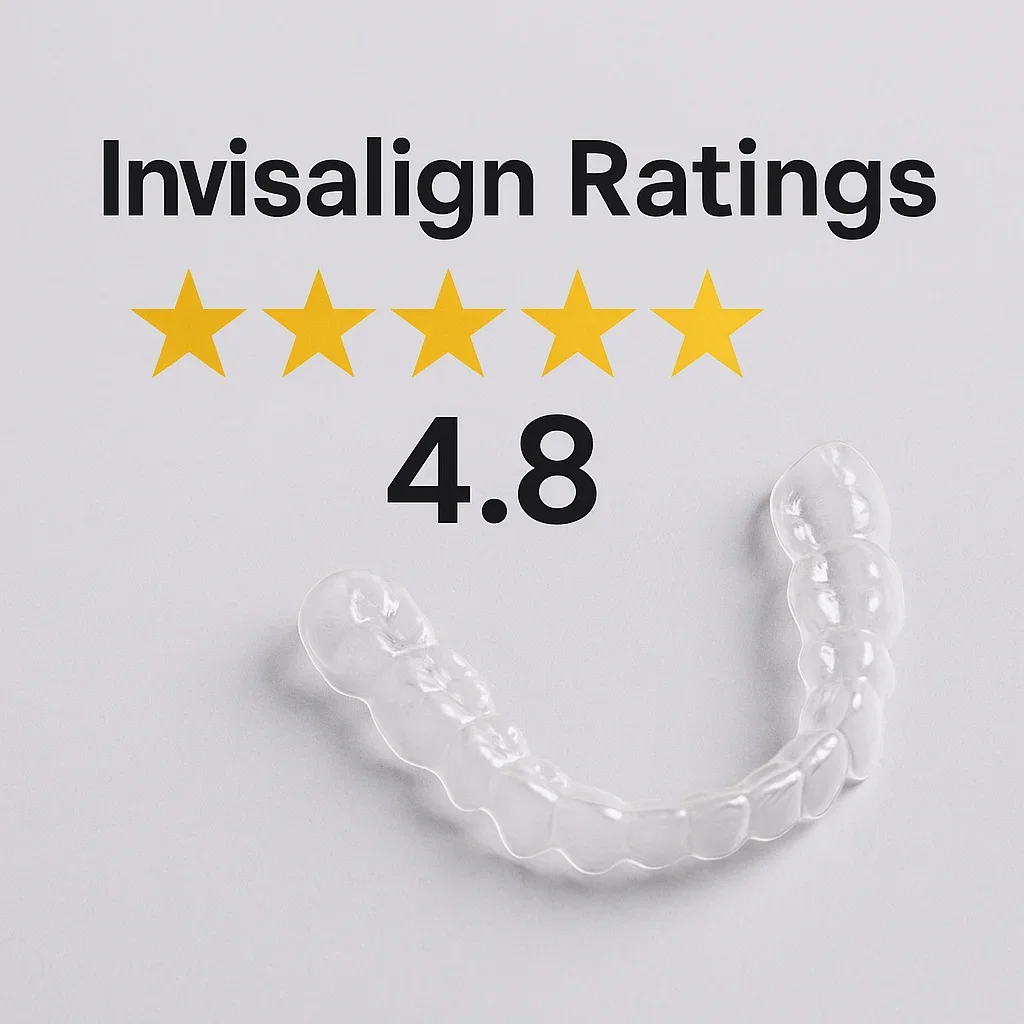
How to Interpret and Use Invisalign Ratings Before Starting Treatment
Before investing in orthodontic treatment, many people turn to online reviews for guidance—and when it comes to Invisalign ratings, the volume of feedback can feel overwhelming. From professional testimonials to patient success stories, understanding how to interpret these ratings can make the difference between an informed decision and a confusing experience. This section explains how to read, analyze, and use Invisalign ratings effectively to choose the best provider and treatment plan for your smile. 😁
The Importance of Reading Invisalign Ratings Carefully
Not all reviews are created equal. Some reflect genuine user experiences, while others may be influenced by individual circumstances, expectations, or even provider skill level. Learning to evaluate Invisalign ratings critically means identifying credible sources, comparing multiple perspectives, and understanding which aspects matter most to your personal situation.
Authentic Invisalign reviews typically discuss multiple factors such as treatment comfort, visibility of aligners, predictability of results, and communication with dental professionals. Looking for detailed reviews—especially those that explain the reasoning behind their rating—gives a more reliable picture of what you can expect from treatment.
How Verified Patient Reviews Differ from Generic Testimonials
Verified reviews from patients who completed treatment tend to carry more weight. These users can accurately describe progress, aligner fit, and post-treatment satisfaction. Conversely, generic testimonials may lack specifics or come from early-stage patients who haven’t experienced the full journey. When comparing Invisalign ratings, focus on verified reviews from trusted platforms such as Google, Trustpilot, or dental clinic websites with confirmed patient submissions.
Key Factors That Shape Invisalign Ratings
When evaluating reviews, pay attention to the recurring themes that influence overall Invisalign ratings. Patients tend to rate their experience based on several core factors:
- Comfort: How comfortable are the aligners during daily wear?
- Appearance: Are the aligners as discreet as advertised?
- Treatment Duration: Did the process take the expected amount of time?
- Ease of Use: Was it simple to clean, remove, and manage the aligners?
- Professional Support: How responsive and helpful was the dental provider?
- Long-Term Results: Did the final outcome match the digital preview?
By examining these categories, you’ll gain a more complete understanding of what drives high or low Invisalign ratings. For example, a clinic with excellent results but poor communication may have mixed reviews—while another with moderate results but outstanding support might score higher overall due to the patient experience.
Recognizing Biased or Misleading Reviews
Unfortunately, not every online review reflects genuine patient experience. Some overly negative reviews may come from unrealistic expectations, while overly positive ones might stem from promotional content. To ensure accuracy, focus on patterns rather than individual extremes. If dozens of patients mention excellent comfort or communication, that’s a reliable sign of consistent quality. Similarly, if repeated complaints arise about poor fit or delays, those concerns deserve attention. This analytical approach ensures you interpret Invisalign ratings with discernment and clarity.
Evaluating Star Ratings vs. Written Feedback
Star ratings give a quick overview, but they can be misleading without context. Always read the detailed comments accompanying high or low scores. Written reviews often reveal nuances—such as a patient giving four stars despite perfect results due to slow response times. Understanding the reasoning behind each score will help you form a balanced view of Invisalign’s performance and reputation.
Comparing Invisalign Ratings Across Platforms
Different review platforms may present varying scores for the same provider. For instance, a dental clinic may have a 4.9/5 average on Google but 4.6/5 on Facebook due to the number of active reviews. Similarly, independent websites focused on orthodontics often feature more detailed feedback, particularly from patients who compare Invisalign to braces or other aligners.
It’s a good idea to cross-reference Invisalign ratings across multiple platforms, including verified dental directories, social media, and forums. Consistency across channels indicates reliability. You can also look for clinic testimonials or case photos shared directly by patients—these real-world visuals can confirm the authenticity of reviews and the quality of results.
Using Invisalign Ratings to Choose a Provider
High Invisalign ratings often correlate with experienced, certified orthodontists who invest in advanced tools like 3D scanning and AI-based treatment tracking. When selecting a provider, look beyond average scores and assess specific mentions of professionalism, communication, and personalized care. 🏥
Providers like Redent Klinik Contact Page exemplify these standards by offering in-depth consultations, transparent progress monitoring, and long-term retention planning. This attention to patient care is what translates into consistently high Invisalign ratings across reviews and word-of-mouth referrals.
Questions to Ask Based on Ratings Insights
- What steps does your clinic take to ensure accurate aligner fit?
- How do you handle mid-treatment refinements or delays?
- Are there post-treatment retainers included in the plan?
- Can you show before-and-after results from verified patients?
These questions help translate general review information into actionable decisions, ensuring your Invisalign journey is both informed and customized.
Balancing Positive and Negative Invisalign Ratings
Every medical or dental procedure comes with a learning curve. Negative reviews don’t necessarily mean Invisalign is ineffective—they often highlight isolated experiences that can be avoided with better guidance or communication. Patients who set realistic expectations, wear their aligners consistently, and maintain open contact with their orthodontist tend to achieve the best outcomes and leave glowing Invisalign ratings afterward.
Conversely, overly positive reviews may focus solely on cosmetic improvements without mentioning the discipline required. Keeping an objective mindset ensures that your decision is grounded in facts rather than emotional reactions. A well-rounded view of Invisalign ratings helps you anticipate potential challenges while appreciating the benefits that have earned Invisalign its stellar global reputation.
How to Combine Ratings with Professional Advice
While online reviews are invaluable, they should complement—not replace—professional dental consultations. Ratings can guide you toward reliable clinics, but only an in-person assessment can confirm your eligibility and customize your treatment plan. The best approach combines online insights with expert evaluation for maximum clarity and confidence. 🌍
According to the American Dental Association, informed patients who understand both clinical and user-based feedback are more likely to achieve successful treatment outcomes. By combining the credibility of professional advice with real-world experiences reflected in Invisalign ratings, you ensure your journey is well-balanced and rewarding.
Conclusion: Turning Reviews into Real Results
Interpreting Invisalign ratings isn’t about finding perfection—it’s about identifying consistency, credibility, and confidence. When patients, professionals, and technology align, the result is a seamless orthodontic experience supported by transparency and trust. Whether you’re browsing reviews or consulting with a certified provider, use the insights you gather to shape an informed, successful decision that leads to the smile you’ve always wanted. 🌟
For tailored guidance, expert opinions, and proven treatment results, contact Redent Klinik Contact Page today. By pairing expert consultation with real patient feedback, you can transform Invisalign ratings into your personal roadmap for dental success.