
When people begin their journey with clear aligners, one of the first questions they ask is: “What kind of invisalign result can I realistically expect?” 🤔 The answer depends on several factors, including your dental condition, consistency in wearing aligners, and the expertise of your dental provider. However, the good news is that modern orthodontic technology has made it possible to achieve a highly predictable and satisfying invisalign result for a wide range of cases—from mild crowding to more complex alignment issues.
An invisalign result is not just about straighter teeth; it also involves improved bite alignment, better oral health, and enhanced confidence. Unlike traditional braces, Invisalign uses a series of custom-made, transparent aligners that gradually shift your teeth into the desired position. This means your invisalign result develops progressively over time, often with noticeable improvements within just a few weeks of starting treatment.
One of the most appealing aspects of achieving a successful invisalign result is the discreet nature of the treatment. Patients can go about their daily lives without the noticeable appearance of metal brackets and wires. This makes Invisalign particularly popular among adults and professionals who want to improve their smile without compromising aesthetics during the process. 😊
To fully understand what impacts your invisalign result, it’s essential to look at the treatment plan. Each patient receives a personalized digital simulation showing how their teeth will move step by step. This simulation gives a preview of the expected invisalign result, helping set realistic expectations from the beginning. While results can vary, most patients achieve a straighter, more balanced smile that aligns with the initial plan.
Consistency plays a crucial role in determining your invisalign result. Aligners should be worn for 20 to 22 hours per day to ensure optimal effectiveness. Skipping wear time or frequently removing aligners can delay progress and negatively affect your invisalign result. On the other hand, disciplined use can accelerate improvements and lead to a more predictable outcome.
Another key factor influencing your invisalign result is oral hygiene. Because aligners are removable, patients have the advantage of maintaining proper brushing and flossing routines. This helps prevent plaque buildup, gum disease, and other issues that could compromise the final invisalign result. Clean teeth and healthy gums create the ideal environment for successful tooth movement.
In some cases, attachments or small tooth-colored bumps may be used to enhance the invisalign result. These attachments provide additional grip for the aligners, allowing them to apply precise pressure where needed. Although they may seem minor, they significantly contribute to achieving a more accurate and effective invisalign result, especially in complex cases.
Patients often compare their progress with others, but it’s important to remember that every invisalign result is unique. Factors such as age, bone density, and the severity of misalignment can influence how quickly and effectively teeth respond to treatment. While some individuals may see rapid changes, others may require more time to achieve their desired invisalign result.
For those considering treatment, consulting a qualified dental professional is essential. A thorough evaluation ensures that Invisalign is suitable for your needs and helps map out a clear path toward your ideal invisalign result. If you’re ready to take the next step, you can reach out through the Redent Klinik Contact Page to get personalized guidance and begin your journey.
It’s also beneficial to rely on trusted dental organizations for accurate information. Resources like the American Dental Association provide valuable insights into orthodontic treatments and oral health, helping you make informed decisions about your invisalign result.
Ultimately, achieving the best invisalign result requires a combination of professional planning, patient commitment, and consistent follow-through. When all these elements come together, the outcome is not just a straighter smile, but a healthier and more confident version of yourself. 🌟 Whether you are just starting or already in the middle of your treatment, understanding what influences your invisalign result will empower you to take control of your dental transformation and achieve the smile you’ve always wanted.
What Determines Your Invisalign Result?
Achieving a successful invisalign result depends on multiple factors that work together throughout your treatment journey. While Invisalign technology is highly advanced, the final invisalign result is influenced by both clinical planning and patient behavior. Understanding these factors can help you take control of your treatment and maximize your invisalign result for the best possible outcome. 😊
Initial Dental Condition and Complexity
The starting point of your teeth plays a major role in determining your invisalign result. Patients with mild crowding or spacing often achieve a faster and more predictable invisalign result, while complex cases such as severe misalignment, bite issues, or rotated teeth may require longer treatment and additional refinements.
Your orthodontist evaluates your teeth using digital scans and X-rays to create a personalized treatment plan. This plan outlines every movement needed to achieve the desired invisalign result. The more accurate this initial assessment is, the more predictable your invisalign result will be.
Types of Cases That Affect Invisalign Result
- Mild crowding: Quick and highly predictable invisalign result
- Moderate spacing: Requires careful planning but yields strong invisalign result
- Severe bite issues: May need attachments or refinements for optimal invisalign result
Consistency in Wearing Aligners
One of the most critical factors affecting your invisalign result is how consistently you wear your aligners. Invisalign aligners must be worn for 20–22 hours per day to deliver the expected invisalign result. Removing them too often or forgetting to wear them can slow down progress and compromise the invisalign result.
Patients who strictly follow the recommended wear schedule often achieve a smoother and faster invisalign result. On the other hand, inconsistent use can lead to misalignment between treatment stages, requiring additional trays and prolonging the process.
Tips to Stay Consistent
- Set reminders to wear your aligners after meals ⏰
- Always carry your aligner case
- Track your daily wear time for better invisalign result
Role of Attachments and Aligners
Attachments are small, tooth-colored bumps placed on your teeth to help aligners grip better. These attachments play a crucial role in achieving a precise invisalign result, especially in complex movements like rotations or vertical shifts.
Although they may seem minor, attachments significantly enhance the effectiveness of each aligner stage, ensuring your invisalign result matches the planned outcome. Without them, certain tooth movements would be less accurate, potentially affecting the final invisalign result.
Oral Hygiene and Dental Health
Your oral hygiene directly impacts your invisalign result. Clean teeth and healthy gums create the ideal environment for tooth movement. Poor hygiene can lead to gum inflammation, plaque buildup, or cavities, which may delay or negatively affect your invisalign result.
Maintaining excellent oral hygiene not only protects your teeth but also ensures your invisalign result remains on track. Brushing after every meal and cleaning your aligners regularly are essential habits.
Best Practices for Hygiene
- Brush and floss after every meal 🪥
- Clean aligners daily with appropriate solutions
- Avoid sugary drinks while wearing aligners
Experience of Your Dental Provider
The expertise of your dentist or orthodontist plays a major role in shaping your invisalign result. A skilled provider can design a more accurate treatment plan, anticipate challenges, and make necessary adjustments to ensure a successful invisalign result.
Choosing a clinic with experience in Invisalign treatments increases the likelihood of achieving your desired invisalign result efficiently and safely. If you need professional guidance, you can always visit the Redent Klinik Contact Page to consult with experienced specialists.
Biological Factors and Age
Every patient’s body responds differently to orthodontic treatment. Age, bone density, and metabolism all influence how quickly teeth move, which directly impacts your invisalign result. Younger patients may experience faster movement, while adults can still achieve excellent invisalign result with slightly longer timelines.
It’s important to remain patient and trust the process, as biological differences are normal and expected during treatment.
Compliance with Check-Ups and Adjustments
Regular dental check-ups ensure your invisalign result stays on track. During these visits, your dentist monitors progress and makes adjustments if necessary. Skipping appointments can lead to unnoticed issues that may compromise your invisalign result.
Professional monitoring ensures that any deviations from the plan are corrected early, helping maintain the quality of your invisalign result.
Trusted Information and Ongoing Education
Staying informed about your treatment helps you make better decisions and improves your invisalign result. Reliable sources such as the American Dental Association provide valuable information about orthodontic care and best practices.
The more you understand your treatment, the more proactive you can be in protecting and enhancing your invisalign result.
In summary, your invisalign result is shaped by a combination of professional planning, daily habits, and biological factors. By staying consistent, maintaining good oral hygiene, and working closely with your dentist, you can significantly improve your invisalign result and achieve a healthy, confident smile. 🌟
How Long Does It Take to See Invisalign Results?
One of the most common questions patients ask before starting treatment is how quickly they can expect to notice an invisalign result. The timeline for achieving a visible invisalign result varies depending on individual factors such as the complexity of the case, consistency in wearing aligners, and biological response. However, most patients begin to see early improvements within a few weeks, which makes the invisalign result process both motivating and encouraging. 😊
Typical Timeline for Invisalign Result Progress
In general, patients can expect their invisalign result to develop gradually over time. While each case is unique, there is a general timeline that helps set realistic expectations for your invisalign result.
First 2–4 Weeks: Initial Changes
During the first few weeks, subtle shifts in tooth position begin to occur. Although these changes may not be dramatic, they mark the beginning of your invisalign result journey. Some patients notice slight improvements in alignment or spacing early on, especially in mild cases.
1–3 Months: Noticeable Invisalign Result
By the one- to three-month mark, most patients begin to see a more visible invisalign result. Teeth start aligning more clearly, and gaps or crowding become less prominent. This stage is often when motivation increases, as the invisalign result becomes more noticeable in daily life and photos. 📸
3–6 Months: Significant Improvements
At this stage, the invisalign result becomes more defined. Teeth are noticeably straighter, and bite alignment may begin improving. Patients who follow their treatment plan consistently often experience a strong and predictable invisalign result during this period.
6–18 Months: Final Invisalign Result
The complete invisalign result typically takes between 6 to 18 months, depending on the complexity of the case. More advanced conditions may require additional aligners or refinement stages to achieve the ideal invisalign result.
Factors That Influence Invisalign Result Speed
Several factors determine how quickly you will see your invisalign result. Understanding these can help you optimize your treatment and avoid unnecessary delays.
Consistency in Wearing Aligners
Wearing your aligners for 20–22 hours daily is crucial for achieving a faster invisalign result. Inconsistent use can delay tooth movement and extend the overall timeline. Patients who follow instructions strictly often achieve their invisalign result sooner.
Case Complexity
Mild alignment issues typically produce a faster invisalign result, while more complex cases such as severe crowding or bite correction require longer treatment durations. The complexity directly impacts how quickly your invisalign result develops.
Biological Response
Each person’s body responds differently to orthodontic treatment. Factors like bone density and age can influence the speed of tooth movement, affecting the invisalign result timeline. Younger patients may see quicker changes, but adults can still achieve an excellent invisalign result with patience.
Can You Speed Up Your Invisalign Result?
While the treatment process follows a planned schedule, there are ways to support a faster and more effective invisalign result. These strategies ensure that your teeth move as expected and help you reach your desired invisalign result without delays.
Follow Instructions Carefully
Adhering to your dentist’s instructions is essential. Changing aligners on schedule and attending check-ups ensures your invisalign result stays on track.
Maintain Excellent Oral Hygiene
Healthy gums and teeth allow for smoother movement, contributing to a better invisalign result. Poor hygiene can lead to complications that slow down progress.
Use Additional Tools if Recommended
In some cases, dentists may recommend chewies or attachments to improve aligner fit. These tools can enhance the efficiency of tooth movement and support a more precise invisalign result.
Tracking Your Invisalign Result Progress
Monitoring your progress is a great way to stay motivated throughout your invisalign result journey. Many patients take photos at regular intervals to compare changes and appreciate the transformation.
Additionally, digital simulations provided at the start of treatment can help you visualize your expected invisalign result. Comparing your real progress to this simulation can be both exciting and reassuring.
Professional Support and Guidance
Regular check-ups with your dentist are essential for ensuring your invisalign result progresses as planned. During these visits, your provider can identify any issues early and make necessary adjustments.
If you have concerns about your progress or want expert advice, you can always reach out through the Redent Klinik Contact Page for personalized support.
Reliable Information Sources
Understanding your treatment process helps you stay committed and informed. Trusted organizations like the American Dental Association offer valuable insights into orthodontic care, helping you better understand your invisalign result journey.
In conclusion, the time it takes to see an invisalign result depends on multiple factors, but most patients begin noticing changes within weeks. With consistency, proper care, and professional guidance, you can achieve a successful invisalign result within the expected timeframe and enjoy a healthier, more confident smile. 🌟
Before and After: Realistic Invisalign Result Expectations
When starting orthodontic treatment, one of the most exciting aspects for patients is imagining their future smile. The concept of an invisalign result is often associated with dramatic before-and-after transformations, but it is essential to understand what is realistically achievable. While Invisalign delivers impressive improvements, each invisalign result is unique and depends on several individual factors. Setting realistic expectations ensures satisfaction and helps you stay motivated throughout the process. 😊
Understanding Before and After Invisalign Result Transformations
The “before and after” comparison is one of the best ways to visualize an invisalign result. Before treatment, patients may experience crowding, gaps, misalignment, or bite issues. After completing treatment, the invisalign result typically shows straighter teeth, improved bite function, and a more balanced smile.
However, it is important to remember that not every invisalign result will look identical. Some cases achieve subtle refinements, while others show dramatic transformations. Both outcomes are successful invisalign results when they meet the clinical goals and improve oral health.
Common Improvements Seen in Invisalign Result
- Straighter teeth alignment 😁
- Reduced gaps and spacing
- Improved bite (overbite, underbite, crossbite)
- Enhanced smile symmetry
Digital Preview of Your Invisalign Result
One of the advantages of Invisalign is the ability to preview your invisalign result before treatment even begins. Using advanced 3D imaging technology, dentists create a digital simulation that shows the expected movement of your teeth step by step.
This preview provides a clear vision of your final invisalign result, helping you understand what changes are possible. While the actual invisalign result may vary slightly due to biological factors, the simulation is usually very accurate and serves as a reliable guide.
Benefits of Digital Simulation
- Visualize your invisalign result in advance
- Set realistic expectations
- Increase motivation and confidence
Factors That Affect Your Final Invisalign Result
Several elements influence how closely your actual invisalign result matches the predicted outcome. Understanding these factors helps you take control of your treatment journey.
Severity of Initial Condition
Patients with mild alignment issues often achieve a faster and more predictable invisalign result. More complex cases may still achieve excellent results but may require longer treatment and additional refinements.
Patient Compliance
Consistency in wearing aligners is critical. Patients who follow the 20–22 hour daily wear guideline are more likely to achieve the desired invisalign result without delays or complications.
Biological Response
Each person’s body reacts differently to tooth movement. These natural differences can slightly affect the final invisalign result, even when the treatment plan is followed perfectly.
Realistic Expectations vs Social Media Results
Social media often showcases perfect invisalign result transformations, which can sometimes create unrealistic expectations. While many patients achieve outstanding improvements, not every invisalign result will be “perfect” in a cosmetic sense.
The goal of Invisalign is not only aesthetics but also functional improvement and long-term oral health. A successful invisalign result means your teeth are properly aligned, your bite is improved, and your smile looks natural and healthy.
Key Reminder
Focus on your personal invisalign result rather than comparing it to others. Every smile is unique, and your invisalign result is designed specifically for your needs. 🌟
Before and After Photos: Tracking Your Invisalign Result
Taking progress photos is an excellent way to monitor your invisalign result. Comparing your initial condition with your current smile helps you appreciate the transformation and stay motivated.
Many patients are surprised when they compare their before and after photos, realizing how much their invisalign result has improved over time. Even small changes can have a significant impact on overall appearance.
Professional Evaluation of Invisalign Result
Your dentist plays a crucial role in assessing your invisalign result. Regular check-ups ensure that your treatment is progressing correctly and that any necessary adjustments are made.
If you want expert guidance or a professional evaluation of your expected invisalign result, you can contact specialists through the Redent Klinik Contact Page. Professional support ensures that your invisalign result meets both aesthetic and functional goals.
Trusted Sources for Understanding Results
To better understand what to expect from your invisalign result, it is helpful to refer to reliable sources. Organizations like the American Dental Association provide evidence-based information about orthodontic treatments and expected outcomes.
These resources can help you set realistic expectations and feel more confident about your invisalign result journey.
Final Thoughts on Invisalign Result Expectations
In conclusion, a successful invisalign result is not defined by perfection but by improvement, balance, and functionality. While before-and-after transformations can be impressive, your invisalign result should be evaluated based on your individual starting point and treatment goals.
By maintaining realistic expectations, staying consistent with your aligners, and working closely with your dentist, you can achieve a satisfying invisalign result that enhances both your smile and your overall oral health. 😊
Daily Habits That Improve Your Invisalign Result
Your daily routine plays a critical role in determining the success of your invisalign result. While Invisalign technology is designed to be efficient and comfortable, the outcome heavily depends on how well you follow daily habits and care practices. Even small actions repeated consistently can significantly enhance your invisalign result and help you achieve a straighter, healthier smile faster. 😊
Wear Your Aligners Consistently
The most important habit for achieving an optimal invisalign result is wearing your aligners for the recommended 20–22 hours per day. This consistency ensures that your teeth move according to the treatment plan. If aligners are worn less frequently, the invisalign result may be delayed or compromised.
Many patients underestimate the impact of occasional non-compliance. However, even a few hours of missed wear time daily can slow down progress and affect your invisalign result over time.
Tips for Consistent Wear
- Only remove aligners when eating or drinking (except water)
- Set reminders to reinsert aligners after meals ⏰
- Track your daily wear time using a mobile app
Maintain Excellent Oral Hygiene
Clean teeth and healthy gums are essential for achieving a successful invisalign result. Poor oral hygiene can lead to plaque buildup, gum inflammation, and even cavities, which can interfere with your treatment and negatively impact your invisalign result.
Because Invisalign aligners are removable, you have the advantage of maintaining a thorough oral care routine. This helps create the ideal environment for tooth movement and ensures your invisalign result stays on track.
Daily Hygiene Routine
- Brush your teeth after every meal 🪥
- Floss at least once a day
- Clean your aligners to prevent bacteria buildup
Clean Your Aligners Properly
Keeping your aligners clean is just as important as cleaning your teeth. Dirty aligners can harbor bacteria and affect both your oral health and your invisalign result. Proper cleaning ensures that your aligners remain clear, odor-free, and effective.
Best Practices for Aligner Care
- Rinse aligners with lukewarm water regularly
- Use recommended cleaning solutions
- Avoid using hot water, which can warp aligners
Follow Your Treatment Schedule
Each aligner is designed to move your teeth gradually. Changing aligners according to your dentist’s instructions is crucial for achieving the desired invisalign result. Switching too early or too late can disrupt the treatment process.
Sticking to the prescribed schedule ensures that your invisalign result progresses smoothly and predictably.
Be Mindful of What You Eat and Drink
Your diet can influence your invisalign result more than you might expect. Eating with aligners in place can damage them and introduce bacteria, while consuming sugary drinks without proper cleaning can lead to dental issues.
Diet Tips for Better Invisalign Result
- Remove aligners before eating 🍽️
- Avoid sugary or acidic drinks while wearing aligners
- Rinse your mouth before reinserting aligners
Use Accessories Recommended by Your Dentist
In some cases, your dentist may recommend additional tools such as chewies or elastics. These accessories help improve the fit of your aligners and enhance the effectiveness of each stage, contributing to a better invisalign result.
Using these tools as instructed can make a noticeable difference in how quickly and accurately your invisalign result develops.
Attend Regular Dental Check-Ups
Routine check-ups are essential for monitoring your invisalign result. Your dentist will assess your progress, make necessary adjustments, and ensure that your treatment stays on track.
If you notice any issues or have concerns about your invisalign result, you can always reach out through the Redent Klinik Contact Page for professional support.
Stay Informed and Motivated
Understanding your treatment process can help you stay committed to achieving the best invisalign result. Reliable resources like the American Dental Association provide valuable information about oral health and orthodontic care.
The more informed you are, the easier it becomes to maintain habits that support your invisalign result.
Build a Routine That Supports Your Invisalign Result
Consistency is key when it comes to daily habits. Building a structured routine ensures that you do not forget important steps that contribute to your invisalign result.
Example Daily Routine
- Morning: Brush, floss, and clean aligners
- After meals: Clean teeth before reinserting aligners
- Evening: Final cleaning and aligner check
By following these habits consistently, you create the perfect conditions for achieving a successful invisalign result.
In conclusion, your daily habits have a direct impact on the quality and speed of your invisalign result. Simple actions such as wearing aligners consistently, maintaining oral hygiene, and following your dentist’s instructions can significantly improve your outcome. With discipline and attention to detail, you can achieve a beautiful and lasting invisalign result that enhances both your smile and your confidence. 🌟
Common Mistakes That Ruin Your Invisalign Result
While Invisalign is one of the most advanced and user-friendly orthodontic treatments available today, achieving the ideal invisalign result still depends heavily on patient behavior. Many people assume that simply wearing aligners guarantees success, but certain common mistakes can significantly delay or even compromise your invisalign result. Understanding these mistakes—and how to avoid them—is essential for ensuring your treatment delivers the best possible outcome. ⚠️
Not Wearing Aligners Long Enough
The most frequent mistake that negatively impacts an invisalign result is not wearing aligners for the recommended 20–22 hours per day. Invisalign works through consistent, gentle pressure, and removing aligners too often disrupts this process.
Even missing a few hours daily can cause teeth to shift incorrectly, leading to delays and a less predictable invisalign result. Over time, this can require additional aligners or even extended treatment.
How to Avoid This Mistake
- Wear aligners at all times except when eating or drinking
- Use reminders to stay consistent ⏰
- Track your daily wear time
Skipping Aligner Changes or Switching Too Early
Each aligner is designed to move your teeth gradually. Changing aligners too early or forgetting to switch them on schedule can interfere with your invisalign result.
If you move to the next set too soon, your teeth may not be ready, causing discomfort and improper alignment. On the other hand, delaying changes can slow down your invisalign result and extend the treatment timeline.
Best Practice
Always follow your dentist’s instructions regarding aligner changes to ensure a smooth and accurate invisalign result.
Poor Oral Hygiene
Neglecting oral hygiene is another major factor that can ruin your invisalign result. Plaque buildup, gum disease, or cavities can interfere with tooth movement and lead to complications.
Since aligners cover your teeth, bacteria can become trapped if proper cleaning is not maintained, negatively affecting your invisalign result.
Consequences of Poor Hygiene
- Gum inflammation 😬
- Bad breath
- Delays in treatment progress
Eating or Drinking with Aligners
One of the most damaging habits for your invisalign result is eating while wearing aligners. This can cause staining, warping, or even breakage of the aligners.
Drinking sugary or acidic beverages with aligners in place can also lead to tooth decay, which can compromise your invisalign result.
What to Do Instead
- Remove aligners before every meal 🍽️
- Drink only water while wearing aligners
- Clean your teeth before reinserting aligners
Ignoring Attachments or Elastics
Attachments and elastics are often used to enhance the effectiveness of Invisalign treatment. Ignoring or misusing them can lead to an incomplete invisalign result.
These small additions are designed to guide complex tooth movements. Without proper use, your invisalign result may not match the original treatment plan.
Skipping Dental Check-Ups
Regular dental visits are crucial for monitoring your invisalign result. Skipping appointments means potential issues may go unnoticed, which can negatively impact your progress.
Your dentist ensures that your treatment is progressing as planned and can make adjustments if necessary to protect your invisalign result.
If you ever feel unsure about your progress, you can seek professional advice through the Redent Klinik Contact Page.
Not Cleaning Aligners Properly
Dirty aligners can affect both your oral health and your invisalign result. Bacteria buildup can lead to infections or unpleasant odors, while stained aligners reduce the aesthetic appeal of the treatment.
Cleaning Mistakes to Avoid
- Using hot water (can deform aligners)
- Skipping daily cleaning 🪥
- Using harsh chemicals not recommended by your dentist
Lack of Patience and Unrealistic Expectations
Some patients expect instant invisalign result transformations and may feel discouraged if progress seems slow. This impatience can lead to poor compliance, such as skipping aligner wear or not following instructions.
It’s important to remember that achieving a high-quality invisalign result takes time and consistency. Trusting the process is key to success.
Relying on Unverified Information
Following advice from unreliable sources can harm your invisalign result. Misinformation about treatment shortcuts or alternative methods can lead to mistakes that delay or damage your progress.
Always rely on trusted resources such as the American Dental Association for accurate information about orthodontic care and invisalign result expectations.
Final Thoughts on Protecting Your Invisalign Result
Achieving a successful invisalign result is not just about the technology—it’s about avoiding common mistakes and staying committed to your treatment plan. By wearing your aligners consistently, maintaining proper hygiene, and following professional advice, you can protect your invisalign result and achieve the smile you desire. 🌟
In summary, small mistakes can have a big impact on your invisalign result. Being aware of these pitfalls allows you to take proactive steps, ensuring that your invisalign result is as effective, efficient, and satisfying as possible.
How Attachments Affect Your Invisalign Result
When patients begin Invisalign treatment, they are often surprised to learn about attachments—small, tooth-colored shapes bonded to specific teeth. While they may seem minor, these attachments play a crucial role in shaping your invisalign result. In fact, for many cases, achieving a precise and predictable invisalign result would not be possible without them. Understanding how attachments work will help you appreciate their importance and stay committed to your treatment plan. 😊
What Are Invisalign Attachments?
Attachments are tiny composite bumps placed on certain teeth to help aligners apply more targeted force. Unlike traditional braces, Invisalign aligners are smooth and removable, so attachments act as anchors that allow the aligners to grip teeth more effectively.
These attachments are custom-designed based on your treatment plan, ensuring that each tooth moves exactly as needed to achieve the desired invisalign result. Although subtle in appearance, they are essential for complex tooth movements and contribute significantly to the overall invisalign result.
Key Features of Attachments
- Made from tooth-colored composite material
- Custom-shaped for each tooth 🦷
- Virtually invisible when smiling
Why Attachments Are Important for Invisalign Result
Attachments enhance the efficiency and accuracy of tooth movement. Without them, aligners may struggle to apply enough pressure for certain movements, such as rotations or vertical shifts. This can lead to a less effective invisalign result.
By providing additional grip, attachments ensure that each aligner stage works as intended. This leads to a smoother treatment process and a more predictable invisalign result.
Movements That Require Attachments
- Rotating teeth
- Closing gaps
- Correcting bite issues
- Moving teeth vertically
How Attachments Improve Treatment Precision
Precision is key when it comes to achieving a high-quality invisalign result. Attachments allow aligners to apply controlled force in specific directions, ensuring that teeth move accurately according to the treatment plan.
This level of precision reduces the likelihood of errors or delays, helping you achieve your invisalign result more efficiently. In many cases, attachments make the difference between a good invisalign result and an उत्कृष्ट (excellent) invisalign result.
Do Attachments Affect Appearance?
One concern patients often have is whether attachments will affect the appearance of their smile. While attachments are visible up close, they are designed to blend in with your natural tooth color, making them much less noticeable than traditional braces.
Most people will not notice them during everyday interactions, allowing you to maintain confidence while working toward your invisalign result. Over time, as your invisalign result improves, the temporary presence of attachments becomes less of a concern.
Living with Attachments: What to Expect
Adjusting to attachments may take a few days, but most patients quickly adapt. You may initially feel slight discomfort or notice changes in how your aligners fit, but this is a normal part of achieving your invisalign result.
Tips for Comfort
- Use orthodontic wax if needed
- Follow your dentist’s instructions carefully
- Stay consistent with aligner wear
Cleaning and Caring for Attachments
Maintaining proper hygiene is essential when you have attachments. Food particles and plaque can accumulate around them, which may affect your oral health and your invisalign result.
Cleaning Tips
- Brush thoroughly around attachments 🪥
- Use floss or interdental brushes
- Rinse after meals
Good hygiene ensures that your invisalign result remains on track and prevents complications during treatment.
Can Attachments Fall Off?
In some cases, attachments may come loose or fall off. If this happens, it can affect your invisalign result because the aligners may not function as intended.
If you notice a missing attachment, it is important to contact your dentist immediately. You can reach out through the Redent Klinik Contact Page to schedule a quick fix and protect your invisalign result.
Attachments and Treatment Duration
Attachments often help reduce treatment time by improving the efficiency of tooth movement. By enabling more precise control, they help ensure that your invisalign result is achieved within the expected timeframe.
Without attachments, certain movements might take longer or require additional aligners, delaying your invisalign result.
Trusted Information About Invisalign Technology
To better understand how attachments contribute to your invisalign result, it is helpful to consult reliable sources. Organizations like the American Dental Association provide accurate and evidence-based information about orthodontic treatments.
Staying informed helps you make better decisions and ensures that your invisalign result meets your expectations.
Final Thoughts on Attachments and Invisalign Result
Attachments may seem like a small detail, but they have a major impact on your invisalign result. They enhance precision, improve efficiency, and ensure that your treatment progresses as planned.
By understanding their role and taking proper care of them, you can significantly improve your invisalign result and achieve a straighter, healthier smile. 🌟 In the end, these tiny additions are powerful tools that help transform your smile and bring your invisalign result to life.
Invisalign Result vs Braces: Which Is Better?
When considering orthodontic treatment, many patients compare Invisalign with traditional braces to determine which option will deliver the best invisalign result. Both treatments are effective, but they differ in approach, comfort, aesthetics, and overall experience. Understanding these differences will help you choose the best option for achieving your ideal invisalign result and long-term oral health. 😊
How Invisalign and Braces Work
To understand which option provides a better invisalign result, it is important to know how each system functions. Invisalign uses a series of clear, removable aligners that gradually shift teeth into place. Traditional braces, on the other hand, rely on metal brackets and wires that apply continuous pressure.
Both methods aim to correct alignment issues, but the way they achieve the final invisalign result differs significantly. Invisalign offers more flexibility and discretion, while braces provide constant force and may be more suitable for complex cases.
Key Differences
- Invisalign: Removable and nearly invisible 😁
- Braces: Fixed and more noticeable
- Invisalign: Custom digital planning for invisalign result
- Braces: Manual adjustments by orthodontist
Aesthetics and Lifestyle Impact
One of the biggest advantages of Invisalign is its discreet appearance. Many patients prefer Invisalign because it allows them to maintain a natural smile during treatment, which positively influences their overall invisalign result experience.
Braces, while effective, are more visible and may affect confidence, especially for adults. For patients who prioritize aesthetics, Invisalign often leads to a more comfortable and confidence-boosting invisalign result journey.
Who Benefits Most?
- Professionals: Prefer Invisalign for subtle invisalign result process
- Teenagers: May choose braces for durability
- Adults: Often select Invisalign for aesthetics
Comfort and Convenience
Comfort is another factor that influences your invisalign result experience. Invisalign aligners are smooth and custom-fit, reducing irritation to gums and cheeks. Braces, however, may cause discomfort due to wires and brackets.
Additionally, Invisalign aligners are removable, making it easier to eat, brush, and floss. This convenience supports better oral hygiene, which directly contributes to a healthier invisalign result.
Daily Life Comparison
- Invisalign: Easy to remove for meals 🍽️
- Braces: Food restrictions required
- Invisalign: Simple cleaning routine
- Braces: More complex hygiene maintenance
Effectiveness and Invisalign Result Quality
Both Invisalign and braces can deliver excellent results, but the quality of the invisalign result depends on the case and patient compliance. Invisalign is highly effective for mild to moderate alignment issues, while braces may be more suitable for severe or complex conditions.
However, advancements in Invisalign technology now allow it to handle more complex cases than ever before, making it possible to achieve a high-quality invisalign result in many situations.
When Braces May Be Better
- Severe bite correction
- Complex tooth rotations
- Cases requiring constant pressure
When Invisalign Excels
- Mild to moderate alignment issues
- Patients seeking discreet treatment
- Those committed to wearing aligners consistently
Treatment Duration and Invisalign Result Timeline
The time required to achieve a final invisalign result varies for both treatments. Invisalign typically takes 6–18 months, depending on the case, while braces may require a similar or slightly longer duration.
Consistency plays a major role in determining how quickly you achieve your invisalign result. Patients who follow guidelines strictly often complete Invisalign treatment efficiently.
Cost Comparison
Cost is another factor patients consider when choosing between Invisalign and braces. Prices can vary depending on location and case complexity, but generally fall within similar ranges.
Average Cost Estimates
- Invisalign: $3,000 – $7,000 💰
- Braces: $2,500 – $6,000
While Invisalign may sometimes be slightly more expensive, many patients find the improved comfort and aesthetics worth the investment for a better invisalign result experience.
Maintenance After Treatment
Both Invisalign and braces require retainers after treatment to maintain the final invisalign result. Without proper retention, teeth may shift back over time.
Maintaining your invisalign result involves wearing retainers as instructed and attending follow-up appointments.
Professional Guidance Matters
Choosing between Invisalign and braces should always involve professional consultation. A qualified dentist can evaluate your condition and recommend the best approach for achieving your ideal invisalign result.
If you need expert advice, you can contact specialists through the Redent Klinik Contact Page for personalized recommendations.
Trusted Resources for Decision Making
To better understand orthodontic options and expected outcomes, it is helpful to refer to reliable organizations like the American Dental Association. These resources provide accurate information that supports informed decisions about your invisalign result.
Final Verdict: Which Is Better for Your Invisalign Result?
Ultimately, the choice between Invisalign and braces depends on your individual needs, lifestyle, and treatment goals. Invisalign offers a discreet, comfortable, and flexible approach that can deliver an excellent invisalign result for many patients. Braces, however, remain a strong option for more complex cases.
By consulting with your dentist and understanding your options, you can choose the treatment that best supports your invisalign result and leads to a confident, healthy smile. 🌟
How to Maintain Your Invisalign Result After Treatment
Completing your treatment is a major milestone, but maintaining your invisalign result is just as important as achieving it. Many patients assume that once aligners are no longer needed, their teeth will remain perfectly aligned forever. However, without proper care, teeth can gradually shift back to their original position, compromising your invisalign result. Understanding post-treatment care is essential to preserve your smile long-term. 😊
Why Teeth Shift After Invisalign Result
After your treatment ends, your teeth are still stabilizing in their new positions. The surrounding bone and tissues need time to adapt. Without proper support, teeth may begin to move, which can negatively affect your invisalign result.
This natural tendency is known as relapse, and it is the main reason why retention is crucial after achieving your invisalign result.
Common Causes of Teeth Shifting
- Not wearing retainers consistently
- Natural aging process 🧬
- Teeth grinding or jaw pressure
- Poor oral habits
The Importance of Retainers
Retainers are the most important tool for maintaining your invisalign result. They help keep your teeth in their new positions while your mouth adapts to the changes.
There are two main types of retainers: removable and fixed. Your dentist will recommend the best option based on your specific invisalign result and dental condition.
Types of Retainers
- Removable retainers: Easy to clean and convenient
- Fixed retainers: Bonded behind teeth for continuous support
Retainer Wear Guidelines
- Wear retainers full-time initially
- Transition to nighttime wear as advised 🌙
- Follow your dentist’s instructions strictly
Daily Habits to Protect Your Invisalign Result
Your daily routine continues to play a role even after treatment. Maintaining good habits ensures that your invisalign result remains stable and long-lasting.
Essential Daily Practices
- Brush and floss regularly 🪥
- Clean your retainers daily
- Avoid habits like nail-biting or chewing hard objects
These simple habits help preserve your invisalign result and prevent unnecessary complications.
Regular Dental Check-Ups
Routine dental visits are essential for monitoring your invisalign result after treatment. Your dentist can detect early signs of shifting and recommend adjustments if needed.
Skipping check-ups can allow minor issues to develop into larger problems, potentially affecting your invisalign result.
If you notice any changes in your teeth alignment, you can seek professional advice through the Redent Klinik Contact Page to ensure your invisalign result stays intact.
Diet and Lifestyle Considerations
Your lifestyle choices can influence the longevity of your invisalign result. Certain habits and dietary choices can put pressure on your teeth, leading to gradual movement over time.
What to Avoid
- Chewing ice or hard foods ❄️
- Using teeth as tools
- Excessive consumption of sugary foods
Protecting your teeth from unnecessary stress helps maintain your invisalign result for years to come.
Teeth Grinding and Invisalign Result
Teeth grinding (bruxism) can significantly impact your invisalign result. The constant pressure can cause teeth to shift or wear down, affecting both alignment and overall dental health.
If you grind your teeth, your dentist may recommend a night guard to protect your invisalign result and prevent damage.
Long-Term Commitment to Your Invisalign Result
Maintaining your invisalign result is a long-term commitment. While the most intensive phase is immediately after treatment, retention and care should continue indefinitely to ensure lasting results.
Patients who remain consistent with retainer use and oral care routines are more likely to preserve their invisalign result for life.
Trusted Guidance for Post-Treatment Care
For reliable information about maintaining your invisalign result, trusted organizations like the American Dental Association provide valuable resources on oral health and orthodontic care.
Staying informed helps you make better decisions and ensures that your invisalign result remains stable over time.
Final Thoughts on Maintaining Your Invisalign Result
Achieving a beautiful smile is only part of the journey—maintaining your invisalign result requires ongoing care and attention. By wearing retainers, practicing good oral hygiene, and attending regular dental check-ups, you can protect your invisalign result and enjoy your new smile for years to come. 🌟
In summary, your invisalign result is an investment in your health and confidence. With the right habits and professional support, you can ensure that your invisalign result remains as impressive as the day your treatment ends.
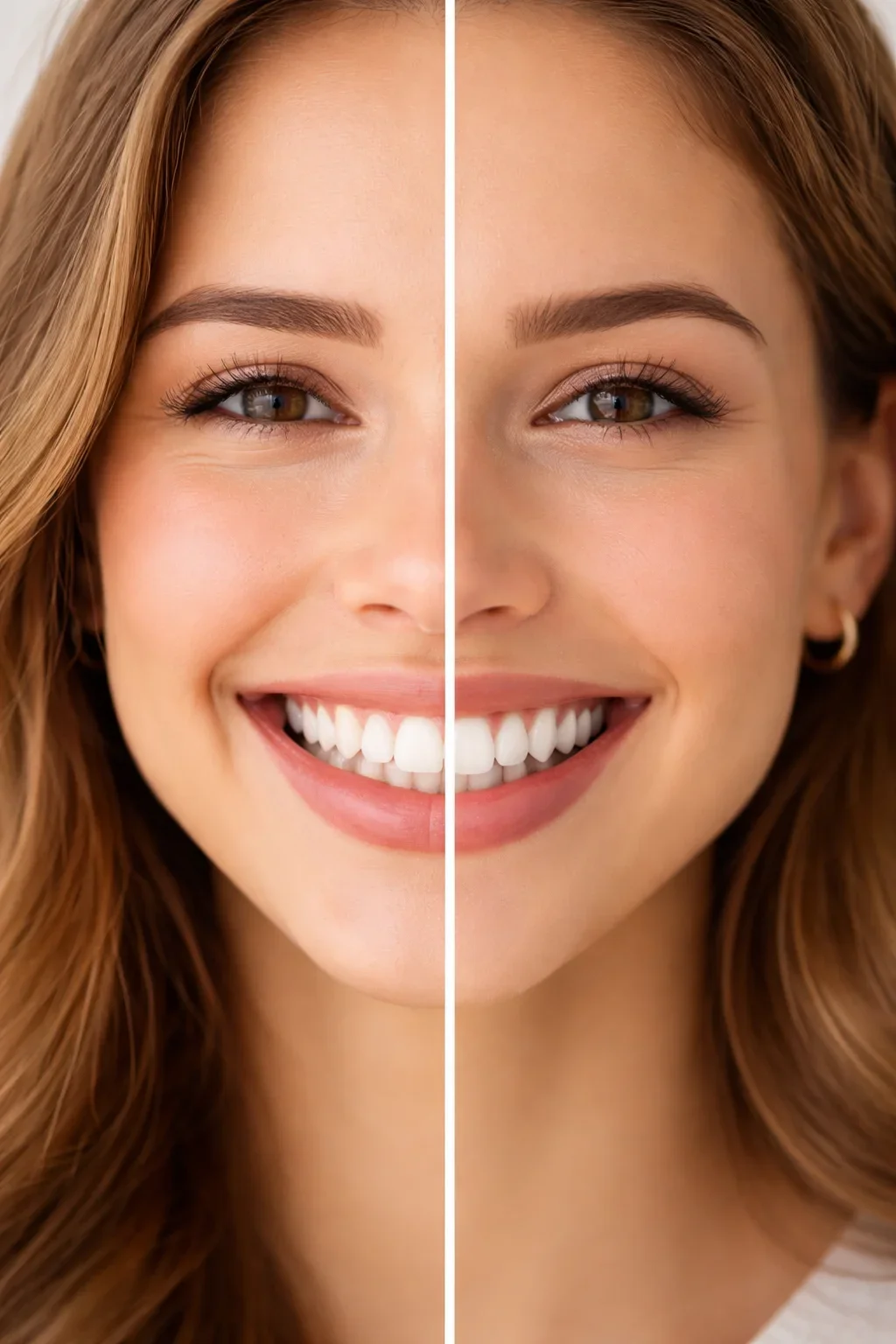
When to Contact Your Dentist About Invisalign Results
Throughout your treatment journey, monitoring your progress is essential to achieving a successful invisalign result. While most patients experience smooth and predictable progress, there are times when professional guidance becomes necessary. Knowing when to contact your dentist can make a significant difference in protecting and improving your invisalign result. Acting early when something feels off ensures that minor issues do not turn into major complications. 😊
Signs Your Invisalign Result Is Not Progressing as Expected
One of the most important reasons to contact your dentist is when your invisalign result does not seem to be progressing according to plan. While some variation is normal, noticeable delays or lack of improvement may indicate a problem.
Warning Signs to Watch For
- Teeth are not shifting as expected
- Aligners feel too tight or too loose 😬
- No visible improvement after several weeks
- Aligners do not fit properly
If you experience any of these issues, your invisalign result may be at risk, and professional evaluation is necessary to correct the course.
Pain or Discomfort Beyond Normal Levels
Mild discomfort is normal when starting a new aligner, but persistent or severe pain is not. Excessive discomfort can signal that something is wrong with your treatment, which may impact your invisalign result.
Your dentist can determine whether adjustments are needed to ensure your invisalign result continues safely and effectively.
When Pain Is a Concern
- Pain lasting more than a few days
- Sharp or localized discomfort
- Gum irritation or swelling
Lost or Damaged Aligners
Lost or broken aligners can disrupt your invisalign result if not addressed quickly. Since each aligner is part of a carefully designed sequence, missing one step can affect the overall invisalign result.
In such cases, it is crucial to contact your dentist immediately. They may advise you to use a previous aligner or move to the next one, depending on your situation.
Attachments Falling Off
Attachments play a key role in achieving an accurate invisalign result. If one or more attachments fall off, your aligners may not function as intended.
Even though attachments are small, their absence can reduce the effectiveness of your invisalign result. Prompt replacement ensures your treatment stays on track.
What to Do
- Contact your dentist as soon as possible 📞
- Avoid skipping aligner use
- Schedule a quick repair appointment
Difficulty Wearing Aligners Consistently
If you find it challenging to wear your aligners for the recommended 20–22 hours per day, your invisalign result may be compromised. Lifestyle challenges, discomfort, or forgetfulness can all contribute to inconsistent wear.
Your dentist can provide solutions or adjustments to help you maintain consistency and protect your invisalign result.
Changes in Bite or Jaw Alignment
As your teeth move, your bite will gradually change. However, if you notice unusual bite issues, such as difficulty chewing or uneven contact between teeth, it may affect your invisalign result.
These changes should be evaluated by a professional to ensure your invisalign result remains functional and balanced.
End of Treatment Concerns
As you approach the end of your treatment, it is important to confirm that your invisalign result meets both aesthetic and functional expectations. Some patients may require refinement aligners to achieve the desired invisalign result.
Your dentist will assess whether additional adjustments are needed to perfect your invisalign result before moving to the retention phase.
Importance of Regular Check-Ups
Even if everything seems to be progressing well, regular check-ups are essential for monitoring your invisalign result. These visits allow your dentist to track progress, make adjustments, and ensure that your treatment stays aligned with the original plan.
If you ever feel uncertain about your invisalign result, you can always seek expert advice through the Redent Klinik Contact Page.
Trusted Information and Professional Guidance
Reliable information is key to making informed decisions about your invisalign result. Trusted organizations like the American Dental Association offer valuable insights into orthodontic care and patient responsibilities.
Staying informed helps you recognize when professional help is needed and ensures your invisalign result remains on track.
Final Thoughts on Monitoring Your Invisalign Result
Your invisalign result is a collaborative effort between you and your dentist. Recognizing warning signs, maintaining communication, and seeking timely professional support are essential for success.
By staying proactive and attentive throughout your treatment, you can protect your invisalign result and ensure a smooth journey toward a confident, healthy smile. 🌟 Remember, addressing concerns early is the best way to safeguard your invisalign result and achieve the best possible outcome.