
Completing Invisalign treatment is an exciting milestone. After months or even years of wearing clear aligners, your teeth have finally reached their desired position. However, many patients are surprised to learn that the journey does not end when the aligners come off. In fact, maintaining your new smile often requires a lifelong commitment to retention. This is why the concept of invisalign retainers for life has become one of the most important topics in modern orthodontics.
When people invest significant time and money into straightening their teeth, they naturally want the results to last forever. Unfortunately, teeth are not fixed permanently in place. They are supported by living tissues, ligaments, and bone structures that continuously adapt throughout life. Because of this natural process, teeth can gradually shift back toward their original positions if proper retention is not maintained. This is exactly why dentists and orthodontists frequently recommend invisalign retainers for life after treatment.
🦷 Understanding the purpose of retention is essential for anyone considering or completing Invisalign treatment. While aligners actively move teeth into better positions, retainers help preserve those results. Without consistent retainer use, even perfectly aligned teeth may begin to crowd, rotate, or drift over time. This can happen months or even years after treatment has ended.
The recommendation for invisalign retainers for life is based on decades of orthodontic research. Studies have consistently shown that teeth possess a natural tendency to relapse. This means they attempt to return to their previous positions after orthodontic treatment. Factors such as aging, chewing forces, tongue pressure, genetics, and natural jaw changes all contribute to this movement. As a result, wearing retainers becomes a long-term strategy for protecting your investment.
Many patients wonder whether lifelong retention means wearing retainers all day forever. Fortunately, that is usually not the case. Most orthodontists recommend full-time wear immediately after treatment, followed by nighttime-only wear after the stabilization period. In many situations, patients wearing invisalign retainers for life only need to wear them while sleeping. This routine is generally comfortable, convenient, and easy to maintain.
One major advantage of Invisalign retention systems is their discreet appearance. Modern clear retainers are nearly invisible, making them far more appealing than traditional wire retainers for many adults. Because they fit snugly over the teeth, invisalign retainers for life are often comfortable enough that patients quickly adapt to nightly use. Many individuals report forgetting they are even wearing them after a short adjustment period.
Another benefit is the ability to monitor your smile’s stability. If a retainer begins to feel tight after a period of non-use, it often indicates that teeth have started shifting. This early warning system allows patients to take action before significant relapse occurs. In this way, invisalign retainers for life serve not only as protective devices but also as indicators of long-term dental stability.
😁 From a financial perspective, retainers can save substantial costs in the future. Correcting orthodontic relapse often requires additional aligners, braces, or retreatment. The cost of replacement retainers is usually much lower than repeating comprehensive orthodontic treatment. For this reason, many dental professionals consider invisalign retainers for life one of the smartest long-term investments for oral health.
Patients frequently ask whether everyone truly needs invisalign retainers for life. While individual recommendations vary, most orthodontists agree that some form of retention should continue indefinitely. The degree of movement may differ between patients, but the biological tendency for teeth to shift never completely disappears. Even people who never had orthodontic treatment often experience crowding and alignment changes as they age.
Maintaining retainers is relatively simple. Daily cleaning, proper storage, and routine replacement when necessary help ensure optimal effectiveness. Most clear retainers last several years depending on wear habits and maintenance. Patients committed to using invisalign retainers for life often enjoy decades of stable, healthy smiles with minimal effort.
It is also important to maintain regular dental checkups. Your dentist can evaluate the condition of your retainers, identify signs of wear, and ensure they continue fitting correctly. Professional monitoring helps maximize the effectiveness of invisalign retainers for life and supports long-term oral health goals.
🌟 Ultimately, the goal of Invisalign treatment is not simply to achieve straight teeth but to keep them straight for years to come. This is where retention becomes critical. The concept of invisalign retainers for life is not a marketing phrase or an unnecessary recommendation. Rather, it reflects the biological reality that teeth can continue moving throughout adulthood. By wearing retainers consistently, patients can preserve their beautiful smile, protect their orthodontic investment, and enjoy lasting confidence.
If you have completed Invisalign treatment or are considering starting it, understanding the importance of invisalign retainers for life is essential. A lifelong retention strategy provides the best opportunity to maintain ideal tooth alignment, prevent relapse, and ensure that the results of your orthodontic journey remain visible every time you smile.
Why Are Invisalign Retainers for Life Recommended After Treatment?
Many patients assume that once their Invisalign treatment is complete, their teeth will remain perfectly aligned forever. Unfortunately, this is one of the most common misconceptions in orthodontics. The reality is that teeth are constantly exposed to forces that can cause movement throughout life. This is why dental professionals often recommend invisalign retainers for life after treatment has been completed.
The primary goal of Invisalign treatment is to move teeth into healthier and more aesthetically pleasing positions. However, the tissues surrounding the teeth need time to stabilize after these movements occur. Even after the aligners have achieved the desired results, the bone, gums, and periodontal ligaments continue adapting to the new tooth positions. Without retention, these tissues may pull teeth back toward their original alignment.
For this reason, orthodontists frequently emphasize the importance of invisalign retainers for life as a long-term solution for preserving treatment results. Wearing retainers consistently helps ensure that the smile you worked hard to achieve remains stable for years and even decades.
The Natural Tendency of Teeth to Move
One of the most important reasons behind the recommendation for invisalign retainers for life is that teeth naturally shift throughout adulthood. This phenomenon is not limited to individuals who have undergone orthodontic treatment. Even people who have never worn braces or aligners often notice changes in their smile as they age.
Several factors contribute to tooth movement, including:
- Natural aging processes
- Changes in jawbone structure
- Chewing forces applied daily
- Tongue pressure against the teeth
- Grinding or clenching habits
- Gum recession and bone loss
- Genetic influences
These forces may seem insignificant individually, but over months and years they can gradually alter tooth positions. This ongoing movement explains why invisalign retainers for life are considered essential by many orthodontic specialists.
What Happens Immediately After Invisalign Treatment?
After Invisalign treatment ends, teeth enter a stabilization phase. During treatment, the surrounding bone remodels to accommodate tooth movement. However, this process is not instantly complete when the final aligner is removed.
The periodontal ligament, which helps anchor teeth to the jawbone, retains a “memory” of the previous tooth position. This biological memory can contribute to relapse if retainers are not worn consistently. Using invisalign retainers for life during this critical period helps hold teeth in their corrected positions while supporting tissue adaptation.
Most orthodontists recommend wearing retainers full-time initially before transitioning to nighttime wear. Although the schedule may vary among patients, the long-term recommendation for invisalign retainers for life remains remarkably consistent across modern orthodontic practices.
Why Front Teeth Are Especially Vulnerable
The lower front teeth are particularly prone to relapse and crowding. Even minor shifts can become noticeable because these teeth occupy a small and highly visible area of the smile.
Patients who discontinue invisalign retainers for life often notice crowding first in this region. What begins as a slight overlap may gradually progress into more significant alignment issues requiring additional orthodontic treatment.
Because of this risk, retainers play a critical role in protecting one of the most visible aspects of your smile.
Scientific Evidence Supporting Lifelong Retention
Orthodontic research has repeatedly demonstrated that retention is necessary for maintaining alignment. Long-term studies have found that relapse can occur years after treatment if retention protocols are not followed.
This evidence has shaped modern orthodontic recommendations regarding invisalign retainers for life. Rather than viewing retention as a temporary phase, many specialists now consider it a permanent component of orthodontic care.
The idea is simple: treatment moves teeth, while retention preserves those results. Without retention, even excellent treatment outcomes may gradually deteriorate.
Protecting Your Orthodontic Investment
Orthodontic treatment often represents a significant investment of time, effort, and money. Patients may spend months attending appointments, changing aligners, and following detailed instructions to achieve their desired smile.
Failing to wear invisalign retainers for life can place that investment at risk. Relapse may require additional aligners, refinements, or even comprehensive retreatment. These corrective procedures can be expensive and time-consuming.
By contrast, maintaining retainer use is relatively simple and affordable. Most patients find that sleeping with retainers each night is far easier than repeating orthodontic treatment later.
Long-Term Cost Benefits
Many people underestimate the financial advantages of wearing retainers consistently. Replacing a retainer occasionally is usually far less costly than correcting orthodontic relapse.
Choosing invisalign retainers for life can therefore be viewed as preventative care. The small effort required today may prevent much larger expenses in the future.
Modern Retainers Make Lifelong Wear Easier
Fortunately, today’s retention systems are more comfortable than ever before. Invisalign retainers are designed to fit precisely over the teeth while remaining nearly invisible. Their discreet appearance encourages long-term compliance among adults and teenagers alike.
Many patients quickly adapt to wearing invisalign retainers for life because they are lightweight, smooth, and easy to clean. Unlike older retainer designs that could feel bulky or noticeable, modern clear retainers are often barely detectable during wear.
This improved comfort has made lifelong retention a realistic and manageable option for millions of patients worldwide.
The Bottom Line
The recommendation for invisalign retainers for life is based on biology, scientific research, and decades of orthodontic experience. Teeth naturally move throughout life, and the forces responsible for that movement never completely disappear. Retainers act as a protective barrier against relapse, helping preserve the results of Invisalign treatment long after the final aligner is removed.
Whether your treatment addressed crowding, spacing, bite problems, or cosmetic concerns, wearing invisalign retainers for life offers the best chance of maintaining your beautiful smile. By committing to long-term retention, patients can enjoy lasting confidence, improved oral health, and the peace of mind that comes from knowing their orthodontic investment is protected.
How Long Should You Wear Invisalign Retainers for Life?
One of the most common questions patients ask after completing Invisalign treatment is, “How long do I need to wear my retainers?” The answer often surprises people. While the active phase of orthodontic treatment eventually ends, retention is generally considered a lifelong commitment. This is why orthodontists frequently recommend invisalign retainers for life to maintain the alignment achieved through months or years of treatment.
Many patients hope there will come a time when retainers are no longer necessary. However, teeth remain capable of movement throughout adulthood. The biological forces that contribute to shifting teeth do not disappear once Invisalign treatment is complete. Because of this reality, wearing invisalign retainers for life is considered the most effective strategy for preserving a straight and healthy smile.
The Initial Retention Phase After Invisalign Treatment
Immediately after completing Invisalign treatment, the tissues surrounding the teeth require time to stabilize. During treatment, teeth move through bone and supporting structures that need to adapt to their new positions.
Most orthodontists recommend a period of full-time retainer wear immediately after treatment. During this stage, patients often wear their retainers for approximately 20 to 22 hours per day, removing them only for eating, drinking, and oral hygiene.
This phase is particularly important because the risk of relapse is highest shortly after treatment ends. Wearing invisalign retainers for life according to your orthodontist’s instructions helps prevent unwanted movement while supporting tissue stabilization.
Typical Full-Time Wear Duration
Although recommendations vary, many patients are instructed to wear retainers full-time for:
- Three months after treatment
- Six months after treatment
- Twelve months after treatment in certain cases
The exact timeline depends on factors such as treatment complexity, age, bite correction, and individual biological response. Regardless of the initial schedule, the long-term goal remains the same: maintaining alignment with invisalign retainers for life.
Transitioning to Nighttime Retainer Wear
After the initial stabilization period, most patients gradually transition to nighttime-only retainer wear. This phase is often much easier to maintain because retainers are worn while sleeping.
Many people find that incorporating invisalign retainers for life into their nightly routine becomes as natural as brushing their teeth. Since retainers are clear, comfortable, and custom-made, most patients adapt quickly.
Nighttime wear generally provides sufficient support to prevent significant tooth movement while allowing patients to enjoy normal daily activities without restrictions.
Why Nighttime Wear Is Usually Enough
Once teeth have stabilized, they require less active support than immediately after treatment. However, they still need reinforcement against natural shifting forces.
Wearing invisalign retainers for life during sleep provides several hours of consistent retention every day. This regular reinforcement helps maintain alignment while minimizing inconvenience.
Even small periods of nightly wear can make a substantial difference over the course of years.
Can You Ever Stop Wearing Retainers Completely?
Many patients hope there will eventually be a point when retainers are no longer needed. Unfortunately, there is no reliable way to guarantee that teeth will remain perfectly stable without retention.
Orthodontic studies have shown that teeth continue moving throughout life due to:
- Natural aging
- Changes in jaw structure
- Chewing forces
- Tongue pressure
- Grinding and clenching habits
- Periodontal changes
Because these factors remain active indefinitely, most orthodontists recommend invisalign retainers for life rather than setting a specific end date.
Patients who discontinue retainer use often notice gradual crowding, spacing changes, or bite alterations over time. In some cases, significant relapse can occur years after treatment appears stable.
How Often Should Retainers Be Worn Years Later?
Long-term retainer schedules vary depending on individual circumstances. Some orthodontists recommend nightly wear indefinitely, while others may suggest several nights per week after many years of stability.
However, many experts agree that wearing invisalign retainers for life every night remains the safest approach. Consistency reduces the risk of relapse and helps preserve orthodontic results with minimal effort.
If retainers begin feeling tight after skipping several nights, this may indicate that teeth have started shifting. This sensation often serves as an early warning sign that retention remains necessary.
Signs You Should Wear Retainers More Consistently
You may need more frequent retainer use if you notice:
- Tightness when inserting retainers
- Difficulty seating retainers fully
- Visible tooth movement
- Changes in bite alignment
- New spacing or crowding
These signs suggest that your teeth are responding to natural movement forces and that invisalign retainers for life continue to play an important role in maintaining stability.
Factors That Influence Retainer Wear Requirements
Not all patients experience the same level of relapse risk. Several factors influence how important retention may be:
- Severity of original crowding
- Amount of tooth movement achieved
- Patient age
- Bite correction performed
- Genetics
- Oral habits
Individuals with severe crowding before treatment often benefit significantly from invisalign retainers for life because their teeth may have a stronger tendency to return toward previous positions.
Similarly, patients who underwent extensive bite corrections may require especially diligent retention to preserve results.
Making Lifelong Retention Easy
Fortunately, modern retainers are designed for convenience. Clear retainers are discreet, comfortable, and easy to clean. Most patients find that wearing invisalign retainers for life becomes a simple part of their bedtime routine.
Maintaining retainers properly also contributes to long-term success. Regular cleaning, proper storage, and timely replacement help ensure continued effectiveness.
Many patients report that the peace of mind provided by retainers far outweighs the minor effort required to wear them.
Final Thoughts on Retainer Duration
So, how long should you wear retainers after Invisalign treatment? The most accurate answer is that retention should continue indefinitely. The recommendation for invisalign retainers for life is based on decades of orthodontic evidence showing that teeth remain capable of movement throughout adulthood.
Although full-time wear is usually temporary, nighttime wear often becomes a lifelong habit. By consistently wearing invisalign retainers for life, patients can protect their orthodontic investment, prevent relapse, and enjoy a beautifully aligned smile for many years to come. In the world of modern orthodontics, lifelong retention is not considered excessive—it is considered the gold standard for maintaining long-term results.
What Happens If You Stop Wearing Invisalign Retainers for Life?
Many patients complete Invisalign treatment feeling excited about their newly aligned smile. However, some individuals mistakenly assume that once treatment ends, retainers are no longer necessary. This misunderstanding can lead to gradual tooth movement and the loss of orthodontic results. Understanding what happens when you stop using invisalign retainers for life is essential for protecting your smile and avoiding unnecessary retreatment.
Orthodontists recommend invisalign retainers for life because teeth remain mobile throughout adulthood. The biological processes responsible for tooth movement never completely stop. Even years after successful Invisalign treatment, teeth can drift if they are not supported by a retention system.
While the changes may not be noticeable immediately, stopping invisalign retainers for life often initiates a gradual process known as orthodontic relapse. Over time, these changes can become significant enough to affect both appearance and oral health.
Orthodontic Relapse: The Most Common Consequence
The primary risk associated with discontinuing invisalign retainers for life is orthodontic relapse. Relapse occurs when teeth begin moving back toward their original positions after treatment.
Even though Invisalign successfully moves teeth into ideal alignment, the surrounding tissues retain some memory of their previous positions. Without retainers, these tissues can gradually influence tooth movement.
The severity of relapse varies between individuals. Some patients experience only minor changes, while others notice significant crowding or spacing issues within a relatively short period.
Why Relapse Happens
Several biological factors contribute to relapse:
- Elastic fibers surrounding the teeth pull toward original positions
- Bone remodeling continues after treatment
- Natural aging affects jaw structure
- Tongue pressure influences tooth movement
- Chewing forces impact alignment
- Nighttime grinding or clenching creates additional pressure
These forces continue throughout life, which is why invisalign retainers for life are widely recommended by orthodontic professionals.
Early Signs of Tooth Movement
One of the challenges associated with stopping invisalign retainers for life is that relapse often occurs slowly. Patients may not immediately recognize the changes taking place.
Common early warning signs include:
- Teeth appearing slightly crowded
- Small gaps reopening between teeth
- Changes in bite alignment
- Retainers feeling unusually tight after periods of non-use
- Difficulty flossing between certain teeth
- Minor tooth rotations becoming visible
Because these changes are gradual, many patients underestimate their significance until substantial movement has already occurred.
The Lower Front Teeth Are Often Affected First
Among all areas of the mouth, the lower front teeth tend to experience relapse most frequently. This region is particularly vulnerable to crowding due to natural age-related changes.
Patients who discontinue invisalign retainers for life often notice slight overlapping or rotation of the lower incisors before changes appear elsewhere. Unfortunately, even small movements in this visible area can noticeably affect the appearance of the smile.
Changes That Can Occur Over Several Years
Some people stop wearing retainers and initially see no obvious consequences. This can create a false sense of security. However, orthodontic relapse often develops slowly over months or years.
Long-term consequences of abandoning invisalign retainers for life may include:
- Significant crowding
- Reopening of treatment-corrected gaps
- Changes in tooth angulation
- Bite instability
- Difficulty maintaining oral hygiene
- Reduced aesthetic appearance
As these issues progress, correcting them may require additional orthodontic treatment.
Financial Consequences of Stopping Retainer Use
One aspect many patients overlook is the financial impact of relapse. Invisalign treatment often represents a substantial investment of both time and money.
When patients stop wearing invisalign retainers for life, they increase the likelihood of requiring:
- Additional aligners
- Orthodontic refinements
- Replacement retainers
- Comprehensive retreatment
- Additional dental appointments
In many cases, the cost of correcting relapse far exceeds the cost of maintaining retention.
This is one reason why orthodontists consistently emphasize the importance of invisalign retainers for life as a preventive strategy.
Retainers Are Usually the More Affordable Option
Maintaining a retainer schedule is generally simple and inexpensive compared to retreatment. Most patients find that replacing retainers periodically is a small price to pay for preserving years of orthodontic results.
Viewed from this perspective, invisalign retainers for life are not merely a recommendation—they are an investment protection tool.
Oral Health Problems Associated With Relapse
The consequences of stopping invisalign retainers for life extend beyond cosmetic concerns. Tooth movement can also affect oral health.
Crowded or misaligned teeth are often more difficult to clean effectively. This can increase the risk of:
- Plaque accumulation
- Gingivitis
- Periodontal disease
- Tooth decay
- Bad breath
Maintaining proper alignment through invisalign retainers for life helps support long-term oral hygiene and overall dental health.
Can Relapse Be Reversed?
In some situations, minor relapse can be addressed relatively easily if detected early. Patients who notice movement shortly after stopping invisalign retainers for life may find that resuming retainer wear helps stabilize their teeth.
However, more significant relapse often requires professional intervention. Depending on the severity, treatment options may include:
- New retainers
- Short-term aligner refinements
- Additional Invisalign treatment
- Comprehensive orthodontic retreatment
The longer tooth movement continues unchecked, the more difficult correction may become.
The Psychological Impact of Losing Your Results
Many patients feel disappointed or frustrated when they notice orthodontic relapse. After investing significant effort into treatment, watching teeth shift can be discouraging.
Consistent use of invisalign retainers for life helps prevent this emotional burden. Knowing that your smile remains protected provides confidence and peace of mind.
Patients frequently report that wearing retainers each night becomes a small habit that delivers enormous long-term benefits.
Final Thoughts
Stopping invisalign retainers for life may seem harmless initially, but the long-term consequences can be substantial. Teeth naturally move throughout adulthood, and orthodontic relapse remains a persistent risk for anyone who has completed Invisalign treatment.
Without retention, crowding, spacing, bite changes, and aesthetic concerns can gradually reappear. These changes may ultimately require additional treatment and financial investment. By continuing to wear invisalign retainers for life, patients can protect their orthodontic results, preserve their oral health, and enjoy a stable, attractive smile for many years. Lifelong retention may require a small commitment, but it remains one of the most effective ways to ensure that your Invisalign success lasts a lifetime.
Do Teeth Naturally Shift Without Invisalign Retainers for Life?
One of the most frequently asked questions after orthodontic treatment is whether teeth naturally move over time. The simple answer is yes. Teeth are not permanently fixed in one position, even after successful Invisalign treatment. This biological reality is one of the primary reasons orthodontists recommend invisalign retainers for life to maintain alignment and prevent relapse.
Many patients believe that once their teeth have been straightened, they will remain in place indefinitely. While orthodontic treatment creates excellent results, it does not eliminate the natural forces that affect tooth positioning throughout life. These forces continue acting on the teeth every day, making invisalign retainers for life an important part of long-term smile maintenance.
Understanding why teeth shift naturally can help patients appreciate the value of lifelong retention and make informed decisions about their oral health.
Why Teeth Continue Moving Throughout Life
Teeth exist within a dynamic biological system. They are supported by bone, gums, and periodontal ligaments that continuously adapt to changing conditions. Unlike many people assume, tooth positions are not permanently locked after orthodontic treatment.
Several natural factors contribute to lifelong tooth movement:
- Aging of the facial structures
- Continuous bone remodeling
- Daily chewing pressures
- Tongue and lip forces
- Grinding and clenching habits
- Changes in gum health
- Natural jaw development and adaptation
Because these forces never completely disappear, many orthodontists recommend invisalign retainers for life as the most reliable method for preserving treatment results.
The Role of Bone Remodeling
Bone tissue is constantly renewing itself throughout life. During Invisalign treatment, bone remodeling allows teeth to move into their desired positions. However, this biological process does not stop once treatment is complete.
The jawbone continues adapting over time, and these subtle changes can influence tooth alignment. Wearing invisalign retainers for life helps counteract these ongoing biological processes by providing stability and support.
How Aging Affects Tooth Alignment
One of the most overlooked causes of tooth movement is aging. As people grow older, changes occur throughout the facial skeleton and surrounding soft tissues.
These changes can contribute to:
- Increased lower front tooth crowding
- Minor rotations of teeth
- Shifting bite relationships
- Changes in arch width
- Altered chewing patterns
Even individuals who never received orthodontic treatment often notice these changes. For patients who have completed Invisalign treatment, invisalign retainers for life help minimize the impact of age-related tooth movement.
This is one reason why retention is viewed as a lifelong process rather than a temporary phase.
The Influence of Daily Oral Forces
Every day, your teeth experience thousands of small forces. While each force may seem insignificant, their cumulative effect over months and years can lead to noticeable tooth movement.
Examples include:
- Chewing food
- Swallowing
- Tongue pressure
- Speaking
- Biting habits
- Nighttime grinding
These repetitive forces create subtle pressure on teeth that can gradually influence alignment. This explains why orthodontists continue recommending invisalign retainers for life even many years after treatment has ended.
Tongue Pressure and Tooth Movement
The tongue is surprisingly powerful. It contacts the teeth thousands of times every day during speaking and swallowing. Over time, this pressure can affect tooth positioning.
Individuals with tongue thrusting habits may experience even greater movement if retention is not maintained. In these situations, invisalign retainers for life provide valuable support against ongoing pressure forces.
Why Lower Front Teeth Are Most Vulnerable
Among all areas of the mouth, the lower front teeth are particularly prone to shifting. Orthodontists frequently observe crowding in this region, even among adults who never underwent orthodontic treatment.
Several factors contribute to this vulnerability:
- Limited space in the lower dental arch
- Natural aging changes
- Jaw growth patterns
- Continuous chewing forces
- High visibility of even small movements
Patients who stop wearing invisalign retainers for life often notice crowding developing first in the lower front teeth. Even slight overlap can become noticeable and affect smile aesthetics.
Can Perfectly Straight Teeth Stay Straight Forever?
Without retention, there is no guarantee that perfectly aligned teeth will remain unchanged throughout life. While some individuals experience minimal movement, others may notice significant changes within a few years.
The unpredictability of natural tooth movement is one reason why invisalign retainers for life have become the standard recommendation among orthodontic professionals.
Retention provides a proactive solution rather than waiting for problems to develop. By maintaining tooth position consistently, patients can significantly reduce the likelihood of future alignment issues.
Small Changes Can Become Major Problems
Many patients initially dismiss minor shifts because they seem insignificant. However, orthodontic relapse often progresses gradually.
A small rotation or slight crowding today may become much more noticeable several years later. Wearing invisalign retainers for life helps stop this progression before it becomes a significant concern.
The Connection Between Tooth Movement and Oral Health
Natural tooth shifting is not only a cosmetic issue. Changes in alignment can also affect oral health.
Misaligned teeth may:
- Trap plaque more easily
- Complicate flossing and brushing
- Increase the risk of gum disease
- Contribute to tooth wear
- Create bite imbalances
By preserving alignment through invisalign retainers for life, patients support both the appearance and health of their smiles.
Scientific Evidence Supporting Lifelong Retention
Research consistently demonstrates that tooth movement continues throughout adulthood. Long-term orthodontic studies have found that even successfully treated patients may experience relapse without proper retention.
This evidence forms the foundation of modern retention protocols. The recommendation for invisalign retainers for life is not based on convenience or marketing—it is based on decades of scientific observation and clinical experience.
Orthodontists have learned that maintaining results is far easier than correcting relapse once it occurs.
Final Thoughts
Teeth naturally shift throughout life due to aging, bone remodeling, chewing forces, tongue pressure, and other biological factors. These processes affect everyone, regardless of whether they have received orthodontic treatment. However, patients who have invested in Invisalign often have more to lose if alignment changes occur.
This is why invisalign retainers for life remain such an important recommendation. Retainers provide ongoing protection against the natural forces that cause tooth movement, helping preserve orthodontic results for decades. By consistently wearing invisalign retainers for life, patients can maintain a straight smile, support oral health, and avoid the frustration and expense of future orthodontic retreatment.
Benefits of Wearing Invisalign Retainers for Life
Completing Invisalign treatment is a major achievement, but maintaining the results requires ongoing commitment. This is where invisalign retainers for life become essential. While some patients initially view retainers as an inconvenience, most orthodontists consider them one of the most valuable tools for preserving a healthy and attractive smile.
The benefits of invisalign retainers for life extend far beyond keeping teeth straight. Consistent retainer wear supports oral health, protects financial investments, enhances long-term confidence, and reduces the likelihood of future orthodontic complications. Understanding these advantages helps patients appreciate why lifelong retention has become the standard recommendation in modern orthodontics.
Preserving Your Orthodontic Results
The most obvious benefit of invisalign retainers for life is maintaining the results achieved through Invisalign treatment. Teeth naturally have a tendency to shift over time due to biological and environmental factors.
Without retention, orthodontic relapse may gradually occur. This can result in:
- Crowding
- Spacing issues
- Tooth rotations
- Bite changes
- Reduced smile aesthetics
Wearing invisalign retainers for life helps stabilize teeth in their corrected positions and minimizes the risk of these unwanted changes.
For many patients, retainers become the key factor that determines whether treatment results last for decades or gradually deteriorate.
Protecting Years of Effort
Orthodontic treatment often requires significant dedication. Patients spend months or years wearing aligners, attending appointments, and following instructions carefully.
Using invisalign retainers for life ensures that this effort continues to provide value long after treatment ends. Rather than allowing teeth to slowly shift back, retainers preserve the outcome that patients worked hard to achieve.
Reducing the Risk of Orthodontic Relapse
One of the strongest arguments in favor of invisalign retainers for life is their ability to prevent relapse. Relapse occurs when teeth move away from their corrected positions after orthodontic treatment.
Research has consistently shown that teeth remain capable of movement throughout adulthood. Factors such as aging, bone remodeling, chewing forces, and tongue pressure continue affecting alignment indefinitely.
By wearing invisalign retainers for life, patients create a reliable defense against these natural forces.
Even small amounts of retention can make a significant difference in long-term stability.
Supporting Better Oral Health
Many people associate straight teeth primarily with appearance, but alignment also plays a major role in oral health. Properly positioned teeth are generally easier to clean and maintain.
When patients wear invisalign retainers for life, they help preserve the alignment that contributes to effective oral hygiene.
Maintaining straight teeth can reduce the likelihood of:
- Plaque accumulation
- Food trapping
- Gum inflammation
- Tooth decay
- Periodontal disease
This means the benefits of invisalign retainers for life extend well beyond cosmetic concerns.
Easier Brushing and Flossing
Crowded teeth often create difficult-to-reach areas where plaque and bacteria can accumulate. Straight teeth generally allow more efficient brushing and flossing.
By helping maintain proper alignment, invisalign retainers for life contribute to better daily oral hygiene routines and healthier gums.
Protecting Your Financial Investment
Orthodontic treatment represents a substantial financial commitment for many individuals. Invisalign treatment often involves significant costs related to consultations, aligners, follow-up visits, and refinements.
One of the greatest advantages of invisalign retainers for life is protecting this investment.
Without retention, relapse may require:
- Additional aligners
- Orthodontic refinements
- New treatment plans
- Extended monitoring
- Additional professional fees
The cost of maintaining retainers is typically much lower than the cost of correcting relapse. This makes invisalign retainers for life one of the most cost-effective aspects of orthodontic care.
Providing Long-Term Confidence
A straight smile often contributes significantly to self-confidence. Many patients choose Invisalign because they want to improve their appearance and feel more comfortable smiling, speaking, and interacting with others.
Wearing invisalign retainers for life helps preserve these emotional and psychological benefits.
Patients who maintain their results often report:
- Greater self-esteem
- Increased confidence in social situations
- Improved professional interactions
- Greater satisfaction with their appearance
Knowing that your smile remains stable provides reassurance and peace of mind for years after treatment.
A Small Habit With Major Rewards
Most patients find that nighttime retainer wear becomes a simple routine. The few minutes required each day are often insignificant compared to the long-term benefits of preserving a beautiful smile.
This is why many orthodontists describe invisalign retainers for life as one of the highest-value habits patients can develop after treatment.
Comfort and Convenience of Modern Retainers
Modern Invisalign retainers are designed with patient comfort in mind. They are custom-made, clear, and lightweight, making them easy to wear regularly.
Unlike older retainer designs, invisalign retainers for life are typically:
- Nearly invisible
- Comfortable during sleep
- Easy to clean
- Simple to store
- Custom fitted for optimal retention
These advantages encourage long-term compliance and make lifelong retention much easier than many patients expect.
Monitoring Tooth Stability
Another overlooked benefit of invisalign retainers for life is their ability to help detect tooth movement early.
If a retainer suddenly feels tighter than usual, it may indicate that subtle shifting has begun. This early warning system allows patients to address potential issues before significant relapse develops.
As a result, retainers serve both preventive and monitoring functions.
Supporting Lifelong Smile Maintenance
Orthodontic treatment should be viewed as a long-term investment rather than a short-term procedure. The goal is not simply to achieve straight teeth but to keep them straight throughout life.
Consistent use of invisalign retainers for life supports this objective by providing ongoing stability and protection.
Many orthodontists now consider retention just as important as active treatment because long-term success depends heavily on maintaining results.
Final Thoughts
The benefits of invisalign retainers for life are extensive and well supported by orthodontic research. They help preserve treatment outcomes, prevent relapse, support oral health, protect financial investments, and maintain long-term confidence. Modern retainers are comfortable, discreet, and easy to incorporate into a nightly routine, making lifelong retention a practical solution for most patients.
Ultimately, wearing invisalign retainers for life is one of the simplest and most effective ways to ensure that the time, effort, and resources invested in Invisalign treatment continue delivering benefits for decades. By committing to retention, patients can enjoy a stable, healthy, and attractive smile that lasts a lifetime.
How to Clean and Maintain Invisalign Retainers for Life
Proper maintenance is one of the most important aspects of successful long-term retention. While wearing invisalign retainers for life helps preserve your orthodontic results, keeping those retainers clean and in good condition is equally essential. A poorly maintained retainer can accumulate bacteria, develop unpleasant odors, become discolored, and lose its effectiveness over time.
Fortunately, caring for invisalign retainers for life is relatively simple. By following a consistent cleaning routine and adopting a few preventive habits, patients can extend the lifespan of their retainers while protecting both their smile and oral health.
Many orthodontists emphasize that retainers should be treated as an important part of daily oral hygiene. Since they spend hours in direct contact with the teeth and gums, proper care is critical for long-term success.
Why Cleaning Retainers Is So Important
Every time retainers are worn, they are exposed to saliva, bacteria, food particles, and plaque. Over time, these substances can accumulate on the retainer surface.
If invisalign retainers for life are not cleaned regularly, several problems may develop:
- Unpleasant odors
- Visible staining
- Bacterial buildup
- Increased plaque accumulation
- Higher risk of gum irritation
- Reduced retainer transparency
Regular cleaning helps prevent these issues while ensuring that retainers remain comfortable and hygienic.
Because invisalign retainers for life are typically worn every night, even small amounts of neglected buildup can become significant over time.
The Connection Between Retainer Hygiene and Oral Health
Dirty retainers can transfer bacteria back onto the teeth and gums. This may contribute to bad breath, plaque formation, and gum inflammation.
Maintaining clean invisalign retainers for life supports overall oral health and complements daily brushing and flossing routines.
Daily Cleaning Routine for Invisalign Retainers
Establishing a simple daily cleaning routine is the best way to maintain invisalign retainers for life. Most orthodontists recommend cleaning retainers every day rather than allowing deposits to accumulate.
A typical daily routine includes:
- Removing the retainers carefully.
- Rinsing them immediately with lukewarm water.
- Gently brushing them with a soft toothbrush.
- Removing visible debris and plaque.
- Allowing them to dry before storage when not in use.
Consistency is far more important than aggressive cleaning. Gentle daily maintenance often provides better results than occasional deep cleaning.
Use Lukewarm Water Only
One of the most common mistakes patients make is using hot water. Since invisalign retainers for life are made from specialized thermoplastic materials, excessive heat can cause warping.
A warped retainer may:
- Fit improperly
- Lose effectiveness
- Create discomfort
- Require replacement
Always use cool or lukewarm water when cleaning retainers.
Safe Cleaning Products for Retainers
Many patients wonder which products are safe for cleaning invisalign retainers for life. While there are numerous cleaning solutions available, not all are appropriate.
Commonly recommended options include:
- Clear antibacterial soap
- Retainer cleaning crystals
- Specialized retainer cleaning tablets
- Gentle non-abrasive cleansers
These products help remove bacteria and plaque without damaging the retainer material.
Following manufacturer recommendations can help maximize the lifespan of invisalign retainers for life.
Products to Avoid
Certain products can damage retainers and should generally be avoided.
Examples include:
- Boiling water
- Bleach solutions
- Alcohol-based cleaners
- Abrasive toothpaste
- Harsh household cleaning agents
Using inappropriate products may reduce the transparency, durability, and effectiveness of invisalign retainers for life.
How to Prevent Retainer Damage
Cleaning is only one aspect of maintenance. Protecting retainers from physical damage is equally important.
Many retainers are accidentally lost or damaged because patients fail to store them properly.
To protect invisalign retainers for life, consider these recommendations:
- Always use the protective storage case.
- Keep retainers away from pets.
- Do not wrap them in napkins.
- Avoid placing them in pockets.
- Store them in a consistent location.
Following these simple habits can prevent unnecessary replacements.
Why Pets Love Retainers
Many patients are surprised to learn that pets frequently damage retainers. Dogs in particular are attracted to the scent of saliva remaining on the appliance.
Storing invisalign retainers for life securely helps prevent costly accidents and interruptions in retention.
Managing Stains and Odors
Even with regular cleaning, retainers may occasionally develop stains or odors. This is especially common if they are not rinsed promptly after removal.
To keep invisalign retainers for life fresh and clear:
- Clean them daily.
- Avoid eating while wearing them.
- Brush your teeth before insertion.
- Use recommended soaking products periodically.
- Store them properly when not in use.
Preventive care is usually more effective than attempting to remove heavy buildup later.
When to Replace Invisalign Retainers
Even with excellent maintenance, retainers do not last forever. Over time, normal wear can affect their performance.
Signs that invisalign retainers for life may need replacement include:
- Cracks or fractures
- Loss of transparency
- Poor fit
- Excessive wear marks
- Persistent odors despite cleaning
Regular dental checkups allow professionals to evaluate retainer condition and recommend replacement when necessary.
The Importance of Timely Replacement
Worn retainers may no longer provide adequate support. Continuing to use damaged appliances can increase the risk of tooth movement.
Replacing invisalign retainers for life when needed helps ensure consistent retention and long-term smile stability.
Creating a Long-Term Retainer Care Routine
The most successful patients view retainer maintenance as part of their daily oral care routine. Just as brushing and flossing become lifelong habits, caring for invisalign retainers for life should become second nature.
Developing consistent habits minimizes effort while maximizing benefits. A few minutes of daily maintenance can help preserve orthodontic results for decades.
Final Thoughts
Proper cleaning and maintenance play a critical role in the success of invisalign retainers for life. Clean retainers support oral health, remain comfortable to wear, and continue providing effective retention. Daily cleaning, careful storage, appropriate products, and regular professional evaluations all contribute to long-term success.
By taking good care of invisalign retainers for life, patients protect not only their retainers but also the beautiful smile achieved through orthodontic treatment. Consistent maintenance ensures that retainers remain effective, hygienic, and comfortable, helping preserve alignment and confidence for many years to come.
Common Mistakes That Reduce the Effectiveness of Invisalign Retainers for Life
Wearing invisalign retainers for life is one of the most effective ways to preserve the results of orthodontic treatment. However, simply owning retainers is not enough. Their effectiveness depends heavily on how consistently and correctly they are used. Many patients unknowingly develop habits that compromise retention, increasing the risk of tooth movement and orthodontic relapse.
Understanding the most common mistakes associated with invisalign retainers for life can help patients protect their smile and avoid unnecessary complications. In many cases, small daily habits make the difference between maintaining perfect alignment and requiring future corrective treatment.
Fortunately, most retainer-related problems are preventable. By recognizing potential mistakes early, patients can ensure that their invisalign retainers for life continue providing reliable protection for years to come.
Inconsistent Retainer Wear
The most common mistake patients make is simply not wearing their retainers consistently. Many individuals become less disciplined as time passes after treatment.
Initially, skipping a night or two may seem harmless. However, the cumulative effect of inconsistent wear can gradually allow teeth to shift.
Orthodontists recommend invisalign retainers for life because tooth movement remains possible throughout adulthood. Even years after treatment, natural biological forces continue acting on the teeth.
Failing to wear retainers regularly increases the likelihood of:
- Crowding
- Spacing issues
- Tooth rotations
- Bite changes
- Orthodontic relapse
Consistency remains the single most important factor in the success of invisalign retainers for life.
Why Missing “Just a Few Nights” Matters
Many patients assume that occasional lapses are insignificant. However, retainers function by providing continuous reinforcement against tooth movement.
When invisalign retainers for life are not worn consistently, teeth may begin shifting gradually. Over time, these small movements can accumulate into noticeable changes.
Using Damaged Retainers
Another common mistake is continuing to wear retainers that are cracked, warped, or excessively worn.
Retainers experience daily stress and naturally degrade over time. Although they are durable, they are not indestructible.
Damaged invisalign retainers for life may:
- Fit improperly
- Provide uneven pressure
- Lose retention effectiveness
- Cause discomfort
- Increase relapse risk
Regular inspection is essential to ensure that retainers remain in good condition.
Signs That Replacement May Be Necessary
Patients should consult their dental professional if they notice:
- Visible cracks
- Loss of transparency
- Loose fit
- Warping
- Persistent odors despite cleaning
Replacing worn invisalign retainers for life promptly helps maintain optimal retention.
Improper Cleaning Habits
Many people underestimate the importance of retainer hygiene. Dirty retainers can accumulate bacteria, plaque, and mineral deposits that affect both comfort and oral health.
Neglecting to clean invisalign retainers for life regularly may contribute to:
- Bad breath
- Discoloration
- Gum irritation
- Bacterial buildup
- Reduced retainer lifespan
Daily cleaning should become a routine part of retainer care.
Using Harsh Cleaning Products
While cleaning is important, using inappropriate products can be equally problematic.
Patients sometimes expose invisalign retainers for life to:
- Boiling water
- Bleach
- Abrasive toothpaste
- Alcohol-based solutions
These substances may damage retainer materials and reduce effectiveness. Gentle cleaning methods are generally recommended.
Failing to Store Retainers Properly
Improper storage is responsible for countless lost or damaged retainers each year.
Many patients remove their invisalign retainers for life during meals and wrap them in napkins or place them on tables. Unfortunately, this often leads to accidental disposal or damage.
Safe storage practices include:
- Using a protective case
- Keeping retainers away from pets
- Avoiding extreme temperatures
- Maintaining a designated storage location
Proper storage significantly extends the lifespan of retainers.
Pet-Related Retainer Damage
Dogs are particularly attracted to retainers because of residual saliva. Many retainers are destroyed each year after being left within reach of pets.
Protecting invisalign retainers for life from accidental pet damage can prevent unnecessary replacement costs.
Eating While Wearing Retainers
Retainers are designed for retention—not eating. Consuming food while wearing invisalign retainers for life can create multiple problems.
Potential consequences include:
- Cracks and fractures
- Distortion of the material
- Food accumulation
- Increased bacterial growth
- Reduced retainer lifespan
Patients should remove retainers before meals and snacks unless specifically instructed otherwise by their dental provider.
Ignoring Tightness or Fit Changes
Some patients notice that their retainers feel tighter than usual but choose to ignore the sensation.
Tightness often indicates that teeth have begun shifting slightly. This can occur when invisalign retainers for life are not worn consistently enough.
Rather than ignoring these warning signs, patients should:
- Resume consistent wear
- Monitor changes carefully
- Consult their orthodontist if necessary
Addressing minor movement early is usually much easier than correcting significant relapse later.
Why Early Intervention Matters
Small tooth movements are often reversible when detected early. However, prolonged neglect can result in more substantial alignment changes.
This is another reason why invisalign retainers for life should be viewed as an ongoing maintenance tool rather than a temporary accessory.
Skipping Regular Dental Checkups
Even patients who wear retainers consistently sometimes overlook professional follow-up care.
Regular dental evaluations allow clinicians to:
- Assess retainer condition
- Monitor tooth stability
- Identify early signs of relapse
- Recommend replacement when needed
Professional monitoring helps maximize the effectiveness of invisalign retainers for life and supports long-term treatment success.
Assuming Retainers Are No Longer Necessary
Perhaps the most damaging misconception is believing that retainers can eventually be abandoned entirely.
Scientific research demonstrates that teeth remain capable of movement throughout life. This biological reality explains why orthodontists recommend invisalign retainers for life rather than retention for only a few years.
Patients who discontinue retainer use entirely often experience gradual relapse that may eventually require additional orthodontic treatment.
Final Thoughts
The effectiveness of invisalign retainers for life depends not only on wearing them but also on avoiding common mistakes. Inconsistent use, poor cleaning habits, improper storage, damaged retainers, and neglecting professional care can all reduce retention success. Fortunately, these mistakes are largely preventable through education and consistent habits.
By treating invisalign retainers for life as an essential component of long-term oral health, patients can preserve their orthodontic results, avoid relapse, and enjoy a healthy, attractive smile for decades. The effort required is minimal, but the long-term rewards are substantial.
How Often Should Invisalign Retainers for Life Be Replaced?
Many patients understand the importance of wearing retainers after Invisalign treatment, but fewer know when those retainers should be replaced. While invisalign retainers for life are designed to be durable and long-lasting, they are not permanent appliances. Like any dental device used regularly, retainers experience wear and tear over time.
Knowing when to replace invisalign retainers for life is crucial for maintaining proper tooth alignment and preventing orthodontic relapse. A damaged or worn retainer may no longer provide the support necessary to keep teeth in their ideal positions. For this reason, orthodontists often recommend regular monitoring and timely replacement when needed.
The lifespan of a retainer depends on several factors, including wear habits, cleaning practices, storage methods, and the specific material used in its construction.
Why Retainers Do Not Last Forever
Although modern retainers are manufactured using advanced materials, they are exposed to daily mechanical and biological stresses.
Every time patients wear invisalign retainers for life, the appliance experiences:
- Pressure from the teeth
- Changes in temperature
- Saliva exposure
- Cleaning procedures
- Minor flexing during insertion and removal
Over time, these repeated stresses gradually affect the material. Even if no obvious damage is visible, retainers may slowly lose some of their effectiveness.
This natural aging process explains why invisalign retainers for life eventually require replacement as part of long-term orthodontic maintenance.
Material Fatigue and Retention Strength
The plastic materials used in retainers are designed to balance comfort and durability. However, repeated use can reduce their ability to hold teeth as effectively as when they were new.
Replacing invisalign retainers for life at appropriate intervals helps ensure optimal retention performance and long-term stability.
Average Lifespan of Invisalign Retainers
The lifespan of retainers varies significantly between patients. Some individuals may use the same retainer successfully for several years, while others require replacement more frequently.
In general, many orthodontists find that invisalign retainers for life typically last:
- 1–2 years with heavy use
- 2–5 years with excellent care
- Longer in some carefully maintained cases
These estimates are only guidelines. The actual replacement schedule depends heavily on individual circumstances.
Regular professional evaluations are often the best way to determine whether invisalign retainers for life remain effective.
Nighttime Wear May Extend Lifespan
Most patients transition to nighttime-only wear after the initial retention period. Because retainers are worn fewer hours each day, they may last longer during this phase.
Even so, routine monitoring remains important because invisalign retainers for life continue aging regardless of wear schedule.
Signs That a Retainer Needs Replacement
Several warning signs may indicate that replacement is necessary. Patients should pay close attention to any changes in appearance, fit, or comfort.
Common indicators include:
- Visible cracks
- Fractures or chips
- Warping
- Loose fit
- Difficulty staying in place
- Excessive discoloration
- Persistent odors
If any of these issues develop, invisalign retainers for life may no longer provide adequate retention.
Prompt replacement helps prevent unwanted tooth movement.
Fit Is More Important Than Appearance
Some retainers may appear cosmetically acceptable while no longer fitting properly. Even subtle changes in fit can reduce retention effectiveness.
Patients should prioritize functional performance over appearance when evaluating invisalign retainers for life.
How Poor Maintenance Affects Retainer Longevity
Maintenance habits significantly influence how long retainers last. Proper care can extend the lifespan of invisalign retainers for life, while poor habits may shorten it dramatically.
Examples of damaging behaviors include:
- Using hot water for cleaning
- Exposing retainers to heat
- Improper storage
- Eating while wearing retainers
- Using abrasive cleaning products
These practices may weaken the material and increase the likelihood of premature replacement.
Consistent care helps maximize the value and effectiveness of invisalign retainers for life.
Can Worn Retainers Cause Tooth Movement?
Yes. A worn or damaged retainer may lose its ability to hold teeth securely in position.
As retention effectiveness decreases, the risk of relapse increases. This is particularly concerning because tooth movement often occurs gradually and may not be immediately noticeable.
Patients relying on aging invisalign retainers for life without replacement may unknowingly allow minor shifts to develop.
Regular evaluations help identify potential problems before significant movement occurs.
Small Shifts Can Become Major Problems
Minor tooth movements may seem insignificant initially. However, these changes can accumulate over months and years.
Replacing invisalign retainers for life when necessary helps prevent small alignment changes from becoming major orthodontic concerns.
The Importance of Professional Monitoring
Many patients attempt to determine retainer condition on their own. While self-monitoring is useful, professional evaluations provide additional reassurance.
During routine appointments, dental professionals can assess:
- Retainer fit
- Material wear
- Signs of relapse
- Structural integrity
- Overall retention effectiveness
These assessments help ensure that invisalign retainers for life continue functioning properly.
Professional guidance can also help patients avoid replacing retainers unnecessarily while ensuring timely replacement when needed.
Should You Keep a Backup Retainer?
Many orthodontists recommend maintaining a backup retainer whenever possible.
A spare set of invisalign retainers for life can be extremely valuable if the primary retainer becomes:
- Lost
- Broken
- Damaged
- Temporarily unavailable
Having a backup helps prevent gaps in retention that could allow teeth to shift.
This simple precaution provides additional protection for long-term orthodontic results.
Financial Benefits of Timely Replacement
Some patients delay replacement in an effort to save money. However, postponing replacement can ultimately become more expensive.
If worn invisalign retainers for life fail to maintain alignment, patients may require additional orthodontic treatment.
The cost of replacing retainers is generally much lower than the cost of correcting relapse through aligners or braces.
Viewed from a long-term perspective, timely replacement is often the more economical choice.
Final Thoughts
Although invisalign retainers for life are designed for long-term use, they do not last forever. Normal wear, material fatigue, and daily use eventually affect their performance. Monitoring for cracks, fit changes, discoloration, and other warning signs helps ensure that retainers continue providing effective support.
Regular professional evaluations, proper maintenance, and timely replacement are key components of successful retention. By taking care of invisalign retainers for life and replacing them when necessary, patients can preserve their orthodontic results, protect their investment, and enjoy a healthy, well-aligned smile for many years to come.
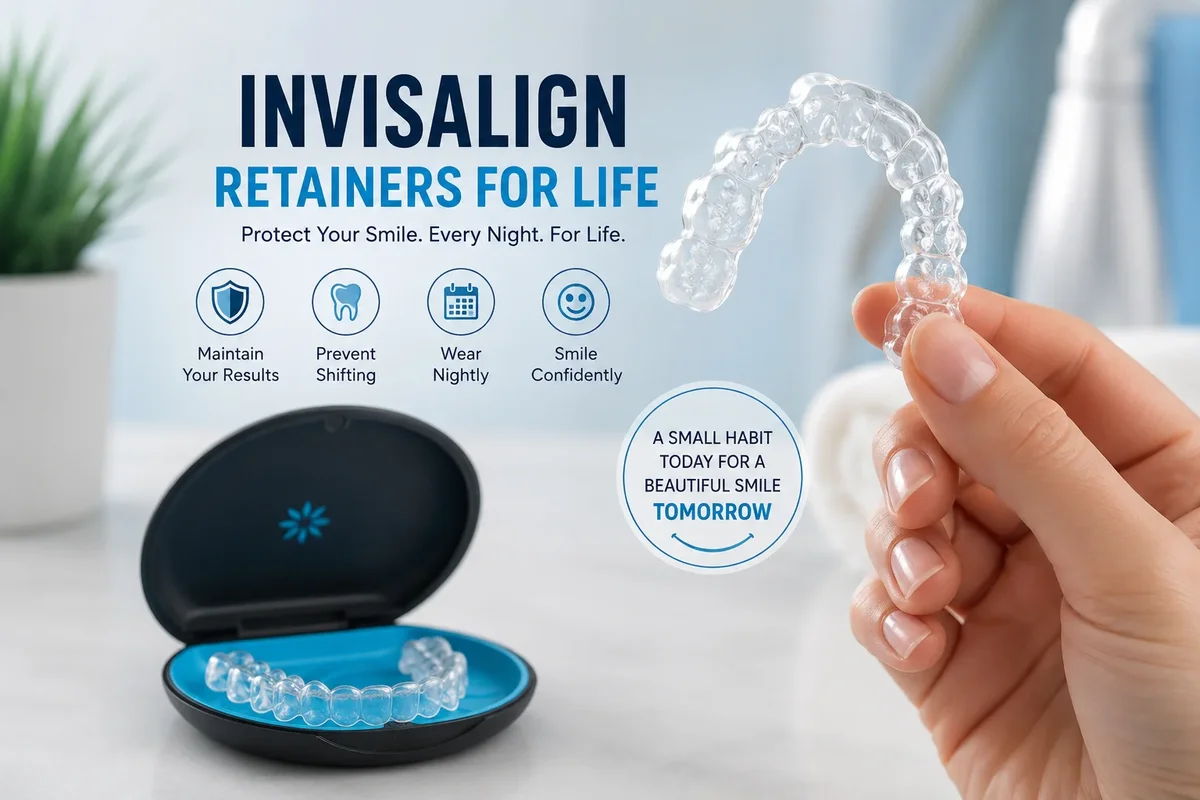
Are Invisalign Retainers for Life Worth the Long-Term Commitment?
For many patients, completing Invisalign treatment feels like crossing the finish line after a long journey. After months or even years of wearing aligners, attending appointments, and following treatment instructions, the desire to be completely finished with orthodontic appliances is understandable. This often leads to an important question: are invisalign retainers for life truly worth the long-term commitment?
The answer from most orthodontic professionals is a clear yes. While the idea of lifelong retention may initially seem demanding, the benefits far outweigh the relatively small effort required. In reality, invisalign retainers for life represent one of the simplest and most effective ways to protect your smile, your oral health, and the investment you made in orthodontic treatment.
To understand why lifelong retention is so strongly recommended, it is important to examine both the advantages and the realities of long-term retainer wear.
Understanding the True Commitment
When patients hear the phrase invisalign retainers for life, many imagine having to wear retainers constantly throughout the day forever. Fortunately, this is rarely the case.
Most orthodontic retention protocols involve:
- Full-time wear immediately after treatment
- A gradual transition period
- Nighttime-only wear for long-term maintenance
For most patients, lifelong retention eventually means wearing retainers only while sleeping. This significantly reduces the burden associated with long-term use.
Once the habit becomes established, many people find that invisalign retainers for life require very little effort compared to the active orthodontic treatment phase.
A Few Hours Each Night
Nighttime wear generally requires no interruption to daily activities, work responsibilities, social interactions, or meals.
Because invisalign retainers for life are worn during sleep, many patients report that they barely notice them after the first few weeks of adjustment.
The Value of Protecting Your Orthodontic Investment
Orthodontic treatment often represents a significant financial commitment. Invisalign treatment may involve consultations, aligners, refinements, follow-up visits, and other associated costs.
One of the strongest arguments for invisalign retainers for life is that they help protect this investment.
Without retention, teeth may gradually shift over time. Relapse can lead to:
- Additional aligner treatment
- Orthodontic refinements
- New retainers
- Extended treatment plans
- Additional professional fees
Compared to these potential expenses, maintaining invisalign retainers for life is typically far more affordable and practical.
Prevention Is Less Expensive Than Correction
Many patients discover that replacing retainers occasionally costs far less than correcting orthodontic relapse.
Viewed from a financial perspective, invisalign retainers for life function as a form of preventative care that helps avoid larger future expenses.
Long-Term Smile Stability
The primary purpose of invisalign retainers for life is maintaining tooth alignment. Teeth naturally move throughout adulthood due to aging, bone remodeling, chewing forces, tongue pressure, and other biological factors.
Without retention, even beautifully aligned teeth may gradually shift.
Consistent retainer wear helps preserve:
- Smile symmetry
- Tooth positioning
- Bite relationships
- Orthodontic corrections
- Overall treatment outcomes
This long-term stability is one of the greatest benefits of invisalign retainers for life.
Improved Oral Health Benefits
Straight teeth are not merely cosmetic. Proper alignment often supports better oral hygiene and overall dental health.
By maintaining alignment through invisalign retainers for life, patients may find it easier to:
- Brush effectively
- Floss thoroughly
- Reduce plaque accumulation
- Support gum health
- Maintain a balanced bite
These advantages contribute to healthier teeth and gums over the long term.
Health and Aesthetics Work Together
Many patients initially pursue Invisalign for cosmetic reasons. However, the retention phase often helps preserve both the appearance and function of the smile.
This dual benefit makes invisalign retainers for life particularly valuable from a comprehensive oral health perspective.
The Psychological Benefits of Retention
Confidence is one of the most frequently reported benefits of orthodontic treatment. Patients often feel more comfortable smiling, speaking, and interacting socially after achieving a straighter smile.
Maintaining these results with invisalign retainers for life helps preserve those emotional benefits.
Patients frequently report:
- Greater self-confidence
- Improved self-image
- Enhanced professional confidence
- Long-term satisfaction with treatment
Knowing that your smile remains protected can provide significant peace of mind.
Addressing Common Concerns About Lifelong Wear
Some individuals hesitate when they hear the recommendation for invisalign retainers for life. Common concerns include convenience, comfort, and long-term practicality.
Fortunately, modern retainers are designed to address these issues.
Today’s retainers are:
- Nearly invisible
- Custom fitted
- Comfortable
- Easy to clean
- Simple to store
Because of these advantages, most patients adapt quickly and find lifelong retention manageable.
Most Patients Develop a Routine
Over time, wearing invisalign retainers for life often becomes as routine as brushing your teeth before bed. Once incorporated into a nightly schedule, the commitment feels much less significant.
Many patients eventually view retainers as a normal part of maintaining their oral health.
Scientific Evidence Supports Lifelong Retention
Orthodontic research consistently demonstrates that teeth remain capable of movement throughout life. Studies have repeatedly shown that relapse can occur years after treatment if retention is discontinued.
This evidence is a major reason why orthodontists recommend invisalign retainers for life rather than short-term retention plans.
The recommendation is not based on tradition alone—it is supported by decades of clinical experience and scientific observation.
When Lifelong Retention Provides the Greatest Value
Certain patients may benefit even more from invisalign retainers for life, including those who:
- Had severe crowding before treatment
- Required major bite corrections
- Experienced significant tooth movement
- Have strong genetic tendencies toward crowding
- Want maximum long-term stability
For these individuals, consistent retention may be especially important in preventing future orthodontic problems.
Final Thoughts
So, are invisalign retainers for life worth the long-term commitment? For the overwhelming majority of patients, the answer is absolutely yes. The effort involved is relatively small, particularly once retention transitions to nighttime wear. In exchange, patients gain long-term smile stability, protection against relapse, improved oral health, preserved confidence, and protection of their orthodontic investment.
Modern retainers are comfortable, discreet, and easy to incorporate into daily life. Most importantly, they provide ongoing protection against the natural forces that cause teeth to move throughout adulthood. By committing to invisalign retainers for life, patients maximize the likelihood that their Invisalign results will remain beautiful, healthy, and stable for decades to come. Lifelong retention is not simply an additional recommendation—it is often the key to lifelong orthodontic success.
Disclosure: this page may contain affiliate links. We may earn a commission if you use them, at no extra cost to you.