
When it comes to achieving a perfectly aligned smile without the discomfort and visibility of metal braces, Invisalign support has become a revolutionary choice in modern dentistry. This advanced orthodontic treatment uses clear aligners made from medical-grade thermoplastic material to gradually shift teeth into their ideal position. Patients around the world are now embracing this technology for its comfort, aesthetic appeal, and flexibility. Whether you’re a teen, professional, or adult seeking to enhance your smile, understanding the full scope of Invisalign support can help you make an informed decision. 😁
At its core, Invisalign support is designed to provide patients with personalized guidance and advanced technology throughout their teeth-straightening journey. Unlike traditional braces, which rely on wires and brackets, Invisalign aligners are removable, virtually invisible, and customized to fit snugly over your teeth. This makes daily oral hygiene easier and allows you to eat whatever you like—no restrictions on popcorn, apples, or crunchy snacks! 🍎
One of the most important aspects of Invisalign support is the digital precision it offers. Before treatment even begins, your dentist or orthodontist uses 3D imaging software to map out a step-by-step plan for your teeth movements. This ensures you know exactly what to expect, from the first aligner tray to the final smile transformation. Each aligner is worn for about 1–2 weeks before being replaced by the next in the series, gradually moving your teeth according to the treatment plan.
Beyond the technical details, Invisalign support also focuses on emotional and psychological comfort. Many adults hesitate to undergo orthodontic treatment because they fear the aesthetic impact of metal braces. However, with clear aligners, most people won’t even notice you’re wearing them. This boosts confidence in social and professional settings—a critical factor in today’s image-conscious world. ✨
The process of receiving Invisalign support starts with an initial consultation where a certified provider evaluates your teeth alignment, bite issues, and oral health condition. During this stage, you can ask questions about expected treatment duration, pricing, and post-treatment maintenance. You’ll also be shown a digital simulation of your final results, which can be a huge motivational factor for many patients. For professional assistance or to schedule a consultation, you can reach out through the Redent Klinik Contact Page.
Once your treatment plan is approved, custom aligners are fabricated using your digital impressions. These aligners are smooth, BPA-free, and designed for comfort. With proper Invisalign support, you’ll typically need to wear your aligners for 20–22 hours a day, removing them only when eating or brushing. This consistent usage is key to achieving predictable results. Skipping wear time can delay progress, which is why dental professionals emphasize regular follow-ups and tracking.
Another crucial component of Invisalign support involves follow-up visits, either in-office or through virtual monitoring apps. Many clinics now use smartphone-based scanning tools to remotely track patients’ progress. This not only saves time but also ensures that any necessary adjustments are identified early. Your dentist might also provide “attachment points,” small, tooth-colored bumps that help aligners grip the teeth better for more precise movement.
Compared to conventional orthodontic systems, Invisalign support stands out for its flexibility. You can remove your aligners during special occasions, photo sessions, or business meetings without compromising your treatment. Moreover, since there are no metal wires, you’ll avoid painful mouth sores or emergency visits for broken brackets. Most patients describe the sensation as gentle pressure rather than pain, making it a comfortable option for long-term use.
Maintaining oral hygiene is also simpler with Invisalign support. Because the aligners are removable, you can brush and floss normally—no special tools or threading required. It’s recommended to clean the aligners daily using mild soap and lukewarm water (never hot water, as it may deform the material). Good hygiene prevents plaque buildup, bad breath, and discoloration of the aligners, ensuring your smile stays fresh and clear throughout the process. 🪥
From a dental health perspective, Invisalign support not only improves aesthetics but also contributes to better long-term oral wellness. Correcting misaligned teeth reduces the risk of gum disease, jaw strain, and uneven wear on tooth enamel. In fact, the American Dental Association notes that orthodontic treatment can play a key role in maintaining oral function and overall health. By combining digital technology with personalized care, Invisalign provides a holistic solution for anyone seeking both health and beauty in their smile.
Ultimately, Invisalign support empowers individuals to take control of their dental journey with confidence. It’s not just about straightening teeth—it’s about enhancing self-esteem, improving oral hygiene, and embracing innovation in dentistry. If you’ve ever dreamed of a straighter smile without the hassle of traditional braces, now is the time to explore Invisalign. With expert guidance and consistent use, your dream smile is just a few aligners away. 🌟
What Is Invisalign Support and Why It Matters 🦷
Invisalign support is the cornerstone of modern orthodontic care for patients who seek a comfortable, aesthetic, and effective solution to straighten their teeth. Unlike traditional braces, Invisalign uses clear, removable aligners that gradually shift teeth into their ideal positions. The term “Invisalign support” not only refers to the aligners themselves but also to the professional guidance, digital technology, and patient care that ensure the treatment’s success. This comprehensive support system is what makes Invisalign one of the most advanced and patient-friendly orthodontic treatments available today.
Understanding the Concept of Invisalign Support
At its simplest, Invisalign support is a personalized orthodontic treatment plan designed to align your teeth through a series of transparent trays. Each aligner is custom-made based on your digital dental impressions, captured using advanced 3D scanners. These aligners exert gentle, controlled pressure on specific teeth, encouraging gradual movement toward the desired alignment. The process is discreet, comfortable, and scientifically structured to deliver predictable results. 🌟
However, what truly sets Invisalign apart is its integrated support system. This includes professional consultation, precise digital mapping, progress monitoring, and post-treatment maintenance. Dentists and orthodontists certified in Invisalign technology offer this continuous support to help patients follow through successfully. It’s not just about wearing clear trays—it’s about being guided through every stage of the smile transformation journey.
The Technology Behind Invisalign Support
Invisalign is powered by innovative digital technology that makes treatment efficient and highly accurate. During your first appointment, your provider captures a detailed 3D scan of your teeth using an intraoral scanner. These digital impressions are then uploaded to Invisalign’s software, where a complete treatment plan is generated. This simulation shows each movement of your teeth, giving you a visual preview of your future smile.
Each step of the process benefits from comprehensive Invisalign support. Patients are provided with a set of aligners to wear sequentially—each designed to move teeth slightly closer to the target position. You’ll typically switch aligners every one or two weeks, and progress is reviewed regularly through in-person checkups or virtual monitoring apps. This integration of digital planning and professional oversight ensures the treatment remains on track and produces accurate, long-lasting results.
Why Invisalign Support Matters for Long-Term Success
The success of Invisalign depends heavily on consistent usage and professional guidance. Without proper Invisalign support, patients might wear aligners incorrectly, skip necessary follow-ups, or fail to maintain oral hygiene—issues that can delay or compromise results. This is why the role of trained orthodontists is crucial. They provide individualized adjustments, monitor progress, and motivate patients to adhere to treatment instructions.
Another aspect of effective Invisalign support is patient education. Many patients are unaware of how lifestyle habits—like drinking coffee, smoking, or irregular cleaning—can impact the treatment. With proper guidance, patients learn to avoid staining, maintain healthy gums, and prevent cavities during treatment. This holistic approach helps ensure that the smile not only looks straight but also remains healthy.
Emotional and Lifestyle Benefits of Invisalign Support
Aside from the physical improvements, Invisalign support has a profound psychological benefit. People often feel self-conscious wearing metal braces, especially adults in professional environments. Invisalign aligners, being nearly invisible, remove that barrier to confidence. Whether you’re in a business meeting, social gathering, or taking a selfie, you can smile freely knowing your treatment is discreet.
Moreover, the removable nature of Invisalign aligners allows users to maintain their usual routines without compromise. You can eat your favorite foods, brush and floss normally, and enjoy your social life without restrictions. This level of flexibility is a major reason why patients worldwide prefer Invisalign support over traditional methods. It offers freedom and effectiveness in one seamless package. 😁
The Role of Professional Clinics in Invisalign Support
Professional dental clinics like Redent Klinik Contact Page play a key role in delivering successful Invisalign results. Certified providers undergo specialized training to understand tooth movement dynamics and digital alignment technologies. Their expertise ensures precise treatment planning, continuous monitoring, and immediate intervention if any issue arises. A patient-centered clinic doesn’t just hand you aligners—it becomes your partner throughout the journey.
In addition, reputable clinics collaborate with global institutions like the American Dental Association to stay updated with the latest advancements in orthodontics. These collaborations ensure the Invisalign support you receive meets international dental care standards, prioritizing safety, hygiene, and patient satisfaction.
Common Misconceptions About Invisalign Support
Despite its growing popularity, there are still misconceptions about Invisalign support. Some people believe it’s only suitable for minor cases or that it’s less effective than traditional braces. In reality, Invisalign has evolved to treat a wide range of orthodontic conditions, including crowding, spacing, overbites, and underbites. Modern software and attachments make it as precise as metal braces—without the aesthetic downsides.
Another misconception is that Invisalign doesn’t require dentist supervision. On the contrary, professional oversight is an essential part of Invisalign support. Skipping follow-ups or ignoring dentist recommendations can lead to misalignment or extended treatment time. The best results always come from consistent communication with a trusted dental professional.
Final Thoughts: The Value of Comprehensive Invisalign Support
In summary, Invisalign support is not merely about using aligners—it’s a fully managed, technology-driven treatment system that prioritizes comfort, confidence, and precision. It combines digital imaging, expert consultation, and ongoing professional care to deliver superior results. Patients who follow the treatment plan carefully and maintain communication with their providers enjoy faster progress, healthier teeth, and a more beautiful smile.
With its balance of science and aesthetics, Invisalign support is redefining orthodontics for the 21st century. Whether you’re an adult looking to improve your smile or a teen seeking confidence during school years, investing in proper support ensures a smooth, rewarding journey toward your dream smile. 🌈
How Invisalign Support Works: Step-by-Step Treatment Process
Invisalign support represents a modern, high-precision approach to orthodontics that has transformed how patients achieve straight, beautiful smiles. To understand its effectiveness, it’s crucial to explore how the process works from start to finish. Every step—from consultation to aftercare—is carefully structured to deliver predictable, lasting results while ensuring comfort and convenience. This section provides a detailed look at the complete Invisalign journey so you can know exactly what to expect. 🦷
1. Initial Consultation: The Foundation of Invisalign Support
The first stage of Invisalign support begins with a consultation with a certified Invisalign provider. During this session, your dentist or orthodontist evaluates your teeth alignment, bite, and oral health condition. This is more than a routine check-up—it’s a comprehensive assessment using advanced diagnostic tools. High-resolution photographs, digital scans, and X-rays are taken to create a full picture of your dental structure. Based on this evaluation, your doctor determines whether you are a suitable candidate for Invisalign treatment.
One of the biggest advantages of professional Invisalign support is the use of digital simulation. Through advanced 3D imaging software, you can see a virtual preview of your expected results even before starting treatment. This helps patients set realistic goals and remain motivated throughout their journey. If the dentist confirms you’re eligible, a customized treatment plan is created to align your teeth with precision and comfort.
2. Digital Scanning and Personalized Treatment Planning
After the initial consultation, the second step in Invisalign support involves digital scanning. Using an intraoral scanner, your dentist captures a 3D model of your teeth without the need for messy impressions. These scans are sent to Invisalign’s proprietary software, where a detailed digital map of your treatment is generated. Each tooth movement is planned step-by-step, ensuring accuracy and efficiency throughout the process.
This digital model allows your orthodontist to analyze different movement scenarios and create an optimized plan. You’ll also get to review your treatment projection, which shows the gradual transition from your current alignment to your perfect smile. This transparency is what makes Invisalign support stand out—it gives patients complete insight into their progress before even starting.
Technology at the Core of Invisalign Support
Invisalign aligners are crafted from a specialized thermoplastic material called SmartTrack®. This material ensures a perfect fit, consistent pressure, and maximum comfort. Each aligner is designed using your personalized digital map, guaranteeing precision. Once the plan is finalized, the aligners are produced and delivered to your dental clinic. You’ll receive a series of trays, each representing a new stage of tooth movement, which you’ll wear sequentially. 🧠
3. The Wearing Phase: Active Invisalign Support in Action
The real transformation begins when you start wearing your aligners. Each set should be worn for about 20–22 hours per day and replaced every 1–2 weeks, depending on your provider’s recommendation. Consistency is vital—removing aligners too often can delay progress. With Invisalign support, your dentist tracks your progress at regular intervals, making adjustments when needed to ensure your teeth are moving according to plan.
Unlike traditional braces, which require painful tightening appointments, Invisalign adjustments are smooth and digital. You simply switch to the next set of aligners when it’s time. This convenience allows patients to enjoy their daily activities—eating, brushing, or attending social events—without restrictions. The transparent aligners remain virtually invisible, offering discreet treatment for both teens and adults.
Tips for Maximizing Invisalign Support Effectiveness
- Wear aligners for the recommended time (at least 20–22 hours daily).
- Clean aligners regularly using mild soap and a soft brush.
- Always store aligners in their case to avoid damage or contamination.
- Avoid hot beverages while wearing aligners to prevent warping.
- Attend all scheduled checkups for proper progress monitoring.
Following these tips ensures the full potential of Invisalign support is achieved—smooth, predictable movement and faster results.
4. Regular Checkups and Progress Tracking
A key part of comprehensive Invisalign support is continuous monitoring. Most clinics schedule checkups every 6–8 weeks, but some offer remote tracking through specialized mobile apps. Patients can upload progress photos or scans directly from their smartphones, allowing orthodontists to make adjustments virtually. This combination of in-person and digital supervision makes Invisalign one of the most advanced orthodontic systems in the world.
During these follow-ups, your dentist might provide attachments—tiny, tooth-colored bumps that help aligners grip teeth more effectively. They’re barely noticeable but play an essential role in moving teeth that require additional precision. If a tooth isn’t responding as expected, new aligners can be ordered to correct the course, ensuring optimal results through constant professional oversight.
5. Completion and Post-Treatment Invisalign Support
Once all aligners have been worn and your smile has reached its ideal alignment, the treatment phase concludes—but Invisalign support doesn’t end there. Post-treatment maintenance is crucial for preserving your new smile. Most patients are provided with retainers (often called Vivera® retainers) to maintain alignment and prevent teeth from shifting back to their original positions. These retainers are custom-made and as comfortable as your aligners.
Transitioning from Active to Maintenance Invisalign Support
Post-treatment follow-up appointments are part of ongoing Invisalign support. Your orthodontist will ensure the results remain stable and your bite remains balanced. Maintaining oral hygiene continues to be essential—brushing twice daily, flossing, and cleaning retainers regularly are key practices for long-term success. 🪥
In addition, lifestyle habits like avoiding excessive pressure on teeth (e.g., biting hard foods or grinding) will protect your smile. Your dental team remains available for continued guidance and professional cleaning as part of their lasting support system. If you ever need assistance or a checkup, reputable clinics like Redent Klinik Contact Page can provide expert advice and post-treatment care.
6. Final Thoughts on the Invisalign Support Journey
Understanding how Invisalign support works allows patients to appreciate the precision and care behind every stage. It’s not just about clear aligners—it’s an entire ecosystem of technology, expertise, and patient collaboration. From the first consultation to post-treatment maintenance, Invisalign offers a seamless, transparent, and comfortable journey toward your best smile. By following professional guidance, wearing your aligners diligently, and embracing digital innovation, you’re setting yourself up for lasting orthodontic success and renewed confidence. 🌈
To learn more about dental standards related to orthodontic treatments and best practices, you can also visit the American Dental Association. Their resources align with the quality and professionalism behind Invisalign’s advanced support system, ensuring your treatment remains safe and effective.
Benefits of Invisalign Support Compared to Traditional Braces 😁
Invisalign support offers numerous advantages that make it one of the most sought-after orthodontic treatments globally. Patients today are not only looking for effective results but also comfort, aesthetics, and flexibility during their teeth alignment journey. This is where Invisalign stands out. While traditional metal braces have long been used to correct misalignments, modern clear aligner systems have revolutionized orthodontic care. In this section, we’ll explore the benefits of Invisalign support in detail—covering comfort, aesthetics, hygiene, lifestyle, and overall treatment experience.
1. Comfort and Convenience: The Core of Invisalign Support
One of the most appreciated features of Invisalign support is its unparalleled comfort. Traditional braces use metal wires and brackets that can irritate the gums and inner cheeks. Invisalign, on the other hand, uses smooth, BPA-free plastic aligners that fit snugly over your teeth. There are no sharp edges, no painful tightening sessions, and no emergency visits due to broken wires. This comfort encourages better patient compliance and contributes to faster, more consistent results. 🌟
Additionally, Invisalign aligners are removable. This means patients can easily take them out during meals, special occasions, or while brushing and flossing. It eliminates the dietary restrictions that come with metal braces, such as avoiding sticky or hard foods. The ability to remove aligners also simplifies oral hygiene, allowing users to maintain clean and healthy teeth throughout treatment—something not easily achievable with conventional braces.
2. Aesthetic Advantages: The Discreet Power of Invisalign Support
In today’s image-conscious society, aesthetics play a major role in treatment decisions. Invisalign support is virtually invisible, meaning that most people won’t notice you’re undergoing orthodontic treatment. This makes it a perfect choice for adults, professionals, and teens who want to improve their smiles without feeling self-conscious about their appearance. Unlike metal braces, which often draw unwanted attention, Invisalign aligners blend seamlessly with your natural teeth.
Patients who choose Invisalign support often report feeling more confident in social and professional settings. Whether you’re giving a presentation, attending a wedding, or simply smiling for a photo, clear aligners allow you to maintain your natural look. This psychological comfort is a powerful motivator that keeps patients committed to wearing their aligners as instructed.
Boosting Confidence During Treatment
Confidence is not just about the end result—it’s about how you feel during the journey. Invisalign provides the freedom to smile freely and interact comfortably. This benefit is especially crucial for professionals in client-facing roles, public speakers, and young adults in social environments. Invisalign empowers patients to work on their smile transformation discreetly, without compromising on their daily life or self-esteem. 😁
3. Oral Hygiene and Health Benefits of Invisalign Support
Maintaining good oral hygiene during orthodontic treatment can be challenging, especially with traditional braces. Food particles and plaque easily accumulate around brackets and wires, leading to potential gum problems or tooth decay. However, Invisalign support simplifies this aspect of dental care. Since the aligners are removable, brushing and flossing remain just as easy as before. Patients can also clean their aligners daily with mild soap and water to prevent odor or discoloration.
Furthermore, better oral hygiene leads to healthier gums and fresher breath throughout the treatment. According to the American Dental Association, maintaining proper dental hygiene is crucial to preventing periodontal disease and maintaining long-term oral health. Invisalign makes this easy, as patients can remove their trays and clean their teeth thoroughly without the barriers that braces create.
Reduced Risk of Dental Complications
Traditional braces can sometimes cause white spots on teeth or enamel erosion due to trapped food particles. Invisalign support significantly reduces these risks. Because the aligners fit snugly and are removed during meals, the teeth are less exposed to prolonged contact with food or sugars. This ensures that your smile remains healthy and radiant both during and after treatment.
4. Fewer Dental Visits and Predictable Results
Traditional braces often require frequent adjustments and emergency visits due to broken wires or brackets. In contrast, Invisalign support offers a more streamlined process. Once your treatment plan is digitally designed, you receive a full series of aligners to wear at home. Your progress is monitored through scheduled visits or, in some cases, virtual check-ins using advanced dental apps. This reduces the number of in-office appointments while maintaining professional supervision.
Additionally, the predictability of Invisalign is unmatched. Before the treatment even begins, patients are shown a 3D simulation of their projected results. Each stage is meticulously planned, ensuring that you and your dentist have a clear roadmap from start to finish. This level of control and transparency is one of the most important elements of comprehensive Invisalign support.
5. Lifestyle Flexibility and Dietary Freedom
One of the most frustrating aspects of metal braces is food restriction. Sticky, hard, or chewy foods can damage brackets or get stuck, leading to discomfort and extra cleaning time. With Invisalign support, you can enjoy all your favorite meals. Simply remove your aligners before eating, rinse them afterward, and reinsert them. 🍎
Furthermore, Invisalign aligners are ideal for active individuals and athletes. Since they lack sharp metal parts, there’s less risk of oral injury during sports or physical activities. This makes Invisalign a safe and flexible solution for anyone leading a dynamic lifestyle.
Better Speech and Comfort in Everyday Life
Many people are surprised to learn that Invisalign aligners are easier to adapt to compared to braces. Within a few days, speech normalizes completely, and aligners feel natural inside the mouth. There’s no metallic taste or irritation, which means patients can carry on with conversations, meetings, or performances comfortably. This subtle yet significant advantage highlights the everyday practicality of Invisalign support.
6. Long-Term Results and Retention Support
The benefits of Invisalign support extend beyond active treatment. Once your teeth are properly aligned, post-treatment retainers (like Vivera®) help maintain your beautiful results. These retainers are made from the same high-quality material as Invisalign aligners, ensuring durability and comfort. They prevent teeth from shifting back, protecting your investment in a healthier, straighter smile.
Regular follow-ups and continued guidance from your dental provider ensure your alignment remains perfect over time. For ongoing assistance or professional consultation, patients can reach out via the Redent Klinik Contact Page for personalized advice and expert Invisalign care.
7. Final Reflection: Why Invisalign Support Wins Over Braces
In conclusion, Invisalign support is not just about straightening teeth—it’s about transforming lives through innovation, comfort, and confidence. From superior aesthetics to better hygiene and fewer disruptions to daily life, Invisalign offers a holistic orthodontic solution tailored to modern needs. Patients gain not only a perfect smile but also a seamless, enjoyable treatment experience that fits effortlessly into their lifestyle. 🌈
When comparing Invisalign to traditional braces, the advantages are clear: less pain, more freedom, and equally effective—if not better—results. It’s dentistry redefined for the digital age, giving patients the perfect balance between health, technology, and self-expression.
Common Challenges and How Invisalign Support Solves Them
While Invisalign support is widely praised for its innovation and comfort, patients may still encounter a few challenges during their treatment journey. The good news is that each potential issue can be effectively managed through professional guidance, modern technology, and good patient habits. Understanding these common challenges—and how Invisalign support addresses them—helps ensure a smooth, stress-free experience that leads to a perfectly aligned smile. 🦷
1. Initial Discomfort and Adaptation Period
When you first start wearing aligners, you might experience slight pressure or mild soreness as your teeth begin to move. This is completely normal and a sign that your treatment is working. Unlike traditional braces, which cause sharp pain or irritation from metal components, Invisalign support provides a much gentler adjustment period. The discomfort typically subsides within a few days as your mouth adapts to the aligners.
How Invisalign Support Eases the Adjustment
Modern Invisalign trays are made from SmartTrack® material, designed to apply controlled, consistent force without causing pain. The smooth plastic surface prevents gum irritation, and aligners fit snugly, avoiding friction against soft tissues. Dentists offering Invisalign support often recommend wearing the first set of aligners for a few extra hours daily to help your teeth and gums adapt faster. Over-the-counter pain relief or a cool compress can also help minimize early soreness if needed.
2. Maintaining Consistent Wear Time
One of the most common challenges in clear aligner therapy is maintaining the recommended 20–22 hours of daily wear. Since aligners are removable, some patients forget to put them back after eating or brushing, delaying progress. Fortunately, professional Invisalign support includes regular monitoring, reminders, and digital tracking tools to ensure adherence.
Technology-Assisted Invisalign Support
Many dental clinics now use mobile applications or smart tracking sensors that record aligner wear time. These tools help both patients and orthodontists track compliance, ensuring treatment stays on schedule. The aligners are also numbered in sequence, making it easier to follow your progress without confusion. Your provider may schedule follow-up visits or virtual check-ins every few weeks to make sure everything is progressing according to the treatment plan. 🕒
3. Speech Difficulties During the First Days
Some patients initially notice minor changes in their speech, such as a slight lisp, when they start wearing aligners. This occurs because your tongue needs to adjust to the new shape in your mouth. However, this challenge is short-lived and can be overcome with practice. Reading aloud, speaking slowly, or rehearsing presentations can accelerate adaptation.
With continued Invisalign support, most patients find that their speech returns to normal within two or three days. Since the aligners are ultra-thin and custom-fitted, they interfere minimally with tongue movement, unlike bulky orthodontic appliances. Your dentist can also make minor refinements to aligner edges if discomfort persists.
4. Aligners Getting Stained or Cloudy
Maintaining the transparency of your aligners is important for aesthetic appeal. Drinking colored beverages like coffee, tea, or wine while wearing them can cause discoloration. Similarly, improper cleaning methods—like using toothpaste or hot water—can make aligners cloudy. These issues are easily preventable with correct maintenance practices guided by Invisalign support professionals.
Proper Cleaning Techniques with Invisalign Support
To keep aligners clear, rinse them after every removal and brush them gently using mild soap and lukewarm water. Specialized cleaning crystals or tablets can also be used for deep cleaning once a week. Avoid using hot water, which can warp the aligners, and never soak them in mouthwash containing alcohol. Patients receiving Invisalign support receive full cleaning instructions, ensuring aligners remain invisible and hygienic throughout treatment. 🪥
5. Lost or Damaged Aligners
Since aligners are removable, it’s possible to misplace or accidentally damage them. Losing a tray can temporarily delay progress or lead to discomfort when switching to the next set too early. Thankfully, Invisalign support programs have built-in solutions for this scenario.
What to Do If You Lose an Aligner
If you lose or break an aligner, contact your provider immediately. In most cases, they will advise wearing your previous set temporarily to maintain progress until a replacement arrives. Clinics offering Invisalign support can quickly order replacement trays based on your digital 3D treatment file, avoiding any setback. To prevent loss, always store aligners in their designated case when not in use. 🚑
6. Keeping Aligners Clean and Odor-Free
Some patients may notice a slight odor if aligners are not cleaned regularly. This usually results from bacteria buildup or improper storage. With proper Invisalign support, maintaining fresh and odor-free aligners becomes easy. Rinsing aligners after meals, brushing teeth before reinsertion, and storing them in a ventilated case are simple habits that make a big difference.
7. Adapting to Daily Routines and Diet
Another challenge involves adapting daily routines. Since you need to remove aligners before eating or drinking anything other than water, it requires mindfulness. While this may seem inconvenient at first, most patients quickly adapt. Many even report healthier eating habits since frequent snacking becomes less convenient! 🍏
Your Invisalign support provider may recommend setting reminders to reinsert aligners promptly after meals. Over time, this becomes second nature. Plus, unlike braces, you’ll never have to worry about food getting stuck or restricted diets—just freedom and flexibility.
8. Long-Term Commitment and Motivation
Like all orthodontic treatments, Invisalign requires discipline. Skipping wear time or neglecting follow-up appointments can extend the treatment period. However, continuous motivation and support from your dental provider play a huge role in maintaining consistency. Clinics such as Redent Klinik Contact Page offer regular progress updates and encouragement to keep patients on track toward their dream smiles.
Emotional Encouragement Through Invisalign Support
Professional teams often provide emotional reinforcement and visual progress updates. Seeing measurable results—such as teeth straightening over weeks—keeps patients motivated. Invisalign’s transparent system allows patients to witness improvement at every stage, boosting confidence and compliance.
9. Dealing with Attachment Points and Refinements
Some patients may be surprised when small, tooth-colored attachments are applied during treatment. These tiny bumps help aligners grip teeth better, allowing complex movements. With proper Invisalign support, these attachments are placed precisely and remain subtle, blending with your natural enamel. Occasionally, refinements may be needed toward the end of treatment, where new scans are taken to fine-tune the final results. This ensures that every tooth reaches its exact target position for optimal alignment.
10. How Invisalign Support Ensures Long-Term Success
Each of these potential challenges can be easily managed through consistent communication and professional oversight. Invisalign support is designed as a partnership between patient and provider, supported by cutting-edge digital technology. From personalized check-ins to quick replacement services and educational guidance, Invisalign ensures every obstacle is addressed before it affects your results.
For additional resources on maintaining oral health during orthodontic care, patients can consult the American Dental Association. Their expert guidelines complement the care offered through Invisalign systems, reinforcing safe, effective, and sustainable treatment outcomes.
In summary, while challenges may arise, Invisalign support provides a comprehensive, patient-friendly framework to overcome them. Whether it’s comfort, maintenance, or motivation, Invisalign’s modern design and expert support ensure your journey toward a perfect smile is as smooth and rewarding as possible. 🌈
How to Find the Best Invisalign Support Near You
Choosing the right provider for Invisalign support is one of the most important steps in your journey toward a confident, healthy smile. The success of Invisalign treatment depends not only on the quality of the aligners but also on the skill, experience, and communication style of the dentist or orthodontist who guides you. With so many clinics offering clear aligner services today, knowing how to identify a trusted, qualified Invisalign provider can make all the difference in your treatment results. 🦷
1. Start with Certified Invisalign Providers
The first step in finding reliable Invisalign support is ensuring that your provider is officially certified. Invisalign certification means that the dentist has completed specialized training to plan, manage, and monitor Invisalign cases effectively. Certified providers have access to Invisalign’s proprietary software and materials, enabling them to create highly precise, personalized treatment plans. When scheduling a consultation, ask whether the clinic or doctor is recognized by Align Technology, the company behind Invisalign.
Moreover, providers are often ranked according to their experience level, such as Bronze, Silver, Gold, or Diamond Invisalign Provider status. These levels indicate how many successful cases they’ve completed. Opting for a Diamond-level provider, for example, guarantees that your practitioner has extensive hands-on experience in delivering top-quality Invisalign support.
2. Research Patient Reviews and Testimonials
In the digital age, one of the most effective ways to find trustworthy Invisalign support near you is by reading online reviews. Patient feedback on Google, Yelp, or social media platforms can offer honest insights into the clinic’s professionalism, cleanliness, and quality of care. Look for patterns in reviews—do patients mention clear communication, comfort, and successful results? Positive feedback about treatment transparency and follow-up support is often a good sign of reliable service.
What to Look for in Reviews
- High patient satisfaction and successful outcomes
- Friendly and responsive staff
- Modern equipment and digital technology
- Reasonable and transparent pricing
- Strong post-treatment care and retention support
Reviews highlighting these factors reflect comprehensive Invisalign support that prioritizes patient comfort and success from start to finish.
3. Visit the Clinic for a Personal Consultation
Once you’ve shortlisted potential clinics, schedule an in-person consultation. This meeting allows you to assess not just the technical expertise but also the overall atmosphere and professionalism. A reputable clinic offering Invisalign support will conduct a detailed examination, including 3D scans, photographs, and bite analysis. They’ll also explain the expected timeline, costs, and what results you can anticipate.
During your visit, observe how the staff interacts with patients. Are they approachable and informative? Do they explain your treatment options clearly? Clinics that provide comprehensive guidance and answer all your questions are likely to deliver superior care throughout your treatment journey. For trusted professional consultation, you can visit the Redent Klinik Contact Page to speak directly with experienced Invisalign providers.
4. Check for Modern Technology and Facilities
The best Invisalign support clinics utilize cutting-edge digital technology to design and monitor treatments. Look for providers equipped with iTero® 3D scanners, which replace traditional dental impressions with detailed, accurate digital scans. This not only improves precision but also ensures a more comfortable experience. Advanced clinics also offer virtual monitoring apps, allowing you to send progress photos remotely and reduce unnecessary visits while staying connected to your dentist.
Key Technologies That Indicate Quality Invisalign Support
- iTero® 3D digital scanning system
- SmartTrack® aligner technology
- ClinCheck® software for 3D simulation and progress tracking
- Virtual dental monitoring systems
These tools ensure every step of your treatment—from planning to completion—is managed efficiently, offering the best possible outcomes for your Invisalign support.
5. Evaluate Communication and Aftercare Policies
Communication is essential in orthodontic treatment. A good Invisalign support provider ensures regular follow-ups and keeps you informed about your progress. Before choosing a clinic, ask about appointment frequency, remote check-in options, and emergency protocols. A responsive clinic that encourages open communication can quickly address any issues like discomfort or misfit aligners.
Post-treatment care is equally important. Once your active Invisalign phase is complete, you’ll need retainers to maintain your new smile. Reliable providers offer long-term aftercare programs that include retainer monitoring and routine checkups. This demonstrates their commitment to not only straightening your teeth but preserving your results for years to come. 🌟
6. Compare Pricing and Financing Options
While Invisalign treatment is generally more affordable than many people think, costs can vary based on your case complexity, treatment length, and provider experience. On average, Invisalign support can range between $3,500 and $6,500 in the United States. Always ask for a detailed breakdown of costs during your consultation, including scans, aligners, and follow-up appointments. Some clinics even offer installment plans or 0% interest financing to make treatment more accessible.
Average Invisalign Pricing (Approximate):
Basic treatment: $3,500 – $4,500
Moderate cases: $4,500 – $5,500
Complex cases: $5,500 – $6,500
*Prices vary depending on region and provider experience.
Transparent pricing is a hallmark of ethical and trustworthy Invisalign support. Avoid clinics that provide vague estimates or hidden charges.
7. Look for Affiliations and Professional Recognition
Credible Invisalign providers are often affiliated with reputable organizations like the American Dental Association or national orthodontic associations. These affiliations demonstrate their commitment to high standards of patient care, continuing education, and professional ethics. Such connections ensure that your Invisalign support is based on evidence-backed practices and global standards of orthodontic excellence.
8. The Importance of Personalized Invisalign Support
No two smiles are the same, and the best providers understand that. They’ll tailor each aspect of your treatment—aligner design, wear schedule, and progress monitoring—to your specific dental needs. Personalized Invisalign support ensures faster results, greater comfort, and higher long-term satisfaction. Your provider should discuss treatment goals with you, show before-and-after visuals, and regularly evaluate your progress.
Questions to Ask Your Invisalign Provider
- How long will my treatment take?
- How many aligners will I need?
- Do you provide refinements if adjustments are needed?
- What aftercare services are included?
These questions help you assess whether your clinic provides a complete, supportive experience rather than just aligners.
9. Building Trust and Comfort with Your Provider
Ultimately, the best Invisalign support comes from providers who make you feel valued and informed. You should feel comfortable discussing concerns and confident that your dentist is invested in your success. Clinics that foster open dialogue and transparency create the best environment for successful orthodontic outcomes. 😊
In conclusion, finding the best Invisalign support near you involves more than just choosing the closest clinic—it’s about selecting a trusted partner in your smile transformation journey. Look for certified providers, modern facilities, clear communication, and proven results. With the right team by your side, you’ll enjoy a seamless, rewarding path toward your dream smile. 🌈
Invisalign Support for Teens and Adults: Key Differences
Invisalign support has transformed modern orthodontics for patients of all ages. While the clear aligner system uses the same core technology across demographics, treatment planning, duration, and compliance strategies often differ between teenagers and adults. Understanding these distinctions helps patients and parents make informed decisions, ensuring that the treatment is effective, convenient, and suited to individual needs. 🦷
1. Understanding Invisalign Support for Teens
Teenagers often struggle with traditional braces due to their appearance and the inconvenience of metal brackets. Invisalign support for teens provides an aesthetic and comfortable alternative, enabling young patients to improve their smiles without drawing unwanted attention. Designed with flexibility and practicality in mind, Invisalign Teen includes features that address the unique habits and lifestyles of younger patients.
One standout feature of Invisalign Teen is the wear-time indicator—a small blue dot on each aligner that gradually fades with use. This helps both parents and orthodontists track whether aligners are being worn for the recommended 20–22 hours per day. This accountability feature, along with professional Invisalign support, ensures consistent compliance and better results.
Why Teens Benefit from Invisalign Support
- Virtually invisible aligners prevent self-consciousness during school or social events.
- Fewer emergency visits compared to traditional braces—no wires or brackets to break.
- Removable trays allow for better oral hygiene and unrestricted eating habits.
- Blue wear indicators encourage consistent aligner use and accountability.
- Room for erupting teeth is accommodated through customized aligner design.
With the right Invisalign support from a certified orthodontist, teens can achieve beautiful, straight smiles while maintaining their confidence and daily routines. 🌟
2. Invisalign Support for Adults: A Professional and Lifestyle Choice
For adults, Invisalign support represents the perfect balance between functionality and discretion. Many adults who missed orthodontic care earlier in life now seek alignment correction without compromising their professional image. Clear aligners allow them to attend meetings, presentations, and social gatherings confidently, without the visibility of metal braces.
In addition, adults tend to be more compliant with wear-time instructions, leading to precise and predictable outcomes. Since adult patients usually have fully developed jaws, treatment plans are more stable, focusing on fine-tuning alignment and improving bite functionality. Dentists providing Invisalign support for adults also consider other oral health factors like gum health, restorations, and bone density during planning.
Advantages of Invisalign Support for Adults
- Completely discreet appearance—ideal for professional settings.
- Convenient removability for meals, business events, or travel.
- Fewer in-office visits thanks to digital progress monitoring.
- Comprehensive treatment for both cosmetic and functional corrections.
- Enhanced comfort compared to fixed braces.
Adults often appreciate the lifestyle compatibility and comfort of Invisalign. Combined with ongoing Invisalign support, the process feels seamless, effective, and empowering for long-term oral health.
3. Treatment Duration and Complexity
When comparing Invisalign for teens and adults, one major distinction is treatment duration. Teenagers often experience faster results because their jawbones and tissues are still growing, allowing teeth to move more easily. Adults, on the other hand, have denser bone structures, which can make movement slower and slightly more complex.
However, thanks to digital mapping and precision design, Invisalign support ensures that both teens and adults achieve efficient, predictable progress. On average, treatment lasts 12–18 months for teens and 14–20 months for adults, depending on alignment severity and patient cooperation.
Personalized Planning with Invisalign Support
Every Invisalign plan is custom-built using 3D scanning technology. Orthodontists adjust the treatment according to age, bone structure, and tooth movement potential. For teenagers, aligners may be designed to accommodate erupting molars or shifting premolars, while adult plans focus on precise bite correction and aesthetic balance. Professional guidance ensures both age groups receive the optimal level of Invisalign support.
4. Motivation and Compliance Factors
Compliance is essential for success with clear aligners. For teens, motivation often depends on parental oversight and visible progress tracking. Invisalign support systems use features like progress checkups and smartphone reminders to help teens stay on track. Parents can monitor their child’s treatment easily through apps or dentist consultations.
Adults generally show higher self-discipline since they are personally invested in the outcome. However, their busy schedules can occasionally interfere with follow-ups or consistent wear. Clinics providing Invisalign support often offer flexible appointment options, including remote monitoring, to accommodate adult patients with demanding lifestyles.
Encouraging Consistency Through Invisalign Support
Regular feedback from orthodontists, visual progress updates, and milestone tracking all help patients remain consistent. Digital simulations showing predicted results serve as powerful motivators for both teens and adults. 🌈
5. Cost and Financial Considerations
Cost is another area where differences can arise. Since treatment duration and complexity vary, Invisalign support for adults can sometimes be slightly more expensive. Teen treatments typically range from $3,000 to $5,000, while adult treatments may fall between $4,000 and $6,500. Factors influencing price include treatment length, provider expertise, and region.
Estimated Invisalign Cost Ranges:
Teen treatment: $3,000 – $5,000
Adult treatment: $4,000 – $6,500
(Prices vary depending on provider level and complexity)
However, most clinics offer flexible payment plans and financing options. Patients can also inquire about insurance coverage, as some dental plans cover part of orthodontic treatments. Clinics such as Redent Klinik Contact Page provide transparent cost breakdowns and financing support, ensuring Invisalign support remains accessible for all age groups.
6. Aftercare and Long-Term Results
Post-treatment care is essential regardless of age. Both teens and adults must wear retainers after completing their aligner series to maintain results. Retainers, like Invisalign’s Vivera®, are custom-made for comfort and longevity. Proper Invisalign support includes guidance on retainer wear schedules, hygiene routines, and follow-up visits to prevent relapse.
Ensuring Smile Stability with Invisalign Support
For teens, orthodontists may recommend longer retainer wear since teeth can shift during growth. Adults often transition to nighttime retainers after initial stabilization. Regular follow-ups, cleanings, and oral health assessments are crucial for both demographics to protect their investment in a beautiful, aligned smile. 🪥
7. The Shared Benefits Across All Ages
Despite the differences in approach, Invisalign support offers universal benefits for both teens and adults—comfort, discretion, hygiene, and confidence. The clear aligner technology is adaptable to various age groups, lifestyles, and dental conditions. Whether it’s a teen gaining confidence in school or an adult enhancing their professional appearance, Invisalign delivers life-changing transformations.
For more information on orthodontic standards and safe practices, patients can refer to the American Dental Association, which supports the use of modern, minimally invasive orthodontic solutions like Invisalign.
In summary, both teens and adults can achieve outstanding results through Invisalign support. The difference lies in personalization—each age group receives tailored treatment that fits their biological, emotional, and lifestyle needs. With the right provider and commitment, Invisalign ensures a lifetime of confident smiles for every generation. 😁
The Cost of Invisalign Support: What to Expect and Save 💰
When planning orthodontic treatment, understanding the cost of Invisalign support is a crucial part of making an informed decision. Invisalign has become one of the most popular and effective alternatives to traditional braces, offering discretion, comfort, and predictability. However, the price can vary depending on several factors—including case complexity, provider expertise, geographic location, and post-treatment services. In this section, we’ll break down every cost-related aspect of Invisalign support and share practical tips for saving money while ensuring top-quality results.
1. Average Cost of Invisalign Support
Globally, the cost of Invisalign support generally ranges from $3,000 to $7,000. In the United States, most patients fall within the $4,500 to $6,000 range. The price reflects a combination of professional services, digital treatment planning, aligner manufacturing, and follow-up care. Each aligner is customized using advanced 3D imaging and high-precision technology to ensure accurate tooth movement and a comfortable fit.
Here’s a simplified overview of average costs based on case type:
Estimated Invisalign Pricing:
Mild cases (minor alignment): $3,000 – $4,000
Moderate cases (crowding/spacing): $4,500 – $5,500
Complex cases (bite correction): $5,500 – $7,000
*Prices vary depending on region and provider expertise.
These figures typically include consultation fees, aligner trays, mid-treatment refinements, and post-treatment retainers. However, it’s essential to confirm which services are included in your local provider’s package before starting treatment. A comprehensive Invisalign support plan should always offer transparent cost breakdowns without hidden fees.
2. Factors Influencing Invisalign Support Pricing
Several elements can affect the total cost of your treatment. Understanding these variables helps patients make smarter, budget-conscious choices without compromising quality.
Key Cost Determinants:
- Case Complexity: The more teeth movement required, the more aligners and appointments are needed.
- Treatment Duration: Longer treatments (e.g., over 18 months) cost more due to extra aligners and professional monitoring.
- Provider Expertise: Certified or Diamond-level providers may charge higher fees but deliver more accurate results through extensive experience.
- Geographical Location: Clinics in urban areas or high-demand regions typically have higher operational costs.
- Technology and Equipment: Clinics that use iTero® scanners and 3D simulations often include advanced services in their pricing.
These elements contribute to the overall pricing structure of Invisalign support. Discussing each factor with your provider ensures transparency and helps you choose the right plan for your needs and budget.
3. Comparing Invisalign Support vs. Traditional Braces Cost
Many patients assume that Invisalign is more expensive than braces, but the difference has narrowed significantly in recent years. Traditional metal braces usually cost between $3,000 and $6,000, depending on the treatment length. However, Invisalign support offers significant advantages in comfort, hygiene, and aesthetics—making the overall value much higher for most patients.
Long-Term Cost Efficiency
Because Invisalign requires fewer emergency visits (no broken brackets or wires), patients often spend less time and money on unplanned appointments. Additionally, its digital precision reduces the likelihood of treatment revisions, making it a cost-effective investment in the long term. Over time, proper alignment also helps prevent dental problems such as gum disease and uneven tooth wear, saving future dental expenses. 🦷
4. Insurance Coverage and Invisalign Support
Many dental insurance plans now cover orthodontic treatment, including Invisalign. Coverage typically ranges from $1,000 to $3,000 depending on your provider and policy. Before starting treatment, ask your insurance company whether Invisalign is included under orthodontic benefits. Clinics offering Invisalign support often assist patients in navigating the insurance process, helping them maximize reimbursement.
Tips for Using Insurance Effectively
- Request a pre-treatment estimate from your provider to submit to your insurer.
- Confirm waiting periods or coverage caps for orthodontic procedures.
- Combine insurance with Flexible Spending Accounts (FSA) or Health Savings Accounts (HSA) for additional savings.
Professional providers, such as those reachable through the Redent Klinik Contact Page, often offer complimentary consultations that include detailed insurance assessments. This ensures patients understand their exact financial commitment before beginning treatment.
5. Financing and Payment Plans
To make Invisalign support more accessible, most dental clinics provide flexible payment options. Many offer monthly installment plans, 0% interest financing, or extended terms to fit different budgets. Some clinics even allow direct debit or third-party financing through partners like CareCredit or LendingClub.
When discussing financing, always request a written plan that outlines the total cost, number of payments, and any interest applied. This transparency ensures you can proceed with confidence. 🌟
6. How to Save on Invisalign Support
There are several ways to reduce overall treatment costs without compromising quality:
- Seek Promotions: Some clinics offer discounts during special Invisalign events or seasonal promotions.
- Compare Providers: Request multiple quotes to find the best value for your budget and location.
- Ask About Refinement Fees: Ensure refinements or additional trays are included in your treatment plan.
- Opt for Remote Monitoring: Digital progress tracking may reduce the need for frequent in-person visits, saving both time and money.
- Combine Family Treatments: Some clinics provide family packages or sibling discounts when multiple people start Invisalign together.
Discussing these options with your orthodontist can help you design an affordable, personalized plan for your Invisalign support.
7. Hidden Costs to Watch Out For
Although reputable clinics are transparent about fees, it’s important to clarify potential extras that may arise. Ask whether the quoted price includes:
- Initial consultation and diagnostic scans
- All aligners, refinements, and attachments
- Post-treatment retainers (usually Vivera®)
- Follow-up appointments and checkups
- Emergency replacements (for lost or damaged trays)
High-quality Invisalign support should cover all essential services under one comprehensive plan. Avoid clinics that offer low initial quotes but add unexpected costs later.
8. Long-Term Value of Investing in Invisalign Support
Although Invisalign may seem like a significant upfront investment, the benefits go beyond aesthetics. Properly aligned teeth reduce the risk of decay, jaw strain, and gum disease. This means fewer dental expenses later in life. Moreover, a confident smile can enhance personal and professional opportunities—making the treatment a worthwhile life-long investment. 😁
The American Dental Association emphasizes that early intervention and corrective orthodontic treatments like Invisalign contribute to better oral function and long-term dental stability. By investing in high-quality Invisalign support, patients protect their oral health and achieve a lifetime of confident smiles.
9. Final Thoughts on Cost and Savings
In summary, Invisalign support offers a balance of affordability, advanced technology, and superior comfort. While costs may vary, flexible financing options, insurance coverage, and promotional offers make treatment accessible to a wide range of patients. Always choose a certified Invisalign provider who offers transparent pricing, personalized care, and comprehensive aftercare.
By researching costs carefully and seeking professional advice, you can begin your Invisalign journey with confidence—knowing that your investment will pay off in comfort, health, and a brilliant smile. 🌈
Maintaining Results After Invisalign Support: Retainers and Long-Term Care
Completing your Invisalign support journey is a major milestone, but the work doesn’t end once your last aligner is removed. To preserve your beautiful new smile, proper post-treatment care—including the consistent use of retainers and regular dental checkups—is essential. Without long-term maintenance, teeth naturally tend to shift back toward their original positions, a process called “orthodontic relapse.” This section explains how to maintain your Invisalign results for life, what retainers to use, and how professional guidance can ensure lasting success. 😁
1. Why Retention Is a Vital Part of Invisalign Support
Many patients mistakenly believe that once they’ve completed their aligner series, their treatment is over. In reality, Invisalign support includes a crucial retention phase designed to stabilize your teeth in their new positions. After months of controlled movement, the surrounding bone and gum tissues need time to adapt. Without this phase, your teeth could gradually move back, diminishing your results and investment.
That’s why all professional Invisalign support programs include retainers. These custom-made devices keep your smile aligned and protect your orthodontic achievement. In most cases, your dentist will recommend full-time retainer wear for the first few months after treatment, followed by nighttime wear indefinitely.
How Retainers Prevent Relapse
- They hold teeth in their corrected positions while bone and tissue stabilize.
- They maintain bite alignment and prevent overlapping or spacing issues from returning.
- They protect your investment by ensuring long-term stability and comfort.
With consistent use and proper care, your retainers will keep your results intact for decades. 💪
2. Types of Retainers Used After Invisalign Support
There are two primary types of retainers used in post-treatment Invisalign support: removable and fixed. Each has unique benefits, and your dentist will determine which option—or combination—is best suited for your needs.
Removable Retainers (Vivera®)
The most common retainers for Invisalign patients are Vivera® retainers, designed by the same company behind Invisalign. These are made from a durable, clear thermoplastic material similar to your aligners but slightly thicker for longevity. They’re virtually invisible and comfortable to wear, making them a natural extension of your Invisalign support plan.
Vivera retainers come in multiple sets, allowing you to replace them every few months to maintain hygiene and fit. Most patients wear them nightly, ensuring long-term alignment with minimal effort.
Fixed Retainers
Fixed (or bonded) retainers consist of a thin metal wire permanently attached behind the front teeth. They’re commonly used for patients who are at a higher risk of relapse or who may struggle with compliance. These retainers are invisible from the outside and provide constant reinforcement for tooth stability.
Though effective, fixed retainers require careful cleaning since plaque can accumulate around the wire. Regular dental checkups and professional cleanings ensure they remain in optimal condition.
3. Cleaning and Caring for Retainers
Proper maintenance is a vital component of long-term Invisalign support. Just like aligners, retainers should be cleaned daily to prevent bacterial buildup, discoloration, and odor. Neglecting hygiene can lead to oral issues such as gum inflammation or bad breath.
Best Practices for Retainer Care
- Rinse your retainers every morning and evening with lukewarm water.
- Use a soft toothbrush and mild soap (avoid toothpaste, as it can scratch the surface).
- Soak retainers in specialized cleaning solutions once a week to eliminate bacteria.
- Always store them in their protective case when not in use.
- Keep retainers away from hot water and direct sunlight to prevent warping.
Following these simple habits ensures your retainers stay clean, clear, and effective—helping your Invisalign support deliver lasting results.
4. Scheduling Post-Treatment Checkups
Regular follow-up visits are an integral part of post-treatment Invisalign support. Your orthodontist or dentist will check that your retainers fit properly, inspect for wear or damage, and ensure your teeth remain in perfect alignment. In the first year after Invisalign, most providers recommend visits every 6 months, followed by annual maintenance checkups afterward.
During these visits, digital scans may be used to compare your current alignment to your final treatment plan. This allows your provider to detect any early signs of shifting and make quick adjustments if needed. For ongoing professional guidance, patients can easily reach experts via the Redent Klinik Contact Page.
5. The Role of Lifestyle in Maintaining Invisalign Results
Your lifestyle choices can significantly impact how well your results hold up after completing Invisalign support. Avoiding habits like teeth grinding, chewing hard objects (like ice or pens), and smoking can help protect your teeth and retainers. Maintaining a balanced diet rich in calcium and vitamins also strengthens the bone structure supporting your teeth.
Practicing excellent oral hygiene—brushing twice daily, flossing, and using mouthwash—ensures long-term stability. Invisalign not only straightens your teeth but also encourages healthier dental routines that extend far beyond treatment. 🪥
Foods and Habits to Avoid
- Hard or sticky foods that can strain teeth or damage retainers.
- Neglecting to wear your retainers as directed.
- Skipping dental appointments or cleanings.
- Grinding your teeth at night (consider a nightguard if necessary).
6. Retainer Replacement and Lifespan
Even high-quality retainers like Vivera® have a limited lifespan. Depending on wear frequency and care, they typically last 1–2 years before needing replacement. Most clinics offering Invisalign support provide multi-set packages so you can easily swap retainers without delay. Fixed retainers can last longer, but periodic assessments ensure they remain effective and intact.
When to Replace Your Retainers
- If they crack or lose shape.
- If they feel loose or no longer fit snugly.
- If discoloration or odor persists despite cleaning.
- If recommended during your follow-up appointment.
Neglecting worn retainers can lead to gradual shifting, undoing months of progress. Always notify your provider immediately if you experience discomfort or damage. Reliable Invisalign support includes quick retainer replacements to prevent relapse.
7. Long-Term Benefits of Consistent Invisalign Support
Maintaining your results with proper retainers and follow-up care provides both aesthetic and functional benefits. Straight teeth improve bite efficiency, reduce the risk of TMJ disorders, and make cleaning easier. Additionally, a balanced bite distributes chewing pressure evenly, preventing wear and tear on specific teeth.
According to the American Dental Association, maintaining alignment after orthodontic treatment promotes long-term oral health by reducing plaque buildup and gum stress. Therefore, ongoing Invisalign support is not just about appearance—it’s about lifelong dental wellness.
8. Emotional and Confidence Boosts After Invisalign Support
Beyond physical improvements, completing Invisalign support can profoundly boost self-esteem and social confidence. Patients often report smiling more freely, feeling more comfortable in photos, and speaking more confidently. This psychological benefit reinforces the value of retaining your results through proper care. 🌈
9. Final Takeaway: A Lifetime Smile Through Proper Care
In conclusion, your Invisalign support journey doesn’t end with straight teeth—it continues with maintaining them. Wearing retainers consistently, scheduling regular checkups, and maintaining excellent oral hygiene are the keys to a lifetime of confident, healthy smiles. Partnering with trusted dental professionals ensures your smile remains radiant for decades to come.
By following these best practices, you safeguard your investment and embrace a future where your smile is both beautiful and enduring. Invisalign has reshaped not only your teeth but your confidence—and proper long-term care ensures that transformation lasts forever. 🌟
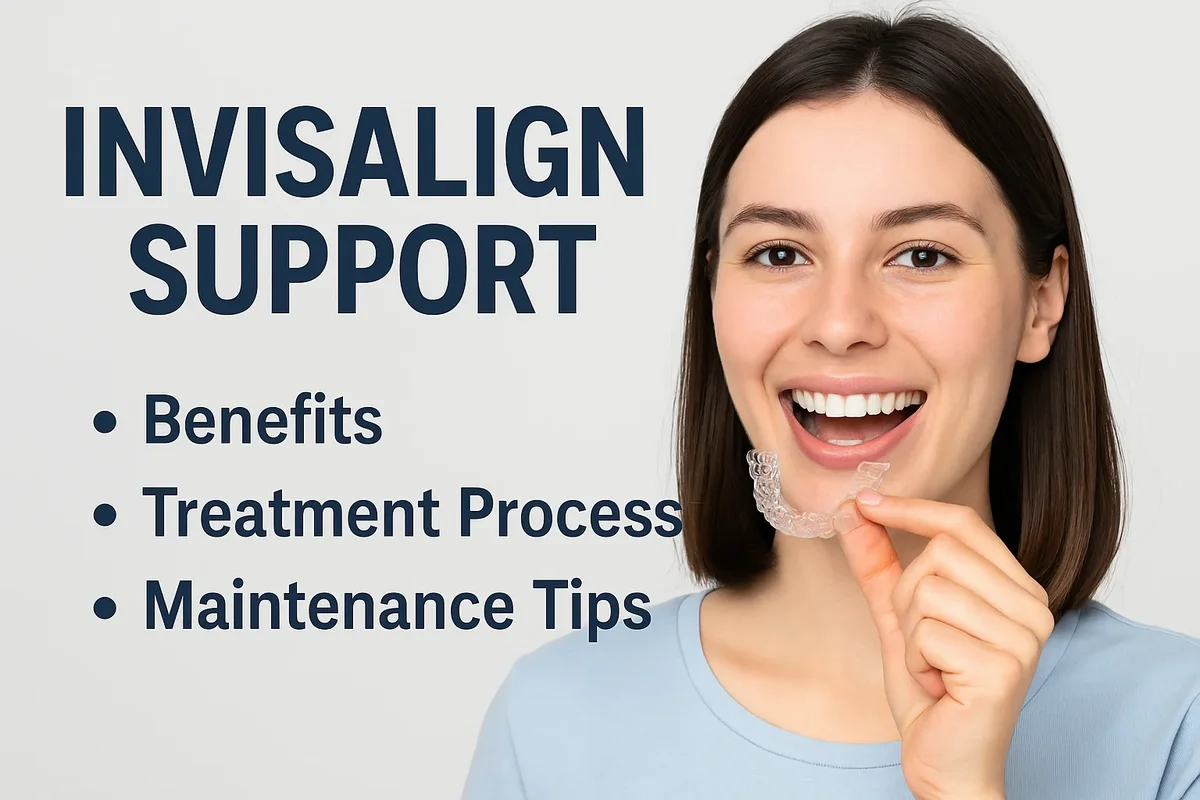
Common Issues During Invisalign Support and How to Solve Them
Even with its reputation for comfort and innovation, Invisalign support can occasionally come with minor challenges. Like any orthodontic treatment, success depends on proper wear, maintenance, and timely problem-solving. Understanding these potential issues—and how to manage them effectively—ensures your experience stays smooth, predictable, and satisfying. In this detailed guide, we’ll explore the most common problems patients encounter during Invisalign treatment and provide professional, practical solutions backed by dental expertise. 🦷
1. Initial Discomfort and Pressure
It’s normal to experience mild discomfort during the first few days of a new aligner set. The gentle pressure you feel is actually a sign that your Invisalign support is working—your teeth are shifting into their correct positions. However, the adjustment period typically lasts only 2–3 days after each aligner change.
How to Reduce Discomfort
- Wear each aligner for at least 20–22 hours daily to allow your teeth to adapt more quickly.
- Use over-the-counter pain relief, such as acetaminophen, if necessary.
- Rinse with warm salt water to soothe gum tenderness.
- Switch to new aligners before bedtime so you can sleep through the initial adjustment period.
Most patients find that Invisalign support is significantly more comfortable than metal braces, as it avoids painful wire tightening or bracket irritation. Consistent wear minimizes discomfort and ensures smooth, steady tooth movement. 🌟
2. Speech Changes or Lisping
Some users experience minor speech alterations, such as a temporary lisp, when they begin using aligners. This happens because the tongue needs time to adjust to the new surface in the mouth. Fortunately, this side effect of Invisalign support typically disappears within a few days as your tongue adapts to your aligners’ shape.
Tips to Improve Speech Quickly
- Practice speaking aloud, reading, or singing to improve tongue coordination.
- Avoid removing your aligners frequently—consistent wear accelerates adaptation.
- Stay hydrated to prevent dryness that can worsen pronunciation issues.
With practice, speech normalizes quickly, and most patients forget they’re even wearing aligners after the first week.
3. Aligner Tightness or Fit Problems
Sometimes, aligners may feel unusually tight or fail to fit perfectly when first inserted. This can happen if you skip wearing them for a few hours or accidentally delay switching to your next set. Proper Invisalign support ensures these issues are monitored and corrected early to avoid disrupting treatment progress.
How to Fix Fit Issues
- Use “chewies”—small foam cylinders provided by your dentist—to seat aligners fully onto your teeth.
- Wear your current aligners for an extra day or two before switching if they feel too tight.
- Contact your dentist if aligners still don’t fit after two days—your treatment plan may need minor adjustments.
Consistency is the cornerstone of successful Invisalign support. Wearing aligners as prescribed ensures predictable movement and keeps your treatment on schedule.
4. Aligners Cracking or Breaking
While Invisalign aligners are designed with durable SmartTrack® material, damage can still occur if they’re mishandled. Cracks usually result from excessive bending during insertion or cleaning with hot water. Broken aligners can delay progress or cause discomfort if not replaced promptly.
Prevention and Solutions
- Always remove aligners gently from both sides simultaneously, not from one corner.
- Never rinse or soak aligners in hot water—it can warp the plastic.
- If a crack appears, continue wearing them temporarily and contact your provider for a replacement.
Many clinics offering Invisalign support keep digital records of your aligner series, allowing them to reorder replacements quickly when needed. At Redent Klinik Contact Page, for example, patients can report damaged trays for rapid replacements without disrupting their treatment timeline.
5. Aligner Staining or Bad Odor
One of the most common yet preventable issues in Invisalign support is discoloration or odor caused by improper cleaning. Aligners can accumulate bacteria and plaque if not maintained daily, leading to cloudy appearance and bad breath.
How to Keep Aligners Fresh and Clear
- Rinse aligners every time you remove them.
- Clean them twice a day using mild soap and a soft toothbrush—avoid toothpaste, which can scratch surfaces.
- Use Invisalign Cleaning Crystals or retainer cleaning tablets once a week for deep sanitation.
- Brush and floss your teeth before reinserting aligners.
Consistent hygiene keeps your aligners invisible and your Invisalign support experience pleasant throughout your treatment.
6. Lost or Misplaced Aligners
It’s easy to lose aligners, especially when removing them for meals or brushing. Fortunately, replacing them quickly prevents setbacks. Clinics with comprehensive Invisalign support programs usually keep backup records, allowing swift reproduction of lost trays.
Steps to Take if You Lose an Aligner
- Contact your provider immediately—do not skip ahead to the next set without professional advice.
- Wear the previous aligner to maintain tooth positioning until a replacement arrives.
- Consider investing in an extra aligner case to avoid accidental disposal or loss.
Preventing loss is simple: always store your aligners in their case when not in use. Avoid wrapping them in napkins, as they can easily be thrown away by mistake. 😅
7. Gum or Tongue Irritation
Occasionally, aligner edges may cause mild irritation to the gums or tongue, particularly when new sets are introduced. This minor issue is normal and usually resolves within a few days as your mouth adapts.
How to Relieve Gum Irritation
- Use a nail buffer or aligner file (available from your provider) to smooth rough edges.
- Rinse with warm salt water to soothe soreness.
- Apply orthodontic wax to sharp areas for temporary relief.
If irritation persists, your dentist can trim the aligner edges for a custom fit. Quality Invisalign support always includes personalized adjustments to maintain comfort.
8. Delayed Progress or Tooth Tracking Issues
Sometimes, teeth may not move exactly as planned, especially if aligners aren’t worn consistently. This phenomenon, called “tracking deviation,” can delay treatment results. Regular follow-ups are essential to ensure your teeth are aligning properly according to your ClinCheck® plan.
How to Stay on Track
- Wear aligners for the recommended duration daily (minimum 22 hours).
- Use chewies after reinserting trays to ensure a snug fit.
- Attend scheduled checkups and share progress photos if virtual monitoring is available.
Modern Invisalign support includes digital monitoring apps that track progress and alert providers to any irregularities. Early detection ensures minor deviations are corrected promptly, avoiding costly delays.
9. Allergic Reactions or Sensitivity
Although rare, some patients may experience mild sensitivity to the aligner material. Invisalign aligners are made from medical-grade, BPA-free SmartTrack® plastic designed for biocompatibility, but if you notice unusual irritation, consult your provider immediately.
Managing Sensitivity Safely
- Rinse aligners thoroughly before first use to remove manufacturing residues.
- Report persistent symptoms to your orthodontist for alternative solutions.
- Switch to hypoallergenic aligner cleaning solutions if needed.
Comprehensive Invisalign support includes monitoring for such rare reactions to ensure your treatment remains comfortable and safe.
10. Final Thoughts: Smooth Sailing Through Invisalign Support
While minor challenges may arise during your Invisalign journey, nearly all can be resolved quickly with proper care and communication. The key to success lies in consistency, hygiene, and staying connected with your provider. With professional guidance and proactive habits, your Invisalign support experience can remain efficient, comfortable, and rewarding.
For additional tips and expert consultation, you can contact the Redent Klinik Contact Page. You may also refer to the American Dental Association for trusted dental health guidelines and orthodontic care recommendations. Remember, every small challenge is an opportunity to learn and maintain the best possible results. 🌈
In conclusion, a proactive approach ensures that your Invisalign support remains a positive, life-changing experience—one that ends not just with a straighter smile, but a deeper appreciation for modern, patient-centered dentistry. 😁