
In recent years, invisalign through the mail has become one of the most talked-about topics in modern orthodontics. Many adults who want straighter teeth without frequent dental visits are searching for convenient, affordable, and discreet solutions. This growing interest has led to the rise of mail-order clear aligner systems, often compared to traditional Invisalign treatments performed in dental clinics. But what exactly is invisalign through the mail, and does it truly meet expectations? 🤔
At its core, invisalign through the mail refers to a remote orthodontic treatment model where patients receive clear aligners delivered directly to their homes. Instead of visiting an orthodontist regularly, users typically take their own dental impressions or digital scans using a home kit or a partnered scanning center. These records are then reviewed remotely, and a series of aligners is produced and shipped to the patient over time. The appeal lies in simplicity, flexibility, and the promise of straighter teeth without constant in-office appointments.
The popularity of invisalign through the mail is driven largely by modern lifestyles. Busy professionals, parents, and international patients often struggle to commit to repeated dental visits. Mail-order aligner systems market themselves as a solution for mild to moderate alignment issues, such as slightly crooked teeth, small gaps, or minor crowding. Because the treatment happens mostly at home, many users feel empowered and more in control of their orthodontic journey 😊.
However, it is important to understand that invisalign through the mail is not exactly the same as traditional Invisalign supervised directly by an orthodontist. In a conventional setting, Invisalign treatment includes detailed clinical examinations, X-rays, bite analysis, and continuous in-person monitoring. Mail-based systems rely heavily on self-reported data and remote evaluations, which can limit the dentist’s ability to detect hidden problems such as bone loss, gum disease, or bite imbalances.
That said, invisalign through the mail can still be an attractive option for the right candidate. Many users appreciate the discreet nature of clear aligners, which are nearly invisible when worn. Unlike metal braces, aligners are removable, making it easier to maintain oral hygiene and enjoy favorite foods. This convenience factor is one of the main reasons why invisalign through the mail continues to gain global attention 🌍.
From a user perspective, the process is often described as straightforward. After ordering a starter kit, patients create impressions or scans of their teeth and send them back. Once approved, a treatment plan is designed and aligners are shipped periodically. Throughout the process, communication usually happens via online portals, email, or mobile apps. This digital approach aligns well with today’s telehealth trends, making invisalign through the mail feel modern and accessible.
Still, patient expectations must be realistic. Invisalign through the mail is generally intended for cosmetic alignment, not complex orthodontic corrections. Issues such as severe crowding, jaw misalignment, or significant bite problems typically require in-person care. Reputable dental organizations, including the
American Dental Association, emphasize the importance of professional diagnosis before starting any orthodontic treatment. This is why many dental clinics encourage patients to seek at least one professional consultation before committing fully.
For patients who want both convenience and expert oversight, combining online research with professional guidance can be a smart approach. Some clinics, like Redent Klinik, offer consultations to help patients understand whether invisalign through the mail is appropriate for their dental condition. If you are unsure about your suitability, you can always reach out via the
Redent Klinik Contact Page for personalized advice 🦷.
In summary, invisalign through the mail represents a significant shift in how orthodontic care is delivered. It reflects a growing demand for remote healthcare solutions and patient-centered convenience. While it is not a one-size-fits-all solution, it can be effective for carefully selected cases when users fully understand its scope and limitations. As with any dental treatment, informed decision-making is key to achieving safe, satisfying, and long-lasting results.
What Is Invisalign Through the Mail and How Does It Work?
Invisalign through the mail is a modern orthodontic approach designed to straighten teeth using clear aligners that are delivered directly to your home. Unlike traditional orthodontic treatment, which requires frequent in-office visits, this model emphasizes remote care, digital communication, and convenience. For many adults seeking a discreet and flexible solution, invisalign through the mail feels like a natural extension of today’s online-first healthcare experience 🌐.
The core idea behind invisalign through the mail is simple: instead of visiting a dental clinic for impressions and checkups, most of the process is handled remotely. Patients either take their own dental impressions using a home kit or visit a partner scanning location. These records are then reviewed by licensed dental professionals who design a personalized aligner plan. Once approved, a full series of aligners is manufactured and shipped in stages.
The Initial Assessment and Impression Stage
Every invisalign through the mail journey begins with an assessment phase. This step is crucial because it determines whether a patient is suitable for remote aligner treatment. Typically, users receive an impression kit by mail, complete with trays and instructions. Alternatively, some providers offer 3D digital scans at physical partner locations. The goal is to capture an accurate representation of the teeth and bite.
While this stage is convenient, it also highlights one of the key differences between invisalign through the mail and in-office treatment. There are usually no X-rays or clinical exams performed at this point. This means conditions below the gum line, such as bone loss or impacted teeth, may go unnoticed. For this reason, dental professionals often recommend having a recent dental check-up before starting invisalign through the mail 🦷.
Remote Treatment Planning and Approval
Once impressions or scans are submitted, the data is reviewed remotely by a licensed dentist or orthodontist. Using specialized software, they create a digital treatment plan that shows how the teeth are expected to move over time. Patients are often given a preview of the projected results before committing. This visualization is a major selling point of invisalign through the mail, as it helps users feel confident about the process.
At this stage, patients can approve or decline the proposed plan. If approved, aligner production begins. If declined, many providers offer refunds. This remote approval process is designed to mimic the planning phase of traditional Invisalign, but without face-to-face interaction. For tech-savvy users, this digital experience feels efficient and empowering 😊.
Manufacturing and Delivery of Aligners
After approval, a full series of clear aligners is produced based on the treatment plan. These aligners are typically made from medical-grade plastic and are designed to apply gentle, controlled pressure to move teeth gradually. With invisalign through the mail, aligners are shipped directly to the patient’s home, often in batches or all at once, depending on the provider.
Patients usually wear each set of aligners for one to two weeks before switching to the next set. They are expected to wear them for 20–22 hours per day to achieve optimal results. Because the aligners are removable, eating and oral hygiene routines remain relatively easy, which is another reason invisalign through the mail is so appealing to adults.
Monitoring Progress Without Office Visits
One of the defining features of invisalign through the mail is remote monitoring. Instead of in-person checkups, patients submit photos or updates through an online portal or mobile app. Dental professionals review progress and provide feedback digitally. This system allows users to continue treatment from anywhere in the world, making invisalign through the mail particularly attractive for frequent travelers or international patients ✈️.
However, this convenience also places more responsibility on the patient. Compliance, accurate photo submissions, and self-awareness of discomfort are critical. If aligners are not worn as instructed or issues are not reported promptly, results may be compromised. This is why invisalign through the mail works best for motivated individuals who are comfortable managing parts of their own care.
How Invisalign Through the Mail Differs From Traditional Care
While invisalign through the mail shares similarities with traditional Invisalign, the lack of hands-on supervision is a key distinction. In-office orthodontic care allows for mid-treatment adjustments, refinements, and immediate intervention if problems arise. With mail-based systems, changes can be slower and more limited. Understanding this difference helps patients set realistic expectations and avoid disappointment.
In conclusion, invisalign through the mail is a streamlined, digitally driven orthodontic solution built around convenience and accessibility. When used appropriately and with proper awareness, it can deliver satisfying cosmetic results for mild alignment concerns. The key is knowing how it works, what it can realistically achieve, and when professional in-person guidance may still be necessary.
Who Is a Good Candidate for Invisalign Through the Mail?
Understanding who is suitable for invisalign through the mail is one of the most important steps before starting treatment. While marketing often suggests that mail-order aligners are for everyone, the reality is more nuanced. Invisalign through the mail is designed primarily for adults with mild to moderate cosmetic alignment concerns, not for complex orthodontic or medical dental issues. Knowing whether you are a good candidate helps prevent disappointment and protects your long-term oral health 🦷.
In general, invisalign through the mail works best for people whose teeth require small, predictable movements. These include slight crowding, minor gaps, or teeth that have shifted after previous orthodontic treatment. Many adults who had braces years ago but experienced relapse find invisalign through the mail appealing because it offers a discreet way to correct these changes without returning to full in-office treatment.
Ideal Dental Conditions for Invisalign Through the Mail
The most suitable candidates for invisalign through the mail usually share a few key dental characteristics. First, their bite relationship is relatively stable. This means there are no major issues such as severe overbite, underbite, crossbite, or open bite. Second, the teeth and gums are generally healthy, with no active gum disease or untreated cavities. Clear aligners rely on a healthy foundation to move teeth safely.
People with minor spacing between teeth often see good results with invisalign through the mail. Similarly, slight crowding where teeth overlap minimally can respond well to remote aligner systems. These cases typically do not require attachments, complex rotations, or significant bite correction, making them more predictable for remote planning 😊.
Age and Lifestyle Considerations
Most providers of invisalign through the mail target adult patients rather than teenagers. Adults are generally more disciplined about wearing aligners consistently and following instructions. Because invisalign through the mail depends heavily on patient compliance, lifestyle factors play a significant role. Candidates should be comfortable wearing aligners for 20–22 hours a day and switching trays on schedule.
Busy professionals, frequent travelers, and people living far from dental clinics often gravitate toward invisalign through the mail because of its flexibility. If you value convenience, digital communication, and fewer in-person appointments, you may feel that this treatment model fits well into your daily routine 🌍.
Who Should Avoid Invisalign Through the Mail?
Despite its convenience, invisalign through the mail is not suitable for everyone. Patients with complex orthodontic needs usually require in-person supervision. This includes individuals with severe crowding, significant bite discrepancies, jaw alignment problems, or teeth that need vertical movement. These cases often require attachments, elastics, or frequent refinements that cannot be managed remotely.
Additionally, people with underlying oral health issues should proceed with caution. Gum disease, bone loss, impacted teeth, or untreated cavities can worsen if aligners are used without proper diagnosis. Since invisalign through the mail typically does not involve X-rays, these conditions may remain undetected unless a recent dental examination has been performed.
The Importance of Dental Health Screening
A critical but sometimes overlooked aspect of invisalign through the mail is pre-treatment dental health. Even if your teeth appear straight or only slightly misaligned, unseen problems can affect treatment outcomes. Many dental professionals recommend having a full dental check-up before starting invisalign through the mail to ensure your gums, roots, and bone structure are healthy.
Organizations such as the American Dental Association emphasize that orthodontic treatment should be based on a proper diagnosis. While remote dentistry has its place, it works best when combined with informed decision-making and professional oversight.
Patient Responsibility and Self-Monitoring
Another key factor in determining candidacy for invisalign through the mail is personal responsibility. Because there are fewer in-person checkups, patients must actively monitor their progress. This includes submitting clear photos, reporting discomfort, and following wear schedules precisely. If aligners feel excessively painful or do not fit properly, it is the patient’s responsibility to seek help promptly.
Individuals who prefer close, hands-on guidance may feel uneasy with invisalign through the mail. On the other hand, those who are comfortable managing parts of their care digitally often appreciate the autonomy this system provides.
Consultation as a Smart First Step
If you are unsure whether invisalign through the mail is right for you, a professional consultation can provide clarity. Many dental clinics offer evaluations to help patients understand their alignment needs and risks. Clinics like Redent Klinik guide patients honestly, helping them decide whether remote aligners or in-office Invisalign is the safer and more effective option. You can always reach out through the
Redent Klinik Contact Page for personalized guidance.
In summary, a good candidate for invisalign through the mail is an adult with mild alignment issues, healthy teeth and gums, realistic expectations, and strong self-discipline. When these criteria are met, invisalign through the mail can be a convenient and effective cosmetic orthodontic solution. When they are not, traditional in-office care remains the gold standard for achieving safe, lasting results.
Step-by-Step Process of Mail-Order Invisalign Treatment
The step-by-step journey of invisalign through the mail is designed to feel simple, digital, and user-controlled. This structured process is one of the main reasons why invisalign through the mail has become popular among adults seeking discreet orthodontic care without frequent clinic visits. However, understanding each step in detail is essential to avoid unrealistic expectations and to ensure safe, effective results 🦷.
Unlike traditional orthodontic treatment, where most steps happen chairside, invisalign through the mail shifts many responsibilities to the patient. From impressions to daily wear compliance, each stage requires attention and accuracy. Below is a detailed breakdown of how the process typically works from start to finish.
Step 1: Ordering the Starter Kit or Digital Scan
The invisalign through the mail process usually begins online. Patients order an at-home impression kit or schedule a visit to a partner scanning center if available. The home kit includes trays and materials to capture molds of the teeth. Clear instructions are provided, as accuracy at this stage is critical for treatment success.
This step replaces the traditional in-office impression appointment. While convenient, it also introduces room for error if impressions are taken incorrectly. Poor-quality impressions can lead to ill-fitting aligners, discomfort, or delayed treatment. For this reason, many professionals advise patients to be meticulous and patient during this initial phase.
Step 2: Submitting Records and Remote Evaluation
Once impressions or scans are completed, they are sent back to the provider for evaluation. A licensed dentist or orthodontist remotely reviews the records and determines whether invisalign through the mail is appropriate. This evaluation focuses on visible tooth alignment and bite relationships, as no physical exam or X-rays are typically included.
If the case is approved, a customized digital treatment plan is created. Patients often receive a 3D preview showing how their teeth are expected to move over time. This visual simulation helps users understand the scope and limitations of invisalign through the mail before committing 😊.
Approval or Rejection of the Treatment Plan
Patients are given the opportunity to approve or decline the proposed plan. If declined, many companies offer refunds. Approval signals the start of aligner production. This step empowers patients but also places responsibility on them to assess whether the projected outcome aligns with their expectations.
It is important to remember that once approved, changes can be more difficult than in traditional care. This is why reviewing the plan carefully is a crucial part of the invisalign through the mail process.
Step 3: Manufacturing and Shipping the Aligners
After approval, a full series of clear aligners is manufactured using medical-grade plastic. These aligners are designed to apply gradual pressure to guide teeth into their planned positions. With invisalign through the mail, aligners are shipped directly to the patient’s home, often in multiple sets at once.
Patients typically receive detailed instructions on how long to wear each aligner, usually one to two weeks per tray. Wearing aligners for the recommended 20–22 hours per day is essential. Non-compliance is one of the most common reasons invisalign through the mail treatments fail to meet expectations.
Step 4: Daily Wear and Lifestyle Adjustments
Daily life with invisalign through the mail is similar to traditional Invisalign in many ways. Aligners are removable, allowing patients to eat, drink, brush, and floss normally. However, consistency is key. Aligners should only be removed for meals and oral hygiene.
Some mild discomfort or pressure is normal, especially when switching to a new aligner. This sensation indicates that the aligners are working. Severe pain, poor fit, or unexpected tooth movement should be reported immediately through the provider’s digital platform.
Oral Hygiene During Treatment
Maintaining excellent oral hygiene is critical during invisalign through the mail treatment. Teeth should be brushed after every meal before reinserting aligners. Failing to do so can trap food particles and bacteria, increasing the risk of cavities or gum issues.
Because in-person checkups are limited, patients must be proactive about dental health throughout treatment.
Step 5: Remote Monitoring and Progress Updates
Instead of regular orthodontic visits, invisalign through the mail relies on remote monitoring. Patients submit photos or scans at scheduled intervals. Dental professionals review progress and provide feedback digitally. This system allows flexibility but depends heavily on accurate reporting.
If issues arise, communication is typically handled through messaging systems or video consultations. While this works well for minor adjustments, it may be less effective for complex problems that require hands-on intervention.
Step 6: Completion and Retention Phase
Once the final aligner is worn, the active phase of invisalign through the mail treatment ends. However, retention is just as important as alignment. Most providers offer retainers to maintain results and prevent relapse.
Wearing retainers as instructed is essential for long-term success. Teeth naturally shift over time, and skipping this step can undo months of progress.
In conclusion, the step-by-step process of invisalign through the mail is built around convenience, digital communication, and patient responsibility. When each stage is followed carefully and realistically, it can deliver satisfying results for suitable cases. Understanding every step empowers patients to make informed decisions and achieve the best possible outcome.
Benefits of Choosing Invisalign Through the Mail
One of the main reasons patients are drawn to invisalign through the mail is the promise of convenience combined with modern technology. As lifestyles become busier and more digital, many adults are looking for orthodontic solutions that fit seamlessly into their routines. Invisalign through the mail is designed to meet this demand by offering a simplified, remote treatment experience while still aiming for visible cosmetic improvement 😊.
While this approach is not suitable for every case, it offers several distinct advantages for the right candidate. Understanding these benefits helps patients decide whether invisalign through the mail aligns with their expectations, lifestyle, and dental needs.
Convenience and Time Savings
Perhaps the most significant advantage of invisalign through the mail is convenience. Traditional orthodontic treatment often requires frequent in-office visits for adjustments, checkups, and refinements. With invisalign through the mail, many of these appointments are eliminated or replaced with digital check-ins.
Patients can manage most of their treatment from home, communicating with dental professionals online. This is especially beneficial for individuals with demanding work schedules, parents with limited free time, or people living far from dental clinics. Invisalign through the mail allows treatment to continue without disrupting daily responsibilities ⏱️.
Discreet and Aesthetic Appeal
Like traditional Invisalign, invisalign through the mail uses clear aligners that are nearly invisible when worn. This discreet appearance is a major selling point for adults who want to improve their smile without drawing attention. Unlike metal braces, clear aligners blend naturally with the teeth, making them suitable for professional and social settings.
Because the aligners are removable, patients can also maintain their normal eating and oral hygiene habits. This flexibility contributes to a more comfortable and socially confident treatment experience.
Comfort Compared to Traditional Braces
Many patients report that invisalign through the mail feels more comfortable than traditional braces. The aligners are made from smooth plastic and do not involve wires or brackets that can irritate the cheeks and gums. While some pressure is expected as teeth move, the overall experience is often described as gentler.
This increased comfort can make it easier for patients to remain compliant throughout treatment, which is essential for success.
Lower Overall Cost for Mild Cases
Cost is another commonly cited benefit of invisalign through the mail. Because the treatment model reduces overhead costs such as chair time and in-office staffing, prices are often lower than traditional orthodontic care. For patients with mild alignment issues, this can make clear aligner treatment more accessible.
While costs vary by provider and region, invisalign through the mail is frequently marketed as a budget-friendly alternative. However, patients should be cautious about focusing solely on price. Value should be measured not just by cost, but by safety, effectiveness, and long-term results.
Digital Treatment Planning and Transparency
Another advantage of invisalign through the mail is the use of digital treatment simulations. Patients often receive a 3D preview showing how their teeth are expected to move throughout treatment. This transparency helps users visualize potential results before committing.
This digital approach can be motivating and reassuring, especially for first-time orthodontic patients. Seeing a projected outcome makes the process feel more tangible and personalized 😊.
Flexibility for International and Remote Patients
Invisalign through the mail is particularly appealing for patients who travel frequently or live in areas with limited access to orthodontic care. Because the treatment relies on remote communication, patients can continue their aligner schedule from almost anywhere in the world.
This flexibility has made invisalign through the mail popular among international patients who want cosmetic dental improvements without committing to long-term stays near a clinic.
Reduced Anxiety for Dental-Avoidant Patients
Some individuals experience dental anxiety and prefer to minimize in-office visits. Invisalign through the mail can feel less intimidating because it reduces face-to-face appointments and invasive procedures. For these patients, the ability to manage treatment from home can lower stress and increase willingness to pursue orthodontic care.
However, it is still recommended that patients maintain routine dental checkups during treatment to monitor overall oral health.
Empowerment and Patient Control
Finally, invisalign through the mail appeals to patients who value autonomy. From approving treatment plans to managing daily wear schedules, patients play an active role in their orthodontic journey. This sense of control can increase engagement and satisfaction when expectations are realistic.
In conclusion, the benefits of invisalign through the mail center around convenience, discretion, affordability, and flexibility. For carefully selected cases and motivated individuals, it can be an effective and appealing way to improve smile aesthetics. The key is understanding both its strengths and its limitations, ensuring that the chosen treatment path aligns with personal dental needs and long-term oral health goals.
Risks and Limitations You Should Know
While invisalign through the mail offers convenience and accessibility, it is essential to understand the potential risks and limitations before starting treatment. Many users are drawn in by marketing messages that emphasize simplicity and affordability, but orthodontic tooth movement is a medical process that carries real biological considerations. Being fully informed helps patients make safer, more realistic decisions 🦷.
Invisalign through the mail can be effective for carefully selected cases, but it is not without drawbacks. The limitations largely stem from reduced clinical oversight, limited diagnostic tools, and the reliance on patient compliance. These factors can impact both short-term comfort and long-term oral health outcomes.
Lack of In-Person Clinical Examination
One of the most significant limitations of invisalign through the mail is the absence of a comprehensive in-person dental examination. Traditional orthodontic treatment typically includes X-rays, periodontal evaluations, and bite analysis. These diagnostic steps help identify underlying issues such as bone loss, impacted teeth, root resorption, or jaw discrepancies.
With invisalign through the mail, treatment planning is usually based on surface-level impressions or digital scans alone. This means problems below the gum line may go undetected. Starting aligner treatment without addressing these issues can worsen existing conditions and lead to complications that are harder to correct later.
Limited Ability to Treat Complex Cases
Invisalign through the mail is designed primarily for mild cosmetic corrections. Complex orthodontic movements—such as significant rotations, vertical tooth movement, or bite correction—are difficult to manage remotely. These cases often require attachments, elastics, or frequent adjustments that cannot be adequately handled through a mail-based system.
Patients with moderate to severe crowding or bite problems may find that invisalign through the mail does not deliver the expected results. In some cases, treatment may stall or produce uneven alignment, requiring corrective in-office orthodontic care afterward.
Bite Changes and Functional Issues
One lesser-known risk of invisalign through the mail involves unintended bite changes. Because bite relationships are complex and dynamic, unsupervised tooth movement can sometimes alter how the upper and lower teeth come together. This may result in discomfort, difficulty chewing, or jaw strain.
In traditional orthodontic care, these changes are monitored closely and adjusted as needed. With invisalign through the mail, bite issues may not be noticed until they become uncomfortable or problematic.
Dependence on Patient Compliance
Success with invisalign through the mail depends heavily on patient discipline. Aligners must be worn consistently for 20–22 hours per day. Skipping wear time, delaying aligner changes, or failing to follow instructions can compromise results.
Because there are fewer in-person checkups, there is less external accountability. Patients who struggle with routine or motivation may find it challenging to stay on track. Poor compliance can lead to incomplete tooth movement, extended treatment time, or unsatisfactory outcomes.
Risk of Ill-Fitting Aligners and Discomfort
Another limitation of invisalign through the mail is the potential for ill-fitting aligners. If impressions are inaccurate or teeth do not move as planned, aligners may feel too tight, too loose, or uneven. This can cause pain, gum irritation, or pressure on unintended teeth.
While some discomfort is normal with any aligner treatment, persistent pain or poor fit should not be ignored. Remote communication may delay resolution compared to in-office adjustments, increasing frustration for patients.
Delayed Response to Complications
In a traditional setting, orthodontists can quickly respond to issues such as broken attachments, unexpected tooth movement, or soft tissue irritation. With invisalign through the mail, communication is typically asynchronous, relying on messages or photo submissions.
This delay can allow minor problems to escalate. In some cases, patients may need to pause treatment or seek emergency dental care independently.
Marketing vs Medical Reality
One of the broader concerns surrounding invisalign through the mail is the gap between marketing claims and medical reality. Promotional materials often highlight ease, speed, and affordability, sometimes downplaying risks. This can lead patients to underestimate the importance of professional supervision.
Authoritative organizations such as the American Dental Association stress that orthodontic treatment should be based on a proper diagnosis and ongoing monitoring. Teeth are part of a living system, and moving them without full evaluation carries inherent risks.
When to Seek Professional Help
Patients using invisalign through the mail should remain vigilant throughout treatment. Warning signs such as severe pain, bleeding gums, loose teeth, or changes in bite should prompt immediate professional evaluation. In these situations, an in-person dental visit is not optional—it is necessary.
Clinics like Redent Klinik often see patients seeking corrective care after unsuccessful remote aligner treatment. Early consultation can prevent minor issues from becoming major problems. If you have concerns, reaching out through the
Redent Klinik Contact Page can provide clarity and peace of mind.
In conclusion, invisalign through the mail offers clear benefits, but it also comes with important risks and limitations. Understanding these factors allows patients to make informed decisions, set realistic expectations, and prioritize long-term oral health over short-term convenience. For the right candidate, it can work well—but it should never replace professional judgment when more complex care is needed.
Invisalign Through the Mail vs In-Office Invisalign
When deciding between invisalign through the mail and traditional in-office Invisalign, patients are often comparing convenience against clinical oversight. Both approaches use clear aligners to straighten teeth, but the similarities largely end there. Understanding how these two treatment models differ helps patients choose the option that best fits their dental needs, expectations, and lifestyle 🦷.
At a glance, invisalign through the mail promises flexibility and lower costs, while in-office Invisalign emphasizes precision, safety, and hands-on professional care. The right choice depends on the complexity of the case and the level of supervision required.
Diagnostic Accuracy and Treatment Planning
One of the most important differences lies in diagnostics. In-office Invisalign treatment begins with a comprehensive clinical examination. This typically includes digital scans, X-rays, bite analysis, and periodontal assessment. These tools allow orthodontists to identify underlying issues that could affect tooth movement.
In contrast, invisalign through the mail usually relies on surface-level impressions or scans taken without a full clinical exam. While this can be sufficient for mild cosmetic cases, it limits diagnostic accuracy. Conditions below the gum line may go unnoticed, which can affect long-term results.
Customization and Mid-Treatment Adjustments
With in-office Invisalign, orthodontists can make real-time adjustments throughout treatment. Attachments can be added or removed, aligners refined, and treatment plans modified as teeth respond. This adaptability is especially important for complex movements.
Invisalign through the mail offers limited flexibility once treatment begins. Adjustments are possible but often slower and less precise, as they rely on remote communication and updated impressions.
Level of Professional Supervision
Professional supervision is a defining factor in this comparison. In-office Invisalign involves regular checkups where orthodontists monitor progress, address discomfort, and ensure teeth are moving safely. This ongoing oversight reduces the risk of complications.
With invisalign through the mail, supervision is primarily remote. Patients submit photos or updates through online portals. While this model works for disciplined patients with simple cases, it places greater responsibility on the individual and may delay intervention if problems arise.
Effectiveness for Different Case Types
In-office Invisalign can treat a wide range of orthodontic issues, from mild crowding to complex bite problems. Elastics, attachments, and refinements allow orthodontists to control tooth movement precisely.
Invisalign through the mail is generally limited to mild alignment issues. It is not ideal for significant bite correction, vertical tooth movement, or severe crowding. Patients with these conditions often achieve better, safer outcomes with in-office care.
Long-Term Stability and Retention
Retention planning is another area where in-office care has an advantage. Orthodontists customize retainer protocols based on individual risk factors. This personalized approach helps maintain results long-term.
Mail-based systems typically provide standard retainers with generalized instructions. While effective for some, this one-size-fits-all approach may not address specific relapse risks.
Cost Considerations and Value
Cost is often the deciding factor for patients considering invisalign through the mail. Mail-order options are usually marketed at a lower price point due to reduced overhead. For mild cases, this can represent good value.
However, in-office Invisalign may offer greater value over time for complex cases by reducing the risk of retreatment or corrective procedures. When evaluating cost, patients should consider not just the initial price, but the overall quality and predictability of results.
Patient Experience and Peace of Mind
Some patients enjoy the autonomy and digital nature of invisalign through the mail. Others prefer the reassurance of face-to-face care. In-office Invisalign provides immediate answers, physical adjustments, and a direct relationship with a dental professional.
Organizations like the American Dental Association emphasize that orthodontic treatment benefits from professional diagnosis and monitoring. This perspective highlights why many patients still choose in-office Invisalign despite the convenience of mail-based options.
In summary, the choice between invisalign through the mail and in-office Invisalign depends on individual needs. Invisalign through the mail can be suitable for mild cosmetic adjustments when convenience is a priority. In-office Invisalign remains the gold standard for comprehensive, closely supervised orthodontic care. Making an informed choice ensures safer treatment and more predictable, lasting results.
Cost Breakdown and Typical Price Ranges
One of the strongest motivations for choosing invisalign through the mail is cost. For many patients, affordability is the deciding factor when comparing mail-order aligners with traditional orthodontic care. While invisalign through the mail is often marketed as a budget-friendly solution, understanding what you are actually paying for—and what may not be included—is essential for making a smart, informed decision 💰.
Costs for invisalign through the mail can vary widely depending on the provider, treatment length, and geographic market. Unlike in-office Invisalign, which is highly customized and supervised, mail-based systems typically offer standardized pricing models. This simplicity can be appealing, but it also comes with trade-offs.
Average Price Ranges for Invisalign Through the Mail
Based on publicly available information from major providers and market comparisons, the typical cost of invisalign through the mail generally falls within the following ranges:
- Short or mild treatment plans: Approximately $1,500 – $2,000
- Standard treatment plans: Approximately $2,000 – $2,500
- Extended or complex remote plans: Up to $3,000
These prices usually include the full set of aligners, basic remote monitoring, and one set of retainers at the end of treatment. Compared to in-office Invisalign—which often ranges from $3,500 to $7,000—this lower price point makes invisalign through the mail attractive to cost-conscious patients.
What Is Typically Included in the Price
Most invisalign through the mail packages include:
- At-home impression kit or digital scan
- Remote review by a licensed dental professional
- Custom clear aligners shipped to your home
- Online treatment dashboard or mobile app access
- One initial set of retainers
This bundled approach simplifies budgeting and eliminates surprise charges for routine steps. However, it is important to read the fine print carefully, as not all services are equal across providers.
Hidden Costs and Potential Add-Ons
While invisalign through the mail is often advertised with a single upfront price, additional costs may arise. Replacement aligners, additional refinements, or extra retainers may not always be included. If aligners are lost, damaged, or do not fit properly due to inaccurate impressions, patients may be responsible for extra fees.
Another often-overlooked expense is routine dental care during treatment. Invisalign through the mail does not replace regular dental checkups, cleanings, or necessary restorative work. Cavities, gum issues, or dental emergencies must still be addressed separately, potentially increasing overall costs.
Payment Plans and Financing Options
To make invisalign through the mail more accessible, many providers offer monthly payment plans. These plans often range from $70 to $100 per month, depending on treatment length and provider policies. Some plans require a down payment, while others advertise zero-interest financing.
While payment plans can reduce upfront financial pressure, patients should review terms carefully. Missing payments or canceling treatment early may result in penalties or loss of refunds.
Refund Policies and Guarantees
Refund policies vary significantly among invisalign through the mail providers. Many companies offer a limited trial period during which patients can cancel after reviewing their treatment preview. Once aligner production begins, refunds may be partial or unavailable.
Understanding these policies is critical, especially since treatment effectiveness depends heavily on proper case selection and patient compliance.
Cost vs Value: A Long-Term Perspective
While the lower price of invisalign through the mail is appealing, cost should not be the only factor. Value includes safety, effectiveness, comfort, and long-term stability. In some cases, unsuccessful remote treatment may require corrective in-office orthodontic care later, increasing total expenses.
Professional organizations such as the American Dental Association emphasize that orthodontic treatment is a medical procedure, not just a cosmetic purchase. From this perspective, the cheapest option is not always the most cost-effective in the long run.
Comparing Costs With In-Office Invisalign
In-office Invisalign typically costs more because it includes comprehensive diagnostics, regular monitoring, mid-treatment adjustments, and personalized retention planning. For patients with anything beyond mild alignment issues, this higher upfront cost may translate into better outcomes and fewer complications.
Invisalign through the mail can offer strong value for carefully selected cases when expectations are realistic. The key is matching the treatment model to the dental condition—not just the budget.
In summary, the cost of invisalign through the mail is generally lower and more predictable than traditional orthodontic care. However, patients should look beyond the advertised price and consider what is included, what is excluded, and how their individual dental needs align with a remote treatment model. Making a financially informed decision helps ensure both satisfaction and long-term oral health.
Safety, Regulation, and Dental Supervision
When considering invisalign through the mail, safety and regulation are just as important as convenience and cost. Orthodontic treatment is not merely cosmetic; it involves controlled biological tooth movement within bone and gum tissue. Because of this, understanding how invisalign through the mail is regulated, supervised, and monitored is essential for protecting long-term oral health 🦷.
Many patients assume that all clear aligner treatments follow the same medical standards. In reality, the level of professional oversight varies significantly between invisalign through the mail providers and traditional in-office orthodontic care. These differences can directly affect treatment safety and outcomes.
Regulatory Framework and Legal Oversight
Invisalign through the mail operates within a complex regulatory environment that differs by country and region. In many markets, remote aligner companies work with licensed dentists or orthodontists who approve treatment plans digitally. However, the extent of their involvement can be limited compared to in-person care.
Regulatory bodies often classify invisalign through the mail as a form of teledentistry. While teledentistry is a growing and valuable field, it is still evolving. Regulations may not always clearly define how much direct supervision is required, leaving gaps in accountability. This is why patients should carefully research whether licensed professionals are genuinely involved throughout their invisalign through the mail treatment.
Role of Licensed Dental Professionals
A key safety factor in invisalign through the mail is the role of the supervising dentist or orthodontist. In reputable systems, a licensed professional reviews impressions, approves the treatment plan, and monitors progress remotely. However, the patient may never interact directly with this provider.
This limited interaction can make it difficult for patients to ask detailed questions or express concerns. In contrast, in-office Invisalign allows for direct communication, hands-on evaluation, and immediate adjustments. While invisalign through the mail does involve professional oversight, the depth of that oversight is typically reduced.
Monitoring Tooth Movement Remotely
Remote monitoring is a defining feature of invisalign through the mail. Patients submit photos or scans at scheduled intervals, which are reviewed digitally. While this system can identify obvious issues, it may miss subtle problems such as early gum inflammation, uneven force distribution, or bite changes.
Because tooth movement is influenced by biological variation, not all teeth respond exactly as planned. In traditional orthodontics, these variations are managed through in-person adjustments. With invisalign through the mail, responses may be slower or less precise.
Potential Safety Concerns
One of the main safety concerns with invisalign through the mail is the absence of diagnostic imaging such as X-rays. Without imaging, conditions like bone loss, impacted teeth, or root abnormalities may go undetected. Moving teeth in the presence of these issues can increase the risk of root resorption, gum recession, or tooth instability.
Another concern is bite alignment. Even small changes in tooth position can alter how the upper and lower teeth meet. If these changes are not monitored carefully, they can lead to discomfort, jaw strain, or uneven wear over time.
Guidance From Professional Organizations
Professional dental organizations consistently emphasize the importance of proper diagnosis and supervision. The
American Dental Association has stated that orthodontic treatment should be based on a comprehensive evaluation and ongoing professional monitoring.
This does not mean invisalign through the mail is inherently unsafe, but it does highlight that it is best suited for carefully selected cases. Patients should be cautious of providers that downplay the medical nature of orthodontic treatment.
Importance of Routine Dental Checkups
Even when using invisalign through the mail, routine dental visits remain essential. Cleanings, cavity checks, and gum evaluations should continue throughout treatment. Invisalign through the mail does not replace general dental care; it only addresses tooth alignment.
Patients who neglect routine checkups during aligner treatment may unknowingly develop issues that compromise results and oral health.
When Professional Intervention Is Necessary
There are situations where invisalign through the mail should be paused or discontinued in favor of in-person care. Persistent pain, bleeding gums, loose teeth, or noticeable bite changes are warning signs that require immediate professional evaluation.
Dental clinics with experience in orthodontics, such as Redent Klinik, often assist patients who need guidance before, during, or after remote aligner treatment. If safety concerns arise, contacting a qualified dental professional through the
Redent Klinik Contact Page can help prevent long-term complications.
In conclusion, safety, regulation, and dental supervision are critical considerations when choosing invisalign through the mail. While the model offers convenience and accessibility, it also places greater responsibility on the patient and relies on limited remote oversight. Understanding these factors allows patients to balance convenience with caution, ensuring that smile improvements do not come at the expense of oral health.
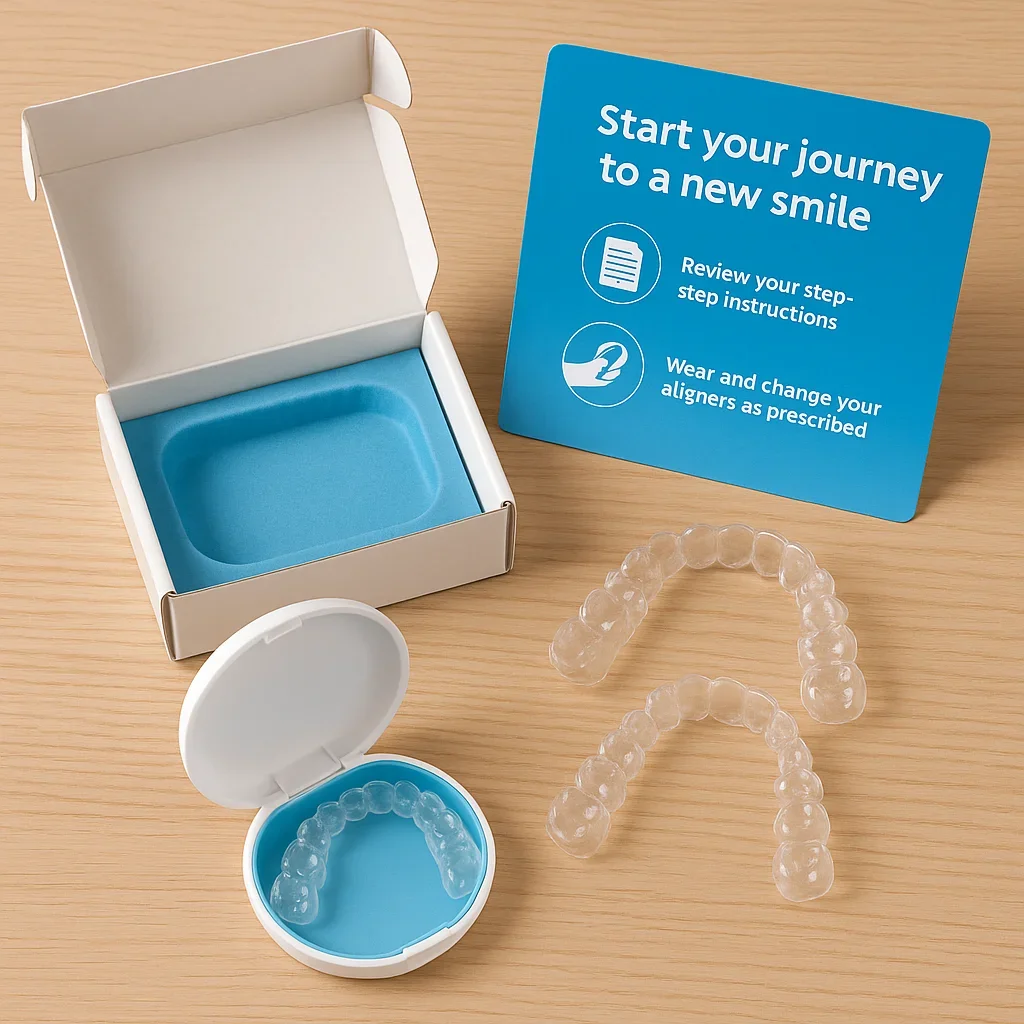
Expert Tips for Better Results With Invisalign Through the Mail
Achieving the best possible outcome with invisalign through the mail requires more than simply wearing clear aligners and waiting for results. Because this treatment model relies heavily on patient participation and remote monitoring, success depends on consistency, awareness, and proactive care. By following expert-backed strategies, patients can significantly improve both comfort and final alignment results 😊.
Unlike in-office orthodontic treatment, invisalign through the mail places much of the responsibility in the patient’s hands. This makes education and preparation especially important. The following expert tips are designed to help you avoid common mistakes and maximize the effectiveness of invisalign through the mail.
Commit to Proper Wear Time
One of the most critical factors for success with invisalign through the mail is wearing your aligners for the recommended 20–22 hours per day. Clear aligners only work when consistent pressure is applied. Removing them too often or for extended periods can delay progress or prevent teeth from moving as planned.
Experts recommend setting reminders or building aligner wear into your daily routine. Treating invisalign through the mail as a medical treatment rather than a cosmetic accessory helps maintain discipline and focus.
Follow Aligner Change Schedules Precisely
Each set of aligners in invisalign through the mail is designed to be worn for a specific duration, usually one to two weeks. Changing aligners too early can cause excessive pressure and discomfort, while delaying changes can slow progress.
Stick closely to the schedule provided by your treatment plan. If aligners feel excessively tight or do not seat properly, do not force the transition. Instead, contact your provider through the digital platform for guidance.
Use Chewies or Seating Aids
Many aligner providers recommend using chewies—small rubber devices that help seat aligners fully onto the teeth. Proper seating ensures even force distribution and improves tracking. This simple habit can make a noticeable difference in how well invisalign through the mail works.
Using chewies for a few minutes after inserting new aligners can reduce discomfort and improve fit.
Maintain Excellent Oral Hygiene
Oral hygiene is especially important during invisalign through the mail treatment. Because aligners cover the teeth for most of the day, trapped food particles and bacteria can increase the risk of cavities and gum issues.
Experts recommend brushing after every meal before reinserting aligners and flossing at least once daily. Aligners themselves should be cleaned regularly using gentle, non-abrasive methods to prevent odor and buildup.
Monitor Your Progress Carefully
With invisalign through the mail, you are your own first line of observation. Regularly check how your aligners fit and whether your teeth appear to be tracking as expected. Submitting clear, accurate photos during remote check-ins is essential for effective monitoring.
If something feels off—such as sudden pain, uneven pressure, or visible gaps between aligners and teeth—do not ignore it. Early reporting allows for timely intervention and prevents complications.
Understand Normal vs Abnormal Discomfort
Mild pressure or soreness is normal when switching aligners, especially during the first few days. However, sharp pain, bleeding gums, or loosening teeth are not normal. Knowing the difference helps you respond appropriately and protects your oral health.
Keep Up With Routine Dental Checkups
Even though invisalign through the mail reduces orthodontic visits, it does not eliminate the need for regular dental care. Professional cleanings and exams help detect issues that remote aligner systems may miss.
The American Dental Association emphasizes that ongoing dental supervision is essential during orthodontic treatment. Routine checkups ensure that gums and teeth remain healthy throughout the aligner process.
Set Realistic Expectations
One of the most valuable expert tips is setting realistic expectations. Invisalign through the mail is best suited for mild cosmetic alignment. It is not designed to correct complex bite issues or jaw discrepancies.
Understanding what invisalign through the mail can and cannot do helps prevent frustration and dissatisfaction. If results appear slower or more limited than expected, this does not necessarily mean treatment is failing—it may reflect the natural limitations of remote orthodontic care.
Seek Professional Advice When Needed
If at any point you feel uncertain about your progress, seeking professional advice is a smart move. Dental clinics experienced in orthodontics can provide evaluations, second opinions, or corrective guidance if needed.
Clinics like Redent Klinik support patients in making informed decisions about aligner treatment. If you want expert input or reassurance during your invisalign through the mail journey, you can reach out via the
Redent Klinik Contact Page.
In conclusion, better results with invisalign through the mail come from commitment, awareness, and proactive care. By following expert tips—wearing aligners consistently, maintaining hygiene, monitoring progress, and seeking help when necessary—patients can significantly improve their treatment experience. When used responsibly and realistically, invisalign through the mail can deliver satisfying cosmetic results while fitting seamlessly into a modern lifestyle.