
✨ Invisalign top and bottom treatment has become one of the most popular orthodontic solutions for patients who want straighter teeth without traditional metal braces. Many people choose invisalign top and bottom aligners because they are clear, removable, comfortable, and designed to fit modern lifestyles. Whether you have crowding, spacing, bite problems, or uneven teeth, invisalign top and bottom treatment can provide a discreet and effective way to improve your smile.
Unlike traditional braces that use brackets and wires, invisalign top and bottom systems use transparent aligners made from medical-grade plastic. These aligners are custom-designed to gradually move teeth into the correct position over time. Patients usually receive several sets of aligners, and each set is worn for approximately one to two weeks before changing to the next stage.
One major reason patients prefer invisalign top and bottom correction is the aesthetic advantage. Adults and teenagers often feel self-conscious about wearing metal braces during work, school, or social activities. Clear aligners are nearly invisible, allowing people to smile confidently throughout treatment. 😁
Another important advantage of invisalign top and bottom aligners is convenience. Since the trays are removable, patients can eat their favorite foods without worrying about damaging brackets or wires. Oral hygiene also becomes easier because brushing and flossing can continue normally. Maintaining healthy gums and teeth during orthodontic treatment is extremely important, and removable aligners make this process simpler.
Many patients ask whether invisalign top and bottom treatment works for severe dental problems. Modern aligner technology has improved significantly, making it effective for a wide range of orthodontic issues, including:
- Crooked teeth
- Overbite
- Underbite
- Crossbite
- Gaps between teeth
- Mild to moderate crowding
- Open bite problems
However, not every patient is automatically a candidate for invisalign top and bottom correction. A dental examination, digital scan, and professional consultation are necessary to determine the most suitable treatment plan. In some advanced orthodontic cases, traditional braces may still be recommended. Consulting qualified dental professionals is essential before starting treatment.
The treatment process for invisalign top and bottom aligners usually begins with a digital 3D scan of the teeth. Dentists use advanced imaging software to create a customized treatment simulation showing how the teeth will move over time. This digital preview allows patients to see expected results even before treatment begins. 📸
After the scan, customized clear trays are manufactured specifically for the patient. Each aligner gently applies controlled pressure to shift the teeth into alignment. To achieve optimal results, patients typically need to wear invisalign top and bottom aligners for 20 to 22 hours per day. Consistency is extremely important because irregular wear may delay treatment progress.
Patients often wonder how long invisalign top and bottom treatment takes. The duration varies depending on the complexity of the case. Mild alignment problems may require only a few months, while more complex bite corrections can take 12 to 24 months. Regular dental checkups are scheduled throughout the process to monitor progress and provide new aligners.
Comfort is another reason why many people choose invisalign top and bottom solutions instead of braces. Traditional braces may irritate the cheeks and gums because of wires and brackets. Clear aligners are smoother and generally cause less discomfort. Some pressure is normal when switching to a new aligner set, but this usually indicates that the teeth are moving correctly.
Dietary freedom is another major benefit of invisalign top and bottom treatment. Since aligners are removable, patients can continue enjoying foods such as popcorn, nuts, apples, and crunchy snacks that are often restricted with braces. However, aligners should always be removed before eating or drinking anything except water.
Maintaining aligner hygiene is very important during invisalign top and bottom treatment. Patients should clean the trays daily using lukewarm water and gentle cleaning products recommended by dental professionals. Poor hygiene may lead to staining, unpleasant odors, or bacteria buildup.
Many people also choose invisalign top and bottom treatment because it supports confidence during professional and social interactions. Clear aligners are especially popular among adults who prefer subtle orthodontic treatment. This modern cosmetic dentistry approach allows patients to improve their smile without dramatically affecting their appearance during treatment.
💡 Patients interested in learning more about orthodontic and cosmetic dental solutions can visit the Redent Klinik Contact Page for professional consultation and treatment information.
According to the American Dental Association, maintaining proper oral hygiene and regular dental checkups during orthodontic treatment is essential for protecting long-term dental health. Combining clear aligner therapy with proper oral care can help patients achieve healthier and more attractive smiles.
The cost of invisalign top and bottom treatment depends on several factors, including treatment complexity, treatment duration, clinic location, and additional procedures that may be required. Average prices internationally often range between $3,000 and $8,000. Some clinics offer flexible monthly payment plans to make treatment more affordable for patients.
| Treatment Type | Estimated Price Range |
|---|---|
| Minor Invisalign Correction | $3,000 – $4,500 |
| Moderate Invisalign Treatment | $4,500 – $6,500 |
| Complex Invisalign Cases | $6,500 – $8,000+ |
Ultimately, invisalign top and bottom treatment offers a modern, comfortable, and highly aesthetic solution for patients who want straighter teeth and improved bite alignment. With proper compliance, professional supervision, and good oral hygiene, clear aligners can produce impressive smile transformations while allowing patients to maintain confidence throughout the entire process. 🌟
How Invisalign Top and Bottom Aligners Work Together
🦷 Understanding how invisalign top and bottom aligners work together is extremely important for patients considering clear aligner treatment. Many people assume that aligners simply straighten visible front teeth, but modern invisalign top and bottom systems are designed to improve the entire bite structure. By treating both upper and lower teeth simultaneously, dentists can create better balance, alignment, and long-term oral health results.
Invisalign top and bottom treatment uses customized clear trays that gradually move teeth into ideal positions. These aligners are carefully engineered using advanced digital scanning technology and orthodontic planning software. Every movement is planned in stages, allowing the teeth to shift slowly and safely over time.
Why Both Upper and Lower Teeth Must Be Treated Together
One of the biggest reasons dentists recommend invisalign top and bottom treatment instead of treating only one arch is bite harmony. Your upper and lower teeth work together every time you chew, speak, or close your mouth. If only one set of teeth is corrected while the other remains unchanged, the bite relationship may become unstable.
For example, a patient may think their upper teeth are the only visible problem. However, orthodontists often discover that lower teeth also contribute to crowding, spacing, or bite misalignment. Correcting both arches with invisalign top and bottom aligners allows the dentist to coordinate tooth movement more accurately.
Patients with overbite, underbite, or crossbite problems especially benefit from full invisalign top and bottom treatment because both dental arches influence jaw positioning. Treating both areas together improves chewing efficiency and smile symmetry. 😁
The Digital Planning Process
The success of invisalign top and bottom treatment depends heavily on digital treatment planning. During the first consultation, dentists perform a complete oral examination and create detailed 3D scans of the teeth. Unlike old-fashioned dental impressions, modern scanners provide highly accurate digital models without discomfort.
Using advanced software, the dentist maps every planned tooth movement for the entire invisalign top and bottom process. Patients can often preview how their smile may look after treatment is complete. This digital simulation helps improve patient understanding and motivation.
Key Steps During Digital Planning
- 3D scanning of upper and lower teeth
- Analysis of bite alignment
- Identification of crowding or spacing problems
- Creation of customized movement stages
- Production of personalized aligner trays
Each aligner in the invisalign top and bottom sequence is slightly different from the previous one. These small changes apply controlled pressure to specific teeth, encouraging gradual movement.
How Tooth Movement Happens
Many patients are curious about how invisalign top and bottom trays actually move teeth. Orthodontic movement occurs through gentle pressure applied over consistent periods of time. The bone surrounding the teeth slowly remodels as teeth shift into healthier positions.
When patients wear invisalign top and bottom aligners for the recommended 20 to 22 hours daily, the pressure remains constant enough to guide proper movement. Removing aligners too frequently can delay results and reduce treatment effectiveness.
Small attachments may sometimes be bonded to teeth during invisalign top and bottom treatment. These tooth-colored attachments help aligners grip certain teeth more effectively for complex movements such as rotations or vertical adjustments.
Common Problems Corrected by Invisalign Top and Bottom
Modern invisalign top and bottom systems can correct many orthodontic problems that previously required traditional braces. While severe skeletal cases may still require other interventions, clear aligners successfully treat many common dental concerns.
Conditions Frequently Treated
- Crowded teeth
- Gaps between teeth
- Overbite problems
- Underbite correction
- Crossbite alignment
- Open bite cases
- Mild jaw alignment issues
Because invisalign top and bottom aligners treat both arches simultaneously, dentists can carefully coordinate how upper and lower teeth fit together throughout the process.
Daily Routine During Treatment
Patients starting invisalign top and bottom treatment must develop healthy daily habits to achieve the best results. Consistency plays a major role in treatment success. Aligners should only be removed while eating, drinking beverages other than water, brushing, or flossing.
Daily cleaning is essential because bacteria and plaque may accumulate inside trays. Patients should rinse their invisalign top and bottom aligners regularly and clean them gently with recommended products. Good oral hygiene helps prevent staining, cavities, and gum irritation.
✨ One advantage of removable aligners is dietary freedom. Unlike braces, patients using invisalign top and bottom systems can continue eating crunchy foods, nuts, apples, and popcorn after removing their trays.
Comfort and Appearance Advantages
Another reason many adults choose invisalign top and bottom treatment is comfort and aesthetics. Traditional braces may irritate cheeks and gums because of metal brackets and wires. Clear aligners are smoother and less noticeable during everyday activities.
Professionals, students, and social media users often prefer invisalign top and bottom aligners because they allow smile improvement without significantly changing facial appearance during treatment. This discreet approach increases confidence in professional and social situations.
Treatment Monitoring and Progress
Throughout the invisalign top and bottom process, regular dental appointments are necessary to monitor tooth movement. Dentists evaluate how teeth are responding and provide new aligner sets. Some patients may also require refinement trays for final adjustments.
The average invisalign top and bottom treatment timeline varies depending on complexity. Mild cases may finish within six months, while moderate or advanced corrections may require 12 to 24 months.
📌 Patients who carefully follow instructions, wear aligners consistently, and attend scheduled appointments usually achieve the best results. Compliance directly affects treatment speed and final smile quality.
For patients considering clear aligner therapy, visiting the Redent Klinik Contact Page can provide additional guidance regarding smile design and orthodontic consultation options.
According to the American Dental Association, orthodontic treatment combined with strong oral hygiene habits can significantly improve long-term dental health and function.
Ultimately, invisalign top and bottom aligners work together by coordinating upper and lower tooth movement in a highly controlled, customized, and aesthetic manner. This modern orthodontic solution offers patients improved comfort, better bite balance, enhanced smile appearance, and greater confidence throughout the treatment journey. 🌟
Benefits of Choosing Invisalign Top and Bottom Treatment
✨ Choosing invisalign top and bottom treatment offers many advantages for patients who want a straighter, healthier, and more attractive smile without traditional metal braces. Modern clear aligner systems have transformed orthodontic care by combining aesthetics, comfort, convenience, and advanced dental technology. Patients of different ages now prefer invisalign top and bottom solutions because they fit naturally into modern lifestyles while still delivering highly effective orthodontic results.
Unlike conventional braces that use visible brackets and wires, invisalign top and bottom aligners are made from transparent medical-grade material. These custom trays gradually move teeth into proper alignment while remaining almost invisible during daily life. This discreet appearance is one of the biggest reasons clear aligners have become increasingly popular among adults and teenagers. 😁
Improved Smile Appearance During Treatment
One of the main benefits of invisalign top and bottom treatment is the ability to improve your smile while maintaining confidence throughout the process. Traditional braces can make some patients feel uncomfortable in social or professional settings because metal brackets are highly noticeable.
Clear aligners provide a much more aesthetic alternative. Since invisalign top and bottom trays are transparent, most people will barely notice them during conversations, photos, meetings, or social events. Many professionals, students, and public-facing workers prefer this discreet orthodontic option.
Confidence Benefits of Clear Aligners
- Minimal visibility during treatment
- Professional appearance at work
- Comfort during social interactions
- More confidence in photos and videos
- Less self-consciousness compared to braces
Patients often report feeling more relaxed and confident while using invisalign top and bottom aligners because they can continue daily activities without major aesthetic concerns.
Comfort Compared to Traditional Braces
Comfort is another major reason people choose invisalign top and bottom treatment. Metal braces contain wires and brackets that may irritate the cheeks, lips, and gums. In contrast, clear aligners are smooth and custom-designed to fit comfortably over the teeth.
Although patients may experience mild pressure when switching to a new aligner set, this discomfort is usually temporary and much gentler than the tightening associated with braces. The smooth design of invisalign top and bottom trays reduces the risk of mouth sores and irritation.
Patients who participate in sports or physical activities also appreciate the comfort and safety advantages of invisalign top and bottom aligners because there are no sharp metal components inside the mouth. 🏃
Removable Design and Eating Freedom
One of the most convenient features of invisalign top and bottom aligners is that they are removable. Unlike traditional braces, patients do not need to avoid certain foods during treatment.
With braces, sticky or hard foods may damage wires and brackets. However, patients using invisalign top and bottom systems simply remove the trays before meals. This allows them to continue enjoying foods such as:
- Popcorn
- Apples
- Nuts
- Pizza crust
- Crunchy vegetables
- Chewing gum
This dietary flexibility makes invisalign top and bottom treatment easier to manage for many patients. After eating, aligners can be cleaned and placed back into the mouth.
Better Oral Hygiene During Orthodontic Treatment
Maintaining oral hygiene is much easier with invisalign top and bottom aligners compared to traditional braces. Since the trays are removable, patients can brush and floss normally without navigating around brackets and wires.
Good oral hygiene is extremely important during orthodontic treatment because plaque accumulation may increase the risk of cavities and gum disease. Patients using invisalign top and bottom aligners often find it easier to maintain healthier gums and cleaner teeth throughout the treatment process.
Important Oral Hygiene Habits
- Brush teeth after every meal
- Clean aligners daily
- Floss regularly
- Use non-abrasive toothpaste
- Attend routine dental checkups
According to the American Dental Association, consistent oral hygiene practices are essential during orthodontic treatment to support long-term dental health.
Customized and Precise Tooth Movement
Modern invisalign top and bottom treatment uses advanced digital technology to create highly customized orthodontic plans. Every aligner is designed specifically for the individual patient using 3D scanning and computer-guided planning systems.
This precision allows dentists to control tooth movement gradually and predictably. Patients can even preview their expected results before starting invisalign top and bottom treatment through digital smile simulations.
The ability to customize every stage of movement helps improve treatment efficiency while minimizing unnecessary discomfort. 🖥️
Suitable for Many Orthodontic Problems
Many people incorrectly assume that invisalign top and bottom aligners only work for minor cosmetic adjustments. In reality, modern clear aligner systems can successfully treat many orthodontic concerns, including:
- Overbite
- Underbite
- Crossbite
- Open bite
- Crowded teeth
- Gaps between teeth
- Mild to moderate jaw alignment issues
By treating both upper and lower arches simultaneously, invisalign top and bottom systems improve overall bite coordination and smile balance.
Fewer Emergency Dental Visits
Traditional braces sometimes require emergency appointments because of broken brackets or protruding wires. One advantage of invisalign top and bottom treatment is the reduced likelihood of these unexpected orthodontic problems.
Since aligners contain no wires or metal parts, patients generally experience fewer urgent orthodontic issues. This makes invisalign top and bottom treatment more convenient for busy professionals, students, and travelers.
Long-Term Smile and Health Benefits
Beyond cosmetic improvements, invisalign top and bottom treatment may also contribute to better long-term oral health. Straighter teeth are often easier to clean properly, which may reduce plaque buildup and support healthier gums.
Correcting bite alignment with invisalign top and bottom systems may also improve chewing efficiency and reduce uneven tooth wear. Some patients even notice improvements in speech clarity and jaw comfort after orthodontic correction.
Patients interested in personalized orthodontic planning and cosmetic smile enhancement can visit the Redent Klinik Contact Page for additional information about clear aligner treatment options.
Why Patients Continue Choosing Invisalign Top and Bottom
🌟 Ultimately, the popularity of invisalign top and bottom treatment continues to grow because it combines modern technology, comfort, aesthetics, and flexibility in one orthodontic solution. Patients can improve their smiles while maintaining confidence, eating normally, practicing good oral hygiene, and enjoying a more comfortable experience than traditional braces.
For individuals seeking discreet orthodontic correction with predictable and attractive results, invisalign top and bottom aligners remain one of the most advanced and patient-friendly options available in modern dentistry.
Who Is a Good Candidate for Invisalign Top and Bottom?
🦷 Determining whether someone is a good candidate for invisalign top and bottom treatment is one of the most important steps before starting clear aligner therapy. Although modern aligner systems can successfully treat many orthodontic problems, not every patient has the same dental condition, bite structure, or treatment goals. A professional consultation is essential to evaluate whether invisalign top and bottom aligners are the right option for achieving a healthier and more balanced smile.
Today, millions of patients worldwide choose invisalign top and bottom treatment because it offers a comfortable, discreet, and highly effective alternative to traditional braces. However, successful results depend heavily on patient compliance, oral health condition, and the complexity of the orthodontic problem being treated.
Adults Seeking a More Discreet Orthodontic Solution
Adults are among the most common candidates for invisalign top and bottom treatment. Many adults avoided orthodontic care earlier in life or experienced tooth shifting years after previous braces. Because professional appearance often matters in workplace and social environments, clear aligners are highly attractive to adult patients.
Unlike metal braces, invisalign top and bottom trays are nearly invisible. This allows adults to continue professional meetings, presentations, video calls, and social activities with confidence. 😁
Why Adults Prefer Invisalign
- Transparent appearance
- Comfortable daily wear
- Removable aligners for meals
- Easy oral hygiene maintenance
- Minimal interference with social life
Many adults also appreciate that invisalign top and bottom systems fit easily into busy schedules and require fewer emergency dental visits compared to traditional braces.
Teenagers With Mild to Moderate Orthodontic Problems
Teenagers can also be excellent candidates for invisalign top and bottom treatment, especially when they are responsible enough to wear aligners consistently. Modern aligner systems are designed to address many common orthodontic concerns among teenagers while offering greater comfort and flexibility than braces.
Teen patients often prefer invisalign top and bottom aligners because they can remove them temporarily during sports, music activities, or important social events. The clear appearance also helps reduce self-consciousness during school years.
However, successful treatment requires discipline. Teenagers must wear invisalign top and bottom trays approximately 20 to 22 hours daily to achieve proper results. Patients who frequently remove aligners or forget to wear them may experience delayed progress.
Patients With Crowded Teeth
Many patients with mild to moderate crowding are ideal candidates for invisalign top and bottom treatment. Crowding occurs when there is insufficient space in the jaw for teeth to align correctly. This may cause overlapping, twisting, or uneven positioning.
Modern invisalign top and bottom systems gradually create space and guide teeth into healthier alignment. Correcting crowded teeth not only improves smile aesthetics but may also support better oral hygiene by making teeth easier to clean properly.
Benefits of Correcting Crowded Teeth
- Improved smile appearance
- Better flossing access
- Reduced plaque accumulation
- Lower risk of gum irritation
- Enhanced bite balance
Patients with severe crowding may still require additional orthodontic procedures, but many moderate cases respond very well to invisalign top and bottom aligners.
Patients With Gaps Between Teeth
Spacing problems are another common reason patients seek invisalign top and bottom treatment. Gaps between teeth may affect smile appearance, speech, and bite function. Clear aligners are highly effective for gradually closing unwanted spaces while maintaining balanced tooth positioning.
Many patients choose invisalign top and bottom correction for cosmetic reasons, but reducing spaces may also improve overall oral health by minimizing food trapping and gum irritation.
Patients With Bite Problems
Patients with bite irregularities often benefit significantly from invisalign top and bottom treatment because aligners work on both upper and lower arches simultaneously. Modern clear aligner systems can help improve several bite-related problems, including:
- Overbite
- Underbite
- Crossbite
- Open bite
- Uneven bite pressure
By carefully coordinating upper and lower tooth movement, invisalign top and bottom systems improve how teeth fit together during chewing and speaking. ⚙️
Patients With Healthy Teeth and Gums
Good oral health is extremely important before beginning invisalign top and bottom treatment. Patients should ideally have healthy gums and minimal untreated dental problems before starting orthodontic correction.
If gum disease, severe cavities, or infections are present, dentists usually recommend treating these issues before beginning invisalign top and bottom aligner therapy. Healthy gums provide stronger support for safe tooth movement throughout treatment.
Dental Conditions That May Need Treatment First
- Untreated cavities
- Gum disease
- Dental infections
- Broken teeth
- Severe plaque buildup
According to the American Dental Association, maintaining healthy gums and teeth is essential before starting orthodontic treatment.
Patients Committed to Wearing Aligners Consistently
One factor that strongly affects success with invisalign top and bottom treatment is patient commitment. Unlike braces that remain fixed in place, clear aligners are removable. This flexibility is convenient but also requires responsibility.
Patients who consistently wear invisalign top and bottom aligners according to instructions generally achieve excellent results. Those who remove trays too often or forget to wear them may experience longer treatment times or incomplete correction.
Good candidates understand that orthodontic success depends on consistency, discipline, and regular dental follow-up appointments. 📅
Who May Not Be an Ideal Candidate?
Although invisalign top and bottom systems are highly advanced, certain severe orthodontic or skeletal problems may require alternative treatments. Patients with major jaw discrepancies or extremely complex bite issues sometimes need traditional braces or additional orthodontic interventions.
Additionally, patients who are unwilling to wear aligners consistently may struggle to achieve successful outcomes with invisalign top and bottom therapy.
The Importance of Professional Consultation
The best way to determine candidacy for invisalign top and bottom treatment is through a professional orthodontic consultation. Dentists evaluate bite structure, tooth alignment, oral health, jaw position, and patient expectations before creating a personalized treatment plan.
Modern digital scans and smile simulations help patients understand how invisalign top and bottom aligners may improve their smile and oral function over time.
Patients interested in exploring orthodontic and cosmetic dentistry options can visit the Redent Klinik Contact Page for professional guidance and treatment consultation.
🌟 Ultimately, good candidates for invisalign top and bottom treatment are patients who want a discreet orthodontic solution, have healthy oral conditions, and are committed to wearing aligners consistently. With proper planning and professional supervision, clear aligners can provide impressive smile transformations while supporting long-term dental health and confidence.
Invisalign Top and Bottom vs Traditional Metal Braces
🦷 Choosing between invisalign top and bottom treatment and traditional metal braces is one of the biggest decisions patients face when starting orthodontic care. Both treatment methods are designed to straighten teeth, improve bite alignment, and create healthier smiles, but they differ significantly in appearance, comfort, maintenance, flexibility, and patient experience. Understanding these differences can help patients make informed decisions about the best orthodontic solution for their needs.
Modern invisalign top and bottom systems have become increasingly popular because they provide a discreet and comfortable alternative to conventional braces. However, traditional braces still remain effective for certain complex orthodontic cases. The ideal option depends on the patient’s dental condition, lifestyle, treatment goals, and level of commitment.
Appearance and Aesthetic Differences
One of the most obvious differences between invisalign top and bottom aligners and metal braces is appearance. Traditional braces use visible brackets and wires attached to the teeth, while clear aligners are transparent and much less noticeable.
Adults and teenagers often prefer invisalign top and bottom treatment because it allows them to straighten their teeth discreetly. During conversations, social events, work meetings, or photographs, most people barely notice clear aligners.
Why Appearance Matters
- Improved confidence during treatment
- Professional appearance at work
- Less self-consciousness in social settings
- Better comfort during public speaking
- More natural-looking smile throughout treatment
Many patients feel that invisalign top and bottom aligners fit better into modern lifestyles because they do not dramatically affect facial appearance during orthodontic correction. 😁
Comfort Comparison
Comfort is another major advantage of invisalign top and bottom systems. Traditional braces contain brackets and wires that may irritate the cheeks, lips, and gums. Broken wires or loose brackets may also create discomfort and require emergency dental visits.
Clear aligners are made from smooth medical-grade plastic and are custom-designed to fit comfortably over the teeth. While patients may feel pressure during aligner changes, most people consider invisalign top and bottom treatment more comfortable overall compared to braces.
Patients involved in sports or physical activities also appreciate the reduced risk of mouth injuries associated with invisalign top and bottom aligners because there are no sharp metal components inside the mouth.
Removability and Lifestyle Flexibility
One of the biggest lifestyle advantages of invisalign top and bottom treatment is that aligners are removable. Traditional braces remain fixed to the teeth throughout treatment, limiting dietary options and making oral hygiene more difficult.
With invisalign top and bottom aligners, patients can remove trays before eating, brushing, flossing, or attending special occasions. This flexibility makes orthodontic treatment easier to manage for many people.
Foods Commonly Restricted With Braces
- Popcorn
- Sticky candy
- Hard nuts
- Chewing gum
- Crunchy snacks
- Hard bread crusts
Patients using invisalign top and bottom aligners can continue eating these foods after removing the trays. 🍎
Oral Hygiene Differences
Maintaining good oral hygiene during orthodontic treatment is extremely important. Traditional braces create additional surfaces where food particles and plaque may accumulate, increasing the difficulty of brushing and flossing.
One major benefit of invisalign top and bottom treatment is the ability to maintain normal oral hygiene routines. Since aligners are removable, patients can brush and floss more effectively compared to navigating around brackets and wires.
Benefits of Easier Oral Hygiene
- Reduced plaque accumulation
- Healthier gums
- Lower cavity risk
- Less staining after treatment
- Fresher breath
According to the American Dental Association, maintaining proper oral hygiene throughout orthodontic treatment is essential for long-term dental health.
Treatment Effectiveness and Complexity
Both braces and invisalign top and bottom systems are effective orthodontic treatments, but certain severe cases may still respond better to traditional braces. Complex jaw discrepancies, major tooth rotations, or severe bite problems sometimes require stronger orthodontic control.
However, modern invisalign top and bottom technology has advanced significantly in recent years. Clear aligners can now successfully treat many conditions that previously required braces, including:
- Mild to moderate crowding
- Spacing problems
- Overbite correction
- Crossbite cases
- Open bite improvement
- Underbite management
The final decision between braces and invisalign top and bottom treatment should always be based on professional evaluation and digital treatment planning.
Treatment Discipline and Patient Responsibility
One important difference between braces and invisalign top and bottom aligners involves patient responsibility. Braces remain attached to the teeth permanently during treatment, meaning patients cannot accidentally remove them.
Clear aligners require greater patient discipline because they must be worn approximately 20 to 22 hours daily. Patients who frequently remove their trays or forget to wear them may experience slower progress and reduced treatment effectiveness.
Successful invisalign top and bottom treatment depends heavily on patient compliance and consistency. 📅
Appointment Frequency and Emergencies
Traditional braces sometimes require emergency orthodontic appointments because of broken wires or detached brackets. One practical advantage of invisalign top and bottom systems is the lower likelihood of these urgent problems.
Although regular monitoring appointments are still necessary, many patients experience fewer emergency visits with invisalign top and bottom aligners compared to braces. This can be especially beneficial for busy professionals, students, or travelers.
Cost Comparison
The cost of orthodontic treatment varies depending on case complexity, clinic location, and treatment duration. In many situations, invisalign top and bottom treatment may cost slightly more than traditional braces because of the advanced technology and custom manufacturing involved.
| Treatment Type | Average Price Range |
|---|---|
| Traditional Metal Braces | $2,500 – $6,000 |
| Invisalign Top and Bottom | $3,000 – $8,000 |
Many clinics now offer flexible payment plans for invisalign top and bottom treatment to make clear aligners more accessible for patients.
Which Option Is Better?
There is no universal answer regarding whether braces or invisalign top and bottom aligners are better. The right choice depends on the patient’s orthodontic needs, lifestyle, treatment expectations, and commitment level.
Patients who prioritize aesthetics, comfort, and flexibility often prefer invisalign top and bottom systems. Those with highly complex orthodontic problems may still benefit more from traditional braces.
Patients interested in personalized orthodontic consultation and smile design planning can visit the Redent Klinik Contact Page for more information about treatment options.
🌟 Ultimately, both braces and invisalign top and bottom aligners can create beautiful and healthy smiles. Modern clear aligners offer significant aesthetic and lifestyle advantages, while traditional braces continue to provide strong orthodontic correction for complex cases. A professional dental consultation remains the best way to determine the ideal treatment for each patient.
Average Invisalign Top and Bottom Treatment Timeline
⏳ One of the most common questions patients ask before beginning orthodontic care is how long invisalign top and bottom treatment will take. The answer depends on several factors, including the complexity of the dental problem, patient compliance, bite condition, and overall treatment goals. While some people may complete invisalign top and bottom correction in just a few months, others may require more comprehensive treatment lasting one to two years.
Modern clear aligner systems are designed to move teeth gradually and safely. Every stage of invisalign top and bottom treatment is carefully planned using advanced digital technology to achieve controlled tooth movement while protecting oral health and jaw stability.
What Affects Invisalign Treatment Time?
There is no single timeline that applies to every patient undergoing invisalign top and bottom treatment. Orthodontic correction is highly individualized because every smile, bite structure, and alignment problem is unique.
Some patients only need minor cosmetic corrections, while others require major bite adjustments and extensive tooth movement. Dentists evaluate multiple factors before estimating the expected duration of invisalign top and bottom treatment.
Main Factors Influencing Treatment Duration
- Severity of crowding or spacing
- Bite alignment problems
- Patient age
- Consistency of aligner wear
- Need for additional refinements
- Overall oral health condition
- Jaw alignment complexity
Patients who wear invisalign top and bottom aligners consistently according to instructions generally experience faster and more predictable progress. 😁
Timeline for Mild Orthodontic Cases
Patients with minor alignment issues often complete invisalign top and bottom treatment relatively quickly. Mild cases may involve small gaps, slight crowding, or minor cosmetic adjustments affecting the front teeth.
In many mild cases, treatment may last approximately 6 to 9 months. These shorter timelines are possible because less tooth movement is required. Patients with good compliance often notice visible improvements within the first few months of invisalign top and bottom therapy.
Minor cases are especially common among adults who previously had braces but experienced slight tooth shifting over time.
Timeline for Moderate Orthodontic Problems
Moderate orthodontic cases generally require longer invisalign top and bottom treatment periods. These cases may involve moderate crowding, spacing, overbite correction, or bite coordination between upper and lower teeth.
Most moderate invisalign top and bottom treatments typically last between 12 and 18 months. During this time, patients receive multiple sets of aligners designed to gradually reposition teeth in carefully planned stages.
Regular dental appointments help monitor progress and ensure that invisalign top and bottom aligners are functioning correctly throughout the treatment process.
Timeline for Complex Orthodontic Cases
Complex orthodontic problems often require longer treatment durations. Severe crowding, major bite discrepancies, open bite cases, or underbite corrections may extend the timeline for invisalign top and bottom treatment.
In advanced cases, treatment may take 18 to 24 months or longer depending on the patient’s needs. Although longer timelines require patience, gradual movement helps protect the teeth, gums, and jaw structures during orthodontic correction.
Modern invisalign top and bottom systems have significantly improved over the years and are now capable of managing many complex cases that previously required traditional braces. 🦷
The Importance of Wearing Aligners Properly
One of the biggest factors affecting invisalign top and bottom treatment speed is patient compliance. Clear aligners are removable, which offers flexibility but also requires discipline.
Most dentists recommend wearing invisalign top and bottom aligners for approximately 20 to 22 hours per day. Aligners should only be removed for:
- Eating meals
- Drinking beverages other than water
- Brushing teeth
- Flossing
- Cleaning the trays
Patients who frequently remove their trays or forget to wear them may significantly delay treatment progress. Consistent wear allows the aligners to apply continuous gentle pressure necessary for tooth movement.
Common Reasons for Delayed Treatment
- Inconsistent aligner wear
- Lost aligners
- Missed dental appointments
- Poor oral hygiene
- Ignoring dentist instructions
Proper compliance is essential for successful invisalign top and bottom correction.
How Often Aligners Are Changed
During invisalign top and bottom treatment, patients usually switch to a new aligner set every one to two weeks. Each aligner is slightly different and continues the planned tooth movements.
These gradual stages allow dentists to carefully control the orthodontic process while minimizing discomfort. Some patients may initially feel mild pressure when changing trays, but this usually fades within a few days.
The total number of aligners required for invisalign top and bottom treatment depends on the complexity of the case and the amount of tooth movement necessary.
Monitoring Progress During Treatment
Regular checkups are an important part of invisalign top and bottom therapy. During these appointments, dentists monitor tooth movement, evaluate bite changes, and provide additional aligner sets.
Some patients may require refinement aligners after completing the initial series. Refinements are additional trays designed to improve small details and optimize final smile appearance.
Even if the teeth appear mostly straight, refinement stages may still be necessary to achieve ideal invisalign top and bottom bite balance and alignment. 📅
When Patients Notice Visible Results
Many patients begin noticing visible improvements within the first few months of invisalign top and bottom treatment. Teeth gradually become more aligned, gaps may begin closing, and smile symmetry often improves over time.
However, final bite correction and complete orthodontic stabilization usually require continued aligner wear throughout the full treatment plan. Patience is important because safe orthodontic movement cannot be rushed.
Retainers After Invisalign Treatment
After completing invisalign top and bottom treatment, retainers are typically necessary to maintain results. Teeth naturally tend to shift over time, especially during the first months after orthodontic correction.
Retainers help preserve the new tooth positions and protect the investment patients made in their smile transformation. Many dentists recommend nighttime retainer wear long-term after invisalign top and bottom treatment is completed.
Estimated Cost Based on Treatment Length
| Case Complexity | Average Timeline | Estimated Cost |
|---|---|---|
| Mild Cases | 6 – 9 Months | $3,000 – $4,500 |
| Moderate Cases | 12 – 18 Months | $4,500 – $6,500 |
| Complex Cases | 18 – 24+ Months | $6,500 – $8,000+ |
Patients interested in orthodontic consultation and personalized smile planning can visit the Redent Klinik Contact Page for more information about clear aligner treatment options.
According to the American Dental Association, regular dental monitoring and proper oral hygiene are essential during orthodontic treatment for achieving healthy and stable results.
🌟 Ultimately, the timeline for invisalign top and bottom treatment depends on the patient’s dental condition, consistency, and orthodontic goals. With proper compliance and professional supervision, clear aligners can gradually create a healthier bite, straighter teeth, and a more confident smile over time.
Invisalign Top and Bottom Cost and Payment Options
💰 One of the most important questions patients ask before starting orthodontic treatment is how much invisalign top and bottom treatment costs. The total price can vary significantly depending on the complexity of the dental problem, treatment duration, clinic location, dentist experience, and additional orthodontic procedures required. While invisalign top and bottom treatment is often considered a premium orthodontic option, many patients believe the comfort, aesthetics, and convenience justify the investment.
Modern clear aligner systems use advanced digital technology, customized manufacturing, and highly personalized treatment planning. These factors contribute to the overall cost of invisalign top and bottom treatment. However, many clinics now offer flexible financing solutions and payment plans that make treatment more affordable for a wider range of patients.
Average Invisalign Treatment Costs
The average cost of invisalign top and bottom treatment generally ranges between $3,000 and $8,000 internationally. Mild cosmetic cases may fall toward the lower end of the range, while complex orthodontic corrections involving bite adjustments and extensive tooth movement may cost significantly more.
Patients should remember that every invisalign top and bottom case is unique. A professional consultation and digital treatment evaluation are necessary before receiving an accurate treatment estimate.
Average Global Price Estimates
| Case Type | Estimated Cost |
|---|---|
| Mild Cosmetic Correction | $3,000 – $4,500 |
| Moderate Orthodontic Treatment | $4,500 – $6,500 |
| Complex Bite Correction | $6,500 – $8,000+ |
Some clinics may include retainers, follow-up appointments, and digital scans within the total invisalign top and bottom treatment price, while others charge separately for additional services.
Factors That Influence Invisalign Costs
Several important factors affect the final cost of invisalign top and bottom treatment. Patients with more complicated orthodontic problems often require additional aligners, longer treatment periods, and more frequent monitoring.
Main Cost Factors
- Severity of crowding or spacing
- Bite correction complexity
- Treatment duration
- Number of aligners required
- Experience of the dentist or orthodontist
- Clinic location and reputation
- Need for refinement aligners
- Additional cosmetic or dental procedures
For example, a patient needing minor cosmetic improvement may complete invisalign top and bottom treatment relatively quickly, while a patient with major overbite correction may require extensive orthodontic planning and longer treatment.
Why Invisalign Can Cost More Than Braces
Many patients wonder why invisalign top and bottom treatment sometimes costs more than traditional metal braces. The main reason is the advanced digital technology and custom manufacturing process involved.
Each aligner in the invisalign top and bottom sequence is individually created using 3D scanning and computer-guided treatment planning. This level of customization provides highly precise tooth movement and improved patient comfort.
Additionally, clear aligners offer several lifestyle and aesthetic advantages that many patients value highly, including:
- Nearly invisible appearance
- Removable trays
- Greater comfort
- Improved oral hygiene access
- Fewer emergency appointments
For many adults and teenagers, the convenience and confidence provided by invisalign top and bottom treatment make the higher cost worthwhile. 😁
Payment Plans and Financing Options
Because orthodontic treatment can represent a significant financial investment, many dental clinics now offer payment plans for invisalign top and bottom treatment. Financing options allow patients to divide costs into manageable monthly payments instead of paying the full amount upfront.
Common Payment Solutions
- Monthly installment plans
- Interest-free financing options
- Credit card payments
- Dental financing programs
- Flexible deposit systems
- Insurance-supported payments
Some clinics allow patients to begin invisalign top and bottom treatment with an initial deposit followed by monthly installments throughout the treatment period.
Does Dental Insurance Cover Invisalign?
Insurance coverage for invisalign top and bottom treatment depends on the patient’s dental insurance policy and provider. Some dental insurance plans partially cover orthodontic treatment, including clear aligners, while others may only cover traditional braces.
Patients should contact their insurance provider before starting invisalign top and bottom therapy to understand:
- Orthodontic coverage limits
- Age restrictions
- Annual maximum benefits
- Required documentation
- Approved providers
Even when insurance does not fully cover invisalign top and bottom treatment, partial support may significantly reduce out-of-pocket expenses.
Additional Costs Patients Should Know About
Patients considering invisalign top and bottom treatment should also ask about possible additional costs beyond the initial treatment estimate. Some orthodontic plans may require extra procedures or follow-up care.
Possible Additional Expenses
- Replacement aligners for lost trays
- Refinement aligners
- Retainers after treatment
- Tooth polishing or contouring
- Dental cleaning before treatment
- Whitening procedures
Clear communication with the dental clinic helps patients fully understand what is included in the invisalign top and bottom treatment package.
Why Invisalign Is Considered a Long-Term Investment
Although invisalign top and bottom treatment can be expensive, many patients consider it a valuable long-term investment in both appearance and oral health. Straighter teeth are often easier to clean properly, which may support healthier gums and reduce plaque buildup.
Correcting bite alignment with invisalign top and bottom systems may also help reduce uneven tooth wear and improve chewing efficiency over time.
Many patients report improved self-confidence, smile satisfaction, and social comfort after completing orthodontic correction. 🌟
Comparing Invisalign Costs to Traditional Braces
| Treatment Type | Estimated Cost | Main Advantages |
|---|---|---|
| Traditional Braces | $2,500 – $6,000 | Strong correction for complex cases |
| Invisalign Top and Bottom | $3,000 – $8,000+ | Aesthetics, comfort, flexibility |
While braces may sometimes cost less initially, many patients choose invisalign top and bottom treatment because of the improved comfort and discreet appearance.
How to Choose the Right Clinic
Patients should never select orthodontic treatment based solely on price. Experience, technology, treatment planning quality, and professional expertise are extremely important when choosing a provider for invisalign top and bottom treatment.
Before starting treatment, patients should ask questions regarding:
- Dentist experience with aligners
- Digital scanning technology
- Estimated treatment duration
- Included services
- Refinement policies
- Payment plan availability
Patients interested in personalized consultation and smile planning can visit the Redent Klinik Contact Page for more information regarding orthodontic and cosmetic dentistry services.
According to the American Dental Association, orthodontic treatment planning should always involve professional evaluation, long-term oral health considerations, and personalized patient care.
✨ Ultimately, the cost of invisalign top and bottom treatment varies based on individual needs and treatment complexity. With flexible financing options, modern technology, and long-term smile benefits, many patients find clear aligner therapy to be a worthwhile investment in both confidence and oral health.
Daily Care Tips for Invisalign Top and Bottom Aligners
🪥 Proper daily care is extremely important during invisalign top and bottom treatment. Clear aligners are designed to straighten teeth gradually and comfortably, but achieving successful results depends heavily on oral hygiene, aligner maintenance, and patient consistency. Patients who follow healthy daily habits while wearing invisalign top and bottom aligners often experience better treatment outcomes, healthier gums, fresher breath, and cleaner trays throughout the orthodontic process.
Unlike traditional braces, invisalign top and bottom aligners are removable. This flexibility makes oral hygiene easier, but it also means patients must take greater responsibility for keeping both the aligners and teeth clean. Neglecting aligner care may lead to staining, unpleasant odors, plaque buildup, and delayed treatment progress.
Why Daily Care Matters During Invisalign Treatment
Every time patients wear invisalign top and bottom aligners, the trays fit closely over the teeth for many hours each day. If food particles, bacteria, or plaque remain on the teeth or inside the aligners, these substances can become trapped against the enamel and gums.
Poor hygiene during invisalign top and bottom treatment may increase the risk of:
- Bad breath
- Tooth discoloration
- Plaque accumulation
- Gum irritation
- Cavities
- Aligner staining
Maintaining strong daily cleaning habits helps patients protect both their oral health and the appearance of their invisalign top and bottom aligners. 😁
Brushing Teeth After Every Meal
One of the most important habits during invisalign top and bottom treatment is brushing after meals. Because aligners fit tightly over the teeth, leftover food particles can quickly become trapped if patients place trays back into the mouth without cleaning their teeth.
Dentists usually recommend brushing before reinserting invisalign top and bottom aligners whenever possible. This reduces bacterial buildup and helps keep both the teeth and trays clean.
Recommended Brushing Routine
- Brush after breakfast
- Brush after lunch
- Brush after dinner
- Brush before bedtime
- Use fluoride toothpaste
- Brush gently for at least two minutes
Patients who cannot brush immediately after eating should at least rinse their mouth thoroughly before placing invisalign top and bottom trays back in.
Flossing During Invisalign Treatment
Flossing is equally important during invisalign top and bottom treatment because food particles and plaque may collect between the teeth. Since aligners cover the teeth closely, trapped debris can increase bacterial growth if not removed properly.
Daily flossing helps maintain healthier gums throughout the invisalign top and bottom process. Healthy gum tissue is essential because orthodontic tooth movement depends on strong periodontal support.
Patients who floss consistently often experience less gum inflammation and fresher breath during treatment.
How to Clean Invisalign Aligners Properly
Cleaning invisalign top and bottom aligners every day is essential for maintaining tray clarity and oral hygiene. Dirty aligners may become cloudy, yellow, or develop unpleasant odors over time.
Patients should rinse their aligners whenever they remove them and perform deeper cleaning daily.
Safe Ways to Clean Aligners
- Rinse with lukewarm water
- Use gentle clear soap if recommended
- Brush aligners softly with a toothbrush
- Use approved aligner cleaning crystals
- Clean trays every morning and evening
Patients should avoid using hot water because high temperatures may warp or damage invisalign top and bottom aligners.
Foods and Drinks to Avoid While Wearing Aligners
Although invisalign top and bottom aligners are removable, patients should never eat while wearing them. Chewing food with aligners may crack or damage the trays.
Most dentists recommend removing invisalign top and bottom aligners before consuming anything except water. Colored or sugary beverages may stain the trays or increase cavity risk.
Drinks That May Cause Problems
- Coffee
- Tea
- Red wine
- Soda
- Energy drinks
- Fruit juice
After consuming these beverages, patients should ideally brush their teeth before reinserting invisalign top and bottom trays. ☕
Wearing Aligners for the Recommended Time
One of the most critical aspects of successful invisalign top and bottom treatment is consistent wear time. Most orthodontists recommend wearing aligners for approximately 20 to 22 hours daily.
Patients should only remove invisalign top and bottom aligners for:
- Eating meals
- Drinking beverages other than water
- Brushing teeth
- Flossing
- Cleaning trays
Failing to wear aligners consistently may delay treatment progress and reduce overall effectiveness. Teeth require constant gentle pressure to move properly during invisalign top and bottom treatment.
Storing Aligners Safely
Proper storage is another important part of daily care during invisalign top and bottom treatment. Patients who wrap trays in napkins or leave them exposed may accidentally lose or damage them.
Best Storage Habits
- Always use the aligner case
- Keep trays away from pets
- Avoid placing aligners in hot environments
- Do not leave trays loose in bags or pockets
- Clean storage cases regularly
Lost or damaged invisalign top and bottom aligners may require replacement trays, potentially increasing treatment costs and delaying progress.
Managing Bad Breath During Invisalign Treatment
Some patients experience mild bad breath during invisalign top and bottom treatment if aligners are not cleaned properly. Since trays remain in the mouth for many hours daily, bacteria may accumulate without proper hygiene.
Good oral hygiene, regular cleaning, hydration, and tongue brushing help minimize odor problems during invisalign top and bottom therapy.
Drinking water regularly also helps keep the mouth hydrated and reduces dry mouth symptoms that may contribute to unpleasant breath. 💧
Regular Dental Checkups During Treatment
Routine dental appointments remain extremely important throughout invisalign top and bottom treatment. Dentists monitor tooth movement, evaluate oral health, and ensure aligners are functioning correctly.
Professional cleanings may also help maintain healthier gums and cleaner teeth during the orthodontic process.
According to the American Dental Association, maintaining consistent oral hygiene and regular dental evaluations is essential during orthodontic treatment.
Tips for Maintaining Clear Aligners
Patients often want their invisalign top and bottom aligners to remain as transparent as possible throughout treatment. Following proper care habits helps preserve the appearance of the trays.
How to Prevent Aligner Staining
- Remove aligners before drinking coffee or tea
- Brush teeth before reinserting trays
- Rinse aligners regularly
- Avoid smoking while wearing aligners
- Clean trays daily
Patients who follow these habits often maintain cleaner and clearer invisalign top and bottom trays during treatment.
The Importance of Patient Discipline
✨ Ultimately, successful invisalign top and bottom treatment depends heavily on patient discipline and daily care habits. Clear aligners offer flexibility and comfort, but patients must actively protect their oral health and treatment progress through consistent hygiene routines.
Patients interested in orthodontic consultation and smile improvement options can visit the Redent Klinik Contact Page for professional guidance and treatment planning.
With proper cleaning, consistent aligner wear, healthy oral hygiene habits, and regular dental monitoring, invisalign top and bottom treatment can provide highly successful and aesthetically pleasing results while supporting long-term oral health and confidence. 🌟
Common Problems During Invisalign Top and Bottom Treatment
⚠️ Although invisalign top and bottom treatment is considered one of the most comfortable and convenient orthodontic solutions available today, some patients may still experience challenges during the process. Understanding these common problems helps patients prepare realistically for treatment and respond correctly if issues occur. Most difficulties associated with invisalign top and bottom aligners are temporary and manageable with proper guidance, good oral hygiene, and consistent communication with the dentist.
Clear aligner therapy is highly effective for many orthodontic cases, but success depends on patient compliance, daily care habits, and regular dental monitoring. Patients who understand how to manage common invisalign top and bottom challenges often experience smoother treatment and better final results.
Mild Pain and Pressure After Changing Aligners
One of the most common experiences during invisalign top and bottom treatment is temporary pressure or mild discomfort when switching to a new aligner set. This sensation usually indicates that the aligners are actively moving the teeth into new positions.
Most patients describe the feeling as tightness rather than severe pain. The discomfort often decreases within a few days as the teeth adapt to the new trays.
Ways to Reduce Initial Discomfort
- Switch to new aligners before bedtime
- Drink cold water
- Use orthodontic chewies if recommended
- Wear aligners consistently
- Avoid removing trays excessively
Patients should remember that some pressure is normal during invisalign top and bottom treatment because controlled tooth movement requires gentle force. 😁
Difficulty Speaking Clearly at First
Some patients notice slight speech changes during the first days of invisalign top and bottom treatment. Because aligners cover the teeth, the tongue may initially need time to adapt to the new oral environment.
Temporary lisping or pronunciation changes are relatively common but usually improve quickly as patients become accustomed to wearing invisalign top and bottom aligners.
Tips for Faster Speech Adaptation
- Practice speaking aloud
- Read out loud daily
- Wear aligners consistently
- Avoid unnecessary tray removal
Most patients adapt fully within one to two weeks of starting invisalign top and bottom treatment.
Aligner Staining and Discoloration
Because invisalign top and bottom aligners are transparent, staining can become noticeable if trays are not cleaned properly. Coffee, tea, red wine, soda, smoking, and poor oral hygiene may all contribute to discoloration.
Cloudy or yellow aligners may affect appearance and reduce patient confidence during treatment.
How to Prevent Aligner Staining
- Remove aligners before drinking colored beverages
- Brush teeth after meals
- Clean trays daily
- Avoid smoking while wearing aligners
- Rinse aligners regularly with water
Proper cleaning habits help maintain the clear appearance of invisalign top and bottom trays throughout treatment.
Bad Breath During Invisalign Treatment
Some patients experience bad breath during invisalign top and bottom treatment if bacteria accumulate inside the trays. Since aligners cover the teeth for many hours daily, poor hygiene may trap bacteria against the enamel and gums.
Fortunately, this issue is usually preventable with consistent cleaning and hydration.
Common Causes of Bad Breath
- Poor aligner cleaning
- Skipping brushing after meals
- Dry mouth
- Food particles trapped between teeth
- Infrequent flossing
Patients should maintain excellent oral hygiene during invisalign top and bottom treatment to reduce odor and support healthier gums. 💧
Losing or Damaging Aligners
Because invisalign top and bottom aligners are removable, patients sometimes accidentally lose or damage them. This often happens when trays are wrapped in napkins during meals or left exposed outside the protective case.
Lost aligners may interrupt treatment progress and sometimes require replacement trays.
How to Protect Aligners
- Always use the aligner case
- Keep trays away from pets
- Do not place aligners in pockets
- Avoid exposure to hot temperatures
- Clean trays carefully
Heat exposure may warp invisalign top and bottom trays, affecting their fit and effectiveness.
Attachment Irritation
Some patients undergoing invisalign top and bottom treatment require small tooth-colored attachments bonded to the teeth. These attachments help aligners grip teeth more effectively during complex movements.
Although attachments are usually small and discreet, they may initially feel rough against the lips or cheeks. Most patients adapt quickly as the mouth becomes accustomed to the new surfaces.
Occasionally, an attachment may detach during invisalign top and bottom treatment, requiring a dental appointment for replacement.
Difficulty Wearing Aligners Consistently
One of the biggest challenges in invisalign top and bottom treatment is maintaining consistent wear time. Unlike traditional braces that remain fixed to the teeth, aligners can be removed easily.
Some patients forget to wear their trays after meals or leave them out for extended periods. This may delay treatment progress significantly.
Recommended Daily Wear Time
- 20–22 hours per day
- Remove only for meals and hygiene
- Reinsert trays immediately after cleaning
Patients who wear invisalign top and bottom aligners consistently usually achieve more predictable and faster results. 📅
Temporary Bite Changes During Treatment
As teeth gradually move during invisalign top and bottom treatment, some patients may temporarily notice changes in how their bite feels. Certain teeth may contact differently while the orthodontic process continues.
This is usually a normal part of treatment because the upper and lower teeth are shifting into improved positions over time.
Regular monitoring appointments help dentists ensure that invisalign top and bottom tooth movement remains on track and bite coordination develops properly.
Gum Irritation or Sensitivity
Some patients experience mild gum sensitivity during the early stages of invisalign top and bottom treatment. This may occur because of increased pressure on the teeth or irritation caused by poor hygiene.
Healthy gums are extremely important during orthodontic treatment because teeth depend on strong periodontal support during movement.
How to Protect Gum Health
- Brush gently with a soft toothbrush
- Floss daily
- Clean aligners properly
- Attend routine dental checkups
- Drink plenty of water
According to the American Dental Association, maintaining healthy gums and good oral hygiene is essential throughout orthodontic treatment.
Refinement Aligners After Initial Treatment
Some patients are surprised to learn that refinement aligners may be necessary after completing the original invisalign top and bottom series. Refinements are additional trays used to improve small details and optimize final alignment.
This does not mean treatment failed. In many cases, refinement stages simply help perfect the final smile result.
Modern invisalign top and bottom treatment is highly customized, and refinements allow dentists to make precise finishing adjustments. ✨
The Importance of Communication With Your Dentist
Patients should always communicate openly with their dental provider during invisalign top and bottom treatment. Reporting discomfort, damaged aligners, fit issues, or hygiene concerns early helps prevent more serious problems later.
Patients interested in orthodontic consultation and smile planning can visit the Redent Klinik Contact Page for more information about clear aligner therapy and personalized treatment options.
🌟 Ultimately, most problems during invisalign top and bottom treatment are manageable and temporary. With proper oral hygiene, consistent aligner wear, regular dental checkups, and professional guidance, patients can successfully overcome these challenges and achieve healthier, straighter, and more confident smiles.
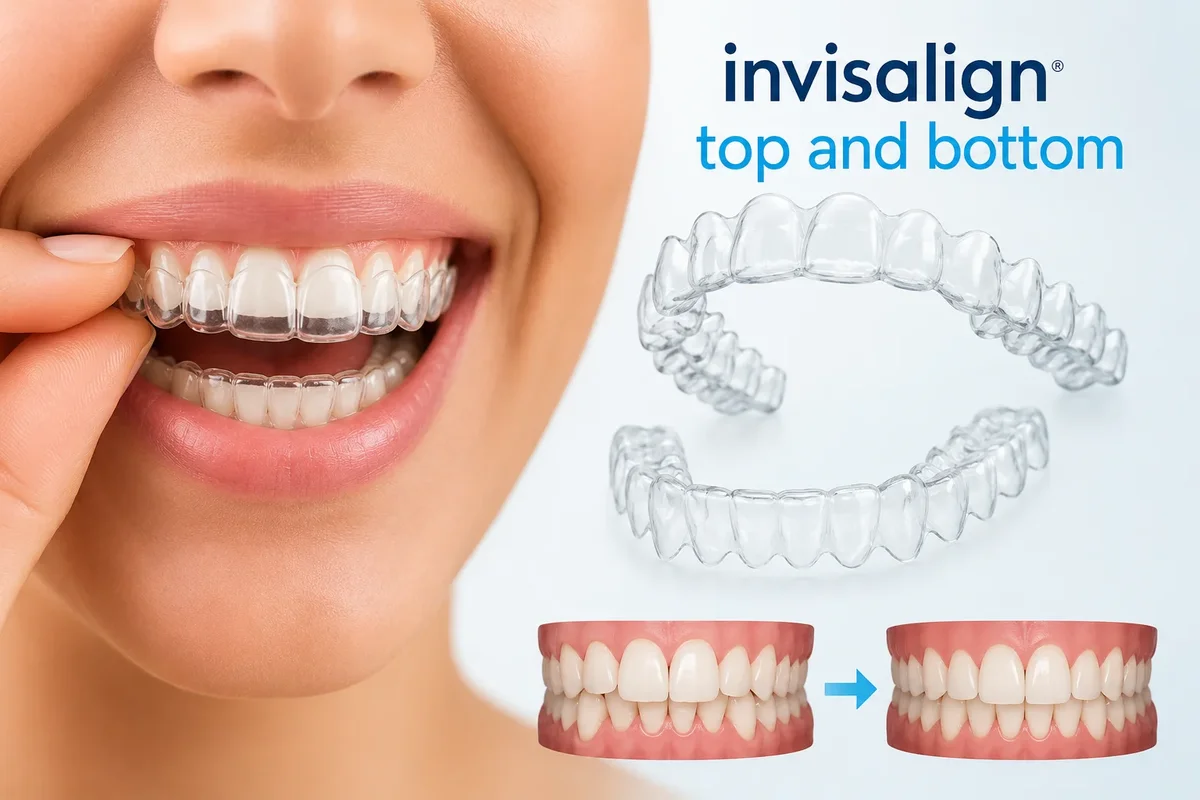
Results You Can Expect From Invisalign Top and Bottom
🌟 Patients considering invisalign top and bottom treatment often want to know what kind of results they can realistically expect after completing the orthodontic process. Modern clear aligner systems are designed to improve smile appearance, bite alignment, oral function, and overall dental confidence. While every patient’s case is unique, successful invisalign top and bottom treatment can produce dramatic improvements in both aesthetics and oral health when guided by proper planning and patient compliance.
One of the biggest advantages of invisalign top and bottom treatment is the ability to achieve noticeable smile transformation without traditional metal braces. Because the aligners are transparent and removable, patients can improve their smiles discreetly while maintaining their normal lifestyle throughout treatment.
Straighter and More Balanced Teeth
The most visible result of invisalign top and bottom treatment is straighter teeth. Patients with crowding, spacing, overlapping teeth, or crooked alignment often experience significant smile improvement after completing the aligner process.
By gradually shifting teeth into healthier positions, invisalign top and bottom aligners help create a more symmetrical and balanced smile. Teeth that previously appeared uneven may become more aligned and aesthetically pleasing.
Common Cosmetic Improvements
- Reduced crowding
- Closed gaps between teeth
- Improved smile symmetry
- Better tooth positioning
- Enhanced smile confidence
Many patients notice visible changes within the first few months of invisalign top and bottom treatment, although final results usually require completing the full aligner series. 😁
Improved Bite Alignment
Beyond cosmetic changes, invisalign top and bottom treatment is also designed to improve bite function. Proper bite alignment is important because the upper and lower teeth must fit together correctly during chewing and speaking.
Many patients beginning invisalign top and bottom treatment have bite irregularities such as:
- Overbite
- Underbite
- Crossbite
- Open bite
- Uneven bite pressure
Correcting these issues may improve chewing efficiency, speech clarity, and long-term dental stability.
By coordinating tooth movement in both arches simultaneously, invisalign top and bottom systems help create a healthier relationship between upper and lower teeth.
Enhanced Oral Hygiene and Gum Health
One important long-term benefit of invisalign top and bottom treatment is improved oral hygiene potential. Crowded or overlapping teeth are often harder to clean effectively, allowing plaque and bacteria to accumulate in difficult areas.
After orthodontic correction, many patients find it easier to brush and floss properly because straighter teeth create better access between surfaces.
Possible Oral Health Benefits
- Reduced plaque buildup
- Healthier gums
- Improved flossing access
- Lower risk of gum irritation
- Cleaner tooth surfaces
Patients who maintain good oral hygiene during and after invisalign top and bottom treatment often experience healthier smiles overall.
Improved Confidence and Self-Esteem
For many patients, one of the most life-changing results of invisalign top and bottom treatment is improved self-confidence. People who previously felt uncomfortable smiling, speaking, or appearing in photos often report significant emotional benefits after orthodontic correction.
A straighter smile may positively affect:
- Social confidence
- Professional interactions
- Public speaking comfort
- Photography confidence
- Overall self-image
Because invisalign top and bottom aligners are nearly invisible, patients can achieve these improvements without feeling self-conscious during treatment itself. ✨
Gradual and Natural-Looking Transformation
Unlike dramatic overnight cosmetic procedures, invisalign top and bottom treatment produces gradual smile changes over time. Teeth move slowly and safely through controlled orthodontic pressure.
This gradual process allows facial appearance and smile structure to improve naturally. Many patients appreciate the subtle progression because changes develop steadily without sudden dramatic alterations.
Digital treatment planning also allows dentists to carefully predict how invisalign top and bottom results may appear before treatment even begins.
Results Depend on Patient Compliance
While modern aligner systems are highly advanced, successful invisalign top and bottom results depend heavily on patient cooperation. Aligners must typically be worn for approximately 20 to 22 hours daily to maintain continuous tooth movement.
Patients who frequently remove their trays or fail to follow instructions may experience slower progress or incomplete correction.
Habits That Improve Treatment Success
- Wearing aligners consistently
- Changing trays on schedule
- Maintaining oral hygiene
- Attending regular appointments
- Using retainers after treatment
Consistency plays a major role in achieving ideal invisalign top and bottom outcomes. 📅
Refinement Stages and Final Adjustments
Some patients may require refinement aligners near the end of invisalign top and bottom treatment. Refinements are additional trays designed to improve small details and optimize final alignment.
This is a normal part of many orthodontic cases and does not necessarily indicate a problem. Refinements allow dentists to fine-tune the smile and bite for the best possible result.
Modern invisalign top and bottom systems provide highly customized correction, and refinement stages help maximize treatment precision.
Retainers and Maintaining Results
After completing invisalign top and bottom treatment, retainers are usually necessary to maintain the new tooth positions. Teeth naturally tend to shift gradually over time if retention is not used properly.
Most dentists recommend wearing retainers regularly after orthodontic treatment, especially during the first months following completion.
Why Retainers Matter
- Prevent tooth shifting
- Protect treatment investment
- Maintain bite alignment
- Preserve smile appearance
- Support long-term stability
Patients who wear retainers consistently often maintain successful invisalign top and bottom results for many years.
Long-Term Functional Improvements
Beyond cosmetic appearance, invisalign top and bottom treatment may also improve daily oral function. Proper bite alignment can help distribute chewing forces more evenly and reduce excessive pressure on certain teeth.
Some patients report improvements in:
- Chewing comfort
- Jaw balance
- Speech clarity
- Tooth wear distribution
- Overall oral comfort
These functional improvements contribute to the long-term value of invisalign top and bottom orthodontic correction.
Realistic Expectations Are Important
Patients should understand that every invisalign top and bottom case is different. Results depend on the severity of the original orthodontic problem, patient compliance, oral health condition, and biological response to tooth movement.
Some patients achieve dramatic smile transformations, while others experience more subtle but still meaningful improvements. Professional consultation and digital treatment planning help establish realistic expectations before starting invisalign top and bottom therapy.
According to the American Dental Association, orthodontic treatment combined with proper oral hygiene and professional supervision can significantly support long-term dental health and function.
The Emotional Impact of Smile Transformation
😊 Many patients describe completing invisalign top and bottom treatment as a major confidence milestone. Feeling comfortable smiling openly can positively affect both personal and professional interactions.
The emotional benefits often extend far beyond appearance alone. Patients frequently report feeling more motivated to maintain good oral hygiene and protect their new smile after orthodontic treatment.
Patients interested in orthodontic consultation and smile transformation planning can visit the Redent Klinik Contact Page for more information regarding clear aligner treatment options.
✨ Ultimately, the results of invisalign top and bottom treatment can include straighter teeth, improved bite alignment, healthier oral hygiene conditions, better smile aesthetics, and increased self-confidence. With proper commitment and professional supervision, clear aligners can provide highly satisfying and long-lasting smile transformations for many patients.