
Invisalign type braces have transformed modern orthodontics by offering a discreet, comfortable, and highly effective alternative to traditional metal braces. If you are looking for a way to straighten your teeth without noticeable wires or brackets, invisalign type braces may be the ideal solution. These advanced clear aligners are designed using cutting-edge 3D imaging technology, allowing dental professionals to map out precise tooth movements and deliver predictable, high-quality results. 😊
Unlike conventional braces, invisalign type braces use a series of custom-made, transparent trays that gradually shift your teeth into their ideal position. Each set of aligners is worn for about one to two weeks before moving on to the next stage, ensuring a controlled and gentle realignment process. Because invisalign type braces are removable, patients can eat, drink, and clean their teeth with greater convenience compared to fixed orthodontic systems.
One of the main reasons invisalign type braces are so popular is their nearly invisible appearance. Whether you are a working professional, student, or someone who values aesthetics, invisalign type braces allow you to improve your smile without drawing attention to your treatment. This is particularly beneficial for individuals who may feel self-conscious about wearing traditional braces in social or professional settings.
Another major advantage of invisalign type braces is comfort. Traditional braces often involve metal brackets and wires that can cause irritation to the cheeks and gums. In contrast, invisalign type braces are made from smooth, medical-grade plastic that fits snugly over your teeth, minimizing discomfort and reducing the risk of mouth sores. This makes the overall orthodontic experience far more pleasant for most patients.
The effectiveness of invisalign type braces has been proven in treating a wide range of dental issues. These include mild to moderate crowding, spacing problems, overbites, underbites, and crossbites. While severe cases may still require traditional orthodontic methods, many patients are surprised to learn that invisalign type braces can handle more complex situations than ever before, thanks to continuous technological advancements.
Oral hygiene is another area where invisalign type braces truly shine. Because the aligners are removable, you can brush and floss your teeth as usual, reducing the risk of plaque buildup, tooth decay, and gum disease. Maintaining good oral health during orthodontic treatment is essential, and invisalign type braces make this process significantly easier compared to fixed appliances.
Patients using invisalign type braces are typically advised to wear their aligners for 20 to 22 hours per day for optimal results. Consistency is key, as removing the aligners too often can delay progress. However, the flexibility to remove invisalign type braces during meals or special occasions is a major benefit that contributes to their growing popularity worldwide.
Another important aspect of invisalign type braces is the personalized treatment plan. Your dentist or orthodontist will create a digital simulation of your smile transformation, allowing you to see the expected results even before starting treatment. This level of customization ensures that invisalign type braces are tailored specifically to your dental structure and aesthetic goals.
It is also worth noting that invisalign type braces are supported by reputable dental organizations such as the American Dental Association, which emphasizes the importance of professional guidance in orthodontic care. Choosing an experienced dental clinic ensures that your invisalign type braces treatment is safe, efficient, and aligned with the highest clinical standards.
If you are considering improving your smile with invisalign type braces, consulting a trusted dental clinic is the first step. At Redent Klinik, patients receive personalized care and expert evaluation to determine whether invisalign type braces are the right option. You can easily reach out through the Redent Klinik Contact Page to schedule a consultation and begin your journey toward a confident smile.
In summary, invisalign type braces offer a modern, comfortable, and highly aesthetic solution for teeth alignment. With benefits such as removability, improved hygiene, reduced discomfort, and nearly invisible appearance, invisalign type braces continue to redefine orthodontic treatment. Whether you are seeking subtle corrections or a complete smile makeover, invisalign type braces provide a reliable path to achieving your ideal smile. 😁
What Are Invisalign Type Braces and How Do They Work?
Invisalign type braces are an advanced orthodontic solution designed to straighten teeth using a series of clear, removable aligners instead of traditional metal brackets and wires. These aligners are custom-made for each patient, ensuring a precise fit and gradual tooth movement over time. Invisalign type braces have gained global popularity because they combine effectiveness with aesthetics, making them a preferred choice for both teenagers and adults who want a discreet orthodontic treatment. 😊
Understanding the Structure of Invisalign Type Braces
Invisalign type braces are made from a durable, medical-grade thermoplastic material that is both transparent and flexible. Each aligner is specifically designed to fit snugly over your teeth, applying gentle and consistent pressure to guide them into their desired position. Unlike traditional braces, invisalign type braces do not use brackets or wires, which significantly reduces discomfort and improves the overall patient experience.
The aligners used in invisalign type braces are created through a highly detailed digital scanning process. Dentists use 3D imaging technology to map out the entire treatment plan, allowing patients to visualize how their teeth will shift at each stage. This precision ensures that invisalign type braces deliver predictable and efficient results.
Key Components of Invisalign Type Braces
- Custom Aligners: Each set of invisalign type braces aligners is tailored to your dental structure.
- Attachment Points: Small, tooth-colored attachments may be placed on teeth to enhance movement.
- Digital Treatment Plan: A step-by-step roadmap guides the entire invisalign type braces process.
Step-by-Step Process of How Invisalign Type Braces Work
The process of using invisalign type braces involves several carefully planned stages. It begins with an initial consultation where your dentist evaluates your oral health and determines whether invisalign type braces are suitable for your case. Once approved, a digital scan of your teeth is taken to create a customized treatment plan.
After the aligners are manufactured, you will receive a series of trays, each designed to move your teeth incrementally. You typically wear each set of invisalign type braces aligners for one to two weeks before switching to the next set. Over time, these small movements add up to significant improvements in alignment.
Daily Usage Guidelines
For invisalign type braces to be effective, patients must wear their aligners for 20 to 22 hours per day. They should only be removed when eating, drinking anything other than water, or performing oral hygiene routines. Consistency is essential, as irregular use can delay results and reduce the effectiveness of invisalign type braces.
How Tooth Movement Happens with Invisalign Type Braces
The science behind invisalign type braces is based on controlled force application. Each aligner is engineered to apply precise pressure on specific teeth, gradually shifting them into their correct positions. This process is similar to traditional braces but is achieved in a more comfortable and discreet way.
As you progress through the series of aligners, your teeth adapt to the new positions. Invisalign type braces ensure that movements are carefully controlled, reducing the risk of damage to the roots or surrounding bone structure. This makes invisalign type braces a safe and reliable option for orthodontic correction.
Advantages of the Invisalign Type Braces Mechanism
One of the biggest advantages of invisalign type braces is their removability. This feature allows patients to maintain excellent oral hygiene, as brushing and flossing can be done without obstruction. Additionally, invisalign type braces eliminate dietary restrictions, enabling patients to enjoy their favorite foods without worry.
Another benefit is the reduced number of dental visits required. With invisalign type braces, patients typically need fewer adjustments compared to traditional braces, making the treatment more convenient for busy lifestyles.
Professional Oversight and Safety
Although invisalign type braces are user-friendly, professional supervision is crucial. Dentists monitor progress regularly to ensure that the treatment is on track and to make any necessary adjustments. Organizations like the American Dental Association emphasize the importance of professional guidance when using orthodontic solutions such as invisalign type braces.
If you are considering starting your journey with invisalign type braces, it is important to consult with a qualified dental clinic. At Redent Klinik, experienced professionals provide personalized evaluations and treatment plans tailored to your needs. You can easily get started by visiting the Redent Klinik Contact Page and scheduling your consultation.
In conclusion, invisalign type braces represent a modern and innovative approach to orthodontics. By combining advanced technology, customized treatment planning, and patient comfort, invisalign type braces offer an effective solution for achieving a straight and confident smile. 😁
Top Benefits of Invisalign Type Braces for Modern Patients
Invisalign type braces have become one of the most preferred orthodontic treatments worldwide, and for good reason. These innovative clear aligners provide a combination of aesthetics, comfort, and effectiveness that traditional braces often cannot match. For modern patients who value both appearance and convenience, invisalign type braces offer a transformative solution that fits seamlessly into daily life. 😁
Discreet Appearance and Confidence Boost
One of the most significant advantages of invisalign type braces is their nearly invisible design. Unlike metal braces, which are easily noticeable, invisalign type braces are made from transparent material that blends naturally with your teeth. This allows patients to undergo orthodontic treatment without feeling self-conscious in social or professional environments.
For adults and teenagers alike, invisalign type braces help maintain confidence throughout the treatment process. Whether you are attending meetings, social gatherings, or simply taking photos, invisalign type braces allow you to smile freely without worrying about visible brackets or wires.
Why Aesthetics Matter
- Improves self-esteem during treatment
- Ideal for professionals and public-facing roles
- Enhances overall patient satisfaction
Enhanced Comfort Compared to Traditional Braces
Comfort is another key reason why many patients choose invisalign type braces. Traditional braces often cause irritation due to metal brackets and wires rubbing against the inner cheeks and gums. In contrast, invisalign type braces are made from smooth plastic, reducing the likelihood of cuts or discomfort.
Additionally, invisalign type braces apply gradual and controlled pressure, making the adjustment process more tolerable. Patients typically report less pain compared to conventional orthodontic methods, which is a major factor in their growing popularity.
Smooth and Custom Fit
Each set of invisalign type braces is custom-designed to fit your teeth perfectly. This precise fit ensures not only effectiveness but also a comfortable experience throughout the treatment journey.
Removability for Greater Convenience
One of the standout features of invisalign type braces is that they are removable. This provides a level of flexibility that traditional braces simply cannot offer. Patients can remove invisalign type braces when eating, drinking, brushing, or flossing, making daily routines much easier to manage.
This removability also means there are no dietary restrictions. You can continue enjoying your favorite foods without worrying about damaging brackets or getting food stuck in wires. Invisalign type braces truly adapt to your lifestyle rather than forcing you to change it.
Daily Life Benefits
- No food limitations
- Easier oral hygiene routine
- Convenient for special occasions
Improved Oral Hygiene and Health
Maintaining oral hygiene during orthodontic treatment is essential, and invisalign type braces make this significantly easier. Because the aligners can be removed, patients can brush and floss their teeth thoroughly without any obstructions. This reduces the risk of plaque buildup, cavities, and gum disease.
According to the American Dental Association, proper oral hygiene is crucial during orthodontic treatment, and solutions like invisalign type braces can support better long-term dental health outcomes.
Fewer Dental Visits and Time Efficiency
Invisalign type braces often require fewer dental visits compared to traditional braces. Since there are no wires to adjust, appointments are typically shorter and less frequent. Patients receive multiple sets of aligners in advance, allowing them to progress through treatment with minimal interruptions.
This makes invisalign type braces an excellent choice for individuals with busy schedules who want an efficient orthodontic solution without frequent clinic visits.
Predictable and Customized Results
Another major benefit of invisalign type braces is the ability to visualize your treatment outcome before it even begins. Using advanced 3D imaging technology, dentists create a digital simulation of your smile transformation. This allows patients to see how invisalign type braces will improve their teeth step by step.
This level of customization ensures that invisalign type braces are tailored to each individual’s needs, resulting in highly predictable and satisfying results.
Personalized Treatment Planning
- Digital smile preview before starting
- Precise tooth movement tracking
- Customized aligner sets for optimal results
Suitable for a Wide Range of Dental Issues
Invisalign type braces are versatile and can address various orthodontic problems, including crowding, spacing, overbites, underbites, and crossbites. While severe cases may still require traditional methods, many patients find that invisalign type braces provide an effective solution for their specific needs.
If you are unsure whether invisalign type braces are right for you, consulting a professional dental clinic is the best step forward. At Redent Klinik, experts evaluate your condition and recommend the most suitable treatment. You can easily get in touch through the Redent Klinik Contact Page.
Boost in Lifestyle and Overall Well-Being
Beyond the physical benefits, invisalign type braces also contribute to improved lifestyle and well-being. The ability to maintain your appearance, eat comfortably, and follow a simple hygiene routine enhances your overall experience during treatment.
Patients using invisalign type braces often report higher satisfaction levels because the treatment integrates smoothly into their daily lives. This positive experience encourages better compliance, which ultimately leads to more successful outcomes.
In conclusion, invisalign type braces offer a wide range of benefits that go beyond simple teeth straightening. From aesthetic appeal and comfort to convenience and improved oral health, invisalign type braces represent a modern orthodontic solution tailored to the needs of today’s patients. 🌟
Who Is the Best Candidate for Invisalign Type Braces?
Choosing the right orthodontic treatment is a crucial step toward achieving a healthy and confident smile. Invisalign type braces are highly versatile, but they are not a one-size-fits-all solution. Understanding who makes the best candidate for invisalign type braces can help you decide whether this modern treatment aligns with your dental needs and lifestyle. 😊
Invisalign type braces are designed to treat a wide range of orthodontic issues, particularly mild to moderate cases. These include crowding, spacing, overbites, underbites, and crossbites. Thanks to continuous advancements in aligner technology, invisalign type braces can now address more complex cases than before. However, the success of invisalign type braces largely depends on patient compliance and the specific characteristics of the dental condition.
Ideal Dental Conditions for Invisalign Type Braces
The best candidates for invisalign type braces typically have mild to moderate alignment issues. If your teeth are slightly crowded or spaced, invisalign type braces can gradually move them into the correct position with high precision. Patients with moderate bite issues can also benefit from invisalign type braces when guided by an experienced dental professional.
Common Conditions Treated
- Crowded Teeth: Invisalign type braces can create space and align overlapping teeth.
- Gaps Between Teeth: These aligners can close unwanted spaces effectively.
- Overbite and Underbite: Invisalign type braces can correct bite alignment in many cases.
- Crossbite: Proper alignment can be achieved with controlled movements.
While invisalign type braces are effective for many conditions, severe orthodontic problems may still require traditional braces or additional procedures. A professional evaluation is essential to determine suitability.
Age Considerations for Invisalign Type Braces
Invisalign type braces are suitable for both teenagers and adults. In fact, they are especially popular among adults who want a discreet orthodontic solution. Since invisalign type braces are nearly invisible, they allow patients to undergo treatment without affecting their appearance.
Teenagers can also benefit from invisalign type braces, provided they are responsible enough to wear the aligners consistently. Some versions of invisalign type braces are specifically designed for younger patients, including compliance indicators that help track usage.
Adults vs Teenagers
- Adults: Prefer invisalign type braces for aesthetic reasons and flexibility.
- Teenagers: Suitable if they follow wearing guidelines strictly.
Importance of Patient Discipline
One of the most important factors in determining whether someone is a good candidate for invisalign type braces is discipline. Since invisalign type braces are removable, they require a high level of commitment. Patients must wear them for 20 to 22 hours per day to achieve optimal results.
If aligners are removed too often or not worn as instructed, the treatment may take longer or become less effective. Therefore, individuals who are motivated and willing to follow their dentist’s recommendations are the best candidates for invisalign type braces.
Oral Health Requirements
Before starting invisalign type braces, it is essential to have good oral health. Issues such as cavities, gum disease, or infections must be treated beforehand. Healthy teeth and gums provide a strong foundation for successful orthodontic treatment.
The American Dental Association emphasizes that maintaining oral health is critical during orthodontic procedures. Invisalign type braces make it easier to maintain hygiene, but initial oral health must still be stable before treatment begins.
Lifestyle Compatibility
Invisalign type braces are ideal for individuals with active lifestyles. Because they are removable, they allow patients to eat freely, maintain oral hygiene easily, and participate in social or professional activities without restrictions. This flexibility makes invisalign type braces particularly appealing for busy professionals and individuals who value convenience.
However, this flexibility also requires responsibility. Patients must remember to wear their invisalign type braces consistently and store them properly when not in use.
When Invisalign Type Braces May Not Be Suitable
Although invisalign type braces are highly effective, they may not be the best option for everyone. Patients with severe misalignment, complex jaw issues, or those who cannot commit to wearing aligners consistently may need alternative treatments.
Potential Limitations
- Severe orthodontic cases requiring fixed appliances
- Patients who frequently forget to wear aligners
- Young children who may not follow treatment guidelines
In such cases, a dentist may recommend traditional braces or a combination of treatments to achieve the best results.
Professional Evaluation Is Key
The only way to determine if invisalign type braces are right for you is through a professional consultation. Dentists use advanced imaging and diagnostic tools to evaluate your teeth, bite, and overall oral health. Based on this assessment, they can recommend whether invisalign type braces will meet your needs.
At Redent Klinik, experienced dental professionals provide personalized evaluations to help patients make informed decisions. If you are considering invisalign type braces, you can schedule your consultation بسهولة عبر Redent Klinik Contact Page and take the first step toward a healthier smile.
In conclusion, the best candidates for invisalign type braces are individuals with mild to moderate alignment issues, good oral health, and a commitment to following treatment guidelines. With the right approach and professional guidance, invisalign type braces can deliver outstanding results and help you achieve the smile you’ve always wanted. 🌟
Step-by-Step Treatment Process with Invisalign Type Braces
Understanding the full treatment journey is essential before starting orthodontic care, and invisalign type braces offer one of the most structured and predictable processes available today. From the first consultation to the final smile reveal, invisalign type braces follow a carefully planned sequence that ensures both comfort and effectiveness. This step-by-step approach helps patients stay informed, motivated, and confident throughout their transformation. 😊
Initial Consultation and Smile Assessment
The journey with invisalign type braces begins with a professional consultation at a qualified dental clinic. During this stage, your dentist evaluates your oral health, checks for issues like cavities or gum disease, and determines whether invisalign type braces are suitable for your specific case. This step is crucial because a strong foundation ensures successful results.
Advanced diagnostic tools such as digital scans, X-rays, and photographs are used to analyze your teeth and jaw structure. These records allow the dentist to develop a personalized invisalign type braces treatment plan tailored to your needs.
What Happens During Consultation?
- Comprehensive dental examination
- Digital scanning or impressions
- Discussion of goals and expectations
- Evaluation of suitability for invisalign type braces
Digital Treatment Planning and Simulation
Once you are approved for invisalign type braces, the next step involves creating a detailed digital treatment plan. Using advanced 3D imaging technology, your dentist maps out every stage of tooth movement. This allows you to see a virtual simulation of how your teeth will gradually shift over time.
This is one of the most exciting aspects of invisalign type braces because patients can preview their future smile even before treatment begins. The simulation also ensures that each aligner is precisely designed to guide teeth into the correct position.
Benefits of Digital Planning
- Highly accurate and predictable results
- Customized aligner design
- Clear timeline for invisalign type braces treatment
Fabrication of Custom Aligners
After the treatment plan is finalized, a series of custom aligners for invisalign type braces is manufactured. Each aligner is made to apply specific pressure on targeted teeth, ensuring gradual and controlled movement. The aligners are created using high-quality, medical-grade plastic that is both durable and comfortable.
You will receive multiple sets of invisalign type braces aligners at once, each labeled in order. This allows you to progress through the treatment stages without frequent interruptions.
Wearing and Changing Aligners
Patients are instructed to wear invisalign type braces for 20 to 22 hours per day. Aligners should only be removed during meals, drinking anything other than water, and oral hygiene routines. Each set of invisalign type braces is typically worn for one to two weeks before switching to the next set.
Consistency is critical during this phase. Wearing invisalign type braces as recommended ensures that teeth move according to the treatment plan. Skipping or delaying aligner changes can extend the treatment duration.
Daily Routine Tips
- Wear aligners at least 20 hours daily
- Clean invisalign type braces regularly
- Store aligners properly when not in use
Regular Check-Ups and Monitoring
Although invisalign type braces require fewer visits than traditional braces, periodic check-ups are still necessary. During these appointments, your dentist monitors progress, ensures that teeth are moving correctly, and provides new sets of aligners if needed.
Professional supervision is essential for achieving optimal results. Organizations like the American Dental Association highlight the importance of regular dental evaluations during orthodontic treatment.
Adjustments and Refinements
In some cases, minor adjustments may be needed during invisalign type braces treatment. These refinements ensure that the final results meet the desired outcome. Additional aligners may be created to fine-tune tooth positioning and achieve perfect alignment.
This flexibility is one of the strengths of invisalign type braces, as it allows for precise corrections even in the later stages of treatment.
Completion and Retention Phase
Once the active phase of invisalign type braces treatment is complete, patients enter the retention stage. Retainers are used to maintain the new position of the teeth and prevent them from shifting back. This phase is just as important as the treatment itself, as it preserves the results achieved with invisalign type braces.
Retention Essentials
- Wear retainers as instructed
- Maintain good oral hygiene
- Attend follow-up appointments
Starting Your Journey with Invisalign Type Braces
If you are ready to begin your transformation with invisalign type braces, choosing the right dental clinic is key. At Redent Klinik, experienced professionals guide patients through every step of the process, ensuring comfort and success. You can start your journey by visiting the Redent Klinik Contact Page and scheduling your consultation.
In conclusion, the treatment process of invisalign type braces is carefully structured to deliver predictable and effective results. From consultation and digital planning to aligner usage and retention, every step is designed to provide a seamless and comfortable experience. With dedication and professional guidance, invisalign type braces can help you achieve a beautifully aligned smile. 🌟
How Long Does Invisalign Type Braces Treatment Take?
One of the most common questions patients ask before starting orthodontic care is about the duration of treatment. Invisalign type braces are known for offering efficient and predictable timelines compared to traditional braces, but the exact duration can vary depending on several factors. Understanding how long invisalign type braces treatment takes helps patients set realistic expectations and stay committed throughout the process. 😊
Average Treatment Duration with Invisalign Type Braces
On average, invisalign type braces treatment typically takes between 6 to 18 months. However, some minor alignment issues can be corrected in as little as 4 to 6 months, while more complex cases may require closer to 18 to 24 months. The flexibility of invisalign type braces allows dentists to tailor the treatment timeline based on individual needs.
Compared to traditional braces, invisalign type braces often provide faster results for mild to moderate cases. This is because the aligners are designed using advanced digital planning, ensuring precise and efficient tooth movement at every stage.
Typical Timeframes
- Mild cases: 4–6 months
- Moderate cases: 6–12 months
- Complex cases: 12–24 months
Factors That Affect Treatment Time
The duration of invisalign type braces treatment is influenced by several important factors. Each patient’s dental condition is unique, and these variables determine how quickly teeth can be moved into their ideal position.
Severity of Dental Issues
Patients with minor spacing or slight crowding will usually complete invisalign type braces treatment faster than those with more complex bite issues. Severe misalignment may require additional aligners or extended treatment time.
Patient Compliance
One of the most critical factors in determining how long invisalign type braces treatment takes is how consistently the aligners are worn. Patients are required to wear invisalign type braces for 20 to 22 hours per day. Failing to follow this guideline can significantly delay progress.
Age and Biological Response
Younger patients often experience faster tooth movement because their bones are still developing. However, invisalign type braces are highly effective for adults as well, though treatment may take slightly longer depending on biological factors.
Role of Aligner Changes in Treatment Speed
Invisalign type braces work through a series of aligners that are changed every one to two weeks. Each new aligner applies controlled pressure to move teeth gradually. Staying on schedule with these changes ensures that invisalign type braces treatment progresses as planned.
Some advanced treatment plans may allow for faster aligner changes under professional supervision, further reducing the total duration of invisalign type braces treatment.
Consistency Is Key
- Wear aligners daily as instructed
- Switch to new sets on time
- Follow your dentist’s recommendations closely
Monitoring Progress Throughout Treatment
Regular check-ups are an essential part of invisalign type braces treatment. During these visits, your dentist evaluates your progress and ensures that your teeth are moving according to the plan. Adjustments can be made if necessary to keep invisalign type braces treatment on track.
According to the American Dental Association, consistent monitoring during orthodontic treatment is vital for achieving optimal results and preventing complications.
Can Invisalign Type Braces Treatment Be Faster?
In some cases, invisalign type braces treatment can be accelerated using advanced techniques or technologies recommended by your dentist. However, it is important to note that tooth movement must remain safe and controlled. Attempting to rush invisalign type braces treatment without professional guidance can lead to complications.
Patients who strictly follow their treatment plan often experience faster results. This includes wearing aligners consistently, maintaining good oral hygiene, and attending scheduled appointments.
Retention Phase After Treatment
After completing invisalign type braces treatment, patients enter the retention phase. Retainers are used to maintain the new alignment of teeth and prevent them from shifting back. While this phase does not involve active movement, it is crucial for preserving the results achieved with invisalign type braces.
Retention Tips
- Wear retainers as prescribed
- Maintain excellent oral hygiene
- Attend follow-up visits
Start Your Invisalign Type Braces Journey
If you are considering invisalign type braces and want to know your exact treatment timeline, the best step is to consult a professional dental clinic. At Redent Klinik, specialists evaluate your condition and provide a personalized estimate for invisalign type braces treatment. You can easily book your consultation عبر Redent Klinik Contact Page.
In conclusion, the duration of invisalign type braces treatment varies depending on individual factors such as dental complexity, patient compliance, and biological response. With proper care and commitment, invisalign type braces can deliver efficient and long-lasting results, helping you achieve a straighter and healthier smile in a relatively short time. 🌟
Invisalign Type Braces vs Traditional Braces: Key Differences
When choosing an orthodontic treatment, many patients find themselves comparing invisalign type braces with traditional metal braces. Both options are effective for correcting misaligned teeth, but they differ significantly in terms of appearance, comfort, lifestyle impact, and overall experience. Understanding these differences helps patients make informed decisions based on their personal needs and expectations. 😊
Appearance and Aesthetics
One of the most noticeable differences between invisalign type braces and traditional braces is their appearance. Invisalign type braces are made from clear, transparent plastic, making them virtually invisible when worn. This discreet design is a major advantage for adults and teenagers who prefer a subtle orthodontic solution.
On the other hand, traditional braces use metal brackets and wires that are clearly visible on the teeth. While some patients embrace this look, others may feel self-conscious, especially in professional or social settings. Invisalign type braces provide a more aesthetic alternative for those who want to straighten their teeth without drawing attention.
Aesthetic Comparison
- Invisalign type braces: Nearly invisible and discreet
- Traditional braces: Highly visible metal components
Comfort and Oral Experience
Comfort is another important factor when comparing invisalign type braces with traditional braces. Invisalign type braces are made from smooth plastic, which reduces irritation to the gums and cheeks. There are no sharp edges or wires, making the treatment experience more comfortable overall.
Traditional braces, however, can cause discomfort due to brackets and wires rubbing against the soft tissues of the mouth. Adjustments may also lead to temporary soreness. In contrast, invisalign type braces apply gradual pressure, resulting in a more gentle and manageable experience.
Comfort Differences
- Invisalign type braces minimize irritation
- Traditional braces may cause mouth sores
- Smoother adjustment process with invisalign type braces
Removability and Lifestyle Flexibility
One of the biggest advantages of invisalign type braces is their removability. Patients can take them out while eating, drinking, brushing, and flossing. This flexibility allows for better oral hygiene and fewer dietary restrictions.
Traditional braces are fixed appliances, meaning they cannot be removed until treatment is complete. This often requires patients to avoid certain foods, such as hard or sticky items, to prevent damage. Invisalign type braces eliminate these limitations, making them more convenient for everyday life.
Lifestyle Impact
- No food restrictions with invisalign type braces
- Easier brushing and flossing
- Greater convenience for social occasions
Effectiveness and Treatment Scope
Both invisalign type braces and traditional braces are effective, but their suitability depends on the complexity of the case. Invisalign type braces are ideal for mild to moderate alignment issues and can handle many bite problems with modern advancements.
Traditional braces, however, remain the preferred choice for severe or complex orthodontic cases. They provide greater control over tooth movement in certain situations. A professional consultation is necessary to determine whether invisalign type braces or traditional braces are more appropriate for your needs.
Case Suitability
- Invisalign type braces: Mild to moderate cases
- Traditional braces: Complex and severe cases
Maintenance and Oral Hygiene
Maintaining oral hygiene is significantly easier with invisalign type braces. Since the aligners are removable, patients can brush and floss normally without navigating around brackets and wires. This reduces the risk of plaque buildup and gum disease.
With traditional braces, cleaning can be more challenging. Food particles often get trapped in brackets, requiring special tools and extra effort to maintain oral health. According to the American Dental Association, proper hygiene is essential during orthodontic treatment, and invisalign type braces can make this process more manageable.
Number of Dental Visits
Invisalign type braces generally require fewer dental visits compared to traditional braces. Patients receive multiple sets of aligners in advance, allowing them to progress through treatment with minimal appointments.
Traditional braces require regular adjustments to tighten wires and monitor progress. These visits can be more frequent and time-consuming. Invisalign type braces offer a more convenient schedule, especially for individuals with busy lifestyles.
Appointment Frequency
- Fewer visits with invisalign type braces
- More frequent adjustments with traditional braces
Cost Considerations
The cost of invisalign type braces and traditional braces can vary depending on the complexity of the treatment and the clinic. In many cases, invisalign type braces may be slightly more expensive due to advanced technology and customization. However, the added comfort and convenience often justify the investment for many patients.
It is important to consult with a dental professional to receive an accurate cost estimate based on your specific needs.
Choosing the Right Option
Ultimately, the choice between invisalign type braces and traditional braces depends on your dental condition, lifestyle, and personal preferences. Invisalign type braces are ideal for those seeking a discreet, comfortable, and flexible solution, while traditional braces may be better suited for more complex cases.
If you are unsure which option is right for you, a professional consultation is essential. At Redent Klinik, experienced specialists provide personalized recommendations to help you choose the best treatment. You can start your journey by visiting the Redent Klinik Contact Page.
In conclusion, both invisalign type braces and traditional braces have their own advantages. By understanding their key differences, you can make an informed decision that aligns with your goals and lifestyle. Invisalign type braces stand out for their aesthetics, comfort, and convenience, making them a popular choice in modern orthodontics. 🌟
Cost of Invisalign Type Braces: What to Expect
Understanding the financial aspect of orthodontic treatment is essential before starting your journey, and invisalign type braces are no exception. While invisalign type braces offer advanced technology, comfort, and aesthetics, their cost can vary depending on multiple factors. Knowing what to expect helps patients plan their budget effectively and make informed decisions. 😊
Average Cost of Invisalign Type Braces
The cost of invisalign type braces typically ranges between $3,000 and $8,000 globally, depending on the complexity of the case and the location of the dental clinic. In some regions, particularly in countries offering dental tourism, invisalign type braces may be available at more affordable rates without compromising quality.
Estimated Price Range
- Mild cases: $3,000 – $4,500
- Moderate cases: $4,500 – $6,000
- Complex cases: $6,000 – $8,000+
It is important to note that these are general estimates. The exact cost of invisalign type braces will depend on your personalized treatment plan.
Factors That Influence the Cost
Several factors determine the final price of invisalign type braces. Each patient’s dental condition is unique, and these variables can significantly impact the overall cost.
Complexity of the Case
Patients with minor alignment issues usually require fewer aligners, resulting in lower costs. More complex cases involving significant tooth movement or bite correction may require additional aligners and longer treatment duration, increasing the cost of invisalign type braces.
Treatment Duration
The length of treatment directly affects pricing. Longer invisalign type braces treatments typically involve more aligners and more monitoring, which can raise the overall cost.
Dental Clinic Expertise
The experience and reputation of the dental clinic also play a role. Highly skilled professionals who specialize in invisalign type braces may charge higher fees due to their expertise and advanced technology.
Geographic Location
Costs can vary significantly depending on the country or city where the treatment is performed. For example, invisalign type braces may be more affordable in countries like Turkey compared to the United States or Western Europe.
What Is Included in the Cost?
When evaluating the cost of invisalign type braces, it is important to understand what is included in the price. Many dental clinics offer comprehensive packages that cover multiple aspects of the treatment.
Typical Inclusions
- Initial consultation and examination
- 3D digital scanning and treatment planning
- Custom aligner sets
- Regular check-ups and monitoring
- Refinement aligners if needed
- Retention phase (retainers)
Some clinics may also include additional services such as teeth whitening after completing invisalign type braces treatment.
Insurance and Payment Options
In many countries, dental insurance may partially cover the cost of invisalign type braces, especially if the treatment is considered medically necessary. However, coverage varies depending on the provider and policy.
To make invisalign type braces more accessible, many clinics offer flexible payment plans. These may include monthly installments, interest-free financing, or customized payment options tailored to the patient’s budget.
Financial Flexibility
- Monthly payment plans
- Insurance coverage (partial or full)
- Discounts for upfront payments
Cost vs Value: Is It Worth It?
While invisalign type braces may seem more expensive than traditional braces in some cases, the value they provide often justifies the cost. The benefits of comfort, aesthetics, convenience, and improved oral hygiene make invisalign type braces a worthwhile investment for many patients.
Additionally, invisalign type braces can reduce the risk of oral health issues during treatment, potentially saving money on future dental procedures. According to the American Dental Association, maintaining proper alignment contributes to long-term oral health and overall well-being.
Comparing Costs with Traditional Braces
Traditional braces generally cost between $2,500 and $7,000, depending on the case. While they may be slightly less expensive, they do not offer the same level of comfort and discretion as invisalign type braces. For patients who prioritize appearance and convenience, invisalign type braces often provide better overall value.
How to Get an Accurate Cost Estimate
The best way to determine the exact cost of invisalign type braces is to schedule a professional consultation. Dentists evaluate your dental condition, create a personalized treatment plan, and provide a detailed cost breakdown.
At Redent Klinik, patients receive transparent pricing and tailored treatment plans designed to meet their needs. You can easily request a consultation by visiting the Redent Klinik Contact Page.
Tips for Managing Invisalign Type Braces Costs
Managing the cost of invisalign type braces can be easier with proper planning. Patients are encouraged to explore financing options, compare clinics, and choose a provider that offers both quality and affordability.
Smart Budgeting Tips
- Ask about payment plans
- Check insurance coverage
- Choose experienced but cost-effective clinics
In conclusion, the cost of invisalign type braces varies depending on multiple factors, but the investment often delivers significant long-term benefits. By understanding pricing, exploring payment options, and consulting with a trusted dental clinic, you can confidently start your journey with invisalign type braces and achieve a healthier, more attractive smile. 🌟
Daily Care Tips for Invisalign Type Braces Users
Maintaining proper daily care is essential for achieving the best results with invisalign type braces. While these aligners are designed for convenience and comfort, their effectiveness heavily depends on how well patients follow hygiene and maintenance routines. Invisalign type braces require consistent care not only to keep them clean and clear but also to ensure optimal oral health throughout the treatment process. 😊
Why Daily Care Matters for Invisalign Type Braces
Unlike traditional braces, invisalign type braces are removable, which makes oral hygiene easier but also places more responsibility on the patient. Proper care prevents issues such as bad breath, staining, bacterial buildup, and potential delays in treatment progress. When invisalign type braces are maintained correctly, they remain transparent and effective throughout the entire treatment.
Neglecting daily care can lead to plaque accumulation inside the aligners, which may increase the risk of cavities and gum disease. According to the American Dental Association, maintaining good oral hygiene is crucial during any orthodontic treatment, including invisalign type braces.
Cleaning Your Invisalign Type Braces Properly
Cleaning invisalign type braces should be part of your daily routine. Aligners should be rinsed every time they are removed and cleaned thoroughly at least twice a day. This helps remove bacteria and prevents discoloration.
Best Cleaning Practices
- Rinse invisalign type braces with lukewarm water after removal
- Use a soft toothbrush to gently clean aligners
- Avoid hot water, as it can warp invisalign type braces
- Use clear, non-abrasive cleaning solutions
Specialized cleaning crystals or solutions designed for invisalign type braces can also be used for deeper cleaning. Avoid using toothpaste that contains harsh abrasives, as it may scratch the surface of the aligners.
Maintaining Oral Hygiene During Treatment
Good oral hygiene is essential when using invisalign type braces. Since aligners cover your teeth for most of the day, any trapped food particles or plaque can lead to dental problems if not addressed properly.
Daily Oral Care Routine
- Brush your teeth after every meal before wearing invisalign type braces
- Floss daily to remove plaque between teeth
- Use mouthwash to maintain fresh breath and reduce bacteria
Failing to clean your teeth before reinserting invisalign type braces can trap food particles and bacteria, increasing the risk of cavities and gum inflammation.
Proper Handling and Storage of Aligners
Handling invisalign type braces correctly is just as important as cleaning them. When not in use, aligners should always be stored in their protective case to prevent damage or contamination.
Handling Tips
- Always store invisalign type braces in a clean case
- Avoid wrapping aligners in tissue, as they can be lost easily
- Keep them away from pets, as they may chew on them
Proper storage ensures that invisalign type braces remain safe and hygienic when not being worn.
Eating and Drinking Guidelines
One of the advantages of invisalign type braces is the ability to remove them while eating. However, patients must follow certain guidelines to maintain their effectiveness and cleanliness.
Do’s and Don’ts
- Remove invisalign type braces before eating or drinking anything other than water
- Avoid consuming sugary or colored drinks while wearing aligners
- Brush your teeth before putting invisalign type braces back in
Following these guidelines helps prevent staining and bacterial buildup, keeping invisalign type braces clear and odor-free.
Wearing Schedule and Discipline
Consistency is key when it comes to invisalign type braces. Patients must wear their aligners for 20 to 22 hours per day to achieve the desired results within the planned timeline.
Tips for Staying Consistent
- Set reminders to wear invisalign type braces
- Track your daily usage
- Limit unnecessary removal of aligners
Skipping hours or frequently removing invisalign type braces can delay treatment and affect the final outcome.
Dealing with Common Issues
Some patients may experience minor challenges while using invisalign type braces, such as slight discomfort, dryness, or difficulty speaking initially. These issues are usually temporary and can be managed with proper care.
Quick Solutions
- Use orthodontic wax if needed for minor irritation
- Stay hydrated to reduce dryness
- Practice speaking to adapt quickly
If any serious issues arise, it is important to consult your dentist promptly to ensure invisalign type braces treatment remains on track.
Professional Support and Regular Check-Ups
Even with excellent daily care, regular dental visits are essential during invisalign type braces treatment. Dentists monitor progress, provide guidance, and ensure that aligners are functioning as intended.
At Redent Klinik, patients receive comprehensive support throughout their invisalign type braces journey. If you need professional advice or assistance, you can بسهولة التواصل عبر Redent Klinik Contact Page.
In conclusion, daily care plays a crucial role in the success of invisalign type braces treatment. By following proper cleaning routines, maintaining oral hygiene, and wearing aligners consistently, patients can achieve optimal results while keeping their aligners clear and comfortable. With dedication and the right habits, invisalign type braces can deliver a healthy, beautiful smile that lasts a lifetime. 🌟
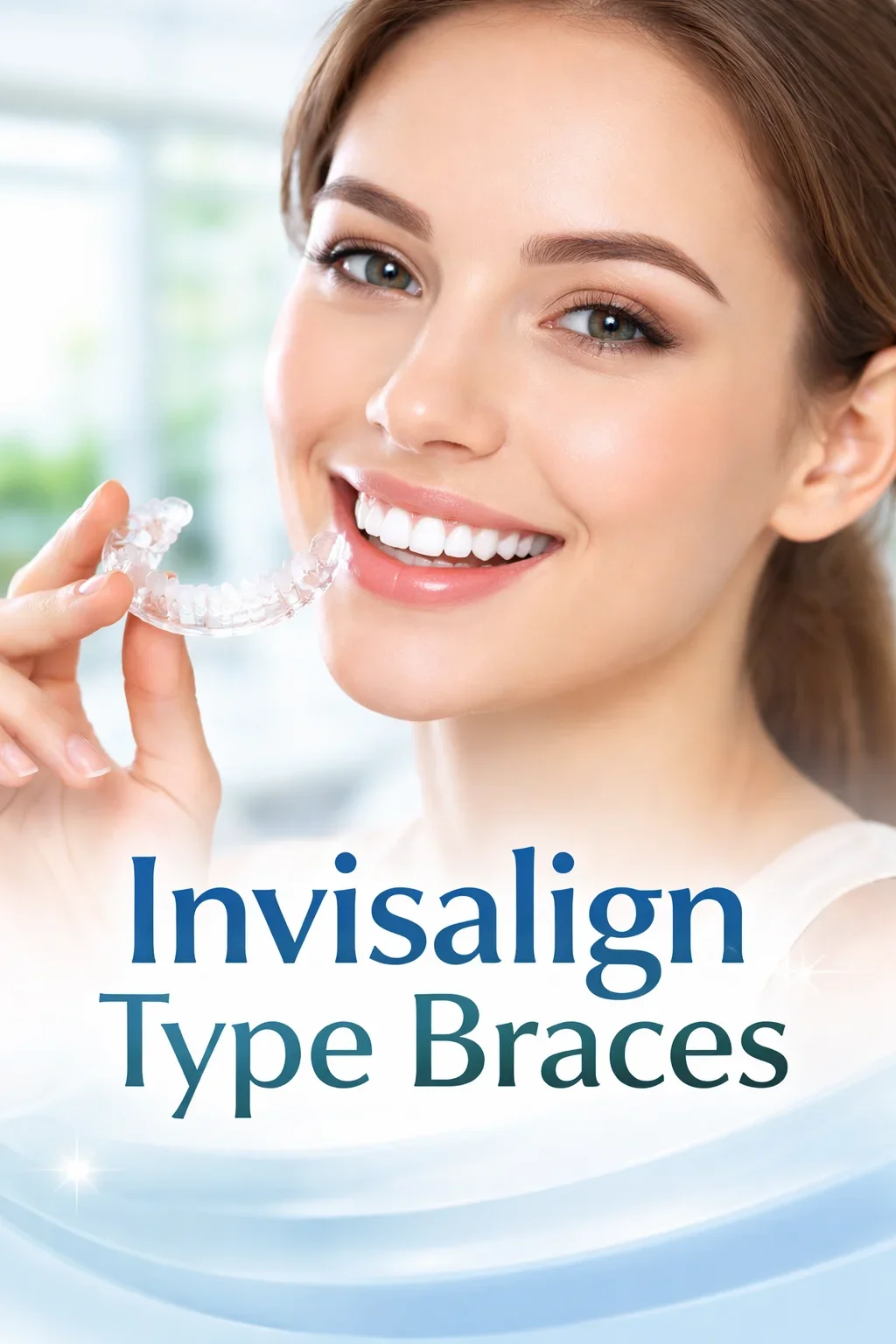
Common Mistakes to Avoid During Invisalign Type Braces Treatment
While invisalign type braces are designed to be convenient and user-friendly, their success depends heavily on proper usage and patient discipline. Many patients unintentionally make mistakes that can slow down progress, reduce effectiveness, or even lead to complications. Understanding these common pitfalls is essential to ensure that your invisalign type braces treatment delivers the best possible results. 😊
Not Wearing Invisalign Type Braces Long Enough
One of the most frequent mistakes patients make is not wearing invisalign type braces for the recommended 20 to 22 hours per day. Since invisalign type braces are removable, it can be tempting to take them out more often than necessary. However, inconsistent wear can significantly delay treatment and prevent teeth from moving as planned.
How to Avoid This Mistake
- Set daily reminders to wear invisalign type braces
- Track your wear time using apps or timers
- Limit removal to meals and oral hygiene only
Consistency is the foundation of successful invisalign type braces treatment. Even small lapses can add weeks or months to your timeline.
Skipping Aligner Changes or Changing Them Too Early
Each set of invisalign type braces is designed to be worn for a specific duration, usually one to two weeks. Some patients forget to switch aligners on time, while others try to speed up the process by changing them too early. Both actions can disrupt the treatment plan.
Best Practice
Always follow your dentist’s instructions when it comes to switching invisalign type braces. The timing is carefully calculated to ensure safe and effective tooth movement.
Poor Oral Hygiene Habits
Maintaining proper oral hygiene is critical when using invisalign type braces. Failing to brush and floss regularly can lead to plaque buildup, bad breath, and even tooth decay. Since invisalign type braces cover your teeth for most of the day, any bacteria trapped inside can cause significant problems.
Hygiene Tips
- Brush after every meal before wearing invisalign type braces
- Floss daily to remove hidden debris
- Use mouthwash to maintain freshness
The American Dental Association strongly emphasizes the importance of oral hygiene during orthodontic treatment, including invisalign type braces.
Eating or Drinking with Aligners On
Another common mistake is eating or drinking anything other than water while wearing invisalign type braces. This can lead to staining, damage, or bacterial buildup inside the aligners. Sugary drinks are especially harmful, as they can increase the risk of cavities.
What You Should Do
- Always remove invisalign type braces before meals
- Avoid colored or sugary drinks while wearing aligners
- Clean your teeth before reinserting invisalign type braces
Improper Cleaning of Invisalign Type Braces
Cleaning invisalign type braces incorrectly can cause them to become cloudy, discolored, or filled with bacteria. Using hot water or harsh chemicals can also damage the aligners.
Correct Cleaning Methods
- Use lukewarm water to rinse invisalign type braces
- Clean gently with a soft toothbrush
- Avoid abrasive toothpaste
Proper cleaning ensures that invisalign type braces remain clear, hygienic, and effective throughout treatment.
Losing or Damaging Aligners
Because invisalign type braces are removable, they can be easily lost or damaged if not handled carefully. Leaving them on a table or wrapping them in tissue increases the risk of accidental loss.
Prevention Tips
- Always store invisalign type braces in their protective case
- Keep them away from pets
- Handle them with care during removal
Replacing lost aligners can delay invisalign type braces treatment and increase costs.
Ignoring Dental Check-Ups
Some patients assume that invisalign type braces require minimal supervision and skip scheduled dental visits. This can lead to unnoticed issues or misalignment during treatment.
Regular check-ups allow dentists to monitor progress and make necessary adjustments. Professional guidance ensures that invisalign type braces treatment stays on track.
Expecting Instant Results
While invisalign type braces are efficient, they still require time to deliver results. Some patients become impatient and feel discouraged if they do not see immediate changes. It is important to understand that tooth movement is a gradual process.
Stay Motivated
- Follow your treatment plan consistently
- Trust the process of invisalign type braces
- Focus on long-term results
Not Following Professional Advice
Perhaps the most critical mistake is ignoring the instructions provided by your dentist. Invisalign type braces treatment is carefully planned, and any deviation can affect the outcome.
If you ever have questions or concerns, it is important to seek professional guidance. At Redent Klinik, experts provide continuous support throughout your invisalign type braces journey. You can easily reach out عبر Redent Klinik Contact Page for assistance.
In conclusion, avoiding these common mistakes is essential for achieving the best results with invisalign type braces. By wearing aligners consistently, maintaining proper hygiene, and following professional advice, you can ensure a smooth and successful treatment experience. With the right approach, invisalign type braces will help you achieve a healthy, confident smile that lasts a lifetime. 🌟