
What Is Invisalign Whitening and How Does It Work?
Invisalign whitening is a modern dental treatment that combines the benefits of teeth straightening with professional whitening solutions. 😁 Invisalign aligners are clear trays used to gradually straighten your teeth. By incorporating whitening gels or strips during your Invisalign treatment, you can enhance the brightness of your smile while your teeth are aligning.
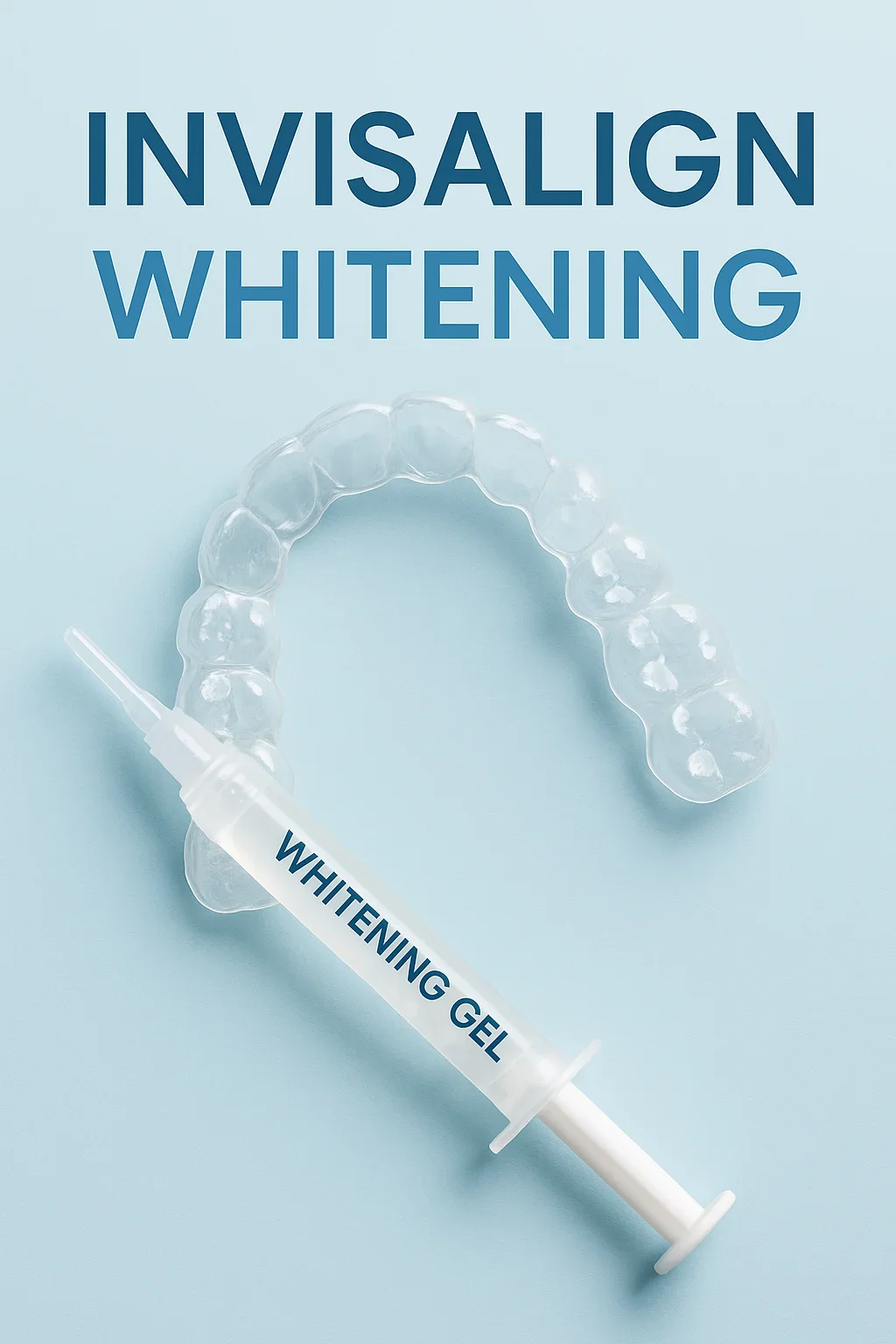
The process of invisalign whitening works by using your aligners as whitening trays. Dentists often provide a special whitening gel that you can apply inside your aligners before wearing them. When the aligners are in place, the whitening gel stays in contact with your teeth, lifting stains and discoloration effectively. This dual approach saves time and provides comprehensive smile enhancement without the need for separate treatments.
One of the primary advantages is that Invisalign aligners are custom-fitted to your teeth. This ensures that the whitening gel reaches every contour of your smile, resulting in an even whitening effect. Unlike traditional whitening strips that may slip or fail to cover all surfaces, Invisalign trays hold the gel firmly in place for optimal results.
Many patients choose invisalign whitening because it is convenient and discreet. You can continue your daily activities while your teeth are being straightened and whitened simultaneously. Dental professionals recommend checking your progress every few weeks, allowing for adjustments to both the aligners and whitening treatments.
Whitening agents used in this process typically include hydrogen peroxide or carbamide peroxide, which are safe and effective when applied under dental supervision. When combined with aligner therapy, these whitening agents penetrate the enamel to break down stains, giving you a brighter and more confident smile.
For more details on proper dental care, you can refer to the American Dental Association, which provides guidelines on safe teeth whitening practices. If you’re interested in booking a professional evaluation for Invisalign whitening, visit our Redent Klinik Contact Page to schedule your appointment today.
Patients often report visible results within a few weeks, though the timeline can vary depending on the level of discoloration and the type of whitening gel used. By understanding how Invisalign whitening works, you can make an informed decision and enjoy the combined benefits of straight and sparkling teeth.
Invisalign Whitening: Achieve a Straighter, Whiter Smile
What Is Invisalign Whitening and How Does It Work?
Invisalign whitening is a cutting-edge dental procedure that merges the benefits of teeth alignment with professional whitening techniques. 😁 Traditional Invisalign treatment involves wearing a series of custom-made, clear aligners to gradually straighten your teeth. When whitening solutions are introduced into this process, patients can simultaneously achieve a brighter, whiter smile. This combination is ideal for anyone seeking comprehensive smile enhancement without multiple separate treatments.
The process of invisalign whitening begins with your dentist creating custom aligners that fit your teeth perfectly. These aligners double as whitening trays. A special whitening gel, often containing carbamide peroxide or hydrogen peroxide, is applied to the inside of the aligners before wearing them. When the aligners are placed over your teeth, the gel stays in close contact with all visible surfaces, breaking down stains and discoloration over time. This is a significant advantage compared to over-the-counter whitening strips, which can slip, miss areas, and cause uneven results.
One of the most appealing aspects of invisalign whitening is its convenience. Since the aligners are clear and discreet, you can whiten your teeth while going about your daily activities without anyone noticing. Most patients wear their aligners for 20 to 22 hours per day, which ensures both effective alignment and consistent whitening. Depending on your treatment plan, your dentist may recommend whitening gel applications once or twice daily, or even just a few times per week for sensitive teeth.
Another benefit of this dual-purpose treatment is time efficiency. Instead of completing teeth straightening first and then scheduling a separate whitening procedure, you achieve both goals together. Many patients see visible results in as little as two to four weeks, although the complete process may take several months, depending on your dental alignment needs and the type of whitening gel used.
Safety is also a top priority in invisalign whitening. The whitening agents are carefully formulated to minimize sensitivity and protect your enamel. Since your dentist supervises the treatment, any adjustments can be made quickly if you experience discomfort or uneven whitening. Always follow professional recommendations to avoid overusing whitening products, which could lead to gum irritation or tooth sensitivity.
Modern patients also appreciate the aesthetic advantages of combining these treatments. Not only will your teeth become straighter, but they will also appear whiter and cleaner, boosting your confidence in social and professional settings. For detailed information on safe whitening practices, consult the American Dental Association. If you’re ready to enhance your smile, schedule a consultation via our Redent Klinik Contact Page today.
In summary, invisalign whitening offers a convenient, efficient, and professional solution for those looking to align and brighten their teeth at the same time. By wearing custom aligners filled with whitening gel, you can gradually transform your smile while maintaining your busy lifestyle. Results vary depending on your initial tooth shade and alignment, but with consistent care, most patients notice a stunning improvement within weeks. This innovative dental solution is perfect for anyone wanting a straighter, whiter smile in 2025.
Benefits of Combining Teeth Whitening with Invisalign
Choosing to combine teeth whitening with Invisalign treatment provides a unique opportunity to enhance your smile in multiple ways simultaneously. 😁 Traditional teeth whitening methods often require separate trays, in-office visits, or at-home kits. However, invisalign whitening leverages your existing clear aligners as whitening trays, saving you both time and effort. This dual approach is becoming increasingly popular among patients who want comprehensive results without additional procedures.
One of the primary benefits of invisalign whitening is its convenience. Because your aligners are already custom-fitted to your teeth, they ensure that the whitening gel is evenly distributed across the tooth surface. This helps avoid patchy or uneven results, which are common with generic whitening strips. With Invisalign, your aligners hold the whitening solution in place, maximizing contact time and enhancing the bleaching effect.
Another major advantage is efficiency. Patients undergoing Invisalign treatment are typically wearing their aligners 20 to 22 hours a day. By applying whitening gel to the trays for part of that time, you can achieve noticeable whitening results without adding more steps to your daily routine. This means that you are aligning and brightening your teeth simultaneously, reaching your smile goals faster. For busy individuals, this dual-purpose approach is highly appealing.
Beyond convenience and efficiency, invisalign whitening is often safer than over-the-counter whitening products. Your dentist supervises the process, ensuring that the whitening agents are appropriate for your teeth and gum health. Professional whitening gels also tend to be stronger and more effective than store-bought solutions. By combining the treatments, patients can achieve a brighter, more uniform smile under professional guidance while reducing the risk of sensitivity or gum irritation.
Improved self-confidence is another significant benefit. A straighter smile already enhances facial aesthetics, but when combined with a whiter appearance, the results are transformative. Many patients report feeling more comfortable smiling in photos, speaking in public, or attending social events. This psychological boost often serves as additional motivation to maintain excellent oral hygiene throughout the Invisalign process.
Additionally, invisalign whitening can contribute to long-term oral health benefits. Straighter teeth are easier to clean because they eliminate tight, overlapping areas where plaque and stains tend to accumulate. When combined with whitening treatments, this can help reduce the risk of cavities, gum disease, and future discoloration. A cleaner and whiter smile often encourages better dental habits, such as regular brushing, flossing, and routine dental visits.
From a financial perspective, combining whitening with Invisalign can be cost-effective. Rather than purchasing separate whitening trays or undergoing repeated professional whitening sessions after your alignment is complete, you are maximizing the use of your existing aligners. This dual treatment saves money over time while still delivering high-quality results that are supervised by a dental professional.
Many patients also appreciate that this treatment is fully customizable. Your dentist can adjust the strength of the whitening gel, frequency of application, and treatment duration to meet your individual needs. Whether you prefer a gradual whitening process or a more noticeable transformation, invisalign whitening can be tailored to your smile goals.
In conclusion, combining teeth whitening with Invisalign treatment offers unmatched convenience, efficiency, and confidence-building results. It is a time-saving, professional approach to achieving the straighter, whiter smile you have always wanted. For safe whitening guidelines, visit the American Dental Association. To discuss whether this combined approach is right for you, reach out to our Redent Klinik Contact Page and schedule a consultation today.
Professional vs. At-Home Invisalign Whitening Options
When it comes to invisalign whitening, patients often wonder whether to choose professional in-office treatments or at-home solutions. Both options can be effective, but the best choice depends on your desired results, budget, and dental condition. Understanding the difference between professional and at-home whitening options can help you make an informed decision and achieve a brighter smile. 😁
Professional Invisalign Whitening involves visiting your dentist for a customized whitening treatment. During this process, your Invisalign aligners are used as whitening trays, and your dentist provides a high-quality whitening gel—typically containing 10% to 35% carbamide peroxide or 6% to 10% hydrogen peroxide. In some cases, an in-office session with LED or laser light activation may also be recommended to speed up results. Professional supervision ensures that the whitening gel is applied correctly, reducing the risk of gum irritation and uneven whitening. Patients usually notice results within one to two weeks when following their dentist’s instructions.
At-Home Invisalign Whitening is a more flexible and convenient option. Patients receive whitening gel from their dentist to apply directly into the Invisalign aligners. Since you are already wearing the aligners for 20 to 22 hours per day, adding the gel for a few hours daily integrates seamlessly into your routine. The primary benefit of at-home whitening is convenience—you can continue with your daily activities while brightening your smile. However, at-home results are often slower compared to in-office treatments, and it’s important to follow your dentist’s recommended schedule to avoid sensitivity or overuse.
There are some key differences to consider:
- Strength of Whitening Gel: Professional whitening solutions are stronger and produce faster results, while at-home gels are milder for safer, extended use.
- Speed of Results: Professional treatments can deliver visible whitening within a week, whereas at-home invisalign whitening may take two to four weeks for noticeable improvement.
- Cost: Professional treatments are more expensive but often more effective. At-home whitening is generally more budget-friendly.
- Safety: Both are safe when supervised by a dentist, but professional whitening minimizes the risk of uneven application or irritation.
Some patients prefer to start with professional whitening to see fast results and then continue with at-home maintenance using lower-concentration whitening gels. This hybrid approach allows you to enjoy the immediate benefits of a bright smile while maintaining long-term results with minimal effort. Additionally, invisalign whitening is highly customizable, allowing dentists to adjust the frequency and concentration based on your tooth sensitivity and desired outcome.
It is important to avoid over-the-counter whitening strips or unapproved products while using Invisalign aligners. These products can interfere with the fit of the aligners and may not distribute whitening agents evenly. Always follow professional instructions to maintain safe and predictable results.
For patients concerned about safety or results, the American Dental Association provides guidance on professional whitening options and best practices for maintaining oral health. If you are ready to start your whitening journey, contact our team through the Redent Klinik Contact Page to schedule a consultation. We can evaluate your needs and create a personalized whitening plan that ensures a straighter, whiter smile.
Whether you choose professional or at-home invisalign whitening, the key to success is consistency and professional supervision. Both options can deliver transformative results, helping you achieve a radiant and confident smile while your teeth align perfectly.
Step-by-Step Guide to Invisalign Whitening Treatment
Starting your invisalign whitening journey requires a clear understanding of the step-by-step process. This approach ensures you achieve both straighter and whiter teeth effectively, safely, and with optimal results. Below is a comprehensive guide that outlines each stage of the treatment process, from your initial consultation to maintaining your new, radiant smile. 😁
Step 1: Initial Dental Consultation
Your first step is to schedule a dental consultation. During this visit, your dentist will evaluate your oral health, teeth alignment, and existing stains or discoloration. They will determine if invisalign whitening is right for you based on factors like enamel thickness, gum health, and your goals. X-rays or digital scans may also be taken to create a custom treatment plan.
Step 2: Creating Custom Aligners
After the evaluation, your dentist will create a series of custom Invisalign aligners designed to gradually move your teeth into the desired position. These clear aligners are virtually invisible and fit snugly over your teeth. Since the aligners also serve as whitening trays, their precise fit ensures that the whitening gel will cover every visible surface for even results.
Step 3: Whitening Gel Selection
Depending on your sensitivity and desired whitening level, your dentist will recommend a whitening gel with the appropriate concentration of hydrogen peroxide or carbamide peroxide. Professional whitening gels are safe, effective, and specially formulated to work with Invisalign trays. This is a key step in the invisalign whitening process because the right gel determines the speed and uniformity of your results.
Step 4: Applying Whitening Gel
At home or in the clinic, the whitening gel is applied directly to the inner surfaces of the aligners before wearing them. A thin, even layer is typically sufficient—excess gel can irritate gums. Once the aligners are placed over your teeth, the gel stays in constant contact, breaking down surface and deep stains while simultaneously straightening your teeth.
Step 5: Wearing Schedule
Consistency is key. Most patients wear their Invisalign aligners 20 to 22 hours a day. For whitening purposes, your dentist may recommend wearing the gel-filled aligners for a few hours daily or overnight. By following this schedule, you will see gradual whitening results while your teeth continue to align. Typically, noticeable improvements appear in two to four weeks, but it can vary depending on your starting tooth shade.
Step 6: Regular Dental Checkups
Routine visits are critical to monitor both your alignment and whitening progress. Your dentist can assess whether the whitening is even, check for gum sensitivity, and adjust your treatment as needed. During these checkups, new sets of aligners may be provided to continue your teeth-straightening journey while maintaining your whitening progress.
Step 7: Maintaining Results
Once your active whitening phase is complete, maintaining your results involves proper oral hygiene and occasional touch-ups. Your dentist may provide a maintenance gel or suggest using whitening gel with your last set of aligners once or twice a month. This helps keep your smile bright long after the initial invisalign whitening treatment.
Throughout the process, avoid foods and drinks that easily stain teeth, such as coffee, red wine, and dark sauces. Drinking through a straw and rinsing with water after meals can also help preserve your results.
For official recommendations on safe whitening practices, check the American Dental Association. If you are ready to begin your step-by-step Invisalign whitening plan, contact our clinic via the Redent Klinik Contact Page to book your consultation today. By following these steps, you will achieve a straighter, brighter smile that boosts your confidence and oral health.
Common Mistakes to Avoid During Invisalign Whitening
While invisalign whitening is a safe and effective way to achieve a straighter and whiter smile, certain mistakes can slow your progress or even harm your oral health. Knowing what to avoid ensures that your results are consistent, long-lasting, and free of complications. Below, we will explore the most common mistakes and how to prevent them. 😬
1. Overusing Whitening Gel
One of the most frequent mistakes patients make is applying too much whitening gel in their Invisalign trays. Excess gel can overflow onto your gums, causing irritation or chemical burns. In invisalign whitening, a thin, even layer of gel is all that is needed. If you notice gum sensitivity or white spots on your gums, you may be using more gel than necessary. Follow your dentist’s recommended dosage for safe and effective results.
2. Ignoring Professional Instructions
Some patients attempt to speed up the whitening process by using non-recommended products or extending wear time beyond instructions. This can result in uneven whitening or tooth sensitivity. Always follow your dentist’s guidance, as they tailor the invisalign whitening protocol to your specific needs. Over-the-counter whitening kits or strips are not designed to work with Invisalign aligners and can compromise your treatment.
3. Consuming Stain-Causing Foods and Drinks
While whitening, it is important to avoid foods and beverages that stain teeth, such as coffee, tea, red wine, berries, and soy sauce. These substances can discolor your teeth and reduce the effectiveness of invisalign whitening. If you do consume them, use a straw for liquids and rinse your mouth with water immediately afterward to minimize staining.
4. Skipping Daily Oral Hygiene
Invisalign aligners can trap plaque and food particles against your teeth if you do not brush and floss regularly. Poor oral hygiene can cause uneven whitening and increase the risk of cavities or gum inflammation. For best results, brush and floss after every meal, clean your aligners thoroughly, and rinse before reinserting them. Maintaining this routine ensures that your invisalign whitening treatment delivers a bright, healthy smile.
5. Failing to Clean Aligners Properly
Dirty aligners not only affect the appearance of your teeth but also interfere with the whitening process. Buildup on aligners can block the whitening gel from making full contact with the tooth surface. Always clean your aligners with mild soap and water or a designated Invisalign cleaner—avoid toothpaste, which can scratch the trays. A clean aligner ensures maximum whitening effectiveness.
6. Skipping Dental Checkups
Regular dental visits are crucial for monitoring your progress. Dentists check for sensitivity, uneven whitening, and overall oral health during these visits. Skipping checkups could allow small problems to become bigger ones, such as persistent staining or gum irritation. Professional oversight is a key part of successful invisalign whitening.
7. Expecting Instant Results
While professional whitening can produce visible changes in one to two weeks, dramatic results take time. Many patients expect their teeth to become several shades whiter overnight, which is unrealistic. Invisalign whitening is a gradual process that ensures safe, even results. Patience and consistency are essential for achieving your desired smile.
Avoiding these common mistakes will help you achieve the best possible outcome with invisalign whitening. For further safety guidelines, consult the American Dental Association. If you have questions or want a personalized treatment plan, reach out via our Redent Klinik Contact Page. Proper care, attention, and adherence to instructions will keep your whitening journey safe and effective.
How Long Do Invisalign Whitening Results Last?
One of the most common questions patients have about invisalign whitening is how long the results will last. Achieving a brighter, straighter smile takes effort, and understanding the longevity of your whitening results helps you maintain your smile for years. The duration of whitening effects varies depending on lifestyle, oral hygiene, and follow-up care, but with proper maintenance, results can last 12 to 24 months or more. 😁
1. Factors That Affect Whitening Longevity
Several factors influence how long your invisalign whitening results will last:
- Dietary Habits: Foods and drinks like coffee, tea, red wine, dark berries, and tomato-based sauces can stain teeth over time.
- Oral Hygiene: Consistent brushing, flossing, and aligner cleaning keep your teeth bright and free of plaque buildup.
- Smoking or Tobacco Use: Tobacco is a major cause of tooth discoloration and can shorten the lifespan of your whitening results.
- Genetics and Enamel Thickness: Natural tooth color and enamel quality can influence how long the whiteness is maintained.
- Follow-Up Maintenance: Using touch-up whitening treatments as advised by your dentist helps sustain results.
2. Immediate Post-Whitening Care
Right after completing your invisalign whitening treatment, your teeth are more porous and prone to staining. It is critical to avoid dark-colored foods and beverages for the first 48 hours. Opt for a “white diet” consisting of rice, yogurt, chicken, fish, bananas, and other non-staining foods to protect your new smile.
3. Routine Maintenance and Touch-Ups
To extend your whitening results, many dentists recommend a maintenance routine. This could involve applying a low-concentration whitening gel in your last set of Invisalign trays once or twice per month. Some patients schedule a professional whitening touch-up every 6 to 12 months. This proactive approach ensures that your invisalign whitening remains vibrant even with normal daily habits.
4. Professional Advice for Lasting Results
Your dentist will provide personalized instructions for maintaining your new smile. This often includes:
- Rinsing your mouth with water after meals and beverages that may stain teeth.
- Brushing twice daily with a non-abrasive, fluoride toothpaste.
- Flossing daily to remove plaque that dulls the tooth surface.
- Using aligner cleaning crystals or mild soap to keep trays clear and free of residue.
5. Lifestyle Adjustments
Even small lifestyle changes can significantly impact the longevity of invisalign whitening results. Drinking coffee or tea through a straw, limiting acidic beverages, and quitting smoking can help maintain a whiter smile. Regular dental checkups also allow your dentist to identify early signs of discoloration and recommend timely interventions.
Patients who commit to proper care often enjoy bright, white smiles for over a year before needing a full whitening cycle again. Consistency is the secret to maximizing your treatment results.
For official guidelines on teeth whitening safety and maintenance, visit the American Dental Association. To create a long-term plan for sustaining your beautiful smile, book a consultation through our Redent Klinik Contact Page. Our dental experts will guide you in maintaining your invisalign whitening results for the longest time possible.
Comparing Invisalign Whitening to Traditional Whitening Methods
When it comes to achieving a brighter smile, patients often wonder how invisalign whitening compares to traditional whitening methods such as whitening strips, trays, or in-office treatments. Each option has its pros and cons, but Invisalign whitening provides a unique combination of teeth straightening and whitening that many people find more convenient and effective. 😄
1. Convenience and Efficiency
Traditional whitening methods often require separate trays or repeated dental visits. With invisalign whitening, your aligners double as whitening trays. This dual functionality means you can whiten your teeth while they are being straightened, saving both time and effort. Unlike store-bought whitening strips, which can slip or fail to cover all teeth surfaces, Invisalign aligners fit snugly and ensure even application of the whitening gel.
2. Professional Supervision
Many traditional at-home whitening kits are used without professional oversight, which can lead to uneven results or tooth sensitivity. In contrast, invisalign whitening is supervised by your dentist, ensuring that the gel concentration is safe and effective for your teeth and gums. This professional approach minimizes the risk of damage while delivering consistent whitening results.
3. Whitening Coverage and Effectiveness
Whitening strips typically only cover the front surfaces of your teeth, leaving the sides and gaps untreated. Custom trays can improve coverage but may still fail to align perfectly. Invisalign aligners provide a full, custom fit over every tooth surface, enhancing the effectiveness of the whitening process. This results in a more uniform and natural-looking brightness compared to many traditional methods.
4. Comfort and Lifestyle Compatibility
Store-bought whitening products can feel bulky or uncomfortable, especially if worn for long periods. Invisalign whitening aligners are smooth, clear, and designed for all-day wear, making the whitening process virtually unnoticeable. You can go about your daily life—work, social events, or even exercise—without the hassle of visible whitening devices.
5. Cost Considerations
While professional in-office whitening can provide quick results, it often comes with a higher price tag. Invisalign whitening may initially cost more than over-the-counter strips but combines two treatments—alignment and whitening—into one streamlined process. Over time, this integrated approach can save money compared to undergoing separate treatments. Below is a general cost comparison:
| Treatment Type | Average Cost (USD) | Longevity of Results |
|---|---|---|
| Invisalign Whitening | $3,500 – $6,000 (includes aligners) | 12–24 months with maintenance |
| In-Office Whitening | $500 – $1,500 | 6–12 months |
| At-Home Whitening Trays | $200 – $500 | 3–6 months |
| Whitening Strips | $30 – $70 | 1–3 months |
6. Safety and Sensitivity
Some traditional whitening methods, especially over-the-counter products, can cause gum irritation or enamel sensitivity due to uneven gel distribution. Invisalign whitening is safer because the custom aligners ensure controlled gel exposure and professional monitoring. Patients with sensitive teeth benefit from this tailored approach, avoiding unnecessary discomfort.
7. Overall Outcome
When comparing Invisalign whitening to traditional methods, the most notable advantage is its dual benefit. Not only are you whitening your teeth, but you are also correcting alignment issues at the same time. This combination leads to a straighter, whiter, and healthier smile—results that traditional whitening alone cannot achieve.
For more professional insights, consult the American Dental Association on the safety and effectiveness of different whitening approaches. To see if invisalign whitening is the best choice for your smile, contact us through our Redent Klinik Contact Page and schedule a personalized consultation today.
How to Maintain Your Bright Smile After Invisalign Whitening
Completing your invisalign whitening journey is an exciting milestone, but the key to enjoying a radiant smile for years is proper maintenance. After investing time and effort into straightening and whitening your teeth, following a post-treatment care routine ensures long-lasting results. 🦷✨
1. Practice Excellent Daily Oral Hygiene
The foundation of a bright, healthy smile lies in consistent oral care. Brush your teeth at least twice a day with fluoride toothpaste and a soft-bristled toothbrush. Floss daily to remove plaque between teeth, as these hidden areas are prone to discoloration. Rinse with an alcohol-free mouthwash to maintain freshness without drying your mouth. This daily routine prevents staining and protects the results of your invisalign whitening.
2. Avoid Foods and Drinks That Stain
Diet plays a major role in keeping your smile white. After whitening, teeth are more susceptible to discoloration. Minimize consumption of foods and drinks like coffee, tea, red wine, berries, soy sauce, and tomato-based sauces. If you do enjoy these items, rinse your mouth with water or brush shortly after consumption. Consider using a straw for beverages that could stain your teeth to protect your invisalign whitening results.
3. Schedule Regular Dental Checkups
Routine dental visits allow your dentist to monitor your oral health and detect early signs of staining or decay. Professional cleanings remove plaque and tartar that regular brushing can miss, helping you maintain the effects of your invisalign whitening treatment. Many dentists also offer quick touch-up whitening sessions during these visits for patients who want to keep their smiles at peak brightness.
4. Use Whitening Maintenance Products
To prolong your results, consider using whitening toothpaste or low-concentration touch-up gels recommended by your dentist. Many patients use their final Invisalign aligners as trays for occasional whitening maintenance. This convenient approach keeps your teeth radiant without the need for a full whitening cycle. Always consult your dentist before starting any at-home maintenance routine for invisalign whitening.
5. Maintain a Healthy Lifestyle
Smoking or using tobacco products can quickly reverse the effects of whitening and stain your teeth. Quitting tobacco not only helps your smile stay bright but also improves overall oral and systemic health. Staying hydrated and maintaining a balanced diet rich in fruits and vegetables also support long-term oral health and enhance the benefits of invisalign whitening.
6. Consider Annual or Bi-Annual Touch-Ups
Even with excellent care, teeth naturally darken over time due to aging and diet. Most patients schedule a professional whitening touch-up once or twice a year to maintain the brightness achieved through invisalign whitening. Touch-ups are quicker and less intense than the initial treatment, making them an easy part of your ongoing dental care routine.
7. Protect Your Teeth from Wear and Damage
Grinding or clenching teeth (bruxism) can wear down enamel and lead to discoloration. If you grind your teeth at night, talk to your dentist about a custom night guard to protect your smile. Preserving the enamel helps keep your invisalign whitening results looking vibrant.
With consistent care and periodic professional support, your bright smile can last well beyond a year. Remember, maintaining results is easier than starting over with a full whitening treatment.
For expert tips and professional guidance, refer to the American Dental Association. To schedule your maintenance or touch-up session, contact us via the Redent Klinik Contact Page and keep your invisalign whitening results glowing for years to come. 🌟
Professional Tips for Maximizing Invisalign Whitening Results
Getting the most out of your invisalign whitening treatment involves more than just following the basic instructions. Dental professionals have a wealth of knowledge to help patients achieve brighter, longer-lasting results. By adopting proven tips and strategies, you can enhance the effectiveness of your treatment and enjoy a dazzling smile that stands out. 😁
1. Follow Dentist-Approved Whitening Schedules
Your dentist will provide a personalized plan for your invisalign whitening based on your enamel sensitivity, tooth shade, and treatment progress. Following this schedule is crucial. Over-whitening can cause tooth sensitivity, while under-whitening may deliver uneven results. Stick to the recommended gel application times to achieve a balanced, bright smile.
2. Clean Your Aligners Properly
Keeping your Invisalign aligners clean ensures that whitening gel works effectively and your teeth remain free from plaque buildup. Use the following cleaning practices:
- Rinse aligners with lukewarm water after meals.
- Use Invisalign cleaning crystals or mild soap—avoid harsh toothpaste.
- Brush aligners gently with a soft-bristled toothbrush to prevent scratches.
Proper cleaning prevents discoloration of the trays, which could otherwise dull the invisalign whitening effect.
3. Avoid Staining Foods and Beverages During Treatment
The first 48 hours after a whitening session are the most critical. During this time, teeth are more porous and susceptible to stains. Minimize or avoid foods such as:
- Coffee and black tea ☕
- Red wine 🍷
- Dark sauces like soy or tomato-based sauces
- Colored sodas or sports drinks
Instead, opt for a “white diet” consisting of chicken, fish, bananas, yogurt, rice, and water to protect your invisalign whitening results.
4. Stay Consistent with Oral Hygiene
Regular brushing, flossing, and rinsing are essential to maintaining bright results. Even the most advanced whitening gels cannot overcome the effects of plaque buildup or poor hygiene. Dentists recommend brushing after each meal, especially during invisalign whitening treatment, to prevent new stains from forming.
5. Use a Sensitivity-Relief Toothpaste if Needed
Some patients experience mild sensitivity during whitening treatments. Switching to a toothpaste designed for sensitive teeth can help. Look for products containing potassium nitrate or fluoride, which strengthen enamel and reduce discomfort while protecting your invisalign whitening progress.
6. Schedule Regular Dental Checkups
Professional monitoring allows your dentist to track your whitening results and make any necessary adjustments. They can recommend when to apply touch-ups or modify gel strength for optimal outcomes. Consistent follow-ups also ensure your gums and enamel remain healthy throughout the invisalign whitening process.
7. Consider Touch-Up Whitening Treatments
Even with the best care, teeth may gradually lose some brightness due to natural wear and dietary habits. Your dentist may suggest occasional touch-up treatments using your final Invisalign trays and a low-strength whitening gel. This proactive step helps you maintain the full benefits of your invisalign whitening for years.
8. Protect Your Investment
Your smile is an investment in both appearance and confidence. To maximize your results, avoid smoking and limit highly acidic or sugary foods that can erode enamel. A protective approach ensures that your whitening remains vibrant and healthy long after treatment is complete.
By following these professional tips, patients can extend the life of their whitening results and enjoy the transformative benefits of Invisalign. For trusted dental advice, check the American Dental Association. To receive a customized care plan for your invisalign whitening treatment, reach out via our Redent Klinik Contact Page and book a consultation today. 🌟
Potential Side Effects and Safety of Invisalign Whitening
Before beginning your invisalign whitening journey, it is essential to understand the potential side effects and overall safety of the treatment. Invisalign whitening is generally safe and effective when supervised by a dental professional, but like any whitening method, it can come with temporary effects. Being informed helps patients prevent discomfort and protect their oral health. 🦷💡
1. Tooth Sensitivity
One of the most common side effects of any whitening treatment, including invisalign whitening, is mild tooth sensitivity. This usually occurs because the whitening gel temporarily opens the pores in the enamel, allowing the active ingredient to penetrate and remove stains. Sensitivity often appears within the first few sessions and typically resolves within 24–48 hours. Using desensitizing toothpaste and avoiding extremely hot or cold foods can help minimize this effect.
2. Gum Irritation
Some patients may experience gum irritation if the whitening gel comes into prolonged contact with soft tissues. This can happen if too much gel is applied or if the aligners are not cleaned properly. To reduce this risk:
- Apply a small, controlled amount of whitening gel to the aligner trays.
- Wipe away any excess gel that touches the gums.
- Rinse with water after removing the aligners.
With proper use, gum irritation during invisalign whitening is usually mild and temporary.
3. Uneven Whitening
Uneven results can occur if plaque is present, if the gel is applied inconsistently, or if aligners are not worn for the recommended duration. To prevent uneven whitening, patients should maintain excellent oral hygiene and follow their dentist’s application instructions carefully. Regular checkups allow your dentist to identify and address any inconsistencies early in the invisalign whitening process.
4. Temporary White Spots
Some patients notice small white spots on their teeth after whitening. These are typically caused by minor dehydration of the enamel and usually fade within a day or two. Staying hydrated and following the recommended whitening schedule minimizes the appearance of temporary white spots during invisalign whitening.
5. Enamel Safety
When used as directed under professional supervision, Invisalign whitening is safe for tooth enamel. The gels are formulated to effectively remove surface and intrinsic stains without damaging the tooth structure. Professional guidance ensures that the treatment strength and frequency are appropriate for your unique dental condition.
6. Managing Sensitivity and Safety Concerns
If sensitivity or irritation persists, your dentist may recommend pausing the whitening for a few days or using a lower-strength gel. Most patients find that any discomfort resolves quickly, and the benefits of a brighter, straighter smile outweigh these minor, temporary effects. Wearing aligners for the recommended time and practicing good oral hygiene ensures safe and predictable invisalign whitening results.
7. Who Should Avoid Invisalign Whitening?
Certain individuals may need to postpone whitening until other dental conditions are addressed. This includes patients with untreated cavities, gum disease, or significant enamel erosion. Pregnant or breastfeeding women are also generally advised to delay whitening treatments as a precaution.
Overall, the safety profile of Invisalign whitening is excellent when performed under professional supervision. Temporary side effects like sensitivity or gum irritation are normal and manageable, while long-term damage to enamel is extremely rare.
For more guidance on safe whitening practices, refer to the American Dental Association. If you are considering invisalign whitening, book a consultation via our Redent Klinik Contact Page to ensure a safe and effective treatment plan tailored to your smile. 🌟