
The concept of an invisible dentist represents a major shift in how modern dental care is delivered, perceived, and experienced. Today’s patients are no longer satisfied with treatments that are effective but visually intrusive or socially uncomfortable. Instead, they are actively searching for solutions that combine aesthetics, comfort, advanced technology, and long-term oral health benefits. This is exactly where the invisible dentist approach comes into play 🦷✨.
At its core, an invisible dentist focuses on providing dental treatments that are discreet, minimally noticeable, and seamlessly integrated into a patient’s daily life. Rather than traditional metal braces, visible dental appliances, or invasive procedures, this approach emphasizes nearly invisible aligners, digital smile planning, laser-assisted dentistry, and patient-centered care. The goal is simple: achieve outstanding dental results without drawing attention to the treatment process itself.
The rise of the invisible dentist model is closely linked to advancements in digital dentistry. Technologies such as 3D intraoral scanners, AI-powered treatment simulations, and custom-made clear aligners have transformed what is possible in modern dental clinics. Patients can now preview their future smile before treatment even begins, making the invisible dentist experience not only discreet but also highly predictable and transparent. This level of clarity builds trust and reduces anxiety, especially for patients who may have delayed dental care due to fear or cosmetic concerns.
Another defining feature of an invisible dentist is the emphasis on comfort and lifestyle compatibility. Traditional dental treatments often require frequent in-office visits, noticeable appliances, and lifestyle restrictions. In contrast, invisible dentist solutions are designed to fit effortlessly into everyday routines. Clear aligners can be removed for eating and oral hygiene, digital monitoring reduces unnecessary appointments, and minimally invasive techniques shorten recovery times. For busy professionals, international patients, or individuals who value discretion, the invisible dentist approach is a game changer.
From an aesthetic perspective, the invisible dentist philosophy aligns perfectly with modern beauty standards. A healthy, natural-looking smile is now considered an essential part of personal confidence and professional success. Patients no longer want a “treated” look; they want results that appear effortless and authentic. By prioritizing subtlety, precision, and personalization, an invisible dentist delivers outcomes that enhance facial harmony without obvious signs of dental intervention 😊.
It is also important to understand that the invisible dentist concept goes beyond orthodontics. While clear aligners are often the most recognized example, this approach extends to cosmetic dentistry, restorative treatments, and preventive care. Tooth-colored fillings, ceramic veneers, digital crowns, and gum treatments performed with laser technology all fall under the invisible dentist umbrella. Each method is chosen not only for effectiveness but also for its ability to blend naturally with the patient’s existing teeth.
Patient education plays a critical role in the invisible dentist experience. Rather than overwhelming patients with technical jargon, invisible dentist clinics focus on clear communication, visual explanations, and shared decision-making. This empowers patients to take an active role in their oral health journey. For those seeking personalized guidance or planning a consultation, the Redent Klinik Contact Page is a helpful starting point to explore discreet dental solutions with expert support.
From a health perspective, the invisible dentist model also encourages preventive care and early intervention. Because treatments are less intimidating and more aesthetically acceptable, patients are more likely to seek care sooner. Early diagnosis and minimally invasive treatment not only preserve natural tooth structure but also reduce long-term costs and complications. This proactive philosophy aligns with the recommendations of leading professional organizations such as the American Dental Association, which emphasizes prevention and patient-centered care as the foundation of oral health.
In summary, the invisible dentist represents the future of dentistry by combining advanced technology, aesthetic sensitivity, and a deeply patient-focused approach. It answers the modern patient’s search intent: effective dental care that is discreet, comfortable, and confidence-boosting. As awareness continues to grow, the invisible dentist is no longer a luxury or niche concept—it is rapidly becoming the new standard for those who value both oral health and quality of life.
What Is an Invisible Dentist and How Does It Work?
An invisible dentist is not a separate dental profession but a modern, patient-focused approach to dentistry that prioritizes discreet, minimally visible treatments while maintaining the highest clinical standards. When people search for an invisible dentist, they are usually looking for dental solutions that improve their smile and oral health without obvious braces, metal components, or invasive-looking procedures. This approach has become increasingly popular among adults, professionals, and international patients who want effective results without compromising aesthetics or daily comfort.
At its foundation, the invisible dentist model combines digital dentistry, advanced materials, and personalized treatment planning. Unlike traditional dentistry, where standardized tools and visible appliances are common, an invisible dentist relies on customized solutions designed specifically for each patient’s anatomy, lifestyle, and expectations. This personalization is what makes treatments both discreet and highly effective 😊.
Core Principles Behind the Invisible Dentist Concept
The invisible dentist philosophy is built on several core principles that guide every stage of treatment. First is discretion. Every tool, appliance, or restoration used by an invisible dentist is chosen to blend naturally with the teeth and gums. Clear aligners, tooth-colored restorations, and ceramic materials replace metal-based solutions whenever possible.
Second is precision. An invisible dentist uses advanced diagnostic tools such as digital scans and computer-guided treatment planning. This allows for extremely accurate measurements and predictable outcomes. Precision reduces the need for adjustments, shortens treatment duration, and enhances overall comfort for the patient.
Third is patient-centered care. The invisible dentist approach recognizes that each patient has unique concerns, whether aesthetic, functional, or emotional. Treatments are explained clearly, expectations are managed realistically, and patients are actively involved in decision-making throughout the process.
How Invisible Dentist Treatments Are Planned
The journey with an invisible dentist typically begins with a comprehensive digital consultation. Instead of traditional molds, high-resolution intraoral scanners capture a precise 3D model of the patient’s teeth and bite. This data forms the foundation of the invisible dentist workflow, allowing the dental team to analyze alignment, spacing, jaw relationships, and overall oral health in detail.
Using this digital model, the invisible dentist creates a step-by-step treatment simulation. Patients can visually see how their teeth will move or how their smile will change over time. This transparency builds trust and helps patients fully understand the value of the recommended treatment before it begins.
Digital Smile Design and Predictability
One of the most powerful tools used by an invisible dentist is digital smile design. This technology allows the dentist to plan cosmetic and functional improvements simultaneously. Tooth shape, color, alignment, and even facial proportions are considered together. As a result, the final outcome looks natural rather than artificial or “overdone.”
Predictability is a major advantage of the invisible dentist model. Because treatments are digitally planned and customized, the margin for error is significantly reduced. This means fewer surprises, fewer revisions, and a smoother experience overall.
How Invisible Dentist Treatments Are Delivered
Once planning is complete, the invisible dentist moves into the treatment phase using custom-made appliances or restorations. Clear aligners, for example, are produced specifically for the patient and adjusted gradually over time. Because they are transparent and removable, they allow patients to continue their normal social and professional lives without self-consciousness.
For restorative or cosmetic procedures, an invisible dentist often uses CAD/CAM technology to design and fabricate crowns, veneers, or fillings that match the natural tooth color and texture. These restorations are bonded seamlessly, making them virtually undetectable to others.
Monitoring and Follow-Up in Invisible Dentistry
Another key aspect of how an invisible dentist works is efficient monitoring. Digital check-ups, progress scans, and fewer in-person visits are often possible thanks to precise planning. This is especially beneficial for patients with busy schedules or those traveling from abroad for treatment.
Follow-up care is equally important. An invisible dentist does not simply focus on aesthetics but ensures that results are stable, functional, and easy to maintain long-term. Patients receive clear guidance on oral hygiene, aligner use, and preventive care to protect their investment in their smile.
In essence, an invisible dentist works by combining discretion, technology, and personalized care into one seamless system. It transforms dentistry from a visibly medical experience into a subtle, confidence-enhancing journey. For patients seeking modern dental solutions that align with both health and lifestyle goals, the invisible dentist approach offers a clear and compelling answer 🌟.
Invisible Dentist vs Traditional Dentistry: Key Differences
Understanding the differences between an invisible dentist approach and traditional dentistry is essential for patients who want to make informed decisions about their oral health. While both models aim to improve dental function and aesthetics, the philosophy, tools, and overall patient experience differ significantly. These differences explain why the invisible dentist concept has gained rapid popularity, especially among adults who value discretion, comfort, and modern solutions.
Traditional dentistry has served patients well for decades, focusing primarily on clinical effectiveness and durability. However, visibility, comfort, and lifestyle impact were often secondary considerations. In contrast, an invisible dentist prioritizes subtlety and patient experience without sacrificing medical quality. This shift reflects changing patient expectations in today’s image-conscious and fast-paced world 😊.
Visual Appearance and Aesthetics
One of the most obvious differences between an invisible dentist and traditional dentistry is visibility. Traditional orthodontic treatments commonly rely on metal braces, wires, and brackets that are clearly noticeable. While effective, these appliances can affect self-confidence and social comfort, particularly for adult patients.
An invisible dentist, on the other hand, emphasizes treatments that blend naturally with the teeth. Clear aligners, tooth-colored fillings, ceramic restorations, and digitally designed veneers are standard tools. These solutions allow patients to improve their smile without announcing that they are undergoing dental treatment. For many people, this discreet aesthetic is the primary reason they seek out an invisible dentist.
Technology and Treatment Planning
Traditional dentistry often relies on physical impressions, manual measurements, and standardized treatment plans. While skilled dentists can achieve excellent results using these methods, they leave more room for variability. Adjustments may take longer, and outcomes can be less predictable.
In contrast, an invisible dentist heavily relies on digital dentistry. 3D scanners, computer-guided planning, and virtual simulations allow for extreme precision. Every step is planned in advance, from tooth movement to final restorations. This digital workflow improves accuracy and reduces treatment time, making the invisible dentist experience smoother and more efficient.
Predictability and Patient Confidence
A major advantage of the invisible dentist model is predictability. Patients can see a digital preview of their results before treatment begins. This level of transparency is rarely possible in traditional dentistry and significantly increases patient confidence and satisfaction.
Comfort and Lifestyle Impact
Comfort is another key area where an invisible dentist differs from traditional dentistry. Metal braces and conventional appliances can cause irritation, sores, and speech difficulties. They may also limit food choices and complicate oral hygiene routines.
Invisible dentist treatments are designed to integrate seamlessly into daily life. Clear aligners are smooth, removable, and easy to clean. Minimally invasive techniques reduce discomfort and recovery time. Patients can eat normally, maintain oral hygiene easily, and continue social interactions without feeling self-conscious. This lifestyle compatibility is a defining feature of the invisible dentist approach.
Appointment Frequency and Time Efficiency
Traditional dental treatments often require frequent in-office visits for adjustments, repairs, or monitoring. While necessary, these visits can be inconvenient for patients with busy schedules or those traveling long distances.
An invisible dentist typically uses advanced planning and digital monitoring to reduce the number of required appointments. Because treatments are precisely designed from the start, fewer adjustments are needed. This efficiency is particularly attractive to international patients and professionals who value time as much as results.
Long-Term Maintenance and Results
When comparing invisible dentist care with traditional dentistry, long-term maintenance is another important consideration. Traditional treatments may achieve functional results, but aesthetic consistency over time can vary depending on materials and techniques used.
Invisible dentist solutions often use high-quality, modern materials designed to maintain their appearance and function for years. Combined with preventive guidance and follow-up care, this approach supports long-lasting, natural-looking results.
In summary, the difference between an invisible dentist and traditional dentistry goes far beyond appearance. It reflects a broader evolution in dental care—one that prioritizes technology, personalization, comfort, and patient confidence. While traditional dentistry remains effective and reliable, the invisible dentist model represents a modern alternative tailored to today’s expectations. For patients seeking discreet, efficient, and aesthetically refined dental care, the invisible dentist approach clearly stands apart 🌟.
Who Is the Ideal Candidate for Invisible Dentist Treatments?
The idea of an invisible dentist appeals to a wide range of people, but not every patient has the same needs, expectations, or starting conditions. Understanding who is the ideal candidate helps clarify whether invisible dentist treatments are the right choice for a specific individual. In general, the invisible dentist approach is designed for patients who value discretion, comfort, modern technology, and long-term oral health rather than quick, one-size-fits-all solutions.
Today’s dental patients are more informed and selective than ever before. Many actively research options before committing to treatment, and the invisible dentist model aligns perfectly with this mindset. Instead of asking, “Will this work?”, patients now ask, “Will this fit my lifestyle, appearance, and long-term goals?” 😊
Adults Seeking Discreet Dental Solutions
One of the most common candidates for an invisible dentist is the adult patient. Many adults avoided orthodontic or cosmetic dental treatments earlier in life due to fear, cost, or the social stigma of visible braces. As professionals, parents, or public-facing individuals, they often feel uncomfortable with highly noticeable dental appliances.
An invisible dentist offers solutions that respect adult lifestyles and social environments. Clear aligners, tooth-colored restorations, and minimally invasive procedures allow adults to improve their smile without drawing attention. For this group, discretion is not a luxury—it is a necessity. This makes the invisible dentist approach particularly attractive and effective.
Professionals and Public-Facing Individuals
People who work in client-facing roles, leadership positions, media, or sales often place a high value on appearance and confidence. For them, a visible dental treatment can feel like a professional risk. An invisible dentist understands these concerns and designs treatments that remain unnoticed during meetings, presentations, and daily interactions.
Because invisible dentist treatments are subtle and predictable, professionals can commit to long-term dental improvement without interrupting their careers. The ability to remove aligners temporarily or complete procedures with minimal downtime is a significant advantage for this group.
Confidence and Psychological Comfort
Beyond physical appearance, psychological comfort plays a major role. Many candidates for an invisible dentist report feeling more confident knowing their treatment is not visible. This emotional ease encourages consistency, better compliance, and ultimately better results.
Patients with Mild to Moderate Dental Issues
From a clinical perspective, invisible dentist treatments are ideal for patients with mild to moderate dental concerns. These may include crowded teeth, spacing issues, minor bite problems, discoloration, worn enamel, or small aesthetic imperfections. Thanks to advanced planning and materials, an invisible dentist can address these issues effectively without aggressive intervention.
That said, invisible dentist solutions are not limited to simple cases. With proper assessment and planning, even more complex treatments can be adapted to fit a discreet model. The key factor is accurate diagnosis and honest communication between patient and dentist.
International and Medical Tourism Patients
Another group that often benefits from an invisible dentist is international patients seeking dental care abroad. These individuals typically want efficient treatment timelines, predictable outcomes, and minimal disruption to travel plans. The invisible dentist model, with its digital planning and reduced appointment frequency, fits perfectly into this scenario.
By completing detailed planning before treatment begins, an invisible dentist minimizes unnecessary visits and maximizes efficiency. This makes it easier for international patients to combine dental care with travel while still achieving high-quality results.
Long-Term Oral Health–Focused Patients
Ideal candidates for an invisible dentist are not only focused on aesthetics but also on long-term oral health. Because invisible dentist treatments often emphasize early intervention and minimally invasive techniques, they help preserve natural tooth structure and support healthier outcomes over time.
Patients who value prevention, regular monitoring, and sustainable results tend to benefit most from this approach. They see dental care as an investment rather than a temporary fix.
Who May Not Be an Ideal Candidate?
While the invisible dentist approach is versatile, it may not be suitable for everyone. Patients with severe jaw discrepancies, advanced periodontal disease, or complex structural issues may require more traditional or surgical interventions. However, even in these cases, an invisible dentist can often incorporate discreet elements into the overall treatment plan.
A thorough evaluation is essential to determine suitability. An ethical invisible dentist will always prioritize safety and effectiveness over aesthetics alone.
In conclusion, the ideal candidate for an invisible dentist is someone who values discretion, modern technology, personalized care, and long-term results. Whether you are an adult seeking confidence, a professional protecting your image, or a patient focused on preventive health, the invisible dentist approach offers a refined and patient-centered path forward. With proper assessment and guidance, many individuals can benefit from this modern evolution in dental care 🌟.
The Technology Behind Invisible Dentist Solutions
The success of an invisible dentist approach is driven by technology. While the philosophy emphasizes discretion and comfort, it is advanced digital systems and modern materials that make invisible dentist treatments accurate, predictable, and efficient. Patients searching for an invisible dentist are often surprised to learn how deeply technology is integrated into every step of care—from diagnosis to long-term follow-up 😊.
Unlike traditional methods that rely heavily on manual impressions and visual estimation, an invisible dentist operates within a fully digital ecosystem. This ecosystem improves precision, reduces errors, and allows treatments to be tailored with remarkable detail. Technology is not an add-on; it is the foundation of the invisible dentist model.
Digital Diagnostics and 3D Imaging
One of the most important technological pillars of an invisible dentist is digital diagnostics. High-resolution intraoral scanners replace traditional impression trays, creating accurate 3D models of the teeth, gums, and bite. These scans are fast, comfortable, and extremely precise, allowing the invisible dentist to identify even subtle alignment or structural issues.
In addition to intraoral scans, advanced imaging such as cone beam computed tomography (CBCT) may be used when necessary. This provides a three-dimensional view of bone structure, roots, and jaw relationships. For invisible dentist treatments, this level of detail ensures that aesthetic improvements never compromise oral health or function.
Why Accuracy Matters in Invisible Dentistry
Accuracy is critical because invisible dentist solutions rely on precision-fitting appliances and restorations. Even minor inaccuracies can affect comfort or outcomes. Digital imaging minimizes these risks and allows the invisible dentist to plan treatments with confidence and consistency.
Computer-Guided Treatment Planning
After digital data is collected, the invisible dentist uses specialized software to design the treatment plan. This is where technology truly differentiates invisible dentist care from traditional dentistry. Each tooth movement, restoration shape, or bite adjustment is simulated digitally before any physical work begins.
Patients benefit greatly from this process. They can see a virtual representation of how their smile will evolve over time. This transparency helps patients understand the purpose of each step and sets realistic expectations. For many, this visual clarity is what makes committing to an invisible dentist treatment feel safe and worthwhile.
Artificial Intelligence and Predictability
Some invisible dentist systems incorporate artificial intelligence to enhance predictability. AI-driven algorithms analyze thousands of treatment outcomes to optimize planning. This means the invisible dentist can anticipate potential challenges and adjust the plan before treatment starts, improving efficiency and success rates.
Advanced Materials Used by Invisible Dentists
Technology in invisible dentist care is not limited to software and imaging; it also includes cutting-edge materials. Clear aligners are made from advanced medical-grade polymers that are durable, flexible, and nearly invisible. These materials apply controlled forces to teeth while remaining comfortable and discreet.
Similarly, restorations such as crowns, veneers, and fillings are crafted from ceramic and composite materials designed to mimic natural enamel. An invisible dentist selects materials based on translucency, strength, and color stability, ensuring that results look natural even under close observation.
CAD/CAM and Same-Day Solutions
Many invisible dentist clinics use CAD/CAM (computer-aided design and computer-aided manufacturing) technology. This allows restorations to be designed and fabricated digitally, often within a single visit. For patients, this means fewer appointments, faster results, and minimal disruption to daily life.
With CAD/CAM, the invisible dentist can fine-tune every detail of a restoration to match the patient’s natural teeth. The result is a seamless blend that supports both aesthetics and function.
Remote Monitoring and Digital Follow-Up
Another technological advantage of invisible dentist care is digital monitoring. Some systems allow patients to submit progress scans or images remotely. The invisible dentist can evaluate progress, provide feedback, and make adjustments without requiring frequent in-office visits.
This is especially valuable for busy individuals and international patients. It reinforces the invisible dentist philosophy of efficiency, convenience, and patient-centered care.
In summary, the technology behind invisible dentist solutions transforms dentistry into a precise, transparent, and highly personalized experience. Digital diagnostics, computer-guided planning, advanced materials, and remote monitoring work together to deliver discreet results without compromise. For patients seeking modern dental care that aligns with their lifestyle and expectations, the invisible dentist model stands as a clear example of how technology elevates both outcomes and experience 🌟.
Benefits of Choosing an Invisible Dentist for Your Smile
Choosing an invisible dentist is not only about aesthetics; it is about embracing a smarter, more comfortable, and more personalized approach to dental care. As patient expectations evolve, the invisible dentist model has emerged as a response to the growing demand for treatments that deliver excellent results without disrupting daily life. From confidence to convenience, the benefits of an invisible dentist extend far beyond what traditional dentistry typically offers 😊.
Patients who seek an invisible dentist are usually motivated by a desire for subtle improvement. They want healthier teeth, better alignment, and a more attractive smile—without the visible signs of dental treatment. This balance between effectiveness and discretion is the defining advantage of the invisible dentist approach.
Enhanced Aesthetic Confidence
One of the most immediate and noticeable benefits of choosing an invisible dentist is increased confidence. Traditional dental treatments can make patients feel self-conscious, especially when appliances are visible during speech or smiling. An invisible dentist eliminates this concern by using clear, tooth-colored, or minimally noticeable solutions.
Whether it involves clear aligners, ceramic restorations, or digitally designed cosmetic treatments, the invisible dentist ensures that improvements happen quietly. Patients can continue smiling, speaking, and interacting socially without feeling embarrassed or distracted by their dental care.
Psychological Comfort and Social Ease
This aesthetic discretion directly impacts psychological well-being. Many invisible dentist patients report feeling more relaxed and socially confident during treatment. Knowing that others cannot easily detect dental work encourages consistency and compliance, which ultimately leads to better results.
Superior Comfort and Reduced Disruption
Comfort is another major benefit of invisible dentist care. Traditional metal appliances can cause irritation, soreness, and speech difficulties. In contrast, invisible dentist treatments are designed with patient comfort as a priority.
Clear aligners are smooth and custom-fitted, minimizing friction and discomfort. Minimally invasive techniques reduce tissue trauma and recovery time. For patients who have previously avoided dental treatment due to discomfort, the invisible dentist approach offers a far more welcoming experience.
Personalized and Predictable Results
An invisible dentist relies heavily on digital planning and customization. This means treatments are tailored precisely to each patient’s anatomy and goals. Personalized care improves predictability, allowing patients to understand what to expect before treatment begins.
Seeing a digital preview of results builds trust and reduces uncertainty. This level of transparency is a powerful benefit that distinguishes the invisible dentist from more traditional approaches, where outcomes may be harder to visualize in advance.
Consistency and Long-Term Satisfaction
Because invisible dentist treatments are planned digitally and executed precisely, results tend to be more consistent. Patients are less likely to need revisions or corrections, leading to higher long-term satisfaction and better maintenance of results.
Time Efficiency and Lifestyle Compatibility
Time is a valuable resource, and invisible dentist care respects that. Traditional dentistry often requires frequent appointments and lengthy chair time. An invisible dentist, by contrast, uses efficient workflows to reduce unnecessary visits.
Digital monitoring, fewer adjustments, and streamlined procedures allow patients to fit dental care into busy schedules. This is especially beneficial for professionals, parents, and international patients who cannot commit to frequent in-office visits.
Focus on Preventive and Long-Term Oral Health
Another important benefit of choosing an invisible dentist is the emphasis on prevention and sustainability. Invisible dentist treatments often address problems early, using minimally invasive techniques that preserve natural tooth structure.
By encouraging regular monitoring and early intervention, the invisible dentist approach supports healthier outcomes over time. Patients are more likely to maintain good oral hygiene and attend follow-up care when treatments feel manageable and non-intimidating.
A Modern Patient-Centered Experience
Ultimately, the invisible dentist offers a modern dental experience built around the patient—not the procedure. Clear communication, visual education, and shared decision-making empower patients to take control of their oral health journey.
In conclusion, the benefits of choosing an invisible dentist include enhanced confidence, improved comfort, personalized results, and long-term oral health support. This approach reflects a shift toward dentistry that fits seamlessly into modern life. For patients seeking discreet, efficient, and emotionally comfortable dental care, the invisible dentist stands out as a smart and forward-thinking choice 🌟.
Common Treatments Offered by an Invisible Dentist
An invisible dentist is often associated with discreet orthodontic care, but in reality, this modern approach covers a wide spectrum of dental treatments. The invisible dentist philosophy focuses on delivering effective oral health solutions while keeping procedures, appliances, and restorations as subtle and natural-looking as possible. Patients who seek an invisible dentist usually want comprehensive care that improves both function and appearance without obvious signs of dental intervention 😊.
Thanks to advances in technology and materials, an invisible dentist can now offer a broad range of treatments that were once highly visible or uncomfortable. These treatments are carefully selected and customized to suit each patient’s needs, lifestyle, and long-term oral health goals.
Clear Aligner Orthodontic Treatments
One of the most well-known treatments provided by an invisible dentist is clear aligner therapy. Unlike traditional metal braces, clear aligners are transparent, removable, and custom-designed to gradually move teeth into proper alignment. This makes them a preferred choice for adults and teens who want orthodontic correction without the social discomfort of visible braces.
An invisible dentist uses digital scans and computer-guided planning to map out each stage of tooth movement. Patients receive a series of aligners that are worn sequentially, applying gentle and controlled pressure. Because aligners are removable, patients can eat, brush, and floss normally, which supports better oral hygiene throughout treatment.
Who Benefits Most from Clear Aligners?
Clear aligners are ideal for correcting mild to moderate crowding, spacing, and bite issues. An invisible dentist will evaluate whether aligners are appropriate based on the patient’s dental structure and treatment goals. For many patients, this solution offers an excellent balance of effectiveness, comfort, and discretion.
Cosmetic Dentistry with a Discreet Focus
Cosmetic procedures are another major category of invisible dentist treatments. Tooth-colored fillings, ceramic veneers, and digital crowns are designed to blend seamlessly with natural teeth. An invisible dentist prioritizes materials and techniques that enhance aesthetics without creating an artificial appearance.
Veneers, for example, can correct discoloration, uneven edges, and minor alignment issues. When planned digitally, they are customized to complement facial features and natural tooth shape. The result is a smile that looks healthy and authentic rather than visibly “worked on.”
Minimally Invasive Restorative Treatments
Restorative dentistry has also evolved under the invisible dentist model. Instead of large metal restorations, modern restorations use advanced composites and ceramics that restore strength while remaining visually discreet. These materials closely mimic natural enamel in color and translucency.
An invisible dentist often uses minimally invasive techniques to preserve as much natural tooth structure as possible. Smaller restorations reduce trauma to the tooth and improve long-term durability. This approach aligns with preventive care principles and supports lasting oral health.
Digital Crowns and Onlays
With CAD/CAM technology, an invisible dentist can design and fabricate crowns and onlays digitally. These restorations are precisely fitted and can often be completed in fewer visits. Because they are custom-designed, they integrate smoothly with surrounding teeth, making them virtually invisible.
Gum and Soft Tissue Treatments
Healthy gums are essential for a beautiful smile, and an invisible dentist pays close attention to soft tissue aesthetics. Laser-assisted gum treatments are commonly used to address gum inflammation, reshape gum lines, or improve symmetry. These procedures are less invasive and heal faster than traditional methods.
By using laser technology, an invisible dentist minimizes bleeding, discomfort, and recovery time. The result is improved gum health and appearance without noticeable surgical signs.
Preventive and Maintenance Care
Preventive care is a cornerstone of invisible dentist treatment plans. Regular cleanings, digital monitoring, and early intervention help maintain results and prevent future problems. An invisible dentist encourages consistent follow-up because treatments are comfortable and non-intimidating.
Education is also key. Patients receive clear instructions on oral hygiene, aligner care, and lifestyle habits that support long-term success. This proactive approach reduces the need for more invasive treatments later.
A Comprehensive, Patient-Centered Approach
What truly defines the invisible dentist is not a single treatment but a comprehensive philosophy. Orthodontic, cosmetic, restorative, and preventive care are integrated into one cohesive plan tailored to the individual. Each decision balances effectiveness, aesthetics, and patient comfort.
In conclusion, the common treatments offered by an invisible dentist go far beyond clear aligners. From cosmetic enhancements to restorative and preventive care, this approach delivers subtle, high-quality results that fit modern lifestyles. For patients seeking discreet, efficient, and long-lasting dental solutions, the invisible dentist model provides a complete and forward-thinking answer 🌟.
Invisible Dentist Treatment Costs and What Affects Pricing
One of the most common questions patients ask when researching an invisible dentist is about cost. Because invisible dentist treatments rely on advanced technology, customized planning, and premium materials, pricing can vary significantly from one patient to another. Understanding what influences invisible dentist treatment costs helps set realistic expectations and allows patients to make informed, confident decisions 😊.
Unlike traditional dentistry, where standardized procedures often come with fixed pricing, the invisible dentist model is highly personalized. This personalization is a major reason why costs differ, but it is also what ensures higher precision, comfort, and long-term satisfaction.
Key Factors That Influence Invisible Dentist Pricing
Several important factors determine how much an invisible dentist treatment may cost. The first and most significant factor is treatment complexity. Mild alignment issues or small cosmetic enhancements typically require less time, fewer materials, and simpler planning. More complex cases involving bite correction, multiple restorations, or combined treatments naturally require greater expertise and resources.
Treatment duration is another critical element. Invisible dentist solutions are often designed to be efficient, but longer treatment timelines may involve more aligners, additional digital planning, or extended monitoring. Each of these contributes to overall cost.
Technology and Customization Level
Technology plays a central role in invisible dentist pricing. High-resolution 3D scans, computer-guided treatment planning, and CAD/CAM manufacturing systems represent a significant investment for dental clinics. Patients benefit from this technology through improved accuracy and predictability, but it also influences treatment cost.
Customization is equally important. An invisible dentist does not use generic appliances or restorations. Every aligner, crown, or veneer is custom-designed for the individual patient. This bespoke approach enhances results but also impacts pricing.
Types of Invisible Dentist Treatments and Cost Ranges
Different invisible dentist treatments fall into different cost categories. Clear aligner therapy, for example, may vary based on the number of aligners required and the complexity of tooth movement. Cosmetic treatments such as veneers or digital crowns depend on the number of teeth involved and the materials chosen.
While prices can differ by region and clinic, patients should be cautious of unusually low offers. Invisible dentist treatments require skill, planning, and quality materials. Extremely low pricing may indicate compromises in technology, materials, or follow-up care.
International Treatment and Value Considerations
Some patients explore invisible dentist treatments through dental tourism. In these cases, pricing may appear more attractive due to regional cost differences. However, it is important to consider the full value of care, including consultation quality, treatment planning, follow-up support, and long-term maintenance.
An ethical invisible dentist will clearly explain what is included in the treatment fee and what may involve additional costs. Transparency is a key indicator of quality care.
Why Invisible Dentist Treatments Are an Investment
Rather than viewing invisible dentist costs as an expense, many patients see them as an investment in long-term oral health and confidence. Because invisible dentist treatments are planned precisely and use durable materials, they often reduce the need for future corrective procedures.
Additionally, discreet treatments encourage better compliance. Patients are more likely to wear aligners as instructed, attend follow-ups, and maintain oral hygiene when treatments fit comfortably into their lifestyle. This leads to more predictable and lasting results.
Insurance, Payment Options, and Financial Planning
Insurance coverage for invisible dentist treatments varies depending on the procedure and the patient’s policy. Some restorative treatments may be partially covered, while cosmetic procedures are often not. An experienced invisible dentist clinic will help patients understand their coverage and explore available payment options.
Flexible payment plans and staged treatment options can make invisible dentist care more accessible. Open communication about budget and priorities allows the dentist to tailor a plan that balances clinical needs with financial comfort.
Choosing Value Over Price Alone
When evaluating invisible dentist costs, it is essential to focus on value rather than price alone. Quality planning, experienced clinicians, advanced technology, and comprehensive follow-up care all contribute to better outcomes and peace of mind.
In conclusion, invisible dentist treatment costs depend on multiple factors, including complexity, technology, customization, and long-term care. While pricing may vary, the benefits of precision, discretion, and lasting results often outweigh the initial investment. For patients seeking modern dental care that aligns with both lifestyle and health goals, the invisible dentist approach offers strong value and meaningful returns 🌟.
How to Choose the Right Invisible Dentist Clinic
Choosing the right invisible dentist clinic is one of the most important decisions a patient can make when pursuing discreet and modern dental care. Because invisible dentist treatments rely heavily on advanced technology, precise planning, and professional expertise, the quality of the clinic and dental team directly affects both the experience and the final results. Patients searching for an invisible dentist are not just looking for treatment—they are looking for trust, transparency, and long-term value 😊.
With many clinics now advertising invisible dentist solutions, it is essential to know how to distinguish high-quality care from marketing claims. Making the right choice requires careful evaluation of several key factors that go beyond price or convenience.
Experience and Specialization in Invisible Dentistry
The first factor to consider when choosing an invisible dentist clinic is experience. Not all dentists who offer clear aligners or cosmetic treatments truly practice invisible dentist principles. Look for clinics that demonstrate consistent experience with discreet treatments and modern digital workflows.
An experienced invisible dentist will have a strong portfolio of completed cases and a clear treatment philosophy centered on personalization and predictability. They should be able to explain not only what treatment is recommended, but why it is the best option for your specific needs.
Credentials and Ongoing Education
Invisible dentist care evolves rapidly due to technological advancements. A reputable invisible dentist clinic invests in ongoing education, training, and updated equipment. This commitment ensures that patients benefit from the latest techniques and materials rather than outdated methods.
Technology and Diagnostic Capabilities
Technology is the backbone of invisible dentist care, making it a critical factor in clinic selection. A high-quality invisible dentist clinic should use digital scanners, computer-guided treatment planning, and modern imaging tools. These technologies improve accuracy, comfort, and treatment predictability.
If a clinic relies primarily on traditional impressions or lacks digital planning tools, it may not fully align with invisible dentist standards. Advanced diagnostics allow the dentist to detect issues early and design treatments that are both discreet and effective.
Transparency and Communication Style
Clear communication is a defining trait of a trustworthy invisible dentist clinic. From the initial consultation, patients should feel informed rather than pressured. A good invisible dentist explains the treatment process step by step, discusses alternatives, and sets realistic expectations.
Transparency also applies to pricing, timelines, and potential limitations. Ethical invisible dentist clinics provide detailed treatment plans and openly discuss what is included in the cost. This openness builds confidence and reduces the risk of unexpected surprises.
Patient Education and Visual Planning
Many invisible dentist clinics use visual tools such as digital simulations to educate patients. Being able to see projected outcomes helps patients understand the value of treatment and participate actively in decision-making. This shared understanding strengthens trust and satisfaction.
Patient Reviews and Reputation
Patient feedback offers valuable insight into the quality of an invisible dentist clinic. Reviews often highlight aspects such as professionalism, comfort, results, and aftercare. While no clinic is perfect, consistent positive feedback is a strong indicator of reliability.
Pay attention to comments about long-term results and follow-up care. An invisible dentist clinic that supports patients beyond the initial treatment demonstrates a commitment to lasting outcomes rather than short-term success.
Follow-Up Care and Long-Term Support
Invisible dentist treatments do not end when aligners are completed or restorations are placed. Long-term success depends on proper follow-up, monitoring, and maintenance. A quality invisible dentist clinic offers structured follow-up care and clear guidance on retention and oral hygiene.
This ongoing support ensures that results remain stable and that any minor issues are addressed early. Clinics that emphasize long-term care align closely with invisible dentist principles of sustainability and preventive health.
Accessibility and Patient Convenience
Finally, consider practical factors such as appointment availability, communication channels, and overall patient experience. An invisible dentist clinic should respect patients’ time and make care as convenient as possible through efficient scheduling and digital communication.
In conclusion, choosing the right invisible dentist clinic requires careful evaluation of experience, technology, communication, reputation, and long-term support. By focusing on quality and value rather than price alone, patients can ensure a safe, comfortable, and satisfying journey. The right invisible dentist clinic becomes not just a service provider, but a trusted partner in achieving lasting oral health and confidence 🌟.
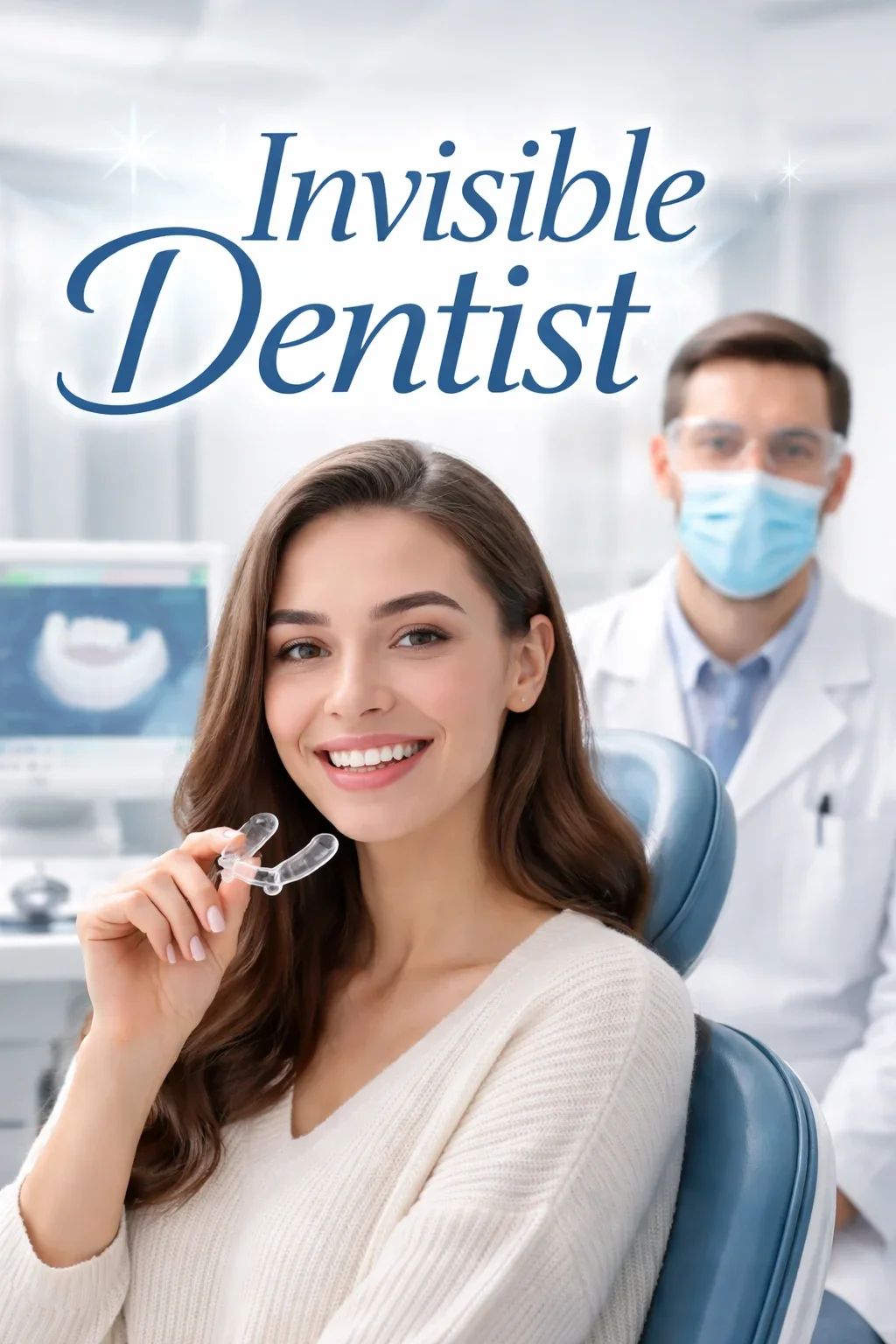
Invisible Dentist Results, Safety, and Long-Term Care
When patients choose an invisible dentist, they are not only investing in discreet treatment but also in long-term oral health, safety, and lasting results. One of the most common concerns among patients researching an invisible dentist is whether subtle treatments can truly deliver reliable outcomes without compromising health. The answer lies in how invisible dentist care is planned, monitored, and maintained over time 😊.
Unlike short-term cosmetic fixes, the invisible dentist approach is built around predictability, biological safety, and sustainability. Results are designed to look natural, function correctly, and remain stable for years when supported by proper follow-up care.
What Results Can Patients Expect from an Invisible Dentist?
The results achieved by an invisible dentist are often subtle yet transformative. Rather than dramatic or artificial-looking changes, the goal is a smile that appears naturally healthy and well-balanced. Teeth alignment, shape, and color are improved in harmony with facial features.
Because invisible dentist treatments rely on digital planning, outcomes are highly predictable. Patients typically see a simulation of expected results before treatment begins. This reduces uncertainty and ensures that final outcomes align closely with patient expectations.
Aesthetic and Functional Improvements
Invisible dentist results are not limited to appearance alone. Proper alignment improves bite function, reduces reduces uneven tooth wear, and supports healthier gums. Many patients report improved comfort while chewing and speaking after completing invisible dentist treatment.
By addressing both aesthetics and function, the invisible dentist approach supports overall oral health rather than focusing solely on appearance.
Safety Standards in Invisible Dentist Treatments
Safety is a core principle of invisible dentist care. Every treatment plan begins with a comprehensive evaluation of oral health, including teeth, gums, bite, and supporting structures. Advanced imaging and diagnostics help identify potential risks before treatment starts.
Invisible dentist treatments are typically minimally invasive, which reduces trauma to teeth and surrounding tissues. Preserving natural tooth structure is a priority, as it supports long-term dental health and reduces the likelihood of complications.
Biocompatible Materials and Precision
The materials used by an invisible dentist are carefully selected for safety and durability. Clear aligners, ceramics, and composites are biocompatible and designed for long-term use in the oral environment. Precision manufacturing ensures a proper fit, reducing irritation and unintended tooth movement.
This attention to detail minimizes risks and supports a comfortable, safe treatment experience.
Monitoring Progress and Preventing Complications
Continuous monitoring is essential to maintaining safety during invisible dentist treatment. Digital check-ups, progress scans, and scheduled evaluations allow the dentist to track tooth movement and tissue response closely.
If any issues arise, adjustments can be made early. This proactive monitoring reduces the likelihood of complications and ensures that treatment stays on track.
The Importance of Long-Term Care After Invisible Dentist Treatment
Long-term success with an invisible dentist does not end when active treatment is completed. Retention and maintenance play a crucial role in preserving results. Teeth naturally tend to shift over time, which is why retainers or maintenance plans are recommended.
An invisible dentist provides clear instructions on retention protocols, oral hygiene, and follow-up visits. Patients who follow these guidelines are far more likely to enjoy stable, lasting results.
Preventive Care and Lifestyle Habits
Good oral hygiene and regular dental check-ups are essential after invisible dentist treatment. Preventive care helps protect both natural teeth and restorations. Patients are encouraged to maintain healthy habits that support long-term oral stability.
Lifestyle factors such as diet, stress, and nighttime grinding are also addressed. An invisible dentist may recommend protective solutions to prevent damage and preserve results.
Longevity and Patient Satisfaction
One of the strongest indicators of invisible dentist success is patient satisfaction over time. Because treatments are designed to be comfortable, subtle, and effective, patients often report high levels of confidence and satisfaction long after treatment ends.
The combination of predictable results, safety-focused planning, and structured long-term care makes the invisible dentist approach a reliable choice for patients seeking lasting improvement.
In conclusion, invisible dentist results are safe, natural-looking, and sustainable when guided by proper planning and long-term care. By prioritizing precision, patient education, and preventive support, the invisible dentist model delivers outcomes that stand the test of time. For patients who value both discretion and durability, invisible dentist care offers peace of mind along with a confident smile 🌟.