
Achieving a beautifully aligned smile is a significant accomplishment, whether it comes from braces, clear aligners, or other orthodontic treatments. However, many patients are surprised to learn that the journey does not end when their treatment is complete. Maintaining straight teeth requires a reliable retention strategy, and one of the most popular solutions today is the invisible line retainer. This nearly invisible orthodontic appliance helps preserve treatment results while offering comfort, convenience, and aesthetic appeal. 😁
An invisible line retainer is a transparent, custom-made appliance designed to fit snugly over the teeth. Unlike traditional metal retainers that use visible wires, an invisible line retainer is made from clear medical-grade plastic, making it difficult for others to notice. This discreet appearance makes it a preferred choice among teenagers and adults who want to maintain their smile without drawing attention to their orthodontic appliance.
After orthodontic treatment, teeth naturally tend to shift back toward their original positions. This process, known as orthodontic relapse, can occur gradually over months or even years. An invisible line retainer works by holding the teeth in their corrected positions while the surrounding bone, gums, and supporting tissues stabilize. Consistent use of an invisible line retainer can significantly reduce the risk of unwanted tooth movement and help protect the investment made in orthodontic care.
One of the major reasons patients prefer an invisible line retainer is comfort. Because it is custom-fabricated using impressions or digital scans of the patient’s teeth, the retainer closely matches the shape of the dental arch. The smooth plastic surface eliminates the irritation that some people experience with metal wires. As a result, wearing an invisible line retainer often feels natural after a short adjustment period.
Another advantage of the invisible line retainer is its ability to fit seamlessly into daily life. Since the appliance is removable, users can take it out while eating, brushing, and flossing. This flexibility allows individuals to maintain excellent oral hygiene and enjoy their favorite foods without restrictions. Nevertheless, following the dentist’s instructions regarding wear time is crucial because inconsistent use of an invisible line retainer can lead to tooth movement.
Many people wonder how long they must wear an invisible line retainer. The answer varies depending on individual circumstances. In most cases, orthodontists recommend full-time wear immediately after treatment, followed by nighttime use for an extended period. Some patients may need to wear an invisible line retainer indefinitely during sleep to ensure that their teeth remain properly aligned. Since teeth can continue shifting throughout life, long-term retention is often considered the best approach.
The manufacturing process for an invisible line retainer has evolved significantly thanks to modern dental technology. Digital scanning systems can create highly accurate 3D models of a patient’s teeth, allowing laboratories to produce retainers with exceptional precision. This advanced customization improves fit, comfort, and effectiveness. As a result, today’s invisible line retainer solutions provide a superior patient experience compared to older retention methods.
In addition to maintaining alignment, an invisible line retainer can contribute to overall oral health. Properly aligned teeth are generally easier to clean, reducing the risk of plaque accumulation, cavities, and gum disease. By preventing teeth from shifting, an invisible line retainer helps preserve the functional and aesthetic benefits achieved through orthodontic treatment. This long-term protection is one of the primary reasons dentists strongly encourage retainer compliance.
Patients should also understand that an invisible line retainer requires regular care. Cleaning the appliance daily helps prevent bacteria buildup, unpleasant odors, and discoloration. Most dental professionals recommend rinsing the retainer after removal and gently brushing it with a soft toothbrush. Proper maintenance ensures that the invisible line retainer remains clear, hygienic, and effective throughout its lifespan.
When comparing retention options, many orthodontic patients appreciate the balance of aesthetics and functionality provided by an invisible line retainer. While fixed retainers and traditional wire retainers remain valuable options in certain cases, clear retainers continue to gain popularity because they offer a nearly invisible appearance while effectively stabilizing tooth positions. This combination makes the invisible line retainer an attractive choice for individuals seeking a discreet retention solution.
According to guidance from the American Dental Association, maintaining proper oral hygiene and following professional dental recommendations are essential for preserving oral health after orthodontic treatment. Patients who have questions regarding retainers, orthodontic retention plans, or smile maintenance can also contact dental professionals through the Redent Klinik Contact Page for personalized assistance and treatment information.
Ultimately, an invisible line retainer serves as the final and often most important step in protecting a straight, healthy smile. Whether you have recently completed orthodontic treatment or are exploring retention options, understanding the purpose and benefits of an invisible line retainer can help you make informed decisions about your long-term dental health. With proper use, regular cleaning, and professional guidance, an invisible line retainer can keep your smile looking beautiful for many years to come. ✨
What Is an Invisible Line Retainer and How Does It Work?
For many patients, completing orthodontic treatment feels like the end of a long journey. However, maintaining straight teeth requires an equally important phase known as retention. This is where an invisible line retainer becomes essential. An invisible line retainer is a transparent, removable dental appliance specifically designed to keep teeth in their newly aligned positions after braces or clear aligner treatment. Without proper retention, teeth can gradually shift back toward their original locations, reducing the effectiveness of orthodontic treatment and potentially creating new alignment problems.
The popularity of the invisible line retainer has increased dramatically over recent years because patients value both its effectiveness and discreet appearance. Unlike traditional retainers that use visible metal wires, an invisible line retainer is made from clear thermoplastic material that fits closely over the teeth. This nearly invisible design allows patients to smile, speak, and interact confidently while maintaining their orthodontic results. 😊
The Primary Purpose of an Invisible Line Retainer
The main function of an invisible line retainer is to prevent orthodontic relapse. After teeth have been moved into their ideal positions, the surrounding bone and gum tissues need time to stabilize. During this period, teeth naturally have a tendency to drift. An invisible line retainer applies gentle holding pressure that keeps each tooth in place while the supporting structures adapt to the new alignment.
Many people mistakenly assume their teeth will remain perfectly straight forever once orthodontic treatment ends. In reality, teeth continue to experience pressure from chewing, aging, tongue movement, and natural biological changes. An invisible line retainer acts as a protective barrier against these forces, helping preserve the results achieved through months or years of orthodontic care.
How an Invisible Line Retainer Is Made
The fabrication process for an invisible line retainer begins with detailed impressions or digital scans of the patient’s teeth. Modern dental clinics often use advanced 3D scanning technology to capture highly accurate images of the dental arches. These digital models allow dental laboratories to create a custom-fitted invisible line retainer that matches the exact contours of the patient’s teeth.
Once the model is prepared, a thin yet durable layer of transparent plastic is molded over the dental cast. The resulting invisible line retainer provides a snug fit that securely holds the teeth while remaining comfortable enough for long-term wear. Because every appliance is custom-made, patients benefit from improved retention and enhanced comfort.
Materials Used in Modern Retainers
Most modern invisible line retainer appliances are manufactured using medical-grade thermoplastic materials. These materials are selected for their durability, transparency, flexibility, and safety. High-quality plastics help the invisible line retainer remain clear and resistant to cracking when properly maintained.
Advanced manufacturing methods have also improved the lifespan of the average invisible line retainer. While all retainers eventually require replacement due to wear and tear, today’s materials provide excellent durability when compared to older retention devices.
How the Retainer Holds Teeth in Position
An invisible line retainer functions by covering the entire visible surface of the teeth. Because the appliance closely conforms to the dental anatomy, it prevents unwanted movement in multiple directions. Unlike active orthodontic appliances that intentionally move teeth, an invisible line retainer is designed to maintain stability.
When worn consistently according to professional recommendations, the invisible line retainer creates a stable environment that discourages shifting. This stability is especially important during the first several months following orthodontic treatment, when teeth are most vulnerable to relapse.
Benefits Beyond Tooth Retention
Although the primary role of an invisible line retainer is maintaining alignment, patients often experience additional advantages. Because straight teeth are generally easier to clean, continued use of an invisible line retainer indirectly supports oral hygiene by preserving optimal tooth positioning.
Many patients also appreciate the aesthetic benefits. Since the invisible line retainer is transparent, it allows individuals to maintain a professional appearance in social and workplace environments. This discreet quality makes it especially appealing to adults who prefer a nearly invisible orthodontic solution.
Comfort and Convenience
Comfort is another reason many orthodontists recommend an invisible line retainer. The smooth plastic construction eliminates the sharp wires or metal components sometimes associated with traditional retainers. Most users adapt quickly to wearing an invisible line retainer, often within just a few days.
Additionally, the removable nature of an invisible line retainer allows patients to eat normally and maintain their regular oral hygiene routines. Brushing and flossing remain straightforward because the appliance can be removed when necessary.
Who Typically Uses an Invisible Line Retainer?
Patients who complete treatment with braces, ceramic braces, lingual braces, or clear aligners are often candidates for an invisible line retainer. Orthodontists may recommend this appliance for teenagers, adults, and even older patients who have undergone orthodontic correction.
The suitability of an invisible line retainer depends on individual treatment goals, bite characteristics, and long-term retention needs. Some patients may use only a removable invisible line retainer, while others may combine it with fixed retention methods for additional stability.
Why Consistent Wear Is Essential
Even the highest-quality invisible line retainer cannot protect a smile if it is not worn consistently. Teeth can begin shifting surprisingly quickly when retainers are neglected. For this reason, dental professionals emphasize following the prescribed wear schedule.
Patients who wear their invisible line retainer as directed are more likely to maintain straight teeth, stable bite relationships, and long-lasting orthodontic results. The appliance represents a relatively small daily commitment that can protect years of orthodontic investment and preserve a confident smile for decades.
Ultimately, understanding how an invisible line retainer works helps patients appreciate its importance. By holding teeth in their corrected positions, supporting tissue stabilization, and preventing orthodontic relapse, an invisible line retainer serves as one of the most valuable tools for maintaining a healthy, attractive smile long after active treatment has ended. ✨
Benefits of Choosing an Invisible Line Retainer After Orthodontic Treatment
Completing orthodontic treatment is a major milestone, but preserving the results is just as important as achieving them. Whether a patient has worn traditional braces, ceramic braces, or clear aligners, maintaining tooth alignment requires a reliable retention solution. This is where an invisible line retainer becomes extremely valuable. Designed to hold teeth in their corrected positions, an invisible line retainer offers numerous advantages that extend beyond simply keeping teeth straight.
Modern patients increasingly prefer an invisible line retainer because it combines effectiveness, comfort, and aesthetics in a single appliance. Unlike conventional metal retainers, which can be noticeable when speaking or smiling, an invisible line retainer remains discreet while providing dependable support for long-term orthodontic success. For many individuals, this balance of function and appearance makes an invisible line retainer the preferred retention option after treatment.
Maintains Orthodontic Results Effectively
The most important benefit of an invisible line retainer is its ability to preserve orthodontic treatment results. Teeth naturally tend to move throughout life due to changes in the surrounding bone, gum tissues, chewing forces, and natural aging processes. Without retention, even perfectly aligned teeth can gradually shift over time.
An invisible line retainer helps prevent this movement by securely holding teeth in their corrected positions. The appliance fits closely around the dental arch and provides the stability necessary for supporting tissues to adapt. Consistent use of an invisible line retainer significantly reduces the likelihood of orthodontic relapse and protects the time and effort invested in treatment.
Nearly Invisible Appearance
One of the primary reasons patients choose an invisible line retainer is its discreet design. The appliance is manufactured from transparent plastic that blends naturally with the teeth. This makes the invisible line retainer difficult to detect during conversations, social interactions, and professional activities.
Adults in particular appreciate the aesthetic advantages of an invisible line retainer. Many individuals prefer a retention solution that does not draw attention to their orthodontic history. Because the appliance remains virtually unnoticeable, patients can smile confidently while maintaining their treatment results. 😁
Ideal for Professional and Social Settings
Students, business professionals, public speakers, and individuals who frequently interact with others often value the subtle appearance of an invisible line retainer. The transparent design allows users to maintain a natural appearance while benefiting from continuous retention support.
For patients who prioritize aesthetics, an invisible line retainer offers a significant advantage over traditional wire retainers.
Enhanced Comfort During Daily Wear
Comfort plays an important role in long-term retainer compliance. An invisible line retainer is custom-made to fit the unique shape of the patient’s teeth. This precise fit helps minimize irritation and improves overall comfort.
Unlike some traditional retainers that contain metal wires or acrylic components, an invisible line retainer features smooth surfaces that reduce friction against the cheeks, lips, and tongue. Most patients adjust quickly and find that wearing an invisible line retainer becomes a normal part of their routine.
Smooth and Custom-Fitted Design
Because each invisible line retainer is created using detailed dental impressions or digital scans, the appliance fits accurately over the teeth. This personalized approach improves both comfort and effectiveness while reducing unwanted movement inside the mouth.
The custom nature of an invisible line retainer also contributes to better patient satisfaction and consistent wear.
Supports Better Oral Hygiene
Another important advantage of an invisible line retainer is that it can be removed during brushing and flossing. Unlike fixed retainers, which remain attached to the teeth, a removable invisible line retainer allows patients to maintain their normal oral hygiene routine without significant modifications.
Being able to remove the appliance means that patients can clean every tooth surface thoroughly. This helps reduce plaque accumulation and supports healthy gums. A properly maintained invisible line retainer also remains cleaner and more hygienic over time.
Good oral hygiene habits combined with regular use of an invisible line retainer contribute to long-term dental health and improved treatment outcomes.
Convenient for Eating and Drinking
Many orthodontic patients appreciate the convenience offered by an invisible line retainer. Because the appliance is removable, users can take it out before meals and enjoy their favorite foods without restrictions.
Traditional orthodontic appliances may limit certain dietary choices, but an invisible line retainer allows patients to eat comfortably after removing it. Once meals are finished and oral hygiene is completed, the invisible line retainer can be placed back into position.
This flexibility makes daily life significantly easier and encourages long-term compliance.
Improves Long-Term Smile Confidence
Patients often invest substantial time and resources into orthodontic treatment because they want a healthier and more attractive smile. An invisible line retainer helps protect that investment by maintaining alignment and preserving aesthetic results.
Knowing that teeth remain straight can have a positive impact on self-confidence. Many patients report feeling more comfortable smiling, speaking, and interacting socially when they know their orthodontic results are being protected by an invisible line retainer.
Over the years, the cumulative benefits of consistent retainer wear can be significant. The ability of an invisible line retainer to preserve alignment helps patients continue enjoying the improvements achieved during treatment.
Suitable for Various Orthodontic Cases
An invisible line retainer can be used following many different types of orthodontic treatment. Whether the patient completed treatment with traditional braces, clear aligners, or other corrective systems, an invisible line retainer often serves as an effective retention solution.
Orthodontists may recommend different wear schedules depending on the patient’s individual needs, but the overall objective remains the same: maintaining stable tooth positioning and preventing relapse.
Long-Term Protection for Your Smile
Perhaps the greatest benefit of an invisible line retainer is the long-term protection it provides. Orthodontic treatment creates positive changes in dental alignment, but those results require ongoing maintenance. By wearing an invisible line retainer according to professional instructions, patients can significantly reduce the risk of unwanted tooth movement.
Ultimately, an invisible line retainer offers a combination of aesthetics, comfort, convenience, and effectiveness that makes it one of the most popular retention options available today. From preserving orthodontic results to supporting confidence and oral health, an invisible line retainer plays a vital role in helping patients enjoy a straight, healthy, and attractive smile for many years to come. ✨
Invisible Line Retainer vs Traditional Wire Retainers
Choosing the right retainer after orthodontic treatment is one of the most important decisions for maintaining long-term dental alignment. Orthodontists commonly recommend either an invisible line retainer or a traditional wire retainer, and each option has unique advantages and limitations. Understanding the differences between these retention systems helps patients make informed decisions that support both their oral health and lifestyle preferences.
An invisible line retainer is a transparent, custom-made appliance that covers the teeth and helps maintain their corrected positions. Traditional wire retainers, often referred to as Hawley retainers, consist of a metal wire attached to an acrylic base. Both options are designed to prevent orthodontic relapse, but they achieve this goal in different ways. When evaluating comfort, appearance, durability, maintenance, and effectiveness, patients often discover significant differences between a traditional retainer and an invisible line retainer.
Appearance and Aesthetic Differences
One of the most obvious distinctions between these retention methods is appearance. An invisible line retainer is made from clear plastic material that fits tightly over the teeth. Because it is transparent, it remains difficult to notice during conversations, smiling, and daily activities.
Traditional wire retainers, on the other hand, include a visible metal wire that extends across the front teeth. While modern wire retainers are relatively discreet, they are still more noticeable than an invisible line retainer. For adults and professionals who value aesthetics, this difference often becomes a deciding factor.
Why Appearance Matters
Many orthodontic patients choose treatment specifically to improve the appearance of their smile. After completing months or years of orthodontic care, they often prefer a retention option that preserves their results without drawing attention. In this regard, an invisible line retainer provides a clear advantage.
Patients frequently report feeling more confident wearing an invisible line retainer because others rarely notice it. This discreet quality contributes to its popularity among teenagers and adults alike. 😊
Comfort and Daily Wear Experience
Comfort is another important consideration when comparing an invisible line retainer with traditional wire retainers. Because the invisible line retainer is manufactured from smooth plastic and custom-fitted to the patient’s teeth, it generally feels comfortable after a short adjustment period.
Traditional wire retainers may require more adaptation because the metal components can occasionally irritate the lips, tongue, or cheeks. Although many patients adjust successfully, some individuals find the smooth surface of an invisible line retainer easier to tolerate during long-term use.
Speech Adaptation
Most retainers affect speech slightly during the first few days of use. However, many patients adapt quickly to an invisible line retainer because of its slim design. Traditional retainers sometimes require a longer adjustment period due to the acrylic plate positioned against the roof of the mouth.
Regardless of the retainer type, consistent wear helps patients adapt more quickly and comfortably.
Effectiveness in Maintaining Tooth Alignment
Both an invisible line retainer and a traditional wire retainer are highly effective when used correctly. Their primary purpose is to prevent teeth from shifting after orthodontic treatment.
An invisible line retainer covers the entire visible surface of the teeth, helping stabilize each tooth simultaneously. This comprehensive coverage provides excellent retention and can help preserve orthodontic results effectively.
Traditional wire retainers also perform well, especially because orthodontists can occasionally adjust the wire if minor corrections become necessary. This flexibility is one advantage that traditional retainers may offer in certain situations.
Durability and Longevity
Durability is another factor patients should consider when selecting a retainer. A high-quality invisible line retainer can last for several years when properly maintained. However, because it is made from plastic, it may eventually develop cracks, wear patterns, or distortion if exposed to excessive heat or improper handling.
Traditional wire retainers are often considered highly durable because the metal framework resists breakage. Nevertheless, the acrylic portion can still become damaged if dropped or subjected to excessive force.
Replacement Considerations
An invisible line retainer may require replacement if it becomes loose, warped, or cracked. Fortunately, modern digital scanning technology often allows dental clinics to reproduce a new invisible line retainer efficiently.
Traditional retainers can sometimes be repaired rather than replaced, depending on the nature of the damage. Patients should discuss replacement expectations with their orthodontist when choosing between retainer types.
Oral Hygiene and Maintenance
Maintaining good oral hygiene is essential regardless of which retainer is selected. An invisible line retainer can be removed before brushing and flossing, allowing patients to clean their teeth thoroughly. The retainer itself should also be cleaned regularly to prevent bacterial buildup and discoloration.
Traditional retainers are similarly removable, but they may contain additional components that require careful cleaning. Some patients find the smooth surface of an invisible line retainer easier to maintain on a daily basis.
Proper cleaning habits help extend the lifespan of both retainer types while supporting overall oral health.
Lifestyle and Convenience Factors
For individuals with active social or professional lives, convenience often influences retainer selection. An invisible line retainer offers exceptional convenience because it is lightweight, discreet, and easy to remove when necessary.
Many patients appreciate the ability to wear an invisible line retainer confidently in public settings without concerns about visibility. This advantage makes it especially attractive to adults who prioritize aesthetics and convenience.
Which Retainer Is Right for You?
The ideal retention solution depends on individual treatment goals, oral health conditions, and personal preferences. Some patients benefit most from an invisible line retainer because of its discreet appearance, comfortable fit, and effective retention capabilities. Others may prefer traditional wire retainers because of their durability and adjustability.
Orthodontists evaluate several factors when recommending a retainer, including bite stability, treatment complexity, and long-term retention requirements. In many cases, an invisible line retainer provides an excellent balance of aesthetics, comfort, and effectiveness.
Final Comparison
Both retention systems are capable of preserving orthodontic results when used correctly. However, an invisible line retainer has become increasingly popular because it offers a nearly invisible appearance, comfortable design, removable convenience, and excellent stability. Traditional wire retainers remain a trusted option, but many modern patients prefer the aesthetic benefits associated with an invisible line retainer.
Ultimately, selecting the right retainer should involve consultation with an experienced dental professional who can evaluate individual needs and recommend the most suitable long-term retention strategy. By choosing and consistently wearing the appropriate retainer, patients can enjoy a straight, healthy, and confident smile for many years after orthodontic treatment. ✨
How Long Should You Wear an Invisible Line Retainer?
One of the most common questions patients ask after completing orthodontic treatment is how long they need to wear an invisible line retainer. While many people assume retainers are only necessary for a few months, the reality is more complex. Teeth naturally move throughout life, and long-term retention plays a crucial role in preserving orthodontic results. An invisible line retainer is specifically designed to keep teeth in their corrected positions and prevent relapse after braces or clear aligner treatment.
The length of time a patient should wear an invisible line retainer depends on several factors, including age, treatment complexity, individual biology, and orthodontic history. However, one principle remains consistent: the more consistently an invisible line retainer is worn, the better the long-term stability of the smile.
The First Few Months After Orthodontic Treatment
The period immediately following orthodontic treatment is the most critical phase for retention. During this time, the bone and surrounding tissues that support the teeth are still adapting to their new positions. Without proper support, teeth may begin shifting surprisingly quickly.
For this reason, orthodontists often recommend wearing an invisible line retainer full-time during the first few months after treatment. Full-time wear generally means keeping the invisible line retainer in place for approximately 20 to 22 hours per day, removing it only for meals, brushing, and flossing.
This intensive wear schedule allows the surrounding tissues to stabilize and helps the invisible line retainer effectively maintain alignment during the most vulnerable stage of retention.
Why Early Retention Matters
Many orthodontic relapses occur because patients stop wearing their retainer too soon. The first several months are when the teeth are most likely to move. Consistent use of an invisible line retainer during this period significantly reduces the risk of unwanted changes.
Patients who follow their orthodontist’s recommendations regarding their invisible line retainer often achieve more stable long-term results.
Transitioning to Nighttime Wear
After the initial stabilization phase, many orthodontists gradually reduce retainer wear requirements. Instead of wearing the invisible line retainer throughout the day, patients are commonly instructed to wear it only while sleeping.
Nighttime wear is often sufficient because the teeth have already become more stable. Wearing an invisible line retainer every night continues to provide support while allowing patients complete freedom during daytime activities.
Most individuals find nighttime use convenient because the invisible line retainer works passively while they sleep. This routine is easy to maintain and helps preserve alignment for years.
Typical Nighttime Schedule
Although recommendations vary, many orthodontists advise wearing an invisible line retainer every night for at least one year after active treatment. Some patients may transition to alternate-night wear later, while others benefit from continuing nightly use indefinitely.
The ideal schedule should always be determined by a qualified dental professional familiar with the patient’s orthodontic history.
Can You Ever Stop Wearing an Invisible Line Retainer?
This is perhaps the most frequently asked question regarding retention. Technically, some patients may reduce retainer wear over time, but completely stopping use of an invisible line retainer carries risks.
Teeth are not fixed permanently in place. Natural changes occur throughout life due to aging, chewing forces, jaw growth, and biological remodeling processes. These factors can gradually affect tooth positioning even many years after orthodontic treatment.
Because of these lifelong influences, many orthodontists recommend continued nighttime use of an invisible line retainer as a long-term preventive measure.
Factors That Influence Retainer Wear Duration
Several factors affect how long an individual should wear an invisible line retainer. Understanding these factors helps explain why retention plans differ from patient to patient.
Age
Younger patients often experience continued jaw development and growth. Because of these changes, maintaining consistent use of an invisible line retainer may be particularly important during adolescence and early adulthood.
Severity of Original Misalignment
Patients who had severe crowding, spacing issues, or significant bite corrections may require longer retention periods. An invisible line retainer helps stabilize these more complex corrections and reduce the likelihood of relapse.
Compliance History
Patients who consistently wear their invisible line retainer according to instructions generally achieve better long-term outcomes. Inconsistent wear may lead to minor tooth movement, requiring additional retention measures.
Signs You Should Wear Your Retainer More Frequently
Sometimes patients notice that their invisible line retainer feels tighter than usual after skipping wear for several days. This sensation often indicates that slight tooth movement has occurred.
If an invisible line retainer suddenly feels tight, difficult to insert, or uncomfortable, it may be a sign that the teeth are beginning to shift. Promptly resuming consistent wear often helps restore proper positioning before more significant movement develops.
Patients experiencing persistent tightness should consult their orthodontist for professional evaluation.
Long-Term Benefits of Lifelong Retention
Many dental professionals now view retention as a lifelong commitment rather than a temporary phase. Wearing an invisible line retainer at night provides ongoing protection against natural tooth movement and helps preserve orthodontic results for decades.
The effort required to wear an invisible line retainer during sleep is relatively small compared to the time, cost, and commitment associated with repeating orthodontic treatment. For this reason, long-term retention is often considered one of the smartest investments patients can make in their oral health.
Final Recommendations
Although every patient is different, most orthodontic experts agree that continued use of an invisible line retainer offers the best protection against orthodontic relapse. Full-time wear is often recommended immediately after treatment, followed by long-term nighttime use.
Ultimately, an invisible line retainer serves as the final safeguard for maintaining a straight and attractive smile. By following professional recommendations and wearing the appliance consistently, patients can protect their orthodontic results and enjoy the benefits of a healthy, well-aligned smile for many years. ✨
Cleaning and Maintenance Tips for an Invisible Line Retainer
Proper cleaning and maintenance are essential for maximizing the effectiveness and lifespan of an invisible line retainer. While this appliance is designed to help maintain tooth alignment after orthodontic treatment, its performance depends heavily on how well it is cared for. Many patients focus on wearing their invisible line retainer consistently but underestimate the importance of keeping it clean and free from bacteria, plaque, and stains.
Because an invisible line retainer fits closely against the teeth for extended periods, poor hygiene can create an environment where bacteria multiply. Over time, this may contribute to unpleasant odors, discoloration, plaque accumulation, and even oral health concerns. Fortunately, maintaining an invisible line retainer is relatively simple when proper habits are followed consistently.
Why Cleaning an Invisible Line Retainer Is Important
Every time an invisible line retainer is worn, it is exposed to saliva, bacteria, food particles, and naturally occurring microorganisms within the mouth. Even if the appliance appears clean, microscopic deposits can accumulate on its surface.
Without routine cleaning, an invisible line retainer may develop unpleasant odors and lose its transparent appearance. In severe cases, bacterial buildup may affect oral hygiene and contribute to gum irritation. Regular cleaning helps preserve both the appearance and functionality of an invisible line retainer.
Protecting Oral Health
A clean invisible line retainer supports a healthier oral environment. By reducing bacterial accumulation, patients can lower the risk of plaque buildup and maintain fresher breath. Good retainer hygiene complements brushing and flossing routines and contributes to overall dental wellness.
Patients who care for their invisible line retainer properly often enjoy greater comfort and fewer hygiene-related issues over time.
Daily Cleaning Routine
Establishing a daily cleaning routine is one of the most effective ways to maintain an invisible line retainer. Ideally, the appliance should be cleaned every time it is removed and before it is placed back into the mouth.
Many orthodontists recommend rinsing the invisible line retainer immediately after removal using lukewarm water. This simple step helps remove saliva and loose debris before deposits have an opportunity to harden.
Using a soft toothbrush specifically designated for retainer cleaning can further improve hygiene. Gently brushing the invisible line retainer helps remove bacteria and surface buildup without damaging the plastic material.
Avoid Hot Water
One of the most important maintenance rules is avoiding hot water. Excessive heat can warp an invisible line retainer, causing it to lose its precise fit. Because the appliance relies on exact dimensions to maintain tooth alignment, distortion can reduce effectiveness.
Always use cool or lukewarm water when cleaning an invisible line retainer to preserve its shape and structural integrity.
Deep Cleaning Methods
In addition to daily cleaning, periodic deep cleaning helps maintain the clarity and freshness of an invisible line retainer. Over time, mineral deposits and bacterial films may accumulate despite routine brushing.
Specialized retainer-cleaning products are available and are often recommended for deep cleaning. These products help remove stubborn buildup while preserving the transparency of an invisible line retainer.
Many patients soak their invisible line retainer according to manufacturer instructions to achieve a more thorough cleaning. This process can help restore clarity and eliminate odors that may develop over time.
Cleaning Tablets and Solutions
Commercial retainer-cleaning tablets are commonly used to maintain an invisible line retainer. These products dissolve in water and create a cleaning solution that helps remove deposits and bacteria.
Following professional recommendations regarding cleaning solutions helps ensure that the invisible line retainer remains safe, hygienic, and effective throughout its lifespan.
Storage Tips When Not Wearing the Retainer
Proper storage is another critical aspect of caring for an invisible line retainer. Leaving the appliance exposed on countertops or wrapped in napkins increases the risk of contamination, accidental loss, or damage.
Whenever the invisible line retainer is removed, it should be placed in a protective case specifically designed for retainer storage. A well-ventilated case helps keep the appliance clean while reducing exposure to environmental contaminants.
Many retainers are accidentally discarded when wrapped in tissues during meals. Consistently storing an invisible line retainer in its designated case helps prevent unnecessary replacement costs.
Common Mistakes That Can Damage a Retainer
Several common mistakes can shorten the lifespan of an invisible line retainer. Understanding these risks helps patients protect their appliance and maintain effective retention.
Using Abrasive Toothpaste
While brushing is beneficial, abrasive toothpaste can scratch the surface of an invisible line retainer. These microscopic scratches may trap bacteria and make the appliance appear cloudy over time.
Many dental professionals recommend using gentle cleaning methods specifically approved for an invisible line retainer.
Exposure to Heat
Leaving an invisible line retainer inside a hot vehicle or near heat sources can cause warping. Once the appliance loses its shape, it may no longer fit correctly and may require replacement.
Protecting an invisible line retainer from excessive temperatures is essential for preserving its effectiveness.
Skipping Regular Cleaning
Neglecting routine maintenance allows bacteria, plaque, and stains to accumulate on an invisible line retainer. Over time, this can affect both appearance and hygiene.
Daily cleaning remains one of the simplest and most effective ways to maintain an invisible line retainer properly.
When Should You Replace an Invisible Line Retainer?
Even with excellent care, every invisible line retainer eventually reaches the end of its useful lifespan. Signs that replacement may be necessary include cracks, significant discoloration, looseness, or changes in fit.
If an invisible line retainer becomes damaged, patients should contact their orthodontist promptly. Continuing to wear a compromised appliance may reduce retention effectiveness and allow unwanted tooth movement.
Regular dental checkups provide opportunities for professionals to evaluate the condition of an invisible line retainer and determine whether replacement is needed.
Final Thoughts on Retainer Care
An invisible line retainer represents a long-term investment in maintaining orthodontic results. Consistent cleaning, proper storage, and careful handling all contribute to its effectiveness and longevity.
By developing strong maintenance habits, patients can keep their invisible line retainer clear, comfortable, and hygienic while protecting the beautiful smile they worked hard to achieve. A well-maintained invisible line retainer not only preserves tooth alignment but also supports better oral health and long-term confidence. ✨
Invisible Line Retainer Costs and Factors That Affect Pricing
One of the most common concerns patients have after completing orthodontic treatment is the cost of maintaining their results. While straightening teeth often requires a significant investment, preserving that alignment is equally important. An invisible line retainer plays a critical role in preventing orthodontic relapse, and understanding its cost can help patients plan for long-term smile maintenance. The price of an invisible line retainer varies depending on several factors, including location, dental provider, materials, customization, and replacement needs.
Although an invisible line retainer generally represents a smaller investment compared to braces or clear aligner treatment, patients should still understand the factors that influence pricing. Making informed decisions helps ensure that the chosen retention solution provides both value and long-term effectiveness.
Average Cost of an Invisible Line Retainer
The cost of an invisible line retainer can vary significantly between countries, clinics, and orthodontic providers. In many regions, a single custom-made invisible line retainer may cost between $100 and $500 per arch. Some dental practices provide both upper and lower retainers as a package, while others charge separately for each appliance.
Patients should remember that pricing often reflects customization, laboratory quality, materials, and professional expertise. A properly fitted invisible line retainer manufactured from high-quality materials may provide greater comfort, durability, and long-term value.
Estimated Price Ranges
- Single arch invisible line retainer: Approximately $100–$500
- Upper and lower invisible line retainer set: Approximately $200–$1,000
- Replacement invisible line retainer: Approximately $100–$400 per arch
- Digital scan and custom fabrication fees may apply depending on the clinic
These figures are general estimates and may vary based on location, provider experience, and treatment complexity.
Factors That Influence Invisible Line Retainer Pricing
Several important variables affect the overall cost of an invisible line retainer. Understanding these factors helps explain why prices can differ significantly between providers.
Quality of Materials
The material used to manufacture an invisible line retainer has a direct impact on cost. High-quality medical-grade thermoplastics are designed to provide durability, transparency, and comfort. Premium materials often resist cracking and discoloration better than lower-quality alternatives.
Because material quality influences longevity, investing in a well-made invisible line retainer can sometimes reduce replacement frequency over the long term.
Digital Scanning Technology
Modern orthodontic clinics increasingly rely on digital scanning systems rather than traditional impressions. Digital technology can improve the precision of an invisible line retainer and enhance patient comfort during the fitting process.
While advanced scanning systems may increase initial costs, they often contribute to improved accuracy and better-fitting retainers. A precisely fitted invisible line retainer is generally more comfortable and effective at maintaining tooth alignment.
Laboratory Fabrication Standards
The dental laboratory responsible for manufacturing an invisible line retainer also affects pricing. Laboratories that use advanced equipment, strict quality-control procedures, and premium materials may charge higher fees.
However, the additional investment often results in a more durable and accurately fabricated invisible line retainer, which may improve patient satisfaction.
Why Replacement Costs Matter
Unlike fixed retainers that remain attached to the teeth, an invisible line retainer is removable. While this provides convenience, it also creates opportunities for accidental loss, breakage, or wear.
Over time, most patients will eventually need a replacement invisible line retainer. Understanding replacement costs is therefore an important aspect of long-term orthodontic planning.
Common Reasons for Replacement
- Cracks or fractures
- Loss or accidental disposal
- Warping caused by heat exposure
- Excessive wear from long-term use
- Changes in dental alignment requiring a new fit
Replacing an invisible line retainer promptly is essential because prolonged periods without retention may allow teeth to shift.
Is an Invisible Line Retainer Worth the Cost?
When evaluating costs, it is important to consider the broader value provided by an invisible line retainer. Orthodontic treatment often requires months or years of commitment. The purpose of retention is to protect that investment and preserve the achieved results.
Compared to the potential cost of retreatment, an invisible line retainer is generally considered highly cost-effective. Preventing tooth movement through consistent retainer wear is usually far less expensive than correcting orthodontic relapse later.
Many patients view their invisible line retainer as an insurance policy for their smile. By maintaining alignment, the appliance helps safeguard both aesthetic and functional treatment outcomes.
Can Dental Insurance Help?
Insurance coverage for an invisible line retainer varies considerably. Some orthodontic treatment plans include initial retention appliances as part of the overall treatment package. Others may provide partial reimbursement for retainers or replacement retainers.
Patients should review their insurance benefits carefully and discuss coverage options with their dental provider. Understanding potential benefits can help reduce out-of-pocket expenses related to an invisible line retainer.
Questions to Ask Your Provider
- Is the invisible line retainer included in my orthodontic treatment fee?
- How many retainers are provided after treatment?
- What is the cost of future replacements?
- Does insurance cover any portion of the invisible line retainer?
- Are follow-up retention appointments included?
Cost-Saving Tips for Patients
Although replacement costs are sometimes unavoidable, proper maintenance can help extend the lifespan of an invisible line retainer. Storing the appliance in a protective case, cleaning it regularly, and avoiding heat exposure can significantly reduce the likelihood of damage.
Patients who care for their invisible line retainer properly often avoid unnecessary replacement expenses and maintain more consistent orthodontic results.
Long-Term Value of Retention
The true value of an invisible line retainer extends beyond its purchase price. By preventing tooth movement, protecting orthodontic outcomes, and reducing the risk of future corrective treatment, the appliance provides substantial long-term benefits.
For most patients, the cost of an invisible line retainer represents a relatively small investment compared to the effort, time, and resources required to achieve a properly aligned smile. Consistent use of an invisible line retainer helps ensure that orthodontic results remain stable for years to come.
Ultimately, while prices vary depending on individual circumstances, an invisible line retainer remains one of the most cost-effective tools available for maintaining a healthy, attractive, and confident smile. Investing in a quality invisible line retainer today can help prevent far more costly orthodontic issues in the future. ✨
How to Protect Your Smile with the Right Invisible Line Retainer
Completing orthodontic treatment is a major achievement, but maintaining those results requires long-term commitment. Whether treatment involved traditional braces, ceramic braces, or clear aligners, teeth naturally have a tendency to move over time. This is why choosing the right invisible line retainer is one of the most important decisions patients can make after orthodontic treatment. A properly selected and consistently worn invisible line retainer helps preserve alignment, supports oral health, and protects the investment made in creating a beautiful smile.
Many patients focus heavily on the orthodontic treatment itself but underestimate the importance of retention. In reality, the success of treatment depends greatly on what happens after active tooth movement ends. An invisible line retainer serves as the final safeguard against relapse and helps ensure that the results achieved remain stable for years or even decades.
Why Smile Protection Matters After Orthodontic Treatment
Teeth are not permanently locked into place after braces or aligner therapy. The surrounding bone and soft tissues continue adapting long after treatment is completed. Natural forces generated by chewing, swallowing, speaking, and aging can gradually influence tooth position.
An invisible line retainer helps counteract these forces by providing continuous support. Without an invisible line retainer, teeth may slowly shift back toward their original positions, leading to crowding, spacing issues, or bite changes.
Protecting a smile is not simply about aesthetics. Proper alignment also contributes to improved oral hygiene, efficient chewing, and balanced bite function. Consistent use of an invisible line retainer helps preserve these benefits long after orthodontic treatment has ended.
The Cost of Orthodontic Relapse
Orthodontic relapse can result in additional treatment needs, including new aligners, braces, or corrective procedures. By wearing an invisible line retainer consistently, patients can reduce the risk of relapse and avoid unnecessary future expenses.
The relatively small effort required to maintain an invisible line retainer often provides substantial long-term value.
Choosing the Right Invisible Line Retainer
Not every retainer is identical. Selecting the right invisible line retainer requires consideration of several factors, including fit, material quality, durability, and professional recommendations.
A custom-made invisible line retainer created using precise dental impressions or digital scans typically provides the best results. Because the appliance is tailored to the patient’s unique dental anatomy, it offers improved comfort and more effective retention.
Importance of Professional Fabrication
Professionally manufactured retainers generally provide a more accurate fit than generic alternatives. A well-fitting invisible line retainer distributes retention forces evenly across the teeth and helps prevent unwanted movement.
Patients should work closely with their orthodontist or dentist when selecting an invisible line retainer to ensure optimal long-term performance.
Developing Consistent Wear Habits
Even the highest-quality invisible line retainer cannot protect a smile if it is not worn consistently. Following the prescribed wear schedule is one of the most important aspects of successful retention.
During the initial months after orthodontic treatment, many patients are instructed to wear their invisible line retainer for most of the day. Over time, wear schedules often transition to nighttime use. Regardless of the specific schedule, consistency remains essential.
Patients who wear their invisible line retainer regularly are significantly more likely to maintain stable alignment than those who wear it only occasionally.
Building Retainer Wear into Daily Routines
Creating simple habits can improve compliance. Keeping the invisible line retainer in the same location every day, storing it properly when not in use, and associating wear with bedtime routines can help patients maintain consistency.
These small habits contribute greatly to the long-term effectiveness of an invisible line retainer.
Protecting the Retainer Itself
Smile protection also involves protecting the appliance responsible for maintaining alignment. An invisible line retainer should be handled carefully to avoid unnecessary damage.
Heat exposure, improper cleaning methods, and careless storage can compromise an invisible line retainer. Using a protective case whenever the appliance is removed helps reduce the risk of accidental loss or breakage.
Patients who take care of their invisible line retainer often enjoy longer appliance lifespan and more consistent retention results.
Monitoring Changes in Fit
A properly fitting invisible line retainer should feel snug but comfortable. Over time, changes in fit may indicate wear, damage, or minor tooth movement.
If an invisible line retainer suddenly feels unusually tight, difficult to insert, or loose, professional evaluation may be necessary. Addressing small issues early often prevents more significant alignment problems later.
When to Contact Your Orthodontist
Patients should schedule an appointment if their invisible line retainer becomes cracked, warped, uncomfortable, or no longer fits correctly. Prompt action helps protect orthodontic results and reduces the likelihood of further complications.
Regular dental visits also provide opportunities to assess the condition of an invisible line retainer and confirm that retention remains effective.
The Long-Term Benefits of Retention
The long-term benefits of wearing an invisible line retainer extend beyond maintaining straight teeth. Proper retention supports bite stability, contributes to easier oral hygiene, and helps preserve the overall health of the teeth and gums.
Patients who continue using an invisible line retainer according to professional recommendations often enjoy lasting orthodontic results and greater confidence in their appearance. The appliance serves as an ongoing investment in both oral health and self-esteem.
Many orthodontic professionals now recommend lifelong nighttime wear of an invisible line retainer because teeth naturally continue changing throughout adulthood. This simple routine can help preserve alignment for decades.
Maintaining Confidence in Your Smile
A straight smile often has a positive impact on confidence, social interactions, and overall quality of life. Protecting that smile requires consistent attention even after treatment has ended.
An invisible line retainer allows patients to preserve their results discreetly while enjoying the confidence that comes from knowing their smile remains protected. Because the appliance is transparent and comfortable, it integrates easily into daily life.
For many individuals, wearing an invisible line retainer becomes a simple habit that provides lasting benefits year after year.
Final Thoughts
Choosing the right invisible line retainer and wearing it consistently are among the most effective ways to protect a smile after orthodontic treatment. From preventing relapse to preserving confidence and oral health, an invisible line retainer plays a vital role in maintaining long-term treatment success.
With proper care, professional guidance, and consistent use, an invisible line retainer can help ensure that the time, effort, and investment devoted to orthodontic treatment continue delivering benefits for many years to come. A healthy, attractive, and stable smile is one of the greatest rewards of long-term retention. ✨
Common Problems and Solutions with Invisible Line Retainers
An invisible line retainer is one of the most effective tools for maintaining orthodontic results after braces or clear aligner treatment. While an invisible line retainer is generally comfortable, convenient, and easy to use, patients may occasionally encounter certain challenges during long-term wear. Understanding these common issues and knowing how to address them can help protect your smile and ensure that your invisible line retainer continues to function effectively.
Many retainer-related problems are minor and can be prevented through proper care, consistent wear, and regular dental checkups. However, ignoring these issues may increase the risk of tooth movement or damage to the appliance. Fortunately, most concerns involving an invisible line retainer have straightforward solutions when identified early.
Tightness When Wearing the Retainer
One of the most common concerns patients experience is a feeling of tightness when inserting their invisible line retainer. This sensation often occurs after the retainer has not been worn consistently for several days or longer.
When an invisible line retainer feels tight, it is often a sign that slight tooth movement has occurred. The appliance is attempting to guide the teeth back into their previously maintained positions. Mild pressure is usually normal and often decreases after several hours of wear.
Solution for Retainer Tightness
If the invisible line retainer still fits completely over the teeth, patients should generally resume wearing it according to professional instructions. Consistent use often helps restore proper alignment. However, if the invisible line retainer no longer fits or causes significant pain, a dental professional should evaluate the situation promptly.
Regular wear remains the best strategy for preventing tightness and maintaining long-term stability.
Cracks and Physical Damage
Although an invisible line retainer is manufactured from durable materials, it is not indestructible. Over time, accidental drops, improper handling, and natural wear can lead to cracks or fractures.
A damaged invisible line retainer may not provide adequate retention and could even irritate oral tissues. Small cracks can gradually worsen, making replacement necessary.
How to Prevent Cracking
- Store the invisible line retainer in a protective case when not in use.
- Avoid bending or twisting the appliance.
- Keep the invisible line retainer away from pets, which frequently chew retainers.
- Do not expose the appliance to excessive force.
If a crack develops, patients should contact their orthodontist rather than attempting home repairs.
Retainer Becoming Loose
A properly fitted invisible line retainer should feel secure when worn. If the appliance begins feeling loose, several factors may be responsible.
Wear and tear can gradually affect the shape of an invisible line retainer. In some cases, a loose fit may also indicate that the material has stretched or that replacement is needed.
A loose invisible line retainer may not provide sufficient support to maintain tooth alignment effectively.
What to Do If the Retainer Feels Loose
Patients should schedule an evaluation with their dental provider if their invisible line retainer no longer fits securely. Early replacement can help prevent unwanted tooth movement and preserve orthodontic results.
Ignoring a loose invisible line retainer may increase the likelihood of orthodontic relapse over time.
Discoloration and Cloudiness
Another frequent issue is discoloration. Because an invisible line retainer is transparent, stains and cloudiness are often noticeable. Coffee, tea, red wine, smoking, and inadequate cleaning can all affect the appearance of the appliance.
Although discoloration does not always reduce functionality, it can affect aesthetics and hygiene. Many patients choose an invisible line retainer specifically because of its discreet appearance, making clarity an important feature.
Keeping the Retainer Clear
Daily cleaning helps maintain the appearance of an invisible line retainer. Rinsing after removal, brushing gently with a soft toothbrush, and using approved retainer-cleaning products can reduce staining.
Proper maintenance helps ensure that an invisible line retainer remains nearly invisible throughout its lifespan.
Unpleasant Odors
Bad odors can develop if an invisible line retainer is not cleaned regularly. Bacteria, food particles, and plaque may accumulate on the appliance and contribute to unpleasant smells.
An odor-producing invisible line retainer often indicates that more thorough cleaning is necessary.
How to Eliminate Odors
Routine cleaning, proper storage, and periodic deep-cleaning treatments can help keep an invisible line retainer fresh. Patients should also maintain excellent oral hygiene because bacteria from the mouth can transfer to the retainer surface.
A clean invisible line retainer supports fresher breath and a healthier oral environment.
Warping Due to Heat Exposure
Heat is one of the most common causes of damage to an invisible line retainer. Leaving the appliance inside a hot vehicle, washing it with hot water, or exposing it to high temperatures can alter its shape.
Because an invisible line retainer relies on precise dimensions, even minor warping can compromise fit and effectiveness.
Preventing Heat Damage
Always clean an invisible line retainer using cool or lukewarm water. Avoid storing the appliance in direct sunlight or near heat sources. Proper handling helps preserve the fit and function of the retainer.
If warping occurs, replacement is often necessary because a distorted invisible line retainer may no longer maintain proper alignment.
Losing the Retainer
Loss is one of the most expensive and frustrating retainer-related problems. Because an invisible line retainer is clear and lightweight, it can easily be misplaced when removed during meals or daily activities.
Unfortunately, going without an invisible line retainer for an extended period can allow teeth to shift.
How to Avoid Losing Your Retainer
- Always store the invisible line retainer in its protective case.
- Never wrap it in a napkin during meals.
- Keep a designated storage location at home.
- Develop a consistent routine for handling the retainer.
These simple habits can significantly reduce the risk of loss.
When to Seek Professional Help
Some issues require professional attention. Patients should contact their orthodontist if their invisible line retainer no longer fits, becomes damaged, causes persistent discomfort, or fails to maintain proper alignment.
Routine dental visits allow professionals to evaluate the condition of an invisible line retainer and identify potential concerns before they become major problems.
Final Thoughts
While an invisible line retainer is highly effective and generally easy to manage, occasional challenges can arise. Tightness, cracks, discoloration, odors, warping, and loss are among the most common issues patients encounter. Fortunately, most of these problems can be prevented through proper care and consistent wear.
By understanding common retainer-related concerns and responding quickly when problems occur, patients can maximize the lifespan of their invisible line retainer and continue enjoying a straight, healthy, and confident smile for many years after orthodontic treatment. ✨
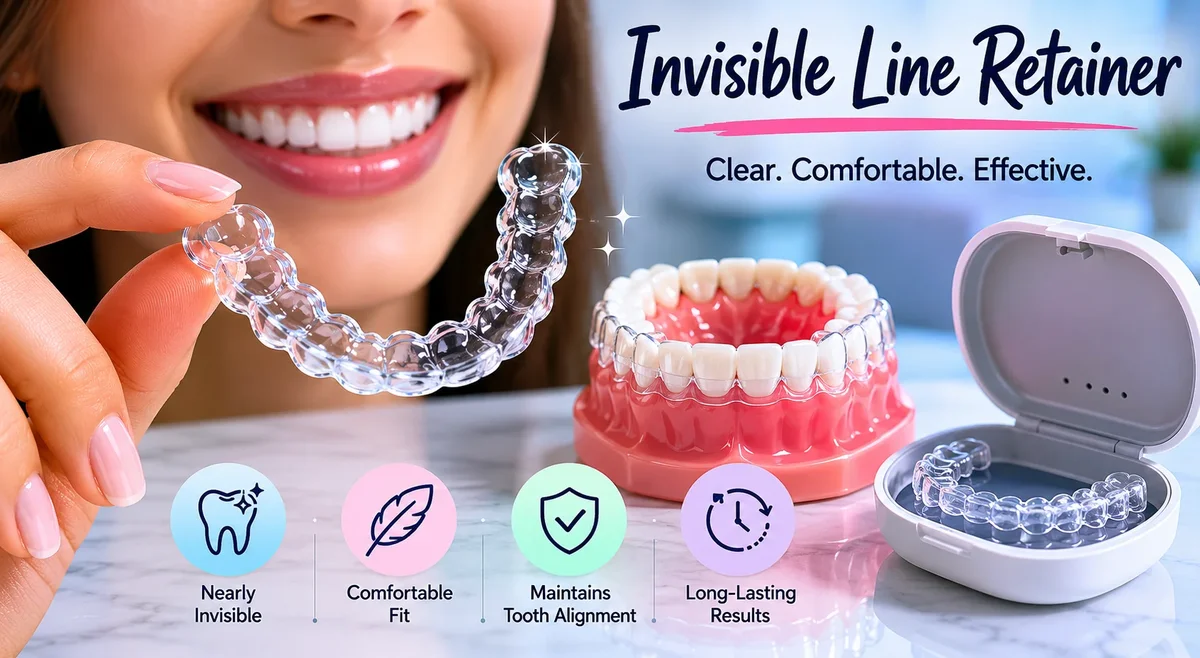
Who Needs an Invisible Line Retainer?
An invisible line retainer is often associated with patients who have recently completed orthodontic treatment, but its benefits extend far beyond that group alone. In reality, many different individuals can benefit from wearing an invisible line retainer to maintain proper dental alignment and protect long-term oral health. Whether someone has completed treatment with braces, clear aligners, or another orthodontic system, an invisible line retainer can play a vital role in preserving treatment results and preventing unwanted tooth movement.
Many patients mistakenly believe that once orthodontic treatment ends, their teeth will remain perfectly aligned forever. However, teeth naturally shift throughout life due to aging, chewing forces, jaw development, and changes in the surrounding bone and gum tissues. An invisible line retainer helps minimize these movements and maintain the stability of a healthy smile.
Patients Who Have Completed Braces Treatment
The most common candidates for an invisible line retainer are individuals who have recently completed treatment with traditional braces. During orthodontic treatment, teeth are carefully moved into new positions using controlled forces. Once the braces are removed, those teeth remain vulnerable to relapse.
An invisible line retainer helps hold the teeth in their corrected positions while the supporting bone and tissues stabilize. Without an invisible line retainer, many patients experience gradual shifting that can compromise their orthodontic results.
For this reason, orthodontists routinely recommend an invisible line retainer immediately after braces are removed.
Why Braces Patients Require Retention
Braces create significant changes in tooth positioning. Even after treatment is complete, the surrounding structures need time to adapt. Consistent wear of an invisible line retainer provides the stability necessary for long-term success.
Patients who follow retainer instructions carefully are more likely to preserve their orthodontic results for many years.
People Who Used Clear Aligners
Patients who complete treatment with clear aligners are also excellent candidates for an invisible line retainer. Although aligners effectively move teeth into ideal positions, the risk of relapse remains after treatment ends.
An invisible line retainer is often particularly appealing to former aligner patients because it feels familiar. The appliance resembles the clear aligners they previously wore, making the transition into retention relatively easy.
Using an invisible line retainer consistently helps maintain the improvements achieved through aligner therapy and protects the investment made in treatment.
Adults Concerned About Tooth Movement
Many adults assume that tooth movement occurs only during childhood or adolescence. In reality, teeth can continue shifting throughout adulthood. Changes in bite forces, aging processes, and natural bone remodeling can gradually affect alignment.
For adults who have previously completed orthodontic treatment, an invisible line retainer provides valuable protection against age-related tooth movement. Wearing an invisible line retainer during sleep is often sufficient to help maintain alignment over the long term.
The discreet appearance of an invisible line retainer makes it especially attractive to adults who want effective retention without noticeable orthodontic appliances.
Adults Seeking a Professional Appearance
Because an invisible line retainer is nearly transparent, it allows adults to maintain a professional image in workplace and social environments. This aesthetic advantage contributes significantly to its popularity among working professionals.
Many patients appreciate being able to protect their smile discreetly while wearing an invisible line retainer.
Teenagers Finishing Orthodontic Treatment
Teenagers represent another large group that benefits from an invisible line retainer. During adolescence, growth and development continue to influence the teeth and jaws. These ongoing changes can increase the risk of orthodontic relapse if retention is neglected.
An invisible line retainer helps stabilize orthodontic corrections during this important developmental stage. Because teenagers often value appearance, the clear design of an invisible line retainer can encourage better compliance compared to more visible alternatives.
Consistent wear helps ensure that treatment results remain stable as the patient continues to mature.
Patients with a History of Orthodontic Relapse
Some individuals experience tooth movement after previous orthodontic treatment because they stopped wearing their retainers. In these situations, an invisible line retainer may become an important component of retreatment and long-term maintenance.
Patients who have already experienced orthodontic relapse often develop a greater appreciation for retention. An invisible line retainer can help prevent additional movement and support the stability of corrected alignment.
For these individuals, long-term or even lifelong nighttime use of an invisible line retainer may be recommended.
Learning from Past Retention Challenges
Experiencing relapse can highlight the importance of retention. Patients who previously neglected their retainers frequently become more committed to wearing an invisible line retainer consistently after retreatment.
This commitment helps preserve their renewed orthodontic results and minimize future complications.
Individuals Seeking Long-Term Smile Preservation
Even patients with excellent alignment can benefit from an invisible line retainer if they wish to maintain their smile over the long term. Teeth naturally respond to various forces throughout life, and subtle movement can occur even in individuals who never had severe orthodontic issues.
An invisible line retainer provides an additional layer of protection against these changes. For patients who place a high value on maintaining a straight, attractive smile, the appliance offers peace of mind and long-term stability.
The convenience and comfort of an invisible line retainer make it a practical solution for preserving dental alignment.
When an Invisible Line Retainer May Not Be Ideal
Although an invisible line retainer works well for many patients, certain situations may require alternative retention methods. Individuals with specific bite conditions, severe grinding habits, or unique orthodontic requirements may benefit from fixed retainers or other customized retention strategies.
An orthodontist can evaluate each patient’s needs and determine whether an invisible line retainer is the most appropriate option. In some cases, a combination of retention methods may provide the best results.
Final Thoughts
An invisible line retainer is not only for people who have recently finished braces. It is a valuable tool for teenagers, adults, clear aligner patients, individuals with a history of relapse, and anyone committed to preserving a straight smile. By maintaining alignment and preventing unwanted tooth movement, an invisible line retainer helps protect the results of orthodontic treatment and supports long-term oral health.
Whether you completed treatment months ago or many years in the past, wearing an invisible line retainer according to professional recommendations can help ensure that your smile remains healthy, attractive, and stable for decades to come. Consistent retention truly represents the final step in achieving lifelong orthodontic success. ✨
Disclosure: this page may contain affiliate links. We may earn a commission if you use them, at no extra cost to you.