
When people lose a tooth or several teeth, one of the most common questions they ask is: is dental implant necessary? This is a crucial question because dental implants are considered one of the most advanced and long-lasting solutions in modern dentistry. However, not every patient fully understands whether this treatment is truly required or simply optional. In this comprehensive guide, we will explore in detail what it means to ask is dental implant necessary, and how this decision can impact your oral health, comfort, and long-term quality of life.
To begin with, asking is dental implant necessary often depends on your specific dental condition. If you have lost a tooth due to decay, trauma, or gum disease, leaving that gap untreated can lead to a variety of complications. Teeth naturally support each other, and when one is missing, neighboring teeth may shift into the empty space. This can result in misalignment, bite problems, and even jaw discomfort over time. Therefore, when evaluating is dental implant necessary, dentists consider both immediate and future oral health consequences.
Another important aspect to consider is bone health. The jawbone requires stimulation from tooth roots to maintain its density and strength. When a tooth is lost, that stimulation disappears, and bone loss can begin. Over time, this may cause facial structure changes and make future dental treatments more complex. This is one of the strongest reasons why many dental professionals emphasize the importance of understanding is dental implant necessary in cases of missing teeth. Implants act like artificial roots, helping preserve bone and maintain facial integrity.
Functionality is also a key factor in answering the question is dental implant necessary. Missing teeth can significantly affect your ability to chew properly, which may lead to digestive issues or dietary limitations. Patients often avoid certain foods because of discomfort or instability caused by gaps in their teeth. Dental implants restore full chewing function, allowing you to eat confidently. So, when considering is dental implant necessary, it is essential to think about daily activities like eating and speaking.
Speech can also be impacted by missing teeth. Gaps in your smile may cause pronunciation difficulties, especially with certain sounds. This can affect confidence in social and professional settings. By restoring the missing tooth, implants help maintain natural speech patterns. For many patients, this is a deciding factor when asking is dental implant necessary, as improved communication plays a significant role in overall quality of life.
Aesthetics should not be overlooked either. A missing tooth can affect your smile and self-esteem. People may feel embarrassed or hesitant to smile, which can impact personal and professional interactions. Dental implants are designed to look and feel like natural teeth, making them an excellent cosmetic solution. Therefore, if appearance is important to you, the question is dental implant necessary becomes closely tied to confidence and self-image.
It is also worth noting that alternatives such as bridges or dentures exist. However, these options may not provide the same level of stability, longevity, or bone preservation as implants. Bridges may require altering adjacent healthy teeth, while dentures can sometimes feel uncomfortable or loose. This comparison is essential when deciding is dental implant necessary, as implants often offer a more permanent and natural-feeling solution.
Of course, the decision is not purely clinical. Personal factors such as budget, overall health, and lifestyle preferences also play a role. While dental implants may have a higher upfront cost, they often prove more cost-effective in the long term due to their durability. If you are unsure about your specific case, consulting a professional is the best step. You can easily reach out through the Redent Klinik Contact Page to receive personalized guidance.
Additionally, for reliable information and standards in dental care, you can refer to the American Dental Association, which provides valuable insights into treatments like dental implants. Their resources can help you better understand when and why treatments are recommended.
In conclusion, the question is dental implant necessary does not have a one-size-fits-all answer. It depends on your oral health condition, functional needs, aesthetic goals, and long-term expectations. However, in many cases, implants are not just a cosmetic upgrade but a medically beneficial solution that supports overall dental health. Understanding all these factors will help you make an informed and confident decision about whether a dental implant is truly necessary for you.
What Does It Mean When We Ask “Is Dental Implant Necessary”?
When patients begin researching tooth replacement options, one of the most frequently asked questions is is dental implant necessary. At first glance, this may seem like a simple yes-or-no question, but in reality, it involves a deeper understanding of oral health, functionality, and long-term outcomes. Asking is dental implant necessary means evaluating whether replacing a missing tooth with an implant is essential for maintaining your dental structure, or if alternative solutions might be sufficient for your needs.
To fully understand is dental implant necessary, it’s important to explore what a dental implant actually does. A dental implant is not just a cosmetic replacement—it acts as an artificial tooth root, integrating with the jawbone to provide stability and support for a crown. This unique feature distinguishes implants from other options like dentures or bridges. Therefore, when people ask is dental implant necessary, they are often unknowingly asking whether they need a solution that restores both function and structure.
The True Meaning Behind “Is Dental Implant Necessary”
The question is dental implant necessary often arises after tooth loss, but the meaning behind it can vary depending on the individual. For some, it reflects concern about aesthetics—how their smile looks after losing a tooth. For others, it’s about functionality, such as chewing and speaking. In clinical terms, dentists interpret is dental implant necessary as a question about whether the absence of a tooth is likely to cause complications if left untreated.
For example, if a missing tooth is located in the back of the mouth and does not immediately affect appearance, some patients may assume that treatment is optional. However, dentists know that even these “hidden” gaps can lead to shifting teeth, bite imbalance, and bone loss. This is why the question is dental implant necessary must always be evaluated beyond what is visible.
Short-Term vs Long-Term Perspective
In the short term, you might feel that replacing a missing tooth is not urgent. You may still be able to eat, speak, and smile without significant issues. However, when analyzing is dental implant necessary, dental professionals focus heavily on long-term consequences. Over time, untreated gaps can lead to jawbone deterioration, which may affect facial structure and complicate future treatments.
This long-term perspective is critical. While the immediate answer to is dental implant necessary might seem like “not urgently,” the future implications often shift that answer toward “highly recommended.”
Medical vs Cosmetic Necessity
Another important distinction when asking is dental implant necessary is whether the procedure is medically necessary or purely cosmetic. From a cosmetic standpoint, implants help restore a natural-looking smile, which can boost confidence and social comfort. However, from a medical perspective, implants prevent bone loss, maintain proper alignment, and support oral function.
In many cases, what begins as a cosmetic concern evolves into a medical necessity. This is why dentists take the question is dental implant necessary seriously, even when patients initially view it as optional. The goal is to prevent future complications rather than simply address current discomfort.
Factors That Influence the Answer
Several factors influence the answer to is dental implant necessary, and each patient’s situation is unique. These include:
- Number of missing teeth: A single missing tooth may seem minor, but multiple missing teeth increase the need for a stable solution.
- Location of the gap: Front teeth affect aesthetics, while back teeth impact chewing efficiency.
- Bone density: Patients with significant bone loss may benefit more from implants to preserve structure.
- Age and health: Younger patients may prioritize long-term durability, while older patients may consider comfort and simplicity.
Each of these elements contributes to the overall evaluation of is dental implant necessary, making it a highly personalized decision rather than a universal rule.
Psychological and Lifestyle Considerations
Beyond clinical factors, lifestyle and psychological aspects also play a role in answering is dental implant necessary. For instance, individuals who frequently interact with others—whether professionally or socially—may place greater importance on having a complete and confident smile. Similarly, those who enjoy a varied diet may find implants essential for maintaining their eating habits.
Confidence, comfort, and convenience all influence the decision. A patient who feels self-conscious about a missing tooth may find that the answer to is dental implant necessary is strongly tied to emotional well-being.
Professional Guidance Matters
Ultimately, while research and self-education are valuable, the most accurate answer to is dental implant necessary comes from a professional evaluation. Dentists use clinical examinations, imaging, and patient history to determine the best course of action. If you are unsure about your situation, reaching out to a trusted clinic can provide clarity. You can consult experts directly through the Redent Klinik Contact Page for a personalized assessment.
Additionally, organizations like the American Dental Association offer reliable information about dental treatments, helping patients make informed decisions. Their guidelines reinforce the importance of evaluating both immediate and long-term benefits when considering whether is dental implant necessary.
Conclusion: Understanding the Real Question
In conclusion, asking is dental implant necessary is not just about replacing a missing tooth—it’s about understanding the broader impact on oral health, function, and quality of life. The answer depends on multiple factors, including clinical needs, personal preferences, and long-term goals. By looking beyond the surface and considering all these aspects, patients can make a well-informed decision that supports both their health and confidence.
When Is Dental Implant Necessary for Missing Teeth?
One of the most important questions patients face after losing a tooth is is dental implant necessary in their specific situation. The answer depends largely on the condition of the mouth, the number of missing teeth, and how the loss affects daily life. While some individuals may delay treatment, understanding when is dental implant necessary becomes critical can help prevent long-term oral health complications.
Missing teeth are not just a cosmetic issue. They can lead to a cascade of structural and functional problems if left untreated. Therefore, determining is dental implant necessary involves evaluating both current symptoms and potential future risks. Dentists often emphasize that early intervention is key to maintaining a healthy and stable oral environment.
Single Tooth Loss: Is Dental Implant Necessary Immediately?
When a single tooth is lost, many patients assume it is not urgent to replace it, especially if it is not visible when smiling. However, the question is dental implant necessary becomes highly relevant even in these cases. A single missing tooth can cause adjacent teeth to shift into the empty space, leading to misalignment and bite issues over time.
Additionally, the jawbone beneath the missing tooth begins to lose density due to lack of stimulation. This process, known as bone resorption, can start within months. Therefore, even if the gap seems minor, dentists often recommend considering an implant early. In this context, the answer to is dental implant necessary is often yes, especially to preserve bone and alignment.
Hidden Risks of Delaying Treatment
Delaying treatment may seem harmless, but it can complicate future procedures. For example, bone loss may require additional treatments such as bone grafting before an implant can be placed. This increases both the complexity and duration of treatment. As a result, understanding is dental implant necessary early can save time and effort in the long run.
Multiple Missing Teeth: Increased Necessity
When multiple teeth are missing, the importance of asking is dental implant necessary becomes even greater. Gaps in multiple areas of the mouth can significantly impact chewing efficiency and nutritional intake. Patients may avoid certain foods, leading to an unbalanced diet and potential health issues.
In such cases, dental implants provide a stable and durable solution. Unlike removable dentures, implants remain fixed in place, allowing for natural chewing and improved comfort. Therefore, for patients with multiple missing teeth, the answer to is dental implant necessary is often strongly in favor of implants.
Impact on Jawbone and Facial Structure
Multiple missing teeth accelerate bone loss, which can alter facial appearance over time. This may result in a sunken or aged look. Dental implants help maintain bone volume and support facial structure, making them not only functional but also aesthetically beneficial. This reinforces why is dental implant necessary is not just a dental question but also a facial health consideration.
Front Teeth vs Back Teeth: Does Location Matter?
The location of the missing tooth plays a significant role in determining is dental implant necessary. Missing front teeth are immediately noticeable and often prompt patients to seek replacement quickly for aesthetic reasons. In these cases, implants provide a natural-looking and permanent solution.
On the other hand, missing back teeth may not be visible, but they are crucial for chewing. Ignoring these gaps can lead to uneven pressure distribution, causing wear on remaining teeth and potential jaw problems. Therefore, even if the tooth is not visible, the question is dental implant necessary remains highly relevant.
Functional Limitations and Daily Life
Another key factor in determining is dental implant necessary is how the missing tooth affects daily activities. If you experience difficulty chewing, discomfort while eating, or changes in speech, these are clear indicators that treatment is needed. Dental implants restore full function, allowing patients to eat and speak naturally.
For many individuals, the improvement in quality of life after receiving an implant is significant. This is why dentists often highlight functionality when addressing is dental implant necessary.
Psychological and Social Effects
Beyond physical function, missing teeth can also affect self-confidence. People may feel self-conscious about their appearance, avoiding social interactions or smiling less. In such cases, the answer to is dental implant necessary extends beyond health—it becomes a matter of emotional well-being.
Professional Evaluation Is Essential
While general guidelines can help, the most accurate answer to is dental implant necessary comes from a professional dental assessment. Dentists evaluate bone density, gum health, and overall oral condition before recommending treatment. If you are unsure, you can seek expert advice through the Redent Klinik Contact Page to receive a personalized treatment plan.
For additional trusted information, resources from the American Dental Association provide valuable insights into when dental implants are recommended and how they support long-term oral health.
Conclusion: Recognizing the Right Time
In conclusion, understanding when is dental implant necessary depends on multiple factors, including the number of missing teeth, their location, and the impact on daily life. While some situations may not seem urgent, delaying treatment can lead to more complex issues in the future. By recognizing the signs early and consulting with a professional, patients can make informed decisions that protect both their oral health and overall well-being.
Is Dental Implant Necessary Compared to Bridges or Dentures?
When exploring tooth replacement options, many patients naturally compare different treatments and ask the critical question: is dental implant necessary when alternatives like bridges or dentures are available? This is an important comparison because each option has its own advantages, limitations, and long-term implications. Understanding these differences is essential to making an informed decision that supports both oral health and lifestyle needs.
To properly answer is dental implant necessary, it is crucial to evaluate how implants differ from traditional solutions. Dental implants are designed to replace both the root and the crown of a missing tooth, while bridges and dentures primarily replace only the visible portion. This distinction plays a significant role in long-term stability and bone preservation, which are key factors when considering whether is dental implant necessary for your case.
Dental Implants vs Dental Bridges
Dental bridges have been used for decades as a reliable method to replace one or more missing teeth. A bridge works by anchoring an artificial tooth to the adjacent natural teeth, which are reshaped to support the structure. While this approach can restore appearance and function, it raises an important question: is dental implant necessary if a bridge can achieve similar results?
The answer lies in the long-term effects. Bridges require the removal of healthy enamel from neighboring teeth, which can weaken them over time. In contrast, dental implants do not affect surrounding teeth, preserving their natural structure. Therefore, when evaluating is dental implant necessary, many dentists recommend implants as a more conservative and durable option.
Longevity and Maintenance
Another critical difference is lifespan. Bridges typically last between 7 to 15 years, depending on care and oral hygiene. Dental implants, on the other hand, can last decades or even a lifetime with proper maintenance. This longevity often shifts the answer to is dental implant necessary toward implants, especially for younger patients seeking a long-term solution.
Maintenance is also simpler with implants. Bridges require careful cleaning underneath the artificial tooth to prevent plaque buildup, while implants can be brushed and flossed like natural teeth. This convenience is another factor influencing the decision of is dental implant necessary.
Dental Implants vs Dentures
Dentures are another common alternative, particularly for patients missing multiple or all teeth. They are removable appliances that rest on the gums and can restore basic function and appearance. However, when comparing dentures to implants, the question is dental implant necessary becomes even more relevant.
Dentures can sometimes feel unstable, especially when eating or speaking. They may slip or require adhesives for better retention. In contrast, dental implants are fixed in place, providing a secure and natural feel. This stability significantly enhances comfort and confidence, making implants a preferred choice for many patients.
Bone Preservation and Oral Health
One of the most significant advantages of dental implants is their ability to preserve jawbone density. Dentures do not stimulate the bone, which can lead to gradual bone loss and changes in facial structure. This is a major reason why dentists emphasize the importance of understanding is dental implant necessary when considering long-term oral health.
Implants act as artificial roots, maintaining bone volume and preventing the sunken appearance often associated with long-term denture use. Therefore, when evaluating is dental implant necessary, bone preservation is a key factor that often favors implants.
Comfort and Daily Experience
Comfort is another essential aspect when deciding is dental implant necessary. Bridges and dentures may require an adjustment period, and some patients never fully adapt to the feeling of removable appliances. Implants, however, integrate with the jawbone and function like natural teeth, offering a seamless experience.
Patients with implants often report improved confidence in social situations, as they do not have to worry about movement or discomfort. This enhanced quality of life is a strong argument in favor of implants when asking is dental implant necessary.
Cost Considerations: Short-Term vs Long-Term
Cost is often a deciding factor when patients ask is dental implant necessary. Initially, implants may seem more expensive than bridges or dentures. However, it is important to consider long-term value. Bridges and dentures may require replacement or adjustments over time, leading to additional costs.
Here is a general comparison:
- Dental Bridge: $1,500 – $5,000 (per unit)
- Dentures: $600 – $3,000 (depending on type)
- Dental Implant: $2,000 – $5,000 (per implant)
While the upfront investment for implants is higher, their durability often makes them more cost-effective over time. This financial perspective is crucial when determining is dental implant necessary for your situation.
Professional Recommendation and Personalized Care
Ultimately, the best way to answer is dental implant necessary is through a personalized consultation. Every patient’s oral health, bone structure, and lifestyle are different. A professional evaluation can help determine whether implants, bridges, or dentures are the most suitable option.
If you are considering your options, you can reach out for expert advice through the Redent Klinik Contact Page. A detailed assessment will provide clarity and help you make a confident decision.
Additionally, trusted organizations like the American Dental Association offer valuable resources on tooth replacement options, reinforcing the importance of choosing the right treatment based on long-term health benefits.
Conclusion: Making the Right Choice
In conclusion, comparing implants with bridges and dentures highlights why the question is dental implant necessary is so important. While alternatives may offer short-term solutions, dental implants provide unmatched stability, durability, and bone preservation. For many patients, this makes implants not just an option, but the most effective and beneficial choice for long-term oral health and overall well-being.
Health Benefits: Why Is Dental Implant Necessary for Oral Health?
When evaluating tooth replacement options, one of the most critical considerations is long-term oral health. This is where the question is dental implant necessary becomes especially important. While some patients initially focus on aesthetics or convenience, dental professionals emphasize that implants offer significant health benefits that go far beyond appearance. Understanding these benefits helps clarify why is dental implant necessary is often answered with a strong recommendation in favor of implants.
Dental implants are unique because they mimic the structure of natural teeth, including the root. This allows them to integrate with the jawbone and support surrounding tissues. As a result, they contribute to maintaining a healthy oral environment. When asking is dental implant necessary, it is essential to consider how implants actively protect and preserve oral structures rather than simply filling a gap.
Prevention of Jawbone Loss
One of the most significant health benefits of dental implants is their ability to prevent bone loss. After a tooth is lost, the jawbone in that area no longer receives stimulation from chewing forces. This leads to gradual bone resorption, which can weaken the jaw and alter facial structure. Therefore, when considering is dental implant necessary, bone preservation becomes a key factor.
Dental implants act as artificial roots, transferring chewing forces to the jawbone and maintaining its density. This helps prevent the shrinking of bone that often occurs with missing teeth. In many cases, the answer to is dental implant necessary is yes, precisely because implants play a crucial role in preserving bone health.
Impact on Facial Structure
Bone loss does not only affect oral health—it also changes the shape of the face. Patients may develop a sunken appearance, making them look older than they are. By maintaining bone volume, implants help preserve natural facial contours. This reinforces the idea that is dental implant necessary is not just about teeth but also about overall facial integrity.
Protection of Adjacent Teeth
Another important reason why patients ask is dental implant necessary relates to the health of neighboring teeth. When a tooth is missing, adjacent teeth may shift into the empty space. This can lead to misalignment, uneven wear, and increased risk of decay or gum disease.
Dental implants fill the gap without affecting surrounding teeth, maintaining proper alignment and spacing. Unlike bridges, which require modifying adjacent teeth, implants preserve their natural structure. This protective effect is a strong argument when evaluating is dental implant necessary for long-term oral health.
Reducing Risk of Gum Disease
Gaps caused by missing teeth can trap food particles and bacteria, increasing the risk of gum disease. By replacing the missing tooth with an implant, these spaces are eliminated, making it easier to maintain oral hygiene. This is another reason why dentists emphasize is dental implant necessary in preventive care.
Improved Oral Function and Stability
Functionality is closely tied to oral health. When chewing is compromised due to missing teeth, patients may avoid certain foods, leading to nutritional deficiencies. Dental implants restore full chewing ability, allowing patients to maintain a balanced diet. This functional improvement is a key factor when determining is dental implant necessary.
In addition, implants provide stability that other options may lack. Dentures, for example, can shift or cause discomfort, while implants remain securely in place. This stability reduces irritation to the gums and surrounding tissues, promoting overall oral health.
Long-Term Durability and Reliability
Another aspect to consider when asking is dental implant necessary is the long-term reliability of the treatment. Dental implants are designed to last for many years, often decades, with proper care. This durability reduces the need for frequent replacements or adjustments, which can be common with other options.
Because implants are integrated into the jawbone, they provide a stable and permanent solution. This long-term reliability supports the idea that is dental implant necessary is not just about immediate needs but also about future oral health stability.
Reduced Need for Additional Treatments
By preventing bone loss, maintaining alignment, and supporting gum health, implants can reduce the likelihood of future dental problems. This means fewer treatments over time, saving both time and effort. This preventive advantage further strengthens the case for why is dental implant necessary in many situations.
Professional Guidance and Trusted Resources
While understanding these health benefits is important, the final decision should always be based on a professional evaluation. Dentists assess each patient’s unique condition to determine whether implants are the best option. If you are unsure, you can seek expert advice through the Redent Klinik Contact Page for personalized recommendations.
For additional reliable information, the American Dental Association provides comprehensive guidelines on dental treatments, including implants. Their resources highlight the importance of maintaining oral health through effective and evidence-based solutions.
Conclusion: A Health-Focused Perspective
In conclusion, the question is dental implant necessary is deeply connected to oral health rather than just aesthetics. From preventing bone loss and protecting adjacent teeth to improving function and reducing future complications, dental implants offer a wide range of health benefits. For many patients, these advantages make implants not only a recommended option but an essential part of maintaining long-term oral health and overall well-being.
Functional Reasons: Is Dental Implant Necessary for Chewing and Speech?
When patients ask is dental implant necessary, they often focus on appearance or long-term health, but one of the most immediate and impactful considerations is functionality. Teeth are essential tools for daily life, playing a crucial role in chewing food and producing clear speech. When even a single tooth is missing, these functions can be compromised. Therefore, understanding is dental implant necessary from a functional perspective is essential for making an informed decision.
Dental implants are specifically designed to restore full oral function. Unlike temporary or removable solutions, implants provide a stable and permanent foundation that closely mimics natural teeth. This means that when evaluating is dental implant necessary, functionality is often one of the strongest arguments in favor of choosing implants.
Chewing Efficiency and Nutritional Impact
One of the most obvious functional issues caused by missing teeth is reduced chewing efficiency. When teeth are missing, the distribution of chewing forces becomes uneven, making it difficult to properly break down food. This leads many patients to ask is dental implant necessary, especially if they notice discomfort while eating.
Without proper chewing, digestion can also be affected. Food that is not adequately broken down in the mouth places extra strain on the digestive system. Over time, this can lead to nutritional deficiencies, as patients may avoid certain foods that are harder to chew, such as vegetables, nuts, or meats. In this context, the answer to is dental implant necessary often becomes clear—restoring chewing ability is essential for maintaining overall health.
Balanced Bite and Pressure Distribution
Another important factor is bite balance. When a tooth is missing, the remaining teeth must تحمل additional pressure, which can lead to uneven wear and potential damage. Dental implants restore balance by filling the gap and evenly distributing forces during chewing. This is a key reason why dentists emphasize is dental implant necessary for preserving the integrity of the entire dental system.
Speech Clarity and Communication
Speech is another critical function affected by missing teeth. Teeth play a significant role in forming certain sounds, particularly consonants like “s,” “f,” and “th.” When teeth are missing, patients may experience difficulty pronouncing words clearly. This often leads to the question is dental implant necessary, especially for individuals who rely heavily on clear communication in their daily lives.
Dental implants help restore the natural structure of the mouth, allowing for proper tongue placement and airflow during speech. As a result, patients often notice an improvement in clarity and confidence when speaking. This makes the functional answer to is dental implant necessary particularly compelling for those who value effective communication.
Confidence in Social and Professional Settings
Speech difficulties can impact more than just communication—they can also affect self-confidence. Patients may feel embarrassed or hesitant to speak in public or social situations. By restoring missing teeth, implants help eliminate these concerns. Therefore, when considering is dental implant necessary, it is important to recognize the psychological benefits tied to improved speech.
Stability Compared to Other Solutions
When comparing implants to alternatives like dentures, the question is dental implant necessary becomes even more relevant in terms of stability. Dentures can sometimes slip or shift during eating or speaking, causing discomfort and inconvenience. This instability can make it difficult to perform everyday activities with confidence.
Dental implants, on the other hand, are anchored directly into the jawbone, providing unmatched stability. This allows patients to chew and speak without worrying about movement or discomfort. For many individuals, this level of reliability is a decisive factor when answering is dental implant necessary.
Long-Term Functional Benefits
Beyond immediate improvements, dental implants offer long-term functional advantages. By maintaining proper alignment and preventing shifting of adjacent teeth, implants help preserve the overall structure of the mouth. This ensures that chewing and speech remain efficient over time. As a result, the question is dental implant necessary is often answered with a focus on long-term functionality rather than short-term convenience.
Prevention of Future Complications
Functional issues left untreated can lead to more serious problems, such as jaw pain, headaches, and temporomandibular joint (TMJ) disorders. By addressing missing teeth early with implants, these complications can often be avoided. This preventive aspect further supports the importance of asking is dental implant necessary as soon as tooth loss occurs.
Professional Support and Expert Advice
Determining whether is dental implant necessary for your specific situation requires a professional evaluation. Dentists assess factors such as bite alignment, jaw health, and overall oral condition to recommend the most suitable treatment. If you are experiencing functional issues, you can seek expert guidance through the Redent Klinik Contact Page for a personalized consultation.
For additional trusted information, the American Dental Association provides valuable resources on maintaining oral function and the benefits of dental implants.
Conclusion: Function Matters More Than You Think
In conclusion, the question is dental implant necessary becomes particularly important when considering chewing and speech. Missing teeth can significantly impact daily life, from eating comfortably to communicating clearly. Dental implants offer a stable, reliable, and long-lasting solution that restores full function. For many patients, these functional benefits make implants not just an option, but a necessary step toward maintaining a healthy and confident lifestyle.
Aesthetic Impact: Is Dental Implant Necessary for Your Smile?
When people lose a tooth, one of the first concerns that arises is how it affects their appearance. This leads many patients to ask the question: is dental implant necessary for restoring a natural and confident smile? While some may initially believe that missing teeth are only a cosmetic issue, the truth is that aesthetics are closely linked to both emotional well-being and overall quality of life. Understanding the visual and psychological impact of tooth loss helps clarify why is dental implant necessary is such a common and important concern.
Your smile plays a vital role in how you present yourself to the world. Whether in personal relationships or professional environments, a complete and healthy-looking smile contributes to confidence and self-esteem. When a tooth is missing, especially in visible areas, it can lead to self-consciousness and hesitation to smile. This is why many patients quickly begin to explore solutions and ask is dental implant necessary to restore their appearance.
The Role of Dental Implants in Natural Aesthetics
Dental implants are widely regarded as the most natural-looking tooth replacement option available today. Unlike dentures or bridges, implants are designed to mimic the structure of real teeth, including the root. This allows them to support a crown that blends seamlessly with surrounding teeth in color, shape, and alignment. Therefore, when considering is dental implant necessary, aesthetics often play a decisive role.
Modern dental technology ensures that implant crowns are customized to match your existing teeth perfectly. This means that, once placed, the implant is virtually indistinguishable from natural teeth. For patients concerned about maintaining a natural smile, the answer to is dental implant necessary is often yes, as implants provide unmatched aesthetic results.
Symmetry and Smile Balance
A missing tooth can disrupt the symmetry of your smile, making it appear uneven or incomplete. This imbalance can be particularly noticeable in front teeth. Dental implants restore this symmetry by filling the gap with a natural-looking replacement. As a result, patients regain a balanced and harmonious smile, reinforcing why is dental implant necessary is an important consideration for aesthetic reasons.
Preventing Facial Changes Over Time
The aesthetic impact of missing teeth extends beyond the smile itself. When a tooth is lost, the underlying jawbone begins to deteriorate due to lack of stimulation. Over time, this can lead to changes in facial structure, such as a sunken appearance or sagging cheeks. This aging effect is often overlooked when initially asking is dental implant necessary.
Dental implants help preserve bone density, maintaining the natural contours of the face. By supporting the jawbone, implants prevent the collapse of facial structures that can occur with untreated tooth loss. This makes the answer to is dental implant necessary not only about teeth but also about maintaining a youthful appearance.
Long-Term Aesthetic Stability
Unlike removable dentures, which may shift or change fit over time, dental implants provide long-term stability. This ensures that the aesthetic results remain consistent for years. Patients do not have to worry about their smile changing unexpectedly, which adds another layer of confidence. This stability is a key factor when evaluating is dental implant necessary for long-term satisfaction.
Psychological Benefits of a Complete Smile
The emotional impact of a complete smile should not be underestimated. Missing teeth can lead to feelings of embarrassment, anxiety, and reduced self-esteem. Many patients report avoiding social interactions or feeling uncomfortable in professional settings. This emotional aspect often drives the question is dental implant necessary beyond purely physical considerations.
By restoring a full and natural-looking smile, dental implants can significantly improve self-confidence. Patients often feel more comfortable smiling, speaking, and engaging with others. This psychological boost is a powerful reason why the answer to is dental implant necessary is frequently positive.
Confidence in Everyday Life
Confidence affects many aspects of life, from personal relationships to career opportunities. A healthy smile can enhance first impressions and communication. Dental implants provide a reliable solution that allows patients to feel secure in their appearance at all times. This reinforces the importance of considering is dental implant necessary when evaluating overall well-being.
Comparison with Other Aesthetic Solutions
While alternatives like bridges and dentures can improve appearance, they may not achieve the same level of natural aesthetics as implants. Bridges can sometimes look less natural due to their design, and dentures may lack stability, affecting how they appear during use. This comparison often leads patients to reconsider and ask is dental implant necessary for achieving the best possible aesthetic outcome.
Dental implants stand out because they integrate with the jawbone and support individual crowns, providing a realistic and permanent solution. This makes them the preferred choice for patients who prioritize aesthetics.
Professional Consultation for Aesthetic Goals
Determining whether is dental implant necessary for your smile requires a professional evaluation. Dentists assess factors such as tooth color, alignment, and facial structure to design a treatment plan that meets your aesthetic goals. If you are considering improving your smile, you can consult experts through the Redent Klinik Contact Page for personalized advice.
Additionally, the American Dental Association provides trusted information on dental treatments and their benefits, helping patients make informed decisions about aesthetic and functional care.
Conclusion: A Smile Worth Investing In
In conclusion, the question is dental implant necessary becomes highly relevant when considering the aesthetic impact of missing teeth. From restoring symmetry and preventing facial changes to boosting confidence and emotional well-being, dental implants offer comprehensive benefits. For many patients, these advantages make implants not just a cosmetic enhancement but an essential part of achieving a healthy, natural, and confident smile.
Cost vs Value: Is Dental Implant Necessary Long-Term?
One of the most common concerns patients have when considering tooth replacement is cost. This naturally leads to the question: is dental implant necessary when there are more affordable alternatives available? While dental implants may seem expensive at first glance, it is essential to evaluate not just the initial price but the long-term value they provide. Understanding this distinction is key to answering is dental implant necessary from a financial and practical perspective.
Dental treatments should not be viewed as short-term purchases but as long-term investments in health and quality of life. When analyzing is dental implant necessary, patients must consider durability, maintenance, and potential future costs. In many cases, what appears to be a higher upfront expense can actually result in significant savings over time.
Initial Cost of Dental Implants
The upfront cost of dental implants is often higher than other options such as bridges or dentures. This is because the procedure involves advanced technology, surgical placement, and high-quality materials designed for long-term use. Patients frequently ask is dental implant necessary when they see the initial price, but it is important to understand what this cost includes.
Typically, a dental implant procedure may involve:
- Consultation and imaging (X-rays or 3D scans)
- Surgical placement of the implant
- Healing period for osseointegration
- Placement of the final crown
These steps ensure a stable and long-lasting result. While the process may seem extensive, each stage contributes to the overall success of the treatment. This comprehensive approach is one reason why the answer to is dental implant necessary often leans toward implants for long-term reliability.
Average Cost Comparison
Here is a general comparison of common tooth replacement options:
- Dental Implant: $2,000 – $5,000 per tooth
- Dental Bridge: $1,500 – $5,000 per unit
- Dentures: $600 – $3,000 depending on type
At first glance, implants appear more expensive. However, this comparison does not account for longevity and maintenance, which are crucial factors when deciding is dental implant necessary.
Long-Term Durability and Cost Efficiency
One of the strongest arguments in favor of dental implants is their durability. With proper care, implants can last decades or even a lifetime. In contrast, bridges and dentures often require replacement or adjustments every 5 to 15 years. This ongoing maintenance can significantly increase overall costs.
When patients evaluate is dental implant necessary, they often realize that implants offer better long-term value. Instead of paying for multiple replacements over time, a single implant procedure can provide a permanent solution. This makes implants a cost-effective choice in the long run.
Reduced Maintenance Costs
Dental implants require minimal maintenance beyond regular oral hygiene practices such as brushing and flossing. There is no need for special adhesives or frequent adjustments, which are common with dentures. This simplicity reduces ongoing expenses and supports the idea that is dental implant necessary is not just about initial cost but overall financial efficiency.
Hidden Costs of Alternative Treatments
While bridges and dentures may seem more affordable initially, they often come with hidden costs. For example, bridges may require replacement if the supporting teeth become damaged, and dentures may need relining or replacement as the jawbone changes shape over time.
These additional expenses can accumulate, making alternatives less economical in the long term. This is why many patients reconsider their options and ask is dental implant necessary after experiencing repeated maintenance costs with other treatments.
Quality of Life and Value Beyond Money
Cost is not the only factor to consider when answering is dental implant necessary. The value of improved quality of life should also be taken into account. Dental implants provide stability, comfort, and confidence that other options may not offer.
Patients with implants can eat their favorite foods without restriction, speak clearly, and smile confidently. These benefits contribute to overall well-being and satisfaction, which cannot be measured purely in financial terms. Therefore, when evaluating is dental implant necessary, it is important to consider both tangible and intangible benefits.
Emotional and Social Value
A complete and healthy smile can have a significant impact on social interactions and self-esteem. Patients often feel more confident in both personal and professional settings after receiving implants. This emotional value adds another dimension to the question is dental implant necessary, highlighting the broader benefits of treatment.
Professional Guidance and Financial Planning
Determining whether is dental implant necessary for your situation requires a detailed consultation with a dental professional. Dentists can provide personalized treatment plans and discuss financing options to make implants more accessible. If you are considering this treatment, you can reach out through the Redent Klinik Contact Page for expert advice.
Additionally, the American Dental Association offers reliable information on dental procedures and their long-term benefits, helping patients make informed decisions.
Conclusion: Investment in Long-Term Health
In conclusion, the question is dental implant necessary becomes clearer when considering cost versus value. While implants may require a higher initial investment, their durability, low maintenance, and significant quality-of-life benefits make them a wise long-term choice. For many patients, dental implants are not just an expense but an investment in lasting oral health, comfort, and confidence.
Who Should Consider It? Is Dental Implant Necessary for Everyone?
When patients explore tooth replacement options, one of the most important questions they ask is is dental implant necessary for their specific situation. While dental implants are widely regarded as one of the best solutions for missing teeth, they are not automatically required for every individual. Understanding who truly benefits from implants helps clarify whether is dental implant necessary applies to you personally.
Dental implants offer numerous advantages, including stability, durability, and bone preservation. However, their suitability depends on several factors such as oral health, bone density, lifestyle, and overall medical condition. Therefore, answering is dental implant necessary requires a personalized approach rather than a universal recommendation.
Ideal Candidates for Dental Implants
To determine is dental implant necessary, dentists first evaluate whether a patient is a good candidate for the procedure. Ideal candidates typically meet the following criteria:
- Have one or more missing teeth
- Possess sufficient jawbone density to support an implant
- Maintain good oral hygiene and healthy gums
- Are in overall good health without conditions that impair healing
For these individuals, the answer to is dental implant necessary is often yes, as implants provide a long-term and reliable solution that supports both function and aesthetics.
Patients Seeking Long-Term Solutions
People who prefer a permanent and low-maintenance solution often find that implants are the best choice. Unlike dentures or bridges, implants do not require frequent replacements or adjustments. This makes the question is dental implant necessary particularly relevant for those who value durability and convenience.
When Dental Implants May Not Be Immediately Necessary
While implants are highly beneficial, there are situations where the answer to is dental implant necessary may be “not immediately.” For example, if a patient has minimal functional issues or plans to undergo other dental treatments first, implants may be postponed.
Additionally, some patients may choose temporary solutions due to financial considerations or personal preferences. In such cases, the question is dental implant necessary becomes a matter of timing rather than necessity. However, it is important to remember that delaying treatment can lead to complications such as bone loss or shifting teeth.
Temporary Alternatives and Their Limitations
Options like removable dentures or dental bridges can serve as interim solutions. However, they do not provide the same level of stability or bone preservation as implants. This is why dentists often revisit the question is dental implant necessary during follow-up consultations, especially if patients experience discomfort or functional limitations.
Medical Considerations and Contraindications
Another key factor in determining is dental implant necessary is the patient’s medical condition. Certain health issues may affect the success of implant surgery, including:
- Uncontrolled diabetes
- Severe gum disease
- Heavy smoking habits
- Conditions that impair healing, such as immune disorders
In these cases, dentists may recommend addressing underlying health issues before proceeding with implants. This does not necessarily mean that implants are not an option, but rather that additional preparation is required. Therefore, the answer to is dental implant necessary may depend on improving overall health first.
Bone Density and Additional Procedures
Some patients may not have enough jawbone density to support an implant initially. In such cases, procedures like bone grafting can help create a suitable foundation. This means that even if the immediate answer to is dental implant necessary is uncertain, it may become necessary after preparatory treatments.
Age and Lifestyle Factors
Age is another consideration when evaluating is dental implant necessary. While implants are suitable for most adults, younger patients whose jawbones are still developing may need to wait. On the other hand, older adults can benefit greatly from implants, as they help restore function and improve quality of life.
Lifestyle factors also play a role. Individuals with active social or professional lives may prioritize the stability and appearance provided by implants. For these patients, the answer to is dental implant necessary often aligns with their desire for confidence and convenience.
Psychological Readiness and Expectations
Beyond physical health, psychological readiness is important when deciding is dental implant necessary. Patients should have realistic expectations about the procedure, including the time required for healing and the importance of maintaining oral hygiene.
Understanding the process and committing to proper care ensures the long-term success of implants. This awareness helps patients make a confident decision when asking is dental implant necessary.
Consulting a Professional for Personalized Advice
Ultimately, the best way to determine is dental implant necessary is through a professional dental consultation. Dentists can assess your oral condition, review your medical history, and recommend the most suitable treatment plan. If you are unsure about your options, you can contact experts through the Redent Klinik Contact Page for personalized guidance.
For additional trusted information, the American Dental Association provides comprehensive resources on dental treatments and patient care, helping individuals make informed decisions about their oral health.
Conclusion: A Personalized Decision
In conclusion, the question is dental implant necessary does not have a universal answer. While implants offer significant benefits, their necessity depends on individual factors such as oral health, medical condition, and personal preferences. By understanding who benefits most from implants and consulting with a professional, patients can make informed decisions that align with their long-term health and lifestyle goals.
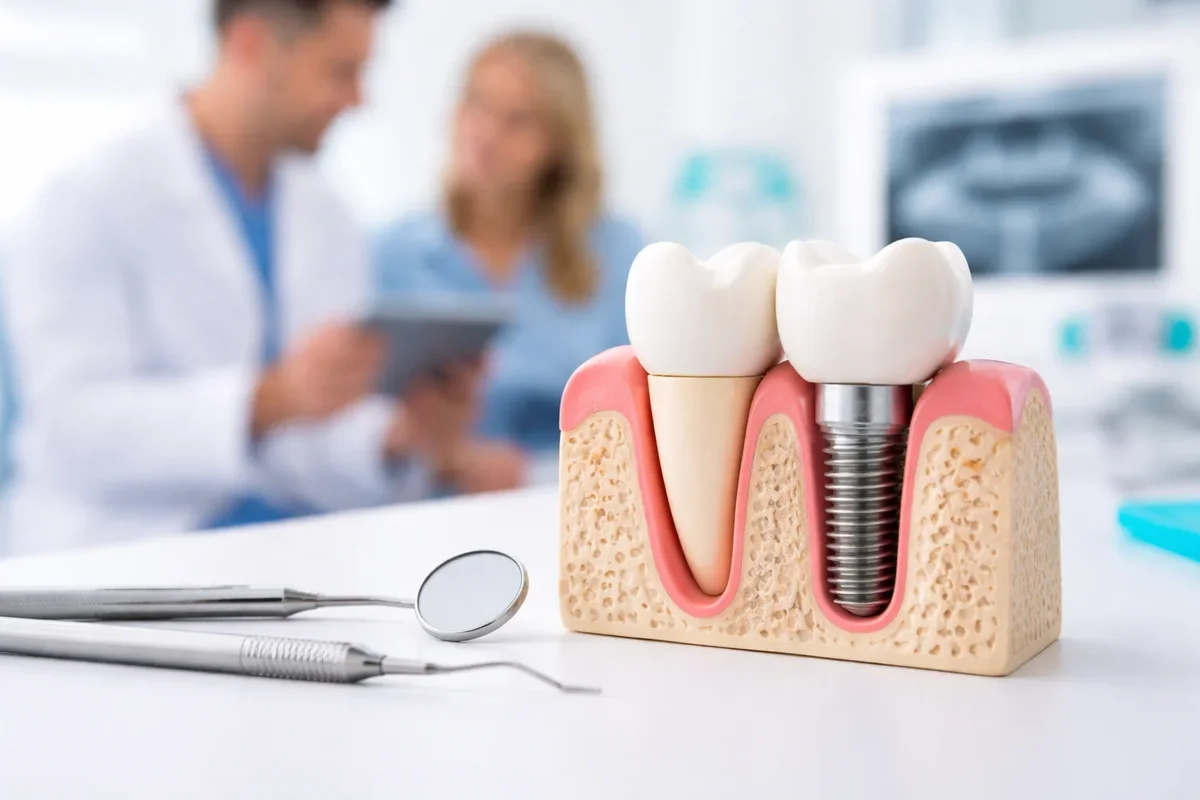
Risks and Alternatives: Is Dental Implant Necessary or Optional?
When patients evaluate tooth replacement options, one of the most critical questions remains is dental implant necessary or simply optional. While dental implants offer many benefits, it is equally important to understand the potential risks and available alternatives. A balanced perspective allows patients to make informed decisions based on their health, expectations, and personal circumstances. Therefore, exploring risks and alternatives is essential in answering is dental implant necessary comprehensively.
Dental implants are considered a safe and effective procedure with a high success rate, often exceeding 95%. However, like any medical treatment, they are not entirely risk-free. Understanding these risks helps patients determine whether is dental implant necessary outweighs potential concerns in their specific case.
Potential Risks of Dental Implants
Although complications are rare, it is important to be aware of possible risks when considering is dental implant necessary. These risks can vary depending on the patient’s health, the location of the implant, and the experience of the dental professional.
- Infection at the implant site: Poor oral hygiene or improper healing can lead to infection.
- Nerve damage: In rare cases, implants placed near nerves may cause numbness or discomfort.
- Sinus issues: Implants in the upper jaw can sometimes affect the sinus cavity.
- Implant failure: This may occur if the implant does not properly integrate with the bone.
While these risks exist, they are generally manageable with proper planning and care. This is why dentists carefully evaluate each patient before recommending treatment. In many cases, the benefits still outweigh the risks, reinforcing the idea that is dental implant necessary often leads to a positive recommendation.
How to Minimize Risks
Patients can significantly reduce risks by choosing an experienced dental professional and following post-operative care instructions. Maintaining good oral hygiene, attending regular check-ups, and avoiding habits like smoking all contribute to successful outcomes. These preventive measures play a key role in determining whether is dental implant necessary is a safe and suitable choice.
Exploring Alternative Treatments
For patients who are hesitant or not ideal candidates for implants, alternative treatments are available. Understanding these options is crucial when asking is dental implant necessary, as it provides a broader perspective on possible solutions.
Dental Bridges
Dental bridges are a common alternative that replaces missing teeth by anchoring to adjacent teeth. While they can restore appearance and function, they require altering healthy teeth for support. This may weaken those teeth over time, making the long-term answer to is dental implant necessary lean toward implants in many cases.
Removable Dentures
Dentures are another option, particularly for patients missing multiple teeth. They are more affordable initially but may lack stability and comfort. Over time, dentures may need adjustments or replacements, which can increase overall costs. This often leads patients to reconsider and ask again is dental implant necessary for a more permanent solution.
Partial Dentures and Flexible Options
Partial dentures and flexible prosthetics provide additional alternatives for replacing missing teeth. While these options can be suitable for certain cases, they do not offer the same level of durability or bone preservation as implants. This distinction is important when evaluating is dental implant necessary for long-term oral health.
When Is It Optional?
There are situations where the answer to is dental implant necessary may be that it is optional rather than essential. For example, if the missing tooth does not affect chewing, speech, or aesthetics significantly, some patients may choose to delay or avoid treatment. However, it is important to consider potential future complications, such as bone loss or shifting teeth.
In such cases, dentists often advise monitoring the condition and reassessing over time. This ensures that if the situation changes, the question is dental implant necessary can be revisited with updated information.
Balancing Risks, Benefits, and Personal Preferences
Ultimately, deciding is dental implant necessary involves balancing risks, benefits, and personal preferences. Some patients prioritize long-term stability and are willing to undergo the procedure, while others may prefer less invasive options. Both approaches are valid, depending on individual circumstances.
It is also important to consider lifestyle factors. Patients who value convenience, durability, and natural function often find that implants align better with their needs. This reinforces why the question is dental implant necessary should be evaluated holistically rather than focusing on a single factor.
Professional Consultation Is Key
The most reliable way to determine is dental implant necessary is through a professional consultation. Dentists can assess your oral health, discuss risks and alternatives, and recommend the best course of action. If you are considering your options, you can seek expert advice through the Redent Klinik Contact Page for personalized guidance.
Additionally, the American Dental Association provides trusted information on dental procedures, helping patients understand both the benefits and risks of treatments like dental implants.
Conclusion: Necessary or Optional?
In conclusion, the question is dental implant necessary depends on a variety of factors, including oral health, functional needs, and personal preferences. While implants offer significant advantages, they are not always the only option. By understanding the risks and alternatives, patients can make informed decisions that align with their goals and ensure long-term oral health and satisfaction.