
When people start researching modern orthodontic treatments, one of the most common questions they ask is: is Invisalign comfortable? Comfort is a major concern for anyone considering teeth straightening, especially for adults and teenagers who want an effective solution without the discomfort often associated with traditional braces. Invisalign aligners have become extremely popular because they promise a smoother, more convenient orthodontic experience. But the real question remains: is Invisalign comfortable enough for everyday life?
Invisalign is a clear aligner system designed to gradually move teeth into better alignment using custom-made plastic trays. These trays are created specifically for each patient and are replaced every one to two weeks as teeth slowly shift. Compared to metal braces, which use brackets and wires, Invisalign uses smooth, medical-grade plastic that sits snugly over the teeth. Because of this design, many patients who wonder is Invisalign comfortable are pleasantly surprised to discover that the aligners typically cause far less irritation than traditional orthodontic appliances.
One of the biggest reasons patients feel reassured when asking is Invisalign comfortable is the absence of metal components. Traditional braces often rub against the inside of the cheeks and lips, causing sores and irritation. Invisalign aligners, on the other hand, are smooth and molded to fit your teeth precisely. This reduces friction and eliminates the sharp edges that often lead to discomfort with braces. For many individuals, this difference alone answers the question of is Invisalign comfortable with a clear yes.
However, it is important to understand that orthodontic treatment of any kind involves some degree of pressure. Teeth must move gradually through the bone, which naturally causes mild tension. So when people ask is Invisalign comfortable, the honest answer is that patients may feel a gentle pressure when switching to a new set of aligners. This pressure is actually a sign that the treatment is working. Most patients describe the sensation as tightness rather than pain, and it usually fades within a few days.
Another reason why patients frequently report that is Invisalign comfortable is a valid expectation relates to flexibility. Invisalign aligners are removable, which means patients can take them out while eating, brushing, and flossing. This reduces many of the discomforts associated with traditional braces, such as food getting stuck in brackets or difficulty maintaining oral hygiene. Being able to remove the aligners temporarily can make daily life significantly easier and more comfortable.
Comfort also extends to lifestyle and appearance. Because the aligners are transparent, many patients feel more confident during treatment. For adults and professionals especially, the fact that Invisalign is nearly invisible makes orthodontic care far less stressful socially. When evaluating whether is Invisalign comfortable, many patients include psychological comfort as well. Feeling confident while smiling, speaking, and interacting with others plays a major role in the overall treatment experience.
It is also worth noting that proper fit contributes heavily to the comfort level. Invisalign aligners are created using advanced digital scanning technology. This technology allows orthodontists to design a treatment plan tailored specifically to the patient’s teeth. Because each aligner is custom-made, it fits snugly and evenly distributes pressure across the teeth. This precise design is another reason why many people researching is Invisalign comfortable find that aligners provide a smoother orthodontic journey than they expected.
Of course, every patient’s experience can vary slightly. Factors such as tooth sensitivity, the complexity of the alignment issue, and how consistently the aligners are worn can influence comfort levels. Most dentists recommend wearing Invisalign for 20–22 hours per day for the best results. Following these guidelines helps ensure that the treatment progresses smoothly and reduces unnecessary discomfort.
Dental professionals and organizations like the American Dental Association emphasize that clear aligner therapy has become one of the most patient-friendly orthodontic options available today. Many people who once hesitated to straighten their teeth due to discomfort now reconsider after learning more about the technology behind Invisalign.
If you are considering clear aligners and still wondering is Invisalign comfortable, the best approach is to consult with a qualified dental professional who can evaluate your teeth and explain the treatment process in detail. Personalized guidance helps ensure that the treatment plan suits your specific dental needs and comfort expectations.
If you would like to speak directly with experienced dental professionals about clear aligners, you can visit the Redent Klinik Contact Page to ask questions or schedule a consultation. Getting expert advice can help you decide whether Invisalign is the right and most comfortable orthodontic solution for your smile.
In summary, when patients ask is Invisalign comfortable, the answer for most individuals is yes. While some mild pressure may occur when switching aligners, the smooth plastic design, custom fit, removability, and lack of metal components make Invisalign one of the most comfortable orthodontic treatments available today. Understanding what to expect helps patients begin their smile transformation with confidence and peace of mind.
Is Invisalign Comfortable Compared to Traditional Braces?
One of the first questions patients ask when exploring orthodontic options is is Invisalign comfortable compared to traditional braces. For decades, metal braces were the standard treatment for correcting crooked teeth, bite problems, and spacing issues. While braces are highly effective, they are also known for causing irritation, pressure, and occasional pain due to wires and brackets. Invisalign was developed to provide a modern alternative that focuses not only on effectiveness but also on patient comfort.
To understand the difference properly, it is helpful to compare how both treatments work. Traditional braces rely on metal brackets glued to the teeth and connected with wires. These wires are periodically tightened to gradually move the teeth into the desired position. In contrast, Invisalign uses a series of clear, custom-made aligners that gently guide teeth into alignment. Because of this design, many patients who wonder is Invisalign comfortable quickly discover that the experience is typically much smoother than traditional orthodontic methods.
Design Differences That Affect Comfort
The design of Invisalign aligners plays a major role in answering the question is Invisalign comfortable. Unlike braces, which involve multiple components attached to the teeth, Invisalign aligners are made from smooth, BPA-free plastic that fits closely over the teeth.
This smooth surface significantly reduces friction inside the mouth. With metal braces, brackets can rub against the inner cheeks and lips, often leading to sore spots or ulcers. Orthodontic wax is frequently required to reduce irritation. Invisalign eliminates most of these issues because the aligners have rounded edges and no protruding parts. For patients concerned about daily comfort, this difference alone strongly supports the idea that is Invisalign comfortable is a question that often has a positive answer.
Pressure vs. Pain
When people ask is Invisalign comfortable, it is important to explain the difference between pressure and pain. Both braces and Invisalign move teeth by applying controlled pressure. This pressure is necessary because the bone around the teeth must gradually adapt as teeth shift into their new positions.
With braces, tightening the wire can cause noticeable soreness for several days. The pressure is often concentrated in certain areas depending on the adjustment. Invisalign, however, distributes pressure more evenly across the teeth. Each aligner is designed to move teeth slightly before the next aligner continues the process. As a result, patients who ask is Invisalign comfortable usually experience a gentler sensation rather than the stronger soreness sometimes associated with braces adjustments.
Comfort During Daily Activities
Another key factor when evaluating is Invisalign comfortable is how the treatment fits into daily routines. Traditional braces remain fixed to the teeth for the entire treatment period. This means patients must adjust their eating habits, oral hygiene routines, and sometimes even speech patterns.
Invisalign aligners are removable, which offers significant comfort advantages. Patients can take them out while eating meals, brushing their teeth, or flossing. This flexibility makes daily life easier and prevents the discomfort associated with food getting stuck in brackets. For many people comparing treatment options, this convenience reinforces the idea that is Invisalign comfortable is more than just a marketing claim.
Eating Experience
Eating with traditional braces often requires avoiding certain foods. Sticky, hard, or chewy foods can damage brackets or wires. This restriction can make eating less enjoyable and sometimes frustrating.
With Invisalign, patients simply remove their aligners before meals and replace them afterward. This means there are no food limitations related to the orthodontic appliance itself. When discussing whether is Invisalign comfortable, this freedom during meals is one of the most appreciated benefits among patients.
Speech and Social Comfort
Comfort is not only physical but also social and psychological. Many adults hesitate to get braces because metal brackets are highly visible. Invisalign aligners are transparent, making them much less noticeable in everyday interactions.
When people research is Invisalign comfortable, they often mean more than physical comfort. Feeling confident while speaking, smiling, or attending social events is equally important. Invisalign allows patients to continue their professional and social lives with minimal disruption.
Some patients may experience a slight adjustment period when first wearing aligners, particularly with speech. However, this typically resolves within a few days as the tongue adapts. Compared to braces, which can sometimes affect pronunciation for longer periods, Invisalign usually integrates quickly into daily communication.
Oral Health and Hygiene Comfort
Maintaining oral hygiene is another area where comfort becomes important. Braces require special brushes and careful cleaning around brackets and wires. This process can be time-consuming and occasionally uncomfortable.
Because Invisalign aligners are removable, patients can brush and floss normally. This simplifies oral care and reduces the risk of plaque buildup around orthodontic hardware. For patients concerned about gum health, this is another reason why many dentists say the answer to is Invisalign comfortable is often yes.
According to guidance from organizations such as the American Dental Association, maintaining proper oral hygiene during orthodontic treatment is essential for preventing cavities and gum disease. Invisalign’s removable design makes this process far more manageable.
Comparing Overall Treatment Experience
When comparing the overall experience of both treatments, the answer to is Invisalign comfortable becomes clearer. Traditional braces remain a reliable and powerful orthodontic solution, particularly for complex cases. However, Invisalign has been designed with patient comfort as a top priority.
Patients often report less irritation, fewer emergency visits for broken brackets, and a smoother adjustment period when using clear aligners. Additionally, Invisalign technology uses digital planning to map out tooth movement step by step. This precision contributes to a controlled and predictable treatment process.
For individuals interested in exploring comfortable orthodontic solutions, consulting a professional is the best first step. If you would like personalized advice about aligner treatment, you can reach experienced dental professionals through the Redent Klinik Contact Page.
In conclusion, when patients compare the two treatments and ask is Invisalign comfortable, many find that the clear aligner system provides a gentler, more flexible orthodontic experience than traditional braces. While both treatments effectively straighten teeth, Invisalign’s smooth design, removability, and modern technology make it one of the most comfortable orthodontic options available today.
Why Many Patients Say Invisalign Feels More Comfortable
When researching modern orthodontic treatments, many people repeatedly ask the same question: is Invisalign comfortable? The answer often comes from real patient experiences. A large number of patients report that Invisalign aligners feel significantly more comfortable than traditional orthodontic appliances. This reputation is one of the key reasons why Invisalign has become one of the most popular teeth-straightening solutions worldwide.
But why exactly do patients say Invisalign feels easier to wear? The answer lies in several factors including the aligner material, custom fit, reduced irritation, and greater lifestyle flexibility. Understanding these elements helps clarify why many orthodontic patients confidently say that when asking is Invisalign comfortable, the answer is usually yes.
Smooth Aligner Material Reduces Irritation
One of the biggest reasons patients feel that is Invisalign comfortable is a realistic expectation is the material used to create the aligners. Invisalign trays are made from smooth, medical-grade thermoplastic designed specifically for orthodontic treatment. This material is flexible yet durable, allowing it to apply controlled pressure without causing unnecessary irritation.
Traditional braces involve metal brackets and wires that can rub against the inside of the mouth. These components may create friction against the cheeks and lips, which sometimes leads to sores or small ulcers. Invisalign aligners eliminate this problem because the trays cover the teeth smoothly without sharp edges. As a result, patients who wonder is Invisalign comfortable often discover that the aligners feel much gentler inside the mouth.
Rounded Edges for Additional Comfort
The edges of Invisalign aligners are carefully designed to be smooth and rounded. This detail plays an important role when answering the question is Invisalign comfortable. Because the edges are not sharp or bulky, they rarely irritate the soft tissues of the mouth.
Patients can usually wear the aligners throughout the day without experiencing the type of cheek or lip discomfort commonly associated with metal braces. Over time, the mouth adapts to the aligners, and many people even forget they are wearing them.
Custom Fit for Every Patient
Another major factor influencing the perception that is Invisalign comfortable is the custom-fit design. Invisalign treatment begins with a digital scan or impression of the patient’s teeth. Using advanced software, orthodontists create a step-by-step treatment plan showing how the teeth will move during the process.
Each aligner is then manufactured specifically for the patient’s mouth. Because of this precise fit, the aligners apply balanced pressure to the teeth instead of focusing force in only a few areas. This controlled pressure reduces unnecessary discomfort and ensures a smoother tooth movement process.
Patients who ask is Invisalign comfortable often feel reassured once they learn that the aligners are tailored exactly to their dental structure. This customization helps prevent excessive tightness while still guiding teeth effectively.
Gradual Tooth Movement
Another reason many patients believe that is Invisalign comfortable is related to how the treatment moves teeth. Invisalign aligners are replaced every one to two weeks. Each new aligner moves the teeth slightly closer to their final position.
This gradual movement reduces the intensity of pressure felt at any given time. Instead of experiencing large adjustments like those sometimes associated with braces tightening appointments, patients typically feel only mild tightness when switching to a new aligner. Most people describe this sensation as temporary pressure rather than pain.
Fewer Emergency Orthodontic Issues
Comfort during orthodontic treatment is also affected by unexpected problems. With traditional braces, broken brackets or poking wires can cause sudden discomfort and require urgent orthodontic visits.
Invisalign aligners remove many of these risks. Because there are no wires or brackets, there are fewer chances for mechanical irritation. Patients who consider is Invisalign comfortable often appreciate that aligners provide a more predictable and less stressful treatment experience.
This reliability makes Invisalign particularly appealing for adults with busy schedules who prefer fewer emergency appointments and interruptions.
Removability Adds Lifestyle Comfort
One of the most unique advantages of Invisalign is that the aligners are removable. This feature plays a significant role when evaluating is Invisalign comfortable in daily life.
Patients can remove their aligners during meals, which means there are no restrictions on foods that might otherwise damage braces. Sticky or crunchy foods that are typically avoided with braces can still be enjoyed when aligners are removed. This flexibility contributes to overall comfort and convenience.
Additionally, patients can maintain their normal oral hygiene routine by removing the aligners for brushing and flossing. This makes dental care simpler and more comfortable throughout the treatment process.
Confidence and Psychological Comfort
Another aspect often overlooked when asking is Invisalign comfortable is emotional comfort. Invisalign aligners are transparent and barely noticeable, which helps patients feel more confident during treatment.
For many adults, the idea of wearing visible metal braces can be intimidating. Invisalign provides a discreet alternative that allows patients to smile, speak, and interact socially without feeling self-conscious. This psychological comfort plays an important role in the overall treatment experience.
Professional Guidance Improves Comfort
Orthodontic comfort also depends on professional supervision. Dentists and orthodontists carefully monitor Invisalign treatment to ensure the aligners fit correctly and the teeth move as planned. Organizations such as the American Dental Association emphasize the importance of professional guidance when undergoing orthodontic treatment.
Regular check-ups allow dental professionals to make adjustments if needed and ensure that the treatment remains both effective and comfortable. If you have questions about aligners or want personalized guidance, you can contact specialists through the Redent Klinik Contact Page.
Real Patient Feedback on Comfort
Ultimately, the most convincing evidence that is Invisalign comfortable is a reasonable expectation comes from patient feedback. Many individuals report that after the initial adjustment period, the aligners feel natural and easy to wear.
Most patients adapt within a few days and experience only mild pressure when switching to a new aligner. Over time, wearing Invisalign becomes part of their normal routine. For many people, this comfortable experience is the reason they recommend Invisalign to friends and family.
In conclusion, several factors explain why patients frequently say Invisalign feels more comfortable than traditional orthodontic treatments. Smooth plastic material, custom-fit aligners, gradual tooth movement, and lifestyle flexibility all contribute to a more pleasant treatment journey. When individuals ask is Invisalign comfortable, the combination of these features helps explain why the answer is often a confident yes.
What Does Invisalign Feel Like During the First Week?
For many new orthodontic patients, the first few days of treatment are filled with curiosity and questions. One of the most common questions people ask is is Invisalign comfortable during the initial stage of treatment. The first week with Invisalign aligners is often a period of adjustment as the mouth adapts to wearing the trays for most of the day. Understanding what to expect during this time helps patients feel more confident and prepared.
Most patients who ask is Invisalign comfortable are relieved to learn that the initial sensation is usually mild and manageable. Invisalign aligners are designed to apply gentle, controlled pressure that gradually moves teeth into better alignment. While this pressure may feel unfamiliar at first, it is generally far less intense than the tightening adjustments associated with traditional braces.
The first week typically involves learning how to wear, remove, and care for the aligners while also adapting to the sensation of having them in the mouth. Within a few days, many patients find that the aligners begin to feel natural, and they often stop noticing them entirely.
Day 1–2: Initial Pressure and Adjustment
During the first day of Invisalign treatment, patients usually notice a feeling of tightness when the aligners are placed on the teeth. This sensation often leads people to ask again, is Invisalign comfortable when it first begins working. The tightness occurs because the aligners are designed to gently shift the teeth from their current positions toward the next stage in the treatment plan.
This pressure is not harmful—it is actually a sign that the aligners are functioning properly. Most patients describe the feeling as similar to mild tension rather than pain. The pressure may be more noticeable when removing or reinserting the aligners, but it usually becomes less noticeable after the first couple of days.
Why the Pressure Happens
To understand why patients feel pressure and still say is Invisalign comfortable, it helps to know how orthodontic tooth movement works. Teeth are held in place by ligaments within the jawbone. When gentle pressure is applied through aligners, the bone gradually remodels around the teeth, allowing them to move safely.
This biological process requires a controlled force. Invisalign aligners deliver this force gradually and evenly, which is why the sensation is usually described as mild and temporary.
Day 3–4: Mouth Adaptation Begins
By the third or fourth day, many patients begin to adapt to wearing Invisalign. The initial tightness usually decreases significantly, and daily routines start to feel normal again. At this point, people who originally asked is Invisalign comfortable often realize that the aligners are much easier to wear than expected.
Patients typically wear Invisalign aligners for about 20–22 hours per day. Because the trays remain in place for most of the day, the mouth gradually becomes accustomed to their presence. Speech may feel slightly different during the first couple of days, but this effect usually disappears quickly as the tongue adjusts.
By midweek, many patients report that the aligners feel like a natural part of their mouth. This adaptation period is one of the reasons why orthodontists reassure patients that the answer to is Invisalign comfortable is generally positive after the first few days.
Managing Mild Sensitivity
Some patients experience slight tooth sensitivity during the first week. This is normal because the teeth are beginning to shift. Fortunately, the discomfort is usually very mild and temporary.
Orthodontists often recommend simple strategies to ease this sensitivity:
- Switch to a new aligner before bedtime so the adjustment occurs while sleeping
- Drink cool water to soothe mild irritation
- Avoid extremely hard foods during the first few days
- Maintain excellent oral hygiene
These small steps help ensure that patients continue to feel that is Invisalign comfortable remains true throughout the treatment process.
Day 5–7: Invisalign Feels Normal
By the end of the first week, most patients report that wearing Invisalign feels completely normal. The aligners fit comfortably over the teeth, and the earlier tightness typically disappears. Many people who initially asked is Invisalign comfortable are surprised at how quickly they adapt.
At this stage, removing and reinserting the aligners becomes much easier. Patients become familiar with their daily routine of wearing the trays, removing them for meals, brushing their teeth, and placing them back afterward.
Because Invisalign aligners are smooth and custom-made, irritation inside the mouth is rare. The absence of metal brackets and wires means there is very little friction against the cheeks or lips. This smooth design is one of the main reasons orthodontists confidently tell patients that is Invisalign comfortable is a question that usually has a reassuring answer.
What Happens When You Switch to the Next Aligner?
Invisalign treatment works through a series of aligners that gradually move the teeth into alignment. Each aligner is worn for approximately one to two weeks before switching to the next set. When patients change to a new aligner, they may briefly experience the same mild pressure felt during the first few days.
However, because the teeth have already begun shifting, this pressure is often even milder than during the first week. Patients quickly realize that the process is manageable and predictable. For many individuals, this consistency reinforces their belief that is Invisalign comfortable is not just marketing—it is a real patient experience.
Professional Monitoring and Comfort
Regular check-ups with a dentist or orthodontist help ensure that Invisalign treatment remains comfortable and effective. Dental professionals monitor the movement of the teeth and confirm that each aligner fits correctly. Organizations like the American Dental Association emphasize the importance of professional supervision during orthodontic treatment.
If you are considering Invisalign and want to discuss the treatment process in detail, you can contact dental professionals through the Redent Klinik Contact Page. A consultation allows dentists to evaluate your teeth and explain how aligners will feel during each stage of treatment.
Why the First Week Is Important
The first week of Invisalign treatment sets the foundation for the entire orthodontic journey. Once patients adjust to wearing the aligners consistently, the treatment becomes part of their everyday routine. This early adaptation period helps ensure that patients remain comfortable and motivated throughout the process.
In summary, the first week with Invisalign typically involves mild pressure, quick adaptation, and increasing comfort with each passing day. Most patients discover that the aligners are easy to wear and much less intrusive than traditional braces. For those wondering is Invisalign comfortable, the experience of the first week often provides a reassuring answer: Invisalign is designed to deliver effective tooth movement while maintaining a high level of comfort for patients.
Does Invisalign Cause Pain or Just Mild Pressure?
When patients begin researching orthodontic treatment, one of the most important concerns is discomfort. Many people search online asking is Invisalign comfortable and whether the aligners cause pain. Understanding the difference between pain and orthodontic pressure is essential when evaluating how Invisalign actually feels during treatment.
Invisalign is specifically designed to move teeth gradually using controlled force. Unlike traditional braces that rely on metal brackets and tightening wires, Invisalign uses a sequence of custom-made clear aligners. Each aligner applies gentle pressure to guide the teeth into new positions. Because the movement is gradual and carefully planned, many patients report that the treatment involves only mild pressure rather than true pain. This is one of the main reasons people researching is Invisalign comfortable often feel reassured when they learn more about how the system works.
Understanding Orthodontic Pressure
Orthodontic pressure is a normal and necessary part of any teeth-straightening treatment. Teeth are held in place by periodontal ligaments and surrounded by bone tissue. When gentle force is applied, the bone slowly remodels, allowing the teeth to move into better alignment.
This biological process explains why patients may feel tightness when wearing a new aligner. However, the sensation is usually described as pressure rather than pain. Patients who ask is Invisalign comfortable are often relieved to learn that this mild pressure typically lasts only a few days after switching to a new aligner.
Why Pressure Means the Treatment Is Working
The feeling of pressure is actually a positive sign. It indicates that the aligners are guiding the teeth exactly as planned. Each aligner stage represents a small step toward the final smile.
Because Invisalign uses a series of aligners instead of a single appliance, the amount of force applied at any one time is limited. This controlled movement helps maintain comfort while still producing effective orthodontic results. As a result, patients who initially wonder is Invisalign comfortable often find that the pressure is manageable and temporary.
Comparing Invisalign Pain to Traditional Braces
To better understand whether is Invisalign comfortable, it helps to compare it with traditional braces. Metal braces require periodic tightening appointments where wires are adjusted to increase pressure on the teeth. These adjustments can sometimes cause noticeable soreness for several days.
Invisalign works differently. Instead of large adjustments, the treatment is divided into many small stages. Each aligner gently moves the teeth a fraction of a millimeter at a time. Because of this incremental movement, patients often experience less discomfort overall.
Additionally, Invisalign aligners are made from smooth plastic that does not irritate the soft tissues of the mouth. Traditional braces can sometimes cause small cuts or ulcers due to brackets and wires rubbing against the cheeks and lips. This difference is another reason why people frequently report that the answer to is Invisalign comfortable is yes.
When Mild Discomfort May Occur
Although Invisalign is generally comfortable, there are moments during treatment when mild discomfort can appear. Understanding these situations helps patients prepare for the experience.
Switching to a New Aligner
Most Invisalign users change to a new aligner every one or two weeks. When a new aligner is placed, patients may feel slight pressure as the teeth begin the next stage of movement. This pressure usually fades within 24–48 hours.
Many orthodontists recommend switching to a new aligner before bedtime. Sleeping through the first several hours allows the mouth to adapt more comfortably. Patients who follow this strategy often confirm that is Invisalign comfortable becomes easier to answer positively.
Temporary Tooth Sensitivity
Some patients notice temporary tooth sensitivity when chewing hard foods during the early days of a new aligner. This sensitivity occurs because the teeth are adjusting to their new positions.
Fortunately, this feeling usually disappears quickly. Avoiding very hard foods for a day or two can make the transition easier and help maintain the sense that is Invisalign comfortable is a realistic expectation.
Tips to Reduce Invisalign Discomfort
Although Invisalign discomfort is usually minimal, several simple strategies can help patients stay comfortable throughout treatment:
- Wear aligners consistently for 20–22 hours per day
- Switch to new aligners at night
- Drink cool water to soothe mild irritation
- Maintain excellent oral hygiene
- Use orthodontic chewies to help aligners seat properly
These small habits allow the aligners to function properly and reduce unnecessary pressure. Patients who follow these recommendations often confirm that is Invisalign comfortable becomes less of a concern as treatment progresses.
Scientific Support for Comfortable Orthodontic Treatment
Modern orthodontics focuses not only on effectiveness but also on patient comfort. Clear aligner technology has advanced significantly over the past decade, allowing orthodontists to plan tooth movements with remarkable precision.
Professional dental organizations such as the American Dental Association highlight the importance of customized treatment planning and professional supervision in orthodontic care. Invisalign treatment is typically designed using digital scans and computer simulations that map out each stage of tooth movement. This technology helps minimize unnecessary force and improves overall comfort.
When to Contact a Dentist
Although Invisalign discomfort is generally mild, patients should contact their dentist if they experience persistent pain, sharp edges on aligners, or difficulty wearing the trays. These situations are uncommon but can usually be resolved quickly with professional guidance.
If you have questions about Invisalign treatment or want to discuss whether aligners are right for your smile, you can reach dental professionals through the Redent Klinik Contact Page. A consultation can provide personalized recommendations and ensure that the treatment plan prioritizes both effectiveness and comfort.
Final Thoughts on Invisalign Pain vs Pressure
In conclusion, Invisalign treatment typically causes mild pressure rather than true pain. This pressure is a normal part of orthodontic tooth movement and usually fades within a few days after starting a new aligner. Compared with traditional braces, Invisalign often provides a gentler experience due to its smooth design and gradual treatment process.
For patients wondering is Invisalign comfortable, the answer for most individuals is yes. While some temporary pressure is expected, the overall experience is widely considered more comfortable than many traditional orthodontic methods. With proper guidance from dental professionals and consistent aligner use, Invisalign can provide an effective and comfortable path toward a straighter, healthier smile.
Tips to Make Invisalign More Comfortable Every Day
Many people beginning orthodontic treatment ask an important question: is Invisalign comfortable enough for daily life? While Invisalign is widely known for being one of the most comfortable orthodontic solutions available, there are still small adjustments patients must make during treatment. Fortunately, with the right habits and care routines, wearing Invisalign can feel extremely natural and convenient throughout the day.
Because Invisalign aligners are worn for approximately 20–22 hours per day, comfort becomes essential. The good news is that most patients quickly adapt to the aligners and experience only mild pressure during certain stages of treatment. By following a few practical tips recommended by dental professionals, patients can ensure that the answer to is Invisalign comfortable remains a confident yes throughout their entire orthodontic journey.
Wear Aligners Consistently for Best Comfort
One of the most important tips for maintaining comfort during Invisalign treatment is wearing the aligners consistently. Dentists typically recommend wearing them for at least 20–22 hours per day. Removing the aligners too often may cause teeth to shift back slightly, which can lead to increased pressure when the trays are reinserted.
Patients who follow the recommended wear schedule usually notice that their teeth adapt to the aligners quickly. When aligners remain in place for most of the day, the pressure applied to the teeth stays gradual and predictable. This consistency helps ensure that patients who ask is Invisalign comfortable experience minimal discomfort throughout the treatment process.
Why Consistency Reduces Discomfort
Orthodontic tooth movement works best when the applied pressure remains steady. When aligners are worn regularly, the teeth move according to the planned schedule. If they are removed too frequently, the teeth may resist the next aligner stage, creating extra tightness.
By wearing the aligners as instructed, patients maintain a smooth progression of tooth movement. This simple habit significantly contributes to the overall comfort of treatment and reinforces the idea that is Invisalign comfortable is a realistic expectation.
Switch to New Aligners at Night
Another helpful strategy to maintain comfort is changing to a new aligner before bedtime. Invisalign treatment involves switching aligners every one or two weeks, depending on the treatment plan. When patients first insert a new aligner, they may feel mild pressure as the teeth begin moving again.
Changing aligners at night allows the mouth to adapt while the patient is sleeping. By the time they wake up, the initial tightness has already decreased. Many orthodontists recommend this technique because it helps patients feel that is Invisalign comfortable remains true even when transitioning between aligners.
Allowing Time for Adjustment
The first several hours with a new aligner are when pressure is most noticeable. Sleeping through this period allows the teeth and gums to adapt naturally. As a result, the following day typically feels much more comfortable.
This small adjustment in timing can significantly improve the treatment experience and help patients answer the question is Invisalign comfortable with greater confidence.
Keep Aligners Clean and Smooth
Clean aligners contribute directly to comfort. When aligners are not cleaned regularly, plaque buildup or food particles can create unpleasant sensations and even cause mild irritation.
Patients should rinse their aligners whenever they remove them and gently brush them with a soft toothbrush. Specialized Invisalign cleaning crystals or mild cleaning solutions can also help maintain hygiene. Proper cleaning ensures that the aligners remain smooth and pleasant to wear.
Maintaining good hygiene habits supports oral health and ensures that the experience of wearing aligners continues to answer the question is Invisalign comfortable positively.
Use Orthodontic Chewies for Better Fit
Orthodontic chewies are small, soft cylinders made of flexible material that help aligners fit properly on the teeth. When patients bite down on chewies, the aligners seat more securely against the teeth.
Proper seating improves comfort because it ensures that pressure is distributed evenly across the teeth. If aligners are not fully seated, certain areas may experience more pressure than others. Using chewies regularly helps prevent this issue and reinforces why many patients say is Invisalign comfortable is a question with a reassuring answer.
How to Use Chewies
Using chewies is simple. Patients gently bite down on them for a few minutes after inserting their aligners. This process helps remove tiny air gaps and ensures the aligners fit snugly.
Consistent use of chewies not only improves comfort but also supports more efficient tooth movement throughout the treatment process.
Maintain Excellent Oral Hygiene
Healthy teeth and gums are essential for a comfortable Invisalign experience. Brushing and flossing after meals prevents plaque buildup and reduces the risk of gum irritation. Because Invisalign aligners cover the teeth, maintaining cleanliness is especially important.
Dental professionals recommend brushing after every meal before reinserting aligners. This routine helps ensure that the aligners remain fresh and comfortable to wear throughout the day. Patients who maintain strong oral hygiene habits are more likely to report that is Invisalign comfortable remains true during the entire treatment.
Trusted organizations such as the American Dental Association emphasize the importance of proper oral hygiene during orthodontic care to protect both teeth and gums.
Stay Hydrated and Avoid Dry Mouth
Drinking plenty of water can also improve comfort during Invisalign treatment. Staying hydrated helps prevent dry mouth, which can sometimes occur when aligners are worn for long periods.
Water also helps rinse away bacteria and maintain a healthy oral environment. Many patients find that drinking water regularly throughout the day makes wearing aligners feel more natural and comfortable.
Consult Your Dentist for Personalized Advice
If discomfort ever feels unusual or persistent, it is always best to consult a dental professional. Dentists can evaluate whether the aligners fit correctly and make adjustments if necessary.
Patients who want expert guidance about aligner treatment or personalized recommendations can reach professionals through the Redent Klinik Contact Page. A consultation allows dentists to review your treatment plan and provide helpful strategies to maintain comfort throughout the process.
Building Comfortable Invisalign Habits
Invisalign treatment becomes easier when patients develop simple daily habits that support both comfort and effectiveness. Wearing aligners consistently, switching them at the right time, keeping them clean, and maintaining excellent oral hygiene all contribute to a smooth orthodontic journey.
When these habits are followed, patients often find that wearing Invisalign becomes part of their normal routine. Over time, the aligners feel natural and unobtrusive.
Ultimately, the answer to is Invisalign comfortable depends largely on proper usage and care. By following professional recommendations and maintaining consistent routines, most patients experience Invisalign as one of the most comfortable orthodontic treatments available today.
How Long Does Invisalign Discomfort Usually Last?
When considering orthodontic treatment, many patients naturally ask the question is Invisalign comfortable, especially when thinking about how long any discomfort might last. The good news is that Invisalign is designed to minimize pain while still effectively moving teeth into their proper alignment. While some mild pressure can occur during treatment, it usually lasts only a short time and fades quickly as the mouth adapts to the aligners.
Understanding the timeline of Invisalign discomfort can help patients feel more confident before starting treatment. Unlike traditional braces, which may cause soreness after wire adjustments, Invisalign aligners move teeth in small, gradual steps. Because of this gentle approach, many people find that the answer to is Invisalign comfortable becomes clear within the first few days of wearing the aligners.
The First Few Days of Each Aligner
The most noticeable discomfort with Invisalign typically occurs when patients begin wearing a new aligner tray. Each aligner is slightly different from the previous one because it is designed to move the teeth a small amount closer to their final position.
During the first 24 to 48 hours of wearing a new aligner, patients may feel mild pressure or tightness. This sensation is normal and indicates that the aligner is working. Fortunately, this stage passes quickly for most people. Patients who initially wonder is Invisalign comfortable often report that the pressure fades significantly after the first couple of days.
Why New Aligners Feel Tight
The reason new aligners feel tight is that they are guiding the teeth into a slightly different position. Orthodontic tooth movement requires gentle force applied over time. Invisalign aligners apply this force evenly across the teeth, which helps maintain comfort.
As the teeth begin adjusting to the aligner, the pressure gradually decreases. By the third or fourth day, many patients say the aligner feels almost completely normal. This quick adaptation explains why many people conclude that is Invisalign comfortable is a valid expectation.
The Adjustment Period for New Patients
For patients starting Invisalign for the first time, the initial adjustment period typically lasts about one week. During this time, the mouth becomes accustomed to the presence of the aligners.
Some individuals may notice slight pressure on the teeth or mild sensitivity when chewing. However, these sensations are usually temporary and manageable. Once patients adjust to wearing the aligners regularly, most report that they barely notice them during daily activities.
After this early adjustment phase, the question is Invisalign comfortable often becomes less relevant because the aligners feel like a natural part of everyday life.
Discomfort Throughout the Treatment Timeline
Invisalign treatment typically lasts between 6 and 18 months depending on the complexity of the case. During this time, patients will change aligners approximately every one to two weeks.
Each time a new aligner is introduced, patients may experience mild pressure for a short period. However, because the teeth are already moving gradually, this pressure tends to be minimal compared to the first aligner.
Many patients say that after a few aligner changes, they become so accustomed to the process that they hardly notice any discomfort at all. For them, the question is Invisalign comfortable becomes less about pain and more about maintaining consistent wear.
Factors That Affect Invisalign Comfort
The duration of Invisalign discomfort can vary slightly depending on several factors:
- The complexity of the orthodontic case
- Individual pain tolerance
- Consistency in wearing aligners
- Proper seating of the aligners on the teeth
- Overall oral health and gum condition
Patients who follow their orthodontist’s instructions carefully usually experience the smoothest treatment. Consistent wear ensures that the teeth move according to the planned schedule, which helps maintain comfort and reinforces why many patients feel that is Invisalign comfortable is an accurate description of the treatment.
How to Minimize Invisalign Discomfort
Although Invisalign discomfort is typically brief, several simple strategies can make the experience even easier:
Switch Aligners Before Bed
Many orthodontists recommend starting a new aligner at night. Sleeping through the first several hours allows the mouth to adapt without noticing the initial pressure.
Use Orthodontic Chewies
Chewies help aligners fit snugly against the teeth. A proper fit distributes pressure evenly and reduces localized discomfort.
Maintain Good Oral Hygiene
Keeping teeth and aligners clean prevents irritation and supports overall oral health. Professional organizations like the American Dental Association emphasize proper oral hygiene during orthodontic treatment to avoid complications.
By following these recommendations, patients often find that the answer to is Invisalign comfortable remains positive throughout the treatment process.
When to Contact Your Dentist
Although mild pressure is normal, persistent pain or irritation should be evaluated by a dental professional. Occasionally an aligner edge may need smoothing, or the treatment plan may require adjustment.
If patients experience unusual discomfort or have concerns about their aligners, they should contact their dentist for guidance. Professional supervision ensures that treatment remains both effective and comfortable.
Patients interested in learning more about Invisalign treatment options can visit the Redent Klinik Contact Page to ask questions or schedule a consultation with experienced dental professionals.
What Most Patients Experience Over Time
For the majority of Invisalign users, discomfort is temporary and mild. The most noticeable pressure occurs during the first few days of each new aligner, but it fades quickly as the teeth adjust.
Over time, many patients become so accustomed to wearing the aligners that they barely notice them. This gradual adaptation is one of the key reasons why Invisalign has become such a popular orthodontic solution worldwide.
Ultimately, when patients ask is Invisalign comfortable, the typical answer is yes. While short periods of mild pressure may occur as the teeth shift, the overall experience is widely considered much more comfortable than traditional orthodontic treatments.
Is Invisalign Comfortable While Eating, Sleeping, and Talking?
When patients consider orthodontic treatment, they often think beyond just the process of straightening teeth. Daily activities such as eating, sleeping, and speaking are an important part of everyday life. This is why many people researching clear aligners repeatedly ask the question is Invisalign comfortable during these routine moments. Understanding how Invisalign fits into daily habits helps patients feel more confident before starting treatment.
One of the biggest advantages of Invisalign is that it was designed with lifestyle comfort in mind. Unlike traditional braces, which remain attached to the teeth at all times, Invisalign aligners are removable and smooth. These features allow patients to maintain their regular routines with minimal disruption. For many individuals evaluating orthodontic options, the ability to eat comfortably, sleep normally, and speak clearly plays a major role in answering the question is Invisalign comfortable.
Eating with Invisalign Aligners
Eating is one of the most noticeable differences between Invisalign and traditional braces. Braces often require patients to avoid sticky, crunchy, or hard foods that could damage brackets or wires. This restriction can make everyday meals challenging and sometimes uncomfortable.
With Invisalign, patients simply remove their aligners before eating. Because the aligners are not worn during meals, there are no food restrictions caused by orthodontic appliances. This flexibility allows patients to enjoy their favorite foods without worrying about damaging their treatment.
For people asking is Invisalign comfortable while eating, the removable design offers a clear advantage. Meals remain natural and enjoyable, and patients do not need to adapt their diet significantly.
Maintaining Hygiene After Meals
Although eating with Invisalign is convenient, maintaining good oral hygiene is essential. After meals, patients should brush their teeth before reinserting their aligners. This practice prevents food particles from becoming trapped between the aligner and the teeth.
Keeping both the teeth and aligners clean ensures that the treatment remains comfortable throughout the day. Many dental professionals emphasize that proper hygiene helps maintain the positive experience associated with the question is Invisalign comfortable.
Sleeping with Invisalign
Another common concern is whether aligners interfere with sleep. Fortunately, Invisalign is designed to be worn overnight, which is actually beneficial for treatment progress. Because the aligners are smooth and custom-made, they usually do not disturb sleep.
Patients who ask is Invisalign comfortable during the night often discover that they quickly forget they are wearing the aligners. The trays fit snugly against the teeth and remain stable while sleeping.
In fact, wearing aligners during sleep helps ensure that patients meet the recommended 20–22 hours of daily wear time. Consistent wear is essential for effective orthodontic treatment, and nighttime use plays a major role in achieving this goal.
Adjusting to Nighttime Wear
During the first few nights, patients may be more aware of the aligners in their mouth. This awareness is completely normal and typically disappears within a few days. Once the mouth adapts, sleeping with Invisalign becomes effortless.
Many patients eventually report that they no longer notice the aligners at night, reinforcing the idea that is Invisalign comfortable is a question with a reassuring answer.
Talking While Wearing Invisalign
Speech is another important factor when evaluating orthodontic comfort. Some patients worry that aligners might affect their pronunciation or cause a noticeable lisp.
When Invisalign is first placed, a slight speech adjustment may occur as the tongue adapts to the presence of the aligners. However, this effect is usually temporary. Most patients adjust within a few days and regain their normal speech patterns quickly.
As the tongue learns to move around the aligners naturally, patients often find that speaking feels completely normal again. This rapid adjustment helps answer the question is Invisalign comfortable when it comes to communication and professional interactions.
Practicing Speech for Faster Adaptation
If patients want to speed up the adaptation process, simple techniques can help. Reading aloud, speaking slowly, and practicing common phrases allow the tongue to adjust more quickly to the aligners.
These small exercises often eliminate any temporary speech changes and help patients feel confident in conversations. As a result, the experience of speaking with aligners becomes smooth and comfortable.
Daily Comfort in Social Situations
Comfort during everyday activities also includes social interactions. Invisalign aligners are nearly invisible, which means most people will not notice them during conversations or meetings.
This discreet design allows patients to smile confidently while undergoing orthodontic treatment. For adults and professionals especially, this aesthetic advantage contributes significantly to the perception that is Invisalign comfortable extends beyond physical comfort.
Feeling confident while smiling, speaking, and interacting with others is an important part of the overall orthodontic experience.
Professional Guidance Ensures Comfort
Dental professionals play a critical role in ensuring Invisalign treatment remains comfortable during all daily activities. Dentists monitor the progress of tooth movement and verify that the aligners fit correctly throughout the treatment process.
Organizations such as the American Dental Association emphasize that orthodontic treatments should always be supervised by qualified dental professionals to ensure safety and effectiveness.
If patients experience persistent discomfort or have questions about aligner use, consulting a dentist is the best solution.
Patients interested in learning more about clear aligner treatment can reach experienced dental professionals through the Redent Klinik Contact Page. A consultation can provide personalized guidance and help determine whether Invisalign is the right orthodontic option.
Why Invisalign Fits Into Everyday Life
Ultimately, Invisalign was designed to integrate seamlessly into everyday routines. The removable trays allow patients to eat comfortably, the smooth design supports restful sleep, and speech typically adjusts quickly after the first few days.
These advantages explain why many orthodontic patients confidently answer the question is Invisalign comfortable with a yes. Invisalign offers an orthodontic solution that balances effective tooth movement with lifestyle convenience.
For individuals seeking a modern orthodontic treatment that works harmoniously with daily activities, Invisalign continues to stand out as one of the most comfortable and flexible options available.
Common Myths About Invisalign Comfort Explained
When people research orthodontic treatments online, they often encounter mixed opinions and misconceptions. One of the most common questions remains is Invisalign comfortable, but unfortunately many myths can make the answer seem unclear. Some individuals assume that all orthodontic treatments must be painful, while others believe clear aligners may be ineffective or uncomfortable over time.
In reality, many of these beliefs are based on outdated information or misunderstandings about how Invisalign technology works. Modern clear aligner systems have been designed to improve comfort, convenience, and treatment precision. By examining the most common myths surrounding aligner comfort, patients can better understand why many orthodontists confidently say that the answer to is Invisalign comfortable is usually yes.
Myth 1: Invisalign Is Completely Pain-Free
One of the most common misconceptions is that Invisalign treatment involves absolutely no discomfort at all. Because the aligners are marketed as comfortable and convenient, some people expect the treatment to feel completely effortless.
However, any orthodontic treatment that moves teeth must apply some pressure. Teeth are anchored in the jawbone by ligaments and bone tissue, which gradually adapt during movement. This process naturally creates mild pressure or sensitivity at times.
Patients who ask is Invisalign comfortable should understand that while the aligners are generally very comfortable, mild tightness may occur when switching to a new aligner tray. Fortunately, this pressure is usually short-lived and significantly less intense than the soreness that sometimes accompanies braces adjustments.
The Reality Behind the Sensation
The mild pressure experienced during Invisalign treatment is actually a sign that the aligners are working properly. Each aligner stage gently guides teeth into new positions. Most patients report that this sensation fades within 24–48 hours.
Because Invisalign spreads the force evenly across multiple teeth, the pressure tends to be manageable. This balanced approach helps maintain the positive reputation behind the question is Invisalign comfortable.
Myth 2: Invisalign Causes Constant Mouth Irritation
Another myth suggests that Invisalign aligners constantly irritate the cheeks or gums. This belief likely comes from experiences with traditional braces, where metal brackets and wires can rub against the inside of the mouth.
Invisalign aligners are different because they are made from smooth medical-grade plastic. The edges are carefully designed to reduce friction and prevent irritation. As a result, most patients experience minimal contact with the soft tissues of the mouth.
When patients ask is Invisalign comfortable, orthodontists often explain that the smooth design is one of the key reasons the aligners feel more comfortable than braces.
When Minor Irritation Might Occur
Although rare, mild irritation can occur during the first few days as the mouth adjusts to the aligners. This is similar to the adjustment period experienced with many dental appliances.
If necessary, dentists can smooth any rough edges or provide tips to improve comfort. In most cases, the irritation disappears quickly as the mouth adapts.
Myth 3: Invisalign Is Uncomfortable to Wear All Day
Some people assume that wearing aligners for 20–22 hours per day must be uncomfortable. Because Invisalign requires consistent wear for effective results, this myth can make patients hesitant to begin treatment.
However, the aligners are specifically designed for long-term wear. They are lightweight, thin, and custom-made to fit the patient’s teeth precisely. Once the mouth adapts, many patients forget they are even wearing them.
In fact, many individuals who initially wondered is Invisalign comfortable later report that the aligners become part of their normal routine. This level of adaptation is one of the reasons clear aligners have gained such widespread popularity.
The Role of Custom Design
Every Invisalign aligner is produced using advanced digital scanning technology. Dentists create a precise treatment plan that determines exactly how the teeth will move throughout the process.
This custom design allows the aligners to apply pressure evenly and avoid unnecessary force on specific teeth. The result is a smoother treatment experience that supports the idea that is Invisalign comfortable is more than just marketing language.
Myth 4: Invisalign Makes Speaking Difficult
Another common myth is that Invisalign aligners make speaking difficult or cause a permanent lisp. While speech changes may occur briefly when patients first begin wearing aligners, this adjustment period is typically very short.
Most people adapt within a few days as their tongue becomes accustomed to the aligners. After this adaptation period, speech usually returns to normal. Patients who practice speaking or reading aloud during the first few days often adjust even faster.
This quick adaptation helps reinforce the conclusion that is Invisalign comfortable also applies to communication and social interaction.
Myth 5: Invisalign Is Less Comfortable Than Braces
Perhaps the most surprising myth is the belief that Invisalign might actually be less comfortable than traditional braces. In reality, the opposite is usually true.
Traditional braces rely on brackets and wires that can create friction against the cheeks and lips. Invisalign aligners eliminate these metal components entirely. Instead, they use smooth plastic trays that fit snugly over the teeth.
Because of this design, many patients find Invisalign significantly more comfortable than braces. When comparing both treatments, the question is Invisalign comfortable often receives a strong positive response.
The Importance of Professional Supervision
Comfort during orthodontic treatment also depends on proper planning and professional supervision. Dentists and orthodontists carefully design Invisalign treatment plans using advanced digital technology.
Organizations such as the American Dental Association emphasize that orthodontic treatments should always be supervised by qualified dental professionals. This guidance helps ensure that aligners fit correctly and that teeth move safely.
If you are considering Invisalign and want professional advice, you can contact experienced dental professionals through the Redent Klinik Contact Page. A consultation allows dentists to evaluate your teeth and explain the treatment process in detail.
Understanding the Truth About Invisalign Comfort
Many myths surrounding Invisalign comfort come from misunderstandings about orthodontic treatment. While some mild pressure may occur during aligner changes, the overall experience is typically smooth and manageable.
The smooth plastic design, custom fit, gradual tooth movement, and removable nature of Invisalign aligners contribute to a highly comfortable treatment process.
For patients who continue asking is Invisalign comfortable, the answer for most individuals is reassuring. Invisalign has been carefully engineered to provide effective orthodontic results while maintaining a high level of comfort throughout the treatment journey.
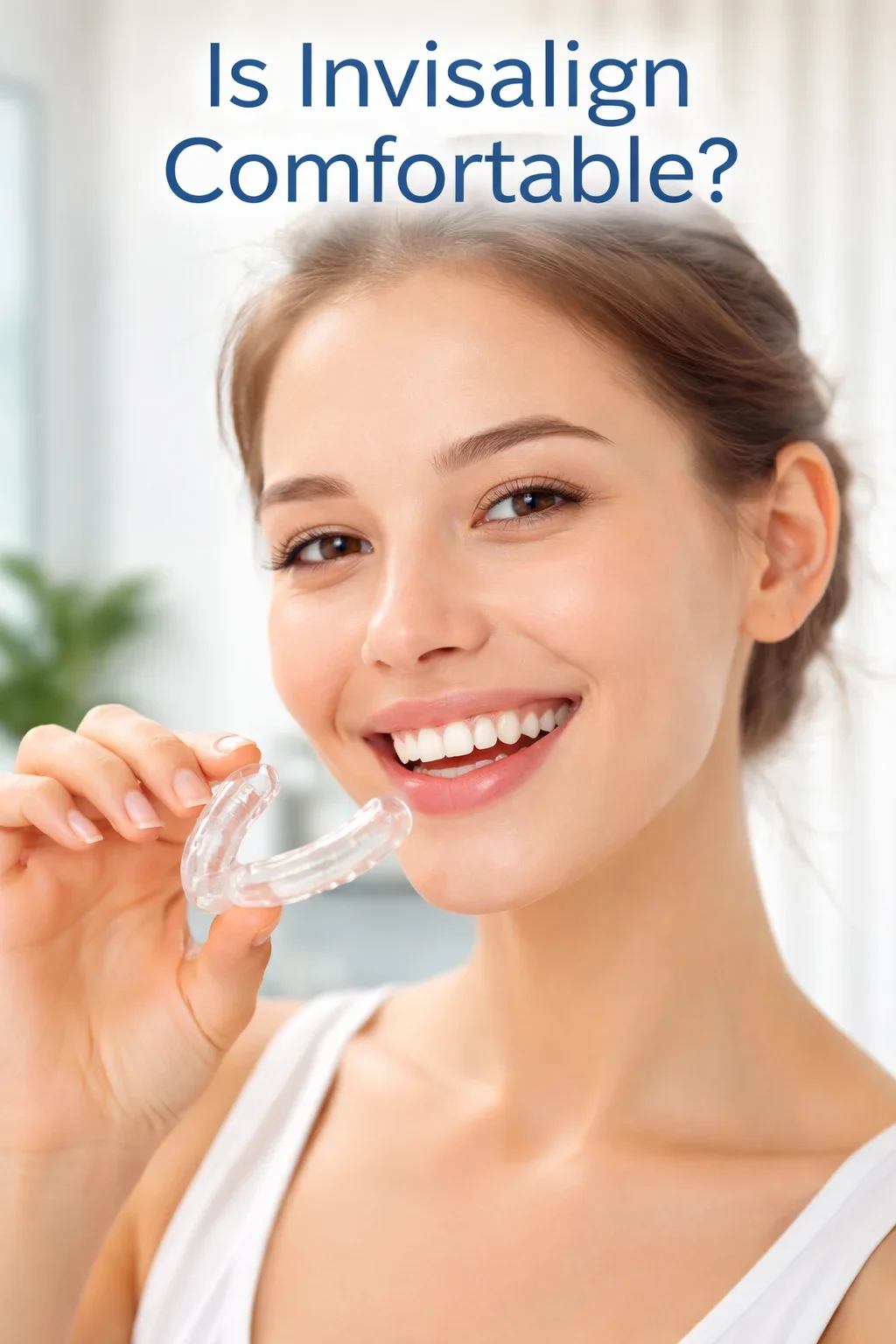
Is Invisalign Comfortable Enough for Long-Term Treatment?
For patients considering orthodontic treatment that may last several months or even over a year, an important question naturally arises: is Invisalign comfortable enough to wear for such an extended period of time? Since Invisalign aligners must be worn for approximately 20–22 hours per day throughout the treatment process, long-term comfort becomes a key factor in determining whether the treatment is practical and sustainable.
Fortunately, Invisalign was specifically designed to address this concern. The clear aligner system was developed to provide gradual tooth movement while minimizing irritation and discomfort. As a result, many orthodontic patients report that Invisalign becomes increasingly comfortable as treatment progresses. For individuals wondering is Invisalign comfortable over many months of use, the answer is typically yes, particularly once the initial adjustment period has passed.
How Invisalign Maintains Comfort Over Time
One reason Invisalign remains comfortable during long-term treatment is the gradual approach used to move teeth. Instead of making large adjustments all at once, Invisalign uses a sequence of aligners that shift the teeth slightly at each stage.
This step-by-step movement reduces the amount of pressure experienced at any given time. Because the force applied to the teeth is controlled and predictable, patients usually experience only mild tightness when switching to a new aligner. This approach helps maintain the overall comfort level and supports the idea that is Invisalign comfortable even throughout extended orthodontic treatment.
Incremental Tooth Movement
Each Invisalign aligner is carefully engineered to move teeth by small fractions of a millimeter. This incremental movement allows the surrounding bone and tissues to adapt gradually.
Compared with traditional braces, which sometimes require significant adjustments during tightening appointments, Invisalign’s progressive system creates a smoother and more comfortable experience. Patients who initially questioned is Invisalign comfortable often find that the gentle pace of treatment makes the aligners easy to wear over the long term.
Custom Design Supports Long-Term Wear
Another key factor contributing to long-term comfort is the custom design of Invisalign aligners. Each aligner is created using advanced digital scanning technology that maps the exact shape of the patient’s teeth.
This personalized approach ensures that the aligners fit snugly and distribute pressure evenly across the teeth. Because the trays are tailored to the patient’s dental structure, they rarely cause the irritation commonly associated with orthodontic appliances.
Patients who research is Invisalign comfortable are often reassured by the fact that every aligner is individually designed for their specific treatment plan.
Smooth Material for Daily Comfort
Invisalign aligners are made from medical-grade thermoplastic that is both durable and flexible. The smooth surface reduces friction inside the mouth and minimizes the risk of sores or irritation.
Traditional braces can sometimes cause small cuts on the inside of the lips or cheeks due to metal brackets and wires. Invisalign eliminates these components entirely, allowing patients to experience a gentler orthodontic journey.
This smooth design plays an important role in answering the question is Invisalign comfortable during long-term treatment.
Adapting to Invisalign Over Time
One of the most interesting aspects of Invisalign treatment is how quickly patients adapt to wearing the aligners. During the first few days, individuals may notice the presence of the trays more frequently. However, the mouth adjusts rapidly, and most patients soon forget they are wearing them.
As the treatment continues, wearing aligners becomes part of the daily routine. Patients learn to remove them before meals, clean them regularly, and reinsert them afterward. This consistent routine helps maintain comfort and ensures the treatment progresses smoothly.
Many long-term Invisalign users say that once they reach this stage, the question is Invisalign comfortable rarely comes to mind because the aligners feel completely natural.
Maintaining Comfort Throughout Treatment
Although Invisalign is designed for comfort, maintaining proper habits is essential to ensure a smooth experience throughout the treatment process.
Follow the Recommended Wear Time
Wearing aligners for the recommended 20–22 hours per day ensures that teeth move according to the treatment plan. Removing them too often can cause teeth to shift slightly backward, which may increase pressure when reinserting the aligners.
Keep Aligners Clean
Cleaning aligners regularly prevents bacteria buildup and keeps them feeling fresh. Patients should rinse the aligners whenever they remove them and brush them gently with a soft toothbrush.
Attend Regular Dental Check-Ups
Regular check-ups allow dentists to monitor progress and ensure that the aligners fit properly. Professional guidance plays a key role in maintaining comfort during orthodontic treatment.
Trusted organizations such as the American Dental Association emphasize that orthodontic treatments should always be supervised by qualified dental professionals to ensure safe and effective results.
Confidence and Comfort During Long-Term Treatment
Long-term orthodontic treatment affects not only physical comfort but also emotional well-being. Invisalign aligners are nearly invisible, which allows patients to maintain confidence while undergoing treatment.
Many adults choose Invisalign specifically because the aligners are discreet and do not interfere with professional or social interactions. This psychological comfort adds another dimension to the question is Invisalign comfortable.
Feeling confident while smiling, speaking, and interacting with others makes the orthodontic journey far more enjoyable.
Professional Support Makes the Experience Easier
Patients who want to ensure their treatment remains comfortable throughout the entire process should maintain open communication with their dental professionals. Dentists can provide advice, adjust treatment plans if necessary, and answer any concerns about aligner fit or comfort.
If you are interested in learning more about Invisalign or discussing whether clear aligners are suitable for your dental needs, you can contact experienced dental professionals through the Redent Klinik Contact Page. Personalized guidance can help ensure the treatment plan meets both functional and comfort expectations.
Final Thoughts on Long-Term Invisalign Comfort
For most patients, Invisalign provides a comfortable and practical solution for long-term orthodontic treatment. The gradual tooth movement, smooth aligner material, and custom design all contribute to a positive experience.
Although mild pressure may occur when starting a new aligner, this sensation is usually temporary and manageable. Over time, patients adapt to the aligners and often forget they are wearing them.
Ultimately, when patients ask is Invisalign comfortable enough for long-term use, the answer for many individuals is yes. Invisalign combines effective orthodontic technology with patient-centered comfort, making it one of the most popular and convenient teeth-straightening solutions available today.