
In today’s digital era, technology has become an essential part of every successful dental clinic. From patient management to imaging systems and cybersecurity, IT for dental office environments is not just about convenience—it’s about survival and growth. Whether you operate a single-chair practice or a multi-location clinic, implementing the right IT solutions can streamline operations, enhance patient trust, and ensure compliance with data protection laws. Let’s explore how modern IT infrastructure can revolutionize the way dental offices function in 2025 and beyond. 🦷💻
Modern dentistry relies on precision, speed, and communication. Without a well-structured IT setup, even the most skilled dental team can face delays, data breaches, or patient dissatisfaction. A dental office today handles massive volumes of digital data—patient records, X-rays, 3D imaging files, insurance details, and appointment schedules. All this information must be securely stored, easily accessible, and efficiently managed. That’s where IT for dental office systems come in, providing the technological backbone for efficient clinical and administrative workflows.
One of the most impactful benefits of adopting information technology for dental offices is the ability to integrate digital tools into daily operations. For instance, practice management software can automate billing, appointment scheduling, and patient communication. Cloud-based record systems enable secure access to data from any device while maintaining HIPAA compliance. With these solutions in place, dental professionals can focus on what truly matters—patient care—without being overwhelmed by administrative burdens.
Furthermore, digital imaging and diagnostic technologies have advanced significantly thanks to robust IT infrastructure. High-resolution imaging systems, digital radiography, and 3D scanners generate large data files that must be processed and stored efficiently. A powerful IT system ensures that these images load quickly, integrate seamlessly with patient profiles, and can be shared across departments in seconds. This saves valuable time and reduces the risk of human error, ultimately improving diagnosis and treatment accuracy.
Another crucial aspect of IT for dental office environments is cybersecurity. Dental practices store sensitive patient data, making them prime targets for cyberattacks. Ransomware, phishing, and data theft are real threats that can cause devastating financial and reputational damage. Modern IT solutions offer multi-layered protection, including encryption, firewalls, and automatic backup systems. Regular updates and professional monitoring further ensure that patient data remains safe. It’s not just a matter of technology—it’s about building trust between dentists and their patients.
Communication is another area where technology has reshaped dental operations. Unified communication platforms allow instant messaging, teleconferencing, and secure document sharing among dental staff. In addition, online appointment booking systems and automated reminders help reduce no-shows and enhance patient engagement. Integrating these systems through proper IT for dental office frameworks ensures that every interaction—whether internal or external—is smooth, secure, and documented.
IT also plays a vital role in compliance and record management. Regulations from authorities like the American Dental Association emphasize the importance of digital recordkeeping and data security. By adopting compliant IT systems, dental offices can avoid legal risks and maintain a professional reputation. Backup systems ensure that even in the event of a system crash, no critical data is lost. This level of reliability builds confidence not only among staff but also among patients who trust the clinic with their personal information.
Cost-efficiency is another major benefit of implementing proper IT solutions. While the initial investment might seem high, the long-term savings are substantial. Efficient systems reduce labor costs, minimize human errors, and improve patient retention. Many clinics even see revenue growth through optimized scheduling, marketing automation, and online payment integrations—all driven by a strong IT foundation. For instance, clinics that adopt full IT integration often report a 20–30% improvement in overall operational efficiency within the first year. 💡
For dentists who are considering upgrading their digital systems or starting from scratch, partnering with an experienced IT service provider is essential. A reliable partner can assess your current infrastructure, recommend necessary upgrades, and ensure smooth integration of all tools. You can even consult with experts via the Redent Klinik Contact Page to get personalized advice on implementing IT systems that fit your clinic’s size, budget, and growth goals.
In conclusion, IT for dental office setups are no longer optional—they’re fundamental to delivering high-quality, efficient, and secure dental care. From improving workflow and patient satisfaction to ensuring data protection and regulatory compliance, modern IT solutions provide the tools every dental professional needs to thrive in a competitive industry. As the healthcare landscape continues to evolve, investing in technology is the smartest move any dental practice can make to stay ahead of the curve. 🏆
Why Every Dental Office Needs Modern IT Infrastructure
In the competitive field of dentistry, modern technology is no longer a luxury—it’s a necessity. Investing in IT for dental office infrastructure ensures that your clinic remains efficient, secure, and patient-centered. Whether you’re managing appointment systems, digital X-rays, or billing software, an optimized IT foundation enables smooth operations and long-term growth. Without a reliable system, even small disruptions can lead to scheduling chaos, data loss, and reduced patient trust. Let’s explore why every dental office should prioritize modern IT infrastructure as a core business asset rather than an optional expense. 💡
The Backbone of Efficiency in Modern Dentistry
Efficiency is the heartbeat of every successful dental practice. From the front desk to the treatment chair, every process depends on accurate and fast data management. An advanced IT for dental office setup connects all systems—scheduling, imaging, billing, and patient communication—into one streamlined ecosystem. This integration allows staff to focus more on patient care and less on administrative paperwork.
For example, cloud-based patient management systems can automate appointment reminders, store records securely, and even integrate with dental imaging software. Staff no longer need to juggle multiple tools or risk losing paper files. A unified IT structure ensures real-time data access, quick updates, and seamless communication across departments. This not only improves productivity but also reduces stress for both staff and patients.
Enhanced Data Accuracy and Patient Record Management
Accurate patient records are the foundation of safe and effective treatment. Manual recordkeeping, however, is prone to human error and misplacement. Modern information technology for dental offices eliminates these risks through electronic health records (EHR) and secure digital databases. With robust IT infrastructure, you can track medical history, treatment plans, insurance details, and billing information—all in one place.
Moreover, data backup and recovery systems ensure that even in the event of a power failure or cyberattack, patient records remain safe and accessible. This reliability not only supports daily operations but also builds trust among patients who value confidentiality and professionalism. Dental clinics using strong IT systems often report up to 40% fewer administrative errors compared to those relying on traditional paperwork methods.
Improving Communication and Collaboration
Modern dental practices are team-driven environments. Dentists, hygienists, assistants, and administrative staff must work together efficiently. Reliable IT for dental office systems enable instant communication through secure messaging, shared calendars, and collaborative cloud platforms. For multi-location dental groups, centralized systems ensure that all clinics share synchronized data and treatment updates in real time.
Additionally, communication with patients becomes easier and more personalized. Email notifications, automated text reminders, and patient portals enhance engagement and reduce missed appointments. Integrating IT solutions with marketing software also helps in sending follow-up care instructions, satisfaction surveys, or promotional offers—all while maintaining compliance with privacy regulations like HIPAA.
Example: How One Clinic Improved Workflow
Consider a dental practice that upgraded its systems with a comprehensive IT for dental office solution. Within six months, they reported a 25% decrease in administrative workload and a 30% increase in patient satisfaction. Automated workflows replaced manual data entry, while real-time communication tools helped resolve patient inquiries faster. This transformation demonstrates how technology directly influences operational efficiency and overall business growth.
Data Security and Compliance: The Cornerstone of Trust
Data protection has become one of the top priorities in healthcare. Dental offices store sensitive information such as patient identities, treatment plans, and payment details. Without proper IT protection, this data is at risk of breaches and cyberattacks. Modern IT infrastructure introduces multiple security layers—firewalls, encrypted databases, and secure access controls—to safeguard this information.
Additionally, compliance with organizations such as the American Dental Association ensures that your systems meet legal standards for healthcare information management. Proper IT for dental office design includes automated backups, audit logs, and controlled user permissions. This not only keeps your clinic compliant but also enhances your credibility in the eyes of both patients and partners.
Scalability and Future-Proofing Your Dental Practice
One of the biggest advantages of investing in IT is scalability. As your dental clinic grows, so do your data and operational demands. A flexible IT setup allows easy expansion—whether you’re adding new treatment rooms, integrating new diagnostic tools, or opening additional branches. With cloud computing and modular systems, growth becomes effortless and cost-efficient.
Furthermore, emerging technologies such as AI-driven diagnostics, predictive analytics, and 3D imaging rely on advanced computing power. Having the right IT for dental office foundation prepares you for seamless integration of these innovations. It’s not just about keeping up with trends; it’s about positioning your clinic at the forefront of modern dentistry.
Budgeting for IT Upgrades
Some clinic owners hesitate to invest in new systems due to perceived high costs. However, many affordable options exist today. Here’s a sample breakdown of average investment ranges:
- Cloud-based patient management software: $100–$300 per month
- Cybersecurity and data backup solutions: $500–$1,200 annually
- Hardware upgrades (computers, servers, routers): $2,000–$5,000 one-time
- IT maintenance and support services: $200–$600 per month
These investments quickly pay off by reducing operational downtime and increasing revenue through better efficiency and patient retention. 💰 For clinics seeking personalized consultation on system upgrades, the Redent Klinik Contact Page offers direct access to professionals experienced in healthcare IT implementations.
Conclusion: Technology as the New Dental Assistant
Ultimately, modern IT for dental office infrastructure acts as a silent assistant that works 24/7. It ensures data accuracy, accelerates workflows, strengthens security, and enhances patient experiences. As dental practices continue to embrace digital transformation, the difference between a clinic that thrives and one that merely survives often lies in the strength of its IT foundation. Investing in technology today means preparing for a more efficient, profitable, and patient-friendly tomorrow. 🌟
Key Benefits of IT for Dental Office Operations
Investing in IT for dental office operations provides far-reaching benefits that go beyond convenience. In the modern dental environment, technology acts as a bridge between clinical excellence and administrative efficiency. From improving data management to enhancing patient satisfaction and ensuring regulatory compliance, the right IT system can transform every aspect of a dental clinic’s workflow. Below, we’ll explore the major advantages of using advanced IT solutions and how they can drive both short-term and long-term success for your dental practice. 🦷💻
1. Streamlined Workflow and Time Efficiency
Time is one of the most valuable assets in dentistry. Manual processes like scheduling, billing, and patient data entry can consume hours of staff time each week. With an optimized IT for dental office setup, these repetitive tasks are automated and synchronized. Appointment systems can send reminders automatically, invoices can be generated instantly, and patient information can be updated in real time across all systems.
By automating administrative duties, your staff can dedicate more energy to patient care and customer service. For instance, clinics that adopt modern IT workflows often report up to a 35% reduction in daily administrative workload. This leads to faster patient turnaround, better time management, and higher overall satisfaction for both patients and employees. ⏱️
2. Enhanced Data Security and Backup Protection
One of the most critical responsibilities of any healthcare provider is protecting sensitive patient data. Dental offices store medical histories, treatment plans, and financial information—making them attractive targets for cybercriminals. Advanced information technology for dental offices includes robust security protocols such as firewalls, encryption, and multi-factor authentication to prevent unauthorized access.
In addition, automated backup systems ensure that even if your main server fails, your clinic can quickly recover essential information without data loss. This is especially important for maintaining compliance with regulations from organizations like the American Dental Association. Implementing reliable IT infrastructure protects your clinic from both financial penalties and reputational harm. 🛡️
3. Improved Patient Experience and Communication
Patients today expect a seamless digital experience—from booking an appointment online to receiving post-treatment reminders. Integrating IT for dental office systems enables clinics to communicate effectively through automated emails, SMS notifications, and personalized portals. Patients can access their treatment history, view upcoming appointments, and even make payments online.
Moreover, advanced CRM (Customer Relationship Management) systems help dental clinics deliver a personalized touch. These systems track patient preferences, birthdays, and prior treatments to send customized reminders or promotions. This proactive engagement builds loyalty and enhances the overall patient experience—turning first-time visitors into long-term clients.
Example: Digital Communication Success Story
One dental clinic in Europe adopted a cloud-based IT communication system and experienced a 28% increase in patient retention within six months. Automated messages reduced no-show rates, while secure chat platforms enabled real-time consultation for minor follow-ups. This case shows how leveraging IT for dental office communication tools directly boosts profitability and patient satisfaction.
4. Cost Savings and Higher Profit Margins
Contrary to popular belief, investing in IT infrastructure doesn’t just cost money—it saves it. By optimizing workflows, reducing errors, and improving billing accuracy, dental offices can significantly lower operational expenses. For example, paperless billing and online payments minimize printing costs, while automated claims management speeds up insurance reimbursements.
Modern IT analytics also provide valuable financial insights. Using practice management dashboards, you can track revenue trends, monitor staff productivity, and identify inefficiencies. This data-driven approach ensures that every investment—from equipment purchases to staffing decisions—is backed by accurate information. Over time, clinics using effective IT for dental office solutions report an average of 15–25% improvement in profit margins.
5. Better Decision-Making Through Data Analytics
In the digital age, data is power. Dental clinics that utilize IT-driven analytics can make smarter, evidence-based decisions. Advanced dashboards collect information from multiple systems—patient records, appointment histories, and financial reports—to provide actionable insights. These insights help identify patterns, such as which treatments are most profitable or which time slots yield the highest appointment rates.
Furthermore, predictive analytics tools powered by artificial intelligence can anticipate patient needs, optimize scheduling, and reduce idle time. When integrated properly, IT for dental office analytics can guide strategic planning and help clinics stay competitive in a fast-changing healthcare market.
Data-Driven Marketing Insights
IT solutions also enhance marketing precision. By analyzing patient demographics and online behavior, dental offices can target their campaigns more effectively. For instance, a clinic might discover that patients aged 25–40 respond better to online promotions for cosmetic dentistry. This level of insight ensures that marketing budgets are spent wisely, delivering a measurable return on investment (ROI).
6. Regulatory Compliance and Legal Protection
Regulations in healthcare are strict, especially concerning patient data privacy. A comprehensive IT for dental office system ensures compliance with standards such as HIPAA in the U.S. and GDPR in Europe. Automatic audit trails, encrypted communications, and access controls help prevent accidental data breaches or legal violations.
Moreover, modern IT systems maintain accurate logs of who accessed patient data and when. This transparency not only ensures compliance but also protects the clinic in the event of audits or disputes. Maintaining digital documentation through secure software demonstrates professionalism and trustworthiness to both regulators and patients.
7. Scalability and Competitive Advantage
Another overlooked benefit of IT infrastructure is scalability. As your clinic grows, adding new workstations, treatment chairs, or even new branches becomes effortless with cloud-based solutions. The flexibility of modern systems allows for expansion without major disruptions. This scalability gives dental offices a strong competitive edge, allowing them to adapt quickly to patient demand and market trends.
Long-Term Business Growth
Clinics that adopt scalable IT for dental office solutions are better prepared to introduce innovations like tele-dentistry, 3D imaging, and AI-driven diagnosis tools. These advancements not only attract tech-savvy patients but also position your clinic as a leader in modern dentistry. 🌐
Conclusion: A Strategic Investment in the Future
In summary, the benefits of implementing IT for dental office systems are immense—from boosting productivity and security to improving patient experiences and profitability. It’s a strategic investment that pays for itself over time by reducing costs, increasing efficiency, and strengthening trust. To discuss how to implement or upgrade IT infrastructure tailored to your clinic, visit the Redent Klinik Contact Page and connect with experienced healthcare technology consultants. 🚀
How Cloud Computing Enhances Data Security in Dental Offices
In the era of digital dentistry, cloud technology has become a cornerstone of secure, efficient, and scalable practice management. Implementing IT for dental office systems that leverage cloud computing allows dental professionals to store, manage, and share critical data without relying on on-site servers that are vulnerable to hardware failures and cyber threats. This transformation not only enhances operational efficiency but also fortifies patient data protection—an essential requirement for every modern clinic. Let’s explore in detail how cloud computing is revolutionizing dental data security and reshaping how clinics operate in the digital age. ☁️💻
Understanding Cloud Computing in Dentistry
Cloud computing refers to the use of remote servers hosted on the internet to store and manage data rather than relying on local computers. In the context of IT for dental office solutions, this means that patient records, X-rays, billing data, and appointment schedules are securely stored and accessible from any authorized device with an internet connection. Instead of maintaining expensive in-house servers, clinics can use cloud platforms managed by professional providers with high-level encryption and security compliance.
This approach eliminates the need for physical storage, reduces the risk of data loss, and ensures business continuity. For dental offices, which handle large volumes of digital imaging and personal information, cloud computing provides an unprecedented level of flexibility and reliability. Moreover, cloud-based systems automatically update and patch vulnerabilities, minimizing the chances of cyber threats or data breaches.
1. Robust Data Encryption and Access Control
One of the most significant advantages of using IT for dental office cloud systems is advanced encryption. Data stored in the cloud is encrypted both during transfer and while at rest. This means that even if an unauthorized user intercepts the data, it remains unreadable without the correct encryption keys. Furthermore, cloud service providers offer multi-factor authentication and role-based access control, ensuring that only authorized staff can view or modify sensitive information.
For example, a receptionist might have access to scheduling details but not patient medical histories, while the dentist can view treatment plans and imaging data. This controlled access minimizes internal security risks and ensures compliance with healthcare data protection laws such as HIPAA or GDPR.
2. Automatic Backup and Disaster Recovery
Dental practices face constant risks of data loss due to accidental deletions, malware, or hardware failures. Cloud computing mitigates these risks by providing automatic, real-time backups. If a computer crashes or files are corrupted, a cloud-based IT for dental office system can instantly restore the data from its latest backup.
Disaster recovery plans offered by cloud providers go beyond standard backups—they ensure your dental practice remains operational even in catastrophic events like natural disasters or ransomware attacks. Data redundancy across multiple secure servers guarantees that your information is never lost or inaccessible. This level of protection simply isn’t achievable with traditional local storage systems.
3. Compliance with Healthcare Regulations
Dental clinics must comply with strict healthcare regulations to protect patient privacy and ensure legal security. Cloud-based IT for dental office solutions are designed to meet these standards automatically. Leading providers adhere to the requirements set by the American Dental Association and other global authorities, including HIPAA (Health Insurance Portability and Accountability Act) in the United States.
These platforms feature audit trails that track who accessed data, when, and for what purpose. Encryption, identity verification, and secure logins further enhance accountability. By implementing compliant IT systems, dental offices can focus on patient care instead of worrying about potential fines or legal issues resulting from data mishandling.
Case Example: ADA-Compliant Cloud Solution
One U.S.-based clinic implemented an ADA-compliant cloud platform that automatically encrypted patient data and created daily off-site backups. Within months, their administrative efficiency improved by 40%, and security audits confirmed full HIPAA compliance. This real-world example highlights the tangible benefits of using IT for dental office cloud systems for long-term peace of mind and operational resilience.
4. Remote Access and Collaboration Benefits
Modern dentistry often requires collaboration among multiple professionals—specialists, hygienists, and administrative staff. Cloud computing makes this coordination effortless. Authorized team members can securely access patient files, digital imaging, and lab results from anywhere, enabling remote consultations and tele-dentistry services.
For instance, a specialist can review a 3D scan uploaded by a general dentist without needing to physically transfer files via USB or email. Cloud-based IT for dental office systems ensure that this data sharing happens securely, maintaining encryption and access control even in collaborative environments. This flexibility enhances care quality, speeds up decision-making, and improves patient outcomes.
Tele-Dentistry Integration Example
During the COVID-19 pandemic, many dental clinics shifted to tele-dentistry to provide remote consultations. Cloud platforms made this transition smooth by allowing dentists to securely share X-rays, treatment plans, and prescriptions with patients. These secure virtual sessions are now a permanent feature of many modern clinics, proving the long-term value of cloud integration in IT for dental office setups. 📱🦷
5. Cost Efficiency and Scalability
Another remarkable benefit of cloud technology is its cost-effectiveness. Traditional on-premise servers require constant maintenance, IT staff, and hardware upgrades. In contrast, cloud solutions work on a subscription model—clinics pay only for the resources they use. This pay-as-you-go structure is perfect for growing dental practices that need scalability without large upfront investments.
Additionally, cloud computing allows instant scaling. If your clinic adds new branches or increases patient volume, storage and processing power can be expanded with a few clicks. This scalability ensures your IT for dental office infrastructure can evolve alongside your business goals without downtime or data migration challenges.
6. Continuous Updates and Advanced Protection
Cloud providers continuously update their systems with the latest security features. Unlike traditional setups, where updates depend on manual intervention, cloud-based IT systems receive automatic patches that fix vulnerabilities immediately. These proactive updates help prevent emerging threats like ransomware or phishing attacks, ensuring constant protection of patient data.
Furthermore, AI-powered monitoring tools can detect unusual login patterns or suspicious activities in real time. This intelligent surveillance feature enhances the defense system and adds another protective layer to your clinic’s cybersecurity strategy.
Conclusion: The Future of Secure Dental Practice Management
Cloud computing has completely redefined the security landscape for dental offices. By implementing IT for dental office systems that rely on cloud infrastructure, clinics gain a secure, scalable, and cost-efficient solution that supports modern patient care. From data encryption and compliance to remote collaboration and automatic updates, the cloud offers everything needed to ensure peace of mind and professional excellence. To explore tailored cloud options for your dental clinic, visit the Redent Klinik Contact Page and connect with experts who specialize in healthcare IT integration. 🌐
The Role of IT Support in Improving Patient Experience
In the modern dental industry, patient experience is no longer limited to clinical expertise alone—it’s also shaped by how efficiently technology supports every interaction. From scheduling appointments to post-treatment follow-ups, IT for dental office systems play a vital role in creating a seamless, stress-free, and professional experience for every patient. The right IT infrastructure not only enhances convenience but also builds long-term trust and loyalty among patients. In this section, we’ll explore how robust IT support improves every touchpoint in the patient journey, creating a dental practice that thrives both technologically and reputationally. 🦷💻
1. Streamlined Appointment Scheduling and Check-In
One of the most visible ways IT for dental office support enhances patient experience is through digital scheduling systems. These platforms allow patients to book, reschedule, or cancel appointments online—anytime, anywhere. Instead of waiting on hold, patients can view real-time availability and select convenient time slots instantly. This flexibility not only reduces administrative pressure but also minimizes no-shows through automated reminders sent via SMS or email.
Moreover, modern digital check-in systems eliminate long waiting lines. Upon arrival, patients can use touch-screen kiosks or mobile apps to confirm appointments and update medical information. The integration of these systems with practice management software ensures that patient records are instantly updated across all departments, saving valuable time for both staff and patients. ⏱️
Case Example: Digital Efficiency in Practice
A multi-location dental chain in Germany implemented a cloud-based scheduling platform as part of its IT for dental office framework. Within three months, patient wait times decreased by 40%, and appointment confirmation accuracy improved significantly. The system automatically synchronized data between branches, ensuring consistency and improving the patient journey across all touchpoints.
2. Personalized Communication and Engagement
Modern patients expect personalized service. With advanced information technology for dental offices, practices can send tailored communications based on individual needs. Automated systems can track patient treatment history, preferences, and upcoming procedures, allowing clinics to send personalized reminders, birthday messages, or care tips.
This engagement goes beyond standard communication—it creates an emotional connection between the clinic and the patient. Email newsletters featuring oral care advice, special promotions, or community involvement updates strengthen trust and reinforce the clinic’s professional image. With integrated IT solutions, these communications are automated, targeted, and tracked for performance, ensuring patients feel valued and connected. 💬
3. Improved Clinical Workflow and Accuracy
Patient satisfaction depends heavily on accurate and timely care. Modern IT for dental office setups enhance diagnostic precision through the integration of digital imaging, 3D scanning, and chairside data visualization. For example, digital X-rays are immediately uploaded to cloud-based systems, allowing the dentist to access and analyze results within seconds. This reduces waiting time and enables faster treatment decisions.
Furthermore, IT integration minimizes errors by synchronizing patient data across all systems—treatment plans, prescriptions, and insurance information remain consistent and up-to-date. This not only improves patient safety but also enhances confidence in the clinic’s professionalism.
Clinical Example: Chairside Data Integration
A dental office in Toronto integrated its imaging software with its electronic health records (EHR) system. As a result, diagnostic reports were instantly accessible on the dentist’s screen during patient consultations. This immediate access empowered dentists to explain findings more clearly, improving transparency and patient understanding of their treatments—a core benefit of modern IT for dental office systems.
4. Building Trust Through Transparency and Data Access
Transparency is key to patient satisfaction. Modern IT platforms allow patients to securely access their own records, treatment histories, and invoices through online portals. This not only builds confidence but also empowers patients to take an active role in their oral health decisions. When supported by secure IT for dental office infrastructure, these portals ensure that all shared data remains encrypted and private, fostering a sense of trust.
For example, patients can log into their account to view past procedures, check future appointments, or make secure online payments. These digital conveniences significantly improve user experience while reinforcing the clinic’s credibility as a modern, patient-centered healthcare provider.
5. Enhanced Feedback and Reputation Management
Another area where IT support improves the patient experience is feedback collection. Automated survey tools allow clinics to request patient reviews immediately after appointments. These systems can analyze feedback and generate performance reports, helping managers identify strengths and improvement areas.
Positive experiences can be promoted across platforms such as Google or social media, increasing visibility and reputation. Negative feedback, on the other hand, can trigger automated alerts for management to resolve issues quickly. This responsive loop—enabled by IT for dental office automation—shows patients that their opinions matter, increasing retention and loyalty. 🌟
6. Data Security for Patient Confidence
Nothing undermines patient trust more than a data breach. That’s why advanced IT systems focus heavily on cybersecurity. With secure cloud storage, encryption, and multi-layer authentication, patients can rest assured that their sensitive information is fully protected. Compliance with organizations such as the American Dental Association ensures that clinics follow best practices for healthcare data management.
By proactively safeguarding patient data, dental offices not only avoid legal troubles but also demonstrate professionalism and integrity—core factors influencing patient confidence. When patients feel safe sharing their information, they’re more likely to stay loyal and recommend the clinic to others.
7. Accessibility and Remote Care Options
Modern IT for dental office systems make remote consultations, online prescriptions, and virtual care possible. Through secure tele-dentistry platforms, patients can receive follow-up care or discuss treatment options without visiting the clinic physically. This is especially valuable for elderly patients, those in rural areas, or individuals with mobility challenges.
Tele-dentistry also allows clinics to expand their service range and provide educational content through webinars or virtual checkups. It’s a win-win for both sides: patients enjoy convenience, and clinics gain efficiency and increased patient reach. 📱
Conclusion: The Human Side of Digital Dentistry
Ultimately, the true power of IT for dental office systems lies in their ability to enhance the human experience. Technology bridges the gap between efficiency and empathy, ensuring that every patient feels cared for from the first click to the final smile. By combining secure digital tools, personalized communication, and transparent access to care, dental offices can deliver a superior experience that sets them apart in a competitive marketplace. To explore ways to improve your clinic’s patient experience through technology, visit the Redent Klinik Contact Page and connect with dental IT experts who specialize in patient-focused solutions. 💙
Cybersecurity Best Practices for Dental Clinics
With the growing dependence on digital systems, dental offices have become prime targets for cyber threats. From patient records to payment details, clinics store a treasure trove of sensitive data that hackers seek to exploit. Implementing robust IT for dental office security strategies is no longer optional—it’s a vital responsibility for every healthcare provider. Cybersecurity not only protects patient information but also safeguards your clinic’s reputation and ensures compliance with legal regulations. In this section, we’ll explore proven best practices to fortify your dental clinic against evolving digital risks. 🔐
1. Understanding the Unique Cyber Risks in Dental Offices
Dental clinics often underestimate the level of threat they face. Many assume that hackers only target hospitals or large corporations. In reality, small and mid-sized dental offices are more vulnerable precisely because they lack robust defenses. IT for dental office systems typically manage patient records, appointment schedules, billing data, and diagnostic images—all valuable assets for cybercriminals.
Common threats include ransomware (where hackers encrypt your data and demand payment), phishing scams that trick staff into revealing passwords, and malware that infiltrates systems through email attachments or outdated software. A single breach can result in catastrophic consequences, from lost patient trust to legal penalties for violating data protection regulations like HIPAA or GDPR.
Example: Ransomware Attack on a Dental Chain
In 2023, a dental chain in Europe experienced a ransomware attack that froze their appointment systems and encrypted all patient files. The clinic had to close for five days, losing tens of thousands of euros. Afterward, they invested in advanced IT for dental office cybersecurity measures, including cloud backups and network monitoring, which prevented future incidents. This real-world example highlights how prevention is far less costly than recovery.
2. Implementing Strong Password Policies and Access Controls
The first line of defense in cybersecurity is access management. Every dental clinic should enforce strong password policies—requiring complex, unique passwords that change regularly. Multi-factor authentication (MFA) adds another layer of protection by verifying user identity through mobile or biometric confirmation.
For maximum safety, IT for dental office systems should implement role-based access controls. This ensures that staff members only access information relevant to their roles. For example, receptionists might view appointment data, while only the dentist and hygienist have access to clinical files. Limiting permissions helps minimize internal security breaches, whether accidental or intentional.
3. Encrypting Data and Securing Networks
Encryption is essential for protecting patient data both in transit and at rest. This means that even if hackers intercept the data, they cannot decipher it without the correct encryption key. Modern IT for dental office software uses AES-256 encryption—the same standard used by banks and government institutions.
Network security is equally important. Clinics should invest in professional-grade firewalls, secure Wi-Fi with WPA3 encryption, and virtual private networks (VPNs) for remote access. Regularly updating routers and disabling guest network access reduces potential entry points for cyberattacks. Your network should be treated like a digital fortress, monitored and updated continuously. 🏰
Pro Tip: Segmented Network Architecture
Divide your network into segments—for example, one for administrative tasks and another for clinical operations. This segmentation, part of advanced IT for dental office design, ensures that if one system is compromised, others remain protected. It’s like building digital walls inside your network to stop a threat from spreading.
4. Regular Software Updates and Patch Management
Many data breaches occur because of outdated software. Cybercriminals exploit vulnerabilities in old programs to infiltrate systems. To prevent this, clinics should implement automated patch management that keeps all operating systems, applications, and devices up-to-date. This includes antivirus software, imaging systems, and even third-party plugins.
Incorporating managed IT services ensures continuous monitoring and immediate deployment of patches as soon as they’re available. A reliable IT for dental office support provider can automate these updates, reducing the burden on staff and preventing downtime. Consistent maintenance is a simple yet powerful defense strategy.
5. Regular Data Backups and Disaster Recovery Plans
Even the best security measures cannot guarantee absolute protection. That’s why reliable data backups are essential. Backups should be automatic, frequent, and stored in encrypted cloud environments. Cloud storage solutions are particularly effective for IT for dental office setups because they offer remote access and redundant backups across multiple locations.
A comprehensive disaster recovery plan ensures that in case of an attack or hardware failure, your clinic can restore operations within hours—not days. This includes detailed recovery steps, contact information for IT providers, and communication protocols to notify staff and patients.
Backup Frequency Recommendation
- Daily incremental backups of patient records
- Weekly full backups of all systems
- Off-site cloud storage with end-to-end encryption
- Quarterly disaster recovery drills to test system readiness
Following this routine can reduce downtime from days to mere minutes in case of data loss. 💾
6. Staff Training and Cybersecurity Awareness
Technology alone cannot stop cyberattacks—people must be trained to use it safely. Human error remains the leading cause of security breaches in healthcare. Therefore, every team member, from front desk staff to dental assistants, should undergo regular cybersecurity training. These sessions should teach employees how to recognize phishing emails, avoid suspicious links, and handle patient data responsibly.
A comprehensive IT for dental office strategy includes annual refresher courses and simulated phishing tests. Clinics that invest in employee awareness often experience a 70% drop in security incidents. Education turns staff into the strongest line of defense instead of the weakest link. 🎓
7. Compliance with Industry Standards and Regular Audits
Compliance is more than a legal requirement—it’s a trust-building tool. Dental clinics should follow cybersecurity frameworks established by organizations like the American Dental Association, as well as international standards such as ISO/IEC 27001. Regular IT audits verify whether your systems meet these standards and help identify vulnerabilities before they become threats.
Partnering with a professional IT service provider ensures that your IT for dental office setup stays compliant and up-to-date. Audits typically assess encryption levels, password strength, backup reliability, and staff training effectiveness, producing detailed reports that guide future improvements.
8. Advanced Threat Detection and Response Systems
Modern cyber threats are evolving rapidly. Artificial intelligence (AI) and machine learning can now detect unusual patterns in system activity—such as unauthorized access attempts or irregular data transfers. Integrating these technologies into your IT for dental office infrastructure enables real-time protection and automated responses to potential threats.
For example, if a suspicious login attempt occurs from an unfamiliar device, the system can automatically lock the account and alert administrators. These proactive measures prevent breaches before they cause damage, providing peace of mind and uninterrupted patient care.
Conclusion: Building a Cyber-Resilient Dental Practice
Cybersecurity is not a one-time project—it’s an ongoing commitment. A secure IT for dental office environment protects patient trust, ensures operational continuity, and upholds your clinic’s reputation. By implementing strong passwords, encryption, backups, and continuous staff training, your dental practice can stay ahead of evolving digital threats. To strengthen your clinic’s cybersecurity strategy with expert guidance, visit the Redent Klinik Contact Page and connect with professionals who specialize in secure healthcare IT systems. 🛡️
Cost of Implementing IT Solutions for Dental Offices 💰
When planning to modernize your clinic, understanding the cost of implementing IT for dental office solutions is essential. Many dental professionals assume that advanced IT systems are prohibitively expensive, but in reality, the investment is scalable and tailored to the size, goals, and needs of the clinic. Whether you’re setting up digital record systems, cybersecurity infrastructure, or cloud-based imaging storage, the right financial strategy ensures long-term savings and productivity. In this section, we’ll break down every major cost component, analyze return on investment (ROI), and offer practical guidance for maximizing value while keeping expenses under control. 🏦
1. Initial Investment vs. Long-Term Value
Implementing IT for dental office systems requires an upfront investment in both hardware and software. However, these costs should be seen as strategic investments rather than operational expenses. Modern IT infrastructure eliminates inefficiencies, reduces administrative workloads, and enhances patient satisfaction—all of which lead to higher revenue over time.
Typically, smaller clinics can start with essential systems like electronic health records (EHR) and secure networking, while larger practices may integrate advanced imaging servers, AI-based diagnostics, and multi-branch management systems. The key is scalability—your IT infrastructure should grow with your clinic, not burden it financially.
Example: Cost Comparison Over Time
| Investment Type | Initial Cost | Annual Maintenance | ROI Period |
|---|---|---|---|
| Cloud-based EHR & Scheduling System | $1,500 – $3,000 | $600 – $1,200 | 6–12 months |
| Cybersecurity & Backup | $800 – $2,000 | $400 – $800 | Immediate (protection-based) |
| Hardware Upgrades (PCs, Routers, Monitors) | $3,000 – $6,000 | $300 – $500 | 2 years |
| Practice Management Software (License) | $1,000 – $2,500 | Subscription-based | 9–15 months |
This breakdown shows that while initial costs exist, the cumulative efficiency gains and time savings often make IT integration profitable within the first year. The automation of billing, appointment management, and patient communication reduces manual labor costs and errors—saving thousands annually.
2. Major Cost Components of Dental IT Implementation
The total cost of IT for dental office systems depends on the scope of integration. Below are the most common cost categories that clinics should consider:
- Hardware: Includes computers, tablets, dental imaging monitors, routers, and servers. Cost: $3,000–$10,000 depending on clinic size.
- Software: Practice management, imaging software, cybersecurity suites, and data backup systems. Cost: $1,000–$5,000 annually.
- Network Infrastructure: Firewalls, VPNs, secure Wi-Fi systems, and cabling installations. Cost: $800–$2,500.
- Cloud Storage: Cloud-based record systems with encryption and compliance features. Cost: $50–$200/month.
- Maintenance and Support: Ongoing technical support and system monitoring. Cost: $200–$600/month.
In addition, investing in staff training and cybersecurity awareness adds approximately $500–$1,000 per year but is critical for preventing costly mistakes such as phishing or data breaches.
3. The Role of Cloud Computing in Reducing Costs
Cloud computing significantly reduces upfront expenses by eliminating the need for physical servers and in-house IT teams. Instead of buying expensive equipment, clinics pay a monthly or annual subscription fee. This pay-as-you-go model makes IT for dental office solutions affordable even for small practices.
Additionally, cloud systems offer automatic updates, backups, and security monitoring—all included in the subscription. This eliminates maintenance costs and ensures 24/7 data availability, reducing downtime and operational risk. Clinics can scale storage and access levels easily as their patient base grows, ensuring financial flexibility. 🌥️
Example: Cloud Cost Efficiency
A dental clinic that switched from local storage to a cloud platform reduced its IT expenses by 35% annually. Instead of paying $5,000 upfront for server maintenance, the clinic paid $150/month for cloud storage, which included automated backups and cybersecurity. This example demonstrates how shifting to the cloud optimizes costs while strengthening data security.
4. Hidden Costs to Watch Out For
While the benefits are clear, it’s important to recognize potential hidden costs when implementing IT for dental office infrastructure:
- Licensing Fees: Some software solutions charge per user or per workstation.
- Integration Costs: Merging new systems with existing tools may require custom development.
- Data Migration: Transferring old patient records to new systems may incur one-time service fees.
- Hardware Compatibility: Older computers or devices might need upgrades for compatibility with modern systems.
Understanding these factors upfront prevents budget overruns and ensures smoother implementation.
5. Calculating ROI from IT Investments
Return on investment (ROI) is one of the most compelling reasons to adopt IT systems. The benefits of IT for dental office solutions are measurable through cost reduction, increased productivity, and improved patient retention. To calculate ROI, compare the total cost of implementation with the value of time saved, errors prevented, and revenue growth achieved over time.
For example, automating appointment scheduling can reduce administrative hours by up to 25% per week, translating into significant savings. Similarly, digital record systems reduce paper and storage expenses while improving claim accuracy—shortening insurance payment cycles. Clinics that use efficient IT systems often report annual savings between $5,000–$15,000. 📊
6. Financing and Budget Planning Options
Dental professionals can explore flexible financing methods to ease the initial cost burden. Many IT vendors offer leasing or installment plans that allow clinics to pay for technology upgrades over time. Government or association grants may also subsidize digital transformation for healthcare practices.
To plan efficiently, create a budget that includes setup costs, maintenance, and contingency funds for unexpected upgrades. A well-structured financial plan ensures that your IT for dental office investment remains sustainable and continues generating returns long after deployment.
Budget Planning Tip:
Allocate at least 3–5% of your clinic’s annual revenue for IT maintenance and security. This proactive approach prevents costly downtime and system failures in the long run.
7. The Long-Term Economic Impact of IT Integration
Beyond immediate financial returns, implementing IT for dental office systems builds long-term value by increasing your clinic’s market competitiveness. Digitally advanced clinics attract more patients due to faster service, better communication, and enhanced security. Moreover, data analytics tools embedded in IT systems help identify high-performing services, allowing smarter marketing and pricing strategies.
When combined with cybersecurity and automation, IT integration fosters stability, efficiency, and sustainable growth. In essence, your investment in technology becomes a catalyst for business expansion and innovation.
Conclusion: Balancing Investment and Innovation
Implementing IT for dental office solutions is a financial commitment that delivers lasting rewards. The key is to balance technology investment with smart financial planning, ensuring every dollar contributes to improved efficiency, patient satisfaction, and data protection. Whether you’re upgrading existing systems or building from scratch, consulting with experts can help optimize both cost and performance. To explore tailored solutions that fit your clinic’s budget and goals, visit the Redent Klinik Contact Page and connect with professionals who specialize in healthcare IT strategy. 💡
Common IT Challenges in Dental Clinics and How to Solve Them
While modern technology has transformed dental practices worldwide, adopting and maintaining IT for dental office systems can bring its own challenges. From network issues to data security breaches, dental clinics face several obstacles that can disrupt workflows and impact patient care. Understanding these common IT challenges—and knowing how to resolve them efficiently—ensures your clinic remains resilient, compliant, and technologically competitive. In this section, we’ll explore the most frequent pain points dental offices encounter and practical solutions to overcome each one. 🦷💡
1. Data Management and Storage Limitations
One of the biggest challenges dental clinics face is managing the ever-growing amount of patient data. Digital imaging, treatment records, and appointment logs consume significant storage space. Without proper organization, data retrieval becomes slow and inefficient, leading to wasted time and potential errors.
The best solution is to implement cloud-based storage systems within your IT for dental office framework. Cloud platforms allow dental professionals to store large amounts of data securely while ensuring quick accessibility from any authorized device. In addition, automated backup systems prevent data loss due to hardware failure or accidental deletion. Cloud storage also scales easily, meaning your clinic won’t run out of space as your patient base expands.
Pro Tip: Tiered Storage Strategy
Use a tiered storage system—frequently accessed data (like active patient files) can be stored on faster drives, while older records can be archived on lower-cost cloud storage. This approach optimizes both cost and performance while maintaining compliance with healthcare data standards.
2. Integration Problems Between Different Systems
Dental clinics often use multiple software tools for scheduling, imaging, billing, and recordkeeping. However, when these systems don’t integrate smoothly, it leads to data duplication, errors, and inefficiency. A fragmented IT ecosystem can frustrate staff and hinder productivity.
To solve this, opt for unified IT for dental office solutions that combine multiple functions into one ecosystem. Practice management platforms that integrate EHR, imaging software, and communication tools provide seamless data flow. Alternatively, use API-based integration to connect existing tools, ensuring they share data accurately in real time.
Example: Seamless Integration in Practice
A dental group in London connected its patient management system with its imaging software using an API integration. This eliminated the need for manual data entry, reducing administrative errors by 45%. This type of digital synergy is exactly what modern IT for dental office systems aim to achieve.
3. Cybersecurity Vulnerabilities and Data Breaches
Cyber threats such as ransomware, phishing, and data theft have become major concerns for healthcare providers. Dental clinics are no exception—storing sensitive patient data makes them attractive targets. Unfortunately, smaller practices often lack dedicated IT security staff, increasing their risk of attack.
The most effective way to tackle this issue is through a multi-layered security approach. Implement firewalls, endpoint protection, data encryption, and strong access controls. Regularly update software and conduct staff training sessions to increase awareness about phishing and social engineering tactics. Partnering with a professional IT provider ensures that your IT for dental office infrastructure remains secure and compliant with data protection regulations like HIPAA and GDPR.
Compliance Checkpoint:
According to the American Dental Association, dental practices must regularly perform security risk assessments to identify vulnerabilities. Investing in cybersecurity isn’t just a safety measure—it’s a patient trust and reputation safeguard.
4. Downtime and System Failures
Unexpected system crashes or internet outages can halt clinic operations entirely, resulting in appointment cancellations and financial losses. Even short downtimes can cause long-term damage to patient trust.
To prevent these interruptions, incorporate redundancy and failover systems within your IT for dental office setup. This includes using backup internet connections, power supply systems (UPS), and server mirroring for critical data. Additionally, proactive maintenance through monitoring tools can detect potential issues before they escalate, ensuring continuous uptime and performance reliability.
Example: Minimizing Downtime Impact
A U.S. dental office with 15 employees experienced frequent server downtime. After upgrading to a hybrid cloud IT structure with automated failover, their average downtime dropped from eight hours per month to less than 15 minutes. This small technical shift improved both revenue and patient satisfaction significantly.
5. Lack of Staff Training and Technical Support
Even with state-of-the-art systems, many dental offices struggle because staff aren’t fully trained to use them effectively. A lack of IT literacy can lead to errors in patient record updates, billing mistakes, or system misuse. In addition, without reliable support, minor technical issues can escalate into major disruptions.
The solution lies in regular staff training and ongoing technical support. Establishing a dedicated IT helpdesk or outsourcing support to a professional IT provider can resolve issues quickly. Your IT for dental office plan should include scheduled training sessions for both new and existing staff, ensuring everyone can confidently use digital tools and follow cybersecurity protocols. 🧑💻
Tip: Continuous Learning Culture
Encourage a culture of digital literacy. Offer quarterly refresher courses, introduce knowledge-sharing sessions, and provide quick-access guides for common IT procedures. Clinics that embrace continuous learning often see measurable improvements in workflow efficiency.
6. Compliance and Data Privacy Challenges
Compliance with healthcare regulations is another major hurdle. Each country or region has its own data protection laws, and failing to comply can result in fines or license suspensions. Dental offices must ensure their IT systems meet the necessary privacy requirements to protect patient data.
Partnering with IT providers that specialize in healthcare ensures compliance with ADA, HIPAA, or GDPR standards. Modern IT for dental office systems come with built-in compliance features such as audit logs, secure encryption, and automatic updates. Conducting regular internal audits and documentation reviews also helps maintain long-term compliance and transparency.
7. Budget Constraints and Cost Optimization
Small and medium-sized dental clinics often operate under tight budgets, making it difficult to allocate funds for technology upgrades. As a result, outdated systems remain in use far longer than they should, causing inefficiencies and increased vulnerability to security risks.
To address this, consider subscription-based IT solutions that eliminate large upfront costs. Cloud computing, for example, allows clinics to pay only for the resources they use. Additionally, many vendors offer flexible pricing tiers specifically for healthcare professionals. Strategic investment in scalable IT for dental office systems ensures affordability without compromising quality or performance.
Practical Budgeting Tip:
Allocate around 3–5% of your annual revenue for IT operations and cybersecurity. This small, consistent investment ensures your infrastructure remains updated, compliant, and resilient against modern threats. 💰
8. Lack of Interoperability Between Branches
For dental groups operating multiple locations, one of the most frustrating issues is maintaining data consistency across branches. When systems aren’t synchronized, patient information can become fragmented, leading to delays and confusion.
Cloud-based networking solves this problem by creating a unified platform for all branches. Authorized staff can access patient data securely from any location, ensuring continuity of care. Such centralized IT for dental office setups not only improve collaboration but also make it easier to implement updates, monitor analytics, and manage appointments across multiple clinics.
Conclusion: Turning IT Challenges into Growth Opportunities
Every challenge in IT for dental office management presents an opportunity for innovation and improvement. By addressing common issues such as data security, downtime, and staff training proactively, dental clinics can build a resilient digital infrastructure that enhances both patient trust and operational efficiency. With expert planning, the right tools, and ongoing support, technology becomes not a burden but a catalyst for growth. To get expert guidance on overcoming IT challenges tailored to your clinic’s needs, visit the Redent Klinik Contact Page and connect with specialized dental IT consultants today. 🚀
Future Trends: AI and Automation in Dental Office IT Systems 🤖
The future of dentistry is being reshaped by artificial intelligence (AI) and automation, creating new opportunities for smarter, faster, and more personalized patient care. Integrating these technologies into IT for dental office systems enables clinics to streamline workflows, improve diagnostic accuracy, and reduce costs. AI is not replacing dentists—it’s enhancing their capabilities by providing predictive insights, automating routine tasks, and improving overall patient experience. In this section, we’ll explore the emerging trends, technologies, and real-world applications of AI and automation in modern dental IT infrastructure. 🦷💻
1. AI-Driven Diagnostics and Imaging
One of the most impactful applications of IT for dental office technology is AI-assisted diagnostics. Advanced algorithms can analyze dental X-rays, 3D scans, and intraoral images to detect cavities, bone loss, or structural anomalies with remarkable precision. These tools help dentists identify early signs of disease that might go unnoticed during a manual inspection, ensuring faster and more accurate diagnoses.
AI-based imaging systems also provide visual heatmaps and confidence levels for clinical findings. This not only enhances the dentist’s decision-making process but also improves communication with patients. When patients see visual evidence of their dental conditions, they’re more likely to follow treatment recommendations. 🩻
Example: AI in Radiographic Analysis
Several AI-powered dental platforms now analyze panoramic radiographs in seconds, identifying potential decay or bone issues with 95% accuracy. Clinics that have implemented these tools as part of their IT for dental office setup report reduced diagnosis times and improved treatment planning efficiency. Moreover, automated image storage and labeling save valuable administrative time for the dental team.
2. Predictive Analytics and Patient Behavior Insights
AI doesn’t just assist with diagnosis—it also predicts trends. Predictive analytics uses data gathered from patient histories, treatment outcomes, and scheduling patterns to forecast future behaviors. For example, the system might predict which patients are likely to miss appointments or which treatments are most effective for specific demographics.
By integrating predictive models into IT for dental office systems, clinics can make data-driven decisions. These insights help in planning staffing levels, customizing marketing campaigns, and optimizing appointment scheduling. Predictive analytics even assists in inventory management by forecasting material usage, ensuring that supplies are never overstocked or understocked.
Smart Scheduling Example
A U.S. dental practice used AI-driven scheduling tools to predict cancellations and automatically fill empty slots with waitlisted patients. The result? A 22% increase in daily appointment utilization. This proactive automation, driven by IT for dental office innovation, improves both efficiency and profitability. 📈
3. Robotic Assistance in Dental Procedures
While still emerging, robotic technologies are becoming part of advanced dental procedures such as implant placement, orthodontics, and microsurgery. These systems integrate seamlessly with IT for dental office networks, using AI-guided navigation and real-time imaging to enhance surgical accuracy.
Robotic arms can perform repetitive or precision-based tasks under a dentist’s supervision, minimizing human error and reducing procedure time. With automation, surgeries become more predictable, recovery times shorten, and overall patient satisfaction increases. As these technologies become more affordable, they are expected to play a central role in future dental practices.
4. Automation in Administrative and Financial Operations
Beyond clinical work, automation is revolutionizing dental office management. From billing to inventory tracking, AI-enabled IT for dental office solutions automate time-consuming tasks that traditionally required significant manual input. For example, invoice generation, insurance claim processing, and payment reminders can all be handled automatically with minimal human intervention.
Automation also enhances accuracy in financial operations, reducing billing errors and administrative bottlenecks. Many modern software systems integrate with accounting platforms to generate real-time revenue reports, helping clinic managers make faster and smarter financial decisions. 💰
Example: Automated Insurance Claim Processing
In one dental clinic, implementing an AI-based billing solution reduced claim rejections by 35% and accelerated reimbursements by 50%. The automation cross-checked claim data against insurance rules before submission, minimizing manual review time. This type of intelligent workflow is now a core feature of advanced IT for dental office platforms worldwide.
5. AI Chatbots and Virtual Patient Assistants
Another transformative trend is the rise of AI-powered chatbots and virtual assistants. These tools can handle appointment scheduling, send reminders, answer FAQs, and even provide post-treatment care instructions. Integrated within clinic websites or messaging apps, these virtual assistants ensure round-the-clock patient engagement.
By incorporating chatbot functionality into IT for dental office ecosystems, clinics provide a personalized communication experience without increasing staff workload. Patients appreciate instant responses and 24/7 accessibility, which improves satisfaction and builds long-term trust. 🤖💬
Integration Example: 24/7 Virtual Dental Assistant
A clinic in Canada introduced a chatbot that handled patient queries and scheduling through its website. Within three months, the office reported a 30% reduction in phone call volume and a 25% rise in online appointments. This AI-driven communication model not only saves staff time but also enhances patient convenience and accessibility.
6. AI-Enhanced Cybersecurity and Data Protection
As digital systems evolve, so do cybersecurity threats. Modern IT for dental office frameworks are integrating AI-powered cybersecurity solutions that detect and respond to anomalies in real time. These systems can recognize suspicious login attempts, malware, or data breaches before they escalate.
AI-driven security also automates compliance monitoring, ensuring dental offices remain aligned with data protection standards such as HIPAA and GDPR. The combination of AI and machine learning creates adaptive protection mechanisms that evolve alongside emerging threats—keeping both clinic operations and patient data safe. 🔒
7. AI-Powered Marketing and Patient Retention
Marketing automation powered by AI helps dental clinics attract and retain more patients. Predictive algorithms analyze user behavior, online searches, and demographic data to personalize digital ads or email campaigns. With advanced IT for dental office analytics, clinics can measure campaign performance, identify high-value patients, and improve engagement strategies.
AI also aids in online reputation management by monitoring reviews and sentiment across platforms. Automated systems can respond to patient feedback, enhancing the clinic’s image and patient relationships. 🌟
8. Sustainability and Energy Efficiency in IT Infrastructure
As environmental consciousness grows, dental clinics are also focusing on green IT solutions. Cloud-based computing reduces hardware waste and electricity usage. Smart sensors and automation tools can regulate lighting and temperature in the clinic, reducing energy consumption. Sustainable IT for dental office setups contribute to both ecological responsibility and cost savings.
9. The Role of Human Oversight in an AI-Driven Environment
Despite the power of AI and automation, human oversight remains essential. Dentists and IT administrators must supervise all automated systems to ensure ethical decision-making and personalized patient care. AI is a tool—not a replacement—for the human connection that defines quality dentistry. Balancing automation with empathy and professional judgment ensures technology serves patients’ best interests.
Conclusion: The Digital Transformation of Dentistry
The integration of AI and automation into IT for dental office systems marks a new era in dental care—one defined by efficiency, precision, and personalization. From diagnostics to communication, these technologies empower dental professionals to deliver better outcomes while optimizing resources. Clinics that embrace these innovations today will be tomorrow’s leaders in patient-centered, data-driven dentistry. To explore how AI solutions can future-proof your dental practice, contact the experts through the Redent Klinik Contact Page and start your digital transformation journey. 🚀
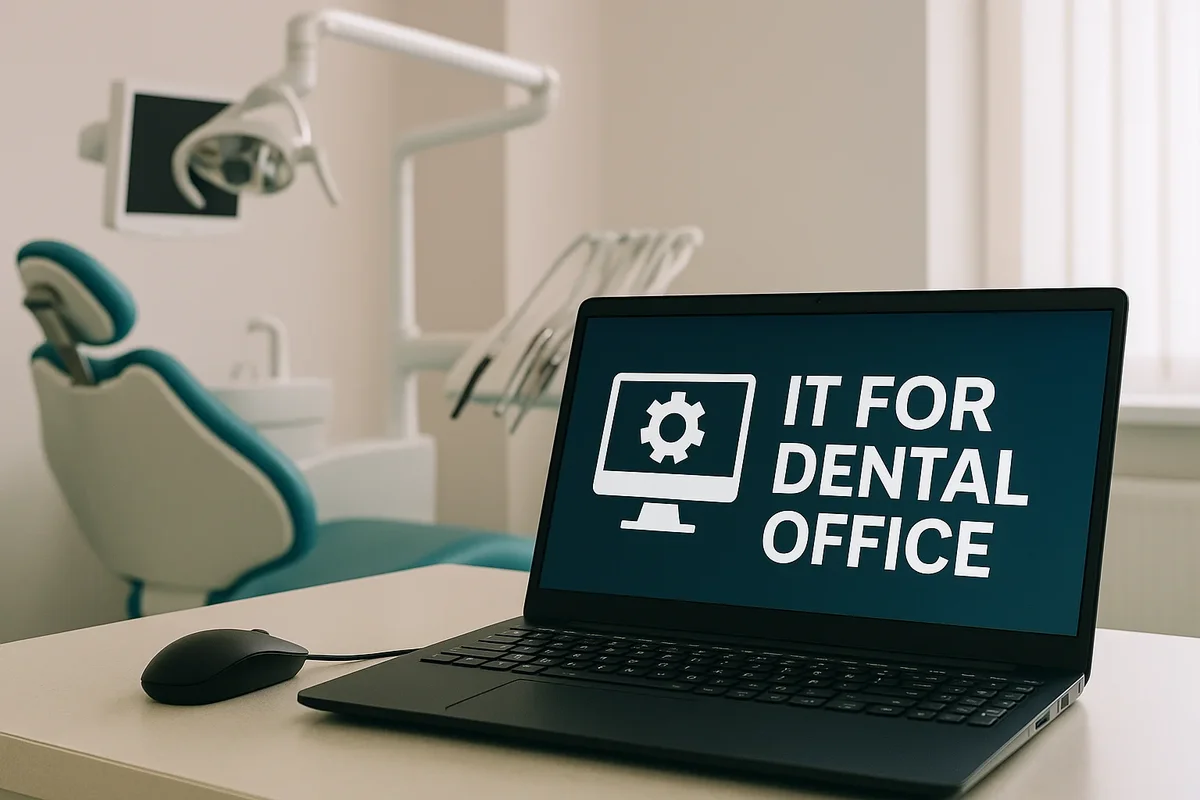
How to Choose the Right IT Partner for Your Dental Office 🏢
Selecting the right technology partner is one of the most critical decisions a dental clinic can make when implementing or upgrading its IT for dental office infrastructure. A skilled and reliable IT partner ensures that your systems run efficiently, securely, and in full compliance with healthcare regulations. In contrast, a poor choice can lead to costly downtime, data breaches, and patient dissatisfaction. This section provides a comprehensive roadmap to help you evaluate, select, and collaborate effectively with the ideal IT service provider for your dental practice. 💡
1. Identifying Your Clinic’s IT Needs
Before choosing a provider, it’s essential to assess your specific technology requirements. Every dental office has unique operational needs depending on its size, number of patients, and range of services. Begin by listing all current systems—practice management, imaging, billing, and communication—and identify any inefficiencies or bottlenecks.
The key to successful IT for dental office planning is matching your needs with a partner that understands dental workflows. For example, if you require integration between digital X-ray imaging and patient management software, your provider must have proven expertise in dental software interoperability. Likewise, clinics focusing on cosmetic dentistry may prioritize 3D imaging, CAD/CAM systems, and secure photo storage.
Pro Tip: Conduct a Technology Audit
Perform a full IT audit before approaching vendors. Review your hardware, software, and network performance. Understanding what works and what doesn’t helps you communicate clear expectations to potential partners.
2. Evaluating Industry Experience and Expertise
Not all IT providers are created equal. Many generalist companies offer IT services, but few specialize in healthcare—let alone dentistry. Working with a provider experienced in IT for dental office setups ensures they understand HIPAA compliance, radiographic imaging systems, and the sensitivity of patient data.
Ask potential providers for case studies, testimonials, or references from other dental clients. Evaluate how they’ve handled challenges like cloud migration, cybersecurity upgrades, or multi-location network synchronization. A provider’s experience in the dental sector directly impacts their ability to anticipate and resolve technical issues efficiently.
Example: Dental-Specific Experience Matters
A dental group in Germany hired a general IT firm for their new digital imaging setup. The firm failed to ensure compatibility between the imaging software and practice management system, leading to weeks of operational disruption. After switching to a specialist in IT for dental office solutions, the system was fully operational within 48 hours.
3. Security and Compliance Capabilities
Given the sensitive nature of patient data, cybersecurity is non-negotiable. A trustworthy IT partner must implement strong encryption, multi-layered firewalls, secure backups, and 24/7 monitoring. In addition, they should have a clear understanding of healthcare compliance requirements like HIPAA, GDPR, and ADA guidelines.
When interviewing providers, request documentation of their compliance standards and data-handling procedures. They should also offer disaster recovery solutions and clear data retention policies. A well-structured IT for dental office security plan ensures data integrity, minimizes risk, and maintains patient trust.
Checklist: Essential Security Features
- End-to-end encryption for patient records
- Secure remote access with VPN and MFA
- Automated daily backups and data recovery testing
- HIPAA/GDPR compliance documentation
- Regular vulnerability assessments and audits
4. Technical Support and Responsiveness
Even the most advanced systems encounter issues. Therefore, reliable support is crucial. The ideal IT for dental office provider offers 24/7 technical assistance, fast response times, and remote troubleshooting options. Ask about their average response and resolution times, as well as whether they provide onsite visits for complex issues.
Support should extend beyond crisis management—it should include proactive monitoring, regular system updates, and preventive maintenance. A proactive IT partner prevents problems before they occur, ensuring uninterrupted clinic operations. ⏱️
Tip: Evaluate Their SLA (Service Level Agreement)
A good SLA should guarantee response times, uptime percentages, and clear accountability for system performance. Avoid providers that offer vague or non-binding service promises.
5. Scalability and Future-Proofing
As your practice grows, your IT systems should evolve alongside it. Choose a partner capable of scaling your infrastructure to accommodate new staff, additional operatories, or multiple locations. The best IT for dental office providers offer modular solutions that adapt to growth without requiring a complete overhaul.
Cloud-based platforms, virtualization, and automated data management systems are key components of a future-proof IT setup. In addition, your provider should stay updated on emerging technologies like AI, digital twins, and tele-dentistry integration, ensuring you remain competitive in a rapidly evolving field.
6. Transparent Pricing and ROI Evaluation
Cost transparency is a hallmark of a trustworthy IT provider. Avoid hidden fees or vague pricing models. Request a detailed breakdown of all costs, including setup, maintenance, hardware, licensing, and ongoing support. Compare several quotes and look beyond price—consider reliability, service quality, and long-term value.
When evaluating ROI, measure the tangible benefits your IT for dental office implementation brings—reduced downtime, fewer data breaches, faster workflows, and improved patient satisfaction. A good provider will help quantify these results through analytics and regular performance reports.
Example: ROI Measurement
One mid-sized dental practice in Texas invested $10,000 in IT upgrades, including cybersecurity, cloud storage, and automation tools. Within six months, they reported a 25% reduction in administrative costs and a 15% increase in patient retention. This proves that strategic IT investment pays off quickly when managed by the right partner.
7. Communication and Cultural Fit
Beyond technical expertise, communication and cultural alignment play a vital role in collaboration. Your IT partner should be approachable, transparent, and capable of explaining complex concepts in plain language. Good communication builds trust and ensures your staff feels confident using new systems.
The best IT for dental office relationships are partnerships, not transactions. Look for a provider that values collaboration, seeks feedback, and continuously aligns their strategies with your clinic’s mission and goals. 🤝
8. Local vs. Remote IT Providers
Deciding between a local and remote provider depends on your clinic’s specific needs. Local IT partners offer the advantage of quick on-site support, while remote providers often deliver cost-effective 24/7 service with advanced cloud monitoring tools. Many clinics adopt a hybrid model, combining the strengths of both approaches.
Whichever you choose, ensure the provider offers reliable communication channels, robust cybersecurity policies, and proven experience managing healthcare data remotely. A well-connected IT for dental office system should function smoothly regardless of where your IT team operates.
Pro Insight:
Remote IT providers with global coverage can access specialists across multiple time zones, ensuring continuous monitoring and support—even during off-hours or holidays.
Conclusion: Building a Long-Term IT Partnership
Choosing the right partner for your IT for dental office needs is about more than technology—it’s about building a long-term relationship that supports your practice’s growth, security, and innovation. The ideal IT provider offers industry expertise, responsive support, scalable solutions, and a genuine commitment to your clinic’s success. By evaluating potential partners carefully and focusing on shared goals, you can create a secure, efficient, and future-ready dental ecosystem. To consult with specialists who understand the unique needs of dental IT systems, visit the Redent Klinik Contact Page and start shaping your digital transformation today. 🌟