
In today’s fast-paced healthcare landscape, technology has become the backbone of every successful dental practice. From managing patient records to ensuring compliance with privacy regulations, IT services for dental offices are now essential tools for delivering quality care, optimizing workflows, and maintaining a competitive edge. As digital dentistry continues to evolve, clinics that invest in reliable IT infrastructure are better positioned to attract new patients, improve communication, and safeguard sensitive data.
Modern dental offices depend on integrated systems that streamline both administrative and clinical operations. Gone are the days when dentists relied solely on manual record-keeping or outdated software. Now, the combination of cloud-based storage, secure networking, and real-time patient data access defines the standard of care. Investing in customized IT solutions for dental clinics helps practitioners enhance efficiency, reduce costs, and deliver a superior patient experience from the moment someone books an appointment to the final follow-up message.
Understanding the Importance of IT Services for Dental Offices
Dental professionals handle a high volume of confidential information daily—patient histories, treatment plans, insurance details, and diagnostic images. Without a reliable IT framework, even a minor system malfunction can lead to scheduling disruptions, data loss, or compliance breaches. Therefore, IT services for dental offices aren’t just a technical necessity—they are a foundation for operational continuity and legal protection.
One of the core benefits of professional IT management lies in proactive monitoring and support. Experienced IT providers specialize in preventive maintenance, which minimizes downtime and ensures that dental teams can focus entirely on patient care. For example, managed IT services often include 24/7 network monitoring, automated software updates, and backup management. These capabilities reduce the risk of system failures that could interrupt patient appointments or billing cycles.
Enhancing Patient Care Through Technology
Technology in dentistry isn’t only about back-end management; it directly influences patient satisfaction. Modern IT services for dental offices support advanced imaging technologies, digital charting, and tele-dentistry solutions. These systems allow dentists to deliver faster diagnoses, more accurate treatment plans, and better long-term patient outcomes.
For instance, cloud-based imaging software enables instant access to X-rays and digital scans from any authorized device. This not only saves time but also improves collaboration among dental professionals. Furthermore, patient portals—secured through well-implemented IT systems—allow patients to view their records, schedule visits, and make payments conveniently online. By reducing friction in patient interactions, IT helps build stronger trust and engagement.
Compliance and Data Security in Dental IT Systems 🛡️
Compliance with data protection regulations such as HIPAA is a critical aspect of running a dental office. With cyber threats on the rise, investing in IT services for dental offices that include cybersecurity measures has become non-negotiable. These services encompass firewalls, encryption, antivirus software, and user access control systems designed to prevent unauthorized access to sensitive patient data.
Moreover, a professional IT partner ensures that your dental practice is regularly audited for compliance and that all staff members are trained to identify phishing attacks or other digital threats. When it comes to patient data, prevention is far more cost-effective than recovery from a breach. Partnering with certified IT experts ensures your clinic maintains both trust and legal compliance with evolving data regulations outlined by the American Dental Association.
Operational Efficiency and Cost Savings
Efficient IT services for dental offices directly translate into financial benefits. By automating repetitive administrative tasks such as appointment reminders, billing, and patient follow-ups, staff members can dedicate more time to high-value activities. Additionally, digital record management reduces the need for physical storage and minimizes errors associated with manual entry.
Managed IT solutions also help dental clinics predict and control costs. Instead of facing unexpected repair expenses, dental offices can opt for predictable monthly service plans. This proactive approach keeps IT budgets stable and ensures that equipment and software remain up-to-date. Many practices report a return on investment within the first year of implementing comprehensive IT support because of reduced downtime and improved productivity.
Building Trust Through Reliability
Patients expect their dental providers to be not only skilled but also technologically advanced. When a dental office’s systems run smoothly, appointments start on time, payments process securely, and records are instantly retrievable. This seamless experience reassures patients that their information is safe and that their dentist values professionalism.
For example, when a clinic integrates digital imaging, online booking, and secure payment portals into its daily operations, it sends a message of trust and modernity. Reliable IT services for dental offices enable exactly this kind of dependable environment. Moreover, should an issue arise, immediate technical support ensures that the disruption is minimal and patient confidence remains intact.
Where to Find Professional Support
Choosing a reliable IT provider requires careful consideration. Look for partners who understand healthcare-specific compliance, offer 24/7 remote assistance, and specialize in dental technology solutions. Many dental professionals prefer working with providers who can integrate their existing systems, including practice management software, imaging tools, and billing applications. An example of a trusted dental clinic that invests in advanced IT solutions is Redent Klinik Contact Page, known for combining modern technology with patient-centered care.
Ultimately, the goal of adopting advanced IT services for dental offices is to create an environment where technology empowers care—not complicates it. With the right setup, dental teams can focus entirely on their patients, secure in the knowledge that their systems are optimized, compliant, and protected. The future of dentistry is digital, and the time to embrace that transformation is now. 🦷
Why Modern Dental Practices Need Specialized IT Services
As dentistry becomes increasingly digitalized, the demand for specialized IT services for dental offices continues to grow. Modern dental clinics are no longer limited to traditional check-ups and cleanings; they now integrate digital imaging, online patient management, cloud storage, and AI-assisted diagnosis tools. To operate efficiently and securely, these systems require a robust IT foundation that aligns with healthcare standards and patient expectations. Specialized IT services provide dental practices with the reliability, security, and scalability needed to thrive in an era of digital transformation.
Technology as the Cornerstone of Dental Excellence
In the past, a dental office could function with paper records, manual appointment books, and offline billing. Today, that approach is impractical and risky. Modern dentistry revolves around high-resolution imaging devices, digital impression systems, and interconnected databases that support patient history and treatment planning. IT services for dental offices ensure that these technologies communicate seamlessly, minimizing downtime and preventing errors that could impact patient care.
For instance, when a clinic’s imaging software integrates with its electronic health record (EHR) system, dental teams can instantly access X-rays, 3D scans, and treatment notes during consultations. This integration saves time, enhances diagnostic accuracy, and improves the overall patient experience. Moreover, automation in scheduling, billing, and reminders significantly reduces administrative burden, allowing dentists and hygienists to focus more on patients rather than paperwork.
Enhancing Data Security and Compliance 🛡️
Dental offices handle vast amounts of sensitive patient data, from medical histories to payment information. Any breach or data loss can lead to severe legal consequences and reputational damage. That’s why cybersecurity is a vital component of IT services for dental offices. IT professionals implement encrypted data storage, advanced firewalls, and multi-factor authentication to protect information from unauthorized access.
Additionally, compliance with laws such as HIPAA in the United States or GDPR in Europe requires regular audits and documentation of data protection measures. Dental IT experts ensure that systems remain compliant by conducting vulnerability assessments, applying timely software patches, and monitoring for unusual network activity. Without dedicated IT support, even a small oversight could expose a clinic to costly penalties or lawsuits.
Practical Example of IT-Driven Compliance
Imagine a dental office storing digital X-rays on local hard drives without backup. If a system crash occurs, the data could be permanently lost. With professional IT support for dental clinics, however, automated cloud backups are configured to run daily, encrypting and storing data in secure off-site servers. In the event of an emergency, the clinic can restore records instantly, ensuring business continuity and compliance with legal data retention requirements.
Improving Workflow Efficiency
Efficiency is one of the most tangible benefits of implementing IT services for dental offices. Technology can automate repetitive processes, streamline communication among staff, and reduce human error. Appointment scheduling, for example, becomes effortless with software that sends automated reminders, rescheduling notifications, and payment confirmations via email or SMS. This level of automation helps reduce no-shows, increases revenue, and enhances patient satisfaction.
On the clinical side, digital charting tools allow dentists to input notes directly into the patient’s file in real time. Integrated systems ensure that assistants and front-desk staff see updates instantly, eliminating miscommunication. When your practice operates with a synchronized digital ecosystem, it saves both time and money while improving care delivery.
Supporting Growth and Scalability
Every growing dental clinic faces challenges related to expanding infrastructure. As the patient base increases, so does the demand for data storage, secure communication, and hardware resources. Managed IT services for dental offices provide scalable solutions that grow with the clinic. Whether you are opening a second location or adding new dental specialists, your IT framework can adapt without major overhauls.
For example, cloud-based servers allow new users, workstations, and devices to be added within minutes. IT providers also manage network bandwidth and ensure that performance remains stable even as data traffic increases. This flexibility supports sustainable growth without compromising system reliability or patient experience.
Cost Optimization Through Managed Services 💰
Many dental professionals assume that hiring in-house IT staff is the best way to manage their systems. However, managed IT services offer a more cost-effective and comprehensive approach. By outsourcing to specialized providers, dental practices gain access to a full team of experts for less than the cost of one salaried technician. These providers deliver preventive maintenance, regular updates, and 24/7 support under a predictable monthly fee structure—allowing practices to plan their budgets more effectively.
Moreover, proactive monitoring prevents costly downtime. A network outage during office hours can disrupt appointments, delay procedures, and frustrate patients. With constant surveillance and instant issue resolution, IT specialists ensure that dental offices maintain uninterrupted operations and consistent revenue flow.
Patient-Centered Advantages of IT Systems 😊
Beyond operational benefits, IT services for dental offices have a direct impact on patient care. When systems work seamlessly, patients enjoy shorter waiting times, smoother check-ins, and faster treatment processes. Digital intake forms, automated follow-ups, and electronic prescriptions simplify communication and improve overall satisfaction.
Furthermore, advanced tele-dentistry solutions allow dentists to consult with patients remotely. This flexibility not only expands accessibility but also enhances trust and convenience. With reliable IT systems, video consultations run smoothly, records remain synchronized, and communication stays encrypted and secure.
Partnering with the Right IT Experts
Implementing these systems successfully requires collaboration with knowledgeable professionals who understand both technology and dentistry. The most effective IT services for dental offices are delivered by providers familiar with dental-specific software such as Dentrix, Eaglesoft, or Open Dental. These experts ensure seamless integration with imaging equipment, patient management systems, and online booking platforms.
For personalized consultation or to explore how professional IT solutions can transform your dental practice, you can reach out through the Redent Klinik Contact Page. Aligning your dental office with a reputable IT partner ensures that your technology investments yield long-term value and growth.
Conclusion: A Digital Foundation for Dental Success
In conclusion, modern dentistry relies heavily on technology to function effectively and securely. Specialized IT services for dental offices empower clinics to maintain compliance, enhance patient experience, and boost productivity while minimizing risks. The result is a smarter, safer, and more profitable dental practice—ready to meet the evolving expectations of today’s digital-first patients.
By integrating these IT solutions, dental professionals not only future-proof their operations but also position themselves as leaders in quality, trust, and innovation. As the American Dental Association emphasizes, embracing digital transformation is key to advancing modern oral healthcare. The sooner dental offices adopt these systems, the sooner they can elevate patient care and achieve lasting success. 🦷
Key Components of IT Infrastructure for Dental Offices
Building a reliable and secure IT infrastructure is the backbone of every modern dental practice. Without proper systems in place, even the most skilled dental professionals struggle to deliver efficient patient care. Effective IT services for dental offices combine hardware, software, networking, and cybersecurity solutions to ensure smooth daily operations. From scheduling appointments to handling high-resolution digital imaging, each component must work seamlessly together. Understanding these essential elements helps dental clinics invest wisely and build a technology ecosystem that supports growth, efficiency, and compliance.
1. Hardware Infrastructure: The Foundation of Dental IT Systems 🖥️
The physical infrastructure of a dental office is the starting point for digital transformation. Computers, servers, routers, scanners, and imaging machines must be properly configured to handle data-heavy applications such as digital X-rays or 3D dental modeling. Professional IT services for dental offices include assessing existing equipment and recommending upgrades that align with the clinic’s workflow.
High-performance computers are essential for running dental software smoothly, while networked printers and scanners enhance document management. Moreover, dental imaging machines and sensors require stable network connections to upload diagnostic data instantly. IT technicians ensure that all devices are properly connected through a secure and fast local area network (LAN), reducing lag and system crashes during busy clinic hours.
Server Configuration and Virtualization
Most dental practices rely on centralized servers to store patient data and manage multiple software systems. IT experts can configure on-site servers or hybrid setups that include cloud components. Virtualization technology allows multiple systems—like patient management, billing, and imaging software—to run simultaneously on one machine, improving resource utilization and reliability. Virtual servers also make it easier to implement backups and disaster recovery plans.
2. Networking and Connectivity Solutions 🌐
Strong, secure, and uninterrupted connectivity is crucial for any dental practice. When dental imaging systems or electronic health records (EHRs) rely on online communication, even brief downtime can cause major disruptions. Managed IT services for dental offices often include network monitoring, Wi-Fi optimization, and firewall setup to ensure continuous connectivity.
Dental clinics need segmented networks that separate administrative systems from patient-access Wi-Fi. This division prevents unauthorized access and ensures compliance with healthcare data protection laws. Furthermore, VPN (Virtual Private Network) solutions allow remote staff or offsite dentists to access data securely without compromising privacy.
Bandwidth Management and Redundancy
High-definition video consultations and digital imaging require substantial bandwidth. IT specialists design systems that prioritize critical dental software while balancing secondary activities like patient streaming or cloud syncing. Redundant internet connections (dual ISPs) can be configured to ensure zero downtime, especially for clinics offering tele-dentistry or remote consultations.
3. Software Systems for Dental Practices
The heart of any modern dental IT system lies in its software stack. Specialized programs handle scheduling, billing, imaging, and patient communication. Professional IT services for dental offices focus on selecting, installing, and maintaining software that integrates smoothly across departments.
- Practice Management Software: Tools like Dentrix, Eaglesoft, and Open Dental centralize appointment scheduling, billing, and patient tracking.
- Digital Imaging Systems: Applications that process and store X-rays, 3D scans, and intraoral images securely.
- Patient Communication Platforms: Systems that automate appointment reminders, online forms, and follow-up messages.
- Accounting and Insurance Processing Software: Streamlines financial workflows and ensures faster reimbursement from insurers.
Having all these systems interconnected eliminates redundant data entry and minimizes human errors. IT professionals ensure seamless integration through APIs and secure databases, enabling instant updates across systems when any new patient information is entered.
4. Data Storage and Cloud Solutions ☁️
With the increasing volume of high-resolution dental imagery, cloud storage has become a game-changer. Secure cloud environments allow dental teams to store, access, and share patient data from any authorized device. Managed IT services for dental offices often include cloud migration and maintenance, ensuring data accessibility without compromising security.
Cloud-based solutions also simplify disaster recovery. Instead of relying on physical drives, which can fail or be stolen, dental practices use encrypted remote servers that automatically back up data daily. This ensures business continuity in the event of system failures or cyberattacks. Additionally, scalability is a major benefit—clinics can easily increase storage capacity as patient numbers grow without major hardware investments.
Compliance with Data Protection Standards
Cloud storage used in dental practices must meet strict security and privacy standards such as HIPAA. IT providers specializing in dentistry ensure encryption both during transmission and at rest. Access controls, audit logs, and user authentication protocols further guarantee that only authorized staff can handle patient records. These compliance-focused measures protect both the clinic and its patients from data breaches and legal risks.
5. Cybersecurity Measures and Endpoint Protection 🔒
Cyber threats are an ever-present risk in healthcare, and dental offices are no exception. From ransomware attacks to phishing emails, one breach could compromise thousands of patient records. Effective IT services for dental offices include comprehensive cybersecurity strategies that defend every endpoint, from front-desk computers to intraoral scanners.
Core elements of dental cybersecurity include:
- Multi-layered firewalls and antivirus software
- Email encryption and spam filters
- Regular vulnerability assessments
- Multi-factor authentication (MFA)
- Data backup and recovery systems
IT experts also conduct cybersecurity training for staff, helping them recognize phishing attempts and avoid unsafe practices. Awareness is just as critical as technology when protecting sensitive dental data.
6. Backup, Recovery, and Continuity Planning 💾
Every dental practice should have a robust disaster recovery plan. Whether due to hardware failure, cyberattack, or natural disaster, data loss can be catastrophic. Managed IT services for dental offices implement automated backup systems that copy data both locally and to secure off-site locations. In case of an incident, files can be restored within minutes, ensuring minimal disruption to daily operations.
Continuity planning also includes having spare workstations, mirrored servers, and emergency response protocols. These systems guarantee that even in the worst scenarios, patient appointments and treatment plans continue without significant downtime.
7. Integration with Digital Dental Equipment 🦷
Modern dental equipment—such as intraoral cameras, CBCT scanners, and CAD/CAM milling units—requires precise IT integration. IT services for dental offices ensure that data captured by these tools flows directly into the practice management system, maintaining accuracy and efficiency. This eliminates manual data entry and ensures that imaging results are instantly available during consultations.
Calibration and Maintenance
IT professionals also handle software calibration, firmware updates, and network synchronization for imaging and diagnostic equipment. Regular maintenance prevents hardware conflicts and enhances the lifespan of costly devices.
8. Support and Monitoring
Proactive monitoring ensures that any issue—no matter how small—is detected and resolved before it affects workflow. Dental IT providers offer 24/7 remote monitoring, detecting performance drops, failed backups, or unusual login attempts instantly. This level of oversight guarantees operational stability and peace of mind for dental teams.
Conclusion: Building a Secure and Scalable Dental IT Framework
The success of a modern dental clinic depends heavily on its digital backbone. By investing in professional IT services for dental offices, practices gain the infrastructure needed to operate efficiently, securely, and compliantly. Each component—from hardware to cybersecurity—plays a vital role in ensuring uninterrupted patient care and sustainable growth. Partnering with experienced IT providers, like those trusted by leading clinics such as Redent Klinik Contact Page, guarantees that your practice is always one step ahead in the digital dentistry revolution. For further standards and guidelines, clinics can also consult the American Dental Association, which provides resources for data management and technology integration in dental care.
Cybersecurity Essentials for Protecting Patient Data 🛡️
In the digital age, dental clinics are no longer just medical facilities—they are also data hubs managing vast amounts of confidential information. Every appointment, X-ray, insurance claim, and payment transaction involves sensitive data that must be secured. Unfortunately, many dental offices underestimate the importance of robust cybersecurity, making them prime targets for cybercriminals. Professional IT services for dental offices provide the necessary defense mechanisms to safeguard patient data, prevent financial loss, and ensure compliance with healthcare privacy regulations such as HIPAA in the U.S. and GDPR in Europe.
Data breaches can be catastrophic for dental practices, damaging reputations, leading to legal action, and eroding patient trust. That’s why cybersecurity has become a non-negotiable aspect of modern dentistry. Below, we explore the key cybersecurity measures every dental clinic must adopt to remain compliant, efficient, and safe in today’s digital healthcare ecosystem.
1. Understanding Cyber Threats in the Dental Industry
Dentists and clinic administrators often assume that only large hospitals or corporations are targets for hackers. However, smaller healthcare providers, including dental offices, are frequently attacked precisely because they lack advanced security systems. IT services for dental offices address this vulnerability by implementing multilayered protection strategies that cover all devices and networks used within the clinic.
Common cyber threats targeting dental offices include:
- Ransomware: Malicious software that encrypts patient data and demands payment to restore access.
- Phishing Attacks: Fraudulent emails tricking employees into sharing passwords or installing malware.
- Insider Threats: Unintentional data leaks or misuse by staff with excessive access privileges.
- Data Theft: Stolen laptops or devices containing unencrypted patient information.
Understanding these threats is the first step toward implementing effective prevention and response measures.
2. Data Encryption: The First Line of Defense
Encryption ensures that even if data is intercepted, it remains unreadable without the appropriate decryption key. Professional IT services for dental offices employ end-to-end encryption for all communications and stored data. This includes encrypting patient records, X-rays, emails, and backup files both in transit (when being sent) and at rest (when stored on devices or cloud servers).
Implementing Encryption Best Practices
To maximize protection, encryption keys should be stored separately from the data they secure. Additionally, all dental software systems—such as practice management platforms and imaging databases—must be configured to support secure encryption protocols like AES-256 or SSL/TLS. Regular audits are necessary to ensure encryption remains active after software updates or system changes.
3. Access Control and Role-Based Permissions
Not every team member in a dental clinic needs access to all patient records. To prevent accidental or malicious data exposure, IT services for dental offices implement role-based access controls (RBAC). This ensures that each employee only has access to the information relevant to their job duties.
For example, reception staff may only view appointment details and contact information, while dentists can access full patient histories and imaging data. Administrative roles that handle billing or insurance claims might have additional access but are still restricted from editing clinical notes. Such tiered permission structures significantly reduce the risk of unauthorized data manipulation.
Multi-Factor Authentication (MFA)
Beyond passwords, MFA adds another security layer by requiring secondary verification—such as a fingerprint scan, security token, or one-time code sent via SMS. This measure makes it nearly impossible for hackers to breach systems even if login credentials are compromised.
4. Regular Software Updates and Patch Management
One of the most overlooked vulnerabilities in dental offices is outdated software. Cybercriminals exploit known flaws in operating systems, browsers, and dental management tools. Managed IT services for dental offices ensure that every application and device is automatically updated with the latest security patches.
Automatic updates not only close known security loopholes but also enhance system performance and stability. IT specialists typically maintain a central dashboard to monitor update status across all connected devices, guaranteeing that no workstation or server is left unprotected.
5. Network Security and Firewall Configuration 🌐
A dental clinic’s internal network is its digital bloodstream—connecting imaging devices, workstations, and administrative systems. Any breach here could expose all stored patient data. Robust IT services for dental offices include the setup of firewalls, intrusion detection systems (IDS), and secure VPNs (Virtual Private Networks) to protect network communication.
Firewalls monitor incoming and outgoing traffic, blocking unauthorized connections, while IDS tools detect suspicious activity in real time. Meanwhile, VPNs encrypt remote connections, making it safe for offsite dentists or administrators to access clinic systems securely.
Wi-Fi Segmentation for Security
Public Wi-Fi access for patients should always be separated from the internal clinical network. IT professionals achieve this by creating virtual LANs (VLANs) that isolate sensitive data pathways, ensuring visitors can enjoy internet access without jeopardizing clinic security.
6. Backup and Disaster Recovery Planning 💾
Despite the best preventive measures, data loss can still occur due to natural disasters, hardware failures, or sophisticated cyberattacks. This is why reliable backup systems are critical. Managed IT services for dental offices include automated, encrypted backups stored in multiple locations (on-site and cloud-based).
Recovery plans outline clear steps for restoring operations quickly after data loss. For instance, if ransomware encrypts a server, IT teams can restore systems from the latest secure backup within hours, minimizing downtime and patient disruption. Regular backup testing ensures that recovery systems actually work when needed most.
7. Employee Training and Cyber Awareness 🧠
Technology alone cannot guarantee complete protection. Human error remains one of the biggest risks to cybersecurity. Comprehensive IT services for dental offices include employee training programs to build awareness about safe digital practices. Staff members learn to recognize phishing emails, create strong passwords, and report suspicious activities promptly.
Simulated Security Drills
Some IT providers conduct simulated phishing attacks to test employee responses and reinforce vigilance. Clinics that regularly perform these drills demonstrate significantly lower susceptibility to real-world cyber threats.
8. Compliance Auditing and Legal Safeguards
Regulatory compliance is an essential aspect of cybersecurity. Managed IT providers conduct periodic audits to verify that dental clinics meet all applicable standards, such as HIPAA, PCI DSS, and GDPR. Documentation of compliance efforts not only protects the clinic from fines but also enhances patient trust.
Additionally, partnering with trusted organizations like the American Dental Association helps clinics stay informed about the latest compliance updates and data protection guidelines for dental professionals.
9. Incident Response and Forensic Analysis
In the event of a security breach, time is of the essence. Well-structured IT services for dental offices include an incident response plan detailing how to isolate affected systems, notify stakeholders, and recover safely. IT experts perform forensic analysis to identify the source of the attack and prevent recurrence.
Having such a plan demonstrates professionalism and readiness, two qualities that enhance the credibility of your dental practice even during crises.
10. Partnering with a Trusted IT Provider
Ultimately, cybersecurity is not a one-time project—it’s an ongoing commitment. Dental clinics should collaborate with specialized providers who understand healthcare data protection intricacies. A trusted IT partner can tailor solutions to the clinic’s size, patient volume, and technological maturity. Reputable clinics like Redent Klinik Contact Page have already embraced such IT partnerships to secure their patient data and improve operational resilience.
Conclusion: Building a Cyber-Resilient Dental Practice
Securing patient information is both a legal obligation and a moral responsibility. Comprehensive IT services for dental offices combine technology, strategy, and education to build a cyber-resilient environment. By adopting these cybersecurity essentials, dental practices not only protect their patients but also ensure long-term business sustainability and trust. The future of dentistry depends on secure data management—and clinics that act now will lead the way in digital healthcare excellence. 🦷
Cloud Solutions and Data Backup Strategies for Dentists ☁️
In today’s digital-first dental industry, reliable data management is just as important as clinical precision. Dental clinics store vast amounts of digital assets—ranging from X-rays and 3D imaging files to treatment histories and billing records. Without a robust storage and recovery framework, all this sensitive information remains vulnerable to loss, corruption, or cyberattacks. This is where professional IT services for dental offices play a transformative role. Through cloud solutions and comprehensive data backup systems, dental practices can ensure security, accessibility, and uninterrupted operations.
Implementing well-structured cloud and backup solutions not only prevents catastrophic data loss but also enables dentists to streamline workflows, collaborate more effectively, and comply with healthcare privacy standards. Below, we explore how these modern IT tools are revolutionizing dentistry and ensuring long-term data resilience.
1. The Importance of Cloud Computing in Modern Dental Practices
Traditional on-premises data storage has significant limitations, such as hardware maintenance, limited scalability, and high upfront costs. In contrast, cloud computing provides flexibility, scalability, and real-time access to information from anywhere. Professional IT services for dental offices integrate cloud platforms that allow secure storage, file sharing, and system synchronization across all devices and locations.
With cloud computing, dentists and their teams can access patient records remotely, share imaging files with specialists, and update treatment notes instantly. Whether managing a single clinic or multiple branches, cloud systems unify operations under one centralized digital environment.
Cloud Deployment Models for Dental Clinics
- Private Cloud: Dedicated infrastructure hosted on-site or in a private data center, offering maximum control and security for larger dental networks.
- Public Cloud: Affordable and scalable, ideal for small to mid-sized practices using third-party cloud providers like Microsoft Azure, Amazon Web Services (AWS), or Google Cloud.
- Hybrid Cloud: Combines both models, allowing sensitive data to remain on private servers while leveraging public cloud flexibility for non-critical applications.
Managed IT services for dental offices assess a clinic’s operational scale and recommend the best deployment model to balance cost, control, and compliance.
2. Data Security and Compliance in the Cloud
One of the biggest misconceptions among dental professionals is that moving to the cloud compromises data security. In reality, properly configured cloud systems are often more secure than local setups. Reputable IT services for dental offices implement strong encryption protocols, access controls, and multi-factor authentication to safeguard patient data in compliance with HIPAA or GDPR regulations.
End-to-End Encryption and Data Redundancy
All patient records, images, and financial information should be encrypted both during transmission and while stored. Cloud platforms also use redundancy—replicating data across multiple servers—to prevent data loss due to hardware failure or localized disasters. This ensures that even in the event of a system malfunction, data remains retrievable within minutes.
3. Backup Strategies for Dental Practices 💾
Data backup is the safety net of every digital operation. No matter how secure a system is, unforeseen incidents such as accidental deletion, ransomware attacks, or natural disasters can occur. Professional IT services for dental offices develop customized backup strategies that align with the clinic’s data volume, storage requirements, and risk profile.
Effective dental data backup follows the “3-2-1 rule”:
- Keep 3 copies of your data (one primary and two backups).
- Store copies on 2 different types of media (local and cloud-based).
- Ensure 1 copy is kept off-site in a secure location.
This method guarantees redundancy and rapid recovery in case of any disruption.
Automated Backups and Recovery Scheduling
Modern backup systems automate the entire process, ensuring that no employee has to manually copy files or run updates. Managed IT solutions schedule daily incremental backups and weekly full-system backups, minimizing data loss between backup intervals. Moreover, recovery testing is performed regularly to verify that all stored data can be restored without errors.
4. Disaster Recovery and Business Continuity
Disasters—whether cyberattacks, floods, or power outages—can cripple dental operations. A comprehensive disaster recovery plan ensures that clinics can quickly resume critical functions. IT services for dental offices provide continuity frameworks that include mirrored servers, virtual failover systems, and real-time replication of key databases.
For example, if a ransomware attack encrypts the local system, the IT team can instantly switch operations to a cloud mirror, allowing uninterrupted patient care. Once the compromised system is cleaned, the latest backup restores all records seamlessly. This level of preparedness can mean the difference between a short inconvenience and a catastrophic shutdown.
Recovery Time Objective (RTO) and Recovery Point Objective (RPO)
RTO defines how long a clinic can afford to be offline after a disaster, while RPO determines how much data loss (measured in time) is acceptable. Experienced IT providers establish optimal RTO and RPO values based on clinic needs, ensuring the fastest possible restoration while minimizing financial and reputational impact.
5. Integration of Cloud Solutions with Dental Software
Dental management systems like Dentrix, Eaglesoft, and Open Dental now support cloud-based integration. Managed IT services for dental offices connect these platforms to centralized databases, allowing data synchronization across multiple users and devices. This ensures that when a dentist updates treatment details, the front desk, hygienists, and billing departments see the same information instantly.
Furthermore, imaging tools, patient portals, and billing applications all connect securely through APIs (Application Programming Interfaces). The result is a unified ecosystem that improves collaboration, eliminates redundant data entry, and enhances workflow efficiency.
Tele-Dentistry and Remote Accessibility
Cloud technology also supports tele-dentistry—a rapidly growing trend. Dentists can consult with patients remotely using secure video platforms while accessing real-time data from the cloud. This flexibility allows clinics to expand service areas, offer emergency consultations, and boost patient convenience, all while maintaining compliance with healthcare data standards.
6. Cost Efficiency and Scalability of Cloud-Based Systems 💰
Cloud storage eliminates the need for expensive physical servers and maintenance contracts. Dental offices pay only for the resources they use, making it a cost-effective model. As practices grow, additional storage or computing power can be added instantly—without expensive hardware purchases. Managed IT services for dental offices also negotiate enterprise-level pricing with cloud providers, reducing monthly operational costs while ensuring premium-grade service quality.
Predictable Budgeting with Managed IT Plans
Rather than dealing with unexpected repair bills or data loss expenses, clinics can choose predictable monthly subscription plans. These cover data backup, cloud hosting, monitoring, and support—ensuring consistent performance and financial clarity.
7. Environmental Benefits of Cloud Adoption 🌿
Transitioning to cloud infrastructure reduces a clinic’s environmental footprint by cutting down on paper usage and physical hardware waste. Digital patient forms, e-signatures, and online document sharing replace traditional filing systems. Energy-efficient cloud data centers consume less power than maintaining multiple in-house servers, aligning dental offices with eco-conscious business practices.
8. Partnering with Reliable IT Providers
Cloud migration and data management are complex processes requiring professional expertise. Partnering with certified IT services for dental offices ensures smooth integration, optimal security, and 24/7 support. These providers also handle compliance documentation, encryption audits, and performance monitoring—so the dental team can focus entirely on patient care.
For example, dental clinics like Redent Klinik Contact Page collaborate with IT specialists to maintain seamless operations, strong backup systems, and cloud-based accessibility across their platforms. This strategic collaboration ensures reliability, compliance, and peace of mind.
Conclusion: The Future of Dental Data Management
The shift to cloud-based systems marks a major milestone in digital dentistry. By adopting tailored IT services for dental offices that include cloud solutions and backup strategies, practices achieve unmatched data protection, flexibility, and cost efficiency. In a world where downtime equals lost revenue and patient trust, cloud infrastructure is not a luxury—it’s a necessity. Dentists embracing this transformation are setting new standards for efficiency, compliance, and sustainability in modern dental care. For further guidance on digital best practices, clinics can consult the American Dental Association for technology and data security recommendations.
Integrating Dental Practice Management Software with IT Systems
Efficient management software is the beating heart of every successful dental clinic. It connects scheduling, billing, treatment planning, imaging, and communication into one streamlined system. However, without proper integration and support, even the most advanced platforms can become a source of inefficiency and frustration. That’s why professional IT services for dental offices are essential—they ensure that all digital tools work harmoniously, data remains secure, and every workflow is optimized for performance and compliance. In this section, we’ll explore how software integration enhances patient care, simplifies operations, and future-proofs your dental practice.
1. The Importance of Integration in Modern Dentistry
Modern dental practices use numerous software applications: one for patient records, another for billing, others for imaging, analytics, and marketing. Without integration, these systems operate in silos, forcing staff to input data multiple times and creating opportunities for human error. By aligning all these platforms under a unified IT infrastructure, IT services for dental offices eliminate redundancy and streamline operations.
For example, when a patient’s appointment is entered into the scheduling system, integrated software automatically updates their medical records, notifies staff, and synchronizes with the billing module. This seamless automation improves productivity, accuracy, and patient satisfaction while minimizing manual data handling.
Benefits of Fully Integrated Dental Software
- Improved efficiency: Reduces repetitive tasks and accelerates administrative work.
- Real-time updates: Ensures that every team member has access to the latest data instantly.
- Enhanced accuracy: Minimizes manual entry errors that can affect patient care or insurance claims.
- Comprehensive reporting: Integrates analytics across departments for better business insights.
2. Common Dental Software Systems Requiring IT Integration
Different software tools serve distinct purposes, but they all must communicate effectively to maintain workflow harmony. Professional IT services for dental offices focus on integrating the following key systems:
- Practice Management Software (PMS): Tools such as Dentrix, Eaglesoft, and Open Dental handle appointments, billing, and patient records.
- Digital Imaging Software: Applications like DEXIS, Carestream, and VixWin integrate X-rays and 3D scans with patient profiles.
- Accounting and Payment Gateways: Securely manage insurance processing, invoices, and patient payments.
- Patient Communication Platforms: Automate appointment reminders, online forms, and follow-up messages.
- Cloud Storage Systems: Facilitate encrypted, remote access to patient data across multiple locations.
Integrating all these systems under a unified IT network ensures efficiency, consistency, and security. It also enhances patient experience by delivering smoother check-ins, faster treatments, and simplified communication.
3. Role of IT Experts in Software Integration
Implementing dental software is not a one-time installation—it’s an ongoing process that requires proper configuration, maintenance, and security monitoring. Expert IT services for dental offices handle system installation, API integration, database management, and troubleshooting to ensure uninterrupted operation. They also perform compatibility checks between new updates and existing systems to prevent crashes or data loss.
Data Migration and System Synchronization
When transitioning from legacy systems to modern cloud-based platforms, IT professionals manage data migration carefully to avoid corruption or duplication. They also set up real-time synchronization, ensuring that information entered in one module (e.g., billing) automatically reflects across others (e.g., accounting and patient records). This kind of automation eliminates human error and improves efficiency across departments.
4. Enhancing Patient Experience Through Integration 😊
Patients today expect convenience, speed, and transparency. Seamlessly integrated systems enable features like online booking, digital consent forms, and real-time appointment reminders. By combining communication tools with management systems, IT services for dental offices create a patient-centric ecosystem where technology enhances comfort and trust.
For example, after a treatment, automated software can send follow-up reminders, collect feedback, and update the patient’s chart—all without manual effort. Integration between the front desk, clinical staff, and finance team ensures every patient interaction feels personalized and efficient.
Tele-Dentistry and Virtual Consultations
With the growing adoption of tele-dentistry, software integration becomes even more crucial. Integrated IT solutions allow dentists to securely conduct online consultations, share imaging results, and issue prescriptions digitally. Patients can access their treatment summaries through online portals, enhancing engagement and accessibility.
5. Compliance and Security in Integrated Environments 🛡️
While integration improves efficiency, it also introduces new data security challenges. Each interconnected system becomes a potential vulnerability if not properly secured. That’s why managed IT services for dental offices incorporate advanced cybersecurity frameworks to protect data during transmission and storage.
Dental IT providers configure encrypted connections, role-based access controls, and audit trails to ensure HIPAA or GDPR compliance. Regular penetration tests and vulnerability scans are conducted to verify system integrity. By combining integration with strong cybersecurity, dental clinics maintain both convenience and patient trust.
Secure API and Third-Party Connections
When connecting third-party apps like imaging platforms or accounting tools, secure APIs (Application Programming Interfaces) are used. IT teams monitor these integrations constantly to prevent unauthorized data access or system conflicts. This ensures that sensitive health records remain fully protected while enabling seamless functionality.
6. Business Intelligence and Data Analytics Integration 📊
Beyond operations, integration empowers dental clinics to analyze performance and make data-driven decisions. With all software systems communicating through a centralized dashboard, clinic owners can monitor KPIs such as patient retention, treatment acceptance, and revenue trends. Professional IT services for dental offices develop analytics modules that visualize this data in real time.
For instance, integrating accounting and appointment systems helps identify peak patient hours, optimize staffing, and forecast revenue. These insights support strategic growth and smarter resource allocation, giving dental practices a competitive edge.
Predictive Analytics and AI Integration
Advanced dental IT systems now leverage AI-driven analytics to predict treatment demand, detect potential scheduling conflicts, and personalize patient communication. These technologies rely on well-integrated data systems to function effectively—another reason why integration is indispensable for modern clinics.
7. Staff Training and Change Management
New technology is only effective when staff know how to use it properly. Professional IT services for dental offices provide comprehensive training during and after software integration. This includes tutorials for front-desk staff, hygienists, and dentists to navigate dashboards, manage appointments, and interpret reports efficiently.
Change management strategies are also implemented to ensure smooth transitions. Employees are gradually introduced to new systems, reducing resistance and confusion. With ongoing IT support, clinics can adapt quickly to new features or updates without interrupting daily operations.
8. Ongoing Support and Maintenance
Integration doesn’t end after installation—it requires continuous optimization. Managed IT teams monitor software performance, apply updates, and troubleshoot any issues in real time. Dental practices benefit from 24/7 helpdesk support and proactive system audits. This ensures that software integrations remain stable, secure, and efficient over time.
Conclusion: Creating a Unified Digital Ecosystem for Dentistry
Incorporating modern software into a cohesive ecosystem is essential for any clinic aiming to provide high-quality, patient-focused care. With expert IT services for dental offices, dental teams can automate workflows, protect data, and deliver exceptional patient experiences. From practice management systems to cloud storage and tele-dentistry tools, integration enhances every aspect of dental operations.
Partnering with experienced IT professionals, such as those trusted by Redent Klinik Contact Page, ensures flawless synchronization, strong cybersecurity, and long-term efficiency. As emphasized by the American Dental Association, technology integration is no longer optional—it’s the foundation for modern, patient-centric dental care that’s built to last. 🦷
How IT Support Enhances Patient Experience in Dental Clinics 😊
Today’s patients expect dental care that is not only clinically excellent but also technologically seamless and convenient. From booking appointments online to viewing treatment plans digitally, every touchpoint of a patient’s journey can be improved with the right technology. This is where professional IT services for dental offices make a tremendous difference. By integrating advanced systems, optimizing communication, and ensuring smooth digital operations, IT support transforms how patients perceive and experience dental care.
In this section, we will explore how a well-designed IT infrastructure elevates patient satisfaction, builds trust, and strengthens long-term relationships between dental professionals and their patients. With technology handled by experts, dental teams can focus more on people—not paperwork.
1. The Role of IT Support in Modern Dental Care
In the past, patient experience depended primarily on the dentist’s skills and bedside manner. While these remain crucial, technology now plays an equally important role. Patients today evaluate clinics based on convenience, digital accessibility, and service speed. Professional IT services for dental offices ensure that all technology—from online booking systems to digital imaging—works reliably and securely, creating a positive and professional first impression.
For example, when a patient visits a dental office website and can instantly schedule an appointment, fill out medical forms digitally, and receive reminders via text or email, it communicates efficiency and care. Smooth systems reflect a well-organized, modern practice that values its patients’ time and comfort.
Reducing Friction at Every Step
Technical inefficiencies—like lagging computers, lost records, or system crashes—create frustration and anxiety for patients. IT experts prevent these issues through regular maintenance, system optimization, and secure backups. This ensures that every digital interaction—from check-in to payment—is smooth and error-free.
2. Streamlined Appointment Scheduling and Communication
First impressions start online. Managed IT services for dental offices enable clinics to use reliable cloud-based scheduling platforms integrated with patient management software. Patients can choose available time slots, reschedule appointments, and receive automatic confirmations without calling the office. This convenience reduces administrative workload while giving patients flexibility and control.
Additionally, IT professionals ensure that communication tools—email systems, SMS notifications, and chatbots—are synchronized with clinic software. This allows automated follow-ups, recall messages, and reminders, ensuring patients never miss their appointments. Such proactive engagement improves retention rates and strengthens patient loyalty.
Integration with Digital Assistants
Some advanced clinics now use AI-powered assistants that interact with patients online, answer questions, and assist with booking. IT providers help integrate these tools safely, ensuring they comply with healthcare data privacy regulations. This creates a 24/7 support experience, enhancing accessibility and satisfaction.
3. Enhancing In-Clinic Experience with Reliable Systems
Once patients arrive, they expect efficiency, organization, and professionalism. Dental offices supported by reliable IT services for dental offices deliver exactly that. Reception areas equipped with digital kiosks or tablets allow patients to check in electronically, sign consent forms, and update insurance details—all while minimizing wait times.
Inside the treatment rooms, integrated systems give dentists instant access to patient histories, X-rays, and treatment plans. This eliminates delays, improves consultation flow, and demonstrates technological competence. Fast-loading computers, secure Wi-Fi, and seamless imaging connections contribute to an overall stress-free visit.
Minimizing Downtime and Technical Errors
IT support teams proactively monitor network performance, ensuring that no device or application malfunctions during busy hours. Quick issue resolution and preventive maintenance ensure consistent reliability, which enhances both staff productivity and patient confidence.
4. Data Privacy and Trust Building 🛡️
Trust is the cornerstone of healthcare. Patients want assurance that their personal information—medical histories, insurance details, and payments—is stored safely. Professional IT services for dental offices implement robust cybersecurity measures such as encrypted storage, firewalls, and access controls to protect sensitive data. When patients know their information is secure, they’re more comfortable engaging digitally.
Transparent communication about data protection policies also builds credibility. Clinics that adhere to HIPAA or GDPR standards demonstrate professionalism and responsibility, enhancing their reputation. IT experts routinely conduct compliance audits and vulnerability checks to ensure full regulatory alignment.
Role of Compliance Monitoring
By maintaining up-to-date compliance documentation and regular security reviews, IT providers help clinics avoid costly penalties and reinforce patient trust. This attention to cybersecurity signals reliability—one of the most important components of patient satisfaction.
5. Personalized Patient Engagement Through Technology
Modern dental care goes beyond treatment—it’s about building lasting relationships. Advanced IT services for dental offices support personalized communication strategies that strengthen loyalty and retention. Integrated CRM (Customer Relationship Management) systems track patient preferences, visit frequency, and treatment history to tailor interactions.
For instance, automated systems can send birthday greetings, follow-up surveys, or oral care tips based on each patient’s treatment type. Personalized touches like these make patients feel valued and remembered. Over time, they foster emotional connection and increase the likelihood of referrals.
Integration with Marketing and Feedback Systems
IT experts link patient databases with marketing automation tools, ensuring timely reminders for preventive care or promotions. Additionally, digital feedback systems allow patients to rate their experience instantly. Clinics can use this real-time feedback to improve service quality continuously.
6. Improving Accessibility and Inclusivity
Technology also enhances accessibility for all patients. Online portals supported by secure IT services for dental offices offer features like language translation, text-to-speech tools, and screen-reader compatibility for individuals with disabilities. Virtual consultations and tele-dentistry options extend access to patients who live in remote areas or have mobility challenges.
Such inclusive digital solutions ensure that every patient—regardless of location or ability—can benefit from high-quality dental care. They also reflect the clinic’s commitment to equality and innovation.
Tele-Dentistry as a Patient-Centered Service
Through IT-managed tele-dentistry systems, patients can consult dentists remotely for preliminary diagnoses, treatment follow-ups, or emergencies. This not only saves time but also enhances the clinic’s responsiveness and accessibility—key factors in patient satisfaction.
7. Post-Treatment Support and Education
Aftercare is a vital part of patient experience. Managed IT services for dental offices enable clinics to deliver digital post-treatment instructions, educational videos, and follow-up reminders via secure patient portals. Patients can review their treatment plans, receive updates, and even chat with support staff for clarifications.
This digital follow-up care ensures better treatment outcomes and reduces the likelihood of complications. Moreover, it keeps patients engaged and informed long after they leave the clinic, enhancing loyalty and confidence in the practice.
Automated Feedback and Review Requests
Following visits, IT-supported systems automatically send patients review links and satisfaction surveys. Positive feedback boosts online reputation, while constructive criticism helps identify improvement areas. These insights guide continuous enhancement of patient experience strategies.
8. Measurable Results of IT-Enhanced Patient Experience
Dental clinics that invest in reliable IT infrastructure consistently report higher patient satisfaction rates and improved retention. By minimizing waiting times, automating communication, and ensuring system reliability, IT services for dental offices directly influence patient perception of professionalism and care quality.
Additionally, technology-driven clinics attract tech-savvy patients who value modern, transparent, and efficient healthcare. Word-of-mouth referrals and positive online reviews further amplify growth, creating a cycle of success driven by digital excellence.
Conclusion: The Human Touch Empowered by Technology
Exceptional dental care blends compassion with innovation. With the help of professional IT services for dental offices, clinics can deliver a smoother, safer, and more personalized patient experience. Technology doesn’t replace human connection—it amplifies it. By ensuring every system runs flawlessly, IT experts empower dental teams to focus on what truly matters: patient comfort, trust, and long-term oral health.
For practices looking to elevate their patient experience with cutting-edge technology, collaborating with experienced IT providers such as those recommended by Redent Klinik Contact Page is a strategic step. As highlighted by the American Dental Association, integrating technology with compassionate care defines the future of dentistry—and that future starts with reliable IT support. 🦷
Cost of IT Services for Dental Offices: What to Expect in 2025 💰
As dental clinics continue to evolve into digital-first practices, the need for reliable and secure technology infrastructure has become critical. However, one of the most common questions among clinic owners is: “How much do IT services for dental offices actually cost?” The answer depends on several factors, including the size of the clinic, the level of support required, the technology stack, and compliance needs. In 2025, the cost of IT management has become more transparent and predictable thanks to managed service models that help dental offices plan their budgets effectively while maintaining top-tier performance and cybersecurity.
This section provides a comprehensive breakdown of IT service costs, pricing models, and value-driven strategies that enable dental clinics to make informed decisions. By understanding what each component includes, practices can balance affordability with quality, ensuring a secure and efficient digital environment for both staff and patients.
1. Understanding the Value Behind IT Services
Before diving into specific numbers, it’s essential to understand what professional IT services for dental offices cover. IT management is more than troubleshooting computers—it’s about creating a sustainable digital ecosystem that supports day-to-day operations, patient data security, and future scalability.
Comprehensive IT support includes hardware setup, software management, cybersecurity, cloud integration, data backup, system monitoring, and staff training. These services ensure that technology enhances patient care rather than hindering it. When evaluating cost, dental practices should focus on long-term return on investment (ROI) rather than immediate expenses, as IT efficiency directly impacts revenue, productivity, and patient satisfaction.
Why IT is a Strategic Investment, Not an Expense
Well-managed IT systems prevent costly downtime, data breaches, and compliance violations—all of which can lead to severe financial loss. Investing in proactive IT infrastructure often saves thousands in potential recovery costs and lost business due to operational disruptions.
2. Common Pricing Models for Dental IT Services
There are several ways dental offices can structure their IT service agreements depending on budget and service requirements. The most common models in 2025 include:
- Flat-Rate Managed Services: Clinics pay a predictable monthly fee covering all IT management tasks—ideal for stability and scalability.
- Hourly or On-Demand Support: Suitable for small practices requiring occasional technical assistance but can be unpredictable cost-wise.
- Project-Based Pricing: Applied to one-time setups such as installing new servers, migrating to the cloud, or implementing cybersecurity upgrades.
- Hybrid Model: Combines flat-rate monitoring with additional per-project or per-hour charges for specific needs.
Professional IT services for dental offices often recommend the managed service model because it includes 24/7 support, proactive monitoring, and preventive maintenance—all critical for uninterrupted operations.
3. Average Cost Breakdown for 2025
IT expenses vary depending on the complexity and scope of services. The following breakdown outlines typical cost ranges (based on market averages for 2025):
| Service Category | Estimated Monthly Cost (USD) | Description |
|---|---|---|
| Managed IT Services | $300 – $1,000 per workstation | Includes maintenance, monitoring, and support for all devices. |
| Network Security & Firewalls | $200 – $500 | Comprehensive cybersecurity protection and intrusion prevention systems. |
| Cloud Backup & Storage | $100 – $400 | Automated data backup and cloud storage solutions. |
| Practice Management Software Integration | $500 – $2,000 (one-time) | Installation, configuration, and integration with clinic systems. |
| On-Site Technical Support | $120 – $200/hour | Emergency response or physical maintenance visits. |
| Compliance Audits & Security Training | $300 – $700 | Regular HIPAA/GDPR compliance checks and staff education. |
When all services are bundled into a managed contract, small dental practices typically spend between $1,000 and $3,000 per month, while larger multi-location clinics may invest up to $10,000 per month for enterprise-level IT management.
4. Factors That Influence IT Service Costs
Several key variables affect how much a dental office pays for its IT infrastructure. Professional IT services for dental offices tailor pricing based on these factors:
- Number of devices and users: More workstations, imaging systems, and networked devices increase maintenance complexity.
- Data sensitivity and volume: Clinics with large imaging databases or extensive patient records require more storage and stronger encryption.
- Level of cybersecurity protection: Advanced threat detection and 24/7 monitoring increase cost but drastically reduce breach risk.
- Compliance requirements: Dental offices operating under strict HIPAA or GDPR mandates need specialized audits and documentation.
- Cloud adoption: Cloud-based environments can lower hardware costs but may introduce subscription-based expenses.
Regional Cost Variations
Pricing can also vary depending on the clinic’s location. Urban areas with high living costs tend to have higher IT service rates compared to smaller towns. However, many providers now offer remote management solutions, allowing dental practices to access premium IT services for dental offices at competitive prices regardless of geography.
5. Comparing In-House vs. Outsourced IT
Hiring an in-house IT technician may seem convenient but often proves costlier in the long run. Managed service providers (MSPs) deliver a full team of specialists for less than the cost of one salaried employee. This includes network engineers, cybersecurity experts, and cloud administrators—all working under a fixed, predictable pricing model.
By outsourcing IT services for dental offices, clinics benefit from around-the-clock monitoring, scalability, and access to advanced technology without having to invest heavily in training or equipment. Outsourcing also eliminates HR challenges such as turnover or overtime costs.
Long-Term ROI of Outsourced IT
Dental clinics that outsource IT typically experience fewer system failures, faster recovery times, and improved staff efficiency. This translates into higher revenue potential and greater patient satisfaction, proving that managed IT support pays for itself over time.
6. Cost-Saving Strategies for Dental Practices
While IT excellence is vital, smart budgeting ensures long-term sustainability. Expert IT services for dental offices recommend several cost-optimization strategies:
- Adopt cloud-based solutions to reduce hardware and maintenance costs.
- Bundle cybersecurity, backup, and software management under a single provider to avoid fragmented billing.
- Schedule quarterly technology reviews to remove redundant tools and optimize licenses.
- Implement automation in billing, communication, and patient records to reduce administrative overhead.
Vendor Negotiation and Subscription Management
Experienced IT consultants help negotiate vendor contracts to ensure clinics only pay for what they truly use. They can also manage subscriptions, ensuring timely renewals and preventing unnecessary service duplication.
7. Measuring the True ROI of IT Investments
The real value of IT lies in what it enables—efficiency, trust, and growth. Professional IT services for dental offices contribute to measurable gains such as reduced downtime, improved patient retention, and enhanced data security. Over time, these benefits far outweigh initial expenses.
For example, an average dental office that invests $2,000 monthly in managed IT may save $10,000 annually in avoided downtime and security breaches. Beyond cost savings, clinics also gain patient trust and regulatory peace of mind—intangible assets that drive business success.
8. Partnering with Reliable IT Providers
Choosing the right IT partner is essential to getting the best value for money. Look for providers who specialize in healthcare technology and understand dental-specific compliance and software. Trusted companies like Redent Klinik Contact Page exemplify how collaboration between dental experts and IT professionals can result in smooth operations, secure data handling, and cost efficiency.
Always verify credentials, request client references, and confirm that the provider offers 24/7 support, cloud expertise, and transparent reporting.
Conclusion: Balancing Cost and Quality in Dental IT
In 2025, digital transformation is no longer optional for dental offices—it’s an operational necessity. While IT services for dental offices require an ongoing financial commitment, they deliver unmatched value through improved efficiency, security, and patient trust. Clinics that view IT as an investment rather than an expense consistently outperform competitors and achieve higher profitability.
For guidance on building a cost-effective IT strategy aligned with industry standards, dental professionals can consult the American Dental Association for best practices and compliance resources. With the right balance of investment and support, every dental practice can embrace technology confidently and sustainably. 🦷
Common IT Challenges in Dental Clinics and How to Solve Them
Even the most advanced dental clinics face daily technology hurdles that can slow productivity, compromise data security, and frustrate both staff and patients. From outdated hardware to cyber threats, these obstacles can disrupt operations and affect overall service quality. Fortunately, modern IT services for dental offices are designed to proactively identify, address, and prevent these challenges through specialized solutions tailored to healthcare environments. Understanding these common issues—and how to resolve them—helps dental professionals maintain smooth, secure, and efficient digital systems.
This section explores the most prevalent IT problems faced by dental clinics today, alongside practical, field-tested solutions that ensure long-term performance and compliance. Each subsection dives deep into both technical and operational perspectives, ensuring that dental professionals can take informed action.
1. Outdated Hardware and Slow Systems
Many dental offices continue using old computers, scanners, and imaging systems that struggle to keep up with the demands of modern software. Slow systems not only reduce productivity but also create frustration among staff and patients. Files take longer to load, images lag, and databases may fail to sync properly. These inefficiencies can significantly impact patient throughput and care quality.
Professional IT services for dental offices conduct comprehensive hardware audits to identify outdated components and performance bottlenecks. They then recommend scalable upgrades—like SSD drives, modern processors, and optimized servers—to ensure smooth system operation.
Solution: Scheduled Upgrades and Lifecycle Management
Proactive IT providers implement lifecycle management plans that schedule regular equipment updates before failures occur. This approach minimizes downtime, reduces emergency costs, and ensures compatibility with the latest dental software and imaging technologies.
2. Data Breaches and Cybersecurity Risks 🛡️
With the increasing digitization of healthcare, dental clinics have become targets for cybercriminals seeking patient data and financial information. A single data breach can cause severe legal, financial, and reputational damage. Weak passwords, outdated antivirus tools, and unsecured Wi-Fi networks often serve as entry points for attacks.
To combat this, managed IT services for dental offices establish robust multi-layered cybersecurity frameworks. These include firewalls, encrypted data transfers, intrusion detection systems, and endpoint protection. Continuous monitoring and security patches keep vulnerabilities at bay.
Solution: Implementing Zero-Trust Security and Employee Training
A zero-trust model assumes no internal or external connection is inherently safe. This means every access request is verified, logged, and monitored. Additionally, ongoing employee training ensures that staff recognize phishing attempts, maintain password hygiene, and follow secure data protocols.
3. Software Integration Issues
Dental offices rely on various software platforms—practice management systems, imaging tools, billing systems, and communication platforms. However, when these systems fail to integrate properly, staff waste hours on redundant data entry and manual updates. Such inefficiencies not only cost time but also introduce human errors.
Professional IT services for dental offices resolve integration conflicts by setting up APIs (Application Programming Interfaces) and synchronization layers between software platforms. They ensure that updates made in one system automatically reflect across all connected modules, creating a seamless workflow.
Solution: Customized Integration and Automation
IT experts can design custom automation scripts to eliminate repetitive tasks—such as automatically syncing appointment reminders or transferring payment data into accounting software. This streamlines operations and improves consistency across all departments.
4. Inefficient Data Backup and Recovery Systems
Without reliable backup strategies, a system crash or ransomware attack can lead to catastrophic data loss. Many clinics still rely on manual backups or outdated storage methods, which often fail during emergencies. Losing patient records or X-rays can have devastating consequences for both compliance and reputation.
Expert IT services for dental offices establish automated, encrypted backup systems stored in multiple locations (both on-premises and in the cloud). These backups are tested regularly to ensure quick restoration in the event of an outage or data corruption.
Solution: The 3-2-1 Backup Strategy
The most reliable backup method involves maintaining three copies of your data—two on different media and one offsite in the cloud. Automated backups ensure daily protection without requiring staff intervention, minimizing human error and maximizing data reliability.
5. Network Instability and Connectivity Problems 🌐
Dental practices depend heavily on stable internet connections for everything from online appointments to digital imaging. When the network goes down, workflows halt—front desk systems can’t process payments, and imaging tools may disconnect. Poor Wi-Fi coverage or overloaded routers often cause these issues.
Reliable IT services for dental offices address connectivity problems by deploying enterprise-grade routers, load balancers, and access points. They optimize bandwidth allocation and ensure uninterrupted communication between all devices on the network.
Solution: Redundant Internet and Real-Time Monitoring
To prevent outages, IT providers implement dual internet connections (primary and backup) and monitor them continuously. If one network fails, the system automatically switches to the secondary connection, maintaining business continuity.
6. Compliance and Regulatory Challenges
Dentists handle vast amounts of protected health information (PHI), which must comply with HIPAA, GDPR, or other local privacy laws. Failing to meet compliance requirements can lead to heavy fines or even legal action. However, many dental clinics struggle to stay up-to-date with changing regulations.
Managed IT services for dental offices specialize in healthcare compliance. They configure systems for secure data handling, maintain audit logs, and conduct routine compliance assessments. This ensures that patient data is always protected according to legal standards.
Solution: Automated Compliance Tools and Regular Audits
IT teams use automated tools that generate compliance reports, track user access, and identify potential violations. They also schedule regular audits to verify adherence to regulations—keeping the clinic fully protected from legal risks.
7. Downtime and Poor Technical Support Response
When technical issues arise, waiting hours—or days—for support can cripple clinic operations. Downtime means canceled appointments, frustrated patients, and revenue loss. Reactive IT providers who only respond after something breaks often cause more harm than good.
That’s why proactive IT services for dental offices are essential. They offer 24/7 monitoring, remote troubleshooting, and instant support through dedicated help desks. Instead of reacting to problems, they detect and resolve them before they impact operations.
Solution: Proactive Maintenance and Remote Support
Automated system alerts notify IT teams of irregular activity in real-time. Remote support allows technicians to fix issues instantly without needing to visit the clinic, minimizing downtime and maximizing operational efficiency.
8. Insufficient Staff Training and Technology Adoption
Even the best technology fails when staff aren’t confident using it. Many dental employees receive minimal IT training, leading to mistakes, inefficiencies, and frustration. Training gaps also increase vulnerability to cyberattacks caused by human error.
Comprehensive IT services for dental offices include personalized training sessions, user manuals, and ongoing education programs. They help staff understand how to use practice management tools, recognize phishing attempts, and follow digital hygiene best practices.
Solution: Ongoing Education and Support Resources
IT teams conduct workshops, webinars, and simulated threat exercises to ensure staff remain technologically competent and vigilant. These initiatives reduce user errors and strengthen overall system reliability.
9. Vendor Management and Software Updates
Dentists often use multiple vendors for different services—imaging, billing, communication, etc.—which can lead to confusion and conflict when technical issues overlap. Coordinating updates or troubleshooting across vendors wastes valuable time.
Professional IT services for dental offices act as a single point of contact for all vendor communications. They manage updates, patches, and compatibility checks, ensuring that every system works harmoniously together.
Solution: Centralized Vendor Coordination
Instead of dealing with multiple vendors, clinics rely on IT managers who coordinate directly with third-party providers. This reduces miscommunication and guarantees that all updates are implemented correctly and on schedule.
10. Balancing Cost and Technology Upgrades 💰
Finally, cost management remains a recurring concern. Clinics must balance necessary upgrades with financial sustainability. Cutting corners often leads to more expensive repairs later, while over-investing can strain budgets.
Managed IT services for dental offices offer budget-friendly subscription models that spread costs evenly throughout the year. They provide strategic planning to ensure upgrades align with clinic growth and financial goals.
Solution: Predictable Managed IT Plans
Through flat-rate managed service plans, dental clinics can enjoy continuous support, maintenance, and upgrades without unexpected expenses. This predictable model fosters financial stability and long-term growth.
Conclusion: Overcoming IT Challenges with Proactive Solutions
From cybersecurity risks to outdated equipment, every dental practice faces unique technical challenges. However, with specialized IT services for dental offices, these obstacles can be transformed into opportunities for growth, efficiency, and patient satisfaction. Proactive IT management ensures smooth operations, legal compliance, and strong digital infrastructure—all essential for sustainable success in modern dentistry.
Clinics seeking reliable guidance on digital best practices can consult trusted partners like Redent Klinik Contact Page and industry authorities such as the American Dental Association. With the right technology and expert support, every dental office can operate confidently, securely, and efficiently—setting new standards for patient care and operational excellence. 🦷
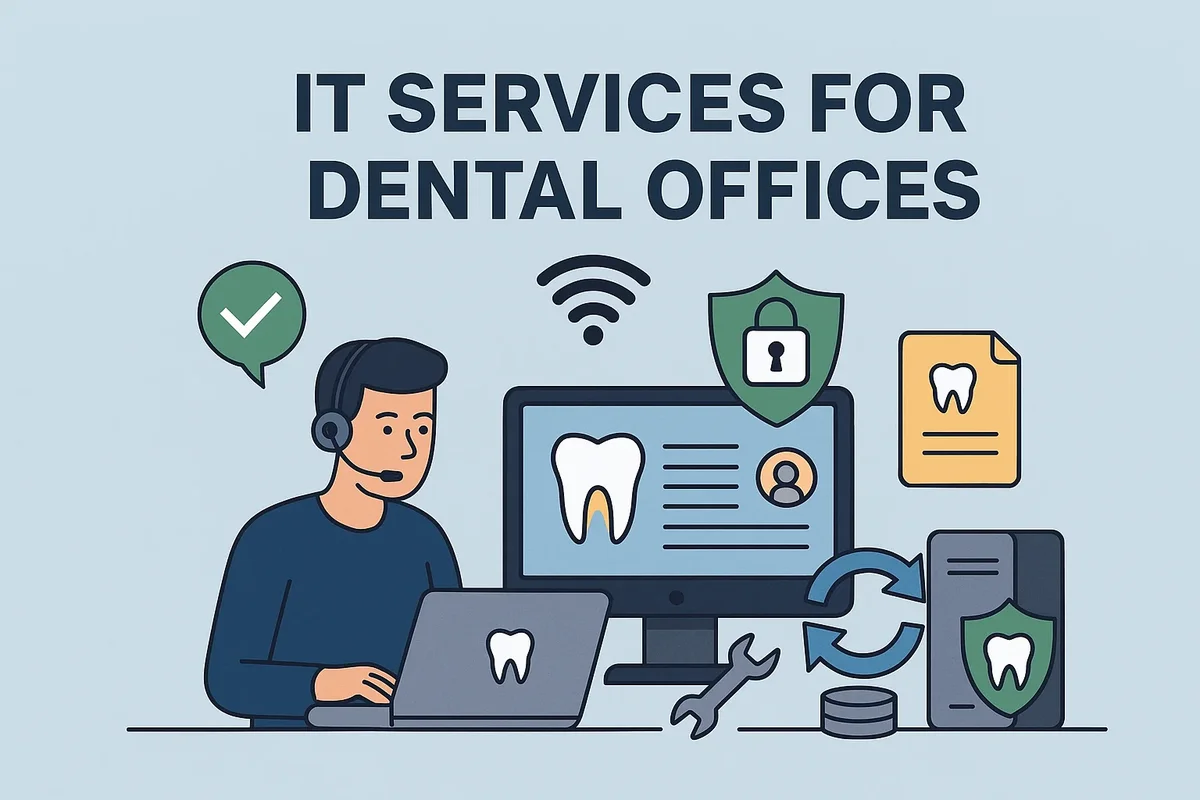
Choosing the Right IT Partner for Your Dental Office
Selecting the right IT provider can make or break a dental clinic’s technological success. A qualified partner ensures smooth operations, secure data management, and proactive system maintenance—all crucial for long-term growth. However, with so many options in the market, finding an IT provider that truly understands dental-specific needs requires strategic consideration. The best IT services for dental offices go beyond basic tech support—they deliver compliance expertise, industry insight, and tailored solutions that align perfectly with the clinic’s goals.
This section provides a complete guide to choosing the right IT partner, detailing what to look for, how to evaluate potential vendors, and which qualities differentiate a generic provider from a specialized dental technology expert.
1. Understanding the Role of an IT Partner in Dentistry
An IT partner in the dental field does more than fix broken computers or install software. They manage every technological aspect that supports patient care—from cloud-based imaging systems to HIPAA-compliant communication networks. Modern IT services for dental offices integrate practice management software, ensure data protection, manage hardware, and provide 24/7 monitoring for system uptime.
A dependable IT partner acts as a strategic consultant, helping clinics choose the best tools, maintain regulatory compliance, and plan for scalability. This collaboration is especially valuable in multi-location dental groups where consistency and centralization are essential.
Why Specialized IT Partners Matter
General IT providers may understand computers, but not the nuances of dental imaging software, practice management platforms, or healthcare data regulations. Specialized IT services for dental offices bring industry experience, enabling smoother integration with software like Dentrix, Eaglesoft, or Open Dental, and ensuring compliance with HIPAA or GDPR standards.
2. Key Qualities of a Reliable IT Partner
When evaluating IT vendors, dental professionals should prioritize reliability, transparency, and industry-specific knowledge. The following qualities separate exceptional providers from average ones:
- Healthcare Expertise: Deep familiarity with dental software, X-ray systems, and patient record management tools.
- Compliance Knowledge: Experience with HIPAA, PCI DSS, and other healthcare data regulations.
- 24/7 Availability: Real-time monitoring and rapid response to emergencies or downtime.
- Proactive Maintenance: Regular system audits, updates, and performance tuning before issues occur.
- Transparent Communication: Clear reports, straightforward contracts, and honest pricing.
By partnering with experts in IT services for dental offices, clinics ensure that their systems are optimized for reliability, scalability, and patient safety.
3. Evaluating Experience and References
Experience speaks volumes when it comes to IT support. Before committing, request references from other dental clinics that the provider serves. This gives real-world insight into response times, communication style, and technical competence. A proven track record with dental practices indicates the provider’s ability to handle specific industry challenges such as digital imaging integration, chart security, and compliance audits.
Case Studies and Client Reviews
Reviewing case studies helps identify how IT providers have solved similar problems for other clinics. Look for documented improvements in system uptime, workflow efficiency, or cybersecurity resilience. Additionally, check online reviews and testimonials to assess the provider’s reputation for professionalism and reliability.
4. Comprehensive Service Offerings
The best IT services for dental offices provide an all-inclusive approach rather than piecemeal support. This includes network management, cybersecurity, cloud integration, data backup, and on-site technical assistance. Partnering with a full-service provider ensures consistency and accountability—reducing the complexity of dealing with multiple vendors.
Managed Service Model vs. Break-Fix Model
Providers that operate on a “managed service” model deliver continuous care through a predictable monthly subscription. This proactive approach focuses on prevention rather than reaction. In contrast, break-fix providers only respond after problems occur, often leading to longer downtimes and higher costs. For long-term stability, managed service providers are the clear choice.
5. Assessing Communication and Responsiveness
Clear, ongoing communication defines successful IT partnerships. Clinics must ensure that their chosen provider offers responsive support channels—whether via phone, email, or a dedicated helpdesk portal. Reliable IT services for dental offices also provide status dashboards or regular reports detailing system health, uptime, and recent maintenance activities.
Transparent communication not only keeps clinic owners informed but also fosters trust. A provider that listens to client feedback and explains technical issues in simple terms adds tremendous value to the relationship.
Service-Level Agreements (SLAs)
Every IT partnership should include a detailed SLA outlining response times, resolution expectations, and escalation procedures. This document protects both parties and ensures accountability when issues arise.
6. Cybersecurity and Compliance Focus
Dental clinics manage sensitive patient data, making cybersecurity non-negotiable. Reputable IT services for dental offices provide advanced protection measures such as encryption, two-factor authentication, and intrusion detection systems. They also perform periodic vulnerability assessments to prevent breaches before they happen.
Compliance expertise is equally critical. Your IT partner must understand and implement HIPAA standards, ensuring that patient information is stored and transmitted securely. Failure to comply can lead to significant fines and loss of patient trust.
Regular Compliance Audits and Reports
Ask potential partners whether they conduct regular compliance audits and provide documentation. Verified audit reports not only ensure security but also serve as proof of due diligence during inspections or audits.
7. Cost Transparency and Scalability
Budgeting for IT is easier when costs are predictable and transparent. The best IT services for dental offices offer scalable pricing models that adapt to clinic growth. Whether you add new operatories, expand to multiple locations, or adopt advanced digital systems, your IT provider should adjust services accordingly without hidden fees.
Transparent contracts include detailed line items for each service, ensuring clarity about what is covered. Avoid providers with vague terms or extra “incident” charges that can inflate costs unexpectedly.
Predictable Monthly Plans
Flat-rate managed service plans are ideal because they cover unlimited support, updates, and monitoring. This allows dental offices to budget confidently and avoid costly downtime expenses.
8. Onboarding, Training, and Long-Term Partnership
Transitioning to a new IT provider can be intimidating, but structured onboarding ensures a smooth start. Professional IT services for dental offices create detailed implementation plans that include network mapping, system configuration, and data migration without disrupting daily operations. They also provide staff training so employees feel confident using new systems.
Continuous Collaboration
Top-tier IT providers maintain regular check-ins, quarterly strategy meetings, and performance reviews to align with the clinic’s evolving goals. This ensures the IT strategy grows alongside the business.
9. Red Flags to Avoid When Choosing an IT Partner 🚫
Not all IT providers deliver what they promise. Watch out for warning signs such as slow response times, limited healthcare experience, unclear pricing, or reluctance to provide references. Providers who fail to document procedures or resist proactive planning often lead to recurring technical issues.
Avoid one-size-fits-all solutions—dental IT requires customization. Ensure your chosen provider tailors their services to your clinic’s unique systems and workflow, not just generic medical templates.
Conclusion: Building a Lasting Partnership That Powers Success
Choosing the right IT partner is a pivotal decision that shapes your dental practice’s efficiency, security, and long-term growth. The most successful clinics collaborate with providers who specialize in IT services for dental offices, ensuring every system—from imaging to scheduling—runs flawlessly and securely.
By prioritizing expertise, transparency, and proactive service, dental professionals can future-proof their operations and deliver exceptional patient experiences. For personalized guidance, clinics can reach out through the Redent Klinik Contact Page or explore best practice recommendations from the American Dental Association. The right IT partner isn’t just a vendor—it’s a strategic ally in creating a smarter, safer, and more efficient dental future. 🦷