
IV sedation has become one of the most popular and effective methods in modern dentistry for helping patients overcome anxiety, discomfort, and fear during dental treatments. If you have ever felt nervous about visiting the dentist, you are not alone—dental anxiety affects millions of people worldwide. The introduction of IV sedation, also known as intravenous conscious sedation, has completely changed the way patients experience complex procedures, making dental care more accessible and stress-free. 🦷
In this detailed guide, we will walk you through everything you need to know about IV sedation. From how it works to its benefits, safety, recovery, and whether it is the right choice for you, we will cover all aspects of this technique. Our goal is to ensure that by the end of this article, you feel confident and well-informed about IV sedation and its role in dentistry.
What is IV sedation? Simply put, it is a form of conscious sedation administered directly into your bloodstream via a small needle placed in your arm or hand. The medication used typically belongs to the benzodiazepine family, such as midazolam, which helps you relax deeply while still remaining conscious. Unlike general anesthesia, where patients are completely unconscious, IV sedation allows you to remain awake but calm, with little to no memory of the procedure afterward. This balance makes it an ideal solution for patients who want to feel at ease while maintaining some level of awareness.
One of the key advantages of IV sedation is the speed and precision of its effects. Because the medication enters your bloodstream directly, it begins to work almost immediately. Your dentist can also adjust the level of sedation throughout the procedure, ensuring maximum comfort without unnecessary risk. This control is a major reason why IV sedation has become a standard practice in dental clinics worldwide, especially for procedures such as wisdom tooth extractions, implant placements, and full-mouth restorations.
Another important factor to consider is patient comfort. For individuals who suffer from dental phobia, even the thought of sitting in a dental chair can be overwhelming. IV sedation provides a sense of calm and reassurance, allowing patients to undergo necessary treatments without fear. This not only improves the dental experience but also helps patients maintain better long-term oral health, as they are less likely to postpone or avoid appointments. 🌟
It is worth noting that IV sedation dentistry is different from other forms of sedation such as oral sedation (pills) or nitrous oxide (laughing gas). While oral sedation can take time to work and nitrous oxide may not be strong enough for more invasive procedures, IV sedation offers a perfect middle ground: fast, reliable, and effective. Patients often describe the experience as drifting into a dreamlike state, where time seems to pass quickly and discomfort is virtually eliminated.
From a medical perspective, IV sedation is considered very safe when administered by trained professionals. Dentists who offer this service are specifically certified and follow strict monitoring protocols. Throughout the procedure, your oxygen levels, heart rate, and blood pressure are continuously tracked to ensure your well-being. In fact, the American Dental Association provides clear guidelines and safety standards for IV sedation, ensuring that patients receive care in a controlled and secure environment.
Many patients also wonder whether they will remember the procedure. One of the unique effects of IV sedation is anterograde amnesia, which means you are unlikely to recall most of the treatment. This feature is especially helpful for those who have had traumatic dental experiences in the past, as it prevents new negative memories from forming. As a result, patients often report a more positive attitude toward future dental visits.
It is also important to understand that IV sedation is not only for those with anxiety. Patients who need lengthy or complex procedures can benefit greatly from it, as it allows dentists to complete multiple treatments in a single session. This reduces the need for multiple appointments, saving both time and stress. For example, someone requiring several implants and extractions may choose IV sedation to complete the entire treatment plan in one comfortable sitting. 💤
If you are considering this option, the best step is to schedule a consultation with your dentist. During this visit, you can discuss your medical history, current medications, and level of anxiety. Your dentist will determine whether IV sedation is suitable for you and explain the entire process in detail. If you are ready to take the first step toward stress-free dentistry, you can contact us here: Redent Klinik Contact Page.
In summary, IV sedation is a revolutionary approach to dental care that combines comfort, safety, and efficiency. It provides patients with a calm, pain-free experience while allowing dentists to deliver high-quality treatment. Whether you struggle with anxiety, have a low pain threshold, or require extensive dental work, IV sedation may be the solution you have been searching for. By understanding how it works, its benefits, and what to expect, you can make an informed decision about your dental health. Ultimately, IV sedation is more than just a medical technique—it is a pathway to restoring your confidence and maintaining a healthy smile. 😃
What Is IV Sedation in Dentistry?
IV sedation, also known as intravenous sedation, is a modern dental technique designed to help patients undergo treatment in a relaxed and stress-free state. Unlike local anesthesia, which only numbs a specific area, or nitrous oxide (laughing gas), which provides light relaxation, IV sedation involves the administration of sedative medications directly into your bloodstream through a small needle inserted into your arm or hand. This method allows dentists to create a controlled level of relaxation that can be adjusted in real time, ensuring that each patient receives the exact amount of comfort needed for their procedure. 🦷
Many patients mistakenly believe that IV sedation is the same as general anesthesia. While both involve medical drugs that alter consciousness, IV sedation keeps you conscious but deeply relaxed. You will still be able to respond to verbal cues or gentle touches, but you will not feel anxious or distressed. Most importantly, you are unlikely to remember much, if anything, about the dental procedure afterward. This makes IV sedation particularly appealing for individuals with high dental anxiety or for those undergoing long and complex treatments.
How Does IV Sedation Differ From Other Sedation Methods?
There are several ways dentists can provide sedation, but IV sedation stands out for its speed, precision, and effectiveness. Let’s briefly compare the most common options:
- Oral Sedation – Taken in pill form, oral sedation is convenient but less predictable. It can take up to an hour to take effect and may not provide consistent results for every patient.
- Nitrous Oxide (Laughing Gas) – This gas is inhaled through a mask and works quickly to relax patients. However, it is relatively mild and may not be sufficient for more invasive or lengthy procedures.
- General Anesthesia – This puts you into a completely unconscious state. It is used only for major surgeries in a hospital setting, as it requires specialized equipment and carries higher risks.
- IV Sedation – Delivered directly into the bloodstream, IV sedation works within minutes, can be fine-tuned throughout the procedure, and offers a balance between deep relaxation and patient safety.
From this comparison, it becomes clear why IV sedation in dentistry has gained popularity: it offers stronger relaxation than laughing gas, more control than oral medication, and fewer risks than general anesthesia.
Who Performs IV Sedation?
Only trained and licensed dental professionals are authorized to administer IV sedation. These dentists undergo specialized training in sedation dentistry, emergency management, and patient monitoring. During the procedure, your vital signs—including heart rate, oxygen levels, and blood pressure—are continuously monitored to ensure complete safety. Additionally, most dental clinics offering IV sedation are equipped with advanced monitoring equipment, following guidelines set by organizations such as the American Dental Association.
Types of Medications Used
The medications most commonly used for IV sedation belong to the benzodiazepine family, such as midazolam or diazepam. These drugs are highly effective at reducing anxiety, promoting muscle relaxation, and inducing a temporary memory loss effect so you remember little about the procedure. In some cases, other sedatives may be combined to enhance the relaxing effect. Importantly, these medications are carefully dosed based on your weight, age, and medical history.
Benefits of IV Sedation in Dentistry
The main advantage of IV sedation is the comfort it provides. Patients who have delayed dental treatment for years due to fear can finally get the care they need. Let’s explore some benefits in detail:
- Fast-acting relief – The sedative effect begins almost immediately after administration.
- Customizable depth – The dentist can increase or decrease the level of sedation during the procedure.
- Reduced anxiety – Patients feel calm and detached from the stress of dental treatment.
- Little memory of the procedure – Thanks to the amnesia effect, most patients barely recall their experience, making future visits easier.
- More dental work in fewer visits – Since patients remain comfortable, dentists can complete multiple procedures in a single appointment.
Is IV Sedation Safe?
Yes, IV sedation is generally considered very safe when performed by qualified professionals. The dose is carefully monitored and adjusted throughout the procedure, and patients are continuously observed. While minor side effects such as grogginess or mild nausea may occur afterward, serious complications are extremely rare. To minimize risks, your dentist will review your complete medical history before recommending IV sedation.
Who Should Avoid IV Sedation?
Not every patient is an ideal candidate for IV sedation. People with severe respiratory issues, uncontrolled diabetes, certain heart conditions, or allergies to sedative drugs may need alternative options. Pregnant women are also typically advised against IV sedation unless absolutely necessary. A thorough consultation helps ensure that IV sedation is the right choice for your needs.
Real-Life Example
Consider a patient who requires multiple dental implants and extractions but has severe anxiety about dental work. Without IV sedation, completing the treatment might take several sessions and cause significant stress. With IV sedation, however, the dentist can perform all necessary procedures in one visit, while the patient remains calm, relaxed, and free from distress. This illustrates how IV sedation can transform a potentially overwhelming experience into a manageable one.
In conclusion, IV sedation in dentistry is a safe, efficient, and highly effective option for patients who need extensive treatment or struggle with dental anxiety. By offering deep relaxation without complete unconsciousness, IV sedation bridges the gap between comfort and safety. Whether you are preparing for a single extraction or a full-mouth restoration, IV sedation can make the process smoother and far less intimidating. For more information or to explore whether this approach suits your needs, you can reach out to our team via the Redent Klinik Contact Page. 💡
How IV Sedation Works Step by Step
Understanding the exact process of IV sedation is important for patients who may feel uncertain about what will happen before, during, and after their dental procedure. By breaking it down into clear steps, you can see how safe, predictable, and effective IV sedation truly is. This method is carefully designed to make your dental visit as stress-free as possible while allowing your dentist to perform complex treatments with precision. 🦷
Step 1: The Initial Consultation
Before receiving IV sedation, every patient must undergo a thorough consultation. During this visit, your dentist or sedation specialist will review your complete medical history, current medications, allergies, and any past experiences with anesthesia or sedation. This step ensures that IV sedation is the right fit for you. At this point, your dentist will also explain the process in detail and answer any questions you might have. For example, patients often ask whether they will be asleep during the treatment, and the answer is no—you will be awake but deeply relaxed, almost as if you are in a dreamlike state.
Pre-Sedation Instructions
Once IV sedation is approved, you will receive clear instructions to follow before your appointment. These typically include fasting (no food or drink for 6–8 hours before treatment), wearing comfortable clothing, and arranging for a responsible adult to accompany you to and from the dental clinic. These instructions are crucial for your safety and help the sedation work effectively.
Step 2: Preparing for IV Sedation on the Day of Treatment
On the day of your procedure, you will be welcomed into the clinic and escorted to a treatment room equipped with advanced monitoring equipment. Your dentist or sedation-trained professional will prepare your arm or hand for a small intravenous line (IV line). A tiny needle will be inserted, usually causing minimal discomfort, much like a standard blood test. This IV line is the pathway through which the sedative medication will be delivered.
Monitoring Before the Procedure
Before administering the medication, the dental team attaches monitoring devices to track your heart rate, oxygen levels, and blood pressure. This monitoring continues throughout the entire procedure, ensuring your safety at all times. The American Dental Association requires strict protocols for monitoring patients under IV sedation, which is why only specially trained professionals are allowed to perform this method.
Step 3: Administration of the Sedation Medication
Once everything is in place, the dentist will begin administering the sedative drug through the IV line. The most common medication is midazolam, a benzodiazepine that induces relaxation and mild amnesia. Because the drug enters your bloodstream directly, the effects begin within minutes. Your dentist can adjust the dose instantly, increasing or decreasing the level of sedation to suit your comfort. This level of control is what makes IV sedation dentistry so reliable compared to oral sedation pills, which may take an hour to work and cannot be fine-tuned once ingested.
The Feeling of IV Sedation
Patients often describe the sensation as floating or drifting into a dreamlike state. You remain conscious and able to respond, but you will feel detached from the dental procedure. Anxiety disappears, pain perception decreases, and you are unlikely to form memories of the treatment. This makes IV sedation particularly valuable for patients who fear the dentist or have had traumatic dental experiences in the past.
Step 4: The Dental Procedure Under IV Sedation
With you comfortably sedated, your dentist can begin the planned treatment. Whether it is a wisdom tooth extraction, dental implant placement, or a full-mouth reconstruction, IV sedation allows the procedure to be carried out smoothly. Because patients are relaxed, there are fewer interruptions, and dentists can often complete multiple treatments in one visit. This saves patients time and minimizes the number of appointments needed.
Continuous Monitoring
Throughout the procedure, your vital signs are closely observed. If adjustments are needed, the sedation level can be changed immediately. This flexibility ensures that you remain safe while still experiencing maximum comfort. The ability to fine-tune the sedation separates IV sedation from other methods like nitrous oxide or oral pills.
Step 5: Waking Up and Recovery
Once the dental treatment is completed, the administration of sedation medication is stopped. The effects begin to wear off quickly, though patients typically feel drowsy for several hours afterward. You will remain in the clinic until you are stable and alert enough to go home. Because the sedative lingers in your system, you will not be able to drive yourself; this is why having a friend or family member accompany you is mandatory.
Post-Sedation Instructions
After leaving the dental clinic, you will be advised to rest for the remainder of the day. Avoid operating heavy machinery, making important decisions, or consuming alcohol until the sedative has completely worn off. Some patients may experience minor side effects such as grogginess, headache, or slight nausea, but these typically resolve within 24 hours.
Why the Step-by-Step Process Matters
This carefully structured process ensures that IV sedation is safe, effective, and tailored to each individual. Every step, from consultation to monitoring to recovery, is designed to reduce anxiety, prevent pain, and promote a positive dental experience. By knowing exactly what to expect, patients often feel more confident about choosing IV sedation for their dental needs.
In summary, the step-by-step process of IV sedation includes consultation, preparation, sedation administration, treatment, and recovery. Each phase is supported by trained professionals and strict safety protocols. Whether you need a single extraction or a comprehensive smile makeover, IV sedation can make your journey smooth, calm, and comfortable. If you would like to learn whether this option is right for you, you can schedule a consultation through the Redent Klinik Contact Page. 🌟
Benefits of IV Sedation for Anxious Patients
Dental anxiety is an incredibly common issue—studies suggest that nearly 36% of people suffer from some level of dental fear, while around 12% experience extreme dental phobia. For these patients, even simple procedures such as cleanings or fillings can feel overwhelming. Fortunately, IV sedation offers a powerful solution, providing comfort, relaxation, and a sense of security throughout treatment. By directly addressing the emotional and physical aspects of anxiety, IV sedation has transformed how patients with dental fears approach oral health care. 🦷
Why Dental Anxiety Happens
Before highlighting the benefits of IV sedation, it is useful to understand why so many patients feel anxious about the dentist. Common reasons include:
- Fear of pain based on past negative experiences.
- Sensitivity to sounds, smells, or sensations in the dental office.
- Fear of needles, injections, or loss of control.
- Embarrassment about oral health or neglect.
- Generalized anxiety disorder, making medical settings stressful.
These fears can lead patients to avoid necessary dental care, resulting in worsened oral health over time. That’s where IV sedation comes in—it helps patients overcome these barriers and receive the treatments they need in a calm, controlled environment.
How IV Sedation Reduces Anxiety
The core benefit of IV sedation is the deep sense of relaxation it provides. The medication works quickly, reducing the brain’s response to anxiety triggers. Once administered, patients often describe the feeling as drifting into a dreamlike state where dental sounds and sensations no longer bother them. The sedative also induces partial amnesia, so patients remember little or nothing of the procedure afterward, making future visits less intimidating. 🌟
Emotional Comfort
One of the strongest advantages of IV sedation is its ability to calm emotional distress. Patients who might otherwise panic in the chair are able to undergo treatment without stress. This not only benefits the patient’s mental well-being but also makes the dentist’s job easier, allowing procedures to be completed efficiently.
Physical Relaxation
IV sedation also promotes muscle relaxation, which is particularly helpful for patients with a strong gag reflex, jaw tension, or difficulty staying still. By keeping the body relaxed, it becomes easier for the dentist to perform delicate procedures with precision.
Advantages Over Other Sedation Methods
While nitrous oxide and oral sedation can help with mild anxiety, they are not always strong enough for patients with severe phobias. IV sedation stands out because:
- Immediate Effect – Relief begins within minutes of the sedative entering the bloodstream.
- Adjustable Level – The dentist can control the depth of sedation at any time.
- Stronger Relaxation – It provides a deeper level of calm compared to oral or inhaled options.
- Reduced Memory – Most patients forget the details of their visit, which helps break the cycle of fear.
Practical Benefits for Anxious Patients
For patients with extreme dental anxiety, IV sedation dentistry opens the door to comprehensive care. Here are some specific ways it helps:
- Multiple Procedures in One Visit – Patients can complete several treatments at once, minimizing the number of stressful appointments.
- Improved Oral Health – By reducing fear, patients are more likely to seek regular dental care instead of delaying treatment until problems worsen.
- Better Overall Experience – Patients leave the office with less trauma, fewer memories of discomfort, and greater confidence about future visits.
- Support for Special Needs – Patients with disabilities, severe gag reflexes, or complex medical conditions often benefit greatly from IV sedation.
Impact on Quality of Life
The benefits of IV sedation extend beyond the dental chair. Patients who have avoided care for years due to anxiety often experience a transformation in their quality of life. With the help of sedation, they can finally receive restorative treatments, improve their oral function, and regain confidence in their smile. The result is not just better dental health but also improved nutrition, self-esteem, and overall wellness. 😃
Case Example
Consider a patient with severe dental phobia who has postponed care for a decade. Their oral health has deteriorated, requiring multiple extractions and implants. Without IV sedation, this patient might never agree to treatment. With IV sedation, however, the procedures can be completed in a single, calm session, giving them a renewed smile and a fresh start in life.
Why IV Sedation Matters for the Future
As more patients discover the benefits of IV sedation, the stigma around dental visits continues to fade. Clinics offering sedation dentistry make oral health more accessible to those who would otherwise suffer in silence. By reducing fear, encouraging preventive care, and allowing for complex treatments in fewer visits, IV sedation is reshaping modern dentistry.
In conclusion, the benefits of IV sedation for anxious patients are undeniable. It provides emotional and physical relief, encourages patients to seek the care they need, and creates a positive dental experience. If you have been avoiding the dentist due to fear, IV sedation may be the key to finally overcoming that barrier. To learn more or to schedule a consultation, visit the Redent Klinik Contact Page. For additional guidelines on safe sedation practices, the American Dental Association is an excellent resource. 💡
IV Sedation vs. General Anesthesia: Key Differences
When patients hear the words “sedation” or “anesthesia,” they often assume both terms mean the same thing. However, there are critical differences between IV sedation and general anesthesia. Understanding these differences is essential for patients deciding which option is best for their dental or surgical treatment. Both methods aim to ensure comfort and reduce anxiety, but they vary significantly in terms of depth, safety, recovery, and suitability for different procedures. 🦷
What Is IV Sedation?
IV sedation, or intravenous sedation, involves delivering medication directly into the bloodstream to induce a state of deep relaxation. You remain conscious during the procedure but experience reduced awareness, lowered anxiety, and partial memory loss of the treatment. It is sometimes called “conscious sedation” because, although you are relaxed, you can still respond to verbal cues or gentle touch. Unlike general anesthesia, IV sedation does not completely shut down your protective reflexes, making it a safer choice for many dental procedures.
Key Features of IV Sedation
- Administered intravenously (into the bloodstream).
- Works within minutes and can be adjusted throughout the procedure.
- Patient remains awake but deeply relaxed.
- Amnesia effect—patients usually remember little or nothing afterward.
- Fewer risks compared to general anesthesia.
What Is General Anesthesia?
General anesthesia is a more intensive form of sedation used mainly in hospitals or surgical centers. Under general anesthesia, patients are placed in a completely unconscious state. They are unable to respond, feel pain, or breathe independently without assistance. An anesthesiologist closely monitors the patient’s vital signs, ensuring they remain stable throughout the procedure. General anesthesia is typically reserved for major operations, trauma surgeries, or cases where other sedation methods are insufficient.
Key Features of General Anesthesia
- Administered through inhalation or intravenous medication.
- Patient becomes fully unconscious and unaware of surroundings.
- Breathing assistance is usually required (ventilator support).
- Higher risk of complications compared to IV sedation.
- Longer recovery time and post-operative monitoring required.
Comparing IV Sedation and General Anesthesia
While both methods serve to make procedures more comfortable, there are clear distinctions between them. The following aspects highlight the key differences:
| Aspect | IV Sedation | General Anesthesia |
|---|---|---|
| Consciousness | Patient is conscious but relaxed | Patient is fully unconscious |
| Response to Stimuli | Can respond to verbal cues | No response |
| Memory | Little to no memory of procedure | No memory of procedure |
| Safety | Lower risk, fewer complications | Higher risk, requires advanced monitoring |
| Location | Usually performed in dental clinics | Performed in hospitals or surgical centers |
| Recovery | Faster recovery, can go home same day | Longer recovery, requires monitoring |
When Is IV Sedation Used?
IV sedation is ideal for dental treatments such as wisdom tooth removal, dental implants, root canal therapy, and extensive restorative procedures. It is also particularly useful for patients with severe dental anxiety, strong gag reflexes, or those requiring multiple treatments in a single visit. The controlled nature of IV sedation makes it highly versatile and suitable for outpatient dental clinics. Patients often appreciate its balance of comfort and safety. 🌟
When Is General Anesthesia Used?
General anesthesia is reserved for cases where IV sedation is insufficient. This may include:
- Major oral or maxillofacial surgeries.
- Complex trauma or reconstructive procedures.
- Patients with extreme medical needs or conditions.
- Children or individuals unable to tolerate other forms of sedation.
Because general anesthesia requires specialized equipment and monitoring, it is not typically offered in standard dental practices.
Which Option Is Safer?
For most dental procedures, IV sedation is considered the safer option. It provides enough relaxation for patient comfort while avoiding the extensive risks associated with general anesthesia. Patients remain able to breathe on their own, and the sedation level can be adjusted instantly. However, both methods are safe when administered by trained professionals. The American Dental Association has established strict safety guidelines for both IV sedation and general anesthesia, ensuring that patients are well-protected in either scenario.
Recovery Differences
Recovery from IV sedation is much quicker than from general anesthesia. After IV sedation, patients may feel drowsy for a few hours but can usually return home the same day with an escort. In contrast, general anesthesia requires extended monitoring, often in a hospital setting, and patients may experience grogginess, nausea, or sore throat for a longer period.
Making the Right Choice
Ultimately, the choice between IV sedation and general anesthesia depends on the type of procedure, the patient’s medical history, and their level of anxiety. For most dental patients, IV sedation offers an excellent balance of comfort, safety, and recovery convenience. General anesthesia is reserved for complex or surgical cases that demand complete unconsciousness.
In conclusion, while both IV sedation and general anesthesia serve important roles in modern dentistry and medicine, they are not interchangeable. IV sedation is typically the preferred choice for dental care because it is safer, faster, and easier to recover from. If you are considering sedation options, consult your dentist to determine the best fit for your needs. To learn more or book an appointment, visit the Redent Klinik Contact Page. 💡
Safety, Risks, and Side Effects of IV Sedation
While IV sedation is widely regarded as one of the safest and most effective methods for managing dental anxiety and discomfort, patients naturally want to understand any potential risks before undergoing the procedure. Like all medical techniques, IV sedation carries a balance of benefits and possible side effects. Fortunately, when performed by a qualified dental professional in a controlled setting, IV sedation is safe for most patients, with complications being extremely rare. This section will give you a comprehensive overview of its safety profile, potential risks, and side effects so you can make an informed decision about your care. 🦷
Why IV Sedation Is Considered Safe
IV sedation is administered only by dentists or specialists with specific training in sedation dentistry. Clinics offering this service must comply with strict regulations set by organizations such as the American Dental Association. The procedure includes continuous monitoring of vital signs—heart rate, blood pressure, and oxygen levels—throughout the entire treatment. The medications used, typically benzodiazepines like midazolam, are carefully chosen for their safety record and effectiveness. These factors combined make IV sedation one of the safest approaches for patients who need to undergo complex or lengthy dental procedures.
Built-In Safety Mechanisms
- Real-time Monitoring – Advanced equipment tracks your breathing, pulse, and oxygen levels continuously.
- Adjustable Dosing – The dentist can increase or reduce sedation at any point to ensure maximum comfort and safety.
- Immediate Response Capability – If any complication arises, the IV line allows for fast delivery of reversal drugs.
- Consciousness Preservation – Unlike general anesthesia, patients under IV sedation remain conscious enough to protect their own airway.
Common Side Effects of IV Sedation
Although side effects are generally mild and temporary, it’s helpful to know what you might experience. Most patients report feeling sleepy or groggy for several hours after the procedure, which is why you need an escort to drive you home. Other common side effects include:
- Drowsiness – Fatigue may last for 12–24 hours post-treatment.
- Dry Mouth – Reduced saliva production is a common effect of sedatives.
- Slight Headache – Some patients feel mild head pressure once the sedative wears off.
- Amnesia Effect – Patients often cannot recall the procedure, which is both a benefit and a predictable side effect.
These effects usually fade within a day and rarely require medical intervention. Drinking water, resting, and following post-sedation instructions help minimize them.
Rare but Possible Risks
Though complications are very rare, patients should be aware of the small risks associated with IV sedation dentistry:
- Allergic Reactions – Rare hypersensitivity to sedative drugs can occur, but dental offices are equipped with emergency medications.
- Over-Sedation – If excessive medication is given, breathing may slow; however, trained professionals can reverse the effect quickly.
- Vein Irritation – Insertion of the IV line can occasionally cause mild swelling or bruising at the site.
- Interaction with Other Medications – Certain prescriptions or substances can increase risks, which is why a full medical history is required.
Who Is at Higher Risk?
Some patients may face slightly higher risks with IV sedation, such as those with respiratory conditions, cardiovascular disease, severe obesity, or sleep apnea. Pregnant women are also advised to avoid IV sedation unless absolutely necessary. During your consultation, your dentist will carefully evaluate your health status to decide whether IV sedation is appropriate for you.
Preparing for a Safe Experience
Patient cooperation is a vital part of safety. Following your dentist’s pre-sedation instructions significantly lowers risks. These instructions may include fasting for 6–8 hours before treatment, avoiding alcohol, and disclosing all medications and supplements you are taking. Additionally, arranging transportation and post-treatment supervision ensures a smooth recovery process.
Recovery and Aftercare
The recovery phase is typically straightforward. Most patients feel drowsy and prefer to sleep after their appointment. It is recommended to avoid driving, operating heavy machinery, or making important decisions for 24 hours following IV sedation. Side effects like nausea or dizziness are uncommon but manageable with rest and hydration. Within a day, patients usually feel back to normal, with no lasting impact.
Comparing Risks: IV Sedation vs. General Anesthesia
One of the main reasons IV sedation is preferred in dentistry is its superior safety profile compared to general anesthesia. Under general anesthesia, patients lose full consciousness, requiring breathing support and hospital-level monitoring. IV sedation, by contrast, keeps you conscious with preserved protective reflexes, significantly lowering the chances of serious complications. For the vast majority of dental patients, this makes IV sedation the safer, more practical choice.
In summary, IV sedation is considered extremely safe when administered by trained professionals in an appropriate clinical setting. While minor side effects such as grogginess or dry mouth are common, serious risks are rare. Proper screening, careful monitoring, and strict safety protocols ensure patient well-being. If you want to learn more about whether IV sedation is right for you, don’t hesitate to reach out through the Redent Klinik Contact Page. 🌟
Who Is a Good Candidate for IV Sedation?
Not every patient requires IV sedation, but for those who struggle with dental fear, complex treatment needs, or certain medical conditions, it can be a life-changing solution. Determining candidacy is a critical step, as it ensures the safety and effectiveness of the sedation experience. Dentists carefully evaluate each patient through consultation, medical history review, and risk assessment before recommending IV sedation. This section explores the groups of people who benefit most from IV sedation and highlights the situations where it may or may not be appropriate. 🦷
Patients With Severe Dental Anxiety
One of the primary reasons patients choose IV sedation is overwhelming dental anxiety or phobia. Fear of dental visits can stem from past traumatic experiences, fear of needles, sensitivity to dental sounds, or generalized anxiety disorders. For these individuals, even routine cleanings may feel unbearable. IV sedation offers a calming solution, enabling patients to receive necessary care without stress or panic. Because the sedatives also create partial amnesia, patients often have little to no memory of the appointment, which helps break the cycle of fear.
Breaking the Cycle of Avoidance
Patients who avoid dental care due to fear often develop more serious oral health problems over time. By using IV sedation, they can comfortably undergo restorative treatments such as root canals, extractions, or implant surgery. This approach not only addresses their immediate needs but also promotes better long-term oral health by encouraging consistent dental visits.
Individuals Requiring Extensive or Complex Procedures
IV sedation is especially beneficial for patients who need lengthy or multiple treatments in one session. For example, a patient who requires several dental implants, multiple extractions, or full-mouth restoration may benefit from completing the work in fewer visits under IV sedation. This saves time, reduces stress, and makes complex dental care more manageable for both patient and dentist. 🌟
Examples of Complex Cases
- Wisdom tooth removal combined with implant placement.
- Full-mouth reconstruction involving crowns, bridges, and extractions.
- Patients with gum disease requiring deep cleanings and surgical treatment.
Patients With Strong Gag Reflex or Low Pain Threshold
Some patients naturally have a strong gag reflex, making dental procedures uncomfortable or nearly impossible. Others may have a very low pain tolerance, causing even minor treatments to feel unbearable. IV sedation helps relax muscles, reduce reflexes, and increase tolerance for dental work. This allows the dentist to perform procedures more effectively, and the patient remains comfortable throughout.
Special Needs and Medically Sensitive Patients
Patients with certain physical or developmental conditions may struggle to cooperate during dental procedures. For example, individuals with autism, movement disorders, or severe dental phobias often find IV sedation extremely helpful. It provides the stability and calmness needed to deliver safe, high-quality dental care. Additionally, patients with special medical considerations—such as those taking medications that increase anxiety—may also benefit.
Conditions That Require Extra Evaluation
While many patients are eligible, certain conditions require careful consideration before proceeding with IV sedation. These include:
- Respiratory conditions like asthma, COPD, or sleep apnea.
- Cardiovascular issues such as uncontrolled hypertension or heart disease.
- Liver or kidney disease that may affect drug metabolism.
- Pregnancy, where sedation is typically avoided unless absolutely necessary.
Your dentist will evaluate these risks thoroughly before recommending IV sedation.
Patients Who Want a Stress-Free Experience
Even patients without severe anxiety may choose IV sedation simply to make their dental experience more pleasant. For example, busy professionals who want to complete several procedures in a single sitting or patients who have had uncomfortable experiences with local anesthesia in the past may request IV sedation for peace of mind.
Who Is Not a Good Candidate?
Although IV sedation is safe for most people, it may not be recommended in certain cases. Patients who are allergic to sedative medications, have uncontrolled medical conditions, or cannot arrange proper supervision after treatment may not be good candidates. Similarly, individuals with a history of substance abuse may require alternative sedation methods.
Determining Eligibility
Eligibility for IV sedation is determined during a thorough consultation. The dentist will:
- Review your complete medical history and current medications.
- Assess your level of dental anxiety and treatment needs.
- Check for contraindications that might increase risk.
- Provide detailed pre-sedation instructions, including fasting and post-treatment care requirements.
The Importance of Professional Evaluation
It is vital to undergo evaluation by a licensed dentist or oral surgeon trained in sedation dentistry. The American Dental Association sets strict standards for patient assessment, monitoring, and emergency preparedness, ensuring that only appropriate candidates receive IV sedation safely.
In conclusion, good candidates for IV sedation include patients with severe dental anxiety, those undergoing complex procedures, individuals with strong gag reflexes or low pain thresholds, and special needs patients. By carefully evaluating medical history and individual needs, dentists can determine whether IV sedation is the right solution. If you think you might be a candidate, you can schedule a consultation today through the Redent Klinik Contact Page. 😃
Cost of IV Sedation in Dentistry and What to Expect
One of the most common questions patients have about IV sedation is how much it costs and what factors influence the final price. Because IV sedation requires specialized training, equipment, and monitoring, it generally costs more than other forms of sedation such as oral medication or nitrous oxide. However, for many patients, the benefits of comfort, reduced anxiety, and the ability to complete multiple procedures in a single visit outweigh the higher expense. Understanding the costs and what to expect can help you make an informed decision about your dental care. 💰
Average Cost of IV Sedation
The cost of IV sedation in dentistry varies based on location, provider expertise, and the length of the procedure. On average, patients can expect to pay:
- Per Hour Fee: $250 – $500 per hour of sedation time.
- Flat Fee for Dental Procedures: Some clinics charge $500 – $1,000 as a flat sedation fee, depending on the complexity of the treatment.
- Comprehensive Care Packages: For full-mouth reconstructions or multiple implants, IV sedation may be included as part of an overall treatment plan, potentially costing several thousand dollars.
These prices reflect U.S. averages; costs may be lower or higher in different regions. In Europe and Turkey, IV sedation dentistry is often more affordable, with fees ranging between €150 – €400 per session. 🌍
Example Cost Breakdown
Imagine a patient undergoing wisdom tooth extraction with IV sedation. The procedure might last 90 minutes. The sedation fee could be around $400–$600 in addition to the surgical costs. For a more extensive treatment such as dental implants, where sedation time is longer, the price may rise accordingly.
Factors Affecting the Cost
Several factors can influence the final bill for IV sedation dentistry:
- Duration of Sedation – Longer treatments mean higher costs, as fees are often based on time.
- Dentist or Specialist Expertise – Sedation administered by highly trained specialists or anesthesiologists may cost more than sedation by a general dentist.
- Geographic Location – Dental fees vary significantly between cities, states, and countries.
- Type of Dental Procedure – Complex surgeries such as multiple implants or reconstructive treatments require longer sedation times.
- Insurance Coverage – Some insurance plans may cover sedation if deemed medically necessary, while others may not.
Does Insurance Cover IV Sedation?
Insurance coverage for IV sedation depends on the provider and the nature of the treatment. In many cases, dental insurance does not cover sedation unless there is a medical justification, such as extreme anxiety disorder, disability, or a complex surgical need. Patients should check with their insurance provider in advance to understand what portion of the cost might be reimbursed. For uninsured patients, many dental clinics offer payment plans or financing options to make IV sedation more affordable.
Financing Options
Clinics often provide flexible payment plans that allow patients to spread the cost of treatment and sedation over several months. Third-party financing companies such as CareCredit in the U.S. also help patients manage expenses. This ensures that IV sedation remains accessible to those who need it most.
Why IV Sedation Is Worth the Cost
Although IV sedation is more expensive than other sedation methods, its advantages often justify the additional cost:
- Comfort and Peace of Mind – For anxious patients, stress-free treatment is priceless.
- Efficiency – Multiple procedures can be completed in a single session, reducing overall appointment costs.
- Improved Oral Health – Patients who would otherwise avoid the dentist can finally receive comprehensive care.
- Enhanced Safety – Continuous monitoring and precise dosage adjustment make IV sedation safer than many alternatives.
Global Price Comparison
The cost of IV sedation also differs greatly around the world:
- United States: $250 – $500 per hour.
- United Kingdom: £200 – £600 depending on clinic and treatment length.
- Turkey: €150 – €350, often more affordable while maintaining high standards of care.
- Germany & France: €250 – €500 on average.
These international differences encourage many patients to consider dental tourism, particularly in countries like Turkey, where high-quality dental care—including IV sedation—is available at more competitive prices. 🌐
What to Expect Beyond the Price
When paying for IV sedation, patients are not just covering the medication. The fee includes the expertise of a sedation-trained dentist, specialized monitoring equipment, pre-sedation evaluations, and post-sedation care. In other words, you are investing in safety, comfort, and peace of mind. The American Dental Association emphasizes that sedation fees reflect both the technical expertise and safety infrastructure required to perform the procedure responsibly.
In summary, the cost of IV sedation in dentistry varies depending on time, treatment, and location, but it generally ranges from $250 to $1,000 per session. While this may seem expensive, the benefits—comfort, efficiency, and reduced anxiety—make it an investment in your dental health and overall quality of life. If you would like a personalized estimate or want to explore affordable options, you can contact us through the Redent Klinik Contact Page. 💡
Recovery and Aftercare Following IV Sedation
After undergoing a dental procedure with IV sedation, many patients wonder what to expect during recovery and how to manage their aftercare. Because IV sedation leaves you in a deeply relaxed state, the effects do not end immediately once the procedure is finished. While the medication wears off relatively quickly, drowsiness, reduced alertness, and mild side effects can linger for several hours. Understanding what happens during recovery and following proper aftercare instructions is essential for ensuring a smooth and safe experience. 🦷
Immediate Recovery After the Procedure
Once the dental treatment is complete, the sedative medication is stopped, but you will remain in the clinic for observation. Dental staff will monitor your blood pressure, heart rate, and oxygen levels until you are stable and alert enough to leave. This observation period typically lasts 30–60 minutes. Even though you may feel awake, the sedative can still affect your reflexes and judgment, which is why you cannot drive yourself home.
Escorted Discharge
Every patient receiving IV sedation must arrange for a responsible adult to accompany them. This person will drive you home and ideally stay with you for several hours. The escort is a vital part of aftercare, ensuring your safety during the period when you may still feel drowsy or disoriented.
First 24 Hours After IV Sedation
The first day following IV sedation requires careful attention. Here’s what to expect and how to manage recovery:
- Drowsiness – Feeling tired and sluggish is common. Rest and avoid strenuous activities.
- Memory Gaps – Many patients do not remember the procedure and may have spotty memory for several hours afterward.
- Diet – Soft foods and plenty of fluids are recommended. Avoid alcohol, caffeine, and heavy meals.
- Decision-Making – Do not sign legal documents, operate machinery, or make important decisions during this time.
Managing Side Effects
Minor side effects like dry mouth, grogginess, or mild nausea are common but temporary. These can usually be managed with rest, hydration, and light snacks. If symptoms persist or worsen, contact your dentist promptly.
Resuming Normal Activities
Most patients feel back to normal within 24 hours. At this point, you can typically return to work, school, or light physical activity. However, your dentist may recommend waiting longer if you had a complex surgical procedure or if sedation lasted for several hours. Always follow your dentist’s specific advice for recovery timelines.
Post-Sedation Dental Aftercare
Recovery doesn’t just involve the sedation—it also involves healing from the dental procedure itself. Depending on what treatment was performed (e.g., extractions, implants, or gum surgery), your dentist will provide specific aftercare instructions. These may include:
- Taking prescribed pain medications or antibiotics.
- Rinsing gently with salt water to reduce infection risk.
- Avoiding hard, spicy, or hot foods for the first few days.
- Attending follow-up appointments to monitor healing.
Oral Hygiene After IV Sedation
Maintaining oral hygiene is important during recovery, but you may need to be gentle around the treated areas. Use a soft-bristled toothbrush, avoid vigorous rinsing, and follow your dentist’s specific instructions to avoid disrupting stitches or healing tissue.
When to Contact Your Dentist
While complications are rare, you should contact your dentist immediately if you experience:
- Persistent nausea or vomiting beyond 24 hours.
- Difficulty breathing or chest pain.
- Excessive bleeding at the surgical site.
- Severe or worsening pain unrelieved by medication.
Prompt communication ensures any potential issues are resolved quickly and safely.
Long-Term Benefits of Proper Aftercare
Following proper aftercare instructions helps maximize the benefits of IV sedation dentistry. By allowing your body to recover fully, you minimize the risk of complications and speed up healing. Patients who take aftercare seriously often report a more positive overall experience, reinforcing their confidence in dental treatment and reducing future anxiety.
Comparing Recovery: IV Sedation vs. General Anesthesia
One of the main advantages of IV sedation is faster recovery compared to general anesthesia. While general anesthesia often requires hospital monitoring and extended downtime, IV sedation allows patients to return home the same day and resume most activities within 24 hours. This convenience makes IV sedation a preferred choice for outpatient dental procedures. 🌟
In summary, recovery from IV sedation involves short-term monitoring, a day of rest, and careful adherence to aftercare instructions. With proper planning—such as arranging an escort, following dietary guidelines, and managing side effects—most patients recover smoothly and return to normal life quickly. If you have concerns about your recovery or want detailed aftercare guidance, schedule a consultation with our team through the Redent Klinik Contact Page. For more safety information, the American Dental Association provides reliable guidelines on sedation recovery. 💡
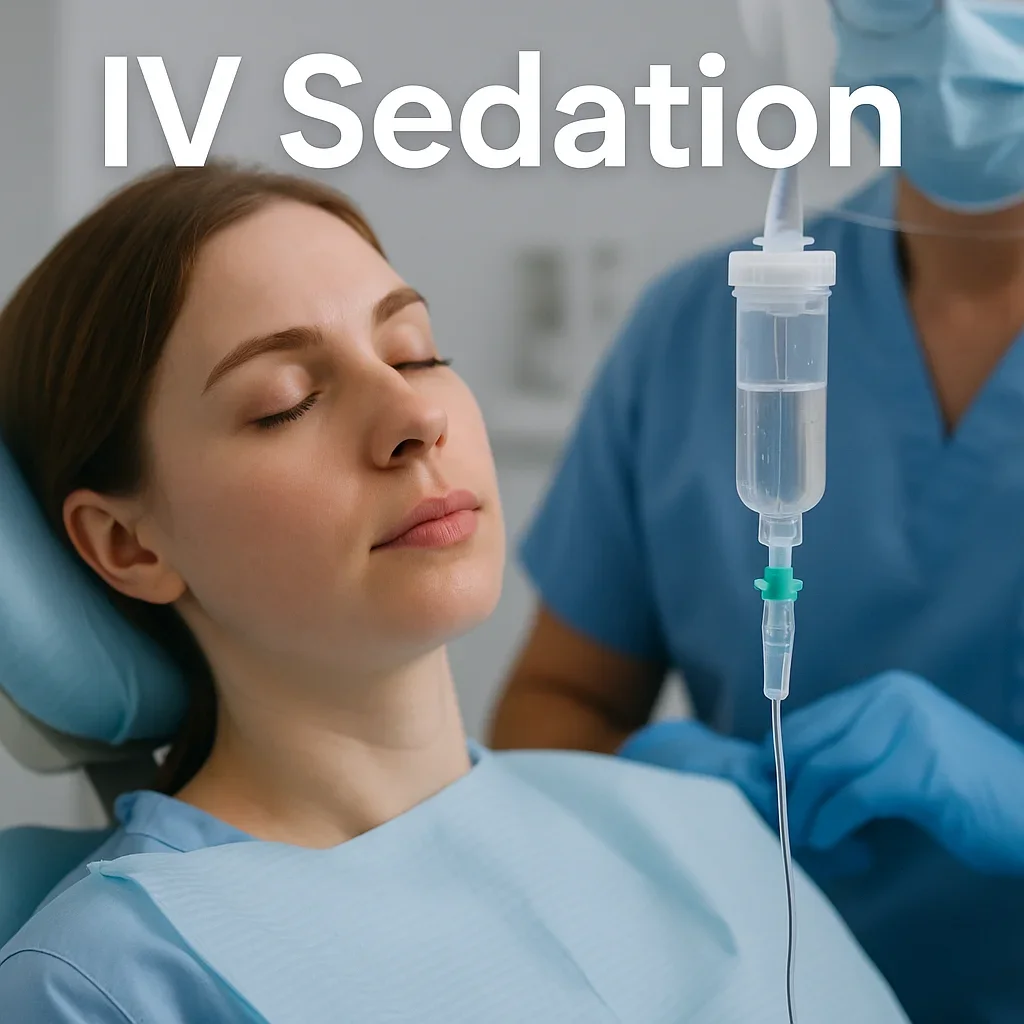
Frequently Asked Questions About IV Sedation
For many patients, choosing IV sedation brings up important questions about safety, cost, experience, and long-term effects. It is natural to want clear answers before deciding on a procedure that affects both your comfort and your dental health. Below we address the most frequently asked questions about IV sedation in dentistry, with detailed explanations to ensure you feel fully informed. 🦷
Will I Be Awake During IV Sedation?
Yes, but you will be in a deeply relaxed state. IV sedation is also called “conscious sedation” because you remain technically awake and able to respond to simple commands. However, due to the amnesia effect of the medication, most patients remember little or nothing about the procedure afterward. This balance allows dentists to complete treatments while patients remain calm and comfortable.
Is IV Sedation Painful?
The process of starting IV sedation involves inserting a small needle into your arm or hand, similar to a routine blood test. This may cause brief discomfort, but once the medication is administered, you will quickly feel calm and detached from any sensations of pain. During the procedure, local anesthesia is also used to numb the specific area being treated, so you do not feel discomfort.
Managing Needle Anxiety
For patients nervous about needles, dentists often apply a topical numbing gel before placing the IV line. This minimizes the initial sting and makes the process virtually painless.
How Long Does IV Sedation Last?
The effects of IV sedation last only as long as the medication is administered. Once the IV line is stopped, recovery begins quickly. Most patients feel alert within 30–60 minutes, but mild drowsiness can linger for several hours. You should plan to rest for the remainder of the day and avoid driving or making important decisions until the sedative has fully worn off.
Is IV Sedation Safe for Everyone?
IV sedation is safe for the majority of healthy patients, but not everyone is an ideal candidate. People with certain medical conditions such as uncontrolled heart disease, severe respiratory issues, or allergies to sedative drugs may not be eligible. Pregnant women are also typically advised to avoid IV sedation unless absolutely necessary. Dentists perform thorough evaluations—including reviewing medical history and current medications—before approving patients for IV sedation.
Professional Standards
Clinics that provide IV sedation must follow strict guidelines from the American Dental Association. These include continuous monitoring of vital signs, emergency preparedness, and proper certification for dental professionals.
How Much Does IV Sedation Cost?
The cost varies depending on location, dentist expertise, and the length of treatment. On average, patients can expect fees between $250 and $500 per hour in the United States, while clinics in Europe and Turkey may charge between €150 and €400 per session. Insurance may cover sedation in cases of medical necessity, but coverage is not guaranteed. Many clinics, including Redent Klinik, offer financing plans to make IV sedation more accessible.
Will I Remember Anything After the Procedure?
Most patients remember very little about their treatment under IV sedation. The medication induces temporary amnesia, so you may recall fragments of the visit but not the full details. This lack of memory is one of the biggest benefits for patients with dental anxiety, as it helps prevent traumatic associations with future dental visits.
How Should I Prepare for IV Sedation?
Preparation usually includes fasting for 6–8 hours before the appointment, wearing comfortable clothing, and arranging for a responsible adult to escort you to and from the dental clinic. You should also inform your dentist of all medications and supplements you take, as some may interact with the sedatives. Following these guidelines ensures a safe and smooth sedation experience.
Day-of Appointment Checklist
- No food or drink within 6–8 hours before your procedure.
- Take essential medications only as directed by your dentist.
- Arrange for transportation and post-procedure supervision.
- Wear loose-fitting clothing for comfort during monitoring.
What Are the Side Effects of IV Sedation?
Common side effects include drowsiness, dry mouth, mild nausea, or grogginess, all of which typically resolve within 24 hours. Bruising at the IV site may also occur but is harmless and fades within a few days. Serious side effects are extremely rare when IV sedation is performed by trained professionals in a properly equipped clinic.
Can Children Receive IV Sedation?
Yes, but only under specific circumstances and when administered by a pediatric dentist or oral surgeon trained in sedation for children. IV sedation may be recommended for children with severe dental anxiety, special needs, or extensive treatment requirements. Parents should discuss risks, benefits, and alternatives in detail before proceeding.
How Does IV Sedation Compare to Other Sedation Options?
Compared to oral sedation and nitrous oxide, IV sedation offers stronger, more predictable results. Unlike general anesthesia, it allows patients to remain conscious with preserved reflexes. This balance of effectiveness and safety makes IV sedation the preferred option for most dental patients who need more than mild relaxation.
In conclusion, IV sedation FAQs highlight that the technique is safe, effective, and widely used to improve the dental experience. By reducing anxiety, minimizing pain perception, and creating a relaxed state, IV sedation empowers patients to undergo procedures they might otherwise avoid. If you have more questions about your personal situation, feel free to contact us through the Redent Klinik Contact Page. For official guidelines, visit the American Dental Association. 🌟