
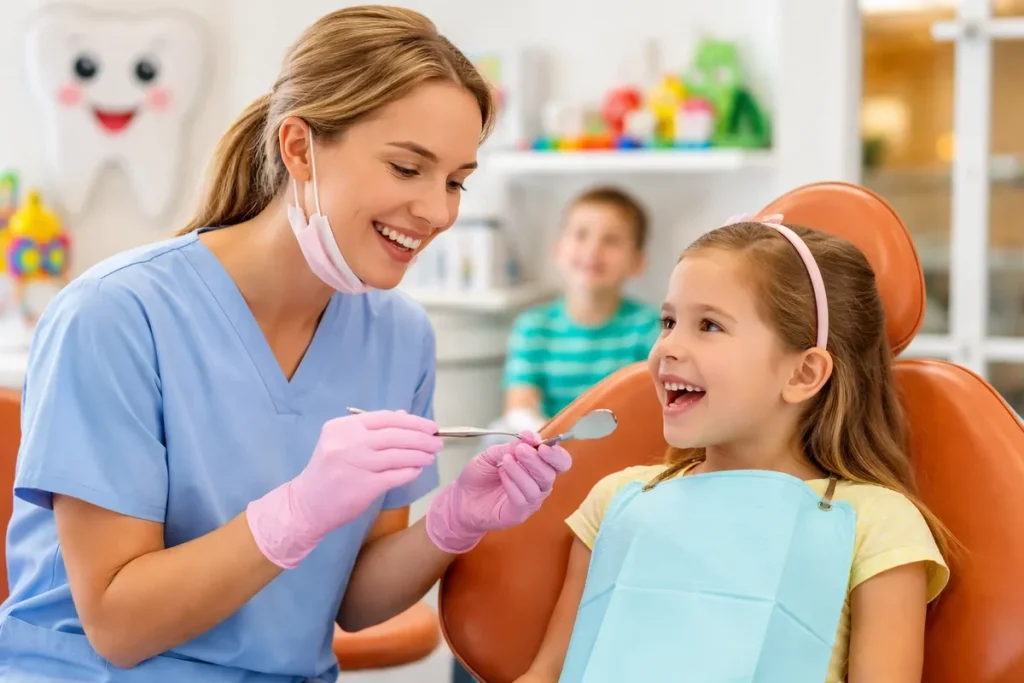
Choosing the right kids dentist is one of the most important healthcare decisions a parent can make for their child. A kids dentist is not just a professional who treats teeth; they play a vital role in shaping a child’s lifelong relationship with oral health 🦷. From the first baby tooth to the transition into adolescence, a kids dentist focuses on prevention, education, comfort, and age-appropriate dental care that supports healthy growth and development.
A kids dentist (often called a pediatric dentist) specializes in caring for children’s teeth, gums, and mouth from infancy through the teenage years. Children’s mouths are constantly changing, and these changes require specific knowledge, tools, and communication techniques that differ significantly from adult dentistry. A kids dentist understands these differences and tailors treatments to suit a child’s physical, emotional, and psychological needs.
One of the primary goals of a kids dentist is prevention. Tooth decay remains one of the most common chronic childhood conditions worldwide, yet it is largely preventable. Regular checkups with a kids dentist help detect early signs of cavities, enamel weakness, or alignment issues before they become serious problems. Early intervention not only protects your child’s smile but also reduces the need for invasive or costly procedures later in life.
Beyond clinical care, a kids dentist plays an educational role for both children and parents. During visits, children learn how to brush and floss properly in a fun, engaging way 😊. Parents receive guidance on nutrition, oral hygiene routines, fluoride use, and habits such as thumb sucking or pacifier use. This guidance is essential, especially during early developmental stages when dental habits are being formed.
Another critical aspect of visiting a kids dentist is emotional comfort. Dental anxiety often begins in childhood due to negative or frightening experiences. A kids dentist is trained to create a friendly, welcoming environment designed specifically for young patients. Bright colors, playful décor, gentle language, and positive reinforcement help children feel safe and relaxed. This approach significantly reduces fear and helps children view dental visits as a normal, positive part of life rather than something to avoid.
A kids dentist is also uniquely qualified to manage dental trauma and emergencies involving children. Accidents during play, sports injuries, or falls can result in chipped, broken, or knocked-out teeth. Because children’s teeth and jaws are still developing, treatment requires special expertise. Prompt care from a kids dentist can often save a tooth and prevent long-term complications.
Importantly, children with special healthcare needs benefit greatly from care provided by a kids dentist. These professionals are trained to treat children with physical, developmental, behavioral, or emotional conditions that may make dental visits more challenging. With patience, experience, and adaptive techniques, a kids dentist ensures that every child receives compassionate and effective dental care.
Regular visits to a kids dentist also support proper jaw development and bite alignment. By monitoring how teeth erupt and how the jaw grows, a kids dentist can identify early orthodontic concerns. Early detection may reduce the need for complex orthodontic treatment later or allow for simpler, more effective solutions at the right time.
Parents often wonder whether seeing a kids dentist is truly necessary if a family dentist is available. While general dentists are highly skilled, a kids dentist offers a level of specialization that can make a meaningful difference during childhood. Their advanced training focuses exclusively on children’s oral health, behavior management, growth patterns, and preventive strategies tailored to young patients.
Ultimately, a kids dentist is a partner in your child’s overall health and well-being 🌟. Healthy teeth contribute to proper speech development, confident smiling, comfortable eating, and positive self-esteem. Establishing a relationship with a trusted kids dentist early in life sets the foundation for strong oral health habits that last well into adulthood.
If you are looking to take the next step in protecting your child’s smile, scheduling a consultation with an experienced kids dentist is an excellent place to start. You can also reach out directly through the
Redent Klinik Contact Page to get professional guidance tailored to your child’s needs.
For additional trusted information on children’s oral health standards and recommendations, you can explore resources provided by the
American Dental Association, a globally recognized authority in dentistry.
Why Choosing the Right Kids Dentist Matters for Lifelong Oral Health
Selecting the right kids dentist is far more than a short-term decision focused on fixing cavities or cleaning teeth. It is a foundational step that directly influences your child’s oral health, habits, confidence, and overall well-being for decades to come 🦷. A kids dentist does not simply treat dental problems; they help shape how a child perceives dental care, health responsibility, and self-care from an early age.
Children who regularly visit a qualified kids dentist are significantly more likely to maintain healthy teeth and gums into adulthood. This is because early exposure to proper dental guidance, preventive care, and positive experiences creates a strong behavioral pattern. When children feel safe and understood at the dentist, they are less likely to develop dental anxiety and more likely to continue routine checkups throughout their lives.
The Impact of Early Dental Experiences on Adult Oral Health
Research consistently shows that negative dental experiences during childhood often lead to avoidance of dental care later in life 😟. A skilled kids dentist understands child psychology and behavior management techniques that prevent fear-based memories from forming. Gentle communication, age-appropriate explanations, and a calm environment ensure that dental visits feel normal rather than intimidating.
When a child associates dental care with trust and comfort, they are more receptive to learning proper brushing, flossing, and dietary habits. These early lessons, reinforced by a kids dentist, significantly reduce the risk of gum disease, tooth loss, and complex dental treatments in adulthood.
Preventive Focus: More Than Just Clean Teeth
A key reason why choosing the right kids dentist matters is their strong emphasis on prevention rather than reaction. Preventive dentistry includes regular cleanings, fluoride applications, dental sealants, and continuous monitoring of tooth development. These measures are designed to stop problems before they start, saving children from pain and families from unnecessary expenses.
A kids dentist also evaluates risk factors such as diet, oral hygiene routines, genetics, and lifestyle habits. By understanding these factors early, the kids dentist can customize preventive strategies that are specific to your child rather than using a one-size-fits-all approach.
Long-Term Cost Savings Through Early Prevention
Although some parents may view pediatric dental visits as optional, early care from a kids dentist often leads to long-term financial savings 💡. Preventive treatments are generally far less expensive than restorative procedures like fillings, crowns, root canals, or orthodontic corrections later in life.
By identifying issues such as enamel defects, crowding, or bite problems early, a kids dentist can recommend timely interventions that reduce the need for complex and costly treatments during adolescence or adulthood.
Supporting Overall Health Beyond the Mouth
Oral health is closely linked to overall health, especially in children. A trusted kids dentist monitors signs of systemic conditions that may first appear in the mouth, such as nutritional deficiencies, developmental disorders, or infections. Early detection can prompt referrals to pediatricians or specialists, ensuring comprehensive healthcare for your child.
Healthy teeth also support proper chewing, which directly impacts digestion and nutrition. Additionally, clear speech development often depends on proper tooth alignment and jaw growth, areas that a kids dentist routinely evaluates during checkups.
Building Trust Between Parents, Children, and the Kids Dentist
Choosing the right kids dentist creates a partnership between the dental team, the child, and the parents 🤝. Parents gain confidence knowing that their child is receiving expert care tailored to their age and needs. Open communication allows parents to ask questions, receive personalized advice, and stay informed about their child’s dental development.
This trust is especially important when treatment is needed. When children already feel comfortable with their kids dentist, procedures such as fillings or extractions are far less stressful for everyone involved.
Encouraging Healthy Habits That Last a Lifetime
Perhaps the most powerful benefit of choosing the right kids dentist is habit formation. Children who grow up with regular dental visits are more likely to value oral hygiene as part of their daily routine. A kids dentist reinforces positive behaviors through encouragement, education, and consistency, making healthy habits feel rewarding rather than forced.
Over time, these habits become second nature. Brushing twice a day, flossing regularly, limiting sugary snacks, and attending routine checkups become normal parts of life rather than obligations. This lifelong mindset is one of the greatest gifts a kids dentist can offer.
In summary, choosing the right kids dentist is an investment in your child’s future health, confidence, and quality of life 🌟. It influences not only how their teeth grow today but also how they care for themselves tomorrow. With the guidance of a dedicated kids dentist, children gain the tools they need for a lifetime of healthy smiles.
When Should Your Child First Visit a Kids Dentist?
One of the most common questions parents ask is when their child should first see a kids dentist. The timing of this first visit is extremely important because it sets the tone for a child’s future relationship with dental care 🦷. Many parents mistakenly believe that dental visits should begin only after all baby teeth appear or when a problem arises. In reality, early visits to a kids dentist are a critical part of preventive healthcare.
According to widely accepted pediatric dental guidelines, a child should visit a kids dentist by their first birthday or within six months of the eruption of the first tooth—whichever comes first. While this may seem early, these initial visits are less about treatment and more about education, monitoring, and building familiarity with the dental environment.
Why the First Dental Visit Should Happen So Early
The early years of a child’s life are when habits, routines, and comfort levels are formed. Visiting a kids dentist at a young age helps normalize dental care and prevents fear or anxiety later on 😊. When children grow up seeing dental visits as a routine part of healthcare—like pediatric checkups—they are far more likely to maintain regular dental care into adulthood.
Early visits also allow a kids dentist to assess how the teeth are developing, evaluate gum health, and identify potential risk factors such as early childhood caries (baby bottle tooth decay). Even a single small cavity in a baby tooth can progress quickly if left untreated, affecting surrounding teeth and overall oral health.
What Happens During a Child’s First Kids Dentist Visit?
The first appointment with a kids dentist is typically short, gentle, and focused on comfort rather than procedures. The dentist may examine the child’s mouth, check tooth eruption patterns, and look for early signs of decay or oral abnormalities. Parents are usually present throughout the visit to provide reassurance and support.
During this visit, the kids dentist will also discuss important topics with parents, such as:
- Proper cleaning of baby teeth and gums
- Use of fluoride and toothpaste amounts
- Feeding habits and sugar exposure
- Thumb sucking and pacifier use
- Teething expectations and discomfort relief
This guidance helps parents establish the right routines at home, reducing the risk of dental problems before they even begin.
Building Comfort and Trust from the Start
One of the most valuable aspects of an early visit to a kids dentist is trust-building 🤝. Children who start dental visits early tend to be more relaxed and cooperative during future appointments. The kids dentist uses simple language, friendly expressions, and a calm tone to make the child feel safe and respected.
By the time the child is old enough to need cleanings or minor treatments, the dental office already feels familiar. This familiarity significantly reduces anxiety and makes dental care easier for both the child and the parents.
How Often Should Children See a Kids Dentist?
After the first visit, most children should see a kids dentist every six months for routine checkups and cleanings. However, the frequency may vary depending on the child’s risk factors. Children with a higher risk of cavities, enamel issues, or developmental concerns may benefit from more frequent visits.
Regular checkups allow the kids dentist to monitor growth, detect changes early, and adjust preventive strategies as needed. These visits also reinforce good oral hygiene habits through repetition and encouragement.
Signs Your Child May Need an Earlier Visit
While routine guidelines provide a general timeline, certain signs indicate that a child should see a kids dentist sooner rather than later 🚨. These include:
- White or brown spots on teeth
- Persistent bad breath
- Bleeding or swollen gums
- Tooth sensitivity or pain
- Delayed tooth eruption
- Oral injuries from falls or sports
If any of these symptoms appear, scheduling an appointment with a kids dentist promptly can prevent minor issues from becoming serious problems.
Why Waiting Too Long Can Cause Problems
Delaying visits to a kids dentist increases the risk of undetected decay, infections, and developmental issues. Baby teeth play a crucial role in guiding permanent teeth into the correct position. If baby teeth are lost too early due to decay, it can lead to crowding, misalignment, and orthodontic challenges later on.
Additionally, children who only visit a kids dentist when they are already experiencing pain may associate dental care with discomfort. This negative association can lead to long-term dental anxiety and avoidance of care.
In summary, the best time for a child’s first visit to a kids dentist is much earlier than many parents expect 🌟. Early and regular dental visits support healthy development, prevent disease, and build confidence. By introducing your child to a kids dentist at the right time, you lay the groundwork for a lifetime of strong, healthy smiles.
What Makes a Kids Dentist Different from a General Dentist?
Many parents wonder whether there is a real difference between a kids dentist and a general dentist, especially when both are licensed dental professionals 🦷. While general dentists are highly trained to treat patients of all ages, a kids dentist brings an added layer of specialization that is uniquely focused on children’s oral health, development, and emotional needs. Understanding these differences helps parents make informed decisions that best support their child’s long-term dental well-being.
A kids dentist completes additional years of specialized training after dental school that focus exclusively on infants, children, and adolescents. This advanced education covers child psychology, growth and development, behavior management, and pediatric-specific dental treatments. As a result, a kids dentist is uniquely equipped to care for young patients at every stage of development.
Specialized Training Focused on Growing Smiles
One of the most significant differences is education. A kids dentist undergoes advanced training that emphasizes how children’s teeth, jaws, and facial structures grow over time. Baby teeth, mixed dentition, and emerging permanent teeth each require different approaches to care, and a kids dentist understands these transitions in detail.
This specialized training allows a kids dentist to identify developmental issues early, such as delayed eruption, abnormal spacing, or bite irregularities. Early detection often means simpler, more effective interventions that can prevent complex problems later in life.
Child-Centered Communication and Behavior Management
Children are not simply small adults, especially when it comes to dental care 😊. A kids dentist is trained in child-centered communication techniques that help children feel understood and safe. They use age-appropriate language, visual aids, and positive reinforcement to explain procedures in a non-threatening way.
Behavior management is another area where a kids dentist stands out. From toddlers who are experiencing their first dental visit to older children with anxiety, a kids dentist knows how to adapt their approach to each child’s emotional needs. This skill is critical in creating positive dental experiences and preventing fear-based reactions.
Creating a Kid-Friendly Dental Environment
The environment of a kids dentist office is intentionally designed to reduce stress and encourage cooperation 🎨. Bright colors, playful themes, toys, and friendly staff help children feel comfortable from the moment they walk in. This atmosphere is not just decorative—it plays a key role in shaping how children perceive dental care.
In contrast, general dental offices are typically designed with adults in mind. While many general dentists do an excellent job treating children, the specialized environment of a kids dentist office can make a significant difference for younger or more anxious patients.
Preventive Strategies Tailored Specifically for Children
A core focus of a kids dentist is prevention tailored to a child’s age, habits, and risk factors. Preventive care includes fluoride treatments, dental sealants, customized hygiene education, and dietary counseling designed specifically for children.
Because children’s teeth have thinner enamel and are more vulnerable to decay, a kids dentist applies preventive strategies that are carefully adjusted to each stage of development. This personalized approach helps protect teeth during critical growth periods.
Expertise in Managing Pediatric Dental Conditions
Certain dental conditions are far more common in children than in adults, such as early childhood caries, thumb-sucking-related bite issues, and trauma from falls or sports injuries. A kids dentist has extensive experience diagnosing and treating these conditions effectively and gently.
Additionally, children with special healthcare needs often require customized dental approaches. A kids dentist is trained to provide care for children with physical, developmental, or behavioral challenges, ensuring that every child receives safe and compassionate treatment.
Supporting Parents Through Education and Guidance
A kids dentist also serves as an educational partner for parents 👨👩👧. Beyond treating teeth, they provide guidance on brushing techniques, fluoride use, nutrition, oral habits, and injury prevention. This ongoing education empowers parents to support their child’s oral health at home.
Parents often leave visits with a kids dentist feeling more confident and informed, knowing exactly how to care for their child’s teeth between appointments.
When a Kids Dentist Is the Best Choice
While general dentists can and do treat children successfully, a kids dentist is often the best choice for infants, toddlers, anxious children, or those with specific dental or developmental needs. Their specialized training, child-focused environment, and preventive philosophy provide a level of care that is uniquely suited to growing smiles.
In summary, the difference between a general dentist and a kids dentist lies in specialization, approach, and environment 🌟. By choosing a kids dentist, parents ensure that their child receives care designed specifically for their stage of growth, emotional comfort, and long-term oral health success.
How a Kids Dentist Helps Prevent Cavities and Tooth Decay
One of the most important roles of a kids dentist is preventing cavities and tooth decay before they become painful or costly problems 🦷. Tooth decay is one of the most common childhood health issues worldwide, yet it is largely preventable with the right guidance, habits, and professional care. A kids dentist focuses heavily on prevention because children’s teeth are more vulnerable and their oral habits are still developing.
Unlike reactive dental care that only treats problems once they appear, a kids dentist takes a proactive approach. This means identifying risk factors early, educating families, and applying protective treatments that significantly reduce the likelihood of decay. Prevention not only protects your child’s smile but also helps them avoid fear, discomfort, and complex dental procedures later in life.
Why Children Are More Prone to Cavities
Children are naturally at higher risk for cavities due to several factors. Baby teeth have thinner enamel than adult teeth, making them more susceptible to decay. In addition, children often consume sugary snacks and drinks more frequently and may not yet have the coordination needed for effective brushing and flossing 😬.
A kids dentist understands these challenges and addresses them with age-appropriate preventive strategies. Rather than expecting perfect oral hygiene from a young child, the kids dentist works with both the child and the parents to gradually build effective routines.
Routine Checkups and Early Detection
Regular dental visits are a cornerstone of cavity prevention. During routine checkups, a kids dentist carefully examines the teeth for early signs of decay, such as white spots, enamel weakening, or small lesions that are not yet visible to parents.
Early detection allows the kids dentist to intervene before a cavity progresses. In many cases, early-stage decay can be reversed or stabilized with non-invasive treatments, avoiding fillings altogether.
The Importance of Professional Cleanings
Even with good brushing habits at home, plaque can build up in hard-to-reach areas. Professional cleanings performed by a kids dentist or dental hygienist remove plaque and tartar that brushing alone cannot eliminate 🪥.
These cleanings also reinforce the importance of oral hygiene for children. Seeing and feeling the results of a clean mouth helps children understand why daily care matters.
Fluoride Treatments for Stronger Teeth
Fluoride is one of the most effective tools a kids dentist uses to prevent tooth decay. Fluoride strengthens tooth enamel, making it more resistant to acid attacks from bacteria and sugars. Professional fluoride applications are quick, painless, and especially beneficial for children at higher risk of cavities.
A kids dentist carefully determines the appropriate amount of fluoride based on the child’s age, diet, and exposure from water or toothpaste, ensuring safe and effective protection.
Dental Sealants: A Powerful Preventive Tool
Dental sealants are another key preventive measure used by a kids dentist. Sealants are thin protective coatings applied to the chewing surfaces of back teeth, where cavities are most likely to form. These surfaces often have deep grooves that are difficult for children to clean thoroughly.
By sealing these grooves, a kids dentist creates a barrier that prevents food particles and bacteria from settling in. Sealants can reduce the risk of cavities in molars by a significant margin and often last for several years.
Teaching Proper Brushing and Flossing Techniques
Education is a major part of cavity prevention. A kids dentist takes time to teach children how to brush and floss correctly using simple explanations, demonstrations, and encouragement 😊. These lessons are tailored to the child’s age and abilities.
Parents also receive guidance on supervising brushing, choosing the right toothbrush and toothpaste, and knowing when a child is ready to brush independently. This teamwork between the kids dentist and parents is essential for long-term success.
Dietary Guidance to Reduce Cavity Risk
What children eat and drink has a direct impact on their dental health. A kids dentist provides practical advice on limiting sugary snacks, avoiding frequent sipping of sweet drinks, and choosing tooth-friendly foods.
Rather than promoting strict rules, the kids dentist helps families make realistic changes that fit their lifestyle. Simple adjustments—such as timing sweets with meals or encouraging water instead of juice—can significantly lower cavity risk.
Creating Positive Habits That Prevent Future Problems
Perhaps the greatest contribution of a kids dentist to cavity prevention is habit formation 🌟. When children learn early that dental care is important, manageable, and even rewarding, they are more likely to carry these habits into adulthood.
By combining preventive treatments, education, and encouragement, a kids dentist helps children grow up with fewer cavities, healthier teeth, and greater confidence in caring for their oral health.
In summary, a kids dentist plays a critical role in preventing cavities and tooth decay through early detection, professional treatments, education, and personalized guidance. This preventive approach protects not only your child’s teeth today but also their long-term health and comfort for years to come.
Common Treatments Provided by a Kids Dentist
A kids dentist offers a wide range of treatments designed specifically for children’s unique dental needs. These treatments go far beyond simple cleanings and are carefully adapted to suit a child’s age, level of development, and comfort 🦷. Understanding the common treatments provided by a kids dentist helps parents feel prepared, informed, and confident when supporting their child’s oral health journey.
Because children’s teeth and jaws are constantly growing, a kids dentist focuses on treatments that not only address current issues but also support healthy development over time. The goal is always to preserve natural teeth, minimize discomfort, and prevent future complications whenever possible.
Routine Dental Exams and Professional Cleanings
One of the most frequent services provided by a kids dentist is routine dental exams combined with professional cleanings. These visits typically occur every six months and are essential for monitoring tooth development, gum health, and oral hygiene habits 😊.
During an exam, the kids dentist checks for early signs of cavities, enamel defects, bite issues, and abnormal tooth eruption. Professional cleanings remove plaque and tartar buildup that brushing at home cannot fully eliminate, helping to prevent decay and gum inflammation.
Fluoride Applications for Enamel Protection
Fluoride treatments are a cornerstone of preventive care provided by a kids dentist. Fluoride strengthens tooth enamel and makes it more resistant to acid attacks caused by bacteria and sugars. These treatments are especially important for children who are prone to cavities or have limited fluoride exposure.
A kids dentist carefully evaluates how much fluoride a child needs based on age, diet, and water supply. The application is quick, painless, and highly effective in reducing cavity risk.
Dental Sealants to Prevent Cavities
Dental sealants are another common treatment offered by a kids dentist, particularly for children with newly erupted molars. Sealants are thin, protective coatings applied to the chewing surfaces of back teeth, where deep grooves can trap food and bacteria.
By sealing these grooves, a kids dentist creates a smooth surface that is easier to clean and far less likely to develop cavities. Sealants can last several years and provide long-term protection during critical growth periods.
When Sealants Are Most Effective
Sealants are most effective when applied soon after permanent molars erupt. A kids dentist monitors eruption timing closely to ensure sealants are placed at the optimal moment, maximizing their protective benefit 🌟.
Fillings for Treating Cavities
If a cavity does develop, a kids dentist provides gentle, child-friendly fillings to restore the tooth and stop decay from spreading. Modern pediatric fillings are designed to be durable, safe, and as comfortable as possible for young patients.
The kids dentist uses behavior management techniques and clear explanations to reduce anxiety during the procedure. In many cases, minimally invasive approaches are used to preserve as much natural tooth structure as possible.
Pulp Therapy for Infected Baby Teeth
When decay reaches the inner pulp of a baby tooth, a kids dentist may recommend pulp therapy (often called a baby tooth root canal). This treatment removes infected tissue while preserving the tooth, which is important for guiding proper alignment of permanent teeth.
Saving baby teeth whenever possible helps maintain spacing and prevents future orthodontic problems. A kids dentist carefully evaluates whether pulp therapy or extraction is the best option based on the child’s age and dental development.
Space Maintainers After Early Tooth Loss
If a child loses a baby tooth too early due to decay or injury, a kids dentist may recommend a space maintainer. This small appliance holds the space open until the permanent tooth is ready to erupt.
Without a space maintainer, neighboring teeth may shift into the empty space, leading to crowding or misalignment. A kids dentist uses space maintainers to support proper jaw development and reduce the need for future orthodontic treatment.
Emergency Dental Care for Injuries
Children are active, and dental injuries can happen during play, sports, or accidents 🚑. A kids dentist is trained to manage dental emergencies such as chipped, broken, or knocked-out teeth.
Prompt treatment from a kids dentist can often save an injured tooth and prevent complications. Parents are also educated on how to respond immediately after an injury before reaching the dental office.
Guidance on Oral Habits and Development
In addition to hands-on treatments, a kids dentist provides guidance on habits such as thumb sucking, pacifier use, teeth grinding, and mouth breathing. These habits can affect jaw growth and tooth alignment if left unaddressed.
By offering early intervention and supportive advice, a kids dentist helps children transition out of harmful habits in a gentle and effective way.
In conclusion, a kids dentist provides comprehensive treatments that protect, restore, and guide a child’s developing smile 🦷. From preventive care to restorative and emergency treatments, these services are designed to support healthy growth while ensuring comfort and confidence at every stage of childhood.
How to Prepare Your Child for a Stress-Free Kids Dentist Visit
Preparing your child for a visit to a kids dentist plays a major role in how they experience dental care, both now and in the future 🦷. Children often take emotional cues from their parents, so the way a dental visit is introduced can determine whether it feels safe and routine or frightening and overwhelming. With the right preparation, a kids dentist appointment can become a positive, confidence-building experience rather than a source of anxiety.
A kids dentist is trained to create a child-friendly environment, but preparation at home is just as important. When parents actively support the process, children are more relaxed, cooperative, and open to learning about their oral health.
Start with Positive and Honest Communication
The first step in preparing for a kids dentist visit is how you talk about it at home 😊. Use simple, age-appropriate language and keep explanations positive. Avoid words that may sound scary, such as “pain,” “needle,” or “drill.” Instead, explain that the kids dentist is there to “count teeth,” “check smiles,” and “help keep teeth strong.”
Honesty is also important. A kids dentist visit should not be described as something completely unknown or surprising. Let your child know what to expect in a calm and reassuring way, focusing on the friendly people and fun environment they will see.
Use Books, Videos, and Role Play
Children learn best through play and stories. Reading children’s books or watching short videos about visiting a kids dentist can make the experience feel familiar before it even happens 📚. Many children’s resources portray dental visits in a fun, non-threatening way that helps normalize the experience.
Role-playing at home is another effective strategy. You can pretend to be the kids dentist and let your child sit in a chair while you “check” their teeth with a toothbrush. This playful rehearsal helps reduce fear of the unknown and builds confidence.
Avoid Sharing Negative Dental Stories
Even casual comments about difficult dental experiences can influence a child’s expectations. Try not to share negative stories—your own or others’—about dental visits in front of your child. A kids dentist appointment should be presented as a normal part of staying healthy, not something to fear.
Schedule the Appointment at the Right Time
Timing can significantly affect how a child responds to a kids dentist visit ⏰. Choose a time of day when your child is usually well-rested and in a good mood. Avoid scheduling appointments during nap times or when your child is likely to be hungry or tired.
Morning appointments often work best for younger children, as they tend to be more alert and cooperative earlier in the day. A kids dentist visit is much smoother when your child feels comfortable and calm.
Maintain a Calm and Confident Attitude
Children are highly sensitive to their parents’ emotions. If you appear anxious or nervous about the kids dentist, your child may mirror those feelings 😌. Approach the appointment with confidence and positivity, even if you personally feel uneasy about dental visits.
Trust the kids dentist and allow them to guide the appointment. Pediatric dental professionals are skilled in building rapport with children and managing behavior in a gentle, supportive way.
Bring Comfort Items if Needed
For some children, especially during their first visit to a kids dentist, bringing a favorite toy, blanket, or stuffed animal can provide emotional comfort. Familiar items help children feel secure in a new environment.
Many kids dentist offices also offer child-friendly distractions such as cartoons, music, or interactive games to help keep children relaxed during the visit.
Avoid Bribes and Threats
While it may be tempting to promise rewards or use pressure to encourage cooperation, these approaches can backfire 🚫. Instead of saying, “If you behave, you’ll get a toy,” focus on praise and encouragement.
A kids dentist visit should not feel like something a child must endure to earn a reward. Positive reinforcement from both parents and the dental team helps children feel proud of their efforts and builds intrinsic motivation.
Prepare Yourself as a Parent
Parents should also prepare by understanding what will happen during the visit. Knowing the purpose of the appointment, whether it’s a routine checkup or a specific treatment, allows you to answer your child’s questions confidently.
If you have concerns or special considerations, communicate them with the kids dentist beforehand. This collaboration helps ensure a smooth, supportive experience for your child.
Building Long-Term Confidence Through Preparation
Preparation does more than make one visit easier—it shapes how a child views dental care long-term 🌟. When children feel prepared, respected, and supported, they are more likely to develop trust in their kids dentist and maintain regular dental visits throughout childhood and beyond.
In summary, preparing your child for a kids dentist visit involves positive communication, thoughtful planning, and emotional support. By taking these steps, parents help create a stress-free experience that promotes healthy habits, confidence, and a lifelong positive attitude toward dental care.
Oral Hygiene Tips Recommended by a Kids Dentist for Parents
Maintaining good oral hygiene at home is one of the most powerful ways parents can protect their child’s dental health. A kids dentist plays a key role in guiding families, but daily habits established at home ultimately determine long-term outcomes 🦷. Because children’s teeth and gums are still developing, oral hygiene routines must be age-appropriate, consistent, and supervised. When parents follow advice from a kids dentist, they significantly reduce the risk of cavities, gum problems, and future dental complications.
A kids dentist does not expect perfection from children. Instead, they focus on building realistic routines that grow with the child. Small, consistent efforts—done correctly—are far more effective than occasional intensive care.
Start Oral Hygiene Before the First Tooth Appears
Many parents are surprised to learn that oral hygiene should begin even before a child’s first tooth erupts 👶. A kids dentist recommends gently cleaning an infant’s gums with a soft, damp cloth after feedings. This helps remove bacteria and prepares the mouth for future teeth.
Once the first tooth appears, brushing should begin immediately. Early habits create familiarity and reduce resistance as the child grows.
Brushing Techniques Recommended by a Kids Dentist
Brushing is the foundation of oral hygiene, but technique matters just as much as frequency. A kids dentist recommends brushing twice a day using a soft-bristled toothbrush designed for children. For young children, parents should perform or closely supervise brushing to ensure effectiveness 😊.
The toothbrush should be held at a slight angle toward the gums, using gentle circular motions. Brushing should cover all surfaces—front, back, and chewing surfaces—without scrubbing too hard, which can damage enamel or irritate gums.
How Much Toothpaste Is Enough?
Using the right amount of toothpaste is crucial. A kids dentist typically recommends:
- A rice-sized smear of fluoride toothpaste for children under 3
- A pea-sized amount for children aged 3 to 6
Parents should ensure children spit out toothpaste rather than swallowing it, especially during early years.
When and How to Introduce Flossing
Flossing is often overlooked in children’s routines, yet it is essential once teeth begin to touch. A kids dentist advises introducing flossing as soon as two teeth make contact. Food and plaque trapped between teeth cannot be removed by brushing alone.
For younger children, floss picks designed for kids can make the process easier and safer. Parents should floss for their child until the child has the dexterity to do it properly—usually around age 8 to 10.
The Role of Diet in Oral Hygiene
What children eat and drink has a direct impact on their oral health. A kids dentist emphasizes limiting sugary snacks and drinks, especially between meals 🍭. Frequent sugar exposure fuels bacteria that cause tooth decay.
Encouraging water as the primary drink, offering tooth-friendly snacks like cheese, yogurt, fruits, and vegetables, and avoiding constant snacking can dramatically lower cavity risk.
Establishing a Consistent Routine
Consistency is more important than intensity. A kids dentist recommends setting fixed times for brushing—typically after breakfast and before bedtime—to make oral hygiene part of the daily routine ⏰.
Children thrive on routine. When brushing and flossing happen at the same times every day, resistance decreases and habits form naturally.
Supervision: Why It Matters More Than Parents Realize
Even children who appear capable of brushing independently often miss areas or rush through the process. A kids dentist strongly advises parental supervision until at least age 7 or 8. This does not mean doing all the work, but guiding, correcting, and finishing when necessary.
Supervision ensures that brushing is thorough and reinforces its importance.
Using Positive Reinforcement Instead of Pressure
A kids dentist encourages parents to use praise and encouragement rather than punishment or pressure 😊. Celebrating consistency and effort helps children feel proud of their oral hygiene habits.
Sticker charts, verbal praise, or simply brushing together as a family can make oral care feel rewarding rather than forced.
Regular Dental Visits Reinforce Home Care
Home care and professional care work best together. Regular visits to a kids dentist reinforce good habits and allow for early correction if routines need adjustment. During checkups, the kids dentist can demonstrate techniques, answer questions, and motivate children through positive feedback.
Children who hear consistent messages from both parents and their kids dentist are more likely to take oral hygiene seriously.
Building Lifelong Habits Through Daily Practice
The ultimate goal of guidance from a kids dentist is habit formation 🌟. When children grow up practicing proper oral hygiene daily, these behaviors become second nature. They carry these habits into adolescence and adulthood, reducing the risk of serious dental problems later in life.
In conclusion, oral hygiene tips recommended by a kids dentist focus on simplicity, consistency, and parental involvement. By following these expert guidelines at home, parents play a powerful role in protecting their child’s smile, comfort, and confidence for years to come.
How to Choose the Best Kids Dentist for Your Family
Choosing the right kids dentist is one of the most important decisions parents make for their child’s long-term oral health 🦷. A kids dentist is not just a healthcare provider; they become a trusted partner throughout your child’s growth, helping shape habits, confidence, and attitudes toward dental care. Because this relationship often lasts for many years, selecting the best kids dentist requires thoughtful consideration rather than convenience alone.
Every child is different, and the best kids dentist for one family may not be the perfect fit for another. Factors such as communication style, office environment, experience, and philosophy of care all play a role in determining whether a kids dentist will meet your family’s needs.
Look for Specialized Training and Experience
One of the first things to consider when choosing a kids dentist is their education and training. A kids dentist should have advanced training focused specifically on pediatric dental care. This specialized background ensures they understand child development, pediatric oral conditions, and age-appropriate treatment methods.
Experience matters as well. A kids dentist who regularly treats children of various ages—from infants to teenagers—will be better prepared to handle different personalities, developmental stages, and dental needs 😊.
Evaluate the Office Environment
The atmosphere of a dental office can significantly influence how a child feels about visiting a kids dentist. A child-friendly environment with bright colors, engaging décor, and welcoming staff helps reduce anxiety and create positive associations.
Pay attention to how the staff interacts with children. Friendly greetings, patience, and gentle communication are strong indicators that the kids dentist values emotional comfort as much as clinical care.
First Impressions Matter
Your child’s first visit to a kids dentist often sets the tone for future appointments. If your child feels relaxed and respected during this initial experience, they are more likely to feel comfortable returning. Observing your child’s reaction during the visit can provide valuable insight into whether the kids dentist is a good fit.
Communication Style with Both Parents and Children
A great kids dentist communicates clearly with parents while speaking to children in an age-appropriate, reassuring way. Parents should feel comfortable asking questions and confident that the kids dentist explains diagnoses and treatment options thoroughly.
Transparency builds trust. A kids dentist who takes time to explain preventive care, treatment recommendations, and home care routines helps parents feel involved and informed 🤝.
Focus on Preventive and Conservative Care
When evaluating a kids dentist, consider their approach to treatment. A preventive, conservative philosophy prioritizes early intervention, education, and minimally invasive care whenever possible. This approach protects children from unnecessary procedures and supports healthy development.
Ask how the kids dentist approaches cavity prevention, fluoride use, sealants, and monitoring of growth and alignment. A strong preventive focus often leads to better long-term outcomes.
Comfort with Managing Anxiety and Special Needs
Children vary widely in their comfort levels during dental visits. A skilled kids dentist is experienced in managing dental anxiety and adapting their approach to each child’s emotional needs 😌.
If your child has special healthcare needs, behavioral challenges, or heightened anxiety, it is especially important to choose a kids dentist who has experience and confidence in providing compassionate, individualized care.
Availability and Accessibility
Practical considerations also matter when choosing a kids dentist. Office location, appointment availability, and emergency care options should align with your family’s schedule and needs.
A kids dentist who offers flexible scheduling and clear guidance for after-hours emergencies can provide peace of mind for parents.
Reviews, Recommendations, and Reputation
Word-of-mouth recommendations and online reviews can offer helpful insights when selecting a kids dentist. Other parents’ experiences often highlight strengths such as patience, friendliness, and effective communication.
While no provider is perfect, consistently positive feedback is a strong indicator of quality care and family satisfaction 🌟.
Insurance and Financial Transparency
Understanding insurance coverage and payment policies is another important factor. A reliable kids dentist is transparent about costs, insurance participation, and treatment options.
Clear communication about financial matters helps families plan confidently and avoid unexpected stress related to dental care.
Trust Your Instincts as a Parent
Ultimately, choosing the best kids dentist involves trusting your instincts. If you feel comfortable, respected, and confident in the care provided—and your child feels safe and supported—you have likely found the right match.
In summary, selecting a kids dentist is a decision that combines professional qualifications, environment, communication, and emotional connection 🦷. By taking the time to evaluate these factors, parents can choose a kids dentist who supports not only healthy teeth but also positive experiences and lifelong oral health habits for their child.

Costs, Insurance, and Affordable Care Options at a Kids Dentist
Understanding the costs associated with visiting a kids dentist is an important concern for many parents. While children’s dental care is essential for long-term health, families also want clarity, transparency, and affordability 🦷. A kids dentist typically focuses on preventive care, which not only protects children’s teeth but also helps keep overall dental expenses lower over time.
The good news is that many services provided by a kids dentist are designed to prevent costly problems before they arise. When parents understand typical costs, insurance coverage, and available options, they can make informed decisions without unnecessary stress.
Typical Costs of Visiting a Kids Dentist
The cost of a visit to a kids dentist can vary depending on location, the child’s age, and the type of care needed. Routine preventive visits—such as exams, cleanings, and basic fluoride treatments—are generally the most affordable services and are often covered by insurance.
While prices can differ by region, common services at a kids dentist may include:
- Routine exam and cleaning: often considered basic preventive care
- Fluoride treatments for cavity prevention
- Dental sealants for newly erupted molars
- X-rays when needed to monitor development
Preventive care is usually far less expensive than restorative treatments like fillings, crowns, or emergency procedures. This is why regular visits to a kids dentist are not only beneficial for health but also cost-effective in the long run 💡.
How Dental Insurance Supports Kids Dentist Visits
Most dental insurance plans include coverage for pediatric dental care. A kids dentist visit is often partially or fully covered for preventive services, especially for children under a certain age. This typically includes exams, cleanings, fluoride treatments, and sometimes sealants.
Insurance plans vary, so parents should review details such as:
- Coverage limits and annual maximums
- Frequency of covered cleanings and exams
- Co-payments or deductibles
- Coverage for restorative treatments if needed
A reputable kids dentist office usually helps families understand their insurance benefits and can assist with claim submissions and billing questions.
Why Preventive Coverage Matters Most
Insurance coverage is often strongest for preventive services. This aligns perfectly with the philosophy of a kids dentist, which emphasizes early intervention and routine care. By taking advantage of covered preventive visits, families can reduce the likelihood of expensive treatments later 🌟.
Affordable Care Options for Families Without Insurance
Not all families have dental insurance, but that does not mean children should miss out on essential care. Many kids dentist practices offer affordable options for uninsured patients, including payment plans or discounted preventive packages.
Some clinics provide bundled pricing for exams, cleanings, and fluoride treatments, making routine care more accessible. A kids dentist may also recommend spacing out non-urgent treatments to reduce financial strain while still protecting the child’s oral health.
The Long-Term Financial Benefits of Early Care
Investing in regular visits to a kids dentist often leads to significant long-term savings. Early detection of cavities, bite issues, or enamel weaknesses allows for simpler treatments that cost far less than advanced procedures required when problems are ignored.
For example, a small cavity treated early with a simple filling is far more affordable than treating an advanced infection that may require pulp therapy or tooth extraction. Preventive care is both a health investment and a financial strategy 💰.
Transparency and Communication About Costs
A trustworthy kids dentist prioritizes transparency when it comes to pricing. Parents should feel comfortable asking questions about treatment costs, alternatives, and insurance coverage before proceeding with care.
Clear communication helps families plan confidently and avoids unexpected expenses. A good kids dentist will always explain why a treatment is recommended and discuss options when appropriate.
Balancing Quality Care and Affordability
While cost is an important factor, it should not be the only consideration when choosing a kids dentist. Quality care, experience, and a child-friendly approach are equally important. Choosing a kids dentist who focuses on prevention and education often leads to fewer treatments overall, which naturally reduces costs.
Parents who partner with a kids dentist and follow recommended home care routines typically see fewer dental issues, less stress, and lower expenses over time.
Planning Ahead for Your Child’s Dental Needs
Planning ahead helps families manage both health and financial aspects of dental care. Scheduling regular checkups, maintaining good oral hygiene at home, and following guidance from a kids dentist can prevent surprises and spread costs evenly over time.
In conclusion, understanding costs, insurance, and affordability at a kids dentist empowers parents to make confident decisions 🦷. With preventive-focused care, transparent communication, and thoughtful planning, families can ensure their children receive high-quality dental care without unnecessary financial burden.
Disclosure: this page may contain affiliate links. We may earn a commission if you use them, at no extra cost to you.