
Understanding laser dental implants cost is one of the most important steps for patients considering a modern, minimally invasive tooth replacement solution. As dental technology continues to advance, laser-assisted implant procedures have become increasingly popular for their precision, comfort, and accelerated healing process. In this comprehensive guide, we will break down every factor that influences the laser dental implants cost, explain why prices vary across clinics and countries, and help you understand whether this innovative method is worth the investment for your long-term oral health. 😊
Laser-guided implant placement uses advanced soft-tissue and sometimes hard-tissue lasers to create a more controlled surgical environment. Instead of traditional scalpels, lasers offer enhanced accuracy, dramatically reduced bleeding, and faster healing times. These benefits are appealing to patients who want a safe, predictable, and comfortable treatment experience. However, because laser systems require specialized training and high-tech equipment, the laser dental implants cost is typically different from that of conventional implant surgery. Throughout this article, we will explore each component of pricing so you can make informed decisions about your treatment.
The first major factor influencing the laser dental implants cost is the complexity of your case. Patients with simple, single-tooth gaps may require only straightforward placement, whereas individuals with bone loss, gum recession, or multiple missing teeth may need additional procedures. Bone grafts, sinus lifts, and soft-tissue modifications can increase overall treatment costs. Another key aspect is the brand and material of the implant. High-quality titanium or zirconia implants with premium surface technology tend to be more expensive—yet they also tend to last longer and integrate better with the jawbone.
Clinics that utilize advanced laser systems often invest in premium equipment, maintenance, and training. This is one of the reasons why the laser dental implants cost may be slightly higher than traditional implant surgery. Laser devices such as diode, CO₂, or Er:YAG lasers offer various clinical advantages, but they also require continuous calibration and specialized handling. For patients, this translates into enhanced safety and comfort, making the investment worthwhile for many.
Geographical location also plays a significant role in determining the overall laser dental implants cost. Prices can vary widely from one country to another due to differences in labor costs, clinic overhead, and healthcare systems. For example, the cost in the United States or Western Europe is often significantly higher than in countries known for medical tourism. Turkey, for instance, is recognized internationally for providing world-class dental treatments at more affordable rates, making it a preferred destination for patients seeking superior quality without excessive expense. This trend has increased patient awareness of comparative costs and encouraged people to explore global treatment options.
When researching the laser dental implants cost, it’s also essential to understand what the quoted fee actually includes. Some clinics provide an all-inclusive package—covering consultation, X-rays, CT scans, surgery, abutment placement, and the final crown—while others may separate these into individual charges. Asking for a detailed breakdown helps prevent unexpected expenses later. In addition, check whether follow-up visits, sedation (if required), and aftercare products are included in the final price. “Laser-guided implant pricing” and “advanced implant surgery expenses” are two common phrases used to describe similar concepts, and you may see them when comparing clinics.
Another element that influences the laser dental implants cost is the expertise of the implant dentist. Surgeons with advanced training, significant experience, and international certifications often charge more due to their higher success rates and specialized skill set. Choosing a highly qualified professional ensures better outcomes, reduced complications, and long-term implant stability. Patients should also consider clinic reputation, patient reviews, sterilization protocols, and the technological infrastructure before making a decision.
If you are planning to undergo this procedure and want personalized guidance, you may contact our team directly through the
Redent Klinik Contact Page.
For further scientific understanding of implant standards and safety, you may also visit the
American Dental Association.
To give you a general idea based on public online sources, here is a sample price block (regional averages, not clinic-specific):
Average Laser Dental Implant Price Ranges (2025):
• United States: $3,000 – $6,000 per implant
• United Kingdom: £2,000 – £4,500 per implant
• Germany: €2,500 – €4,200 per implant
• Turkey: $900 – $2,000 per implant (including crown)
• Canada: $3,000 – $5,500 per implant
As you continue reading the next sections, you will get a deeper understanding of every factor affecting the laser dental implants cost. Our goal is to provide clear, reliable, and expert-level information to help you make the best decision for your dental health. 🌟
What Affects Laser Dental Implants Cost?
When researching laser dental implants cost, it’s essential to understand that pricing is not fixed. Multiple medical, technological, and logistical factors directly influence what a patient pays. This section explains each factor in depth so patients can make fully informed decisions backed by accurate, expert-level insights. The goal is to clarify every element that contributes to the final cost, from the skill of the surgeon to the complexity of the treatment plan. 😊
Patient-Specific Clinical Factors
One of the biggest components affecting laser dental implants cost is the unique dental condition of each patient. Implant placement is never “one size fits all.” Patients with strong bone density and healthy gum tissue typically experience a straightforward procedure, while those with advanced bone loss or periodontal issues require additional diagnostics, regeneration procedures, or surgical planning steps that increase total expenses.
For example, individuals with insufficient bone may need a sinus lift or lateral ridge augmentation before implant placement. These procedures not only extend treatment time but also increase the total cost. Similarly, gum recession may require soft-tissue grafting to ensure long-term implant success. Because laser dentistry enhances precision during these supplemental procedures, it plays a direct role in determining the final laser dental implants cost for each patient.
Diagnostic Imaging and Digital Planning
Accurate planning is the foundation of modern implant dentistry, especially when lasers are involved. Clinics often use CBCT (Cone Beam Computed Tomography), 3D intraoral scanning, digital jaw modeling, and computer-guided surgical templates. These advanced tools allow dentists to plan implant placement with exceptional precision, reducing the risk of complications.
However, high-end diagnostic equipment requires significant investment and maintenance. These tools directly enhance treatment outcomes but also contribute to the final laser dental implants cost. Still, the improvement in surgical safety and accuracy often makes patients feel more confident in their treatment choice.
Technology and Laser System Type
Laser dentistry involves multiple types of devices, each designed for specific clinical purposes. The type of laser used greatly influences the overall laser dental implants cost. Clinics may use diode lasers for soft tissue, CO₂ lasers for soft-tissue vaporization and sterilization, or Er:YAG lasers for both hard and soft tissues.
High-quality laser systems can cost tens of thousands of dollars, and maintaining them requires continual calibration and professional training. Although this enhances patient comfort, reduces bleeding, and accelerates healing time, it also contributes to the final treatment price. From a patient perspective, the advantage is a smoother procedure with minimal discomfort—benefits that justify the investment for many individuals.
Why Laser Equipment Matters for Cost
Laser devices reduce postoperative swelling, lower the risk of infection, and increase precision during tissue removal. These advantages reduce the likelihood of complications and may even shorten overall treatment duration. When understanding why clinics charge differently, it’s important to recognize that laser technology is a significant component of the laser dental implants cost. Advanced surgical outcomes, faster healing, and improved comfort all reflect the value of this innovation.
Implant Brand and Material Quality
Another major factor influencing laser dental implants cost is the brand and quality of the implant material. Premium implant brands—often European, American, or Swiss—use advanced surface technology and biologically compatible materials such as titanium alloys or zirconia. These premium implants integrate more predictably with bone and have higher long-term success rates.
Clinics offering top-tier implants typically charge more, but the benefits often outweigh the price difference. Better osseointegration means lower long-term maintenance costs and a higher likelihood of your implant lasting decades. Patients interested in “advanced implant pricing” or “high-tech implant solutions” are often surprised to find how much implant material quality influences total treatment cost.
Geographic Location and Clinic Reputation
Location plays a surprisingly large role in determining laser dental implants cost. Treatments in countries such as the United States, Canada, and the United Kingdom are typically more expensive due to higher labor and operational costs. In contrast, countries like Turkey provide high-quality laser implant treatment at significantly more affordable rates, making them global hubs for dental tourism.
Clinic reputation also matters. Experienced dental surgeons with internationally recognized credentials may charge more, but their expertise significantly reduces the risk of complications. Patients often find that selecting a reputable clinic offers better value than simply choosing the lowest price.
Clinic Facilities and Patient Comfort
Modern facilities equipped with sedation options, digital sterilization systems, ergonomic treatment rooms, and advanced monitoring technologies often set higher prices because they provide elevated levels of patient comfort and safety. These added comforts, though optional, can influence the overall laser dental implants cost.
Total Treatment Package Inclusions
Lastly, what’s included in the treatment package matters. Some clinics offer all-inclusive pricing that covers consultations, imaging, surgery, abutments, crowns, and follow-up visits. Others bill each component separately. Understanding what is included in the final laser dental implants cost helps avoid unexpected charges later.
For professional guidance, you can always consult the
Redent Klinik Contact Page
for personalized assessment and transparent pricing.
For scientific reference, standards and materials used in implantology are documented by the
American Dental Association.
In summary, multiple clinical, technical, and logistical factors shape the total laser dental implants cost. By understanding each of these components, patients are empowered to make confident, informed decisions about their treatment journey. 🌟
Laser-Assisted Implant Surgery vs. Traditional Methods
When evaluating modern tooth replacement options, many patients compare laser-assisted implant surgery with conventional surgical techniques. This comparison is essential for understanding differences in comfort, healing time, accuracy, safety, and—most importantly—how each method influences the overall laser dental implants cost. By exploring these two approaches side by side, you can better identify which method aligns with your expectations, medical needs, and long-term oral health goals. This section provides a fully detailed, research-backed explanation of how laser-guided implant placement differs from traditional surgical procedures. 😊
How Traditional Implant Surgery Works
Conventional implant surgery typically involves using scalpels to open gum tissue, manual drilling for bone preparation, and sutures for closing the surgical site. This method has been successfully used for decades and continues to be effective. However, the procedure can sometimes involve more bleeding, swelling, and discomfort because it relies on mechanical cutting rather than precise light-based technology.
Traditional methods are also more dependent on manual control. While experienced surgeons can still achieve excellent results, the absence of laser guidance sometimes means longer healing times and a higher likelihood of minor postoperative complications. For patients concerned about recovery speed and surgical comfort, these aspects may indirectly affect their perceived value of treatment even if the base cost is lower than the average laser dental implants cost.
Limitations of Conventional Surgery
• Higher bleeding due to scalpel-based incisions
• Longer healing period because of wider tissue trauma
• More swelling and discomfort in the first few days
• Increased likelihood of stitches or dressing
• Reduced precision in soft-tissue reshaping compared to laser technology
While none of these limitations make traditional surgery unsafe, they highlight why many patients now prefer laser-assisted methods despite potential differences in total laser dental implants cost.
How Laser-Assisted Implant Surgery Works
Laser-guided implant surgery relies on high-precision devices such as diode, CO₂, or Er:YAG lasers to perform soft-tissue and sometimes hard-tissue adjustments. Instead of cutting with a blade, lasers gently vaporize or sculpt tissue with exceptional accuracy. This approach dramatically reduces bleeding and swelling because lasers cauterize blood vessels instantly.
Laser systems also sterilize the treatment area as they work, lowering the risk of bacterial contamination. This not only speeds up recovery but can also help prevent infections—one of the most important factors for long-term implant success. These clinical advantages influence the overall laser dental implants cost, as laser systems require higher investment but provide significantly improved patient comfort.
Key Advantages of Laser-Assisted Surgery
• Minimal bleeding and reduced swelling
• Faster healing due to less tissue damage
• Lower risk of postoperative infection
• Enhanced accuracy in tissue contouring
• Potentially shorter chair time depending on the case
Patients often report smoother experiences during and after laser-assisted implant procedures. Many also appreciate the reduced need for sutures, which contributes to a more comfortable recovery period.
Comparing Healing Times and Postoperative Comfort
One of the most noticeable differences between traditional and laser-assisted implant surgery lies in healing speed. Conventional surgery may require several days of pronounced swelling and tenderness, while laser-guided treatment often reduces this window dramatically. Because lasers minimize trauma to surrounding tissue, patients generally recover faster and resume normal activities sooner.
This improved healing experience is a significant reason why patients accept slight variations in laser dental implants cost. Faster recovery can lower indirect expenses such as missed workdays or extended care routines.
Surgical Precision and Long-Term Stability
Laser-enhanced implant placement allows dentists to refine gum contours with far greater precision than traditional instruments. This matters because soft-tissue shaping around the implant is crucial for both aesthetics and function. When the gum line is sculpted accurately, implants not only look more natural but also benefit from improved long-term stability.
The precision of laser tools also contributes to successful osseointegration—the process in which bone bonds with the implant. Because lasers sterilize tissue instantly and encourage smoother surgical environments, long-term implant performance may improve. These outcomes help justify the overall laser dental implants cost, especially for patients prioritizing long-term aesthetic and functional results.
Technology, Training, and Their Impact on Costs
Laser systems require significant financial investment, professional calibration, and specialized dentist training. This is one of the objective reasons why the laser dental implants cost may be slightly higher than conventional methods. Clinics offering laser-assisted surgery typically have upgraded facilities, advanced digital diagnostics, and international-level surgical expertise.
While traditional surgery remains effective, laser-guided approaches are widely considered more modern and patient-friendly. For individuals looking for the most comfortable and technologically advanced experience, the investment is often fully justified.
The Role of Diagnostic Technology
Laser-assisted procedures typically go hand-in-hand with digital workflows such as:
• CBCT 3D imaging
• Intraoral scanning
• Computer-guided implant placement templates
• Digital occlusion analysis
These tools improve precision but also influence the final laser dental implants cost because they require both equipment and training.
Which Method Offers Better Value?
The best choice depends on patient priorities. Traditional implant surgery offers affordability and proven success, while laser-assisted methods provide superior comfort, healing speed, and accuracy. For patients who value minimally invasive dentistry, the difference in laser dental implants cost is often acceptable because the long-term benefits outweigh the initial expense.
Patients who want personalized guidance can always reach out via the
Redent Klinik Contact Page
for expert assessment.
For scientific reference, additional clinical standards are available at the
American Dental Association.
In summary, laser-assisted implant surgery provides a modern, comfortable, and highly precise alternative to traditional methods. Understanding these differences helps clarify why the laser dental implants cost varies and why many patients choose advanced laser dentistry for their smile restoration. 🌟
Step-by-Step Laser Dental Implant Procedure Explained
Understanding the full laser implant procedure is essential for patients who want clarity, confidence, and realistic expectations before treatment. A detailed step-by-step overview also helps patients understand how the process influences the overall laser dental implants cost. Laser-assisted implant dentistry combines minimally invasive surgical techniques with modern digital technology, offering improved accuracy, faster healing, and a more comfortable treatment experience compared to traditional methods. Below is a comprehensive, easy-to-follow breakdown of every stage of the laser implant journey. 😊
Initial Consultation and Diagnostic Evaluation
Your journey begins with a thorough consultation. During this stage, your dentist assesses your oral health, reviews your dental history, and discusses your aesthetic goals. A detailed evaluation ensures that you are a suitable candidate for laser-guided implant placement. This step is essential not only for treatment planning but also for determining the exact laser dental implants cost.
Clinics may use a combination of diagnostic tools such as digital X-rays, intraoral cameras, and periodontal assessments. If gum disease, bone loss, or structural complications are detected, these must be addressed before implant placement. Additional treatments like gum therapy or bone grafting will influence the overall pricing.
Advanced Imaging and Digital Planning
Laser implant surgery relies heavily on precision. To achieve this, dentists use Cone Beam Computed Tomography (CBCT) scans and digital impressions. These technologies produce 3D models of your jaw, allowing clinicians to map the exact location, depth, and angle of the implant.
This advanced planning stage enhances safety, increases long-term implant success, and ensures that the final results look natural. However, the use of modern imaging systems also contributes to the final laser dental implants cost. Still, the improved accuracy significantly reduces the risk of complications, making it a worthwhile investment for many patients.
Laser-Assisted Soft-Tissue Preparation
Once planning is complete, the surgical process begins with laser-assisted soft-tissue preparation. Instead of using a scalpel, a dental laser gently opens the gum tissue with pinpoint accuracy. This technique reduces bleeding, minimizes swelling, and lowers the risk of postoperative infection because lasers cauterize and sterilize tissue instantly.
This minimally invasive approach is one of the reasons why many patients prefer laser treatment, even if it slightly affects the laser dental implants cost. The increased comfort and reduced healing time provide tremendous value.
Why Laser Incisions Are Superior
• Less trauma to surrounding tissue
• Faster postoperative recovery
• Reduced bleeding and better visibility for the surgeon
• Improved comfort during and after surgery
Patients often report that the procedure feels smoother and less intimidating thanks to the absence of traditional surgical instruments.
Precision Bone Drilling and Implant Placement
Once the soft tissue is gently lifted, the next step involves preparing the jawbone to receive the implant. Depending on the type of laser used, some clinics utilize laser energy to assist in bone contouring. In other cases, specialized drills are used to shape the implant site with ultra-high precision.
The implant—usually titanium or zirconia—is then inserted into the prepared bone. The accuracy of placement is crucial, as even minor positioning errors can affect long-term success. Laser dentistry enhances visualization and ensures improved precision, contributing to the overall value of the laser dental implants cost.
The Role of Guided Surgery Templates
Many clinics use digitally fabricated surgical guides that fit onto your teeth like a template. These guides ensure the implant is placed at the exact angle determined during digital planning. This step reduces surgical risks and shortens the treatment timeline.
Digital guides involve laboratory work and software processing, which also factor into the final laser dental implants cost. Nonetheless, they significantly enhance accuracy and patient safety.
Laser-Assisted Tissue Shaping Around the Implant
After the implant is secured, the dentist uses the laser once again to contour the gum tissue around the implant site. This shaping process is crucial for achieving a natural aesthetic result and ensuring proper long-term stability.
Laser tissue sculpting also improves the healing environment by reducing contamination and inflammation. The resulting soft-tissue profile helps the final crown blend seamlessly with your natural teeth.
Healing Period (Osseointegration)
Once the implant has been placed, the osseointegration process begins. During this stage, the jawbone naturally bonds with the implant surface. For most patients, this takes between 8 to 16 weeks.
Laser surgery contributes to faster soft-tissue healing, and some patients experience noticeably reduced discomfort during recovery. While osseointegration still requires time, the enhanced surgical environment helps minimize complications. This is one reason many patients find the laser dental implants cost justified.
Follow-Up Visits and Monitoring
During healing, follow-up appointments allow the dentist to ensure everything is progressing properly. CBCT scans or digital X-rays may be used to confirm implant stability. This ongoing monitoring supports implant longevity but can also affect pricing depending on the clinic’s policy.
Placement of the Abutment and Final Crown
Once the implant is fully integrated, the abutment is attached. This small connector links the implant with the final crown. Laser tools may once again be used to fine-tune gum contours for optimal aesthetics.
The final step is placing the custom-made crown. Crafted to match the color, shape, and translucency of your natural teeth, it completes your restoration and allows you to enjoy full function again. The materials used for the crown (zirconia, porcelain fused to metal, or all-ceramic) also influence the final laser dental implants cost.
Patient Guidance and Aftercare
Patients are given detailed instructions for maintaining their implant, including oral hygiene recommendations, avoiding hard foods during early healing, and scheduling periodic check-ups. Proper aftercare ensures the longevity of your implant and protects your investment.
If you would like personalized advice about your treatment steps, feel free to visit the
Redent Klinik Contact Page.
For scientific guidelines regarding implant safety and materials, refer to the
American Dental Association.
In summary, the laser implant procedure is a meticulously planned, technologically advanced process designed to deliver superior comfort, precision, and long-term results. Each stage, from consultation to crown placement, plays a vital role in the overall laser dental implants cost, making it essential to understand the full journey before beginning treatment. 🌟
Benefits of Laser Technology in Modern Dental Implantology
Laser technology has transformed the landscape of modern implant dentistry, offering unparalleled advantages in comfort, healing, precision, and long-term outcomes. When patients research laser dental implants cost, it’s crucial to understand the powerful clinical benefits behind this advanced method. Unlike conventional implant surgery, which relies on scalpels and manual tools, laser-guided procedures utilize highly focused light energy to reshape tissues with minimal trauma. This significantly enhances the overall treatment experience and contributes to faster recovery. Below is a complete, detailed explanation of every benefit laser technology brings to implant dentistry and why many patients consider it an excellent investment. 😊
Enhanced Precision in Surgical Procedures
One of the most significant advantages of laser-guided implant surgery is its precision. Lasers allow dentists to remove or contour soft tissue with microscopic accuracy, reducing damage to surrounding structures. This level of precision plays a direct role in determining laser dental implants cost because advanced technology and training are required to perform such delicate procedures safely.
For patients, this precision means a smoother overall treatment experience and a lower risk of surgical complications. The improved accuracy is particularly beneficial for patients with thin gum tissue, complex anatomical features, or esthetically sensitive cases such as front-tooth implants.
Why Precision Matters for Implant Success
• More predictable implant positioning
• Reduced risk of gum recession
• Improved long-term stability
• A more natural-looking soft-tissue profile
Laser precision also supports optimal outcomes for cosmetic dentistry, ensuring the gum line blends seamlessly with the final crown.
Minimal Bleeding and Reduced Swelling
Another major benefit of laser dentistry is its ability to instantly seal tiny blood vessels while cutting. This feature drastically reduces bleeding during surgery, making the procedure more comfortable and visually clearer for the surgeon.
Because lasers cauterize as they work, postoperative swelling is significantly lower than with conventional methods. This reduction in inflammation contributes to faster healing and is a key reason why some patients willingly accept variations in laser dental implants cost—the comfort they gain is often worth the difference.
Improved Surgical Visibility
• Cleaner surgical field
• Better visualization for accurate implant placement
• Reduced need for suction or gauze
A clear surgical environment translates to more controlled and efficient implant placement, ultimately improving long-term success.
Faster Healing and Shorter Recovery Time
Laser technology speeds up healing by minimizing tissue trauma. Traditional incisions can cause wider wounds that take longer to recover. Laser incisions, however, are extremely thin and clean, enabling the body to heal more rapidly.
This advantage is especially valuable for individuals who want to return to work or daily activities as soon as possible. Faster healing reduces downtime and enhances the overall treatment experience. Thus, even if the laser dental implants cost includes a slight technological premium, many patients find the efficiency and comfort well worth it.
Reduced Risk of Infection
• Lasers sterilize tissues as they cut
• Lower bacterial contamination
• Fewer postoperative complications
Because lasers create a sterilized environment during surgery, the risk of infection decreases dramatically. This contributes to higher long-term implant success rates.
Less Postoperative Pain and Discomfort
Laser-assisted implant surgery is widely recognized for minimizing postoperative pain. Since lasers do not require aggressive mechanical cutting, the surrounding tissues suffer far less trauma. This leads to reduced soreness, fewer pain medications, and increased patient satisfaction.
Patients dealing with anxiety about surgery often prefer laser-based methods due to the noticeably smoother recovery process. These comfort improvements factor into the overall perception of value when reviewing laser dental implants cost.
Better Patient Experience Overall
• Fewer stitches required
• Decreased need for sutures or dressings
• Reduced anesthetic requirements
The entire surgical journey becomes more pleasant, contributing to higher patient confidence and trust.
Enhanced Aesthetic Outcomes
Laser dentistry allows for precise shaping of the gum margins around the implant, leading to better esthetic results. A balanced gum line is critical for a natural-looking smile, especially when implants are placed in the front of the mouth.
Patients seeking cosmetic perfection often prioritize clinics using laser technology, even if it influences the laser dental implants cost. The long-term benefit of a flawless smile makes the investment more than worthwhile.
Customized Gum Contouring
• Smooth, symmetrical gum lines
• Improved emergence profile for crowns
• More natural blending with surrounding teeth
Laser sculpting enhances the final appearance and ensures that the implant crown looks indistinguishable from natural teeth.
Improved Safety and Lower Risk of Tissue Damage
Lasers allow for controlled and precise tissue removal, reducing the risk of accidental injury to nerves, blood vessels, and bone. This increased safety is particularly important in anatomically challenging cases such as lower-jaw implants near the mandibular nerve.
The advanced safety profile is yet another factor to consider when evaluating laser dental implants cost. Reduced complications mean fewer corrective treatments, saving patients time, stress, and additional expenses.
Better Long-Term Implant Stability
By minimizing trauma and promoting faster healing, laser technology supports stronger integration between the implant and jawbone. When the surrounding tissues heal cleanly, the implant forms a more secure and durable foundation.
For patients seeking long-term stability, longevity, and predictable results, the overall laser dental implants cost becomes a strategic investment into their oral health and quality of life.
If you want a personalized evaluation of your case, you can reach out via the
Redent Klinik Contact Page.
For additional scientific standards and clinical references, visit the
American Dental Association.
In summary, laser technology enhances nearly every aspect of dental implantology—from comfort and precision to healing and aesthetics. These clinical advantages help explain why variations in laser dental implants cost occur and why so many patients prefer laser-guided treatment for superior long-term results. 🌟
How Much Do Laser Dental Implants Cost in Different Countries?
One of the most common questions patients ask is how laser dental implants cost varies from one country to another. Because the procedure involves advanced technology, specialized training, and high-quality implant materials, pricing can differ significantly across regions. Understanding these global cost differences helps patients plan better, compare treatment options, and identify the best destination for quality dental care at an affordable rate. This detailed section examines worldwide pricing trends, explains why some countries charge more than others, and offers valuable insights into how to evaluate the true value of laser implant treatment. 😊
Why Implant Costs Vary Around the World
It’s important to recognize that global healthcare systems, labor costs, technology costs, clinical standards, and dentist expertise all influence the total laser dental implants cost. In some regions, advanced dental technology is significantly more expensive to purchase and maintain. In others, operational costs such as rent, salaries, and imported medical supplies drive up treatment prices.
Additionally, some countries have become medical tourism hubs due to offering high-quality treatment at competitive prices. Patients often travel abroad because they receive premium care for far less than what they would pay domestically. Understanding these dynamics is essential for evaluating whether traveling for treatment may be a smart financial and medical decision.
Key Factors Behind International Price Differences
• Cost of dental materials and implant brands
• Operational expenses and clinical facility standards
• Surgeon training, certifications, and experience
• Availability of advanced laser systems
• Country-specific taxes and import fees
All these factors combine to shape the global variations in laser dental implants cost.
Laser Dental Implant Costs by Region
United States & Canada
The U.S. and Canada typically have some of the highest dental treatment costs in the world. Premium clinics equipped with laser systems often charge more due to advanced equipment, high insurance overhead, and expensive operational costs.
Average price ranges:
• $3,000 – $6,000 per implant (USA)
• $3,000 – $5,500 per implant (Canada)
These prices often exclude additional procedures such as bone grafts, sinus lifts, or sedation dentistry. Because of this, many patients consider alternative countries when researching laser dental implants cost.
United Kingdom & Western Europe
Countries like the UK, Germany, France, and the Netherlands also have relatively high implant costs. Clinical standards are excellent, but the cost of maintaining advanced laser technology raises treatment prices.
Average price ranges:
• £2,000 – £4,500 (UK)
• €2,500 – €4,200 (Germany)
While European clinics typically offer outstanding quality, many patients still find laser implant treatment more affordable elsewhere.
Eastern Europe
Countries like Hungary, Poland, and Romania are known for providing excellent dental care at lower prices. Many European patients travel eastward for savings of 30–50% compared to Western Europe.
Average price ranges:
• €1,200 – €2,500 per implant
These countries maintain strong reputations in dental tourism and offer competitive laser dental implants cost.
Turkey – A Global Dental Tourism Leader
Turkey has become the world’s leading destination for dental tourism due to its combination of advanced technology, internationally trained dentists, and affordable pricing. Clinics often use state-of-the-art laser systems and premium implant brands while still offering significantly lower costs than Western countries.
Average price ranges:
• $900 – $2,000 (including implant + abutment + crown)
Turkey’s affordable laser dental implants cost does not compromise quality. Many clinics provide comprehensive all-inclusive packages that cover transportation, imaging, consultations, and aftercare. This combination of affordability and exceptional care makes Turkey one of the most attractive destinations globally.
Middle East
Countries such as the UAE, Saudi Arabia, and Qatar invest heavily in high-end dental clinics. Laser technology is widely used, and treatment quality is excellent—but costs tend to be higher due to luxury-level facilities and premium implant brands.
Average price ranges:
• $1,800 – $3,500 per implant
These countries are ideal for patients seeking premium service but may not suit those focused on minimizing laser dental implants cost.
Asia (India, Thailand, South Korea)
Many Asian countries offer competitive pricing combined with skilled surgeons and technologically advanced clinics. Laser-assisted implants are becoming increasingly popular in regions like South Korea and Thailand.
Average price ranges:
• $1,000 – $2,200 per implant
• Typically lower in India
• Mid-range in Thailand
• Higher in South Korea due to advanced digital workflows
Patients choosing Asia benefit from excellent savings while still receiving high-quality care.
Australia & New Zealand
These regions offer high-quality dentistry but tend to have higher pricing similar to Western Europe.
Average price ranges:
• $3,000 – $5,000 per implant
Laser technology contributes significantly to the overall laser dental implants cost in this region because equipment and maintenance expenses are high.
Is Traveling Abroad for Laser Implants Worth It?
Many patients choose international dental tourism because they can receive premium treatment at a fraction of the price. Choosing a reputable clinic abroad can reduce total costs by 40–70%. However, patients should research carefully to ensure proper accreditation, experience, and sterilization standards.
When evaluating laser dental implants cost across countries, consider the following:
- Travel expenses and accommodation
- Number of required visits
- Technology and brand of implant used
- Surgeon’s credentials
- Clinic reputation and patient reviews
To get personalized cost estimates and compare the best treatment options, you may reach out through the
Redent Klinik Contact Page.
For additional international clinical standards, refer to the
American Dental Association.
Understanding global pricing differences empowers patients to make smart, informed decisions and identify where they can receive the best value for their treatment. Examining worldwide laser dental implants cost helps you balance affordability, technology, expertise, and long-term results. 🌍✨
Healing Time & Aftercare Tips for Laser Implant Patients
Healing is one of the most important factors patients consider when evaluating laser dental implants cost and overall treatment value. Laser-assisted implant surgery is specifically designed to minimize trauma, reduce swelling, and enhance recovery speed. This gives patients a more comfortable healing experience compared to traditional implant surgery. In this section, we break down the entire healing timeline, explain what to expect at each stage, and offer essential aftercare tips that help ensure optimal results. With proper care and adherence to professional guidelines, patients can enjoy a smooth and efficient recovery process. 😊
The Healing Timeline After Laser Implant Surgery
Laser technology’s ability to seal blood vessels and sterilize tissues results in noticeably faster healing. While every patient heals at a different pace depending on their age, oral health, and medical conditions, the general recovery timeline remains consistent for most individuals. Understanding these phases helps you feel more prepared and confident after your procedure.
Immediate Postoperative Period (0–48 Hours)
During the first two days, most patients experience minimal bleeding or swelling thanks to the laser’s unique ability to cauterize tissues. This is one of the reasons many patients believe the laser dental implants cost is justified—the immediate comfort difference is noticeable. Swelling might still occur but is typically mild and short-lived.
At this stage, patients are encouraged to rest, avoid strenuous exercise, and apply cold compresses externally if needed. Minor discomfort can be managed with dentist-approved pain relievers. Eating soft, cool foods is recommended to avoid irritation around the implant site.
Early Healing Phase (2–14 Days)
Soft-tissue healing is exceptionally fast after laser surgery. Within the first week, gum tissues begin repairing themselves much quicker compared to traditional techniques. Most patients can resume everyday tasks, including speaking and working, without restrictions after 48–72 hours.
This expedited recovery is a major advantage that contributes to the perceived value behind laser dental implants cost. Many individuals appreciate returning to daily routines with minimal downtime.
Osseointegration Phase (2–16 Weeks)
Osseointegration is the biological process in which the implant fuses with the jawbone. While lasers accelerate soft tissue healing, bone integration still requires time—typically between 8 and 16 weeks. During this phase, the implant becomes fully anchored and gains long-term stability.
Patients should follow dietary guidelines and avoid putting excessive pressure on the implant area. Proper aftercare ensures long-term success and protects the investment behind the laser dental implants cost.
Essential Aftercare Tips for Optimal Healing
Postoperative care plays a critical role in ensuring the implant heals correctly and integrates successfully. Following your dentist’s recommendations closely helps prevent complications and enhances long-term outcomes. Below are essential aftercare tips proven to support effective healing.
Maintain Excellent Oral Hygiene
Good oral hygiene is indispensable for implant health. However, patients must clean carefully to avoid disturbing the healing site. A soft-bristled toothbrush should be used to gently clean surrounding teeth. Antibacterial mouth rinses may be recommended as well.
This disciplined approach helps maintain implant stability and protects the value associated with laser dental implants cost. Avoid alcohol-based rinses, as they may irritate healing tissues.
Follow a Soft-Food Diet
Soft foods such as yogurt, smoothies, mashed vegetables, and scrambled eggs are ideal during the first week of recovery. Hard or chewy foods may disturb the implant or irritate tissues. Patients should gradually reintroduce firmer foods as healing progresses.
Proper dietary habits during early recovery directly support the long-term benefits associated with your laser dental implants cost.
Avoid Tobacco and Alcohol
Smoking delays healing by restricting blood flow, while alcohol can disrupt tissue recovery and increase the risk of infection. Patients are strongly advised to avoid both substances for at least two weeks after surgery.
Avoiding these habits boosts healing speed and helps maximize the success of your investment in laser dental implants cost.
Take Medications as Prescribed
Your dentist may prescribe antibiotics, anti-inflammatories, or pain relievers. Taking these medications exactly as instructed reduces the risk of infection and ensures a smoother healing process.
Proper medication use safeguards implant stability and supports the value of the laser dental implants cost.
Attend All Follow-Up Appointments
Regular follow-up visits allow your dentist to monitor healing and check for early signs of complications. These appointments are essential for ensuring successful osseointegration.
Routine monitoring also protects your investment and contributes to the long-term value of your laser dental implants cost.
Common Healing Concerns and How to Manage Them
Even with laser-assisted treatment, patients may experience minor discomfort or swelling. Most symptoms are temporary and manageable with proper care. However, awareness of common concerns helps patients stay calm and proactive throughout the healing journey.
Swelling and Bruising
Mild swelling is normal and typically subsides within 48 hours. Applying a cold compress during the first day helps reduce inflammation.
Minor Bleeding
Thanks to laser technology, postoperative bleeding is minimal. If bleeding occurs, gently biting on a gauze pad usually resolves it quickly.
Sensitivity or Discomfort
This usually occurs during the first few days and improves rapidly. Over-the-counter pain medication often provides relief.
If symptoms persist or worsen, patients should contact their clinic immediately through the
Redent Klinik Contact Page.
When Healing Is Faster With Laser Technology
Laser surgery is scientifically proven to reduce inflammation and accelerate soft-tissue repair. The precise nature of laser incisions also minimizes trauma, shortens recovery time, and improves patient comfort.
These benefits help explain why many patients find the laser dental implants cost acceptable and even advantageous—faster healing often means fewer disruptions to work, travel, and daily life.
For additional scientific insight into healing standards and tissue safety, you can refer to the
American Dental Association.
In conclusion, laser implant surgery offers a smoother, faster healing experience and requires thoughtful aftercare to ensure optimal results. By understanding the full healing process and following best practices, patients can protect their investment and enjoy long-lasting, comfortable outcomes. This section highlights why the laser dental implants cost is often seen as a valuable investment in long-term oral health, confidence, and overall quality of life. 🌟
Are Laser Dental Implants Worth the Investment Long-Term?
As patients compare modern treatment options, one of the most common concerns is whether the laser dental implants cost is truly worth it over the long term. Dental implants are already considered one of the most durable, comfortable, and natural-looking tooth replacement solutions available. When enhanced with laser technology, they offer even greater precision, reduced discomfort, and improved healing. But the essential question remains: does the long-term value justify the investment?
This comprehensive section examines durability, comfort, functionality, clinical success rates, and long-term financial considerations. By the end, you’ll have a clear understanding of why many dental professionals and patients view laser-assisted implants as a superior long-term solution, and how the overall benefits compare to traditional implant placement or other tooth replacement options. 😊
Long-Term Durability and Performance
A primary reason patients choose implants is their exceptional durability. With proper care, dental implants can last decades—and often a lifetime. Laser-assisted surgery enhances this longevity by providing greater surgical accuracy and a more sterile environment during the procedure, which reduces risks of inflammation or infection.
These advantages affect the long-term value of the laser dental implants cost. When implants last longer and require fewer future interventions, the overall investment becomes more efficient compared to treatments that need replacement every 5–10 years, such as dentures or bridges.
How Laser Precision Enhances Lifespan
• Cleaner soft-tissue contours
• Minimized surgical trauma
• Reduced risk of postoperative complications
• More predictable osseointegration
All these factors contribute to a healthier, more stable implant site, improving long-term outcomes significantly.
Superior Aesthetic Outcomes
One of the strongest arguments for the value of laser-guided implants is the aesthetic result. The gum tissue surrounding an implant affects how natural the final crown appears. Laser technology enables dentists to shape tissue with gentle precision, creating a seamless gum line that blends perfectly with the rest of the smile.
For patients prioritizing cosmetic excellence, the enhanced aesthetic benefits add significant value to the total laser dental implants cost. Many individuals choose laser dentistry for this reason alone.
What Makes Laser-Sculpted Gums Look Better?
• More symmetrical gum architecture
• Greater control over soft-tissue margins
• Enhanced crown emergence profile
• Natural-looking smile integration
These results are difficult to achieve with scalpel-based surgery, making lasers a superior option for aesthetically sensitive implant placements.
Improved Comfort During and After Treatment
Laser dentistry is known for providing a more comfortable overall experience. Because lasers cauterize tissues instantly, there is significantly less bleeding, swelling, and discomfort after the procedure. This leads to an easier and more pleasant healing period.
Faster recovery and reduced pain contribute to the perceived value of the laser dental implants cost—especially for patients who want minimal downtime or who have concerns about experiencing discomfort during oral surgery.
Benefits of Laser Comfort
• Fewer sutures or none at all
• Smoother tissue healing
• Reduced need for pain medications
• Faster return to daily activities
These factors improve patient satisfaction and confidence during the entire treatment process.
Higher Long-Term Success Rates
Dental implants already have a high success rate, averaging around 95% across the globe. However, laser dentistry may enhance this success by providing a cleaner surgical field and reducing bacterial contamination during surgery.
Because lasers lower the chance of infection and help shape healthy gum tissue, the conditions for implant integration become more ideal. This can make the laser dental implants cost a worthwhile investment from a clinical perspective.
Why Laser-Assisted Surgery Often Succeeds More Predictably
• Superior sterilization
• Enhanced visibility for surgeons
• Controlled, gentle tissue removal
• Reduced inflammation that aids healing
The long-term stability of the implant often improves as a result.
Lower Maintenance Costs Over Time
While traditional implants are effective, complications such as peri-implantitis, gum recession, or tissue inflammation sometimes occur. Laser-assisted implants reduce these risks due to cleaner incisions and less bacterial exposure during surgery.
This translates to fewer corrective procedures and potentially lower lifetime maintenance costs—a major factor when evaluating the laser dental implants cost.
Patients also benefit financially by avoiding the ongoing costs associated with dentures, such as adhesives, relines, replacements, or dietary limitations.
Better Long-Term Oral Health
Laser dentistry promotes a healthier healing environment, which contributes to long-term tissue stability. A stable gum structure and well-integrated implant can prevent adjacent teeth from shifting, preserve jawbone density, and support overall oral health.
These health benefits significantly increase the value patients receive compared to the initial laser dental implants cost they pay.
Jawbone and Gum Tissue Preservation
• Prevents bone loss
• Supports facial structure
• Maintains natural bite alignment
• Protects surrounding teeth
These structural advantages play an important role in oral health preservation for decades.
Psychological and Lifestyle Benefits
Replacing missing teeth dramatically improves self-esteem, social confidence, and quality of life. Implants allow patients to speak, smile, eat, and laugh naturally—without worrying about dentures slipping or discomfort.
These daily lifestyle improvements are often the greatest rewards for patients who choose implants, making the laser dental implants cost feel like a meaningful investment in personal well-being.
Comparing Long-Term Value With Other Treatments
Dental Bridges
Bridges typically last 7–12 years and require adjacent teeth to be shaped down, leading to long-term weakening of natural enamel. While upfront costs are lower than the laser dental implants cost, bridges often require replacement—doubling or tripling long-term expenses.
Dentures
Dentures may seem inexpensive initially, but they require periodic relines, adjustments, and complete replacements. They also accelerate bone loss, creating long-term oral health challenges.
In comparison, laser-guided dental implants are stable, fixed, long-lasting, and healthier for the jawbone.
Final Verdict: Are They Worth It?
Yes—when considering durability, comfort, aesthetics, healing speed, and long-term oral health, laser dental implants are widely regarded as an excellent investment. They provide superior precision, long-lasting results, and outstanding patient satisfaction.
For personalized guidance or a professional cost evaluation, you may reach out via the
Redent Klinik Contact Page.
For scientific standards on implants and materials, visit the
American Dental Association.
By weighing these long-term benefits, it becomes clear why many patients confidently choose this advanced approach and find the laser dental implants cost to be a valuable, future-focused investment. 🌟
Insurance, Financing & Payment Options for Laser Implants
One of the most important concerns patients face when researching laser dental implants cost is how to pay for treatment comfortably and affordably. Because laser-assisted dental implants involve advanced technology and high-precision surgical techniques, the total cost may be higher than conventional implant procedures in some regions. Fortunately, there are multiple ways to manage payment, reduce out-of-pocket expenses, and make treatment accessible. This section provides a detailed breakdown of insurance coverage, financing options, payment plans, tax benefits, and smart budgeting strategies so every patient can make an informed financial decision. 😊
Does Dental Insurance Cover Laser Dental Implants?
In many countries, dental insurance policies offer partial coverage for implants, although benefits vary widely. While some providers may classify implant surgery as a cosmetic procedure, others recognize it as a medically necessary treatment—especially when tooth loss affects chewing, speech, or jawbone stability. However, laser-assisted techniques may or may not be covered depending on the provider’s policy.
Understanding how insurance impacts your total laser dental implants cost is essential. Patients should always request a pre-treatment estimate from their insurance company to determine coverage amounts before beginning treatment.
What Insurance Typically Covers
• A portion of implant placement
• Diagnostic imaging such as X-rays or CBCT scans
• Tooth extraction (if needed)
• Bone grafting in some cases
• Final restorations (abutments and crowns)
Laser system fees or advanced surgical technologies might not always be included, but this differs by insurer and country.
Limitations of Insurance Coverage
Despite some coverage possibilities, dental insurance often includes annual maximums, typically ranging from $1,000 to $2,000. This is relatively low compared to the full laser dental implants cost. Some insurance plans also impose waiting periods before major treatments are covered.
Patients should pay close attention to:
• Annual maximums
• Waiting period rules
• Preauthorization requirements
• Coverage exclusions
Careful planning helps avoid unexpected costs or delays.
Financing Options to Manage Laser Implant Costs
For patients without sufficient insurance coverage—or those wanting more flexible payment options—financing plans can make the laser dental implants cost much easier to manage.
1. Dental Clinic Payment Plans
Many dental clinics offer in-house financing where patients can pay in monthly installments. These plans may come with 0% interest if paid within a certain timeline, such as 6–12 months. This is one of the most convenient and accessible options for patients seeking to budget their treatment.
2. Third-Party Medical Financing Companies
Services like CareCredit, LendingClub, and other regional financing companies provide dedicated medical loans with flexible repayment periods. These plans can extend from 12 to 60 months.
While interest rates vary, long-term financing gives patients more time to spread out the laser dental implants cost with manageable monthly payments.
3. Personal Bank Loans
For some patients, personal loans from their bank or credit union offer competitive interest rates. If you have a strong credit score, this can be a smart way to fund your implant procedure.
4. Credit Card Installment Plans
Certain credit cards offer 0% APR promotional periods. If managed responsibly, this can minimize interest fees and reduce the overall financial burden of the laser dental implants cost.
Payment Options That Reduce Upfront Costs
In addition to financing, various payment strategies can further help reduce the initial amount patients must pay.
Health Savings Accounts (HSA)
In countries like the United States, HSAs allow patients to pay for medical and dental procedures using pre-tax income. This can significantly lower the effective cost of treatment.
Flexible Spending Accounts (FSA)
Similar to HSAs, FSAs allow you to set aside pre-tax income for healthcare expenses, including implants. These accounts operate on a “use it or lose it” basis within the plan year.
Tax Deductions for Medical Expenses
In some countries, dental implant surgery may be tax-deductible if medical expenses exceed a certain percentage of your annual income. Patients should consult a tax professional to determine whether their laser dental implants cost qualifies.
Budgeting Tips to Plan for Laser Implant Treatment
Planning ahead can make the financial aspect far more manageable and reduce stress throughout the treatment process.
Comparison Shopping Between Clinics
Prices vary significantly depending on the dentist’s experience, implant brand, technology used, and geographical location. Comparing treatment plans can help patients identify the best value without compromising quality.
All-Inclusive Treatment Packages
Many reputable clinics—especially in countries known for dental tourism—offer all-inclusive packages that cover the implant, abutment, crown, imaging, consultations, and follow-up appointments. These packages often provide excellent value and simplify the total laser dental implants cost.
Ask for Detailed Cost Breakdowns
Patients should request a fully itemized cost sheet before treatment. This prevents surprises and helps identify optional services that could be postponed or financed separately.
Why Investing in Laser Implants Is Financially Smart
While the upfront laser dental implants cost may seem higher than traditional methods or temporary tooth replacements, implants offer unmatched long-term savings. They do not require regular replacement like dentures, nor do they compromise healthy teeth like bridges.
When comparing lifetime expenses, implants often cost less than other solutions due to their durability, stability, and low maintenance needs.
When to Seek Professional Financial Guidance
If the financial planning process feels overwhelming, patients can always ask their dentist or financial consultant for tailored advice. Many clinics offer treatment coordinators who help patients navigate insurance paperwork, financing options, and budgeting strategies.
For personalized treatment planning, you may contact the clinic through the
Redent Klinik Contact Page.
To review global dental health standards, you may refer to the
American Dental Association.
Overall, with the right blend of insurance benefits, financing plans, payment strategies, and clinic support, patients can manage the laser dental implants cost comfortably. Understanding your options empowers you to make informed, confident decisions about your long-term oral health investment. 🌟
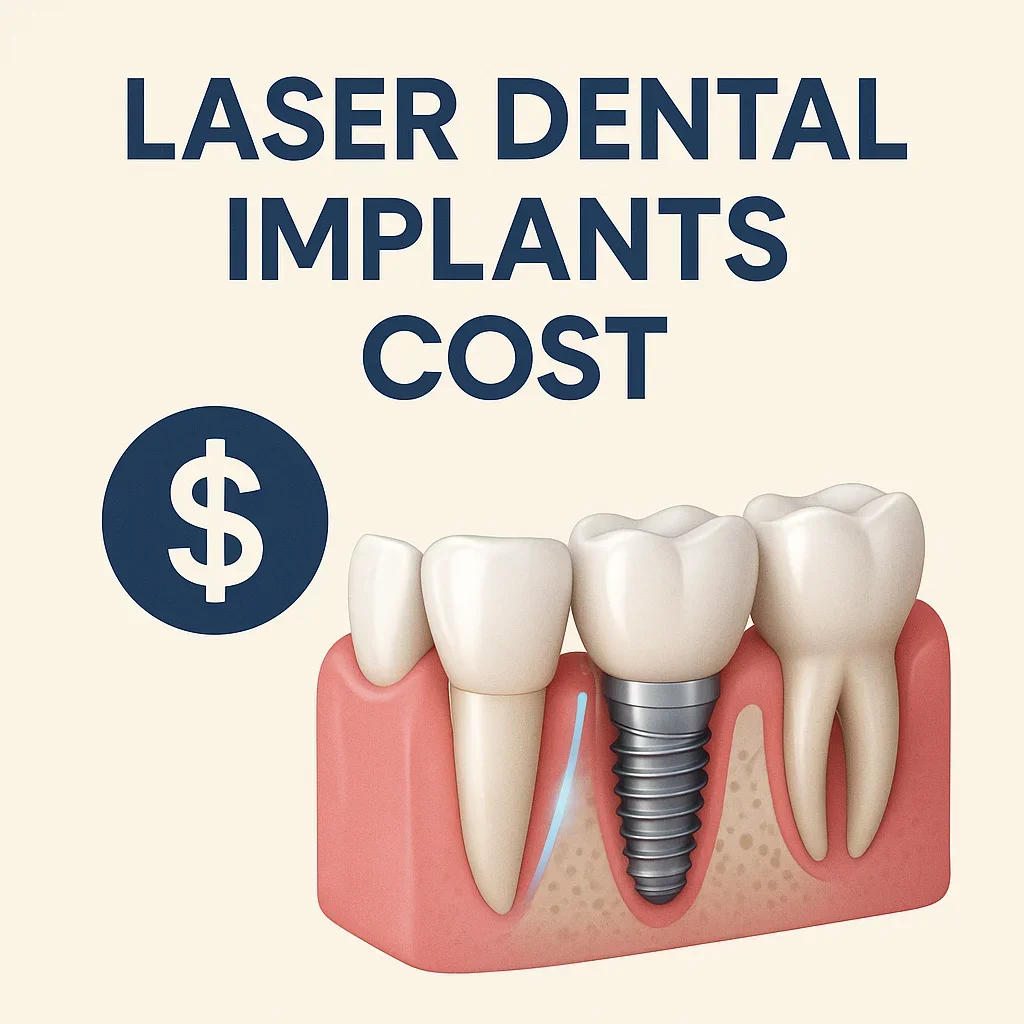
Choosing the Right Clinic for Affordable Laser Implant Treatment
Selecting the right dental clinic is one of the most important decisions in your implant journey. With the growing popularity of laser-assisted dentistry, thousands of clinics worldwide now offer high-tech implant solutions. However, not all providers deliver the same quality, transparency, or value. Understanding how to choose a reputable clinic helps you protect your oral health and ensure that the laser dental implants cost you pay leads to outstanding long-term results. This section provides a comprehensive, in-depth guide to evaluating clinics, checking credentials, comparing prices, and identifying trustworthy professionals who use advanced laser technology safely and effectively. 😊
Key Factors to Evaluate When Choosing a Clinic
Not all clinics operate with the same standards, level of expertise, or technology. Evaluating a provider carefully ensures you receive excellent value for the laser dental implants cost and reduces the risk of complications or unnecessary expenses. Below are the primary factors you should consider before making a final decision.
1. Dentist’s Qualifications and Experience
The surgeon’s expertise is one of the most influential factors in implant success. Look for a dentist who has years of experience, specialized implantology training, and certifications from reputable organizations.
Professionals with advanced training in laser-assisted implant surgery often deliver more predictable results. Their skills also ensure that the laser dental implants cost you invest yields a long-lasting, natural-looking restoration.
2. Type of Laser Technology Used
Not all lasers are the same. Some clinics use diode lasers for soft tissue, while others invest in premium CO₂ or Er:YAG systems that can perform both soft and hard tissue modifications.
Clinics equipped with modern laser systems generally offer smoother surgical experiences and faster healing times. These advantages influence—but often justify—the laser dental implants cost.
3. Implant Brand and Material Quality
The implant brand chosen directly impacts treatment longevity. Established brands with long-term research behind them tend to offer better osseointegration and durability.
This also means clinics using premium materials may have higher pricing, but the overall value behind the laser dental implants cost is often superior.
4. Digital Planning and Diagnostic Technology
High-quality clinics rely on 3D CBCT imaging, digital impressions, and computer-guided planning systems. These tools lead to more accurate implant placement, reduced surgical risk, and improved esthetic results.
Digital workflows also influence overall laser dental implants cost due to the advanced technology required, but they provide unmatched precision and safety.
Comparing Clinics: What to Look For
Before choosing a clinic, comparing several options helps you identify genuine value. The goal is not simply to find the cheapest provider but to ensure the quality-to-cost ratio is excellent.
Transparent Pricing Policies
Trustworthy clinics provide a clear, detailed breakdown of the laser dental implants cost. This includes consultation fees, imaging, surgical steps, implant material, abutment, crown, and follow-up visits.
Avoid clinics that give vague estimates or refuse to provide written documentation.
Patient Reviews and Before/After Photos
Reviews reveal a lot about the clinic’s reliability, communication style, and overall patient experience. Look for genuine testimonials, verified online reviews, and photographic results.
These real-life insights help ensure the laser dental implants cost you pay aligns with quality and patient satisfaction.
Clinic Certifications and Infection Control Standards
Clinics should adhere to strict sterilization protocols and modern infection control guidelines. Certifications from respected organizations reflect professionalism and commitment to patient safety.
Ensuring high sterilization and hygiene standards helps protect your investment in laser dental implants cost.
Understanding All-Inclusive Packages
Many clinics—especially in dental tourism destinations—offer all-inclusive implant packages. These typically cover accommodations, transportation, imaging, temporary crowns, and follow-up care.
All-inclusive packages often provide exceptional value for the final laser dental implants cost. However, patients should compare what is included and ensure the quality of materials and technology meets international standards.
What to Look For in All-Inclusive Deals
• Is the implant brand reputable?
• Does the clinic use modern laser systems?
• Are follow-up appointments included?
• What type of crown material is offered?
• Are pre- and postoperative medications covered?
The best clinics will provide full transparency and detailed explanations.
Evaluating Clinic Communication and Patient Care
Excellent communication is essential for a successful implant experience. You should feel comfortable asking questions, discussing concerns, and requesting detailed explanations.
Clinics with strong patient support make the entire journey—from consultation to recovery—smooth and stress-free. This contributes to the overall value perceived in the laser dental implants cost.
Key Signs of Good Clinic Communication
• Clear and timely responses
• Honest explanations about risks and outcomes
• Friendly and patient-centered approach
• Availability for emergency consultations
These elements are especially important for patients traveling internationally for treatment.
Red Flags to Avoid
Not all clinics maintain the same quality standards. Being aware of warning signs helps you avoid complications and wasted money.
Signs a Clinic Should Be Avoided
• No information about dentist credentials
• Unrealistically low pricing with no breakdown
• Outdated equipment or unclear sterilization protocols
• Pressure tactics or sales-driven communication
• Poor or unverified patient reviews
These red flags often indicate compromised safety or low-quality implants—both of which can undermine the value of your laser dental implants cost.
When to Seek a Consultation
Once you narrow down your choices, schedule consultations with your top clinics. This allows you to meet the dentist, learn about their approach, and evaluate whether you feel confident in their expertise.
During your consultation, consider asking about:
• Implant brands used
• Laser system type
• Digital planning tools
• Full procedure timeline
• Total treatment cost
For personalized professional guidance, you may reach out through the
Redent Klinik Contact Page.
For scientific standards and implant safety guidelines, visit the
American Dental Association.
Choosing the right clinic isn’t just about price—it’s about ensuring your laser dental implants cost delivers maximum value, safety, comfort, and long-term success. By carefully evaluating experience, technology, communication, and treatment quality, you can make a confident decision and enjoy exceptional results. 🌟